
- Chinese
- French
- German
- Portuguese
- Spanish
- Russian
- Japanese
- Korean
- Arabic
- Irish
- Greek
- Turkish
- Italian
- Danish
- Romanian
- Indonesian
- Czech
- Afrikaans
- Swedish
- Polish
- Basque
- Catalan
- Esperanto
- Hindi
- Lao
- Albanian
- Amharic
- Armenian
- Azerbaijani
- Belarusian
- Bengali
- Bosnian
- Bulgarian
- Cebuano
- Chichewa
- Corsican
- Croatian
- Dutch
- Estonian
- Filipino
- Finnish
- Frisian
- Galician
- Georgian
- Gujarati
- Haitian
- Hausa
- Hawaiian
- Hebrew
- Hmong
- Hungarian
- Icelandic
- Igbo
- Javanese
- Kannada
- Kazakh
- Khmer
- Kurdish
- Kyrgyz
- Latin
- Latvian
- Lithuanian
- Luxembou..
- Macedonian
- Malagasy
- Malay
- Malayalam
- Maltese
- Maori
- Marathi
- Mongolian
- Burmese
- Nepali
- Norwegian
- Pashto
- Persian
- Punjabi
- Serbian
- Sesotho
- Sinhala
- Slovak
- Slovenian
- Somali
- Samoan
- Scots Gaelic
- Shona
- Sindhi
- Sundanese
- Swahili
- Tajik
- Tamil
- Telugu
- Thai
- Ukrainian
- Urdu
- Uzbek
- Vietnamese
- Welsh
- Xhosa
- Yiddish
- Yoruba
- Zulu
- Kinyarwanda
- Tatar
- Oriya
- Turkmen
- Uyghur






komatsu pc75uu parts
When you type 'komatsu pc75uu parts' into a search, you're not just looking for a list. You're likely up against a deadline, a machine down, and the frustrating reality that not every part number is readily available through the usual channels. There's a common misconception that for an older model like the PC75UU, you're stuck between wildly expensive OEM parts from Komatsu or rolling the dice on questionable aftermarket copies. The truth is more nuanced, and the supply chain has evolved, especially in regions where official distribution was historically thin. I've seen too many guys overpay for a simple hydraulic hose assembly because they didn't know where to look, or worse, install a cheap cylinder that fails in a week.
The PC75UU's Legacy and Its Parts Reality
The PC75UU was a workhorse, a compact excavator that found its way into countless rental fleets and small to mid-size operations globally. Its longevity is a testament to its design, but that also means a lot of these machines are well past their first lifecycle. Komatsu, understandably, phases out official support for certain components. You'll find the main structural and engine parts are often still in the system, but the real headache starts with the peripherals: valve blocks, swing motor seals, specific sensor harnesses for its early electronic controls. I remember trying to source the pilot control lever assembly for a 1998 model; the official line was obsolete, but that doesn't mean the part doesn't exist.
This is where the landscape gets interesting. The aftermarket for Komatsu is vast, but quality is a jagged spectrum. For the PC75UU, you can't just buy based on price. A track link might look identical, but the alloy and heat treatment differ. I learned this the hard way on a site in Southeast Asia; we used a non-OEM link and it sheared within 200 hours, taking out a segment of the track chain. The downtime cost eclipsed any savings tenfold. It's not that all third-party is bad, but you need a supplier who understands the specification, not just the shape.
That's why entities that operate within the Komatsu ecosystem but with flexibility are crucial. I've worked with suppliers who are officially recognized but also bridge gaps. For instance, Jining Gaosong Construction Machinery Co., Ltd. positions itself interestingly. They note they are an OEM product supplier within the Komatsu system and a third-party sales company. In practice, this often means they can access genuine Komatsu-origin parts for models like the PC75UU that the local distributor might not stock, while also providing vetted, quality alternative components for parts that are genuinely NLA (No Longer Available). Their site, https://www.takematsumachinery.com, reflects this dual role. It's not just a parts catalog; it's a specific solution for parts supply challenges in certain countries, which is exactly the scenario many PC75UU owners face.
Sourcing Strategy: Beyond the Part Number
My approach now is layered. First, always cross-reference the part number. The PC75UU went through subtle changes. A pump from a '95 might not fit a '92 due to a flange change. I keep an old parts manual PDF for this exact reason. Once I have the exact number, I check the official channel for price and availability. If it's a 3-month backorder from Japan, that's a non-starter for an active project.
This is the point of divergence. I turn to specialized suppliers who understand these vintage models. The value of a company like the one mentioned isn't just inventory; it's their judgment. I might send them an inquiry for a final drive. Their response could be, We have a genuine Komatsu remanufactured unit with a warranty, but it's a 4-week lead time. Alternatively, we have a new assembly from a Korean manufacturer we've tested extensively on PC75UU models, with comparable specs, available now. That information—the testing note, the spec comparison—is what you're paying for. It's a professional judgment, not just a sales pitch.
I used them for a slew of undercarriage components—rollers, idlers—for a PC75UU we were refurbishing for resale. The communication was direct: they confirmed which rollers were OEM-spec and which were their site-tested alternative, with a clear price and performance difference. We mixed and matched based on the machine's intended use (light duty), saving money without compromising the core integrity. It was a practical, unglamorous solution that worked.
The Pitfalls and How to Avoid Them
Electronics and hydraulics are the two biggest risk areas. For the PC75UU's control system, I am extremely hesitant to use anything but OEM or certified-repaired units. A faulty controller board from an unknown source can cause erratic pump behavior, leading to catastrophic damage. I've seen it. For hydraulic parts—pumps, valves, motors—the tolerance is slightly higher, but you must insist on documentation: material certificates, test reports. A good supplier will provide these, or at least have a verifiable track record.
Another pitfall is assuming all parts are created equal for the PC75UU series. Komatsu often used the same part across multiple models. That final drive might be shared with a PC78UU. A knowledgeable supplier will know this cross-reference, potentially opening up more sourcing options. I once needed a swing bearing. The PC75UU-specific part was listed as discontinued everywhere. A supplier pointed out that with a minor spacer modification, the bearing from a newer PC130 model could be adapted. They provided the spacer and the instructions. That machine is still running today.
The failure? Early on, I trusted a glossy online parts marketplace that claimed to have OEM-quality PC75UU swing gears. They arrived poorly machined, with visible tooling marks in the gear teeth. They failed a spectrographic analysis. It was a costly lesson in verifying a supplier's technical depth before ordering critical drivetrain components. Now, I always ask for a previous case or a reference project.
The Value of an Ecosystem Supplier
So, back to Jining Gaosong and their stated mission. Being an OEM product supplier within the Komatsu system suggests a formal pipeline to genuine parts, which is vital for engine components, electronics, and certified remanufactured majors. Their role as a third-party sales company is what solves the real-world problem. They aren't bound by Komatsu's official phase-out schedules for every single komatsu pc75uu parts. They can continue to source, manufacture, or warehouse the parts that the market still demands, applying a quality filter based on experience.
This model is particularly effective for machines operating in secondary markets or for older fleets where pure OEM support is economically or logistically impractical. They help solve those supply challenges in certain countries by acting as a consolidated, knowledgeable hub. You're not dealing with a generic parts reseller; you're dealing with a company whose business is built around the Komatsu platform, including its legacy models.
For someone knee-deep in a PC75UU repair, this distinction matters. It means when you inquire about a main hydraulic valve, you might get a multi-option response: genuine, quality alternative, or a repair service for your core. That's the kind of practical, solution-oriented approach that comes from understanding the machine's lifecycle and the owner's needs, not just from reading a parts database.
Wrapping It Up: A Practical Mindset
Ultimately, dealing with komatsu pc75uu parts requires a blend of reverence for the original engineering and pragmatic acceptance of its age. You can't treat it like a new model, nor can you treat its parts like commodities. The supply chain has adapted, with players filling the gap between the official OEM and the risky generic aftermarket.
The key is to build relationships with suppliers who demonstrate technical knowledge of the specific model, who offer transparency about part origin, and who provide options. Look for those who describe their role as helping to solve parts supply challenges. That language indicates a problem-solving mindset, which is exactly what you need when your PC75UU is down and you need a reliable part, not just a boxed item.
It's less about finding the cheapest part and more about finding the most cost-effective solution for your machine's continued operation. Sometimes that's a genuine Komatsu part from an ecosystem supplier like Gaosong. Sometimes it's their vetted alternative. Knowing the difference, and having a supplier who can guide that choice, is what keeps these old warriors—and your project—running.
Related Products
Related Products

Best Selling Products
Best Selling Products-
 Komatsu 21N-26-31140 Bearing, price for original… — Pricing.Parts
 -
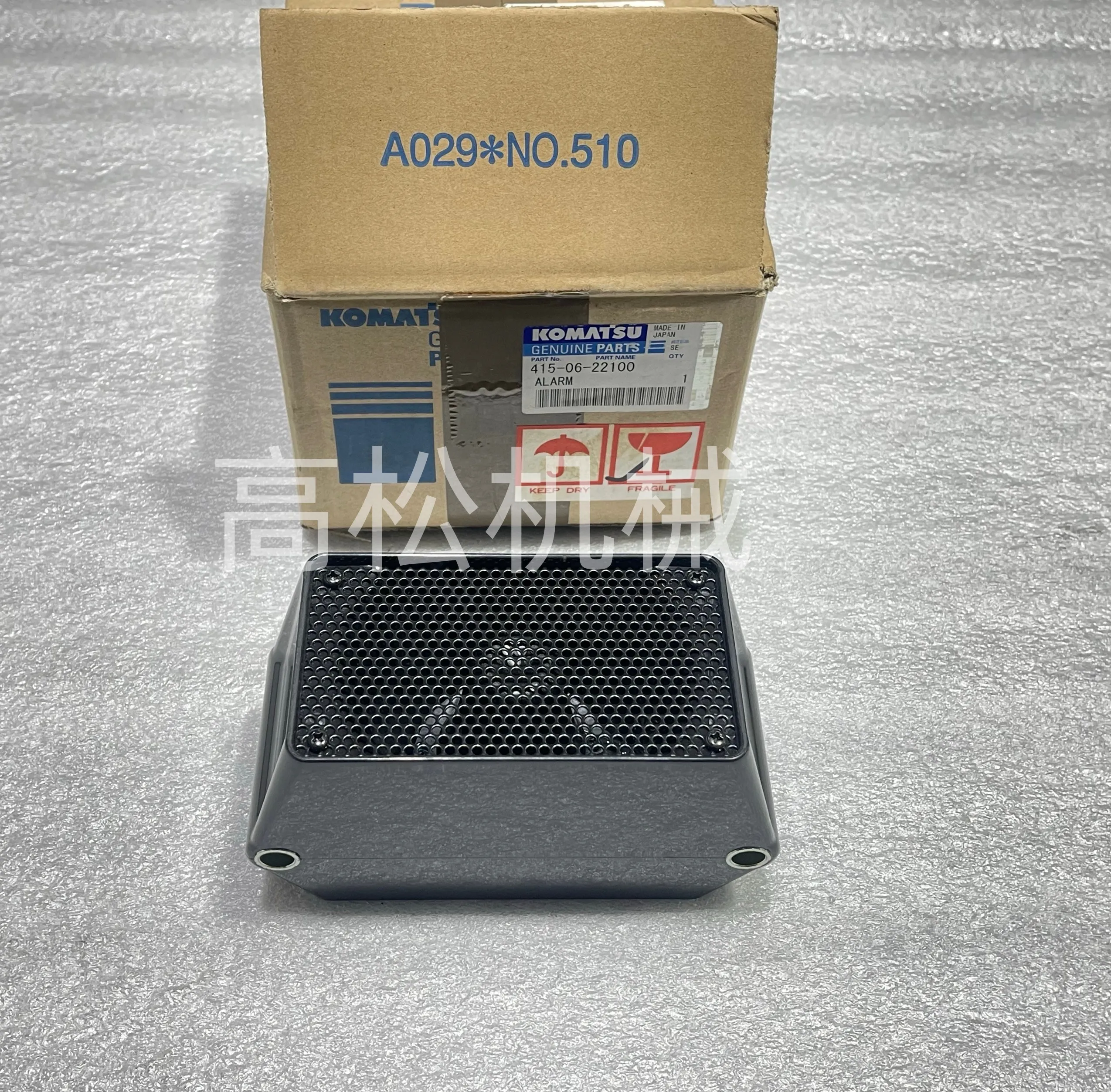 415-06-22100-ALARM.BACK-UP Komatsu Original Factory
 -
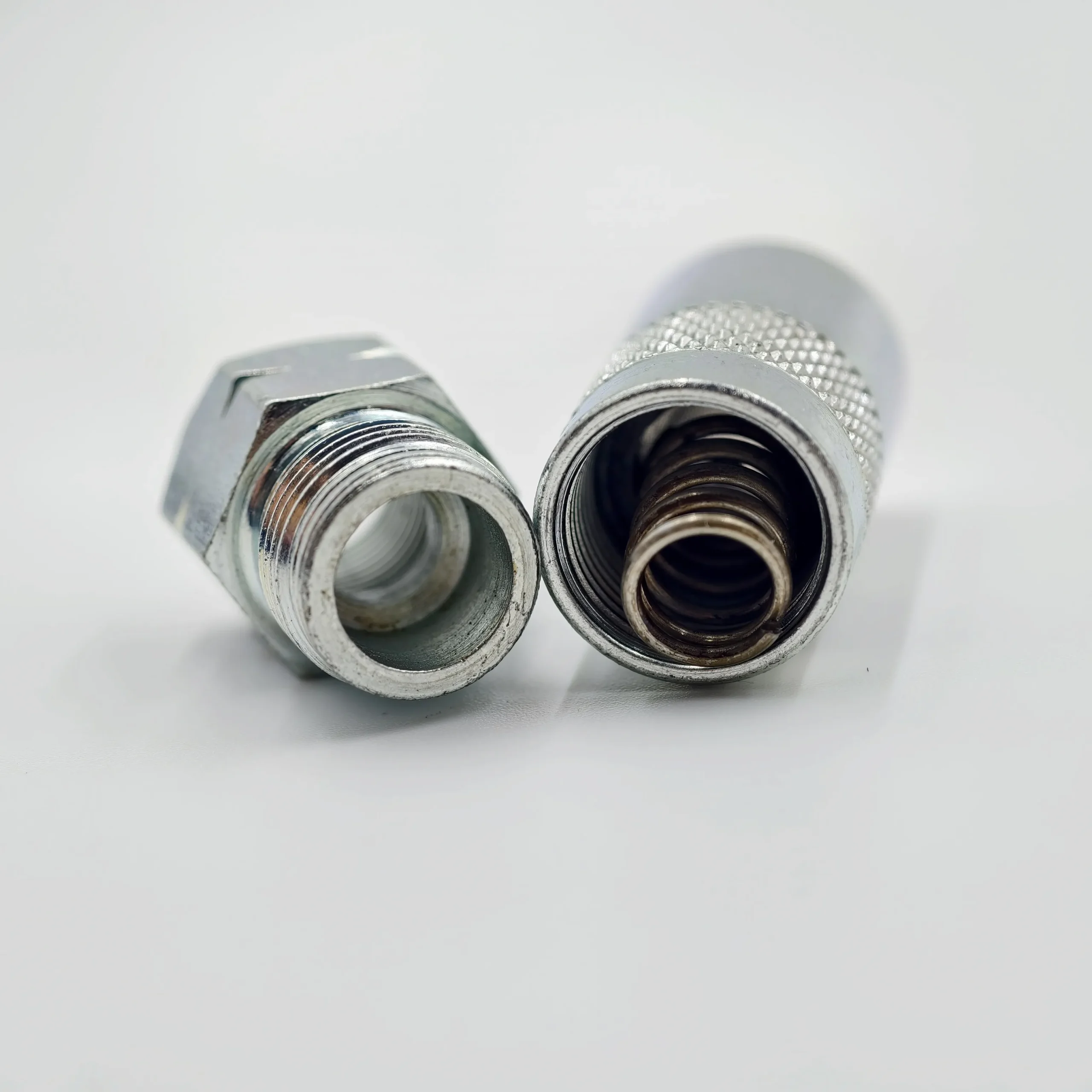 209-68-11640• COUPLER ASS’Y-Komatsu Original Factory
 -
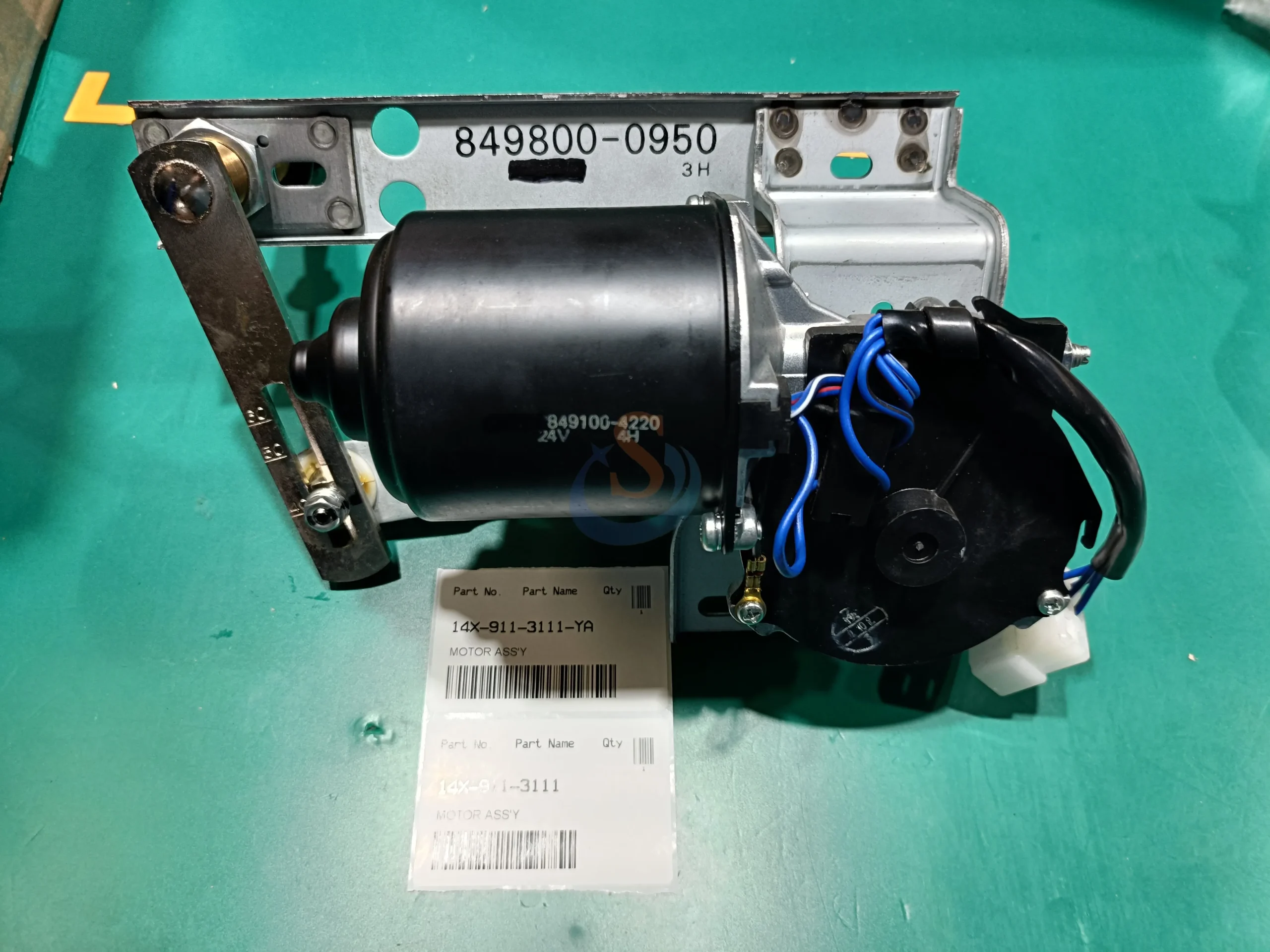 14X-911-3111,WIPER MOTOR ASS’Y,D155A,D275A,D375A
 -
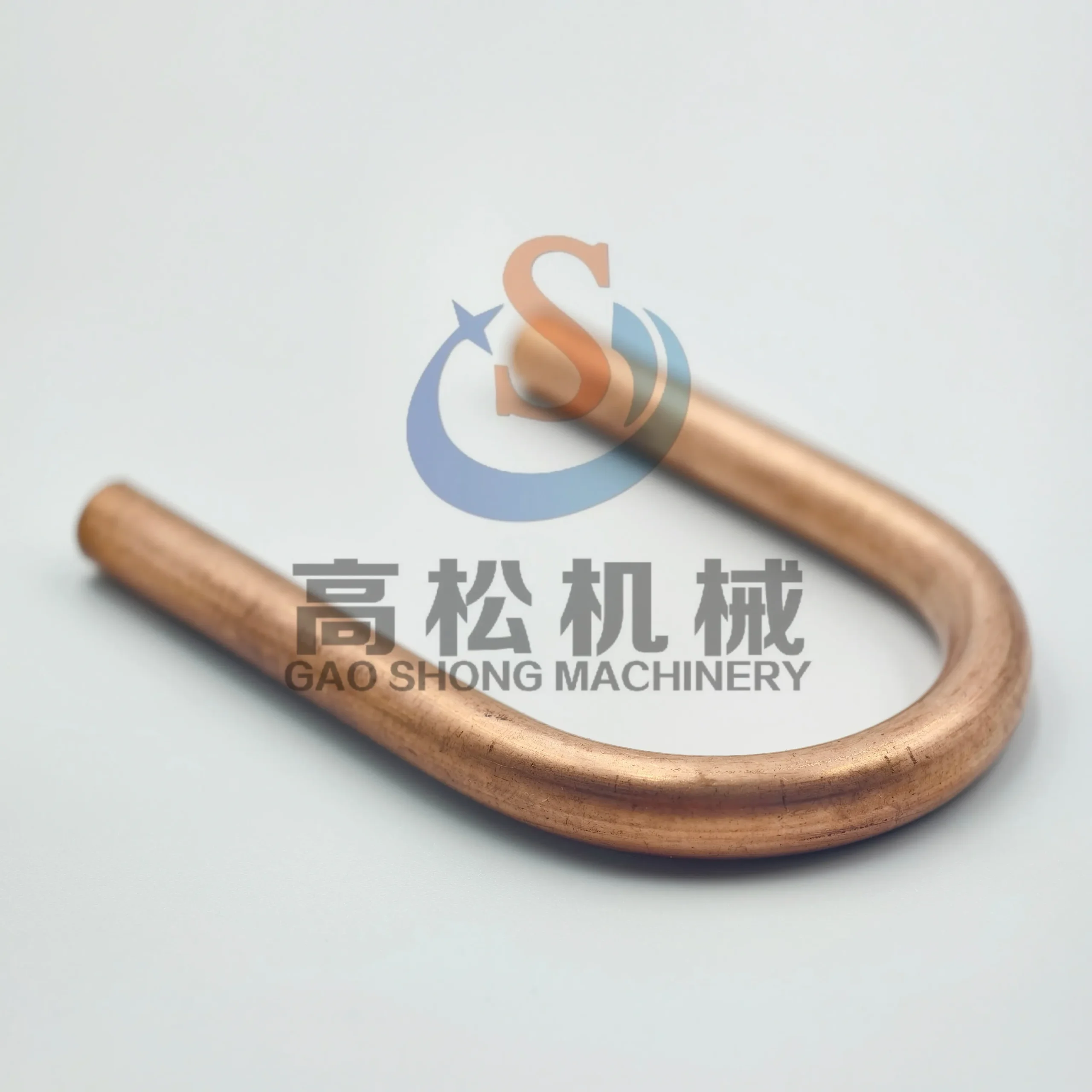 21N-68-32360 Komatsu Tube
 -
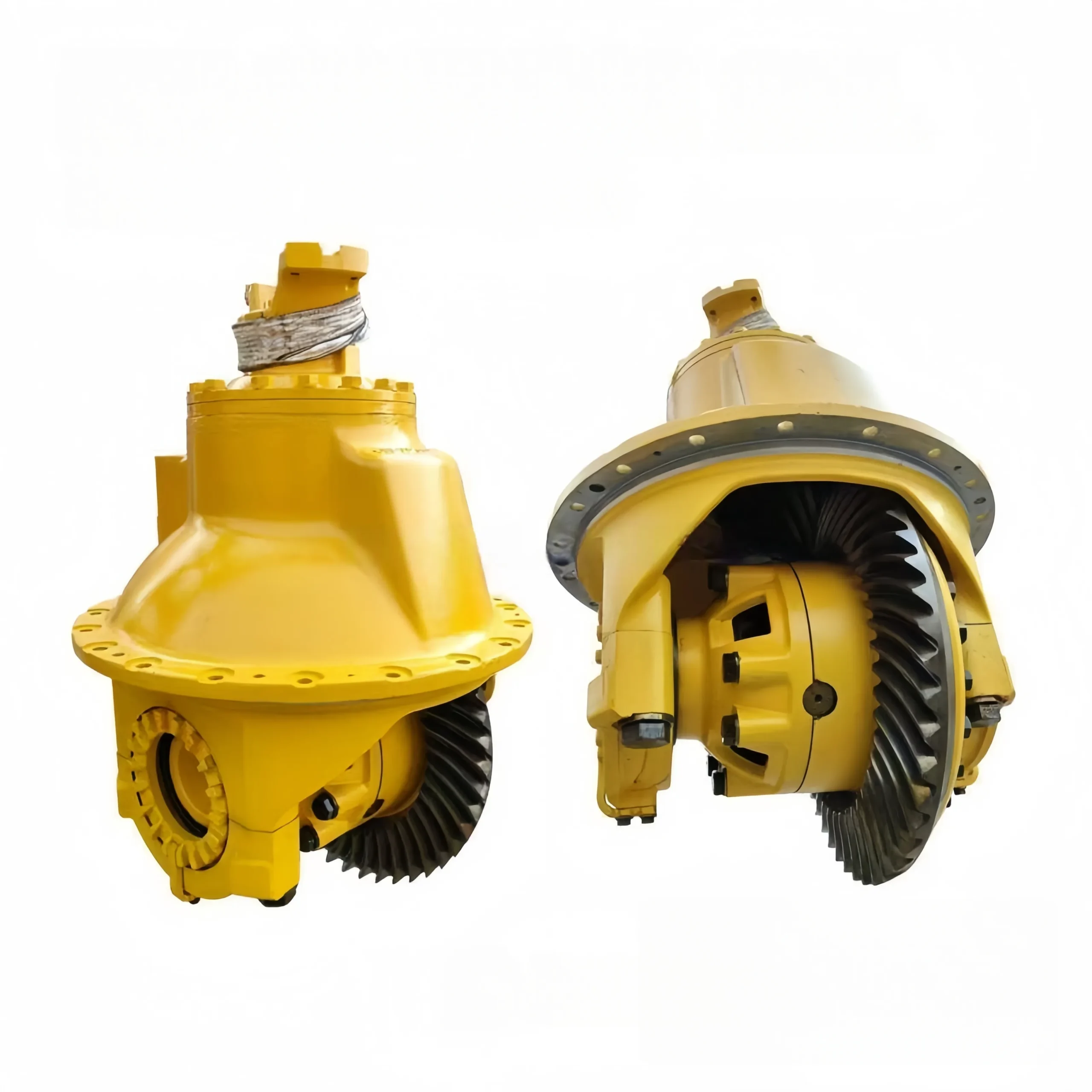 komatsu-part-569-22-71002 RM569-22-71002 569-22-71001 DIFFERENTIAL ASS’Y HD465-7 HD605-7 REAR AXLE (REAR DIFFERENTIAL)
 -
 Komatsu 21N-25-31130 WIRE
 -
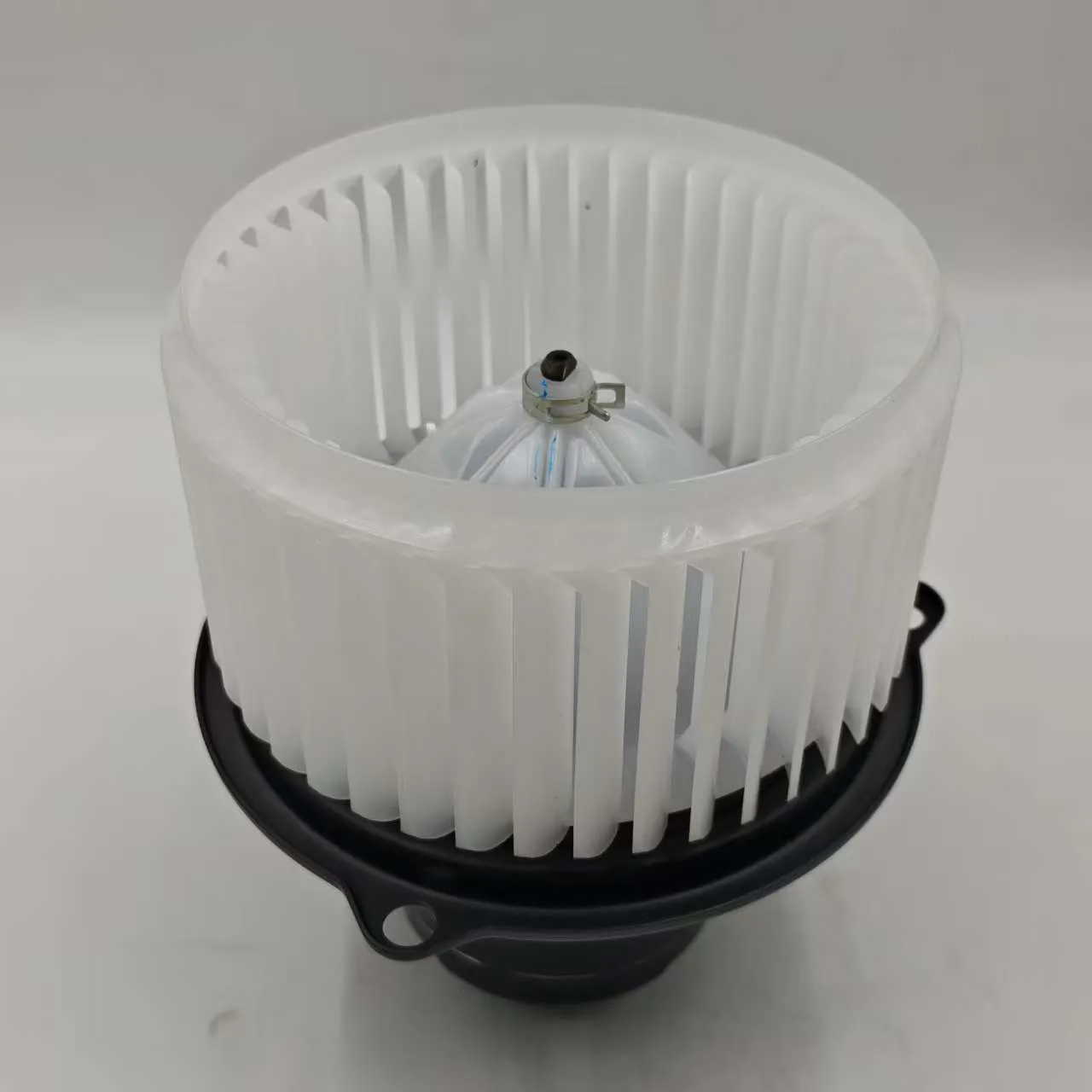 ND116340-3860 ND116340-3320 Compatible With Komatsu PC270LC-7 PC210 Blower Motor PC220 PC230 Excavators(12V)
 -
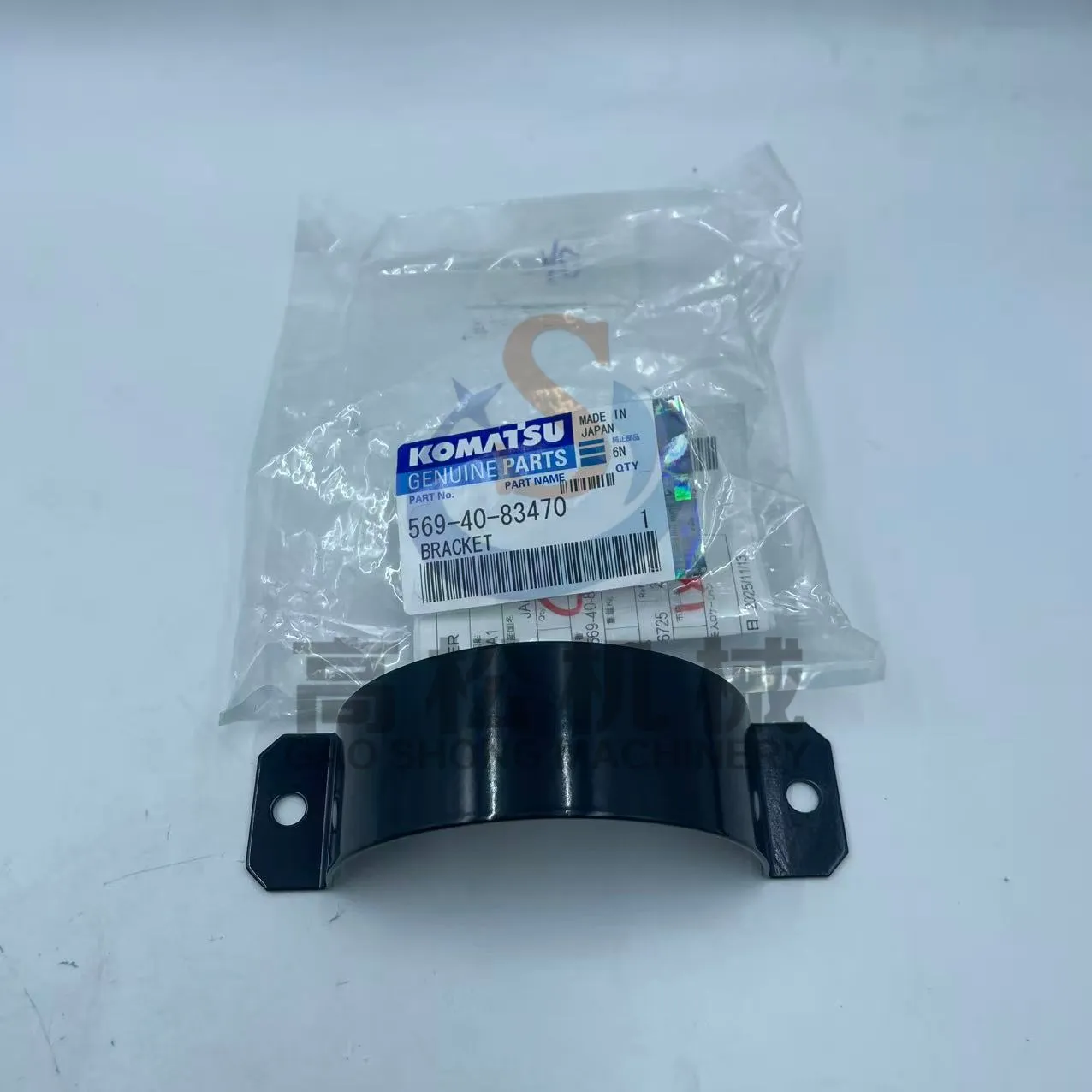 569-40-83470 Komatsu Bracket
 -
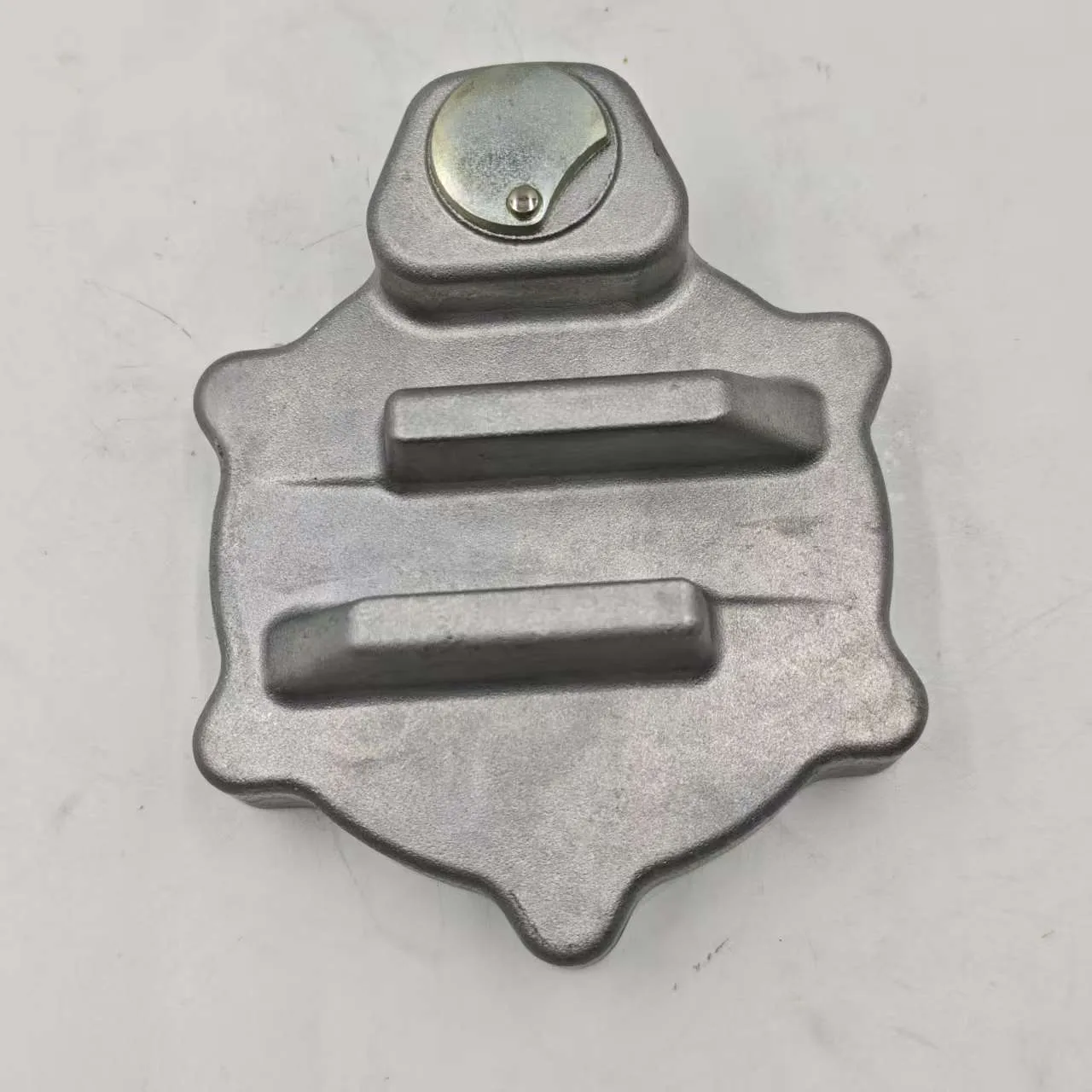 07053-10000 Cap-Radiator Fits KOMATSUU Models
 -
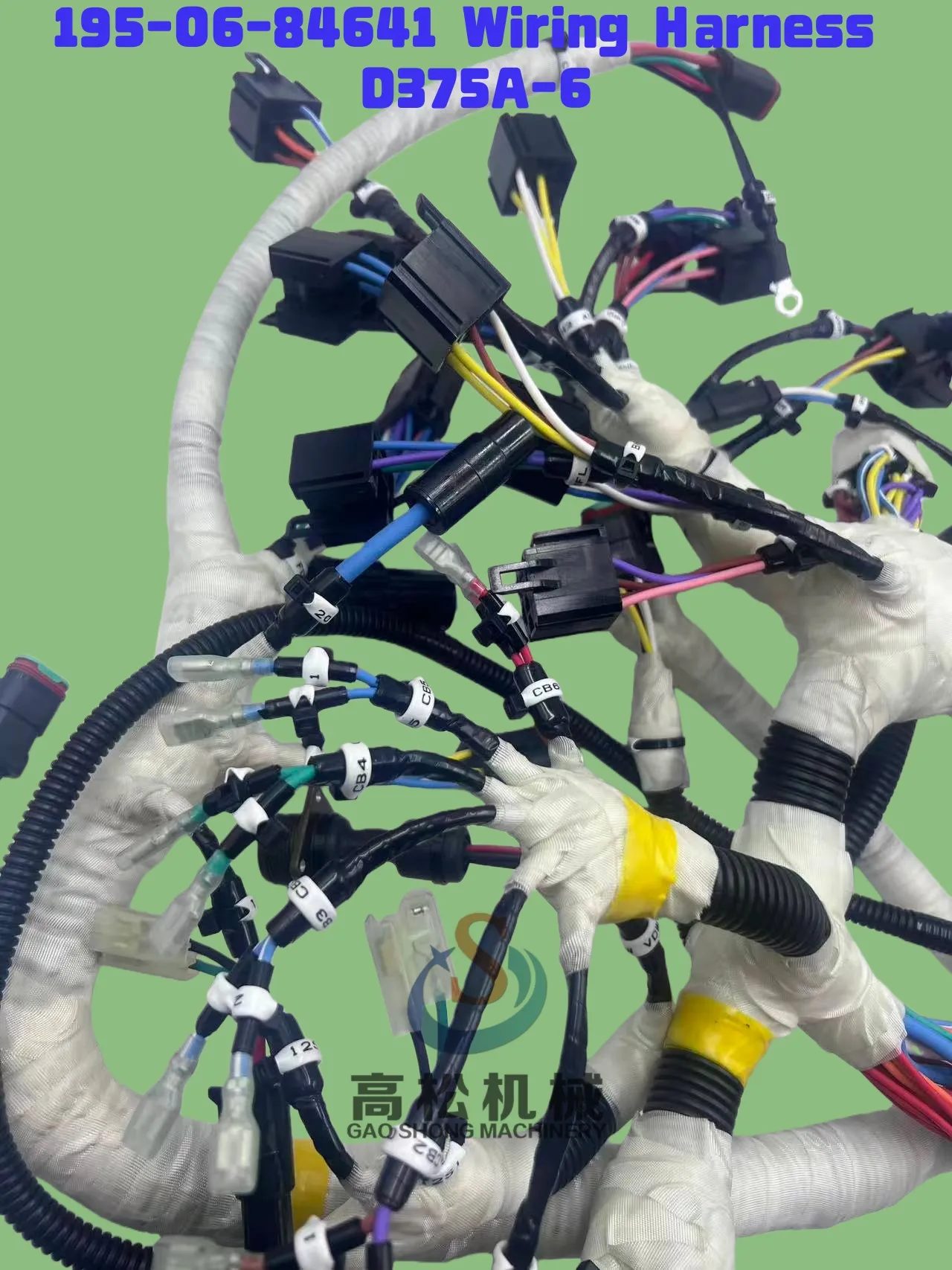 D375A-6Wiring harness 195-06-84641
 -
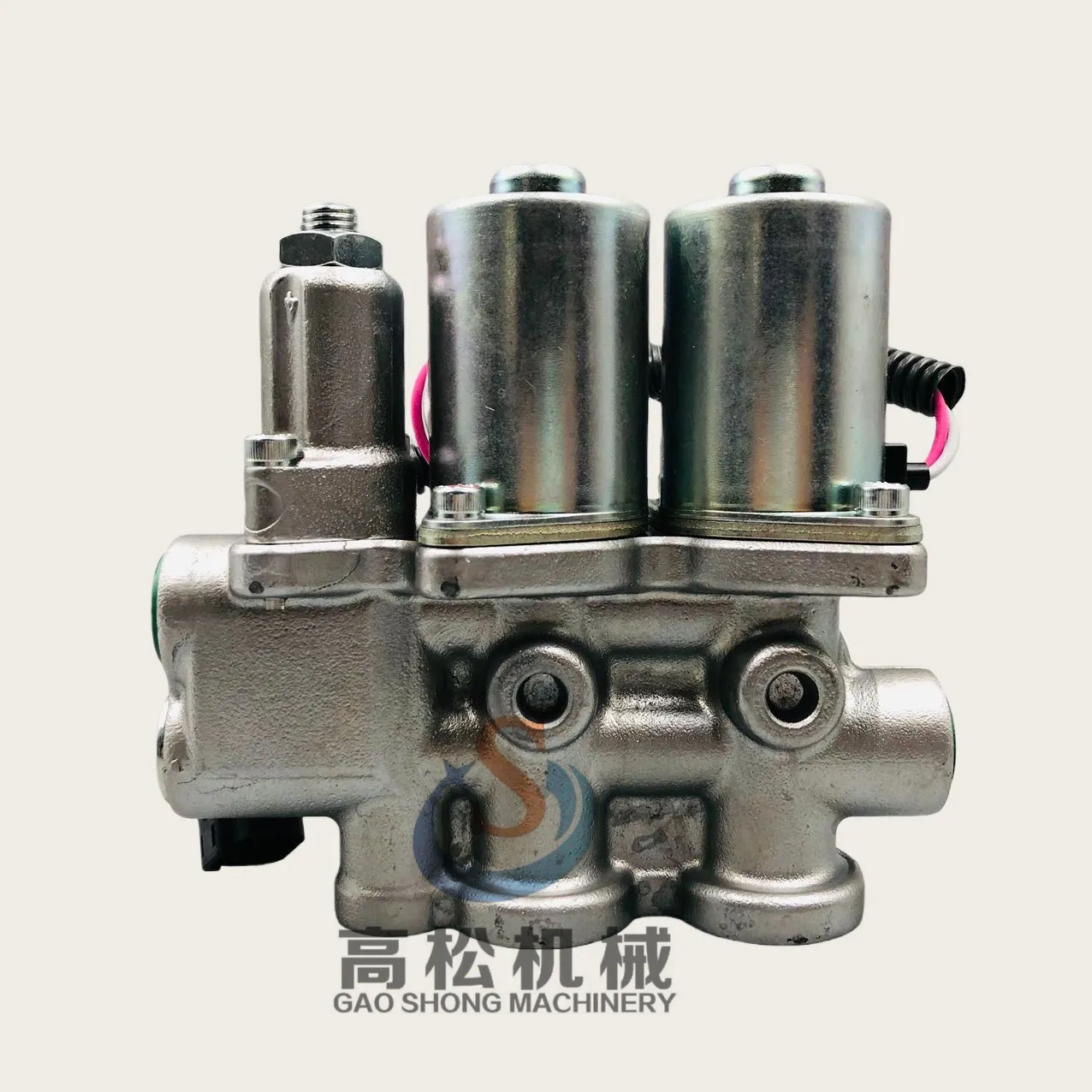 Solenoid Valve Assy 22F-60-31600