
- Chinese
- French
- German
- Portuguese
- Spanish
- Russian
- Japanese
- Korean
- Arabic
- Irish
- Greek
- Turkish
- Italian
- Danish
- Romanian
- Indonesian
- Czech
- Afrikaans
- Swedish
- Polish
- Basque
- Catalan
- Esperanto
- Hindi
- Lao
- Albanian
- Amharic
- Armenian
- Azerbaijani
- Belarusian
- Bengali
- Bosnian
- Bulgarian
- Cebuano
- Chichewa
- Corsican
- Croatian
- Dutch
- Estonian
- Filipino
- Finnish
- Frisian
- Galician
- Georgian
- Gujarati
- Haitian
- Hausa
- Hawaiian
- Hebrew
- Hmong
- Hungarian
- Icelandic
- Igbo
- Javanese
- Kannada
- Kazakh
- Khmer
- Kurdish
- Kyrgyz
- Latin
- Latvian
- Lithuanian
- Luxembou..
- Macedonian
- Malagasy
- Malay
- Malayalam
- Maltese
- Maori
- Marathi
- Mongolian
- Burmese
- Nepali
- Norwegian
- Pashto
- Persian
- Punjabi
- Serbian
- Sesotho
- Sinhala
- Slovak
- Slovenian
- Somali
- Samoan
- Scots Gaelic
- Shona
- Sindhi
- Sundanese
- Swahili
- Tajik
- Tamil
- Telugu
- Thai
- Ukrainian
- Urdu
- Uzbek
- Vietnamese
- Welsh
- Xhosa
- Yiddish
- Yoruba
- Zulu
- Kinyarwanda
- Tatar
- Oriya
- Turkmen
- Uyghur






komatsu pc75uu 2 parts manual
When you punch 'komatsu pc75uu 2 parts manual' into a search bar, you're not just looking for a PDF. You're likely up against a deadline, a machine down, and the frustrating gap between the official parts diagrams and what's actually available on the ground. The PC75UU-2, a solid mid-size machine from its era, presents a classic case: the manual is your bible, but it doesn't tell you which parts are NLA (no longer available) from Komatsu, which aftermarket versions hold up, or where to source that obscure hydraulic line fitting. Too many operators think the manual is the end of the story; in reality, it's just the starting point for the real puzzle.
The Manual is a Map, Not the Territory
I've got a dog-eared copy of that parts manual on my server. It's invaluable for identifying the Komatsu part number for, say, the swing gearbox assembly or the PCV (pilot control valve) block. But the schematic for the control lever linkage doesn't show you the wear pattern that actually causes slop in the controls—you learn that by pulling three of them apart and seeing the same bushing shot every time. The manual lists the seal kit for the track motor, but it won't warn you that a specific batch from the late 2000s had a slightly different gland nut, requiring a shim that isn't in the standard kit. This is where pure documentation falls short.
We used to rely heavily on the official channels, but for older models like the PC75UU-2, the supply can be intermittent. I remember a job in Southeast Asia where we needed the final drive sprocket seal. Official distributor quoted a 12-week lead time, which was a non-starter. The manual gave us the spec, but we had to cross-reference it with a compatible SKF seal number we sourced locally to keep the machine running. That's the daily reality.
This gap is precisely why entities like Jining Gaosong Construction Machinery Co., Ltd. have found their niche. Checking their portal at takematsumachinery.com, their positioning as an OEM product supplier within the Komatsu system and a third-party solver for parts challenges makes sense. For a model like the PC75UU-2, they might have access to original Komatsu stockpiles or have vetted alternative sources for those hard-to-find components, which is more valuable than the manual itself.
Sourcing Beyond the Part Number
The biggest headache with the PC75UU-2 often isn't the major components—it's the dumb parts. Brackets, pins, bolts, hose clamps specific to the machine's layout. The manual lists them, but no one stocks them. You end up reverse-engineering from the diagram, taking measurements, and having them fabricated. A company that understands this, like the one mentioned, isn't just selling parts; they're providing a translation service from the manual to the physical world.
I've had mixed results with aftermarket undercarriage parts for this model. Some brands work fine for the bottom rollers, but the track links often don't have the same hardness, leading to premature stretch. The manual doesn't tell you that. You learn by trying, failing, and talking to other mechanics. A supplier that has done this vetting—claiming OEM-level quality—saves you that trial and error. Their claim of helping to solve parts supply challenges in certain countries directly addresses the dead ends you hit after consulting the komatsu pc75uu 2 parts manual.
Another practical issue: electrical components. The sensors and solenoids on the PC75UU-2 are getting old. The manual gives you the Komatsu number, but the actual manufacturer (like Hitachi or Yaskawa) is often obscured. A good third-party supplier will have the cross-reference data, offering a genuine Komatsu box or the exact OEM equivalent, which is crucial for compatibility with the machine's sometimes-touchy control system.
When the Manual Leads to a Dead End
There was a specific case with a PC75UU-2's hydraulic pump regulator. The manual showed an exploded view, but the actual unit on the machine had a minor revision—a different spring seat. The part number in the manual was superseded three times, and the latest version wouldn't fit without modifying the housing. We wasted two days on that. This is the challenge they talk about. A specialist supplier should have the technical bulletins or the experience to flag that issue before the part ships.
It also comes down to inventory logic. A main dealer will prioritize current models. Why would they stock a cab mounting rubber for a 20-year-old excavator? But a company focusing on solving supply gaps might just have it, or know a sub-supplier who does. Their business model is built on the long tail of parts that the official system de-prioritizes, which is the lifeline for keeping older machines like the PC75UU-2 operational.
This isn't about cheap alternatives. It's about availability and technical clarity. When you're holding a failed part in one hand and the manual in the other, you need someone who can connect those two dots with a real, shippable solution. The manual provides the language; you need a partner who can converse in it.
The Value of Aggregated Experience
What you really want from a parts resource isn't just a catalog that mirrors the manual. You want the annotations. Notes like fits serial numbers before XXXXXX, or use Loctite 574 on this flange, or this valve is often misdiagnosed; check the pilot pressure first. This tacit knowledge is gold. A supplier entrenched in this specific ecosystem, like Jining Gaosong, presumably accumulates this from field returns and technician feedback, making them more than just a warehouse.
For instance, the travel motor on the PC75UU-2. The manual shows its assembly. But in high-silt environments, the case drain line fitting is prone to cracking. It's a five-dollar part that can kill a ten-thousand-dollar motor. A sharp supplier might list that fitting as a common wear item right next to the motor listing, proactively addressing the failure mode they've seen repeatedly. That's the difference.
Ultimately, searching for the parts manual is step one. Step two is finding a supply chain that understands the context around those diagrams. The manual is static. The market for its parts is dynamic, full of obsolescence, revisions, and workarounds. Your success in fixing the machine depends on navigating that second layer, where practical availability meets documented specification.
Closing the Loop: From Diagram to Delivery
So, the next time you download that PDF, remember it's only half the tool. The other half is a reliable conduit to the physical parts. It's about pairing the technical authority of the manual with a supply partner that has the depth and focus to support legacy models. For a machine like the Komatsu PC75UU-2, that combination is what turns a stalled repair into a successful one.
Companies positioning themselves at this intersection—OEM knowledge plus third-party flexibility—are addressing the core pain point. They're not replacing the manual; they're enabling its use. You use the manual to diagnose and identify, then you use a specialized channel to procure with confidence, knowing the part will fit and function as the original engineers intended, even decades later.
It's a niche, but a critical one. The manual gives you the what. Your experience and the right supplier help you figure out the how and where. And that's what keeps these old workhorses, reliably and profitably, in the field.
Related Products
Related Products
Best Selling Products
Best Selling Products-
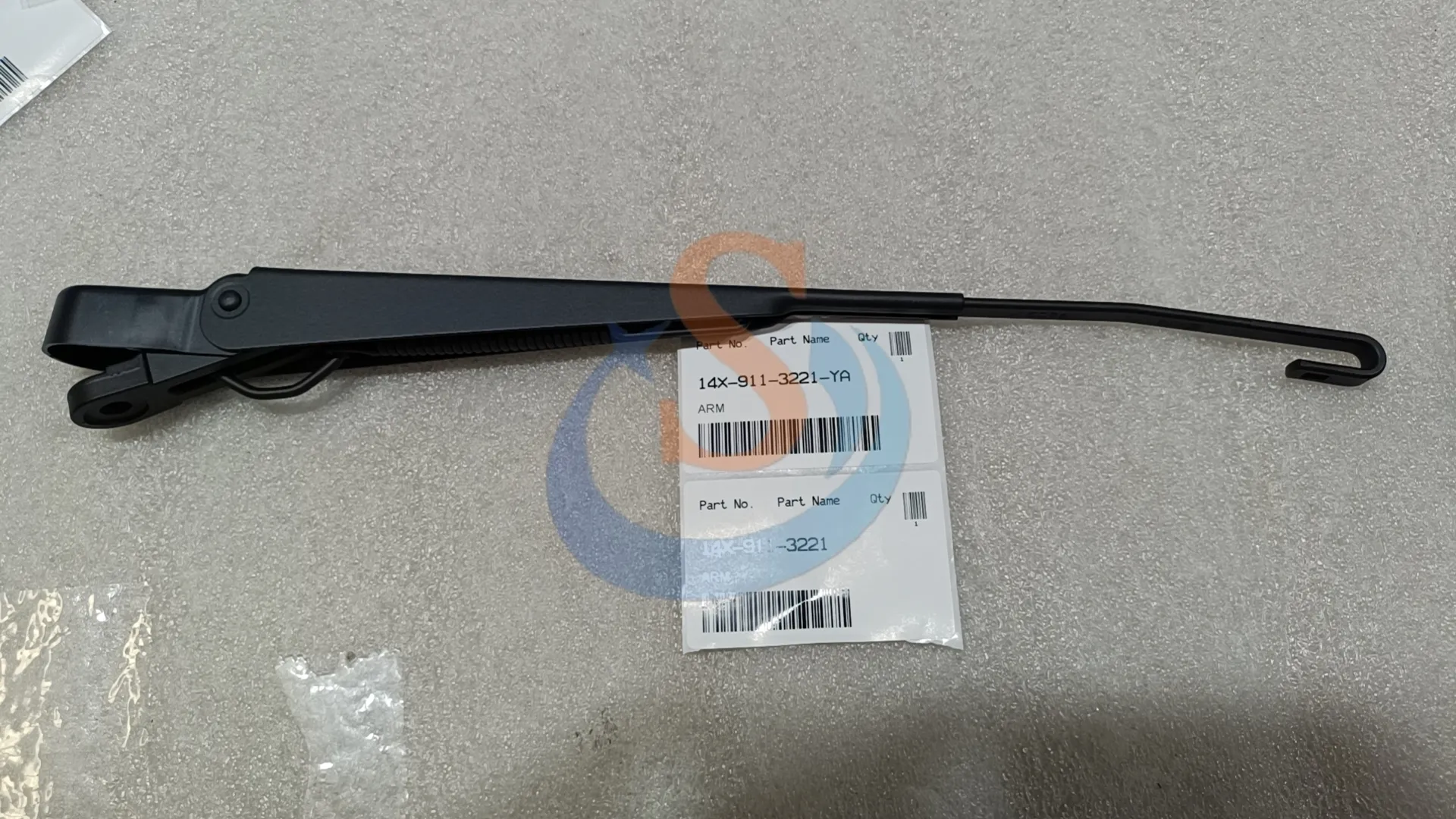 14X-911-3221,ARM,D155AX,D375A,D475A
 -
 Komatsu original D155A-3 Valve Assembly 17A-49-21100
 -
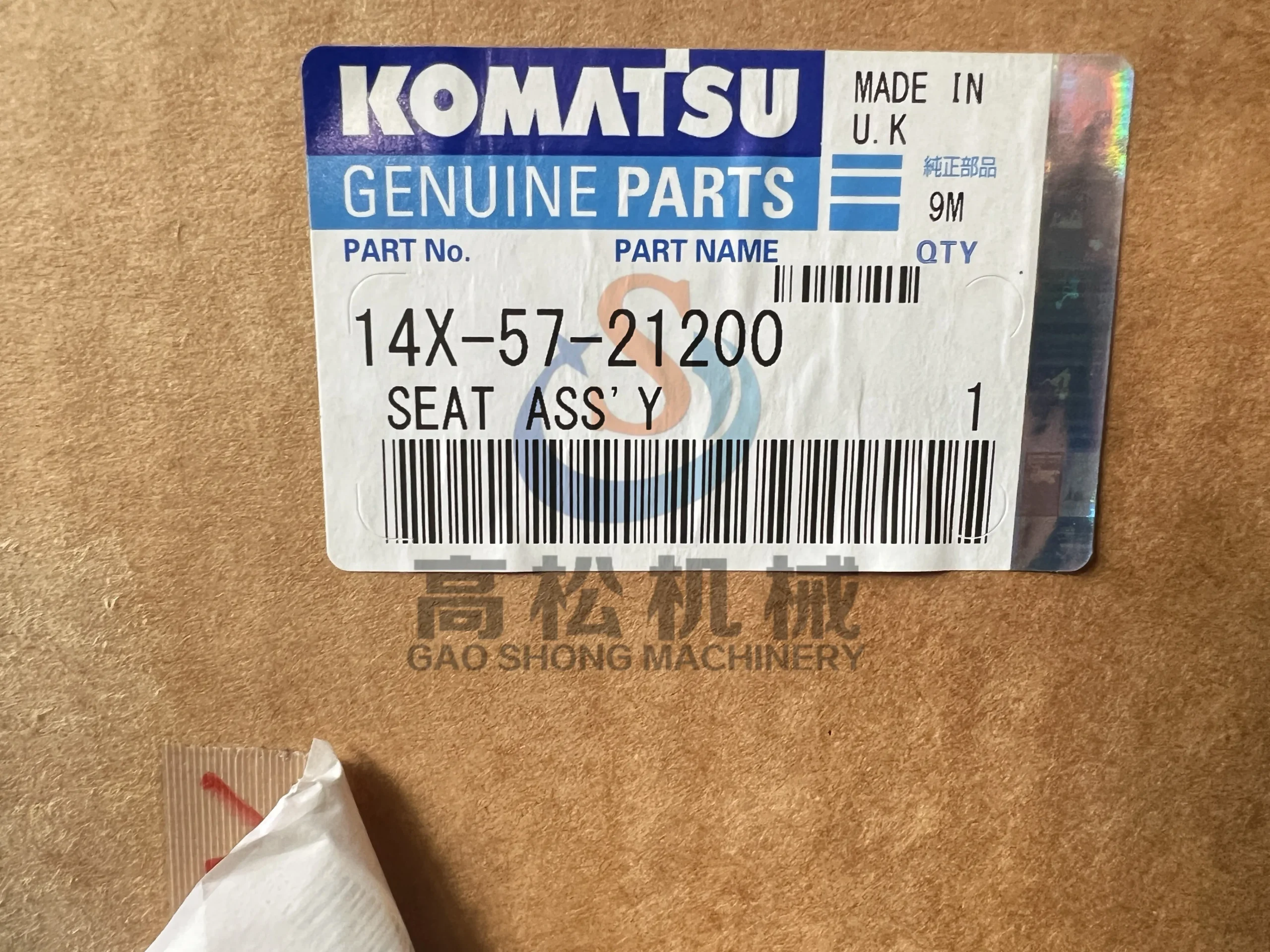 14X-57-21200 Komatsu SEAT ASS’Y,LEATHER
 -
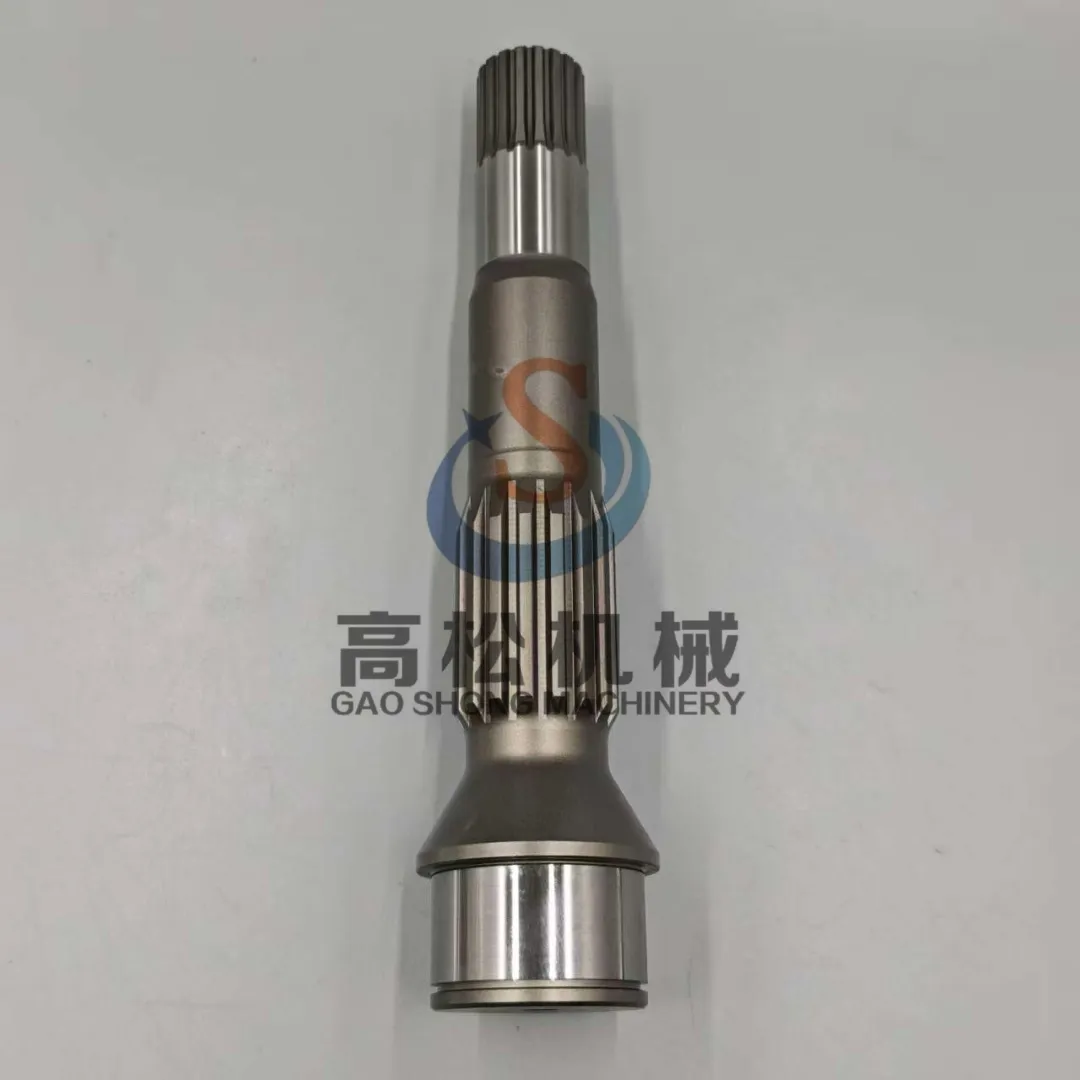 708-2G-12121 Shaft Drive L Fits Komatsu PC300-7 PC360-7 PC350-7 HPV140 Pump
 -
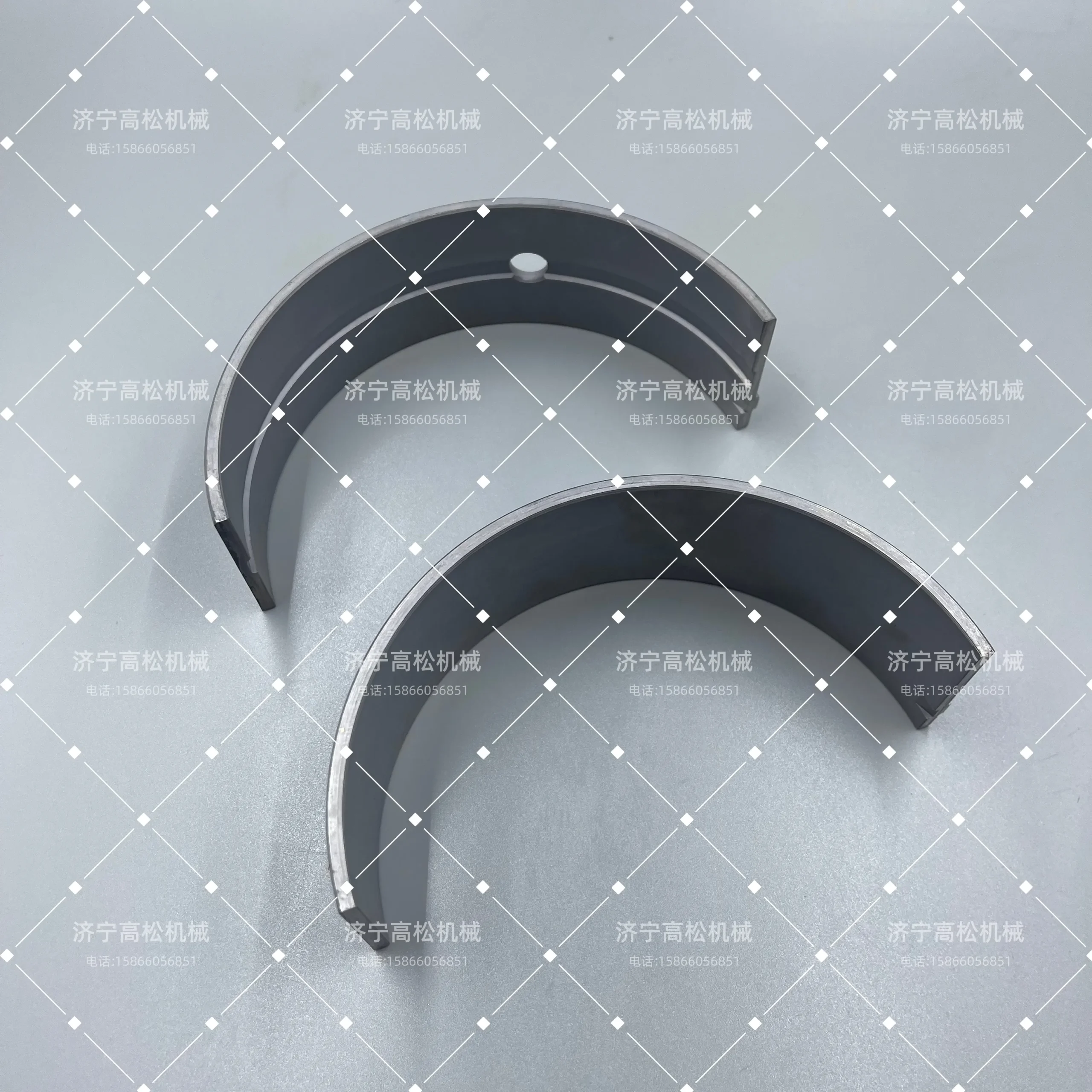 Komatsu Main Bearing STD – 6162-23-8010
 -
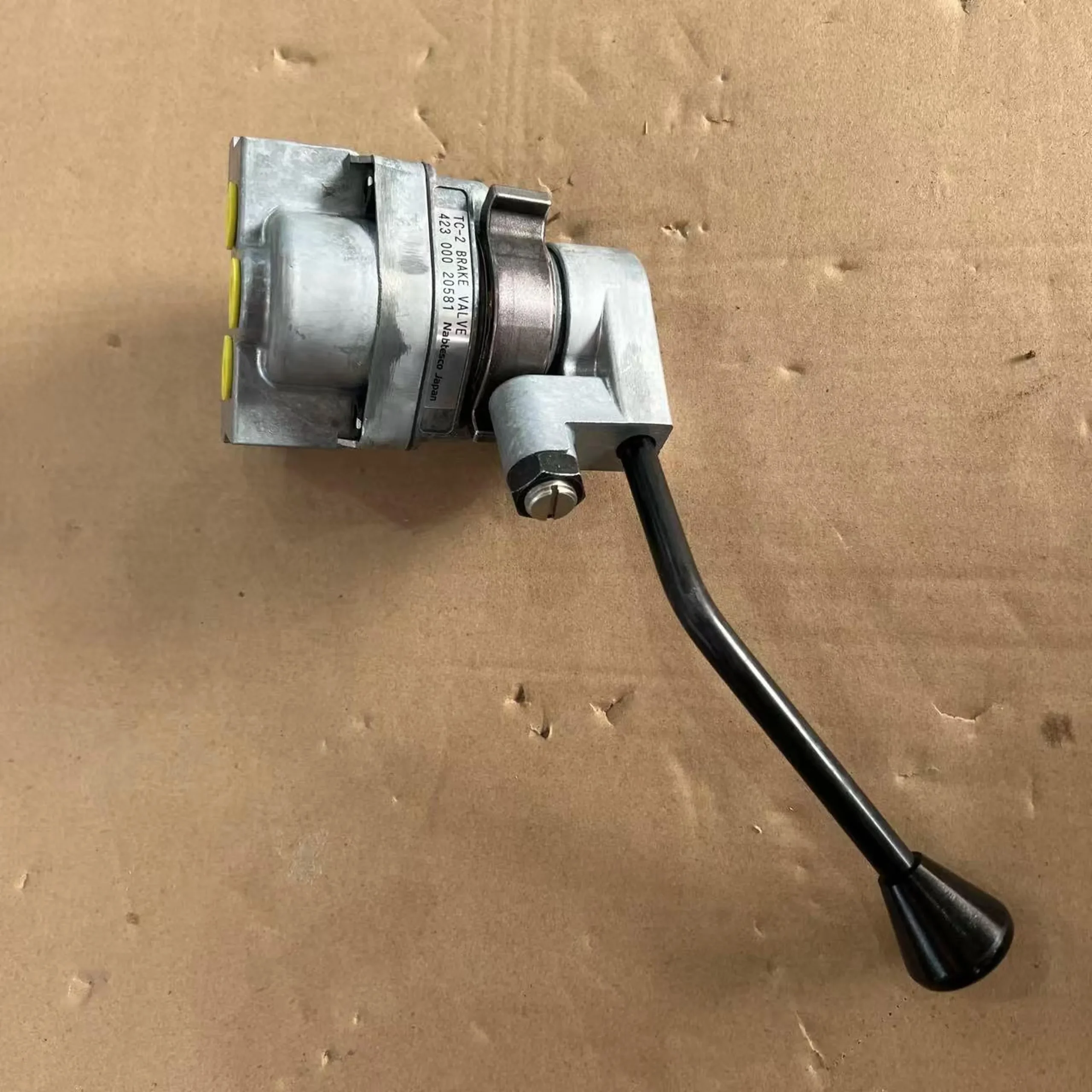 Brand New and Original RETARDER VALVE ASS’Y 561-35-62203 Valve Assembly for komatsu HD605-5 HD465-5 HD405-6 Dump Trucks
 -
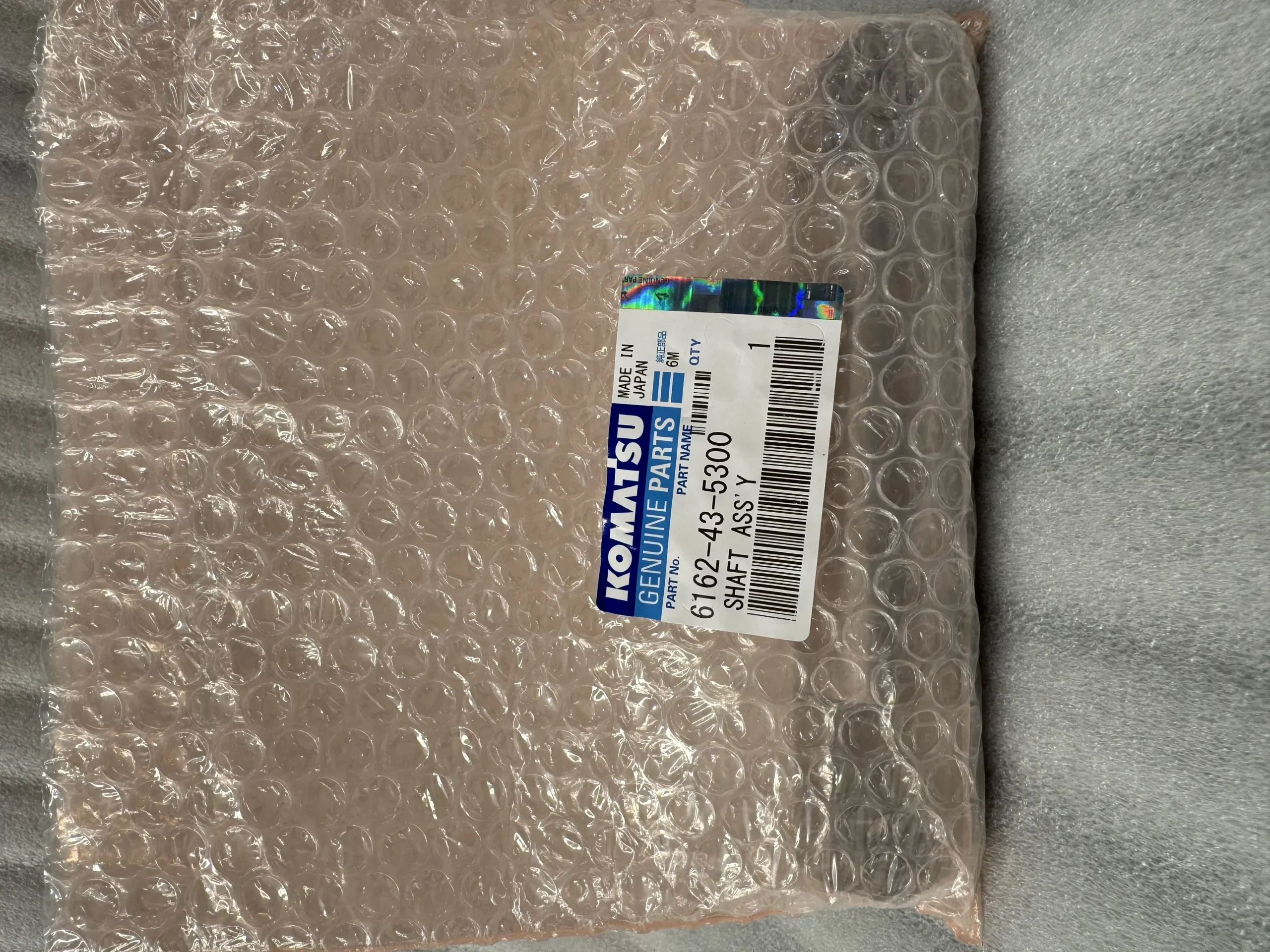 6D170-2 rocker arm shaft 6162-43-5300
 -
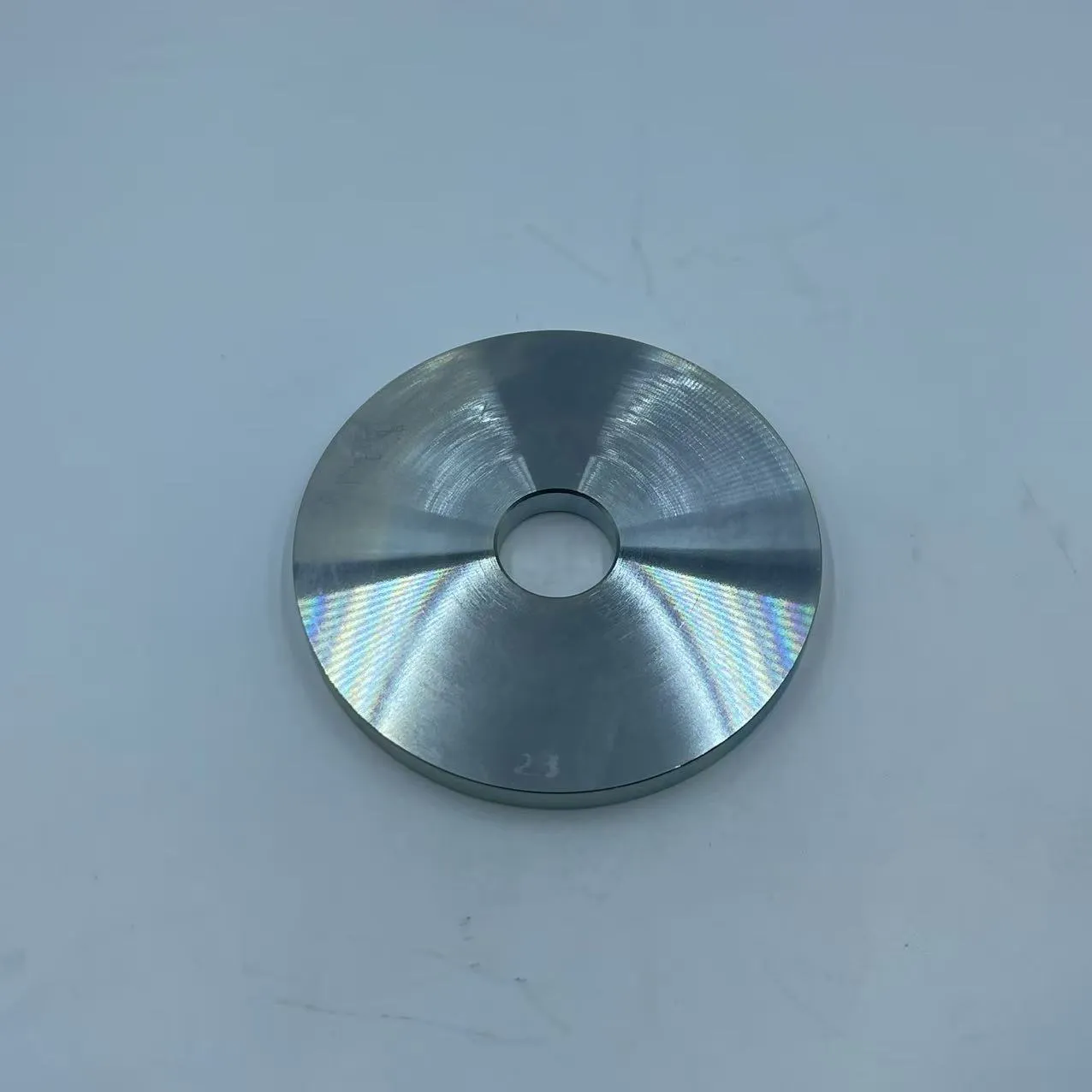 PLATE – 195-04-42170
 -
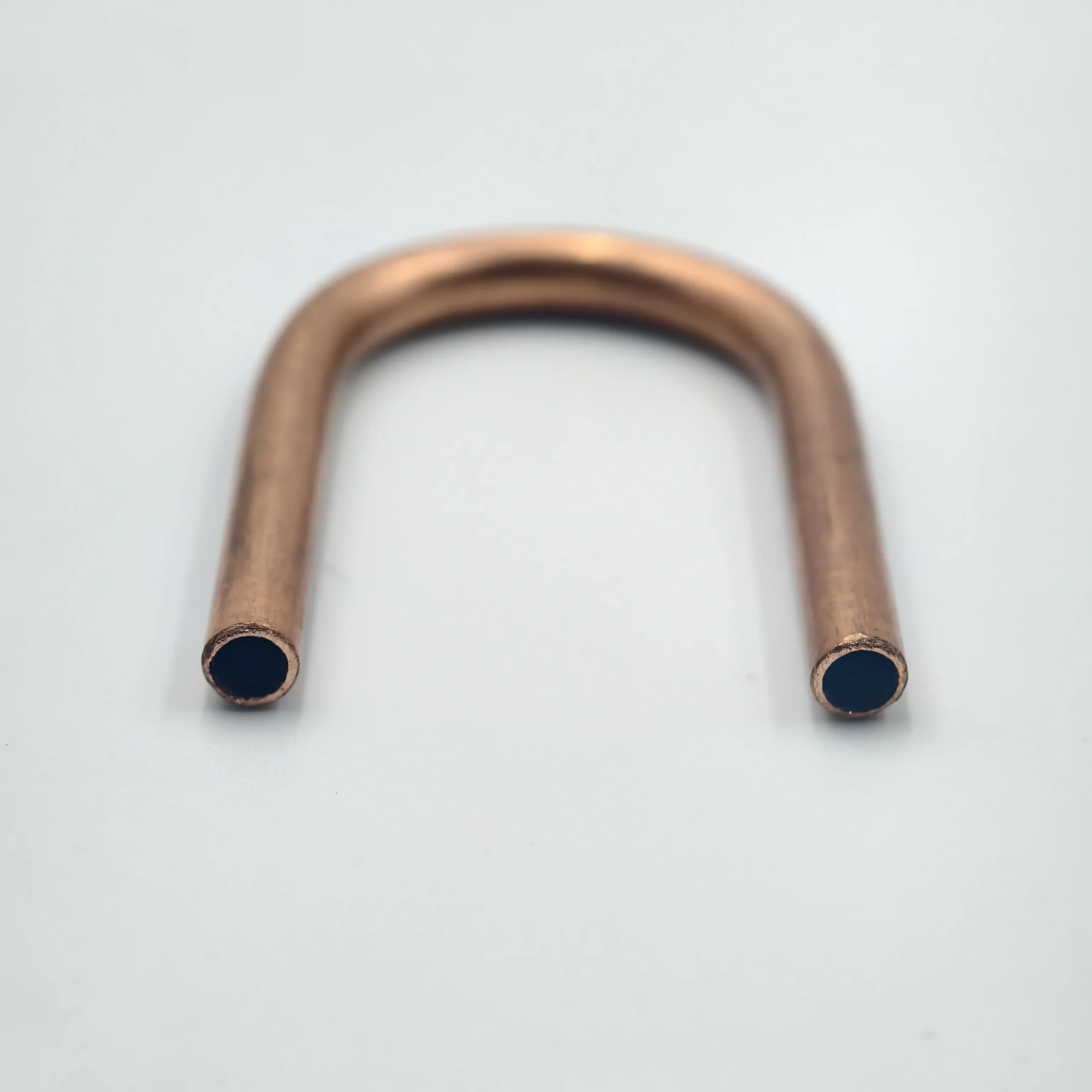 TUBE 21N-68-32360 – KOMATSU.
 -
Komatsu Excavator PC1250 Flange 21N-62-11361
-
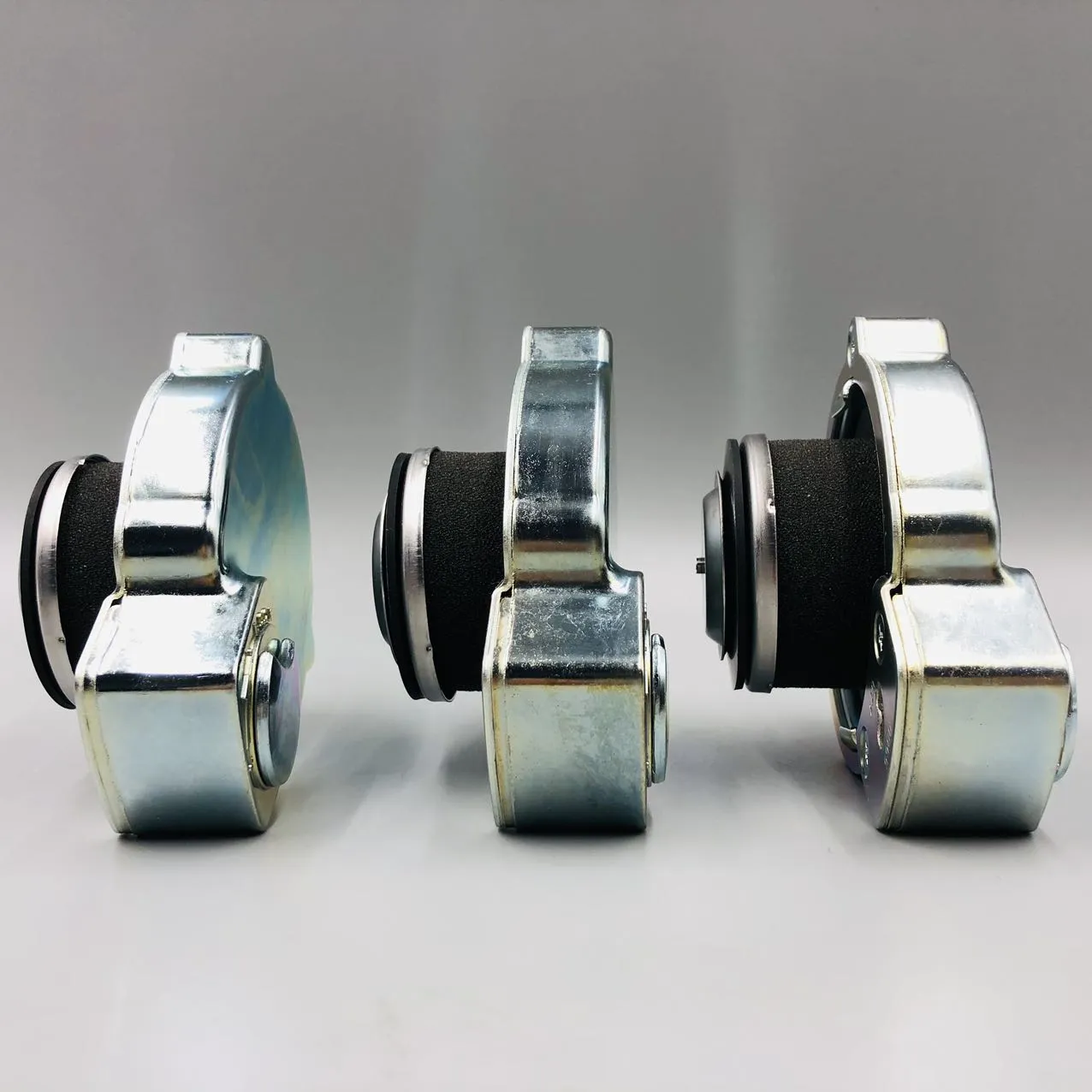 17A-60-11310Hydraulic oil cap assembly
 -
 TUBE 21N-68-32360 – KOMATSU