
- Chinese
- French
- German
- Portuguese
- Spanish
- Russian
- Japanese
- Korean
- Arabic
- Irish
- Greek
- Turkish
- Italian
- Danish
- Romanian
- Indonesian
- Czech
- Afrikaans
- Swedish
- Polish
- Basque
- Catalan
- Esperanto
- Hindi
- Lao
- Albanian
- Amharic
- Armenian
- Azerbaijani
- Belarusian
- Bengali
- Bosnian
- Bulgarian
- Cebuano
- Chichewa
- Corsican
- Croatian
- Dutch
- Estonian
- Filipino
- Finnish
- Frisian
- Galician
- Georgian
- Gujarati
- Haitian
- Hausa
- Hawaiian
- Hebrew
- Hmong
- Hungarian
- Icelandic
- Igbo
- Javanese
- Kannada
- Kazakh
- Khmer
- Kurdish
- Kyrgyz
- Latin
- Latvian
- Lithuanian
- Luxembou..
- Macedonian
- Malagasy
- Malay
- Malayalam
- Maltese
- Maori
- Marathi
- Mongolian
- Burmese
- Nepali
- Norwegian
- Pashto
- Persian
- Punjabi
- Serbian
- Sesotho
- Sinhala
- Slovak
- Slovenian
- Somali
- Samoan
- Scots Gaelic
- Shona
- Sindhi
- Sundanese
- Swahili
- Tajik
- Tamil
- Telugu
- Thai
- Ukrainian
- Urdu
- Uzbek
- Vietnamese
- Welsh
- Xhosa
- Yiddish
- Yoruba
- Zulu
- Kinyarwanda
- Tatar
- Oriya
- Turkmen
- Uyghur






komatsu pc75uu 2 parts
When you punch 'komatsu pc75uu 2 parts' into a search, you're not just looking for a bolt or a seal. You're likely up against downtime, facing the specific quirks of a machine that's seen better days. The PC75UU-2, that early 2000s midi excavator, has a reputation for being a solid workhorse, but its age now presents a unique puzzle. The biggest misconception? That all parts labeled for it are created equal or even available through a single channel. The reality is a fragmented landscape of OEM, aftermarket, and genuine surplus, where the right supplier makes all the difference between a quick fix and a month-long headache.
The Core Challenge: What Makes the UU-2 Different
It's not just another PC75. The UU series, particularly the -2, had specific regional configurations and a hydraulic system that was a transition point in Komatsu's design. I've seen guys order a main control valve for a standard PC75, only to find the port threads and relief settings are off by just enough to cause a leak or a performance drop. The swing motor assembly is another one. The later models used a slightly different spline count. You think you've got the right part, but when you go to mount it, it's a no-go. That's a costly mistake in both parts and labor.
This is where the origin matters. A company that was embedded in the Komatsu system during that production era has a leg up. They have the old microfische, the supersession charts, and know which serial number breaks applied. For instance, the track link assembly for machines under serial 5000 had a different pin bore tolerance. A generic aftermarket link might fit a later machine but will wallow out prematurely on an early UU-2. You need a supplier who asks for your serial number first, not just the model.
I recall a job in Southeast Asia where we had a UU-2 with a failing travel motor. The local dealer quoted a 12-week lead time and a price that nearly wrote off the machine. We turned to a specialized third-party supplier, one that positioned itself as solving supply chain gaps. They cross-referenced the part to a compatible unit from a different regional model (a PC78, if memory serves) they had in stock. Got us running in 10 days. That's the kind of practical knowledge you're after.
The OEM vs. Third-Party Dilemma in Practice
The pure OEM route is straightforward but often prohibitive. For a machine this old, Komatsu may have discontinued many parts, or they're on a slow-boat production schedule from Japan. You'll get perfection, but you'll pay for it in cost and time. The aftermarket is flooded with options, but quality is a massive gamble. I've used cheap aftermarket pilot control joysticks that developed dead zones within 200 hours.
The sweet spot, in my experience, is a hybrid supplier. A company that is, as their website states, an OEM product supplier within the Komatsu system. This means they have access to genuine Komatsu supply lines for parts still in production. But crucially, they are also a third-party sales company for Komatsu. This dual role is key. It allows them to source genuine parts from global stockpiles, offer remanufactured units with proper core exchange programs, and even supply high-quality, vetted aftermarket alternatives for non-critical components. They aren't locked into one channel.
For example, we needed an engine side cover gasket for a PC75UU-2. The OEM part was unavailable. A standard aftermarket one would likely weep. The supplier, Jining Gaosong Construction Machinery Co., Ltd., provided a gasket from a manufacturer that originally supplied Komatsu's sister plants. It was functionally identical, right down to the embossed sealing bead pattern. It worked flawlessly. That's the value of their stated mission: helping to solve parts supply challenges in certain countries. They understand the blockage and work around it.
Critical Components and Common Failures
Let's get into the nitty-gritty. The PC75UU-2's Achilles' heel, in my observation, is often the hydraulic system. The main pump, a Kawasaki K3V112DT, is robust but expensive to replace outright. A qualified reman from a trusted source is the most economical path. The issue is the servo pistons and the swashplate wear. A poor-quality reman will just repeat the failure cycle in a year.
Another high-failure item is the swing bearing. Water ingress and lack of greasing kill it. When sourcing a replacement, the material hardness and the sealing groove dimensions are critical. I've seen bearings advertised for the PC75UU-2 that were softer metal. They lasted half the expected service life. A supplier with OEM lineage will ensure the metallurgy spec is correct, even if the part isn't in a Komatsu box.
Then there are the electronics. The controllers and sensors are getting rare. Sometimes, the only solution is a used part from a salvage machine. A good supplier will have a network for tested, pulled components. I needed a throttle controller module once. Takematsu Machinery (their operational name, it seems) sourced a working unit from a decommissioned machine in another market, tested it, and shipped it. It beat waiting for a mythical new old stock.
The Procurement Mindset: Avoiding Pitfalls
Never order based on a picture alone. I learned this the hard way with a boom cylinder. The photo looked right, but the mounting lug width was off by 10mm. Always demand a part number cross-check. A reliable supplier will provide the Komatsu part number and their own cross-reference. If they don't ask for your machine's serial number, be very wary.
Communication is another tell. When you're dealing with a complex part like the PC75UU-2 final drive, you need to talk details: input flange type, brake configuration, reduction gear ratio. If the sales contact can't engage on that level and just reads a catalog description, you're dealing with a middleman, not a specialist. The good ones will ask clarifying questions you hadn't even considered.
Finally, consider the total cost of ownership. The cheapest seal kit might save you $50 but cost you $500 in fluid loss and another day of downtime to redo the job. For core components, paying a 20-30% premium to a knowledgeable supplier like Jining Gaosong for a part with proven lineage is almost always the cheaper long-term option. They're not just selling a widget; they're selling a solution that gets a specific, aging machine back to work reliably.
Wrapping It Up: Beyond the Search Term
So, 'komatsu pc75uu 2 parts' is really a search for expertise as much as for hardware. It's about finding a partner who understands the machine's history, its vulnerabilities, and the current supply chain maze. The goal isn't just to find a part, but to find the correct part that fits, functions, and lasts.
The market is split between dealers with limited old-stock interest, generic parts websites, and a few niche players. The niche players who operate within the OEM framework but with third-party flexibility are becoming essential for keeping these older, yet still capable, machines viable. They fill the gap that the official channels often can't or won't.
It comes down to this: when your UU-2 is down, you need more than a catalog. You need judgment calls, alternative sourcing paths, and technical validation. That's what turns a simple parts search into a successful repair. The right supplier saves you from the trial and error that so many of us had to go through the hard way.
Related Products
Related Products

Best Selling Products
Best Selling Products-
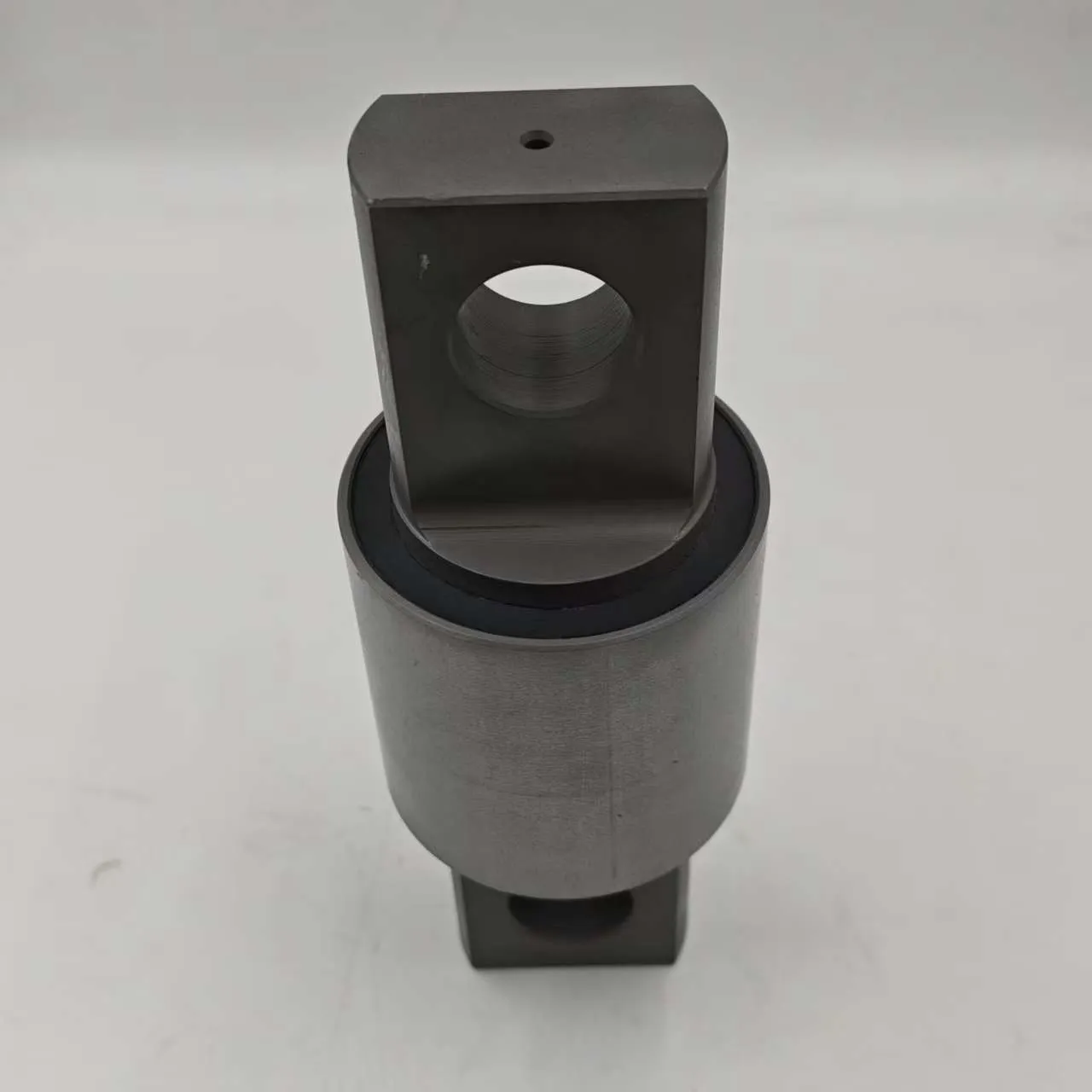 Komatsu hinge card HM350 shock absorber 56B-16-11211
 -
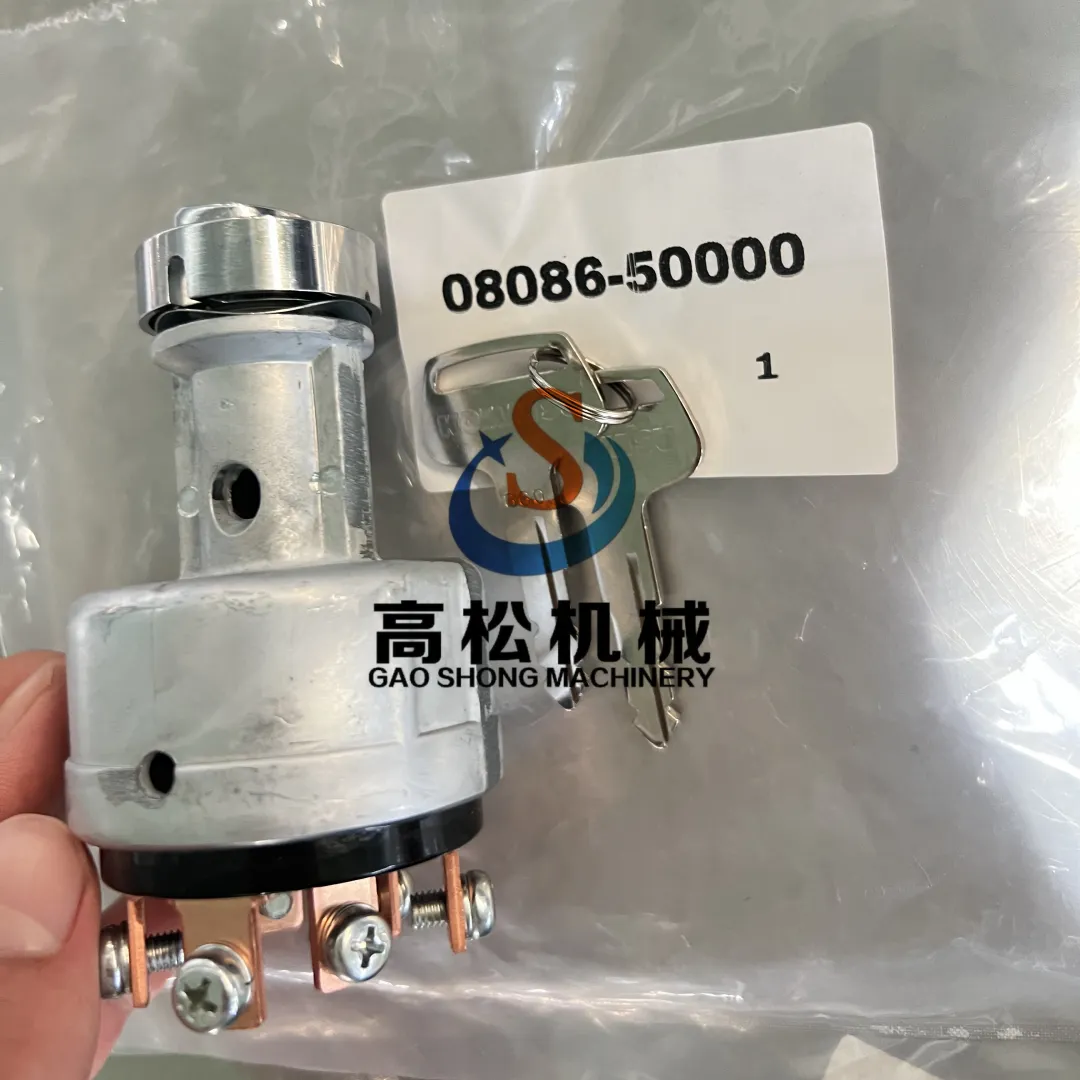 08086-50000Komatsu 08086-50000 Replacement Ignition Switch
 -
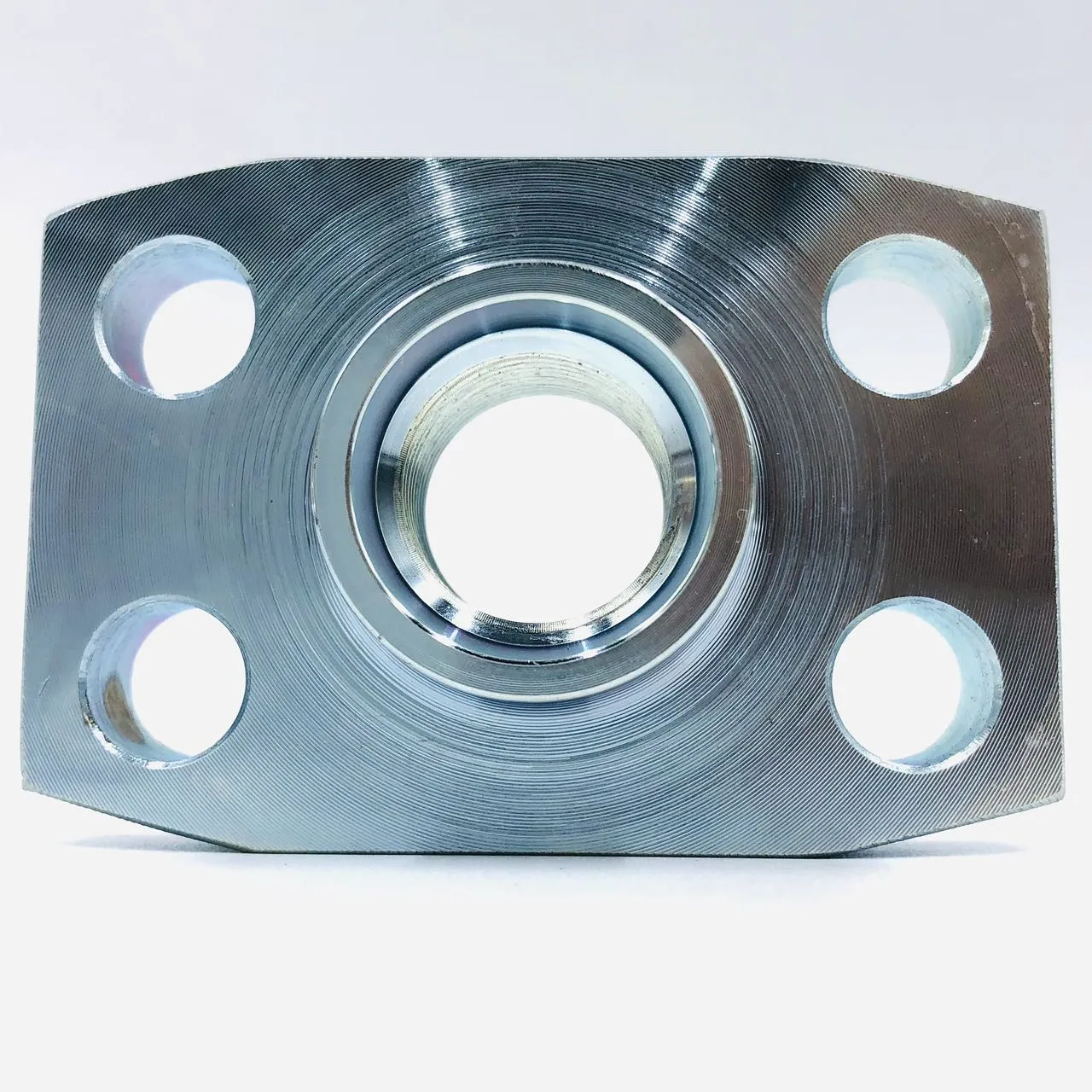 21N-38-12310 Komatsu FLANGEKomatsu Original Equipment Excavator Parts
 -
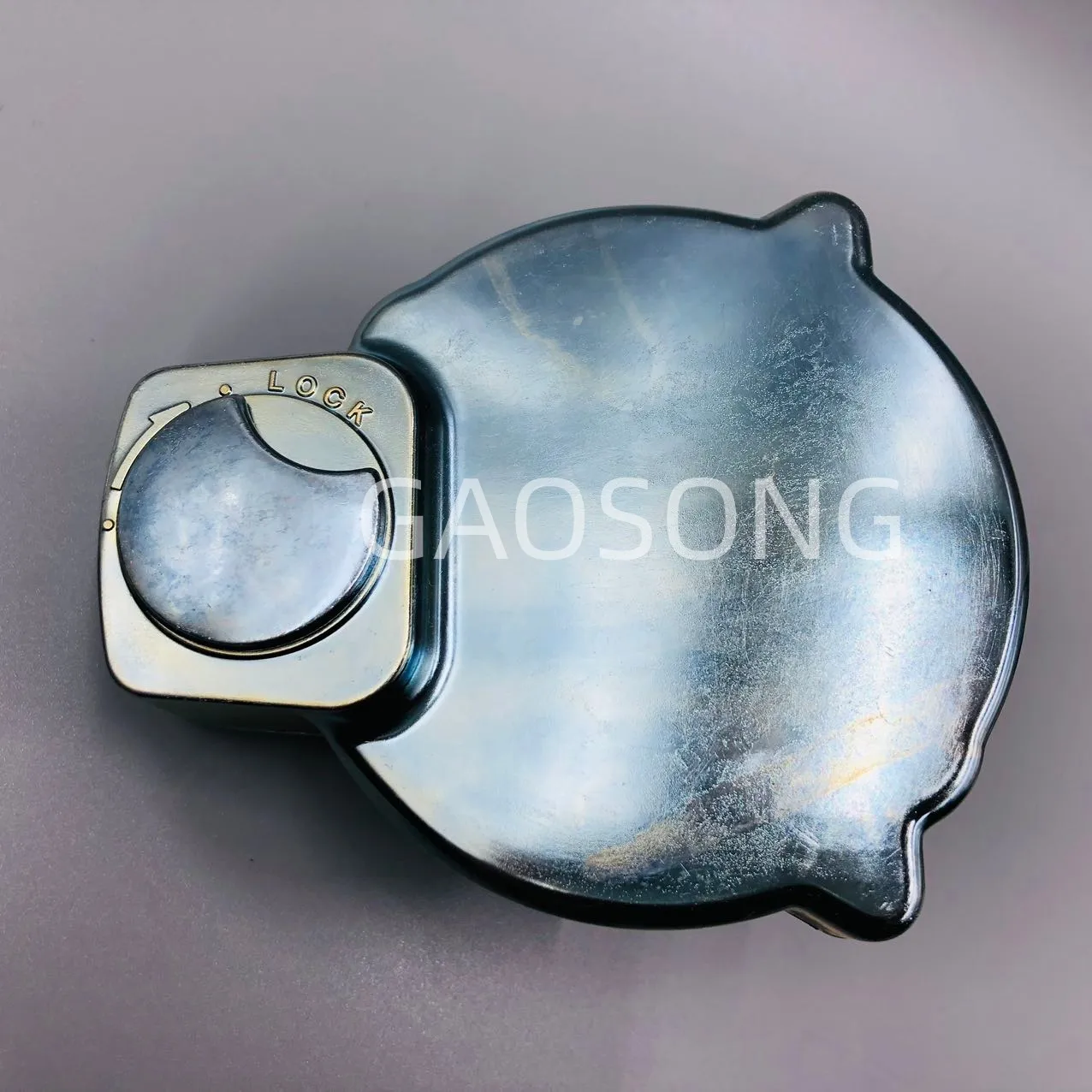 17A-60-11310 CAP ASS’Y–Komatsu Original Factory
 -
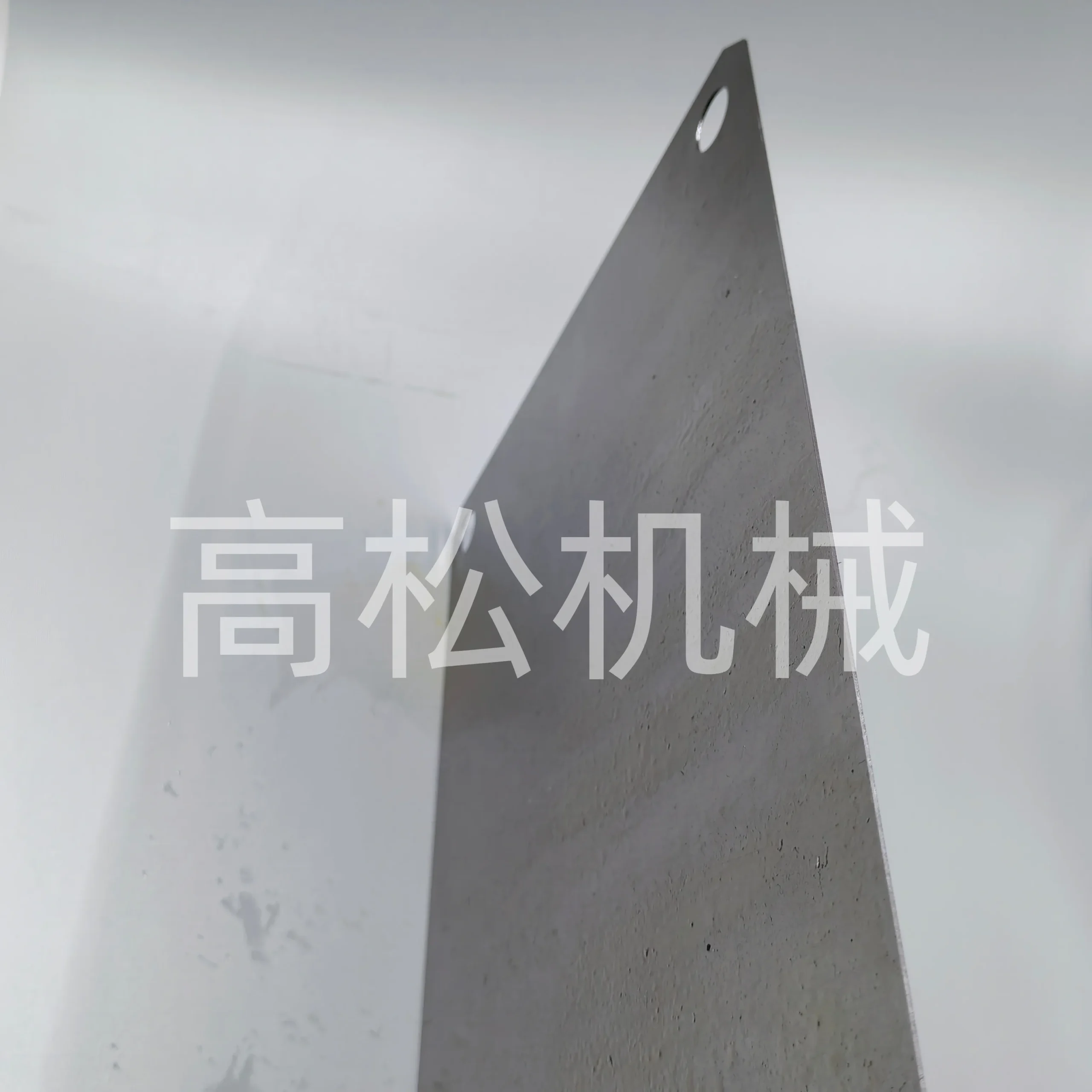 561-74-61540 SHIM¤ 1.0MM-Komatsu Original Factory
 -
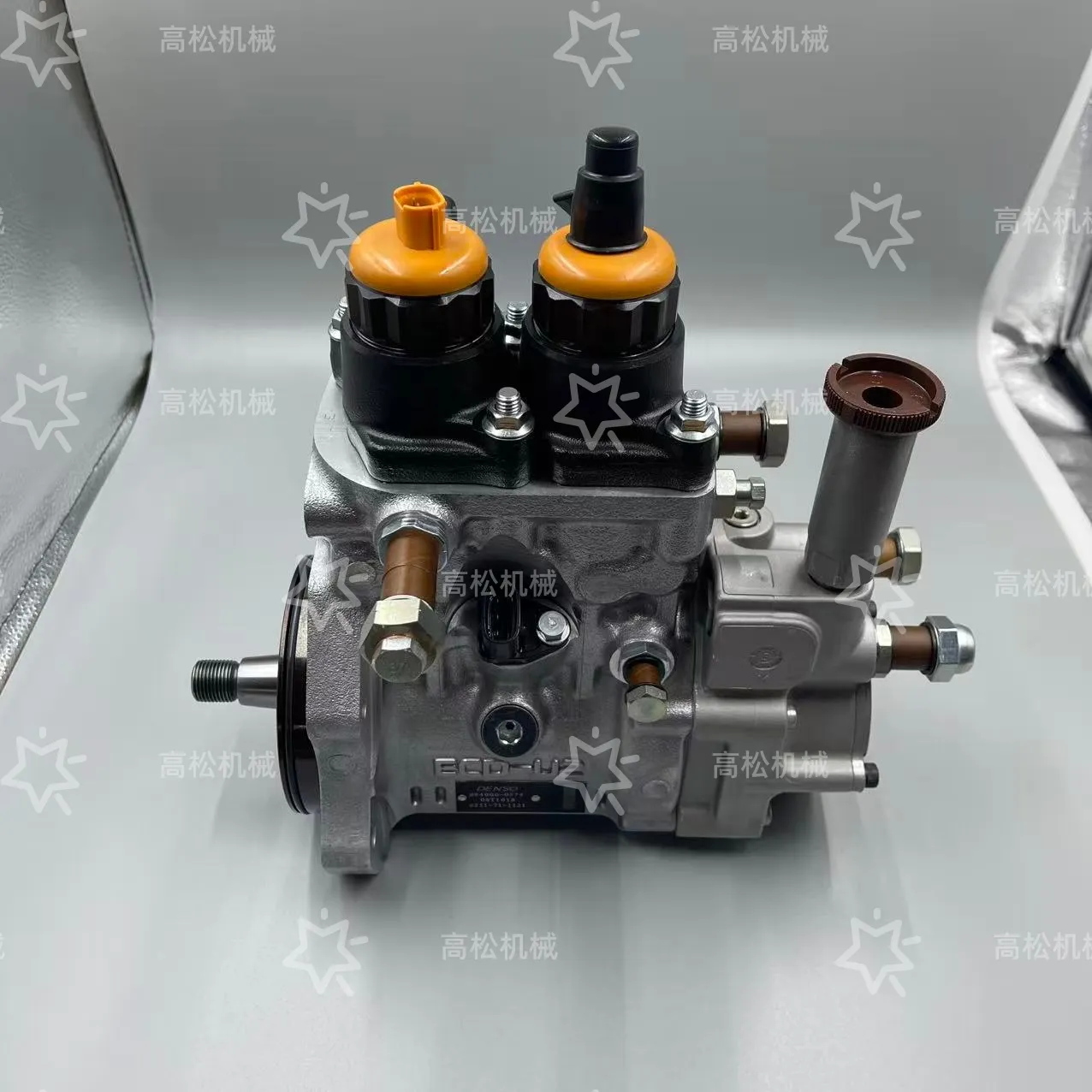 Fuel Injection Pump For Komatsu PC400-8 6251-71-1120 6251-71-1121 094000-057
 -
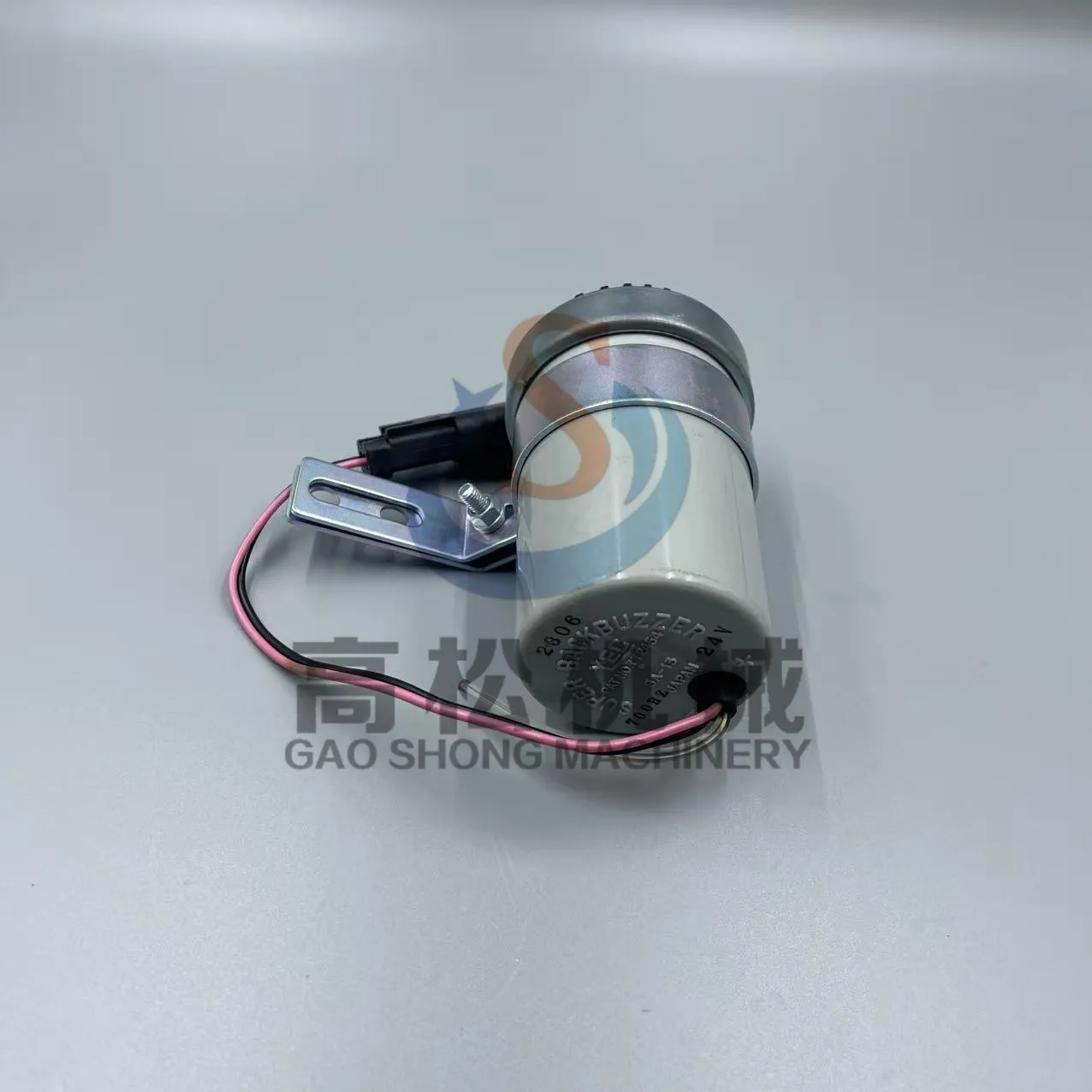 BUZZER 198-06-56570 – KOMATSU
 -
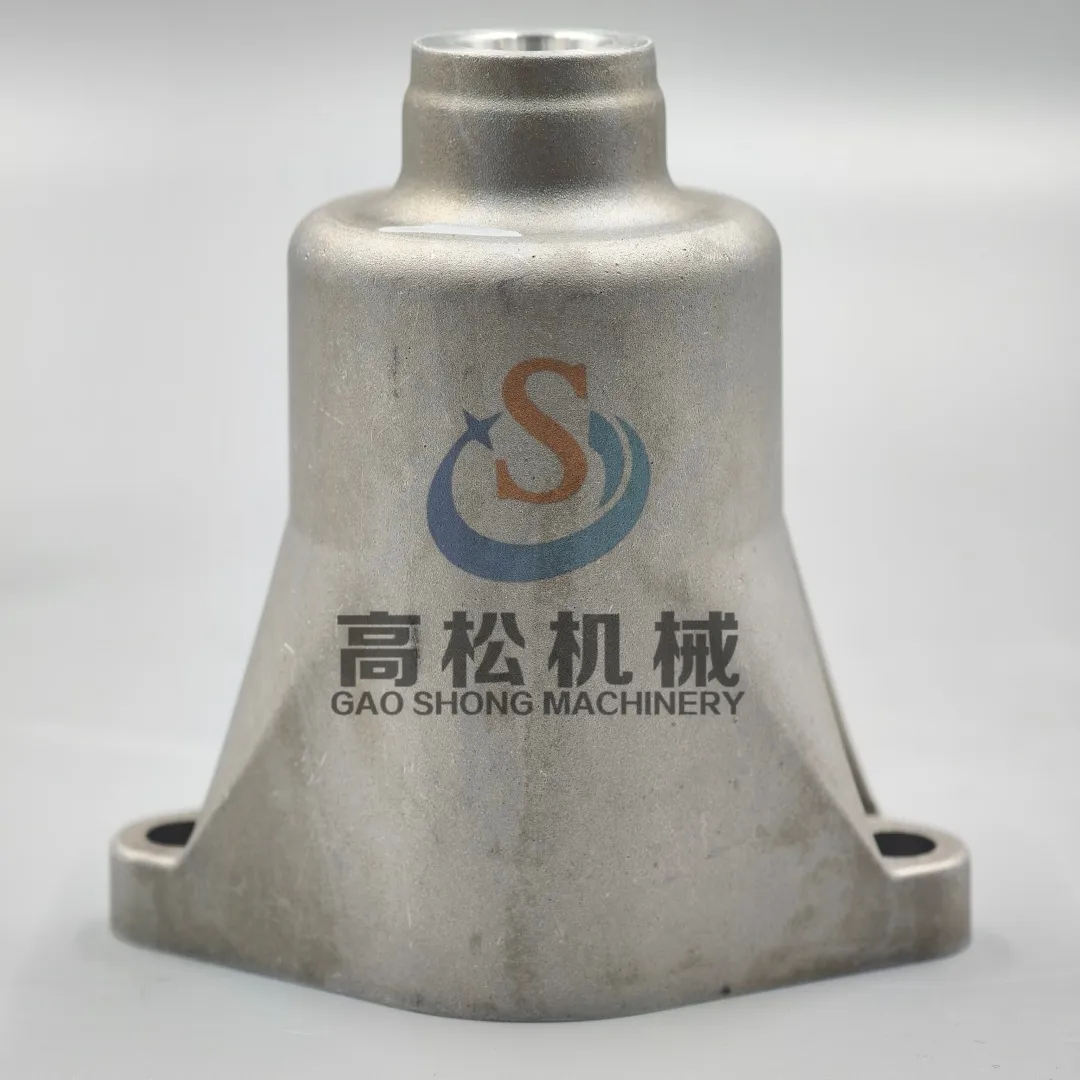 723-46-15111 Control Valve Case for Komatsu PC300 PC350 PC400 Excavator Diesel Fuel Cap Model Engine Parts
 -
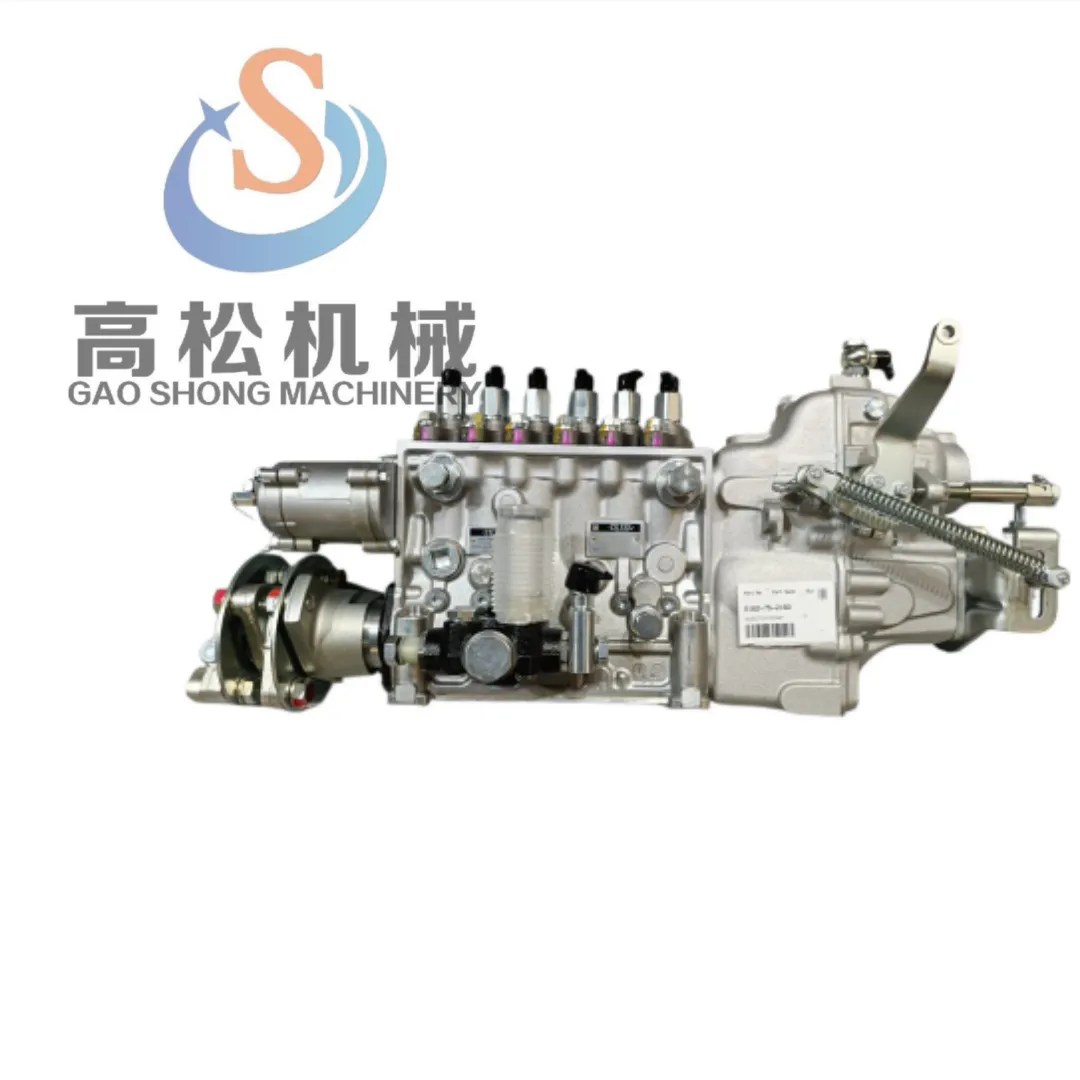 Engine Fuel Injection Pump 6162-75-2160 for SA6D170E
 -
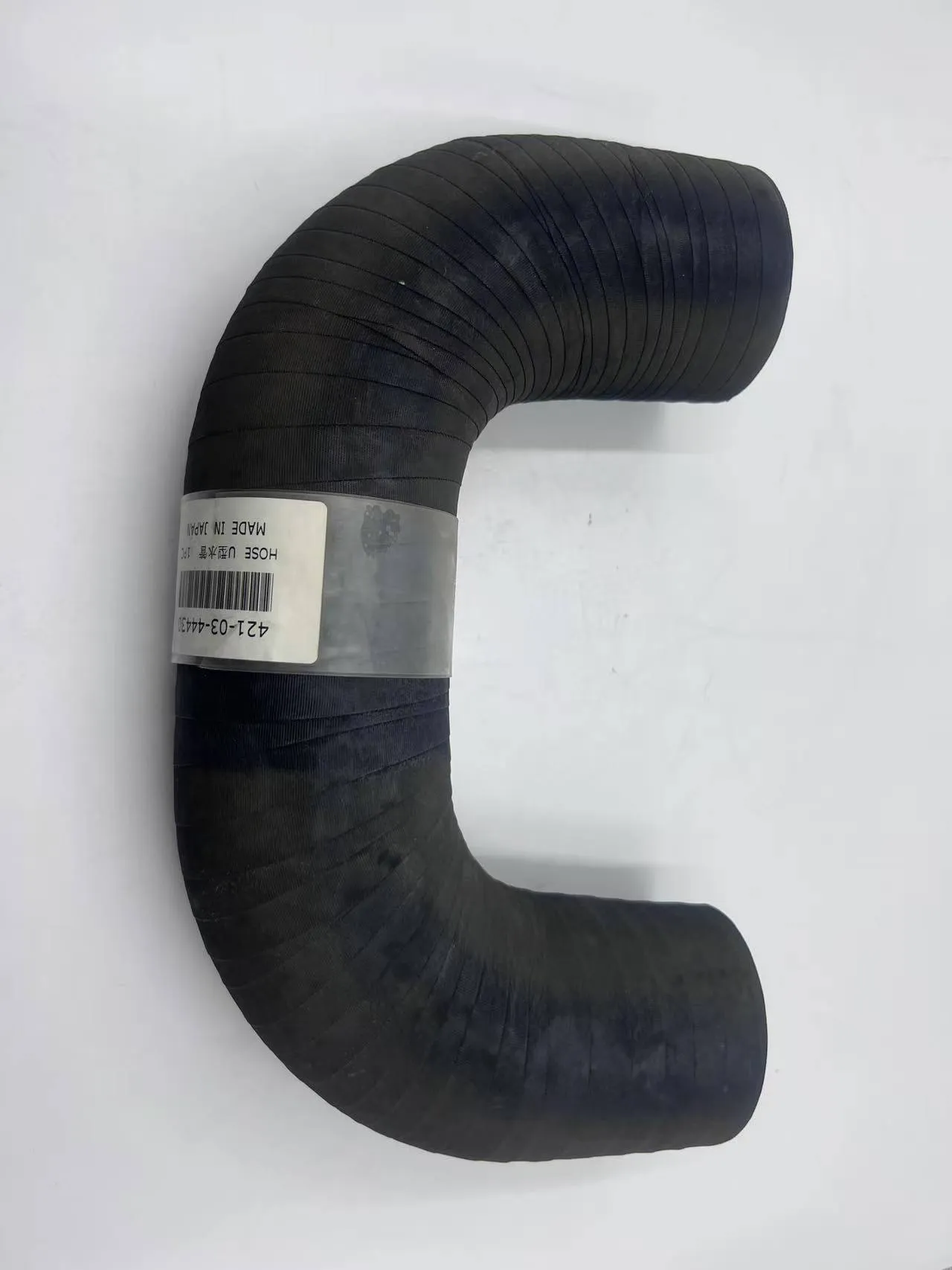 421-03-44430 • HOSE Applicable: Komatsu WA loader series
 -
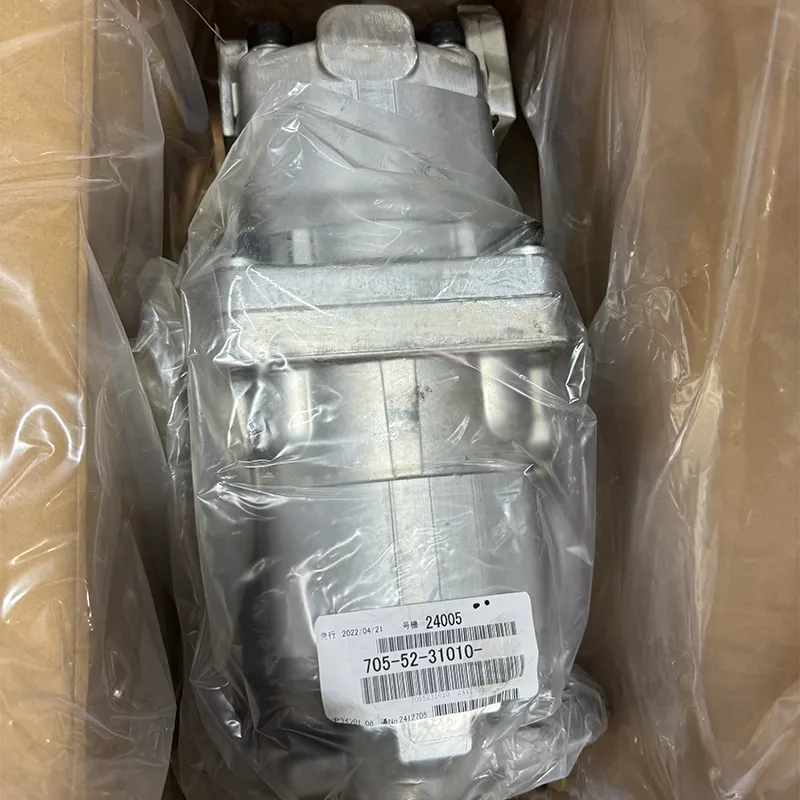 Original komatsu HD605-5 Pump Assembly 705-52-31010
 -
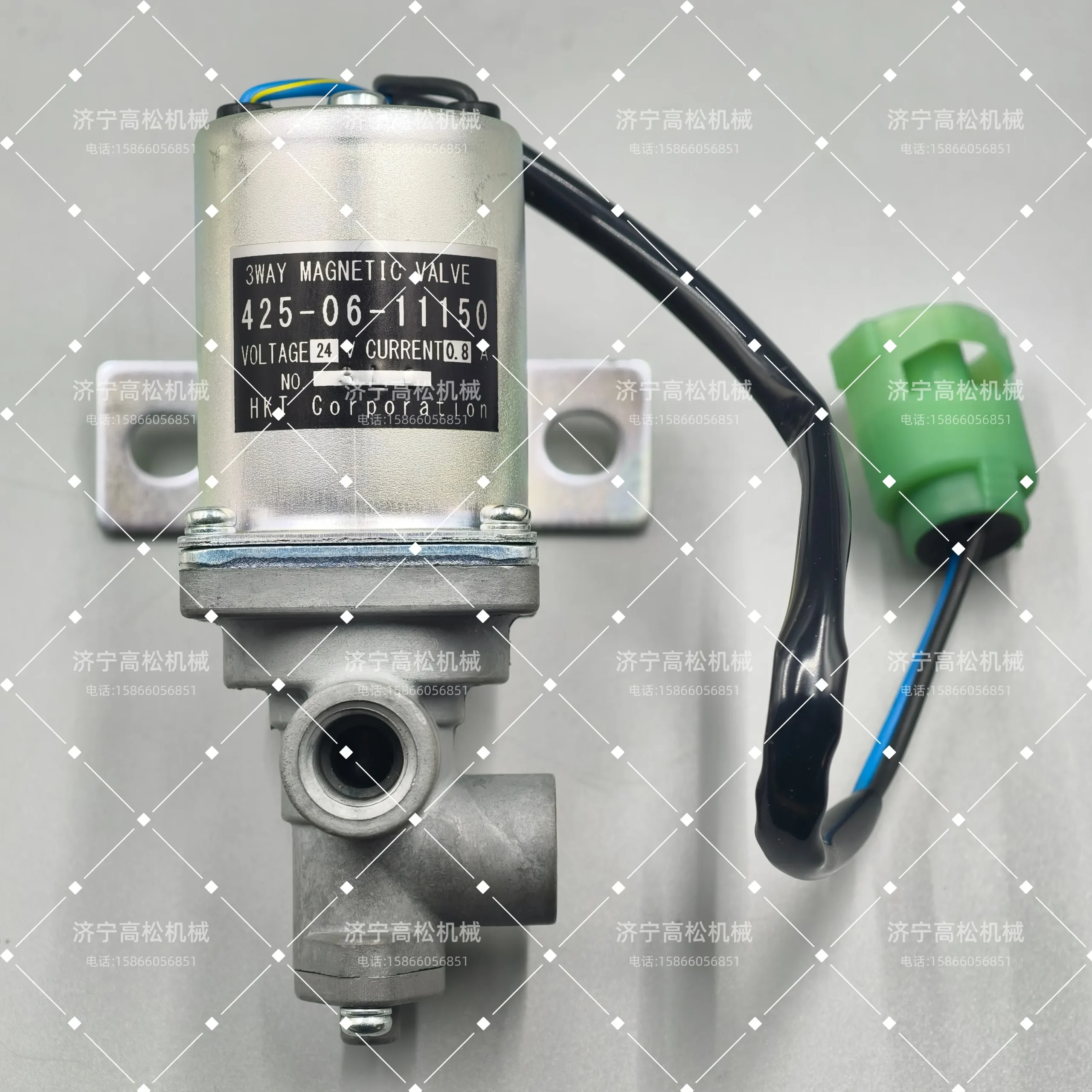 425-06-11150 Komatsu VALVE, PARKING BRAKE