
- Chinese
- French
- German
- Portuguese
- Spanish
- Russian
- Japanese
- Korean
- Arabic
- Irish
- Greek
- Turkish
- Italian
- Danish
- Romanian
- Indonesian
- Czech
- Afrikaans
- Swedish
- Polish
- Basque
- Catalan
- Esperanto
- Hindi
- Lao
- Albanian
- Amharic
- Armenian
- Azerbaijani
- Belarusian
- Bengali
- Bosnian
- Bulgarian
- Cebuano
- Chichewa
- Corsican
- Croatian
- Dutch
- Estonian
- Filipino
- Finnish
- Frisian
- Galician
- Georgian
- Gujarati
- Haitian
- Hausa
- Hawaiian
- Hebrew
- Hmong
- Hungarian
- Icelandic
- Igbo
- Javanese
- Kannada
- Kazakh
- Khmer
- Kurdish
- Kyrgyz
- Latin
- Latvian
- Lithuanian
- Luxembou..
- Macedonian
- Malagasy
- Malay
- Malayalam
- Maltese
- Maori
- Marathi
- Mongolian
- Burmese
- Nepali
- Norwegian
- Pashto
- Persian
- Punjabi
- Serbian
- Sesotho
- Sinhala
- Slovak
- Slovenian
- Somali
- Samoan
- Scots Gaelic
- Shona
- Sindhi
- Sundanese
- Swahili
- Tajik
- Tamil
- Telugu
- Thai
- Ukrainian
- Urdu
- Uzbek
- Vietnamese
- Welsh
- Xhosa
- Yiddish
- Yoruba
- Zulu
- Kinyarwanda
- Tatar
- Oriya
- Turkmen
- Uyghur






komatsu pc60 parts
When you start digging into Komatsu PC60 parts, especially for the older dash-5, -6, or -7 models, you immediately hit the industry's open secret: the sheer volume of aftermarket options is both a blessing and a curse. A lot of operators or even small shop owners think it's just about finding the cheapest bolt that fits. That's a quick way to end up with a machine down again in three months. The real challenge isn't availability; it's verifying the pedigree of the part in front of you. Is it a genuine Komatsu piece, a quality OEM-spec reproduction, or a budget copy that'll wear out your cylinder bore? I've seen all three, and the differences aren't always in the packaging.
The Core Dilemma: Genuine vs. OEM-Spec vs. The Rest
Let's be clear, genuine Komatsu parts are fantastic, but for a 15-year-old PC60-7, the cost and sometimes the wait can be prohibitive, especially if you're in a region not prioritized by the main distribution network. This is where the concept of OEM-system suppliers becomes critical. These aren't random copycats. A company like Jining Gaosong Construction Machinery Co., Ltd., which positions itself as an OEM product supplier within the Komatsu system, fills a specific niche. They manufacture or source components that meet the original engineering specifications, often using the same tooling or material grades, but without the Komatsu logo and its associated price premium.
The practical test? I've compared their undercarriage components—like track links or rollers—side-by-side with genuine ones we had in the shop. The metallurgy and machining tolerances were visibly and measurably closer to the originals than the generic aftermarket stuff. For a high-wear assembly like the swing circle, using a proper OEM-spec part from a known supplier is a no-brainer compared to a dubious alternative. It's not about brand loyalty; it's about machine integrity and total cost of ownership.
Where people get burned is assuming all OEM claims are equal. Some suppliers are just resellers. The useful detail on their site, https://www.takematsumachinery.com, is the note about solving parts supply challenges in certain countries. That rings true. If you're in a market where the official Komatsu parts pipeline is slow or non-existent for older models, a reliable third-party source that understands the system is invaluable. You're not just buying a part; you're buying access to a supply chain that knows the difference between a PC60-5 and a PC60-8 hydraulic pump shaft.
Specific Pain Points: Hydraulics and Electronics
If you want to see the quality spectrum in action, look at hydraulic components for the PC60. A main control valve isn't just a block of metal with holes. The precision of the spool bores and the quality of the seals dictate the machine's responsiveness and power. We tried a cheap aftermarket valve assembly once on a PC60-6. The machine moved, but it was sluggish, and the fine control for grading was gone. It felt... mushy. We traced it back to internal leakage due to sub-par machining. We swapped it out for an OEM-spec unit, and the character of the machine returned.
Electronics are another minefield. The controllers and sensors on later PC60 models are often where generic parts fail spectacularly. A non-Komatsu travel motor speed sensor might send a plausible signal, but not within the tight tolerance the monitor expects, triggering a phantom error code. For these, if a genuine part is astronomically priced, I'd lean towards a supplier embedded in the Komatsu ecosystem. They're more likely to have reverse-engineered the actual communication protocol, not just the plug shape.
This is where the practical role of a company like the one mentioned becomes clear. They aren't just a parts warehouse. Their function as a third-party sales company for Komatsu suggests they can navigate both worlds—providing a path to genuine parts when needed, and offering a validated, spec-compliant alternative when it makes economic sense. For a busy fleet manager, that intermediary knowledge is a tool itself.
The Undercarriage: A Wear Item Case Study
Nothing eats budget like undercarriage parts on a machine like the PC60, especially if it's working in abrasive conditions. Rollers, idlers, track chains—they're all consumables. The common mistake is buying a full set of the absolute cheapest pattern. The initial savings vanish in 500 hours when the bushing wear exceeds limits and you're replacing the entire chain again, plus possibly damaging sprockets.
A more nuanced approach we've adopted is mixing. For a machine with moderate remaining life, we might use OEM-spec track links and rollers from a trusted supplier to ensure structural integrity and alignment, but pair them with a mid-grade shoe. The key is knowing which component's failure cascades into the most expensive repairs. A failed roller can seize and take out the track link; you don't want that link to be the weak point.
I recall a job where we had a PC60-7 on a demo site with lots of rebar and concrete debris. We used a set of aftermarket track guards that were too hard and brittle. They cracked under impact, and the fragments jammed in the track system. Lesson learned: sometimes, the original part's design includes a specific material toughness for a reason. A good OEM-style supplier would replicate that material property, not just the dimensions.
Sourcing and Verification: The Real-World Process
So how do you actually source these parts? It's rarely a simple web search. For critical components, my process starts with the part number and a cross-reference. Then I look for suppliers that list detailed specifications, not just model compatibility. A site that lists material grades (e.g., SCM440 steel for pins) or has detailed sectional drawings inspires more confidence than one with just stock photos.
Communication is a huge tell. When you inquire about a Komatsu PC60 final drive seal kit, do they ask for the serial number range? The good ones do, because there were running changes. The best ones might even warn you about a common installation pitfall for that specific model. That's the kind of practical, experience-based service you hope for from a specialist third-party company focused on solving supply challenges.
Price is, of course, a factor, but it's the last step. The first question is, Can this part perform for a predictable service life? The second is, What is the failure mode if it doesn't? A $50 savings on a water pump is meaningless if its bearing fails and causes an overheated engine. For such parts, the assurance of OEM-spec manufacturing is worth the premium over an unknown brand.
Concluding Thoughts: A Pragmatic Mindset
Ultimately, managing Komatsu PC60 parts for a fleet isn't about religiously buying one type. It's about developing a stratified strategy. Genuine for critical, hard-to-replace, or safety-related components (like brake system parts). Quality OEM-spec from verified system suppliers for high-wear mechanical items and hydraulics. And only then, considering cost-focused alternatives for non-critical, easily replaceable items like certain filters or cosmetic covers.
The value of a supplier that operates both within and alongside the Komatsu system is their perspective. They understand the engineering intent because they've likely supplied to it. Their alternative parts are often solutions, not just substitutes. In an industry where machine uptime is the only metric that truly matters, that distinction is everything.
It comes down to this: you're not just maintaining a machine; you're managing risk and productivity. Every part you install is a bet on future performance. Betting on provenance and proven specifications, whether through the official brand or through its established ecosystem, is usually the odds-on favorite. The rest is just hoping you get lucky, and in this business, hope is not a viable maintenance plan.
Related Products
Related Products

Best Selling Products
Best Selling Products-
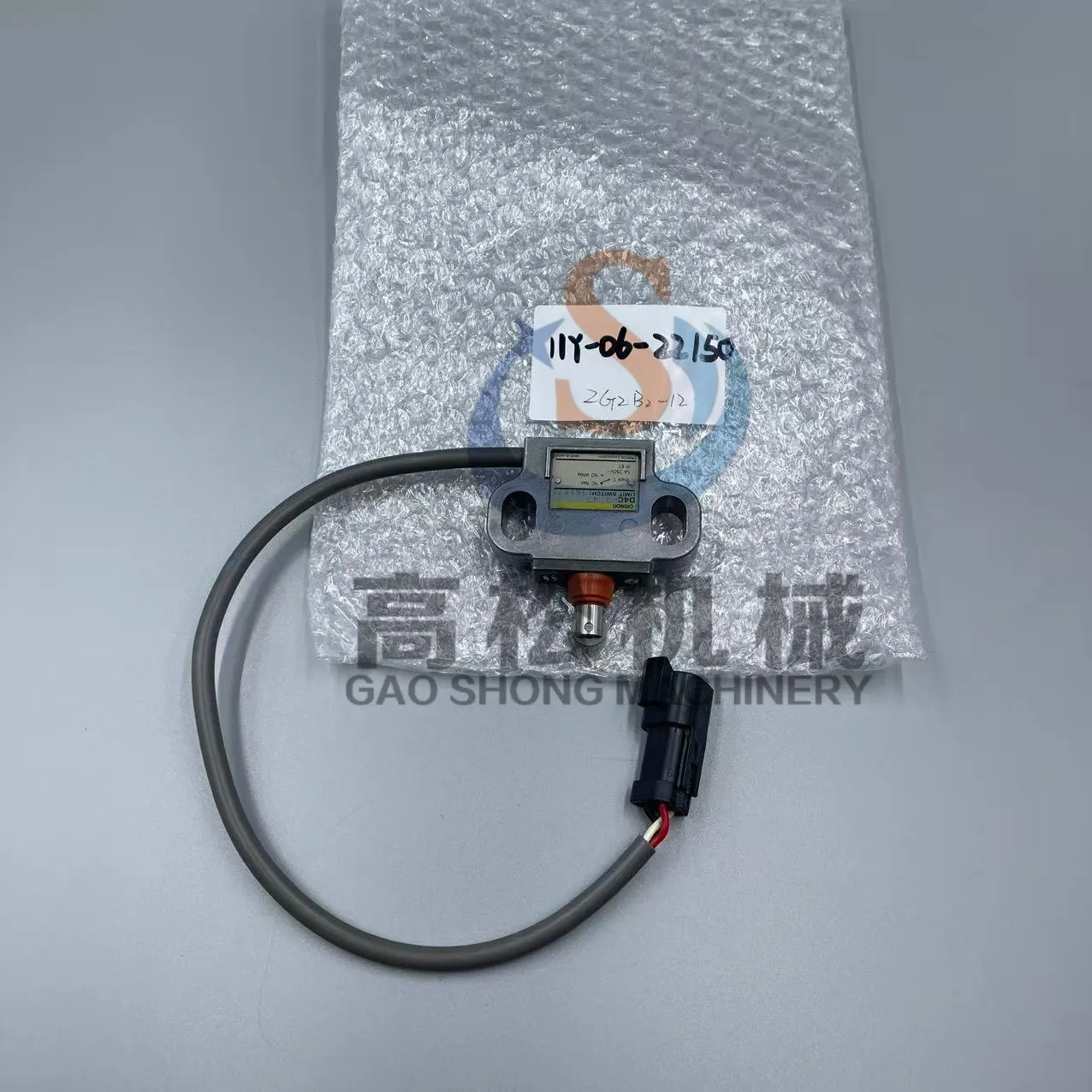 SWITCH 11Y-06-22150 – KOMATSU
 -
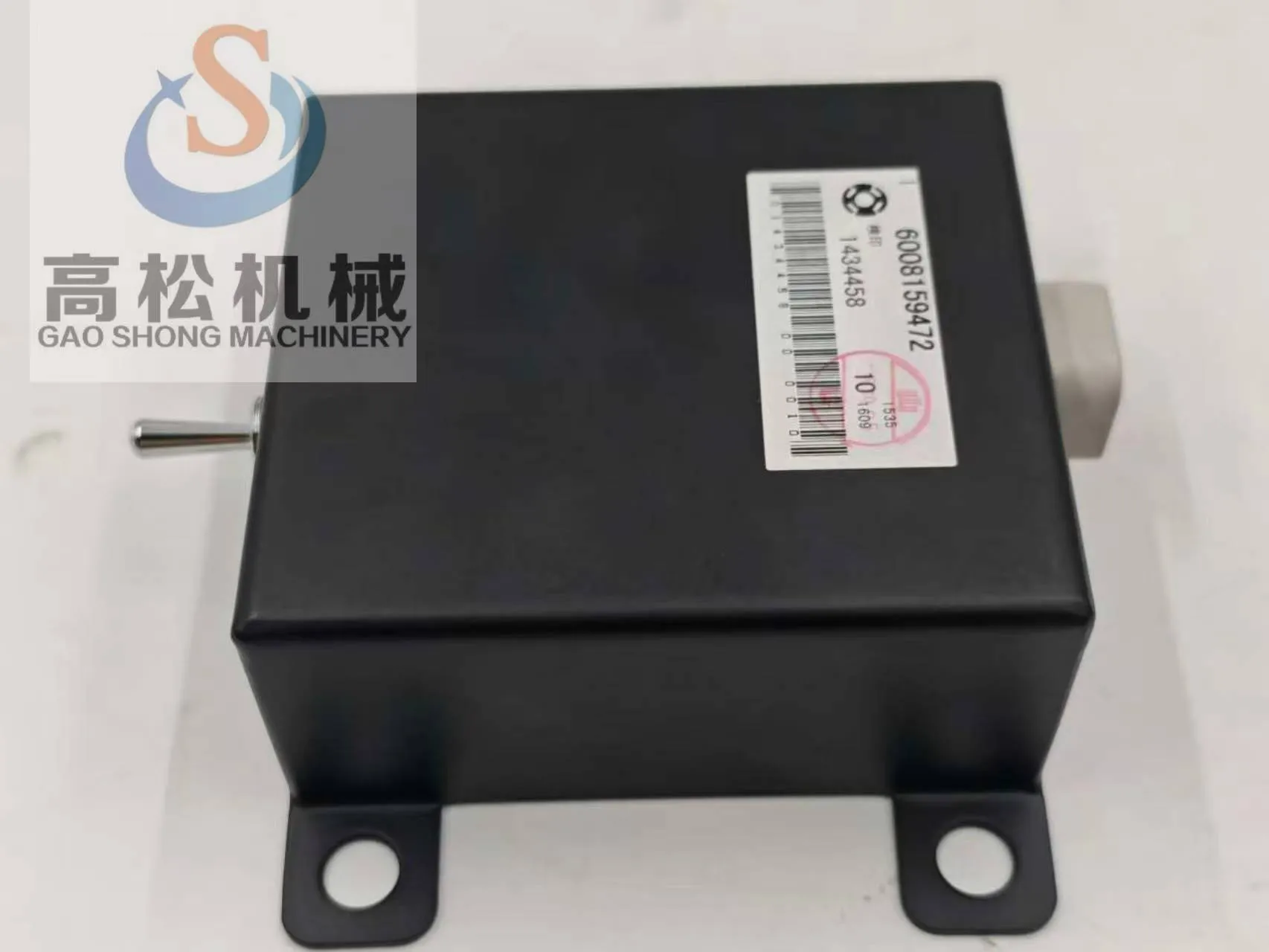 Original new switch 600-815-9472 for d375a-6 bulldozer komatsu pc1250sp-8r hd785-7 dump truck
 -
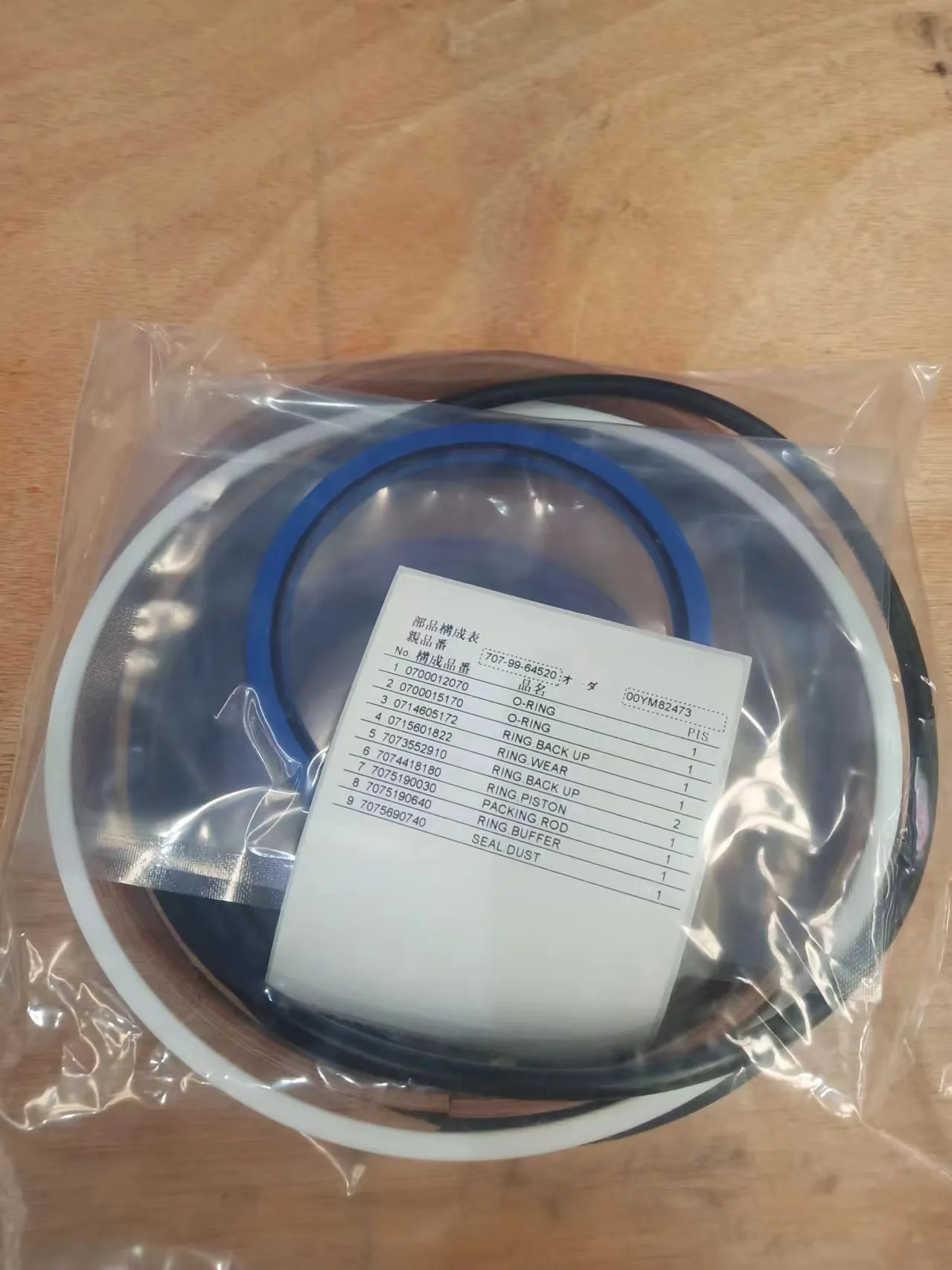 WA380-3 Repair Kit 707-99-64520
 -
 424-15-16410 Komatsu SHIM, 0.5mm
 -
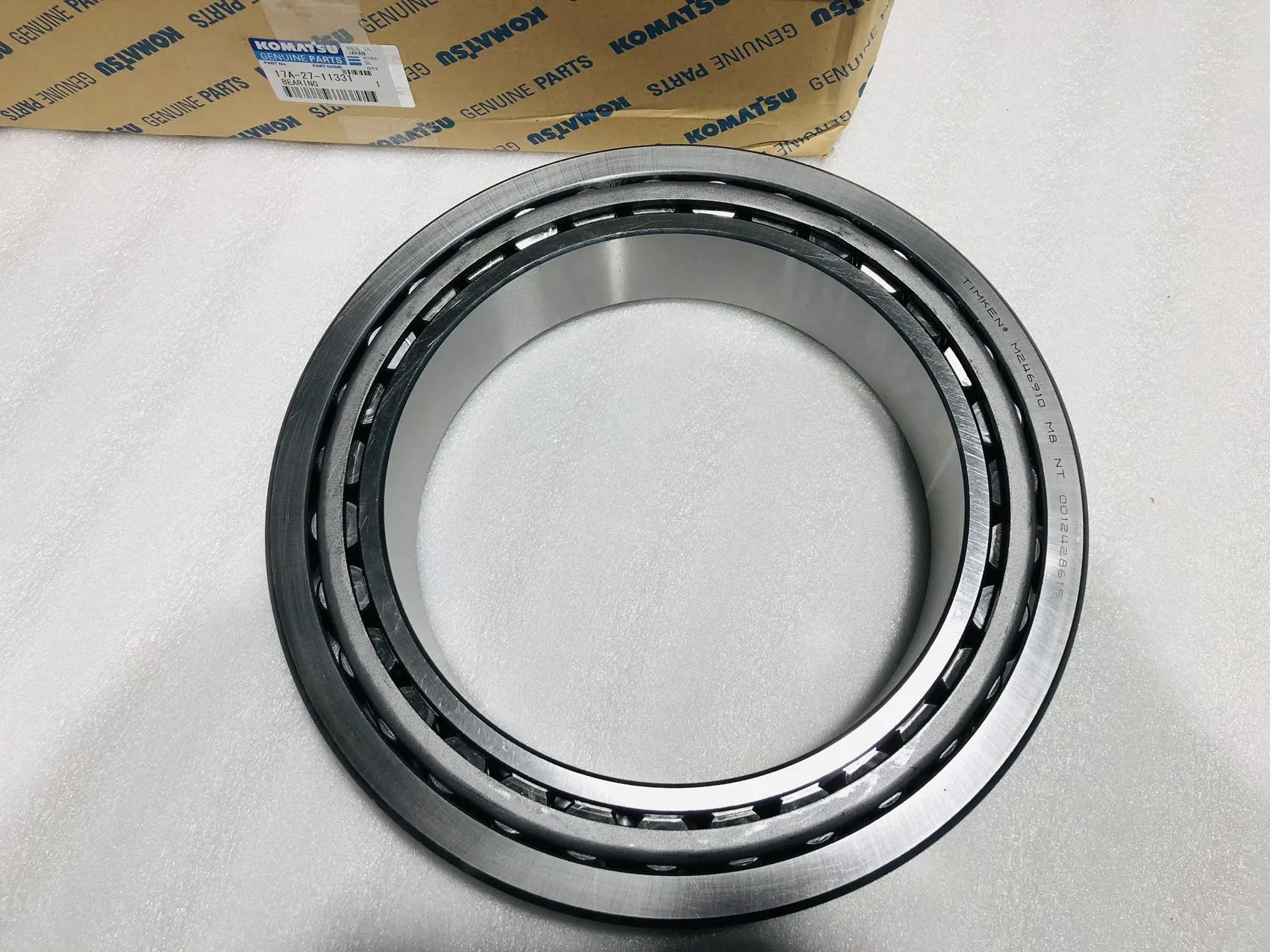 KOMATSU-BEARING 17A-27-11331
 -
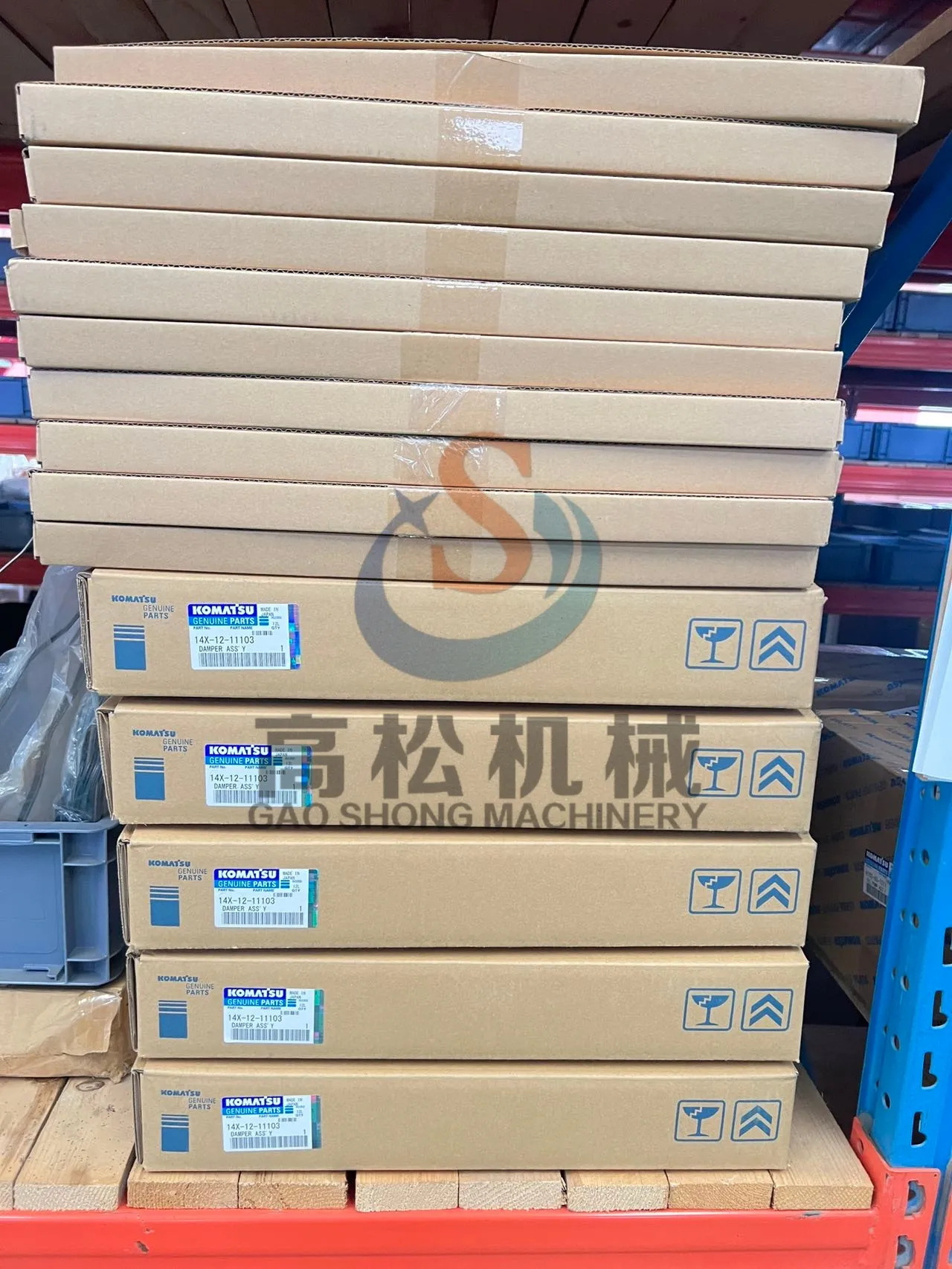 14X-12-11103 Komatsu Damper Disc Assembly
 -
 56B-15-19210 RING
 -
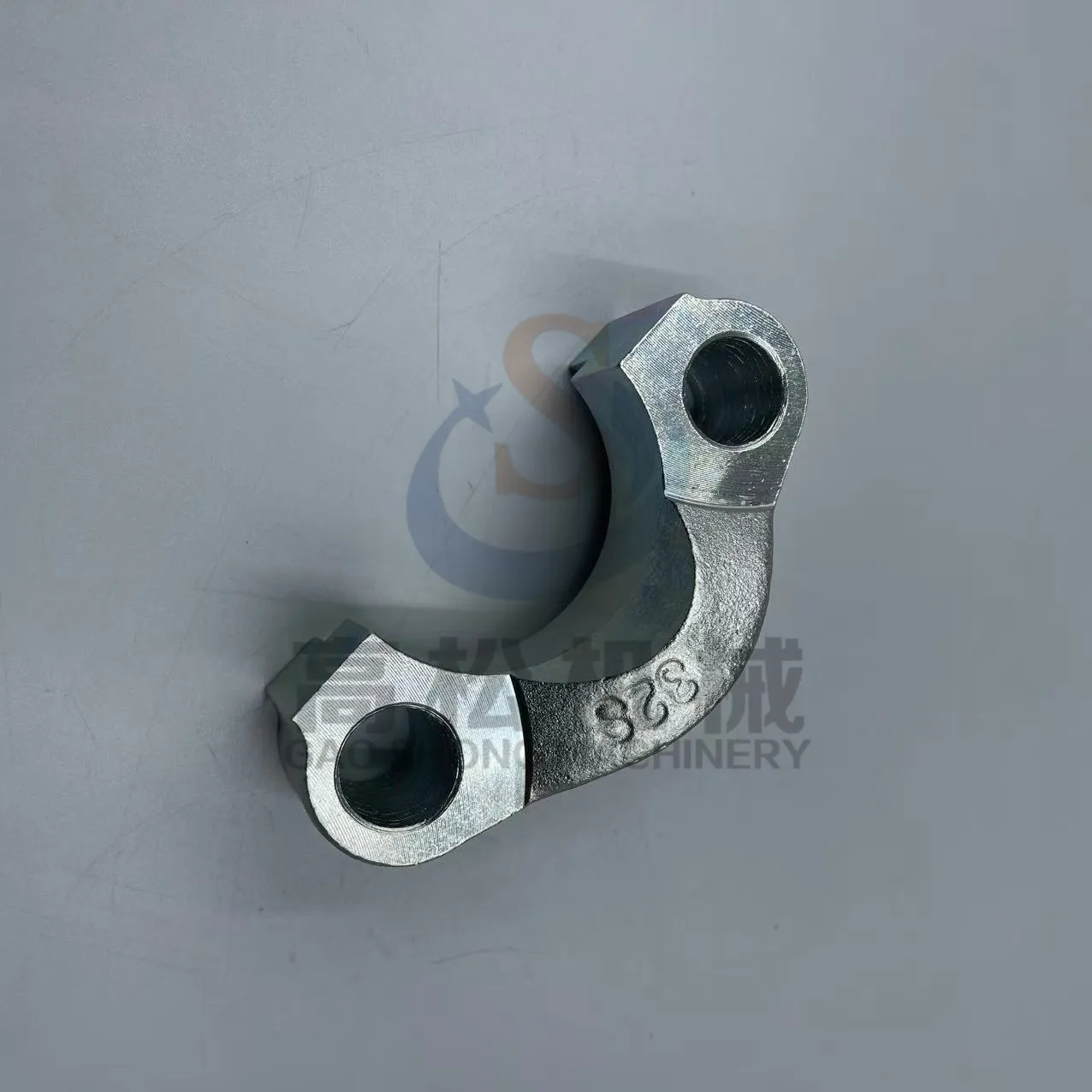 FLANGE 07371-52080 – KOMATSU
 -
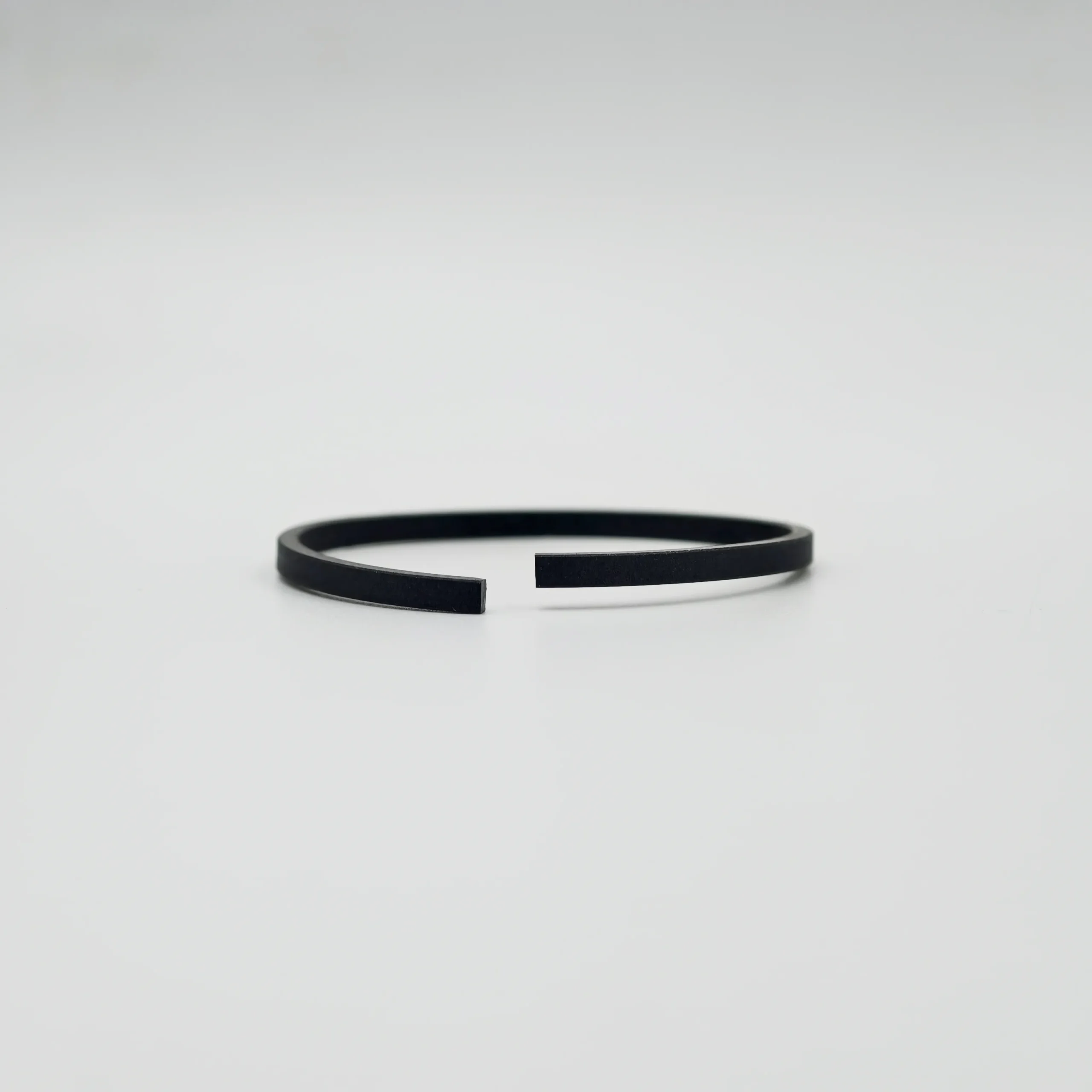 56D-15-19250 RING
 -
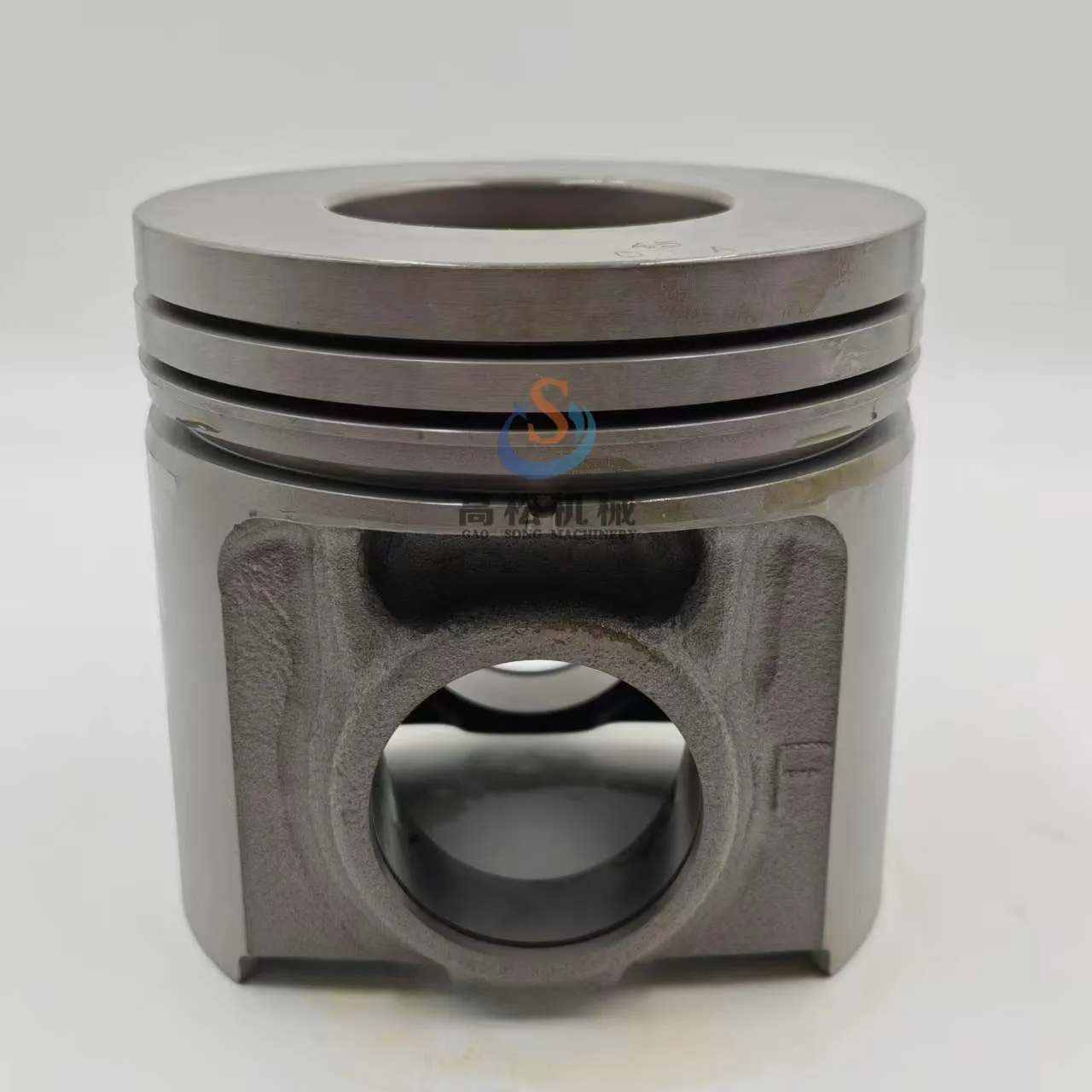 6152-32-2510 komatsu-parts piston
 -
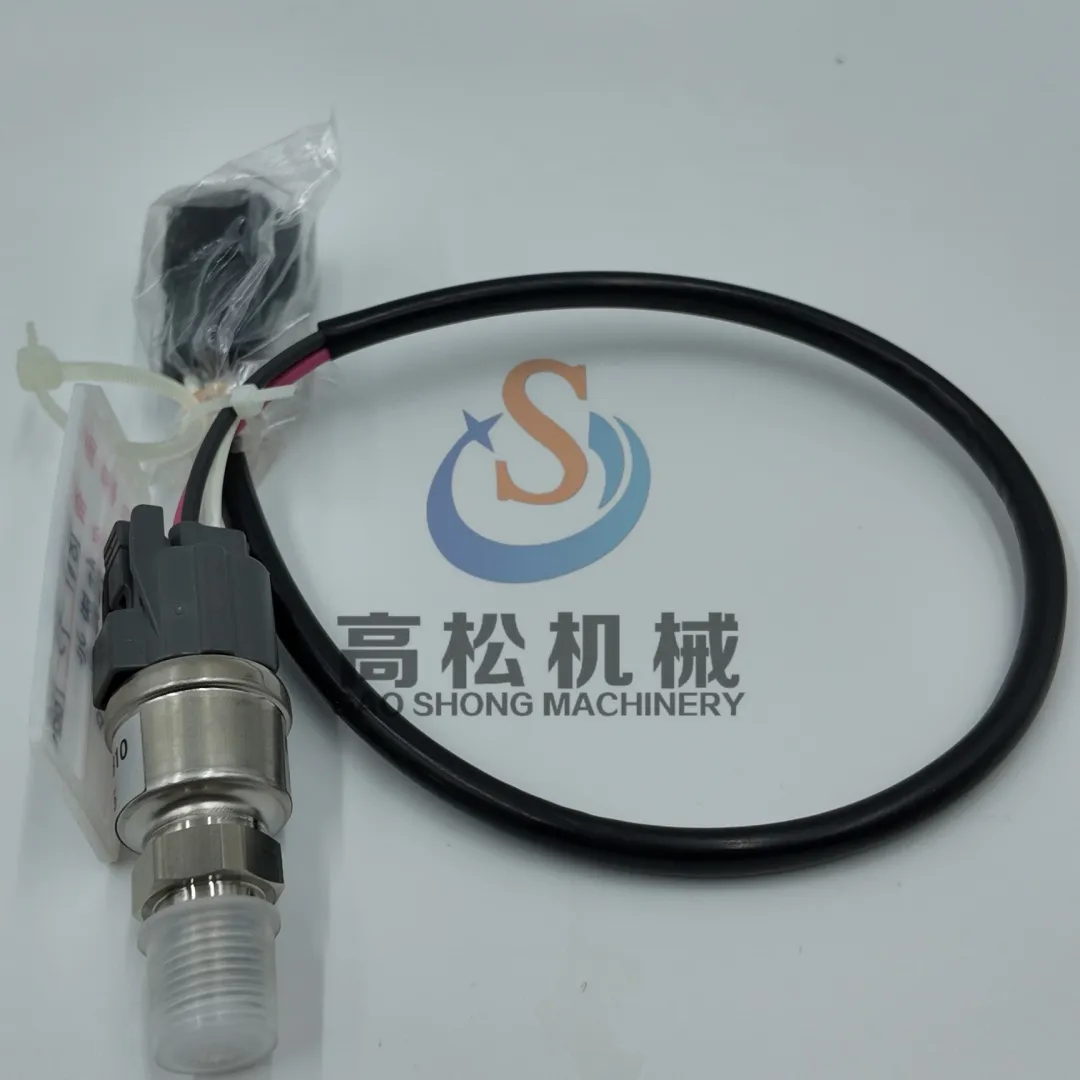 7861-93-1680 Pressure Sensor For Komatsu WA1200 SDA12V140E
 -
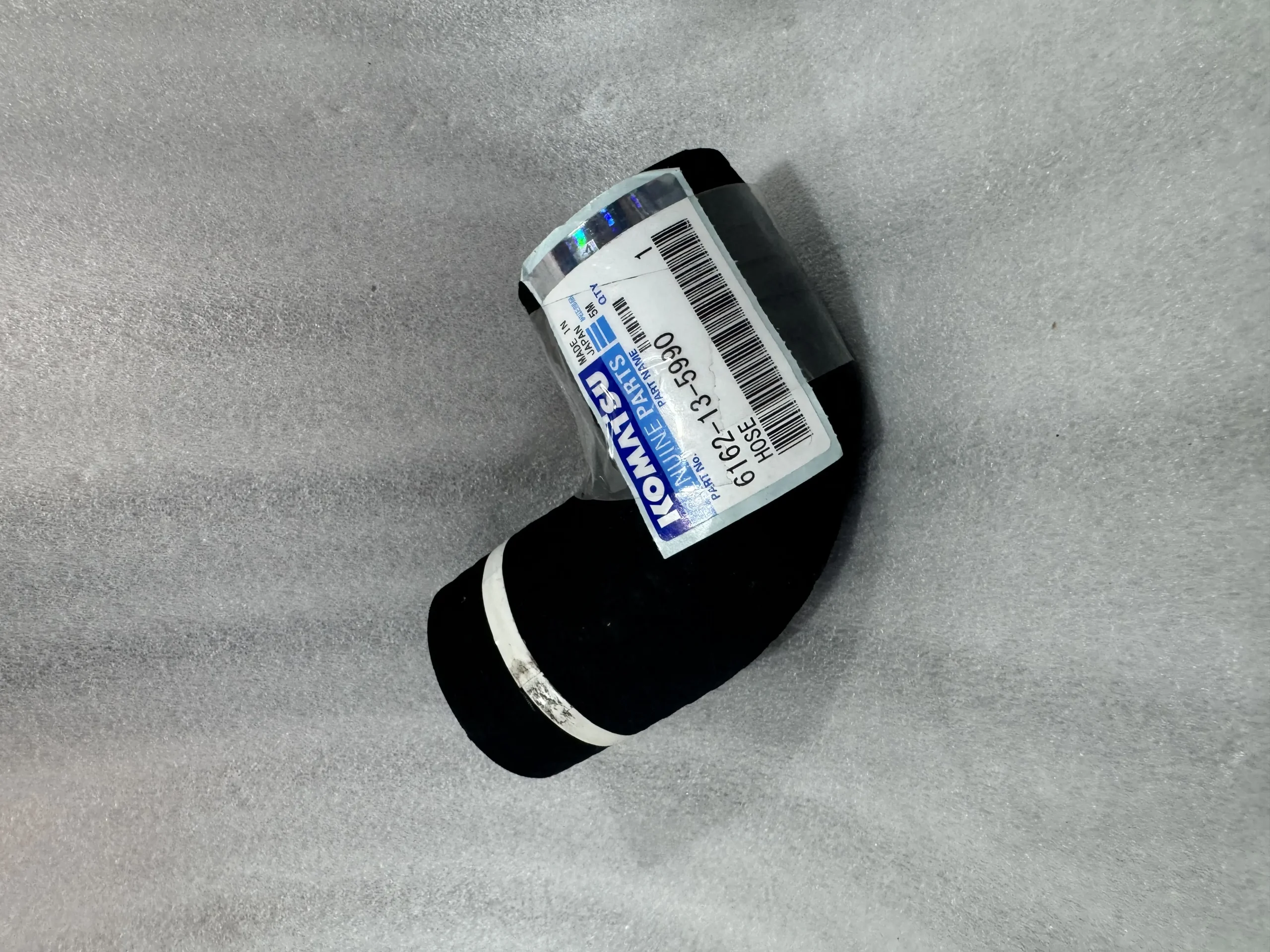 6D170-2 Hose 6162-13-5990