
- Chinese
- French
- German
- Portuguese
- Spanish
- Russian
- Japanese
- Korean
- Arabic
- Irish
- Greek
- Turkish
- Italian
- Danish
- Romanian
- Indonesian
- Czech
- Afrikaans
- Swedish
- Polish
- Basque
- Catalan
- Esperanto
- Hindi
- Lao
- Albanian
- Amharic
- Armenian
- Azerbaijani
- Belarusian
- Bengali
- Bosnian
- Bulgarian
- Cebuano
- Chichewa
- Corsican
- Croatian
- Dutch
- Estonian
- Filipino
- Finnish
- Frisian
- Galician
- Georgian
- Gujarati
- Haitian
- Hausa
- Hawaiian
- Hebrew
- Hmong
- Hungarian
- Icelandic
- Igbo
- Javanese
- Kannada
- Kazakh
- Khmer
- Kurdish
- Kyrgyz
- Latin
- Latvian
- Lithuanian
- Luxembou..
- Macedonian
- Malagasy
- Malay
- Malayalam
- Maltese
- Maori
- Marathi
- Mongolian
- Burmese
- Nepali
- Norwegian
- Pashto
- Persian
- Punjabi
- Serbian
- Sesotho
- Sinhala
- Slovak
- Slovenian
- Somali
- Samoan
- Scots Gaelic
- Shona
- Sindhi
- Sundanese
- Swahili
- Tajik
- Tamil
- Telugu
- Thai
- Ukrainian
- Urdu
- Uzbek
- Vietnamese
- Welsh
- Xhosa
- Yiddish
- Yoruba
- Zulu
- Kinyarwanda
- Tatar
- Oriya
- Turkmen
- Uyghur





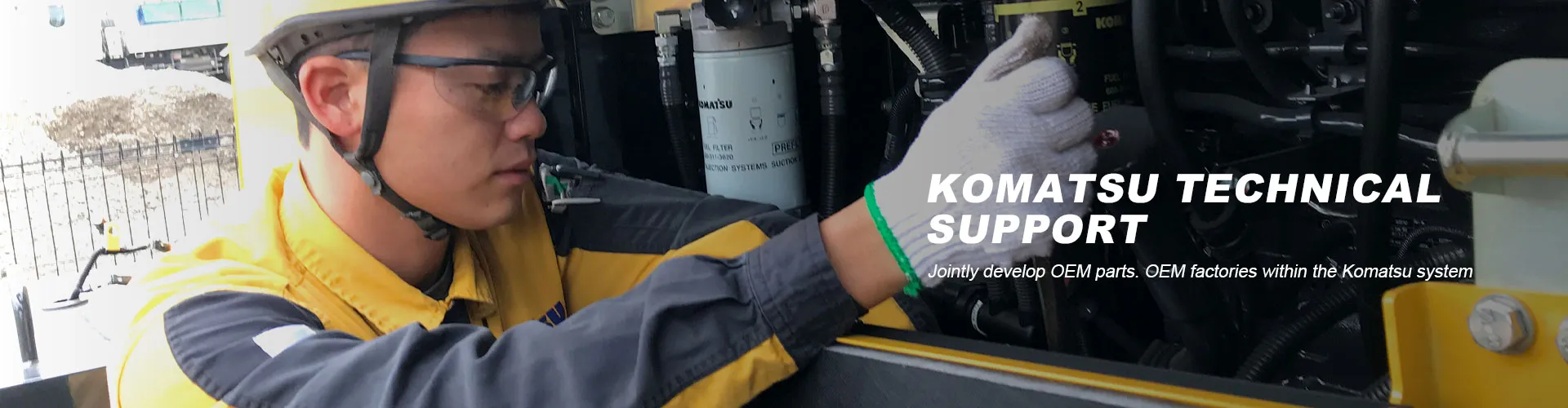
komatsu pc60 engine
When you hear 'Komatsu PC60 engine', most guys immediately think of the S4D95. That's fair, it's the heart of the -7 and -8 models. But the real conversation, the one that happens in the yard over a coffee, isn't about the displacement or the rated horsepower. It's about the gap between the factory manual and the reality of a 10,000-hour machine sitting in mud. Everyone looks up the specs, but few talk about how that engine interfaces with the rest of the aging machine, or why sourcing a simple gasket can sometimes be a month-long headache.
The S4D95: Workhorse with Quirks
Let's get the basics out of the way. The S4D95 is a 3.3L, 4-cylinder, direct injection diesel. Komatsu specs list it around 41 kW. In practice, if it's well-maintained, it delivers. The torque curve is what you want in a 6-ton machine—enough low-end grunt to dig without constantly stalling. But here's the first judgment call: people often blame the engine for lack of power when the real culprit is a worn hydraulic pump not creating enough demand. You'll see mechanics throw parts at the fuel system when a pressure test on the main pump would tell the real story.
I remember a PC60-7 that came in with black smoke and sluggish performance. The owner had already replaced injectors. We hooked up the gauges and found the pump swashplate was sticking. The engine was essentially being told to do less work. Fixed the pump, smoke cleared. The Komatsu PC60 engine was fine all along. It's a lesson in systems thinking.
The other common point is the cooling system. The fan belt tension is critical, more than on some other models. A slightly loose belt won't squeal immediately but will cause marginal overheating over long days, stressing head gaskets over time. It's a small detail you only learn by tracking repeat failures.
Parts Supply: The Real-World Bottleneck
This is where theory meets the ground. You can have the perfect diagnostic, but if you can't get the part, the machine is down. For older PC60s, especially in certain regions, getting genuine Komatsu parts can involve long lead times. This is where the role of specialized suppliers becomes critical. Companies that understand the Komatsu ecosystem, not just as catalog order-takers, but as problem-solvers, are invaluable.
Take Jining Gaosong Construction Machinery Co., Ltd. as an example. They operate within the Komatsu system as an OEM product supplier, but they also function as a third-party sales channel. Their model is built on addressing exactly this gap—solving parts supply challenges in markets where the official pipeline is slow or fragmented. For a field mechanic waiting on a PC60 engine cylinder head or a set of genuine valve seals, a supplier with this dual capability means the difference between a two-week downtime and a two-month one.
I've dealt with situations where a needed gasket or a specific bolt was on backorder for months. Having an alternative source that still provides OEM-spec or Komatsu-approved parts isn't just convenient; it's what keeps fleets operating. Their approach, as outlined on their site, of being an integrated supplier within the Komatsu framework, makes sense for aging but still highly productive machines like the PC60 series.
Failures and Misdiagnoses I've Seen
Not every story has a happy ending. Early in my time, I saw a PC60-8 with low compression. The team assumed rings and liners, a major overhaul. They tore the Komatsu PC60 engine down only to find the cylinder walls were fine. The real issue was severely pitted valve seats from a chronic, minor coolant leak into the combustion chamber. A leak-down test would have pointed directly to the head. That was a costly misstep—weeks of labor and parts ordered unnecessarily. It taught me to always verify compression with a leak-down before committing to a teardown.
Another classic is the fuel problem that's actually an air intake problem. The turbo on these isn't huge, but it's vital. A small crack in an intercooler hose or a clogged air filter element will choke it. The engine runs lean, overheats, and loses power. The diagnostic codes might point to an EGR issue or fuel rail pressure, sending you down the wrong path. Always, always check the entire air path first. It's the cheapest and fastest check.
Then there's the electrical ghost. The PC60's electronic control module (ECM) is generally robust, but corrosion in the connectors, especially for the crankshaft position sensor, can cause intermittent starting or sudden shutdowns. Cleaning connectors and checking grounds has solved more engine problems than I can count.
Preventive Focus: Oil and Coolant Aren't Just Fluids
This sounds basic, but it's where most long-term reliability is won or lost. For the S4D95, oil change intervals are gospel. But it's not just the interval; it's the quality. Using a lower-tier oil to save a few bucks leads to faster soot accumulation and varnish on the turbocharger shaft. I recommend sticking with the Komatsu-recommended grade or a major brand that meets the exact specification. The same goes for coolant. The wrong mix or plain water accelerates corrosion in the liner cavitation areas.
The oil cooler is another watch item. On high-hour machines, the cooler core can get fouled, reducing cooling efficiency. This doesn't trip an alarm immediately but slowly raises operating temperature. During a major service, having it cleaned or tested is a good investment. It's one of those while you're in there items that prevents a comeback job.
Finally, the fuel system. Water separators must be drained daily in humid climates. The injection pump on these is precise. Water damage is a death sentence. And for fuel filters, only use genuine or high-quality equivalents. The difference in filtration media is real, and a failed filter can take out injectors in short order.
The Verdict on Longevity
So, what's the lifespan of a PC60 engine? There's no single answer. I've seen S4D95s pushed to 15,000 hours with meticulous care—strict fluid changes, prompt repair of leaks, and proper operation (no constant lugging). I've also seen them need major work at 8,000 hours from neglect. The design is solid. Its longevity is almost entirely a function of maintenance quality and operational environment.
The key is to treat it as part of a system. Its performance is tied to the hydraulics, its life is tied to cooling and filtration, and its serviceability is tied to having a reliable parts source. That's the real takeaway. It's not a magical engine, but it's a profoundly capable one when understood and supported correctly.
In today's context, keeping these machines running economically often depends on partners who bridge the supply gap. Whether it's for a full rebuild kit or a single seal, access to OEM-standard parts from suppliers who specialize in the Komatsu line, like the mentioned Jining Gaosong, is a strategic advantage. It turns a potential scrap machine back into a productive asset, which is the whole point of this job.
Related Products
Related Products
Best Selling Products
Best Selling Products-
 PISTON – 287-15-15360
 -
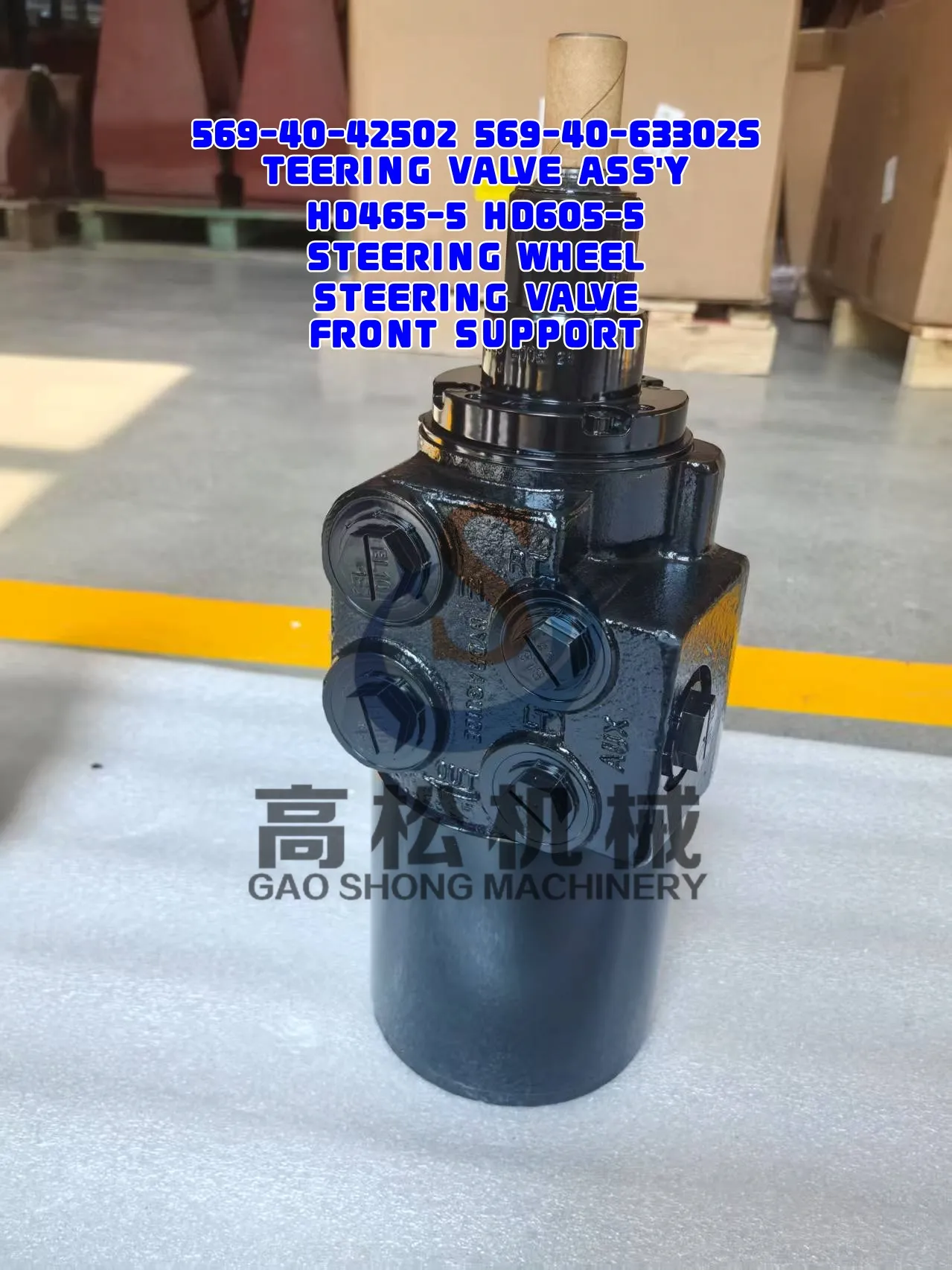 komatsu-part-569-40-42502 569-40-63302 STEERING VALVE ASS’Y HD465-5 HD465-7 HD465-7E1 HD465-7R HD465-7E0 HD605-7R HD605-5 HD605-7 HD465-7E0 STEERING WHEEL STEERING VALVE FRONT SUPPORT (STEERING VALVE MOUNTING PARTS)
 -
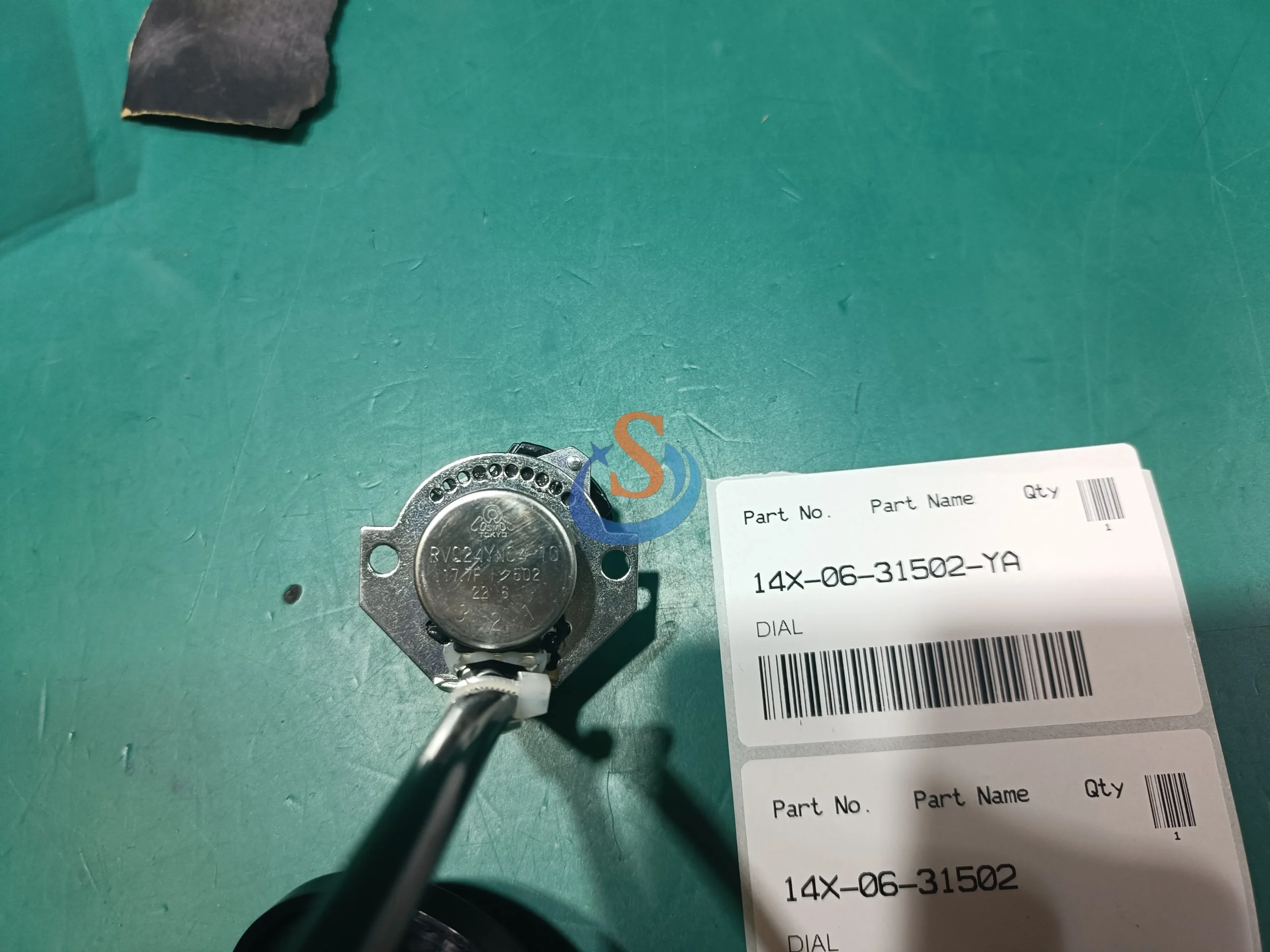 14X-06-31502 DIAL D65/D155/D375A
 -
 154-27-72350 komatsu Bushing
 -
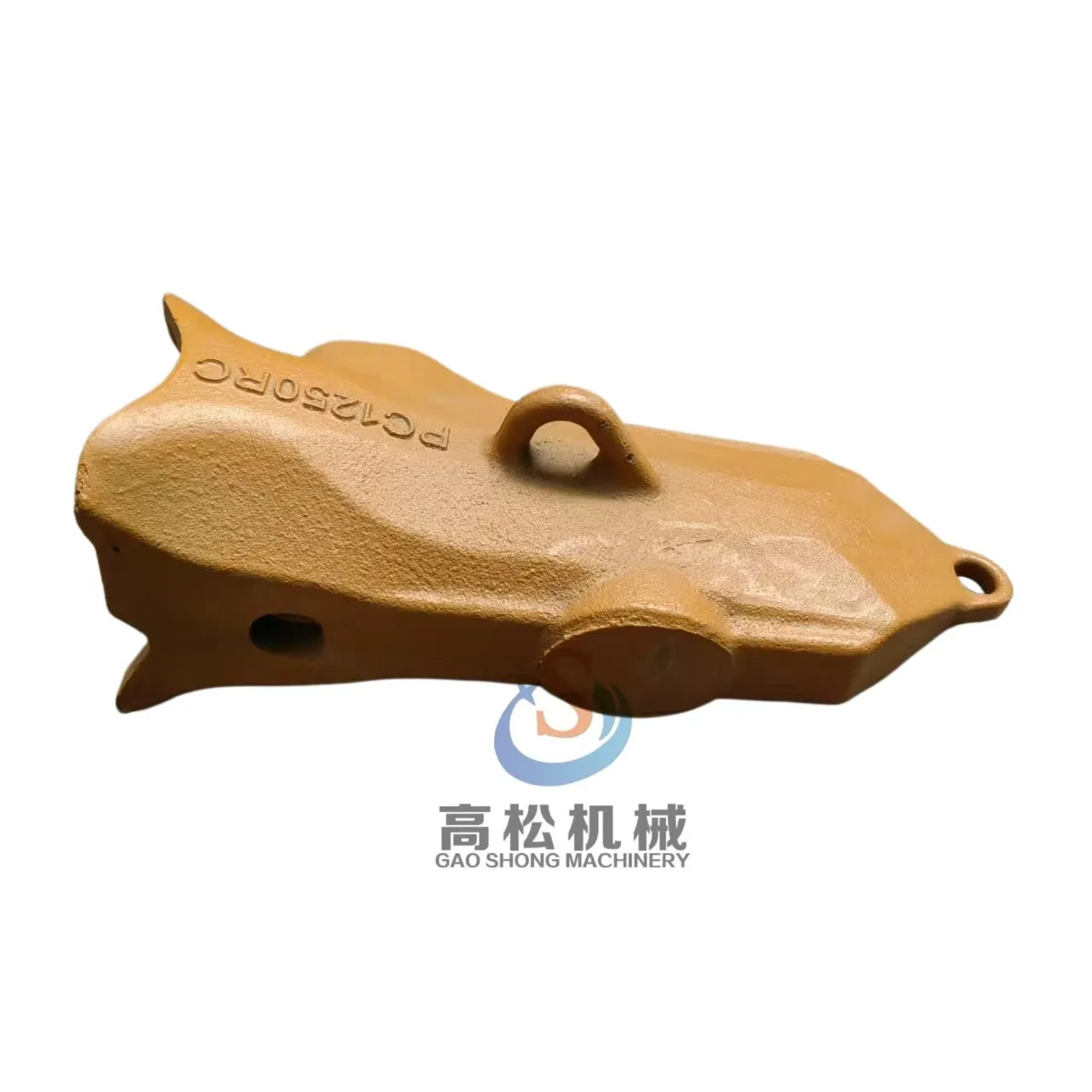 PC1250-8 Bucket Tooth 21N-70-37721 XS115RC
 -
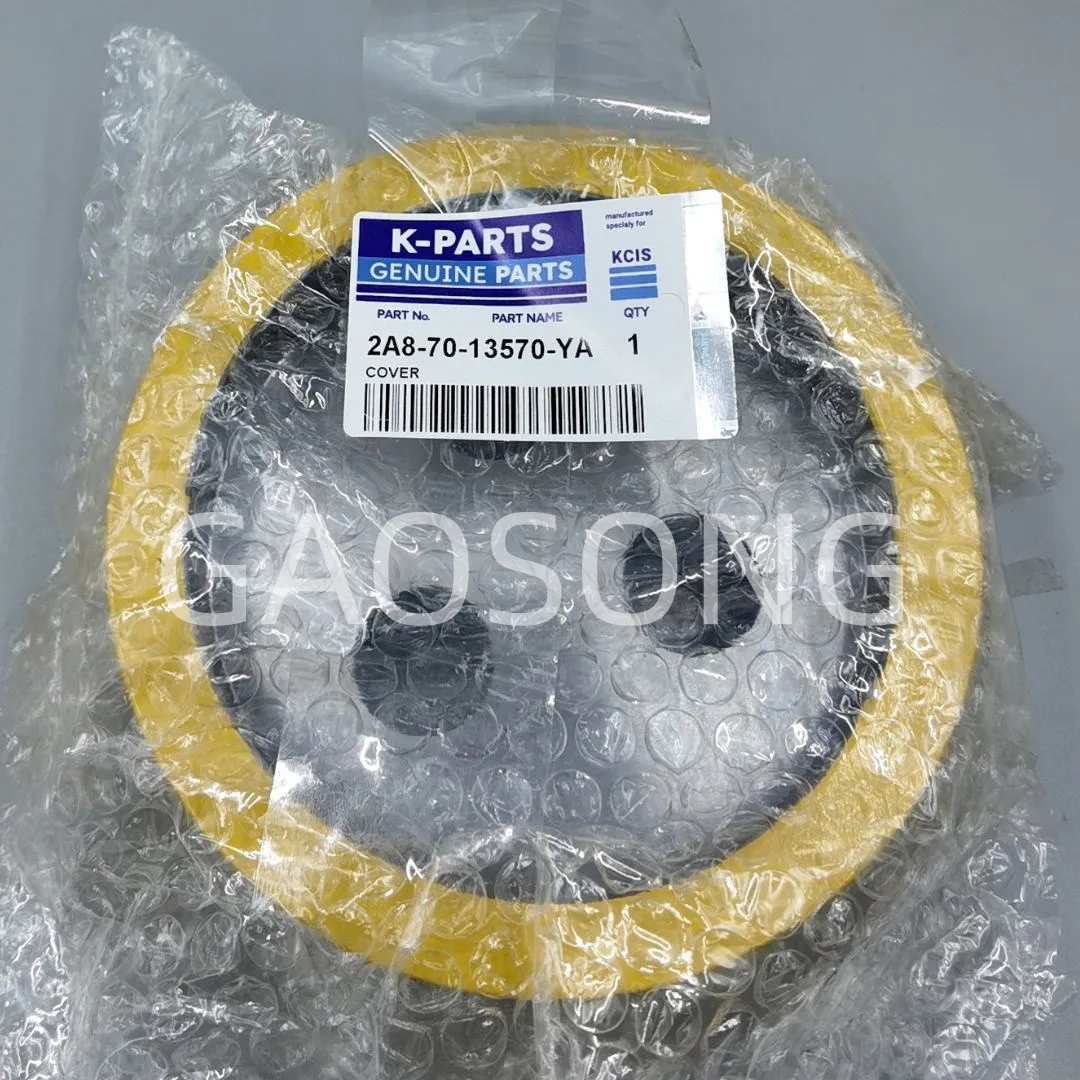 2A8-70-13570 Cover-Komatsu Original Factory
 -
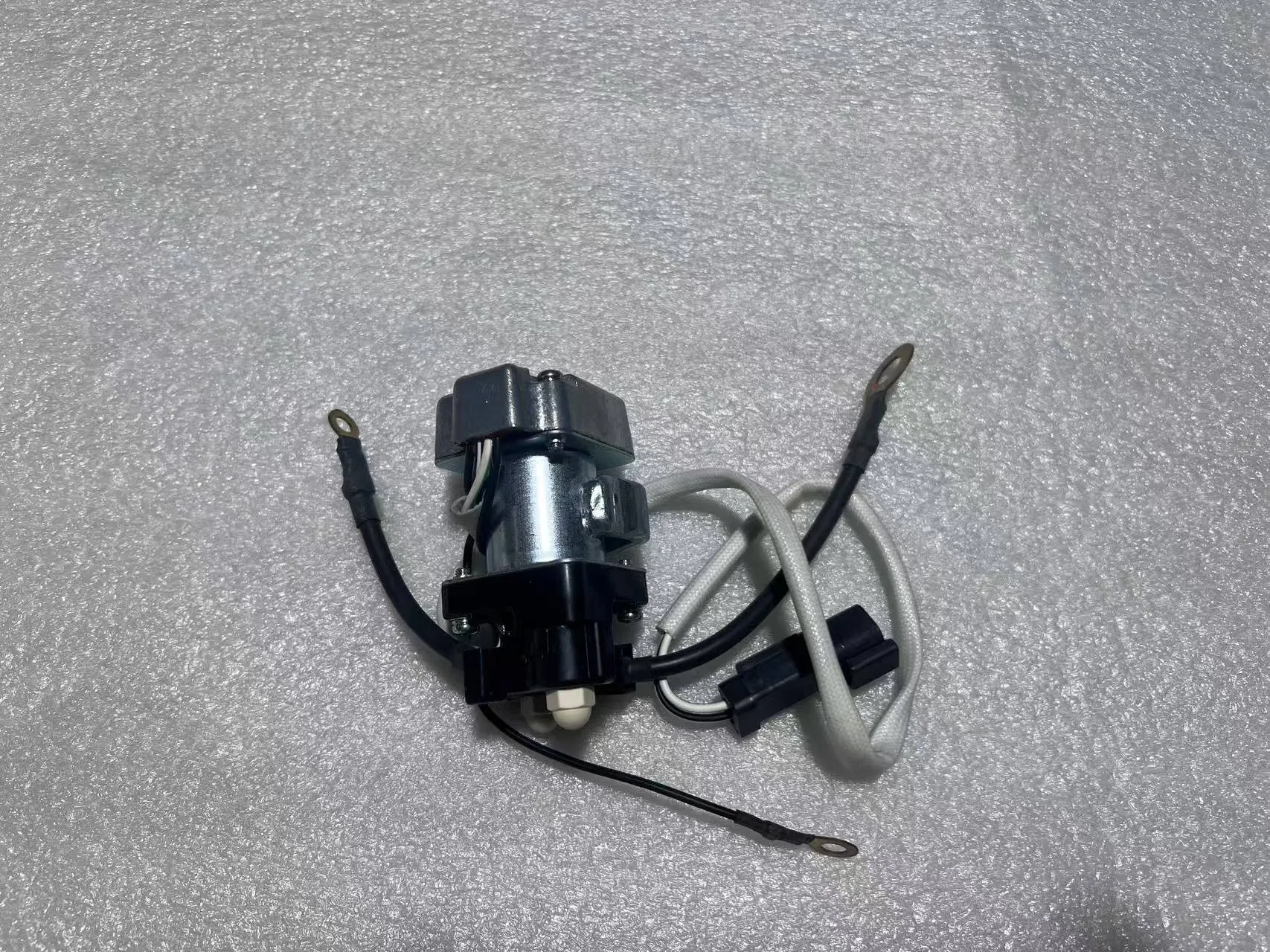 High-Quality Komatsu Spare Parts 421-06-11440 BREAKER for…
 -
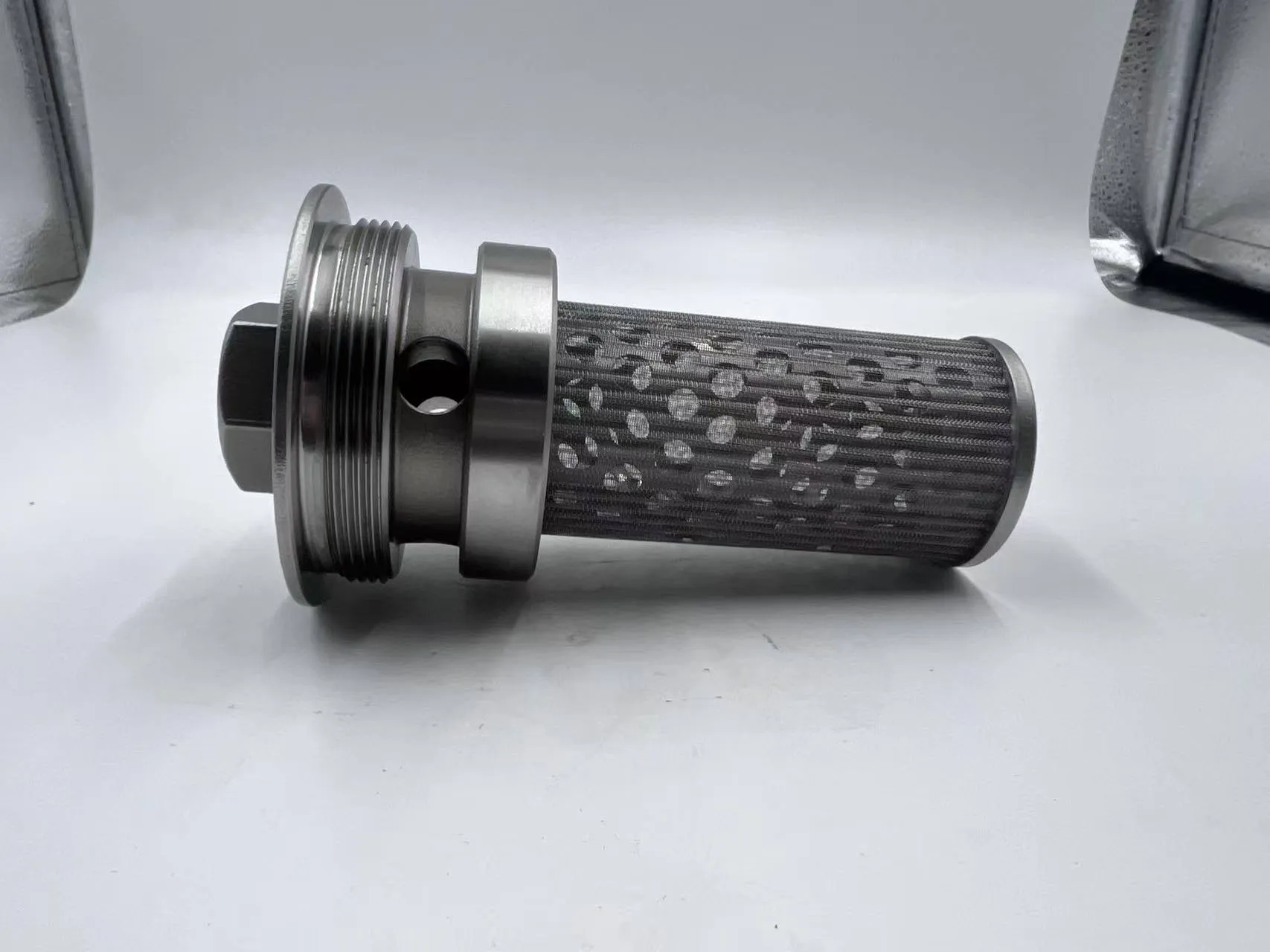 195-04-11150 STRAINER Suitable For Komatsu
 -
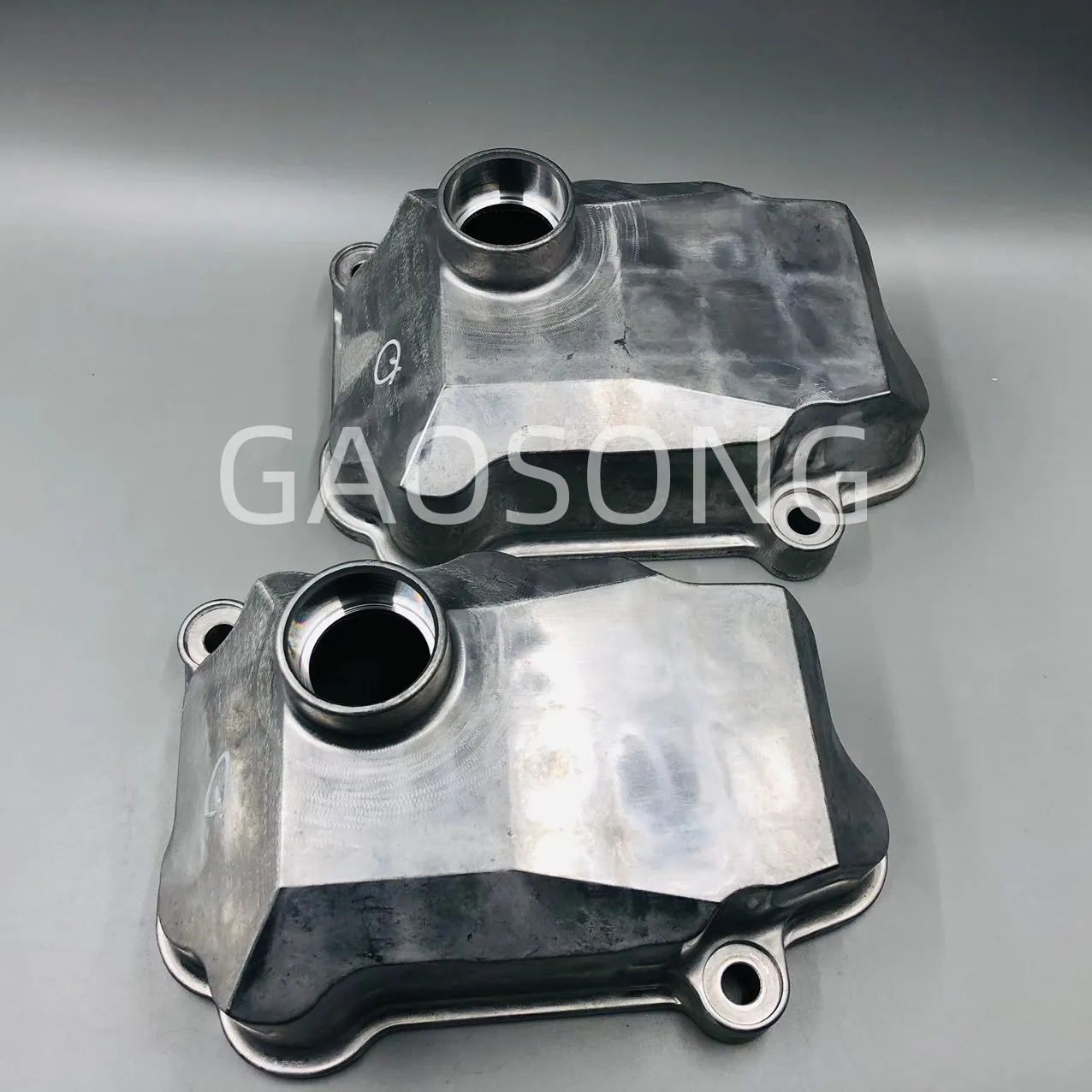 6251-11-8150 COVER, ROCKER ARM HOUSING-Komatsu Original Factory
 -
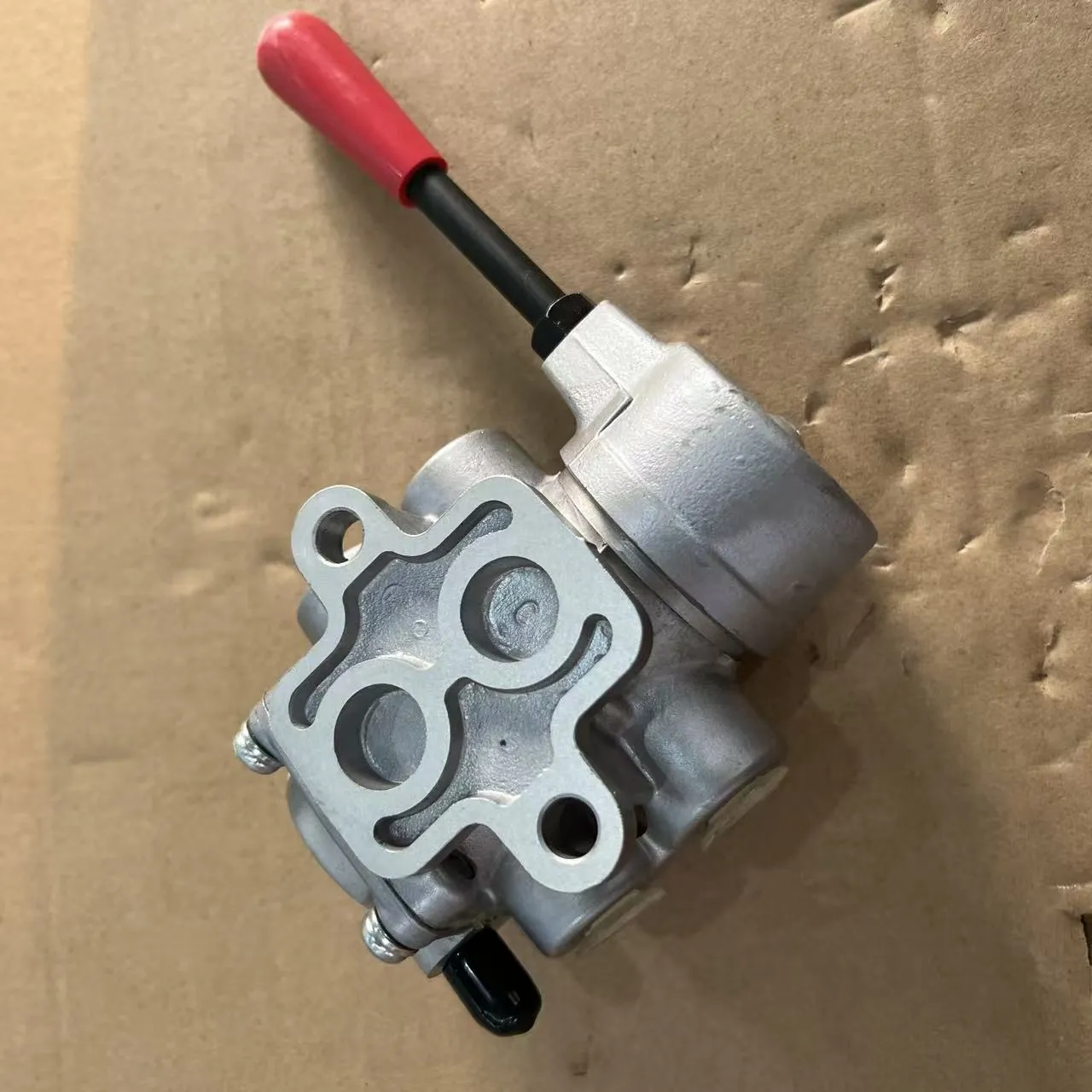 Komatsu 561-87-66102 EMERGENCY BRAKE… — Pricing.Parts
 -
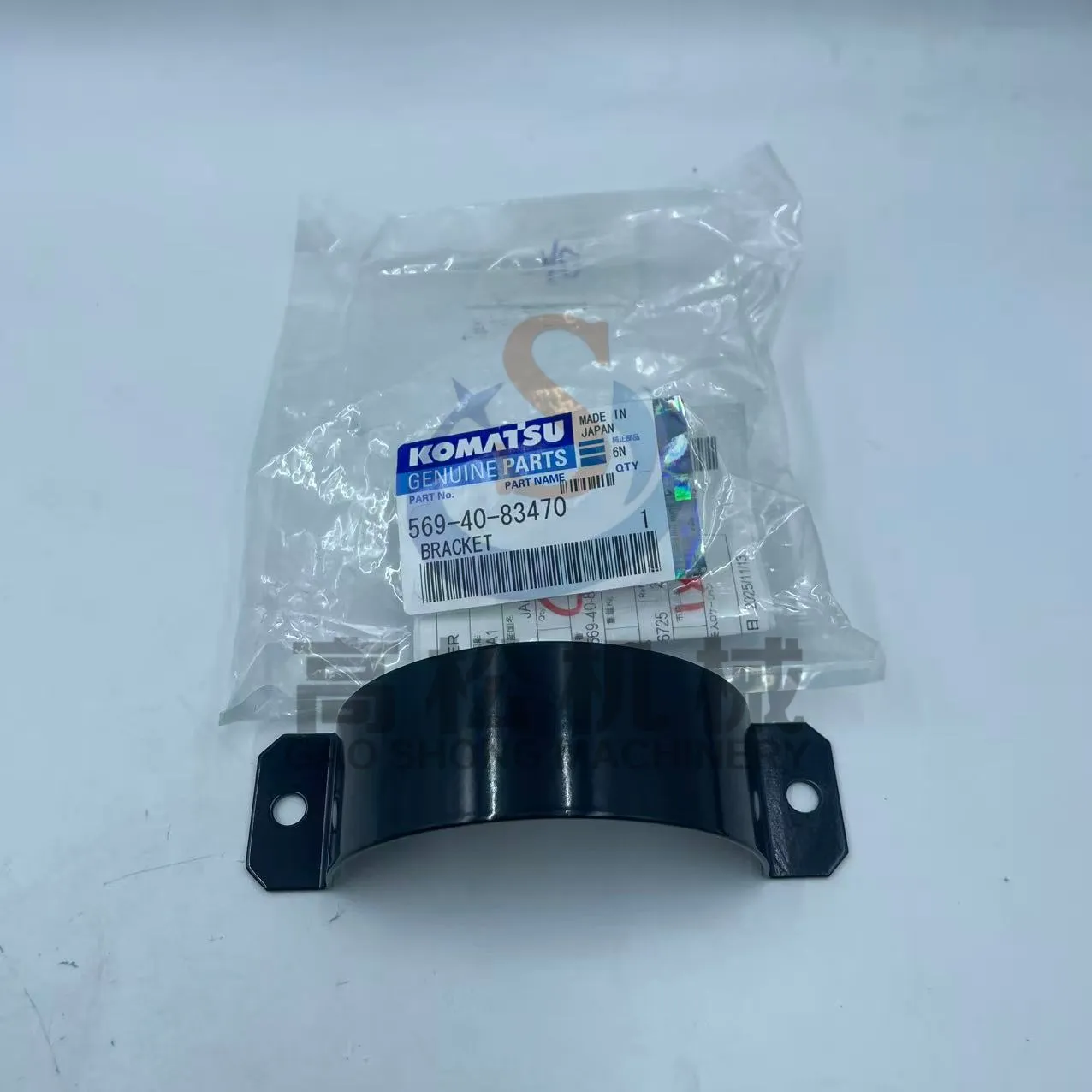 569-40-83470 Komatsu Bracket
 -
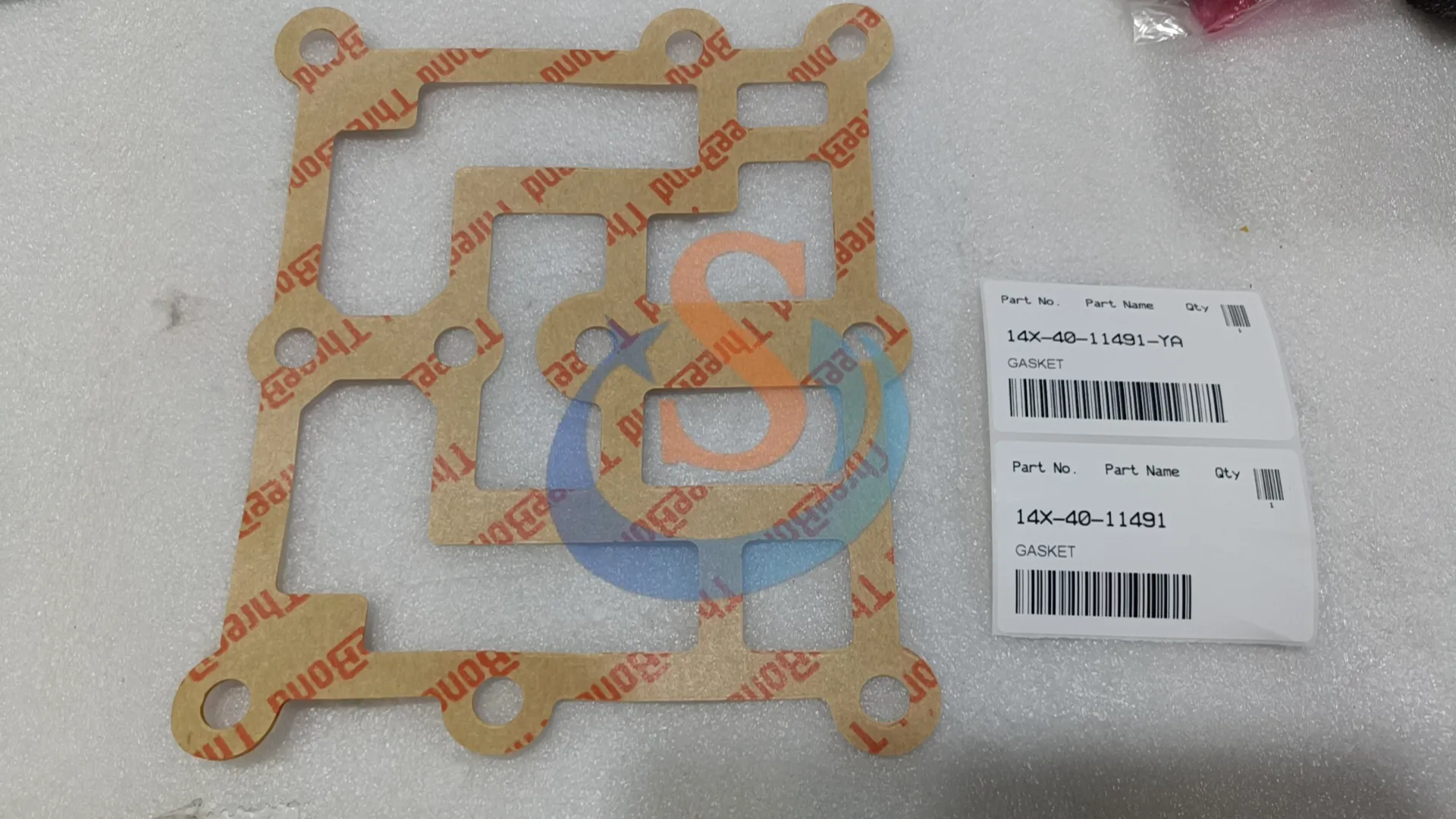 14X-40-11491,GASKET,D155A,D375A,D475A