
- Chinese
- French
- German
- Portuguese
- Spanish
- Russian
- Japanese
- Korean
- Arabic
- Irish
- Greek
- Turkish
- Italian
- Danish
- Romanian
- Indonesian
- Czech
- Afrikaans
- Swedish
- Polish
- Basque
- Catalan
- Esperanto
- Hindi
- Lao
- Albanian
- Amharic
- Armenian
- Azerbaijani
- Belarusian
- Bengali
- Bosnian
- Bulgarian
- Cebuano
- Chichewa
- Corsican
- Croatian
- Dutch
- Estonian
- Filipino
- Finnish
- Frisian
- Galician
- Georgian
- Gujarati
- Haitian
- Hausa
- Hawaiian
- Hebrew
- Hmong
- Hungarian
- Icelandic
- Igbo
- Javanese
- Kannada
- Kazakh
- Khmer
- Kurdish
- Kyrgyz
- Latin
- Latvian
- Lithuanian
- Luxembou..
- Macedonian
- Malagasy
- Malay
- Malayalam
- Maltese
- Maori
- Marathi
- Mongolian
- Burmese
- Nepali
- Norwegian
- Pashto
- Persian
- Punjabi
- Serbian
- Sesotho
- Sinhala
- Slovak
- Slovenian
- Somali
- Samoan
- Scots Gaelic
- Shona
- Sindhi
- Sundanese
- Swahili
- Tajik
- Tamil
- Telugu
- Thai
- Ukrainian
- Urdu
- Uzbek
- Vietnamese
- Welsh
- Xhosa
- Yiddish
- Yoruba
- Zulu
- Kinyarwanda
- Tatar
- Oriya
- Turkmen
- Uyghur





komatsu pc60 5 parts
When you type 'Komatsu PC60-5 parts' into a search, you're not just looking for a widget. You're likely in a bind, trying to keep an aging but reliable machine running. The immediate flood of results—from OEM portals to obscure global exporters—highlights the core dilemma. Everyone promises authenticity, but the reality on the ground is messier. A common pitfall is assuming all parts labeled for the PC60-5 are created equal, or that the most expensive option is necessarily the right one. The truth is, the supply chain for these components is layered, and understanding those layers is what separates a costly downtime from a smart, durable fix.
The OEM Promise vs. The Aftermarket Maze
Genuine Komatsu parts are the gold standard, no argument. For critical components like the main hydraulic pump or the controller, I rarely advise deviating. But here's the rub: for a model like the PC60-5, which has been out of primary production for years, certain genuine parts can be on perpetual backorder or priced astronomically. I've seen situations where waiting for an official seal from the distributor meant a project stalled for weeks. This is where the landscape gets complicated. The aftermarket isn't just one thing; it's tiers. You have certified rebuilds, high-spec reverse-engineered parts, and then the low-cost clones that are a gamble at best.
This is precisely the gap that companies operating within the Komatsu ecosystem but with flexible supply chains aim to fill. Take Jining Gaosong Construction Machinery Co., Ltd., for instance. Their setup is interesting. They position themselves as an OEM product supplier within Komatsu's system while also functioning as a third-party sales channel. In practice, this means they can sometimes access genuine pipelines or OEM-equivalent parts that aren't in the standard regional catalog. Their stated goal of solving parts supply challenges in certain countries isn't just marketing—it reflects a real pain point. When a distributor in one region has zero stock, a partner with a global network like theirs can be a lifeline. I've used channels like this for non-safety-critical items: seals, gaskets, hydraulic hoses, and even certain linkage pins. The key is verification.
The risk, of course, is quality drift. I once opted for a supposedly OEM-equivalent swing motor for a PC60-5 from a similar supplier. It looked perfect, even had matching casting marks. But the internal tolerances were off by a hair. The result was a slight but persistent heat buildup that we only caught after a month. It didn't fail catastrophically, but it was working harder than it should. That experience cemented a rule: for any part with moving internals or tight tolerances, demand material certifications and factory test reports. A reputable supplier like the one mentioned should be able to provide that traceability, at least for their core lines.
Pinpointing the PC60-5's Chronic Wear Points
You don't need a manual to know the common failures if you've run these machines. The PC60-5 parts you'll order most often cluster around a few systems. The undercarriage, especially on machines used in abrasive conditions, is a constant. Track links, rollers, and idlers—sourcing these as a complete matched set from a reliable aftermarket manufacturer can save a fortune over mixing and matching. I'm cautious with final drives, though. A cheap replacement might last a year, while a rebuilt OEM unit could go for three.
Then there's the hydraulic system. The control valves, specifically. Spool wear is gradual, leading to slower cycle times and less precise movement. Rebuilding kits are available, but the quality of the seals and the precision of the lapping process make all the difference. I've had better luck sourcing a complete, professionally remanufactured valve body from a specialist than trying to rebuild on-site with a generic kit. For hoses and fittings, I'm less brand-loyal; a quality ISO-standard hose is often just as good as the one with the Komatsu stripe, at a better price.
The electronic side is trickier. You can't reverse-engineer a controller board reliably. For the monitor panel or sensors, I always check with a specialist dismantler first for a used genuine part before considering a new non-OEM option. The failure rate on electronic clones is higher than they'd have you believe.
The Sourcing Decision: A Practical Framework
My process isn't rigid, but it follows a logic tree. First: Is the part safety or mission-critical? Engine components, structural welds, major hydraulic cylinders—I push hard for genuine or certified-rebuilt. Second: What's the lead time? If the official channel says 45 days, I have to explore alternatives. Third: What's the total cost of ownership? A $200 part that fails in 6 months is more expensive than a $500 part that lasts 3 years.
This is where a supplier's role becomes crucial. A company that is both an OEM supplier and a third-party seller, such as the one found at https://www.takematsumachinery.com, can offer options at different points on this spectrum. Their value isn't just in having a part number in a database; it's in providing context. A good sales contact will tell you, We have this in an OEM box, but it's a 3-week air freight. We also have this approved-aftermarket version from Japan that we stock, and here's the performance data. That transparency is what builds trust.
I never make a large order from a new source without a test batch. Order a set of filters, a few hydraulic adapters. Inspect the packaging, the machining quality, the material grade stamps. It tells you more than any website. I recall vetting a new supplier by ordering a simple pivot bushing set. The packaging was professional, and the parts had a proper anti-corrosion coating—small details that signaled attention to quality. They earned bigger orders after that.
On-the-Ground Challenges and Workarounds
In the field, the theory meets mud, literally. A common headache is part number supersession or regional variations. The PC60-5 shipped with different auxiliary hydraulic options, for example. A pump from a later serial number range might physically fit but have a different pressure setting. You can't just go by the machine model; you need the exact component code or, better yet, the old part in hand for comparison. I've learned to take extensive photos—thread patterns, hose port angles, casting numbers—before ordering. Sending these to a supplier like Jining Gaosong can prevent a wrong shipment that costs you two weeks.
Another gray area is reconditioned vs. rebuilt. In my book, reconditioned means cleaned, painted, and maybe with new seals. Rebuilt should mean disassembled to the last bearing, worn components replaced, and tested to a performance standard. Always ask for the rebuild spec sheet. For a travel motor or a swing gearbox, this is non-negotiable.
Logistics is the silent killer of a good parts strategy. A fantastic price on a final drive is wiped out if it sits in customs for a month. Suppliers with experience in international trade, especially those focused on solving supply challenges in specific countries, typically have the paperwork and shipping corridors figured out. They know which HS codes avoid delays. This operational knowledge is an intangible but critical part of the service.
Building a Sustainable Parts Strategy
For a fleet of older machines like the PC60-5, reactive buying is a budget drain. The goal is to build a relationship with 2-3 key suppliers who cover different niches. One might be your go-to for genuine and certified rebuilds for critical systems. Another, perhaps a flexible partner operating as a third-party within the Komatsu network, becomes your source for OEM-equivalent mechanical parts and fast-moving consumables. Diversifying your sources mitigates risk.
Don't overlook the value of a supplier's technical input. The best conversations I've had weren't just about placing an order. They were troubleshooting calls: The machine is doing this, we've checked that... A knowledgeable parts specialist, drawing from experience across many machines, might suggest, That sounds like the check valve in the pilot line, part number XYZ, it's a common issue on that series. That diagnostic capability is worth its weight in gold.
Ultimately, managing Komatsu PC60-5 parts is an exercise in pragmatic judgment. It's about balancing unwavering standards for core components with smart, verified alternatives for the rest. It's understanding that the supply chain is a living system, with players like Jining Gaosong Construction Machinery Co., Ltd. occupying a specific and necessary niche—bridging the gap between the pure OEM world and the urgent needs of the field. The real expertise isn't just in knowing the part number; it's in knowing who to call, what questions to ask, and how to validate the answer you get. That keeps the machines, and the projects, moving.
Related Products
Related Products
Best Selling Products
Best Selling Products-
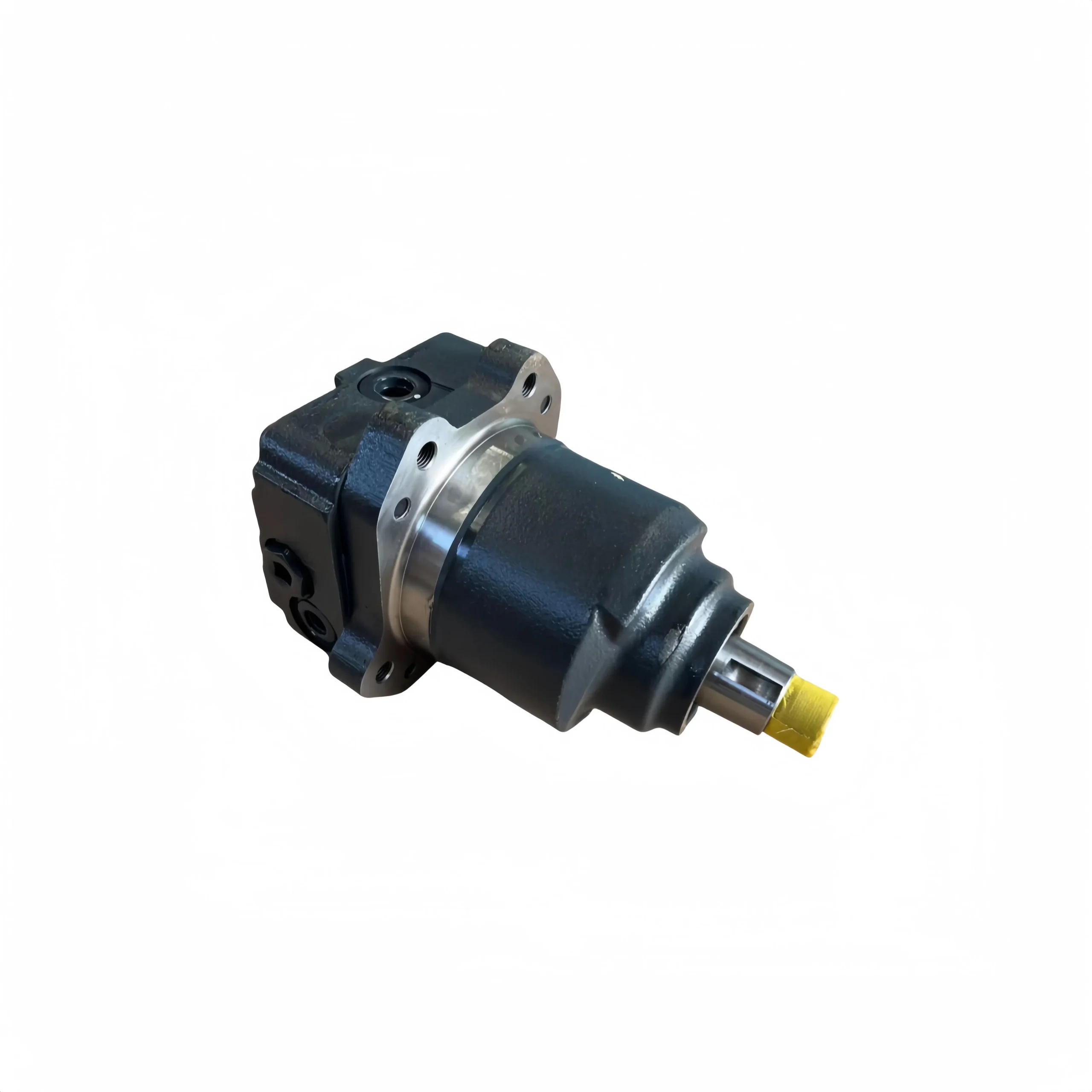 708-7W-00021 Fan Motor for Komatsu D275A-5D
 -
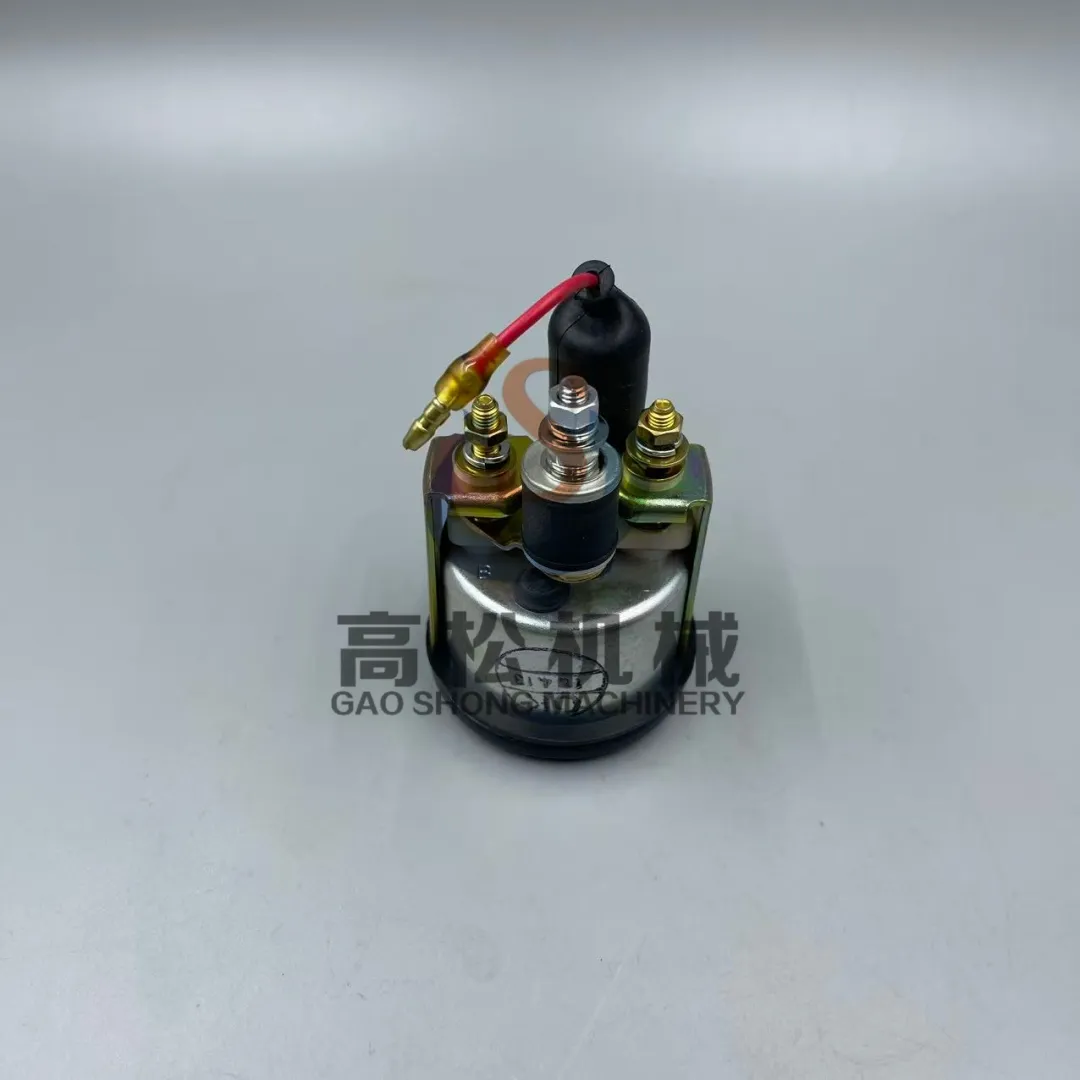 195-06-23110 – GAUGE, WATER TEMP 1950623110 fits KOMATSU
 -
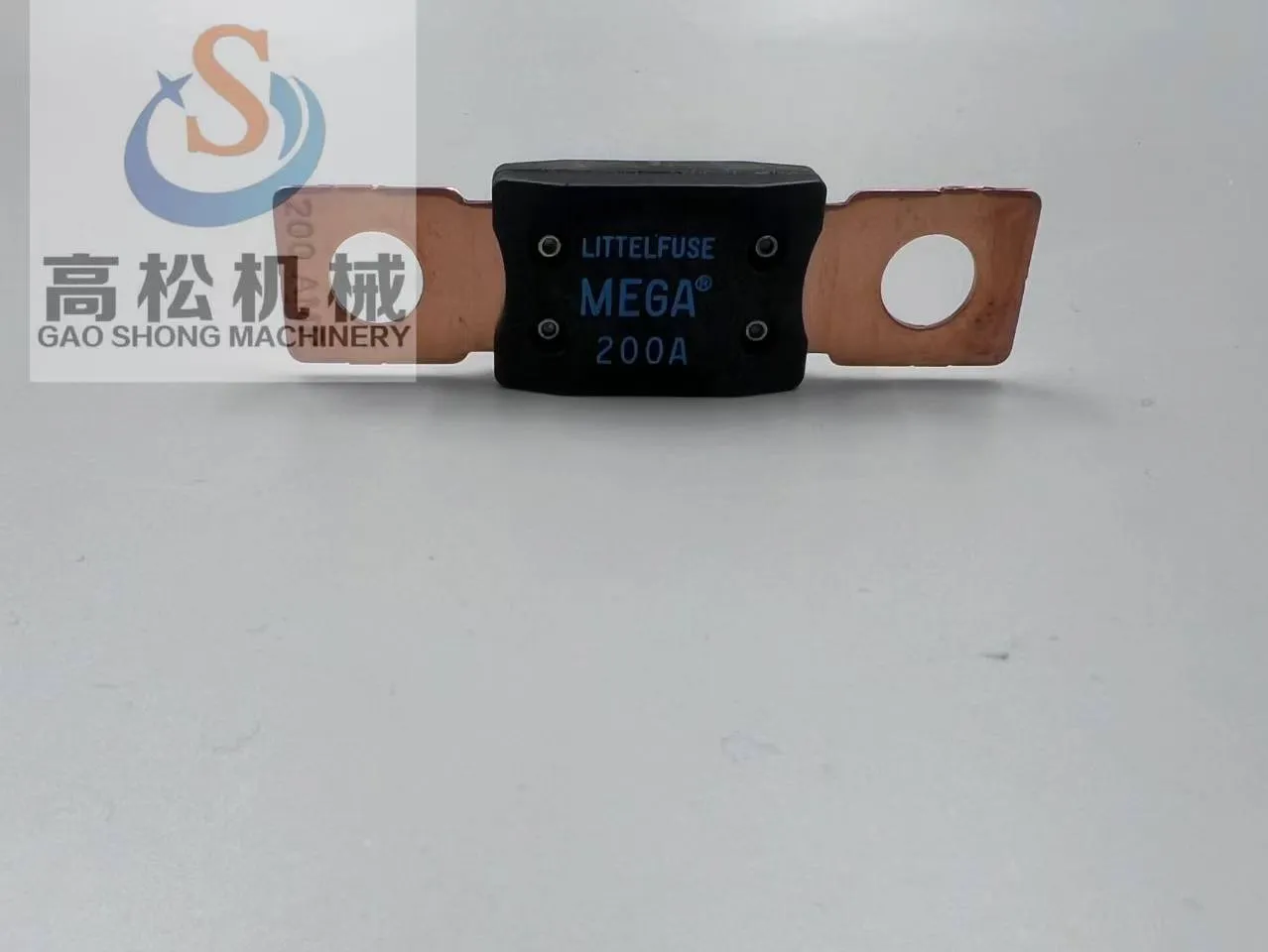 Original original fuse 561-06-81610 for hd785-7 wheel loaders wa500-6 bulldozer parts bulldozer parts ass ‘y
 -
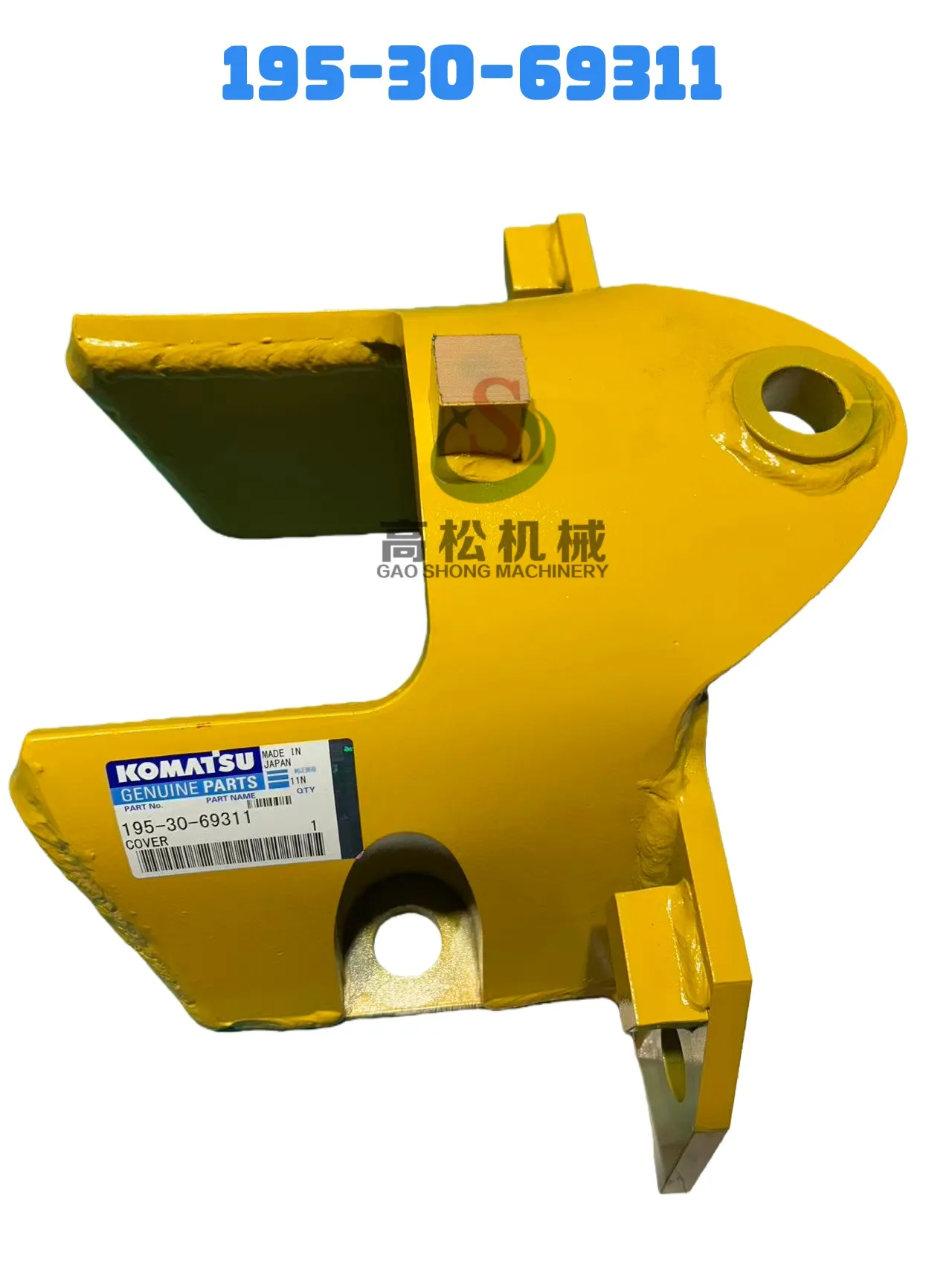 komatsu parts195-30-69311 COVER D375A-5 D375A-6 D375AI-8 D375A-8E0 TRACK FRAME
 -
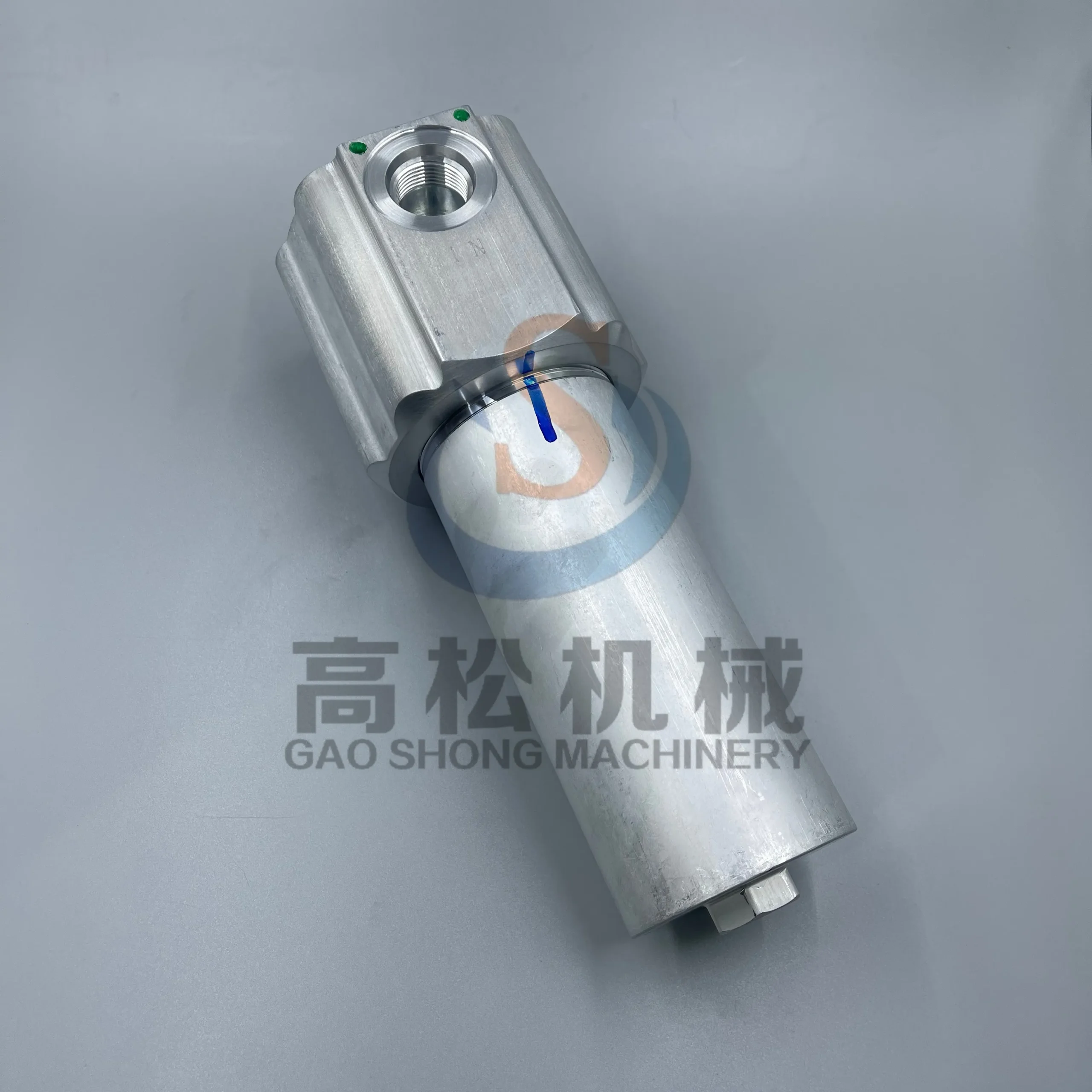 569-43-83911 Komatsu Filter Assembly
 -
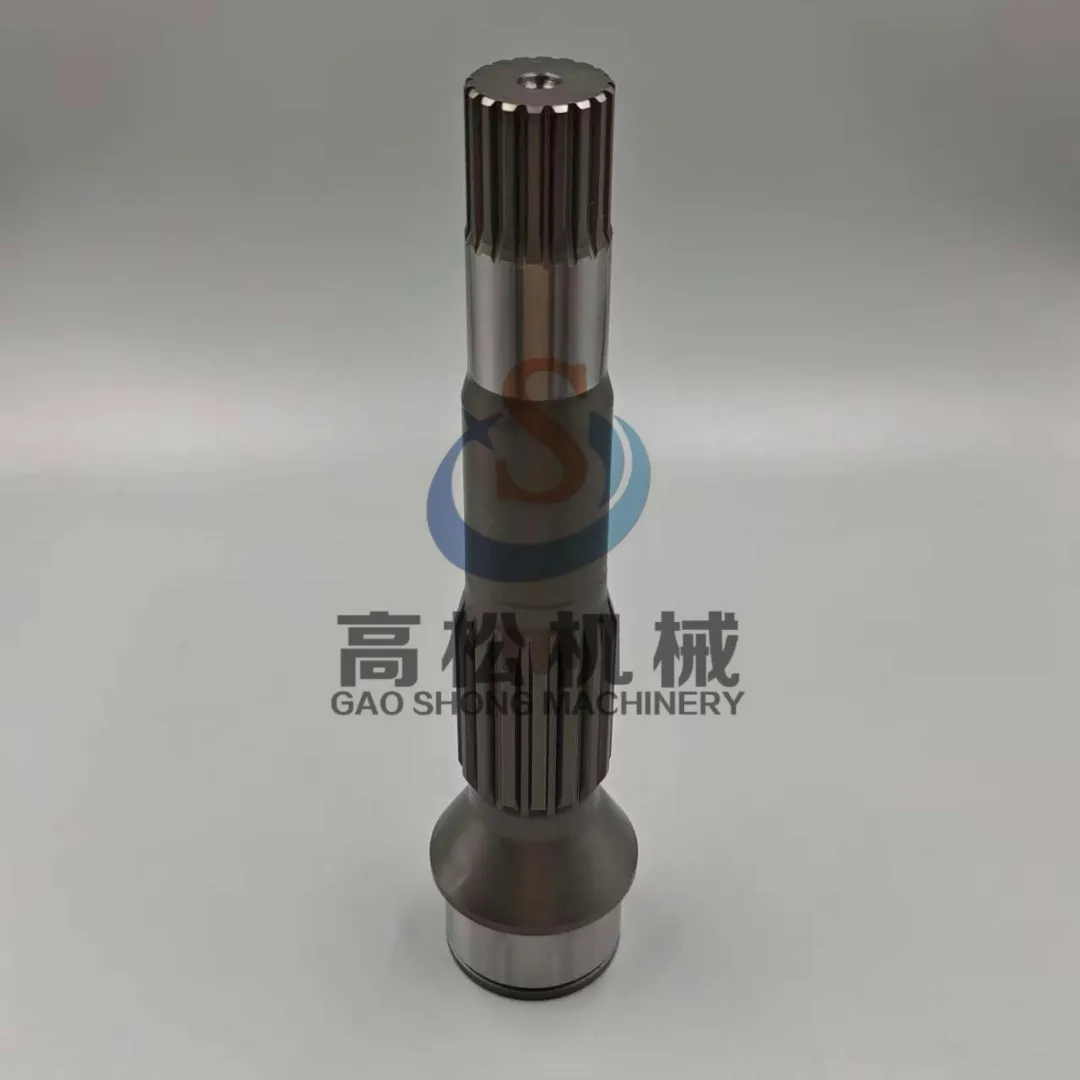 708-2G-12121 Shaft Drive L Fits Komatsu PC300-7 PC360-7 PC350-7 HPV140 Pump
 -
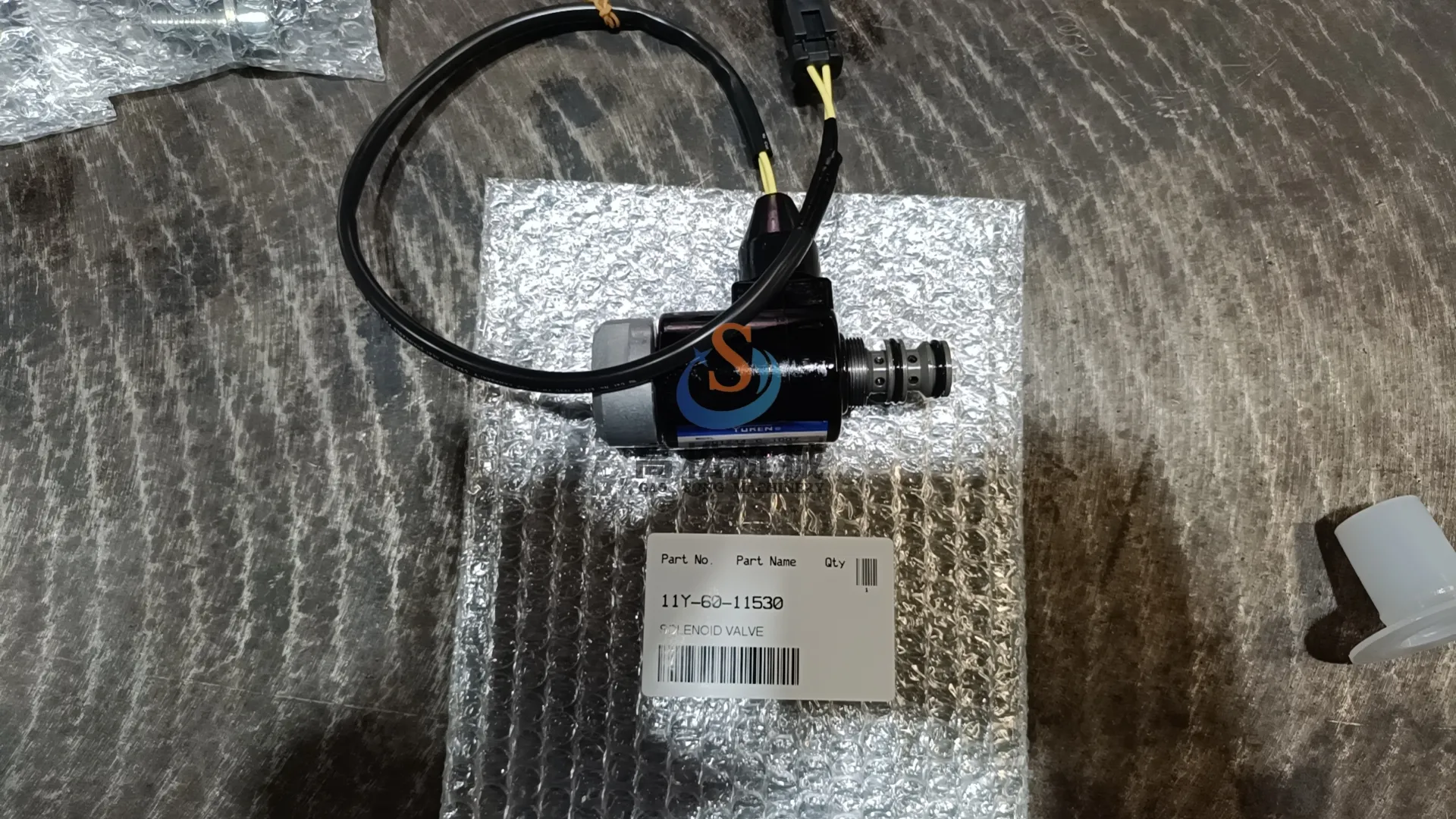 11Y-60-11530 komatsu SOLENOID VALVE
 -
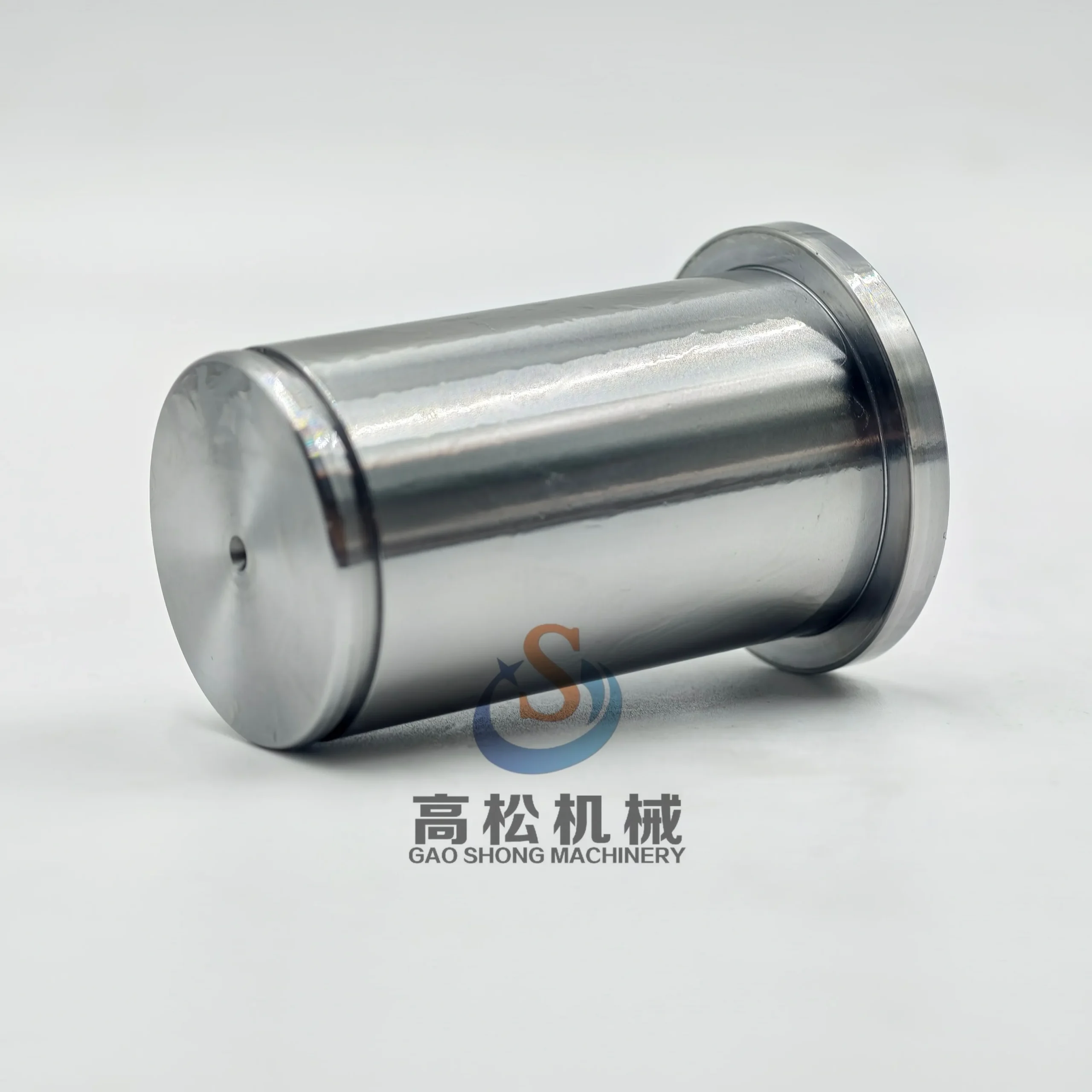 komatsu parts 21N-26-33240 Pin PC1250-11 SWING MACHINERY AND MOTOR, FRONT
 -
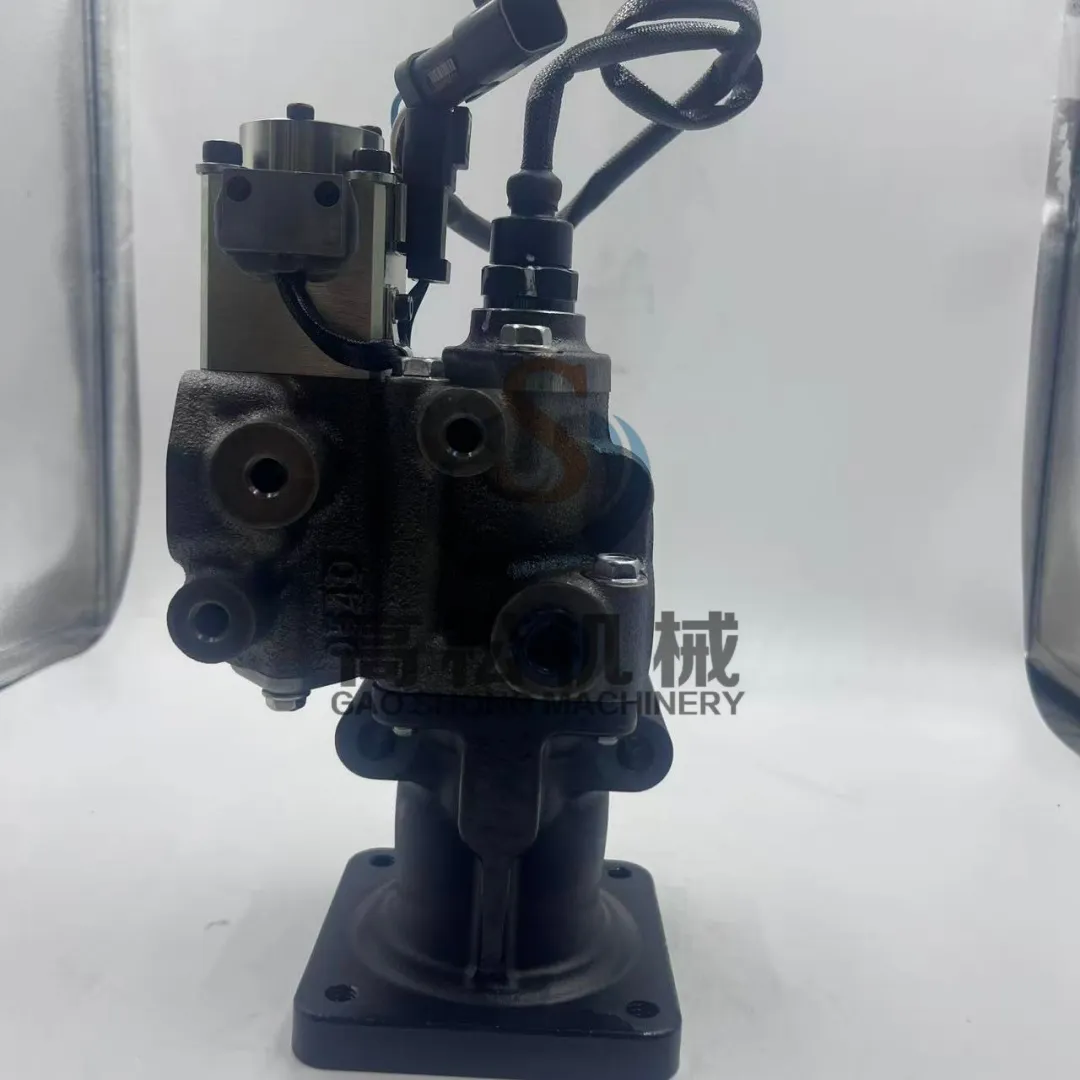 6261-41-9500 Komatsu Valve Assembly
 -
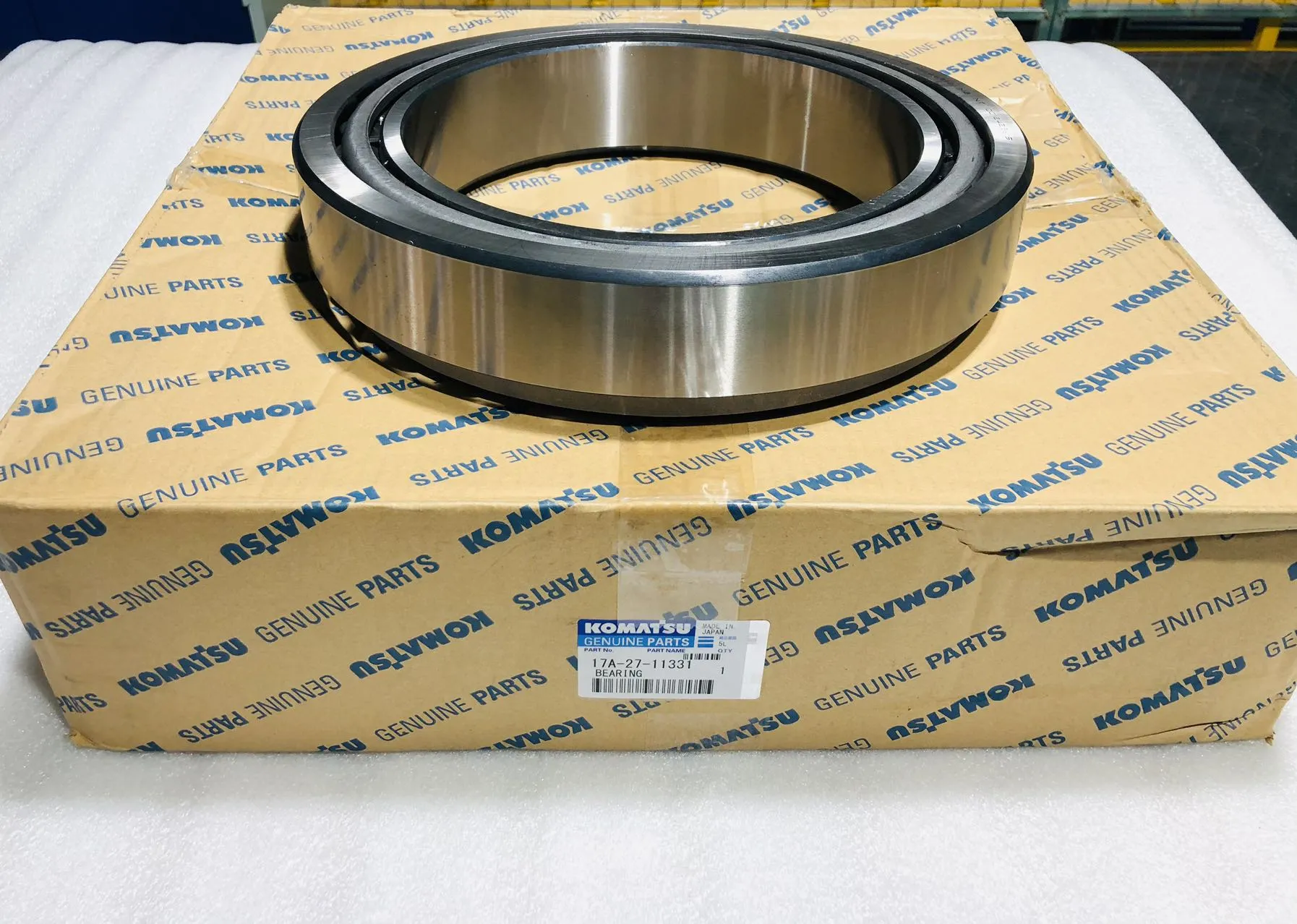 17A-27-11331 Komatsu D155
 -
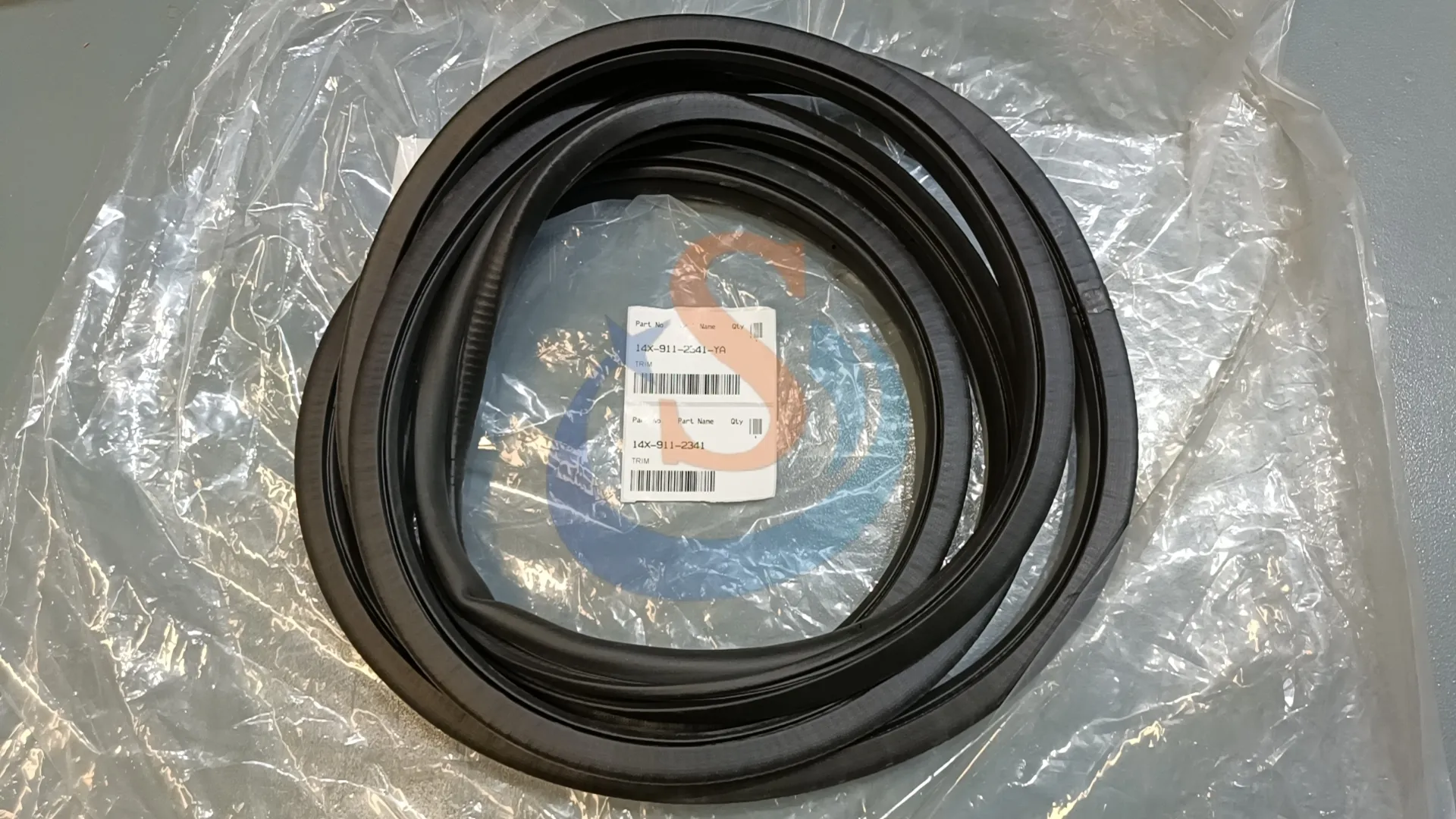 0700012021 Pack of 10 O-RING suitable for Komatsu
 -
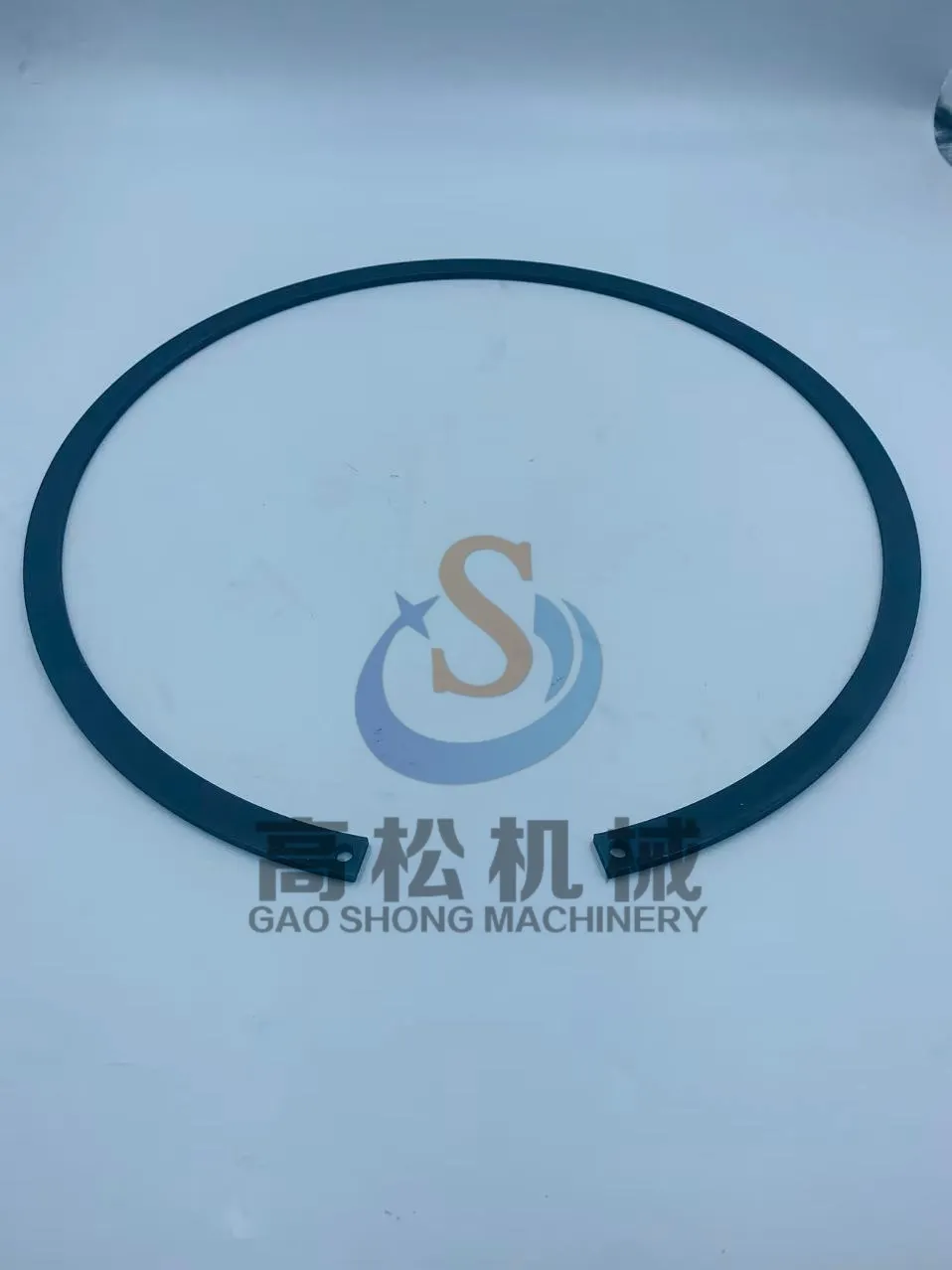 SNAP RING – 21T-26-11270