
- Chinese
- French
- German
- Portuguese
- Spanish
- Russian
- Japanese
- Korean
- Arabic
- Irish
- Greek
- Turkish
- Italian
- Danish
- Romanian
- Indonesian
- Czech
- Afrikaans
- Swedish
- Polish
- Basque
- Catalan
- Esperanto
- Hindi
- Lao
- Albanian
- Amharic
- Armenian
- Azerbaijani
- Belarusian
- Bengali
- Bosnian
- Bulgarian
- Cebuano
- Chichewa
- Corsican
- Croatian
- Dutch
- Estonian
- Filipino
- Finnish
- Frisian
- Galician
- Georgian
- Gujarati
- Haitian
- Hausa
- Hawaiian
- Hebrew
- Hmong
- Hungarian
- Icelandic
- Igbo
- Javanese
- Kannada
- Kazakh
- Khmer
- Kurdish
- Kyrgyz
- Latin
- Latvian
- Lithuanian
- Luxembou..
- Macedonian
- Malagasy
- Malay
- Malayalam
- Maltese
- Maori
- Marathi
- Mongolian
- Burmese
- Nepali
- Norwegian
- Pashto
- Persian
- Punjabi
- Serbian
- Sesotho
- Sinhala
- Slovak
- Slovenian
- Somali
- Samoan
- Scots Gaelic
- Shona
- Sindhi
- Sundanese
- Swahili
- Tajik
- Tamil
- Telugu
- Thai
- Ukrainian
- Urdu
- Uzbek
- Vietnamese
- Welsh
- Xhosa
- Yiddish
- Yoruba
- Zulu
- Kinyarwanda
- Tatar
- Oriya
- Turkmen
- Uyghur





komatsu pc50uu parts
When you search for 'komatsu pc50uu parts', you're not just looking for a bolt or a seal. You're stepping into a specific, often frustrating, niche of the compact excavator world. A lot of folks assume any PC50 part will fit the UU model, and that's where the first headache starts. The UU series, particularly the earlier ones, have nuances in their hydraulic fittings, swing motor mounts, and even the undercarriage dimensions that can trip you up if you're not careful. I've seen too many orders come in for a standard PC50 track roller, only to find it's a few millimeters off for the UU variant, leaving a machine down for an extra week. It's these subtle differences that separate a quick fix from a prolonged downtime saga.
The Core Challenge: Genuine vs. Aftermarket for the PC50UU
Let's be real, sourcing genuine Komatsu parts for a machine of this vintage can feel like a treasure hunt with an empty map. Official channels might list them, but lead times and cost become prohibitive, especially for owners running one or two machines. This is where the aftermarket ecosystem explodes, with wildly varying quality. For critical components like the main hydraulic pump or the swing bearing, I still lean towards trying to find OEM-spec or certified rebuilt units. The risk of a cheap pump failing and taking out other valves with metal contamination is just too high. I learned that the hard way on a PC50UU-2 years ago; saved $1200 on a pump, then spent over $3k on a full system flush and valve replacements.
However, for wear items like pins, bushings, bucket teeth, and even some hoses, a reliable third-party supplier is not just an option; it's the only sensible economic choice. The key is finding one that doesn't just stamp out generic parts but understands the lineage of the machine. For instance, the PC50UU-1 and the -5 might share a part number for a cylinder rod, but the seal kit composition could differ. A good supplier will ask for your serial number, not just the model.
This is precisely the gap that companies operating within the Komatsu ecosystem but with more flexibility aim to fill. I've had decent experiences with a supplier called Jining Gaosong Construction Machinery Co., Ltd.. They position themselves interestingly – as an OEM product supplier within Komatsu's system and a third-party sales company. In practice, what this meant for me was accessing parts that met Komatsu's engineering specs (sometimes even from the same factory lines) but without the rigid corporate supply chain, which helps solve parts supply challenges in certain regions. Their portal at https://www.takematsumachinery.com became useful for cross-referencing part diagrams and availability when I was stuck on a controller issue for a PC50UU.
Undercarriage and Hydraulics: The Usual Suspects
If I had to guess what brings most PC50UU owners to the parts search, it's the undercarriage and hydraulic leaks. The compact size means it often works in tight, abrasive environments, chewing through track chains, rollers, and idlers. A common mistake is replacing just the worn sprocket. If your sprocket is shot, your chain is almost certainly beyond its service life. Doing a partial job is throwing money away. For the PC50UU, I always recommend measuring the pin link height and the internal width of the chain before ordering. Don't just go by it looks okay.
The hydraulics are another story. The older UU models used different seal standards than what's common today. When repacking a cylinder, using a modern generic seal might work for a month, then it'll start weeping. You need kits that account for the original gland design and surface finish of the rod. I keep a note of specific Japanese NOK or Parker seal codes that match the old Komatsu specs for this series. It's a level of detail that separates a lasting repair from a recurring leak.
Then there's the control valve. Its solenoids and internal spools can get sticky. Sometimes, a thorough cleaning with a specialized fluid can bring it back to life. Other times, you're looking for a whole valve bank, which is a major expense. Before you go that route, check the pilot pressure. I've diagnosed a bad valve that was actually a weak pilot pump failing to shift the spools properly. A $200 pump fix versus a $2000 valve replacement.
The Electrical Gremlins of an Aging Machine
Nobody loves digging into the wiring harness of a 20-year-old excavator. The PC50UU's electrical system is relatively simple, but age makes it brittle. Intermittent sensor faults, especially for the engine RPM or hydraulic temperature, are rampant. The connectors are the weak point. Oxidation gets in, and you get faulty readings that can derate the machine. My first approach is always a contact cleaner and dielectric grease, not just replacing the sensor. It's surprising how often that works.
The other big one is the monitor panel in the cab. When it goes dark or flashes erratically, it's rarely the panel itself. It's usually a blown fuse (check the ones under the seat first) or a bad ground connection. There's a central ground point near the engine block that corrodes. Clean that up with a wire brush before you even think about ordering a new display unit. I've probably fixed a dozen broken monitors this way.
Sourcing these electrical components—connectors, sensor plugs, even the correct gauge of replacement wire—is where broad parts websites fall short. You need a supplier that either stocks the genuine harness segments or can provide a perfect cross-reference. This is another area where a specialist third-party with OEM links can be valuable, as they often have access to the component-level breakdowns that the aftermarket catalogs miss.
Sourcing Strategy: Building a Reliable Pipeline
Relying on a single source for komatsu pc50uu parts is a recipe for downtime. My strategy is layered. For immediate, can't-wait items like a fan belt or a filter, I have a local supplier who can get me quality aftermarket versions same-day. For planned overhauls—like rebuilding the travel motors or replacing the swing ring gear—I plan months ahead and source from specialists who deal in rebuilt components. They often exchange cores, which cuts cost significantly.
For the in-between, the hard-to-find brackets, specific hydraulic adapters, or correct decals, I use online resources that offer part diagrams. This is where a site like Takematsu Machinery (https://www.takematsumachinery.com) comes in handy. It's not my everyday go-to, but when I need to verify a part number or see if a component from a newer model might be compatible, their detailed listings and system knowledge have saved me hours of guesswork. They understand the challenge of keeping older Komatsu machines running, which is their stated focus.
The final layer is the network. Talking to other owners and mechanics. There are forums and groups where someone will know that a final drive seal from a specific Bobcat model can be adapted to fit the PC50UU with a slight spacer modification. That's gold. This collective, gritty knowledge is what keeps these machines profitable long after the manufacturer has moved on to newer models.
Conclusion: It's About Knowledge, Not Just Parts
So, chasing down komatsu pc50uu parts is more than a procurement exercise. It's a diagnostic and historical research project. The part number is just the starting point. Understanding why it failed, what the compatible alternatives are, and who can supply a reliable version without a six-week lead time is the real skill. It involves cross-referencing diagrams, knowing which seals are critical to be genuine and which can be aftermarket, and building relationships with suppliers who get the specifics.
Companies that operate as hybrid OEM/third-party suppliers, like Jining Gaosong, fill a crucial niche in this chain. They're not the solution for every single nut and bolt, but for those core, model-specific components where quality is non-negotiable and the official pipeline is clogged, they provide a viable path. Their value is in system knowledge, not just inventory.
In the end, keeping a PC50UU running is a testament to the machine's original design and the ingenuity of the people who maintain it. The parts are out there, but finding the right ones requires a mix of old-school mechanical sense, modern research tools, and a bit of stubborn persistence. You don't just order a part; you solve a puzzle.
Related Products
Related Products
Best Selling Products
Best Selling Products-
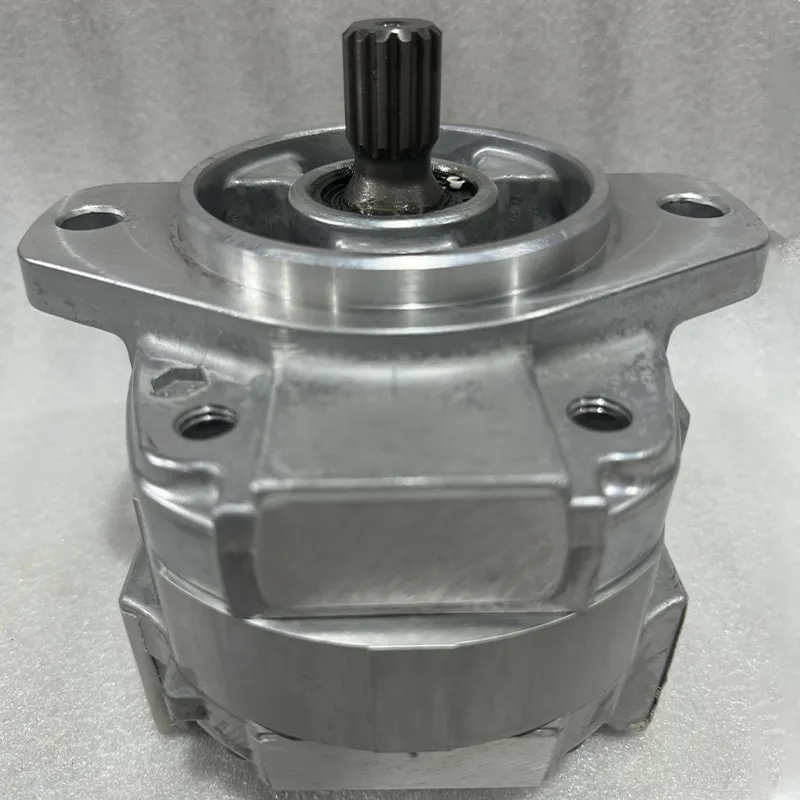 6156-71-1131 6156-71-1132Pump Compatible For 6D125 SA6D125E Engine Komatsu PC450-8 Excavator
 -
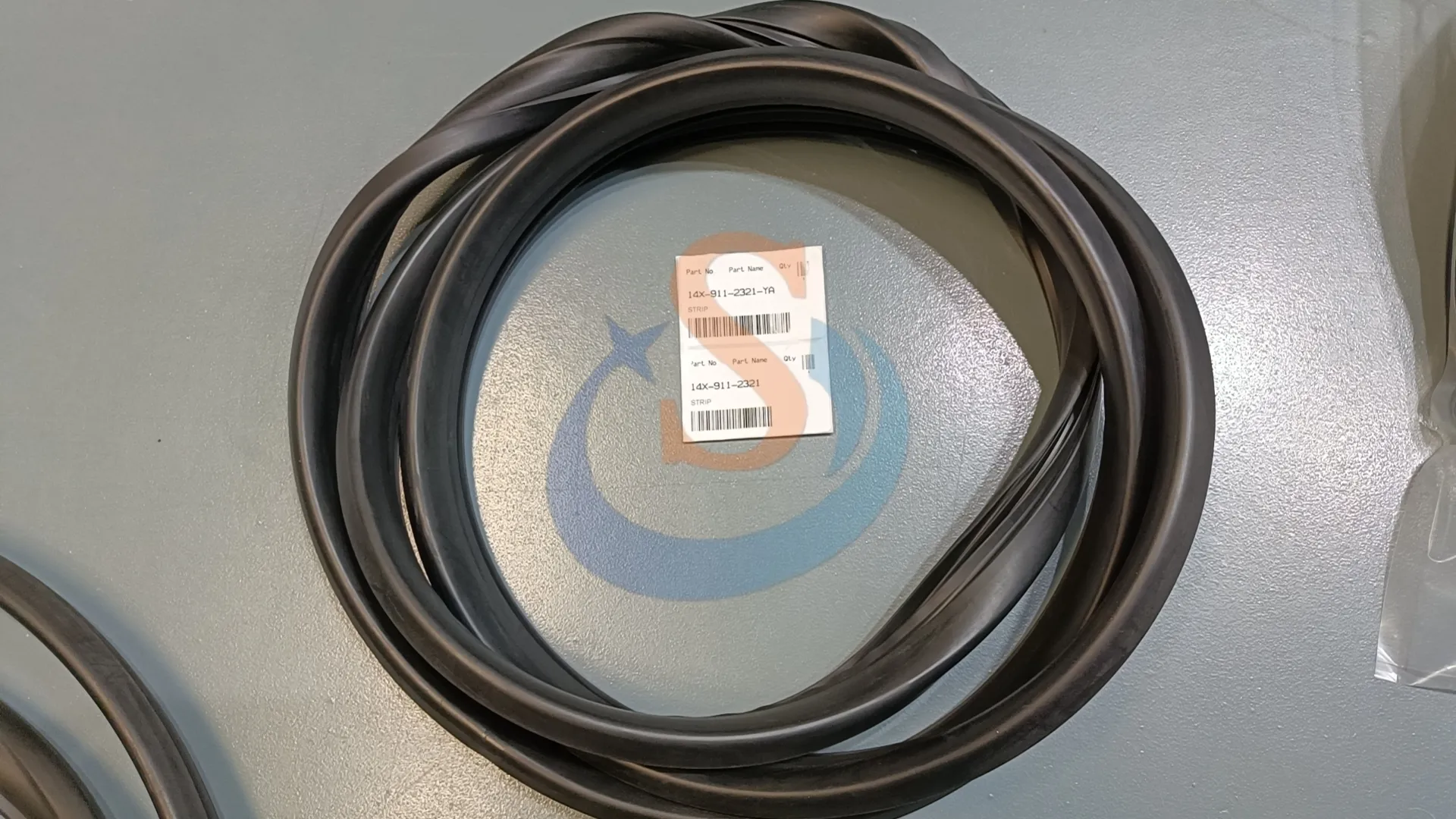 14X-911-2321,STRIP,D60P,D65EX,D155A,D375A
 -
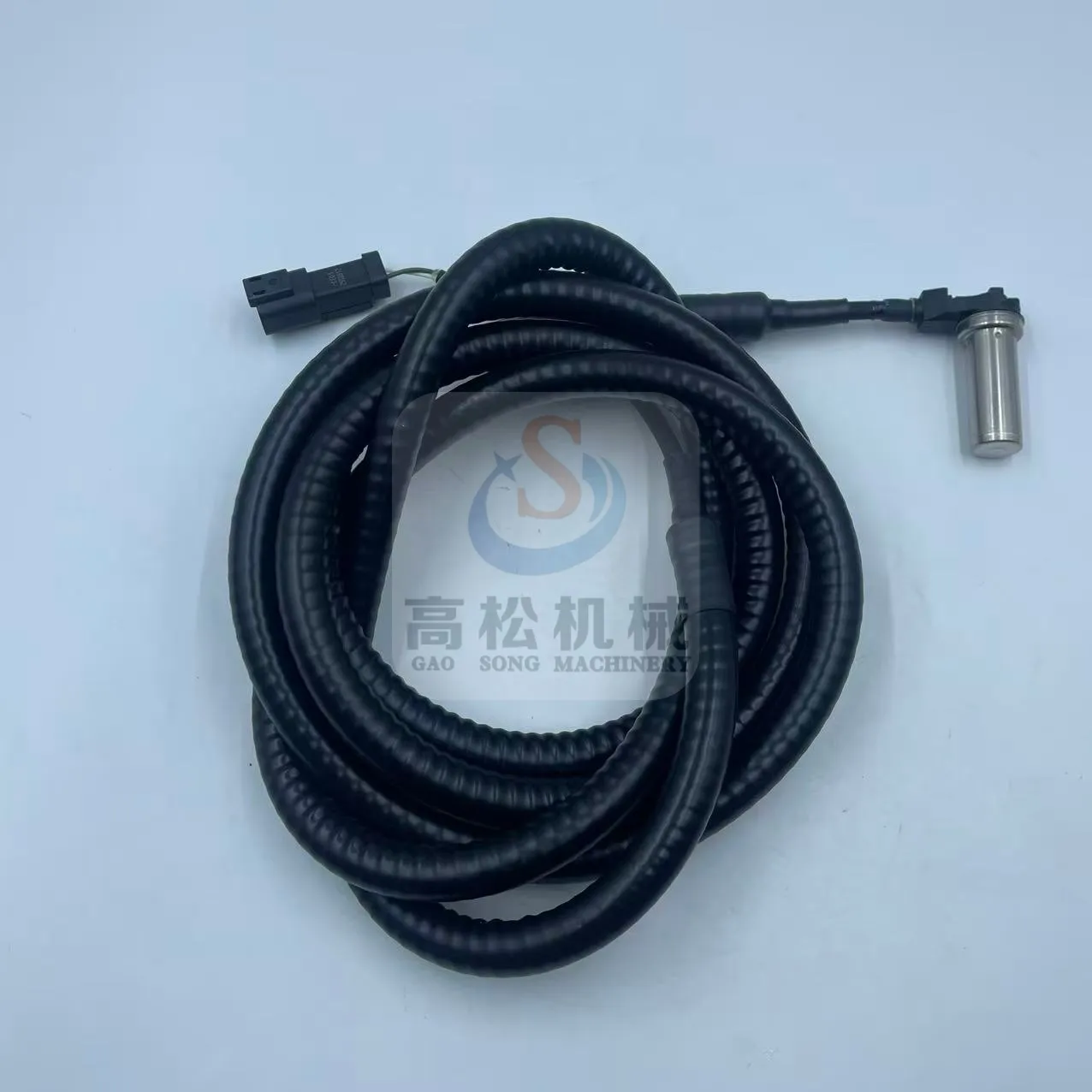 566-88-66143 sensor for Komatsu HD465-7
 -
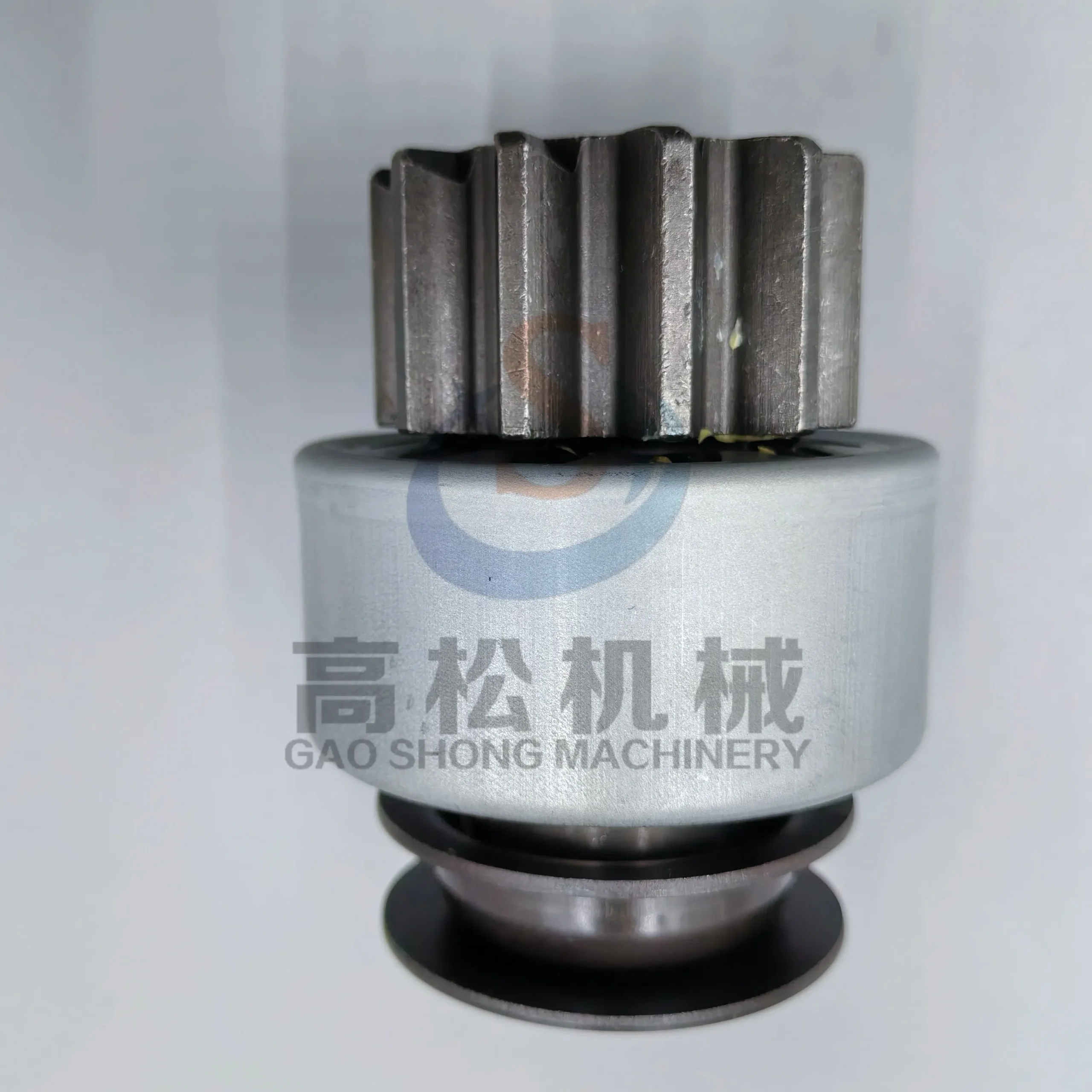 KD0-23500-1024 Komatsu Clutch Assembly
 -
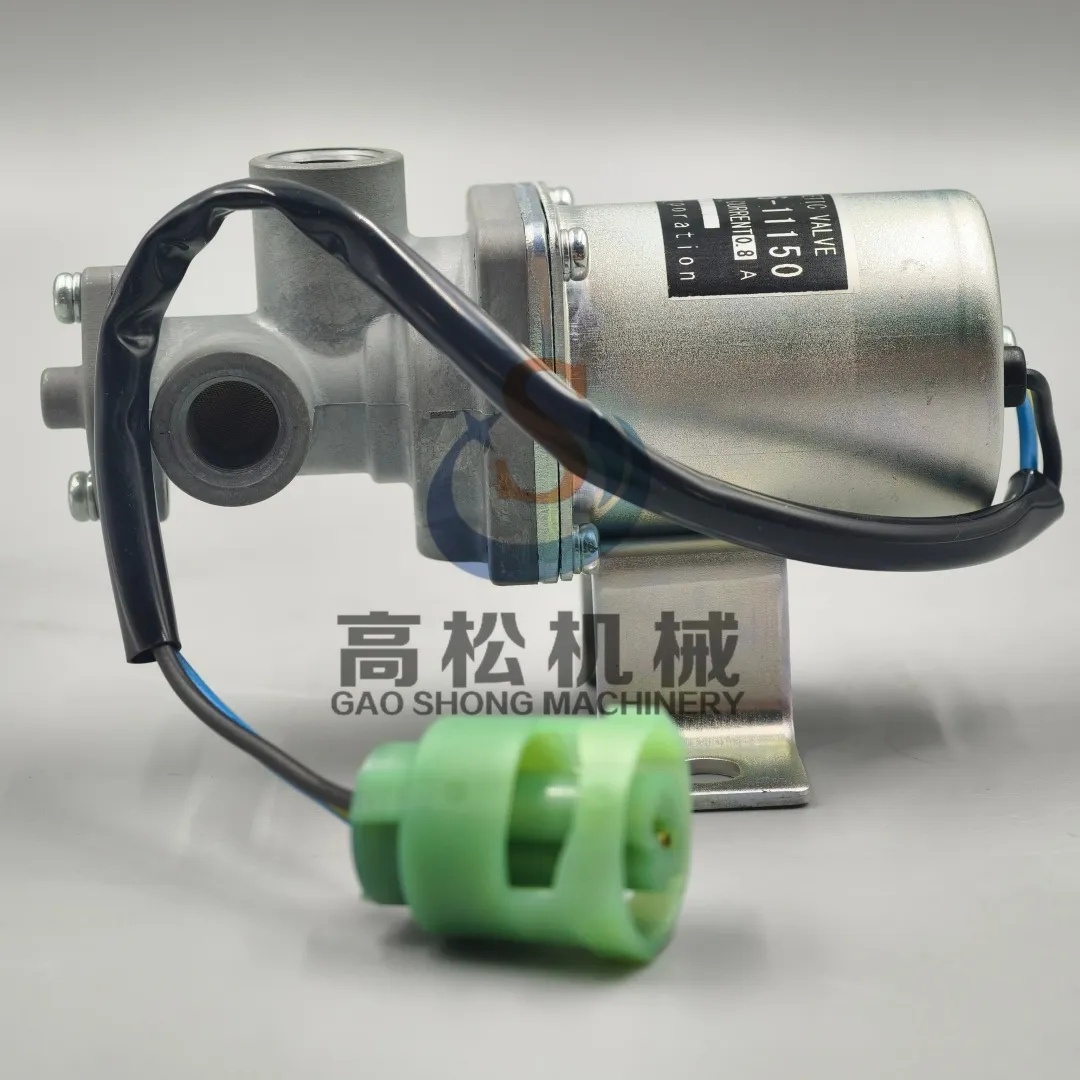 Komatsu Relay 425-06-11150 for Wheel loader WA600-1
 -
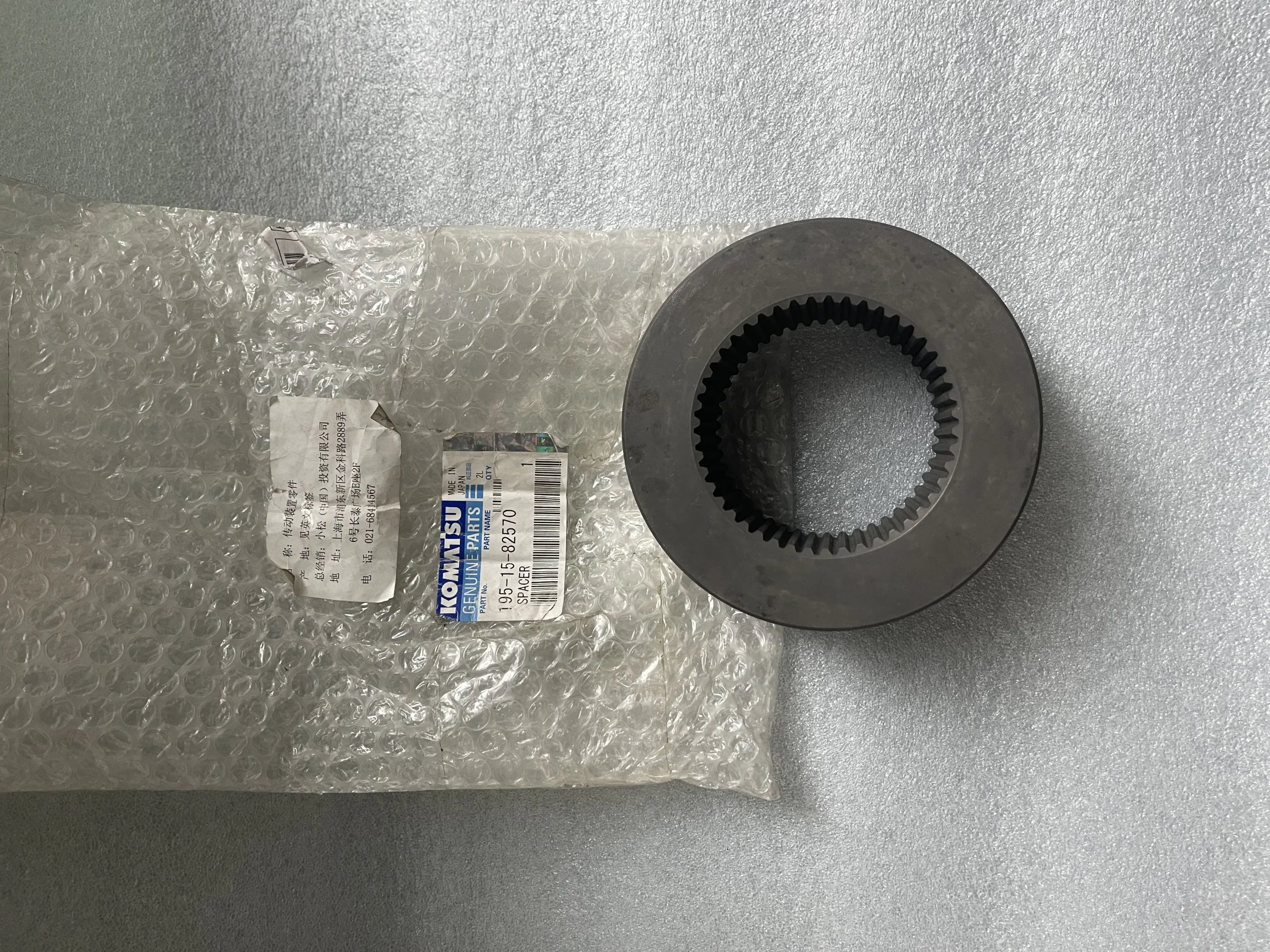 D375A-5 SPACER 195-15-82570 for komatsu Sealed-type Open-type Shielded Hybrid-ceramic
 -
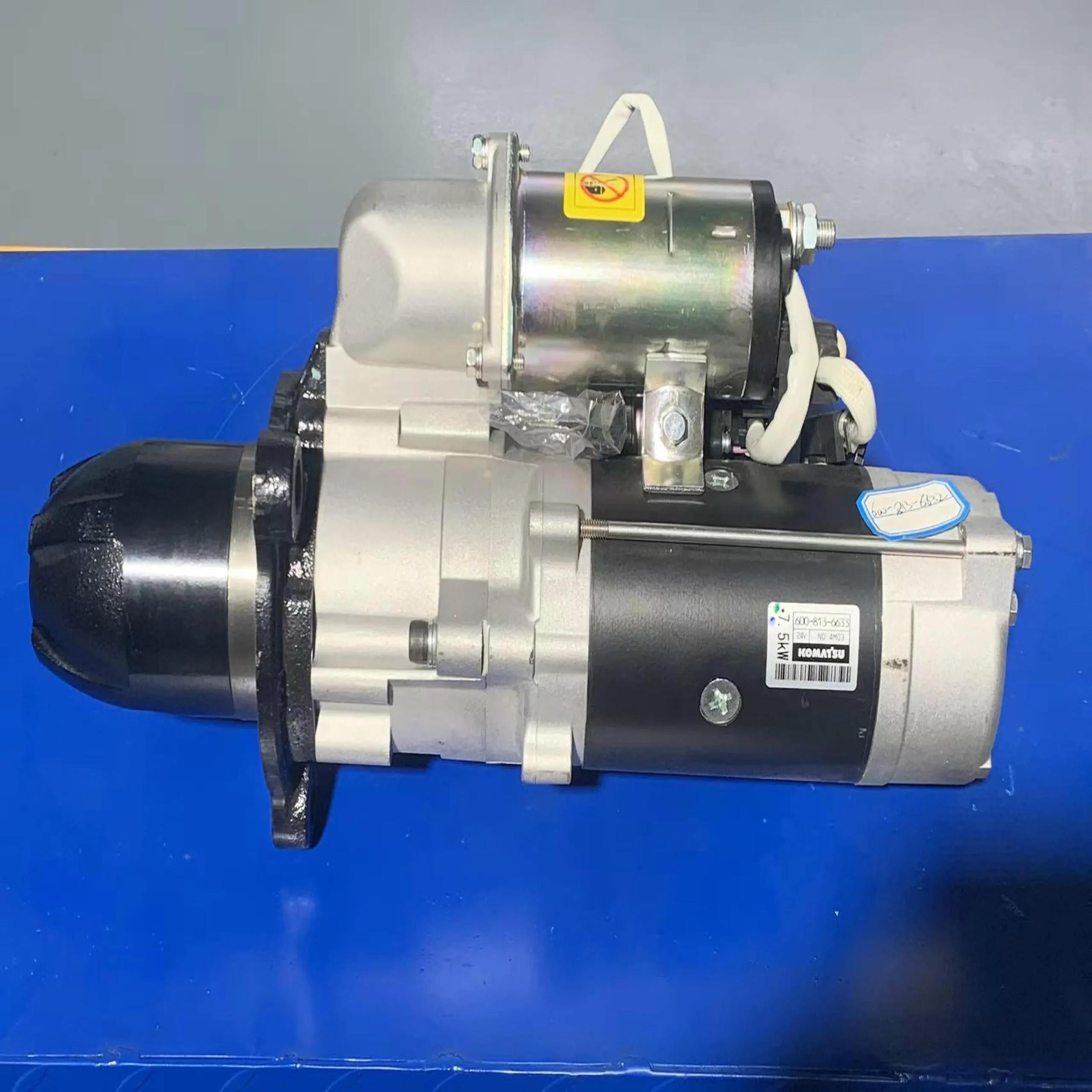 608-813-6632 Starter Motor for Komatsu Construction Parts
 -
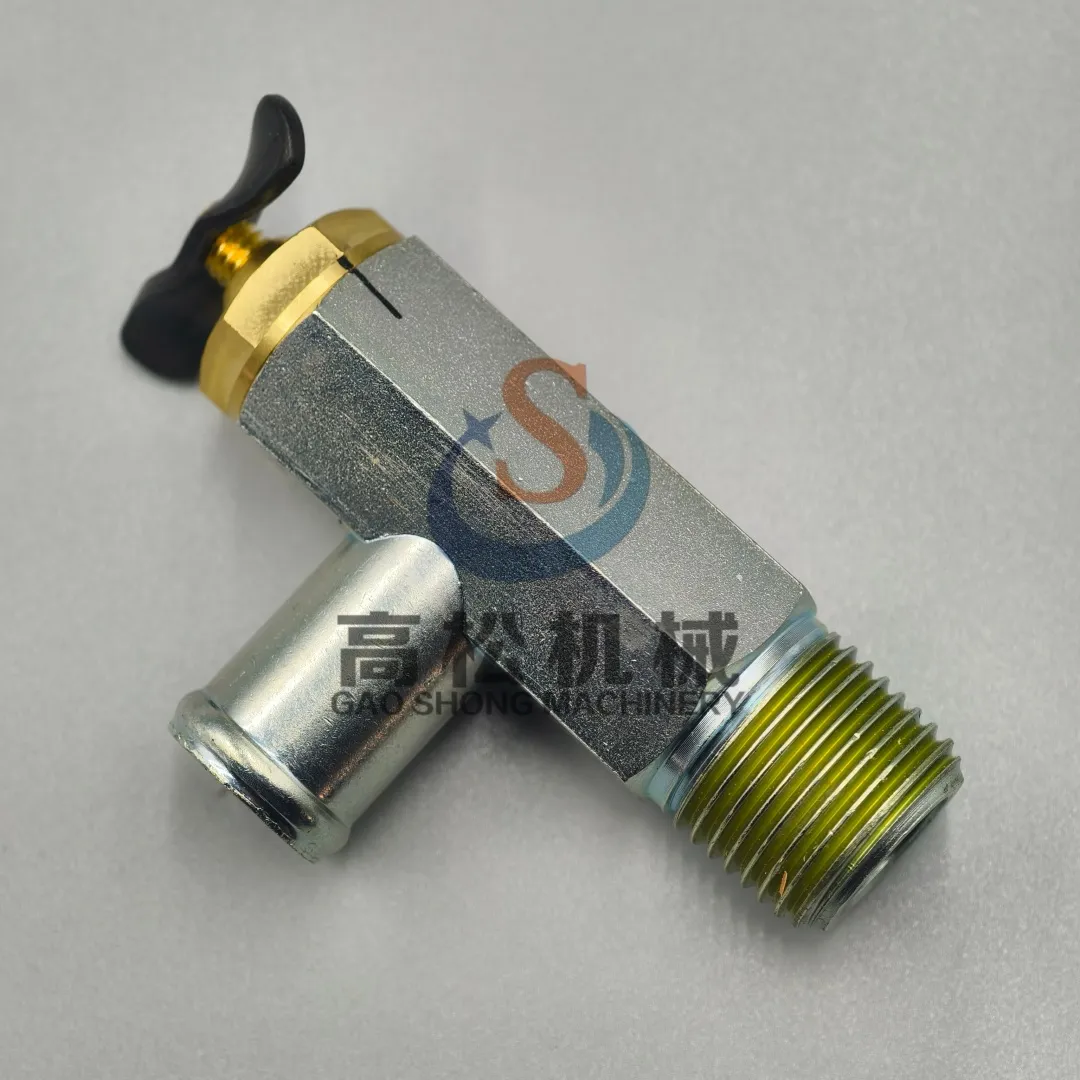 Spare part 09482-10000 VALVE,HOSE (Komatsu)
 -
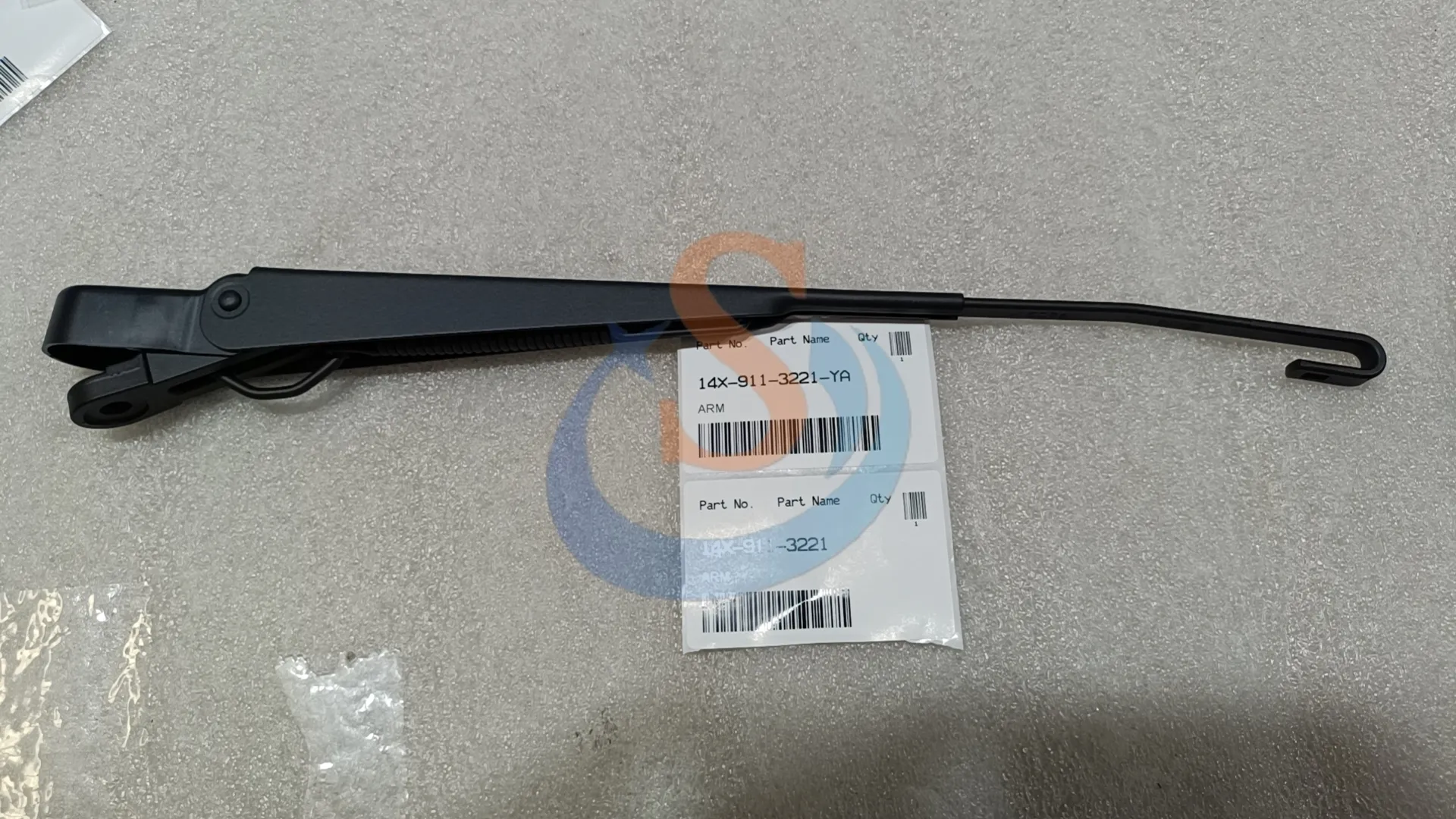 14X-911-3221,ARM,D155AX,D375A,D475A
 -
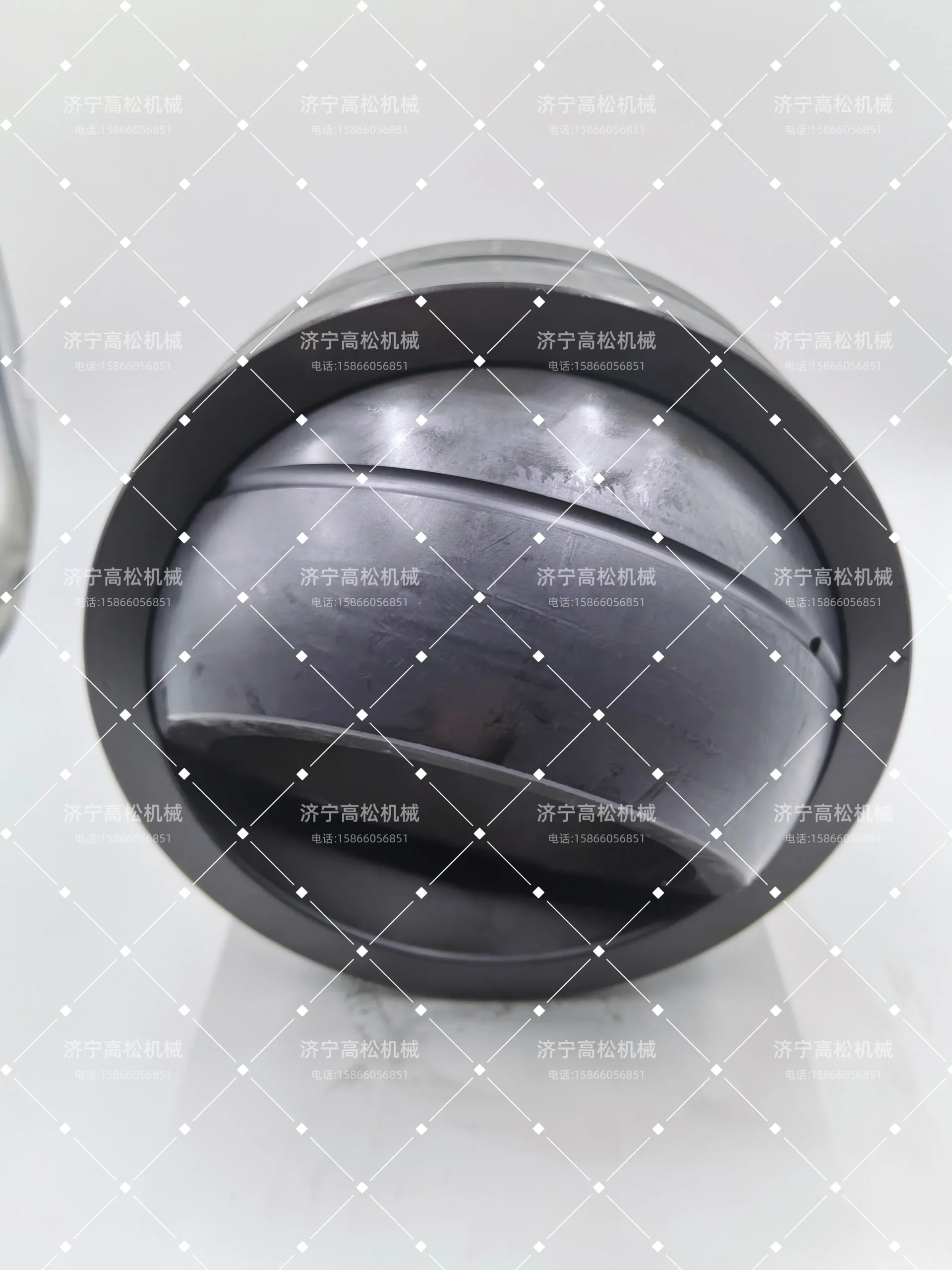 707-46-14010 Spherical Bearing for Komatsu Equipment…
 -
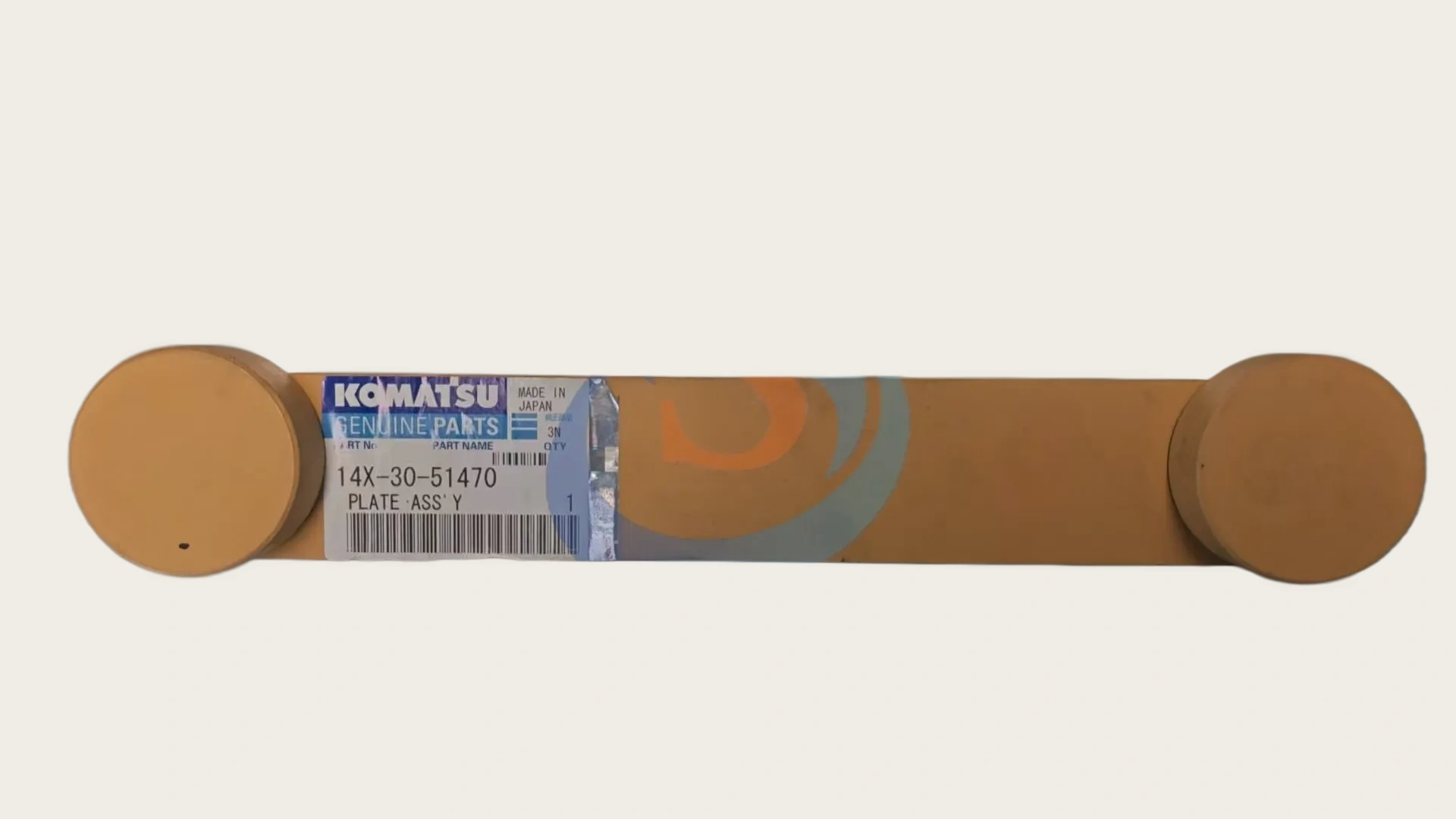 komatsu-part-14X-30-51470 Plate Assembly D65PX-16 D65WX-17 D65EXI-18 D65EX-18E0 FRONT IDLER
 -
 600-815-9650 – HEATER fits KOMATSU