
- Chinese
- French
- German
- Portuguese
- Spanish
- Russian
- Japanese
- Korean
- Arabic
- Irish
- Greek
- Turkish
- Italian
- Danish
- Romanian
- Indonesian
- Czech
- Afrikaans
- Swedish
- Polish
- Basque
- Catalan
- Esperanto
- Hindi
- Lao
- Albanian
- Amharic
- Armenian
- Azerbaijani
- Belarusian
- Bengali
- Bosnian
- Bulgarian
- Cebuano
- Chichewa
- Corsican
- Croatian
- Dutch
- Estonian
- Filipino
- Finnish
- Frisian
- Galician
- Georgian
- Gujarati
- Haitian
- Hausa
- Hawaiian
- Hebrew
- Hmong
- Hungarian
- Icelandic
- Igbo
- Javanese
- Kannada
- Kazakh
- Khmer
- Kurdish
- Kyrgyz
- Latin
- Latvian
- Lithuanian
- Luxembou..
- Macedonian
- Malagasy
- Malay
- Malayalam
- Maltese
- Maori
- Marathi
- Mongolian
- Burmese
- Nepali
- Norwegian
- Pashto
- Persian
- Punjabi
- Serbian
- Sesotho
- Sinhala
- Slovak
- Slovenian
- Somali
- Samoan
- Scots Gaelic
- Shona
- Sindhi
- Sundanese
- Swahili
- Tajik
- Tamil
- Telugu
- Thai
- Ukrainian
- Urdu
- Uzbek
- Vietnamese
- Welsh
- Xhosa
- Yiddish
- Yoruba
- Zulu
- Kinyarwanda
- Tatar
- Oriya
- Turkmen
- Uyghur





komatsu pc50mr 2 hydraulic pump
When you hear 'Komatsu PC50MR-2 hydraulic pump', most guys immediately think of the main implement pump. That's the obvious one. But in my experience, the real headaches—and the real cost—often come from the auxiliary circuits, or from misdiagnosing the swing motor feed or the pilot pump as the main culprit. It's a common trap. The PC50MR-2, being that compact radius machine, has a surprisingly packed hydraulic layout. You can't just throw a generic hydraulic pump term at it and hope for the best. The supply chain for these specific components, especially for older models or in regions without strong Komatsu direct support, is where the real story is. That's where you see the difference between a parts seller and a solutions provider.
Decoding the Pump Assembly: More Than Just a Unit
Let's get specific. The main hydraulic pump on the PC50MR-2 is typically a variable displacement axial piston pump. Komatsu's own numbering system is key here. But here's the thing—when it fails, it's rarely the entire casting that's junk. More often, it's the swashplate control, worn cylinder block, or the valve plate. I've seen shops replace the whole pump assembly at massive cost when a qualified rebuild of the core components was possible. The challenge is sourcing the genuine sub-components or kits that meet the original tolerances. Not all rebuild kits are created equal; the hardness of the slippers and the precision of the valve plate are critical.
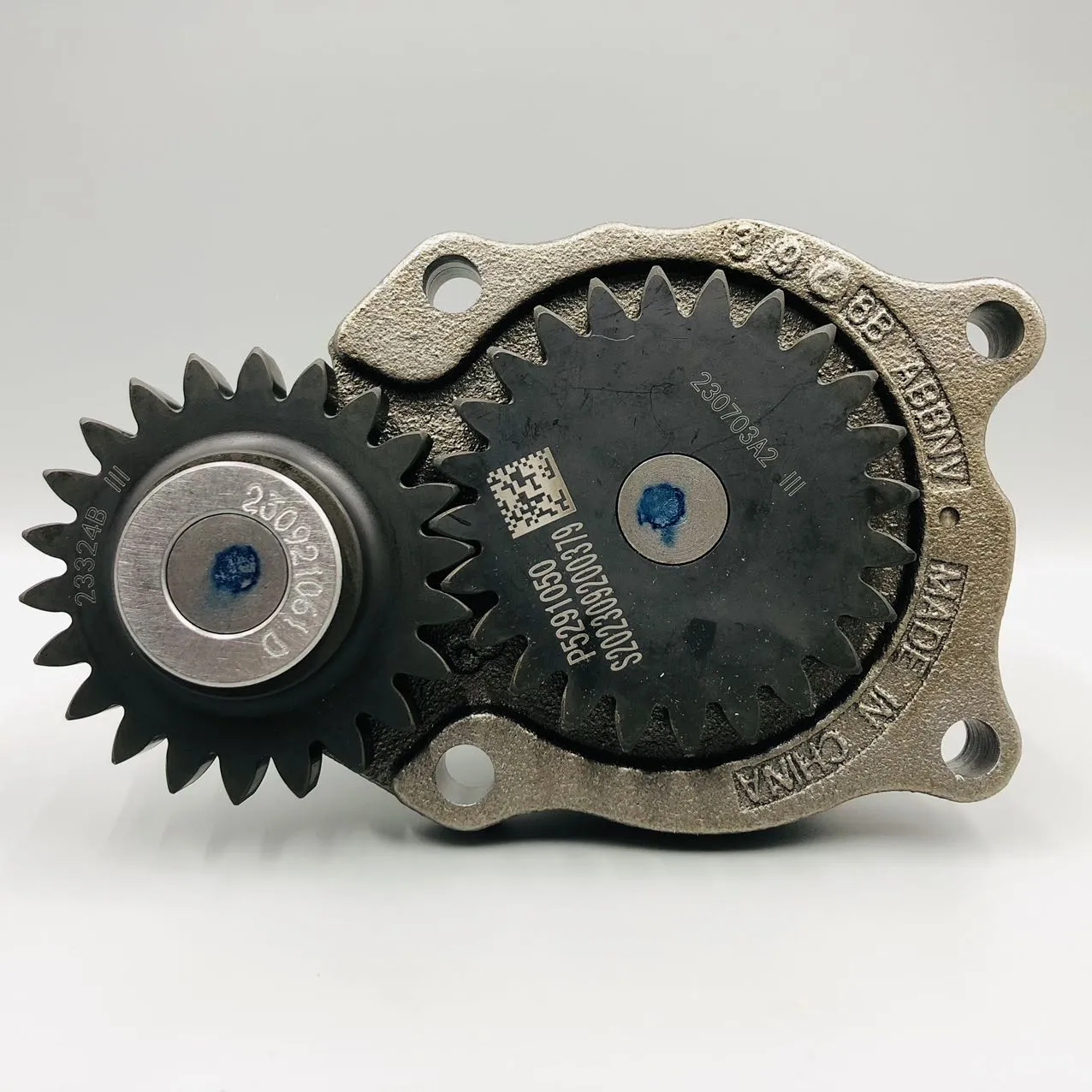
Then there's the gear-type pump that often works as the pilot supply or for the cooling fan circuit. This little guy is a silent killer. When it starts to lose pressure, you get all sorts of weird control issues—sluggish lever response, weak swing power—that get misattributed to the main pump or control valves. I learned this the hard way on a job years back, swapping out the main pump only to find the problem persisted. A simple pressure check on the pilot line would have saved a week's downtime.
The other nuance is the compatibility across serial number breaks. A pump from an early PC50MR-2 might not directly bolt up to a later series machine due to mounting flange or shaft spline changes. You need the exact part number, and even then, you have to verify the port orientations. I keep a cross-reference chart handy, but it's not foolproof. This is where having a supplier who understands these iterations is gold.
The OEM vs. Aftermarket Dilemma in Real Supply
This is the core of the issue. A pure OEM pump from Komatsu is ideal, but the lead time and cost can be prohibitive, especially if the machine is working in a remote area or is older. The aftermarket is flooded with options, from complete pump assemblies to seal kits. The quality spectrum is vast. Some are decent, using quality bearings and properly hardened components. Others are outright dangerous, with castings that can't handle the sustained 3000+ PSI.
My rule of thumb? For critical wear components like the cylinder block and valve plate, I lean towards OEM product supplier channels that are within the Komatsu system. These aren't always Komatsu-branded boxes, but they are produced to the same drawings and specs. They fill a crucial gap. I've worked with suppliers like Jining Gaosong Construction Machinery Co., Ltd. in this space. They position themselves as an OEM product supplier within the Komatsu system, which is a specific and valuable niche. It means they have access to the genuine supply chain for components, not just assembled units.
This is different from a standard third-party seller. Their role, as they note, is in helping to solve parts supply challenges in certain countries. That's a real pain point. If you're in a market where the official Komatsu parts network is thin, getting a genuine-spec pump component in two weeks versus waiting eight weeks for an official import changes your entire project economics. Their site, https://www.takematsumachinery.com, often has these technical parts breakdowns, which is more useful than just a sales page.
Practical Failure Modes and Diagnostic Pitfalls
Beyond the no pressure catastrophic failure, these pumps fail in interesting ways. One common issue on older PC50MR-2 machines is noise—a high-pitched whine under load. It's easy to blame the pump itself, but often it's cavitation due to a slightly collapsed suction hose or a clogged tank breather. Replacing the pump won't fix that; you'll kill the new one in months. Always check the simple stuff first: suction strainer, hose condition, oil viscosity.
Another subtle failure is loss of flow at high temperature. The pump might test fine cold, but once the hydraulic oil hits 70°C, output drops off a cliff. This usually points to excessive internal wear that allows viscosity-driven leakage. The only real test is a flow meter test on a hot system. I've been burned assuming a pump was good enough after a cold check, only to have the machine bog down severely after an hour of trenching.
The hydraulic pump is also sensitive to contamination. A single particle can score the valve plate. That's why a pump replacement or rebuild MUST include a full system flush and filter change. Just dropping in a new unit on old, dirty oil is a guaranteed way to waste money. I mandate a fluid analysis before any major pump work now; it tells you if the pump failure was the cause or just a symptom of a bigger system problem.
The Rebuild vs. Replace Calculation
For the PC50MR-2, a complete new OEM pump assembly can cost a significant fraction of the machine's residual value. That makes the rebuild vs. replace decision financial as much as technical. If the pump housing is not damaged (no cracks, bearing seats are good), a professional rebuild is almost always the better path. The key is professional. This isn't a swap-seals-and-go job.
A proper rebuild involves machining the valve plate surface (if applicable), replacing the rotating group (cylinder block, pistons, slippers), inspecting and possibly replacing the swashplate bushing, and upgrading all seals. The quality of the rotating group kit is everything. This is where that OEM product supplier link matters. A kit sourced from within Komatsu's manufacturing ecosystem will have the correct metallurgy and plating.
I've used rebuilt rotating groups from trusted sources that have outlasted the original. Conversely, I've seen cheap aftermarket kits fail within 500 hours. The cost difference between a good rebuild and a bad one isn't that large, but the outcome difference is massive. When sourcing, I look for suppliers who specify the source of their core components and offer at least a 12-month warranty on the work. The warranty is a good indicator of their confidence.
Integration and Final Thoughts on Sustainable Support
Finally, getting the pump—new or rebuilt—is only half the battle. Installation torque sequences, proper priming (these pumps don't self-prime well from dry), and system bleeding are critical. There's a specific procedure for bleeding the air from the pump case on these Komatsu models; skip it, and you'll get instant cavitation and noise.
The broader point is that managing a fleet of these machines requires a sustainable parts strategy. Relying solely on the official network can be slow and expensive. Relying solely on the cheapest online parts can be disastrous. The middle ground—technical partners who understand the OEM specifications and can navigate supply challenges—is essential.
Companies that operate as a third-party sales company for Komatsu, like the mentioned Jining Gaosong, effectively bridge that gap. They aren't just selling a part; they're providing a pathway to a technically correct solution in markets where access is limited. For a component as central as the Komatsu PC50MR-2 hydraulic pump, that's not just convenient; it's what keeps machines earning. The goal isn't just to fix the machine today, but to have a reliable channel to fix it again in three years when the next component wears out. That's the real test of a supply partner.
Related Products
Related Products
Best Selling Products
Best Selling Products-
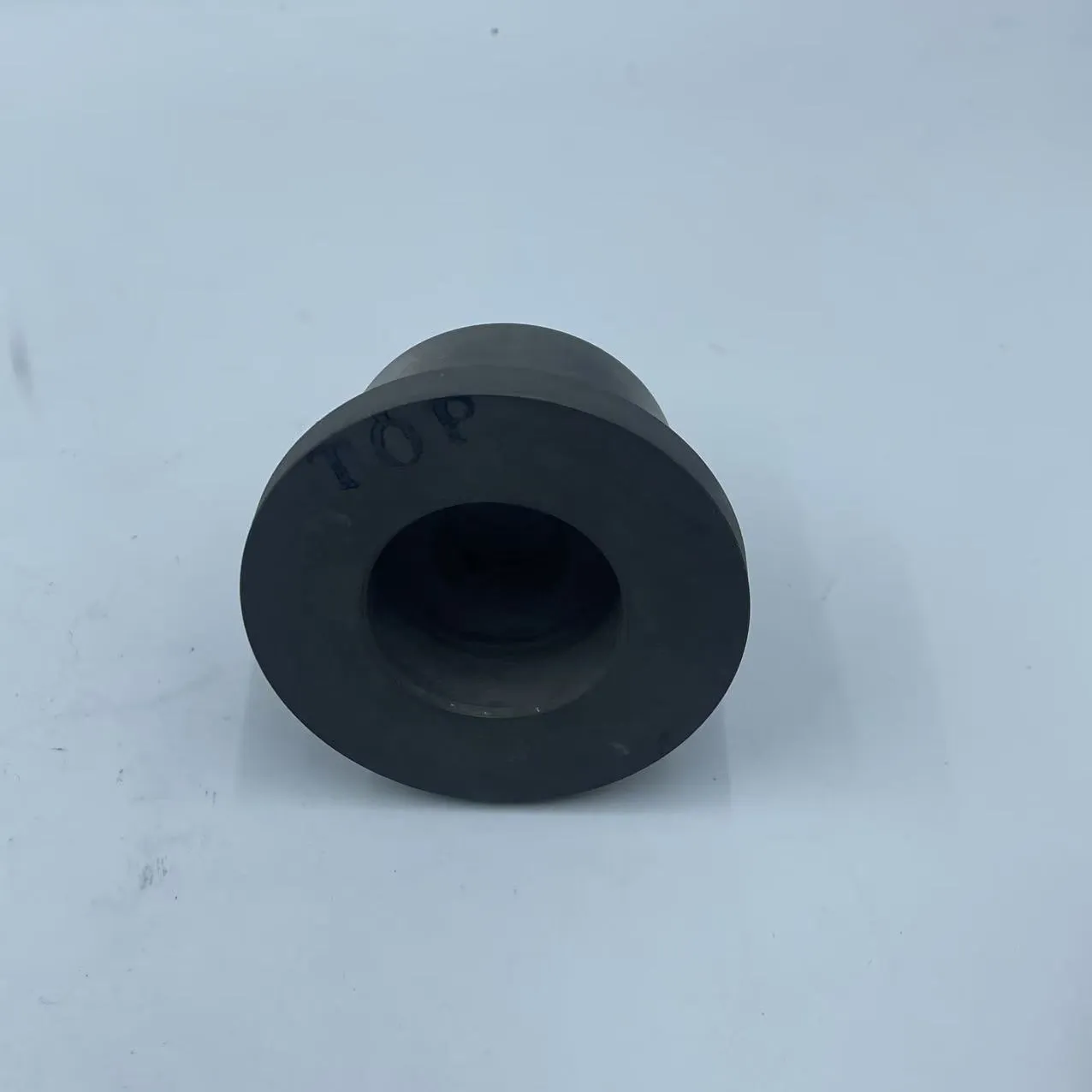 New PC800-8E0 SHAFT 6212-21-2511 for komatsu Spring-loaded Gas-charged Pneumatic Hydraulic
 -
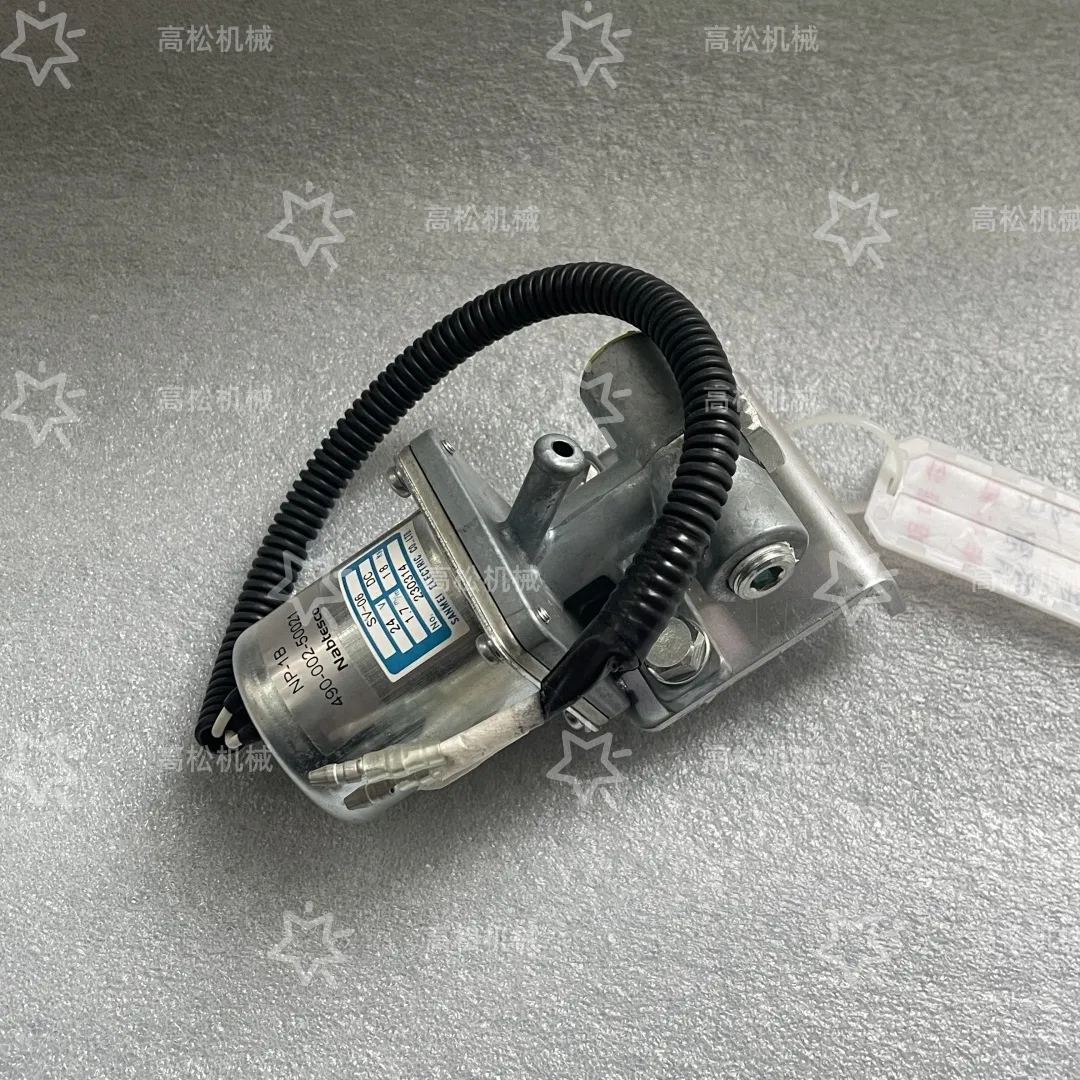 234-44-61430SOLENOID VALVE 234-44-61430 BANK CUTTING CONTROL PIPING AUTO TRANSMISSION SPEC for GD705/825
 -
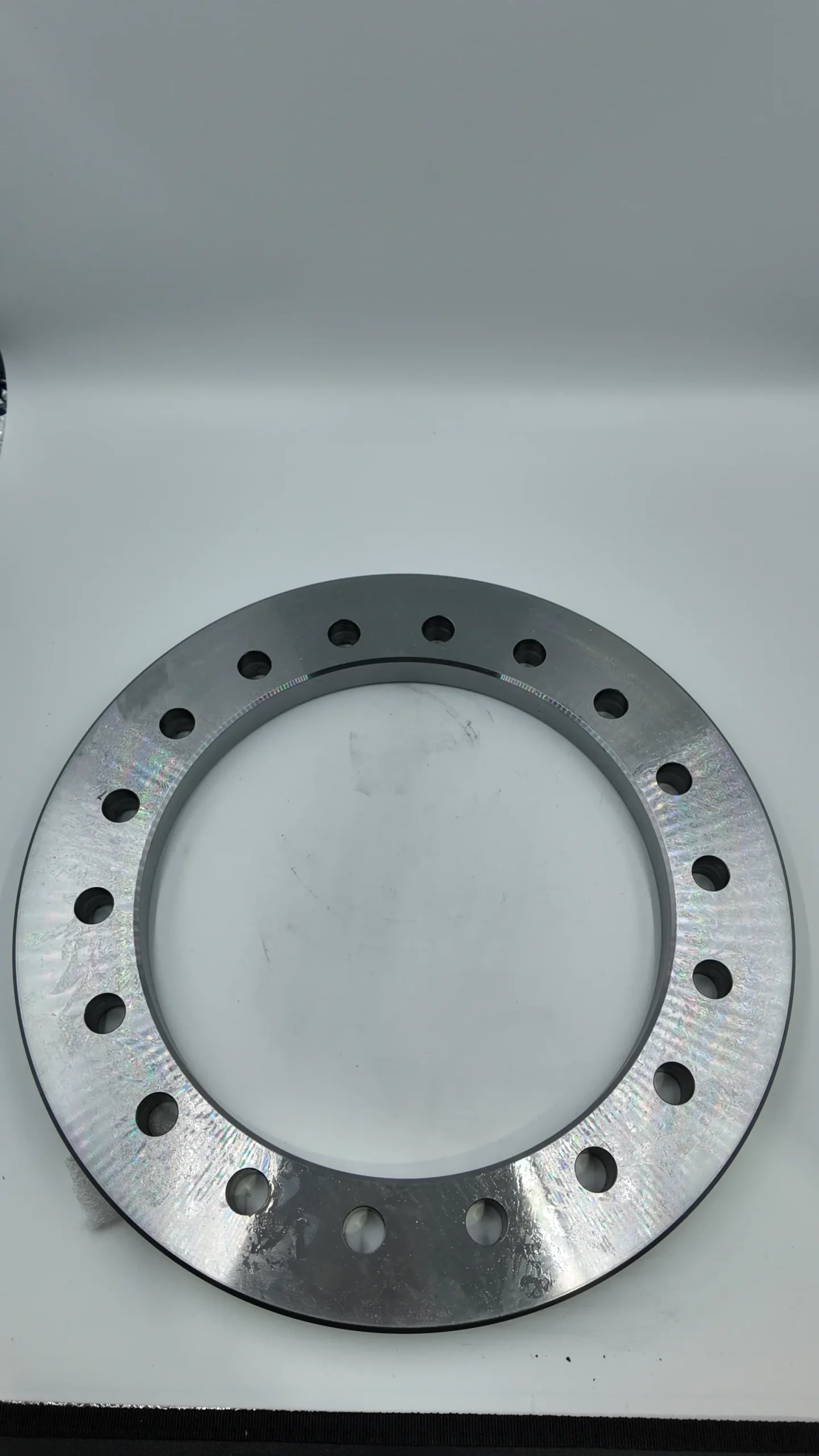 Komatsu Holder 195-27-31390
 -
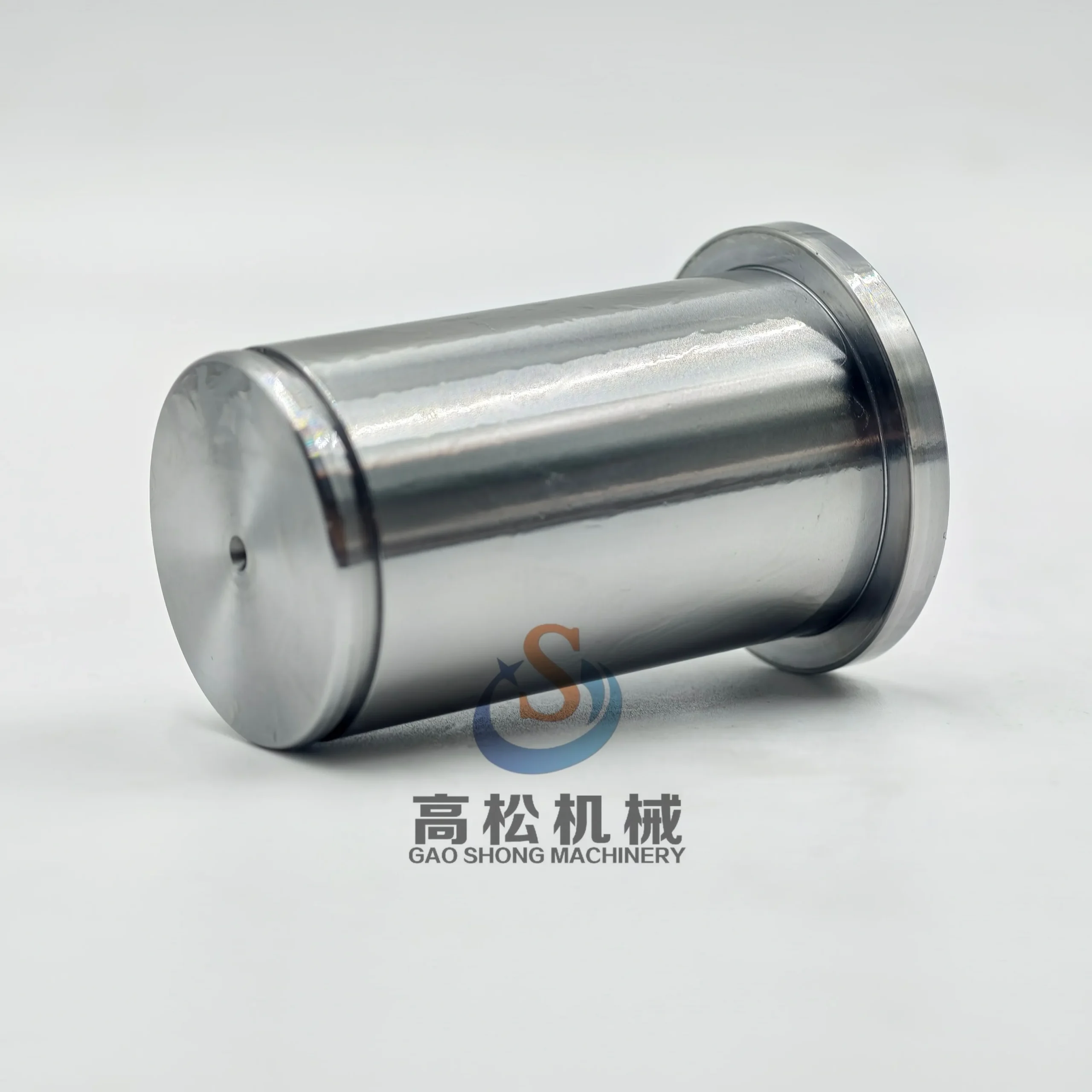 komatsu parts 21N-26-33240 Pin PC1250-11 SWING MACHINERY AND MOTOR, FRONT
 -
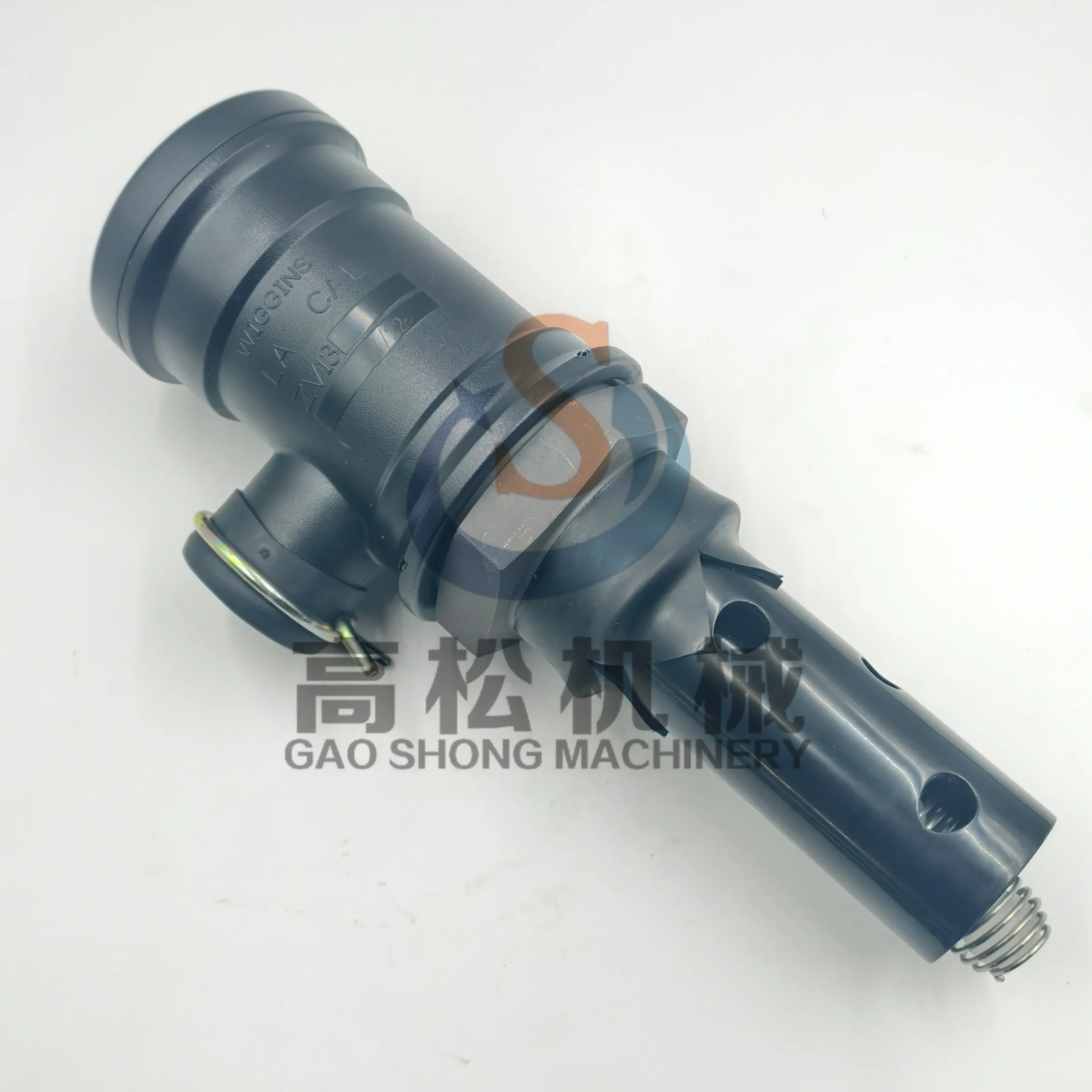 21T-04-31130 VENT ASS’Y (Komatsu)
 -
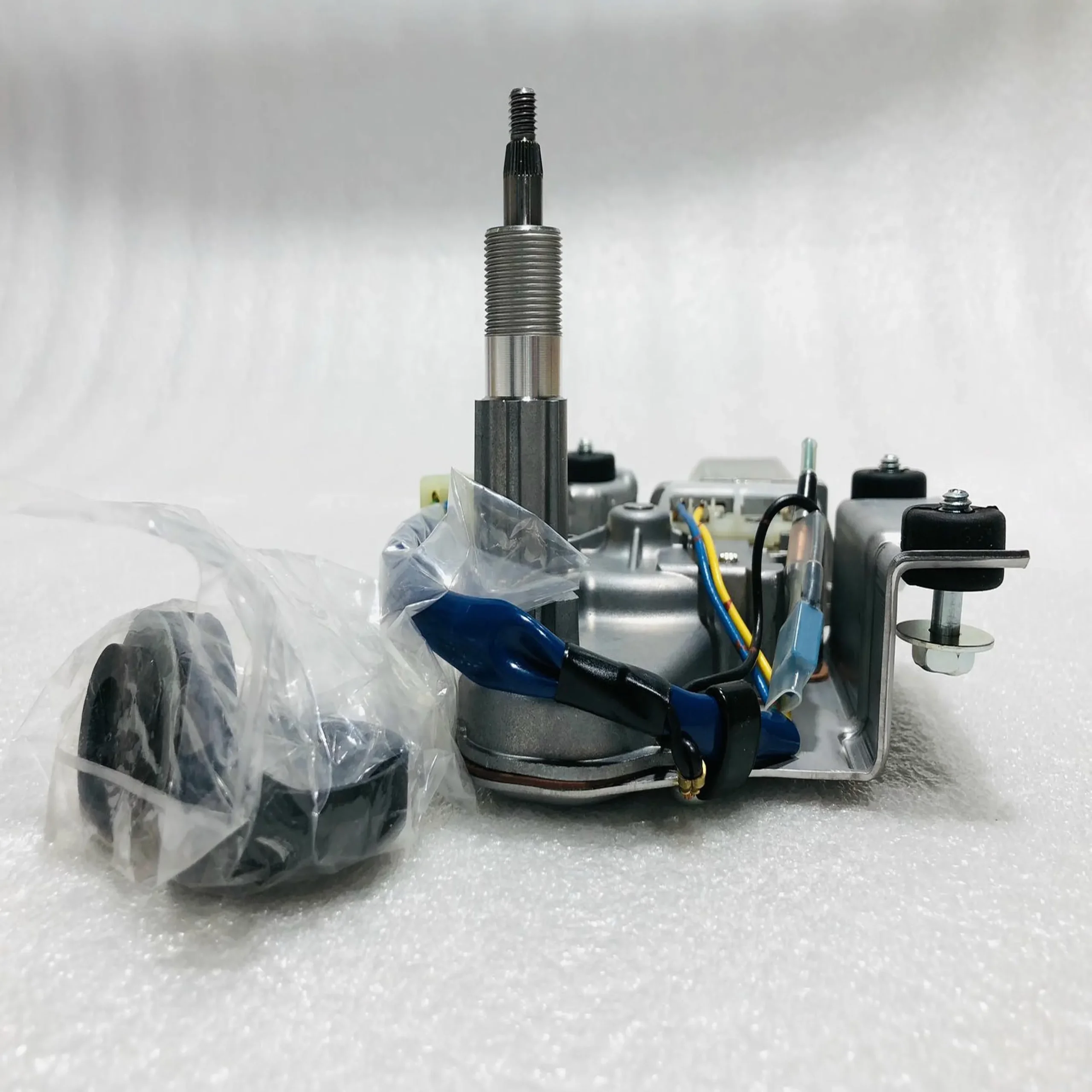 Komatsu grader GD555 wiper motor 42C-56-11391
 -
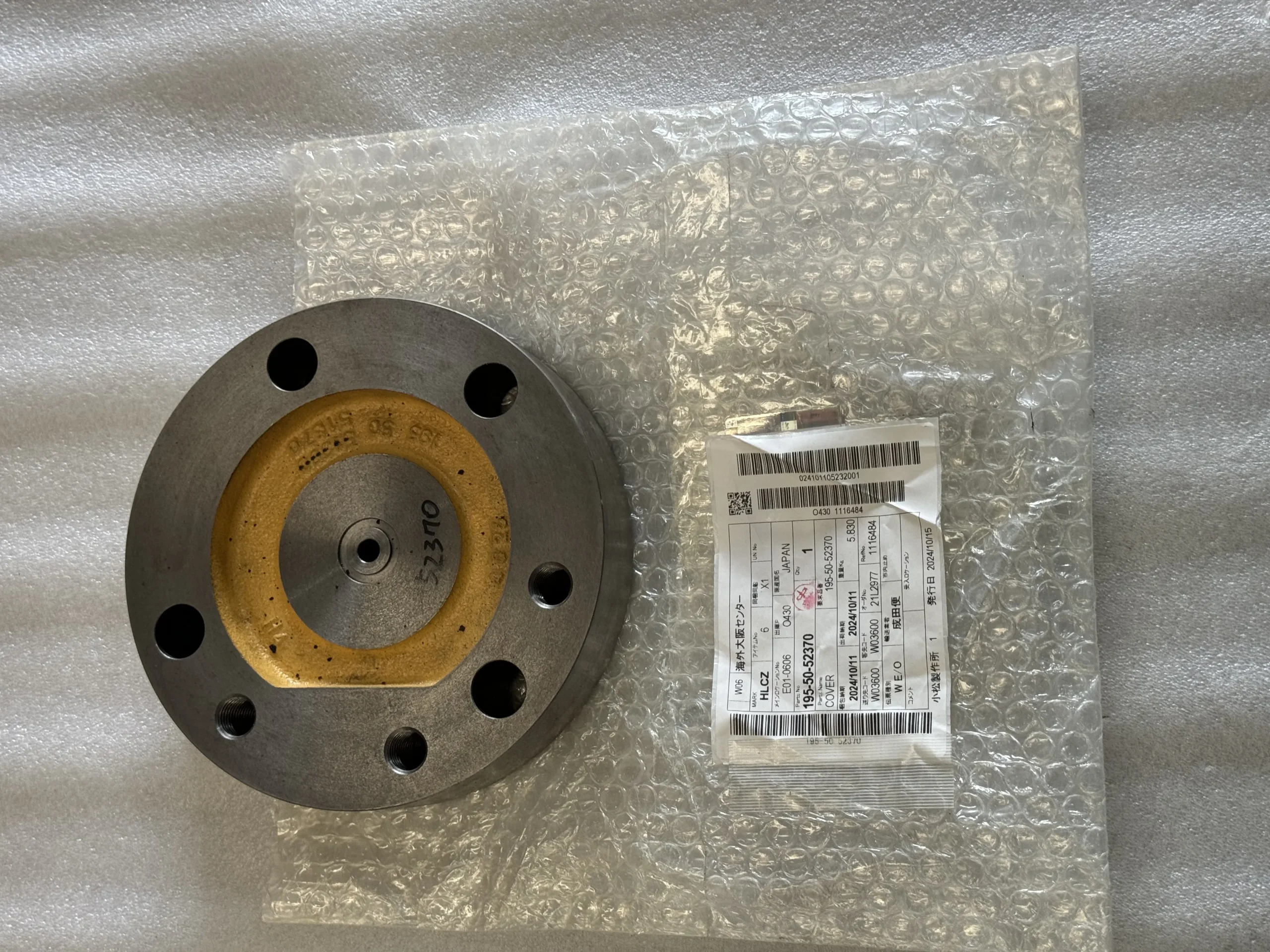 D375A-5 Cover 195-50-52370
 -
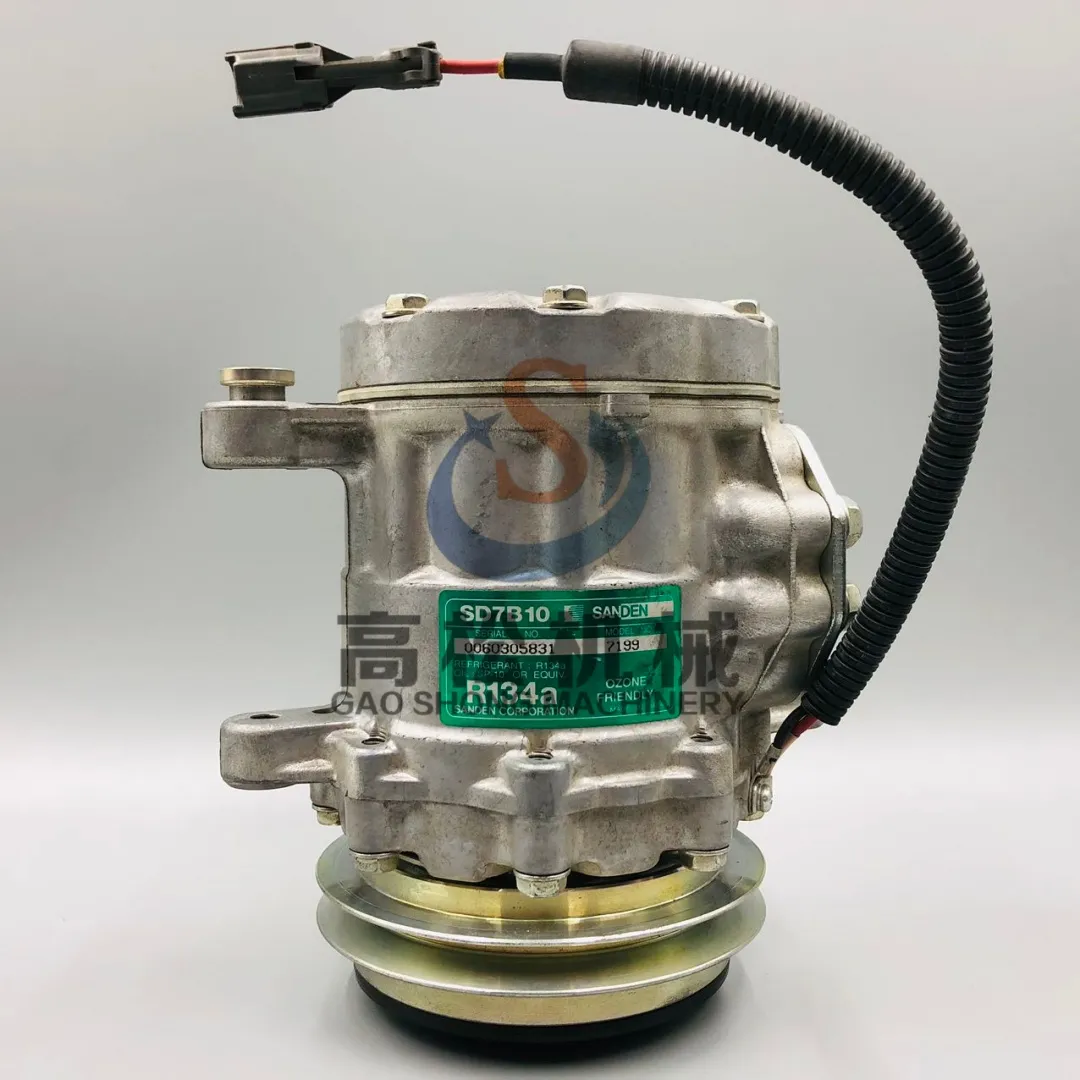 Disong 22L-979-2200 AIR CONDITIONER COMPRESSOR 22L-979-2200 for Excavator PC56-7
 -
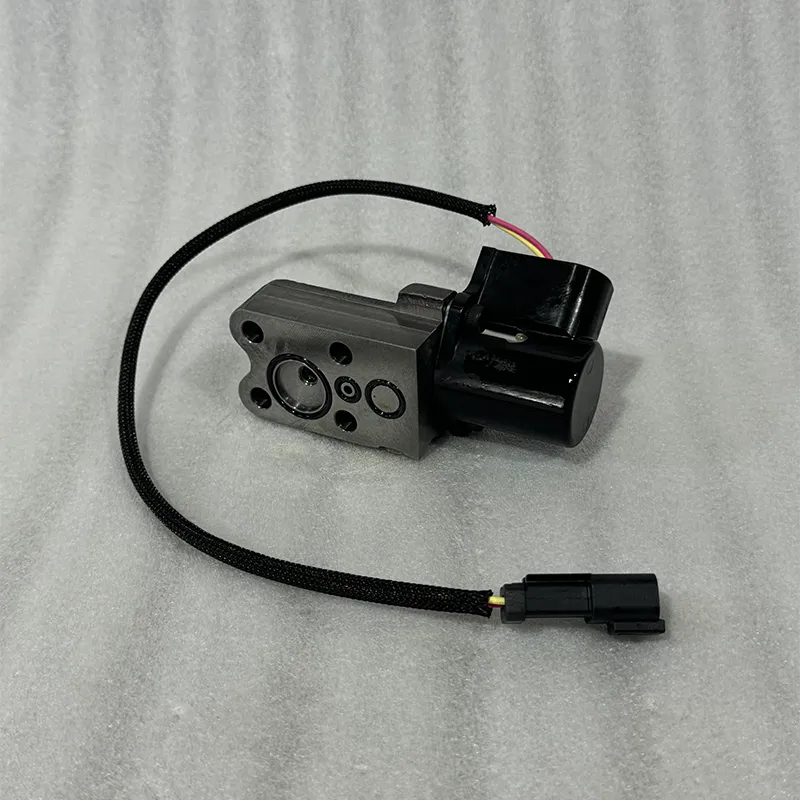 Original komatsu PC2000-8 Pilot Valve 708-7S-01330
 -
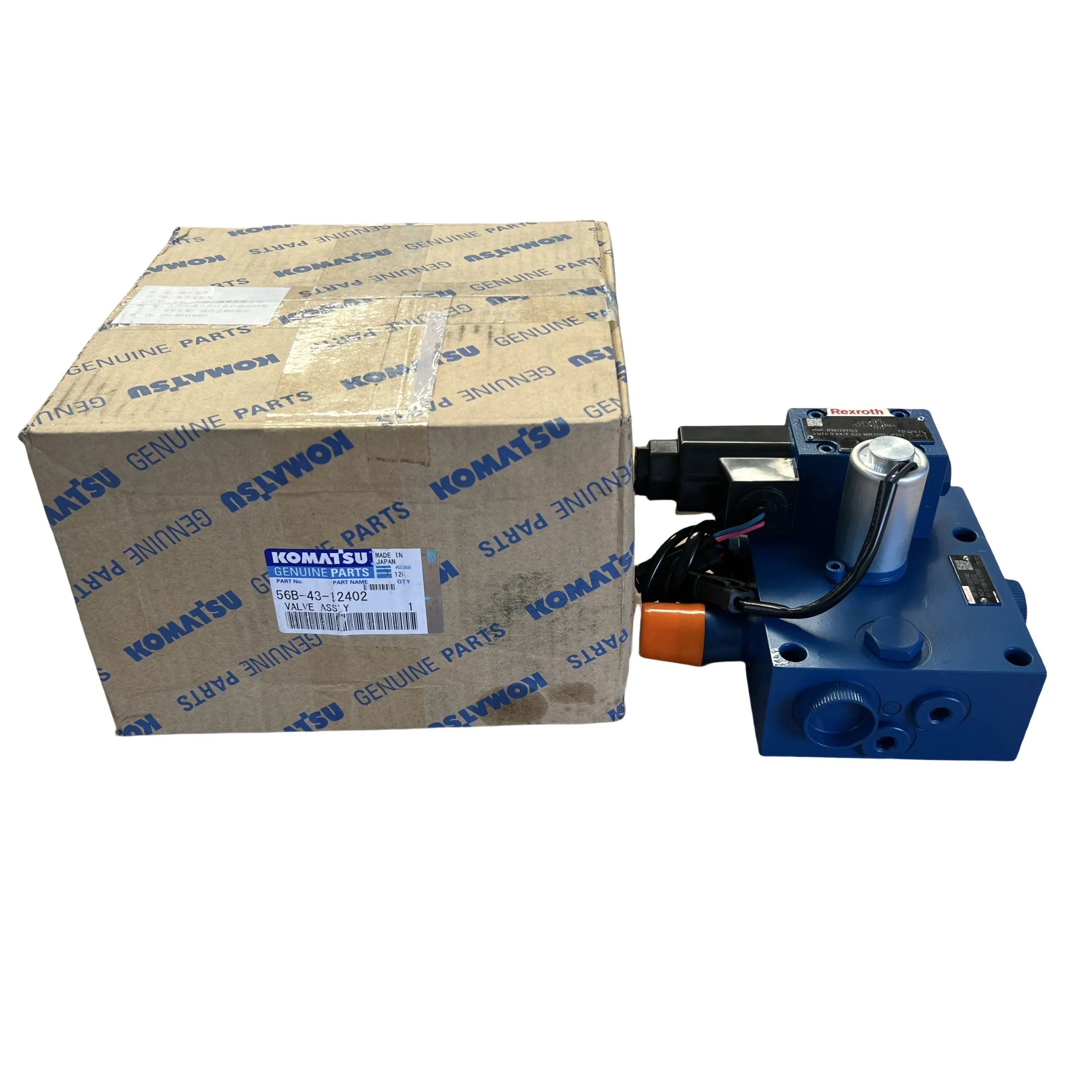 EPC valve 56B-43-120402 for Komatsu HD465-7
 -
 BUZZER 198-06-56570 – KOMATSU
 -
 235-70-45170 Shaft (Komatsu)