
- Chinese
- French
- German
- Portuguese
- Spanish
- Russian
- Japanese
- Korean
- Arabic
- Irish
- Greek
- Turkish
- Italian
- Danish
- Romanian
- Indonesian
- Czech
- Afrikaans
- Swedish
- Polish
- Basque
- Catalan
- Esperanto
- Hindi
- Lao
- Albanian
- Amharic
- Armenian
- Azerbaijani
- Belarusian
- Bengali
- Bosnian
- Bulgarian
- Cebuano
- Chichewa
- Corsican
- Croatian
- Dutch
- Estonian
- Filipino
- Finnish
- Frisian
- Galician
- Georgian
- Gujarati
- Haitian
- Hausa
- Hawaiian
- Hebrew
- Hmong
- Hungarian
- Icelandic
- Igbo
- Javanese
- Kannada
- Kazakh
- Khmer
- Kurdish
- Kyrgyz
- Latin
- Latvian
- Lithuanian
- Luxembou..
- Macedonian
- Malagasy
- Malay
- Malayalam
- Maltese
- Maori
- Marathi
- Mongolian
- Burmese
- Nepali
- Norwegian
- Pashto
- Persian
- Punjabi
- Serbian
- Sesotho
- Sinhala
- Slovak
- Slovenian
- Somali
- Samoan
- Scots Gaelic
- Shona
- Sindhi
- Sundanese
- Swahili
- Tajik
- Tamil
- Telugu
- Thai
- Ukrainian
- Urdu
- Uzbek
- Vietnamese
- Welsh
- Xhosa
- Yiddish
- Yoruba
- Zulu
- Kinyarwanda
- Tatar
- Oriya
- Turkmen
- Uyghur






komatsu pc50 parts
When you're digging into 'Komatsu PC50 parts', you're not just looking for a filter or a seal. You're dealing with a legacy machine that's been around the block, and the parts landscape for it is... fragmented. A lot of folks jump straight to the OEM dealer network, which is the right first call, but they often hit a wall with cost or availability, especially for older serial numbers or machines operating in regions Komatsu's primary network doesn't prioritize. That's where the whole ecosystem of system suppliers and third-party sales comes in, and it's a space filled with both brilliant solutions and pitfalls.
The PC50's Parts Profile: More Than Just a Mini Excavator
The PC50, especially the -6 and -7 models, was a workhorse. Its simplicity is its blessing and its curse for parts. The curse? A lot of wear items are specific to that model series. You can't just grab a final drive seal from a PC55 and expect it to fit, though sometimes the bearings might cross-reference. I've seen mechanics waste half a day trying to make a 'close enough' part work, only to have it leak within a week. The hydraulic pump? That's a whole different beast. Some were Kayaba, some were Komatsu's own. If you don't have the exact part number from the machine's tag or the service manual, you're guessing.
Here's a concrete thing: the swing motor. On later PC50UU-2 models, the motor assembly shares some lineage with other mini excavators in the range, but the mounting flange and the port configuration can be off by a few millimeters. A supplier who just deals in generic 'mini excavator swing motors' will sell you something that 'fits'. It'll bolt on, the hoses might connect, but the performance will be sluggish, or it'll develop a knock. You need a supplier who knows these subtleties, who has the breakdown diagrams and knows that, say, the Komatsu PC50 parts catalog for the motor gear case has a specific revision after a certain serial number.
That's the kind of detail that separates a parts seller from a partner. It's not about having a warehouse full of boxes; it's about having the technical data to match the box to the machine. This is where companies operating within the Komatsu system but with a flexible approach add real value. They have access to the OEM blueprints and quality standards but can navigate the supply chain outside the main channels to solve specific availability dead-ends.
The OEM Supplier vs. Aftermarket: A Blurred Line
Let's clear up a common confusion. 'OEM' doesn't always mean 'sold by Komatsu directly'. Komatsu itself sources components from a network of manufacturers. An OEM product supplier within the Komatsu system is one of those manufacturers. They make the pins, bushings, cylinder rods, maybe even complete assemblies to Komatsu's spec. Sometimes, they are permitted to sell those identical parts through other channels. This is a critical distinction. You're not getting an 'aftermarket' copy; you're getting the genuine article, just not from the dealer's shelf.
I remember a job in Southeast Asia where we needed a complete track frame assembly for a flood-damaged PC50. The local dealer quoted a 4-month lead time and a price that was more than the machine's residual value. We found a supplier, Jining Gaosong Construction Machinery Co., Ltd., who listed themselves as an OEM product supplier within the Komatsu system. Their website, https://www.takematsumachinery.com, was straightforward, not flashy, which I often find reassuring. The key was their description: helping to solve parts supply challenges in certain countries. That was exactly our situation.
The process wasn't instant. We had to provide the machine's serial number, photos of the damaged component, and confirm measurements. They came back with a drawing for approval—it was the OEM drawing, just with their contact info on it. The part took 5 weeks to arrive, but it was a perfect fit, same casting marks and hardness as the original. The cost was about 60% of the dealer quote. That experience shifted my perspective. It proved that a company acting as both an OEM supplier and a third-party sales agent could bridge a gap that neither the pure aftermarket nor the traditional dealer network could fill efficiently.
Where Third-Party Sales Make Sense (And Where They Don't)
So, when do you go this route? For non-safety-critical, wear-and-tear items with long lead times, it's a no-brainer. Think idlers, rollers, sprocket segments, link assemblies. For the PC50, its undercarriage is a constant point of wear. Sourcing a full set of rollers and idlers from an OEM supplier channel can cut downtime significantly. However, I'd be very cautious with electronic controllers or high-pressure hydraulic components like the main control valve. For those, the engineering tolerances and software calibrations are so tight that even an OEM-spec part might need dealer-level calibration to function in the machine's system. The risk isn't worth the savings.
Another area is engine parts. The PC50 often had a 4D95 Komatsu engine. While pistons, liners, and gasket sets are commonly available, the fuel injection pump and the governor are delicate. I tried a 'remanufactured' pump from a general supplier once. It ran, but the machine never had the same smooth power band, and fuel consumption went up. Lesson learned. For the heart of the engine, I now either go genuine Komatsu dealer or use a system supplier that specializes in diesel injection systems and can provide full test reports. The Takematsu Machinery site explicitly mentions solving supply challenges, which suggests they're targeting these problematic, long-lead-time items, not just selling filters.
This model works because it addresses a real pain point: geographic disparity. A machine sold in Japan might have different part number suffixes than one sold in Europe, but the core component is the same. A global third-party sales company within the system can consolidate that inventory and redirect it to where the demand is, something a regional dealer can't easily do.
Evaluating a Supplier: Look Beyond the Catalog
Anyone can put up a webpage with a list of Komatsu PC50 parts. How do you vet them? First, I look for technical engagement. Do they ask for your serial number immediately? That's a good sign. Can they provide exploded view diagrams or dimensional drawings for approval before shipping? Even better. A red flag is a supplier who promises everything is in stock and can ship today for any model—that's almost never true for specific older machine parts.
The company profile matters. A brief line like the one from Jining Gaosong—We are an OEM product supplier within the Komatsu system, and we are also a third-party sales company for Komatsu—tells you a lot. It states a formal relationship, implies access to technical data, and acknowledges a role outside the primary distribution chain. It's a professional way of saying we're in the know, but we operate differently. I'd want to see if they have a physical address, a contact person for technical questions, and maybe some case studies or references, even if just informally mentioned.
Communication style is telling. When I've dealt with good suppliers in this niche, their emails are technical, sometimes a bit fragmented, and full of part numbers and questions. They might say, We have the cylinder rod, but for your S/N, check if the gland nut has a single or double lip seal, part 700-XX-XXXX or 700-YY-YYYY. That shows hands-on experience. They're thinking about the installation, not just the sale.
The Bottom Line: Pragmatism Over Purity
In the end, keeping a PC50 running is an exercise in pragmatism. A pure, 100% genuine-from-the-dealer policy is ideal but often economically impossible for older equipment. A pure aftermarket approach is cheap but risks quality and fit. The middle ground—sourcing from an OEM-system supplier with third-party sales capability—is where practical solutions live for many owners and workshops.
It requires more homework. You need to cross-reference part numbers, be precise with your machine details, and sometimes wait a bit longer for shipping. But the payoff is getting OEM-quality or OEM-identical parts at a manageable cost, keeping a reliable machine in the field. For a model like the PC50, which is long out of production but still has plenty of life left, this supply channel isn't just convenient; it's often essential.
So next time you're searching for a track link or a hydraulic hose for your PC50, widen the search beyond the immediate dealer portal. Look for those suppliers who articulate a specific role within the Komatsu ecosystem. Their value isn't in having the cheapest price, but in having the right part, the one that actually fits and lasts, solving a supply chain problem you didn't need to have.
Related Products
Related Products

Best Selling Products
Best Selling Products-
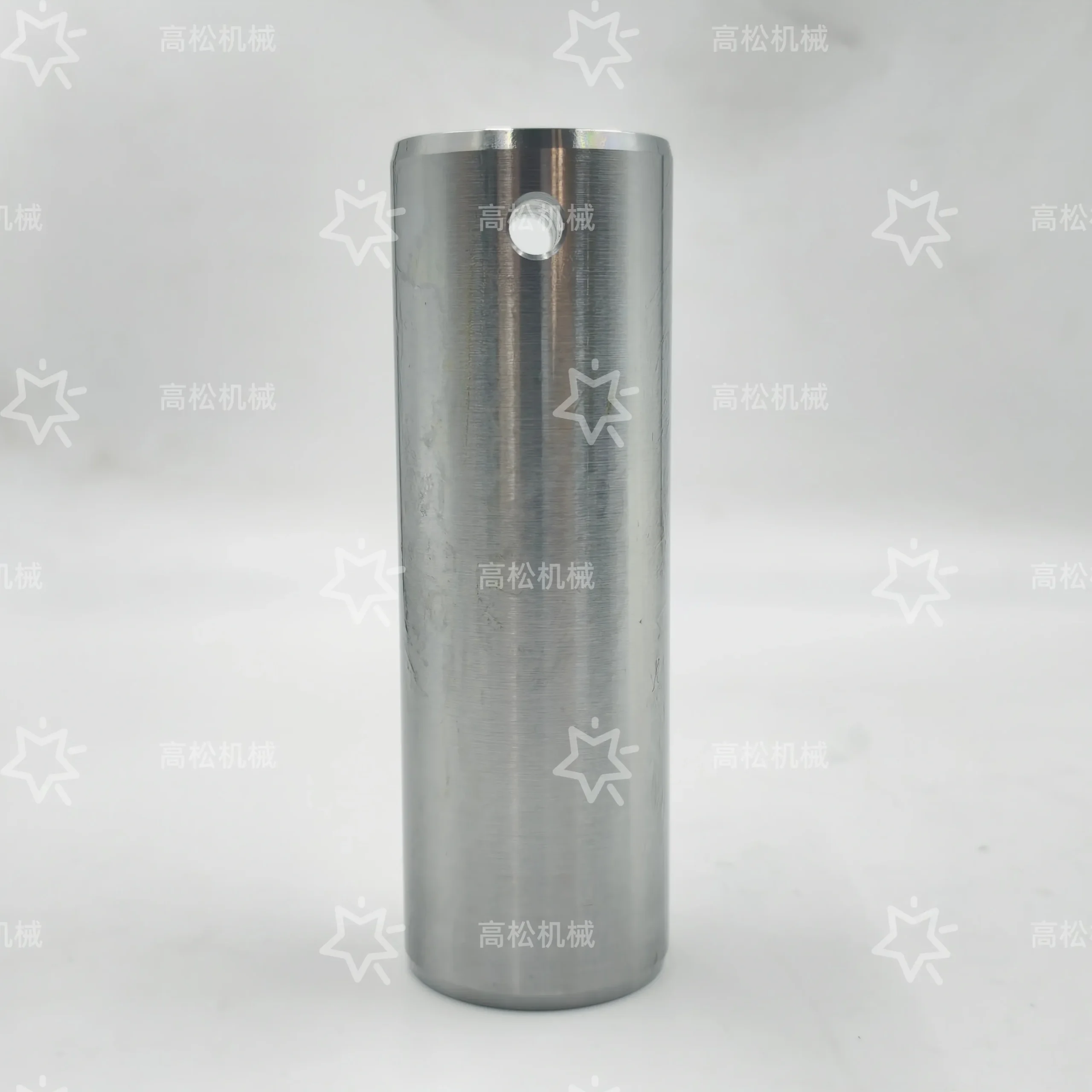 Komatsu Pin 421-22-32511 for Wheel loader WA470-6
 -
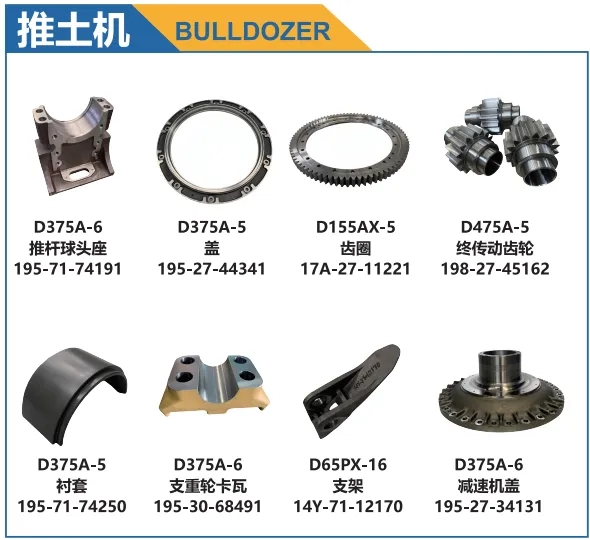 GAOSONG-Komatsu Full Range Parts Supply
 -
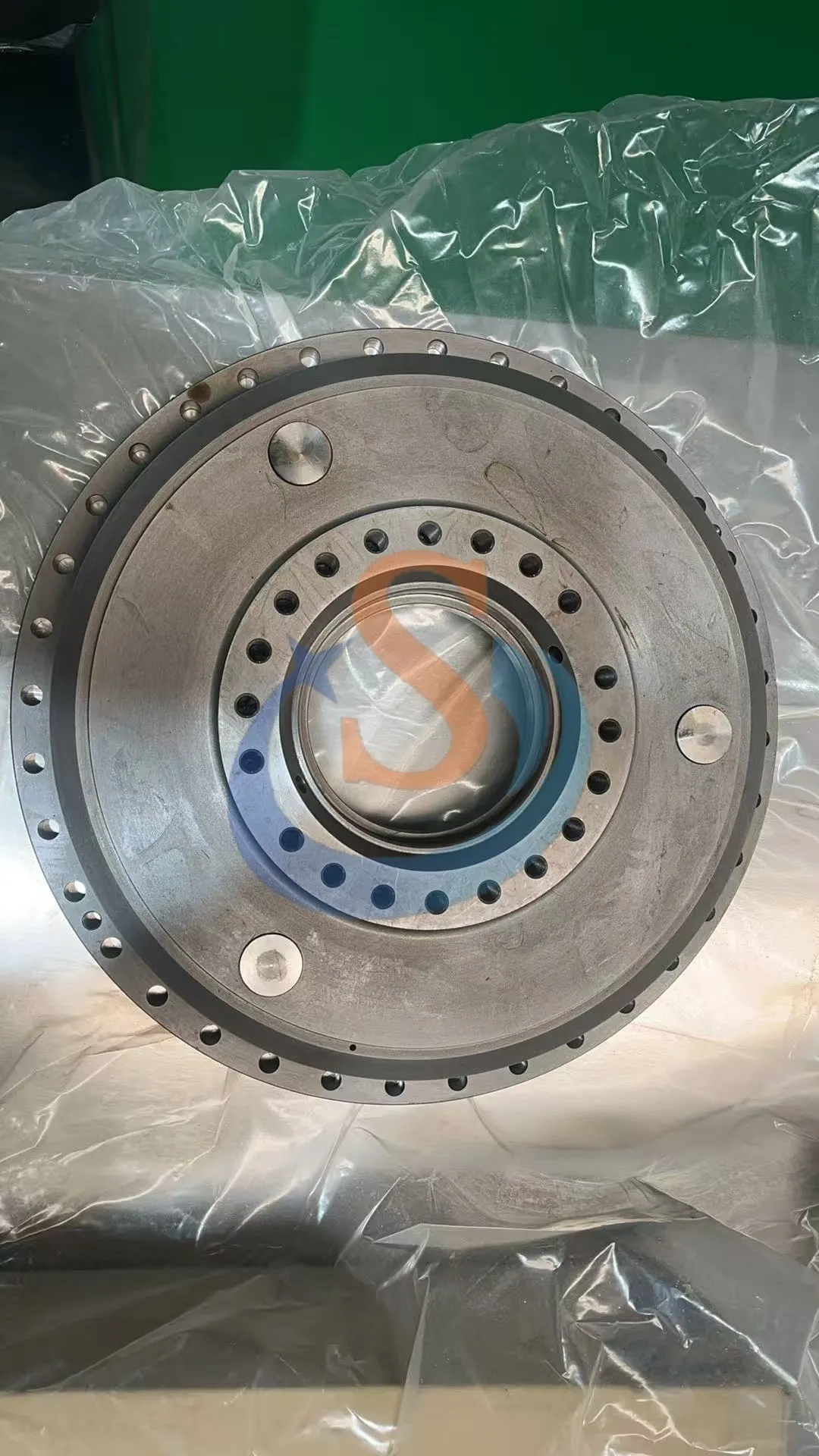 14X-13-57111 komatsu Housing D65
 -
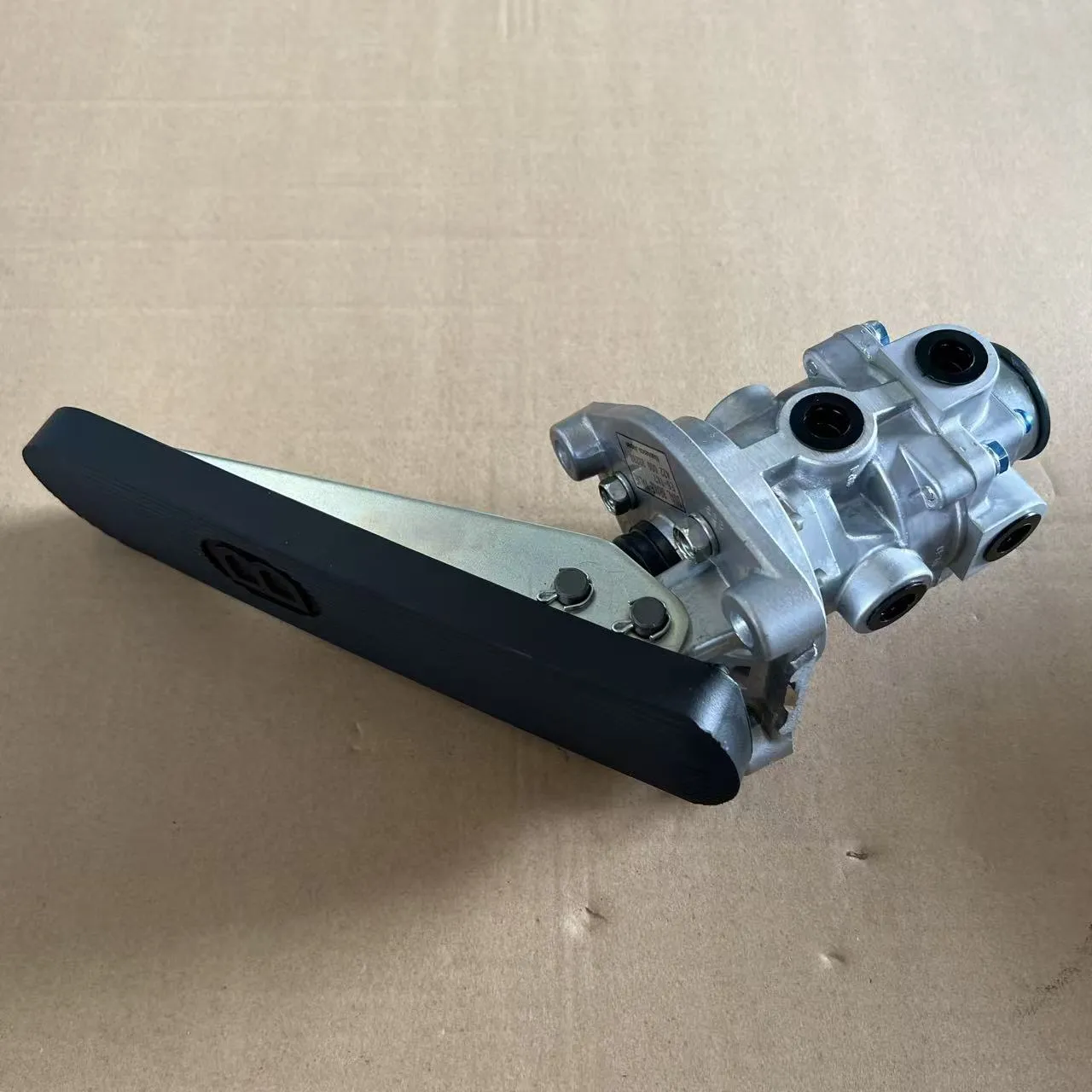 566-35-44110 Komatsu VALVE ASSEMBLY
 -
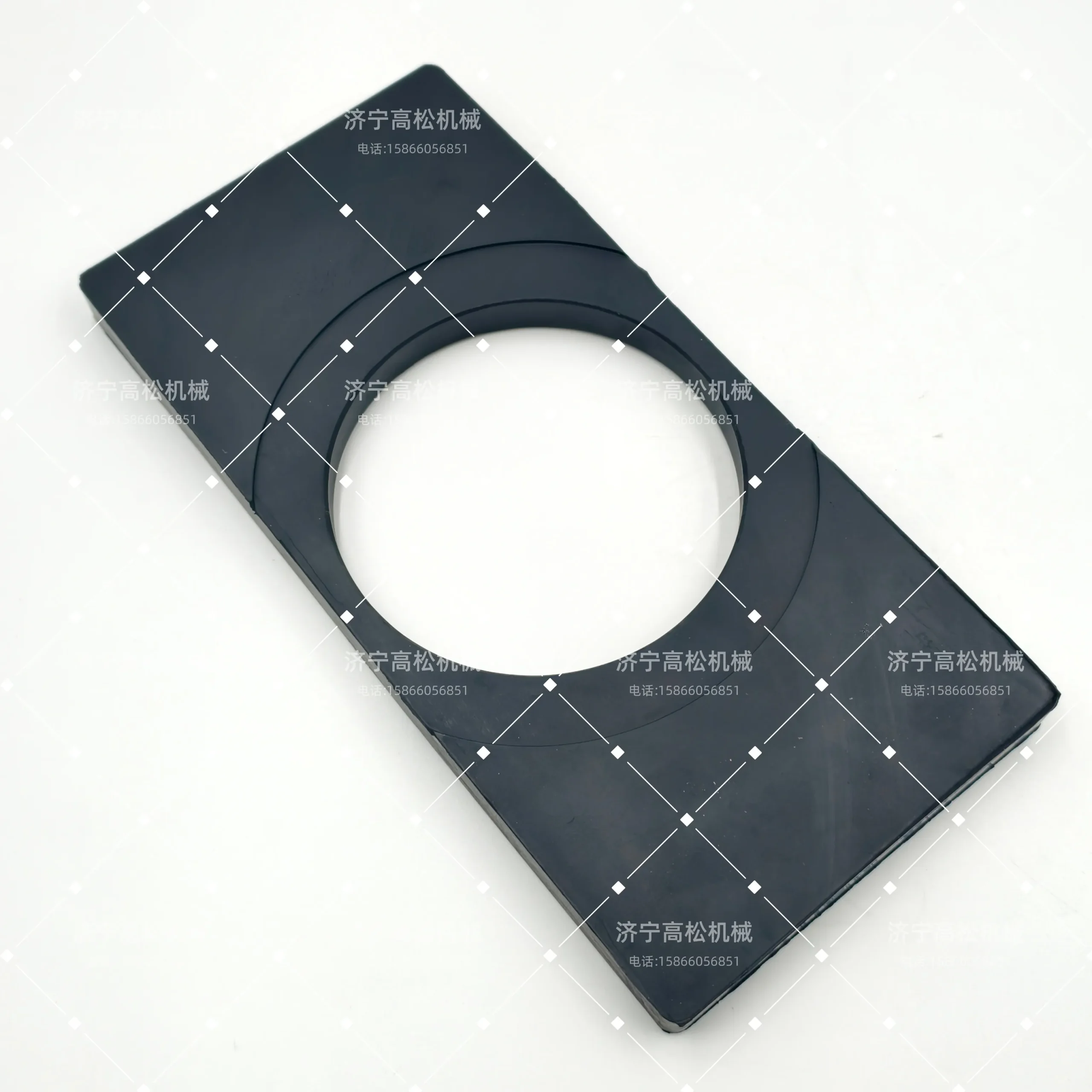 561-03-81550 High Quality Parts For Komatsu Hd465/hd785, High…
 -
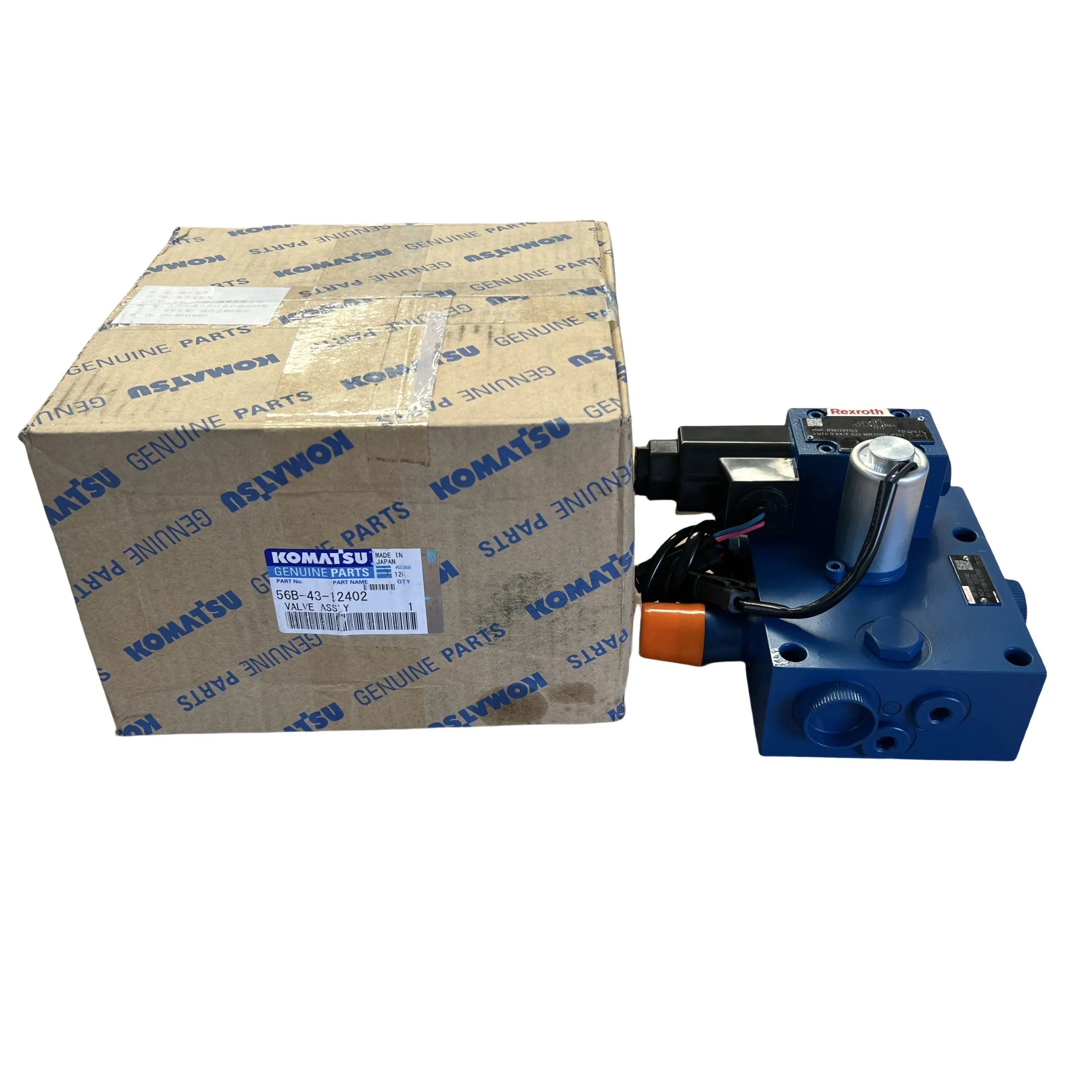 EPC valve 56B-43-120402 for Komatsu HD465-7
 -
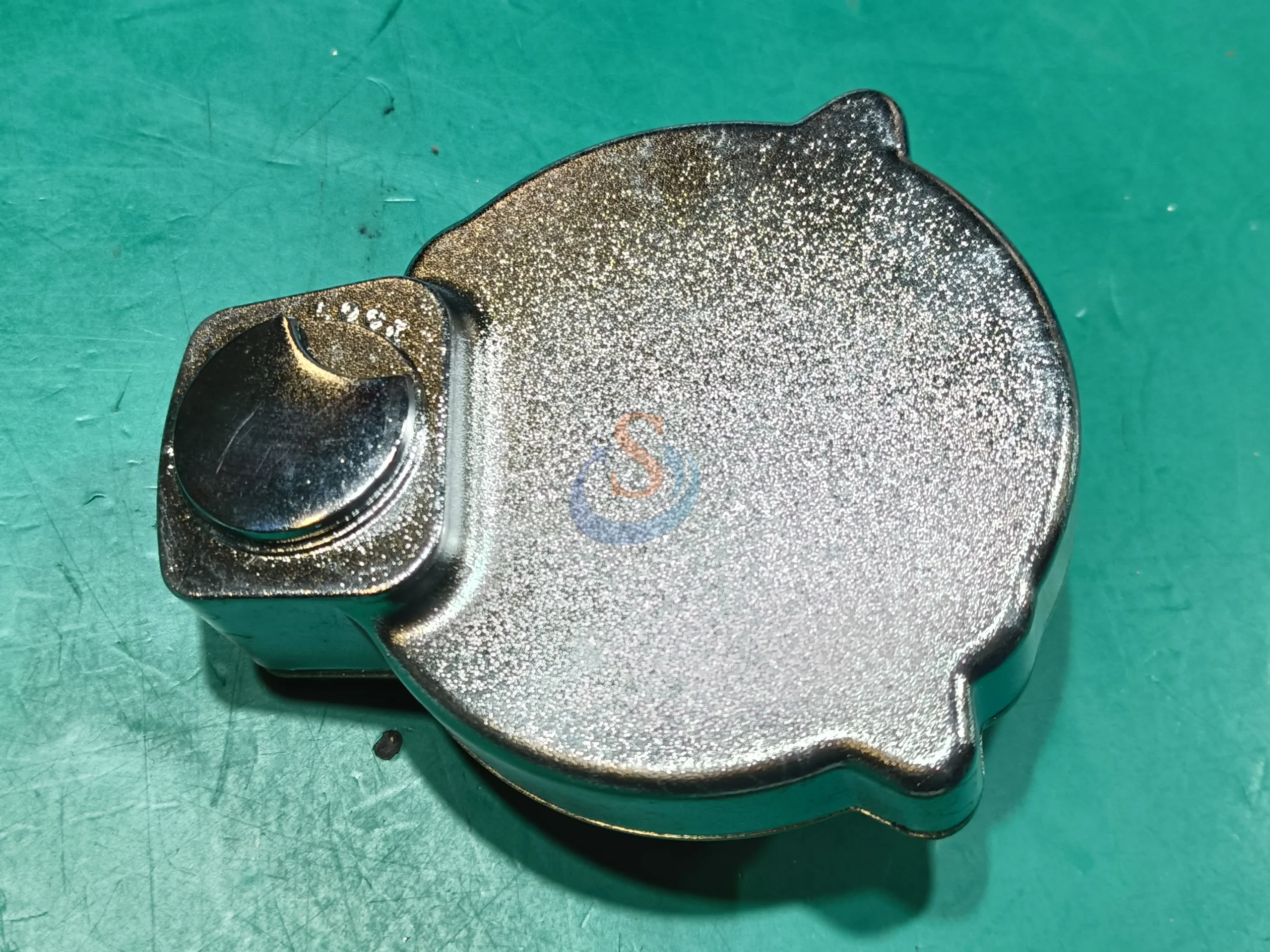 14X-60-31130,CAP,D31EX,D37EX,D65WX,D65PX,PC70
 -
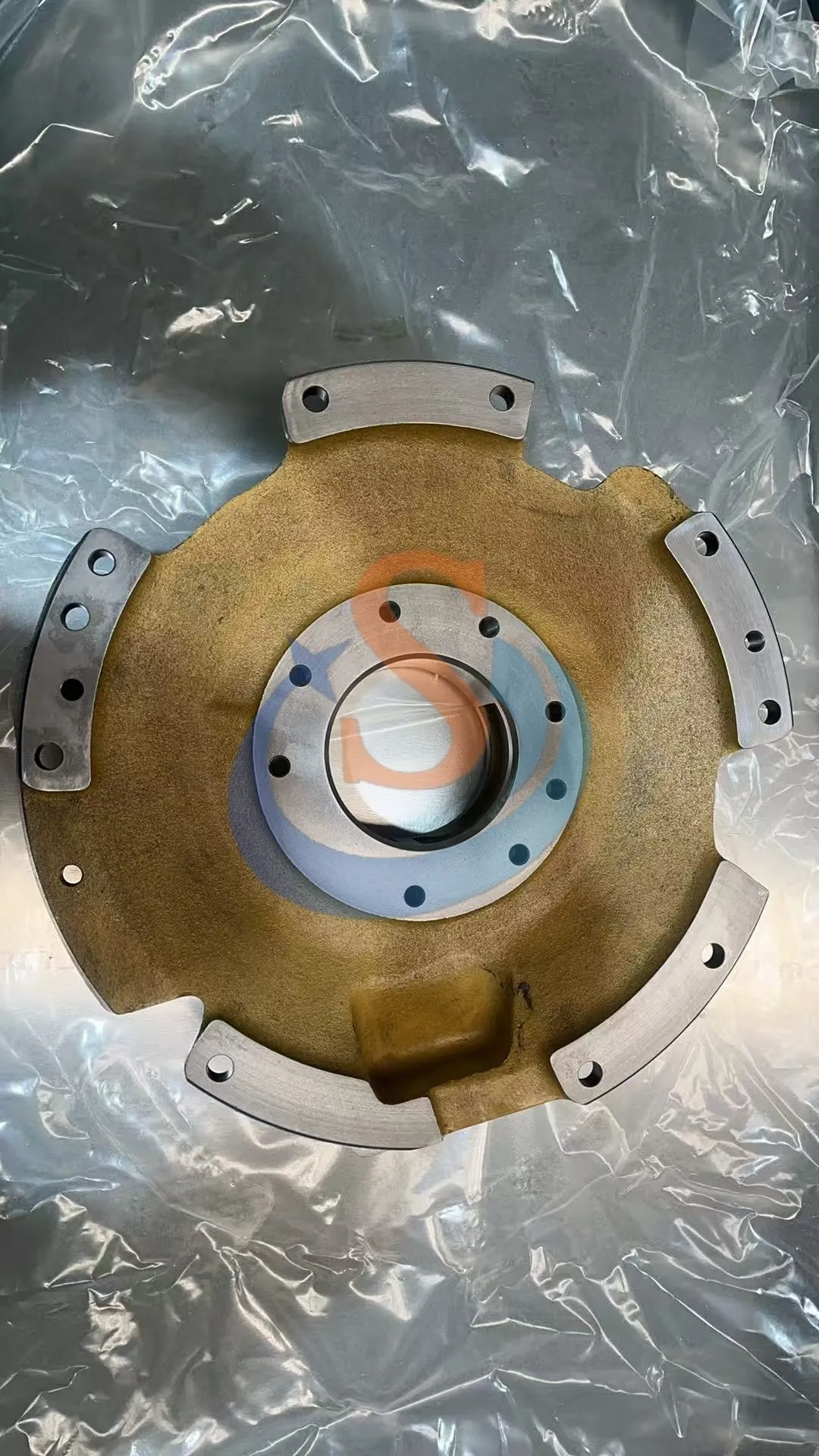 14X-13-54411 Housing D65PX/D65WX/D65EX
 -
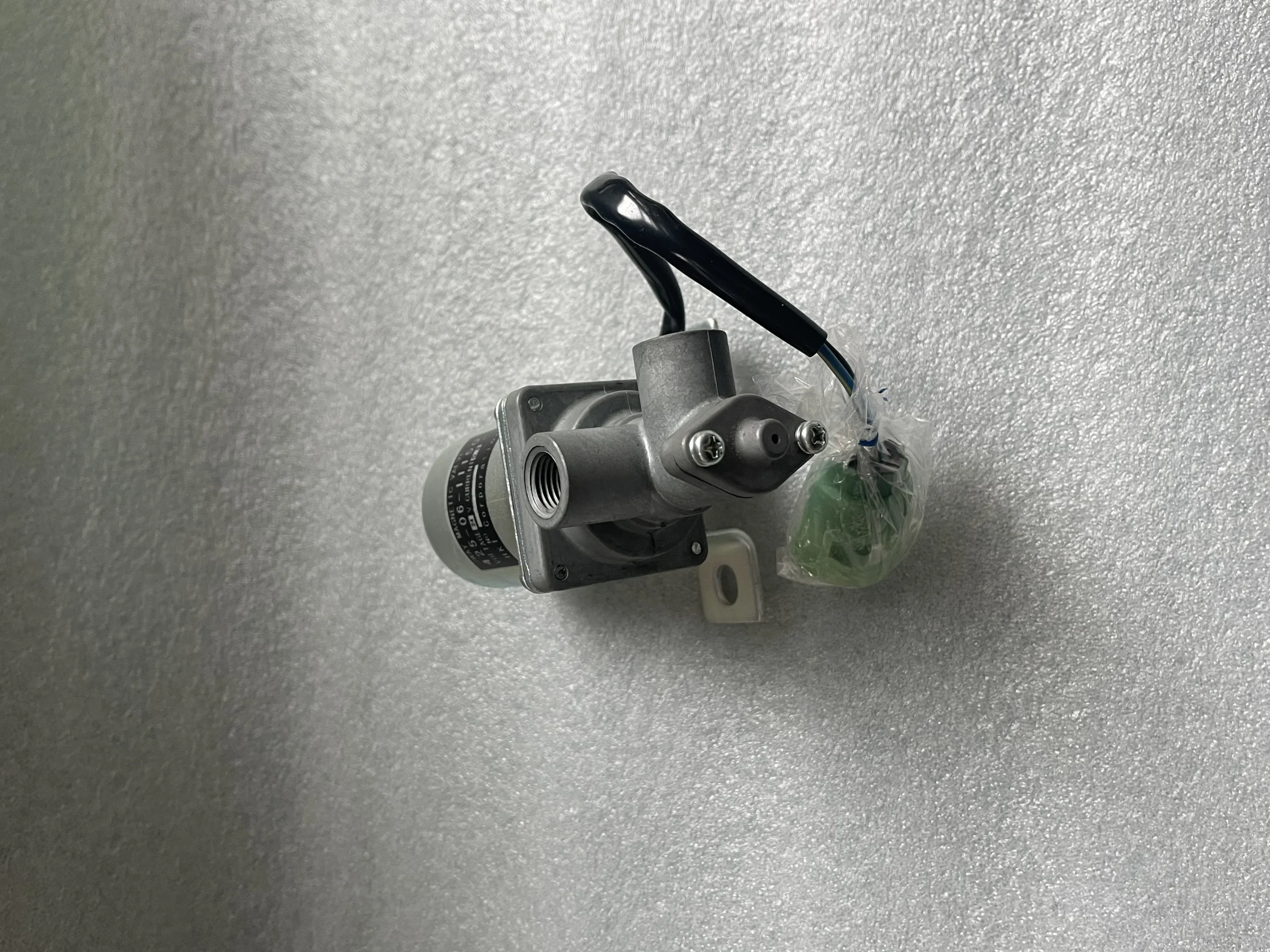 Valve,Parking brake425-06-11150
 -
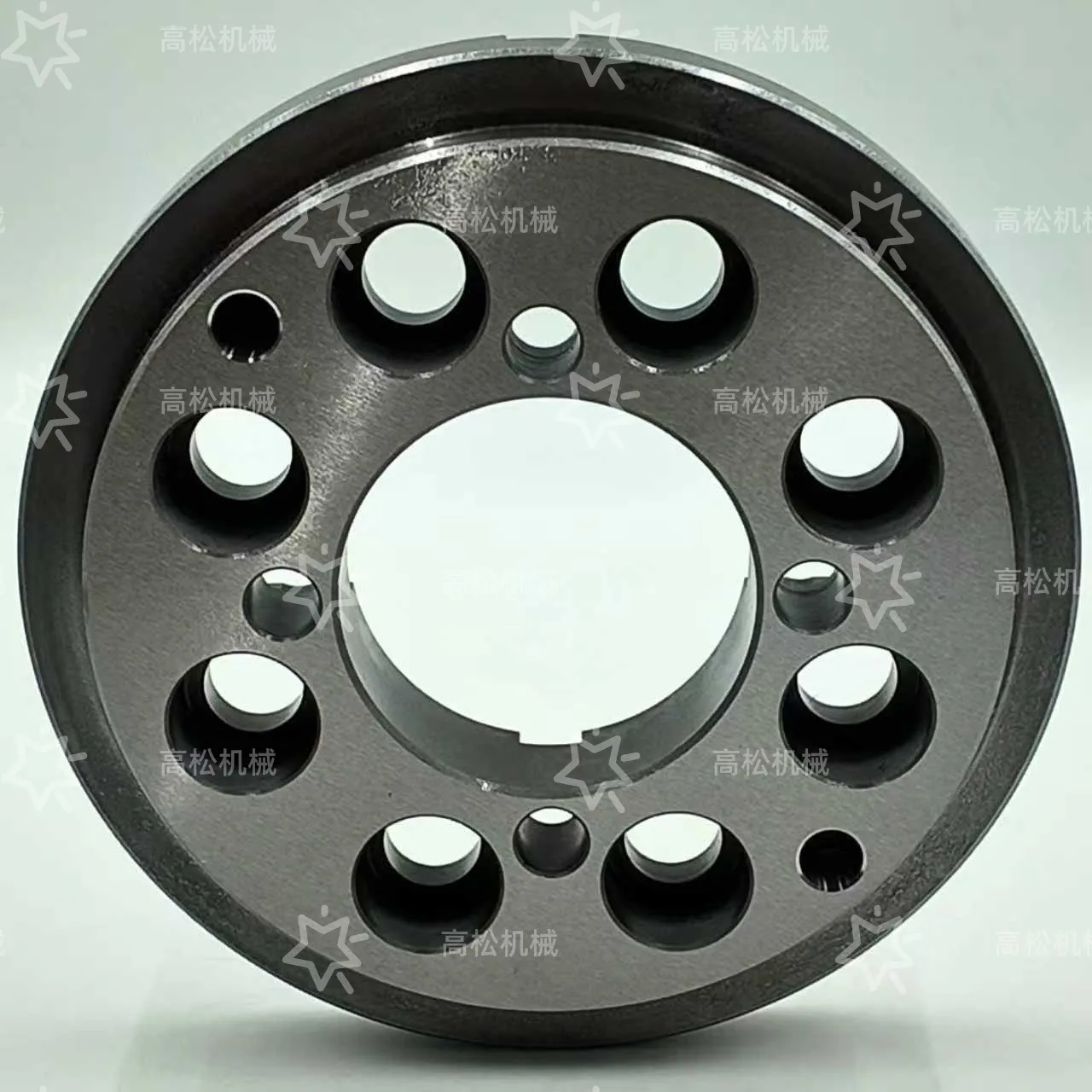 Komatsu Genuine Parts 56B-27-12361 Retainer NOP
 -
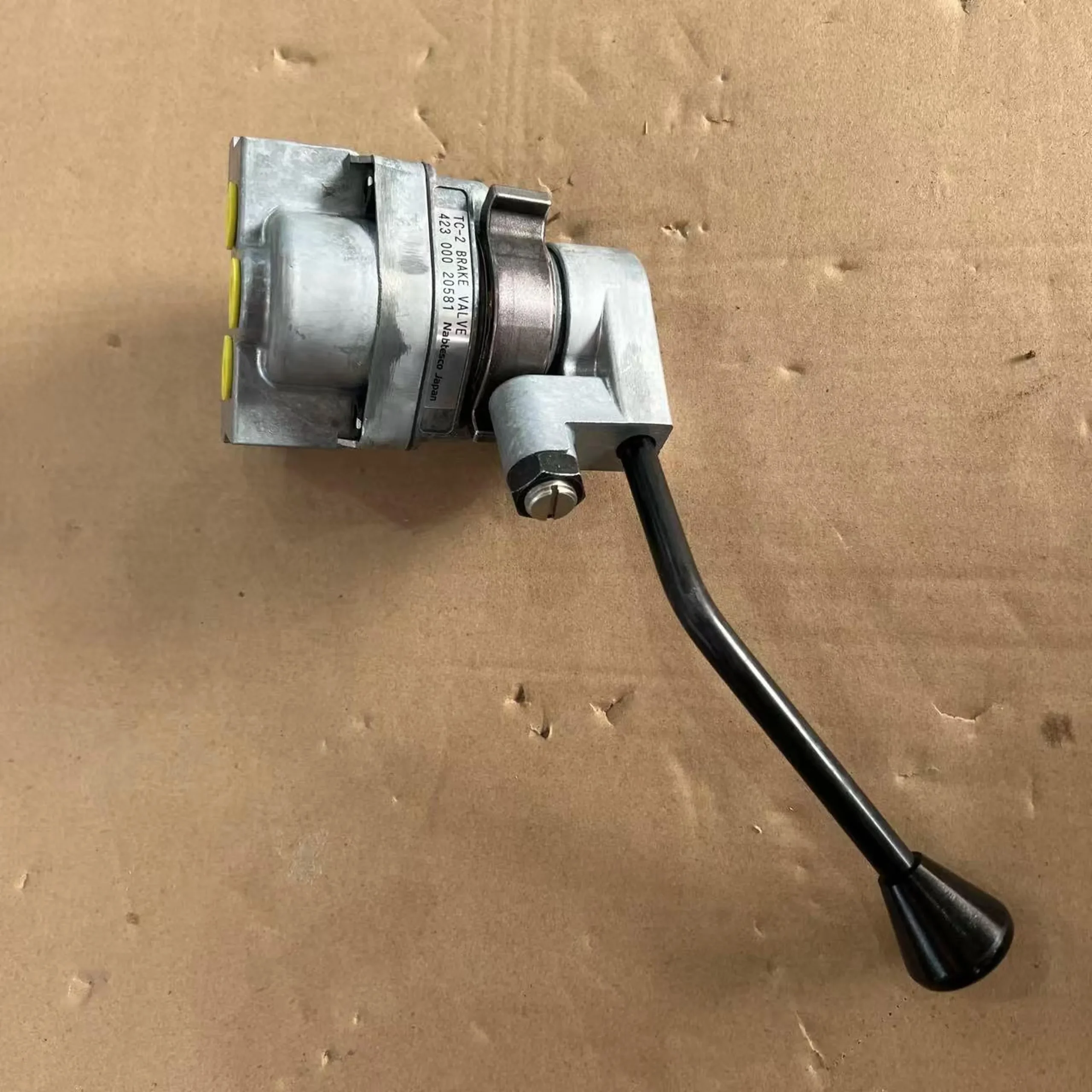 Brand New and Original RETARDER VALVE ASS’Y 561-35-62203 Valve Assembly for komatsu HD605-5 HD465-5 HD405-6 Dump Trucks
 -
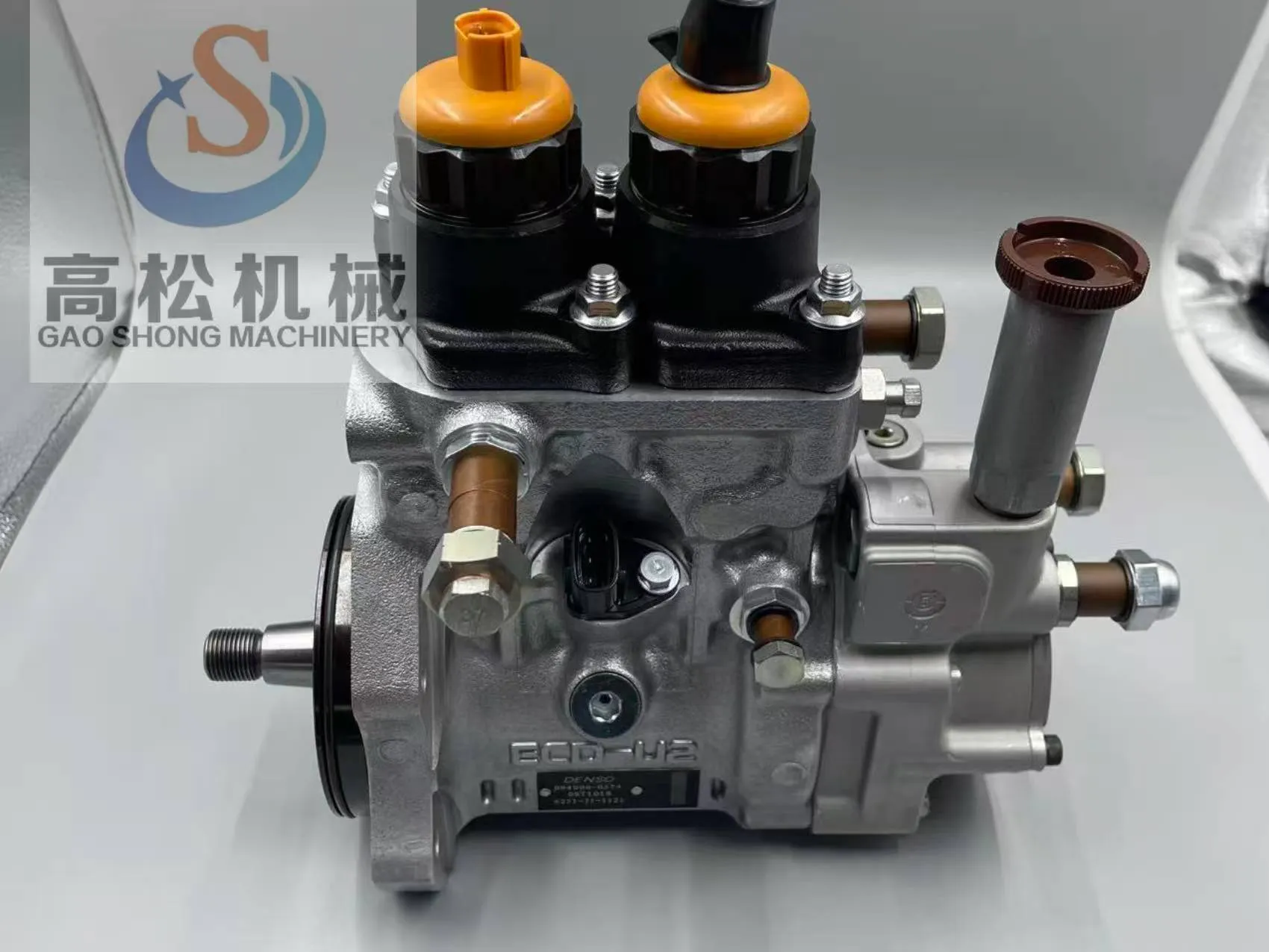 Pc450-8 pc400-8 high pressure fuel pump 6251-71-1121 spare parts for excavators