
- Chinese
- French
- German
- Portuguese
- Spanish
- Russian
- Japanese
- Korean
- Arabic
- Irish
- Greek
- Turkish
- Italian
- Danish
- Romanian
- Indonesian
- Czech
- Afrikaans
- Swedish
- Polish
- Basque
- Catalan
- Esperanto
- Hindi
- Lao
- Albanian
- Amharic
- Armenian
- Azerbaijani
- Belarusian
- Bengali
- Bosnian
- Bulgarian
- Cebuano
- Chichewa
- Corsican
- Croatian
- Dutch
- Estonian
- Filipino
- Finnish
- Frisian
- Galician
- Georgian
- Gujarati
- Haitian
- Hausa
- Hawaiian
- Hebrew
- Hmong
- Hungarian
- Icelandic
- Igbo
- Javanese
- Kannada
- Kazakh
- Khmer
- Kurdish
- Kyrgyz
- Latin
- Latvian
- Lithuanian
- Luxembou..
- Macedonian
- Malagasy
- Malay
- Malayalam
- Maltese
- Maori
- Marathi
- Mongolian
- Burmese
- Nepali
- Norwegian
- Pashto
- Persian
- Punjabi
- Serbian
- Sesotho
- Sinhala
- Slovak
- Slovenian
- Somali
- Samoan
- Scots Gaelic
- Shona
- Sindhi
- Sundanese
- Swahili
- Tajik
- Tamil
- Telugu
- Thai
- Ukrainian
- Urdu
- Uzbek
- Vietnamese
- Welsh
- Xhosa
- Yiddish
- Yoruba
- Zulu
- Kinyarwanda
- Tatar
- Oriya
- Turkmen
- Uyghur






komatsu pc45 parts
When you hear 'Komatsu PC45 parts', the immediate thought for most owners and mechanics is either the dealer network or the vast, sometimes overwhelming, online aftermarket. There's a common misconception that these are simple, interchangeable components for a small machine, so any generic part will do. In my experience, that's a quick route to downtime. The PC45, while compact, has specific hydraulic and electronic nuances, especially in later models, that don't always play nice with non-OEM spec parts. I've seen pumps wear out prematurely and sensors throw false codes because someone saved a few bucks on a 'compatible' part that wasn't. It's not just about the part itself, but the system it integrates into.
The OEM vs. Aftermarket Dilemma for the PC45
Let's be clear: for critical wear items like Komatsu PC45 parts such as hydraulic pump rotors or swing motor components, I almost always lean towards genuine or certified OEM. The tolerance is just different. A pattern part might fit, but the metallurgy or the seal groove depth can be off by a hair, leading to a leak or failure in 500 hours instead of 2000. I learned this the hard way on a PC45MR-2 we had on a rental fleet. Replaced a final drive planet gear with a well-known aftermarket brand. It sheared within three months under normal grading work. The genuine part? It's still running two years later. The cost differential vanished with the second repair bill and the lost rental income.
That said, the aftermarket has its place. For non-critical, non-precision items—think grab handles, some seat cushions, standard pins and bushes (if you match the hardness spec)—a quality third-party option is perfectly sensible. The key is knowing which is which. A boom cylinder repair kit? Go OEM. A cabin air filter? A reputable aftermarket brand is fine. This judgment comes from tearing down enough of these machines to see where the failure points actually are.
This is where the supply challenge hits. For operations outside of major markets, getting those genuine Komatsu PC45 parts can be a logistical and financial headache. Dealer lead times can stretch for weeks, and the cost, with import duties, becomes prohibitive. This gap creates a real problem for keeping machines productive.
Filling the Gap: The Role of Specialized Suppliers
This is the context where companies operating within Komatsu's own ecosystem but with more flexibility become invaluable. I've sourced parts from a supplier called Jining Gaosong Construction Machinery Co., Ltd. for projects in regions where the official distribution was thin. Their model is interesting. They describe themselves as an OEM product supplier within the Komatsu system and a third-party sales company for Komatsu. In practice, what this meant for me was access to components that had the correct specifications and traceability, often with better availability than the standard channel for certain regions.
Their website, https://www.takematsumachinery.com, became a practical resource. It wasn't about flashy marketing, but about finding specific part numbers for the PC45—things like the complete control valve assembly or the travel motor seal kit. The value was in their stated mission: helping to solve parts supply challenges in certain countries. That matched my exact pain point. It wasn't just another parts store; it was a supply line focused on a specific problem.
For instance, I needed a PC45-1 hydraulic pilot valve. The local dealer quoted a 6-week lead time from Japan. Through Gaosong, who leveraged their position within the Komatsu system, I had the unit in 10 days, air-freighted. It came in Komatsu packaging, with all the correct documentation. The machine was back on a landscaping job the following week. This isn't an advertisement for them, but a concrete example of how the supply chain for these Komatsu PC45 parts isn't always linear. Sometimes you have to find the nodes that specialize in bridging these gaps.
Practical Pitfalls and What to Watch For
Even when you find a good source, verification is everything. A lesson from the field: always cross-reference the part number stamped on the component with the number on the box and your service manual. I once received a main hydraulic pump for a PC45 that was listed as correct, but the port thread was different. It was for a different regional variant. The supplier, to their credit, handled the exchange, but it cost us two days of downtime. Now, I send photos of the old part, the machine serial number plate, and the manual page. It eliminates ambiguity.
Another pitfall is assuming all parts for a PC45 are the same. The dash number matters (-1, -2, -R, etc.). The engine, from Yanmar to Komatsu's own, and the control systems evolved. An injector for a -1 model will not work in a -2. I keep a simple spreadsheet now linking machine serial number ranges to major component families. It sounds basic, but it prevents expensive mistakes.
Also, don't neglect the while you're in there items. When replacing a Komatsu PC45 parts like a swing bearing, the cost of the bearing is one thing. But the seals, the bolts (which are often torque-to-yield), and the grease are separate line items. Budget for the whole job, not just the headline component. Missing this can stall a repair halfway through, waiting for a $5 seal.
The Economics of Downtime vs. Part Cost
The real calculation with Komatsu PC45 parts is never just the invoice price. It's the total cost of ownership for that component over the repair cycle. A cheap, non-OEM final drive might cost 40% less upfront. But if it fails in half the time and takes the machine out of service for another two-day repair, you've lost money. For a machine that bills out at $75/hour, 16 hours of downtime is $1200, quickly erasing any initial savings.
This is why I often advocate for rebuilt or certified-reman components from reputable sources for major assemblies. A rebuilt Komatsu travel motor from a specialist who uses genuine seals and kits can be a sweet spot between cost and reliability. You're reusing the core, which has been machined and tested to spec. For an older PC45 that's still mechanically sound, this is often the most economically rational path.
The role of a supplier like the one mentioned earlier becomes clear here. If they can provide a genuine Komatsu-reman exchange unit with a warranty, and get it to you faster than the dealer can, they've saved you real money on the downtime side of the equation. Their value proposition is as much about logistics and reliability as it is about the part itself.
Concluding Thoughts: A Matter of Judgment
So, navigating Komatsu PC45 parts is less about finding the cheapest option and more about exercising informed judgment. It's a mix of knowing your machine's specific variant, understanding which components are tolerance-critical, and mapping a reliable supply chain that balances cost, authenticity, and speed.
The market will always be split between pure-genuine, certified OEM, quality aftermarket, and cheap pattern parts. The professional's job is to navigate these tiers correctly for each repair. Sometimes, that means paying the dealer premium for a critical computer. Other times, it means finding a specialized conduit within the OEM's own network, like Jining Gaosong Construction Machinery Co., Ltd., to overcome a geographic or logistical bottleneck.
In the end, it comes down to this: the part is just a piece of metal or rubber until it's installed in a system. Your choice determines whether that system runs smoothly for thousands of hours or fails unexpectedly on a Tuesday afternoon. Choose with the whole system—and the clock—in mind.
Related Products
Related Products

Best Selling Products
Best Selling Products-
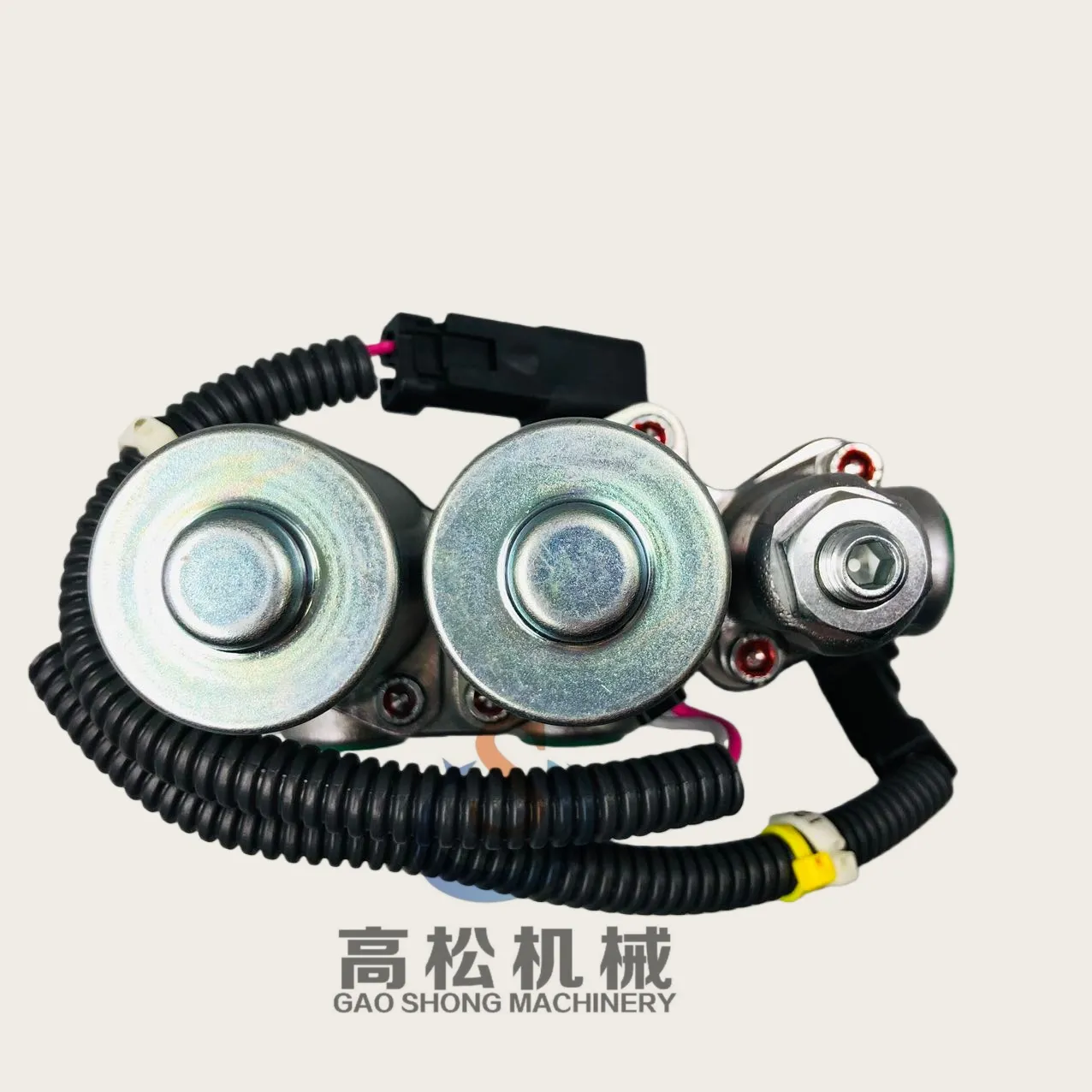 22F-60-31600 22F-60-21201 Electromagnetic valve assembly for PC40MR PC55MR PC56-7 excavator parts
 -
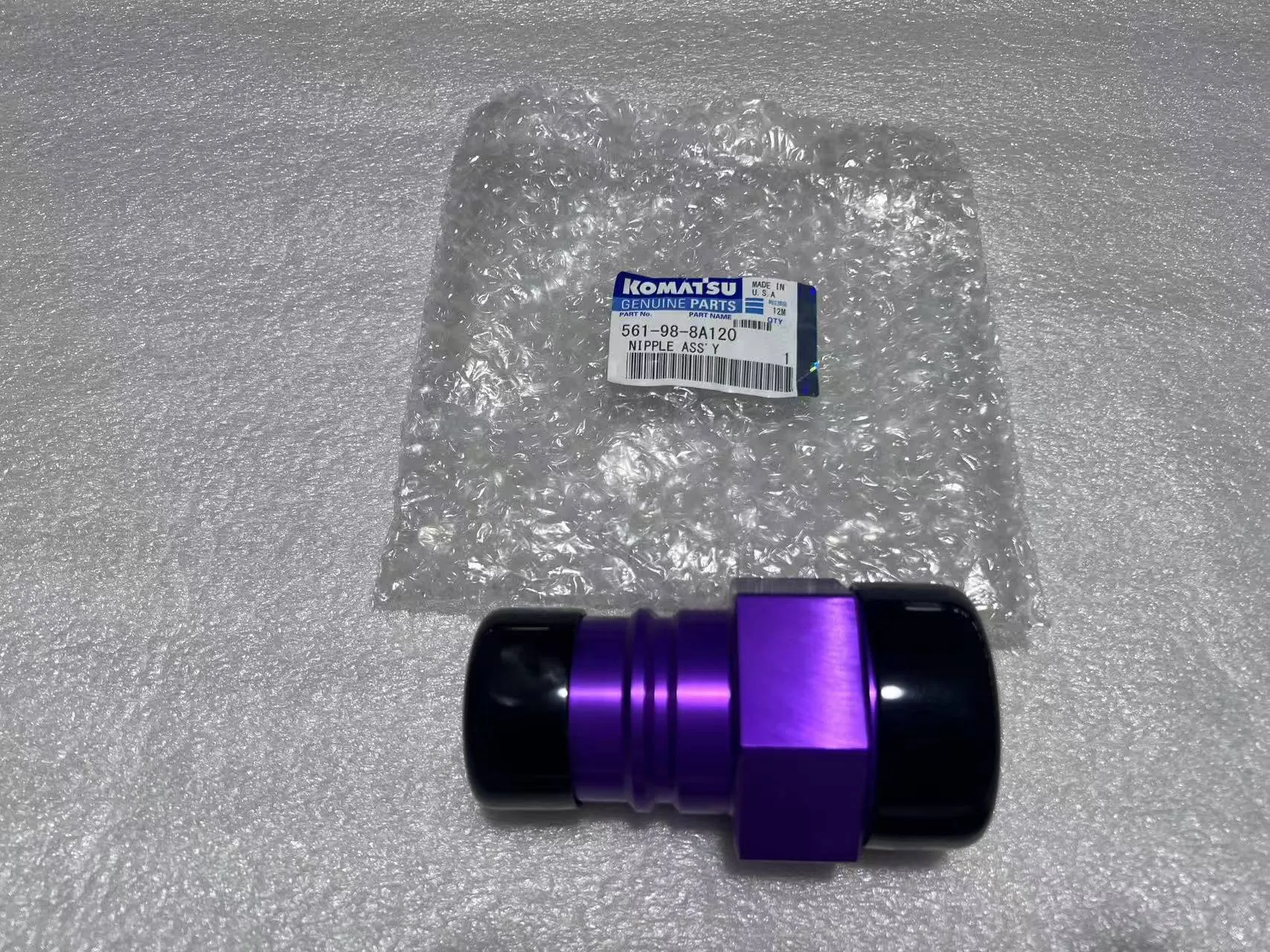 Joint component561-98-8A120
 -
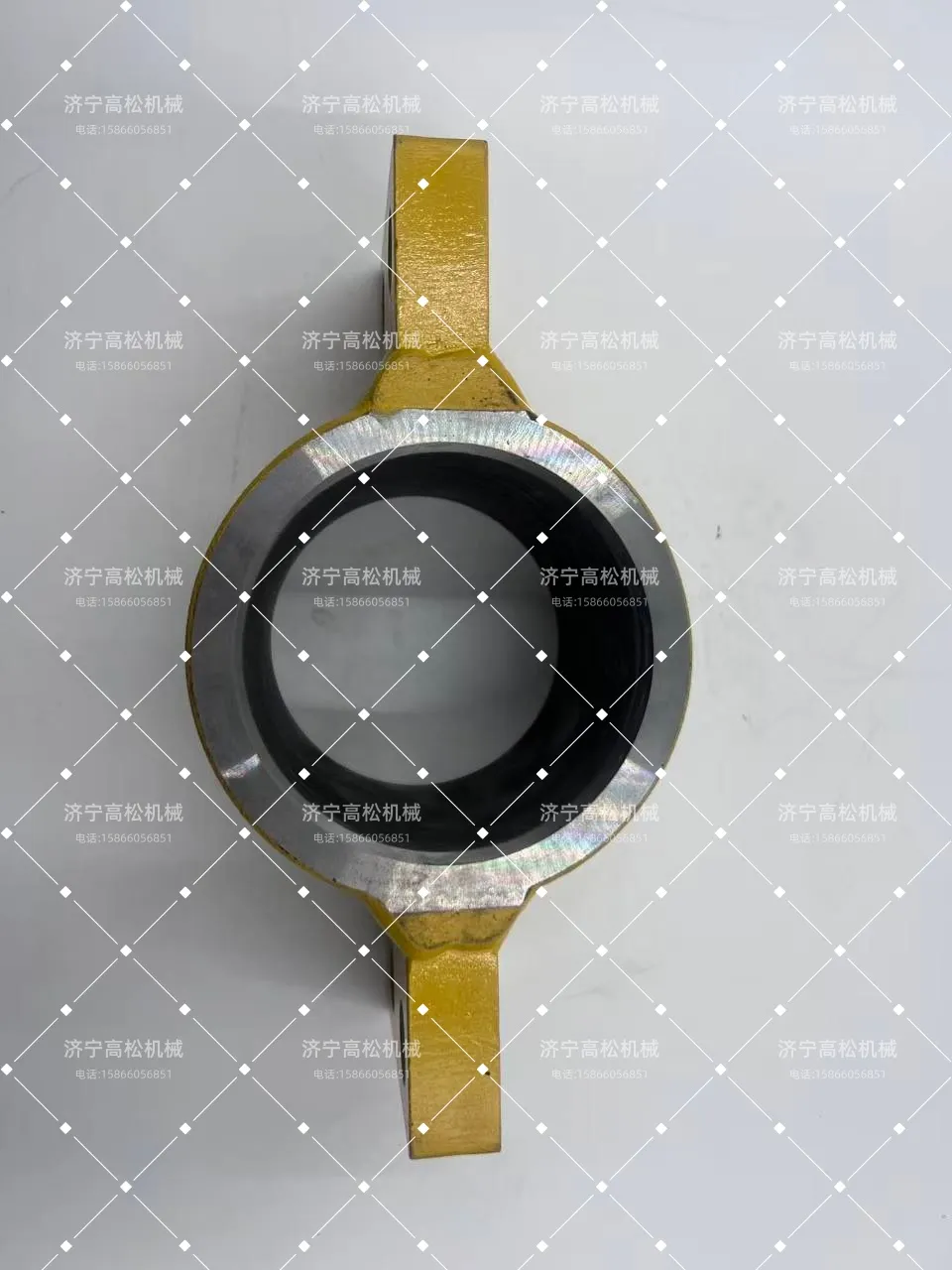 Komatsu Parçaları için İnşaatın Omurgası 566-14-41160 Braketi
 -
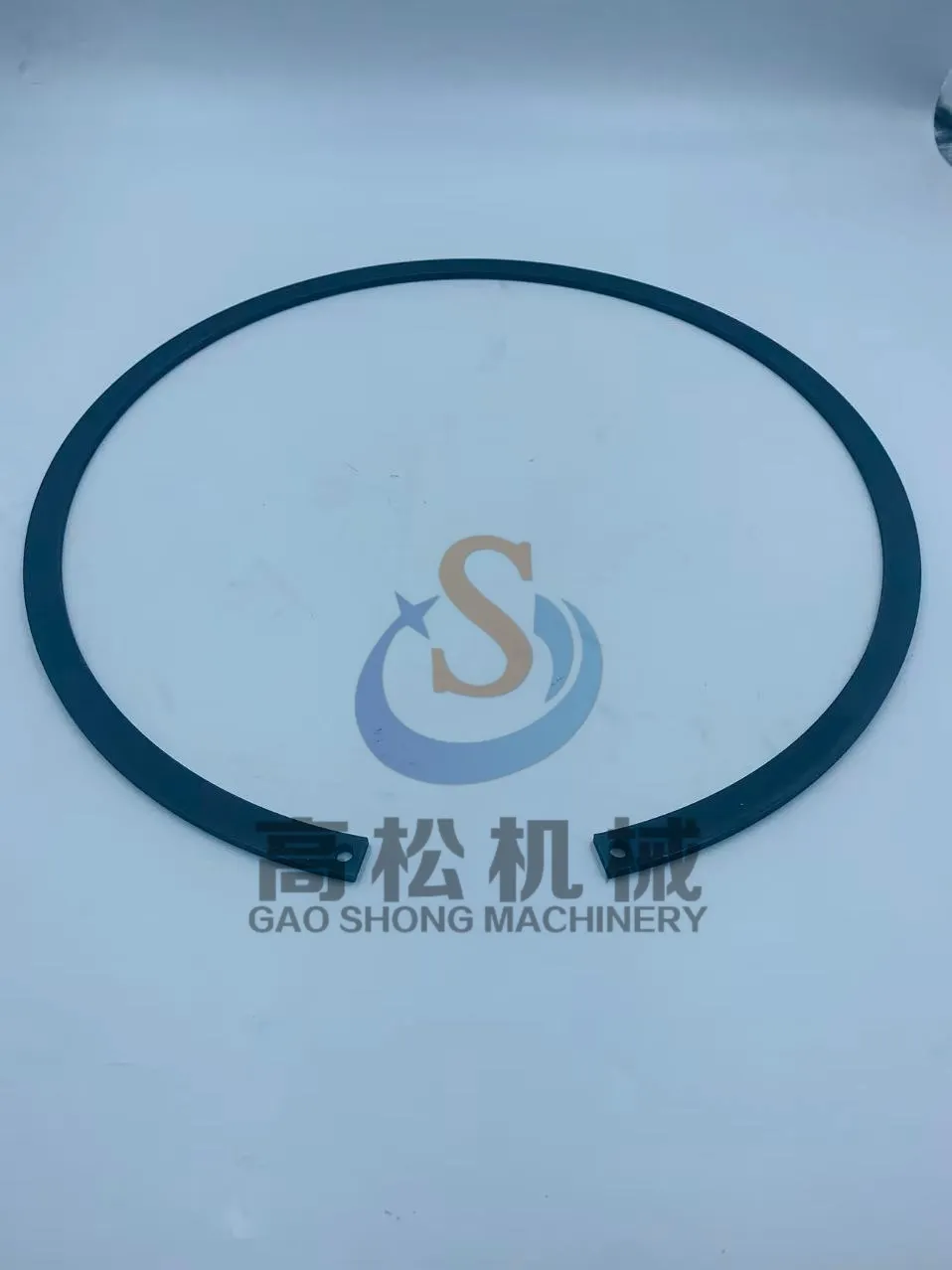 SNAP RING – 21T-26-11270
 -
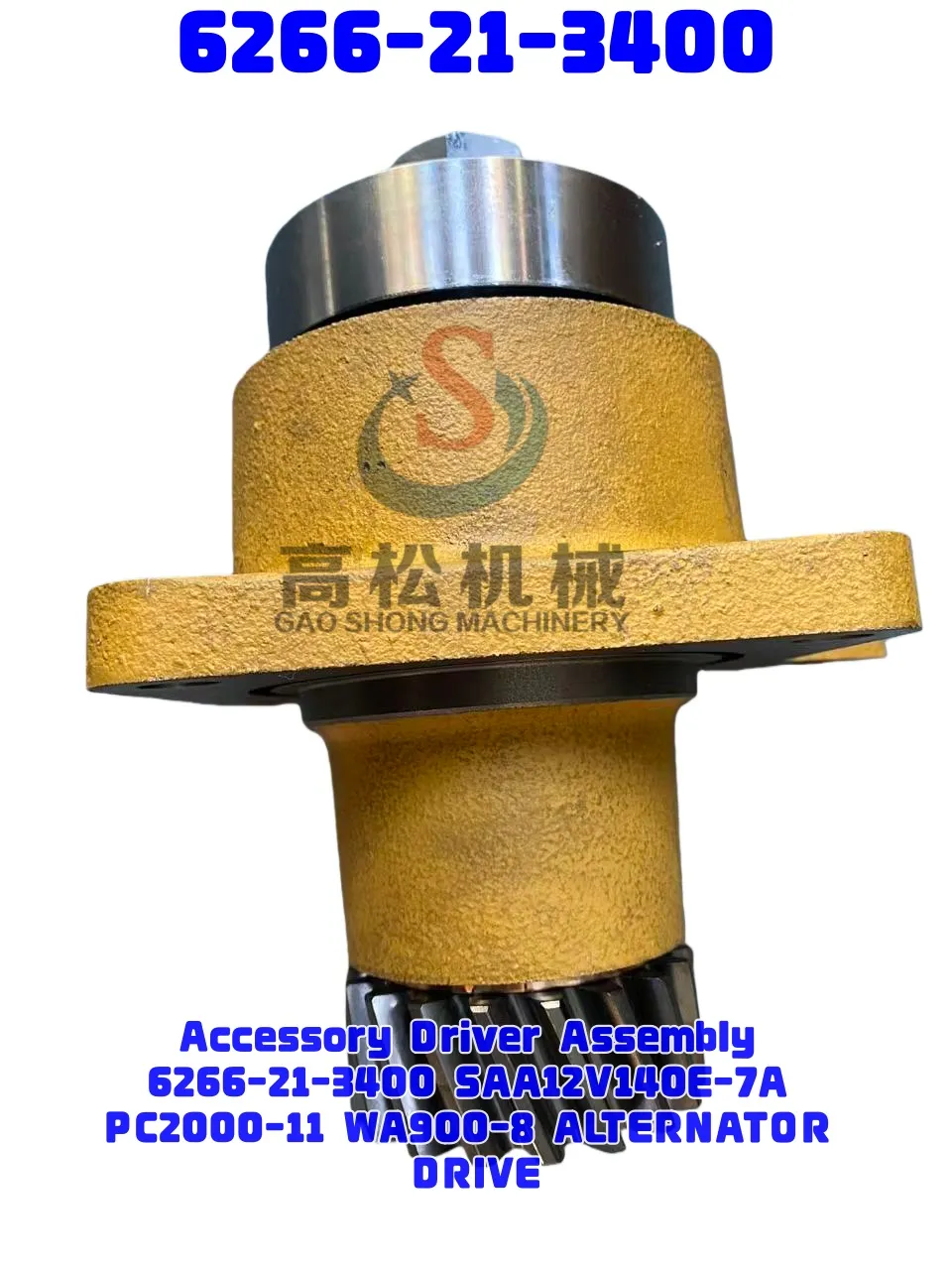 Accessory Driver Assembly 6266-21-3400 SAA12V140E-7A PC2000-11 WA900-8 ALTERNATOR DRIVE
 -
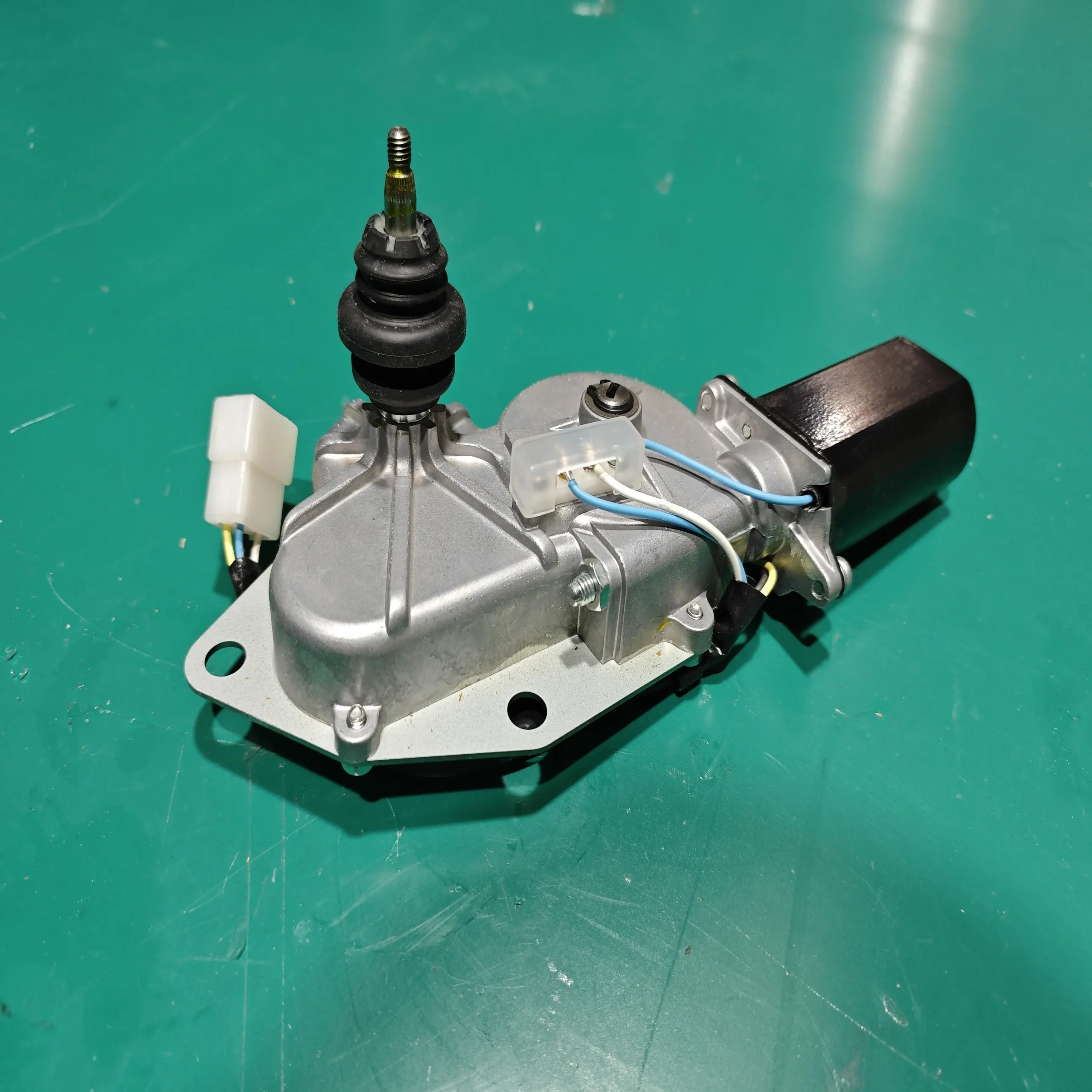 KOMATSUWIPERMOTOR23B-951-2610
 -
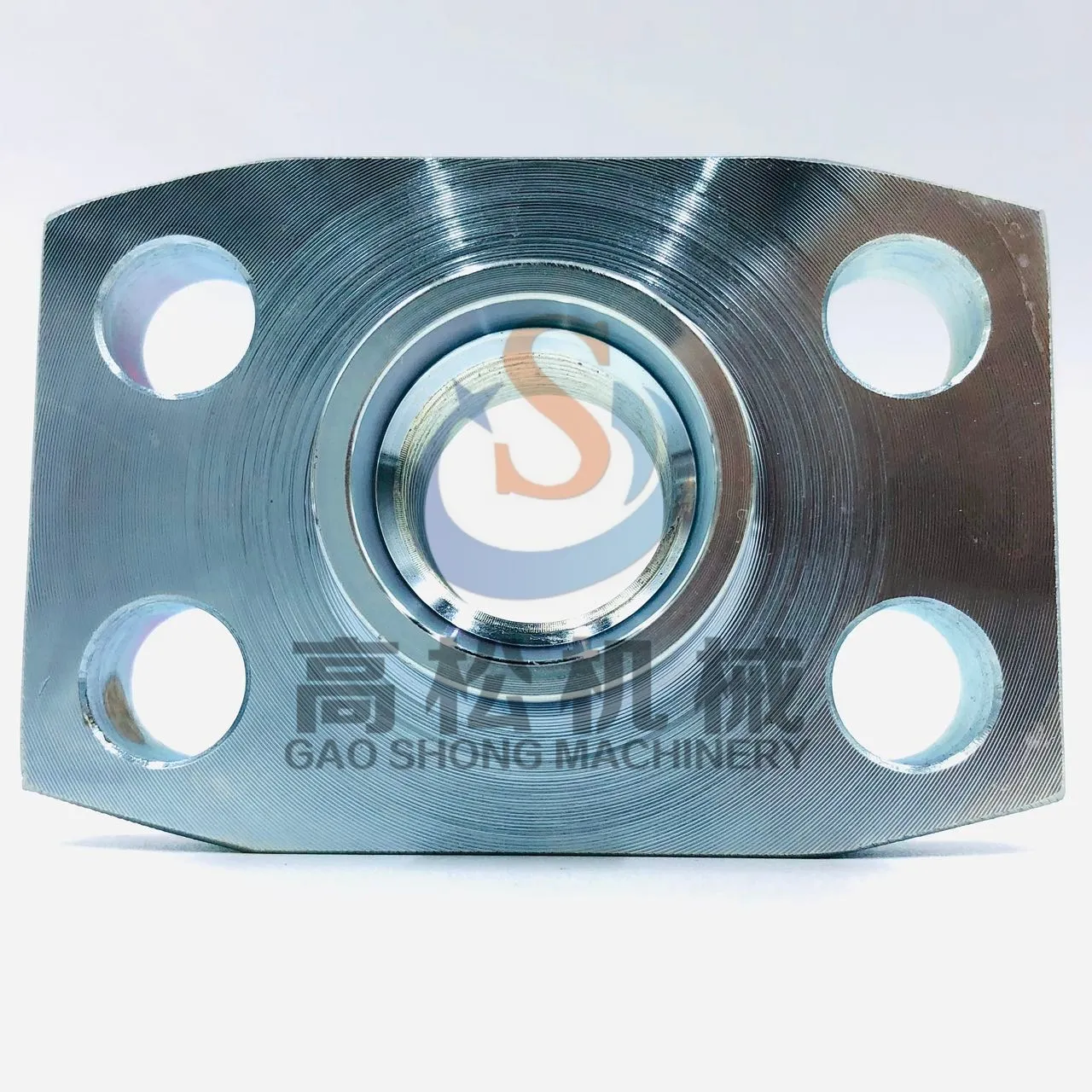 Komatsu excavator PC1250 flange 21N-38-12310
 -
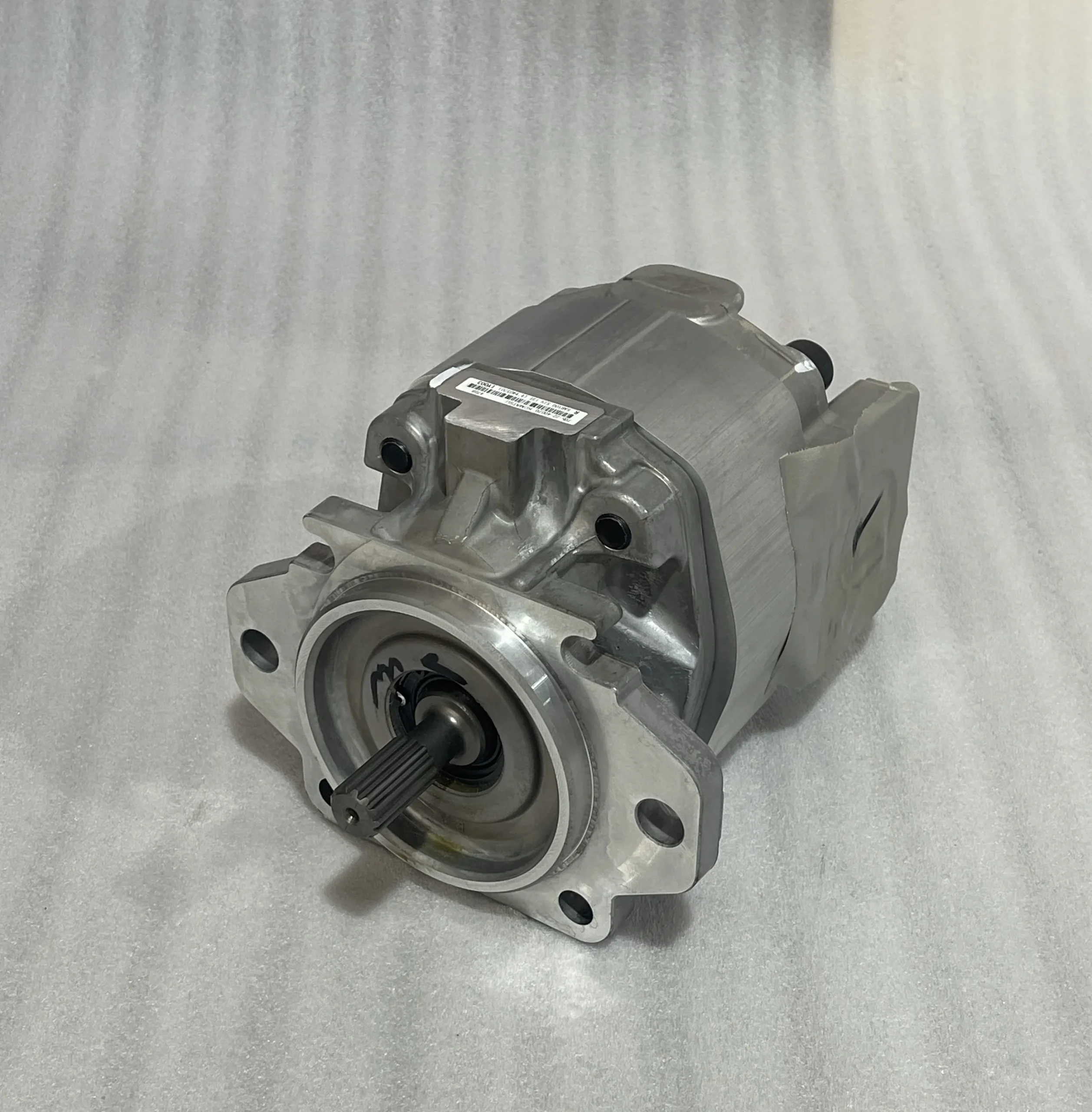 WA470-3 Gear Pump 705-22-40070
 -
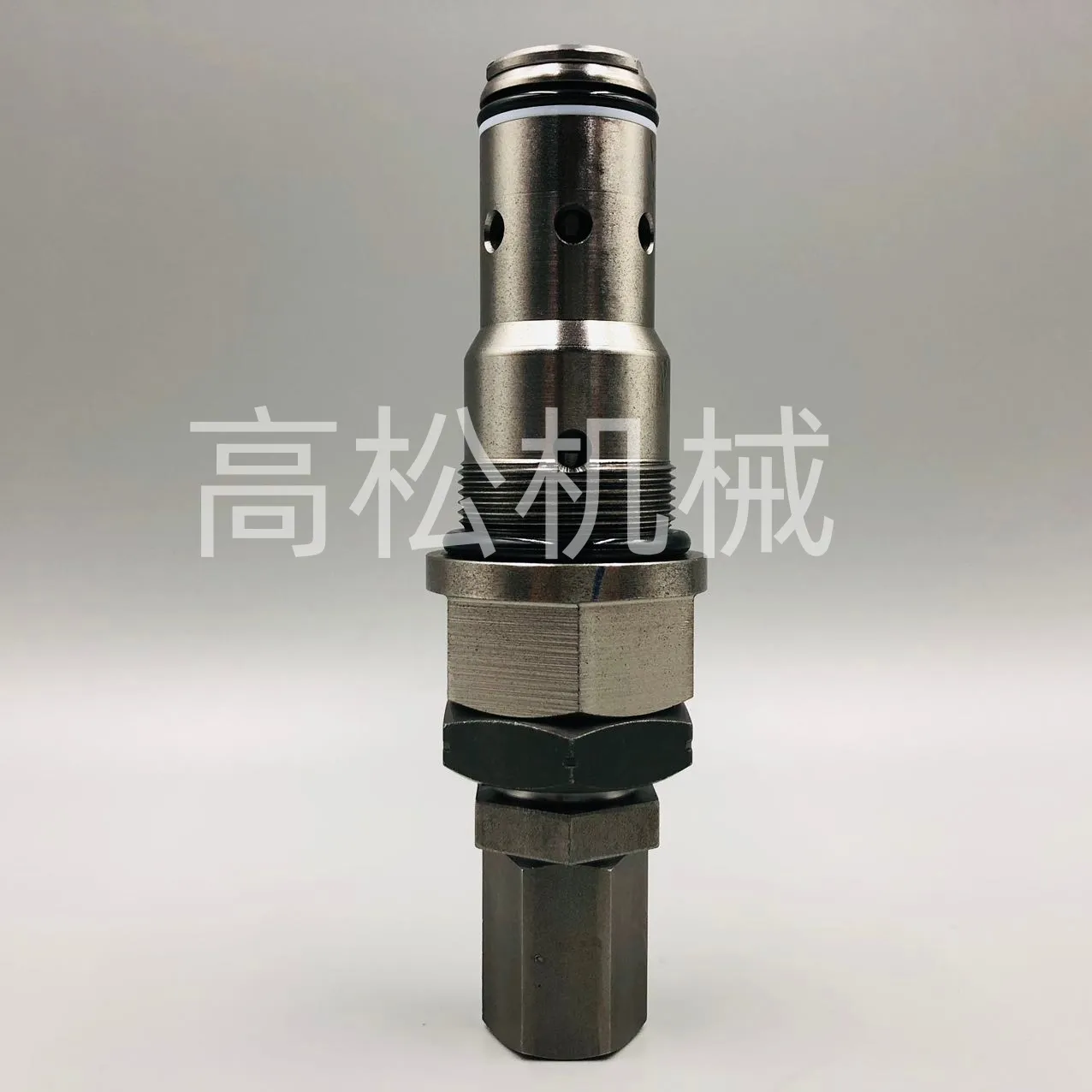 700-89-66000 Komatsu RELIEF VALVE
 -
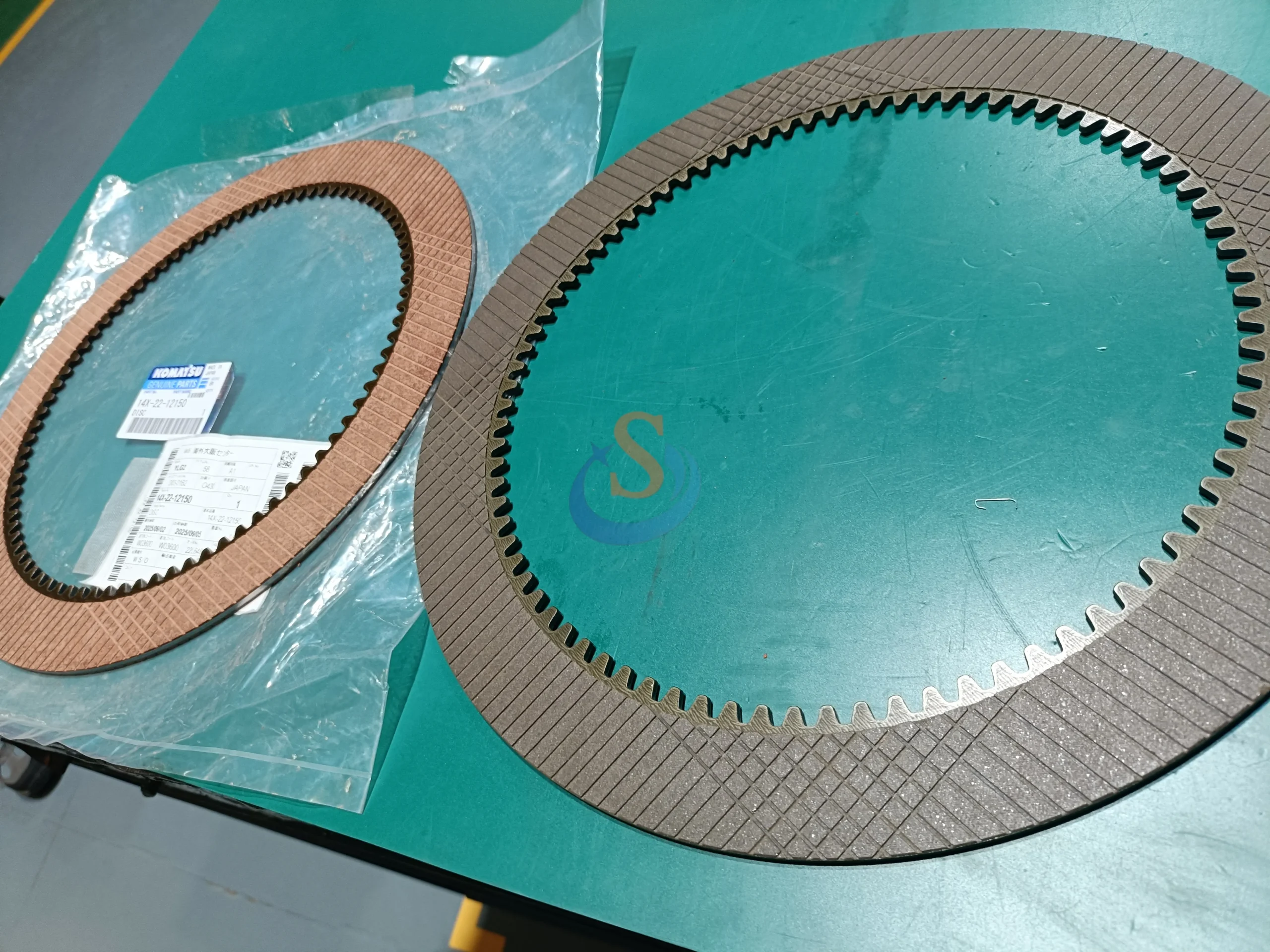 Komatsu frosted sheet 23S-15-12710
 -
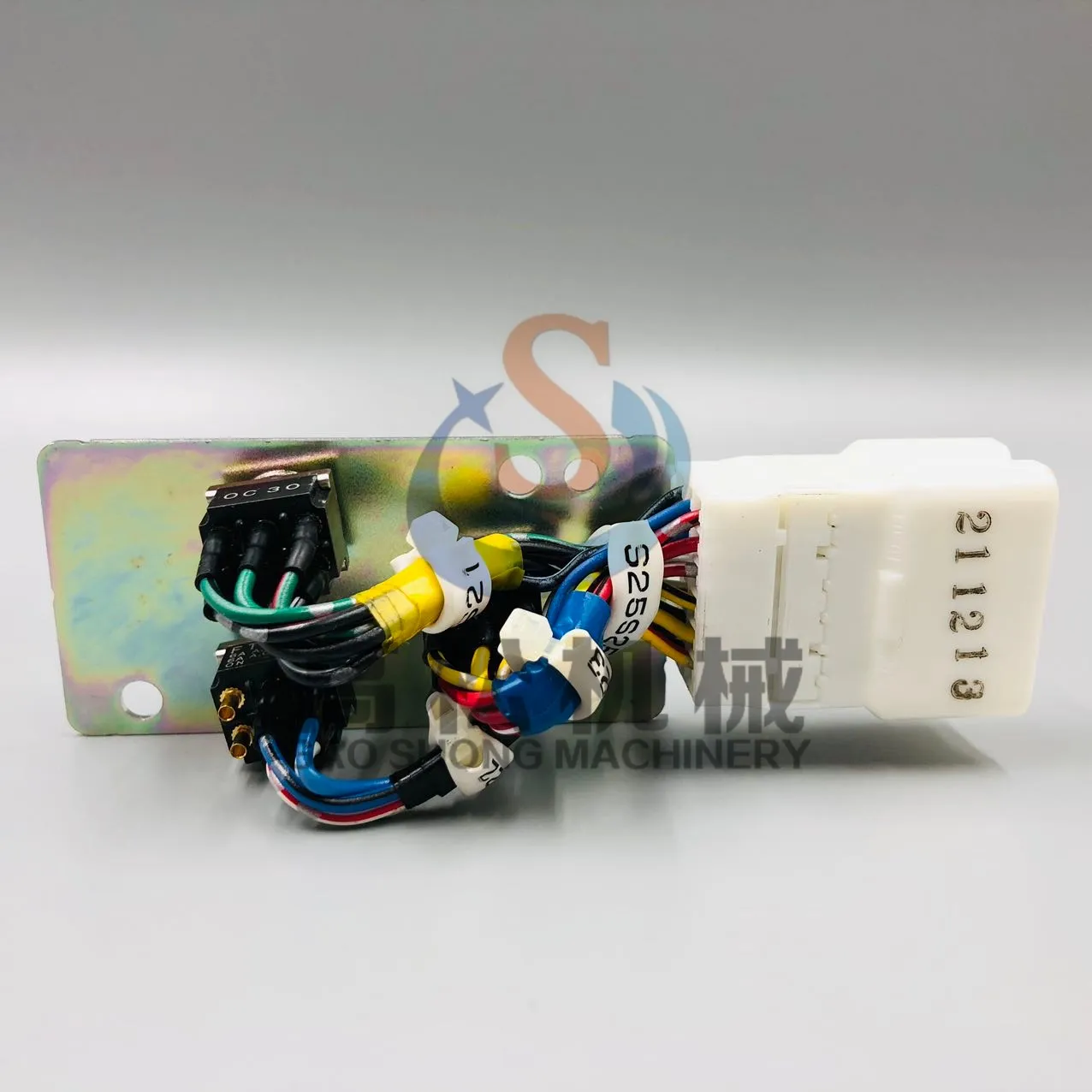 SWITCH ASS’Y 22U-06-22370 – KOMATSU
 -
 424-15-16410 Komatsu SHIM, 0.5mm