
- Chinese
- French
- German
- Portuguese
- Spanish
- Russian
- Japanese
- Korean
- Arabic
- Irish
- Greek
- Turkish
- Italian
- Danish
- Romanian
- Indonesian
- Czech
- Afrikaans
- Swedish
- Polish
- Basque
- Catalan
- Esperanto
- Hindi
- Lao
- Albanian
- Amharic
- Armenian
- Azerbaijani
- Belarusian
- Bengali
- Bosnian
- Bulgarian
- Cebuano
- Chichewa
- Corsican
- Croatian
- Dutch
- Estonian
- Filipino
- Finnish
- Frisian
- Galician
- Georgian
- Gujarati
- Haitian
- Hausa
- Hawaiian
- Hebrew
- Hmong
- Hungarian
- Icelandic
- Igbo
- Javanese
- Kannada
- Kazakh
- Khmer
- Kurdish
- Kyrgyz
- Latin
- Latvian
- Lithuanian
- Luxembou..
- Macedonian
- Malagasy
- Malay
- Malayalam
- Maltese
- Maori
- Marathi
- Mongolian
- Burmese
- Nepali
- Norwegian
- Pashto
- Persian
- Punjabi
- Serbian
- Sesotho
- Sinhala
- Slovak
- Slovenian
- Somali
- Samoan
- Scots Gaelic
- Shona
- Sindhi
- Sundanese
- Swahili
- Tajik
- Tamil
- Telugu
- Thai
- Ukrainian
- Urdu
- Uzbek
- Vietnamese
- Welsh
- Xhosa
- Yiddish
- Yoruba
- Zulu
- Kinyarwanda
- Tatar
- Oriya
- Turkmen
- Uyghur






Komatsu PC400 parts
When you type 'Komatsu PC400 parts' into a search, you're not just looking for a bolt or a seal. You're entering a maze of quality tiers, origin stories, and supplier claims that can make or break your machine's uptime. Too many guys just look at the price tag first, which is a fast track to a bigger bill later. The PC400, especially the -6, -7, and -8 series, is a beast, but its hydraulic system and undercarriage are unforgiving if you feed them sub-par components. I've seen pumps fail prematurely because someone saved a few hundred on what they thought was an OEM-equivalent part. The reality is more nuanced than just OEM good, aftermarket bad.
The Core Challenge: Defining Genuine in a Global Market
Here's the first hiccup. Komatsu's official parts network is impeccable but can be prohibitively expensive or slow in certain regions, leading to desperate searches for alternatives. This is where the landscape gets murky. You have outright counterfeits, decent quality aftermarket, and then a third category that's interesting: suppliers operating within the Komatsu ecosystem. I came across Jining Gaosong Construction Machinery Co., Ltd. a while back. Their pitch was specific: they position themselves as an OEM product supplier within the Komatsu system while also acting as a third-party sales channel. Visiting their site, https://www.takematsumachinery.com, you see they explicitly aim to solve parts supply challenges in certain countries. This isn't a random parts reseller; it's a model built on accessing OEM-level supply chains for markets where the official pipeline is clogged.
This model makes sense in theory. For a machine like the PC400, a critical component like a main control valve or a swing bearing needs precise metallurgy and tolerances. If a company truly has access to the same forging lines or assembly specs as the OEM, that's a game-changer for operations stuck in a 6-week backorder. But the if is huge. It requires deep verification. I've had mixed results with such channels. Sometimes, the part arrives in plain Komatsu packaging, sometimes in neutral boxes with matching OEM part numbers laser-etched, not stamped. The performance was identical, but the provenance was a shadowy middle ground.
The risk, of course, is the blurry line. How do you, as a fleet manager, distinguish between a legitimate parallel supplier and a clever counterfeit operation? It often comes down to documentation, traceability, and the supplier's willingness to be transparent about origin. A company like the one mentioned, which states it's an OEM product supplier within the Komatsu system, is staking its reputation on that claim. It forces them to be more accountable than a generic aftermarket brand. You start asking them for mill certificates for steel, or batch numbers. Their response—or lack thereof—tells you everything.
Hydraulic Components: Where the Devil is in the Details
Let's get specific. On the PC400LC-8, the hydraulic pump is the heart. Aftermarket rebuild kits are everywhere. But installing one is a calculated risk. The tolerances on the piston shoes and swashplate are microscopic. I tried a well-reviewed third-party kit on a mid-life machine once. It ran, but the noise level was higher, a faint whine that wasn't there before, and the efficiency felt off—maybe a 5% drop in cycle time you could feel in the seat. Was it worth the 40% savings? For a backup machine, maybe. For your primary digger, no. This is where the value of a verified OEM-source part, even from a third-party sales company, becomes clear. You're paying for engineering integrity, not just a part that fits.
Another pain point is the pilot control valves. They fail intermittently, causing jerky movement. The cheap replacements? They might solve the jerkiness but introduce a lag in response. It feels like the machine is thinking about your command instead of executing it. We traced this back to the spool valve's machining finish and the spring tension. The non-OEM part was visually identical but performed like a dulled version. We ended up sourcing through a channel similar to Gaosong's model for that specific part, and it restored the factory feel. The lesson was that for control and feel-critical components, the highest possible fidelity to the original spec is non-negotiable.
Hoses and fittings are a different story. Here, the aftermarket can excel. You don't need a Komatsu-branded hose if you have a local hydraulics shop that can make a two-wire braid hose with top-tier German fittings. The key is the specification—pressure rating, impulse rating, and the quality of the crimp. I'd never cheap out on a main hydraulic hose, but I also wouldn't wait two weeks for an OEM one when a certified local alternative is available in a day. This is basic stuff, but it highlights the need for per-component decision-making.
Undercarriage: The Grinding Reality of Wear Parts
Undercarriage parts for the PC400 are a volume business for aftermarket suppliers. Track chains, rollers, idlers—they're all consumables. The spectrum of quality is vast. You have cast-iron imitations that will spall within 500 hours, and you have forged, heat-treated segments that will give you 80% of OEM life at 60% of the cost. The trick is knowing which is which. I've been burned by a premium aftermarket track link where the bushings wore oval in under 1000 hours because the hardening process was skipped.
A reliable supplier in this space doesn't just sell you parts; they guide you on the appropriate tier for your application. Are you in abrasive sand or compacted clay? The material specs should differ. The website for Jining Gaosong mentions solving supply challenges. In undercarriage, that often means providing a range of options—from OEM-spec for severe applications to a robust aftermarket for standard use—all with clear honesty about what you're getting. The worst suppliers are those who sell a single, mystery-grade product as suitable for everything.
One practical test we do with rollers is a simple Brinell hardness test. If a supplier balks at providing expected hardness values or the sample fails the test, you walk away. It's a brutal, physical business. The parts that take the most punishment demand the most scrutiny. Sometimes, the OEM channel is the only safe bet. Other times, a specialized third-party with proven metallurgy, potentially one integrated into the OEM's broader supply network for raw forgings, can be the smarter economic choice.
Electrical and Sensors: The Compatibility Minefield
This is arguably the trickiest area. The PC400's modern variants are loaded with sensors and controllers. An aftermarket speed sensor might send a signal that's close but not exact, triggering intermittent fault codes that drive your mechanics insane. We spent three days chasing a GHG Fan Speed Abnormal code on a -8 model. The fan speed sensor had been replaced with a generic part. It tested fine on a multimeter but under the specific PWM signal the controller expected, it was just out of spec. The OEM sensor from Komatsu fixed it instantly. This is a classic case where fits and functions isn't enough; it needs to communicates perfectly.
For companies operating as third-party sales companies for Komatsu, this is their litmus test. Can they supply the exact OEM sensor with the correct firmware profile or part revision? Or are they just offering a physical connector-compatible substitute? Their value is in navigating Komatsu's own parts evolution—knowing that sensor P/N ABC-123 was superseded by ABC-124 mid-2021 and that the new one requires a different controller software update. That level of system knowledge is what separates a parts seller from a solutions provider.
My rule now is simple: for any component that talks to the machine's ECM, I go OEM or a source that guarantees OEM-original electronics. The downtime cost of diagnosing phantom electrical issues dwarfs the part price difference. It's an area with zero tolerance for approximation.
Sourcing Strategy: Building a Reliable Pipeline
So how do you build a reliable Komatsu PC400 parts pipeline? It's never one supplier. You need a tiered approach. Tier 1 is the official Komatsu dealer for critical, proprietary, and electronic components. Tier 2 is a verified, high-quality specialist like the mentioned OEM-system supplier for mechanical components where OEM spec is desired but the official channel is problematic. Tier 3 is trusted aftermarket brands for generic wear items like seals, filters, and hoses.
The company profile of Jining Gaosong Construction Machinery Co., Ltd. fits squarely into that Tier 2 niche. Their stated role as an OEM product supplier and third-party sales company specifically for Komatsu addresses a real gap. The utility of such a partner hinges on transparency. Can they provide cross-references? Do they understand machine serial number breaks? Will they tell you if an aftermarket alternative is actually sufficient for your job, saving you money?
Ultimately, managing parts for a fleet of PC400s is about risk management and total cost of ownership. Every part purchase is a small bet on your machine's future productivity. The goal isn't to always buy the cheapest or the most expensive. It's to buy the most appropriate, with a clear understanding of the trade-offs. That requires suppliers who are experts on the machine, not just catalog order-takers. It's a hands-on, detail-obsessed process that no simple search for 'Komatsu PC400 parts' will ever fully solve, but the right partners in that supply chain make all the difference.
Related Products
Related Products

Best Selling Products
Best Selling Products-
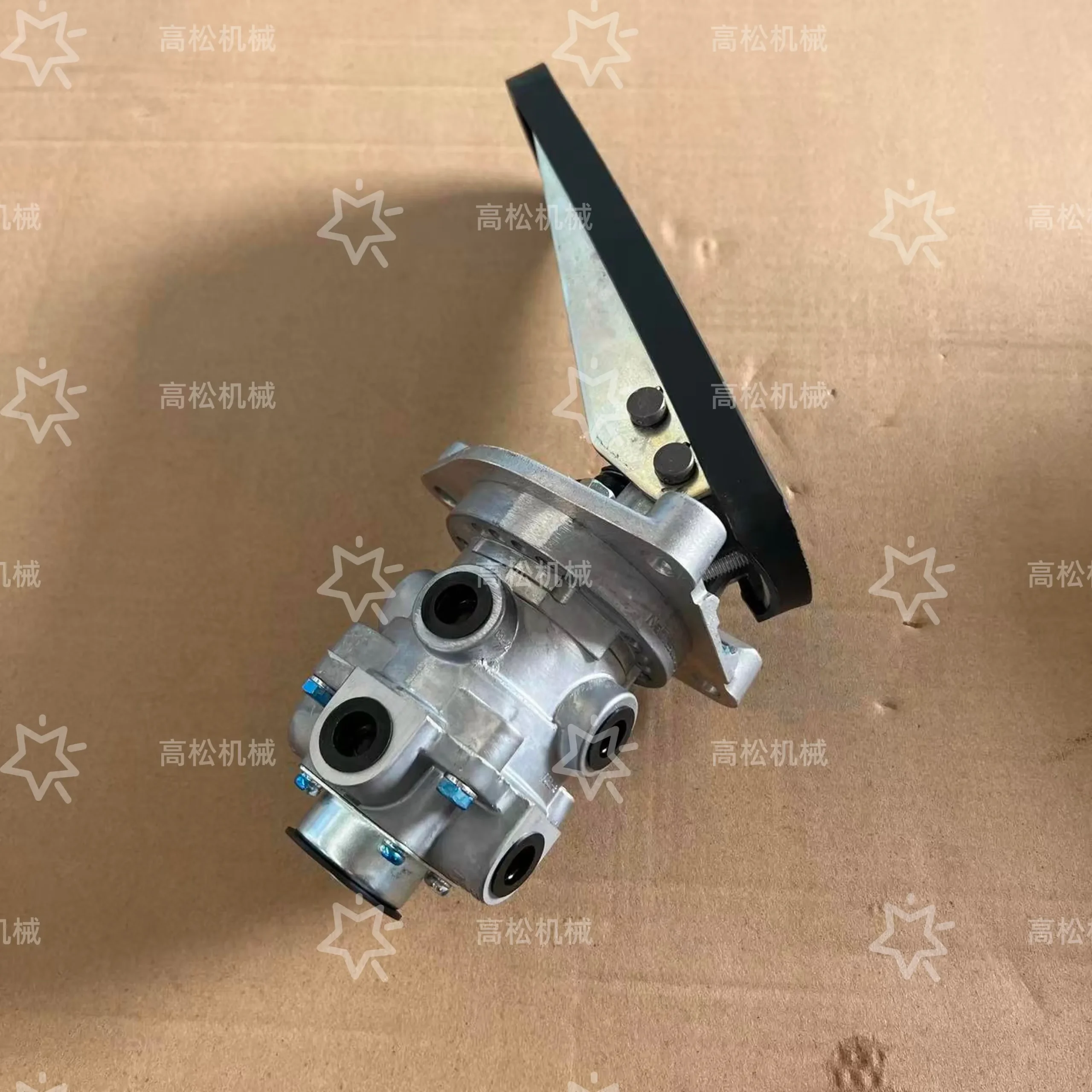 Valve 566-35-44110 for Komatsu Rigid Dumper HD465-5
 -
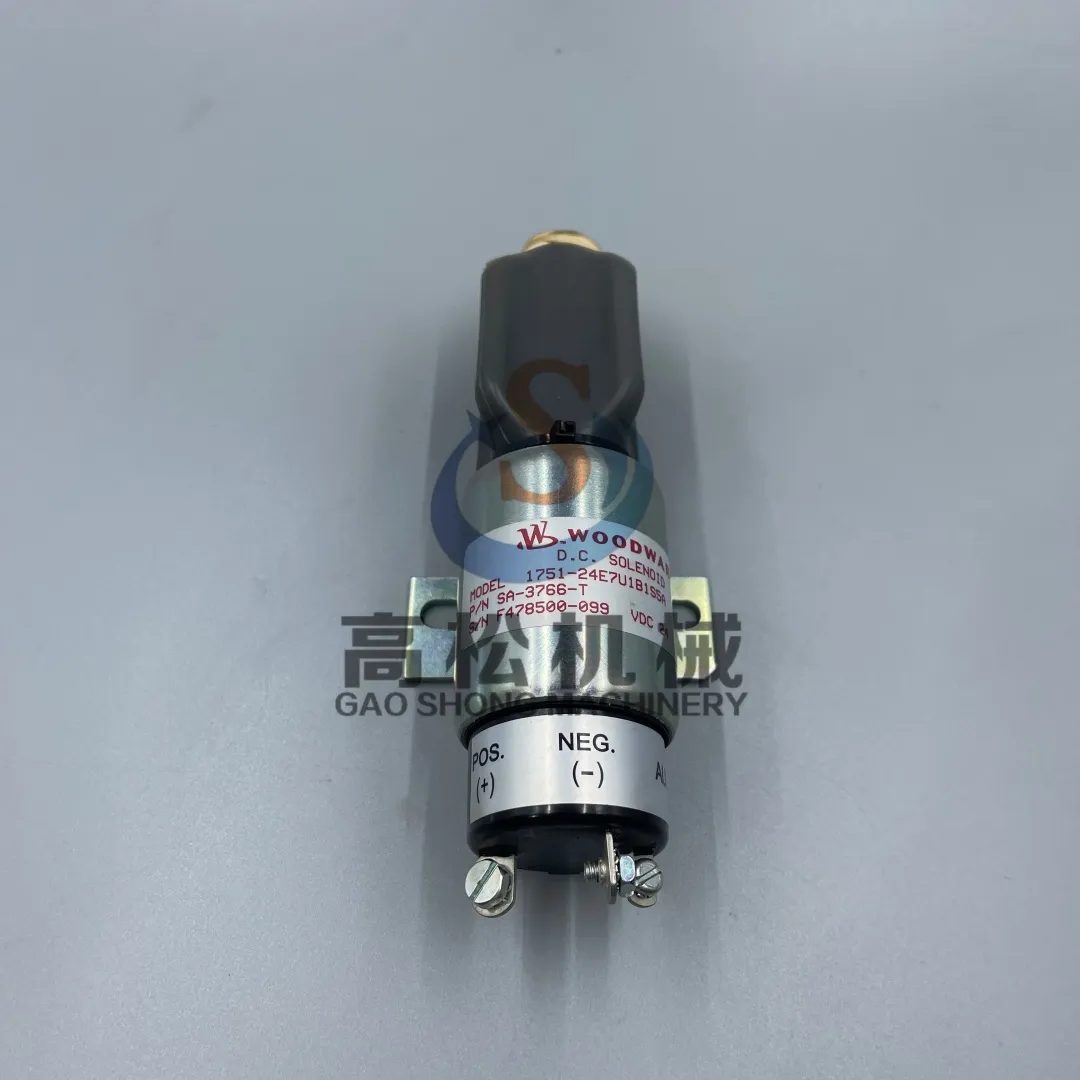 600-815-7550 Fuel Stop Solenoid Valve For Komatsu PC75UU-3 PC200LC-6 PC228UU-1
 -
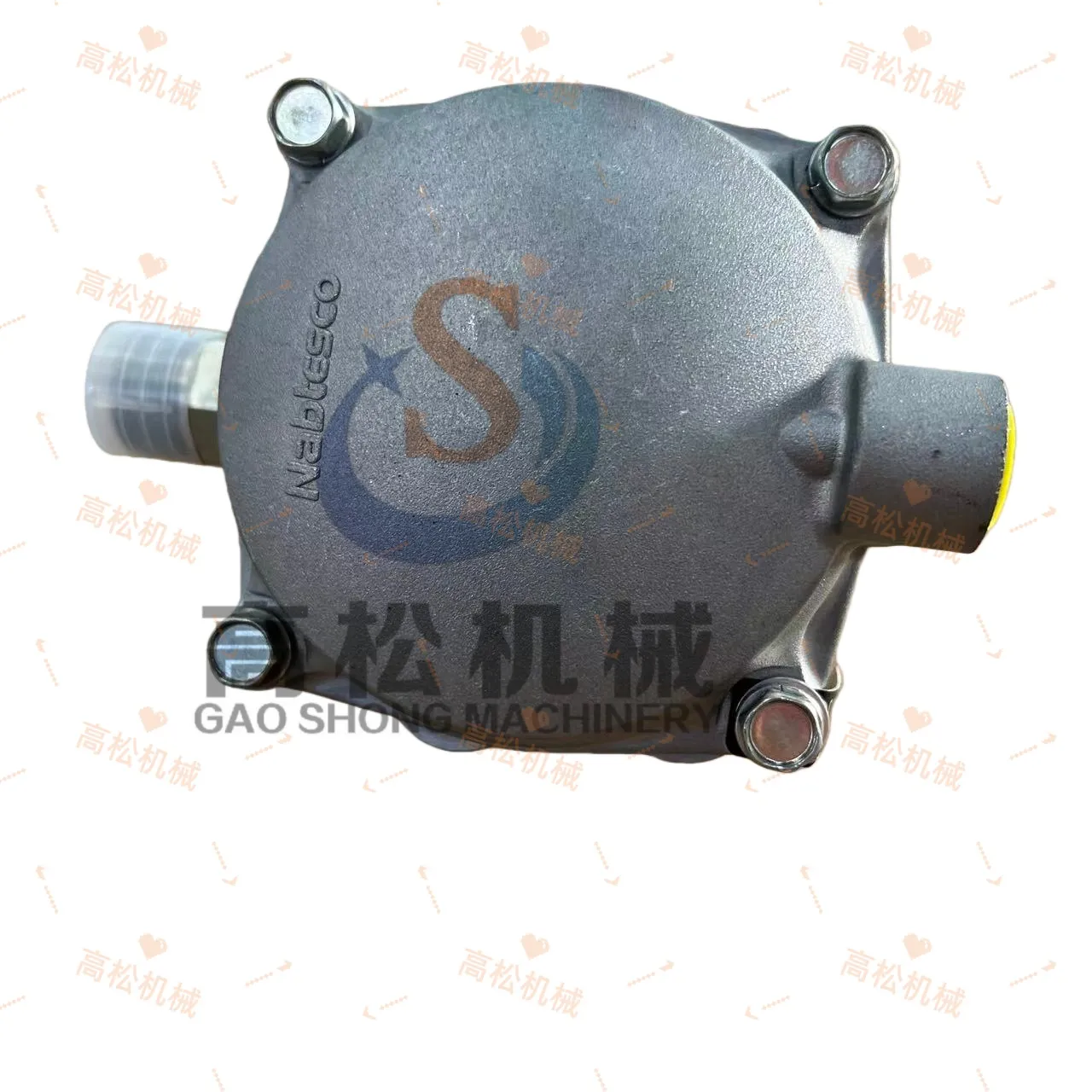 Komatsu HD785-5 Relay Valve 565-44-11200
 -
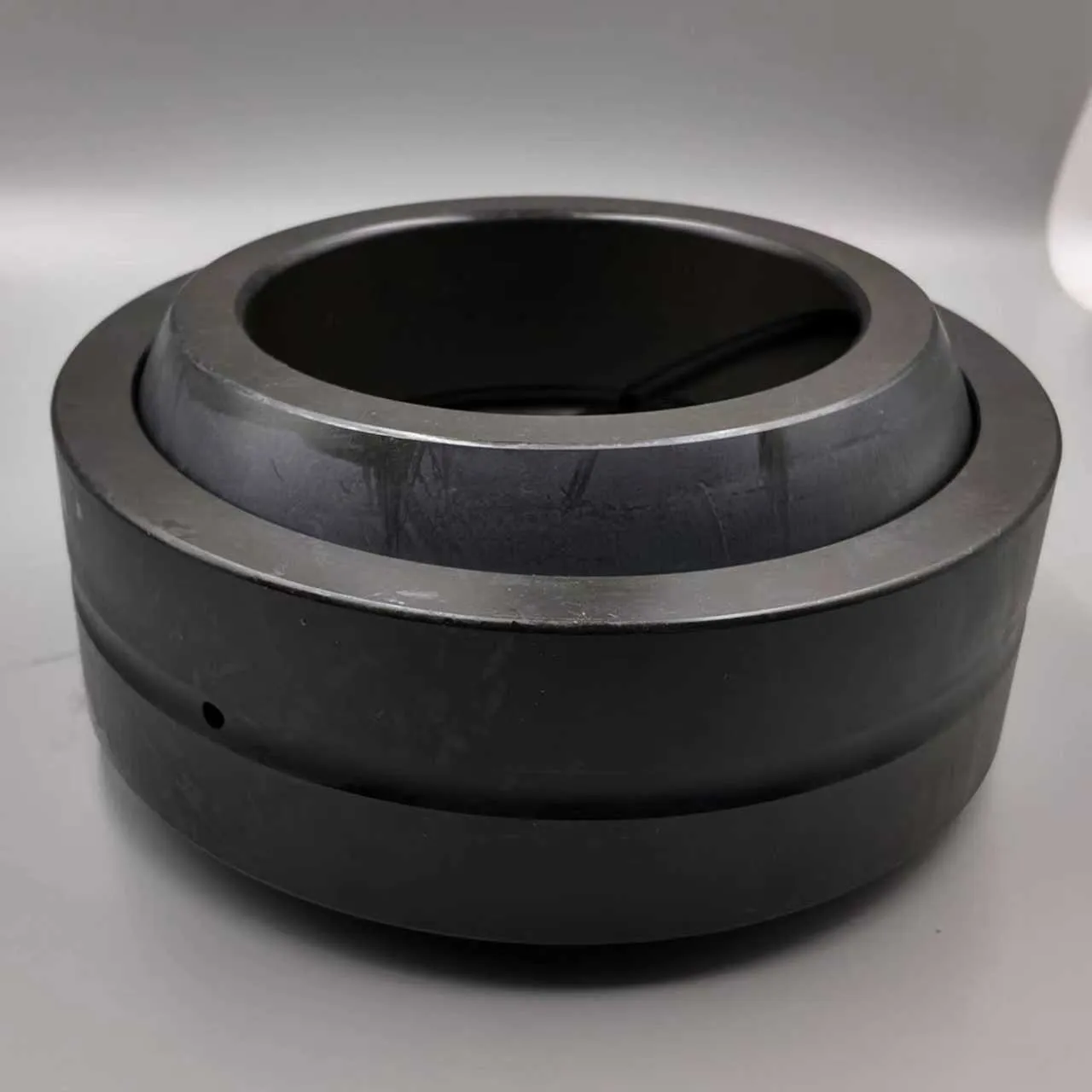 707-46-14010 • BUSHING-Komatsu Original Factory
 -
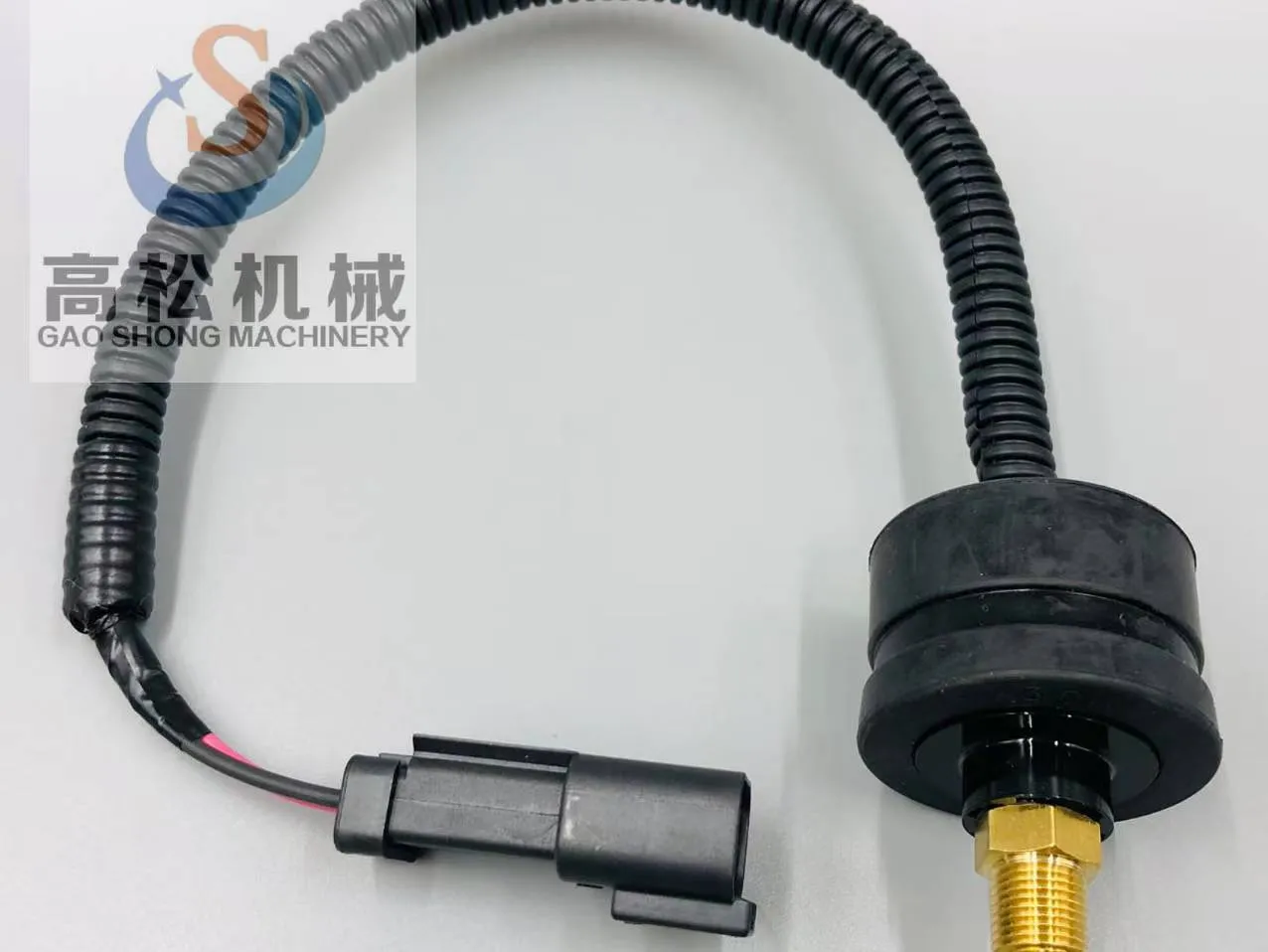 PC300-8 excavator air filter sensor 7861-93-1420 7861-93-1430 Construction machinery parts
 -
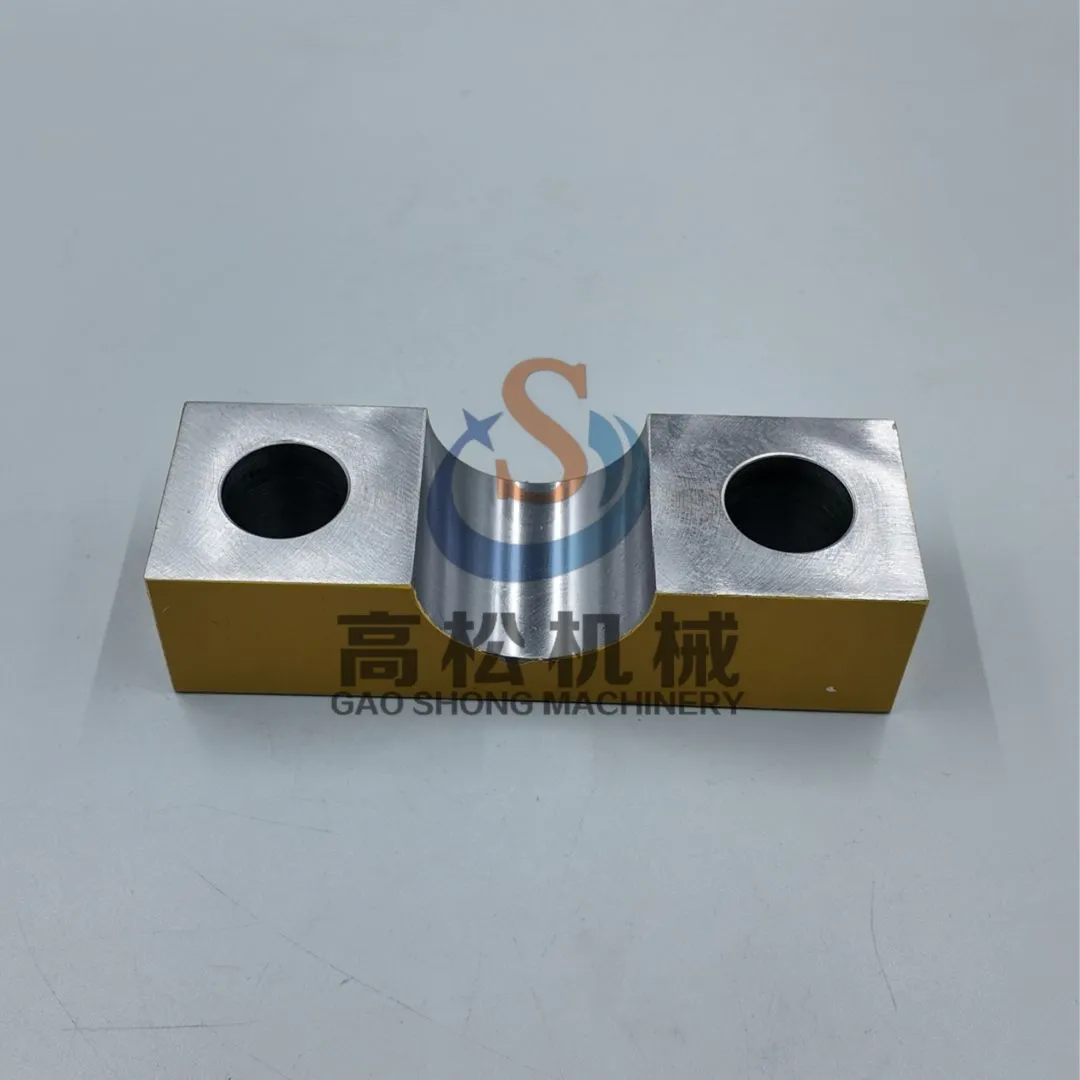 56B-50-12150 Komatsu Plate komatsu original
 -
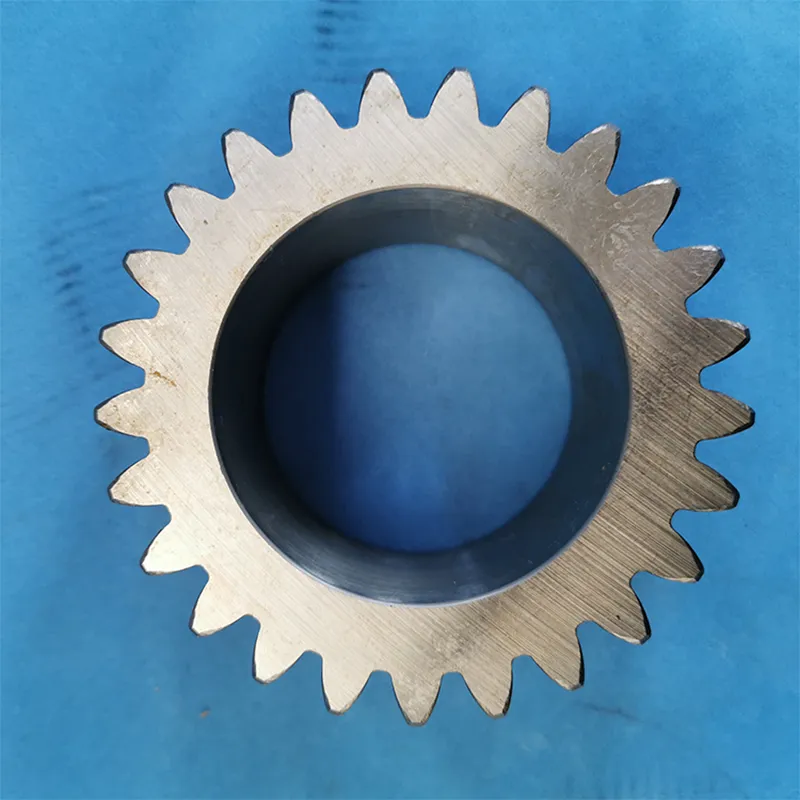 Komatsu original D155A-3 Valve Assembly 17A-49-21100
 -
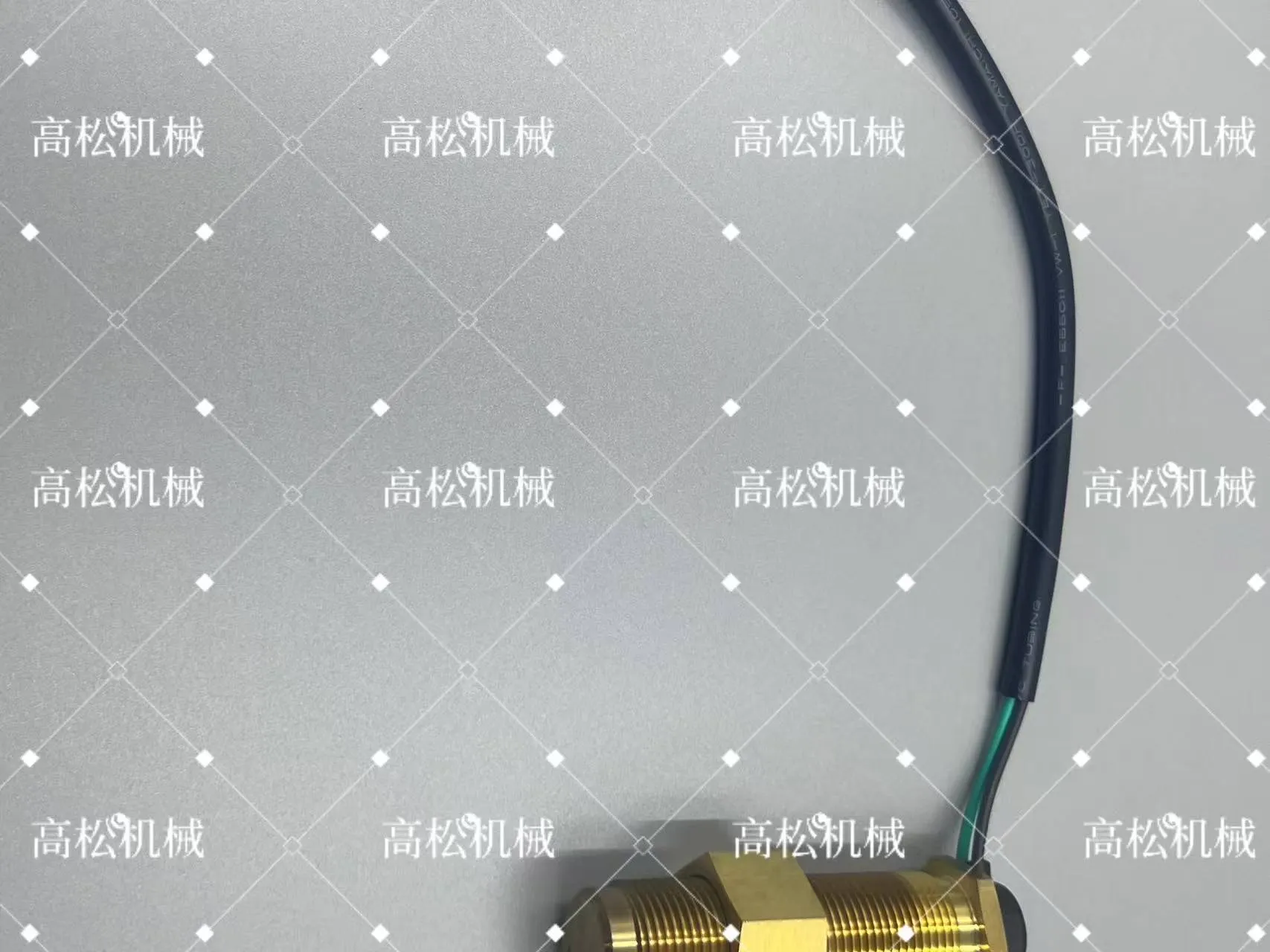 The PC300-6 tachometer sensor 7861-93-2330 is suitable for Komatsu parts
 -
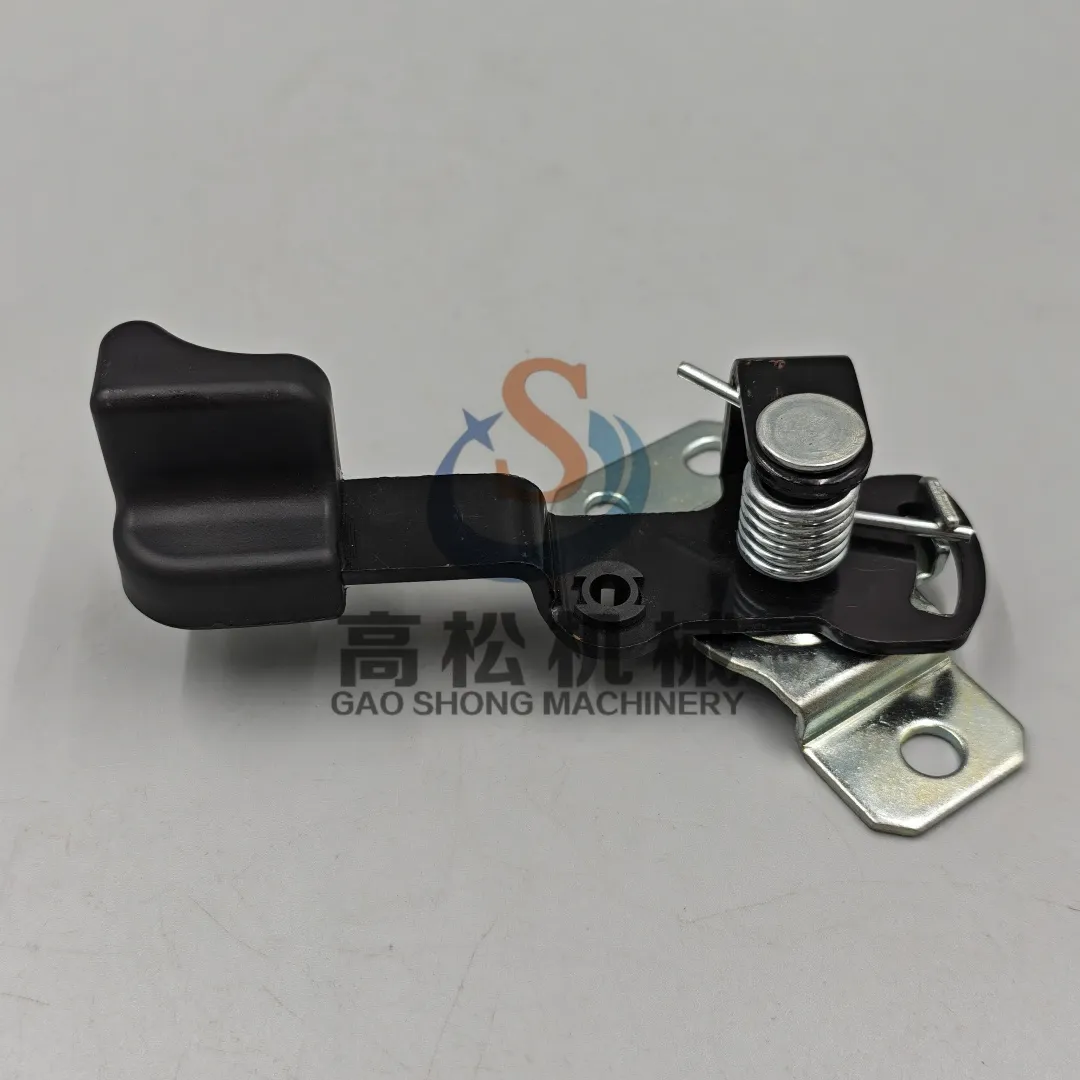 Door Lock Assembly 20Y-54-52820 Latch 20Y-53-12201 Handle Ass’s 20Y-54-52300 for Komatsu PC220-8
 -
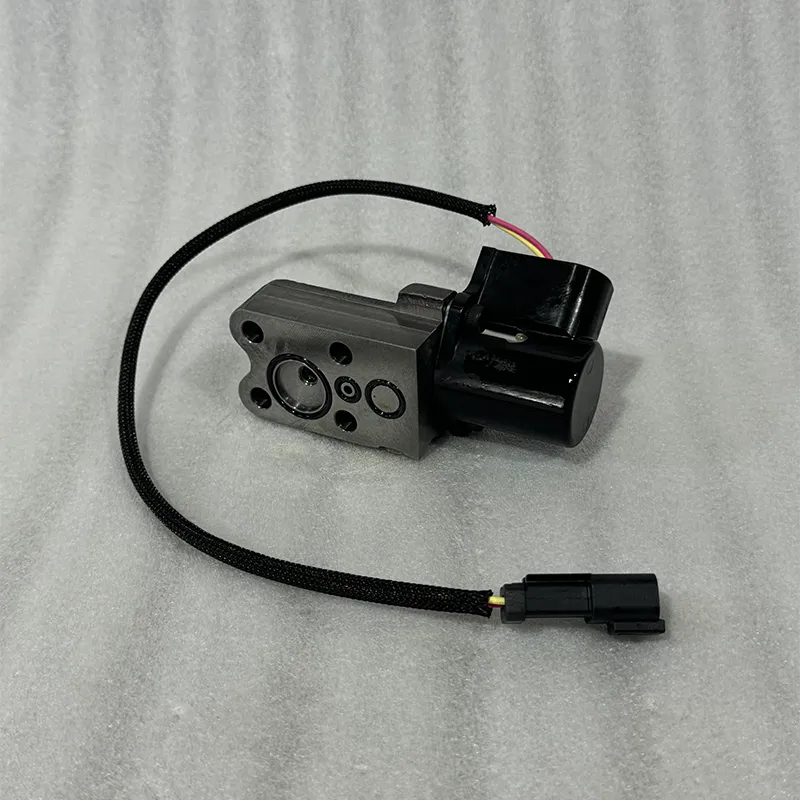 Original komatsu PC2000-8 Pilot Valve 708-7S-01330
 -
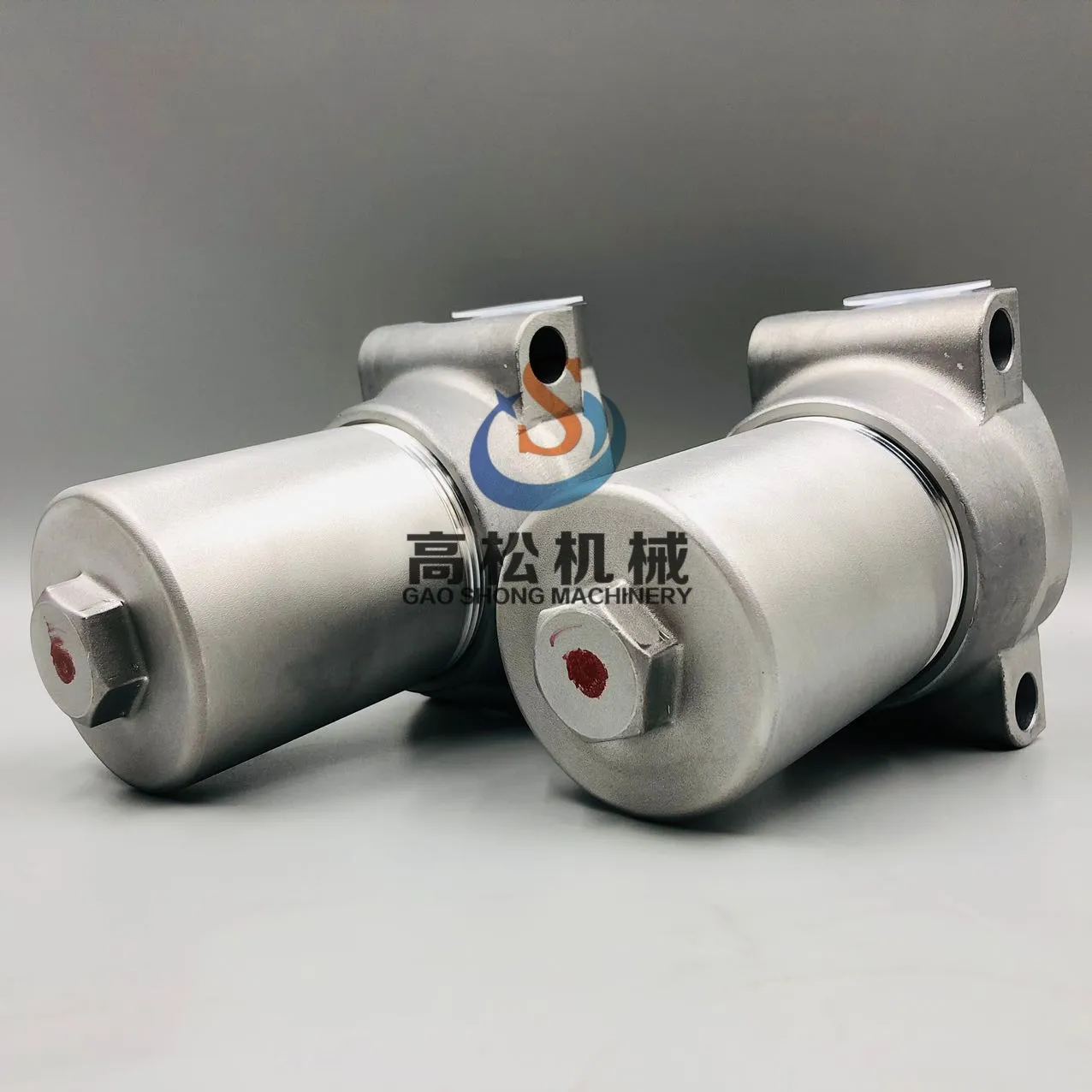 Komatsu Filter 20Y-62-51681 for Crawler excavator PC210LC-8 Filter Assembly 20Y-62-51681
 -
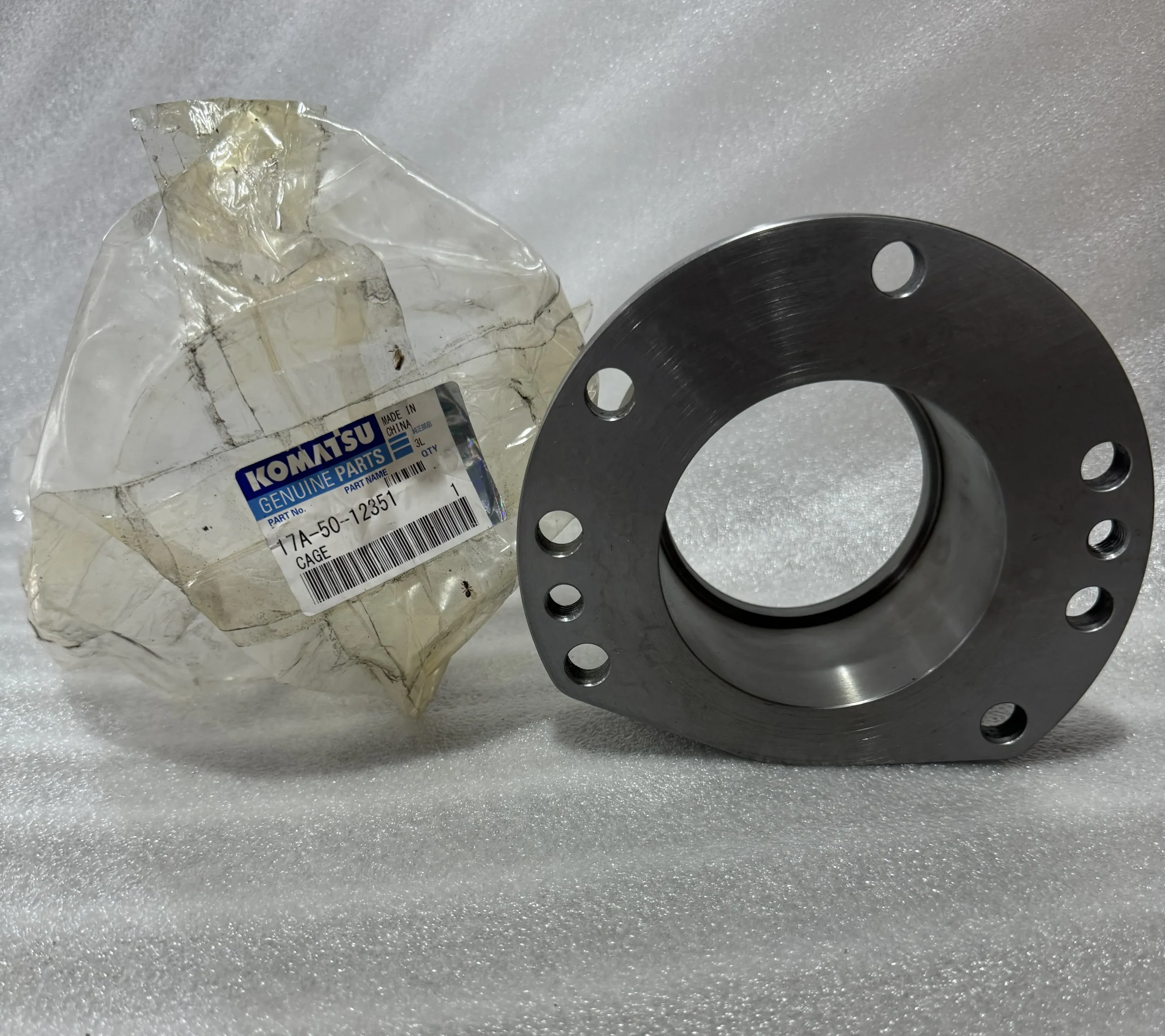 D155AX-3 Bearing Housing 17A-50-12351