
- Chinese
- French
- German
- Portuguese
- Spanish
- Russian
- Japanese
- Korean
- Arabic
- Irish
- Greek
- Turkish
- Italian
- Danish
- Romanian
- Indonesian
- Czech
- Afrikaans
- Swedish
- Polish
- Basque
- Catalan
- Esperanto
- Hindi
- Lao
- Albanian
- Amharic
- Armenian
- Azerbaijani
- Belarusian
- Bengali
- Bosnian
- Bulgarian
- Cebuano
- Chichewa
- Corsican
- Croatian
- Dutch
- Estonian
- Filipino
- Finnish
- Frisian
- Galician
- Georgian
- Gujarati
- Haitian
- Hausa
- Hawaiian
- Hebrew
- Hmong
- Hungarian
- Icelandic
- Igbo
- Javanese
- Kannada
- Kazakh
- Khmer
- Kurdish
- Kyrgyz
- Latin
- Latvian
- Lithuanian
- Luxembou..
- Macedonian
- Malagasy
- Malay
- Malayalam
- Maltese
- Maori
- Marathi
- Mongolian
- Burmese
- Nepali
- Norwegian
- Pashto
- Persian
- Punjabi
- Serbian
- Sesotho
- Sinhala
- Slovak
- Slovenian
- Somali
- Samoan
- Scots Gaelic
- Shona
- Sindhi
- Sundanese
- Swahili
- Tajik
- Tamil
- Telugu
- Thai
- Ukrainian
- Urdu
- Uzbek
- Vietnamese
- Welsh
- Xhosa
- Yiddish
- Yoruba
- Zulu
- Kinyarwanda
- Tatar
- Oriya
- Turkmen
- Uyghur






komatsu pc400 hydraulic pump
Look, when someone searches for 'komatsu pc400 hydraulic pump', they're usually in a bind. The machine's down, pressure's gone, and the clock's ticking. The immediate thought is to find that exact OEM part number and swap it out. But here's the thing I've learned over years: focusing solely on the pump as a sealed unit is the first mistake. The real story is in the system—the valves, the hoses, the contamination control. I've seen too many guys throw a brand-new komatsu pc400 hydraulic pump into a filthy system only to have it fail within months. It’s not just a component; it’s the heart of the machine, and you need to diagnose the whole circulatory system.
The OEM Promise vs. On-Ground Reality
Sure, the genuine Komatsu pump is engineered to perfection. The tolerances, the materials, it's all top-tier. But the reality in many markets, especially where I've operated, is that getting that exact OEM part can be a logistical nightmare. Lead times can stretch for weeks, and the cost is staggering. This is where the value of a knowledgeable supplier becomes critical. They bridge that gap.
I remember a project in West Africa where we had a PC400-8 with a failing main pump. The local dealer quoted a 12-week delivery. We couldn't afford that downtime. We turned to a third-party solution from a company that understood the Komatsu ecosystem inside out. It wasn't about selling a cheap knock-off; it was about providing a reliable, compatible part with actual technical support. The supplier was Jining Gaosong Construction Machinery Co., Ltd. (https://www.takematsumachinery.com). Their pitch made sense: they're within the Komatsu system as an OEM product supplier, but they also operate as a third-party sales company specifically to solve these supply chain headaches in regions where the official channels are slow or non-existent.
The pump they provided wasn't in a Komatsu box, but the build quality was immediately apparent. The port configurations matched, the mounting flange was precise. More importantly, they could walk us through the installation nuances for our specific serial number range. That's the difference between a parts seller and a solutions provider. It’s this kind of practical partnership that keeps fleets running.
Installation Isn't Just Bolting It On
This is where most failures happen post-replacement. You get the new hydraulic pump, you're eager to get the machine back to work. You bolt it on, connect the lines, fill the tank, and fire it up. Then you hear the whine, see the erratic pressure gauge, and you're back to square one. The critical step everyone rushes is the flushing of the entire hydraulic circuit.
Before installing any new pump, especially on an older PC400, you must flush the lines, the cooler, the valve bodies. Any metal shavings or grit from the old pump's failure will become grinding compound for the new one. We developed a ritual: disconnect the main pressure line at the control valve, attach a hose to run it into a bucket, and cycle the system with cheap fluid until it runs absolutely clean. It's messy, it takes time, but it saves thousands.
Another detail is the case drain line. On the PC400, this line carries away internal leakage from the pump to cool and lubricate it before returning to the tank. If this line is restricted or kinked, pressure builds in the pump case, blowing the shaft seal. I've seen it happen. Always replace the case drain hose with a new, high-temperature rated one and ensure it has a clear, downward path to the tank. It seems minor, but it's a pump killer.
When the Problem Isn't the Pump at All
Here's a hard lesson. We once diagnosed a PC400 with weak digging force and assumed the main pc400 hydraulic pump was worn. We replaced it. Problem persisted. Turns out, it was a worn swivel joint (the hydraulic manifold in the center of the house that allows continuous oil flow while the upper structure rotates). It was leaking significant pressure internally. The pump was working overtime to compensate, making it seem like the culprit.
This is why a proper pressure test at multiple points in the system is non-negotiable. You need gauges at the pump output, at the actuator ports. Compare your readings to the service manual specs. Is pump pressure low, or is pressure dropping across a valve? The pump is often the victim, not the criminal. A good supplier, like the one mentioned earlier, will often ask for these diagnostic details before just shipping a pump. It saves everyone time and money.
Also, don't ignore the pilot pump. On many PC400 models, the smaller pilot pump is mounted on the back of the main pump. It provides control pressure for the operator's joysticks and main control valve. If the main pump is being replaced, it's almost always wise to replace or at least thoroughly inspect the pilot pump gear and housing. They share a common shaft and often fail in tandem due to the same contamination event.
The Aftermarket Landscape: Navigating Quality
The market is flooded with compatible pumps. Some are rebuilt, some are new aftermarket. The spectrum of quality is vast. A cheap rebuild might use inferior seals and bearings that can't handle the heat cycles. A new aftermarket unit might have casting imperfections that affect oil flow.
My rule is to look for suppliers who are transparent about the source and specification. Do they offer a warranty that matches the application's demands? Can they provide cross-reference data or even the OEM part number their unit replaces? The website for Jining Gaosong, for instance, explicitly states their dual role. That transparency suggests they're not trying to hide the origin; they're leveraging their position within the Komatsu system to offer a viable alternative. They're not just another anonymous parts shop on the internet.
I tend to avoid remanufactured units unless I know the shop's process intimately. A proper reman should include a new shaft, new bearings, new seals, and a re-profiled cam plate and piston assembly. The housing should be thermally cleaned and inspected for cracks. Many so-called remans are just cleaned, resealed, and painted. That's a recipe for a quick, and costly, comeback.
Longevity: It's About the Oil
Finally, no discussion about the komatsu pc400 hydraulic system is complete without talking about oil maintenance. The pump is the most sensitive component to oil condition. Komatsu specifies their own fluids for a reason—the additive packages are designed to protect the pumps' intricate surfaces.
Stick to the recommended oil grade and change intervals religiously. More importantly, change the filters. Not just the main return filter, but the suction strainer in the tank. That thing gets clogged and the pump starts to cavitate, literally sucking air bubbles out of the oil, which then collapse with immense force inside the pump, pitting the metal surfaces. The sound is unmistakable—a high-pitched whine or scream under load.
Invest in regular oil analysis. It's cheap insurance. The report will tell you about metal wear (iron, copper from bearings), contamination levels (silicon from dirt, water content), and oil degradation. You can catch a pump bearing starting to fail weeks before it sends metal throughout your entire system. It shifts maintenance from reactive to predictive. After going through the hassle and expense of replacing a major component like this pump, protecting that investment with a disciplined fluid management program is the only smart move.
Related Products
Related Products

Best Selling Products
Best Selling Products-
 Komatsu frosted sheet 23S-15-12710
 -
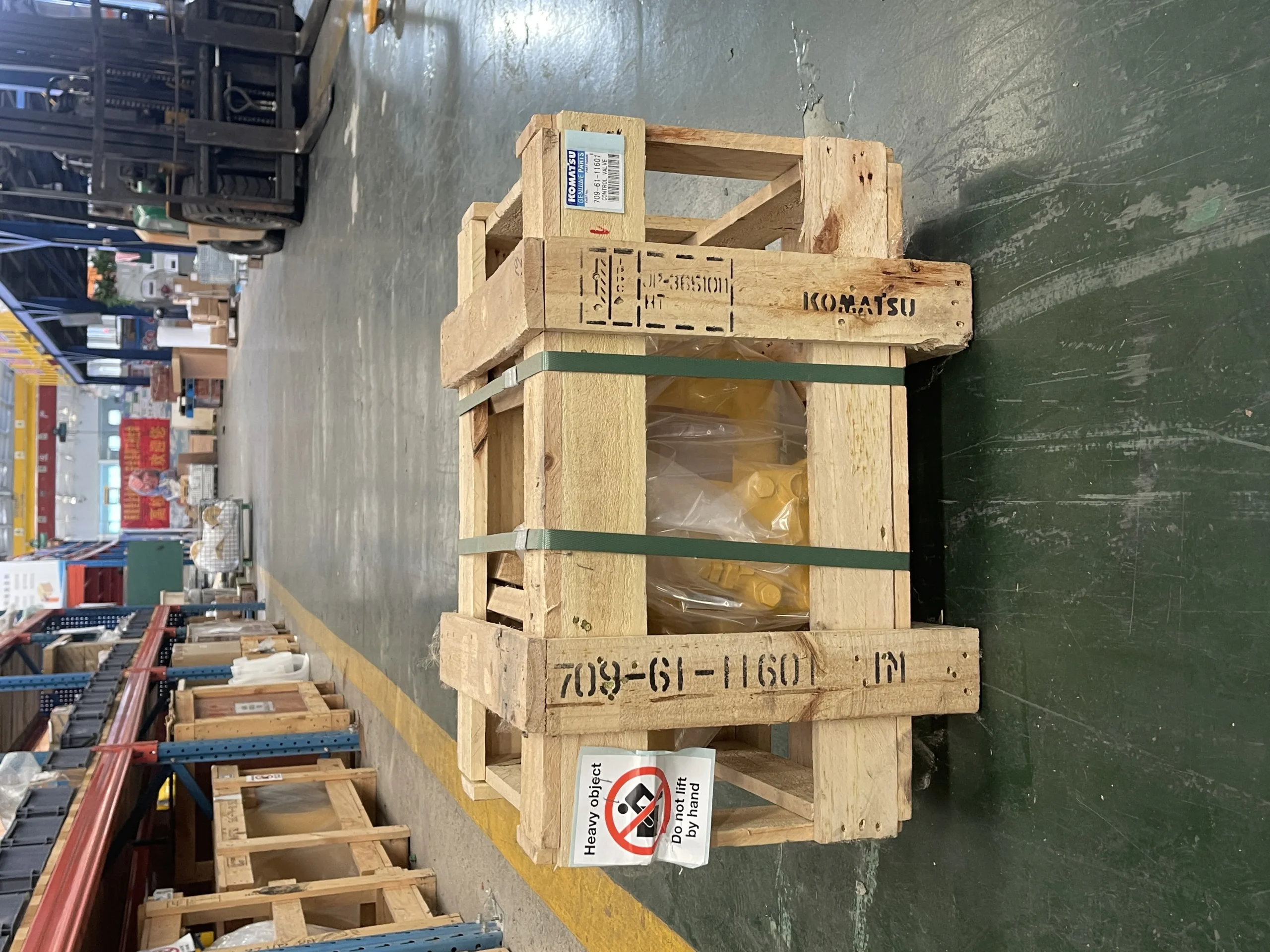 709-61-11601 Valve Assembly for Komatsu D375A-5
 -
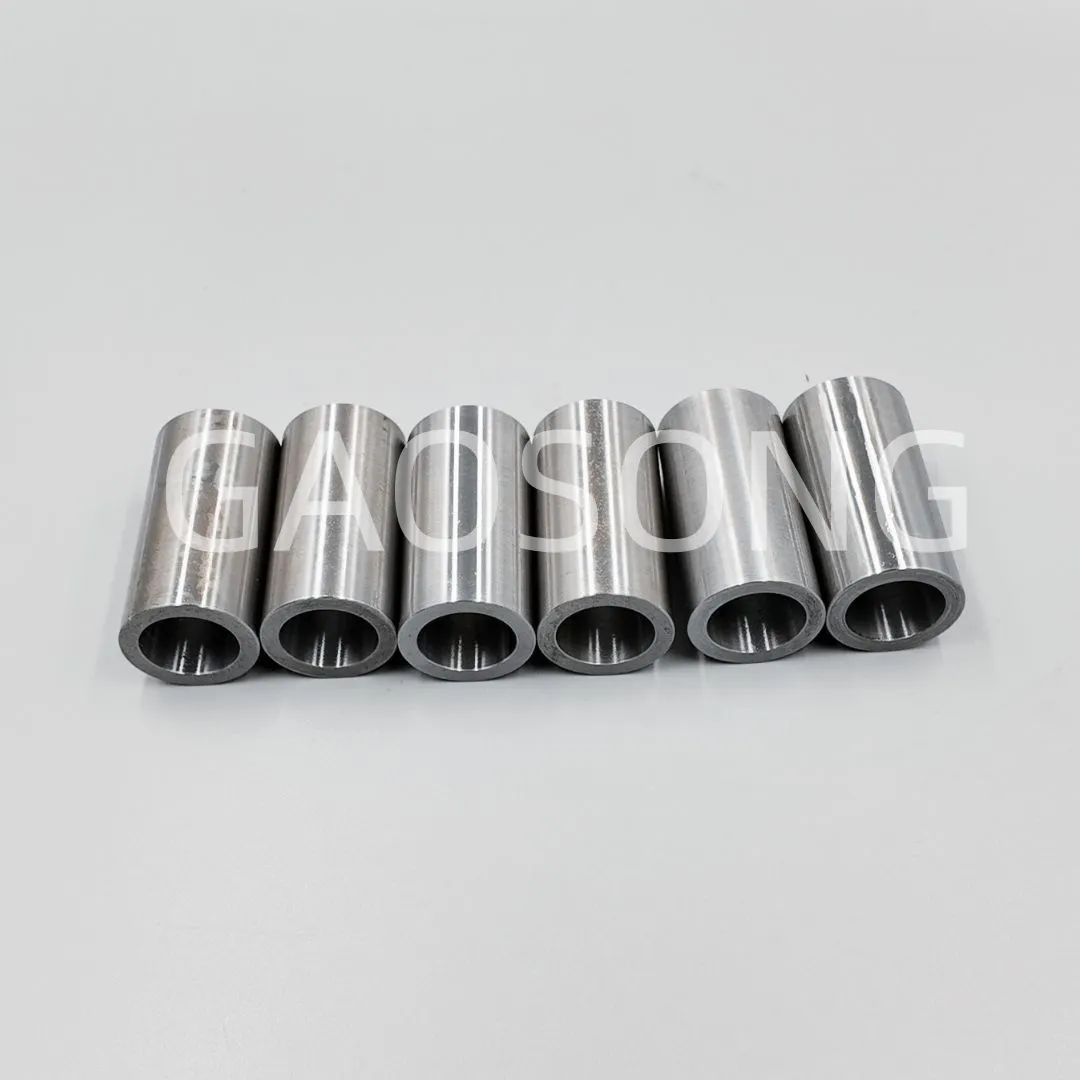 566-54-21910 BUSHING–Komatsu Original Factory
 -
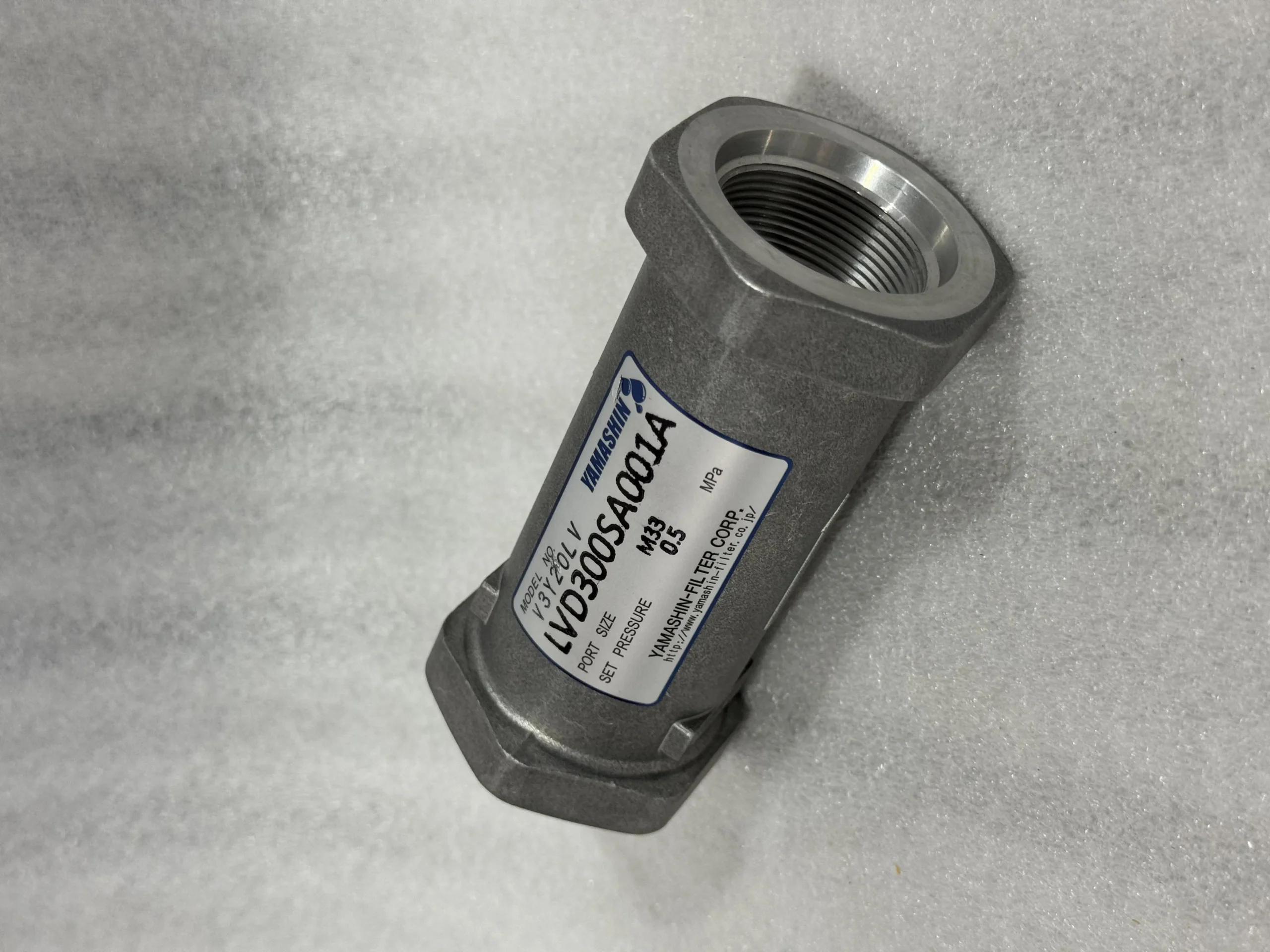 D155A-6 Radiator Valve Assembly 20S-62-16160
 -
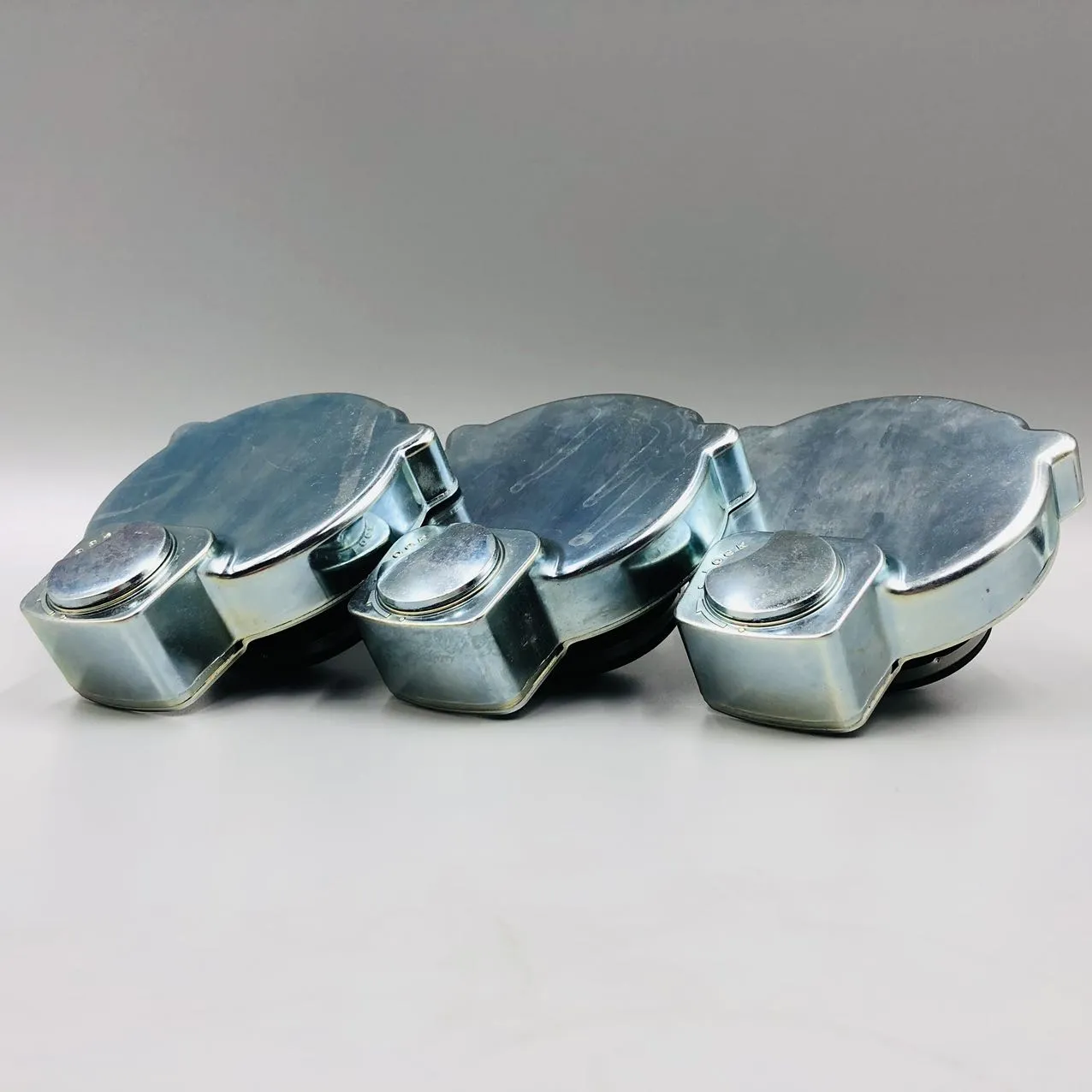 Hydraulic Oil Tank Cap 17A-60-11310 For Komatsu
 -
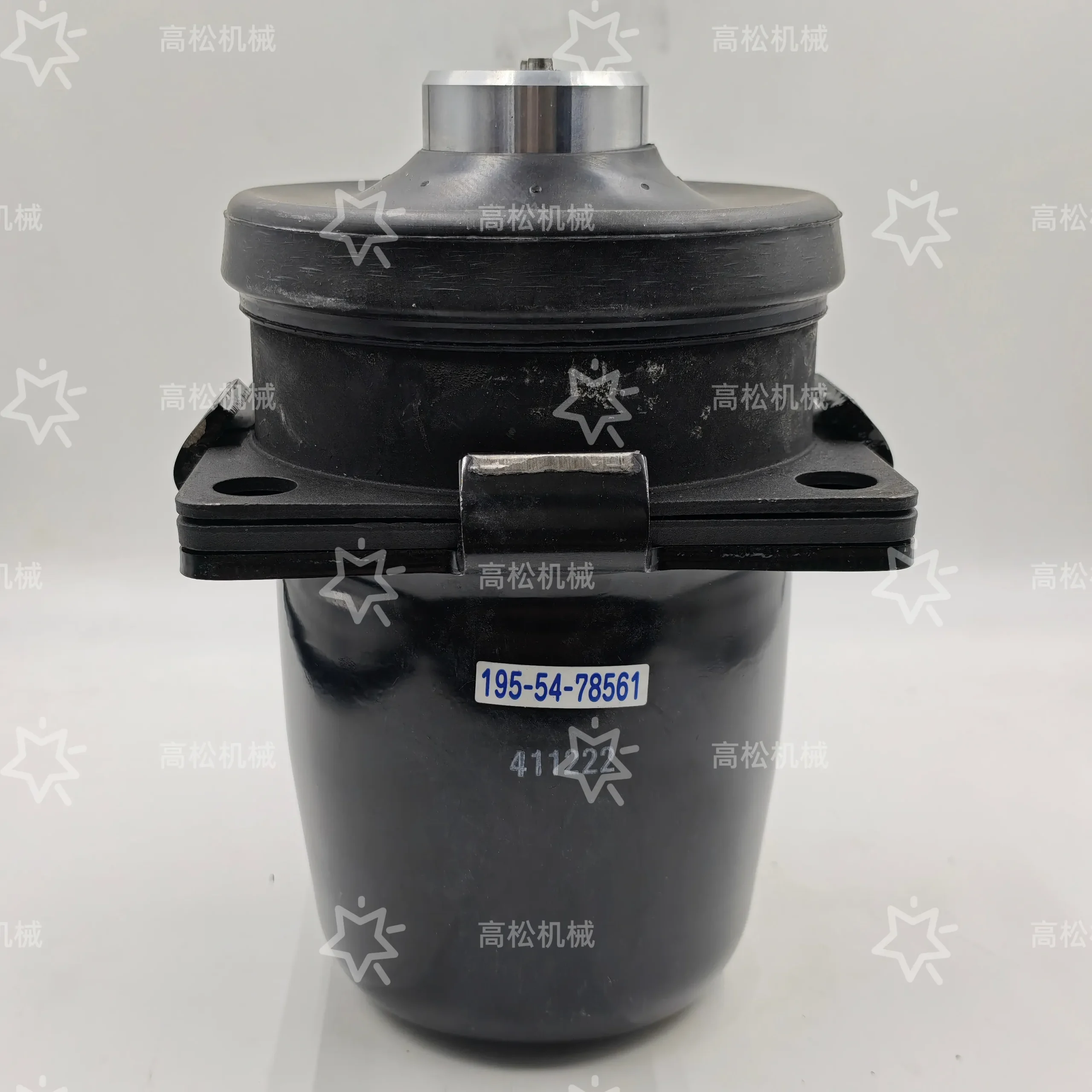 195-54-78561 Engine Cushion for D275A D375A Bulldozer
 -
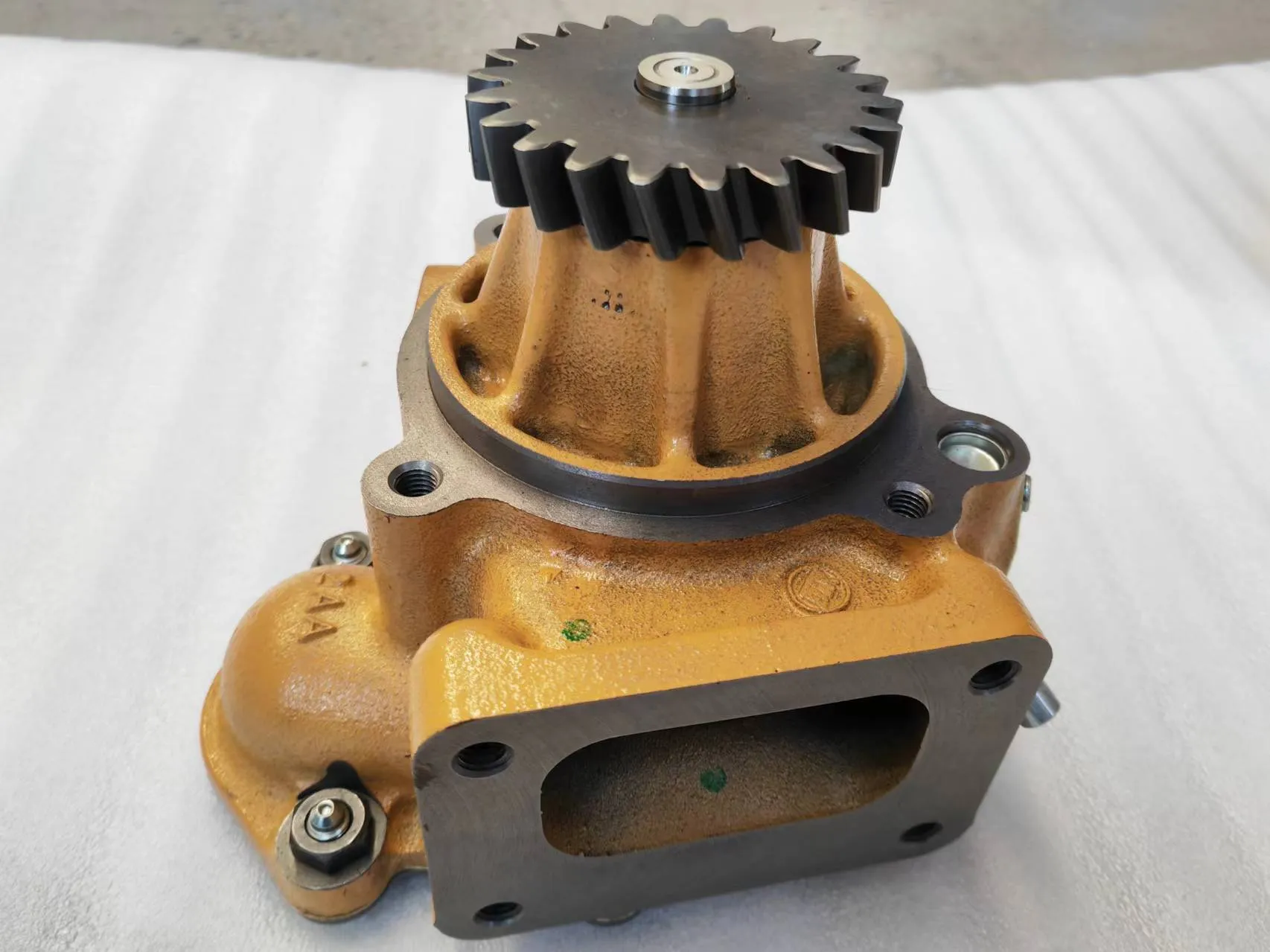 WA480-6 engine water pump 6251-61-1101
 -
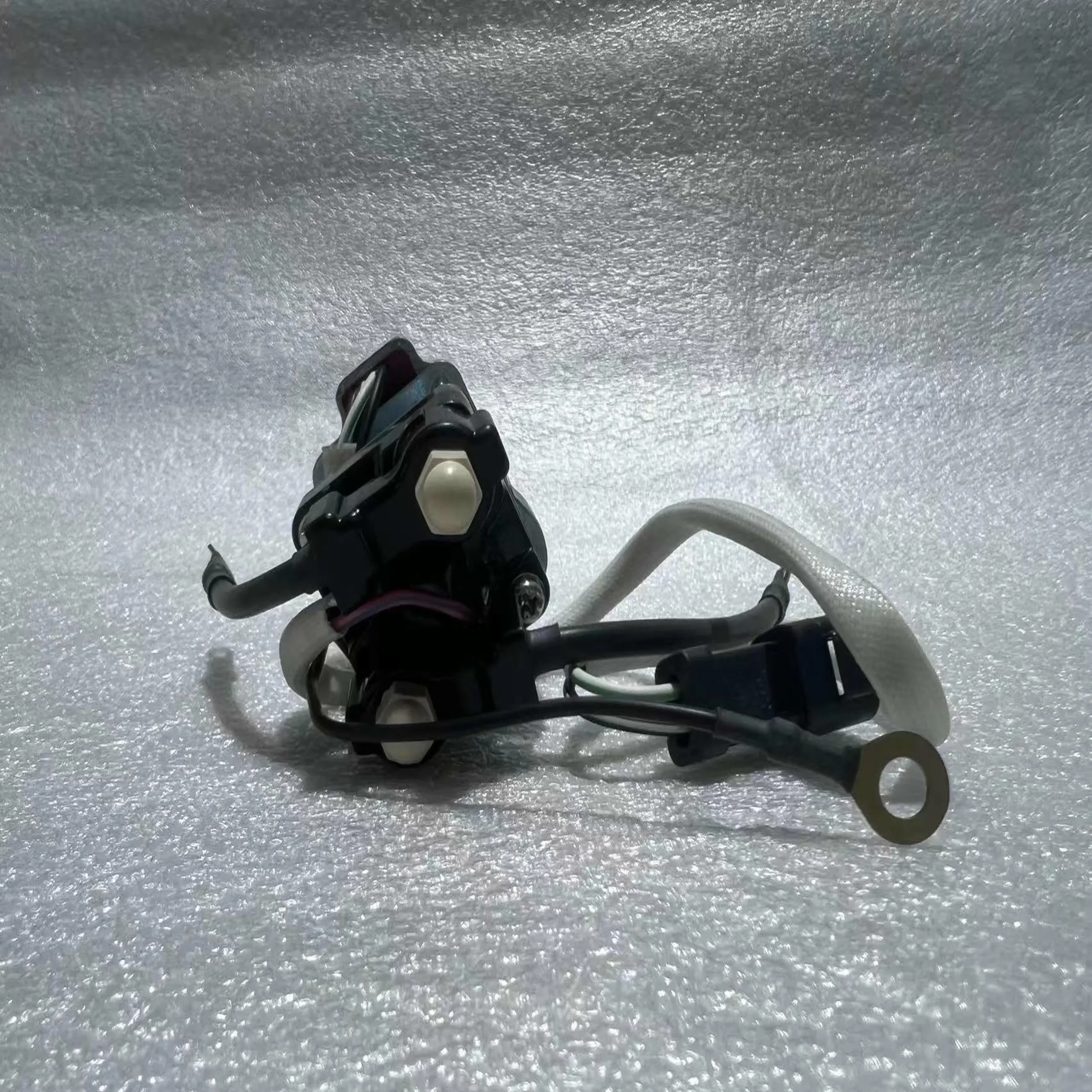 SWITCH ASSEMBLY KD0-25000-8332 – KOMATSUD61EX, D61PX, HM300, HM350, HM400, PC300, PC300HD, PC300LL, PC350LL, PC360, PC400, PC450, PC490, S6D125E, SA6D114E, SA6D125E, SA6D140E, SAA12V140E, SAA6D114E, SAA6D125E, SAA6D140E
 -
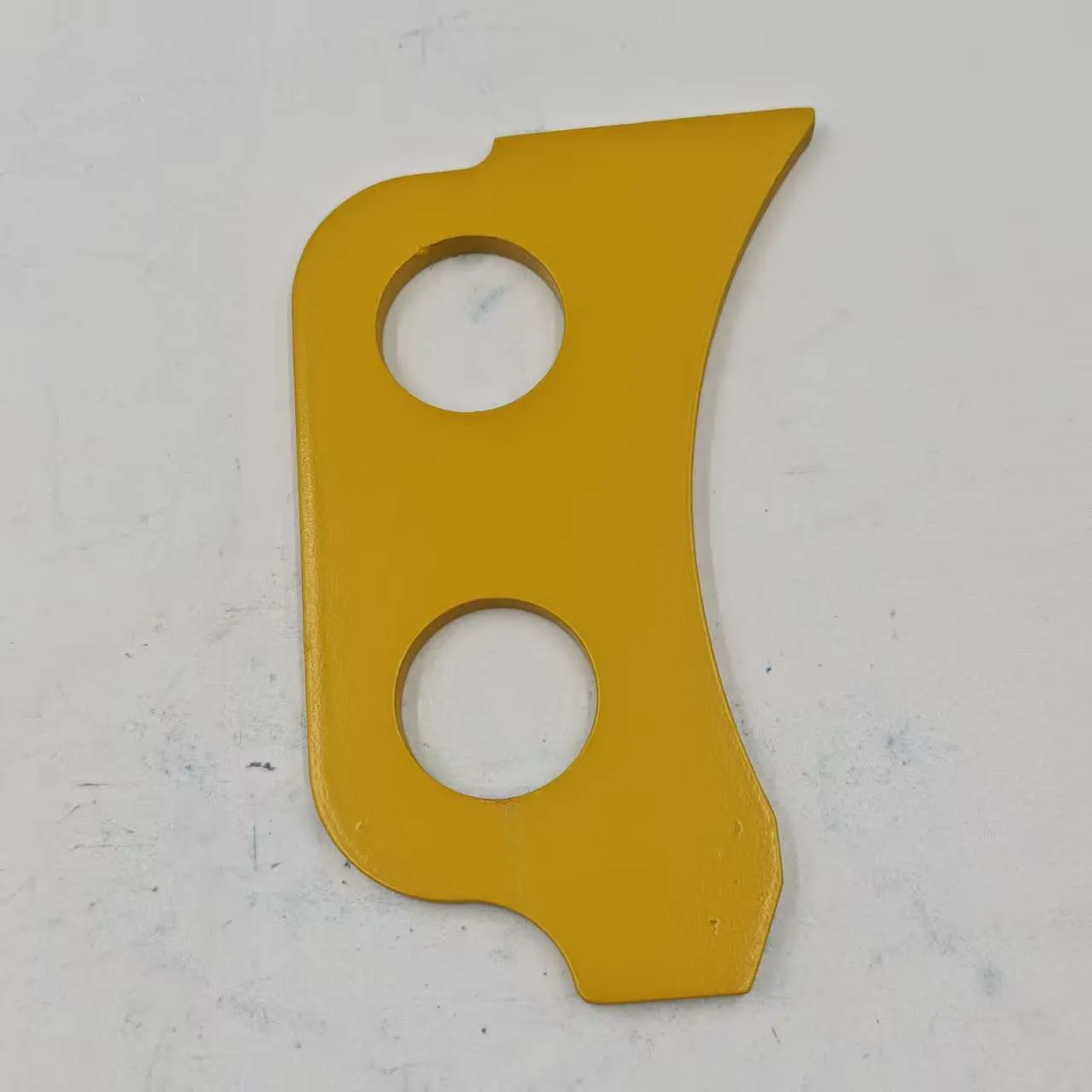 PLATE 195-71-74260 KOMATSU
 -
 HD785-7 center exhaust manifold 6215-11-5172
 -
 Disong 22L-979-2200 AIR CONDITIONER COMPRESSOR 22L-979-2200 for Excavator PC56-7
 -
 Komatsu KD0-23700-0130 Bracket