
- Chinese
- French
- German
- Portuguese
- Spanish
- Russian
- Japanese
- Korean
- Arabic
- Irish
- Greek
- Turkish
- Italian
- Danish
- Romanian
- Indonesian
- Czech
- Afrikaans
- Swedish
- Polish
- Basque
- Catalan
- Esperanto
- Hindi
- Lao
- Albanian
- Amharic
- Armenian
- Azerbaijani
- Belarusian
- Bengali
- Bosnian
- Bulgarian
- Cebuano
- Chichewa
- Corsican
- Croatian
- Dutch
- Estonian
- Filipino
- Finnish
- Frisian
- Galician
- Georgian
- Gujarati
- Haitian
- Hausa
- Hawaiian
- Hebrew
- Hmong
- Hungarian
- Icelandic
- Igbo
- Javanese
- Kannada
- Kazakh
- Khmer
- Kurdish
- Kyrgyz
- Latin
- Latvian
- Lithuanian
- Luxembou..
- Macedonian
- Malagasy
- Malay
- Malayalam
- Maltese
- Maori
- Marathi
- Mongolian
- Burmese
- Nepali
- Norwegian
- Pashto
- Persian
- Punjabi
- Serbian
- Sesotho
- Sinhala
- Slovak
- Slovenian
- Somali
- Samoan
- Scots Gaelic
- Shona
- Sindhi
- Sundanese
- Swahili
- Tajik
- Tamil
- Telugu
- Thai
- Ukrainian
- Urdu
- Uzbek
- Vietnamese
- Welsh
- Xhosa
- Yiddish
- Yoruba
- Zulu
- Kinyarwanda
- Tatar
- Oriya
- Turkmen
- Uyghur






komatsu pc400 engine
When you hear 'Komatsu PC400 engine', most guys immediately think of the SAA6D140E. That's correct, but it's also where the first mistake happens. It's not just an engine block; it's an integrated system that includes the hydraulic pumps, the cooling module, and the ECU interplay. I've seen too many people source a complete remanufactured long block, slap it in, and then wonder why the machine groans under load or overheats. The issue often isn't the core Komatsu PC400 engine assembly, but the ancillary components that weren't matched or tested as a unit. The PC400's performance is deeply tied to this integration.
The Heart of the Matter: SAA6D140E Real-World Behavior
The SAA6D140 isn't a temperamental engine, but it has its quirks. For instance, the turbocharger response curve. On paper, it's fine. On a 12-hour shift in a dusty quarry, you start noticing a slight lag if the air filter maintenance isn't religious. It's not a design flaw, just a characteristic. You learn to listen for that specific pitch change from the turbo spooling up. A healthy one has a smooth, rising whine. A worn one, or one with a minor intake leak the diagnostics won't catch, sounds... strained. You can't find that in a manual.
Then there's the fuel system. The electronic unit pumps are robust, but they're sensitive to fuel quality in a way that older mechanical systems weren't. We had a client running a PC400LC-8 on questionable off-road diesel. The machine ran, but power was down. No glaring error codes. Swapping out pumps didn't fix it. The real culprit? Microscopic particulates wearing the plungers just enough to drop injection pressure. The fix wasn't a new pump, but a complete fuel system flush and installing a secondary, high-grade filter assembly upstream. The engine came back to life. It taught us that with these Tier 3/Tier 4 interim engines, fuel isn't just fuel; it's a critical hydraulic fluid for the injection system.
Cooling is another beast. The PC400's cooling pack is massive, but it's a dust magnet. The core issue I've encountered isn't radiator failure, but the efficiency degradation over time due to fin blockage that standard washing doesn't clear. You need pressure, but the wrong angle bends the fins. We developed a specific nozzle and detergent protocol for deep cleaning without damage. It sounds minor, but a 5-degree Celsius drop in operating temperature can double the lifespan of the head gasket and valve guides on these high-output engines.
The Parts Conundrum: OEM, Aftermarket, and the Grey Zone
This is where the rubber meets the road, and where companies like Jining Gaosong Construction Machinery Co., Ltd. become crucial. As an OEM product supplier within Komatsu's system, they have access to genuine Komatsu parts. But here's the professional judgment call: when do you need a genuine Komatsu piston, and when will a high-quality, approved-aftermarket one do? For a top-end overhaul due to normal wear, a premium aftermarket kit is often perfectly adequate and cost-effective. But for the crankshaft or the ECU? I'd lean heavily towards genuine, especially if the machine's ECM needs to be synchronized.
Their role as a third-party sales company, as noted on their site https://www.takematsumachinery.com, is key. They help solve parts supply challenges in certain countries. I've been in situations in remote regions where the official channel had a 90-day lead time for a cylinder head. A reliable third-party supplier with OEM links can often cross-reference, find compatible stock, or even facilitate a certified remanufactured unit in 10 days. That's the difference between a machine earning money and being a dead-weight asset.
The trap to avoid is the pattern part that looks identical but isn't. I recall a rebuilt PC400 engine where the customer used non-OEM valve stem seals. They looked the same, but the compound was slightly different. Within 400 hours, the engine started burning oil at startup. The cost saved on seals was a fraction of the cost of another teardown. The lesson? Critical sealing and gasket materials are often worth sourcing from the OEM network, even if the metal parts aren't.
Failure Analysis: A Case of Misdiagnosis
Let me walk through a real headache. A PC400-7 came in with low power and white smoke. The local mechanic diagnosed it as a blown head gasket—a classic symptom. They pulled the head, sent it for machining, replaced the gasket with an aftermarket one, and reassembled. The problem persisted. Now they suspected cracked head or liner issues.
When we got involved, we stepped back. The white smoke was intermittent, not constant. We checked the coolant—no contamination. A cylinder leak-down test showed slight leakage, but not conclusive. Finally, we hooked up to the monitor and watched the fuel rail pressure and injector trim codes in real-time. Under load, one injector's correction value was wildly off. The white smoke was actually unburned diesel from a failing injector dumping too much fuel. The original low compression was likely due to fuel wash from the same faulty injector, not a gasket. A $2,000 injector replacement versus a $15,000 top-end rebuild. This case underscores that with modern Komatsu PC400 engine systems, you must diagnose electronically before you start wrenching mechanically.
Preventive Mindset vs. Reactive Repair
You can't talk about these engines without stressing oil analysis. It's not an upsell; it's a crystal ball. We mandate it at every 500-hour service for our fleet. A trend analysis once caught rising potassium levels (coolant indicator) in a PC400's oil sample months before the temperature gauge ever budged. It led us to a pin-hole leak in an oil cooler core. Fixed for a few hundred dollars, avoiding a catastrophic coolant-in-oil failure that would have seized the engine.
The air intake system is the lungs. I'm militant about it. Beyond just changing the primary filter, the pre-cleaner and the seals on the piping need inspection. A tiny crack in a rubber boot after the mass airflow sensor can let in unfiltered air, acting as a sandblaster on the cylinder walls. I use a smoke machine to check for leaks during major services. It's an extra hour of labor that saves tens of thousands in wear.
Finally, don't neglect the soft parts. The engine mounts on a PC400 take a brutal beating. Worn mounts don't just cause vibration; they can misalign the drivetrain, putting stress on the flywheel and the hydraulic pump coupling. We schedule mount inspections and replacements based on operating hours in severe duty cycles. It's a cheap insurance policy.
The Big Picture: Keeping the Machine Whole
An engine doesn't work in isolation. A struggling Komatsu PC400 engine might be a symptom, not the disease. Is the hydraulic system over-pressurizing and constantly loading the engine? Are the final drives binding, increasing drag? I always do a full machine performance check—hydraulic cycle times, track tension, pump pressures—before concluding the engine is the sole problem. Often, fixing an ancillary system restores the engine to its proper power band.
This holistic view is why a supplier's perspective matters. A company like Jining Gaosong, being embedded in the Komatsu ecosystem, understands these interdependencies. They're not just selling a piston; they're providing a part that must work in harmony with a hundred others. When they mention solving parts supply challenges, it's this systemic understanding that allows them to offer a viable solution, not just a boxed component.
In the end, mastering the PC400 engine is about respecting its complexity while applying pragmatic, dirt-under-the-fingernails experience. It's a powerful, reliable workhorse if you listen to it and support it with quality parts and intelligent maintenance. The goal isn't just to fix it when it breaks, but to understand it so well that you prevent the break in the first place.
Related Products
Related Products

Best Selling Products
Best Selling Products-
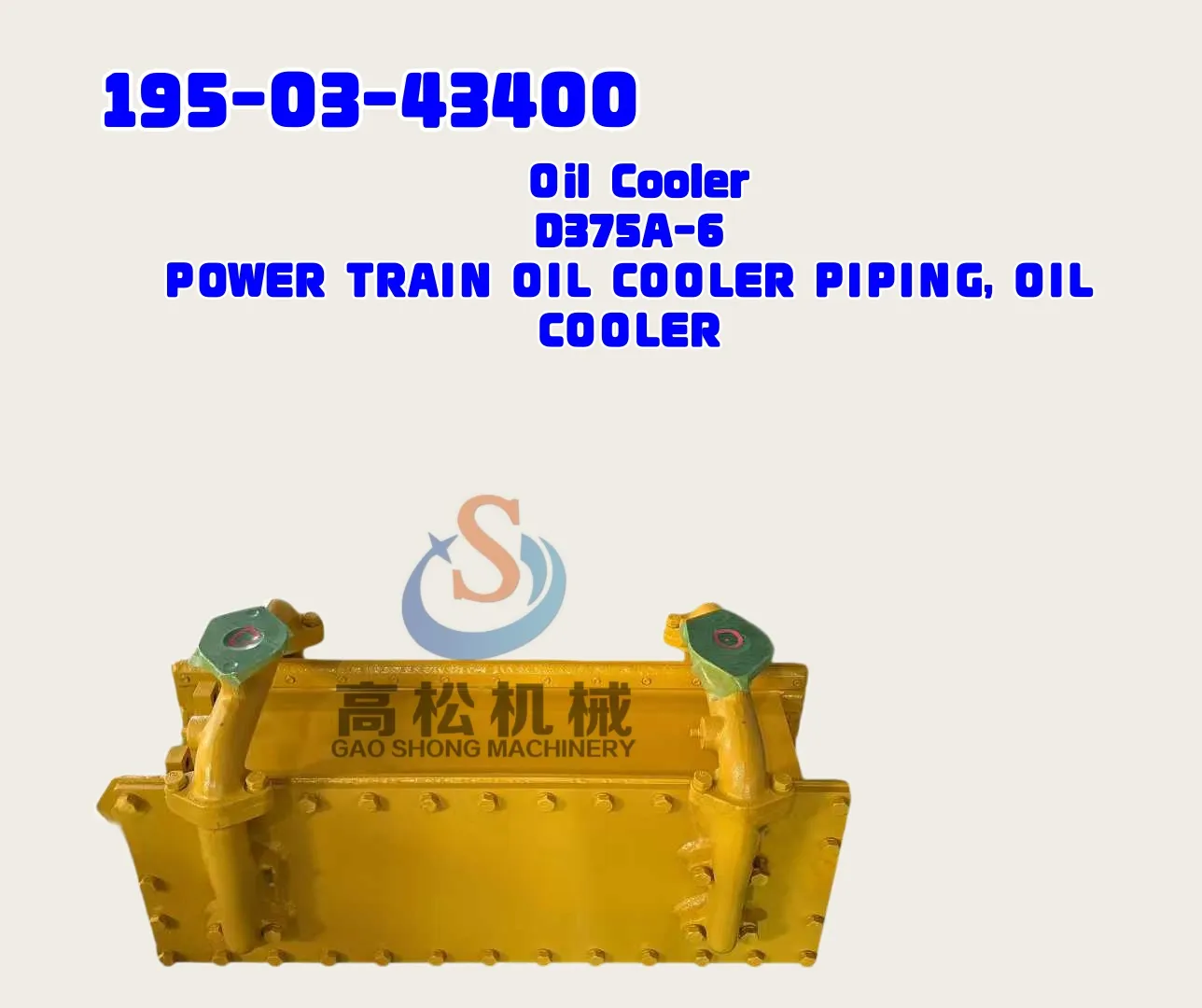 komatsu-part-195-03-43400 Oil Cooler D375A-6 D375A-6R POWER TRAIN OIL COOLER PIPING, OIL COOLER
 -
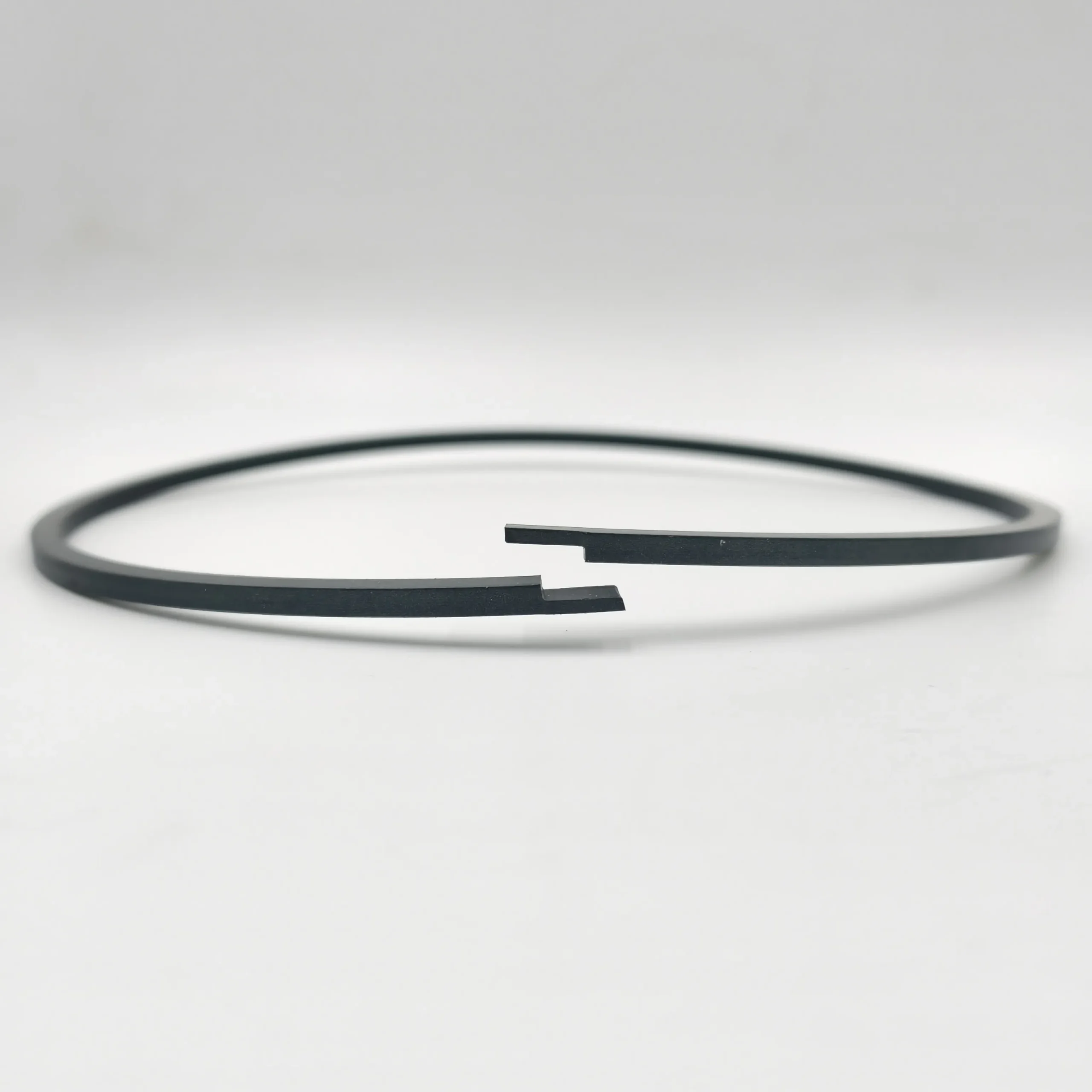 14X-15-29210 SEAL RING
 -
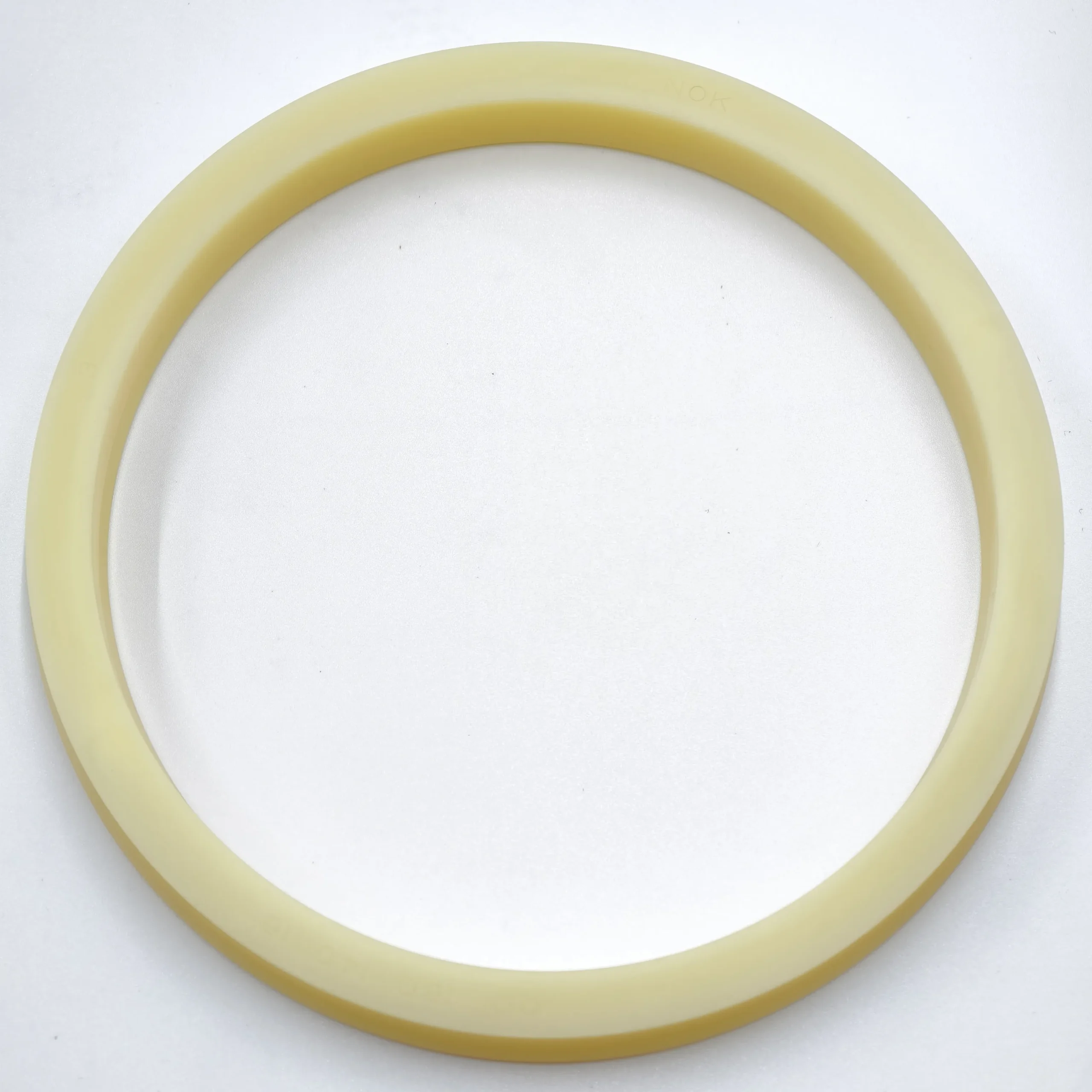 21N-30-14160 for Excavator PC1250-7 PC1100 IDLER CUSHION PACKING
 -
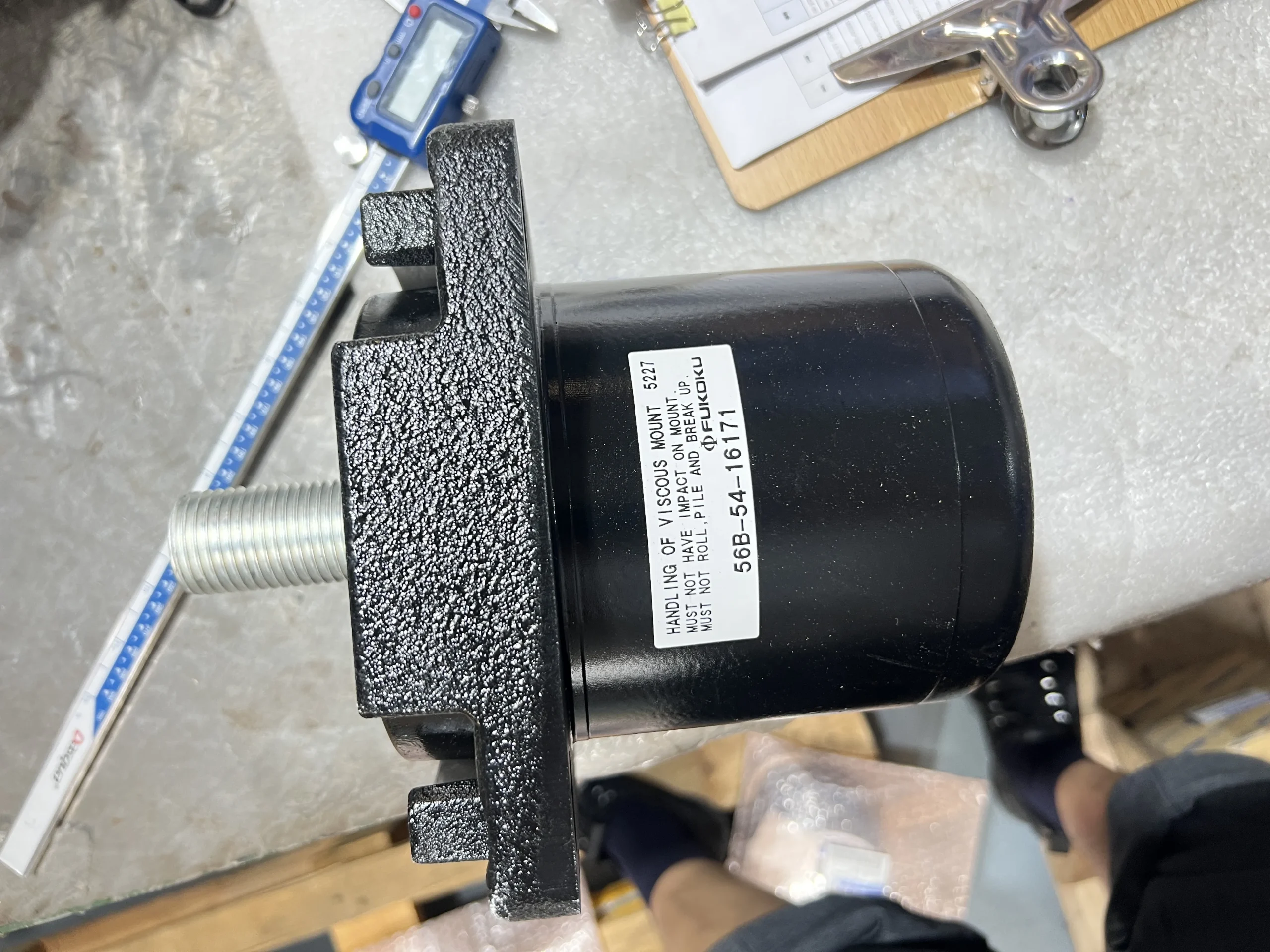 56B-54-16171 Cabin Mount
 -
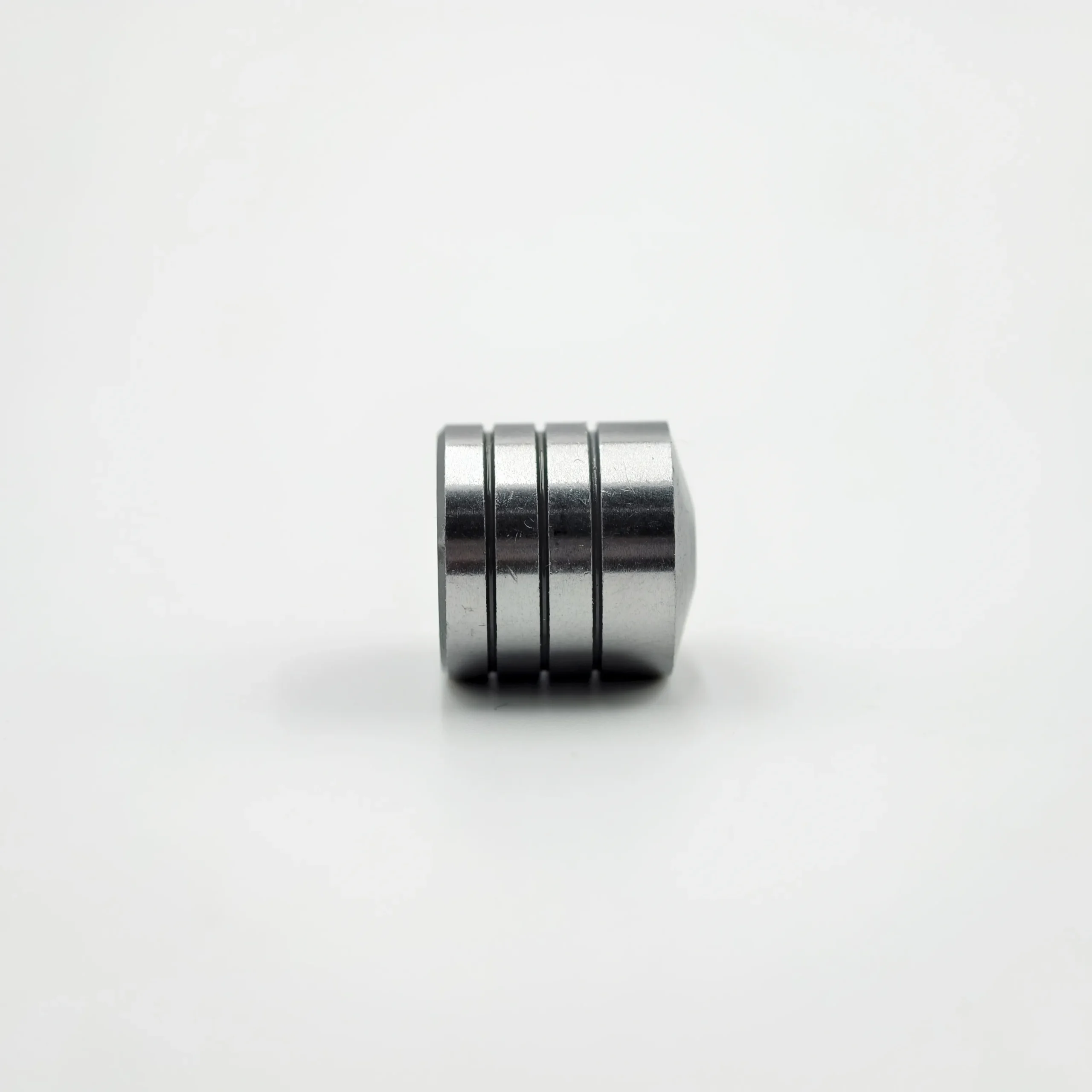 104-15-25480• VALVE Komatsu Original Factory
 -
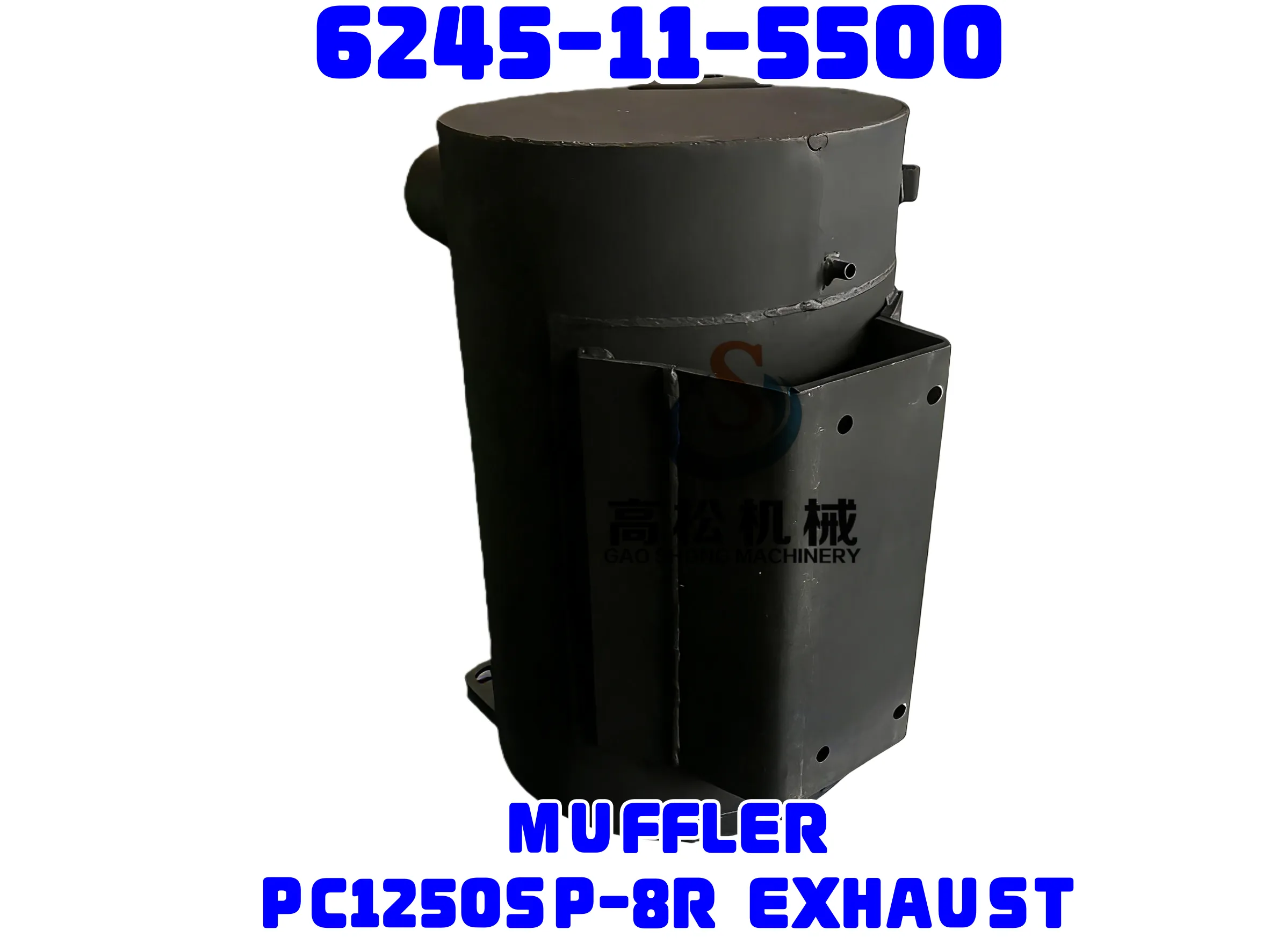 Muffler Silencer 6245-11-5500
 -
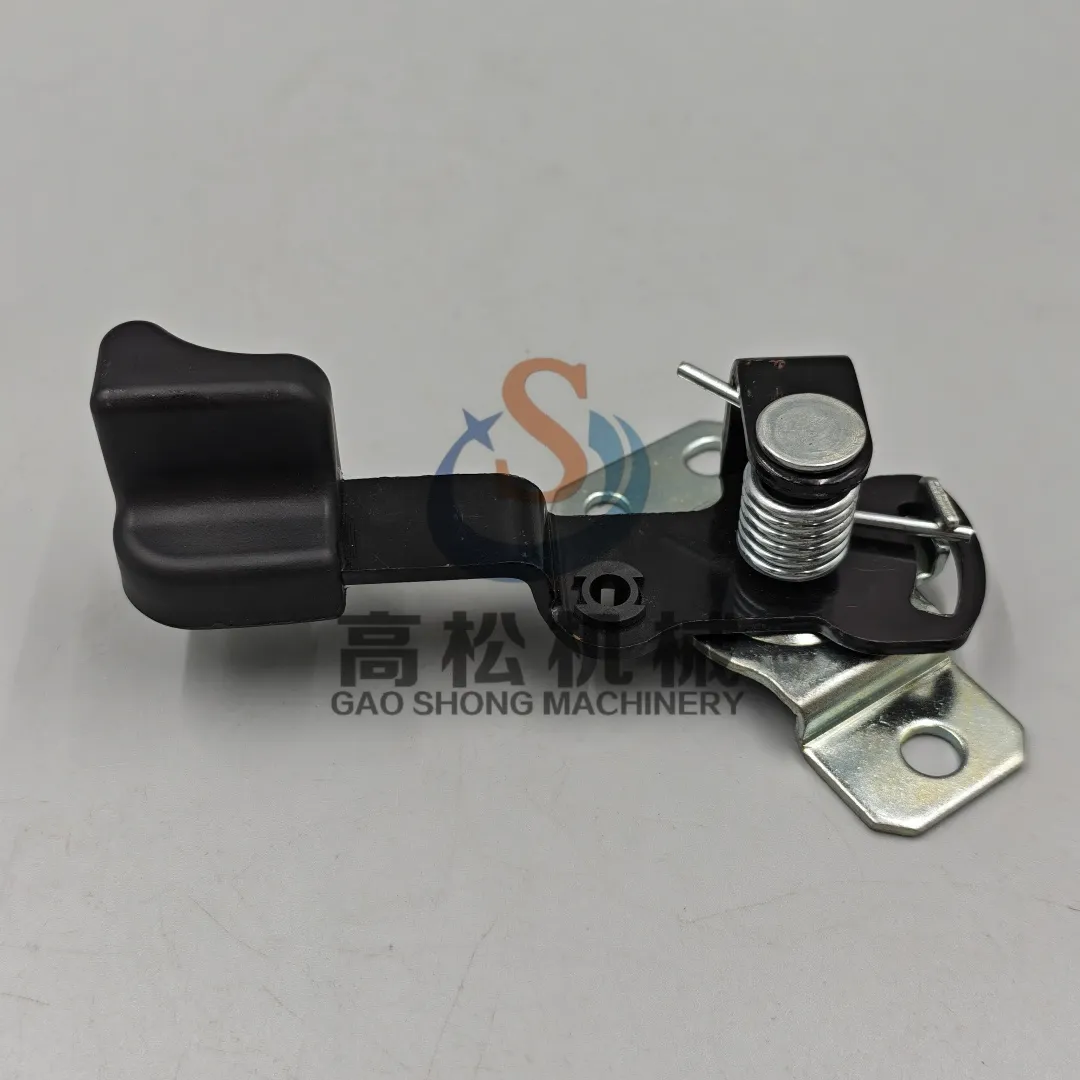 Door Lock Assembly 20Y-54-52820 Latch 20Y-53-12201 Handle Ass’s 20Y-54-52300 for Komatsu PC220-8
 -
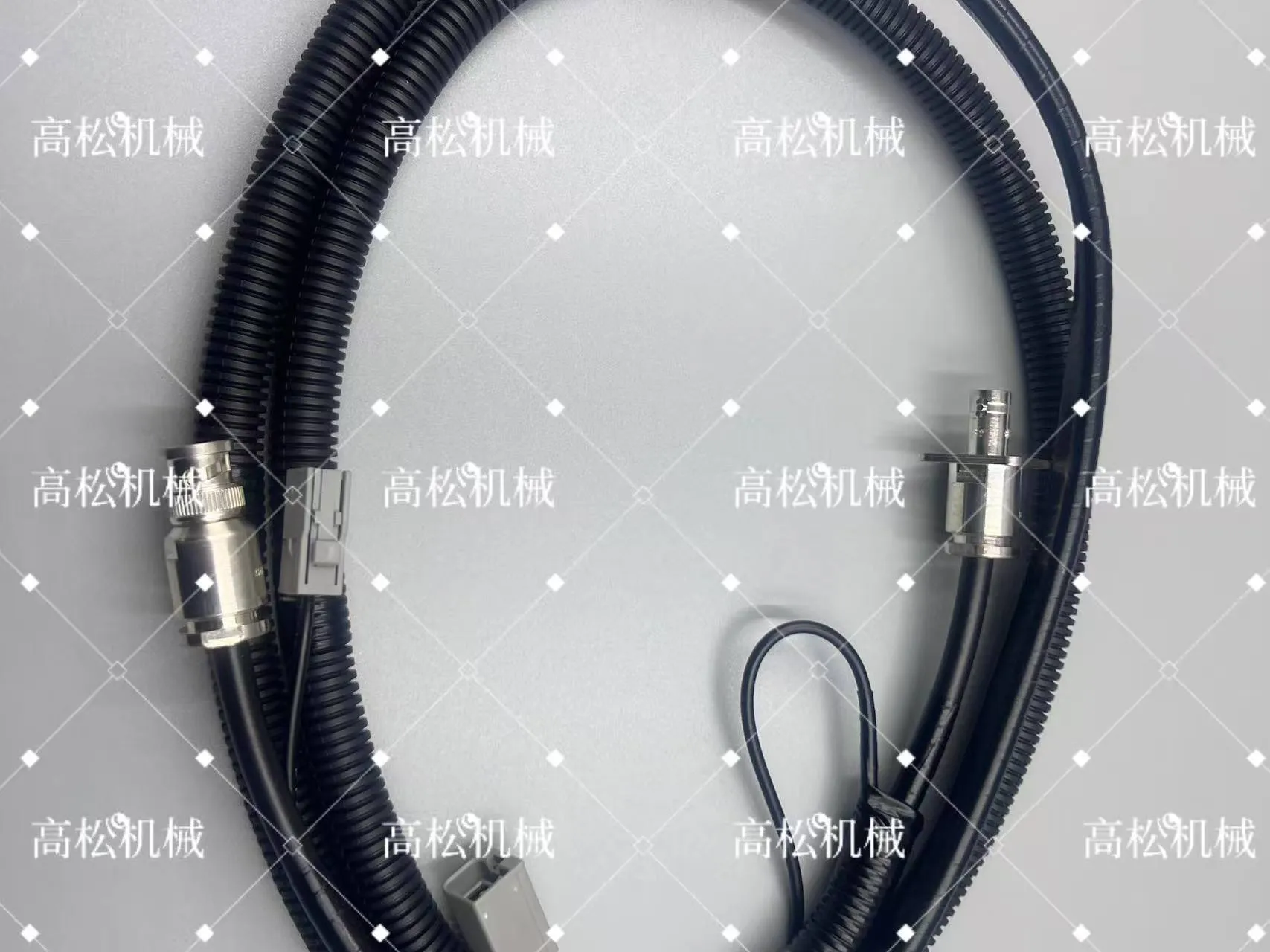 426-06-33750 Komatsu Wiring Harness Parts WA600, WD600
 -
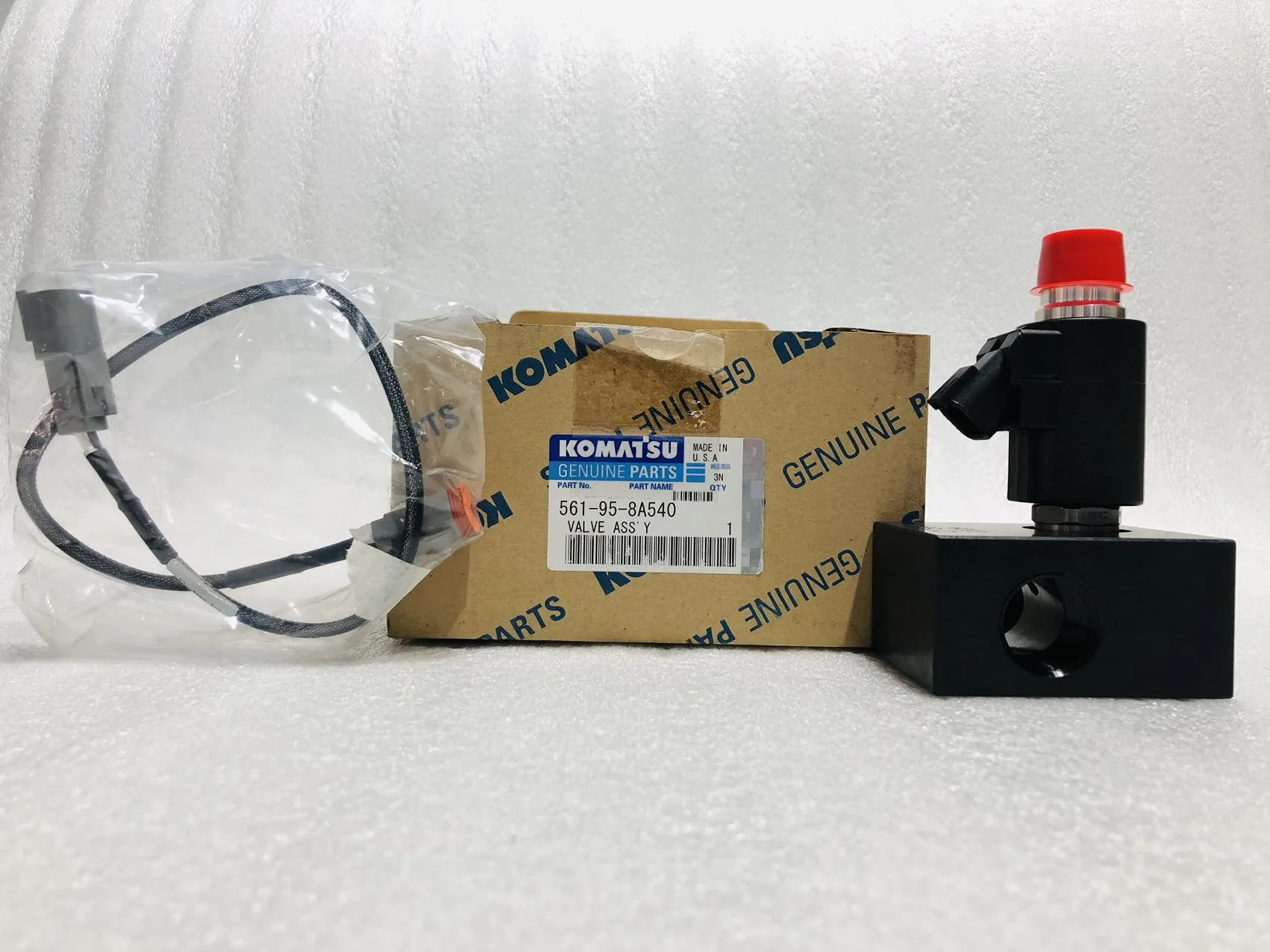 Komatsu 561-95-8A540 VALVE ASS’Y
 -
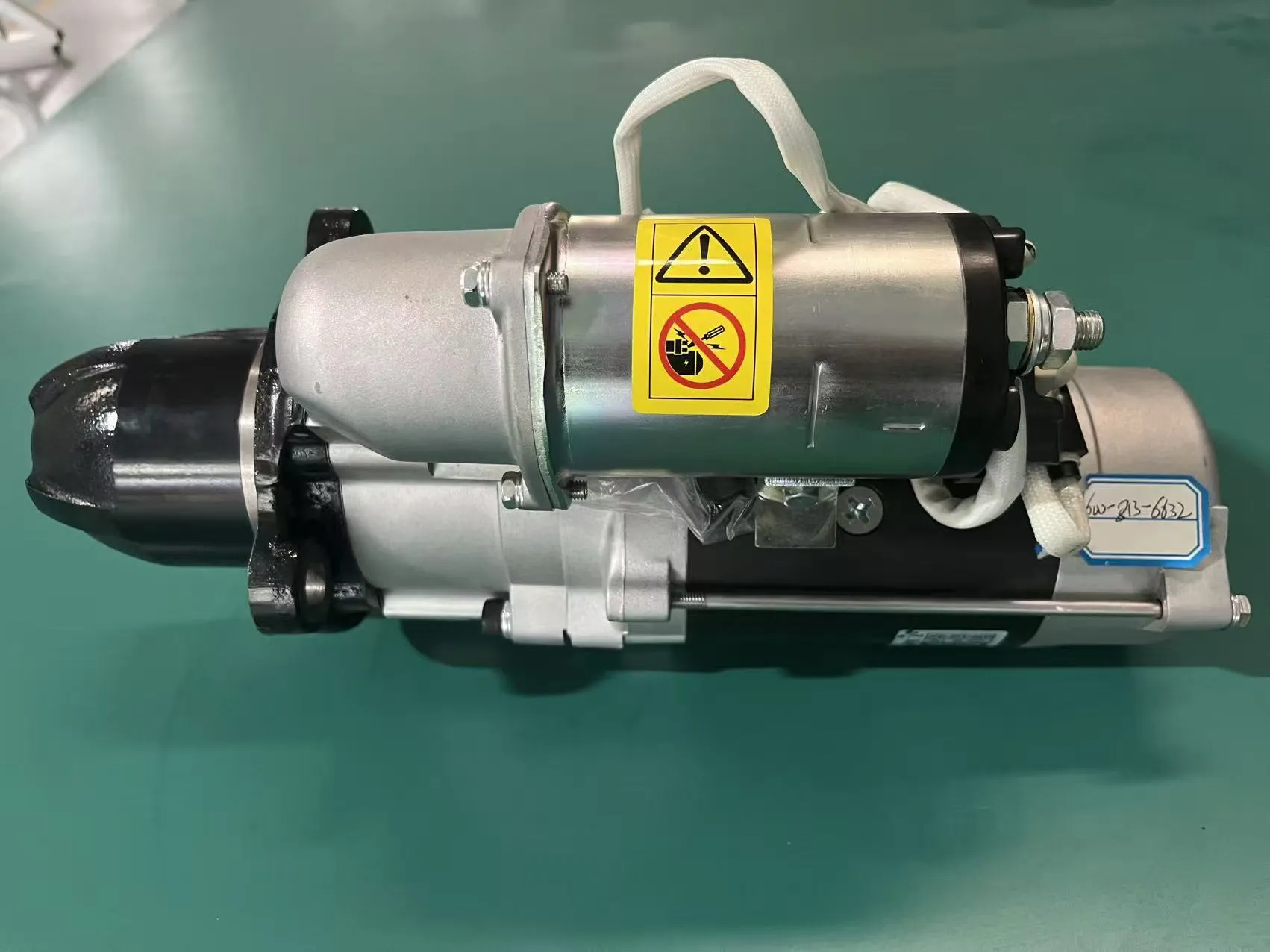 High Quality Excavator Spare Parts 600-813-6632 PC400-8 Start…
 -
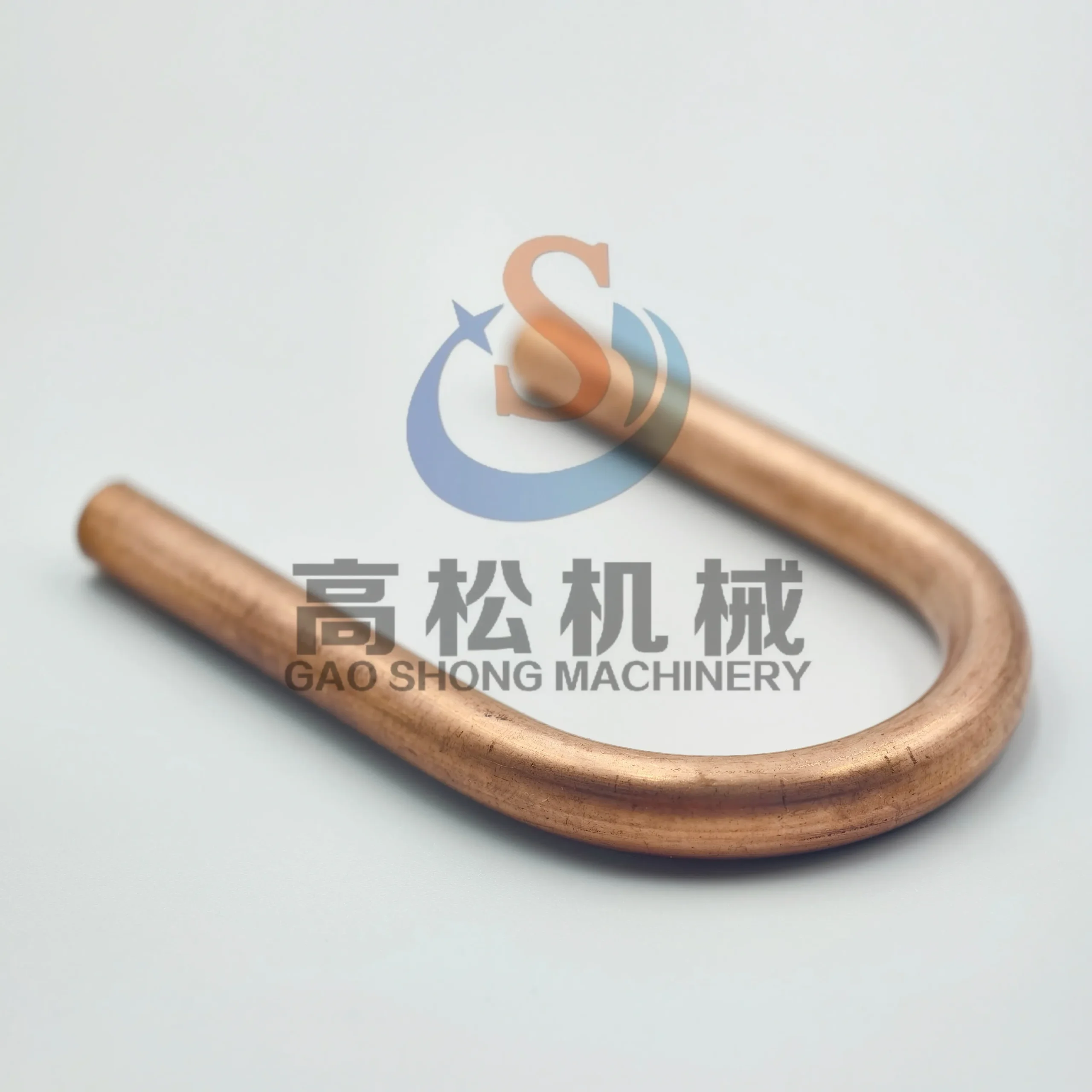 21N-68-32360 Komatsu Tube
 -
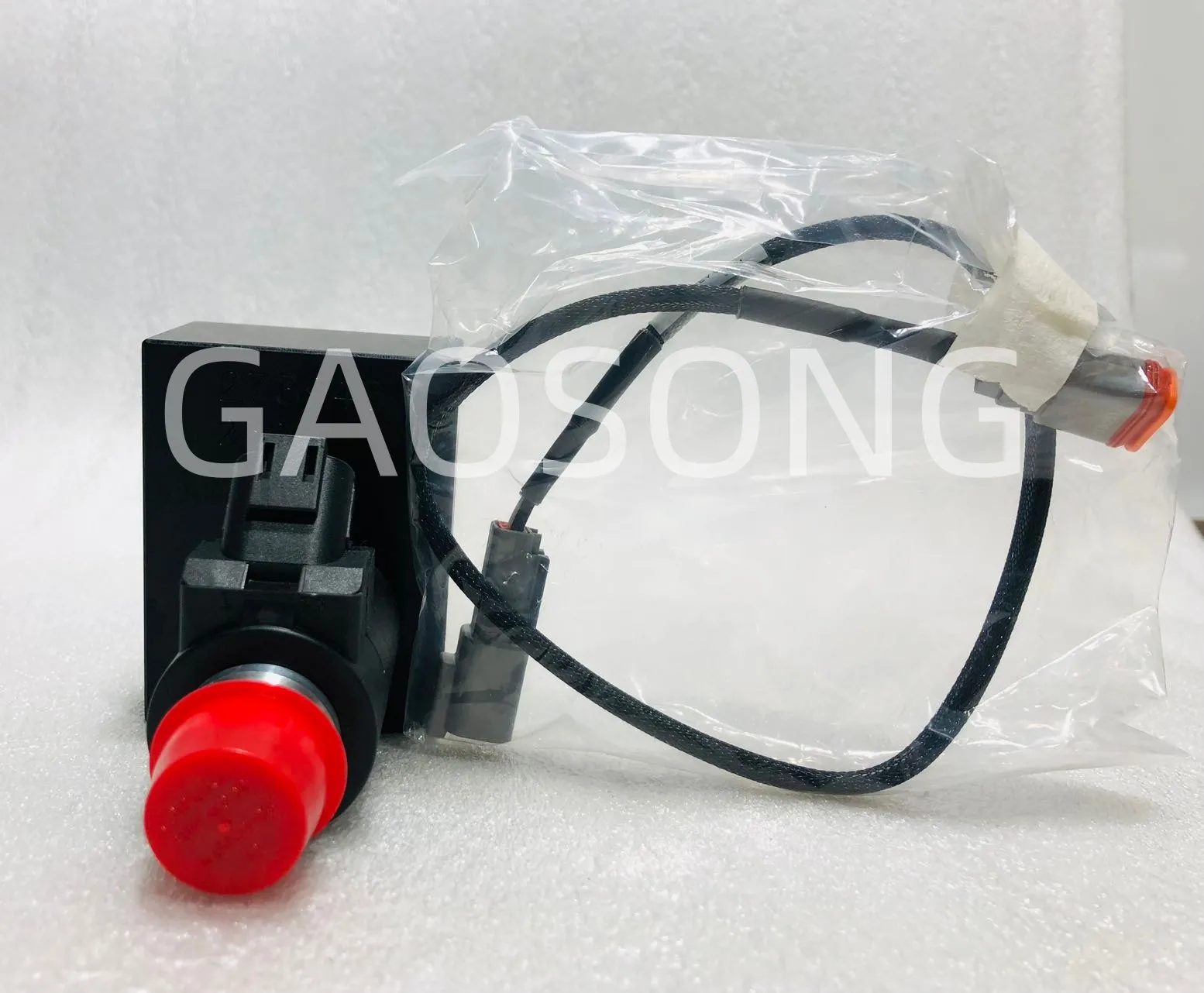 561-95-8A540 • VALVE ASSEMBLY,VENT-Komatsu Original Factory