
- Chinese
- French
- German
- Portuguese
- Spanish
- Russian
- Japanese
- Korean
- Arabic
- Irish
- Greek
- Turkish
- Italian
- Danish
- Romanian
- Indonesian
- Czech
- Afrikaans
- Swedish
- Polish
- Basque
- Catalan
- Esperanto
- Hindi
- Lao
- Albanian
- Amharic
- Armenian
- Azerbaijani
- Belarusian
- Bengali
- Bosnian
- Bulgarian
- Cebuano
- Chichewa
- Corsican
- Croatian
- Dutch
- Estonian
- Filipino
- Finnish
- Frisian
- Galician
- Georgian
- Gujarati
- Haitian
- Hausa
- Hawaiian
- Hebrew
- Hmong
- Hungarian
- Icelandic
- Igbo
- Javanese
- Kannada
- Kazakh
- Khmer
- Kurdish
- Kyrgyz
- Latin
- Latvian
- Lithuanian
- Luxembou..
- Macedonian
- Malagasy
- Malay
- Malayalam
- Maltese
- Maori
- Marathi
- Mongolian
- Burmese
- Nepali
- Norwegian
- Pashto
- Persian
- Punjabi
- Serbian
- Sesotho
- Sinhala
- Slovak
- Slovenian
- Somali
- Samoan
- Scots Gaelic
- Shona
- Sindhi
- Sundanese
- Swahili
- Tajik
- Tamil
- Telugu
- Thai
- Ukrainian
- Urdu
- Uzbek
- Vietnamese
- Welsh
- Xhosa
- Yiddish
- Yoruba
- Zulu
- Kinyarwanda
- Tatar
- Oriya
- Turkmen
- Uyghur






komatsu pc40 parts manual
When someone types 'komatsu pc40 parts manual' into a search bar, I often wonder what they're really after. Are they a new owner trying to decode a hydraulic schematic at 2 AM, or a seasoned mechanic looking for that one elusive torque spec everyone forgets? There's a common misconception that these manuals are just simple PDFs you download and forget. In reality, especially for a workhorse like the PC40, the manual is the starting point for a much deeper, often frustrating, conversation about parts sourcing, compatibility, and the difference between what's on paper and what's actually in the machine.
The Manual Isn't the Gospel, It's the Map
I've got a dog-eared copy of the PC40 manual on my desk, not the digital one. The physical one has grease stains on the hydraulic section and a coffee ring on the troubleshooting guide. That tells you something. The part numbers listed, especially for older models, are a launch code. You can't just walk into any dealer and expect them to have a seal kit for a 20-year-old swing motor sitting on the shelf. The manual gives you the Komatsu part number, say, komatsu pc40 parts manual reference , but then the real work begins.
This is where the gap between OEM and aftermarket, or even obsolete and available, becomes clear. You cross-reference, you call around. Sometimes the OEM part is discontinued, or has a 12-week lead time from Japan. That's not an option if the machine is down on a tight site. So you start looking for equivalents, and that's where experience—and sometimes a bit of guesswork—comes in. The manual doesn't tell you that a seal from a later PC45 might work if you shave 0.5mm off the housing, but a guy who's rebuilt a dozen of these will.
I remember a specific job on a PC40-7 where the pilot control valve was acting up. The manual's fault tree pointed one way, but the symptoms were slightly off. We followed the book, replaced the suspected solenoid, and got nowhere. It turned out to be a slightly worn bushing in the joystick assembly that wasn't even in the main hydraulic diagram—it was buried in the cab section. The manual had all the information, but it was scattered. You need to know how to connect those dots.
The Supply Chain Reality and Finding Solutions
This is the core headache. You have the part number from your komatsu pc40 parts manual, but the supply chain is broken or prohibitively expensive in your region. I've dealt with projects in places where official distribution is thin, and waiting for genuine parts means weeks of downtime. This isn't a slight against Komatsu; it's a logistical reality for older or widely distributed models.
This is precisely where companies that operate in a hybrid space become invaluable. Take Jining Gaosong Construction Machinery Co., Ltd., for instance. You can find them at https://www.takematsumachinery.com. Their model is interesting because it addresses this gray area. They describe themselves as an OEM product supplier within the Komatsu system and a third-party sales company. In practice, what this meant for me on a project in Southeast Asia was this: for critical, wear-and-tear items like pins, bushings, and even some hydraulic components for the PC40, they could provide OEM-spec or compatible parts that didn't require a six-figure purchase order from the main dealer.
They aren't magic, and they don't have everything. But for solving the parts supply challenges in certain countries, as their site says, they fill a crucial gap. It's about having another credible option when the standard channels are blocked. I used them for a set of track chain links and rollers for an aging PC40. The parts weren't in Komatsu boxes, but the metallurgy and machining were spot-on, and the price and delivery time made the project feasible. You still need your manual to verify dimensions and specs during installation—never skip that step.
When the Manual and the Machine Disagree
Here's a truth no official document will state: machines get modified in the field. A previous owner might have swapped a pump, retrofitted a different control valve, or jury-rigged a hose routing. Your pristine komatsu pc40 parts manual suddenly becomes a historical document, not an active blueprint. I learned this the hard way trying to trace a hydraulic leak on a used PC40 we'd just bought. The hose routing on the machine didn't match any diagram in the manual for its serial number range. After two hours of confusion, we found a service sticker from a local shop tucked behind the seat—they'd installed a valve bank from a PC50 to handle an auxiliary attachment. The manual was useless until we identified the actual component.
This is why the first step with any used machine should be a physical audit against the manual. Don't assume they match. Tag components, take photos, note discrepancies. It saves countless hours later. The manual is the baseline, the machine is the reality. Your job is to reconcile the two.
Another layer is the revision. Manuals get updated. A PC40-7 from 2005 might have a different ECU software patch than one from 2007, leading to different diagnostic trouble codes. The part number for the ECU itself might be the same, but the software isn't. The manual might have a general note about this, but it won't tell you which serial numbers got which flash. You need to plug in a diagnostic tool and see what's actually there.
The Value of the Non-Genuine, But Verified, Part
The industry has a snobbery about genuine parts. Rightfully so, for core components like engine rods or main hydraulics. But for a vast array of components, the genuine tag is about the supply chain and warranty as much as it is about quality. A seal is a seal if it meets the material spec (NBR, FKM, etc.), dimensions, and pressure rating. The komatsu pc40 parts manual gives you those specs. If a supplier like the one mentioned earlier can provide a part that matches those specs and has a track record, it's a valid engineering decision to use it.
I differentiate between pattern parts (direct copies, often of variable quality) and specification parts (manufactured to meet or exceed the original performance specs). The latter is what you want. For example, we needed a radiator for a PC40. The OEM unit was on backorder. We found one through a third-party network that not only matched the core dimensions and port layout but used a higher fin density for better cooling. It worked better than the original. We noted the change in the machine's service log alongside the original part number from the manual.
The risk, of course, is in the unknown. A no-name pump might look identical but use inferior castings that crack under pressure cycles. That's why source matters. A company that is embedded in the Komatsu ecosystem, even as a third-party, has more to lose by selling junk than a fly-by-night online parts store. Their reputation depends on the parts lasting.
Wrapping It Up: The Manual as a Living Tool
So, the komatsu pc40 parts manual is not an answer book. It's a framework. Its real value is unlocked when combined with hands-on experience, a skeptical eye, and a robust network of supply options. It tells you the what, but you and your suppliers figure out the how and with what.
In today's market, relying solely on a single channel for parts is a fast track to downtime. Having a vetted alternative source, whether for OEM or OEM-spec parts, is just smart business. It turns the manual from a list of unavailable parts into a actionable guide. You use the manual to define the requirement, then you use your resources to fulfill it.
The goal is to keep the machine running reliably. Sometimes that means a genuine Komatsu valve block. Sometimes it means a high-quality compatible part sourced from a specialist supplier who understands the system's pressures—both hydraulic and logistical. The manual is the constant in that equation. Your job is to make the variables work.
Related Products
Related Products

Best Selling Products
Best Selling Products-
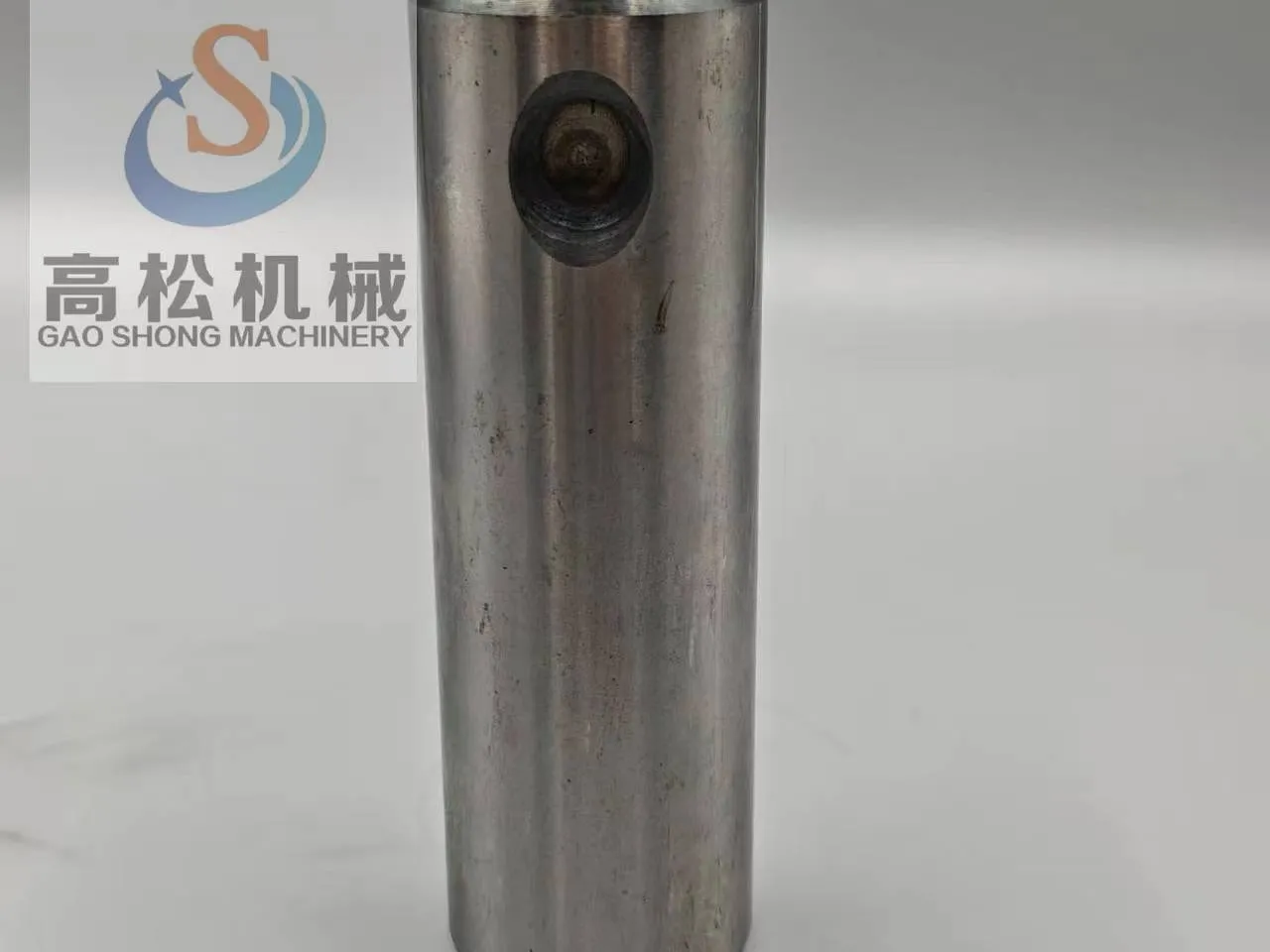 Komatsu Pin, 20Y-27-31160 Komatsu Sales, 20Y-27-31160
 -
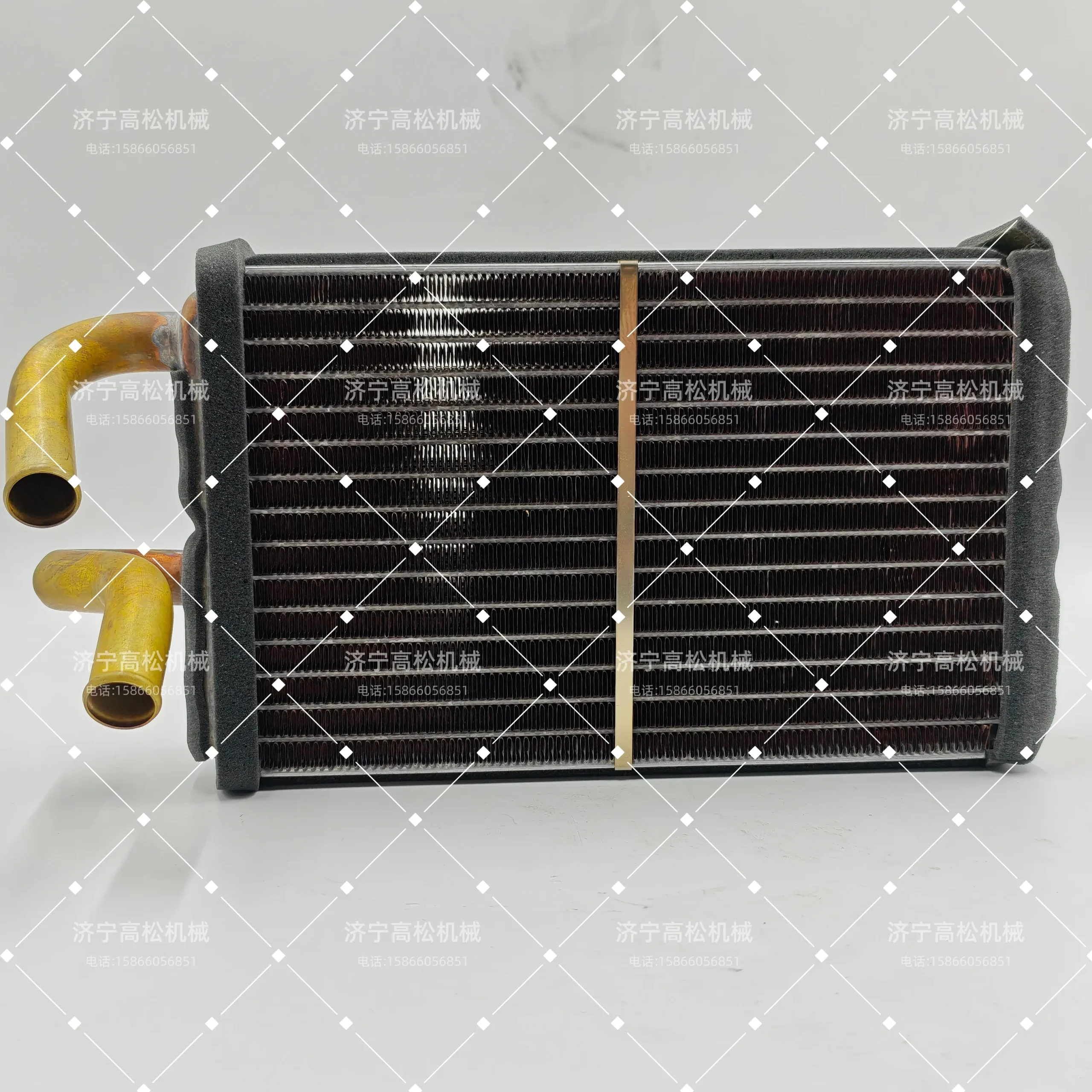 Genuine ND116410-9681 Unit Sub Assy for HD255, HD465, HD605
 -
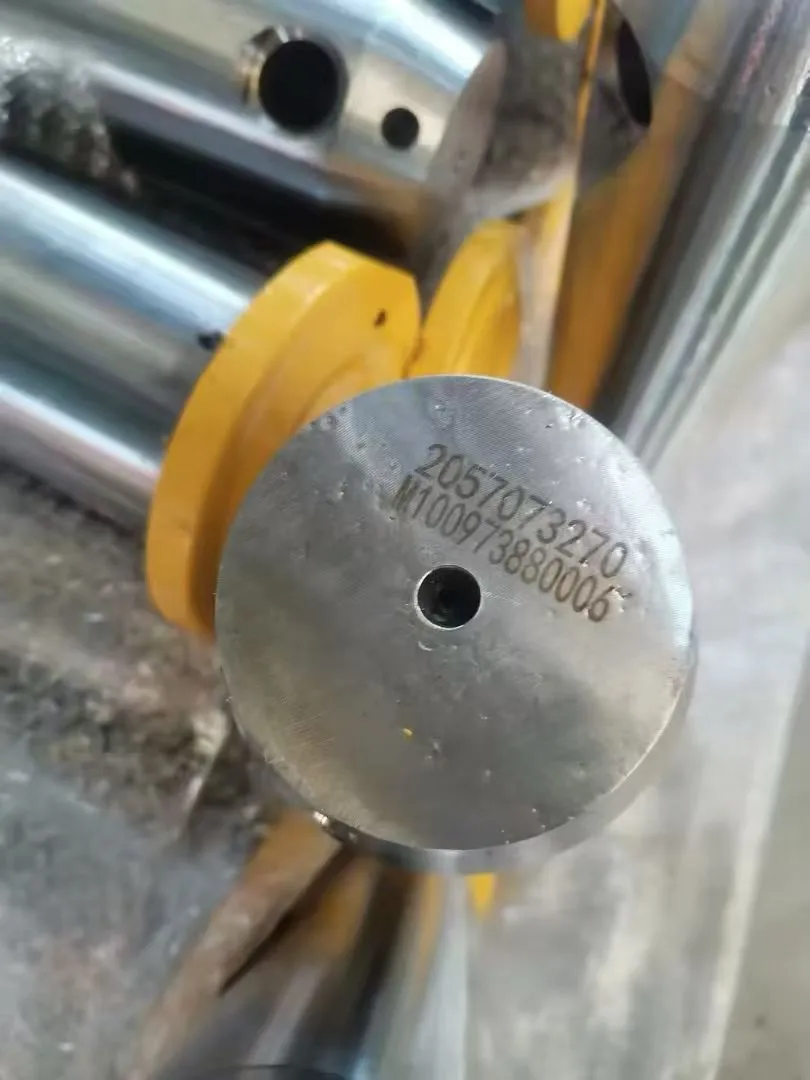 All types of Komatsu original sales pins welcome to inquire
 -
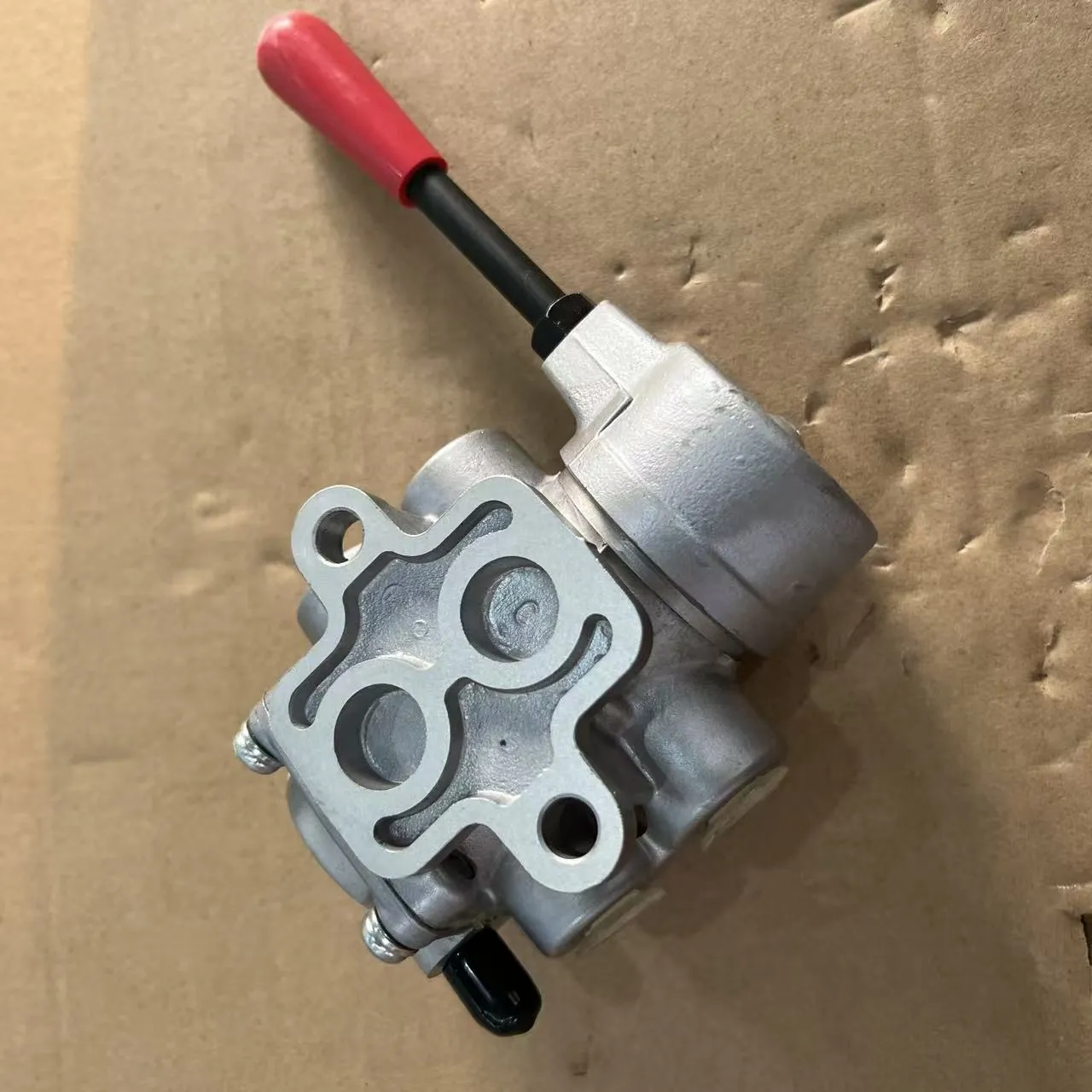 Komatsu 561-87-66102 EMERGENCY BRAKE… — Pricing.Parts
 -
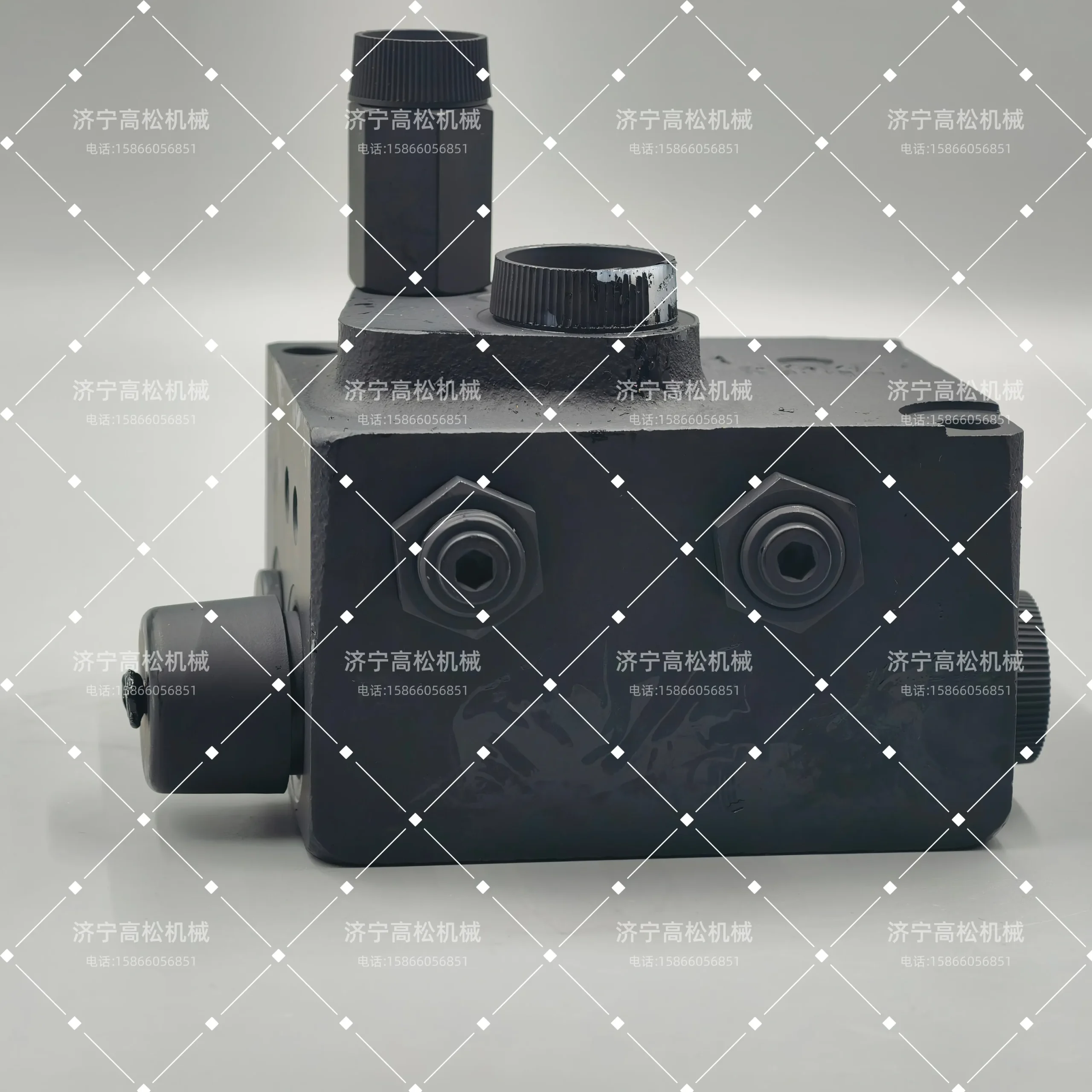 Komatsu Loader WA420-3 Charge Valve 419-43-27401 China…
 -
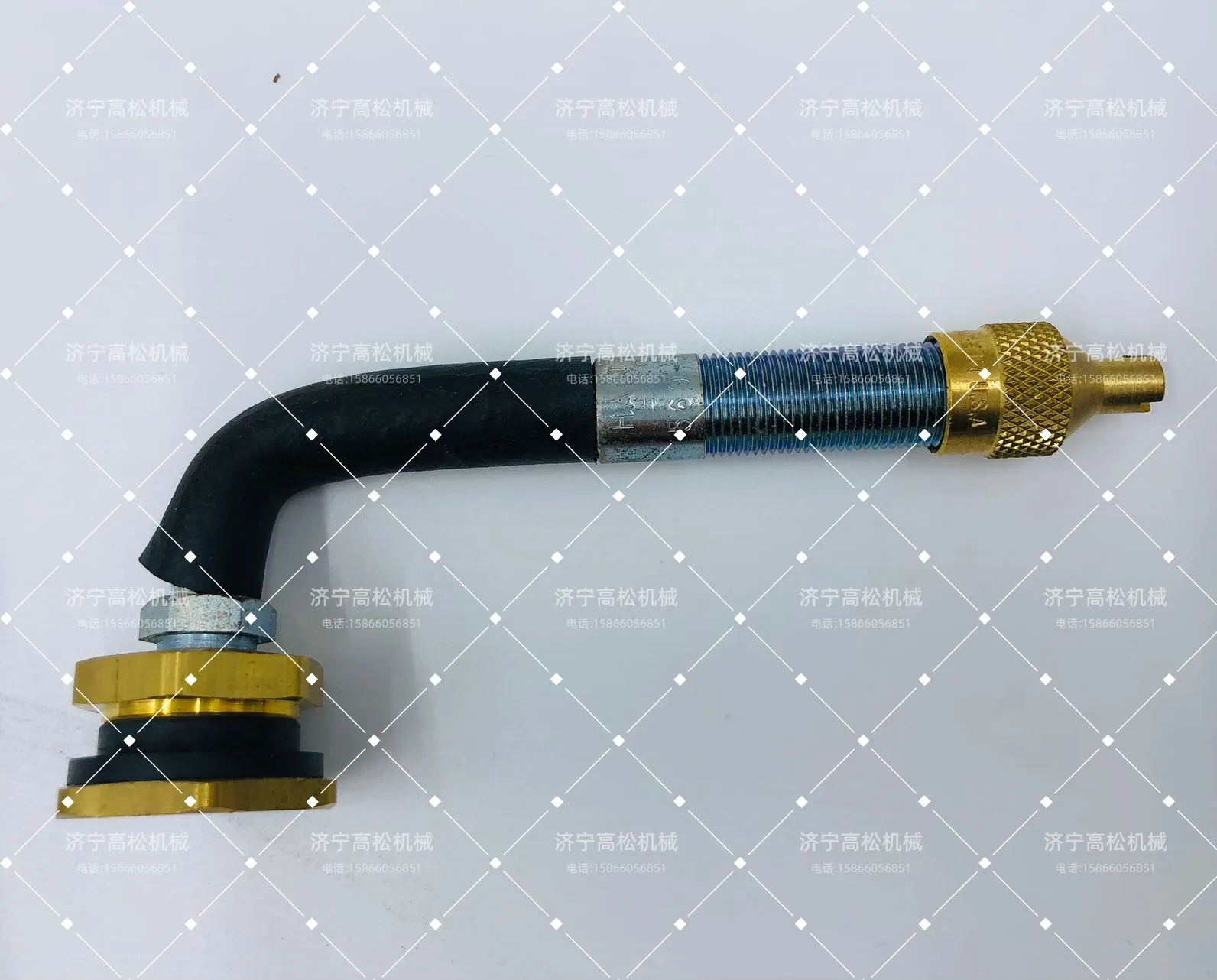 569-30-11600 Komatsu VALVE ASS’Y
 -
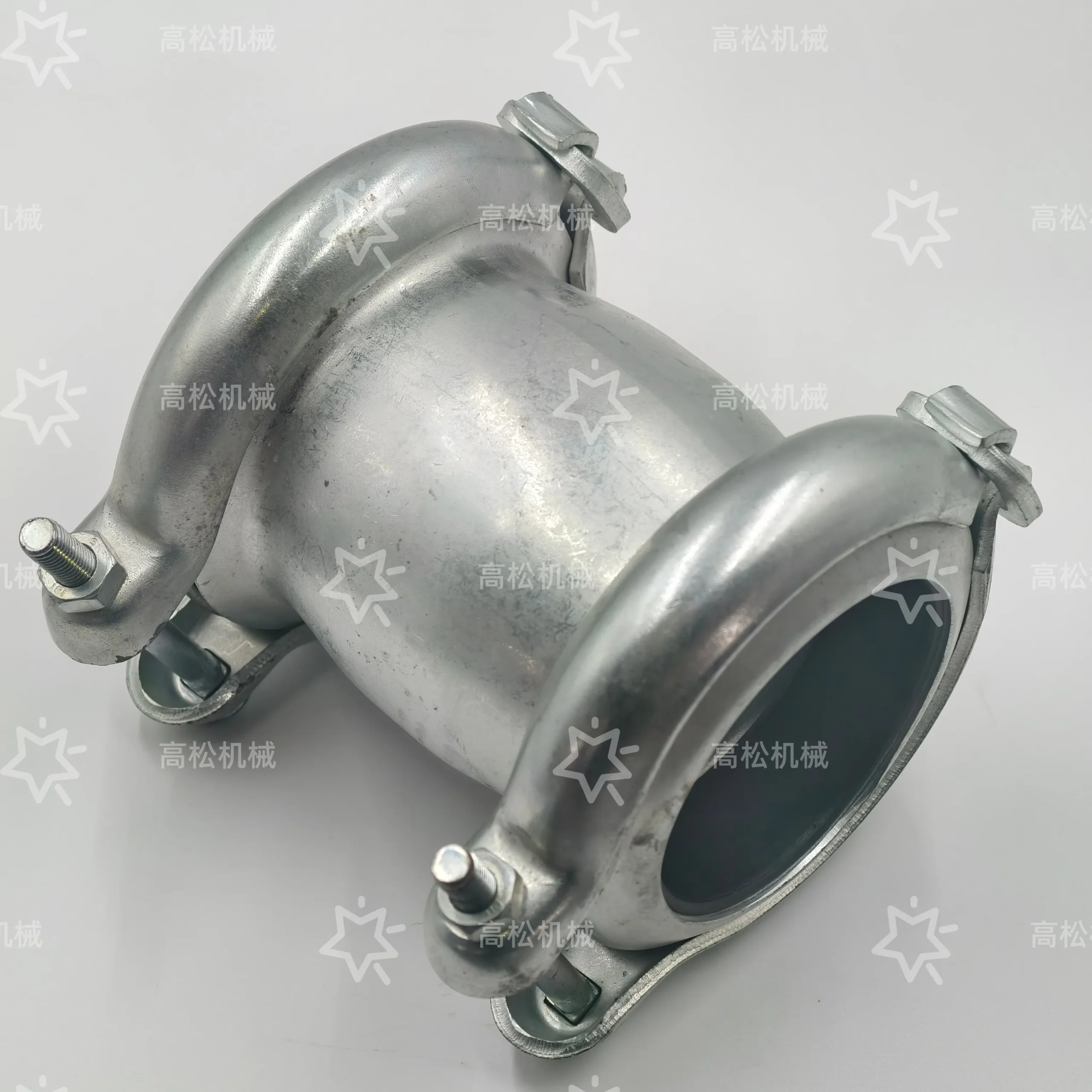 07332-03000Coupling 07332-03000 07332-63000 for Komatsu Dozer D155AX-3 D155S-1 D275A-5 D355A-3 D355A-5 D375A-3 D455A-1 D475A-5
 -
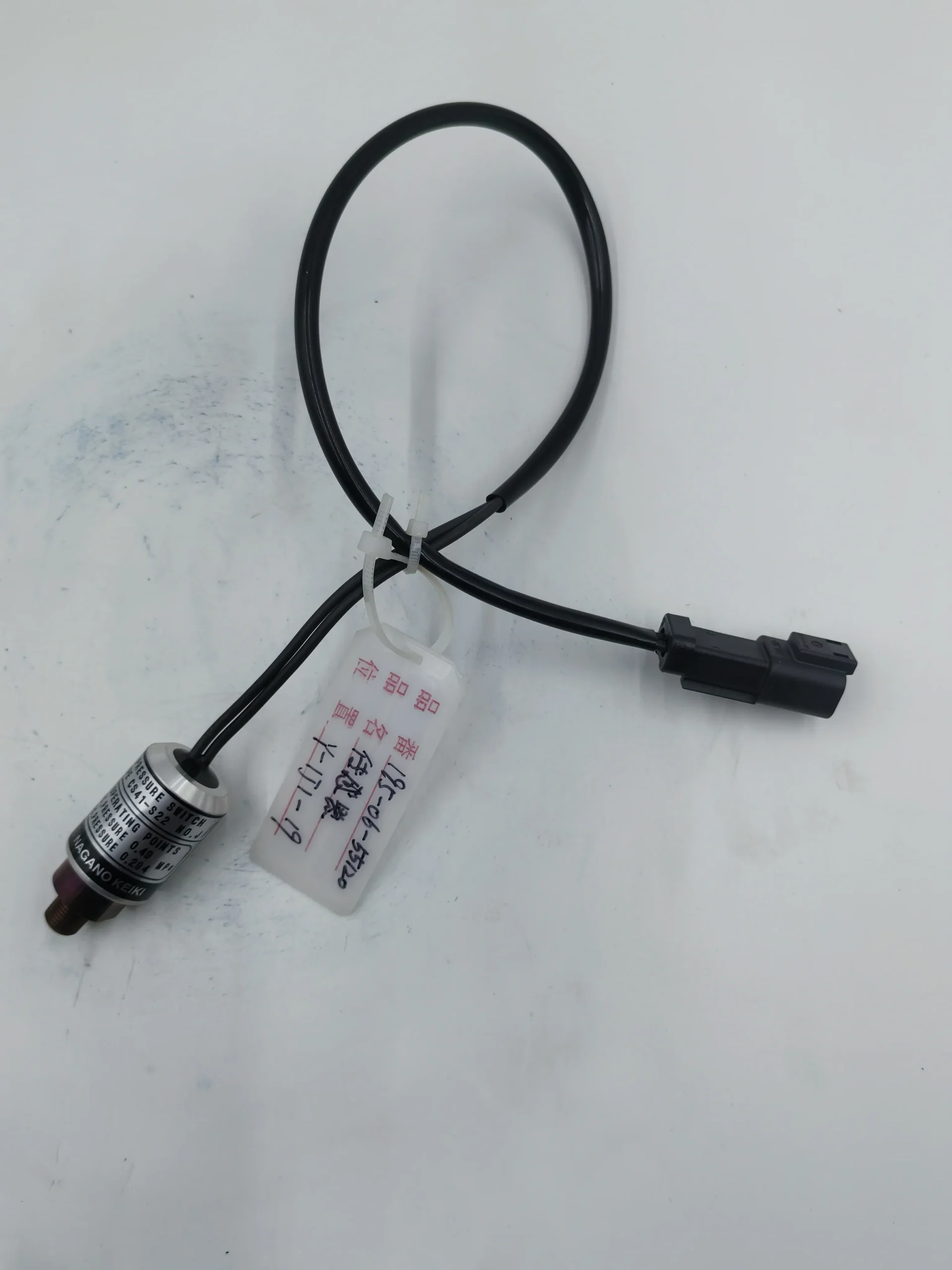 Electrical Parts 195-06-55120 Switch
 -
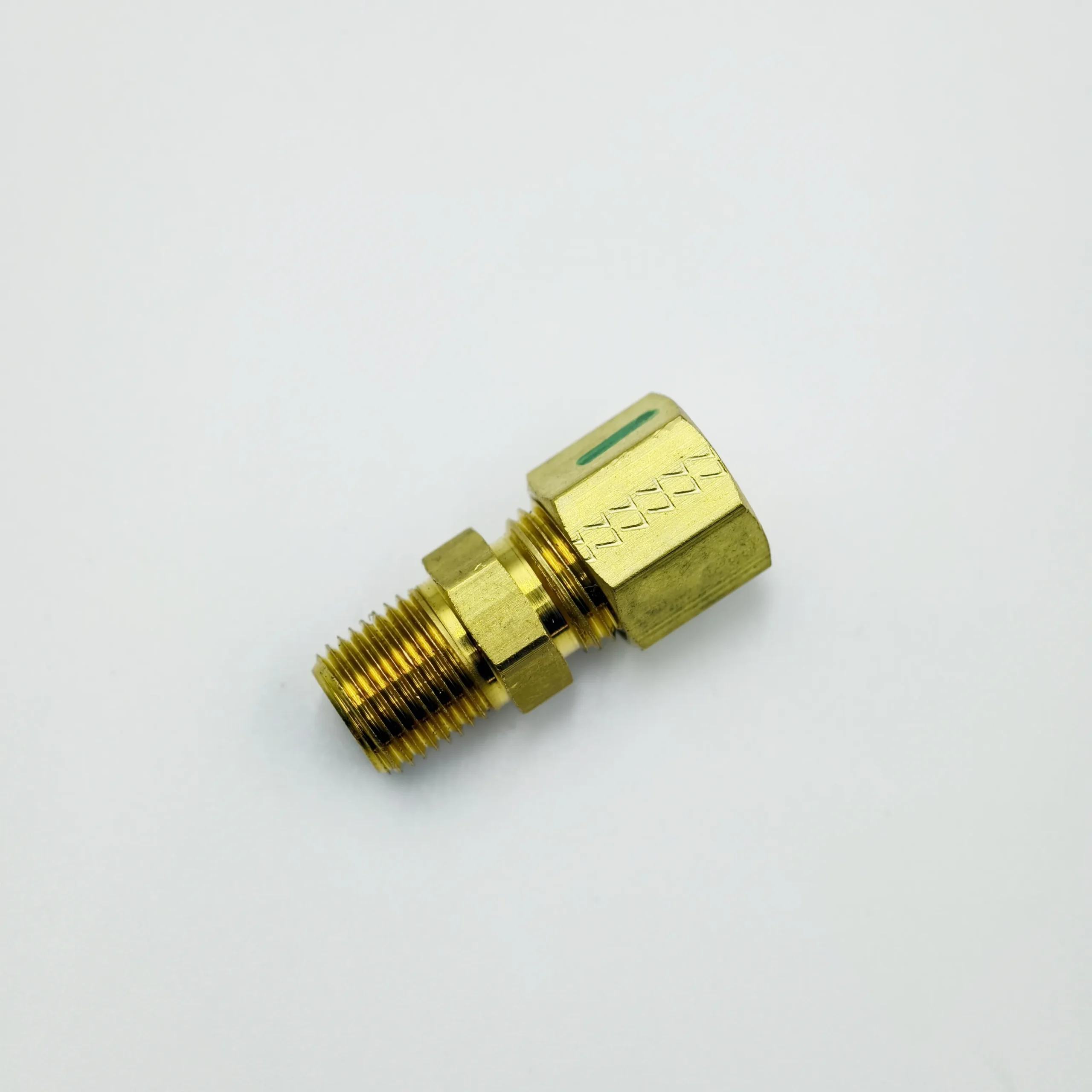 The PC1250SP-8 connector 21N-68-32320 is used for automotive grease in various countries ..
 -
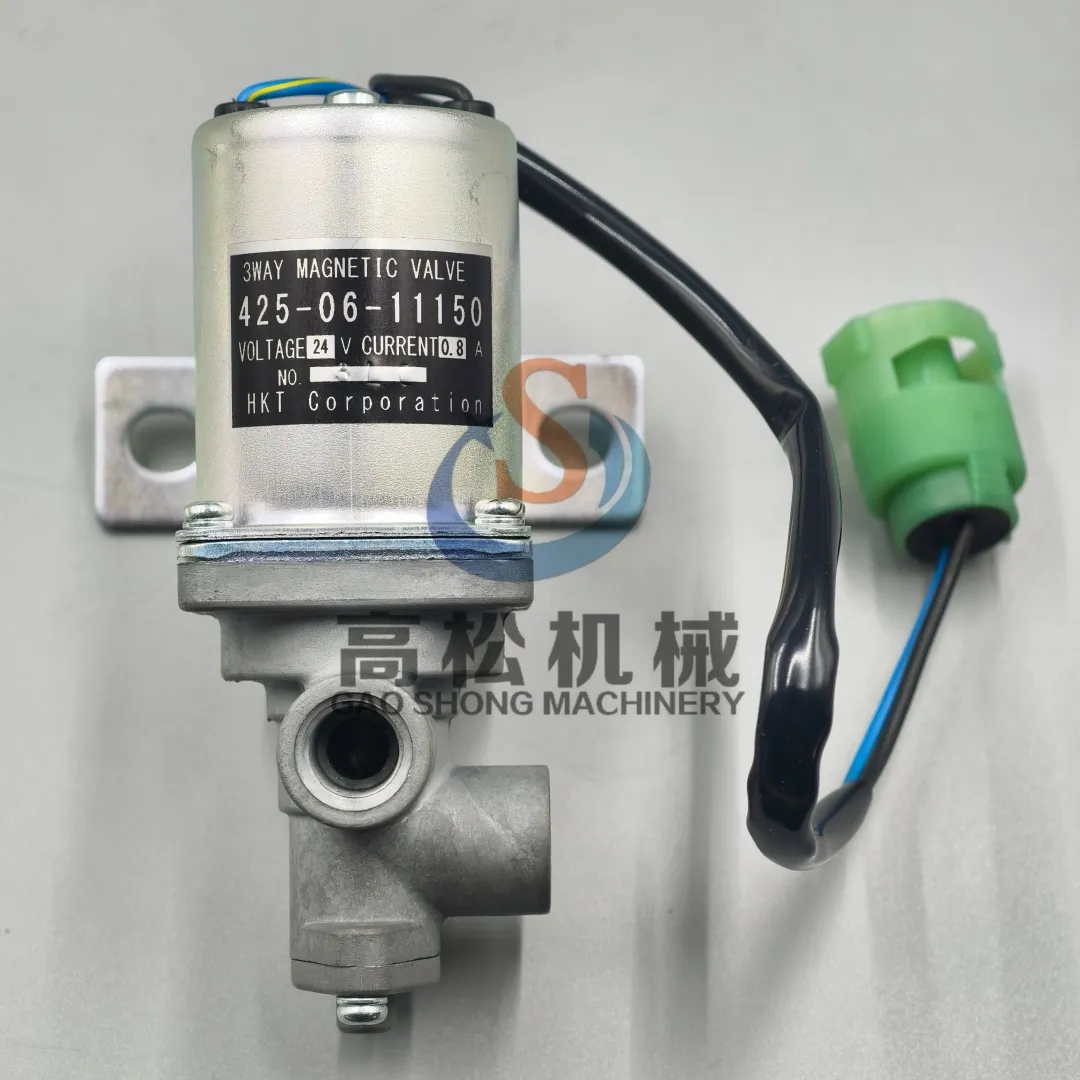 Komatsu Relay 425-06-11150 for Wheel loader WA600-1 12V
 -
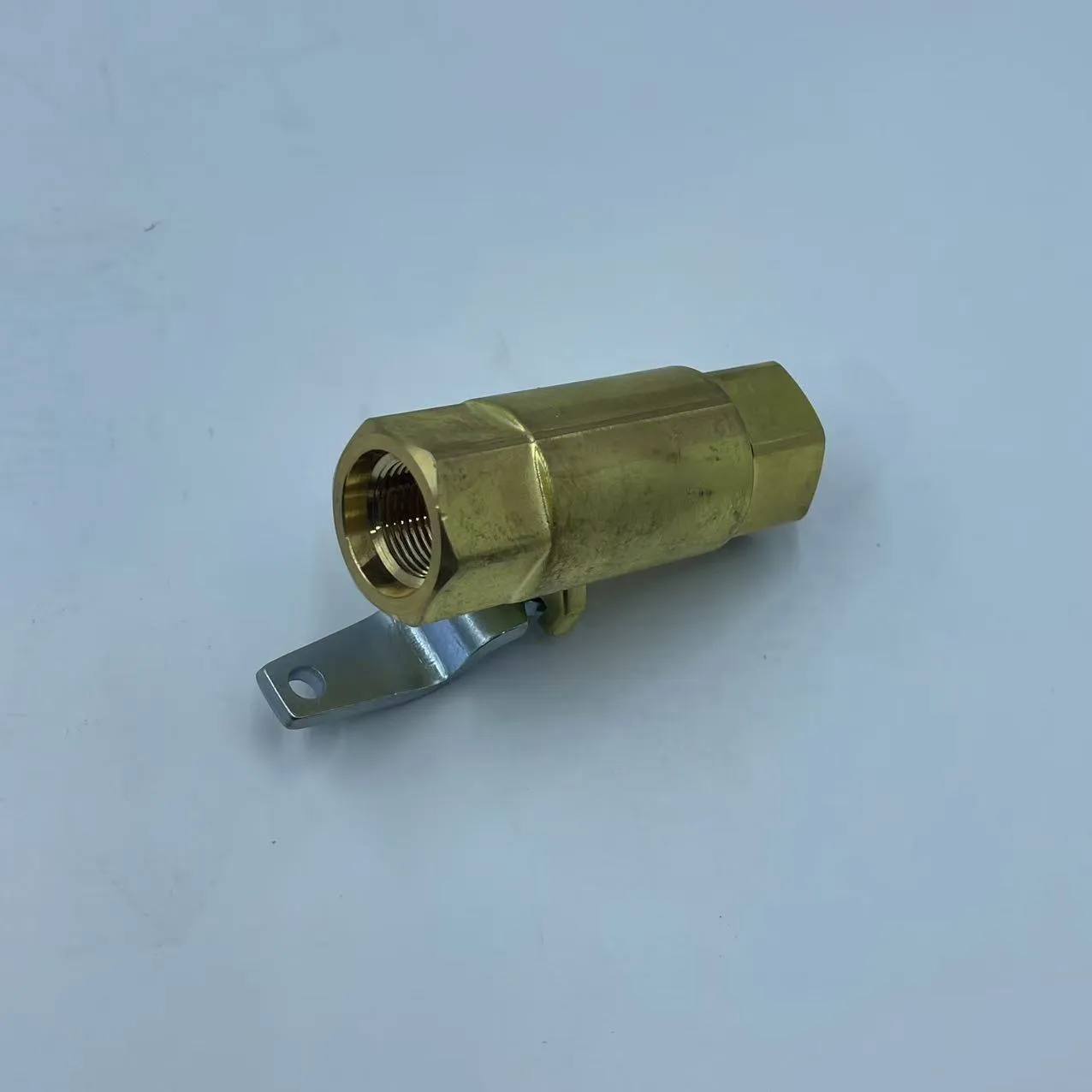 KOMATSU-VALVE 20Y-62-15651 –
 -
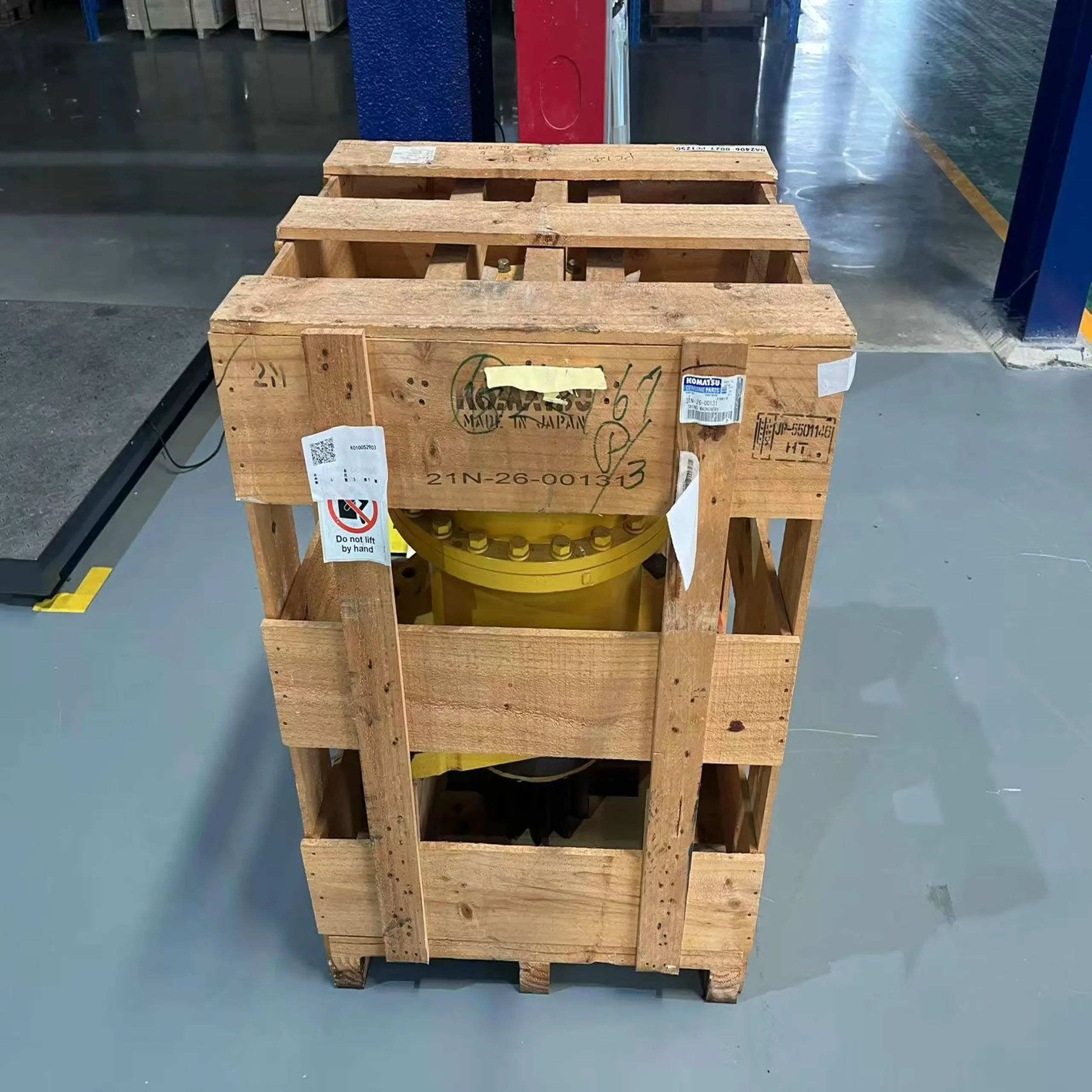 Komatsu Original Factory Brand New PC1250-8 Excavator Rotary Motor 21N-26-00110