
- Chinese
- French
- German
- Portuguese
- Spanish
- Russian
- Japanese
- Korean
- Arabic
- Irish
- Greek
- Turkish
- Italian
- Danish
- Romanian
- Indonesian
- Czech
- Afrikaans
- Swedish
- Polish
- Basque
- Catalan
- Esperanto
- Hindi
- Lao
- Albanian
- Amharic
- Armenian
- Azerbaijani
- Belarusian
- Bengali
- Bosnian
- Bulgarian
- Cebuano
- Chichewa
- Corsican
- Croatian
- Dutch
- Estonian
- Filipino
- Finnish
- Frisian
- Galician
- Georgian
- Gujarati
- Haitian
- Hausa
- Hawaiian
- Hebrew
- Hmong
- Hungarian
- Icelandic
- Igbo
- Javanese
- Kannada
- Kazakh
- Khmer
- Kurdish
- Kyrgyz
- Latin
- Latvian
- Lithuanian
- Luxembou..
- Macedonian
- Malagasy
- Malay
- Malayalam
- Maltese
- Maori
- Marathi
- Mongolian
- Burmese
- Nepali
- Norwegian
- Pashto
- Persian
- Punjabi
- Serbian
- Sesotho
- Sinhala
- Slovak
- Slovenian
- Somali
- Samoan
- Scots Gaelic
- Shona
- Sindhi
- Sundanese
- Swahili
- Tajik
- Tamil
- Telugu
- Thai
- Ukrainian
- Urdu
- Uzbek
- Vietnamese
- Welsh
- Xhosa
- Yiddish
- Yoruba
- Zulu
- Kinyarwanda
- Tatar
- Oriya
- Turkmen
- Uyghur






komatsu pc40 parts
When you're searching for Komatsu PC40 parts, you're not just looking for a bolt or a seal. You're stepping into a whole ecosystem of quality tiers, origin stories, and supplier claims that can make or break your machine's uptime. A lot of folks get tripped up right at the start, thinking Komatsu on the box is the only safe bet, not realizing the landscape has evolved. Having spent years sourcing for small to mid-size fleets, I've seen the good, the bad, and the downright confusing. It's less about finding a part and more about finding a reliable channel, especially when official supply lines are thin or exorbitantly priced in certain regions. That's where the real expertise comes in—separating the viable alternatives from the junk that'll fail in 200 hours.
The Core Challenge: Genuine vs. The World
Let's be clear: nothing beats a genuine Komatsu part for the PC40 in terms of fit and documented performance. The issue is availability and cost, particularly for older models or in markets outside major industrial hubs. I've waited 12 weeks for a simple hydraulic valve bank to arrive via official channels, which is a lifetime when a machine is down. This gap is what creates the aftermarket. But aftermarket is a massive bucket. You've got everything from high-spec OEM-aligned manufacturers to backyard foundries. The trick is identifying who's building to the original blueprints and who's just copying the shape.
This is where a company's stated position matters. I came across Jining Gaosong Construction Machinery Co., Ltd. a while back, specifically through their portal at takematsumachinery.com. Their pitch was interesting: an OEM product supplier within the Komatsu system and a third-party sales company. In practice, this often means they produce or source components that meet the original design specifications, sometimes even in the same factories that feed the official line, but they can sell them through parallel, more flexible channels. For a model like the PC40, which has been around in various iterations, this can be a lifeline.
I remember testing a set of track links and bushings from a similar supplier. The price was 40% lower than the dealer quote. We magnafluxed them and checked the hardness—spec was spot on. They lasted nearly 95% of the genuine part's lifecycle in a high-abrasion application. That's the sweet spot. But I've also had failures: a supposedly OEM-equivalent PC40 main hydraulic pump that cavitated within 50 hours because the internal tolerances were just a few microns off. The devil is always in the manufacturing precision, not the outward appearance.
Critical Wear Items on the PC40: A Reality Check
If you're running a PC40, your focus should be on the high-cycle wear components. Undercarriage parts are the obvious money pit—rollers, idlers, sprocket segments. But for the PC40, with its relatively compact size, the hydraulic system is just as critical. The vane pump and the swing motor are frequent culprits for performance drop-off. Sourcing these is where you really test a supplier's mettle.
Many third-party sellers will have the rollers and track shoes. Fewer will have a reliable swing motor rebuild or a new-old-stock main control valve. I've found that the suppliers who openly state their OEM alignment, like Gaosong does in their description of helping to solve parts supply challenges in certain countries, tend to have better depth on these complex assemblies. It signals they're plugged into the system's engineering, not just the catalogue. I'd always cross-reference the part number they provide against the Komatsu master list. If they can't provide that cross-reference instantly, it's a red flag.
A practical note on seals: always, always go for the OEM kit for cylinder rebuilds on the PC40. The aftermarket seal kits are tempting at a quarter of the price, but I've lost count of the weeping cylinders and contaminated oil that resulted. The compound and the lip design are too specific. This is one area where I never compromise, even if it means cannibalizing a parts machine.
The Sourcing Process: More Than a Click
Finding Komatsu PC40 parts online is easy. Getting the right ones is the process. My method is never to just search the model. I search by the specific Komatsu part number. Then, I see who pops up. A professional supplier's site will list that OEM number alongside their own. When browsing a site like the one mentioned, I look for technical diagrams or exploded views. It shows investment in accuracy. A site that's just a list of photos with fits PC40 is a gamble.
Communication is key. I'll often send an inquiry asking for the country of origin for the specific part and if they have metallurgical or pressure test reports. A reputable supplier, especially one positioning as an OEM-channel player, will often have this data or can get it. The response time and technical depth of the answer tell you everything. Are they a warehouse or a technical partner? For critical components, I might order a single sample first for inspection and fit-check before committing to a bulk buy for the fleet.
One failed experiment was with an aftermarket radiator. It looked identical, but the core was aluminum instead of brass-copper, and the mounting brackets were a hair too wide. It caused stress cracks in the side tanks after a few months of vibration. The lesson? Dimensions are one thing; material spec and subtle design adaptations for durability are another. Now, I explicitly ask about material grades for such components.
Why the OEM Within the System Model Makes Sense
The model that Jining Gaosong Construction Machinery describes isn't uncommon, but it's often misunderstood. It doesn't mean they're selling stolen or rejected genuine parts. In the complex world of global manufacturing, many OEMs have licensed or affiliated factories that produce to print. These factories may have allocated capacity to produce for the aftermarket under different branding or through allied sales companies. This is likely what an OEM product supplier within the Komatsu system implies.
For an end-user, this can be the best of both worlds: OEM-level quality control (hopefully) at a non-OEM price point. The key advantage they mention—solving supply challenges in certain countries—rings true. I've worked in regions where the official distributor network is sparse. Having access to a channel that understands the Komatsu specifications and can ship directly can keep operations running. However, you must still vet them. Within the system is a claim that needs verification through part quality and consistency over time.
I'd use such a supplier for components like gear sets, axle parts, maybe even a final drive assembly, where metallurgy is crucial. For electronic control units or highly calibrated sensors, I'd still lean toward the dealer, even with the cost penalty. The risk of intermittent faults isn't worth it.
Building a Reliable Parts Pipeline
Ultimately, managing Komatsu PC40 maintenance isn't about one-off purchases. It's about building a shortlist of two or three go-to suppliers you can trust for different component tiers. Your pipeline might look like this: Genuine Komatsu for critical electronics and seals; a verified OEM-aligned supplier (like the type Gaosong represents) for mechanical wear items and hydraulics; and a budget-tier supplier for non-critical, easily replaceable items like filters (if they meet spec), pins, or cab trim.
Document everything. When you install a non-genuine part, tag it in your maintenance log with the supplier name and part number. Track its hours to failure. This data is gold. It turns anecdotal experience into a cost-benefit analysis. Over time, you'll see patterns. Maybe Supplier A's undercarriage parts last 3000 hours, while Supplier B's last 2800 but cost 20% less. That's a business decision you can now make with confidence.
The goal is machine availability. The right mix of parts sources, backed by real-world testing and clear communication with your suppliers, gets you there. It's not a perfect science—there will be duds—but a strategic approach beats relying on a single, often inflexible, channel every time. For a versatile workhorse like the PC40, keeping it running with quality components, from whatever verified source, is the only metric that truly matters.
Related Products
Related Products

Best Selling Products
Best Selling Products-
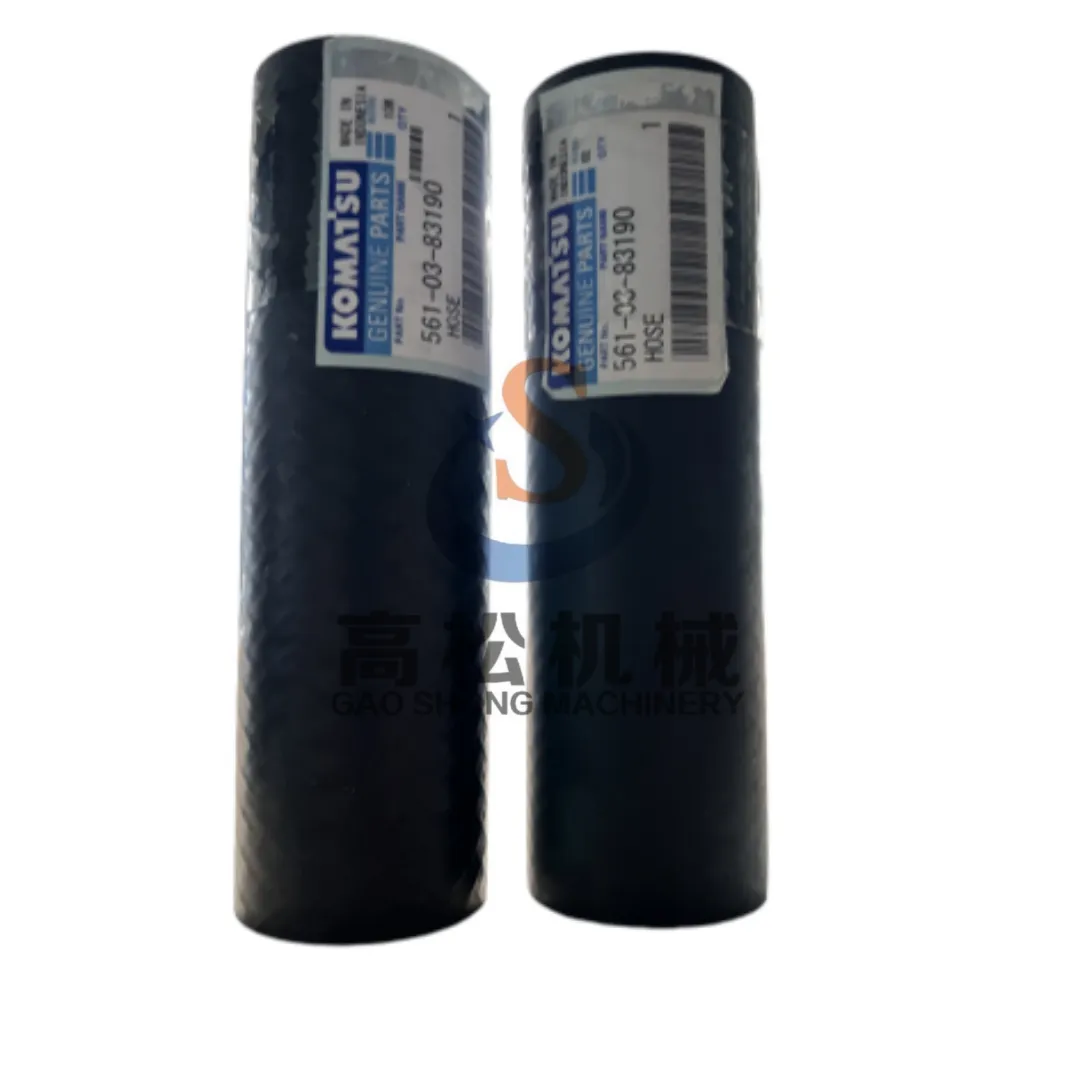 Dump Truck Parts DH785-7 Radiator Hoses 561-03-83190
 -
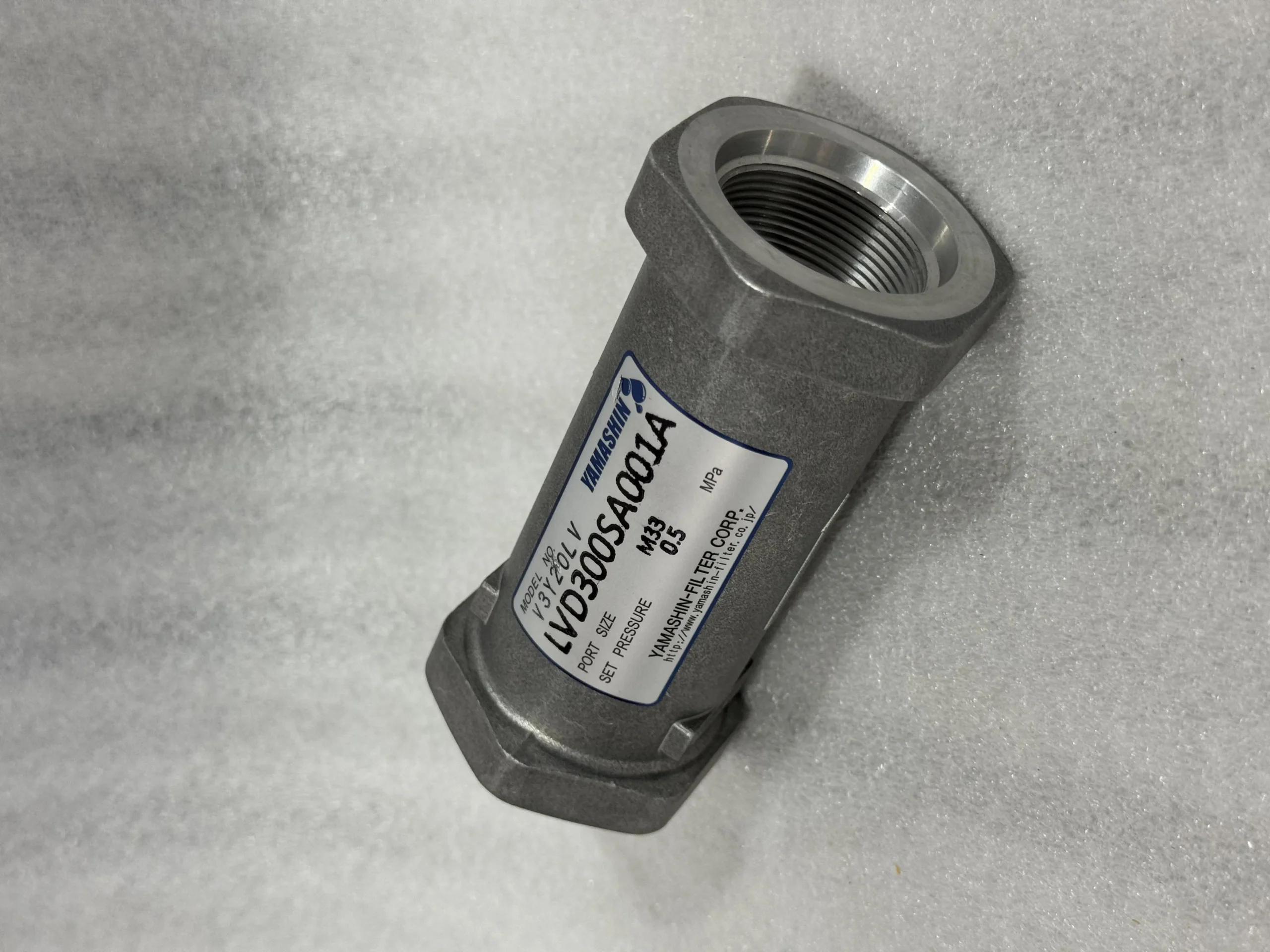 D155A-6 Radiator Valve Assembly 20S-62-16160
 -
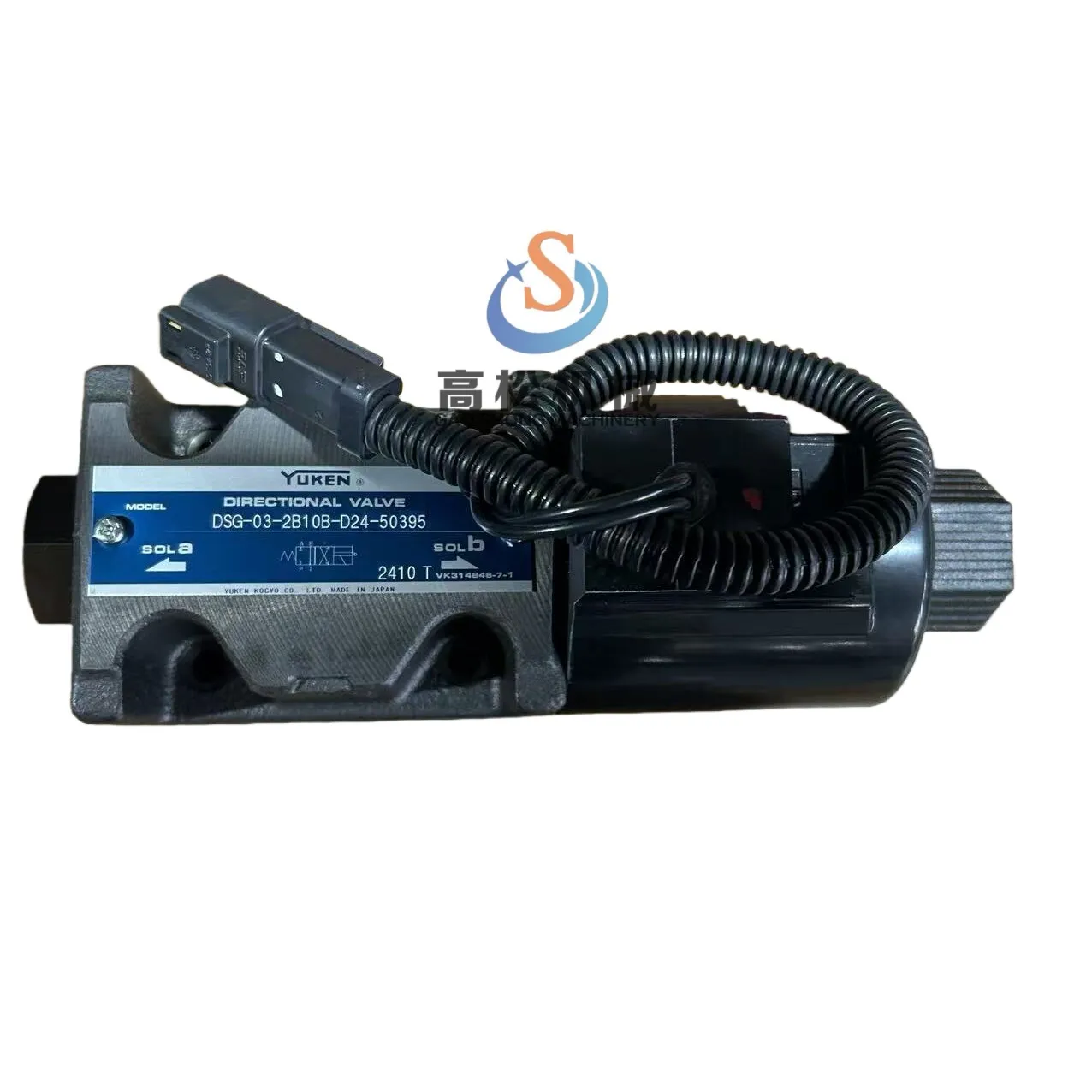 SOLENOID VALVE – 561-43-8A882
 -
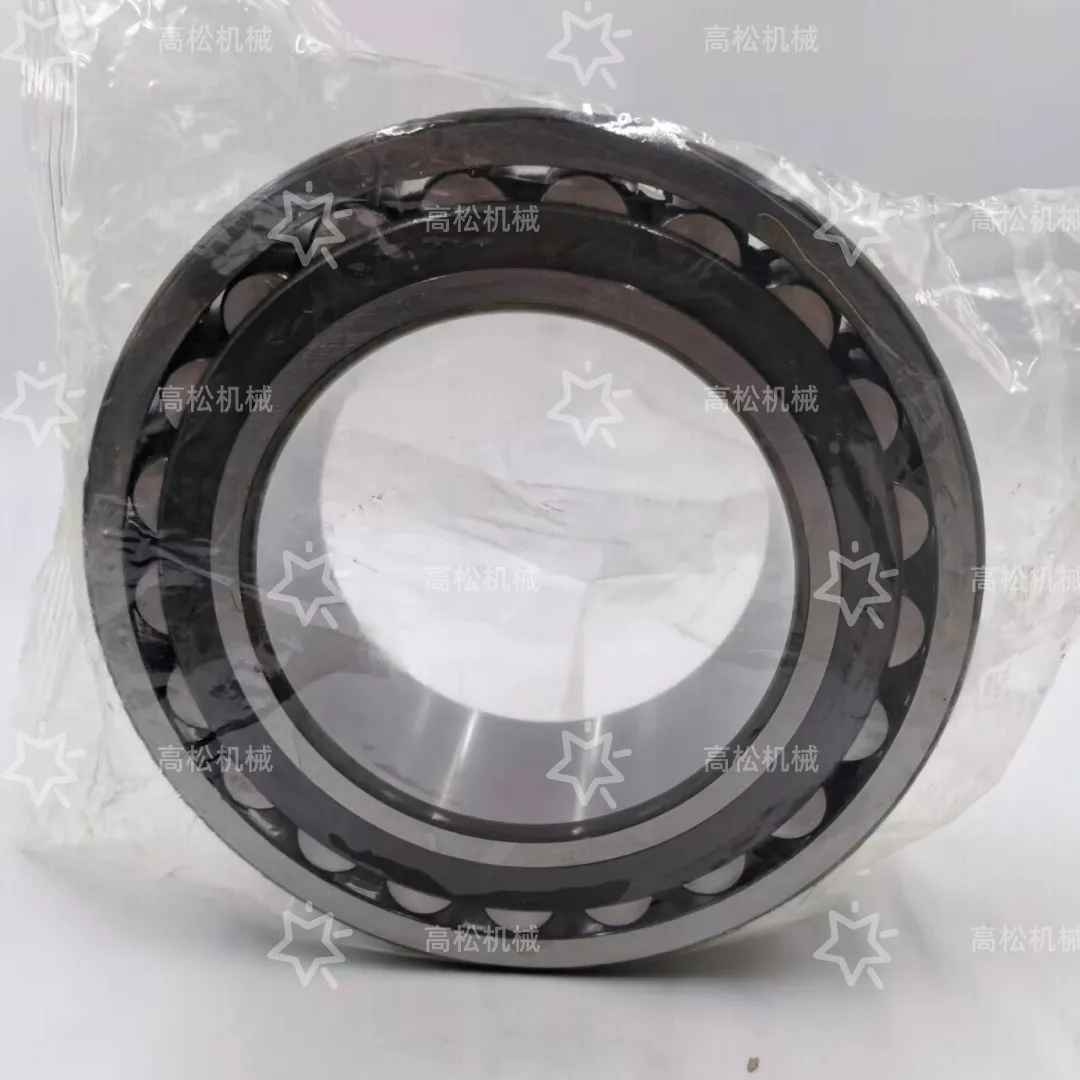 208-26-71530 2082671530 Bearing for Komatsu PC450 PC460 PC500 Excavator Swing Drive Bearing Reducer Bearing
 -
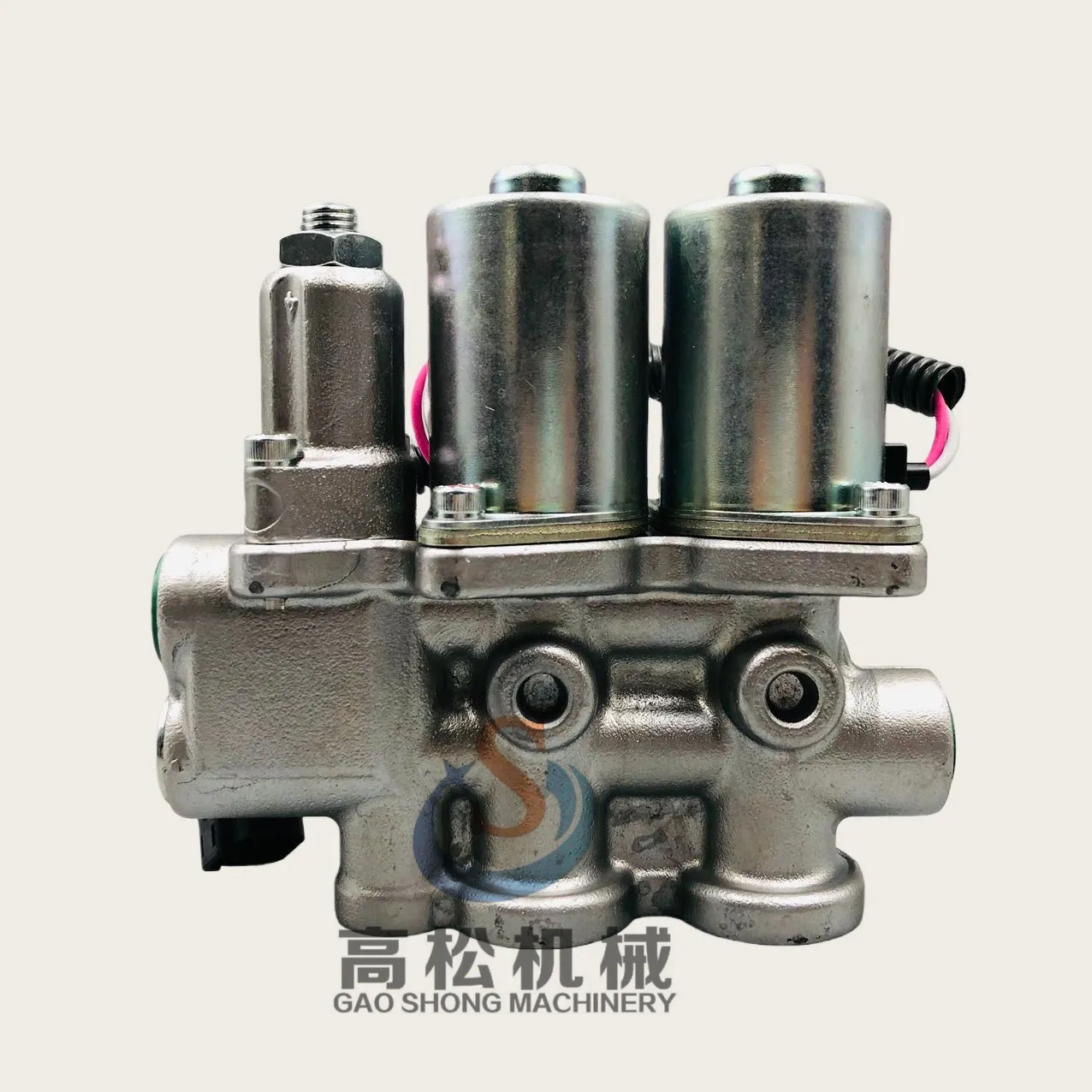 Solenoid Valve Assy 22F-60-31600
 -
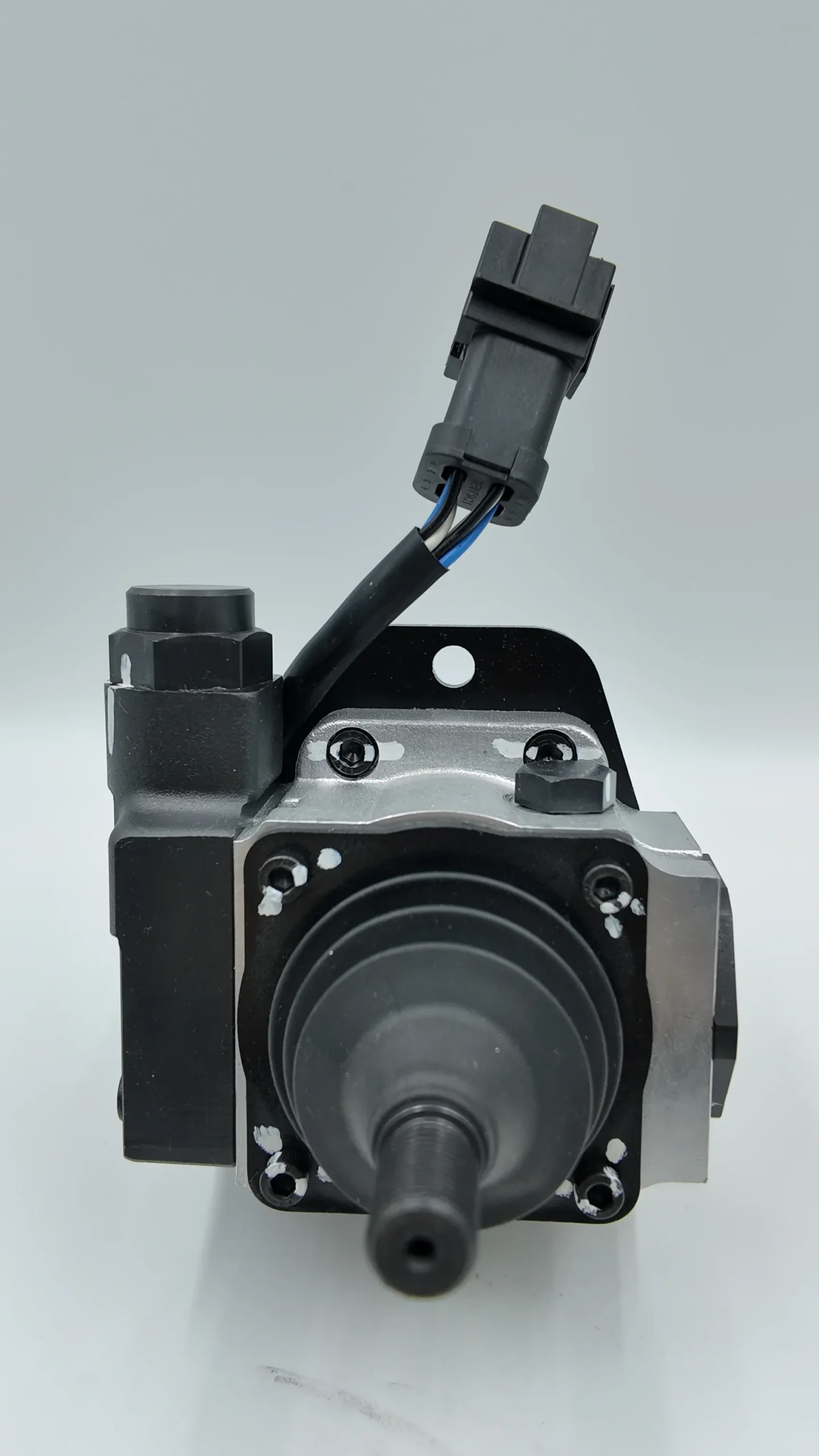 702-16-02290 LEVER ASS’Y-Komatsu Original Factory
 -
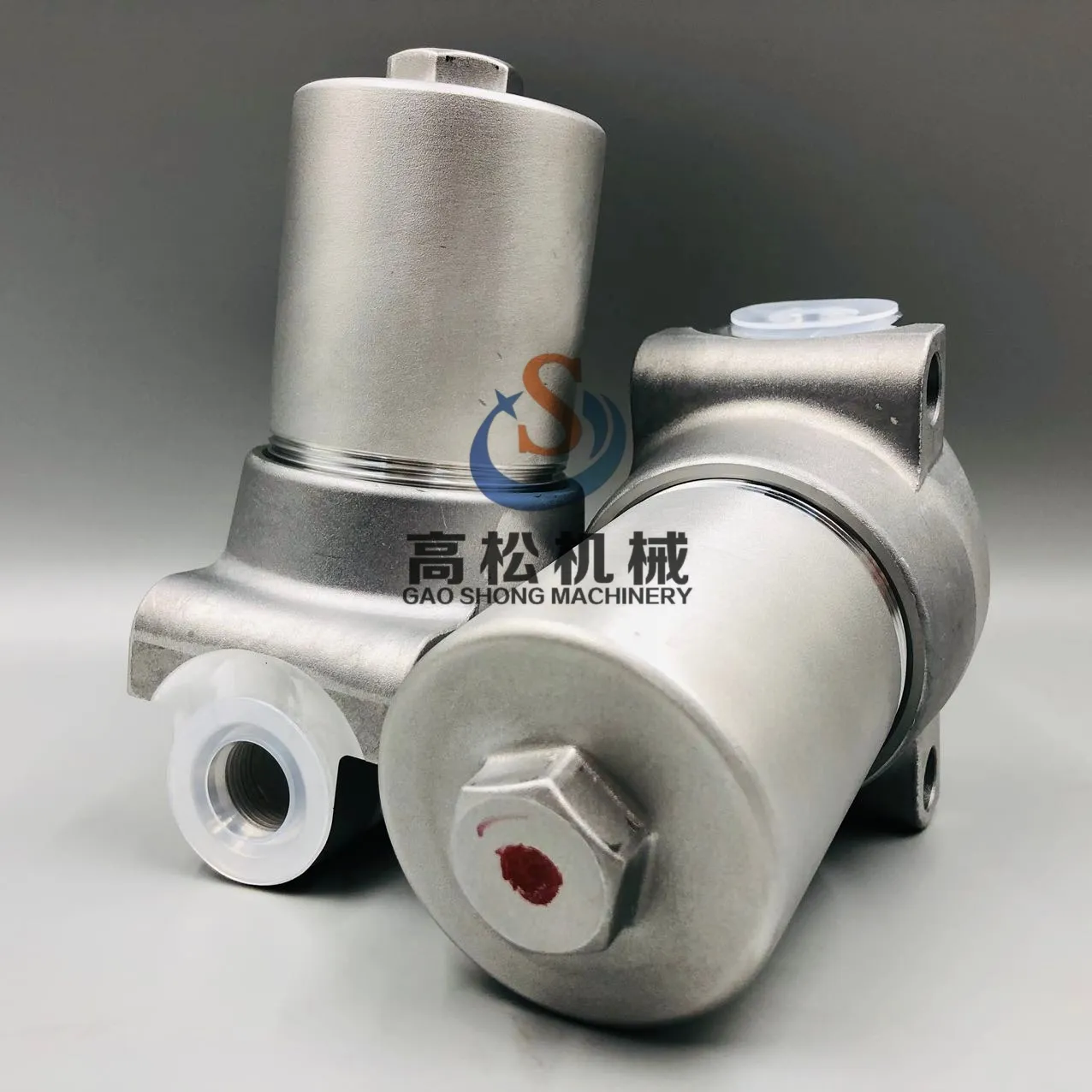 20Y-62-51681 Filter Assembly for PC130 PC220 PC240 PC270 PC290 PC300 PC350 PC400
 -
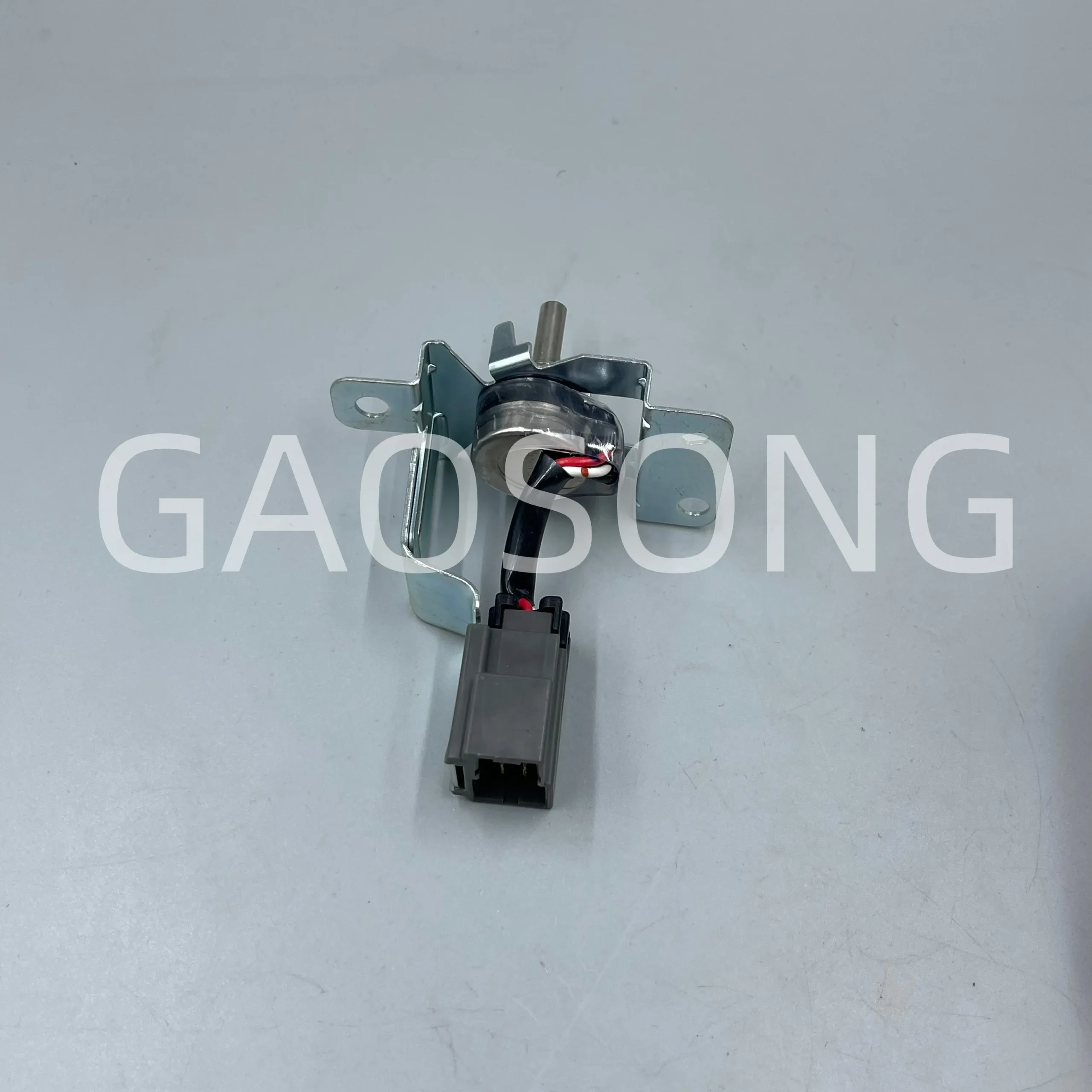 22U-06-22420 POTENIOMETER ASS’Y-Komatsu Original Factory
 -
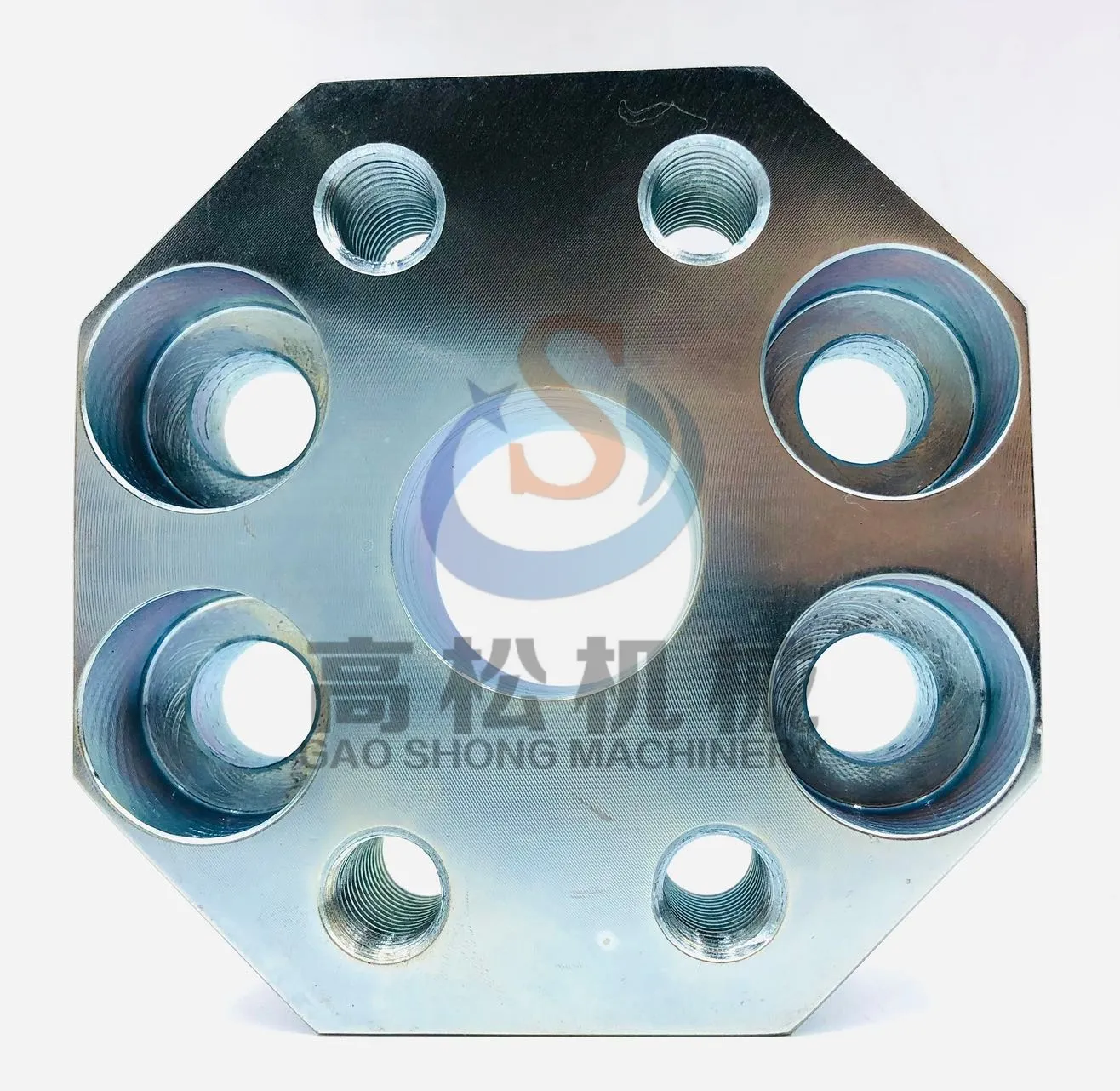 Komatsu excavator PC1250 flange 21N-62-11361
 -
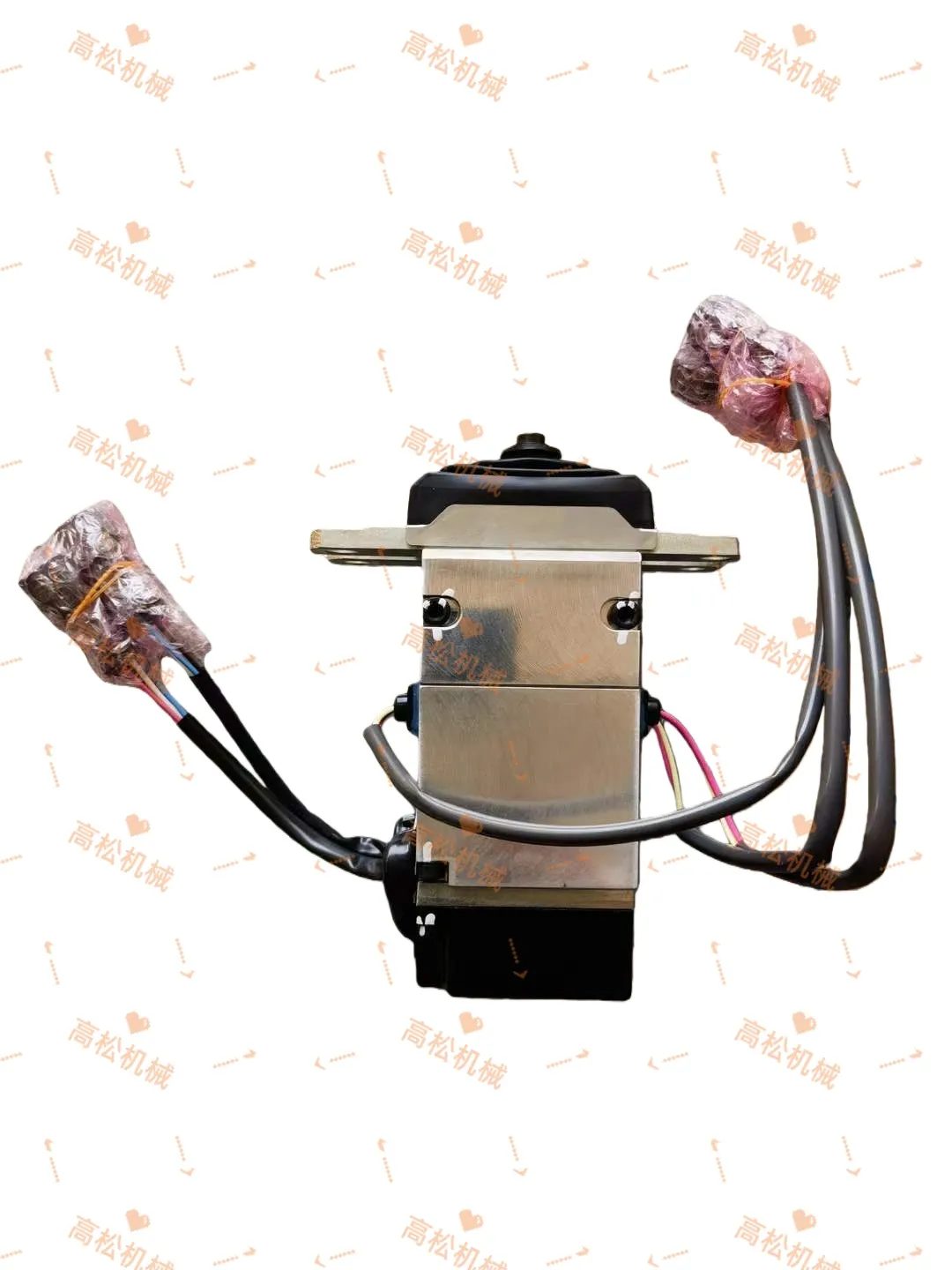 Komatsu Wheel loader machines WA500 WA480 WA470 702-16-02144 702-16-02143 Komatsu Control lever 702-16-02144 for Wheel loader WA480-5H
 -
 424-15-16410 Komatsu SHIM, 0.5mm
 -
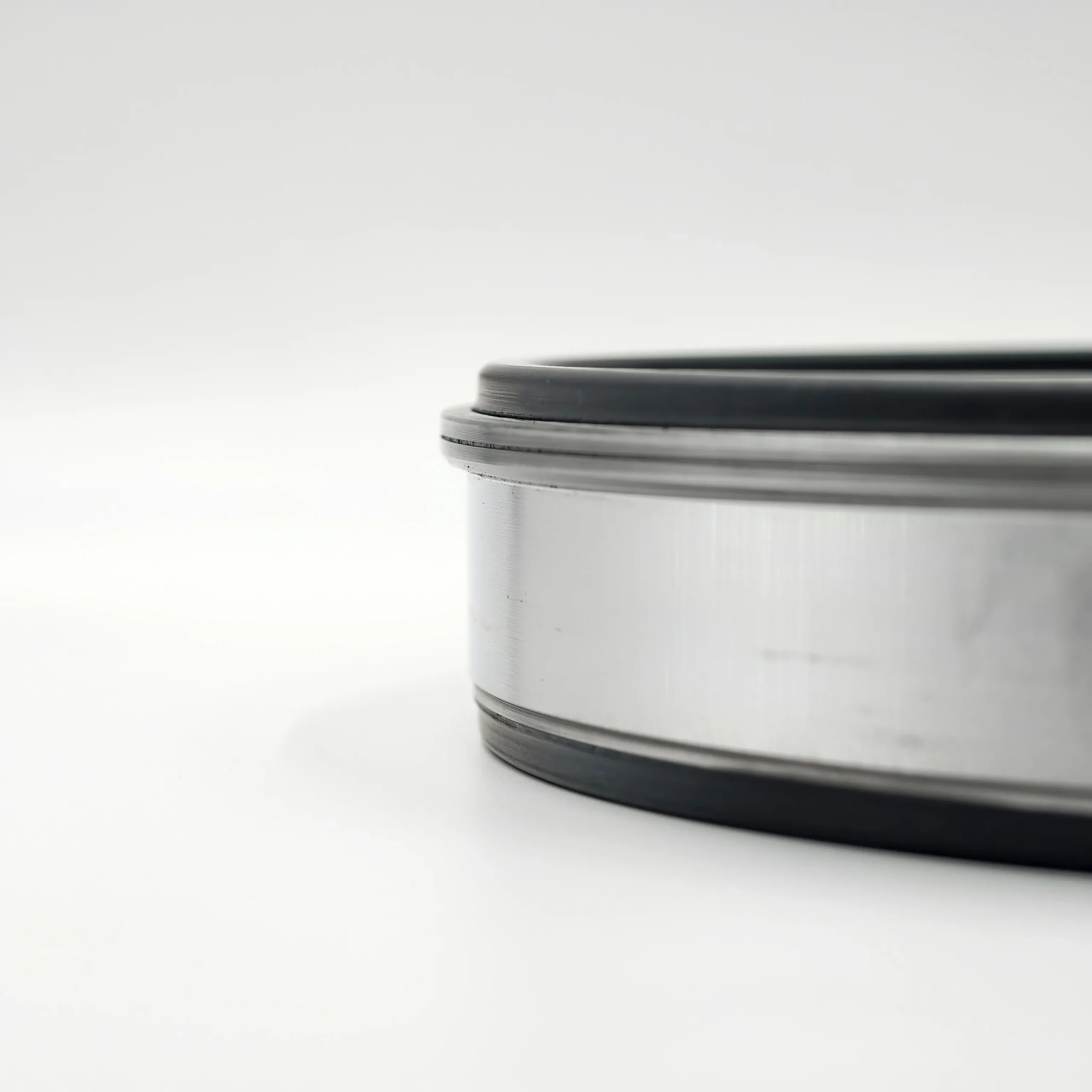 KOMATSU-Collar Assembly 14Y-21-13242
Related Search
Related Search- zenoah komatsu goped engine
- OEM AND ORIGINAL KOMATSU BEARING 06000-32056
- parts komatsu online
- komatsu parts near me
- Komatsu monitor
- Komatsu grader parts
- OEM AND ORIGINAL KOMATSU BEARING 426-46-31320
- komatsu 4 cylinder engine
- OEM AND ORIGINAL KOMATSU PANEL ASSY 20Y-979-6141
- OEM AND ORIGINAL KOMATSU BUSHING 707-46-11520