
- Chinese
- French
- German
- Portuguese
- Spanish
- Russian
- Japanese
- Korean
- Arabic
- Irish
- Greek
- Turkish
- Italian
- Danish
- Romanian
- Indonesian
- Czech
- Afrikaans
- Swedish
- Polish
- Basque
- Catalan
- Esperanto
- Hindi
- Lao
- Albanian
- Amharic
- Armenian
- Azerbaijani
- Belarusian
- Bengali
- Bosnian
- Bulgarian
- Cebuano
- Chichewa
- Corsican
- Croatian
- Dutch
- Estonian
- Filipino
- Finnish
- Frisian
- Galician
- Georgian
- Gujarati
- Haitian
- Hausa
- Hawaiian
- Hebrew
- Hmong
- Hungarian
- Icelandic
- Igbo
- Javanese
- Kannada
- Kazakh
- Khmer
- Kurdish
- Kyrgyz
- Latin
- Latvian
- Lithuanian
- Luxembou..
- Macedonian
- Malagasy
- Malay
- Malayalam
- Maltese
- Maori
- Marathi
- Mongolian
- Burmese
- Nepali
- Norwegian
- Pashto
- Persian
- Punjabi
- Serbian
- Sesotho
- Sinhala
- Slovak
- Slovenian
- Somali
- Samoan
- Scots Gaelic
- Shona
- Sindhi
- Sundanese
- Swahili
- Tajik
- Tamil
- Telugu
- Thai
- Ukrainian
- Urdu
- Uzbek
- Vietnamese
- Welsh
- Xhosa
- Yiddish
- Yoruba
- Zulu
- Kinyarwanda
- Tatar
- Oriya
- Turkmen
- Uyghur






komatsu pc40 engine
When you hear 'Komatsu PC40 engine', most guys immediately think of the Komatsu 4D95LE. That's the classic, the one that comes to mind. But here's the thing – and this is where a lot of confusion starts – the PC40 model spanned years, and depending on the market and the specific series (like the PC40MR-2 or the older PC40-7), you could be looking at slightly different specs or even a different power plant from the same family. The core idea is a robust, mid-range diesel workhorse, but assuming every PC40 under the sun has the exact same engine setup is the first mistake. I've seen people order parts based solely on the machine model and get burned because the serial number prefix told a different story.
More Than Just a Model Number: The 4D95LE in Practice
The 4D95LE is a four-cylinder, naturally aspirated diesel. It's not about high horsepower; it's about torque and reliability in a compact excavator frame. In the field, its performance is adequate for the machine's class – you're not winning any speed contests, but it should start reliably, dig consistently, and not overheat under normal load. The key word is should. Where I see most operational issues isn't with the engine's fundamental design, but with the support system. The hydraulic pump draws significant power, and if the pump is worn or the system has internal leakage, the engine will lug, smoke black, and seem underpowered. It's easy to blame the engine, but often it's a hydraulic issue masquerading as an engine problem.
Cooling is another critical point. The radiator and oil cooler sit right there in the front, sucking in debris. In forestry or demolition work, even with a screen, fins get clogged. I've dealt with machines where the owner complained of intermittent overheating. We chased thermostats and water pumps, but the root cause was a 30% blockage in the core that only showed up under sustained high ambient temperature operation. A simple deep clean solved it. It sounds obvious, but you'd be surprised how many engine problems are just maintenance oversights.
Fuel system sensitivity is a known trait. The older mechanical injection pumps on these are generally sturdy, but they don't tolerate poor-quality fuel or water ingress at all. A single bout of bad diesel can mean a full pump and injector service. I always stress using a good primary filter/water separator and actually draining the bowl regularly. It's cheap insurance. The lift pump can also be a weak point over time, leading to hard starting or power loss under load as it fails to supply adequate fuel pressure.
The Parts Conundrum and Where Companies Like Gaosong Fit In
This is the real-world headache. You need a head gasket, or a set of valve stem seals, or a genuine fuel injection pipe. Going through the official Komatsu dealer network is the surest path, but in some regions, the wait time or cost can be prohibitive, especially for older models like the PC40 series that are no longer frontline machines. This is where the landscape gets interesting and where having a reliable alternative source is crucial.
There are tiers of parts suppliers. You have the pure aftermarket, which can be a gamble – some pattern parts are fine for non-critical items, but I'd never use an aftermarket head gasket on a 4D95LE. Then you have companies that operate within the OEM ecosystem but provide a parallel channel. For instance, Jining Gaosong Construction Machinery Co., Ltd. positions itself as an OEM product supplier within the Komatsu system. In my experience, this often means they have access to genuine or OEM-specification components, sometimes through different supply chains, which can help solve parts supply challenges in certain countries. It's not about being cheaper, necessarily, but about being available. Their site, https://www.takematsumachinery.com, is one I've seen referenced by owners in Southeast Asia and Africa who needed parts for older Komatsu models where local dealer stock was nonexistent.
The value of a supplier like this isn't just in having a catalog. It's in understanding the interchangeability. Can a gasket kit from a 4D95L fit the LE? Sometimes yes, sometimes no. A good technical contact at such a company should know these nuances. I recall helping a client source a crankshaft front seal. The official part was on backorder for weeks. A supplier with deep system knowledge was able to cross-reference the seal dimensions and material spec and provide a quality Japanese-made alternative that wasn't in the Komatsu box but was functionally identical. That machine was back digging in three days.
Common Failure Points and Diagnostic Pitfalls
Beyond general maintenance, some issues are more prevalent. Valve adjustment is often neglected. These are solid lifter engines, and the clearances need to be checked periodically. Tight valves lead to burnt seats and loss of compression. A simple, rhythmic tapping at idle can often hint at this. Another classic is blow-by. As these engines age, ring wear increases crankcase pressure. If you see excessive oil mist coming out of the breather hose, or worse, oil being pushed out of seals, it's time to consider the engine's overall health. A compression test is more telling than just listening to it run.
Electrical gremlins on the PC40 can also mimic engine trouble. The fuel cut solenoid on the injection pump can fail intermittently. The machine just dies. Or the engine speed sensor (if equipped) gives a faulty signal to the monitor, making you think the governor is failing. I spent half a day once diagnosing a low power complaint only to find a corroded connector at the throttle position sensor, causing the pump to not receive the full signal. It's never just the engine; it's the engine as part of a system.
Then there's the turbocharged misconception. Some later PC40 variants might have a turbo, but the vast majority of the 4D95LEs are NA. So, if someone is trying to sell you a turbo repair kit for a standard PC40, that's a red flag. Knowing exactly what you have, down to the serial number breakdown, is half the battle in diagnostics and parts sourcing.
Rebuild or Replace? A Practical Cost-Benefit
When a PC40 engine is truly tired – low compression, excessive oil consumption, maybe a bottom-end knock – the owner faces a decision. A full OEM rebuild kit is expensive. A complete remanufactured long block might be a better value, but you need a trusted source. The third path, which I've seen more in emerging markets, is a direct replacement from a different manufacturer. This is risky. While the physical dimensions might match, the flywheel housing bolt pattern, pump mounting flange, and engine mount points can be off by millimeters, creating a nightmare of adaptation.
My general rule for a machine with a decent undercarriage and hydraulics: a quality rebuild using known-good components is worth it. The PC40 chassis is durable. Swapping in a completely unknown engine to save 20% upfront can lead to 100% more downtime later. This is another scenario where a knowledgeable supplier is key. They can provide not just the parts, but a realistic assessment of what's needed – a full kit, or just a top-end overhaul based on your mechanic's tear-down findings.
Labor is the hidden cost. An engine swap in a compact excavator is tight work. It's not like a truck. You're often pulling the engine up and out, dealing with confined spaces. Having the correct service manual procedure (not just winging it) saves countless hours. I've seen mechanics shear hydraulic lines because they tried to yank the engine without disconnecting everything properly.
The Bottom Line: Knowledge is the Best Tool
Ultimately, the Komatsu PC40 engine represents a specific era of reliable, mechanical-focused design. Its problems are usually well-documented and, with proper diagnosis, fixable. The challenge in 2024 isn't the engineering; it's the logistics of support for a aging global fleet. Successfully keeping these machines running hinges on three things: accurate machine identification (model, series, serial number), understanding the engine as part of a larger system (hydraulics, electrical, cooling), and cultivating a network of reliable parts and information sources.
Companies that fill the gaps in the official supply chain, like Jining Gaosong Construction Machinery Co., Ltd., play a vital role in that ecosystem. They're not a magic bullet, but a potential solution when standard channels are blocked. Their stated role as a third-party sales company for Komatsu suggests they can navigate the genuine parts landscape in ways a pure aftermarket player cannot. For an owner or a field mechanic, that's a resource worth knowing about.
The PC40 and its 4D95LE won't win awards for modern efficiency or emissions. But there's a reason there are so many still working. They're simple enough to be understood, tough enough to take a beating, and with the right care and the right parts support, they'll keep digging for a long time yet. It's about working with what you have, and knowing where to look when you need help.
Related Products
Related Products

Best Selling Products
Best Selling Products-
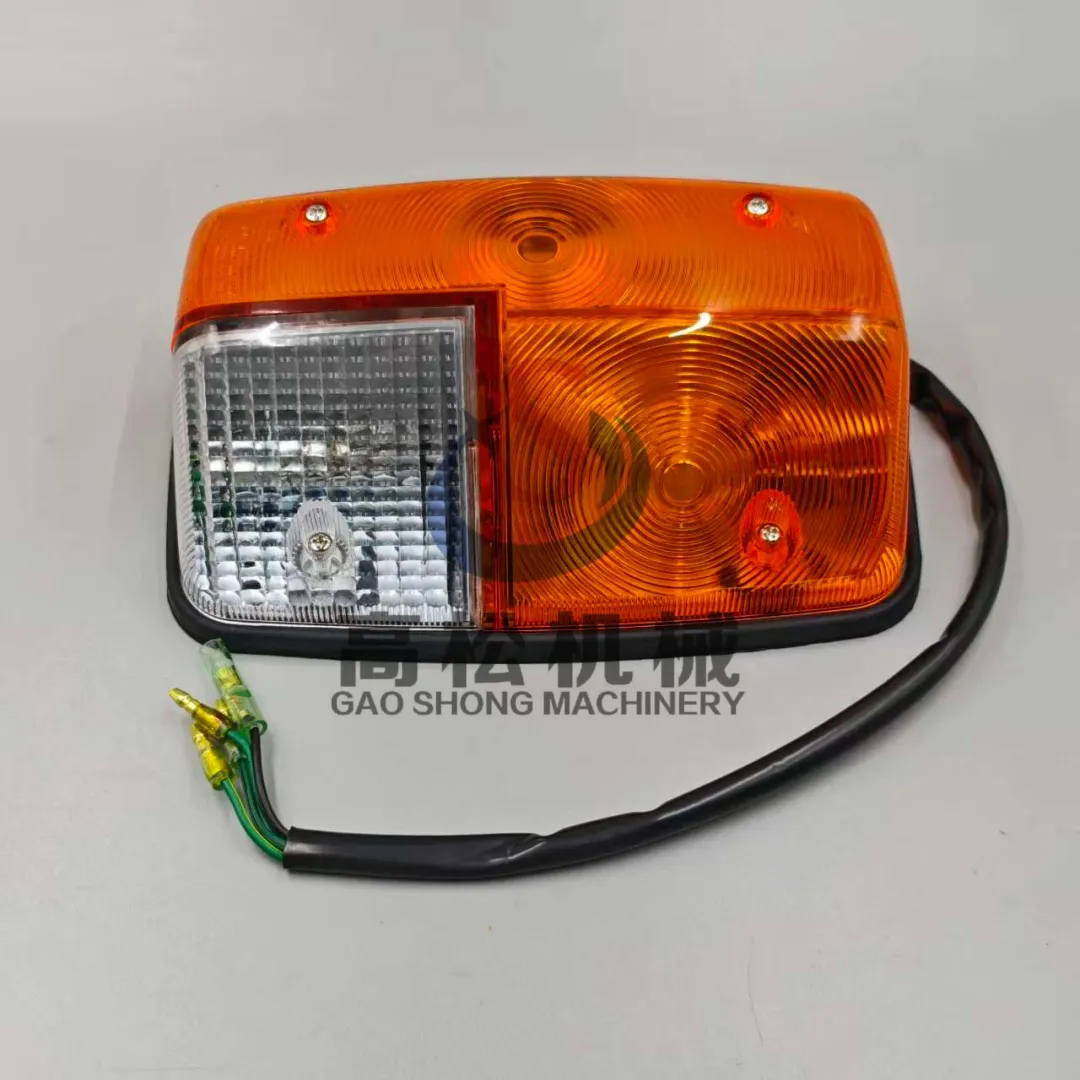 421-06-13401 LIGHT ASSEMBLY, TURN SIGNAL AND PARKING
 -
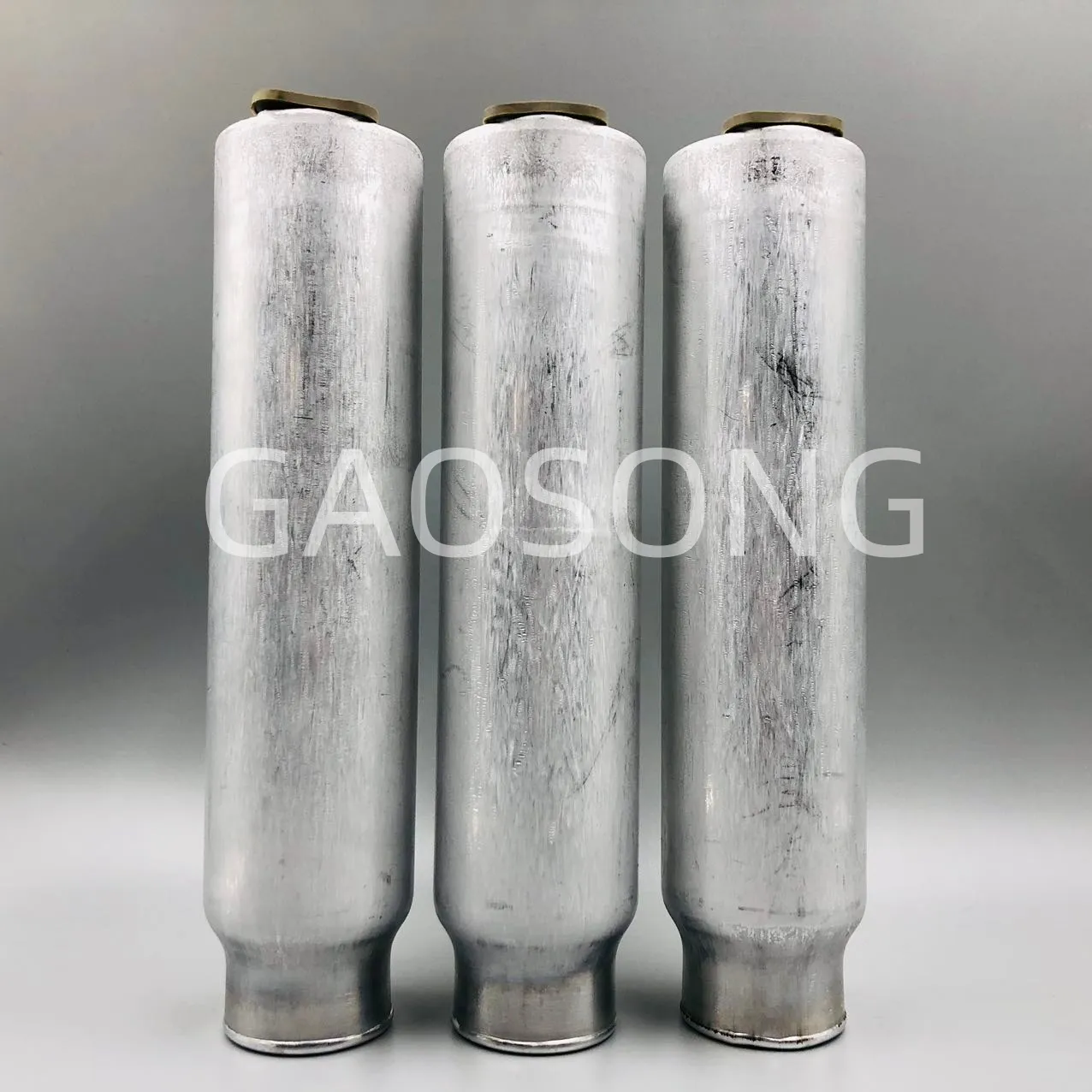 20Y-979-3120 TANK.-Komatsu Original Factory
 -
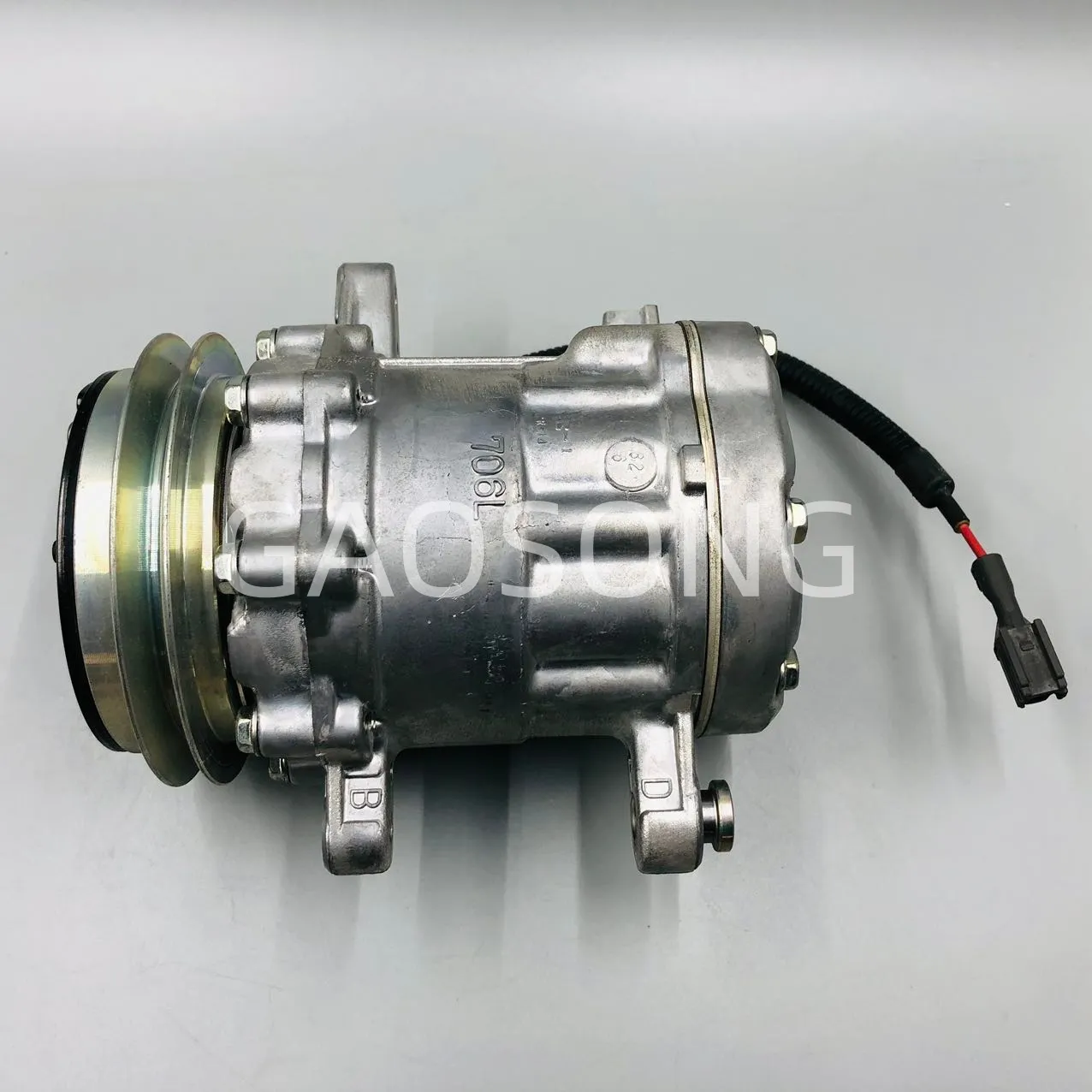 22L-979-2200 • COMPRESSOR-Komatsu Original Factory
 -
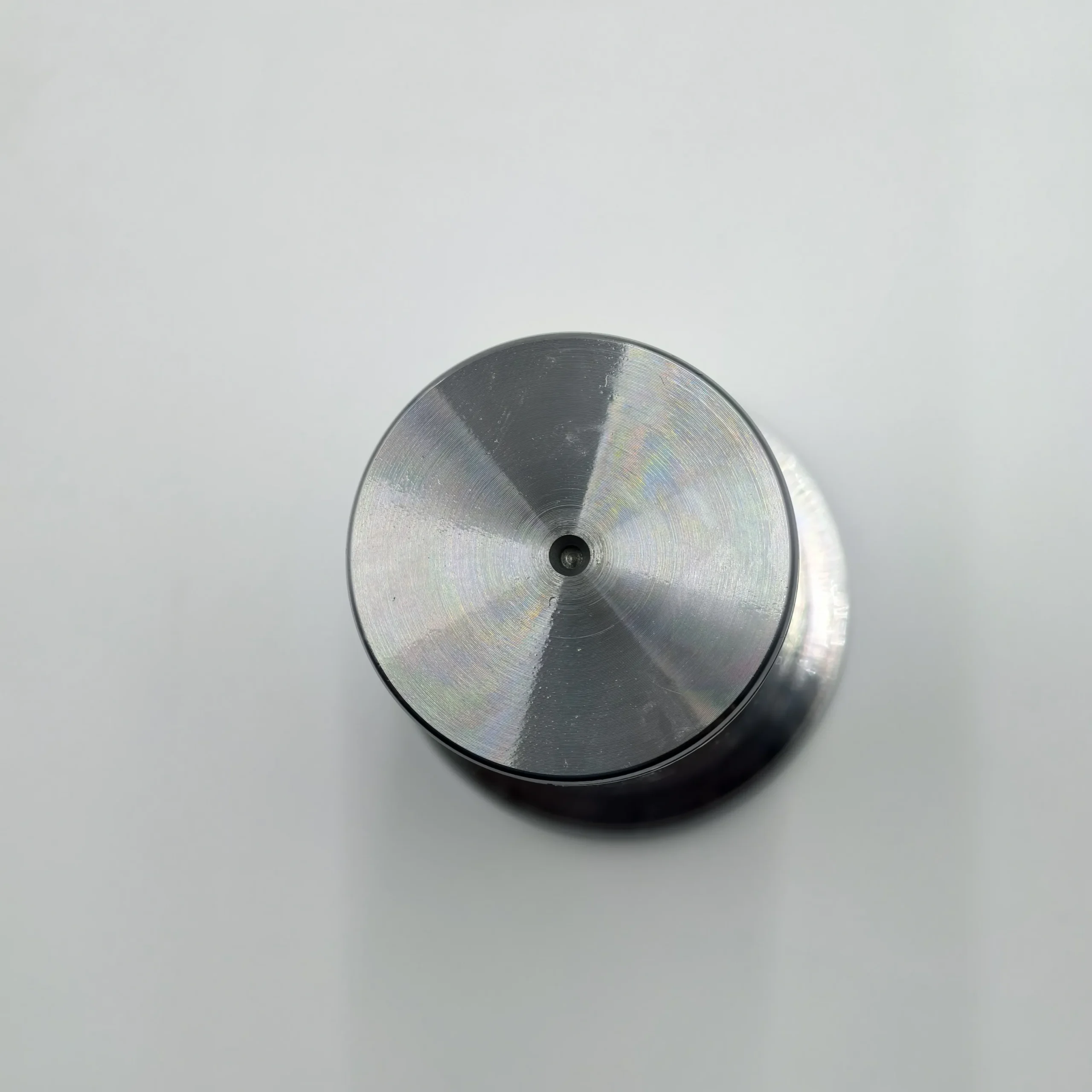 PIN – 21N-26-33240
 -
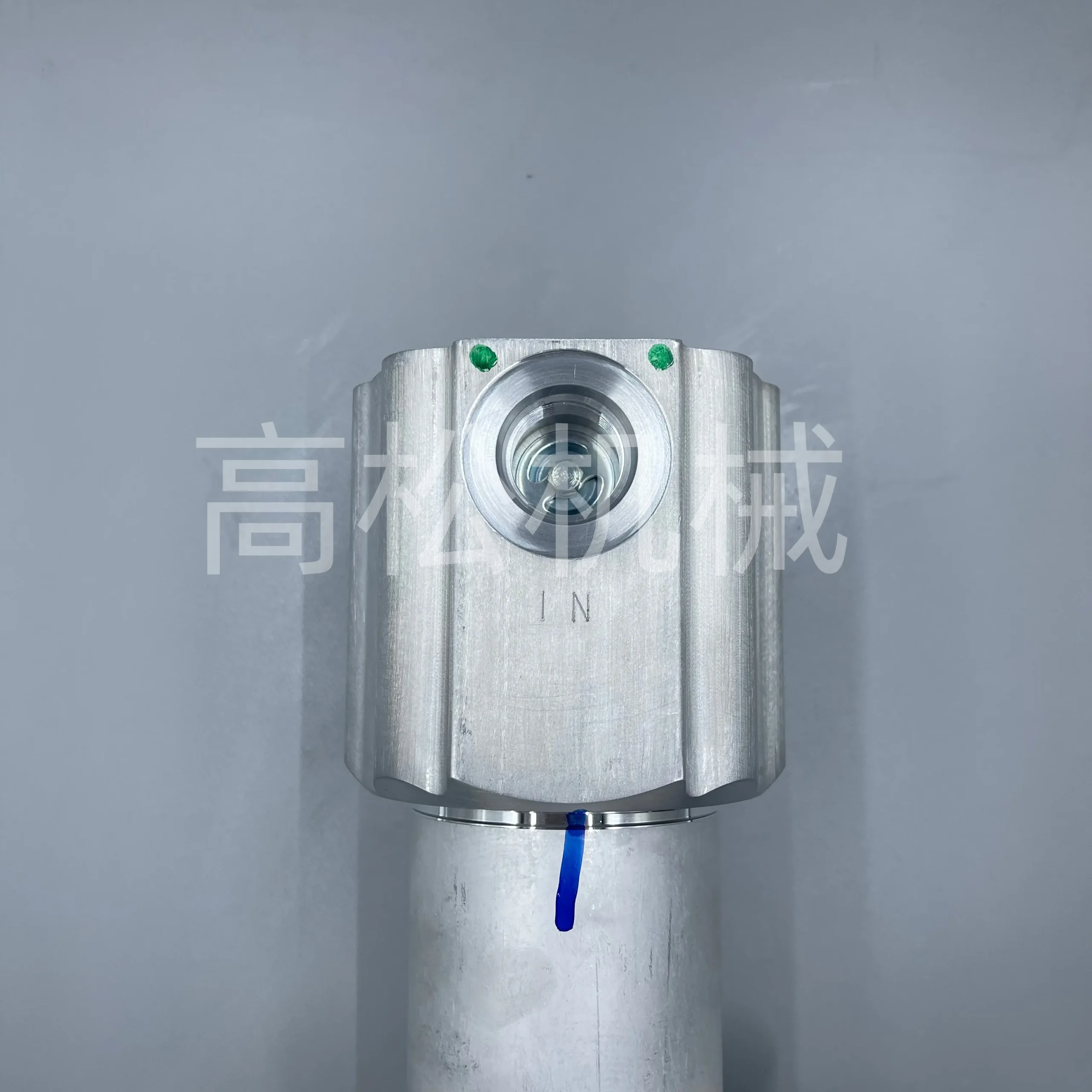 569-43-83911 Filter Assembly–Komatsu Original Factory
 -
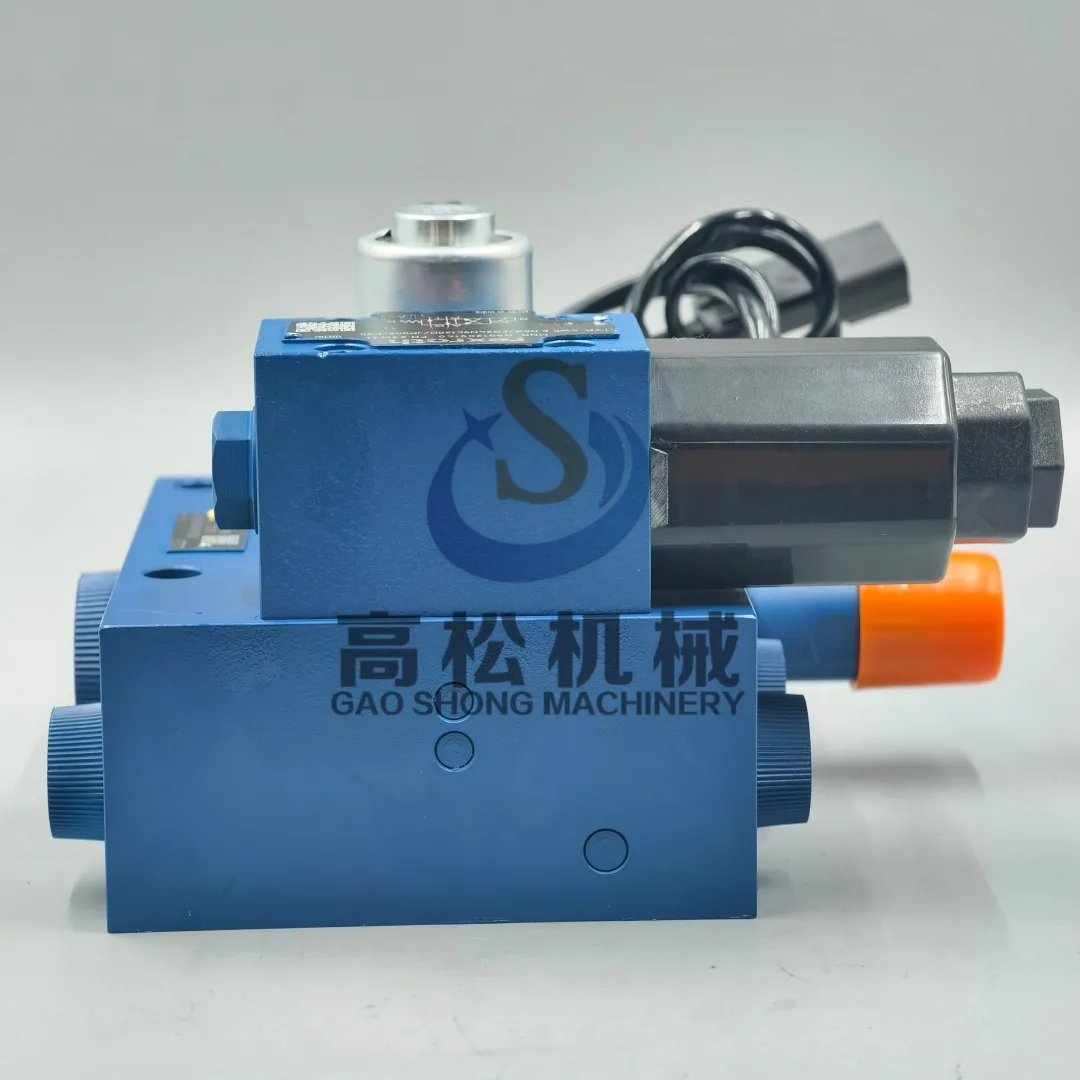 Komatsu 56B-43-12402 Valve for machines model HD405-7
 -
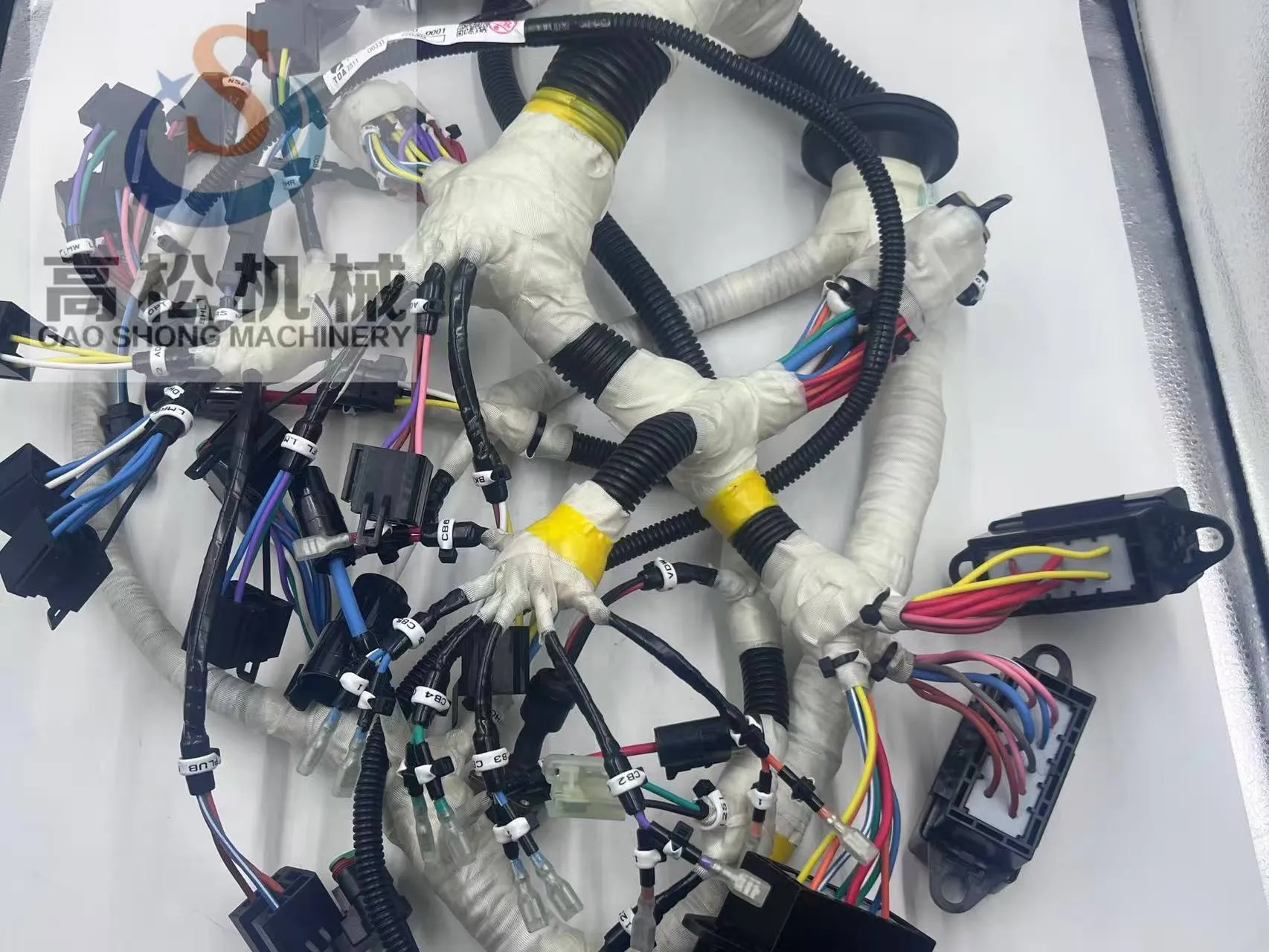 D375A-6Wiring harness 195-06-84641
 -
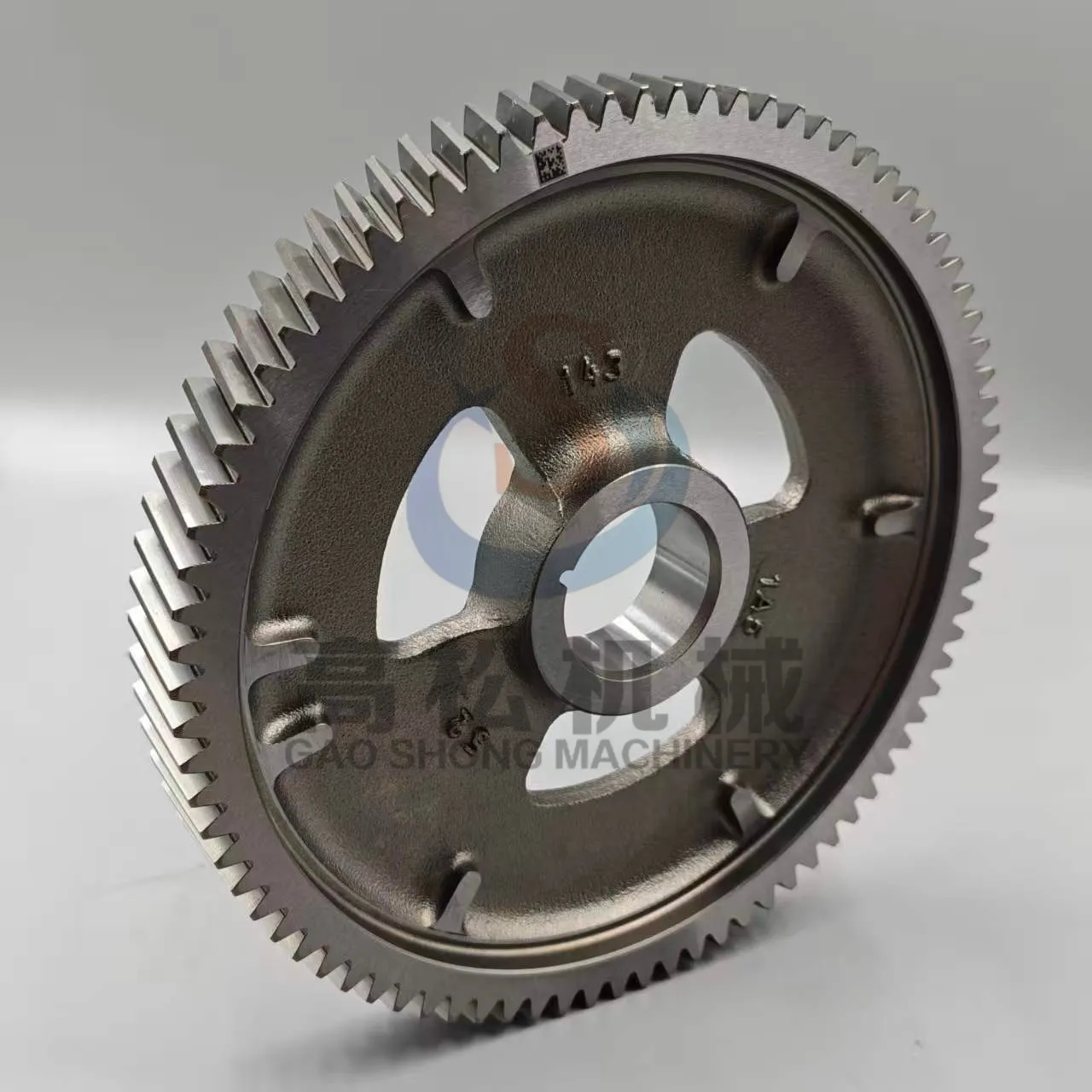 GEAR 6745-41-1131 – KOMATSU
 -
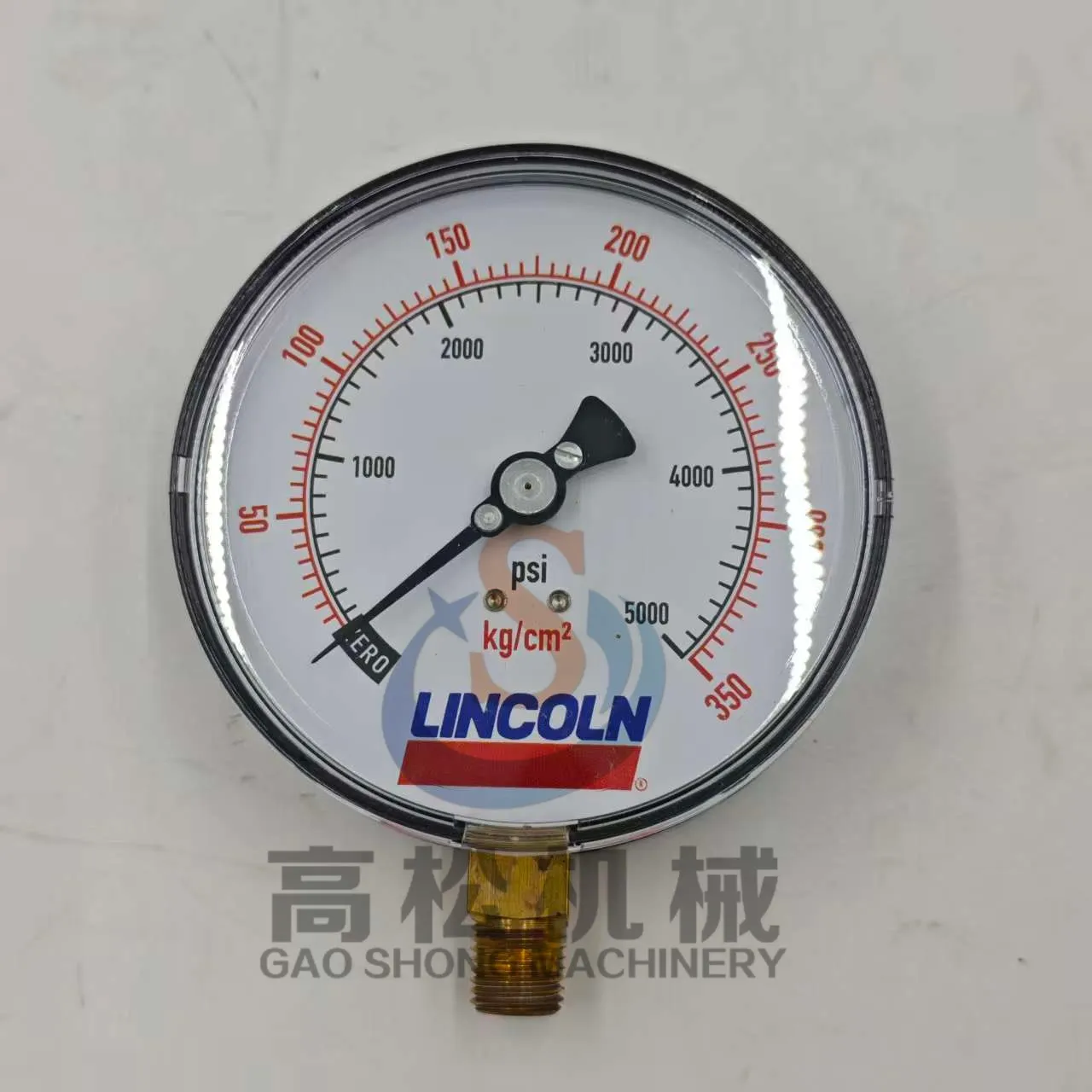 427-S95-2410 Komatsu Gauge, Pressure
 -
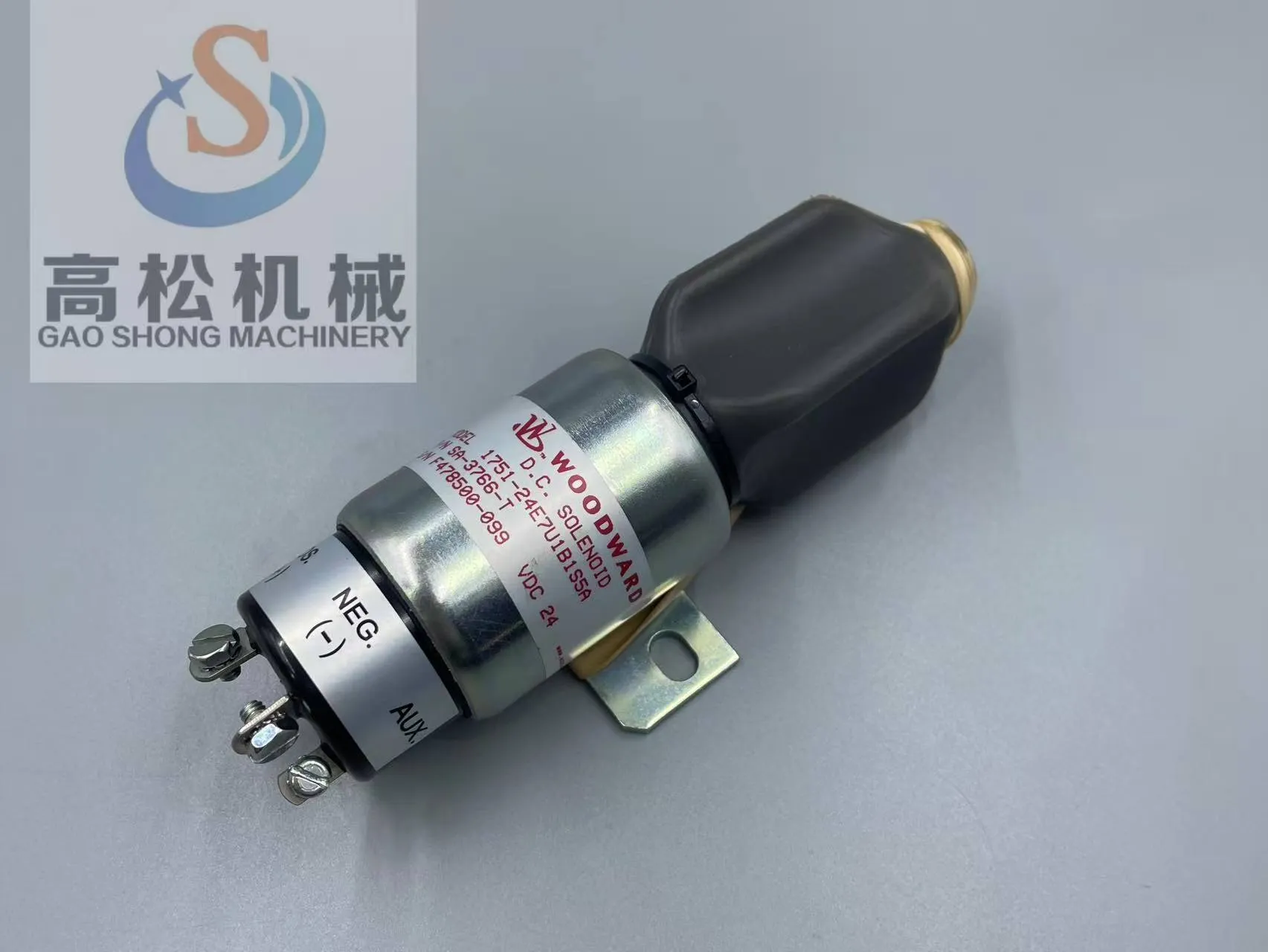 12v high quality electromagnetic stop valve for excavators pc75uu-3, pc78us-5, pc60-7e, pc78uu-6 with 4d95 engine (part number 600-815-7550)
 -
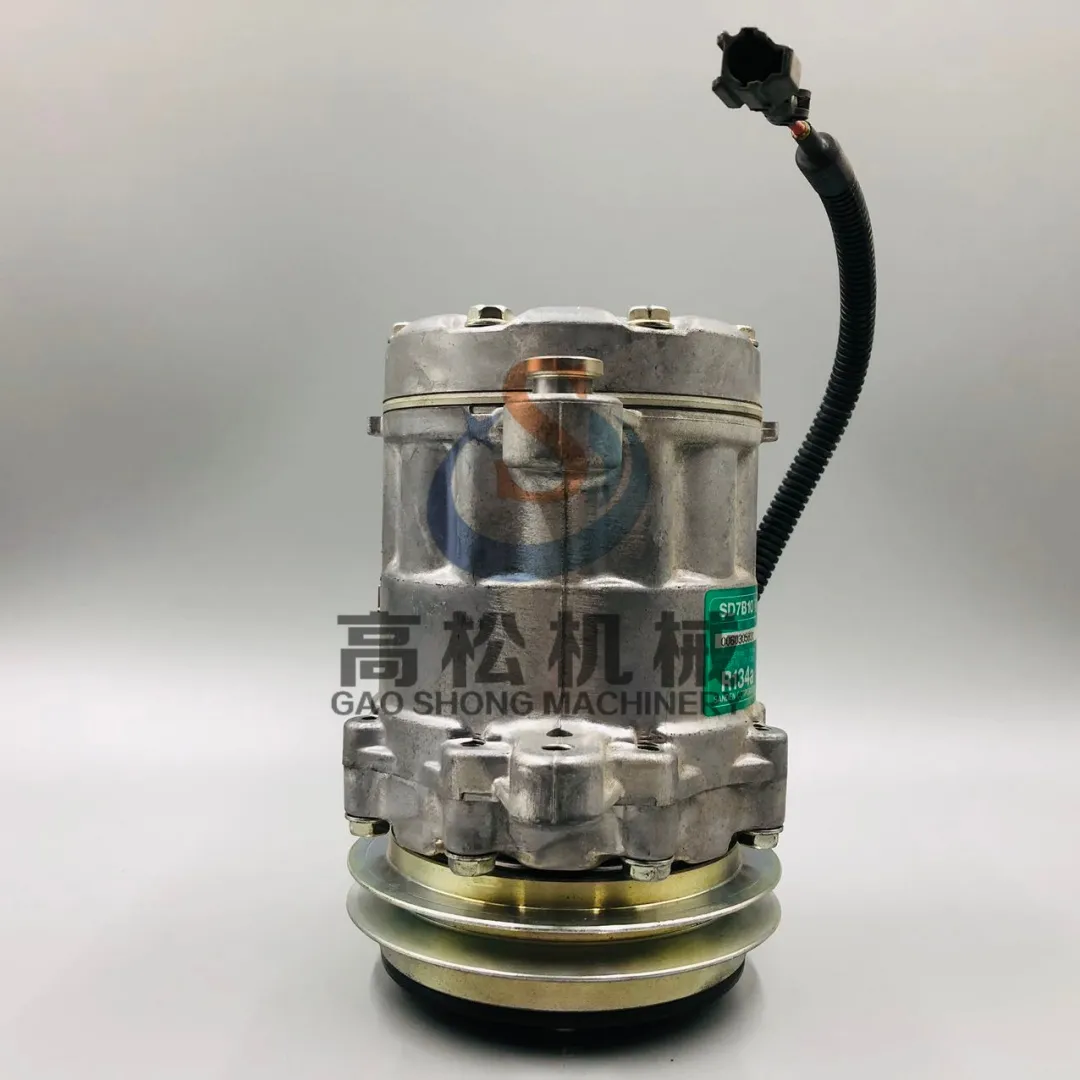 A/C Compressor 22L-979-2200 For Komatsu
 -
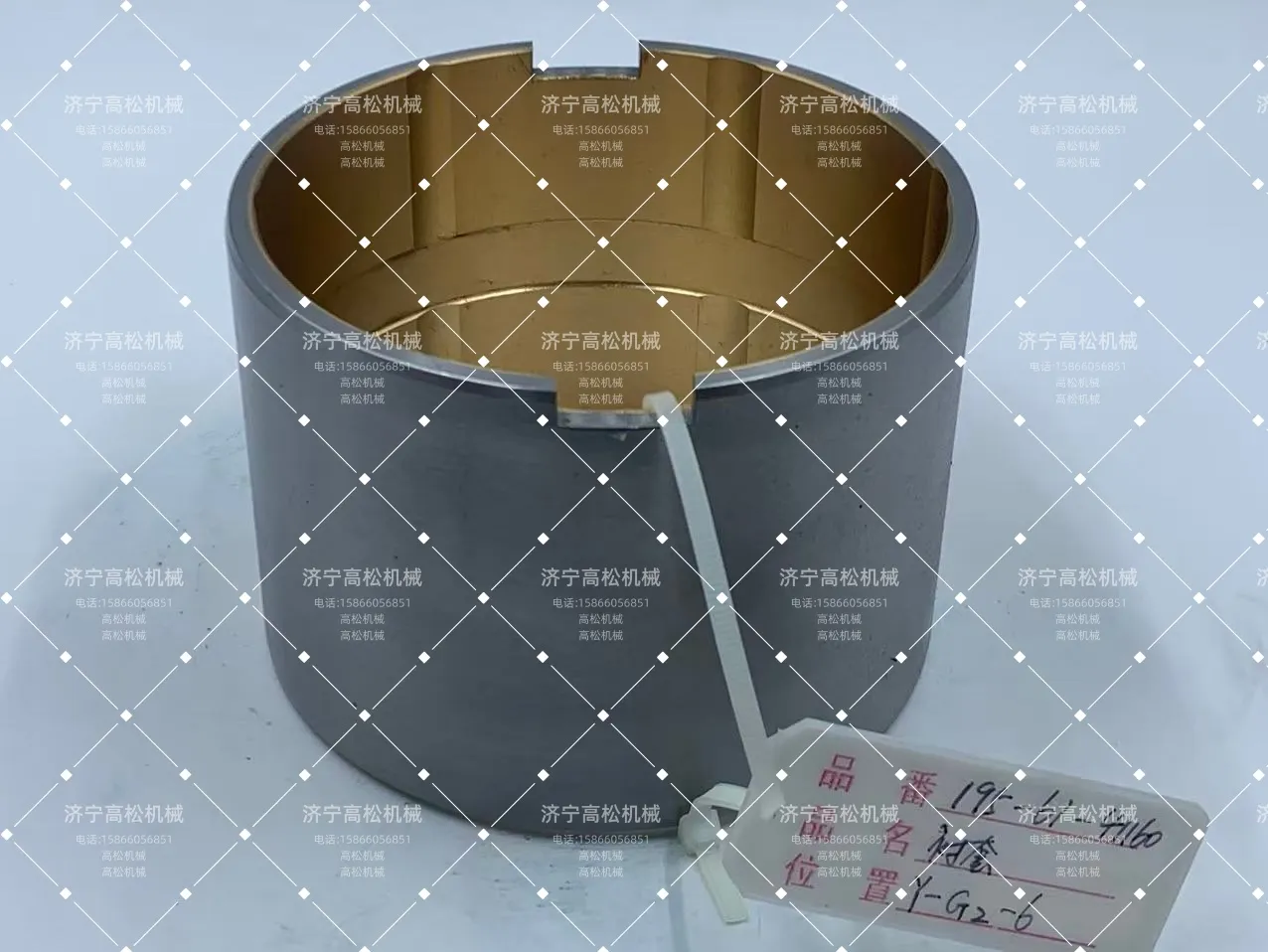 Komatsu original D375A-1 Sleeve 195-61-41160 – Jining Gaosong…