
- Chinese
- French
- German
- Portuguese
- Spanish
- Russian
- Japanese
- Korean
- Arabic
- Irish
- Greek
- Turkish
- Italian
- Danish
- Romanian
- Indonesian
- Czech
- Afrikaans
- Swedish
- Polish
- Basque
- Catalan
- Esperanto
- Hindi
- Lao
- Albanian
- Amharic
- Armenian
- Azerbaijani
- Belarusian
- Bengali
- Bosnian
- Bulgarian
- Cebuano
- Chichewa
- Corsican
- Croatian
- Dutch
- Estonian
- Filipino
- Finnish
- Frisian
- Galician
- Georgian
- Gujarati
- Haitian
- Hausa
- Hawaiian
- Hebrew
- Hmong
- Hungarian
- Icelandic
- Igbo
- Javanese
- Kannada
- Kazakh
- Khmer
- Kurdish
- Kyrgyz
- Latin
- Latvian
- Lithuanian
- Luxembou..
- Macedonian
- Malagasy
- Malay
- Malayalam
- Maltese
- Maori
- Marathi
- Mongolian
- Burmese
- Nepali
- Norwegian
- Pashto
- Persian
- Punjabi
- Serbian
- Sesotho
- Sinhala
- Slovak
- Slovenian
- Somali
- Samoan
- Scots Gaelic
- Shona
- Sindhi
- Sundanese
- Swahili
- Tajik
- Tamil
- Telugu
- Thai
- Ukrainian
- Urdu
- Uzbek
- Vietnamese
- Welsh
- Xhosa
- Yiddish
- Yoruba
- Zulu
- Kinyarwanda
- Tatar
- Oriya
- Turkmen
- Uyghur






komatsu pc40 7 parts manual
You search for 'komatsu pc40 7 parts manual' and you're probably in one of two boats: either you're trying to do a repair yourself and need the right diagrams, or you're a service manager hunting for a part number that your local dealer can't seem to source. There's a common misconception that having the manual is a silver bullet. It gives you the map, sure, but it doesn't always tell you where the roads are washed out. The PC40-7, a solid midi excavator, has been around long enough that parts obsolescence and supply chain gaps are real headaches. The manual is the starting point, not the finish line.
The Manual is a Reference, Not a Bible
I've got a PDF of the komatsu pc40 7 parts manual on my desktop that I've probably opened a thousand times. The breakdowns for the swing mechanism or the hydraulic pump assembly are detailed, no doubt. But here's the thing the pages don't tell you: Komatsu's official system sometimes lists parts as NLA—no longer available. You'll find the exact part number, call up your local distributor, and hit a wall. That's when the real work begins. The manual's value shifts from being an ordering guide to becoming a forensic tool for identifying cross-references or compatible assemblies.
For instance, the seal kit for the PC40-7's main control valve. The manual lists it as a specific Komatsu number. When that's discontinued, you're not just stuck. You use the manual's schematic to identify the valve model (like a Kayaba or Nachi unit that Komatsu sourced), then you start looking for the OEM supplier's equivalent kit. This is where relationships with suppliers who understand this layer, like Jining Gaosong Construction Machinery Co., Ltd., become critical. They operate within that gray area between the official Komatsu system and the aftermarket, often having access to the original component manufacturer's channels.
I learned this the hard way years ago on a job where we needed a pilot valve spring. The official part was on a 3-month backorder from Japan. We had a machine down. By using the manual to identify the spring's specs and its position in the hydraulic schematic, we were able to match it to a generic spring from a hydraulic specialist. It wasn't in the manual's parts list, but the manual gave us the context to make an educated, and ultimately successful, substitution. The machine ran for another two years before we sold it.
Where Official Channels Fall Short
Komatsu's distribution is top-tier in major markets, but in certain regions—think parts of Africa, South America, or even some areas in Eastern Europe—the pipeline can be thin or prohibitively expensive. This is the exact gap companies like Jining Gaosong talk about solving. They mention being an OEM product supplier within the Komatsu system and a third-party sales company. In practice, what that meant for me was accessing parts that were genuine Komatsu or OEM-identical, but routed through a different supply chain, often at a better lead time and cost for our operations in challenging locales.
Their site, https://www.takematsumachinery.com, isn't flashy, and that's often a good sign. It's a tool. You won't find an online cart for a PC40-7 swing bearing. You'll find contact info. The process is old-school: you email your part numbers from the manual, they check their stock across various warehouses (often in Asia where many components are still manufactured), and they quote you. It's a resource for when the standard order desk says 8-10 weeks. Their model essentially helps solve parts supply challenges in certain countries by leveraging a parallel network.
A concrete example: we had a PC40-7 with a cracked final drive case. The official Komatsu offering was the entire final drive assembly for a small fortune. The parts manual showed the case as a separate item, but it was flagged as not sold separately. Through a supplier in this parallel network, we sourced a brand-new casting that was an OEM production run for Komatsu. It came without the Komatsu logo painted on it, but the casting marks and bolt patterns were perfect. We pressed in our existing gears and bearings, and it was a fix at a third of the cost. The manual gave us the insight to know what we needed; the alternative supplier gave us the means to get it.
The Pitfalls of Aftermarket and Copy Parts
This brings up a crucial judgment call. When you go outside the official system, quality variance is massive. The komatsu pc40 7 parts manual lists every bolt, seal, and bushing. There are aftermarket kits that claim to cover an entire undercarriage rebuild. Some are decent, many are junk. You develop a feel for it. A seal from a reputable Japanese or German manufacturer, even if not in a Komatsu bag, is usually safe. A complete compatible hydraulic pump from an unknown factory? That's a huge risk.
I've been burned. We once used an aftermarket arm cylinder seal kit for a PC40-7. The dimensions matched the manual, but the compound of the primary pressure seal was wrong. It held for about 50 hours before it started weeping, then blew out under a heavy load. The downtime and rework cost more than the premium for the proper kit would have. Now, my rule is: critical dynamic components (hydraulic seals, pump parts, bearing surfaces) I try to source as genuine or certified OEM. Wear items like bucket teeth, some pins, and bushings I'm more open to vetted aftermarket options.
This is where a supplier's stance matters. A good third-party company won't push the cheapest copy part for a critical application. They should be able to tell you the provenance: This is from the same factory that makes them for Komatsu or This is a Taiwanese aftermarket brand, acceptable for non-critical use. The description from Jining Gaosong about being an OEM product supplier within the Komatsu system suggests they have access to that first-tier quality, which is what you need when the manual points you to a part that's essential for machine integrity.
Manual Literacy and Practical Cross-Referencing
Beyond just looking up pictures, using the parts manual effectively requires understanding Komatsu's numbering logic and how to cross-reference within it. A single component, like a joystick, might have its own assembly number, but its sub-components (springs, detents, switches) are listed elsewhere in the manual. Sometimes, a part number supersedes to a newer one. The PDFs floating around online are often static scans; they don't have live updates.
I keep a handwritten note in my desk about common PC40-7 parts that have known substitutes or issues. For example, the seat suspension shock absorber. The Komatsu part is expensive. But the manual's diagram shows it's a fairly standard gas shock. With measurements from the manual, you can find an industrial equivalent that works 90% as well for 40% of the cost. It's these little victories that keep older machines like the PC40-7 economically viable.
The engine side, the 4D95LE, is another story. Here, I'm much less likely to deviate. Komatsu-specific engine parts, especially fuel injection and electronic governor components, have tight tolerances. The manual is gospel here. Using non-genuine parts here can lead to performance issues, black smoke, or ECU faults that are a nightmare to diagnose. For engine work, the manual is used to get the exact number, and then the hunt is for that exact number, whether through Komatsu, a system supplier, or a trusted industrial engine specialist.
Building a Sustainable Parts Strategy
So, what's the endgame with an aging machine and its manual? It's about building a hybrid sourcing strategy. The komatsu pc40 7 parts manual is your master key. Your first call is still the authorized dealer for safety-critical parts and warranty work. But for everything else, you cultivate a shortlist of alternative sources. These are companies that understand the difference between a generic aftermarket part and a true OEM-equivalent part. They fill the void when the official channel is empty or when cost is prohibitive for a non-critical component.
A resource like Takematsu Machinery (Jining Gaosong's site) fits into this second tier, but potentially higher up the quality chain if their OEM claims hold. They are a node in a global network that keeps older iron running. You don't use them for every oil filter, but when you need a discontinued hydraulic control block or a hard-to-find cab bracket, they're the kind of place you contact. You send them the page from the manual, they decode it into what's actually available in the global market.
Ultimately, the PC40-7 is a testament to good design—it lasts. Keeping it running isn't just about having the manual; it's about knowing how to use the information inside it to navigate the complex, often fragmented world of parts supply. The manual gives you the language. Your experience, and your network of suppliers, lets you have the conversation. It's messy, imperfect, and requires constant judgment, but that's the reality of equipment maintenance far beyond the warranty period.
Related Products
Related Products

Best Selling Products
Best Selling Products-
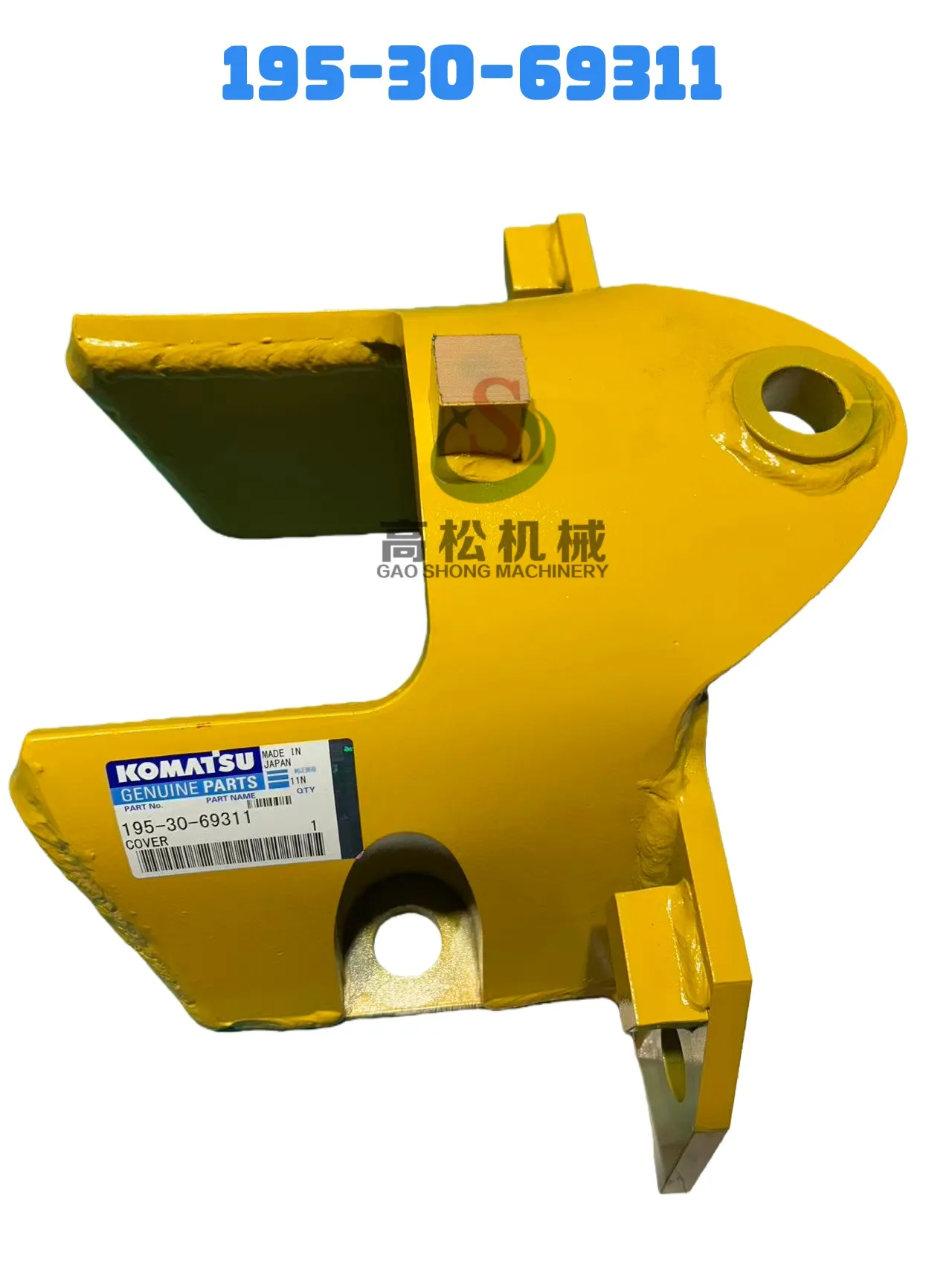 komatsu parts195-30-69311 COVER D375A-5 D375A-6 D375AI-8 D375A-8E0 TRACK FRAME
 -
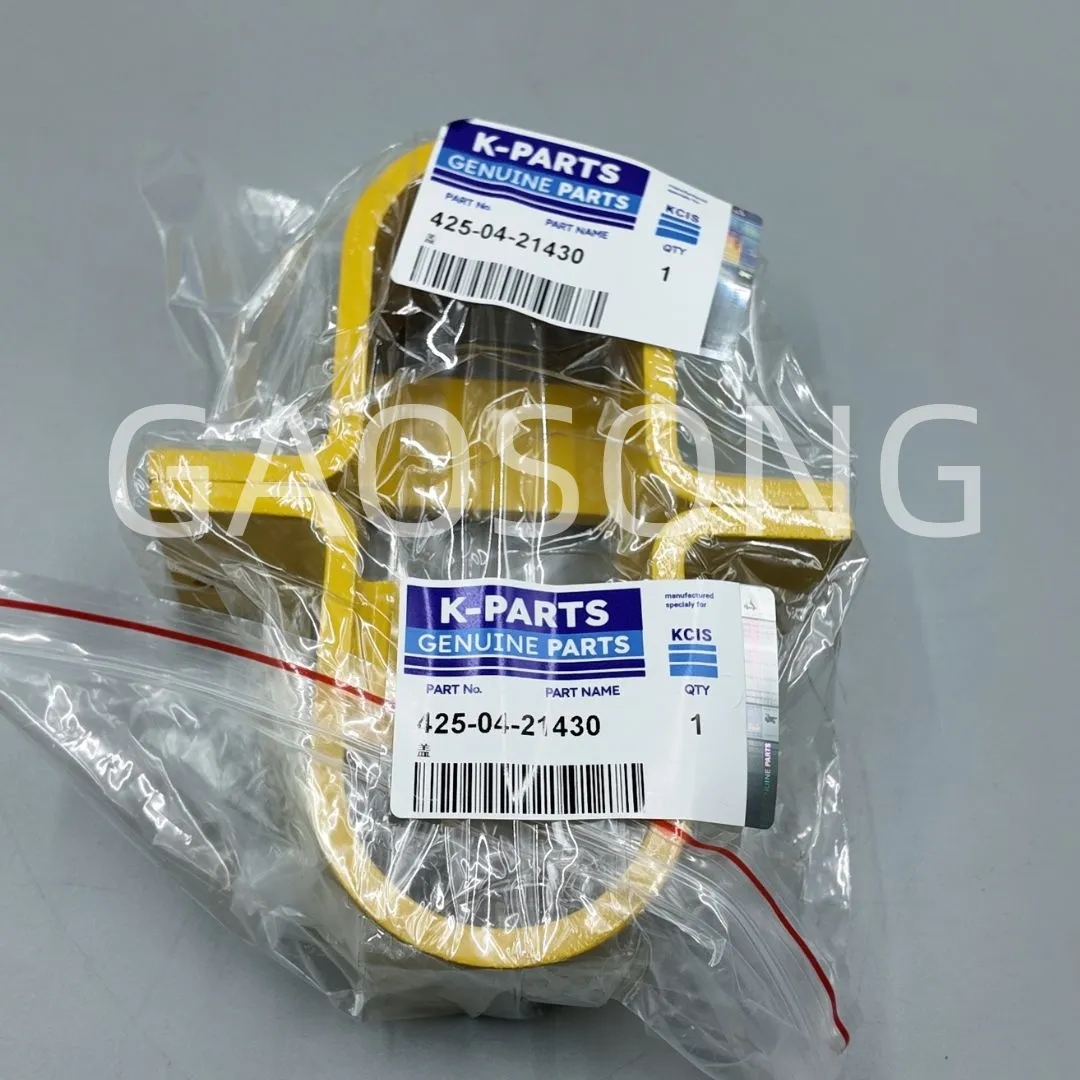 425-04-21430 COVER-Komatsu Original Factory
 -
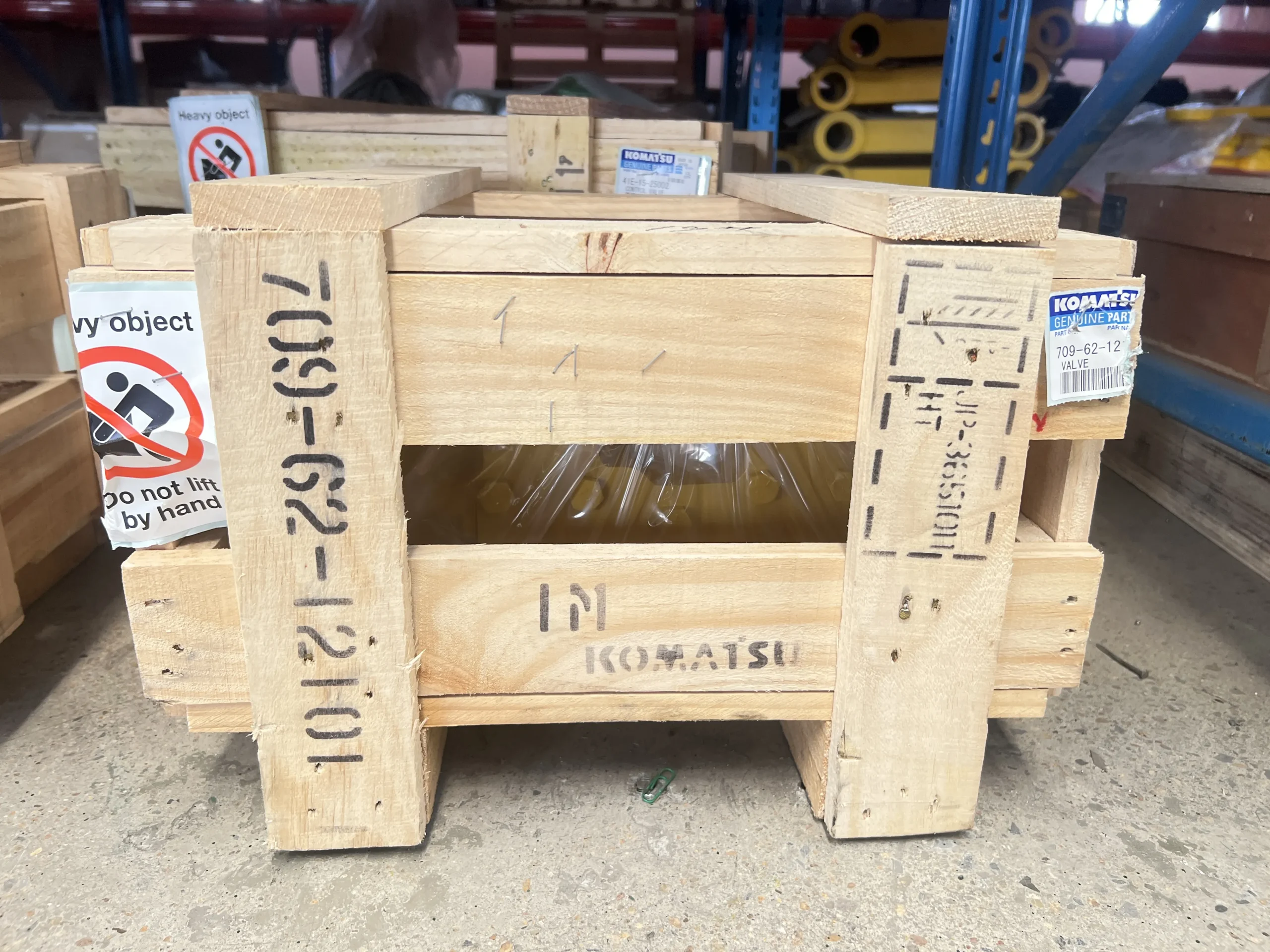 D375A-5E0 Valve Assembly 709-62-12101
 -
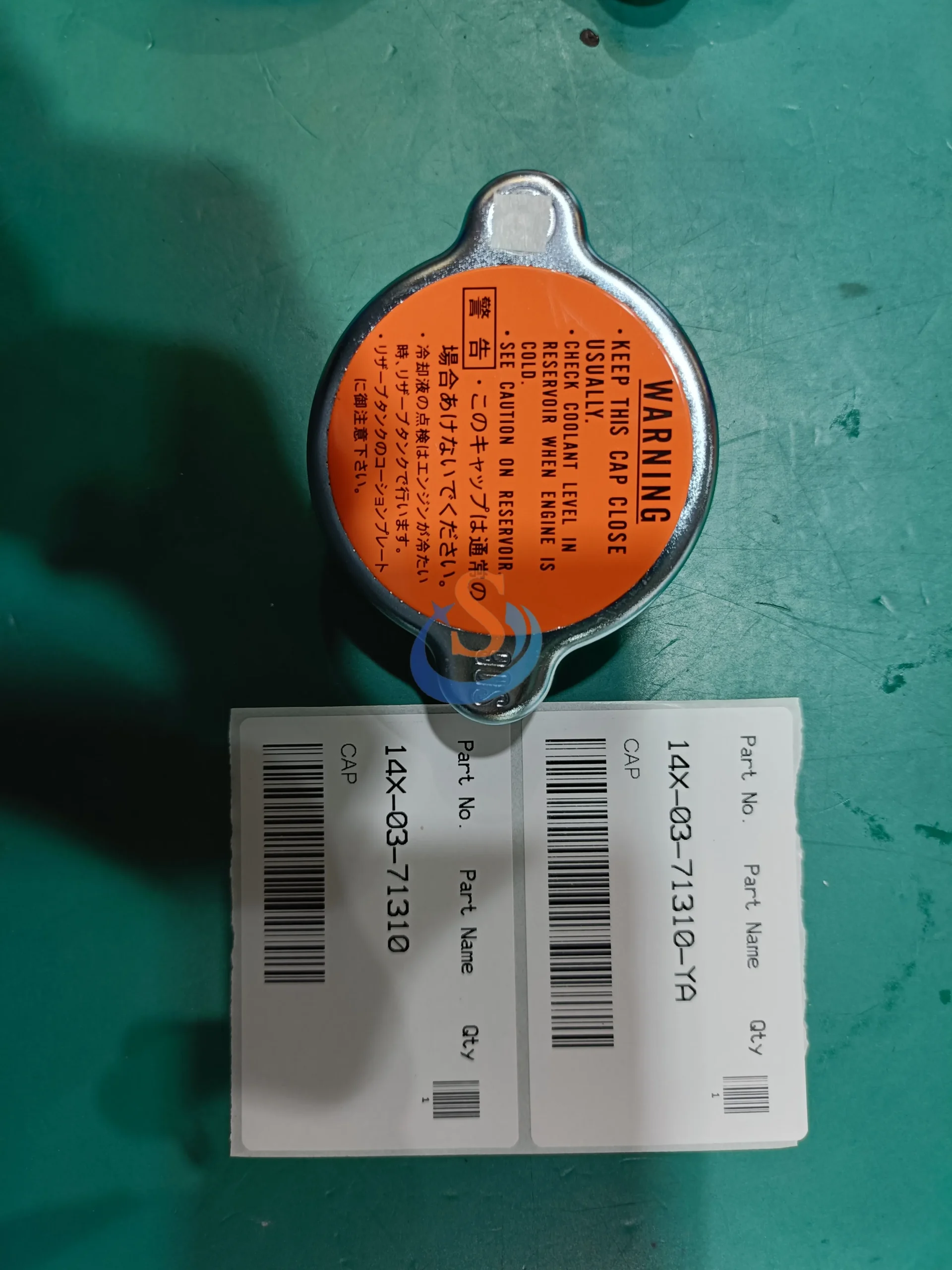 14X-03-71310 CAP HM300/WA470
 -
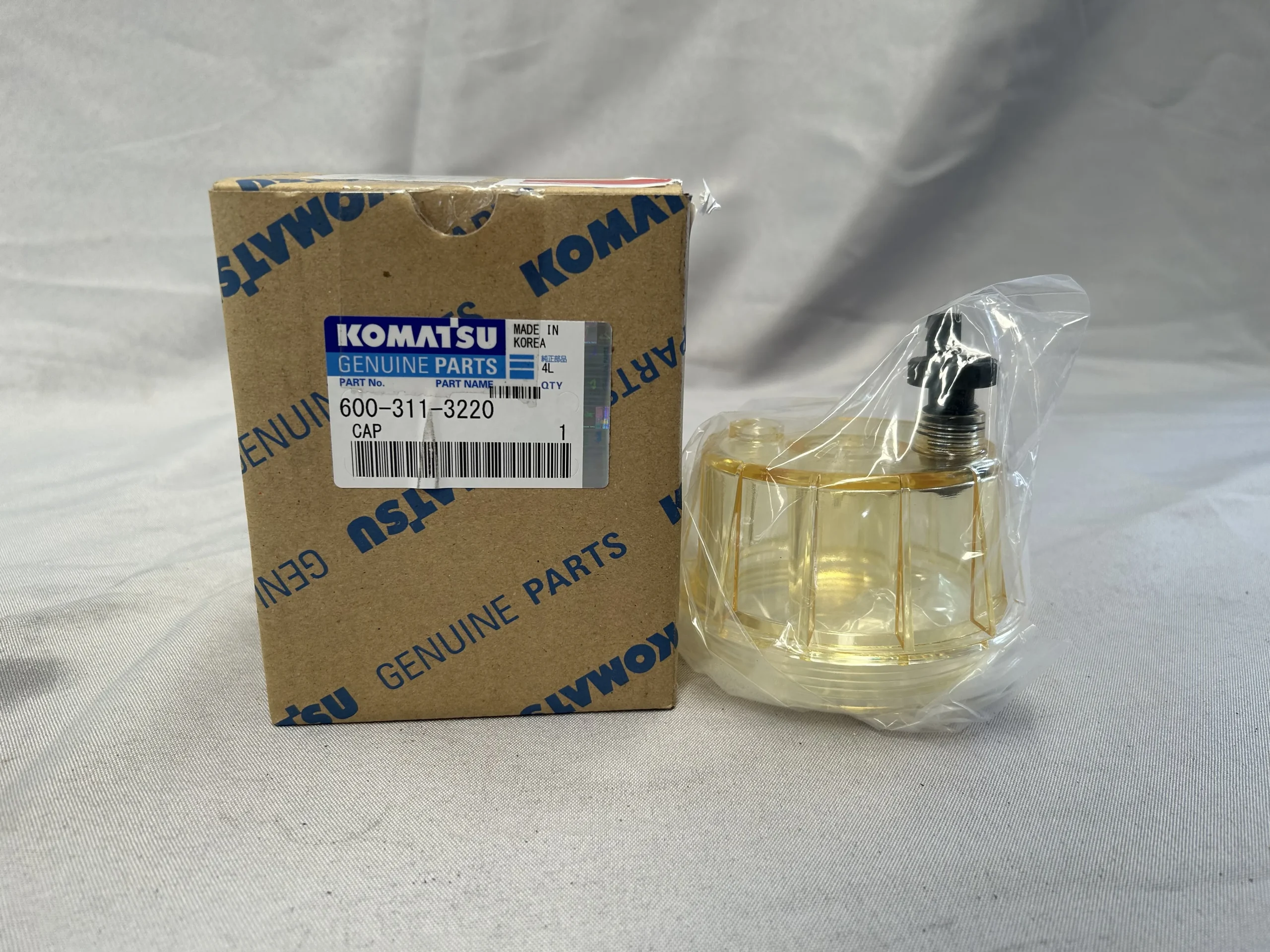 SA6D170E-3A Filter Cup 600-311-3220
 -
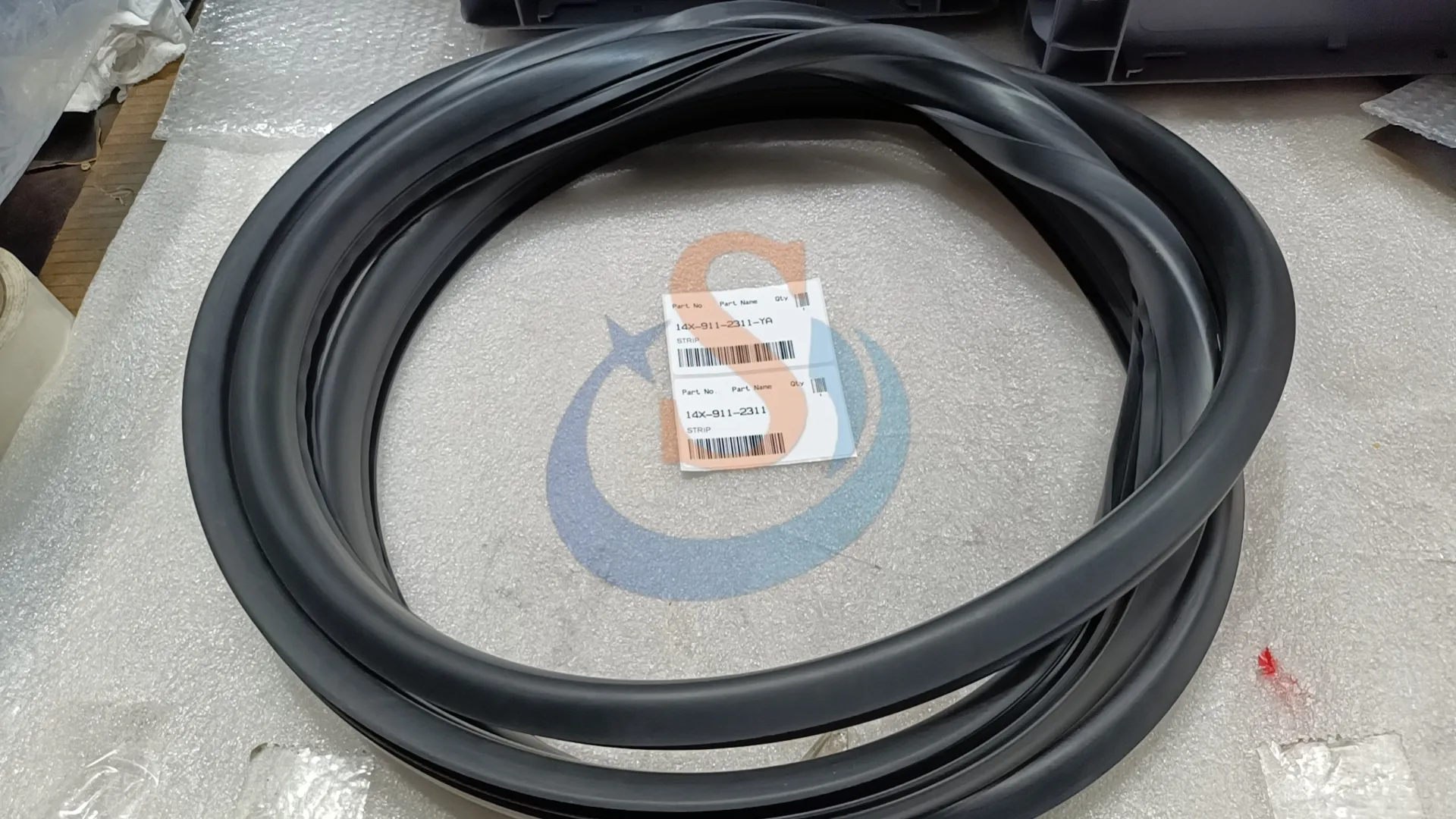 14X-911-2311,STRIP WEATHER,D155A,D375A,D65E
 -
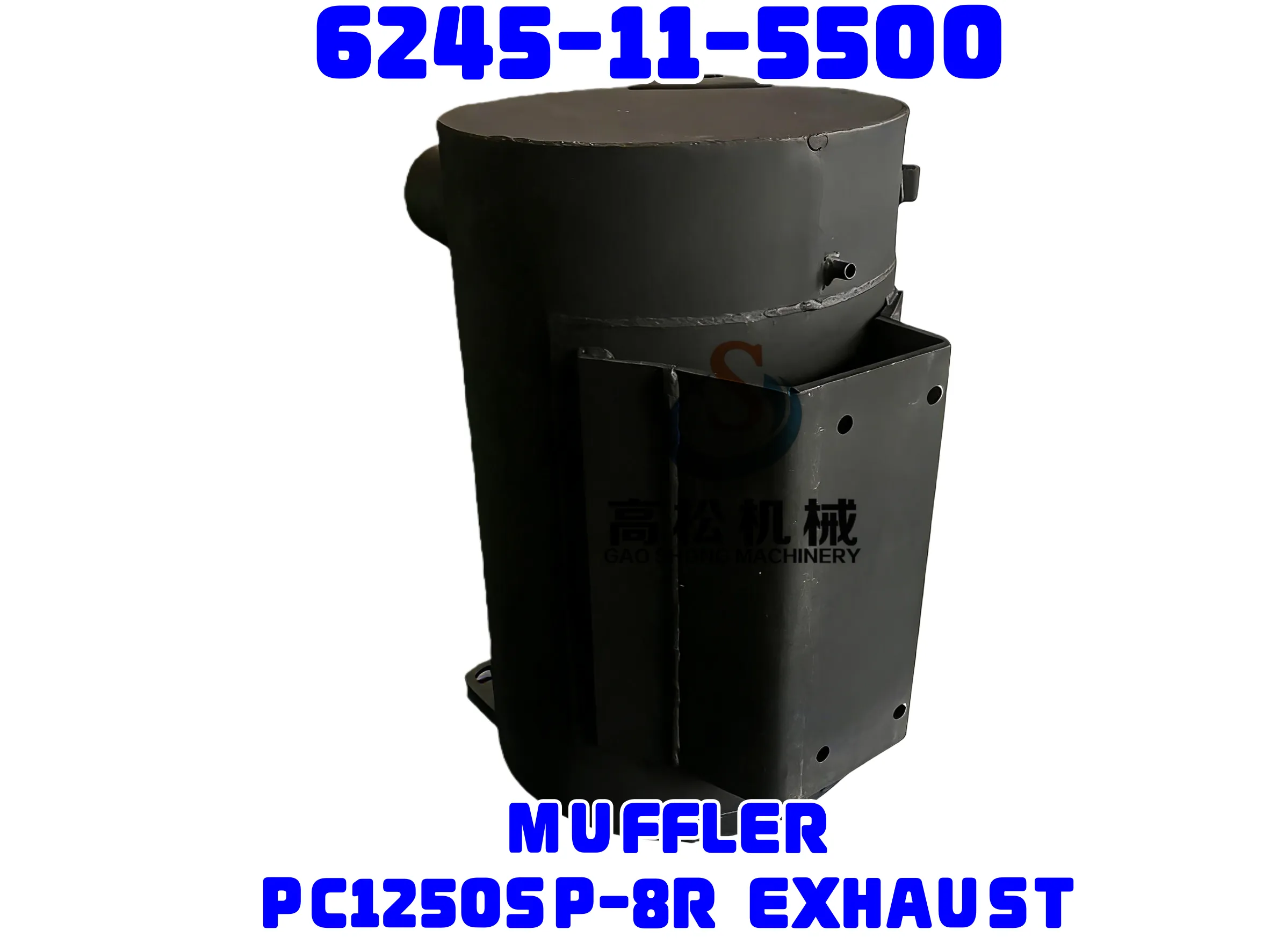 Muffler Silencer 6245-11-5500
 -
 569-30-11600 Komatsu VALVE ASS’Y
 -
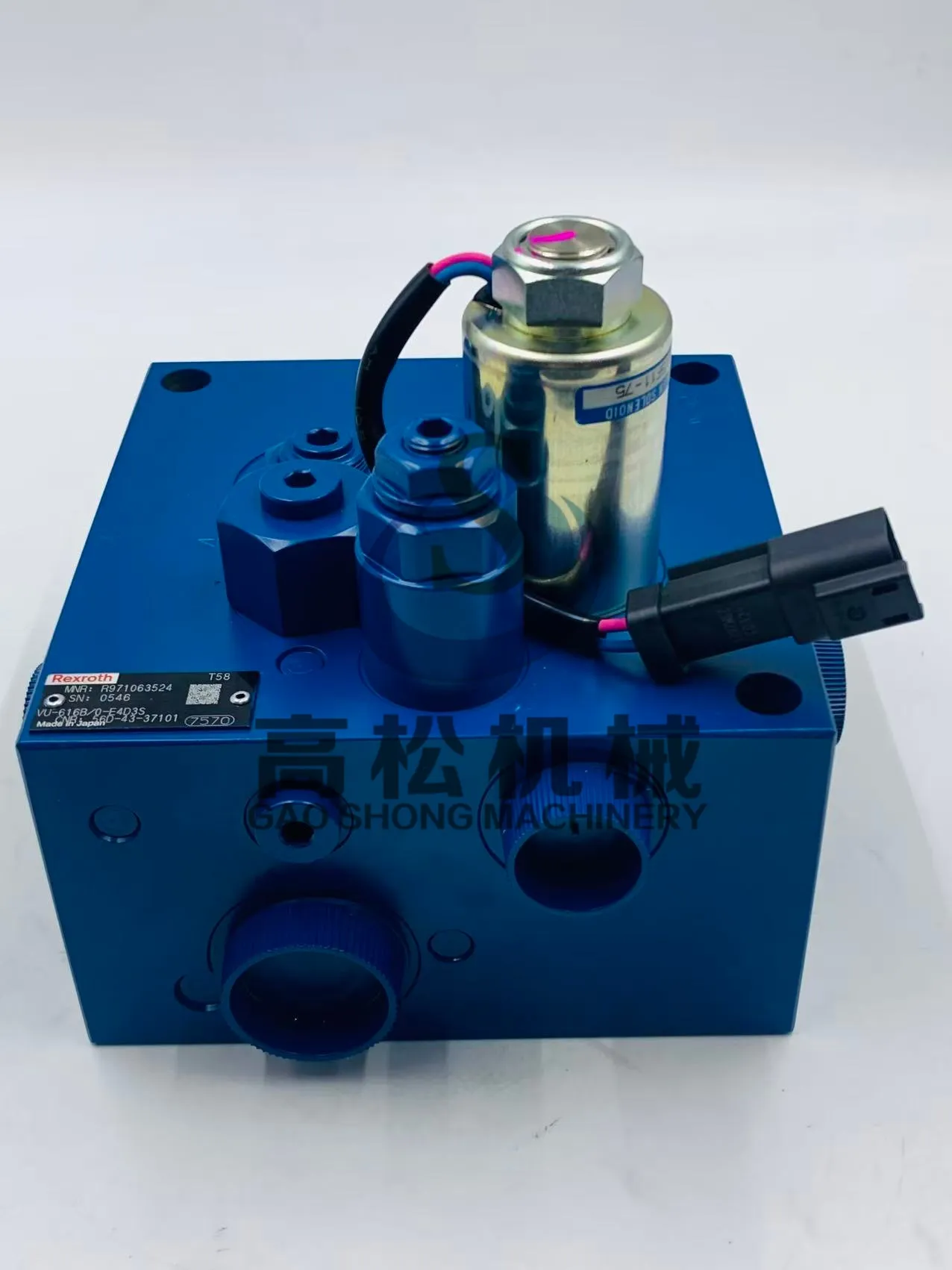 56D-43-37101 Komatsu Valve Assembly
 -
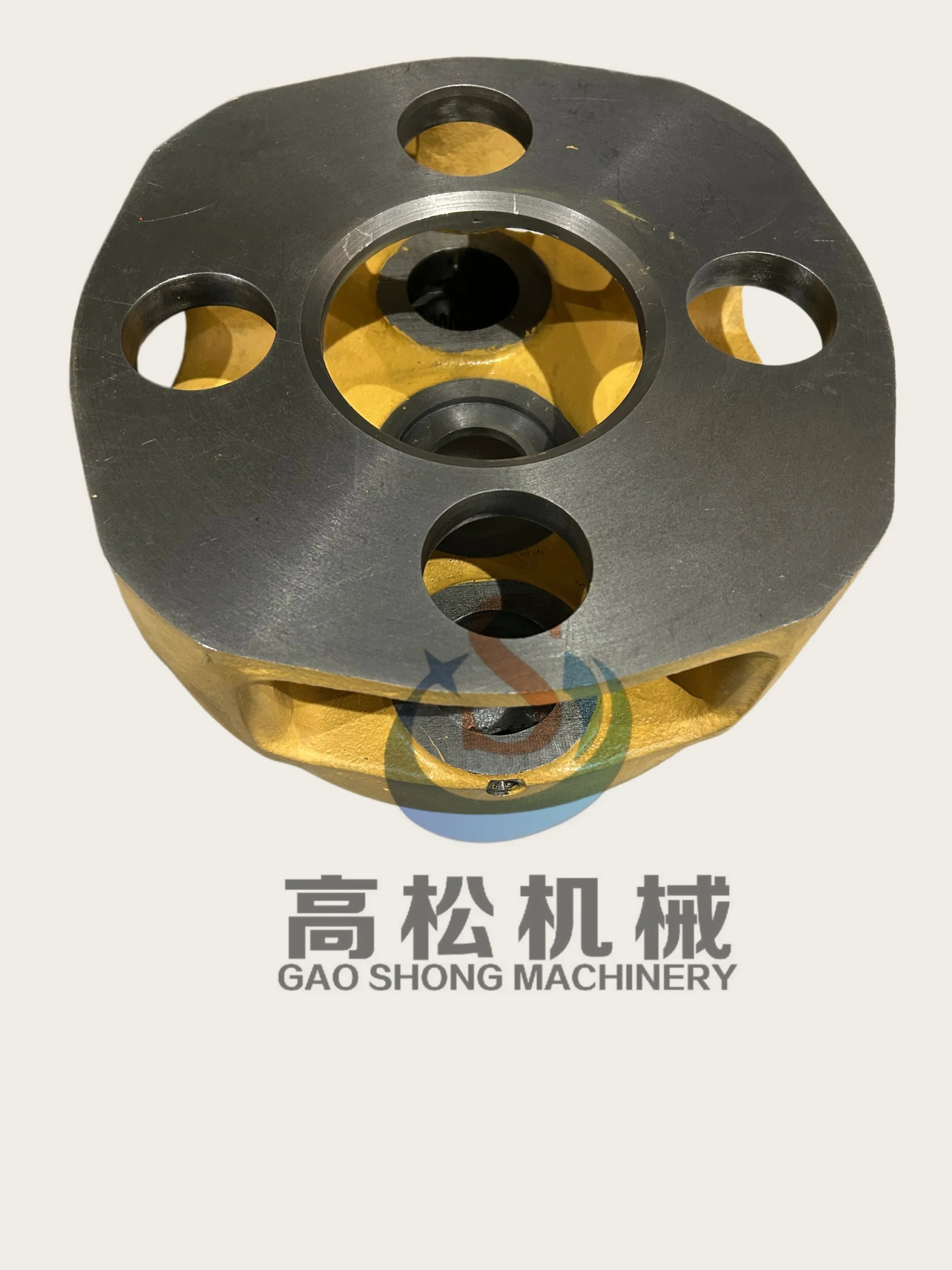 komatsu-parts-20Y-27-22170 CARRIER BR200S-1 BR300J-1 BR300S-2-M1 BR310JG-1 PC200-6 PC200-6H PC200-7 PC200LC-7 PC210-6 PC210-7-CG PC600-7 PC600-6 PC600-6A PC650LC-6 PC700LC-11 PC700LC-11E0 SWING MACHINERY AND MOTOR, (SUPPLY ONLY) SWING MACHINERY AND MOTOR, SUPPLY PARTS
 -
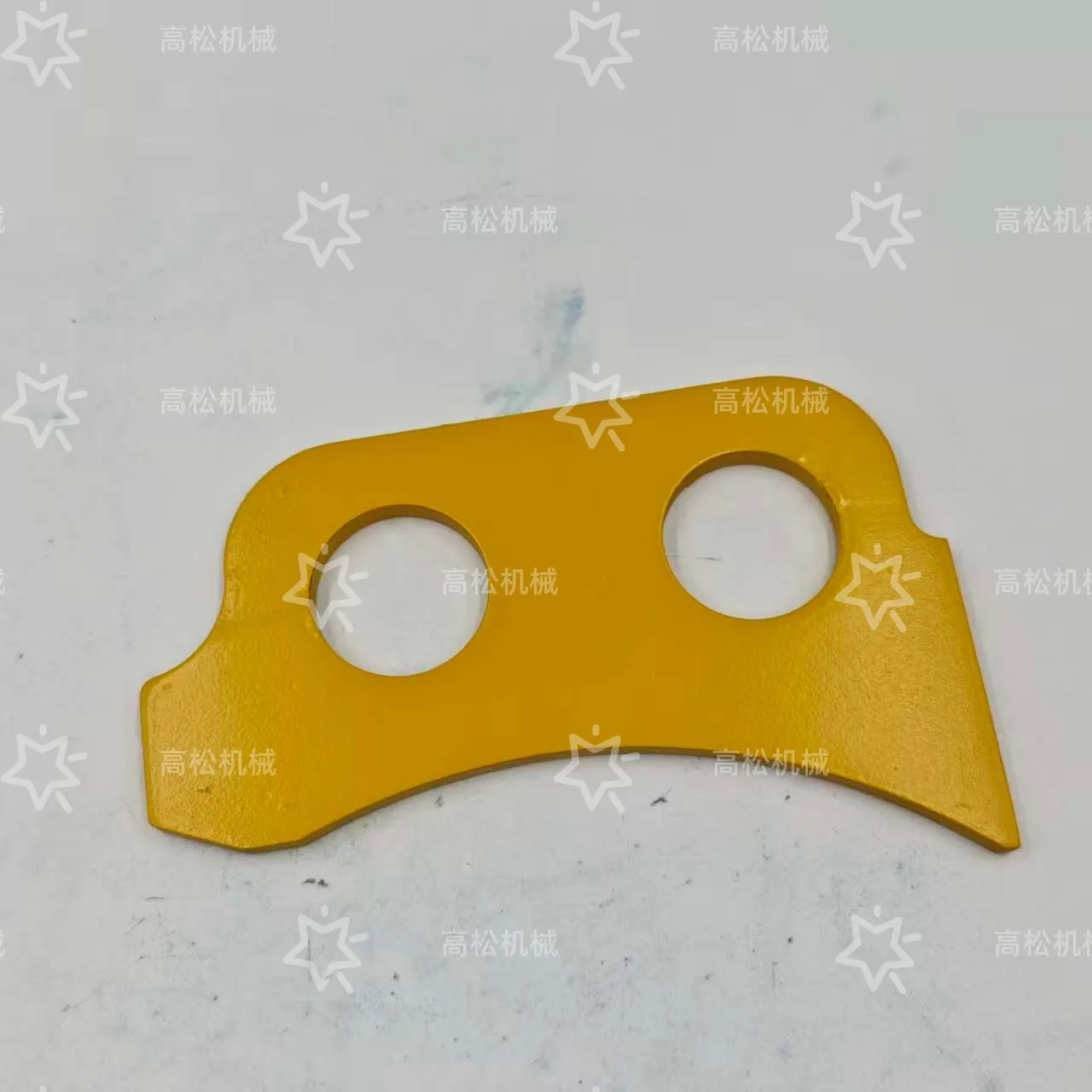 PLATE 195-71-74260Komatsu parts
 -
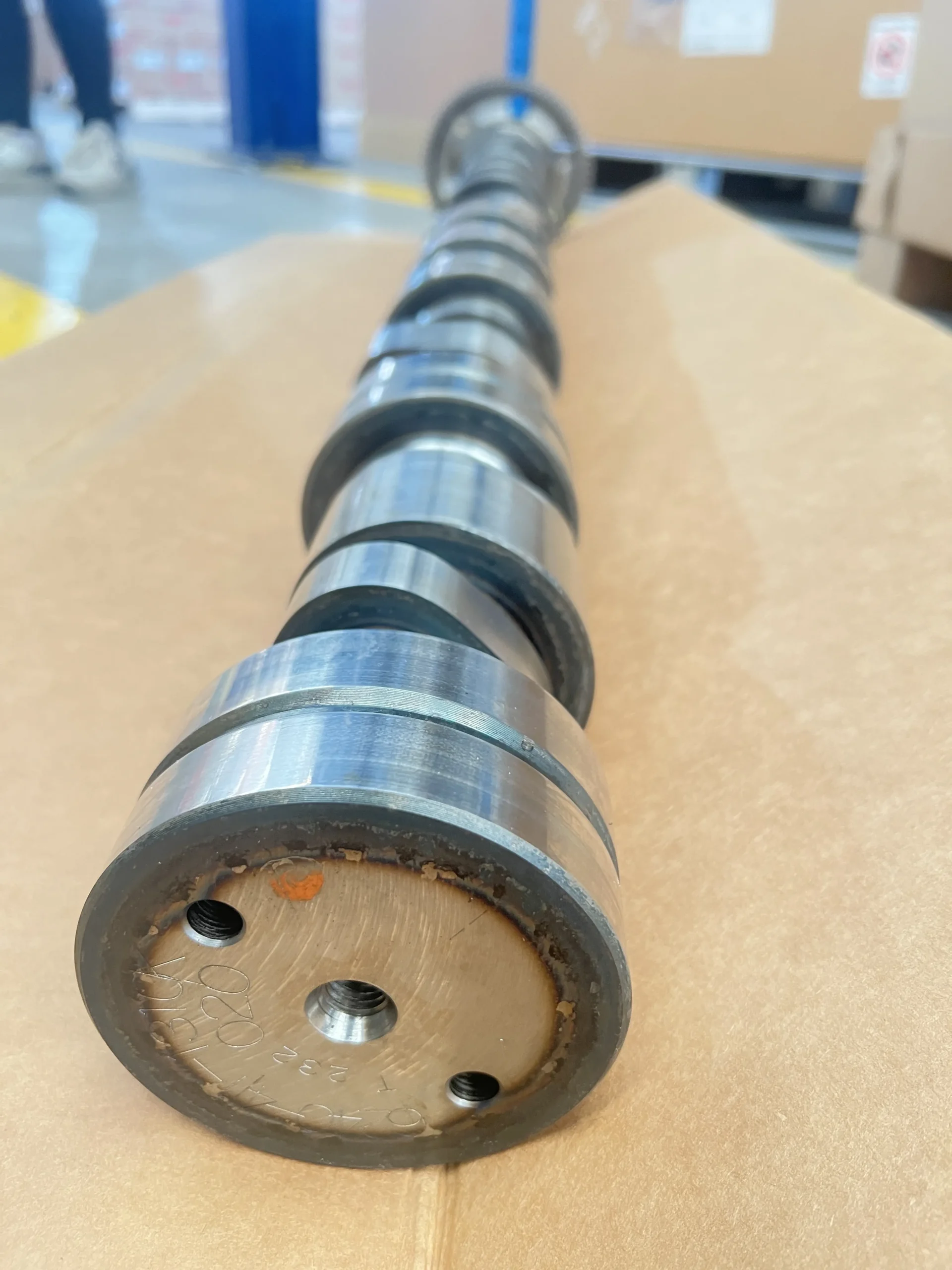 SAA6D170E-3F-8 Camshaft Assembly 6240-41-1300