
- Chinese
- French
- German
- Portuguese
- Spanish
- Russian
- Japanese
- Korean
- Arabic
- Irish
- Greek
- Turkish
- Italian
- Danish
- Romanian
- Indonesian
- Czech
- Afrikaans
- Swedish
- Polish
- Basque
- Catalan
- Esperanto
- Hindi
- Lao
- Albanian
- Amharic
- Armenian
- Azerbaijani
- Belarusian
- Bengali
- Bosnian
- Bulgarian
- Cebuano
- Chichewa
- Corsican
- Croatian
- Dutch
- Estonian
- Filipino
- Finnish
- Frisian
- Galician
- Georgian
- Gujarati
- Haitian
- Hausa
- Hawaiian
- Hebrew
- Hmong
- Hungarian
- Icelandic
- Igbo
- Javanese
- Kannada
- Kazakh
- Khmer
- Kurdish
- Kyrgyz
- Latin
- Latvian
- Lithuanian
- Luxembou..
- Macedonian
- Malagasy
- Malay
- Malayalam
- Maltese
- Maori
- Marathi
- Mongolian
- Burmese
- Nepali
- Norwegian
- Pashto
- Persian
- Punjabi
- Serbian
- Sesotho
- Sinhala
- Slovak
- Slovenian
- Somali
- Samoan
- Scots Gaelic
- Shona
- Sindhi
- Sundanese
- Swahili
- Tajik
- Tamil
- Telugu
- Thai
- Ukrainian
- Urdu
- Uzbek
- Vietnamese
- Welsh
- Xhosa
- Yiddish
- Yoruba
- Zulu
- Kinyarwanda
- Tatar
- Oriya
- Turkmen
- Uyghur






komatsu pc40 7 parts
When you type 'komatsu pc40 7 parts' into a search, you're immediately thrown into a maze. A lot of folks think it's straightforward—just find the part number and buy the cheapest option. That's where the first mistake happens. The PC40-7, especially the earlier serial ranges, has nuances. A swing motor seal kit for a -7 isn't always the same as for a -6, and I've seen people waste days on a mislabeled aftermarket part that looked identical but had a 2mm difference in the O-ring cross-section. It's not just about the part; it's about the machine's history, the regional spec variations, and frankly, who you're buying from.
The Core Challenge: Genuine vs. Aftermarket for a Mature Model
The PC40-7 isn't a new machine. Komatsu's official support for some components has dwindled, or the lead times from the regional distributor can be absurd—we're talking 12 weeks for a simple hydraulic valve bank. This gap is what fuels the entire aftermarket ecosystem. But here's the judgment call: which parts can you go aftermarket on, and which must be OEM? From my bench, anything in the main hydraulic pump or the electronic control system (like the controller or sensors) is a hard pass on non-OEM. The failure rate on copycat controllers is staggering, and they rarely communicate properly with the monitor.
I remember a job in Southeast Asia where we tried a fully compatible main control valve for a PC40-7. The price was 60% less than the Komatsu quote. It fit, it hooked up, but the machine crawled. The spool tolerances were off, creating internal leakage we could never tune out. We lost a week of downtime and ate the cost. That was the lesson: critical hydraulic paths are engineered to a precision that most reverse-engineered parts can't match. You save on the part but pay in labor and downtime.
That's where a supplier's position becomes critical. A company that's an OEM product supplier within the Komatsu system has a different value. They're not just selling a look-alike part; they have access to the same technical specifications and sometimes even the same production lines for certain components. For instance, I've sourced undercarriage parts like track links and rollers from such a channel. The quality was identical to what came in the Komatsu box, but the logistics were handled through a different, often more flexible, network. This is a key distinction in the market.
The Supplier Landscape and Finding Real Solutions
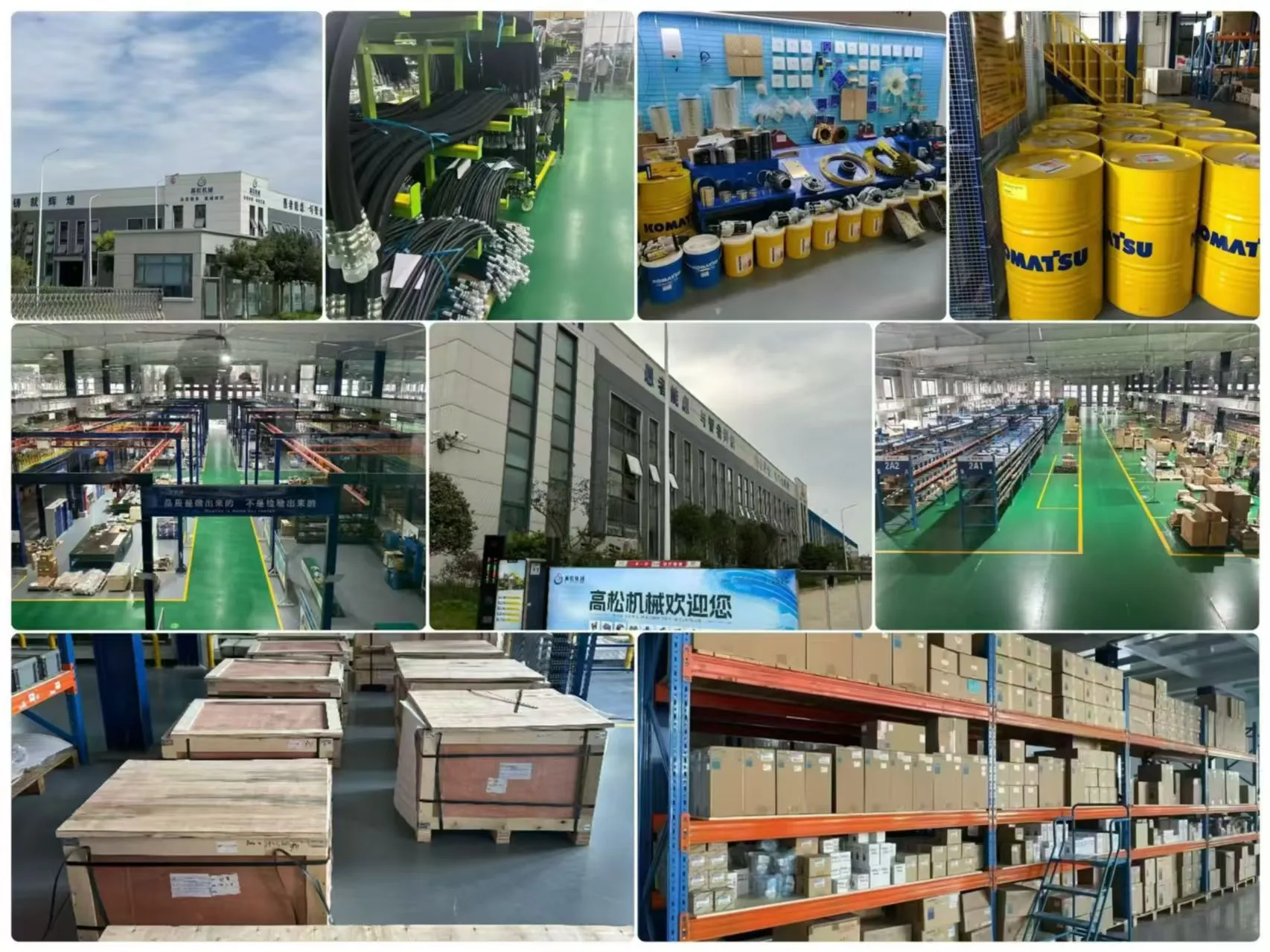
Navigating this requires knowing who does what. You have pure aftermarket manufacturers, you have used/rebuild specialists, and then you have entities that operate in a hybrid space. Take Jining Gaosong Construction Machinery Co., Ltd. as an example. Their stated role is insightful: an OEM supplier within Komatsu's system and a third-party sales company. This isn't marketing fluff. In practice, this means they can provide authentic Komatsu-origin parts for some items (likely wear parts, seals, maybe certain castings) while also acting as a conduit to solve broader supply issues. Their website, https://www.takematsumachinery.com, reflects this dual approach. They're positioned to help solve parts supply challenges in certain countries, which is a very real problem for PC40-7 owners in regions without a strong Komatsu depot presence.
How does this play out? Let's say you need a final drive assembly. The official channel is back-ordered. A company like this might offer a genuine Komatsu remanufactured unit from their network, or an OEM-grade new one that meets the spec, with full traceability. That's different from buying a no-name rebuild from a generic vendor. The reliability data is there. I've used similar channels for PC40-7 travel motors, and the key was the documentation—proper serial number cross-reference and a clear warranty backed by someone who understands the system.
The trap to avoid is assuming OEM supplier means every single part is from Komatsu. It's more nuanced. They might be an OEM for specific components, like radiator cores or hose assemblies, which they then also sell under their own support channel. For a technician, the question isn't just is it OEM? but is this part fit-for-purpose and from a technically accountable source? For a boom cylinder repair kit, a high-quality aftermarket from a reputable supplier is often perfectly fine. For the computer that manages the EPOS system, it's not.
Practical Focus: High-Failure Items on the PC40-7
Let's get specific. On the PC40-7, a few parts are notorious. The pilot pressure sensor on the main pump fails, giving erratic movement. The genuine Komatsu part is criminally expensive, but I've had mixed results with substitutes. Some last a year, some fail on installation. The ones that worked came from suppliers with clear Komatsu lineage, not just a generic sensor seller. Another is the swing bearing. Aftermarket options are plentiful, but the pre-load and gear tooth hardening are the make-or-break. A bad one will sound like gravel in the swing circle within months.
Then there's the mundane but critical: filters and fluids. This is where people get lazy. Using non-Komatsu filters on the PC40-7's ultra-fine hydraulic system is asking for trouble. The bypass pressure ratings can be different. I stick with OEM or the exact equivalents from major filter brands that publish their spec sheets. It's a small cost in the grand scheme. Similarly, the hydraulic oil spec matters. The machine was designed for a specific viscosity and additive package. Deviating to save a few bucks can lead to pump cavitation or valve stiction, especially in older systems.
Electrical connectors and harnesses are another headache. The machine's wiring gets brittle. Sourcing a replacement section of harness from Komatsu is often impossible. Here, a good supplier doesn't just sell you the connector; they should be able to provide the correct gauge wire, the correct seal colors, and the crimp terminal part numbers. It's this level of detail that separates a parts seller from a solutions provider. I've spent hours on the phone with a good supplier cross-referencing wire diagrams—that's the service you're really after.
The Economics of Keeping a PC40-7 Running
It boils down to a cost-benefit analysis on every repair. Is the machine a primary revenue earner, or a backup? What's its residual value? For a high-uptime machine, I lean heavily on proven, reliable sources even at a premium. Downtime costs $500+ a day easily, so a part that's 30% more expensive but arrives in 2 days with a known pedigree is the cheaper option. For a lower-use machine, you might roll the dice on a quality aftermarket part for non-critical items.
This is where the third-party sales role of a company like Jining Gaosong becomes relevant. They can often offer a tiered solution: a premium OEM line, a value OEM-equivalent line, and maybe a budget option for non-critical wear items. This allows for a tailored approach. You wouldn't put a budget swing bearing in, but a budget bucket tooth might be perfectly economical. A professional supplier understands this distinction and guides you, rather than just pushing the highest-margin item.
The final thought is on inventory. For a PC40-7, it's wise to keep a small stock of consumables and common failure items: a set of filters, a pilot pressure sensor, a few hydraulic hose ends, and maybe a starter relay. Sourcing these from a single, reliable supplier who understands the model streamlines everything. You build a relationship, they learn your machine's specifics, and over time, they can anticipate your needs. That's the real endgame when searching for komatsu pc40 7 parts—it's not a one-time transaction, but finding a resource that reduces your machine's total cost of ownership through smart, informed part supply.
Conclusion: Beyond the Search Query
So, 'komatsu pc40 7 parts' is more than a keyword. It's a probe into a complex support network for a workhorse machine that's still very much alive. The goal isn't to find the cheapest part, but the most cost-effective solution over the repair cycle. This involves technical discernment—knowing which parts are tolerance-critical—and supplier discernment—knowing who has real technical backing and who is just a warehouse.
The hybrid model of being an integrated OEM supplier and an independent solutions provider, as seen with entities like Jining Gaosong, addresses the real-world gap in the market. They aren't replacing the Komatsu distributor; they're complementing it and filling voids, especially for older models and in challenging regions. For an owner or mechanic, leveraging such a channel means you're not just buying a widget; you're buying a layer of application engineering and supply chain certainty.
In the end, keeping a PC40-7 running smoothly is a testament to good maintenance and smart sourcing. It pays to look past the first page of search results and build a relationship with a specialist who speaks the language of the machine, understands its quirks, and can navigate the blurred lines between genuine, OEM-quality, and simply adequate. That's how you turn a parts search from a headache into a routine operation.
Related Products
Related Products

Best Selling Products
Best Selling Products-
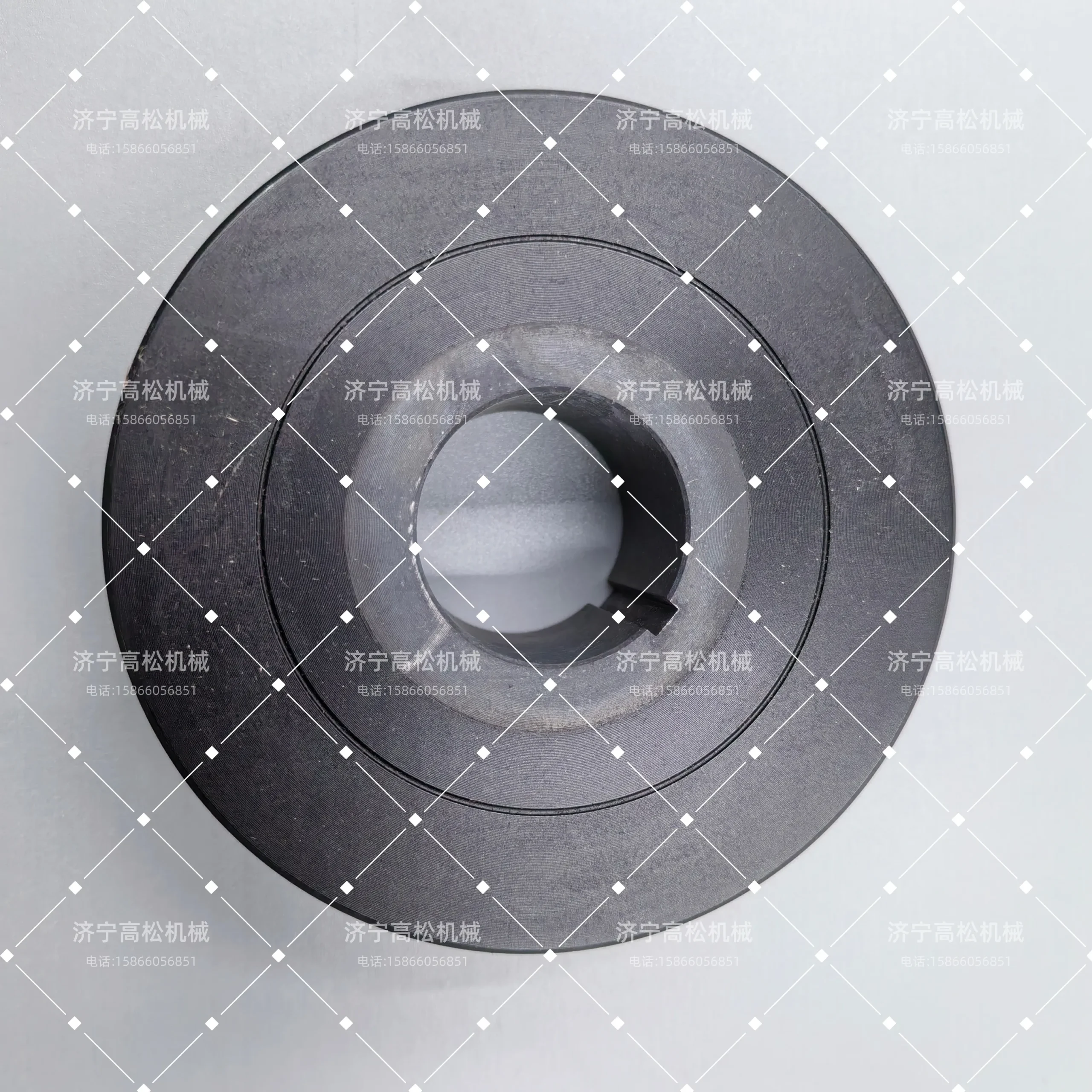 Original Parts Kd0-35411-0854 Pulley, High Quality Original Parts…
 -
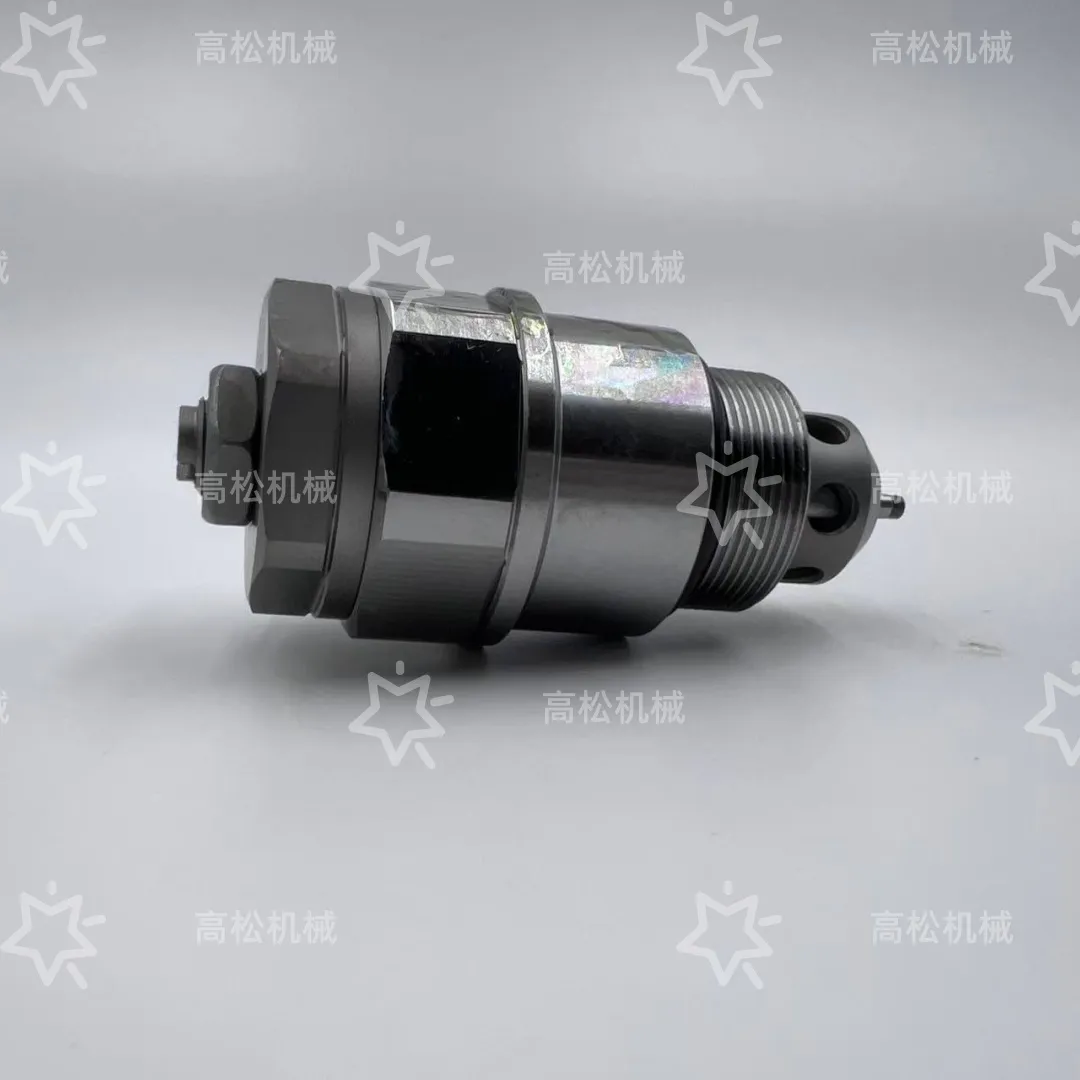 709-90-71700 Valve Assembly, Suction and Relief Komatsu
 -
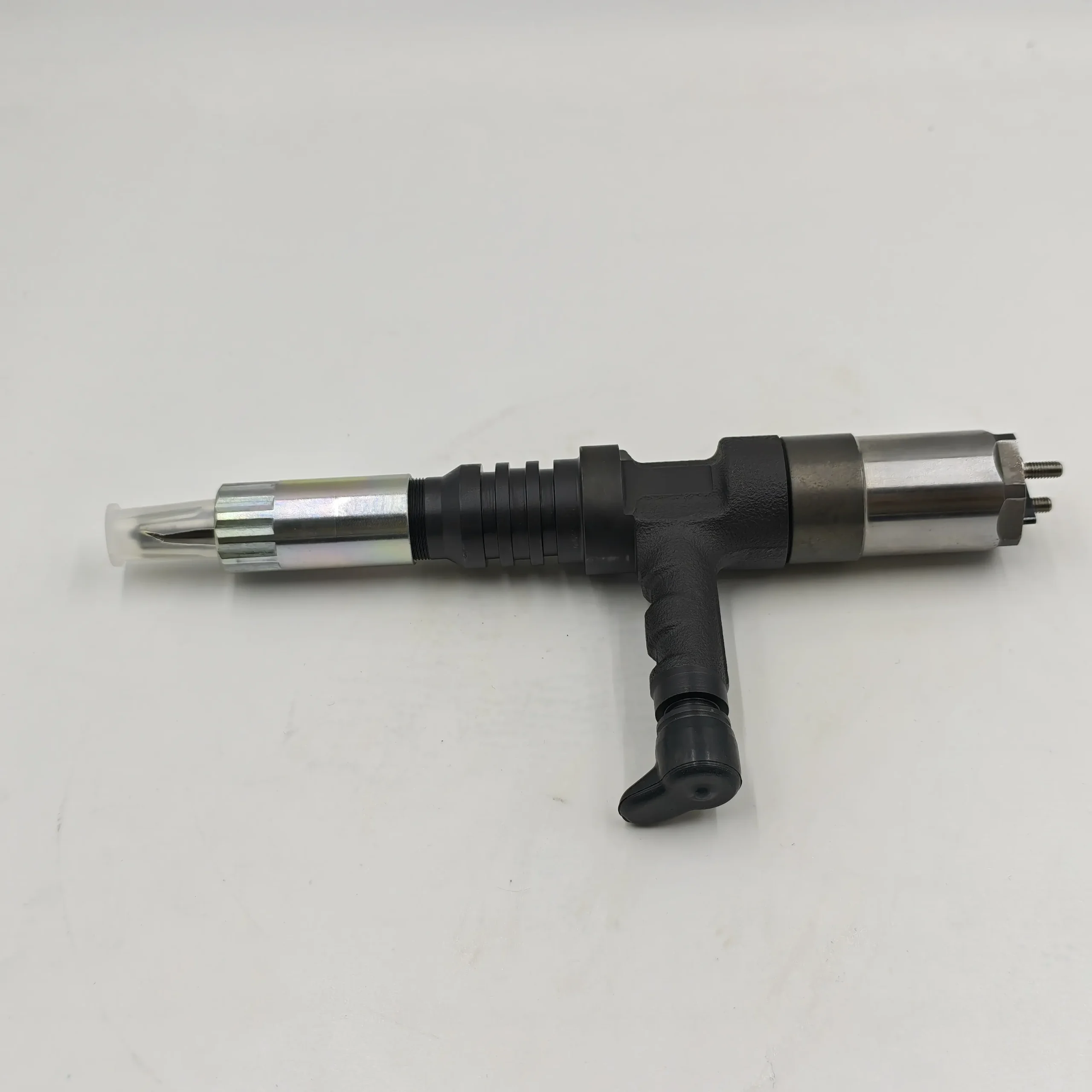 6218-11-3101 INJECTOR ASS’Y-Komatsu Original Factory
 -
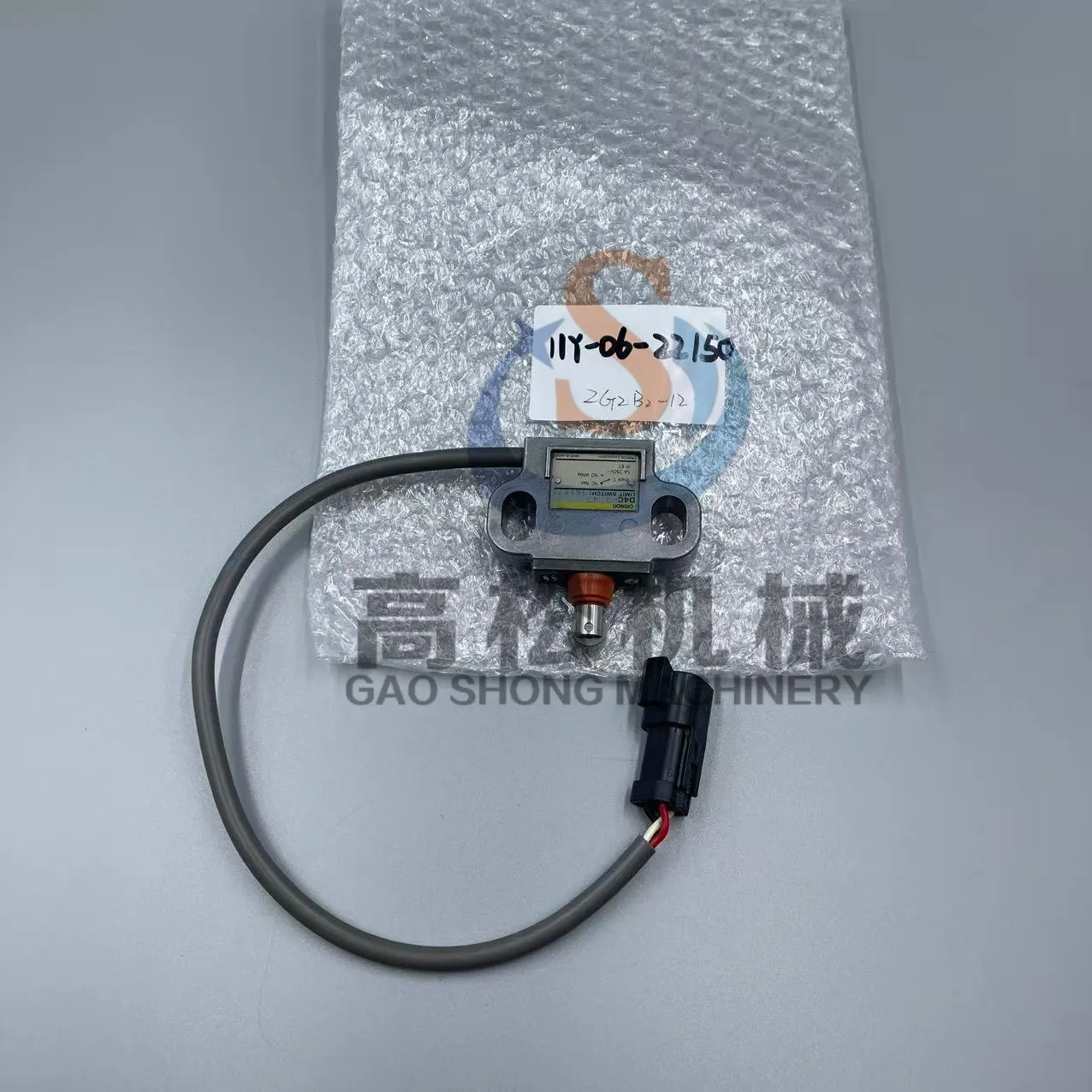 SWITCH 11Y-06-22150 – KOMATSU
 -
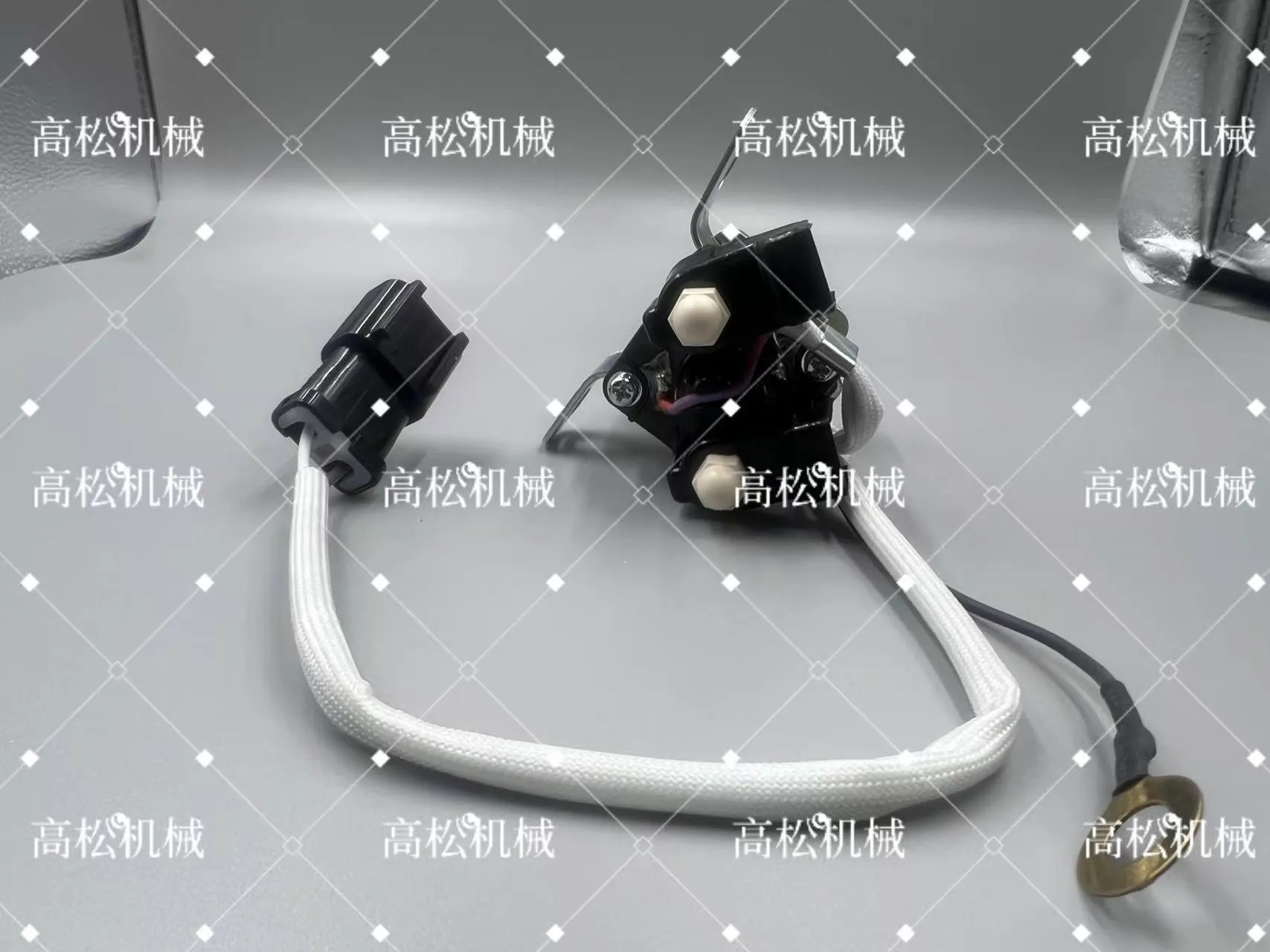 600-815-8941 Safety Relay for Komatsu PC60-7 PC200-6 PC200-8 PC138US-8 PC130-7
 -
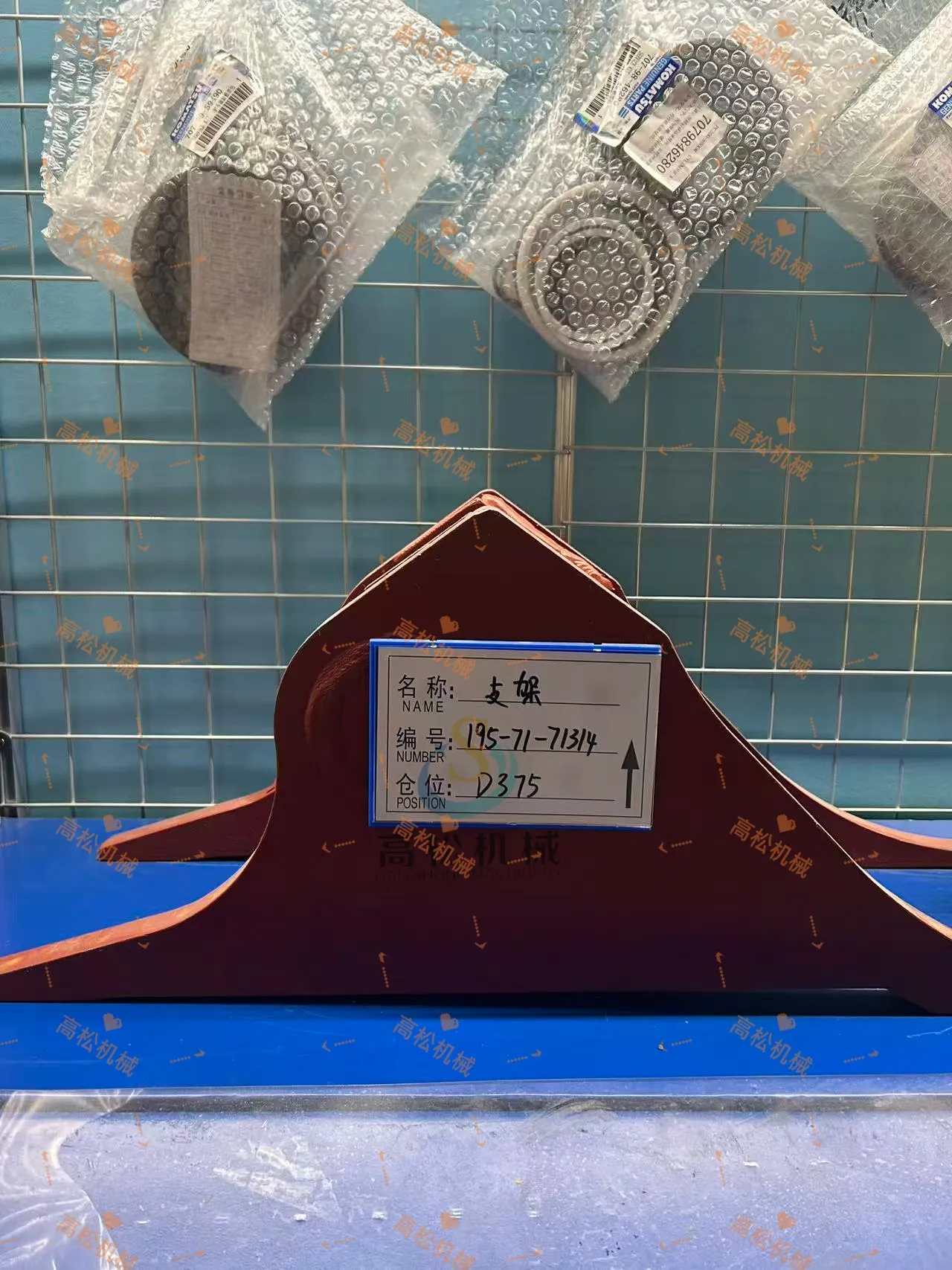 195-71-71314 BRACKET (WELDED) D375A-5 S/N 55001-UP (W/O EGR) BLADE
 -
 Komatsu 711-50-41520 Impeller for WA380-3 Wheel loader
 -
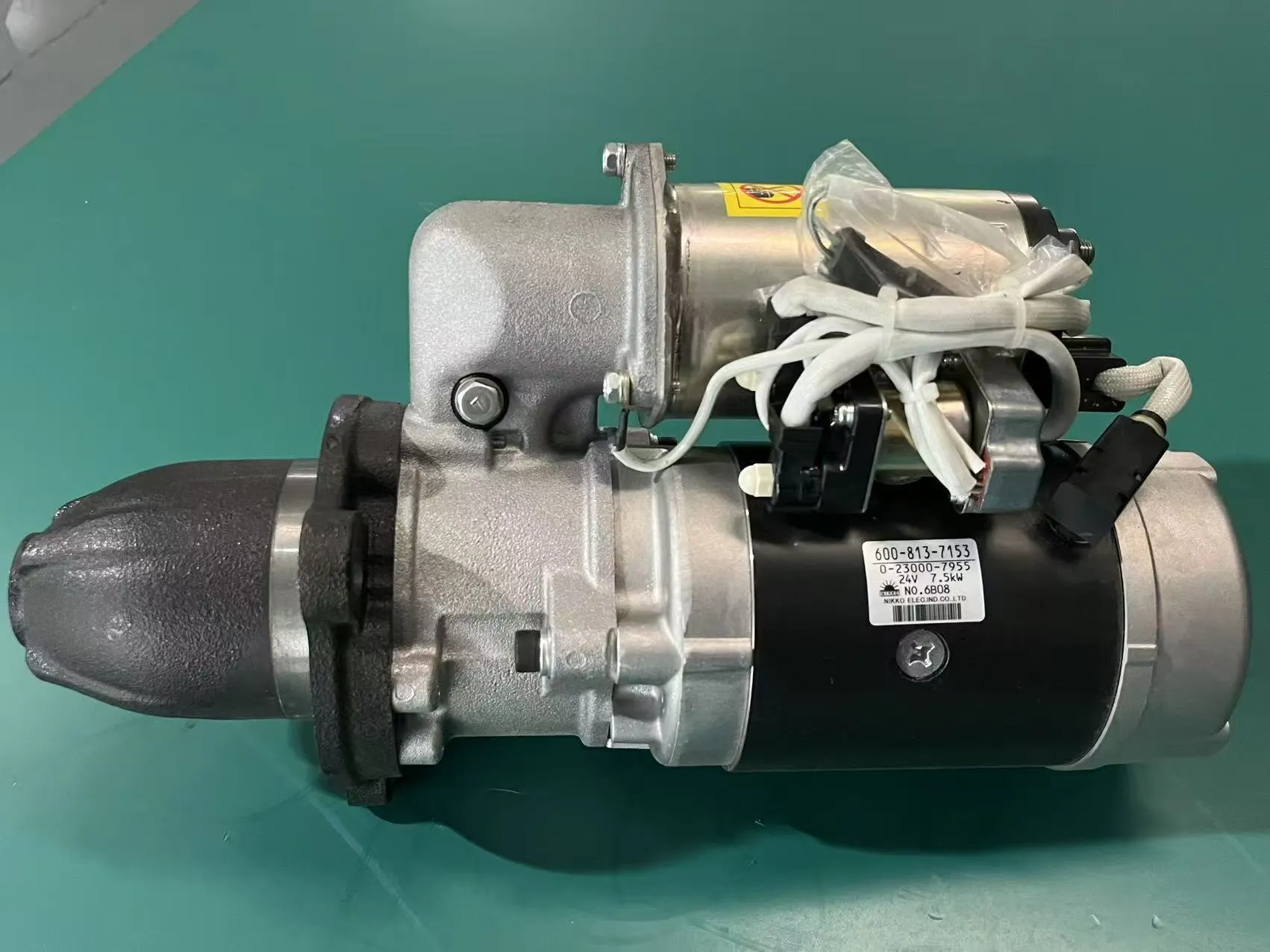 Starting Motor 7.5kw 600-813-7153
 -
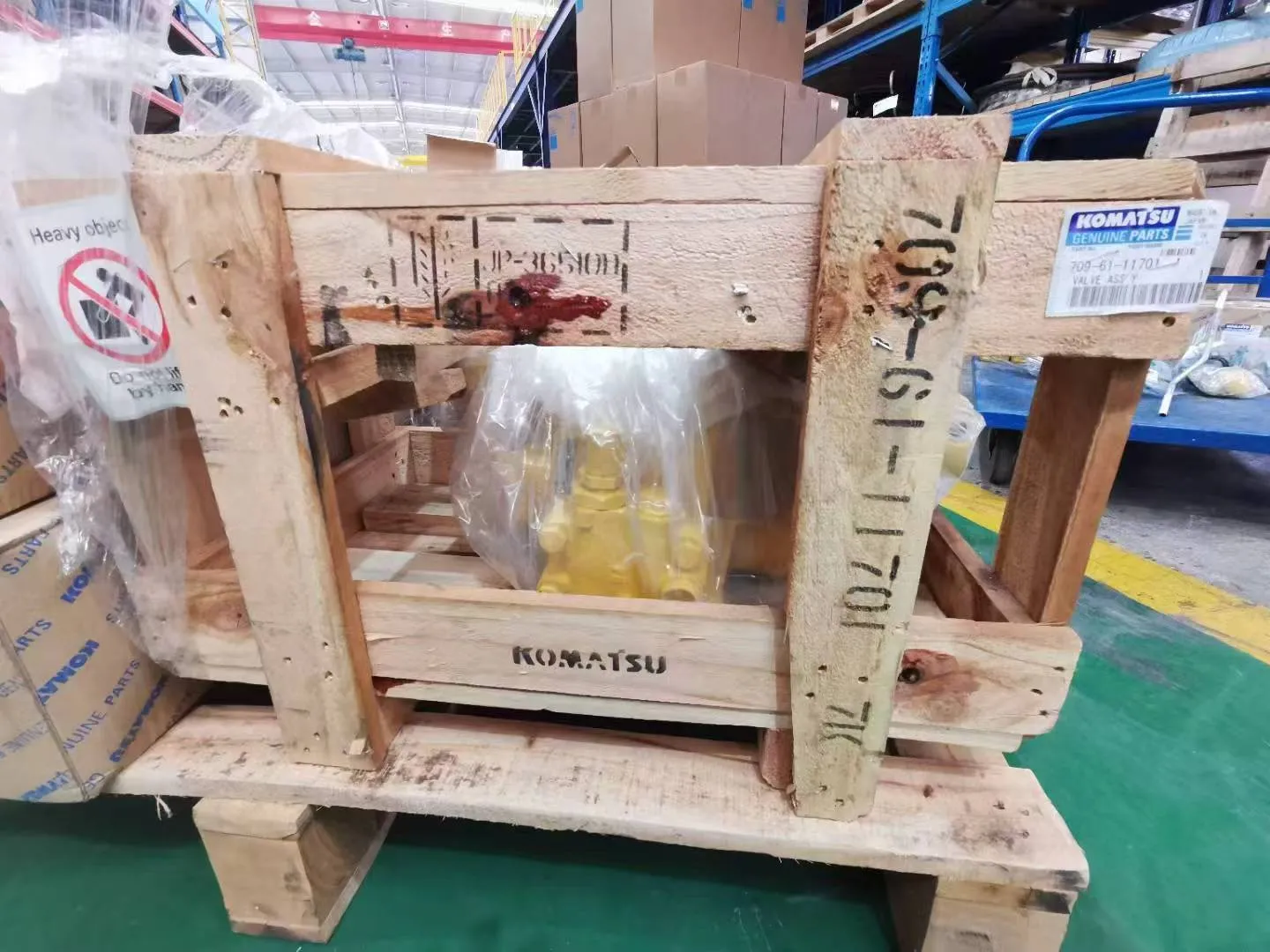 709-61-11701 709-61-11700 Vane poppet valve assembly
 -
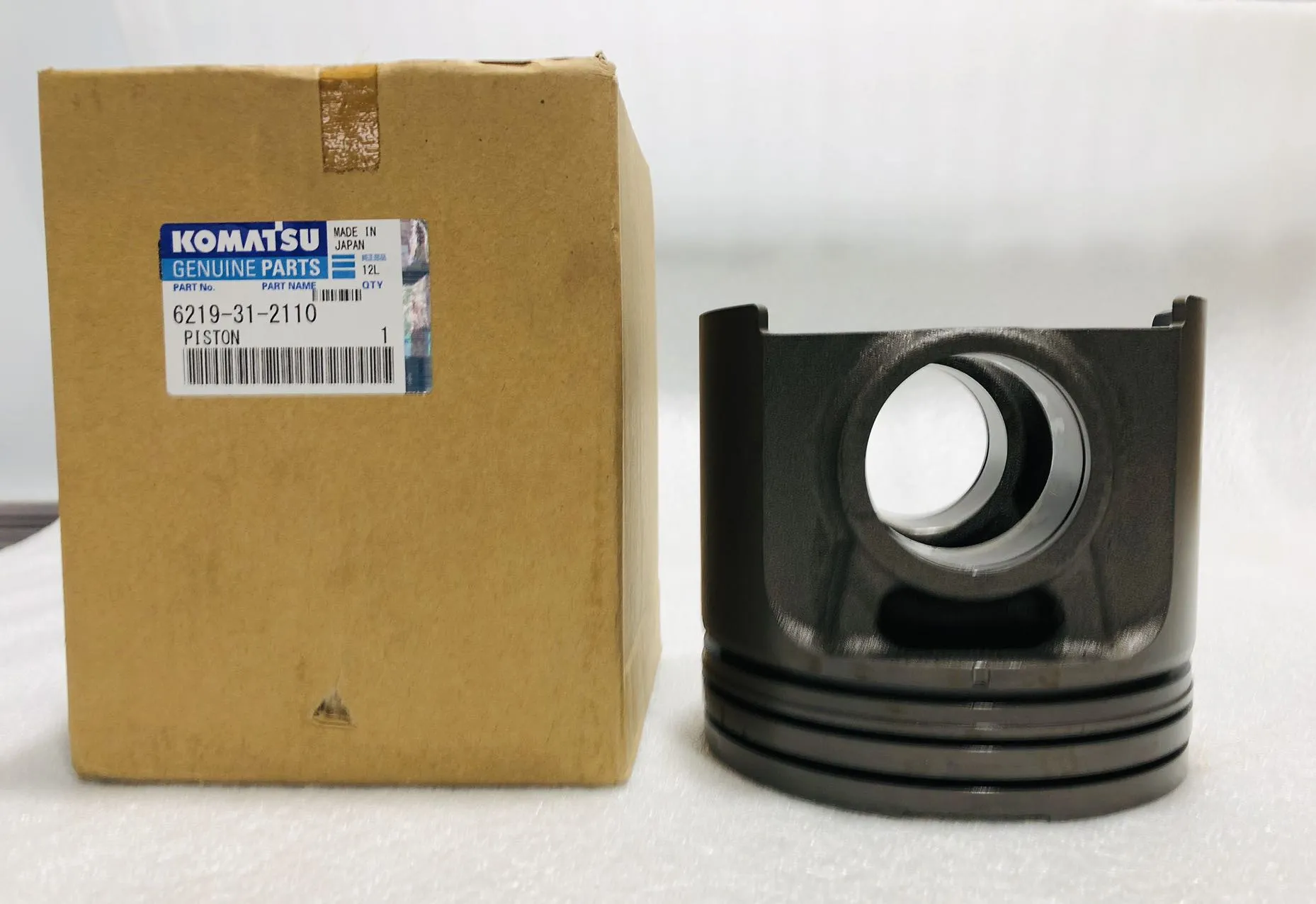 Komatsu 6219-31-2110 PISTON
 -
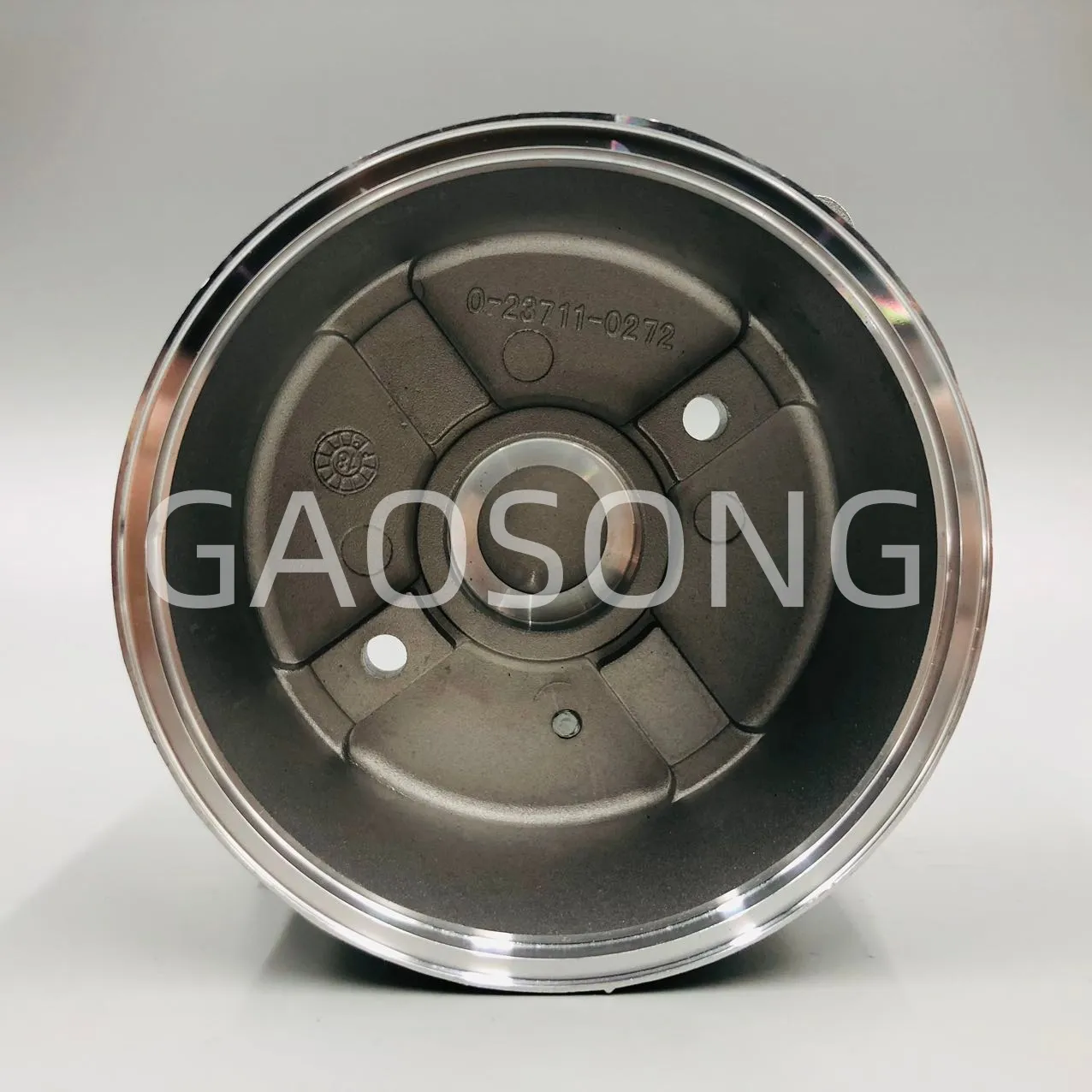 KD0-23700-0130 •• REAR BRACKET A-Komatsu Original Factory
 -
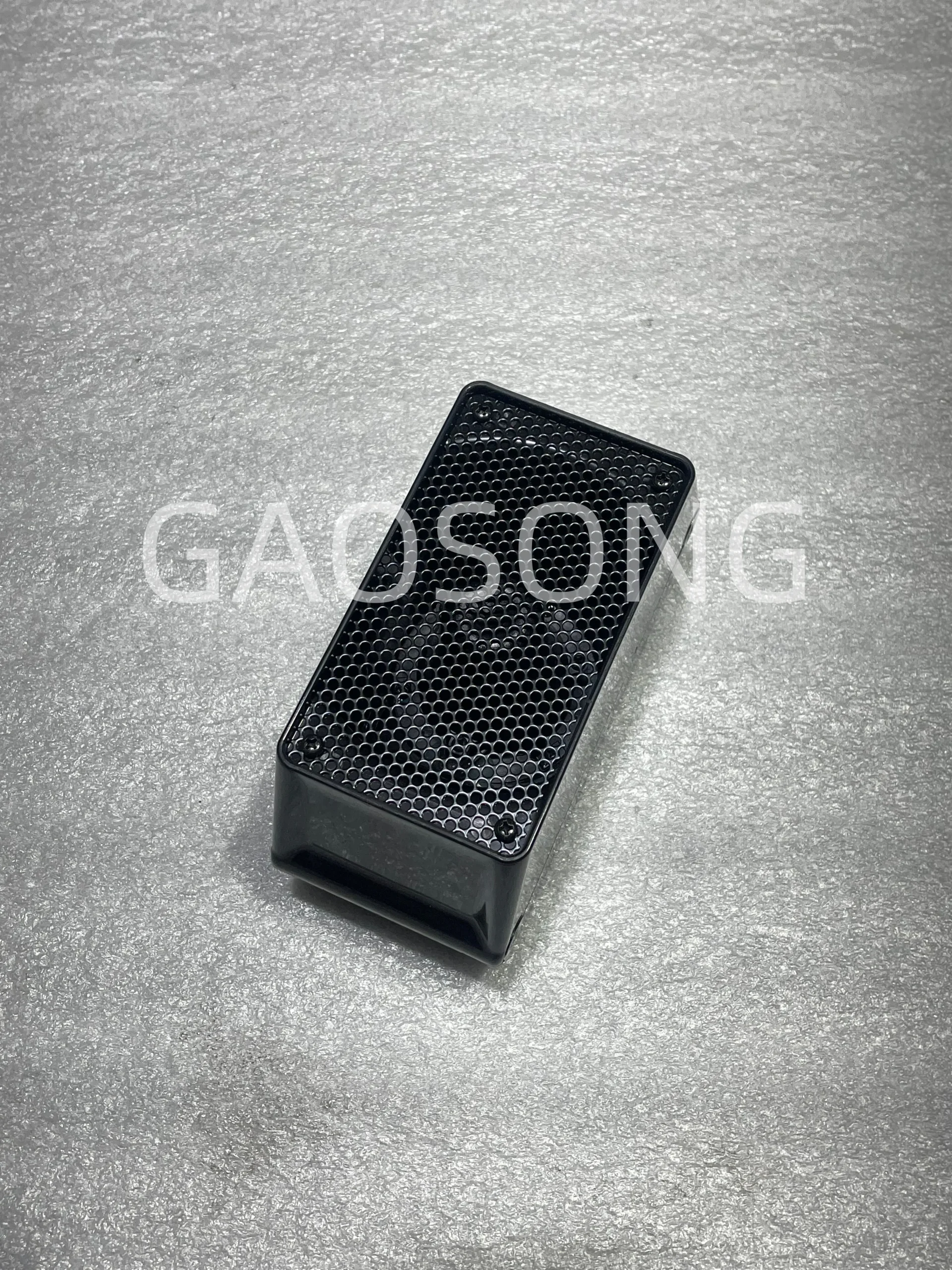 415-06-22100 ALARM.BACK-UP-Komatsu Original Factory