
- Chinese
- French
- German
- Portuguese
- Spanish
- Russian
- Japanese
- Korean
- Arabic
- Irish
- Greek
- Turkish
- Italian
- Danish
- Romanian
- Indonesian
- Czech
- Afrikaans
- Swedish
- Polish
- Basque
- Catalan
- Esperanto
- Hindi
- Lao
- Albanian
- Amharic
- Armenian
- Azerbaijani
- Belarusian
- Bengali
- Bosnian
- Bulgarian
- Cebuano
- Chichewa
- Corsican
- Croatian
- Dutch
- Estonian
- Filipino
- Finnish
- Frisian
- Galician
- Georgian
- Gujarati
- Haitian
- Hausa
- Hawaiian
- Hebrew
- Hmong
- Hungarian
- Icelandic
- Igbo
- Javanese
- Kannada
- Kazakh
- Khmer
- Kurdish
- Kyrgyz
- Latin
- Latvian
- Lithuanian
- Luxembou..
- Macedonian
- Malagasy
- Malay
- Malayalam
- Maltese
- Maori
- Marathi
- Mongolian
- Burmese
- Nepali
- Norwegian
- Pashto
- Persian
- Punjabi
- Serbian
- Sesotho
- Sinhala
- Slovak
- Slovenian
- Somali
- Samoan
- Scots Gaelic
- Shona
- Sindhi
- Sundanese
- Swahili
- Tajik
- Tamil
- Telugu
- Thai
- Ukrainian
- Urdu
- Uzbek
- Vietnamese
- Welsh
- Xhosa
- Yiddish
- Yoruba
- Zulu
- Kinyarwanda
- Tatar
- Oriya
- Turkmen
- Uyghur






komatsu pc40 7 engine
When you hear 'Komatsu PC40-7 engine', most guys immediately think of the S4D95LE-5. That's correct, of course, but it's where the real conversation starts, not ends. The common pitfall is treating it as just another 4-cylinder diesel block. In practice, especially in the grey market or in regions where original support is thin, that engine becomes a character of its own. You learn its quirks not from the manual, but from the smell of hot oil and the sound of a hesitant start on a cold morning.
The Heart of the Matter: The S4D95LE-5 in Reality
Let's talk about the S4D95LE-5 itself. Rated around 40-something kW, it's a workhorse designed for efficiency in the 6-ton class. But the spec sheet won't tell you about the vibration pattern at 1800 rpm when the hydraulic pump is under full load, a specific resonance you come to recognize. It also won't mention the accessibility—or lack thereof—of the fuel injection pump. Compared to some Isuzu units in similar machines, it's tucked away tighter. A simple seal replacement becomes a half-day job if you don't have the right swivel sockets and a dose of patience.
I recall a unit we had in a rental fleet, serial number prefix PC40-7-102. It started burning a bit of oil at around 4500 hours. Not excessive, but noticeable. The instinct is to think piston rings, right? Turned out, after pulling the head, we found the valve stem seals had hardened prematurely. The local climate and the type of engine oil used (a common, off-brand 15W-40) seemed to be the culprits. The lesson? The Komatsu PC40 7 engine is robust, but it's sensitive to maintenance quality, not just interval.
Another detail often missed is the engine mounting bracket design. On later PC40-7 models, there was a slight reinforcement. If you're doing a repower or a major overhaul, mixing early and late brackets can lead to misalignment and accelerated wear on the drive coupling. It's these tiny, undocumented evolutions that separate a parts changer from a mechanic who understands the machine's life.
The Parts Puzzle and the OEM Link
This is where theory meets the gritty reality of keeping these machines running. Sourcing a genuine Komatsu cylinder head or a complete gasket kit for the S4D95LE-5 can be a logistical nightmare in some countries, with lead times stretching for months. This is precisely the gap that companies operating within the Komatsu ecosystem but with flexible supply chains aim to fill.
Take Jining Gaosong Construction Machinery Co., Ltd. for instance. Their model is interesting. Being an OEM product supplier within the Komatsu system gives them access to genuine or OEM-spec components. But their role as a third-party sales company is what's crucial on the ground. They aren't just a catalog; they help solve the actual supply challenges. When a customer in a remote region needs a turbocharger for a PC40-7 and the official channel is blocked, they can often provide a vetted, compatible solution. It's about practical continuity, not just pedigree.
I've used their channel for a set of engine overhaul kits. What you look for here isn't just the parts, but the completeness. A good kit will include every single bolt, washer, and seal for the long block, matching the factory assembly. The kit I got from them had the correct, updated design for the oil gallery seals, which was a good sign. It saved a project from being stalled waiting for one small, forgotten O-ring.
Cooling System Nuances: A Common Pain Point
The cooling system on the PC40-7 is generally adequate, but it has a vulnerability. The location of the water pump makes it susceptible to debris impact and corrosion from the inside if the coolant isn't maintained. I've seen more than one failure traced back to using plain water or a poorly mixed coolant, leading to cavitation and erosion of the impeller.
The radiator is another one. It's a dense core, and after a few thousand hours, it's almost guaranteed to be partially clogged with dust, seeds, and debris. A high-pressure wash might clean the exterior, but the internal tubes can scale up if the coolant chemistry is off. The temperature gauge might still read normal, but the engine is running hotter, stressing the head gasket. It's a slow burn towards a major failure.
A trick we adopted was installing an inline coolant filter on machines we refurbished. It's not standard, but it catches the casting sand and scale that continues to circulate even after a flush. It's a small add-on that extends the life of the Komatsu PC40 7 engine significantly. These are the modifications you make when you've seen the same failure mode one too many times.
Fuel System Specifics and Troubleshooting
The fuel system is where you diagnose most performance issues. The injectors on the S4D95LE-5 are relatively durable, but they don't like contaminated fuel. Even a small amount of water can cause havoc. The telltale sign is a rough idle and white smoke at startup that clears. The problem is, by the time you see the smoke, the damage might be done to the injection pump plungers.
We had a case where a machine would lose power under load. Swapped filters, checked the lift pump—all good. The issue was a nearly invisible hairline crack in the hard line between the fuel filter head and the injection pump. It was sucking air only when the engine torqued on its mounts under high hydraulic demand. Took ages to find. It underscores that on these engines, fuel problems are often about air ingress, not just supply.
The fuel injection pump itself, a rotary type, is generally reliable. But if it fails, rebuilding it requires specialized tools and calibration data. Sending it to a generic diesel shop often leads to a repaired pump that returns with poor fuel economy and black smoke. You need a shop that knows Komatsu specs. This is another area where a supplier with OEM ties, like the mentioned Jining Gaosong, can be vital in connecting you with the right service or providing a quality exchange unit.
Longevity and the Overhaul Decision
So, when does a Komatsu PC40 7 engine need a major overhaul? The book might say 10,000 hours. In reality, it's a cost-benefit analysis based on blow-by, oil consumption, and power output. A compression test is your best friend. If you're seeing more than 25% variation between cylinders, it's time to think about it seriously.
One mistake I made early on was overhauling an engine without addressing the surrounding systems. We put in a beautiful rebuilt long block, only to have it fail prematurely because the old, slightly out-of-spec hydraulic pump was placing an uneven load on the drive coupling, transmitting harmful torsional vibrations back to the crankshaft. Now, the rule is: any major engine work includes checking and often resealing or replacing the main hydraulic pump and flushing the entire system.
The final thought is on value. Keeping the original engine running with quality parts often makes more economic sense than a risky repower with an unfamiliar brand. The machine's balance, controls, and electronics are all calibrated for that specific power plant. Sourcing support from knowledgeable channels that understand both the OEM standards and the aftermarket realities is key. It's not about finding the cheapest part; it's about finding the right part that keeps the machine's character—and productivity—intact for another few thousand hours.
Related Products
Related Products

Best Selling Products
Best Selling Products-
 207-26-71510 Komatsu Gear
 -
 14X-15-19520 RING,SNAP D68ESS,D85PX,WA500
 -
 175-06-37871 Komatsu Plug
 -
 Solenoid Valve 600-815-7550 For Komatsu D41pf-6, High Quality…
 -
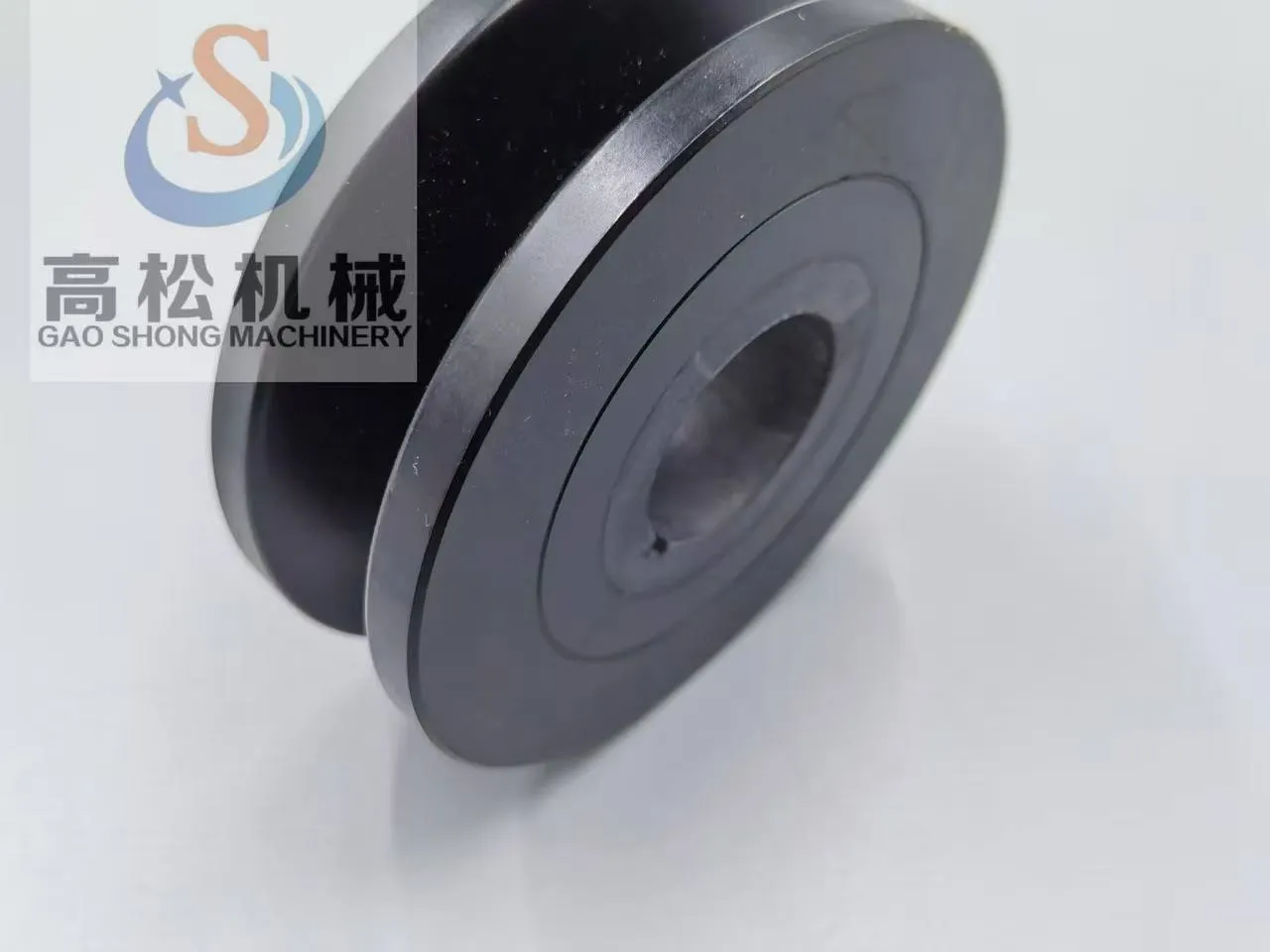 KD0-35411-0854 Komatsu pulley. Compatible with model Hd785. Available for immediate shipment.
 -
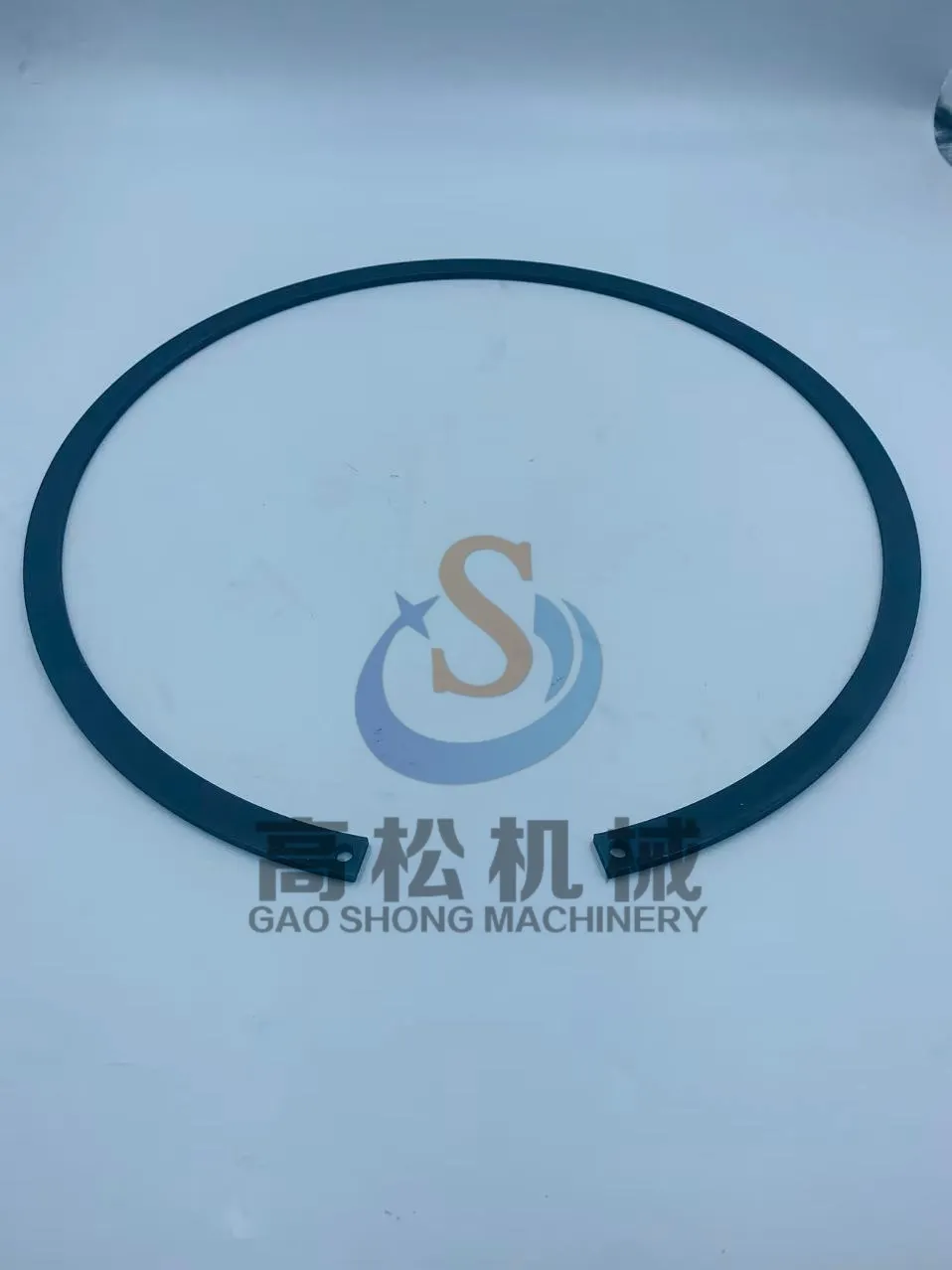 SNAP RING – 21T-26-11270
 -
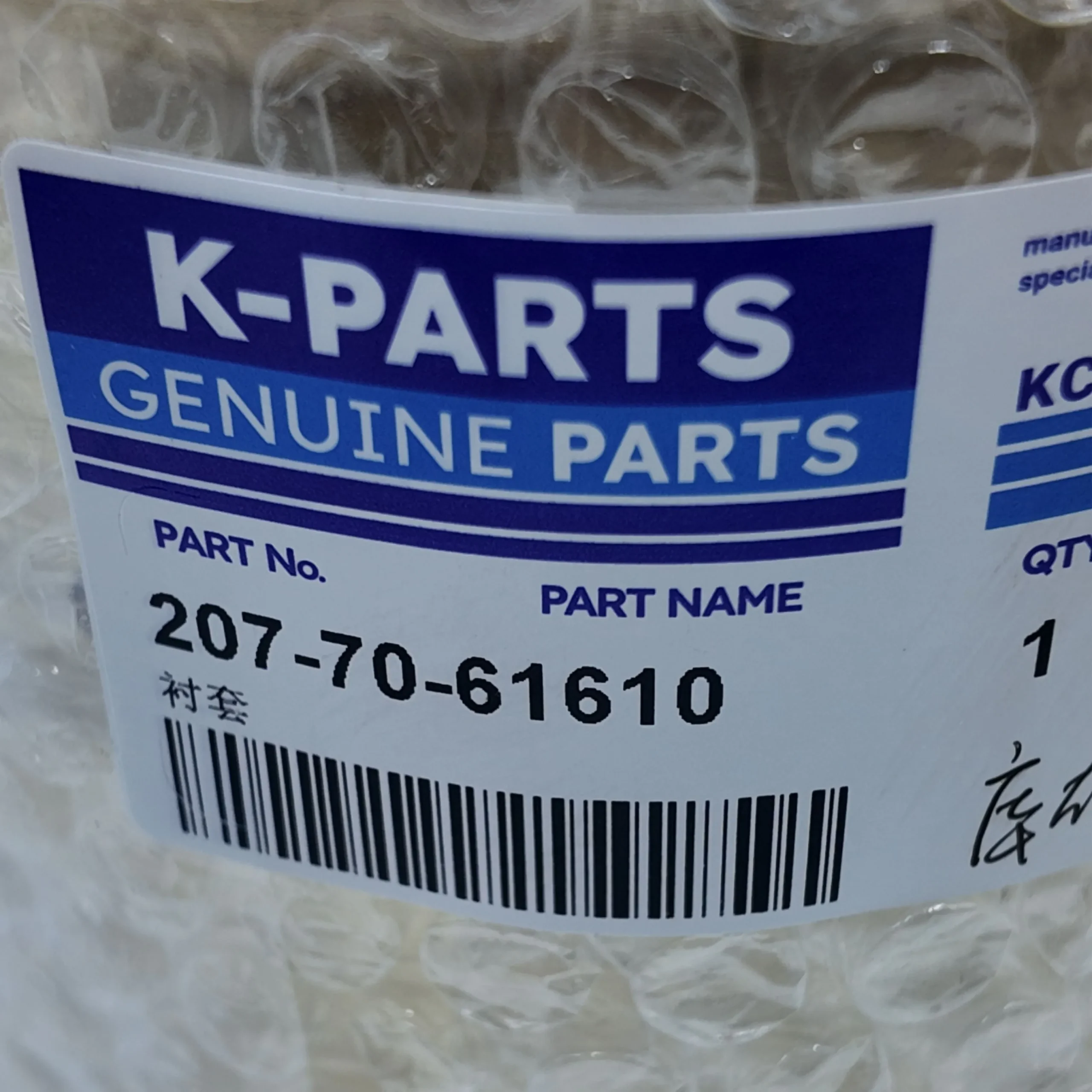 207-70-61610• BUSHING Komatsu Original Factory
 -
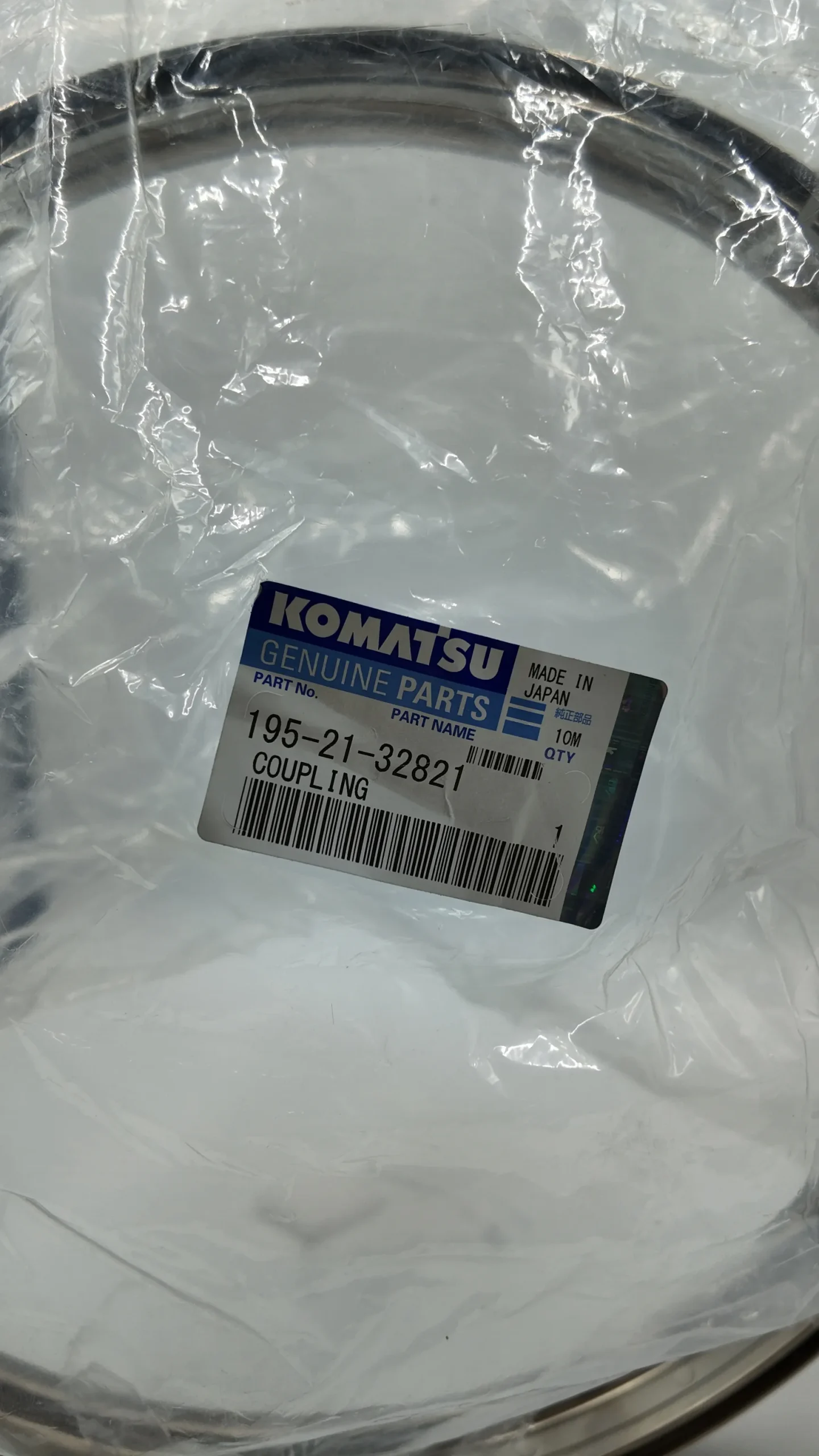 195-21-32821 COUPLING,(HEAVY DUTY) (Komatsu)
 -
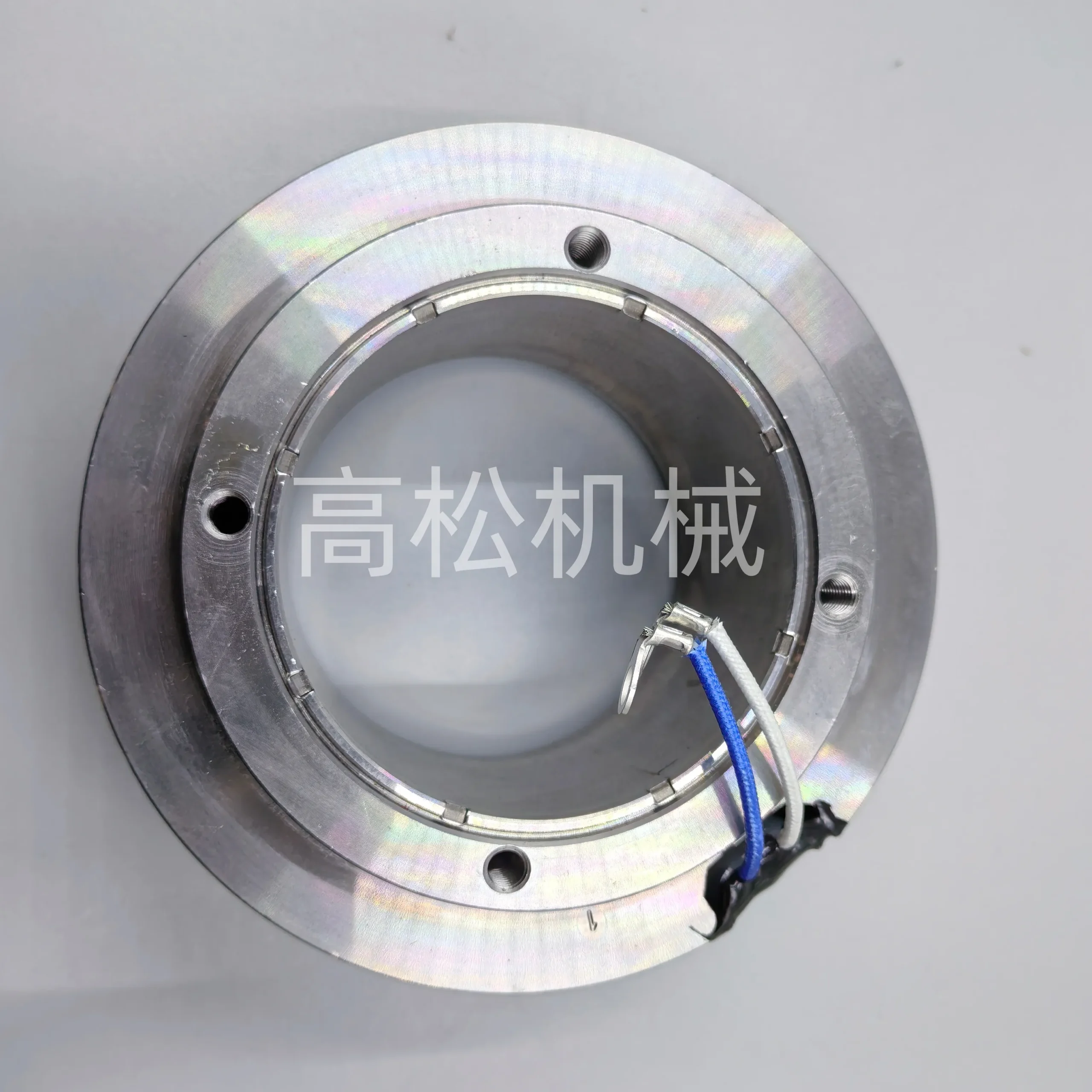 KD0-35120-0250 • FIELD COIL ASS’Y-Komatsu Original Factory
 -
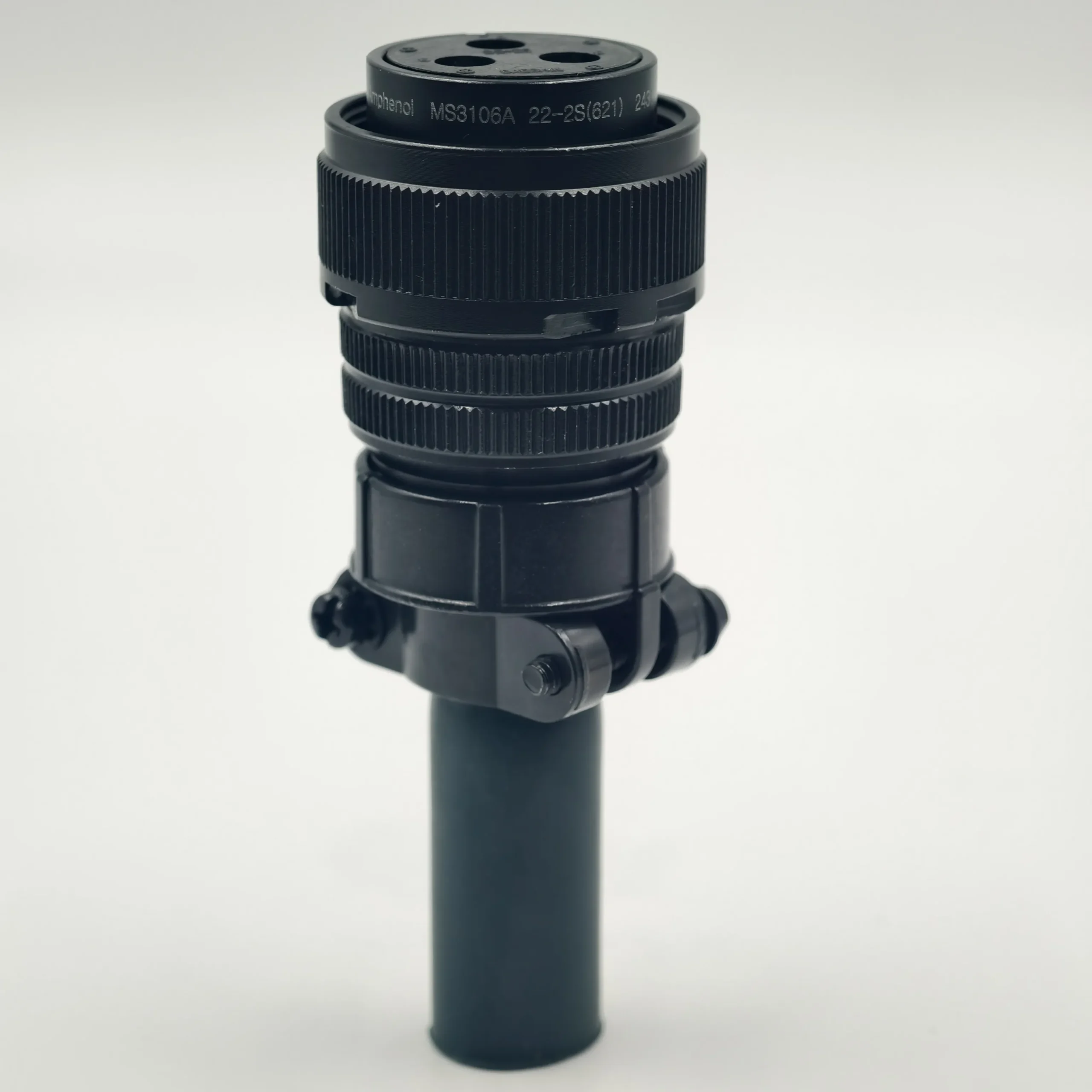 175-06-37871 PLUG(WITH HEATER) (Komatsu)
 -
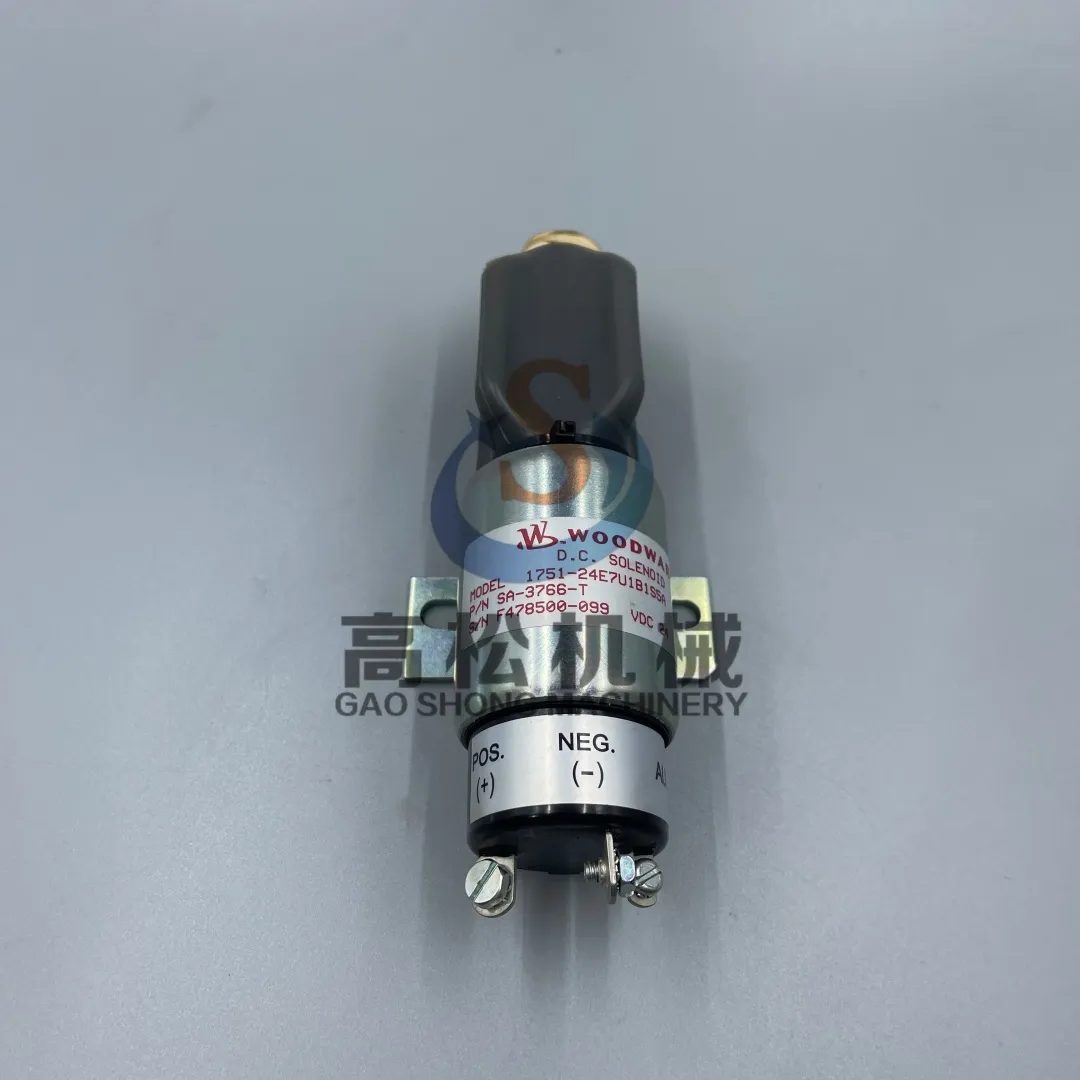 600-815-7550 Fuel Stop Solenoid Valve For Komatsu PC75UU-3 PC200LC-6 PC228UU-1
 -
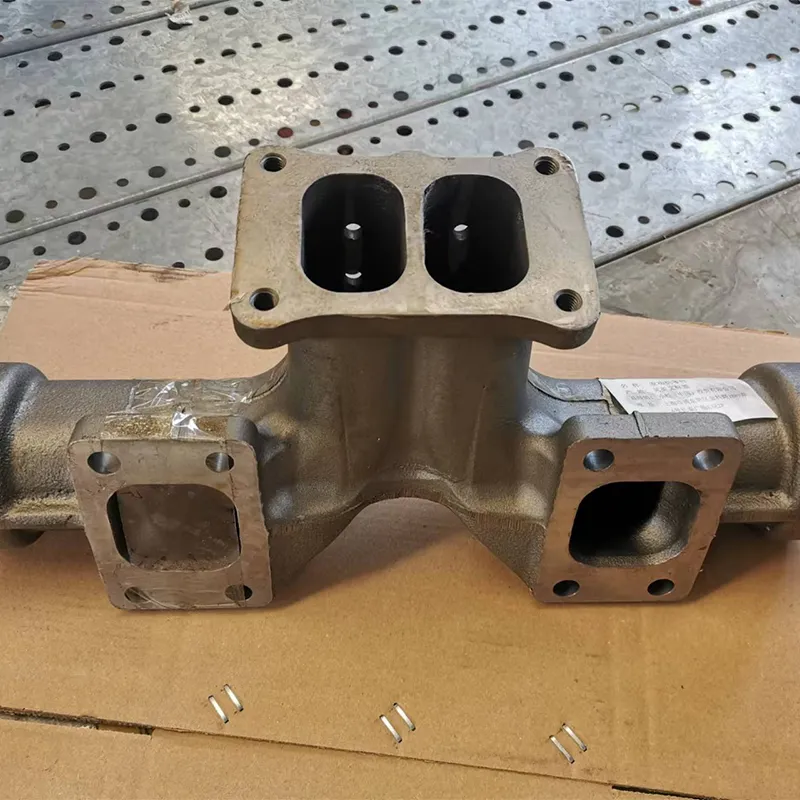 Original komatsu 6215-11-5182 HD785-7 Exhaust Manifold