
- Chinese
- French
- German
- Portuguese
- Spanish
- Russian
- Japanese
- Korean
- Arabic
- Irish
- Greek
- Turkish
- Italian
- Danish
- Romanian
- Indonesian
- Czech
- Afrikaans
- Swedish
- Polish
- Basque
- Catalan
- Esperanto
- Hindi
- Lao
- Albanian
- Amharic
- Armenian
- Azerbaijani
- Belarusian
- Bengali
- Bosnian
- Bulgarian
- Cebuano
- Chichewa
- Corsican
- Croatian
- Dutch
- Estonian
- Filipino
- Finnish
- Frisian
- Galician
- Georgian
- Gujarati
- Haitian
- Hausa
- Hawaiian
- Hebrew
- Hmong
- Hungarian
- Icelandic
- Igbo
- Javanese
- Kannada
- Kazakh
- Khmer
- Kurdish
- Kyrgyz
- Latin
- Latvian
- Lithuanian
- Luxembou..
- Macedonian
- Malagasy
- Malay
- Malayalam
- Maltese
- Maori
- Marathi
- Mongolian
- Burmese
- Nepali
- Norwegian
- Pashto
- Persian
- Punjabi
- Serbian
- Sesotho
- Sinhala
- Slovak
- Slovenian
- Somali
- Samoan
- Scots Gaelic
- Shona
- Sindhi
- Sundanese
- Swahili
- Tajik
- Tamil
- Telugu
- Thai
- Ukrainian
- Urdu
- Uzbek
- Vietnamese
- Welsh
- Xhosa
- Yiddish
- Yoruba
- Zulu
- Kinyarwanda
- Tatar
- Oriya
- Turkmen
- Uyghur






komatsu pc35mr 2 parts manual
When you type 'komatsu pc35mr 2 parts manual' into a search bar, you're probably hoping for a magic bullet—a single PDF that answers every question. In my two decades around these machines, I've learned that's the first common misconception. The manual is essential, yes, but it's a starting point, not the finish line. The real knowledge comes from cross-referencing that book with the grime under your fingernails, from knowing which diagrams gloss over the tricky bits and which part numbers have been superseded three times since publication. I've seen too many guys, even seasoned mechanics, waste half a day because they took the manual's exploded view as gospel, not realizing the hydraulic line routing for the PC35MR-2 can differ slightly between early and late serial numbers. That's where the real work begins.
Why the Official Manual is Just a Map, Not the Territory
The factory parts manual for the Komatsu PC35MR-2 is brilliantly precise for identification. You want the seal kit for the swing motor? It'll give you the Komatsu part number, the position in the assembly, and that's it. What it won't tell you is that on machines operating in high-dust environments, that specific seal tends to fail prematurely, and there's a slightly modified design from a third-party supplier that lasts 30% longer. It also assumes you have a clean, well-lit shop and every special tool Komatsu ever made. The manual shows a bolt torque sequence; it doesn't show you how to hold the counterweight steady with a makeshift brace when you're doing a pump replacement in a muddy field.
I remember a job last year where we were replacing the pilot control valve block. The manual's procedure was straightforward. But it didn't account for the cumulative effect of minor frame tweaks from years of work. We got everything disconnected per the book, only to find the new block wouldn't seat because a hydraulic line bracket was about 2mm out of where the diagram said it should be. Had to loosen three other seemingly unrelated mounts to get the alignment right. That's the kind of tacit knowledge you never get from the PDF alone.
This is precisely where a supplier with deep system knowledge becomes invaluable. A company like Jining Gaosong Construction Machinery Co., Ltd. operates in a unique space. As they state on their site https://www.takematsumachinery.com, they are an OEM product supplier within the Komatsu system and a third-party sales company. In practice, this means they can often bridge the gap between the strict OEM manual and on-the-ground reality. They might look up the same PC35MR-2 part number you have, but they can also tell you, Hey, for that serial number range, we've seen issues with that batch. Here's the updated part, and here's a tip for the install.
The Hunt for Parts: Beyond the Part Number
Let's talk about the actual process. You've got your manual open, you've identified the part—say, the idler cylinder for the track tensioner. You have the Komatsu number. Now what? If you're in a major market with a stocked Komatsu dealer, maybe you're fine. But the PC35MR-2 is a global machine, common in regions where the official supply chain can be slow or prohibitively expensive. This is the parts supply challenges in certain countries that Jining Gaosong mentions. I've been in situations where the official lead time was 12 weeks. A machine down for 12 weeks is a financial disaster.
So you start looking for alternatives. This is where it gets messy. You find a dozen suppliers offering OEM-equivalent parts. Some are fantastic, machined to exact specs. Others are junk that will fail in 100 hours. The manual doesn't help you here. You need a supplier who understands the pedigree of the parts they sell. The good ones don't just sell you a seal; they know which rubber compound works best in tropical heat versus arctic cold, which is info that never makes it into the standard parts manual.
I've learned to ask specific questions: Is this bearing from the original Komatsu factory line, or is it a licensed aftermarket? Does this hydraulic hose assembly use the exact same ferrule crimp specification? The answers separate the real experts from the parts peddlers. A supplier embedded in the Komatsu ecosystem, like the one mentioned, is more likely to have those answers and provide parts that won't void your machine's overall integrity.
Case in Point: The Undercarriage Puzzle
Nothing tests your understanding of the Komatsu PC35MR-2 parts manual like undercarriage work. The manual will list every pin, bushing, link, and shoe. But rebuilding a worn undercarriage is an art of measurement and judgment. The book gives you wear limits, but it doesn't stress enough how mixing a new link with a chain that's 50% worn will accelerate failure on both.
We had a PC35MR-2 in for a recoil spring replacement—a standard job. The manual procedure was clear. But while we had it torn down, we noticed uneven sprocket wear. The manual's troubleshooting section just says inspect for abnormal wear. Not helpful. It took tracing back through the track tension, checking the alignment of the idler and carrier rollers (all part numbers neatly listed, thank you manual), to realize the root cause was a slightly bent track link from an old impact. That one bent link, a cheap part, was wearing down the much more expensive sprocket. The manual helps you identify the damaged components, but diagnosing the cause of the failure chain requires looking beyond the individual part diagrams.
This is another scenario where a knowledgeable parts source is key. Ordering a single new track link is easy. But a good technical person at a parts company might ask, What's the wear percentage on the rest of the chain? They might advise replacing the sprocket in tandem if it's past a certain point, saving you a second downtime event in the near future. That's value-added service the basic manual can't provide.
Hydraulics: Where the Manual's Simplicity Meets System Complexity
The hydraulic system schematics in the PC35MR-2 manual are excellent for understanding flow paths. But they represent a perfect, clean system. On a machine with 5,000 hours, reality is different. You're not just replacing a pump; you're dealing with contamination that may have worked its way through the entire system. The manual will tell you to clean all lines and valves. It won't tell you the most efficient order to flush the system, or that the priority valve for the attachment circuit is particularly sensitive to debris and should be checked independently.
I learned this the hard way early on. Replaced a main hydraulic pump following the manual to the letter. Fired the machine up, and the arm movement was sluggish. Spent days chasing ghosts—rechecked the pump, the valves. Finally, found a tiny piece of seal debris lodged in the pilot line to the arm spool valve, a line not even highlighted in the main replacement procedure. The manual assumed a clean work environment. My shop wasn't dirty, but it wasn't a surgical suite either.
Now, when I order a major hydraulic component, I also order a full filter kit and often a system flush solvent. I might even get this kind of while you're in there advice from a parts specialist. If I'm talking to Jining Gaosong Construction Machinery Co., Ltd. about a pump, their experience as an OEM supplier might lead them to ask about the machine's service history and recommend a complete hose inspection, as vibration from a failing pump can fatigue nearby lines.
The Digital Dilemma and the Tangible Reality
Today, you can probably find a digital copy of the komatsu pc35mr 2 parts manual online in minutes. That's progress. But it changes the dynamic. You lose the ability to have the book open on the floor, getting dirty, with your handwritten notes in the margins from last time. A tablet is great for zooming in on diagrams, but it's terrible in the rain or when your hands are covered in grease.
My solution is hybrid. I use the digital copy for quick searches and to print out specific pages for the job. Those pages become disposable work orders. But I still keep a battered physical manual in the office for the big-picture overview and for those notes. They remind me, Serial below XXXX, check flange orientation or Use Loctite 572 on this fitting, not 545. That's the personalized addendum to the official document.
This is where a company's role evolves from just selling parts to being a knowledge partner. Their website, https://www.takematsumachinery.com, isn't just a catalog. For professionals, it should be a gateway to that practical, applied knowledge. The best suppliers get this. They know their customers aren't just buying a part; they're buying a solution to a downtime problem. The manual gives you the what. Experience, and the right support network, give you the how and the why. For the PC35MR-2, or any machine, that combination is what keeps them earning out there in the dirt.
Related Products
Related Products

Best Selling Products
Best Selling Products-
 195-15-82570 Komatsu Spacer
 -
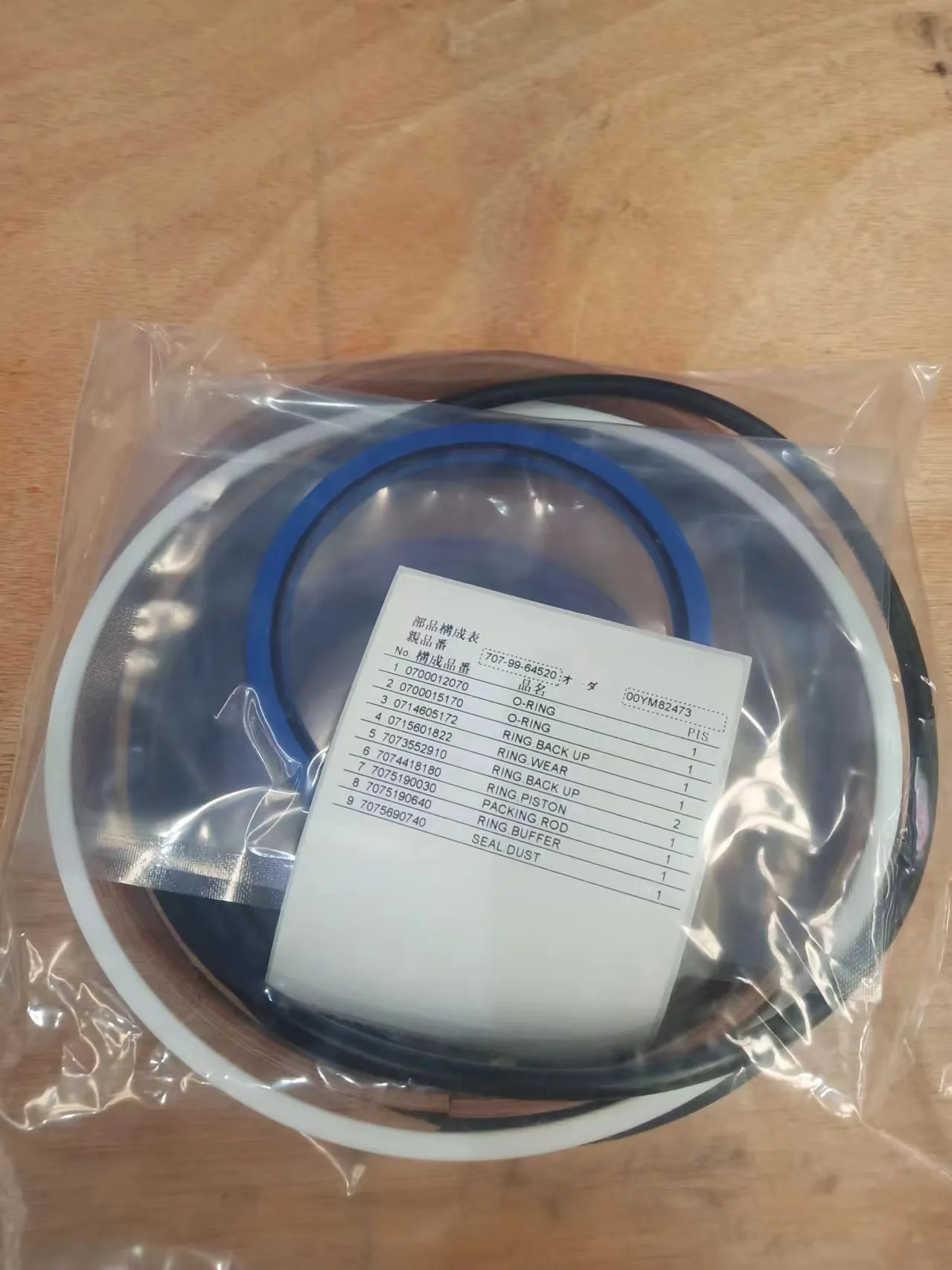 WA380-3 Repair Kit 707-99-64520
 -
 Pc45mr Pc50mr Solenoid Valve 22f-60-31600 Genuine Parts, High…
 -
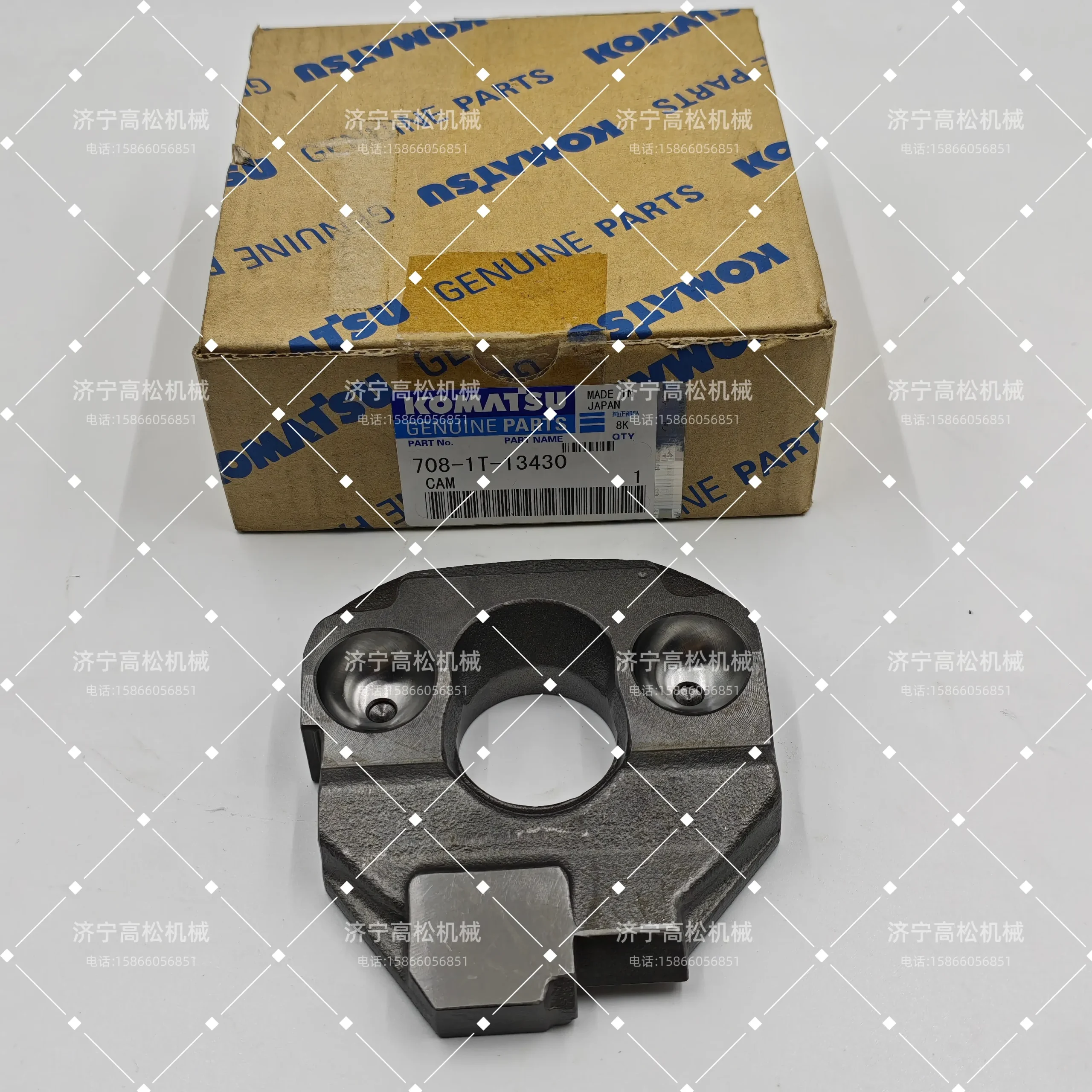 708-1T-13430 Komatsu Cam, Rocker
 -
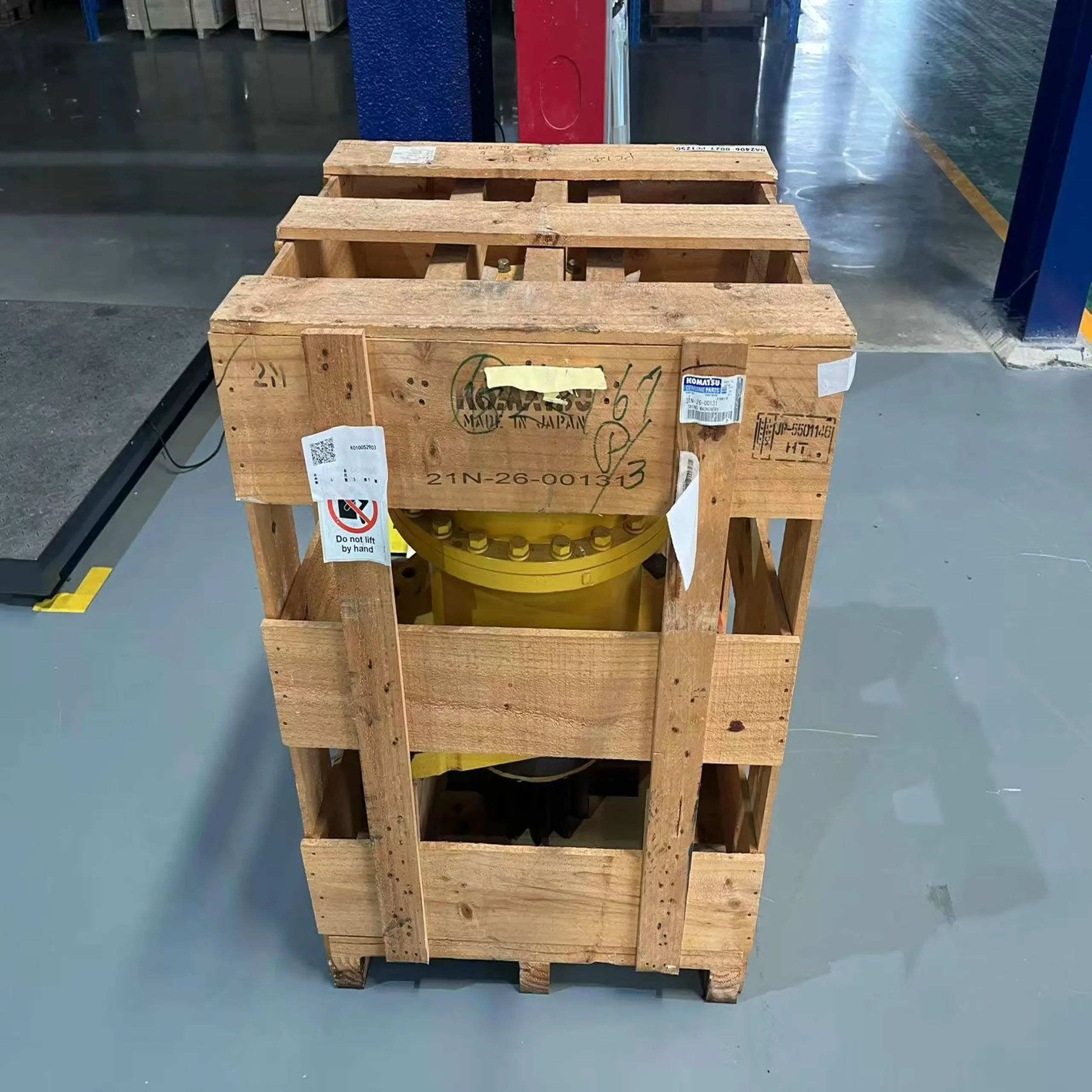 Komatsu Original Factory Brand New PC1250-8 Excavator Rotary Motor 21N-26-00110
 -
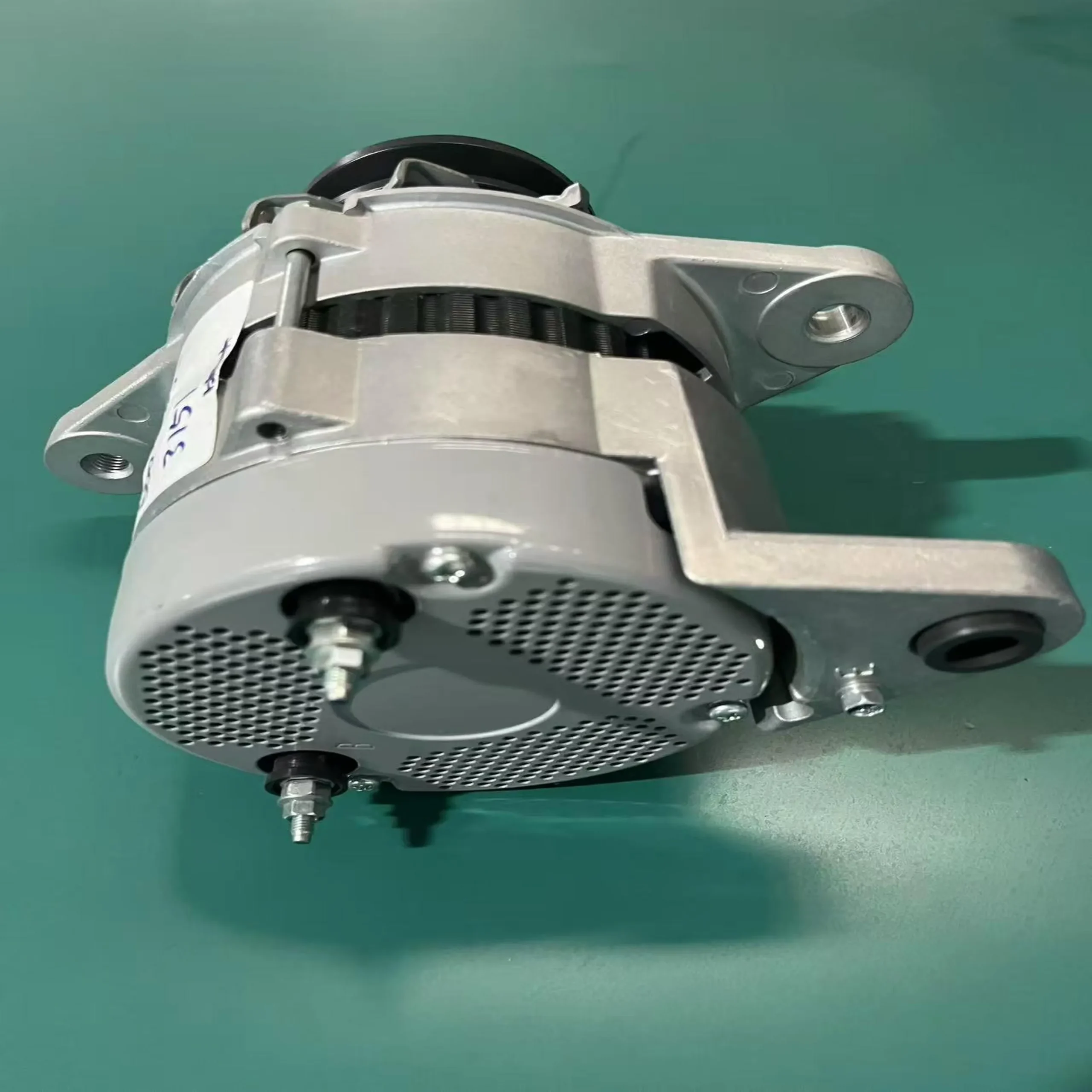 600-825-3151 Komatsu ALTERNATOR PC-400
 -
 KOMATSU-SEAL RING 14X-15-19210
 -
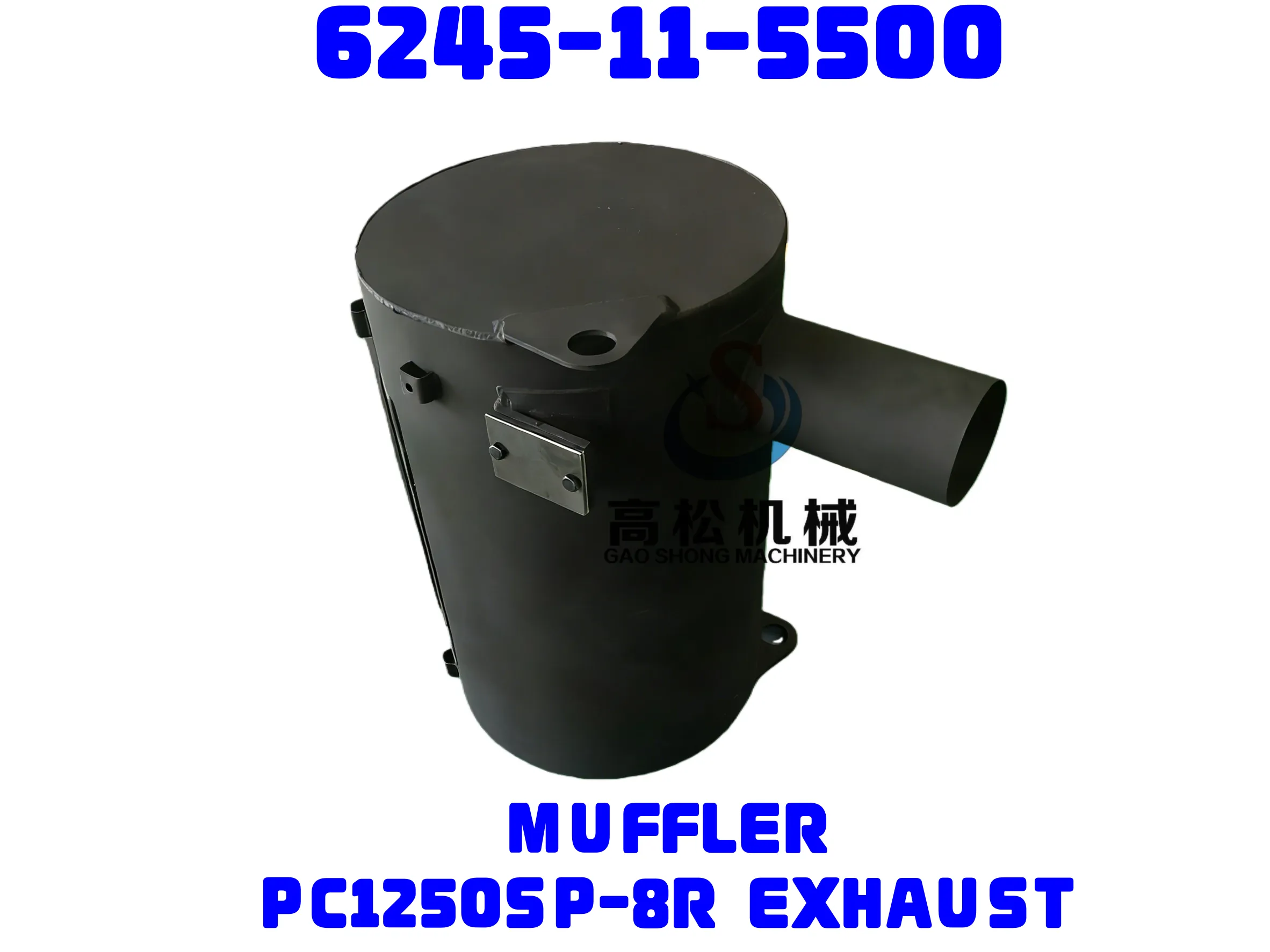 komatsu parts 6245-11-5500 MUFFLER PC1250SP-8R EXHAUST MUFFLER SAA6D170E-5CR-W MUFFLER MOUNTING
 -
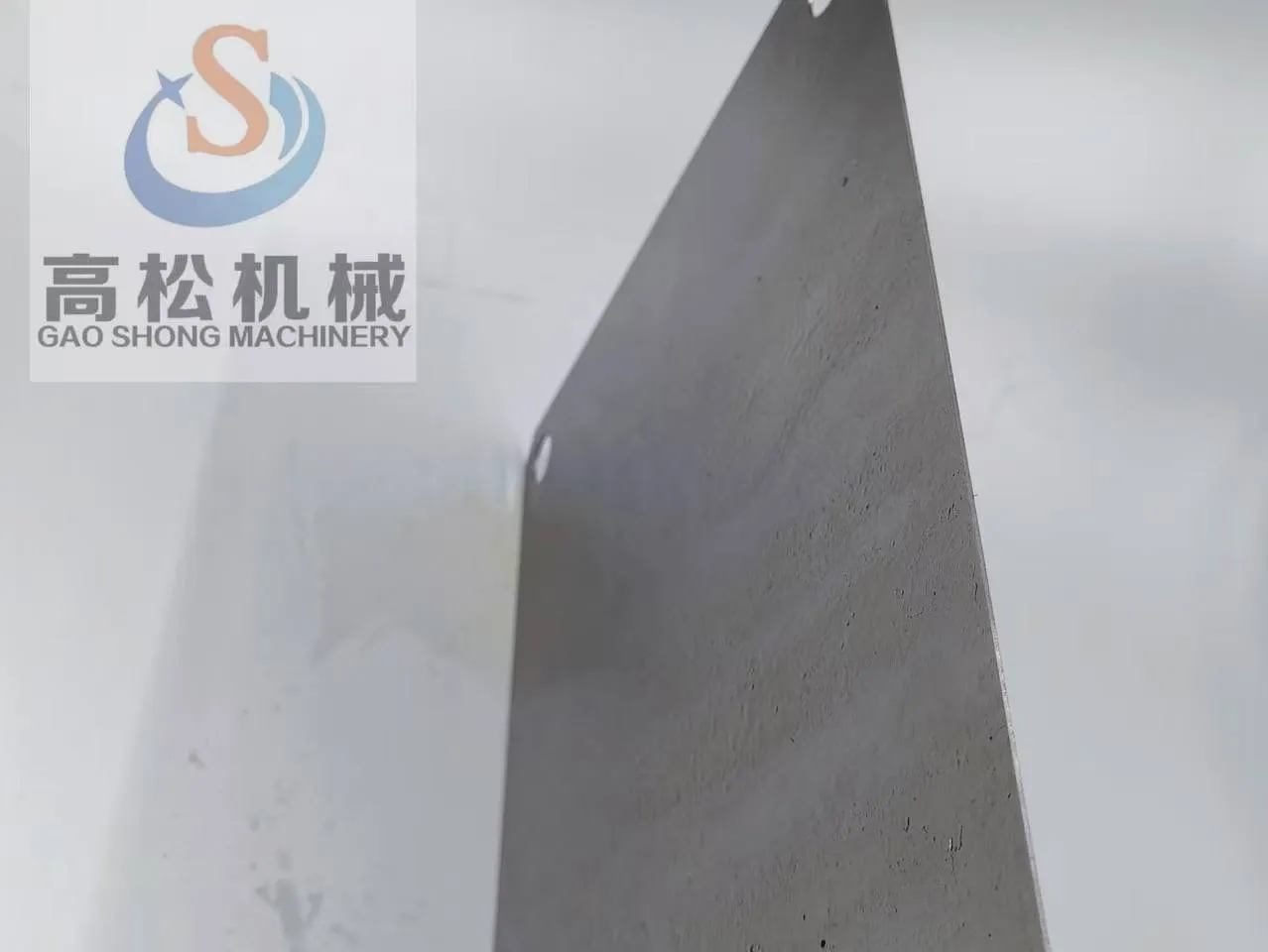 561-74-61540 Komatsu Shim Compatible Model: HD985. Available for immediate shipment.
 -
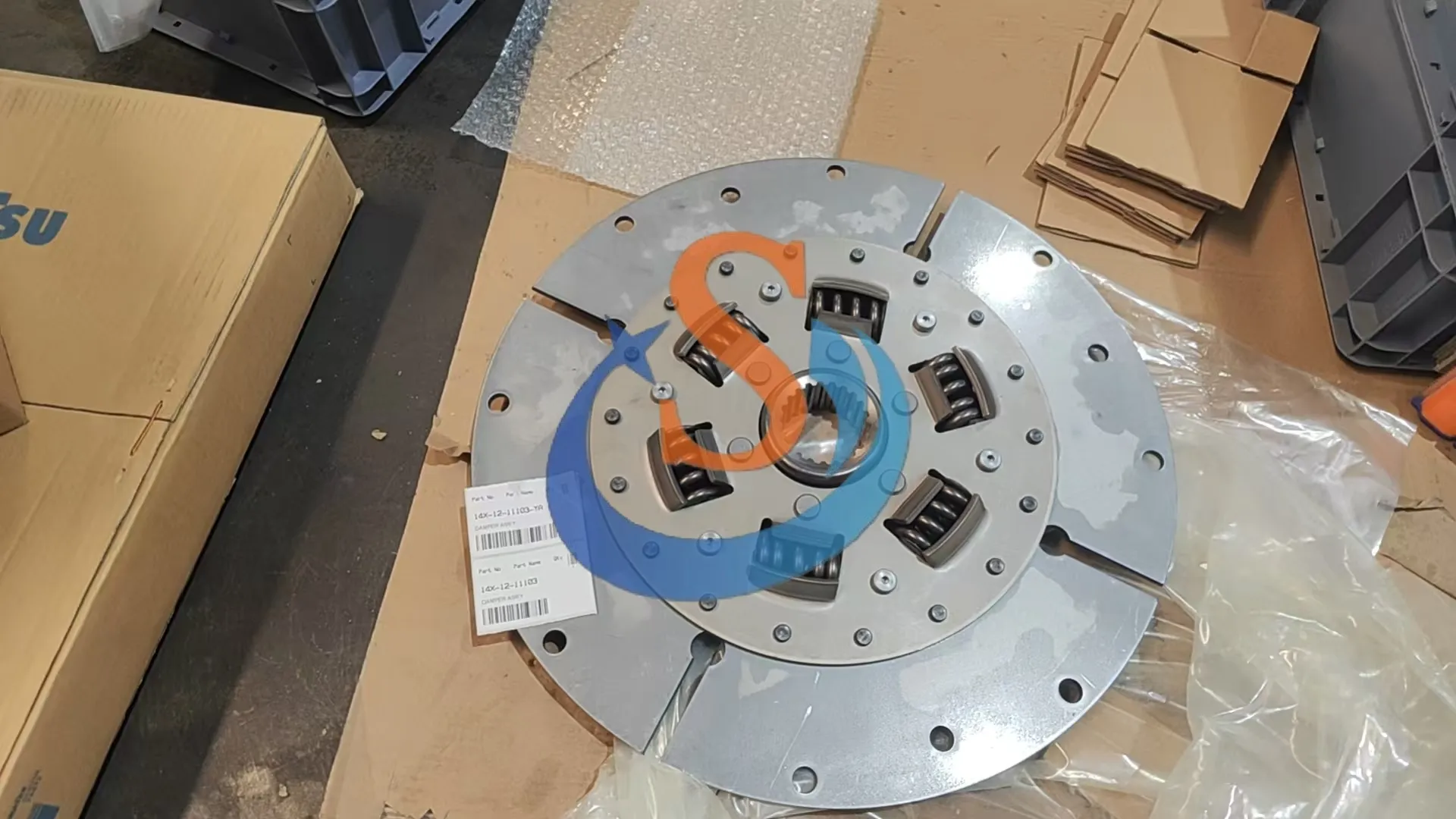 14X-12-11103 Damper Disc ASS’Y D65/D85
 -
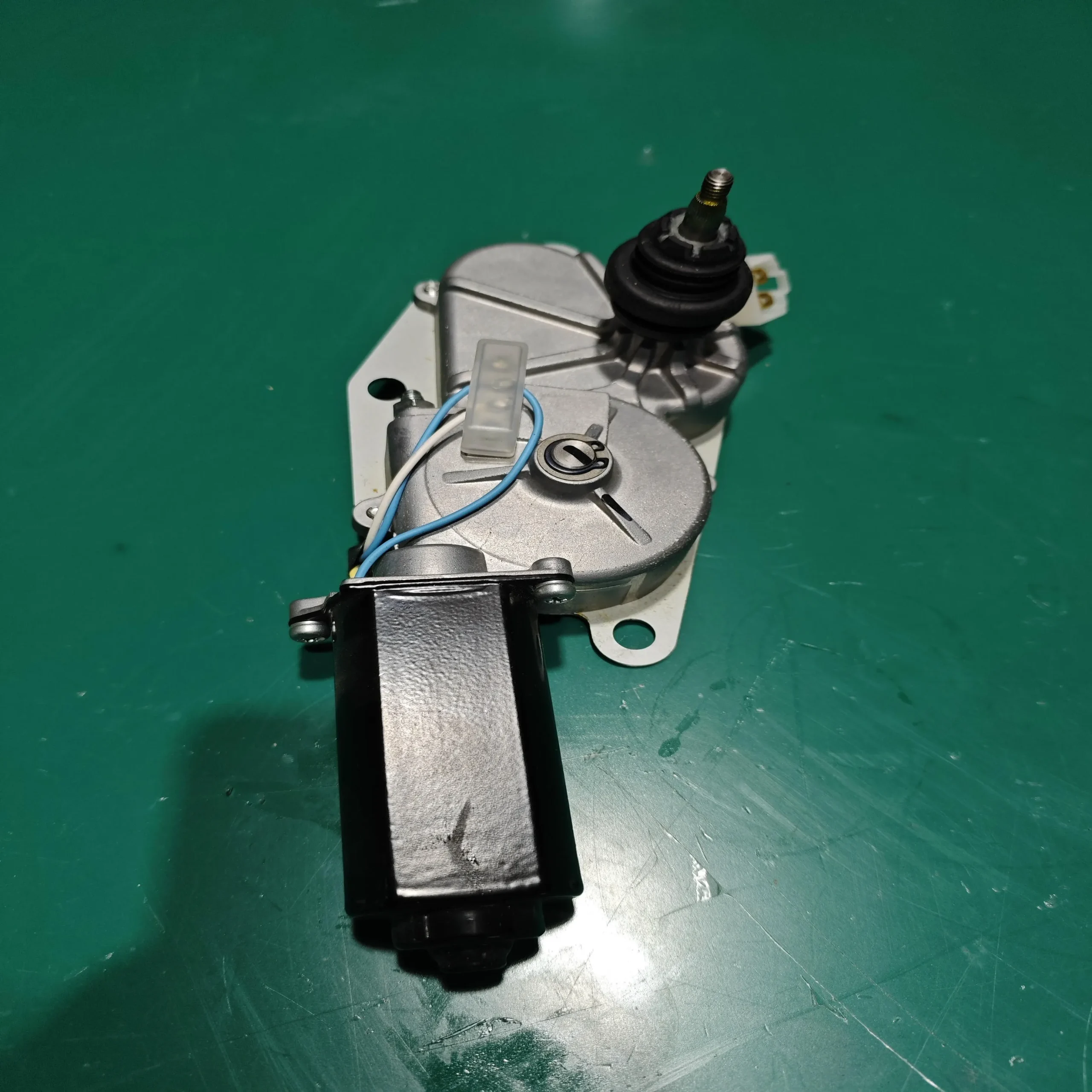 Komatsu Construction Machinery Full Series Accessories 23B-951-2610 Loader Parts
 -
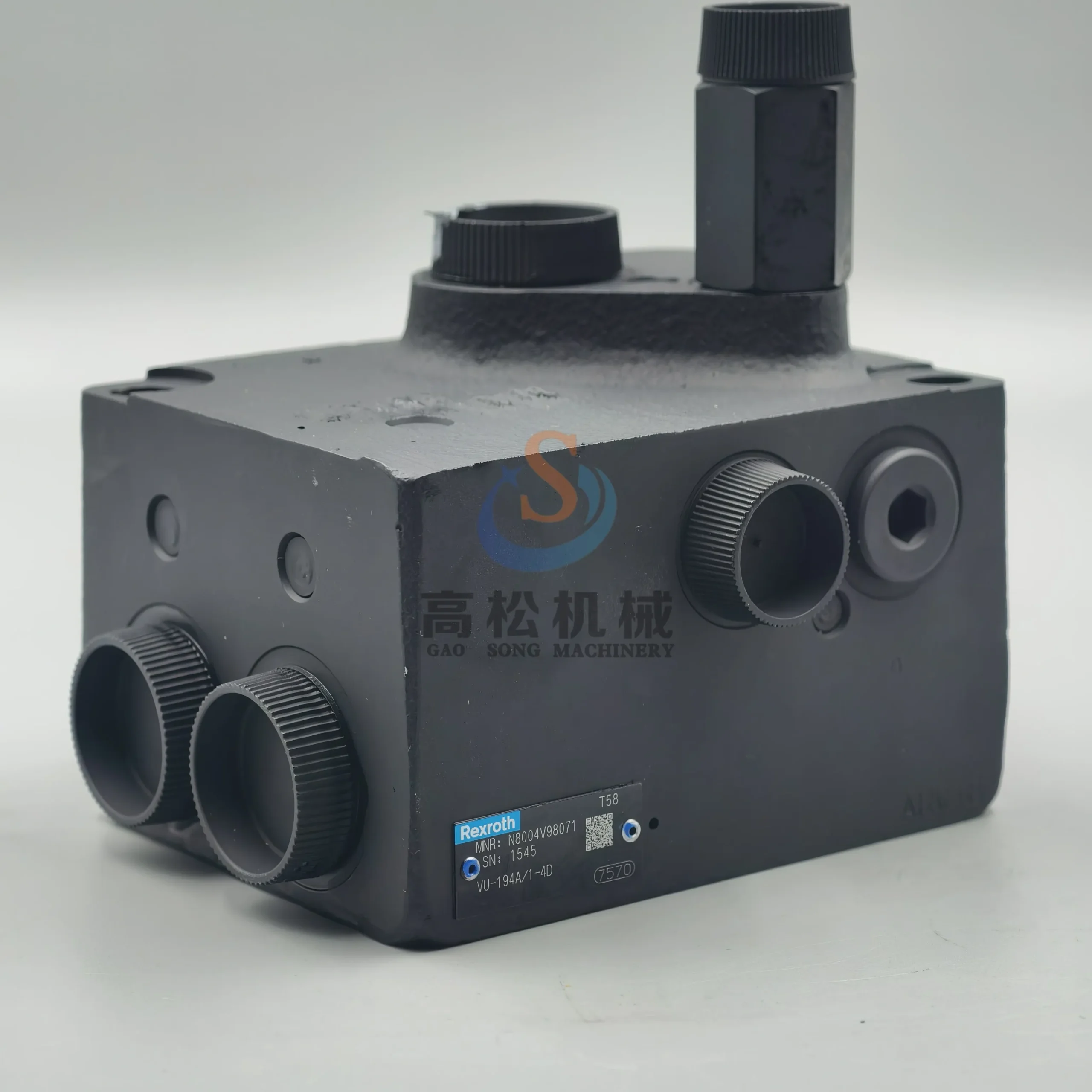 419-43-27401 komatsu vavle-WA400/WA300