
- Chinese
- French
- German
- Portuguese
- Spanish
- Russian
- Japanese
- Korean
- Arabic
- Irish
- Greek
- Turkish
- Italian
- Danish
- Romanian
- Indonesian
- Czech
- Afrikaans
- Swedish
- Polish
- Basque
- Catalan
- Esperanto
- Hindi
- Lao
- Albanian
- Amharic
- Armenian
- Azerbaijani
- Belarusian
- Bengali
- Bosnian
- Bulgarian
- Cebuano
- Chichewa
- Corsican
- Croatian
- Dutch
- Estonian
- Filipino
- Finnish
- Frisian
- Galician
- Georgian
- Gujarati
- Haitian
- Hausa
- Hawaiian
- Hebrew
- Hmong
- Hungarian
- Icelandic
- Igbo
- Javanese
- Kannada
- Kazakh
- Khmer
- Kurdish
- Kyrgyz
- Latin
- Latvian
- Lithuanian
- Luxembou..
- Macedonian
- Malagasy
- Malay
- Malayalam
- Maltese
- Maori
- Marathi
- Mongolian
- Burmese
- Nepali
- Norwegian
- Pashto
- Persian
- Punjabi
- Serbian
- Sesotho
- Sinhala
- Slovak
- Slovenian
- Somali
- Samoan
- Scots Gaelic
- Shona
- Sindhi
- Sundanese
- Swahili
- Tajik
- Tamil
- Telugu
- Thai
- Ukrainian
- Urdu
- Uzbek
- Vietnamese
- Welsh
- Xhosa
- Yiddish
- Yoruba
- Zulu
- Kinyarwanda
- Tatar
- Oriya
- Turkmen
- Uyghur






komatsu pc35mr 2 parts
When you search for 'komatsu pc35mr 2 parts', you're not just looking for a list. You're likely in the middle of a downtime situation, or planning to avoid one. The common pitfall is thinking all parts are equal or that the supply chain is straightforward. It's not. The PC35MR-2, while a solid machine, presents specific challenges as it ages, especially with certain wear items and hydraulic components that aren't always sitting on a shelf locally. I've seen too many guys waste days chasing the wrong seal kit or a mislabeled control valve, thinking the part number was universal.
The Core Challenge: Genuine vs. Aftermarket in the Real World
Let's be clear: for critical components like the main hydraulic pump or the swing motor, insisting on genuine Komatsu parts isn't just brand loyalty—it's risk management. I've had a client try a rebuilt pump from a non-OEM source for a PC35MR-2. It lasted about 400 hours before the pressure dropped catastrophically, causing more damage downstream. The cost saving was wiped out tenfold. The tolerances in Komatsu's own hydraulics are precise, and a mismatch here can cascade.
However, the blanket always buy genuine rule isn't financially realistic for everything. For non-critical wear parts—think bucket teeth, some linkage pins, or even certain hydraulic hoses—reputable aftermarket options can be perfectly serviceable. The key is the supplier's reputation and their understanding of the Komatsu system. This is where a company that operates within both worlds becomes invaluable.
I recall a project in Southeast Asia where we had three PC35MR-2s down for track roller frames. The local Komatsu dealer had a 12-week lead time. We turned to a supplier who understood the OEM specs but could source quality third-party alternatives. We got the machines running in two weeks. The frames have held up for over 3000 hours now. The decision wasn't about choosing sides; it was about finding a solution with the right technical backing.
Where the Breakdowns Actually Happen
If you're managing a fleet of these, your parts focus should be sharp. From hands-on experience, the recurring headaches for the PC35MR-2 aren't the engine (the Komatsu 4D95 is fairly bulletproof). They cluster in two areas. First, the komatsu pc35mr 2 parts for the pilot control system. The joystick control valves are sensitive to contamination. A tiny piece of debris can cause erratic movement, and rebuilding them requires specific kits and know-how.
Second, the undercarriage components on the MR (Mini Radius) version. The compact design puts different stress on track chains and idlers compared to standard models. Using a standard PC35 chain is a mistake I've seen made. You need the exact part number for the MR configuration, or you'll see accelerated wear. It sounds basic, but in a rush, it's an easy error.
Then there's the electronics. The sensors for the engine and hydraulic system are generally reliable, but when they fail, diagnosing them without the proper diagnostic tool or a wiring diagram is guesswork. Sourcing the correct sensor is another layer—many aftermarket ones throw false codes. Having a source that can validate part interchangeability is crucial here.
The Supplier Landscape and a Practical Resource
This brings me to the practical side of sourcing. The official dealer network is the first port of call, but as mentioned, availability and cost can be prohibitive, especially for older machines or in remote regions. This gap is filled by specialized suppliers who focus on Komatsu. One that has consistently come up in my network, particularly for complex supply scenarios, is Jining Gaosong Construction Machinery Co., Ltd.. Their model is interesting because they position themselves as both an OEM product supplier within the Komatsu system and a third-party sales company.
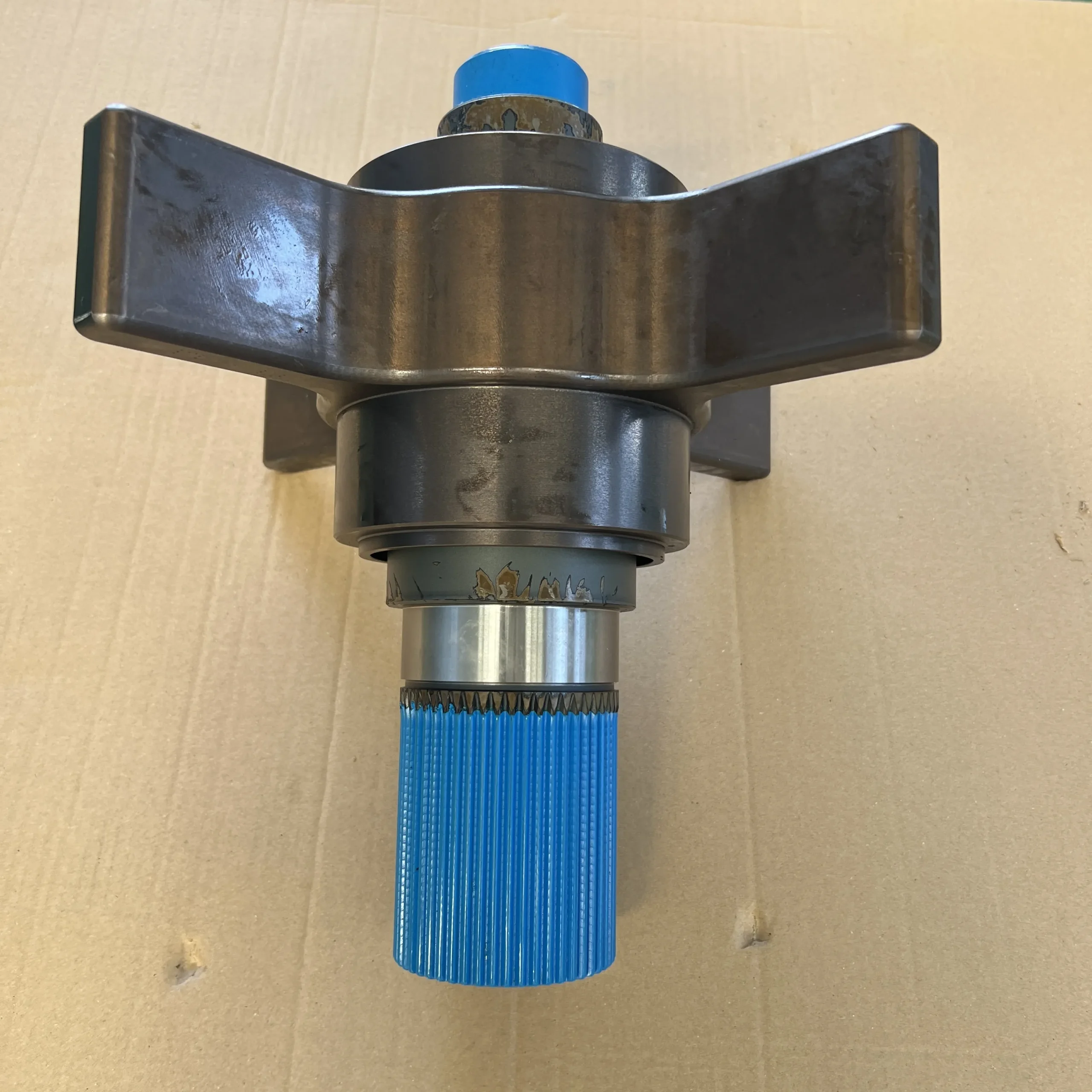
What does that mean on the ground? It means they have access to genuine channels but aren't bound by the same geographic restrictions as a single dealer. For a part like a PC35MR-2's center joint (the swing bearing that transfers hydraulics and power), which is a nightmare to source used and expensive new, they can often find solutions where others hit a wall. Their stated goal of helping to solve parts supply challenges in certain countries aligns exactly with the pain points I've described.
I've used their portal at takematsumachinery.com more for cross-referencing part numbers and checking availability for clients than for direct ordering, but the data has been accurate. It's a useful tool to get a baseline before calling. They seem to understand that for komatsu pc35mr 2 parts, you need more than a catalog; you need context about what fits and what doesn't.
Case Point: The Valve Block Saga
A concrete example from last year. A PC35MR-2 was exhibiting a slow, uncorrectable drift on the boom. We traced it to internal leakage in the main control valve block. The dealer's quote for a new assembly was astronomical. A full rebuild was the only sensible path, but the required seal and spool kit was on backorder everywhere.
We reached out to several specialized suppliers. Jining Gaosong came back not just with a kit, but with a note specifying it was the updated kit for that serial number range, as the original design had a slight modification. That's the level of detail that separates a parts seller from a solutions provider. They had the OEM knowledge to flag the revision. The rebuild was successful, and the machine is still running today.
This experience underlined that for complex hydraulic components, the supplier's technical depth matters as much as their inventory. It's not about who has the cheapest price, but who can provide the correct part with the right technical data. A wrong kit would have meant another teardown, more downtime, and lost trust.
Final Thoughts on Sustainable Maintenance
Managing komatsu pc35mr 2 parts procurement isn't a one-time event; it's a strategy. Build a relationship with your local dealer for warranty work and critical components. But also, identify and vet a reliable secondary source for situations where the primary channel fails—whether due to cost, time, or simple availability.
Look for suppliers who demonstrate system knowledge, not just inventory. Can they explain why one seal kit differs from another? Do they ask for your machine's serial number? These are good signs. Companies that operate as hybrid OEM/third-party entities, like the one mentioned, often fill this niche well because they see the entire landscape.
In the end, keeping a PC35MR-2 running profitably is about minimizing downtime. That comes from accurate diagnosis first, then sourcing the most appropriate part with the best balance of quality, speed, and cost. It's a judgment call every time, and having more than one qualified option is the only way to make that call effectively.
Related Products
Related Products
Best Selling Products
Best Selling Products-
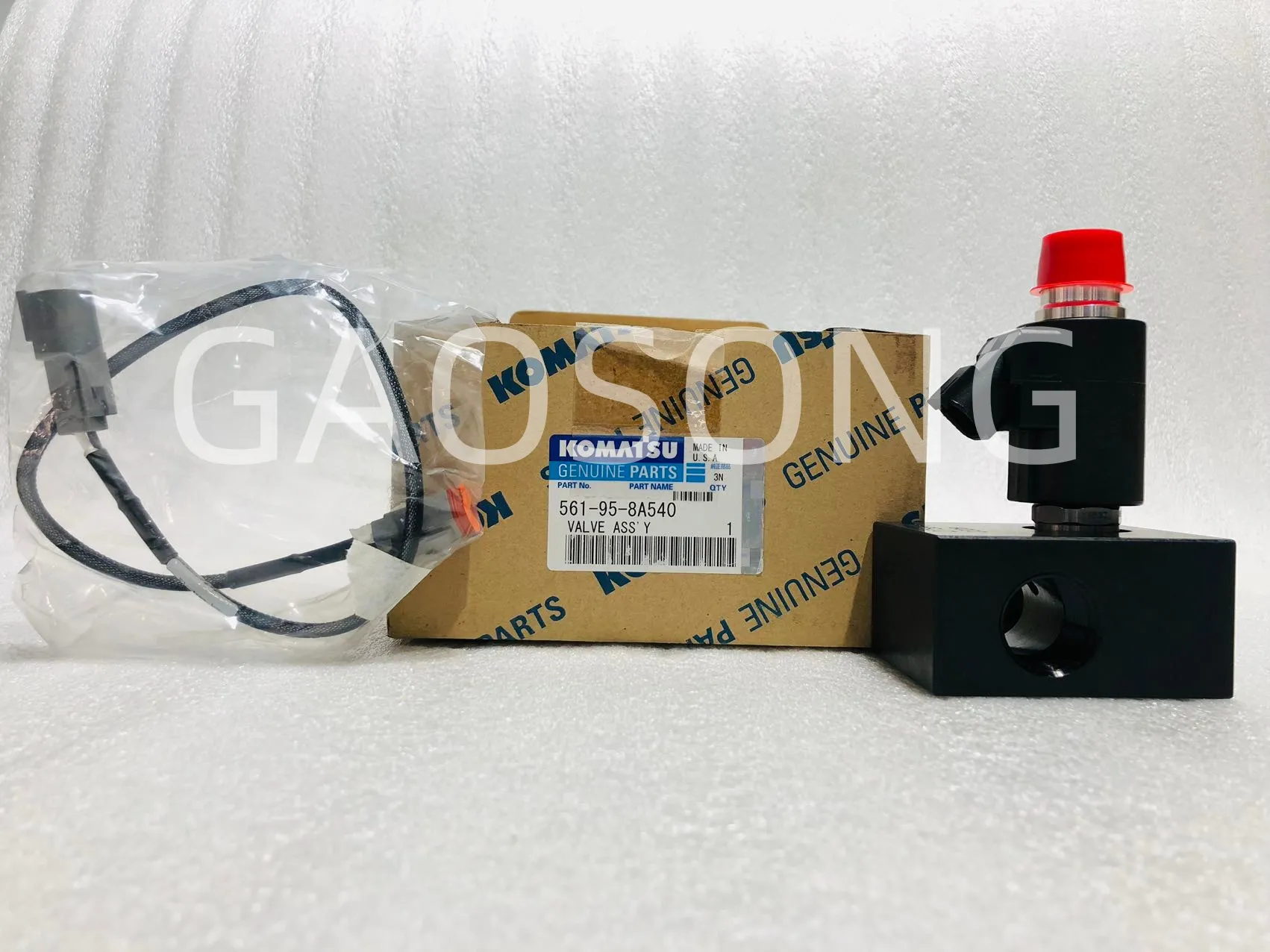 561-95-8A530 • PUMP ASSEMBLY-Komatsu Original Factory
 -
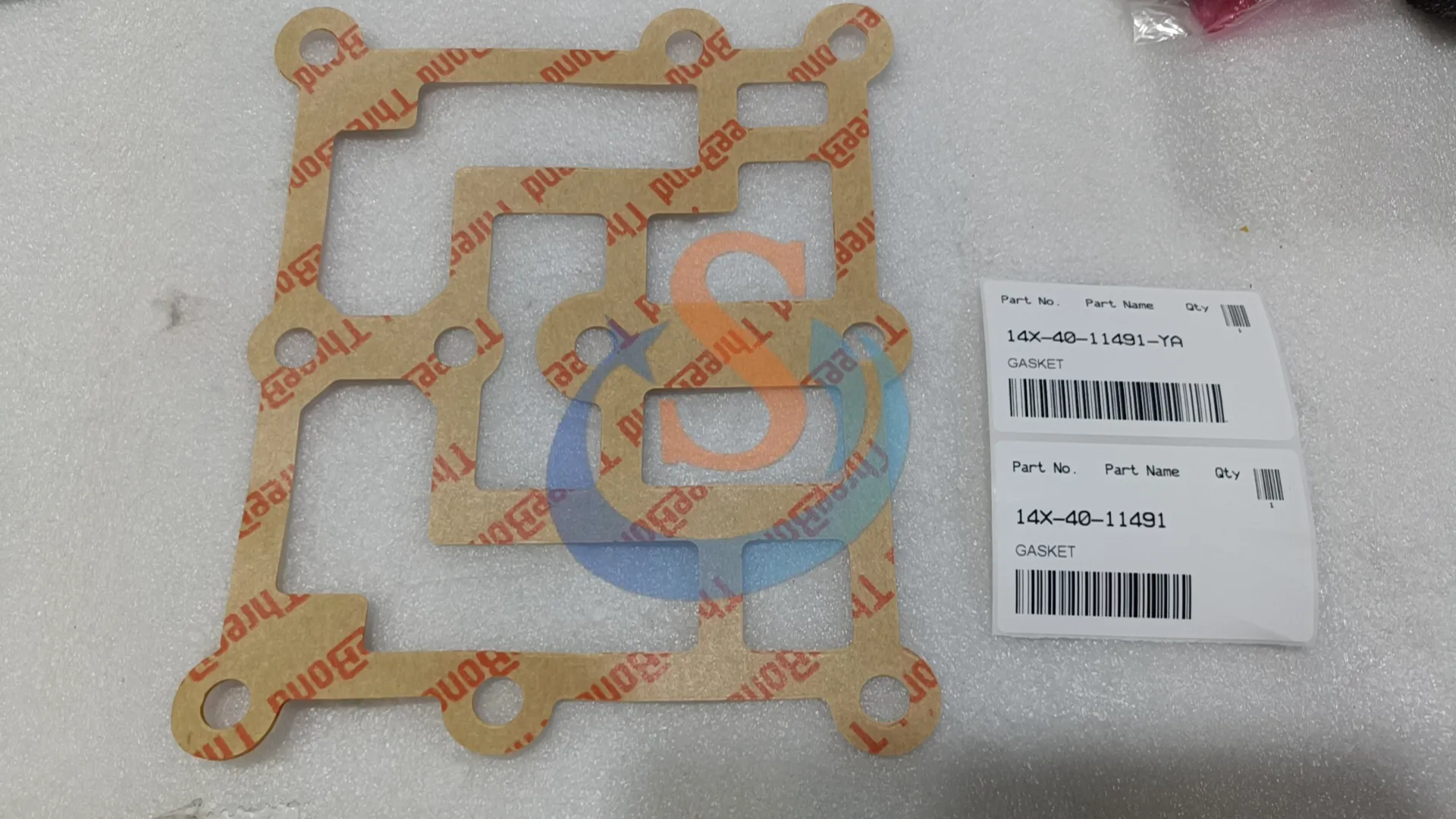 14X-40-11491,GASKET,D155A,D375A,D475A
 -
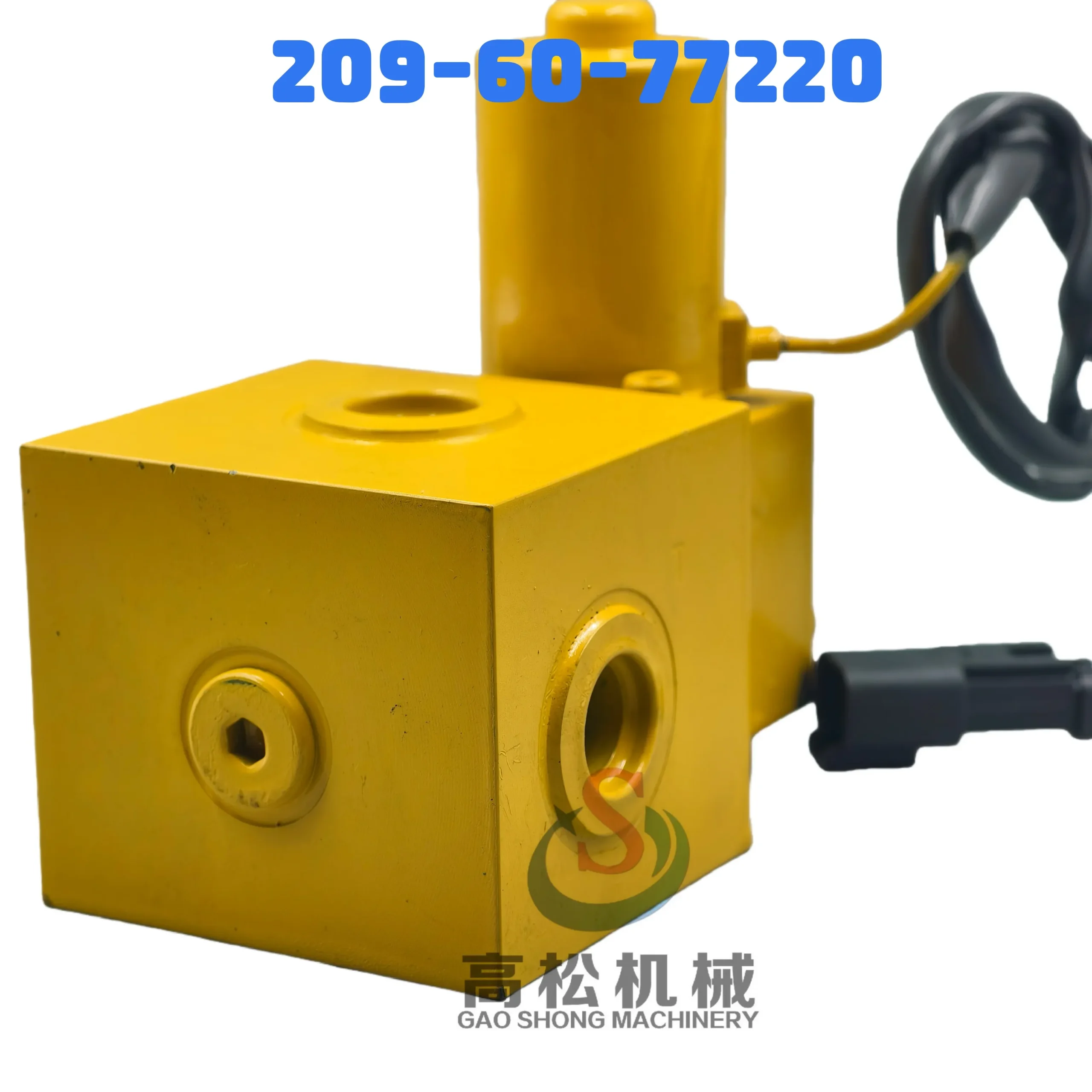 Valve 209-60-77220 for Komatsu
 -
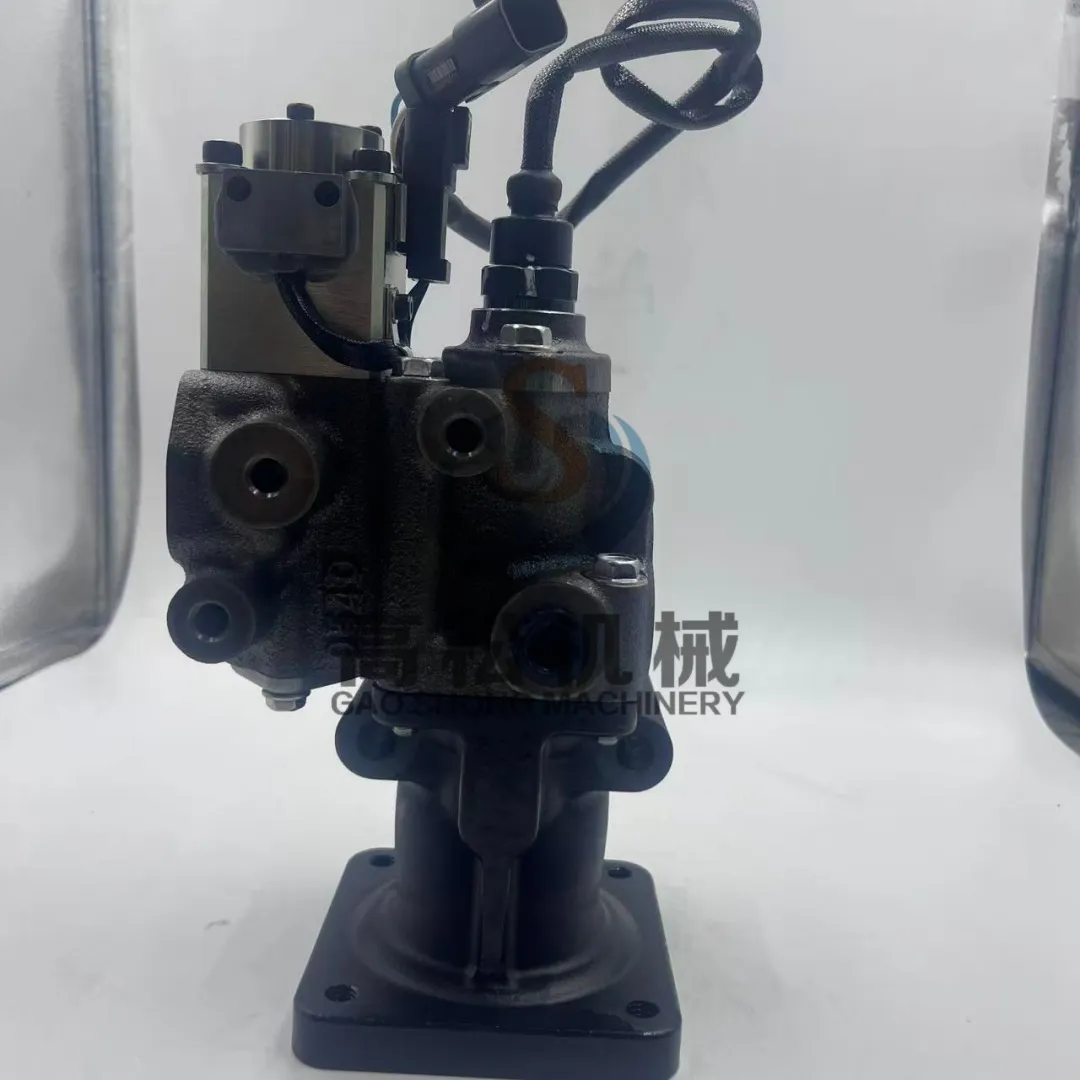 6261-41-9500 Komatsu Valve Assembly, Bypass
 -
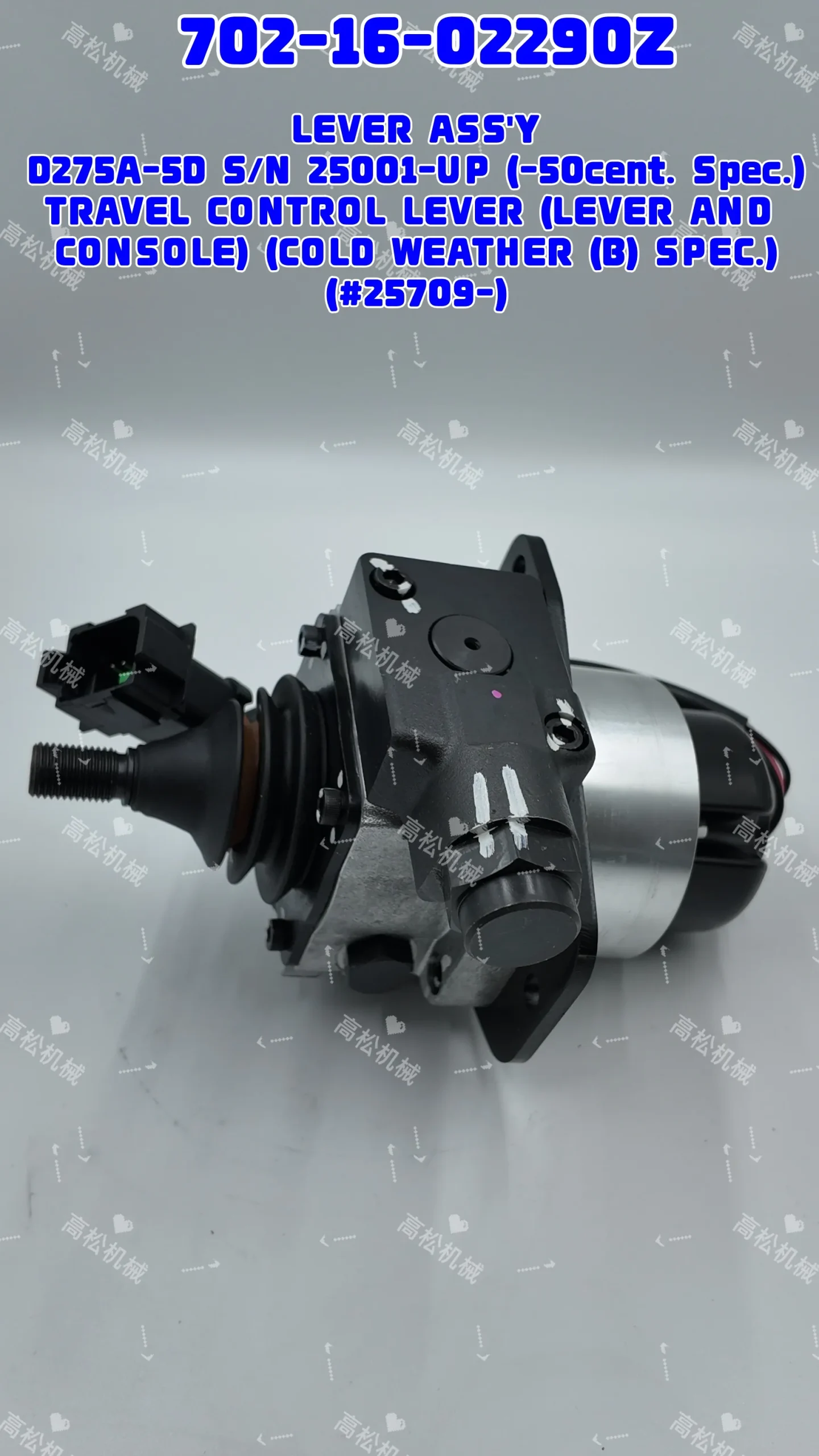 komatsu-part-702-16-02290 Lever Assembly D65WX-17 D65PX-18 D65WX-18E0 D85MS-15 D85EX-15R D155AX-6 D155AX-7 D475A-5E0 D475ASD-5E0 FLOOR FRAME, LEVE CONTROL UNIT, PCCS (PALM COMMAND CONTROL SYSTEM) LEVER ROPS CAB, PCCS (PALM COMMAND CONTROL SYSTEM) LEVER CONTROL UNIT, PCCS (PALM COMMAND CONTROL SYSTEM) LEVER
 -
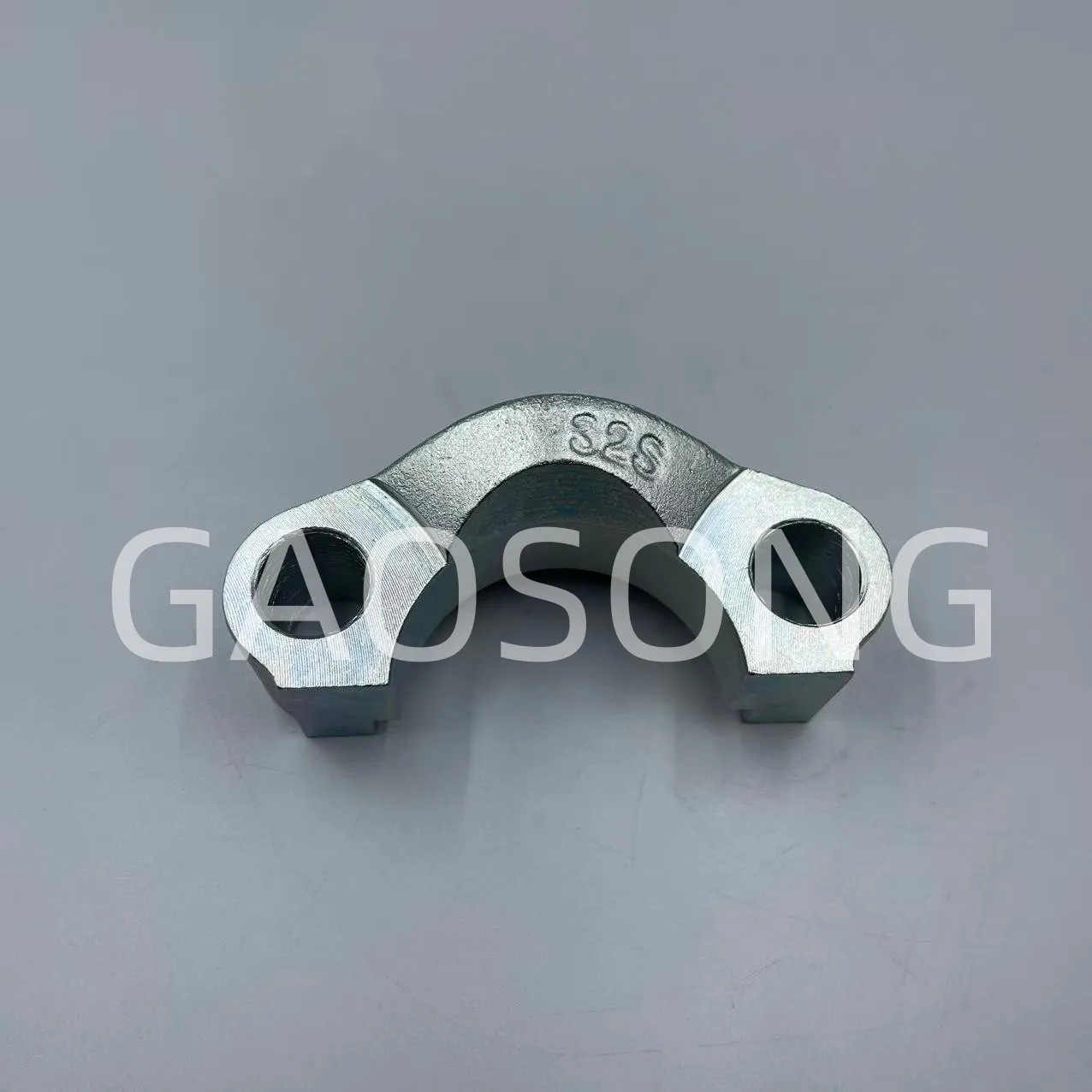 707-40-28020 • SPACER-Komatsu Original Factory
 -
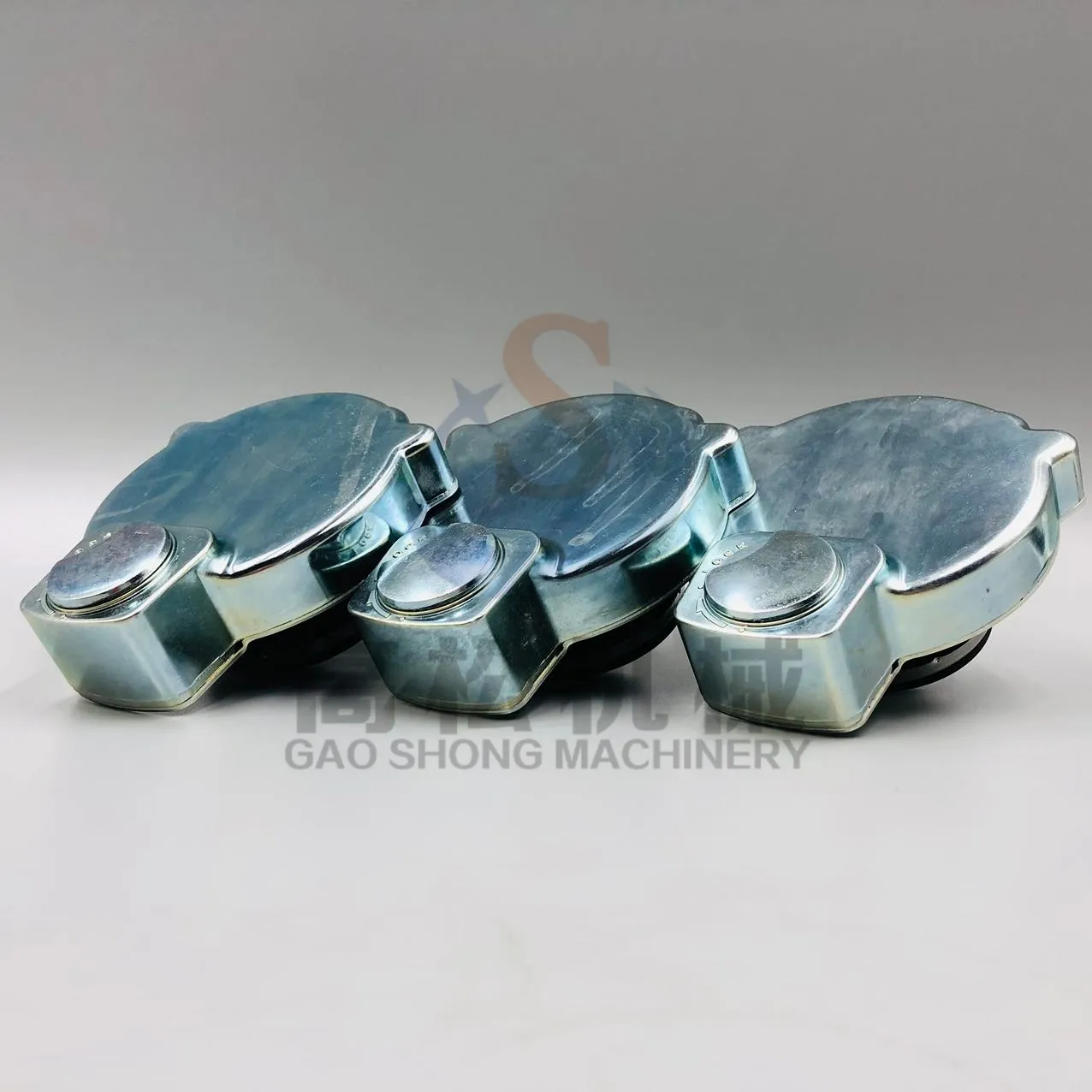 Komatsu fuel tank cap 17A-60-11310
 -
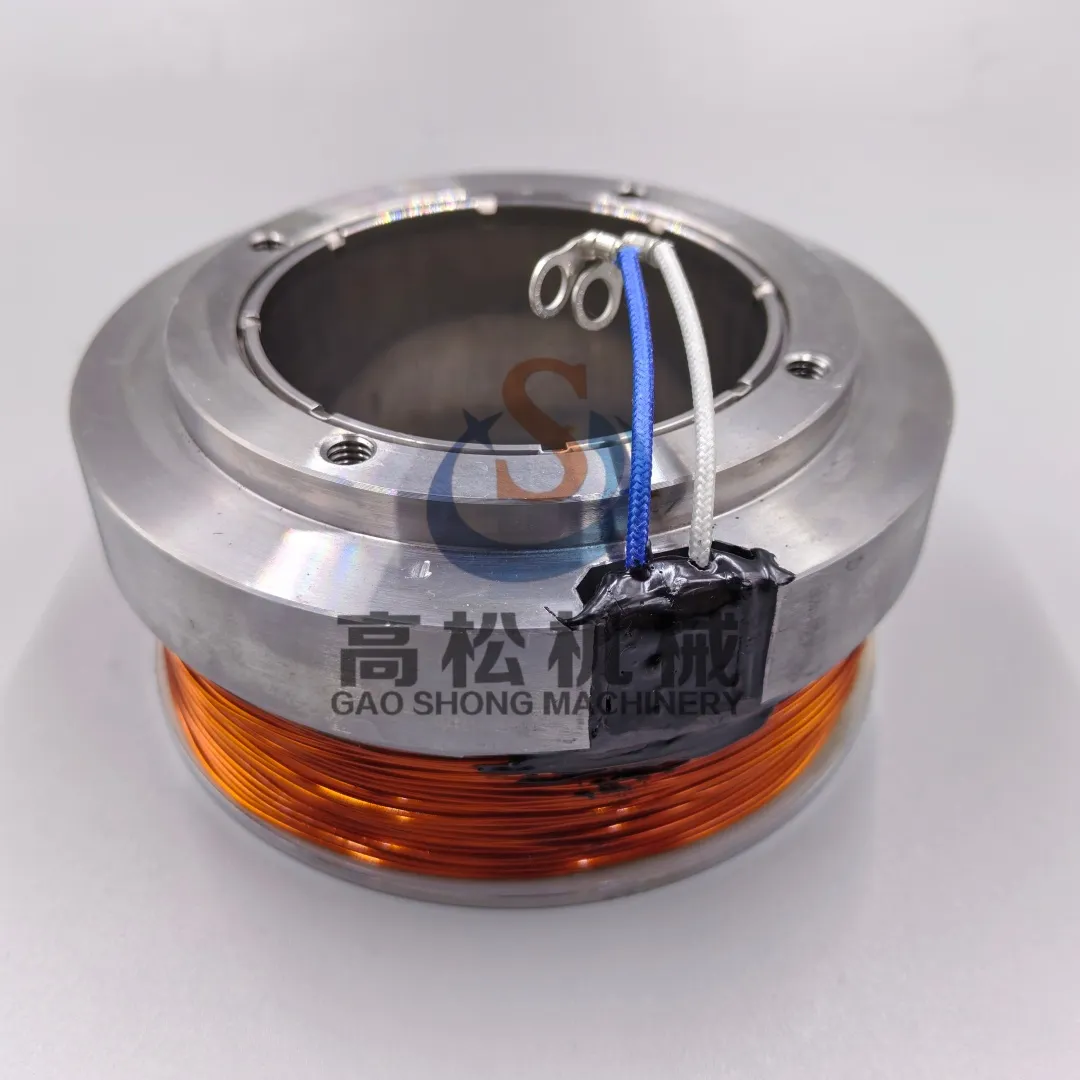 KD0-35120-0250 FIELD COIL ASS’Y (Komatsu)
 -
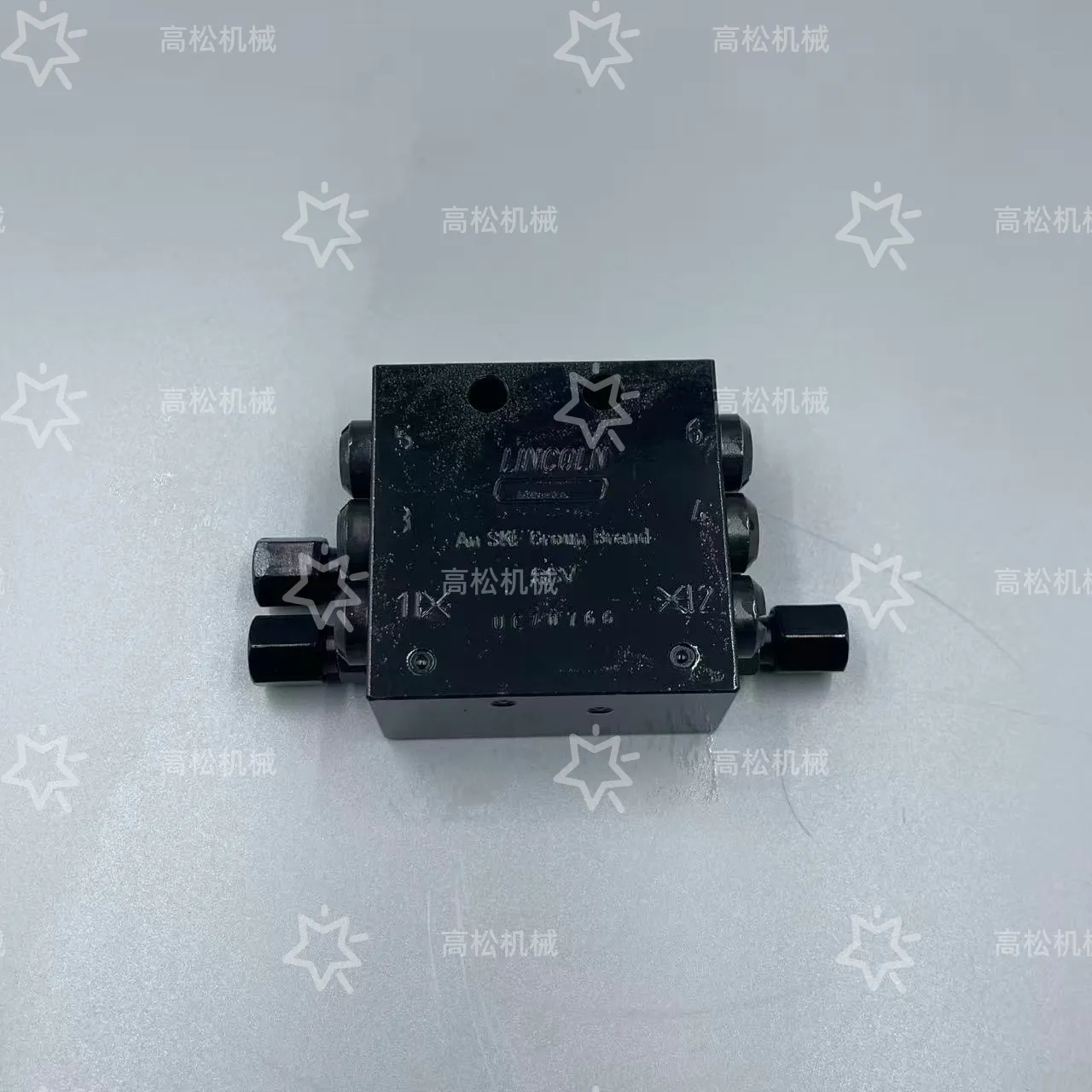 21T-68-67940 Komatsu Valve Assembly
 -
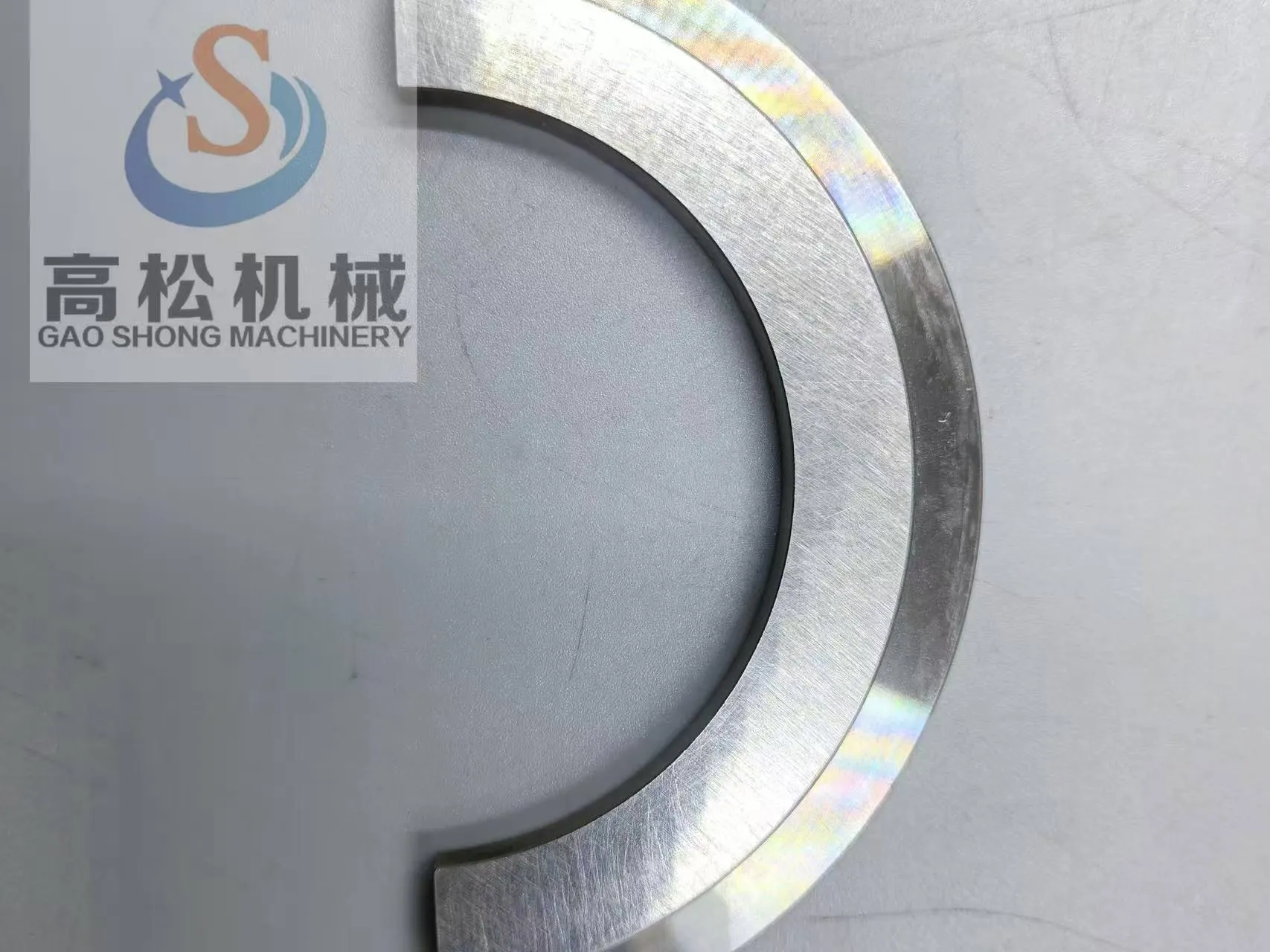 714-07-14461 Komatsu Original Factory Interposer. Compatible with models WA420-3 and WA470-3.
 -
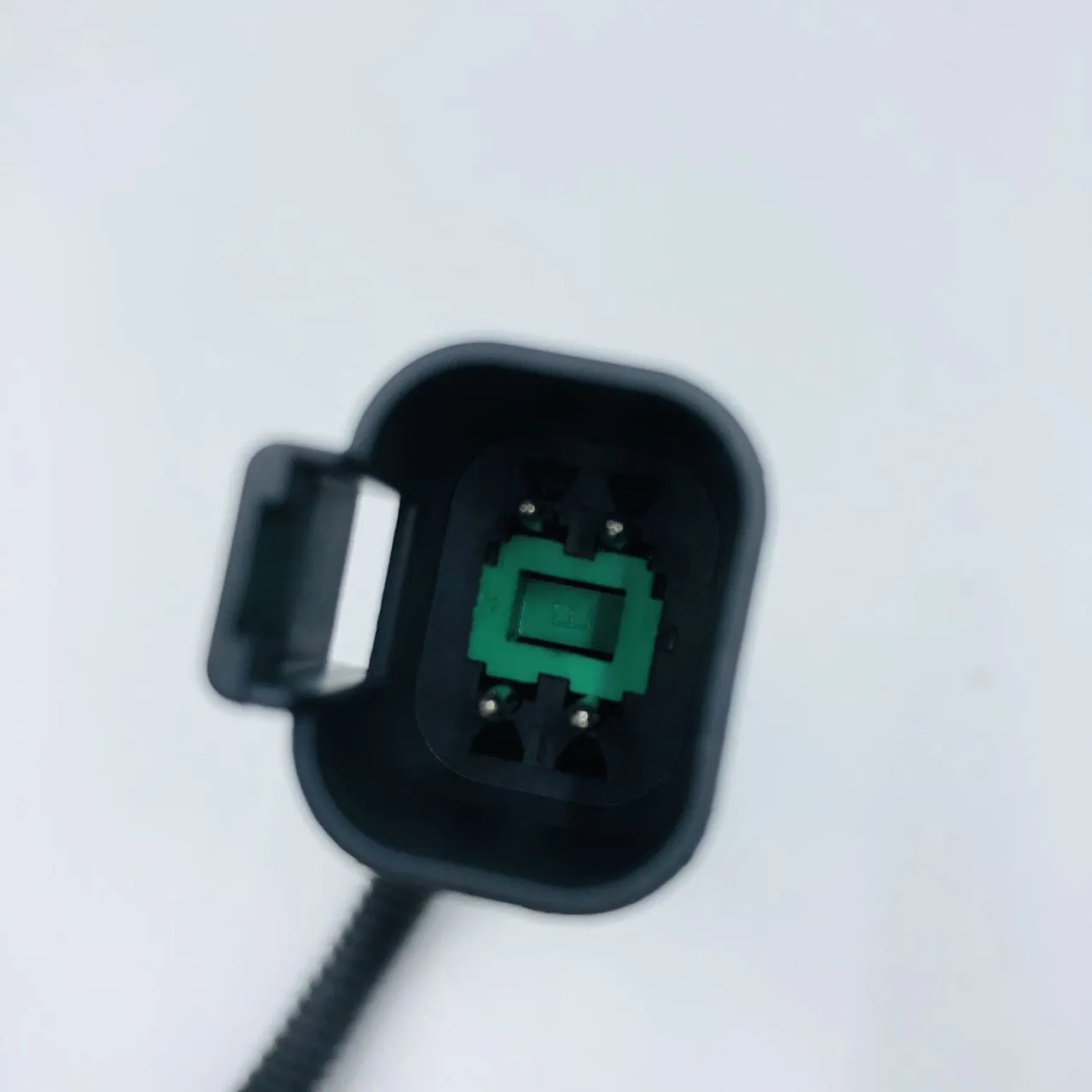 7861-93-5410-SENSOR-Komatsu Original Factory
 -
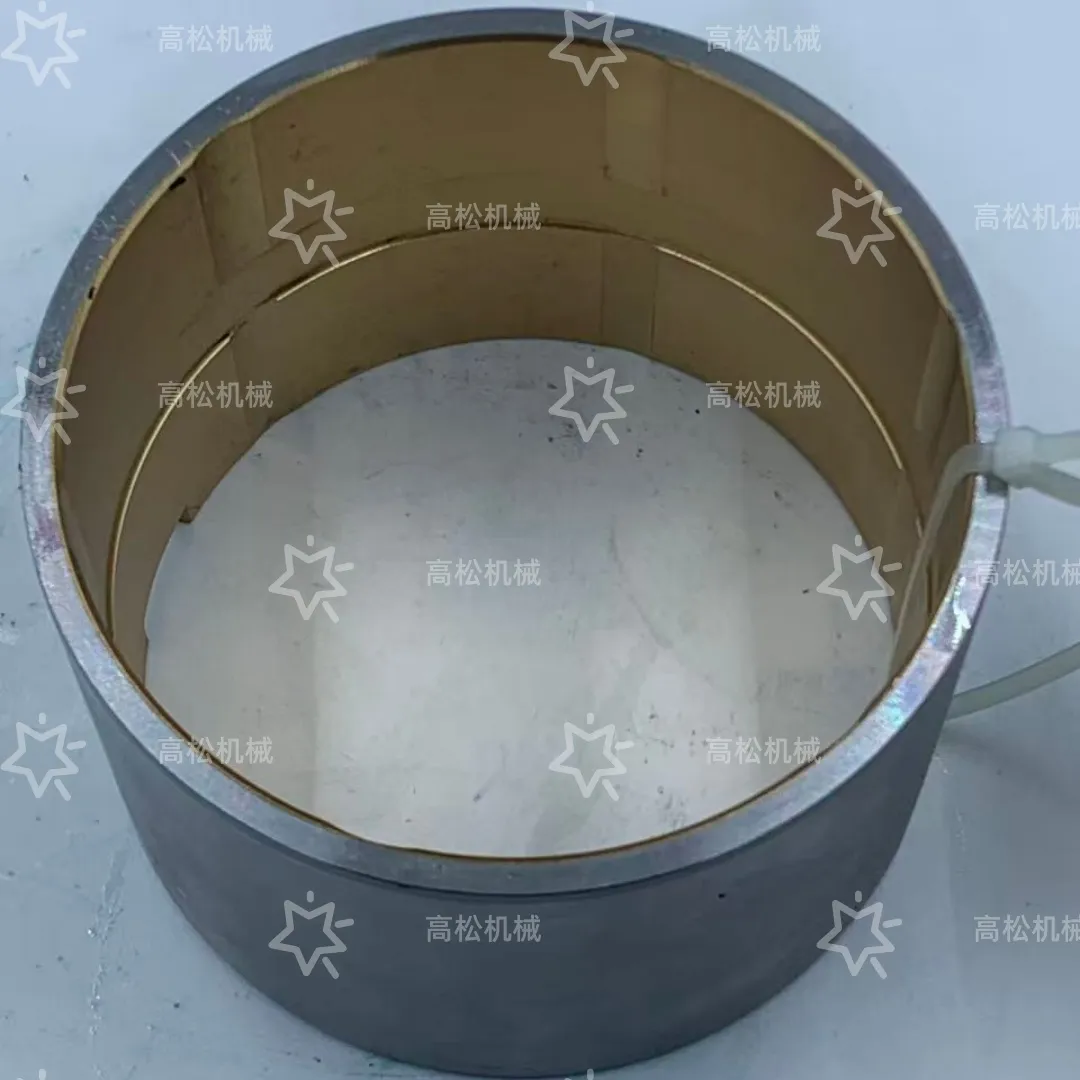 Bulldozer D375A-1 Bushing 195-61-41160 1956141160