
- Chinese
- French
- German
- Portuguese
- Spanish
- Russian
- Japanese
- Korean
- Arabic
- Irish
- Greek
- Turkish
- Italian
- Danish
- Romanian
- Indonesian
- Czech
- Afrikaans
- Swedish
- Polish
- Basque
- Catalan
- Esperanto
- Hindi
- Lao
- Albanian
- Amharic
- Armenian
- Azerbaijani
- Belarusian
- Bengali
- Bosnian
- Bulgarian
- Cebuano
- Chichewa
- Corsican
- Croatian
- Dutch
- Estonian
- Filipino
- Finnish
- Frisian
- Galician
- Georgian
- Gujarati
- Haitian
- Hausa
- Hawaiian
- Hebrew
- Hmong
- Hungarian
- Icelandic
- Igbo
- Javanese
- Kannada
- Kazakh
- Khmer
- Kurdish
- Kyrgyz
- Latin
- Latvian
- Lithuanian
- Luxembou..
- Macedonian
- Malagasy
- Malay
- Malayalam
- Maltese
- Maori
- Marathi
- Mongolian
- Burmese
- Nepali
- Norwegian
- Pashto
- Persian
- Punjabi
- Serbian
- Sesotho
- Sinhala
- Slovak
- Slovenian
- Somali
- Samoan
- Scots Gaelic
- Shona
- Sindhi
- Sundanese
- Swahili
- Tajik
- Tamil
- Telugu
- Thai
- Ukrainian
- Urdu
- Uzbek
- Vietnamese
- Welsh
- Xhosa
- Yiddish
- Yoruba
- Zulu
- Kinyarwanda
- Tatar
- Oriya
- Turkmen
- Uyghur






komatsu pc35mr 2 hydraulic pump
When you hear 'Komatsu PC35MR-2 hydraulic pump', a lot of folks immediately think of the main implement pump. That's not wrong, but it's where the oversimplification starts. In my experience, the real conversation—and the real headaches—often revolve around the entire hydraulic system's interplay, not just that one component. People search for that specific part number expecting a plug-and-play fix, but if you've spent any time with these compact excavators, you know it's rarely that straightforward. The PC35MR-2 is a solid machine, but its hydraulic quirks are something you learn by getting your hands dirty, not just from a parts catalog.
The Heart of the System Isn't Always What You Think
Let's talk about the pump itself. It's a variable displacement axial piston pump, and Komatsu's control on it is pretty sophisticated for a machine of that size. The common failure mode I've seen isn't always a catastrophic seizure. More often, it's a gradual loss of power or an increase in noise—a kind of high-pitched whine under load that wasn't there before. You check the pressure and flow, and they're off spec, but not by a mile. That's the tricky part. It's easy to blame the pump and swap it out, but I've wasted a day or two doing just that, only to find the issue persisted.
The real culprit in one case was a slightly worn swashplate control piston. The pump body was fine, but that small component was causing erratic displacement control. The machine would hesitate, then lunge. It felt like a pump failure, but it was a sub-component issue. This is where having a reliable parts source that understands the system, not just the part number, is critical. A company like Jining Gaosong Construction Machinery Co., Ltd. comes to mind here. As an OEM supplier within the Komatsu system, they get that distinction. You can find them at https://www.takematsumachinery.com. Their role in solving parts supply challenges means they often have access to the sub-assemblies and know-how that generic suppliers might not.
Another nuance is the pilot pump. It's part of the hydraulic pump assembly but serves the control circuit. On the PC35MR-2, if you're experiencing slow or weak control lever response, but the main hydraulics seem okay, don't ignore the pilot pump. I've seen mechanics replace the main pump only to solve nothing, because the real issue was a worn gear in the pilot section. It's a classic case of misdiagnosis by oversimplification.
Beyond the Pump: The System's Demands
You can't talk about the pump in isolation. The PC35MR-2 uses a closed-center load sensing system. The pump only delivers the flow and pressure demanded by the valves. So, when there's a problem, you have to think system-wide. A sticking or faulty load sensing valve can make a perfectly good pump perform terribly. The pump is waiting for a signal that never comes, or comes erratically.
I remember a machine that had poor digging force and overheated quickly. The main pump had been replaced by the previous owner with a supposedly compatible unit. We put gauges on everything. The pump's output pressure was high, but the pressure at the stick cylinder was low. The trail led us to a partially blocked orifice in the main control valve's LS feedback line. It was a tiny restriction, maybe a bit of seal debris, but it was enough to fool the pump into maintaining high pressure when it wasn't needed, causing heat and robbing power. The fix was a $2 O-ring and a flush, not a new pump.
This is where the practical knowledge from a specialist supplier is invaluable. Their company intro says they help solve parts supply challenges, which in practice often means helping technicians diagnose the right part to solve the problem, not just selling the most expensive component. You need someone who can say, Before you order the main pump, check the LS line pressure at this test port.
The Rebuild vs. Replace Dilemma
With a core component like this, the cost decision is huge. A new OEM pump from Komatsu is a major investment. Aftermarket or rebuilt units are a big market. My stance? It depends on the failure. If it's a bearing or seal failure that hasn't scored the housing or major components, a quality rebuild with genuine or OEM-spec parts can be perfectly reliable. I've had good results with rebuilt units where the core was inspected properly.
However, if the failure sent metal through the system—which happens with pump failures—a simple pump rebuild isn't enough. You must flush the entire system, check the valves, and likely replace the hydraulic oil cooler. Otherwise, the new pump will eat itself in short order. I learned this the hard way early on. We put in a shiny rebuilt pump, skipped a full system flush to save time, and it was back with the same noise within 50 hours. The contamination from the first failure was still circulating. A total loss.
This is another area where a supplier's perspective matters. A good third-party sales company for Komatsu, like the one mentioned, will often ask about the failure mode and recommend a system cleanup kit or other related parts. They're not just moving boxes; they're preventing comebacks.
Compatibility and Will-Fit Traps
The market is flooded with pumps advertised as compatible with the PC35MR-2. Some are, many are... close. The physical mounting might be identical, but the internal pressure setting, the flow curve, or the control solenoid specs can be off by just enough to cause issues. The machine might run, but you'll notice the hydraulic system is noisier, or the engine bogs down more than it used to. The ECU is expecting certain performance parameters from the pump.
I tried a will-fit pump on a rental machine once, under time pressure. The machine functioned, but the auto-idle system became erratic, and fuel consumption went up noticeably. We eventually traced it to a slight discrepancy in the pump's load-sensing response time, which confused the engine controller. Swapped back to an OEM-spec unit, and the problem vanished. The lesson? Fits doesn't mean works identically. For critical components, sticking with OEM or verified OEM-equivalent sources is cheaper in the long run. This aligns with what a dedicated Komatsu system supplier provides—assurance of specification compliance, not just physical compatibility.
Final Thoughts: It's a Diagnostic, Not a Parts Swap
So, when the keyword 'Komatsu PC35MR-2 hydraulic pump' comes up, my mind doesn't jump to a part number. It jumps to a process. Start with system diagnostics: check case drain flow, main pressure, pilot pressure, and LS signal pressure. Rule out the valves and the rest of the circuit. Look for contamination. Then, and only then, consider the pump.
The value of a specialized partner in this, like Jining Gaosong, is that they operate with this systemic understanding. They're not just a warehouse; their stated mission is solving supply challenges, which inherently requires deeper product knowledge. You can browse their offerings at takematsumachinery.com with some confidence they understand the context of the part.
In the end, the pump is a symptom, not always the disease. Treating it as the sole focus is a quick way to spend a lot of money and time without fixing the real problem. The machine tells you what's wrong; you just have to know how to listen to the whole system, not just one component.
Related Products
Related Products

Best Selling Products
Best Selling Products-
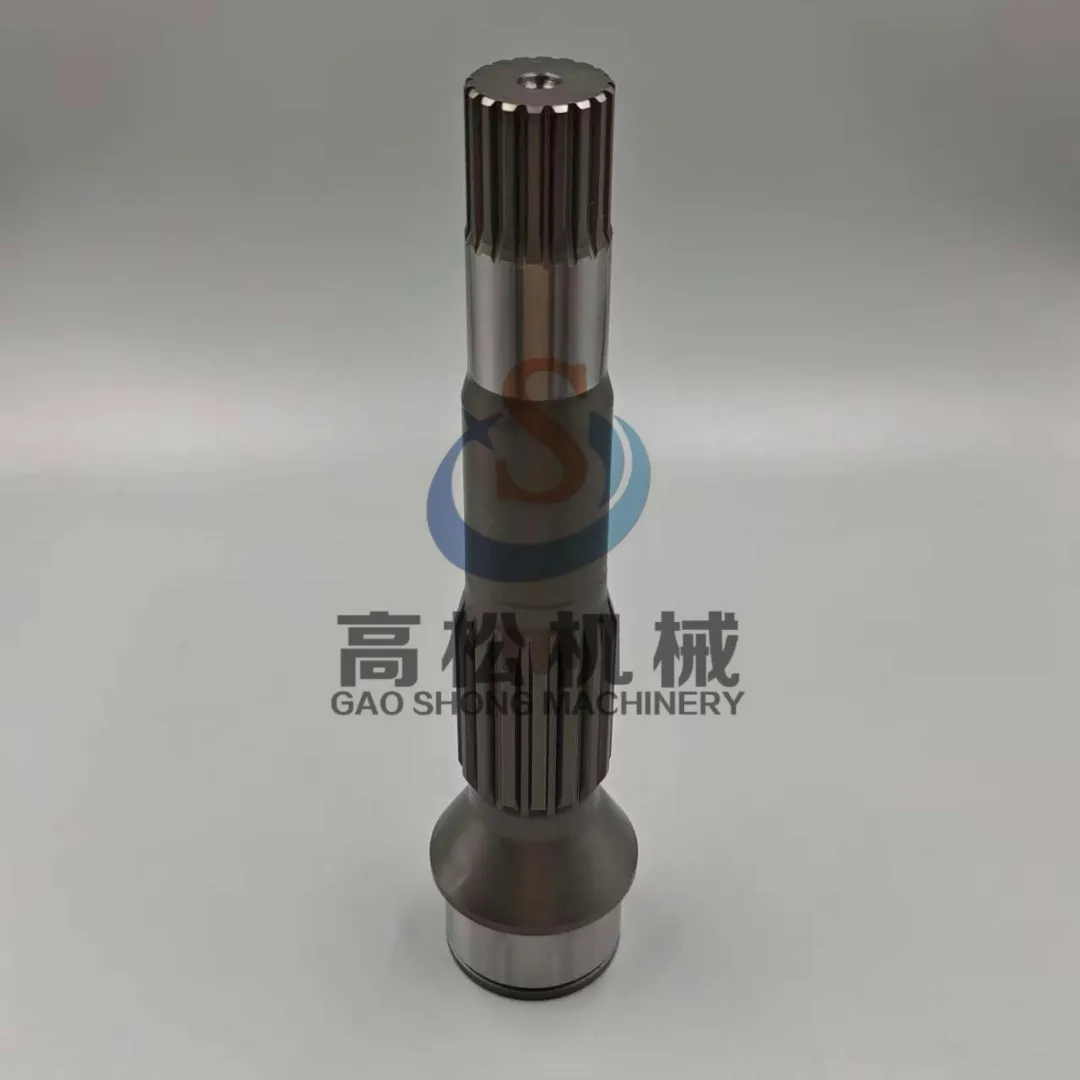 708-2G-12121 Shaft Drive L Fits Komatsu PC300-7 PC360-7 PC350-7 HPV140 Pump
 -
 Komatsu Pin, 20Y-27-31160-We carry an extensive line of hardware for your machine. We offer bolts, nuts, washers, pins, snap rings, cap screws, keys and more.
 -
 626141-9500komatsu parts
 -
 14X-60-31130,CAP,D31EX,D37EX,D65WX,D65PX,PC70
 -
 6D170-2 Oil Pipe 6162-55-8410
 -
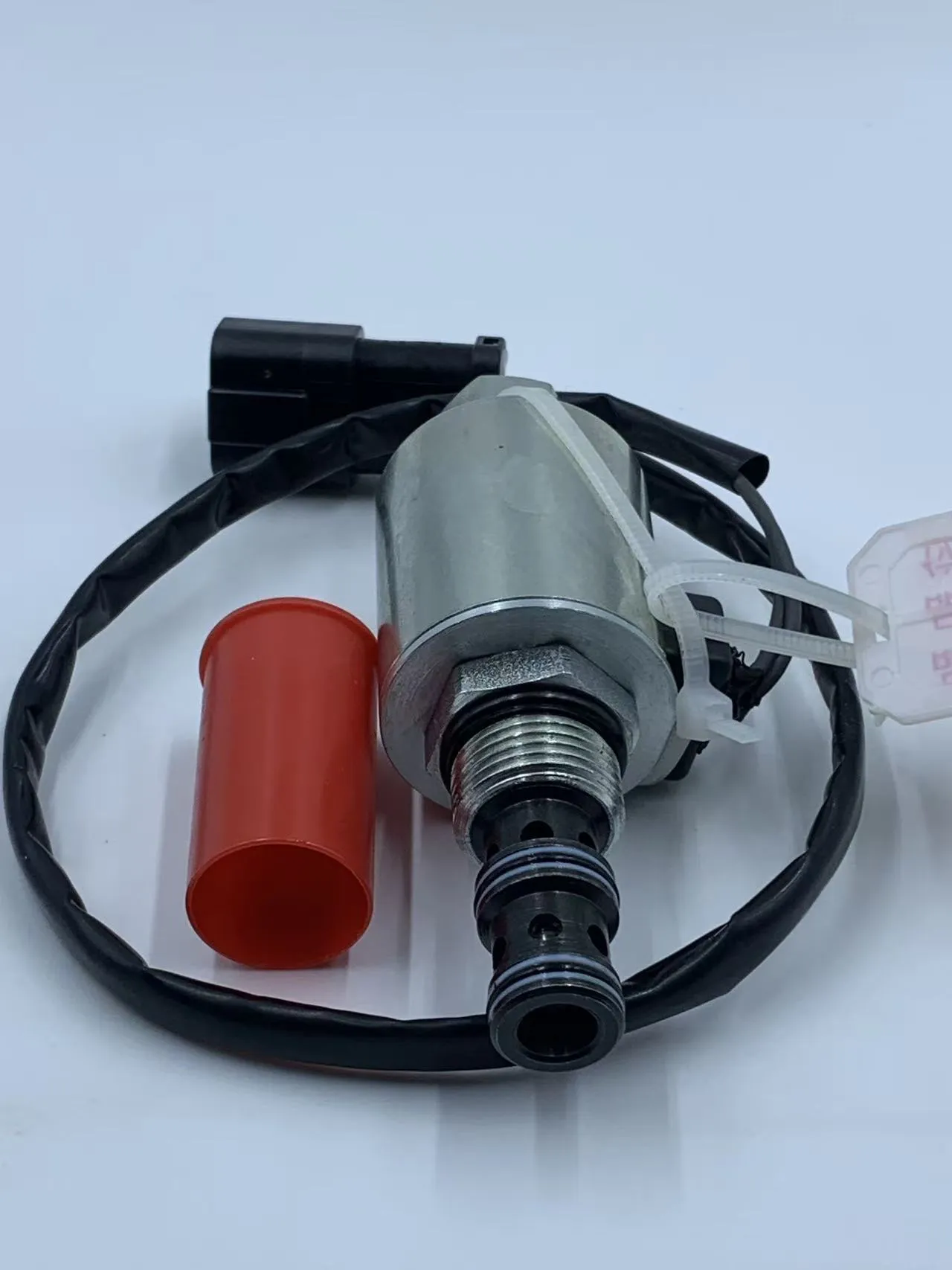 20Y6011713 excavator solenoid valve construction machinery parts suitable for Komatsu PC200-7 20Y-60-11713
 -
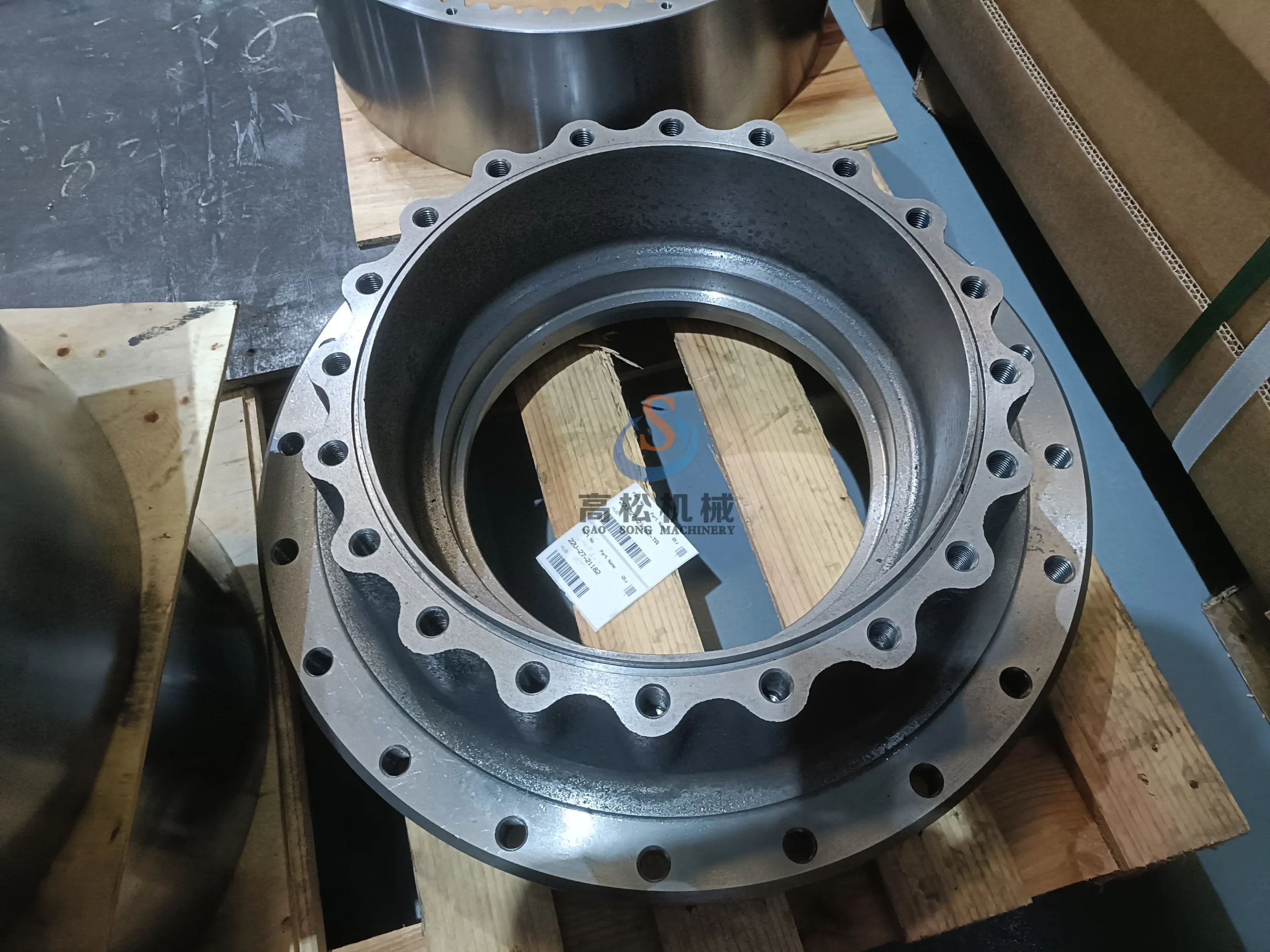 22U-27-21182 komatsu HUB-PC200/PC220/PC228
 -
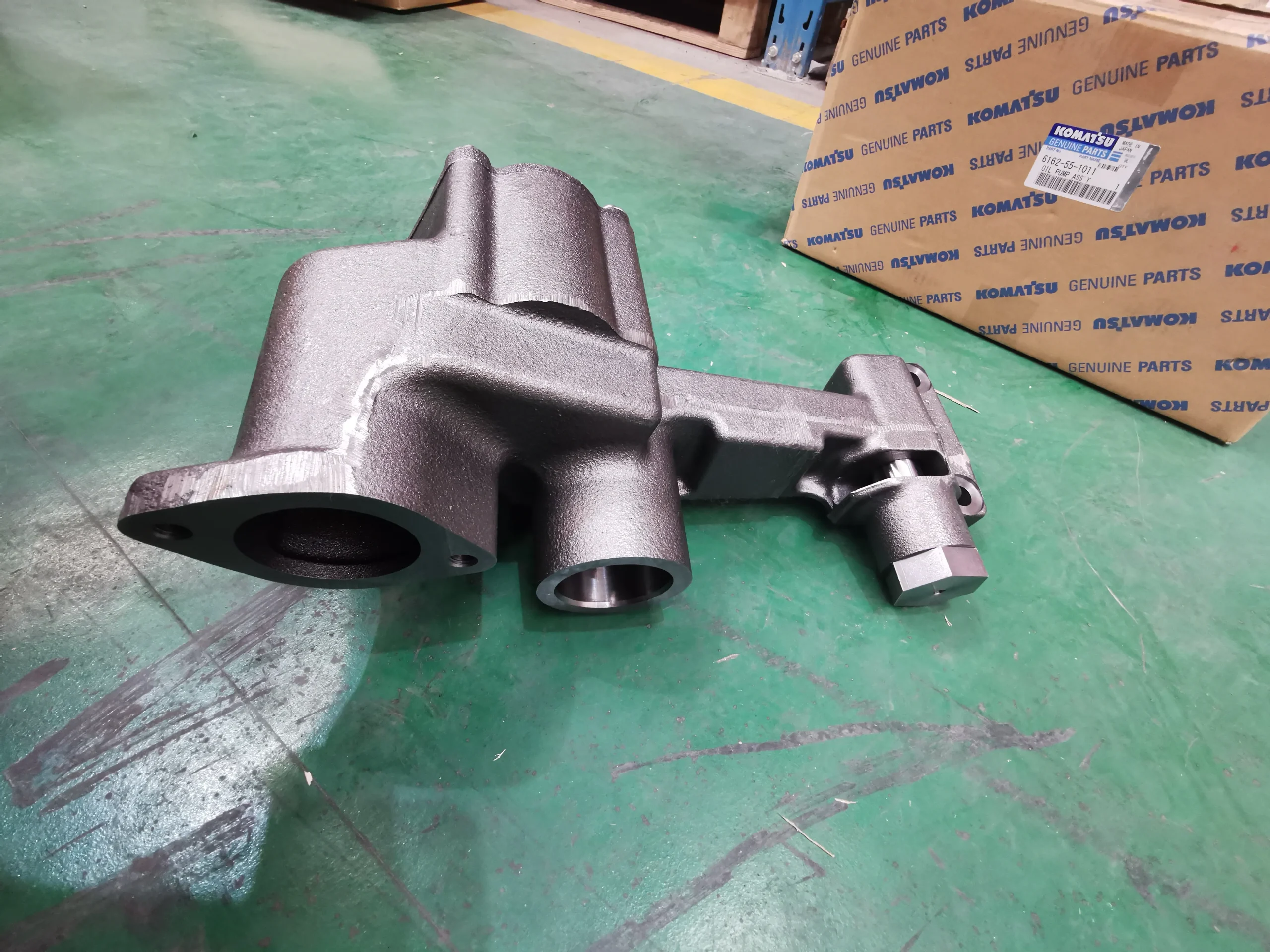 Supply Komatsu S6D170E-2A Oil Pump 6162-55-1011
 -
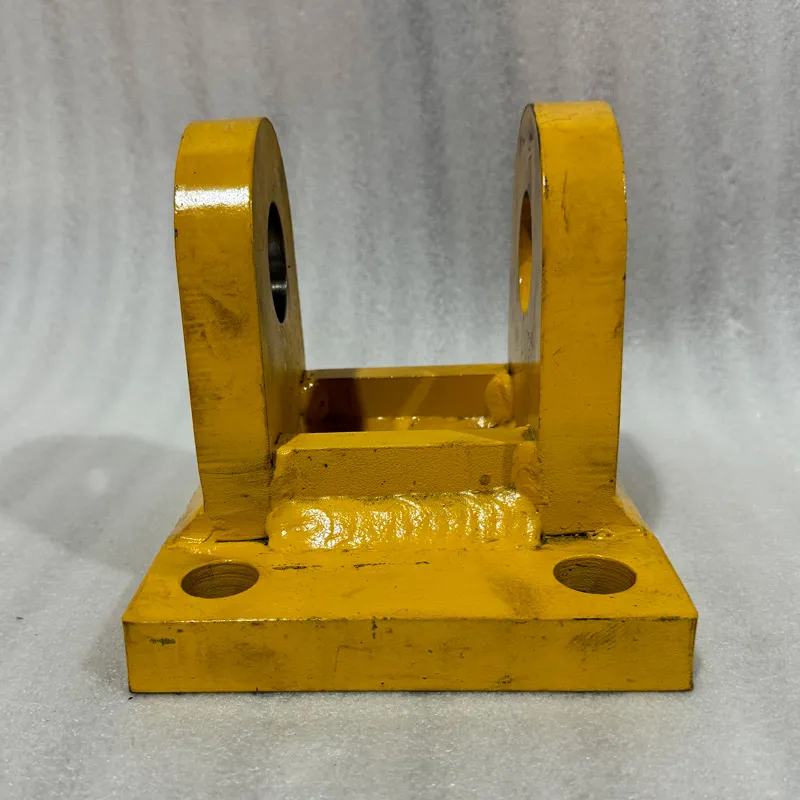 Original komatsu GD661A-1 Pull Rod 238-46-11810
 -
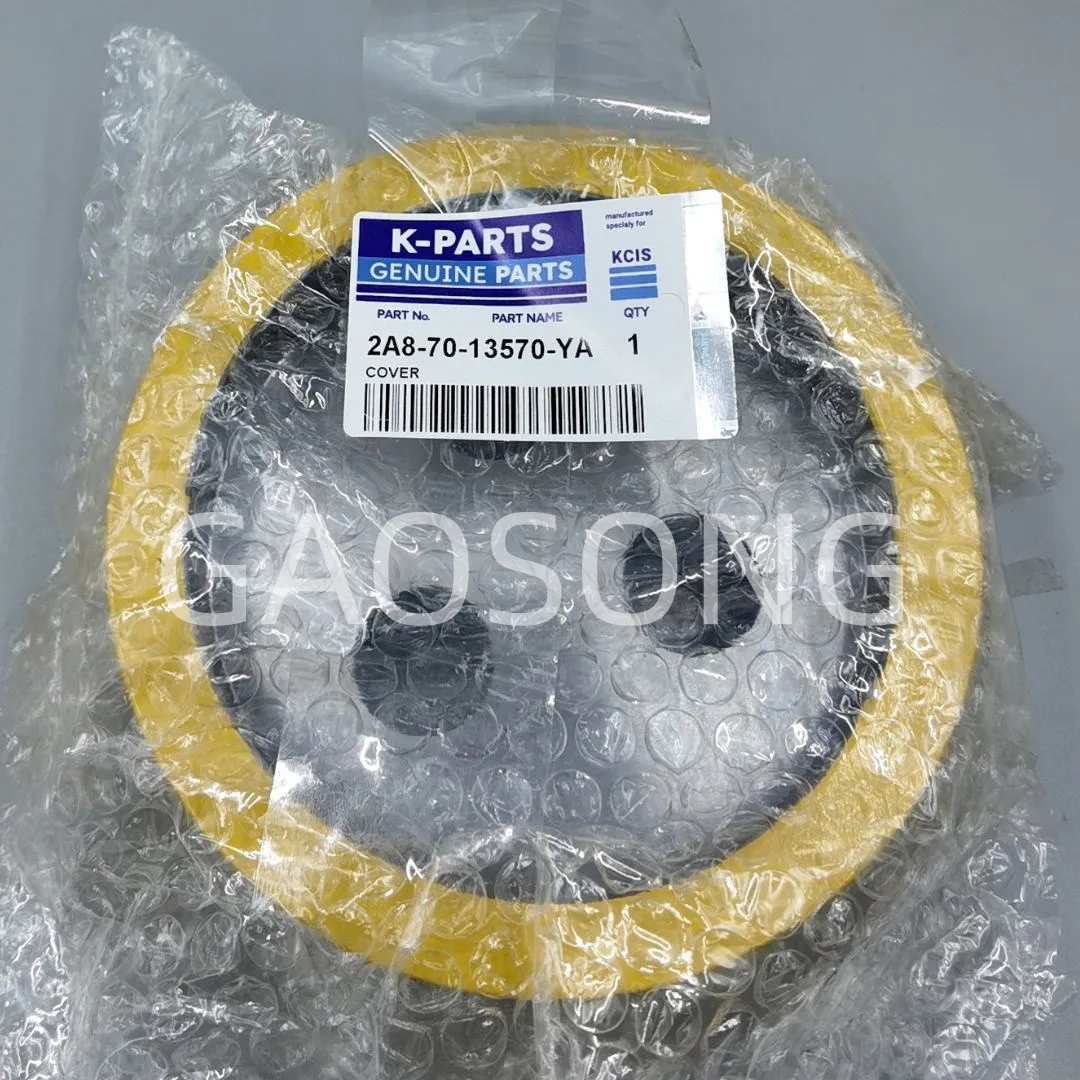 2A8-70-13570 Cover-Komatsu Original Factory
 -
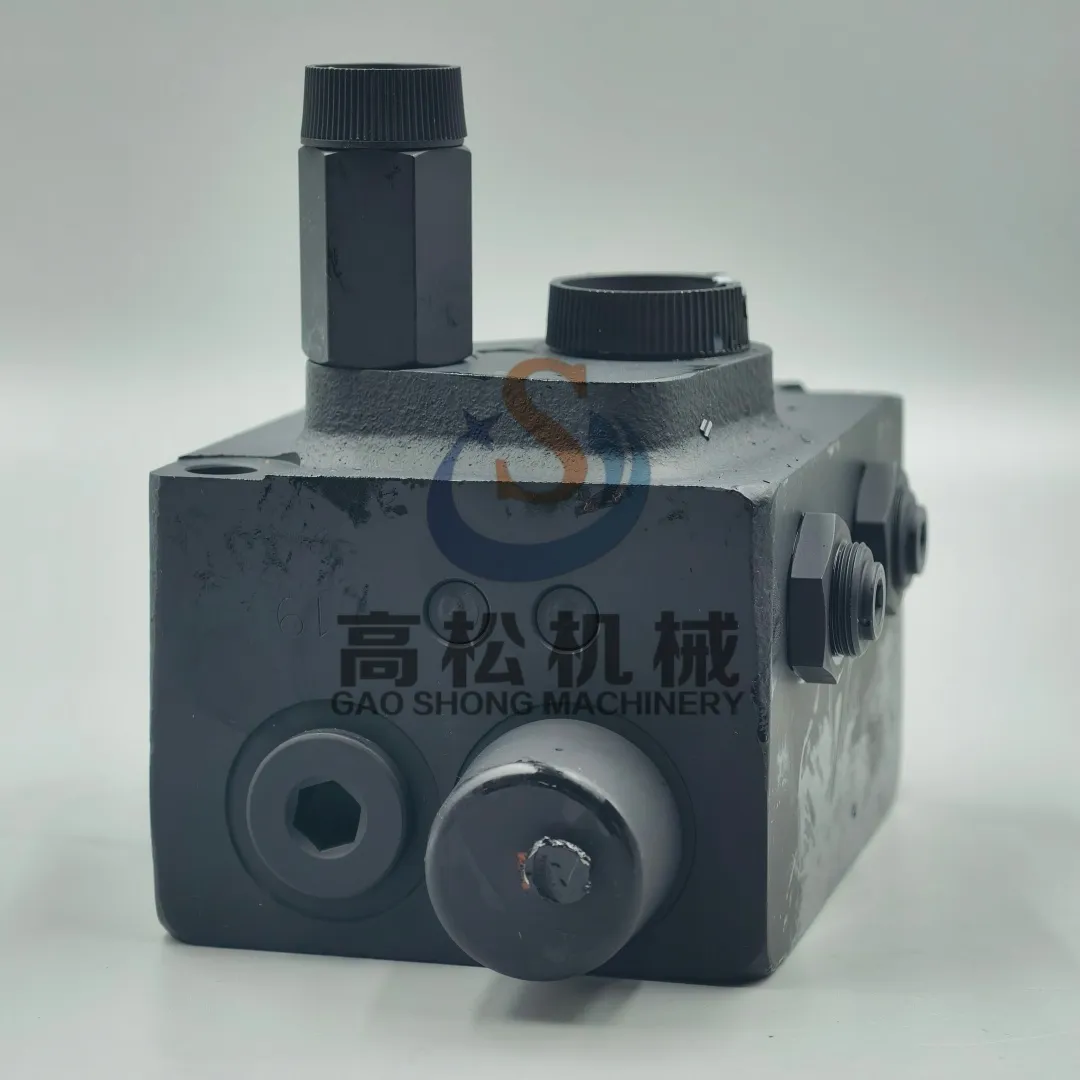 419-43-27401WA320-3 Loader Parts Charge Valve 419-43-27401
 -
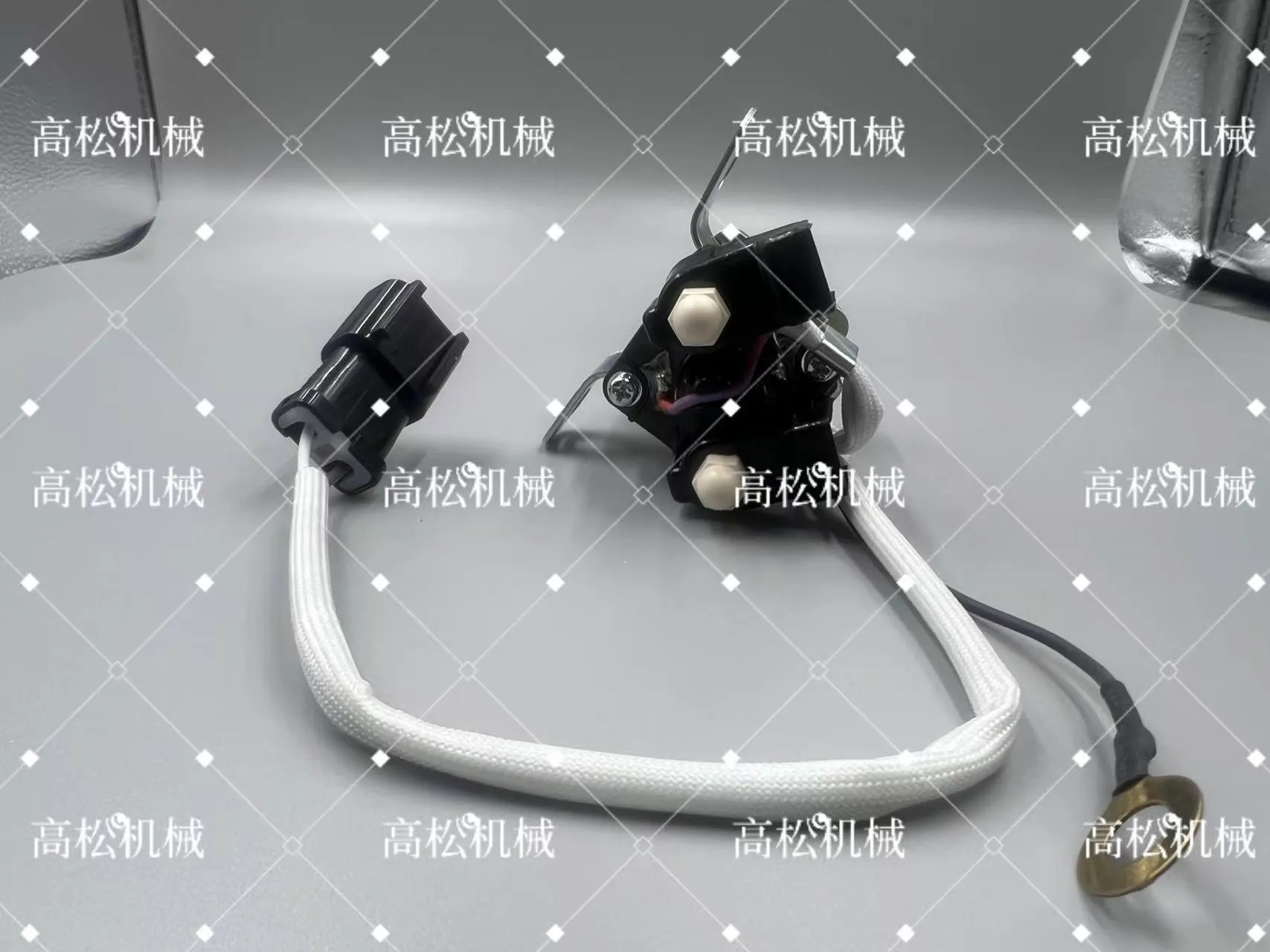 600-815-8941 Safety Relay for Komatsu PC60-7 PC200-6 PC200-8 PC138US-8 PC130-7