
- Chinese
- French
- German
- Portuguese
- Spanish
- Russian
- Japanese
- Korean
- Arabic
- Irish
- Greek
- Turkish
- Italian
- Danish
- Romanian
- Indonesian
- Czech
- Afrikaans
- Swedish
- Polish
- Basque
- Catalan
- Esperanto
- Hindi
- Lao
- Albanian
- Amharic
- Armenian
- Azerbaijani
- Belarusian
- Bengali
- Bosnian
- Bulgarian
- Cebuano
- Chichewa
- Corsican
- Croatian
- Dutch
- Estonian
- Filipino
- Finnish
- Frisian
- Galician
- Georgian
- Gujarati
- Haitian
- Hausa
- Hawaiian
- Hebrew
- Hmong
- Hungarian
- Icelandic
- Igbo
- Javanese
- Kannada
- Kazakh
- Khmer
- Kurdish
- Kyrgyz
- Latin
- Latvian
- Lithuanian
- Luxembou..
- Macedonian
- Malagasy
- Malay
- Malayalam
- Maltese
- Maori
- Marathi
- Mongolian
- Burmese
- Nepali
- Norwegian
- Pashto
- Persian
- Punjabi
- Serbian
- Sesotho
- Sinhala
- Slovak
- Slovenian
- Somali
- Samoan
- Scots Gaelic
- Shona
- Sindhi
- Sundanese
- Swahili
- Tajik
- Tamil
- Telugu
- Thai
- Ukrainian
- Urdu
- Uzbek
- Vietnamese
- Welsh
- Xhosa
- Yiddish
- Yoruba
- Zulu
- Kinyarwanda
- Tatar
- Oriya
- Turkmen
- Uyghur






komatsu pc35 parts
When you search for 'komatsu pc35 parts', you're not just looking for a bolt or a seal. You're stepping into a fragmented world where the line between genuine, OEM, and aftermarket gets blurry, especially for a compact machine like the PC35 that's seen global use. A common pitfall is assuming all parts labeled for the PC35 are created equal, or that the cheapest option saves money long-term. From my experience, the real challenge isn't finding a part—it's finding the right source that understands the machine's specific iterations and the operational stress its components endure.
The Core Dilemma: Genuine vs. Aftermarket for the PC35
Let's be clear: for critical wear items like hydraulic pump parts or swing motor components, I've learned to lean towards genuine Komatsu or certified OEM. I saw a PC35 down for two weeks because a third-party main control valve cartridge failed prematurely, causing cascading contamination. The downtime cost eclipsed any part savings instantly. However, for non-critical items—guards, certain pins, buckets, or hydraulic hoses—reputable aftermarket options are a practical reality. The key is the supplier's reputation. A site like Jining Gaosong Construction Machinery Co., Ltd. presents an interesting hybrid model. They position themselves as an OEM product supplier within the Komatsu system, which, if accurate, suggests a different tier of quality control compared to a generic parts reseller.
Their stated role in helping to solve parts supply challenges in certain countries rings true. I've dealt with regions where official distribution is thin, and machines like the PC35 operate for years beyond typical support cycles. In these gaps, a supplier that can bridge OEM-level parts with third-party availability becomes crucial. It's not just about having a part number in a catalog; it's about having the correct revision for a specific serial number range. A PC35MR-2 might share 80% of its parts with a PC35MR-3, but that 20% difference can halt a repair.
I recall a specific issue with the PC35's pilot control joystick. The official part was prohibitively expensive and on a long backorder. We tried a compatible unit from a general aftermarket vendor. It fit, but the throw and feedback were off—operators complained immediately. We eventually sourced one through a specialized intermediary that claimed OEM lineage, and it was a perfect match. That experience cemented the value of suppliers who operate within the manufacturer's ecosystem, even if not directly branded as the manufacturer.
Practical Sourcing and Verification
So, how do you vet a source? First, I never just trust a website's claims. For a company like Jining Gaosong, whose portal is at https://www.takematsumachinery.com, I'd look for concrete evidence of their OEM affiliation. Can they provide Komatsu OEM packaging or traceable lot numbers? Do they specify which components they supply as OEM versus which are quality-approved aftermarket? A professional supplier will distinguish this, not blur it.
When ordering, the devil is in the details. For a PC35, always have your serial number ready. The undercarriage components, for instance, can vary. I once ordered a track link assembly assuming it was standard, only to find the pin diameter was off by a millimeter—a costly lesson in assumption. A good technical team at a supplier should ask for this info proactively. If they don't, it's a red flag.
Another practical tip: start with a non-critical order. Before committing to a major engine or hydraulic component, test their service with something like a seat cushion, filters, or a cab latch. It checks their logistics, packaging quality, part accuracy, and communication. I've used this strategy to filter out distributors who are just drop-shipping from unknown factories versus those with actual inventory and technical knowledge.
Common PC35 Pain Points and Part Specifics
Certain parts on the PC35 fail more predictably. The swing bearing is one. After 5,000 hours in gritty conditions, play develops. Here, you absolutely want a high-grade replacement. I'm wary of no-name brands here—the installation labor is too intensive to risk a premature failure. Similarly, the hydraulic cylinder rods are prone to scoring if the rod seals wear. When repacking, the seal kit quality is paramount. A cheap kit might last 6 months; a proper one should go 2,000+ hours.
The PC35's compact design also means some components are packed tightly. The alternator and starter motor are tucked away. Using a rebuilt unit from a trusted rebuilder is often smarter than a new low-cost import. I've had better luck with a professionally rebuilt Denso unit than with a shiny new unbranded one that failed within a year. This is where a supplier's curation matters. Does Jining Gaosong Construction Machinery Co., Ltd. offer these rebuilt options, or do they stick solely to new parts? That kind of nuance tells you about their depth.
Then there's the electronics—sensors and controllers. For these, I almost always go genuine or OEM-specified. The machine's ECU is sensitive to signal variances. An off-spec pressure sensor can cause erratic operation without triggering a clear fault code, leading to hours of wasted diagnostics. It's a false economy.
The Value of a Specialized Intermediary
This brings us back to the value proposition of a specialized third-party sales company within the Komatsu network. Their real job isn't just to sell a part, but to provide the correct specification and application intelligence. For an older PC35, the official Komatsu network might have discontinued support for certain parts. A dedicated third-party company focused on Komatsu can often have them reproduced to original specs or source them from the original factory runs that supplied Komatsu.
I see their role as filling the availability gap. They aren't replacing the official dealer for warranty work or major repairs under contract. They are the solution for independent owners, rental fleets, and operations in remote areas where the official channel is slow or absent. Their website, takematsumachinery.com, should ideally reflect this with clear parts diagrams, serial number lookup tools, and direct technical contact—not just a shopping cart.
In one case, we needed a ductile iron counterweight for a PC35 that had been damaged. The new price from the dealer was astronomical. A third-party supplier with OEM ties was able to source a casting from the original pattern factory at a fraction of the cost, with identical mounting points and weight. That's the kind of solution that defines a valuable partner.
Concluding Thoughts: A Matter of Risk Management
Ultimately, sourcing komatsu pc35 parts is an exercise in risk management. You balance cost, downtime risk, and machine longevity. For core, hard-to-replace systems, pay for pedigree—whether that's genuine Komatsu or verified OEM from a transparent supplier like the one mentioned. For peripheral items, a quality aftermarket part from a vetted source is sound economics.
The landscape is full of resellers, but true partners are rare. They're the ones who will tell you, We don't recommend that aftermarket controller for your model, we've seen issues, or, That part is on backorder, but here's an equivalent sub-assembly we can ship today. They have skin in the game beyond the single sale.
So, when you're next searching for a part, look beyond the keyword. Look for the evidence of expertise, the transparency of origin, and the willingness to engage on technical details. That's what separates a parts order from a reliable repair solution.
Related Products
Related Products

Best Selling Products
Best Selling Products-
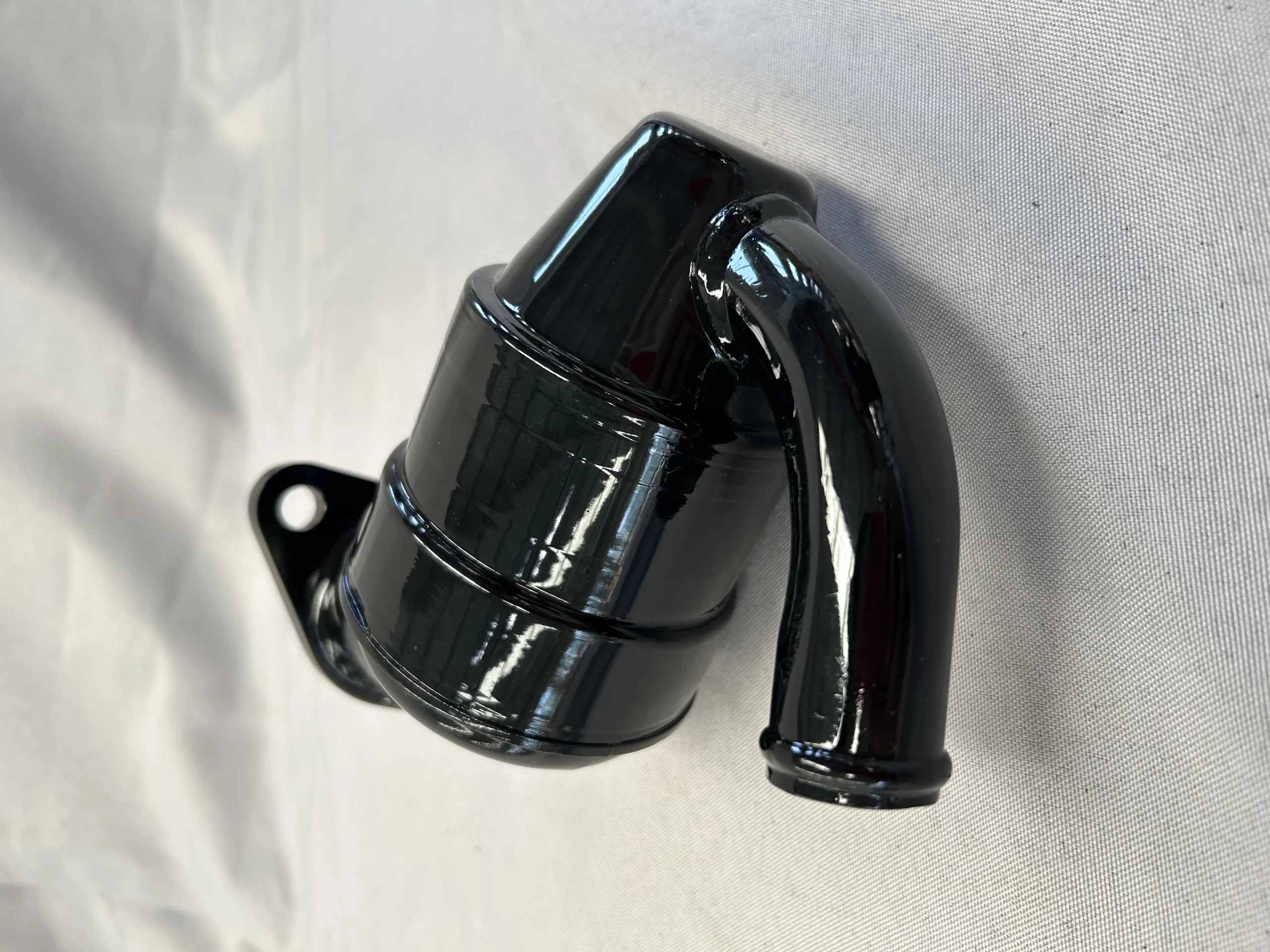 S6D170-1G Breathing Valve 6162-23-8510
 -
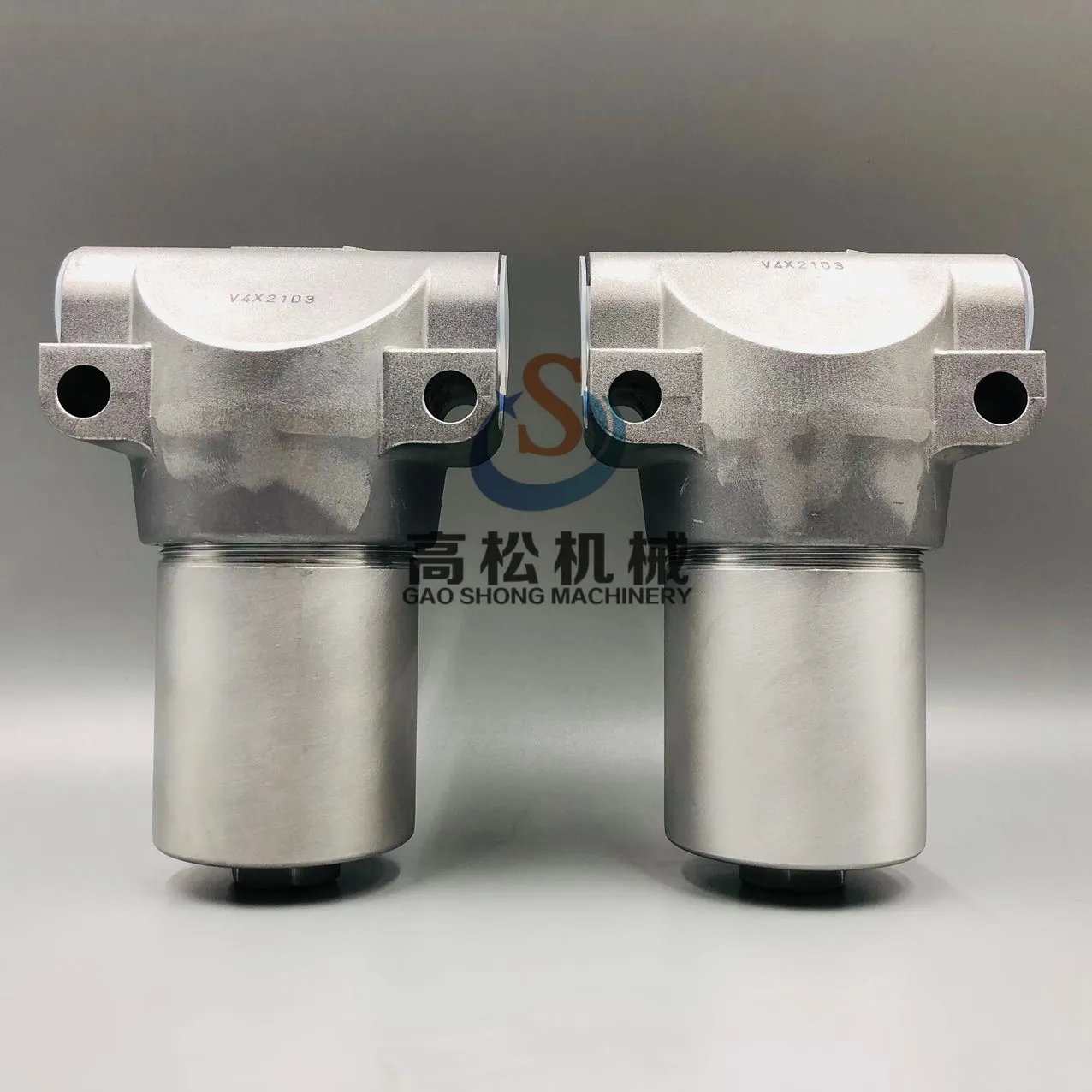 PC200/PC300 original accessories 20Y-62-51681 filter element assembly
 -
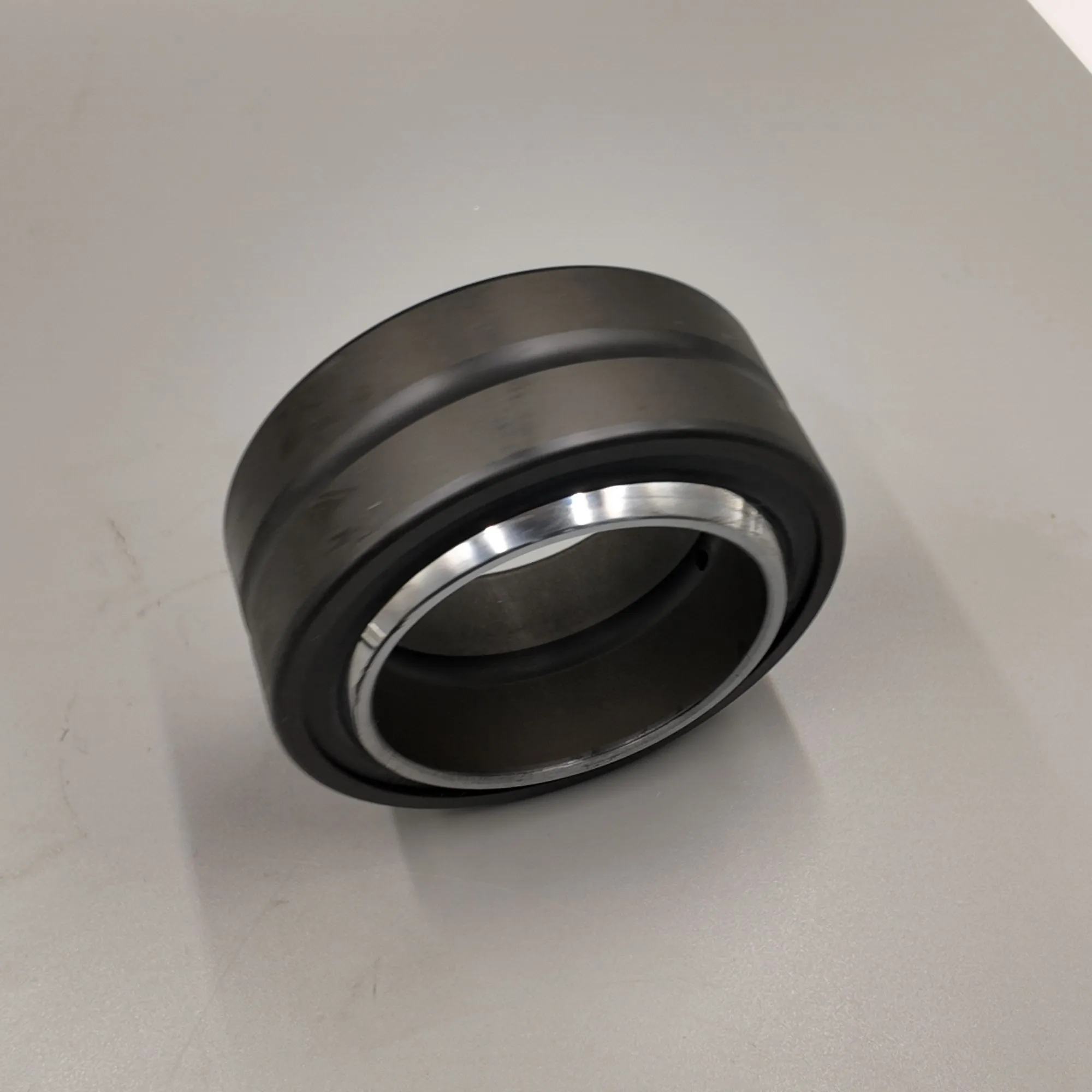 707-46-07040 • Bushing-Komatsu Original Factory
 -
 17M-50-24360 Seal (Komatsu)
 -
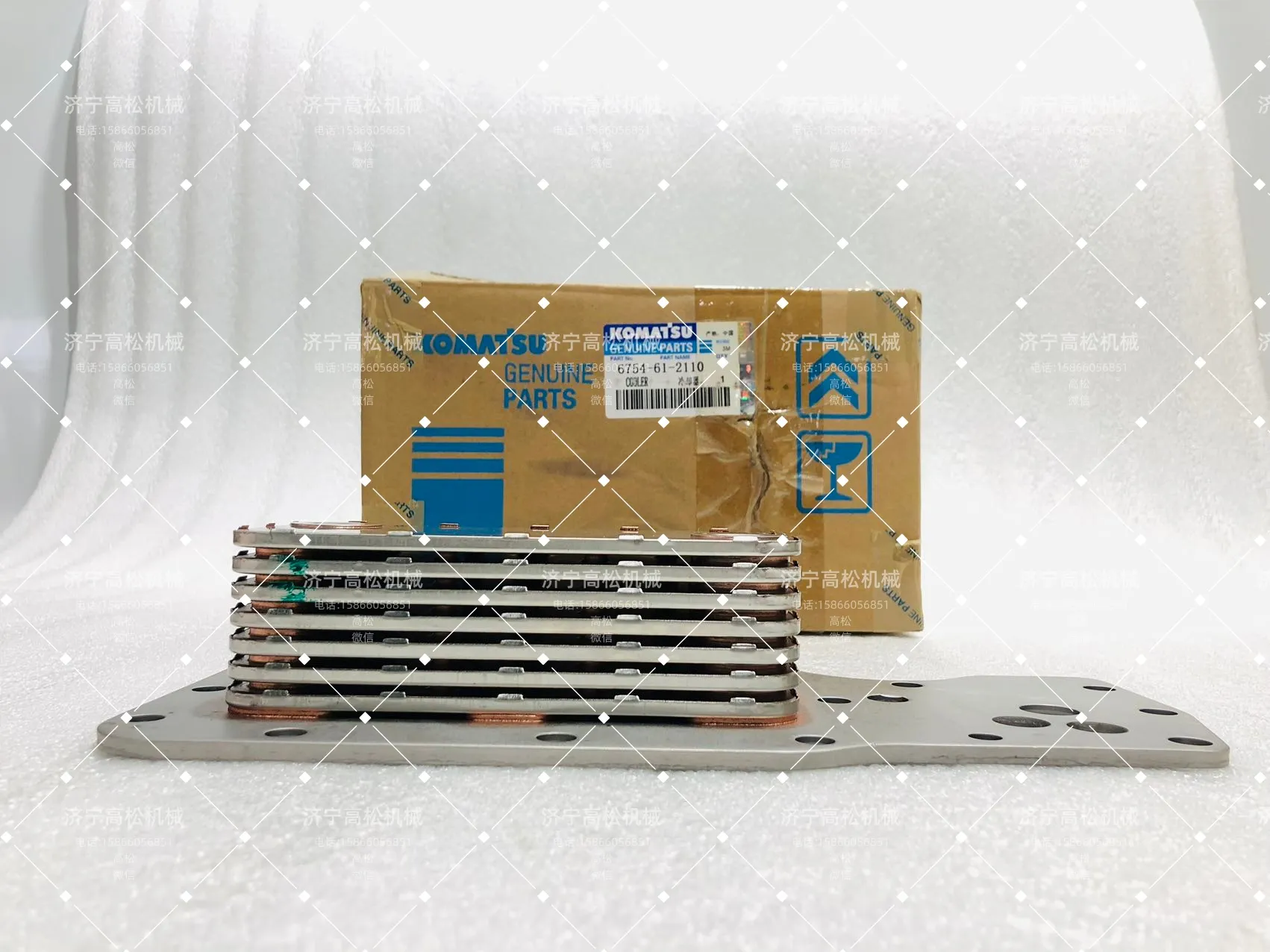 6754-61-2110 komatsu:core CORE, COOLER
 -
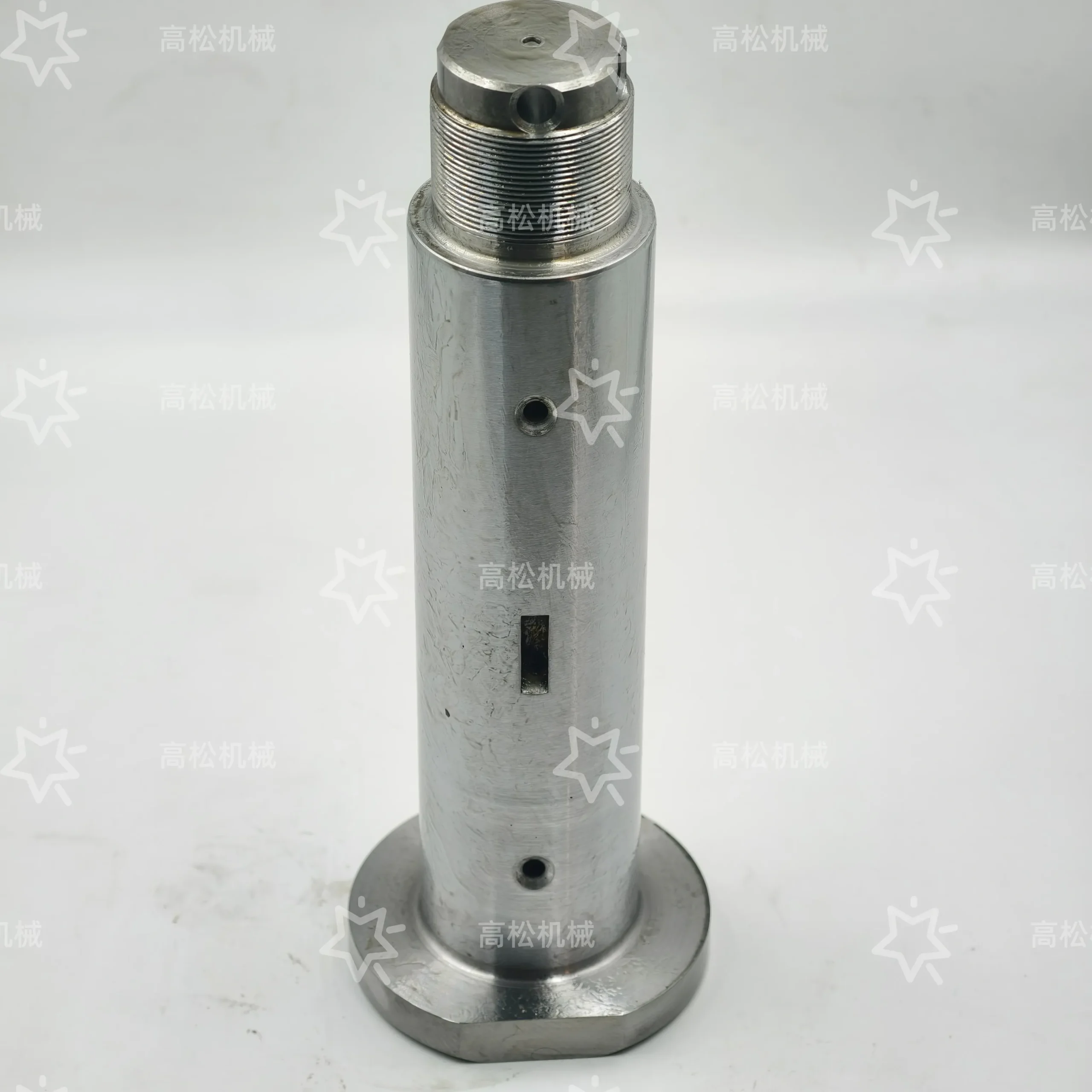 235-27-31330Grader Gd825A-2 Pin 235-27-31330 2352731330
 -
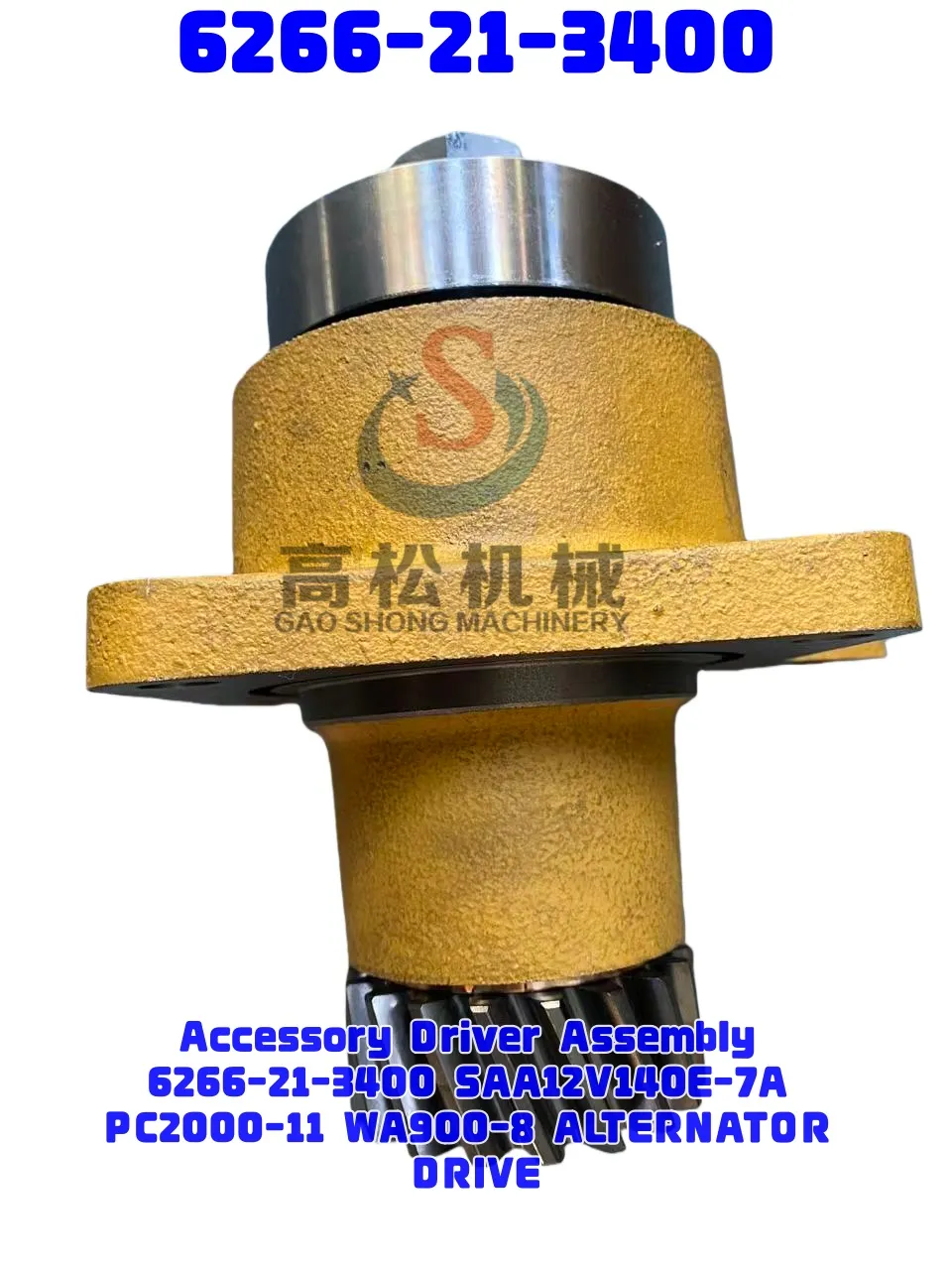 Accessory Driver Assembly 6266-21-3400 SAA12V140E-7A PC2000-11 WA900-8 ALTERNATOR DRIVE
 -
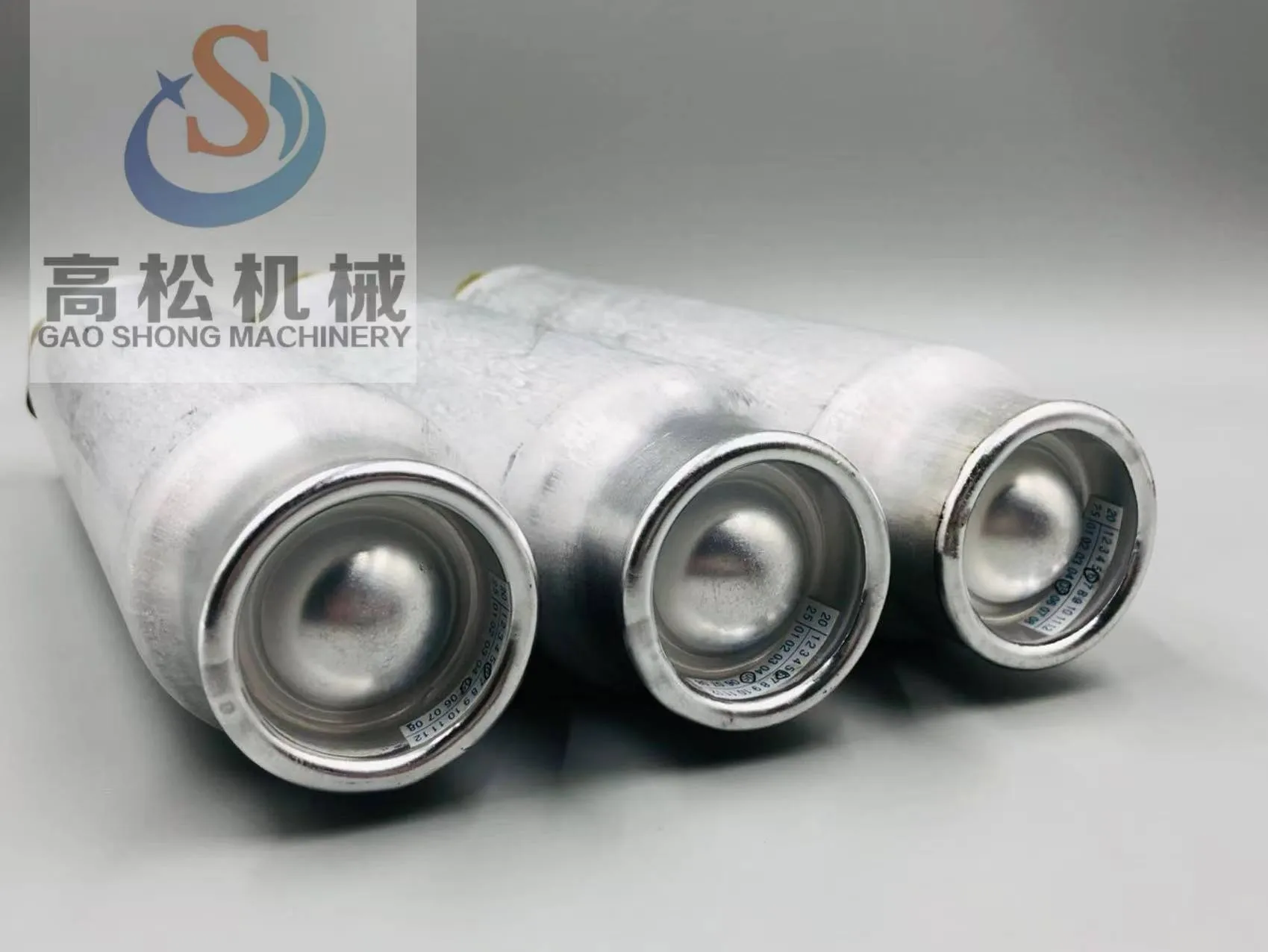 Original 20y-979-3120 receiver for pc300-7 excavators, parts of construction machinery
 -
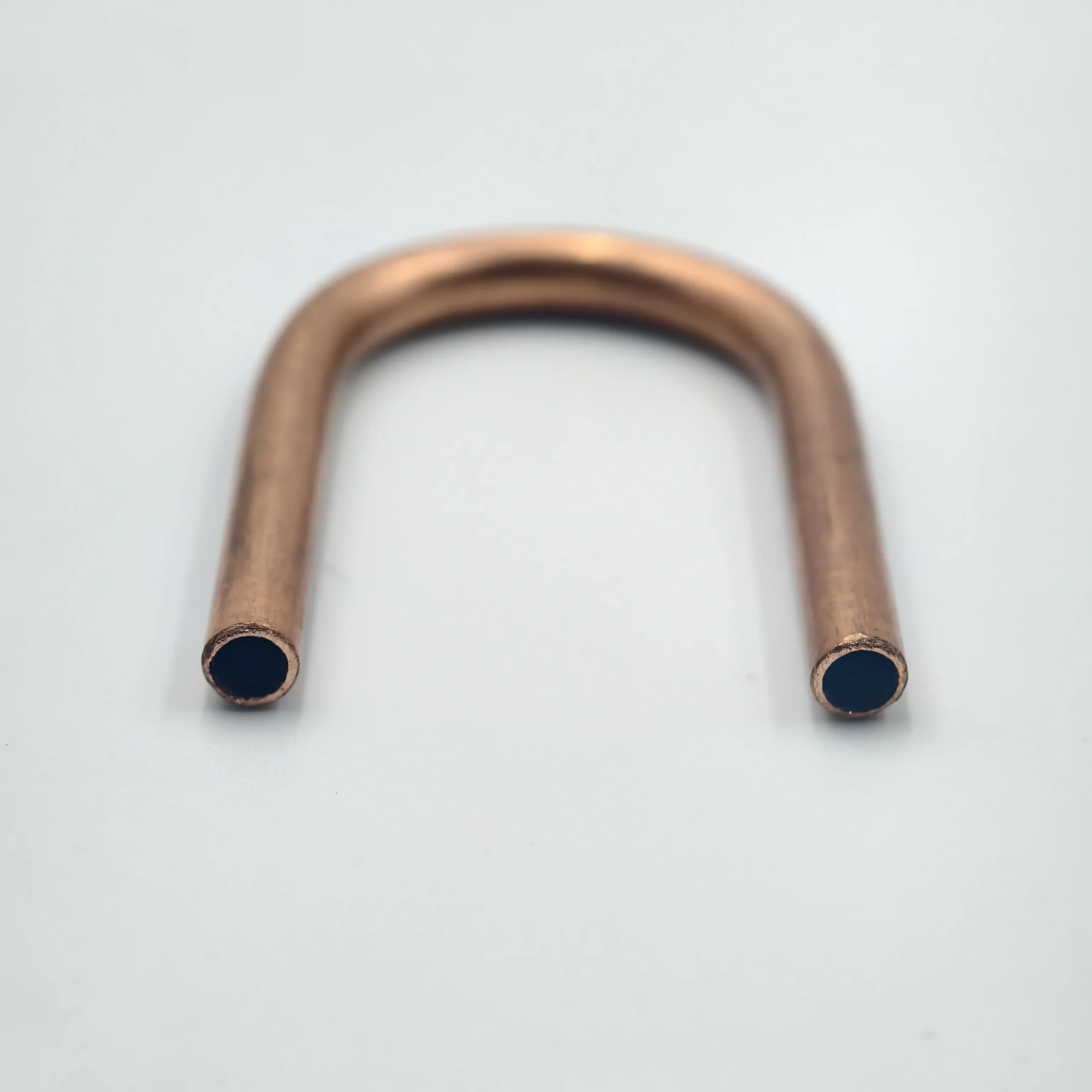 TUBE 21N-68-32360 – KOMATSU.
 -
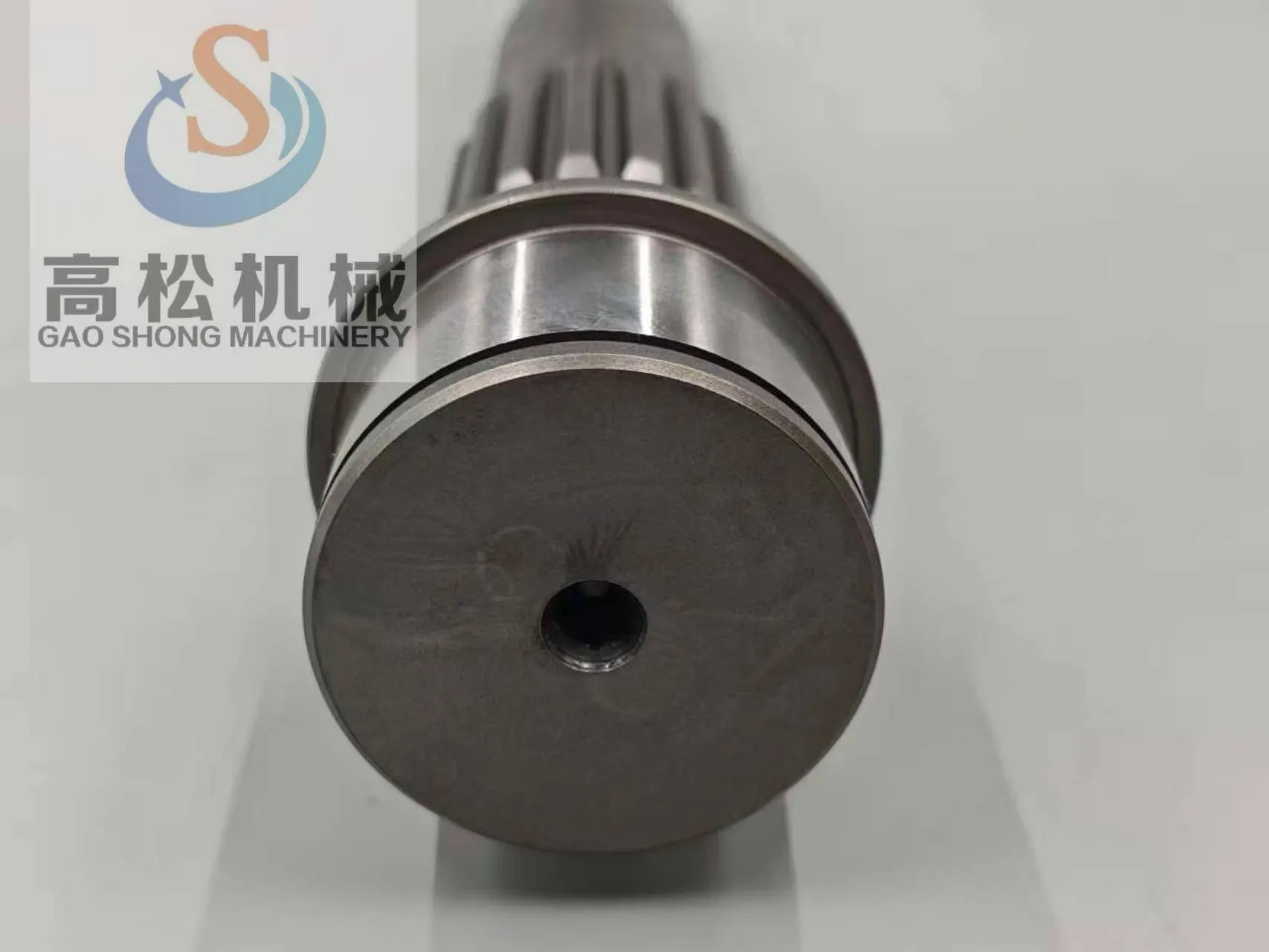 Hydraulic pump original parts 708-2g-12121 708-2g-04153 708-2g-04151 708-2g-03710 708-2g-03910 for pc300-7 excavator
 -
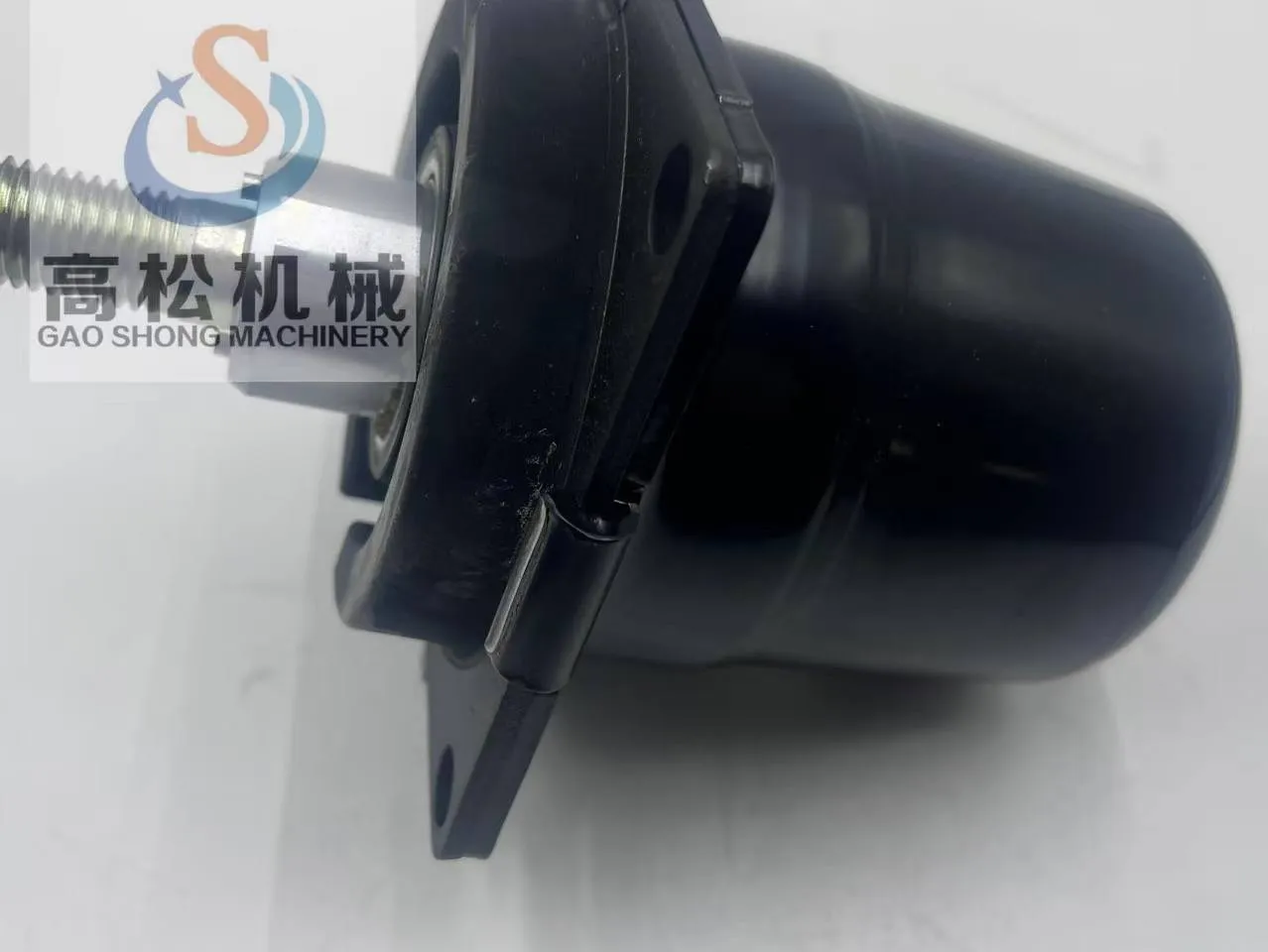 D275 /D375/D475 Cab Cushion 195-54-78410 195-54-78561
 -
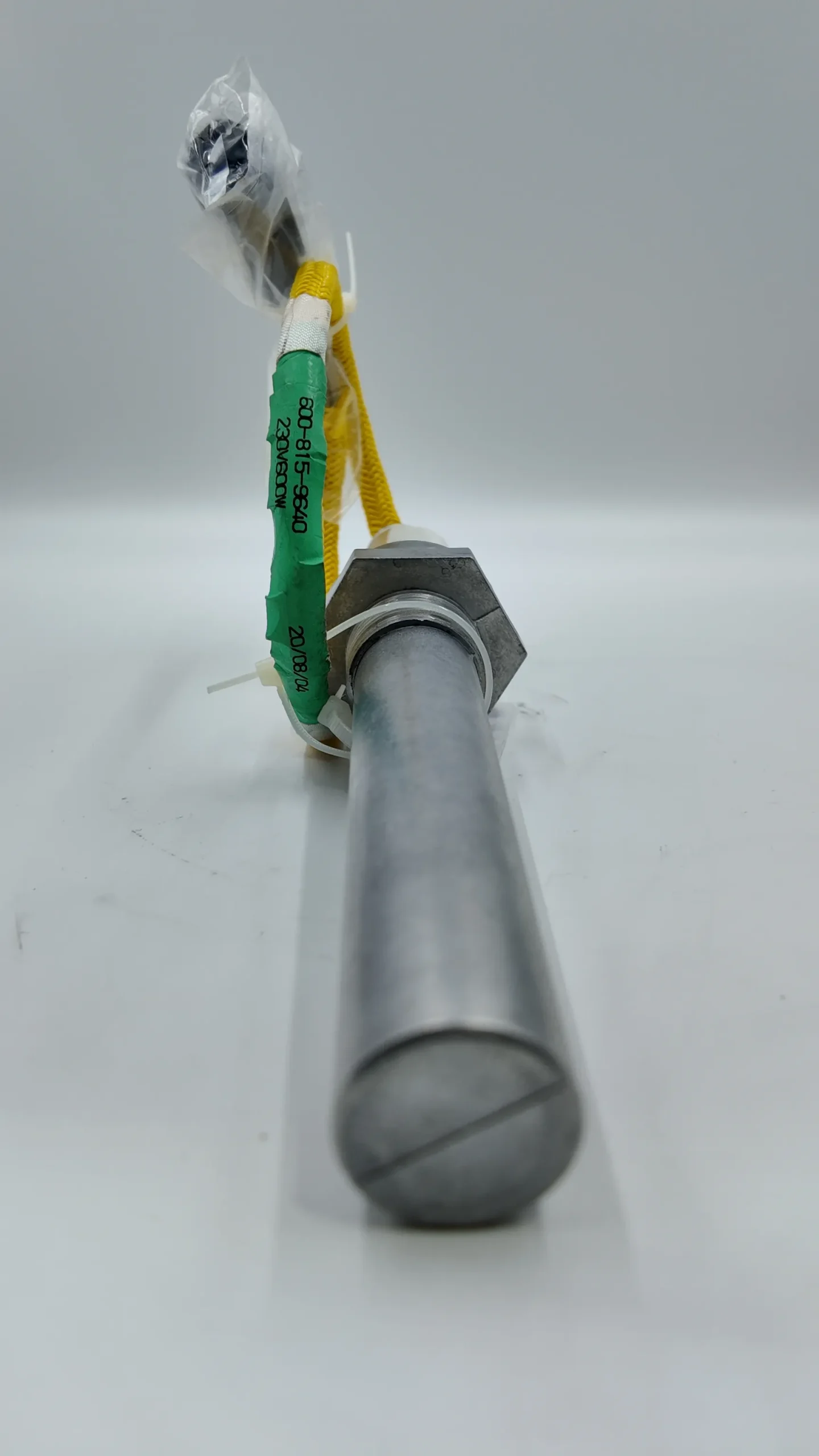 600-815-9640 HEATER-Komatsu Original Factory