
- Chinese
- French
- German
- Portuguese
- Spanish
- Russian
- Japanese
- Korean
- Arabic
- Irish
- Greek
- Turkish
- Italian
- Danish
- Romanian
- Indonesian
- Czech
- Afrikaans
- Swedish
- Polish
- Basque
- Catalan
- Esperanto
- Hindi
- Lao
- Albanian
- Amharic
- Armenian
- Azerbaijani
- Belarusian
- Bengali
- Bosnian
- Bulgarian
- Cebuano
- Chichewa
- Corsican
- Croatian
- Dutch
- Estonian
- Filipino
- Finnish
- Frisian
- Galician
- Georgian
- Gujarati
- Haitian
- Hausa
- Hawaiian
- Hebrew
- Hmong
- Hungarian
- Icelandic
- Igbo
- Javanese
- Kannada
- Kazakh
- Khmer
- Kurdish
- Kyrgyz
- Latin
- Latvian
- Lithuanian
- Luxembou..
- Macedonian
- Malagasy
- Malay
- Malayalam
- Maltese
- Maori
- Marathi
- Mongolian
- Burmese
- Nepali
- Norwegian
- Pashto
- Persian
- Punjabi
- Serbian
- Sesotho
- Sinhala
- Slovak
- Slovenian
- Somali
- Samoan
- Scots Gaelic
- Shona
- Sindhi
- Sundanese
- Swahili
- Tajik
- Tamil
- Telugu
- Thai
- Ukrainian
- Urdu
- Uzbek
- Vietnamese
- Welsh
- Xhosa
- Yiddish
- Yoruba
- Zulu
- Kinyarwanda
- Tatar
- Oriya
- Turkmen
- Uyghur






komatsu pc35 hydraulic pump
When you hear 'Komatsu PC35 hydraulic pump,' most guys immediately think of the OEM part number 700-XXX series. That's not wrong, but it's where the first common pitfall starts. In my experience, the real challenge isn't just identifying the pump; it's understanding the specific iteration for your machine's serial number range and the operational history that led to its failure. I've seen too many mechanics order a 'PC35 pump' only to find slight porting differences or pressure setting variances that cause a world of headaches. The pump isn't just a commodity; it's the heart of that machine's digging personality.
Beyond the Part Number: The System is Key
Focusing solely on the Komatsu PC35 hydraulic pump as a standalone component is a recipe for repeated failures. You have to consider the entire hydraulic circuit. For instance, on earlier PC35MR-2 models, the pump often failed prematurely not due to manufacturing defects, but because of contamination from a slowly degrading swing drive seal, introducing fine abrasive particles into the system. Replacing the pump without a full system flush and addressing that root cause meant the new unit was doomed from the start. The pump is a symptom, not always the disease.
This is where having a supplier who understands the system, not just the parts catalog, is invaluable. A company like Jining Gaosong Construction Machinery Co., Ltd. operates in a unique space. As they note on their site https://www.takematsumachinery.com, they're both an OEM product supplier within Komatsu's system and a third-party solutions provider. In practice, this means they can often bridge the gap between pure OEM protocol and the messy reality of a 10-year-old machine working in a remote quarry. They can tell you, Yes, this is the official pump, but for your serial number block, you should also check the servo piston in the control block, as it's a known wear partner. That systemic insight saves downtime.
I recall a job in Indonesia where we had fluctuating power and heat issues on a PC35. We replaced the main hydraulic pump with a genuine unit, but the problem persisted. It turned out the issue was a slightly misaligned pump mounting bracket from a previous off-brand repair, causing shaft strain. The lesson? Even a perfect pump installed into a compromised interface will fail. The diagnosis has to start from the coupling and work outwards.
The OEM vs. Aftermarket Dilemma in Context
The debate between OEM and aftermarket parts is eternal. For a critical component like the main hydraulic pump on a PC35, my default lean is heavily towards OEM-spec or genuine. The tolerances, the metallurgy of the gears and housing, the quality of the seals—they matter immensely for pressure stability and longevity. However, 'OEM-spec' is where a supplier like Gaosong becomes relevant. They help solve parts supply challenges, which often means providing a part that meets or exceeds the original factory specification when the official channel is backlogged or discontinued support for older models.
This isn't about selling a cheaper alternative. It's about providing a viable, reliable solution to keep equipment running. I've used their channel for a PC35-8 pump assembly. The part wasn't in a Komatsu box, but the build quality was identical, and it came with the correct gasket and seal kit for that specific model iteration. More importantly, they had the technical data sheet for installation torque and pressure test points, which many pure aftermarket sellers lack. That documentation is what separates a part from a proper repair component.
There's a failure mode I want to highlight: cavitation noise on startup. On the PC35, this is often misdiagnosed as pump failure. Many times, it's simply the inlet hose from the hydraulic tank collapsing internally over time, or the breather cap being clogged. Before you condemn the Komatsu PC35 pump, do a simple vacuum test on the suction side. Replacing a $2,000 pump for a $50 hose is a tough lesson to learn the hard way. A good supplier will ask you about these symptoms before just shipping a pump.
Installation Nuances That Make or Break the Job
Installing a new pump isn't just a swap. The first critical step is priming. The PC35's pump is not self-priming in the true sense. You must fill the housing with clean hydraulic oil before connecting the suction line. I've seen people crank the engine to try and draw oil up, which only risks running dry for those first few seconds—enough to score the surfaces. The proper method is to remove the outlet port plug on the pump casing and pour oil in until it's full. It's simple, but skipped constantly.
Alignment is everything. The pump is driven directly off the engine. Even a slight misalignment after reassembly, maybe from not cleaning the mounting flange perfectly or over-tightening the bolts in the wrong sequence, will create lateral load on the shaft. This leads to premature wear on the shaft seal and the bushing inside the pump. Use a dial indicator if you can. If not, at least ensure the coupling spider isn't under any tension when the bolts are finger-tight. The pump should slide into the coupling smoothly.
Then there's the break-in procedure, which is often ignored. After installation, start the engine and run at low idle. Listen for cavitation whine. Cycle all hydraulic functions gently, without load, for the first 10-15 minutes. This allows oil to circulate and coat all internal surfaces, and for any trapped air to work its way out. Only then should you gradually increase engine speed and begin light operation. This step is crucial for the longevity of the new hydraulic pump. It allows the internal components to seat properly under controlled conditions.
Pressure Checks and System Tuning Post-Installation
Never assume a new pump is set to the correct relief pressure for your specific machine. Always tee in a gauge and check the main system pressure against the service manual spec for your serial number. I've received pumps, even from reputable sources, where the pressure compensator was pre-set a bar or two off. On a PC35, that can translate to noticeable lag in compound movements or, conversely, excessive heat if set too high. The adjustment is usually a simple hex screw on the pump's control valve, but you need the manual and the gauge.
While you're checking pressure, monitor the case drain flow. This is the oil that leaks internally past the gears to lubricate and cool the pump, returning to the tank. Excessive case drain flow (more than a steady trickle at full pressure) on a new pump can indicate an internal clearance issue. A small amount is normal; a large flow means the pump is worn internally already or there's an issue with the case drain line backpressure. Don't ignore it.
Finally, after a day of operation, re-check all mounting bolts and hose connections. Things settle with heat and vibration. Also, take a sample of the hydraulic oil. If it's clean, you've likely done a good job on the system flush. If you see a fine metallic sparkle, it could be residual from the old failure, but monitor it closely. The true test of a successful Komatsu PC35 hydraulic pump replacement is not that it works on day one, but that the machine is still running strong with clean oil 500 hours later. That's the metric that matters, and it depends entirely on treating the pump as part of a system, installed with precision, and validated with data.
Related Products
Related Products

Best Selling Products
Best Selling Products-
 209-68-11640• COUPLER ASS’Y-Komatsu Original Factory
 -
 702-16-02190Lever Assembly 702-16-02190 – KOMATSU – Avrora parts
 -
 Komatsu bulldozer rearview mirror 195-Z11-2180
 -
 KD0-35120-0250 • FIELD COIL ASS’Y-Komatsu Original Factory
 -
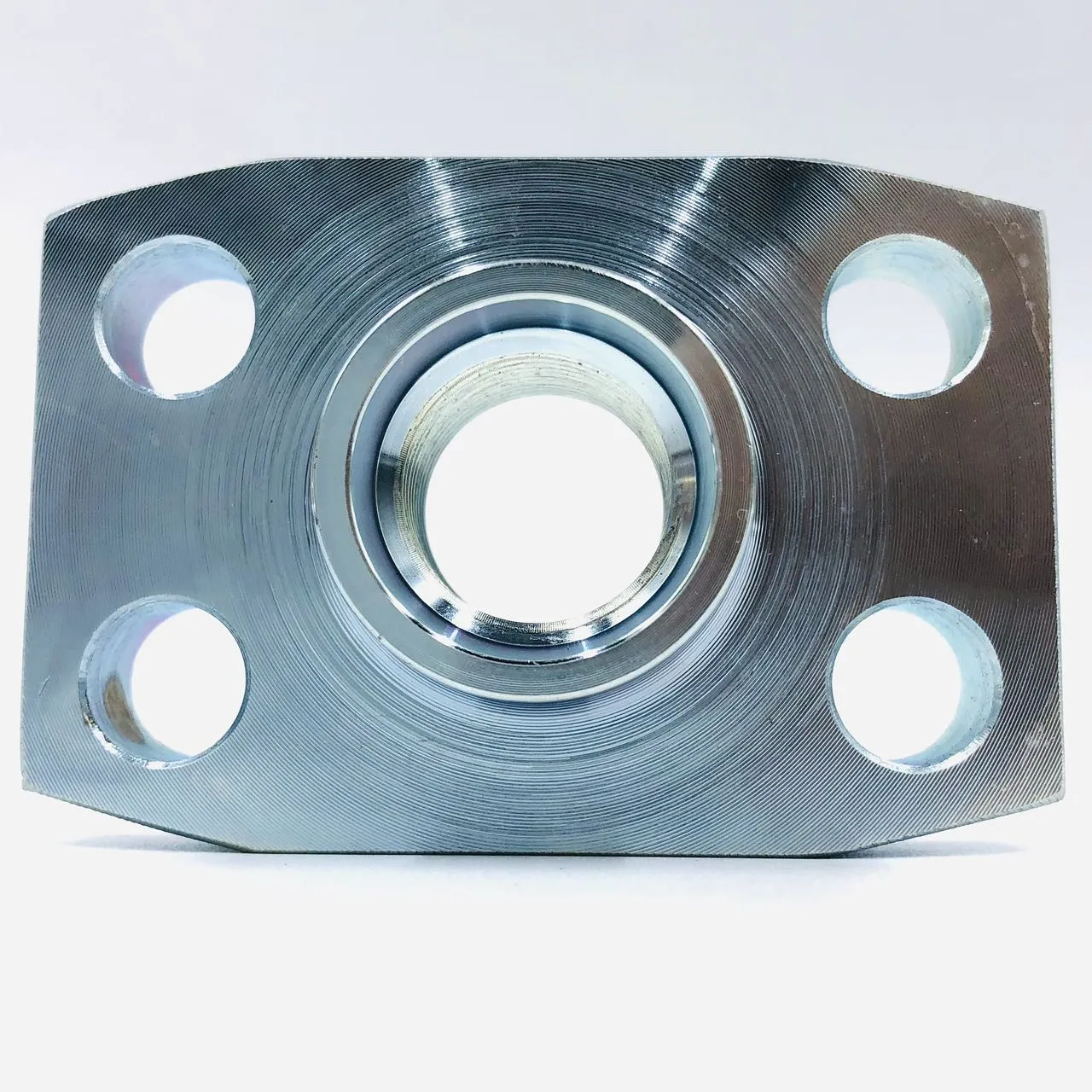 21N-38-12310 Komatsu FLANGEKomatsu Original Equipment Excavator Parts
 -
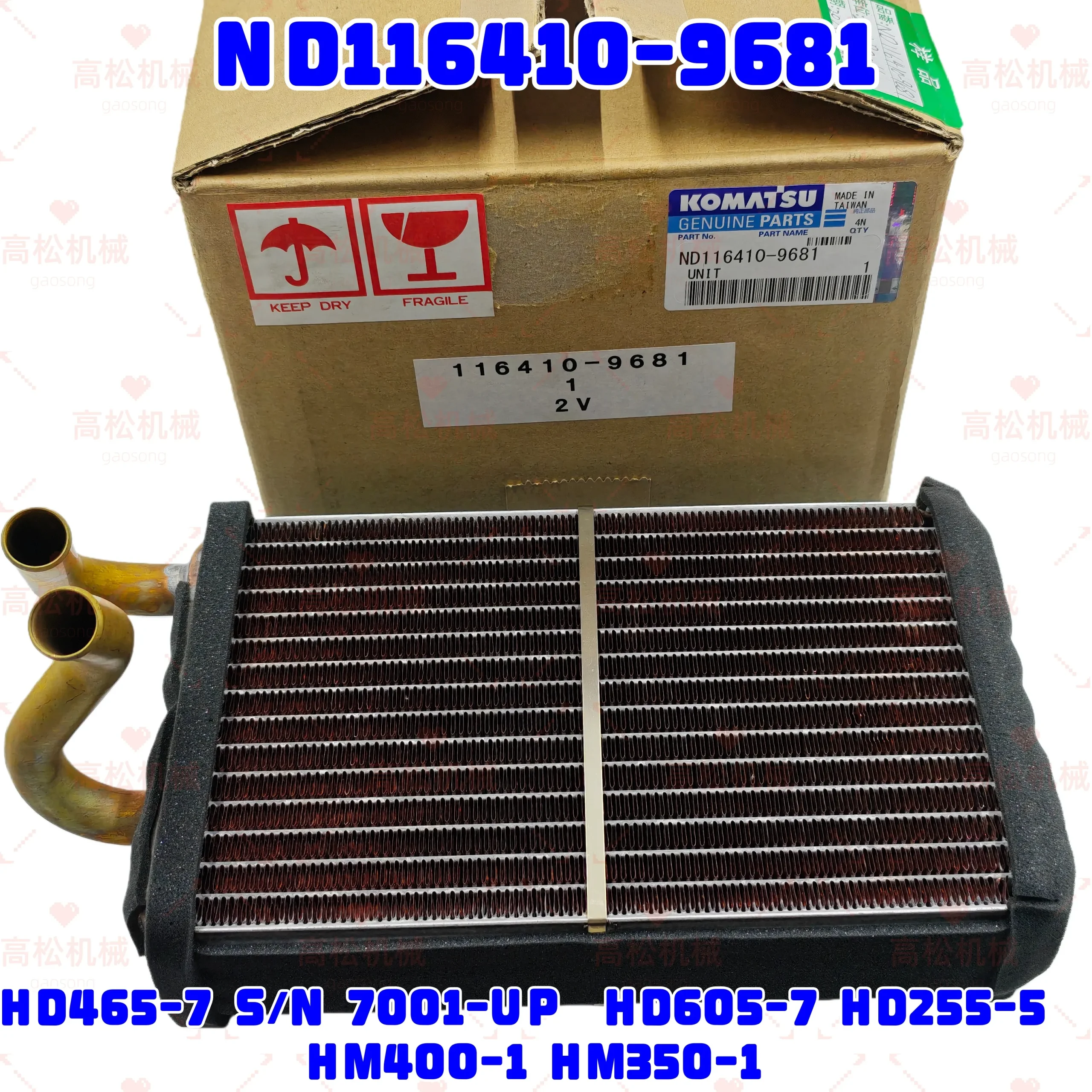 IMIFAFTAbT 702-16-02290 702-16-02210 Lever Assembly Fits for Komatsu D65EX-16 D65PX-16 D65WX-16 D275A-5R D155AX-6 Bulldozer
 -
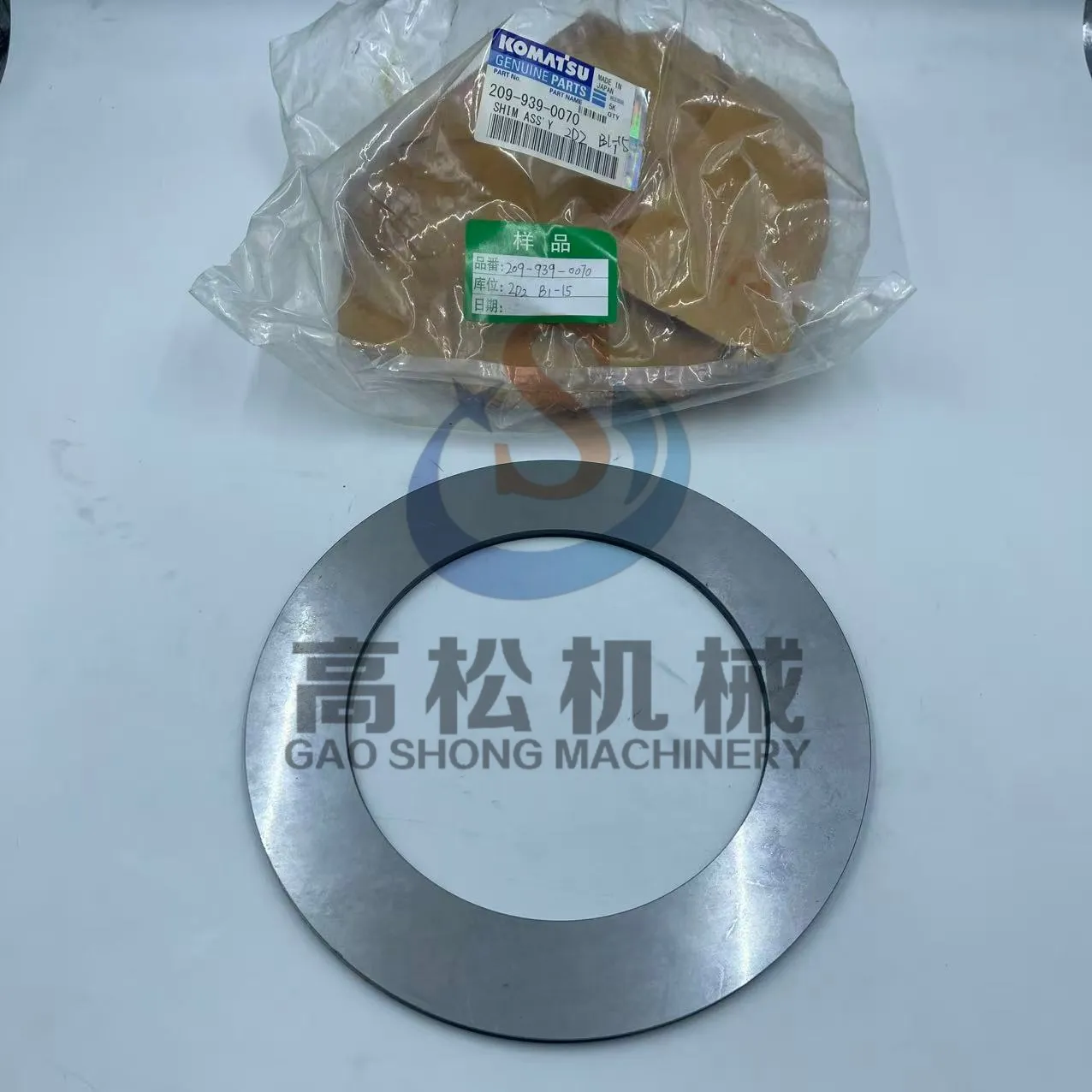 209-939-0070 Komatsu Shim Assembly
 -
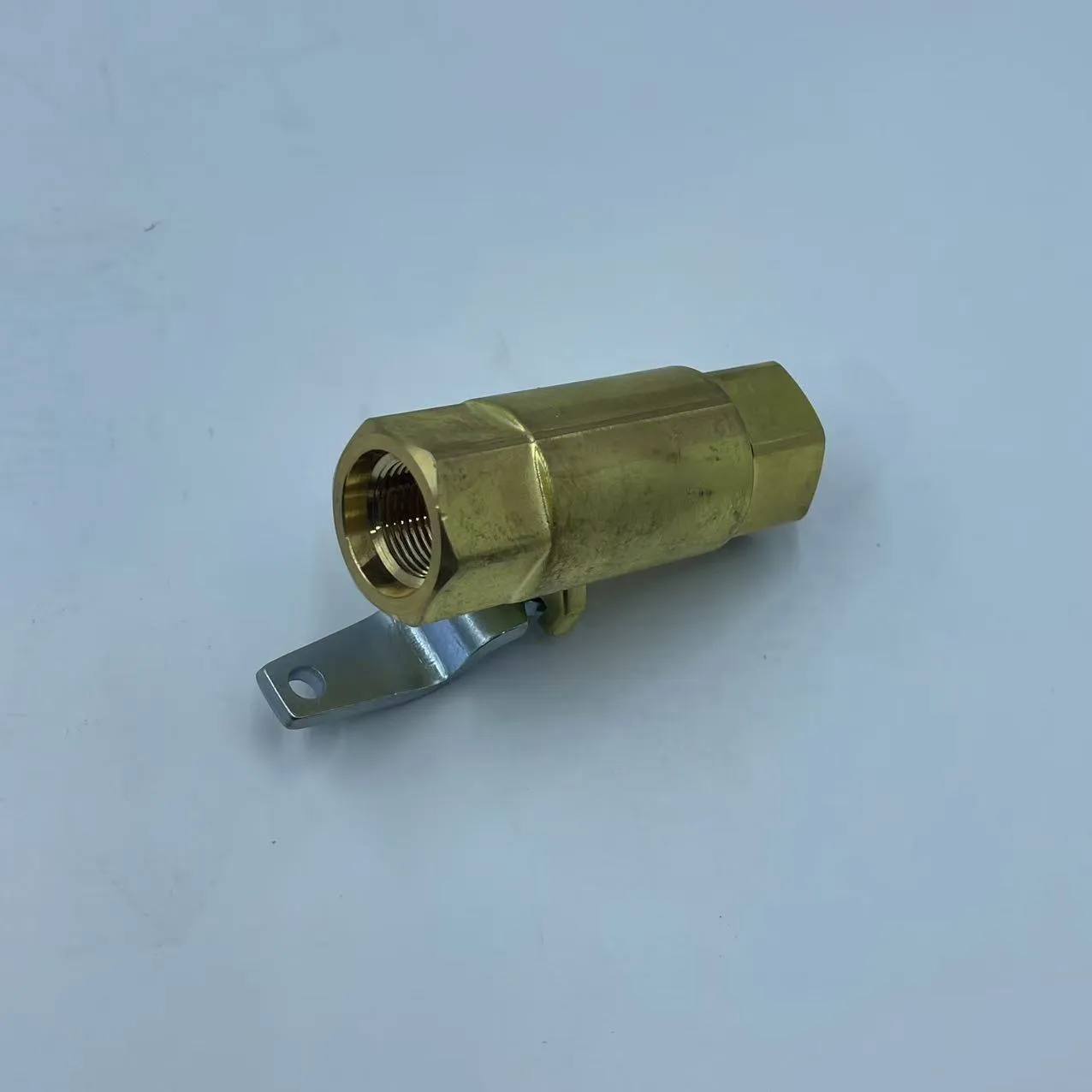 KOMATSU-VALVE 20Y-62-15651 –
 -
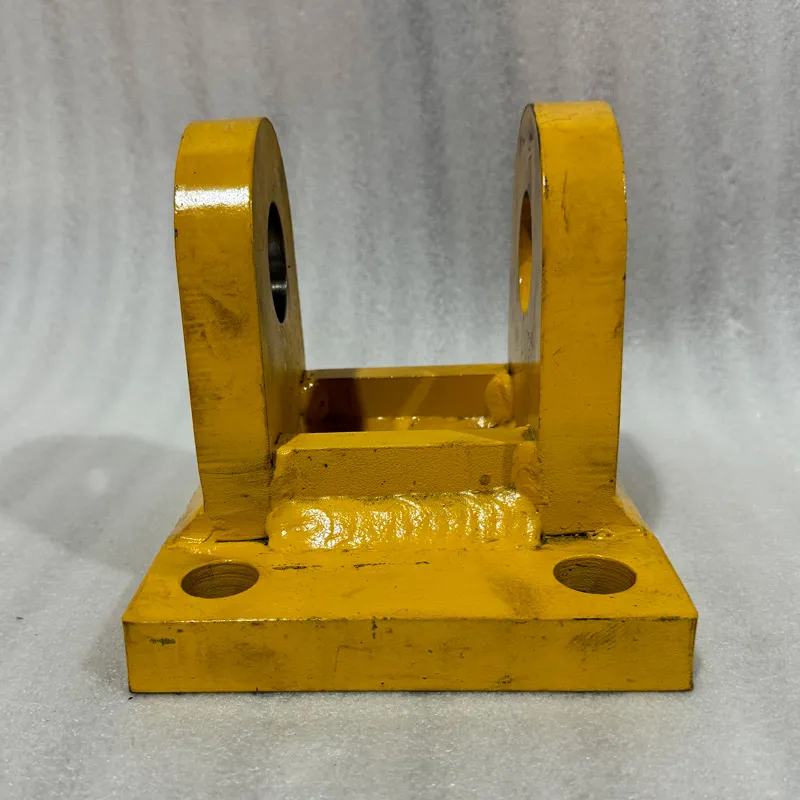 Original komatsu GD661A-1 Pull Rod 238-46-11810
 -
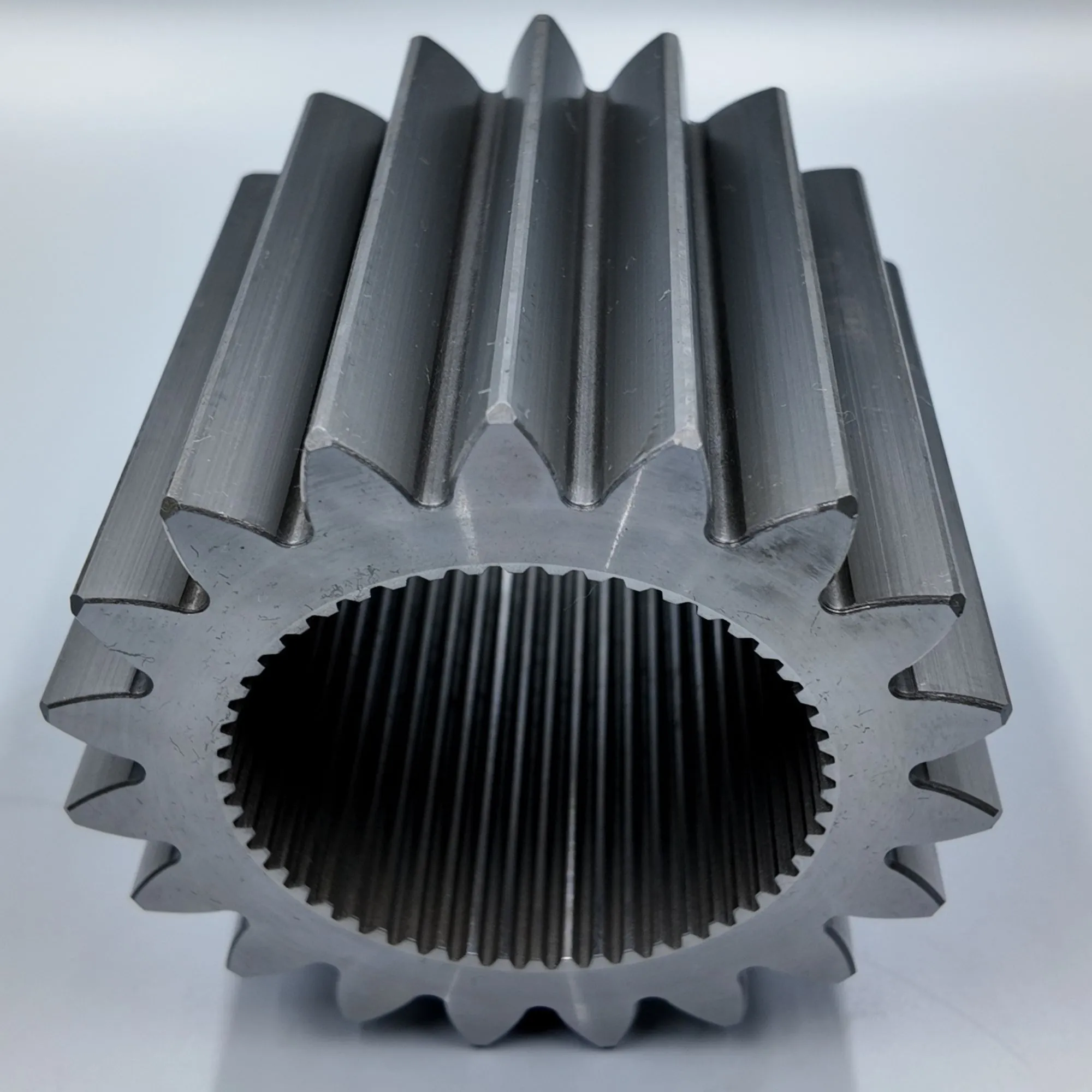 426-22-12421 •• GEAR-Komatsu Original Factory
 -
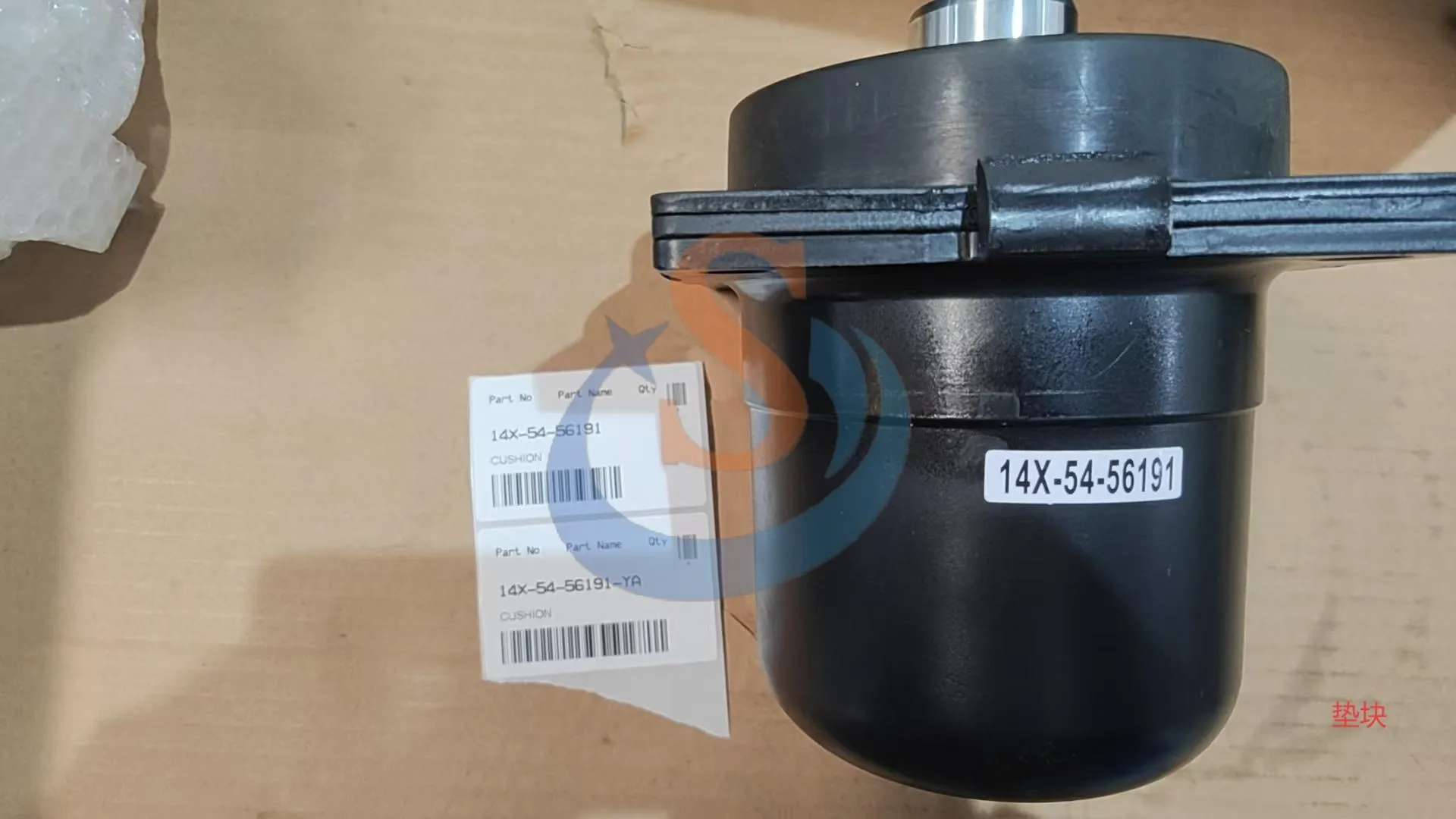 14X-54-56191,Cushion,D65PX,D65WX,D85EX
 -
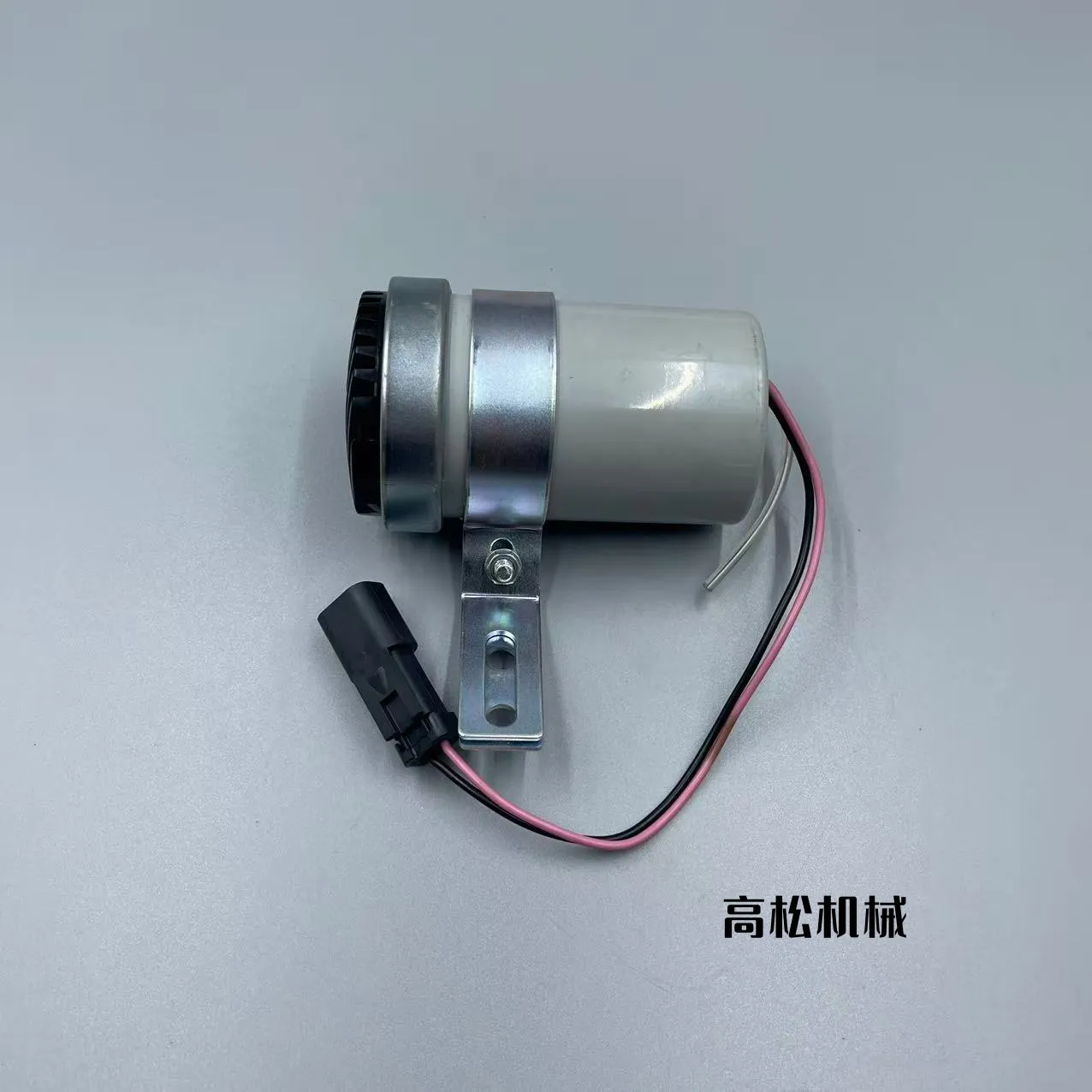 198-06-56570 BUZZER-Komatsu Original Factory