
- Chinese
- French
- German
- Portuguese
- Spanish
- Russian
- Japanese
- Korean
- Arabic
- Irish
- Greek
- Turkish
- Italian
- Danish
- Romanian
- Indonesian
- Czech
- Afrikaans
- Swedish
- Polish
- Basque
- Catalan
- Esperanto
- Hindi
- Lao
- Albanian
- Amharic
- Armenian
- Azerbaijani
- Belarusian
- Bengali
- Bosnian
- Bulgarian
- Cebuano
- Chichewa
- Corsican
- Croatian
- Dutch
- Estonian
- Filipino
- Finnish
- Frisian
- Galician
- Georgian
- Gujarati
- Haitian
- Hausa
- Hawaiian
- Hebrew
- Hmong
- Hungarian
- Icelandic
- Igbo
- Javanese
- Kannada
- Kazakh
- Khmer
- Kurdish
- Kyrgyz
- Latin
- Latvian
- Lithuanian
- Luxembou..
- Macedonian
- Malagasy
- Malay
- Malayalam
- Maltese
- Maori
- Marathi
- Mongolian
- Burmese
- Nepali
- Norwegian
- Pashto
- Persian
- Punjabi
- Serbian
- Sesotho
- Sinhala
- Slovak
- Slovenian
- Somali
- Samoan
- Scots Gaelic
- Shona
- Sindhi
- Sundanese
- Swahili
- Tajik
- Tamil
- Telugu
- Thai
- Ukrainian
- Urdu
- Uzbek
- Vietnamese
- Welsh
- Xhosa
- Yiddish
- Yoruba
- Zulu
- Kinyarwanda
- Tatar
- Oriya
- Turkmen
- Uyghur






Komatsu PC300 parts
When you hear 'Komatsu PC300 parts', most guys immediately think of the genuine OEM boxes with the yellow logo. That's the ideal, sure. But out here, especially in markets where the official supply chain gets thin or prohibitively expensive, that's only half the story. The real conversation is about keeping the machine running reliably without bleeding cash on downtime. I've seen too many operations stall because they either overpaid for parts they didn't absolutely need, or they gambled on cheap junk that failed in a month. The trick isn't just finding a part; it's understanding the ecosystem around it—the OEM channels, the quality aftermarket, and the outfits that bridge the gap between the two.
The OEM Promise vs. On-Ground Reality
Komatsu's genuine parts are engineered to spec, and for critical components like hydraulic pumps or main control valves, there's rarely a better bet. The fit is perfect, the performance matches the machine's original profile, and the warranty is solid. But here's the rub: for an older PC300-6 or even a -7 model, some parts might be on backorder from the regional depot for weeks. Or, the price for a simple bracket feels like it's got gold plating. That's the supply challenge they don't always talk about in the brochures.
This is where the landscape gets interesting. You get companies that operate within the Komatsu system but also function independently to plug these gaps. I came across Jining Gaosong Construction Machinery Co., Ltd. a while back. Their setup is telling: they're an OEM product supplier within Komatsu's network, but they also act as a third-party sales channel. What that meant on a project in Southeast Asia was that they could source a genuine Komatsu swing motor seal kit for a PC300-5 that the local distributor had discontinued stocking, and get it to site faster. Their site, https://www.takematsumachinery.com, became a useful reference point not just for parts lookup, but for understanding which components were still in active OEM production and which had effectively moved to the aftermarket realm.
The value of such a hybrid supplier isn't just in stocking parts. It's in having the insight to say, For this engine gasket, we have the OEM one, but for this linkage pin, here's a certified aftermarket alternative that's 30% cheaper and we've had zero comebacks on. They're helping to solve parts supply challenges in certain countries precisely by not being rigidly stuck in one lane. For a fleet manager, that pragmatic approach is often more valuable than a pure, but slow or incomplete, OEM commitment.
Judging Quality Beyond the Brand Stamp
Let's talk about aftermarket. The spectrum is vast. You have Tier-1 manufacturers who might have even made the original part for Komatsu, selling under their own brand. Then you have the unknown workshops. For a PC300, I'm cautious but not dogmatic. I'll use non-OEM for wear items like Komatsu PC300 parts such as bucket teeth, side cutters, and even some pins and bushings—but only from sources with proven metallurgy reports.
A painful lesson was with a track roller. Saved a bundle on a non-genuine set. Within 400 hours, the seals were gone and the rollers started binding. The downtime and repair cost wiped out the savings three times over. The failure? Inferior seal material that couldn't handle the heat and grit. Now, I cross-reference part numbers. If a supplier like Gaosong lists an alternative, I ask for the test data or the OEM factory origin. Sometimes, it's the same factory line, just a different box.
The undercarriage is a whole different beast. For PC300 final drive parts or sprocket segments, I lean heavily back towards OEM or the absolute top-tier aftermarket. The stress loads are too high to experiment with. I've found that the hybrid suppliers are good at flagging these high-risk components. Their product descriptions often hint at it—phrasing like OEM-spec for filters versus OEM-original for a planetary gear set.
The Logistics Tangible: Lead Times and Paperwork
An often-overlooked aspect is the customs and duty maze. Ordering a genuine part from an overseas Komatsu distributor can mean a mountain of paperwork. One advantage of some third-party sales companies is they've streamlined this for specific regions. They might hold bonded warehouse stock or have agreements that simplify import for Komatsu PC300 components. This isn't a small detail; it can turn a 3-week wait into a 5-day turnaround.
I recall needing a complete fan drive assembly for a PC300LC-8. The local dealer's lead time was 8 weeks, air freight from Japan. A third-party vendor with a different supply chain, which included partners like the mentioned Gaosong, found a unit in a Middle East warehouse and used a pre-cleared logistics channel. Had it in 10 days. The part was genuine Komatsu, but the route wasn't the standard one. That's solving a supply challenge in practice.
This requires building a relationship. You can't just buy off a website once and expect that service. It's about communicating your operational schedule, your machine serial numbers, and building a history. The good suppliers then proactively suggest stocking common wear parts for your fleet based on your actual usage data.
Failure Analysis as a Buying Guide
Your own mechanics are your best intelligence source. Tear down a failed component. Why did this PC300 hydraulic cylinder barrel score? Was it a fluid contamination issue, or did the original bushing wear out prematurely? That analysis directly informs your next parts purchase. Maybe you need to upgrade the filter system (genuine Komatsu filters are superb here) rather than just replacing the cylinder with an OEM part that will fail again in the same way.
I started keeping a simple log: part number, supplier (OEM, aftermarket brand, or intermediary), hours installed, and failure mode. Over time, patterns emerge. You might find that for your specific soil conditions, a particular brand of aftermarket bucket tooth adapter lasts as long as the OEM. That's gold. You then task your supplier to secure that specific brand, not just an aftermarket alternative.
Companies that understand this—the ones that ask for your failure photos or service reports—are the ones moving beyond just selling widgets. They're acting as informal parts consultants. Their business, at its core, is about solving parts supply challenges, and that requires understanding failure, not just catalogs.
The Cost of Downtime: The Ultimate Calculator
Every parts decision funnels back to this simple math: Part Cost + Installation Cost + (Hourly Machine Rate x Downtime Hours). A cheap part that causes 40 hours of unexpected downtime on a PC300 can eclipse the cost of the most expensive OEM component. This math forces you to stratify your parts strategy.
Critical, hard-to-diagnose components: ECU boards, sensor harnesses, main pump components. I go OEM almost every time, even if I have to wait. The risk is too high. For structural and high-wear items—boom linkage, bucket cylinders, hoses—I now have a shortlist of approved aftermarket brands, often sourced through reliable intermediaries who've done the vetting for me. For consumables like filters and greasable pins, I might have two or three approved options based on availability.
The goal is never to be 100% OEM or 100% aftermarket. It's to be 100% operational. The right supplier, whether it's the official distributor or a nimble third-party expert, is the one that helps you build that matrix for your specific fleet and operating conditions. They provide the options, the data, and the logistics muscle, so you can make the call that keeps your iron moving. In the end, that's what the search for Komatsu PC300 parts is really all about.
Related Products
Related Products
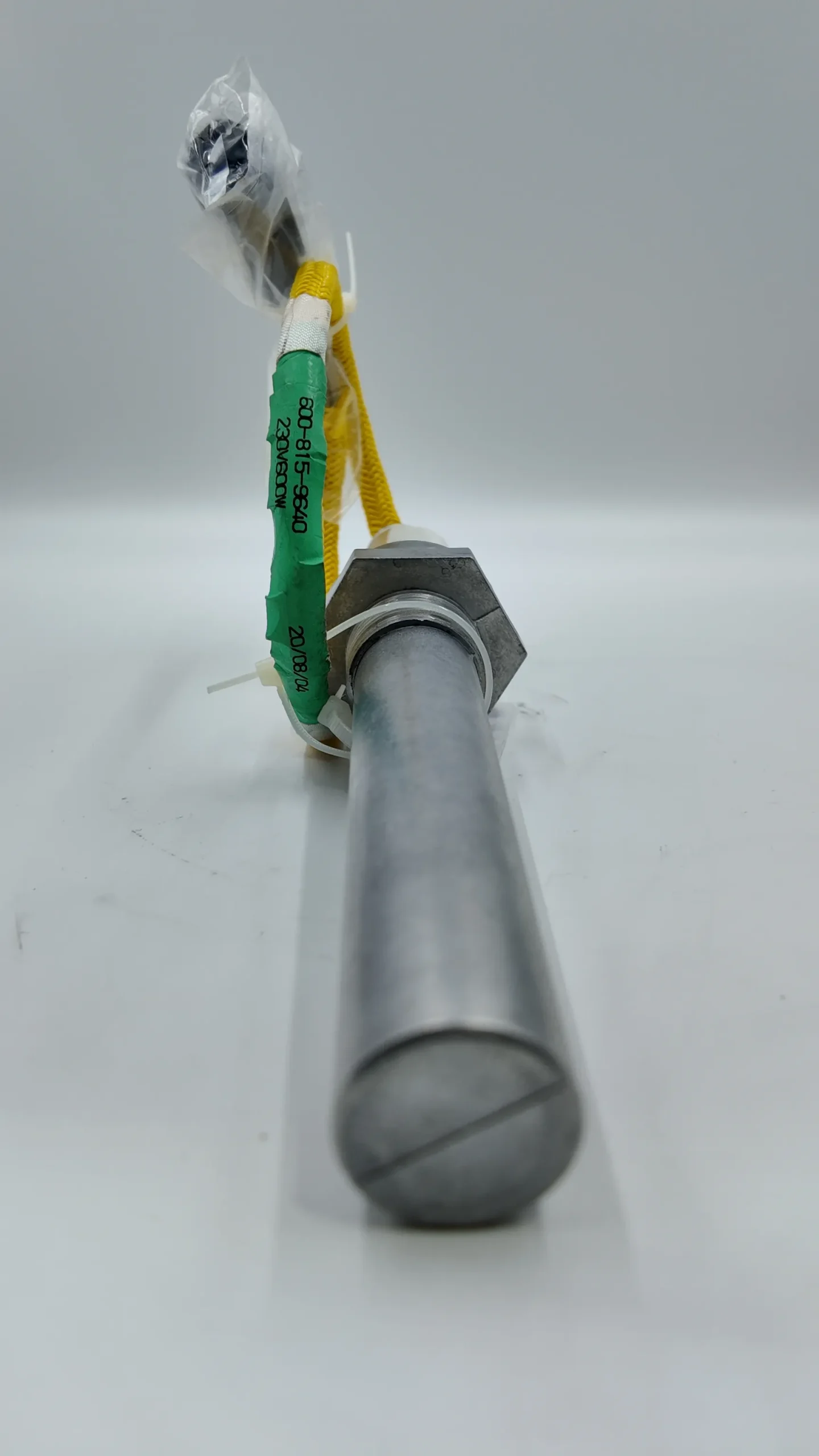
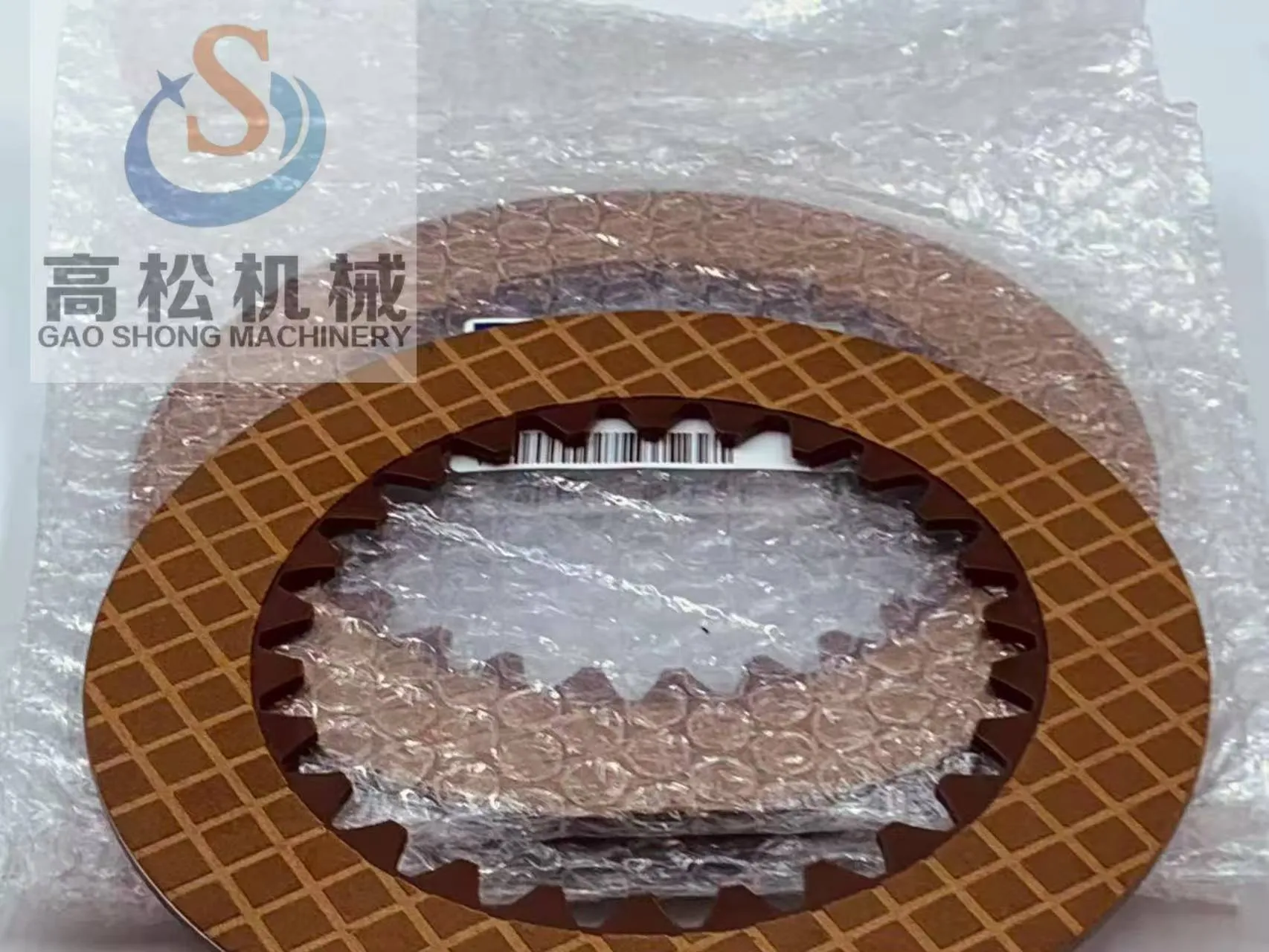
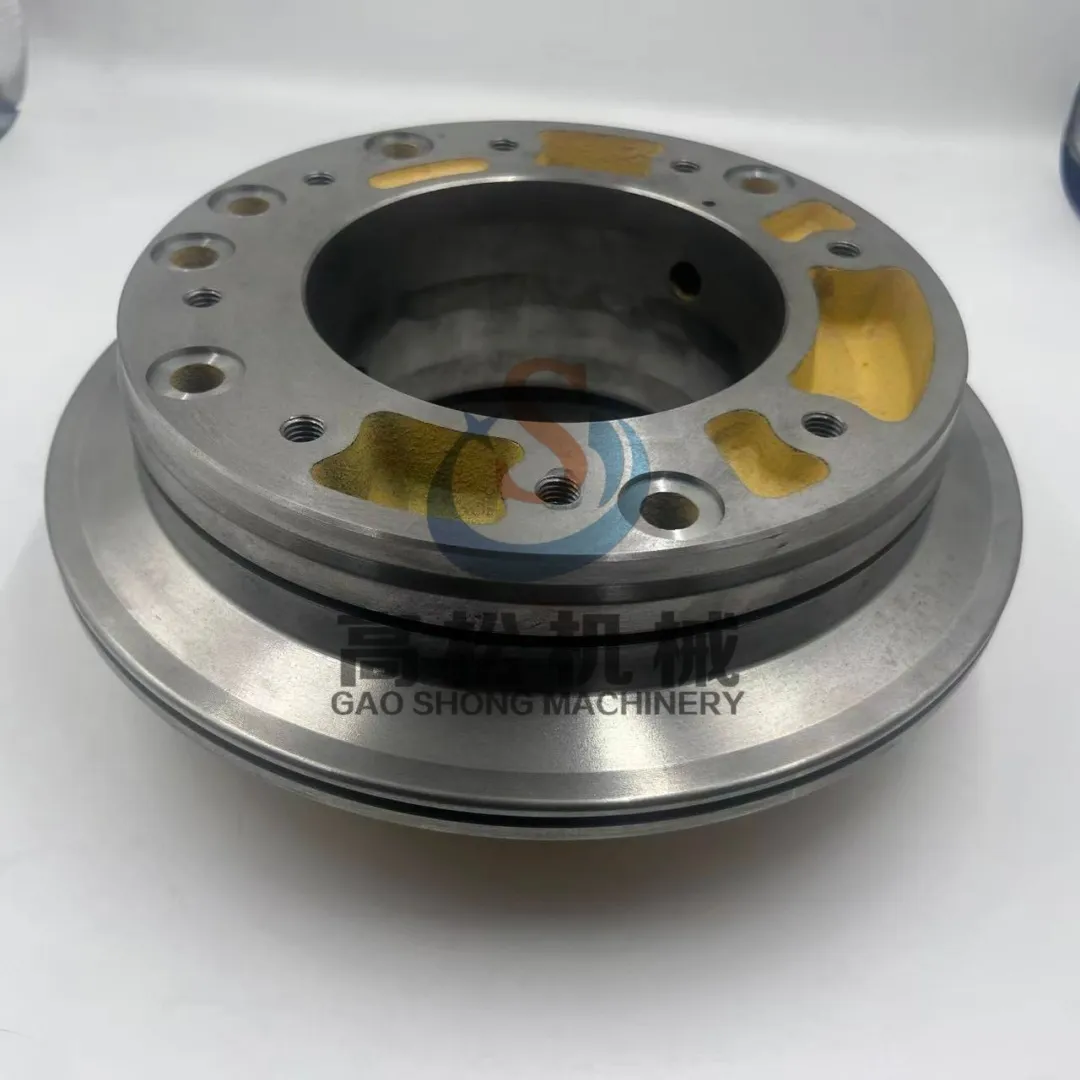
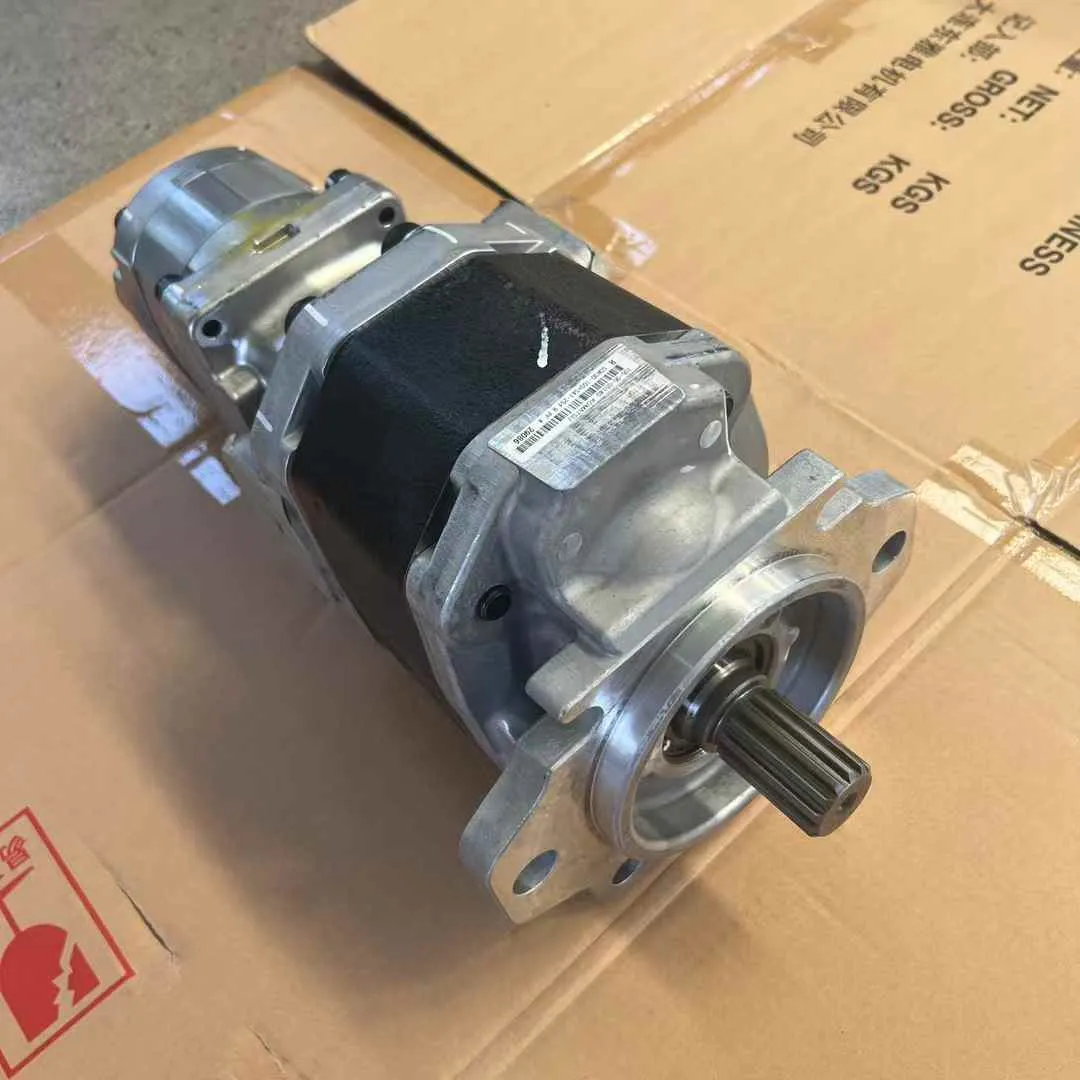

Best Selling Products
Best Selling Products-
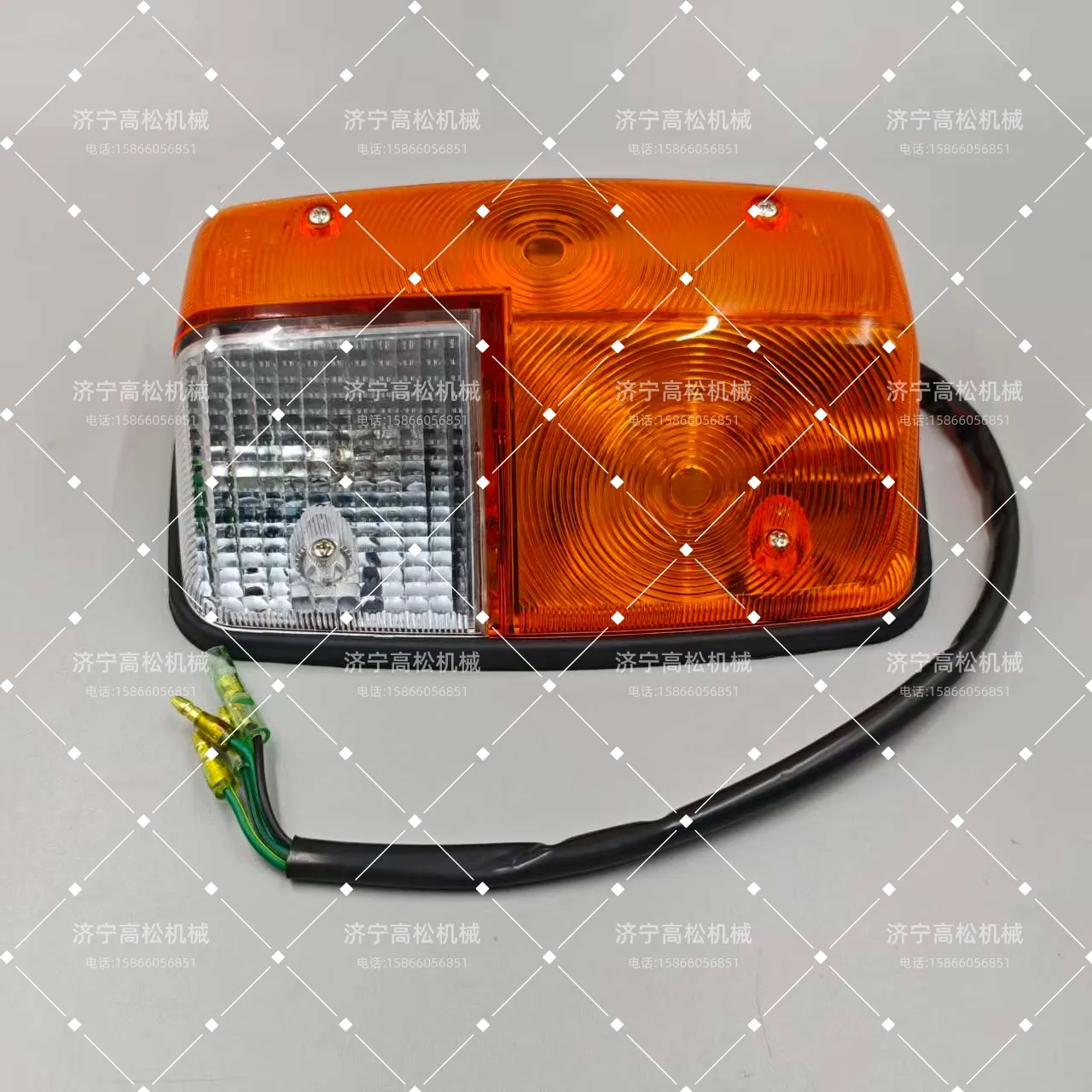 Komatsu WA380-1LC 421-06-13401 LIGHT… — Supply.Parts
 -
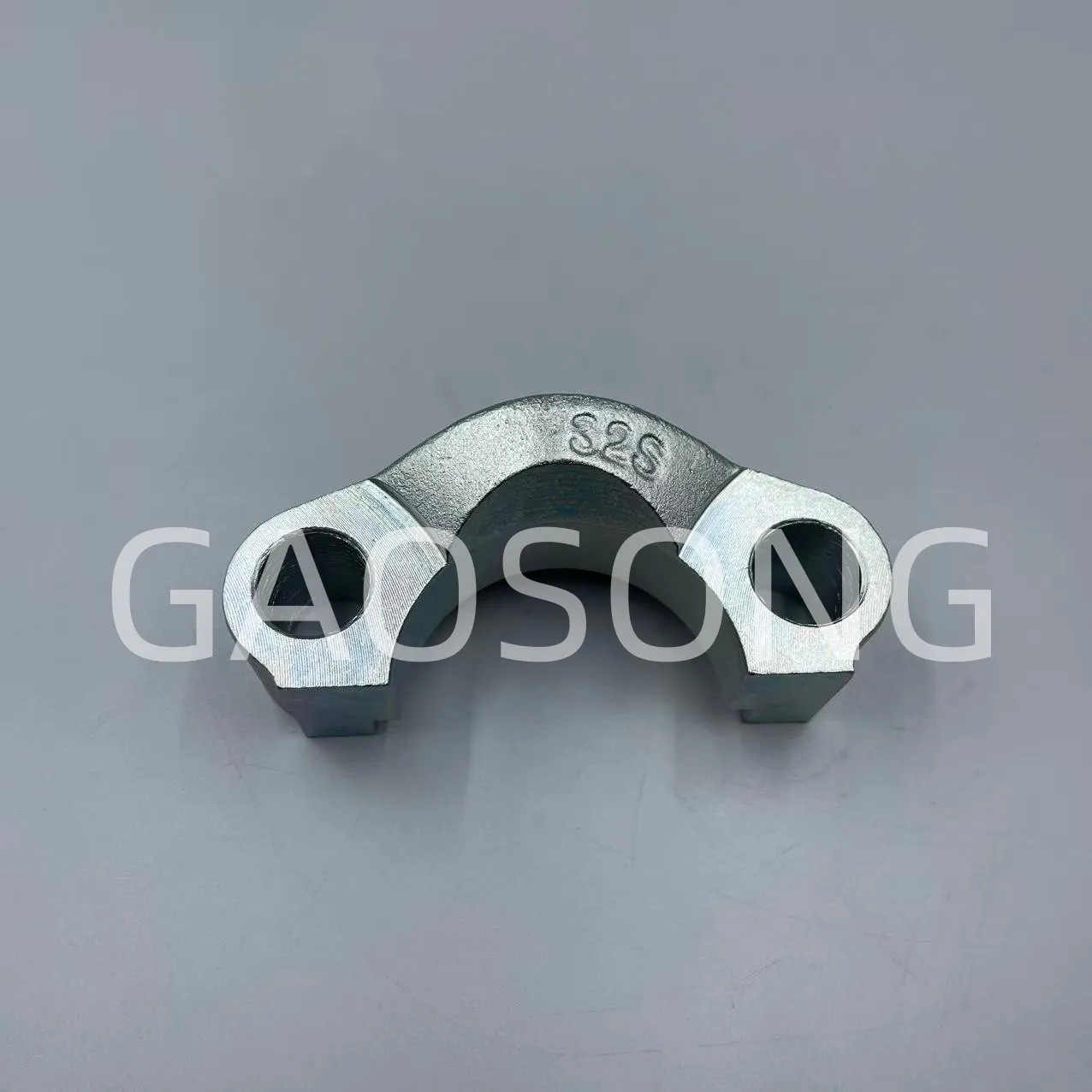 707-40-28020 • SPACER-Komatsu Original Factory
 -
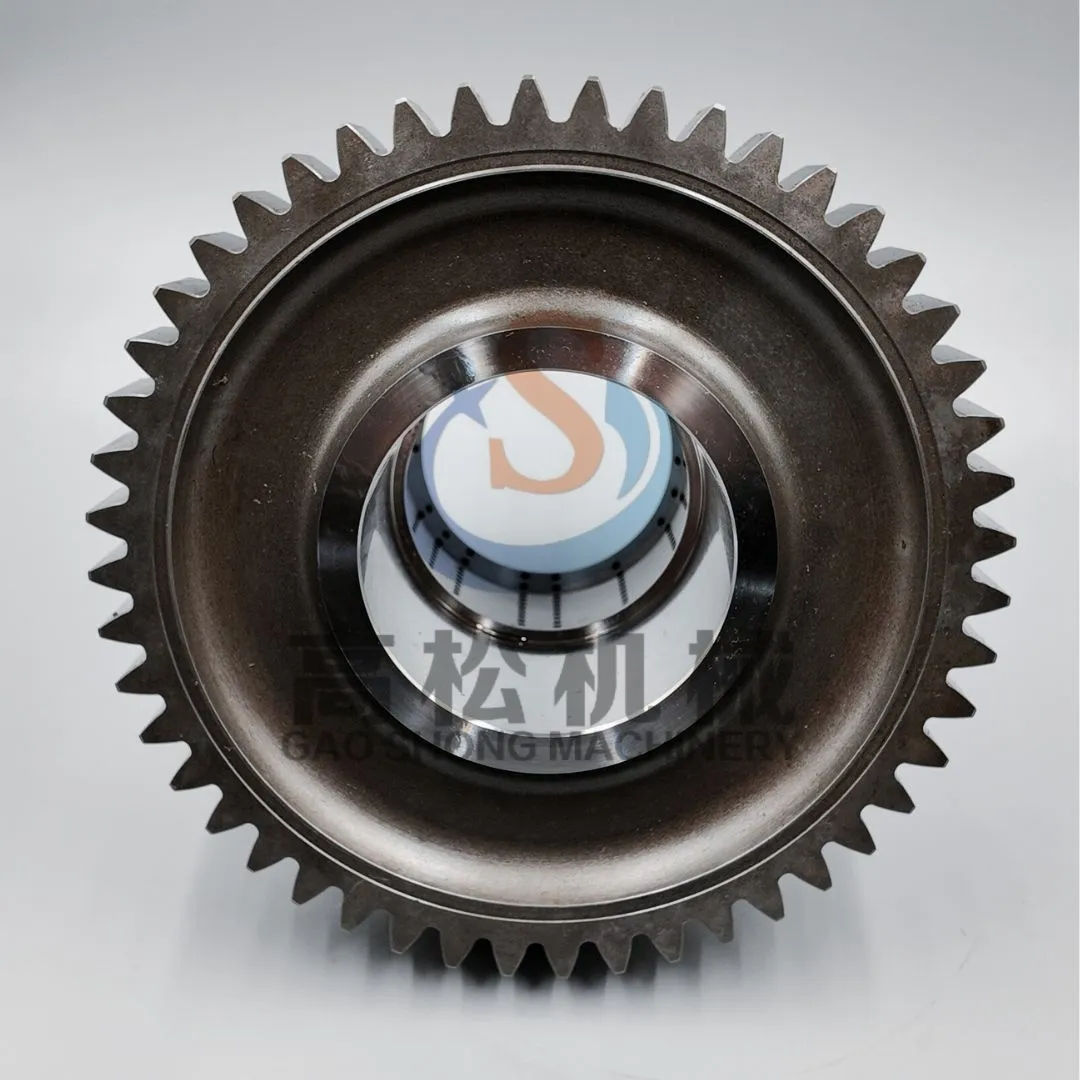 714-07-12420 Komatsu GEAR, 48 TEETH,FORWARD
 -
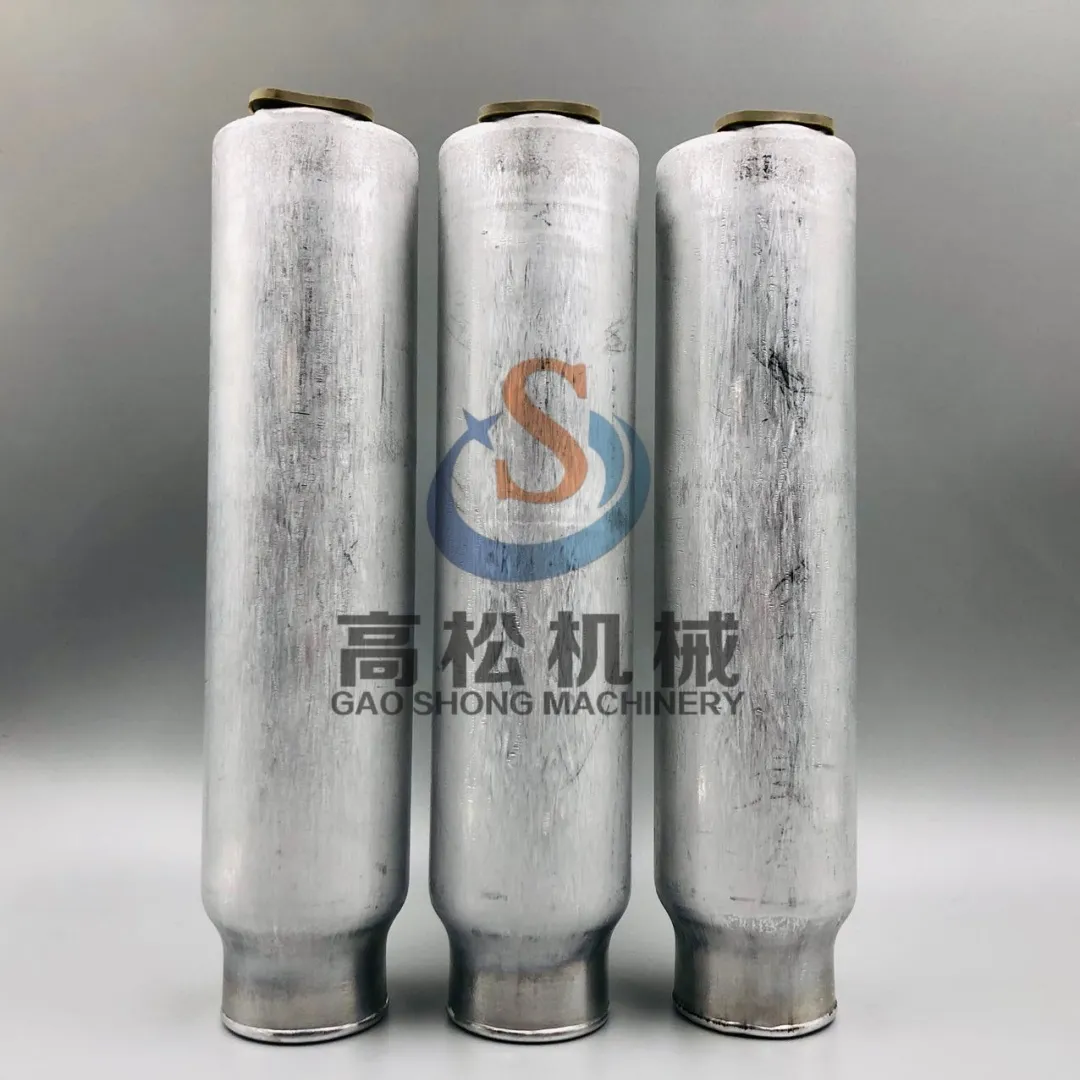 20Y-979-3120 Receiver Drier For Komatsu Equipment
 -
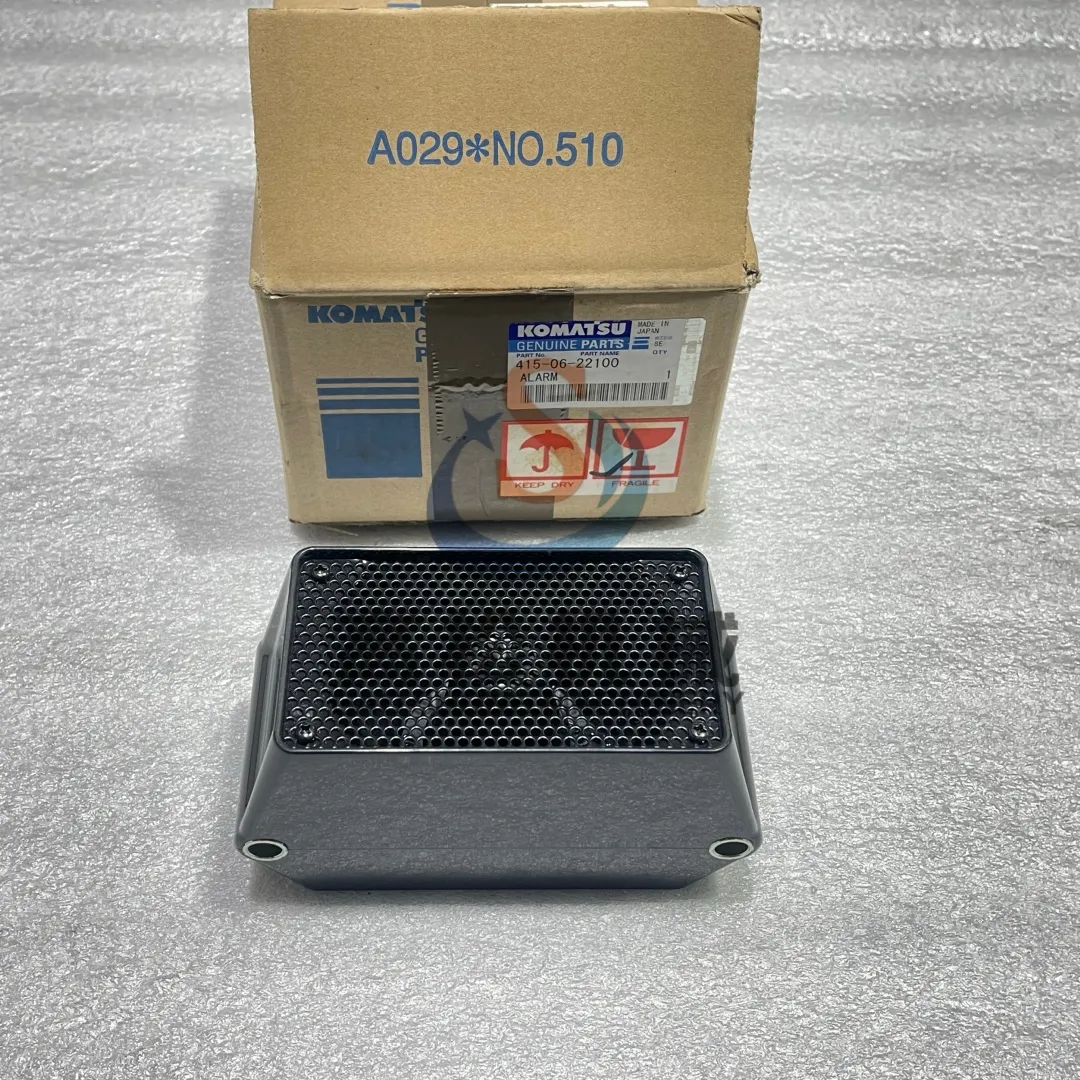 alarm 415-06-22100 – komatsu
 -
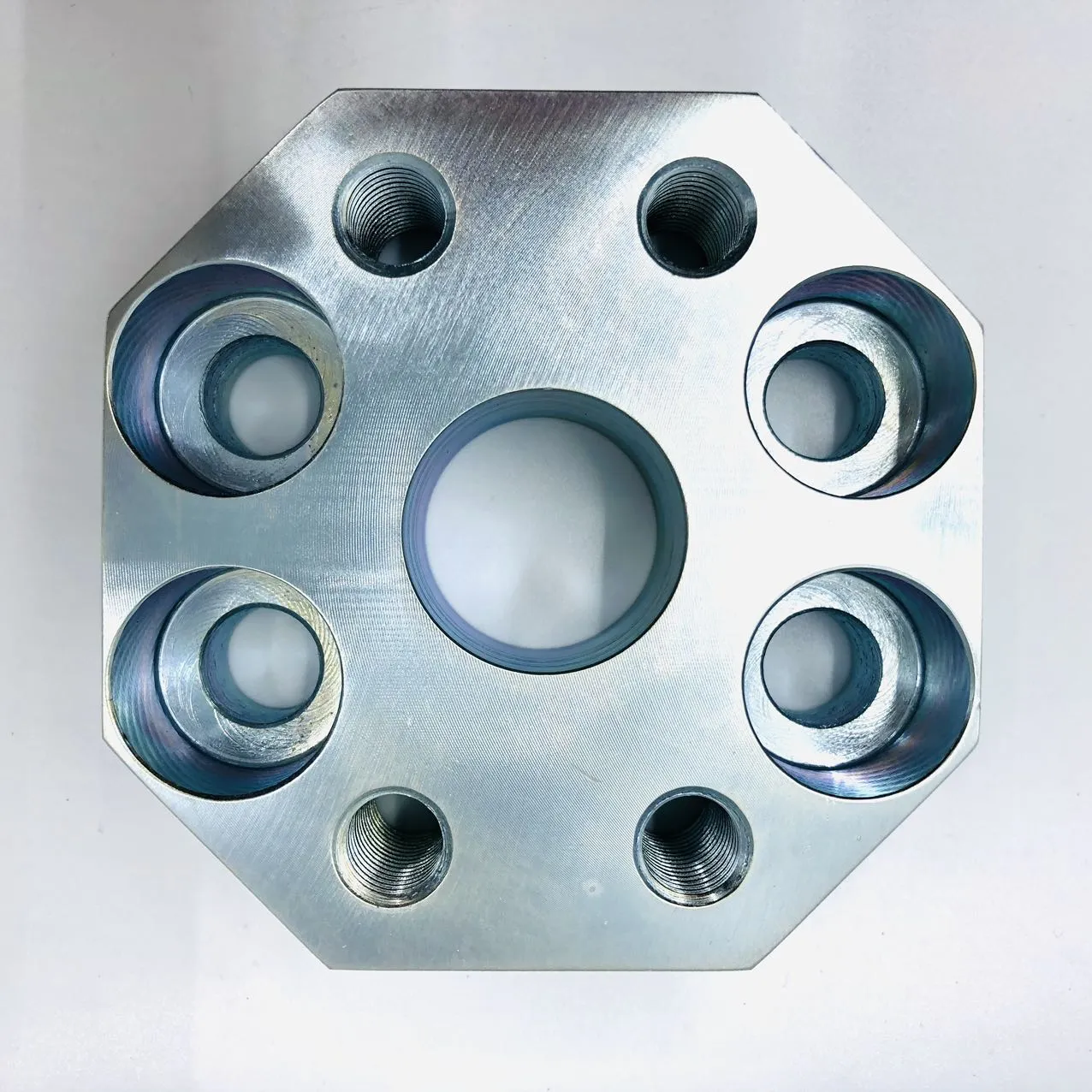 21N-62-11361 Komatsu Flange
 -
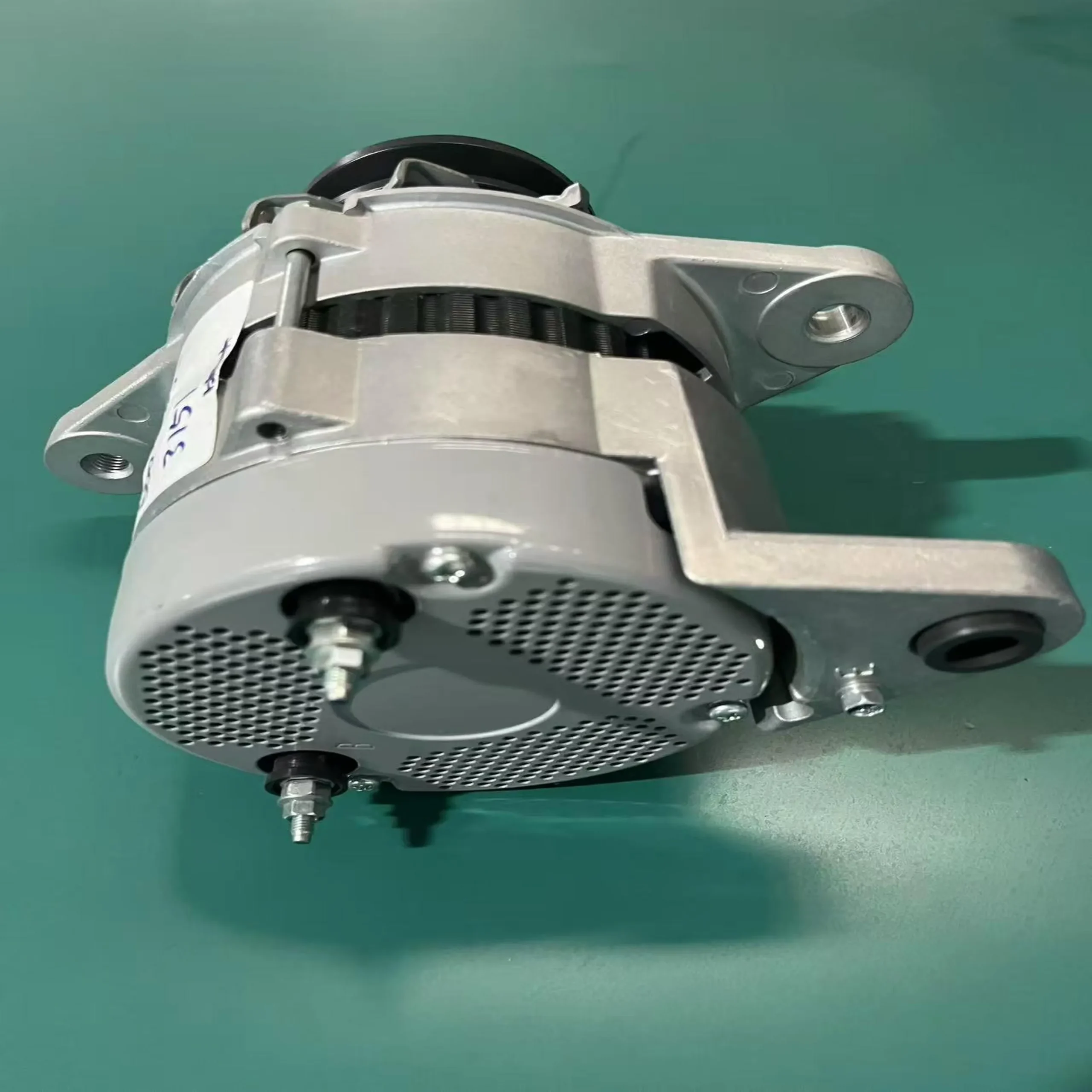 Komatsu D53a D53p Alternator Is Compatible600-825-3250 600-825-3260
 -
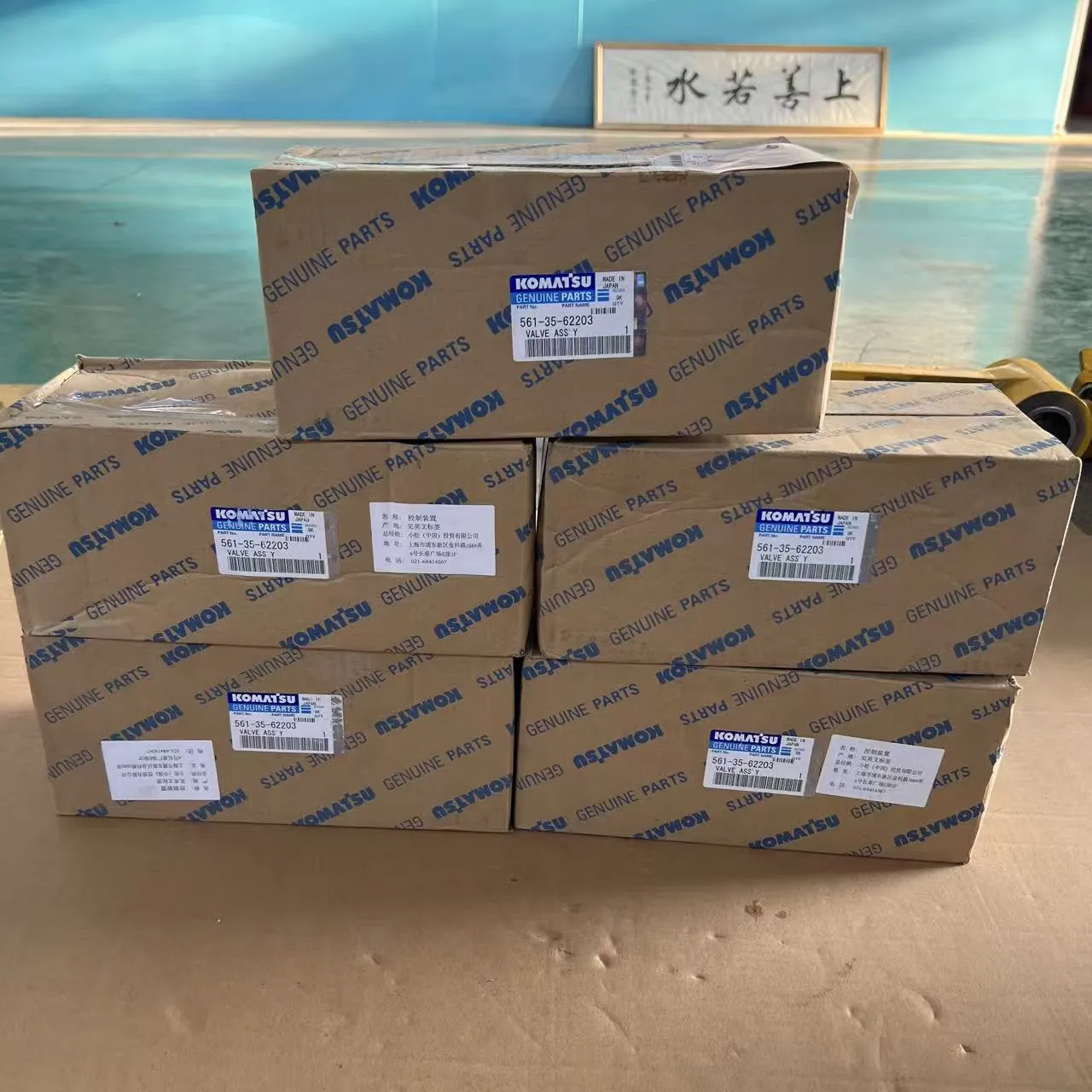 561-35-62203 Valve Assembly
 -
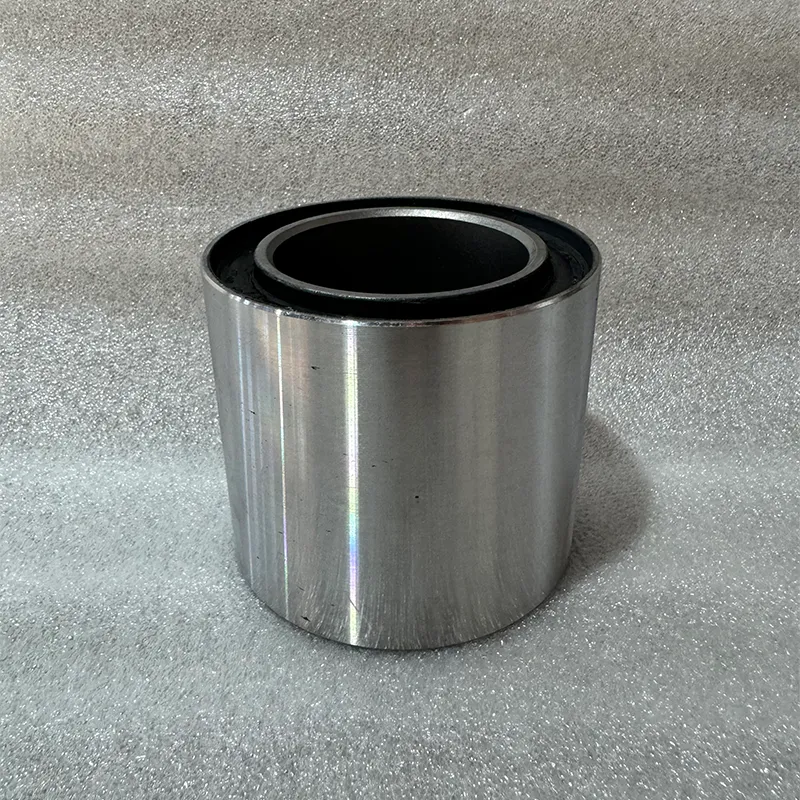 Original komatsu WA900-3 pad 569-14-41130
 -
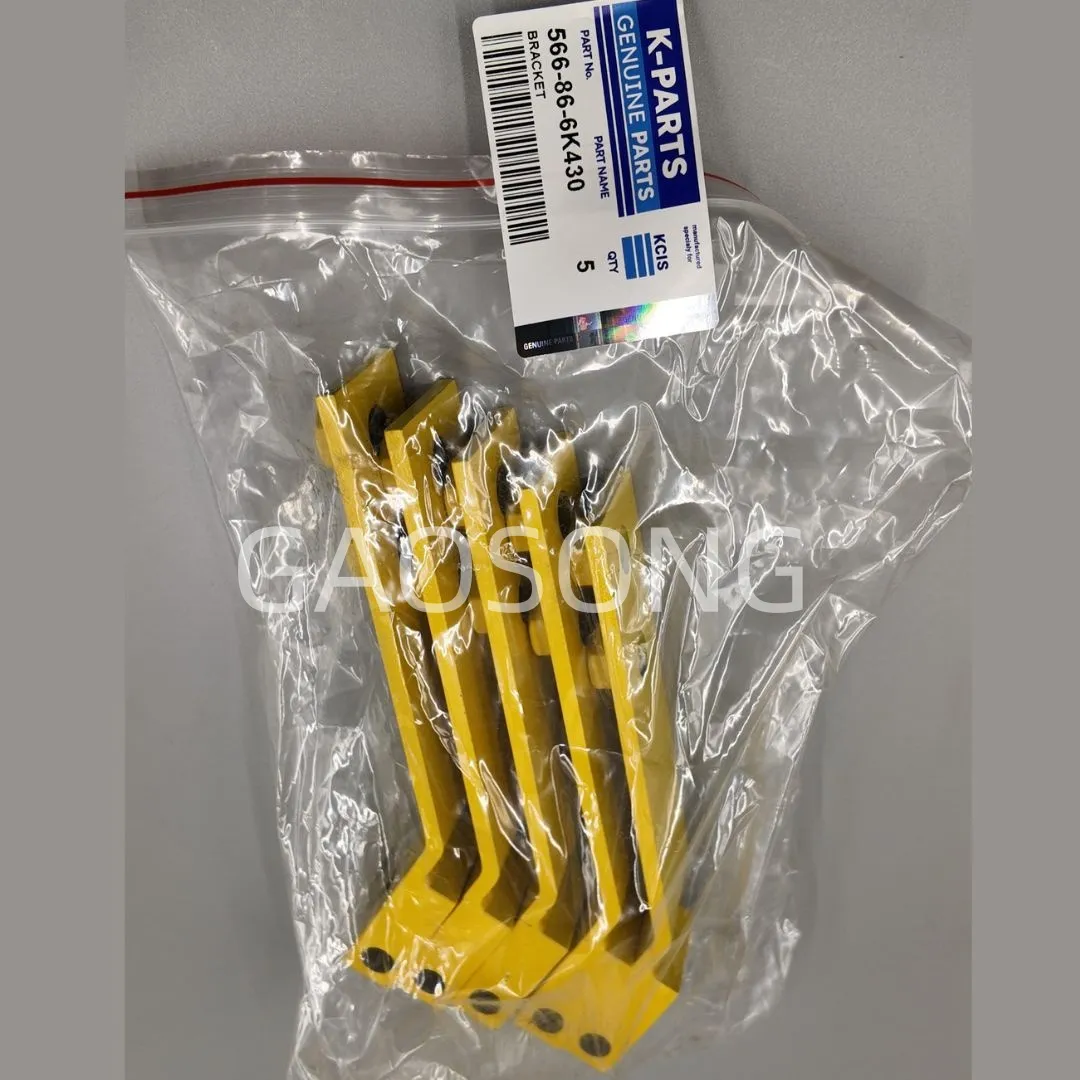 566-86-6K430 BRACKET–Komatsu Original Factory
 -
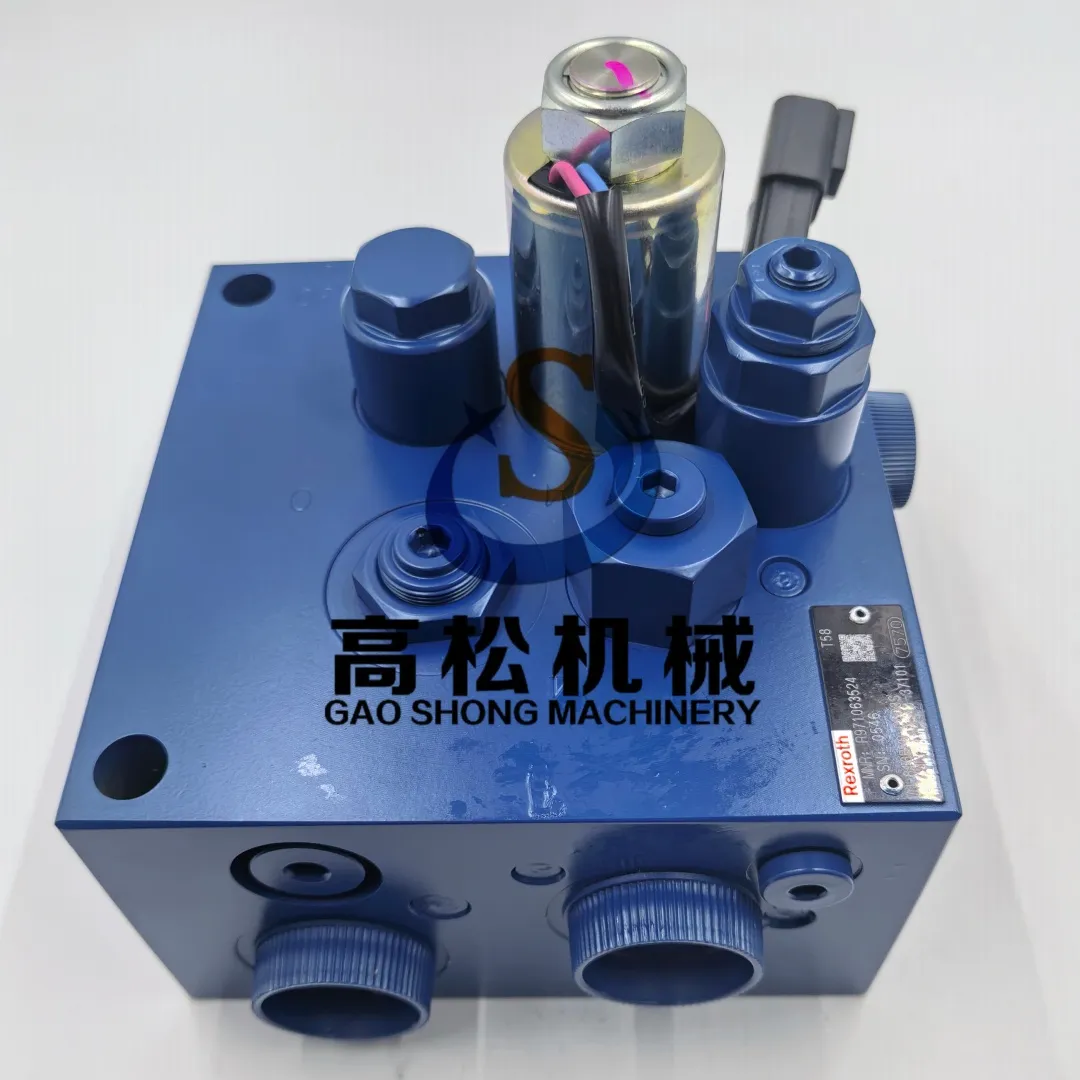 56D-43-37101 Valve Assembly, Charge for HM300 Komatsu Dump Truck Parts High Quality Original Factory
 -
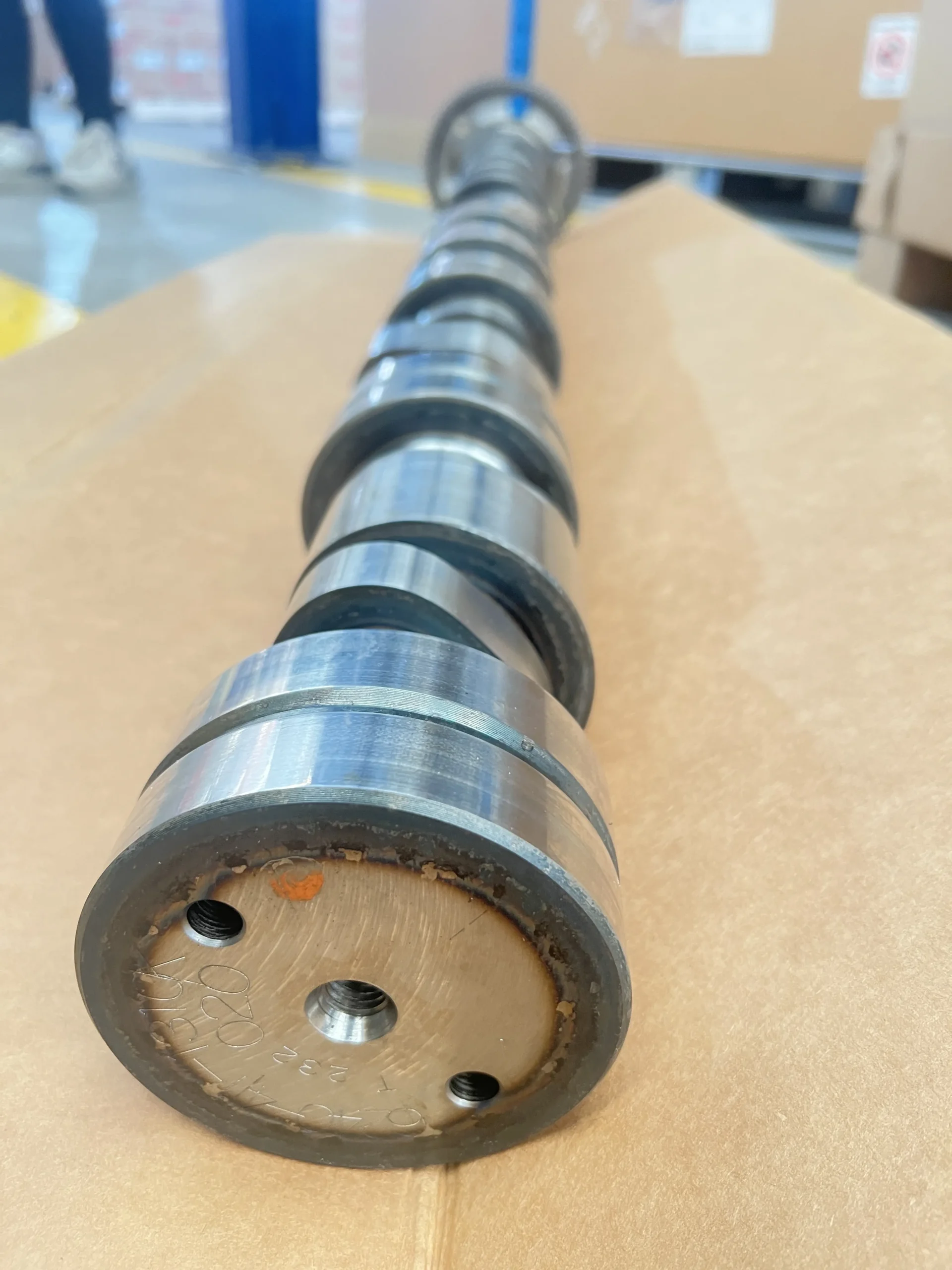 SAA6D170E-3F-8 Camshaft Assembly 6240-41-1300