
- Chinese
- French
- German
- Portuguese
- Spanish
- Russian
- Japanese
- Korean
- Arabic
- Irish
- Greek
- Turkish
- Italian
- Danish
- Romanian
- Indonesian
- Czech
- Afrikaans
- Swedish
- Polish
- Basque
- Catalan
- Esperanto
- Hindi
- Lao
- Albanian
- Amharic
- Armenian
- Azerbaijani
- Belarusian
- Bengali
- Bosnian
- Bulgarian
- Cebuano
- Chichewa
- Corsican
- Croatian
- Dutch
- Estonian
- Filipino
- Finnish
- Frisian
- Galician
- Georgian
- Gujarati
- Haitian
- Hausa
- Hawaiian
- Hebrew
- Hmong
- Hungarian
- Icelandic
- Igbo
- Javanese
- Kannada
- Kazakh
- Khmer
- Kurdish
- Kyrgyz
- Latin
- Latvian
- Lithuanian
- Luxembou..
- Macedonian
- Malagasy
- Malay
- Malayalam
- Maltese
- Maori
- Marathi
- Mongolian
- Burmese
- Nepali
- Norwegian
- Pashto
- Persian
- Punjabi
- Serbian
- Sesotho
- Sinhala
- Slovak
- Slovenian
- Somali
- Samoan
- Scots Gaelic
- Shona
- Sindhi
- Sundanese
- Swahili
- Tajik
- Tamil
- Telugu
- Thai
- Ukrainian
- Urdu
- Uzbek
- Vietnamese
- Welsh
- Xhosa
- Yiddish
- Yoruba
- Zulu
- Kinyarwanda
- Tatar
- Oriya
- Turkmen
- Uyghur






komatsu pc300 hydraulic pump
When you hear 'Komatsu PC300 hydraulic pump', most guys just think of a part number, a black box that moves oil. That's the first mistake. In reality, it's the heart of the machine's power, and its failure is rarely just about the pump itself. I've seen too many mechanics swap out a perfectly good Komatsu PC300 hydraulic pump only to have the new one fail in weeks because they ignored the system. The pressure, the contamination, the little wear in the swing motor—it all feeds back. Let's talk about what that part number actually means on the ground.
The Core Misconception and System Reality
Everyone wants a quick fix. A pump starts whining, pressure drops, the machine gets sluggish. The immediate reaction is to blame the hydraulic pump. I've been there. Early on, I ordered a replacement, installed it, and celebrated a quiet machine for about 50 hours. Then the high-pitched noise came back, worse than before. That was a costly lesson. The issue wasn't the pump; it was a chronically clogged return line filter causing cavitation, which destroyed the first pump and then started on the second. The pump was the symptom, not the disease.
You have to look at the whole circuit. The PC300, especially the -6 and -7 models, has a pretty robust closed-center system. The main pump isn't just one unit; it's often a tandem setup. Failure in one section can mimic failure in another. I remember a case where the machine wouldn't lift a full bucket. We tested pump pressure at the port and it seemed low. Instead of pulling the pump, we checked the servo pressure to the pump's displacement controller. It was all over the place. Turned out to be a $15 O-ring in the regulator valve block that had hardened. Saved a $8,000 pump replacement.
This is where having a supplier who understands the system, not just the catalog, is critical. A company like Jining Gaosong Construction Machinery Co., Ltd. operates in a useful niche. As an OEM product supplier within Komatsu's system, they get the genuine specs and tolerances. But as a third-party sales company, they also see the aftermarket failures and the cross-system interactions that a pure OEM channel might not focus on. They're positioned to help you diagnose, not just sell you a part. When you call about a pump, a good tech from such a place will ask about your oil analysis, your filter change intervals, and your auxiliary hydraulic attachments before quoting a price.
Genuine, OEM, and the Compatible Minefield
The market is flooded with compatible pumps for the PC300. Some are fine for a low-utilization machine you're trying to run for another season. Most are junk. The tolerances on the piston shoes and the swashplate are microscopic. A few microns off, and you lose efficiency, generate excess heat, and start a chain reaction of wear. I tried a premium aftermarket pump once. The price was 40% less than the OEM quote. It bolted on fine, but the machine never had the same snap. Fuel consumption went up about 5%, and the hydraulic oil temperature ran 10 degrees Celsius hotter consistently. That heat cooks seals and degrades oil. We pulled it after 18 months.
An OEM product supplier like Gaosong has access to the same production lines as the parts going to Komatsu for new machines. This is different from a generic aftermarket rebuild. It means the metallurgy, the plating on the cylinder block, and the design of the valve plate are to original specification. For a core component like this, that's usually worth the premium. Their role in solving parts supply challenges in certain regions is real—it's not just about availability, but about availability of the right part. I've seen projects stalled for months waiting for a genuine pump to clear customs, when an OEM-spec part from a licensed system supplier was in a local warehouse.
But OEM doesn't always mean new. Sometimes a quality remanufactured unit is the smart play. The key is the process. Was the housing checked for cracks and re-machined? Were all the internal components replaced with new OEM-spec parts, or just the visibly worn ones? A proper reman should carry the same warranty as new. This is an area where a knowledgeable supplier adds value. They should be able to tell you the rebuild standard, not just offer the cheapest option.
Failure Patterns and What They Tell You
A pump doesn't just die. It tells you a story. The type of failure gives you clues about the rest of the system. Metal flakes in the filter? That's catastrophic wear, probably from the piston shoes or the bearing. You're not just replacing the pump; you're flushing the entire system, maybe multiple times, and checking every valve and motor downstream. A polished, scored valve plate? That's usually a contamination issue—silting from poor filtration or water in the oil. That points to maintenance failures.
The most common issue I see with PC300 pumps is gradual loss of power and increased noise. Nine times out of ten, it's cavitation or aeration. Cavitation is often on the suction side: a collapsed hose, a dirty suction filter, oil that's too cold and thick on start-up. You'll hear a high-pitched whine. Aeration is usually on the pressure side or from a leak letting air in. The oil looks foamy, and the operation gets jerky. Both will kill a pump fast, and no new pump will survive if you don't fix the root cause.
I keep coming back to system thinking. When we get a pump in for exchange, the first thing we do is cut it open. The wear patterns are a map. If the swashplate is scored in one arc, it tells me the machine spends most of its time in one function, maybe holding a load. That's an operator habit or a work tool issue. This kind of insight is what you gain from dealing with people who've seen hundreds of these failures, not just ordered from a spreadsheet.
Installation Pitfalls and Getting It Right
Even with a perfect new Komatsu PC300 pump, the installation can ruin it. Prime the pump. It sounds basic, but I've seen seasoned mechanics skip it. You must fill the pump casing with clean hydraulic oil before you bolt it up. A dry start, even for a few seconds, can score the surfaces. Then there's alignment. The pump is driven directly off the engine. Any misalignment, even a slight one from a bent coupling or worn mounts, will create lateral load on the pump shaft and kill the bearing prematurely. Use a dial indicator. Don't just eyeball it.
The flushing procedure is non-negotiable. After any major pump failure, you need to clean the lines. Bypass the main control valves, run the oil through dedicated filter carts. The goal is to get the system to a NAS cleanliness code that's appropriate. This is tedious, expensive in terms of downtime and filter elements, and often skipped. And it's the number one reason for repeat failures. A supplier who just drops off a pump and leaves isn't helping you. One that asks about your flush plan or offers guidance is partnering in your uptime.
This is where the practical support from a company focused on solving supply challenges matters. It's not just about getting the part; it's about getting the machine back to work reliably. They might have technical bulletins on common installation errors for that specific model, or they can connect you with a field service tech who's done a dozen of these. That resource is often more valuable than a small discount on the part price.
The Long-Term View: Cost Per Hour
Ultimately, the decision on a critical component like this comes down to cost per operating hour, not purchase price. A cheap pump that fails in 3,000 hours and takes out a $2,000 hydraulic cylinder with its debris is a financial disaster. A proper OEM-spec pump from a reliable source, installed and maintained correctly, should go well beyond 10,000 hours in a well-managed system.
You have to factor in the downtime cost. For a PC300 on a busy site, that's hundreds of dollars per hour. A 48-hour pump swap turns into a 5-day ordeal if you have to flush the system and track down contaminated components. Speed and certainty of diagnosis, quality of the part, and technical support all contribute to minimizing that downtime.
So when you're searching for a Komatsu PC300 hydraulic pump, you're not really searching for a part. You're looking for a solution to a machine downtime problem. The part is just one piece of it. The value comes from the expertise wrapped around that part—the ability to help you read the failure, choose the right replacement path, and get it installed for a long life. That's what separates a parts vendor from a machinery partner. And in a tight market, that partnership, like the one offered by specialists such as Jining Gaosong, is what keeps your fleet moving when the easy answers have all been tried and failed.
Related Products
Related Products

Best Selling Products
Best Selling Products-
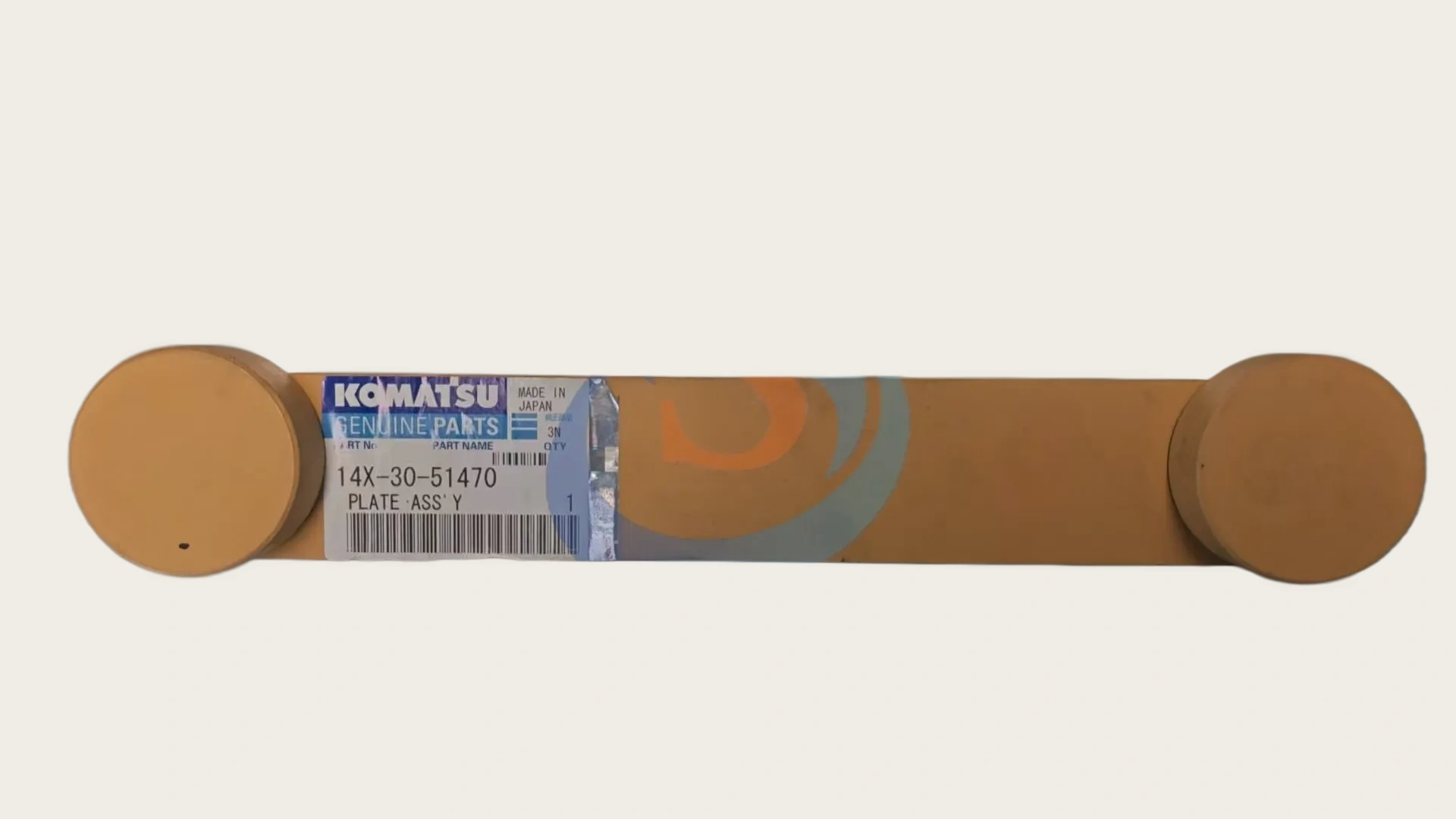 komatsu-part-14X-30-51470 Plate Assembly D65PX-16 D65WX-17 D65EXI-18 D65EX-18E0 FRONT IDLER
 -
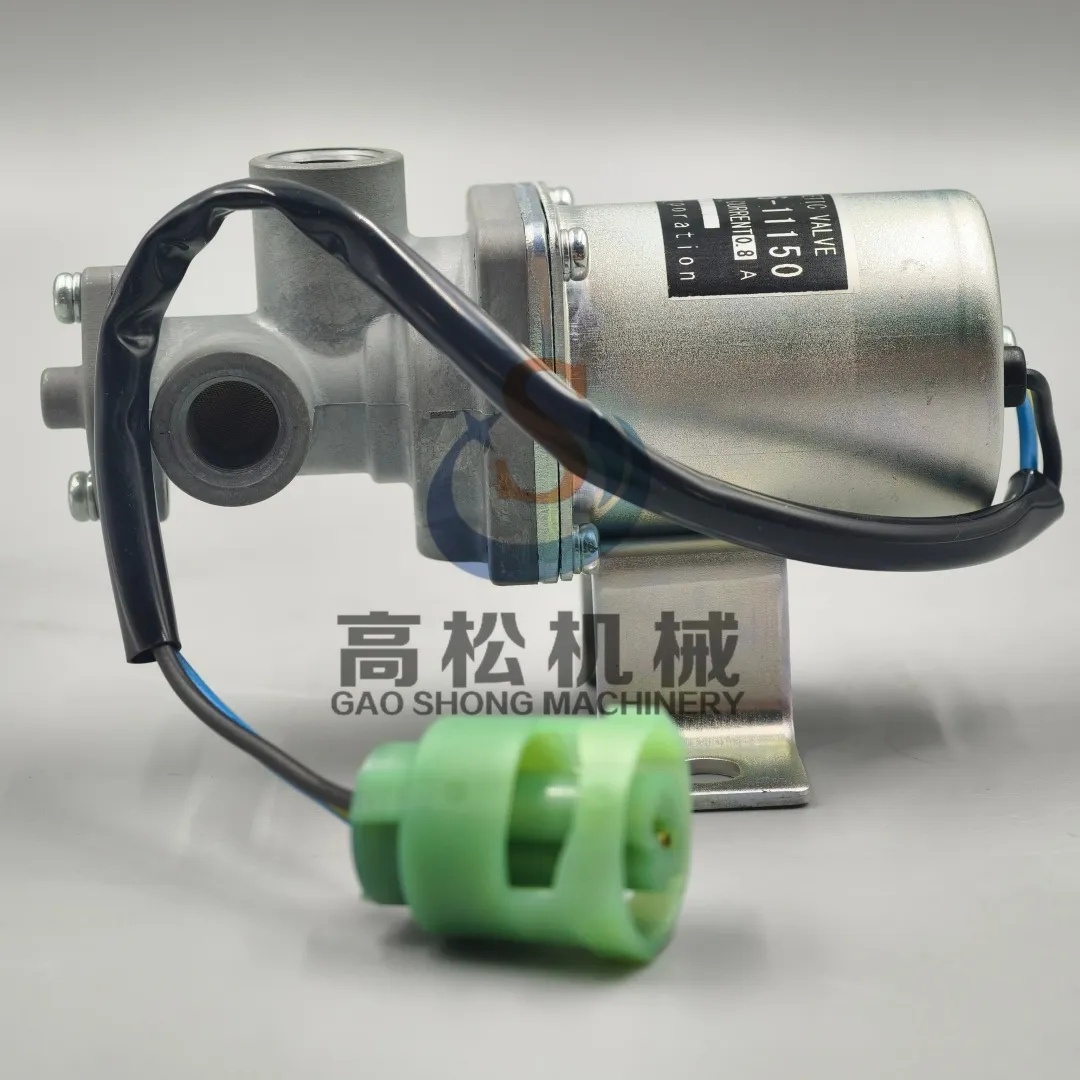 Komatsu Relay 425-06-11150 for Wheel loader WA600-1
 -
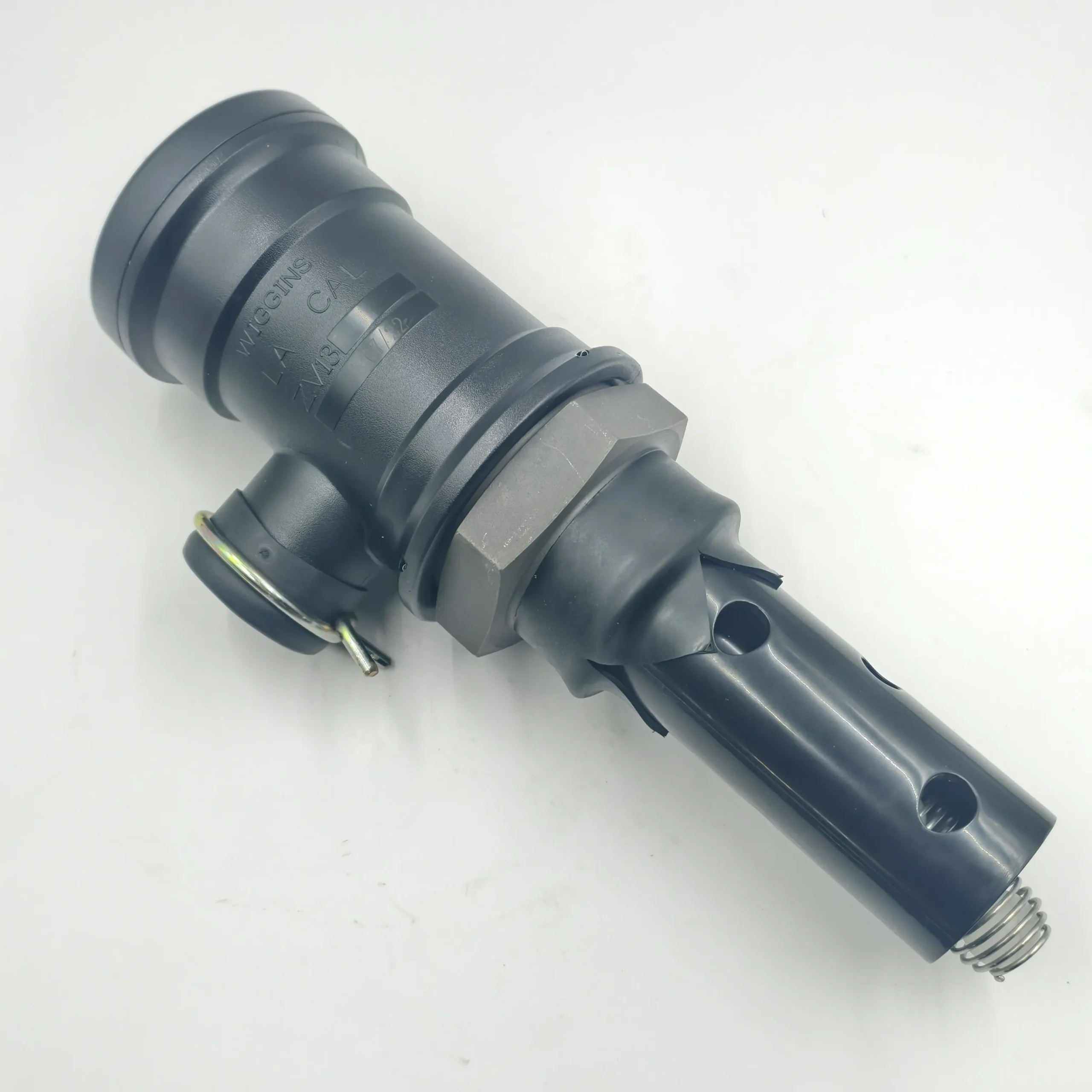 Vent 21T-04-31130
 -
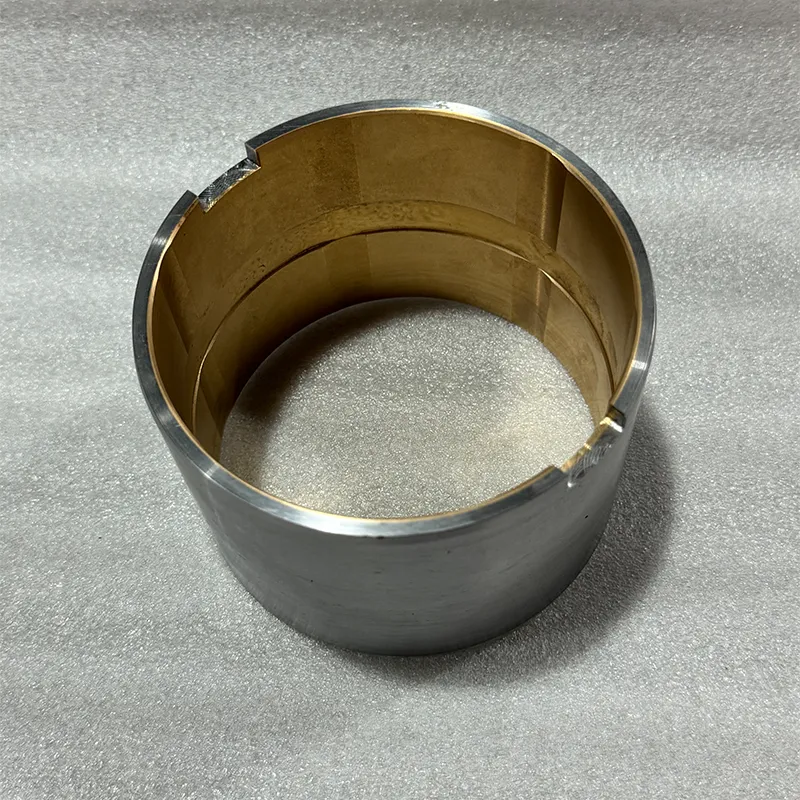 Komatsu original D375A-1 Sleeve 195-61-41160
 -
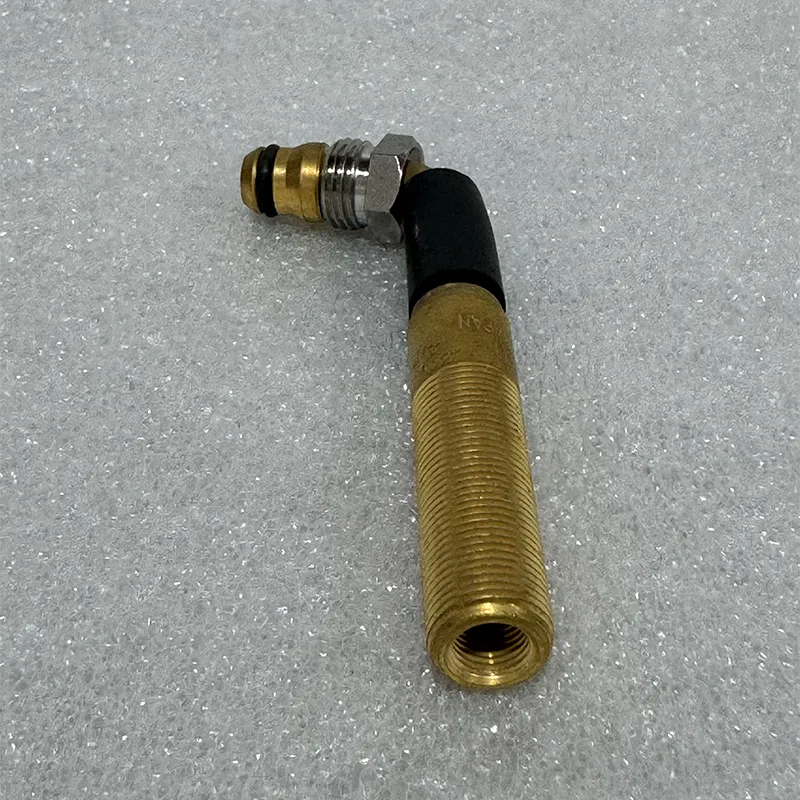 Original komatsu WA200-6 valve stem 09280-10130
 -
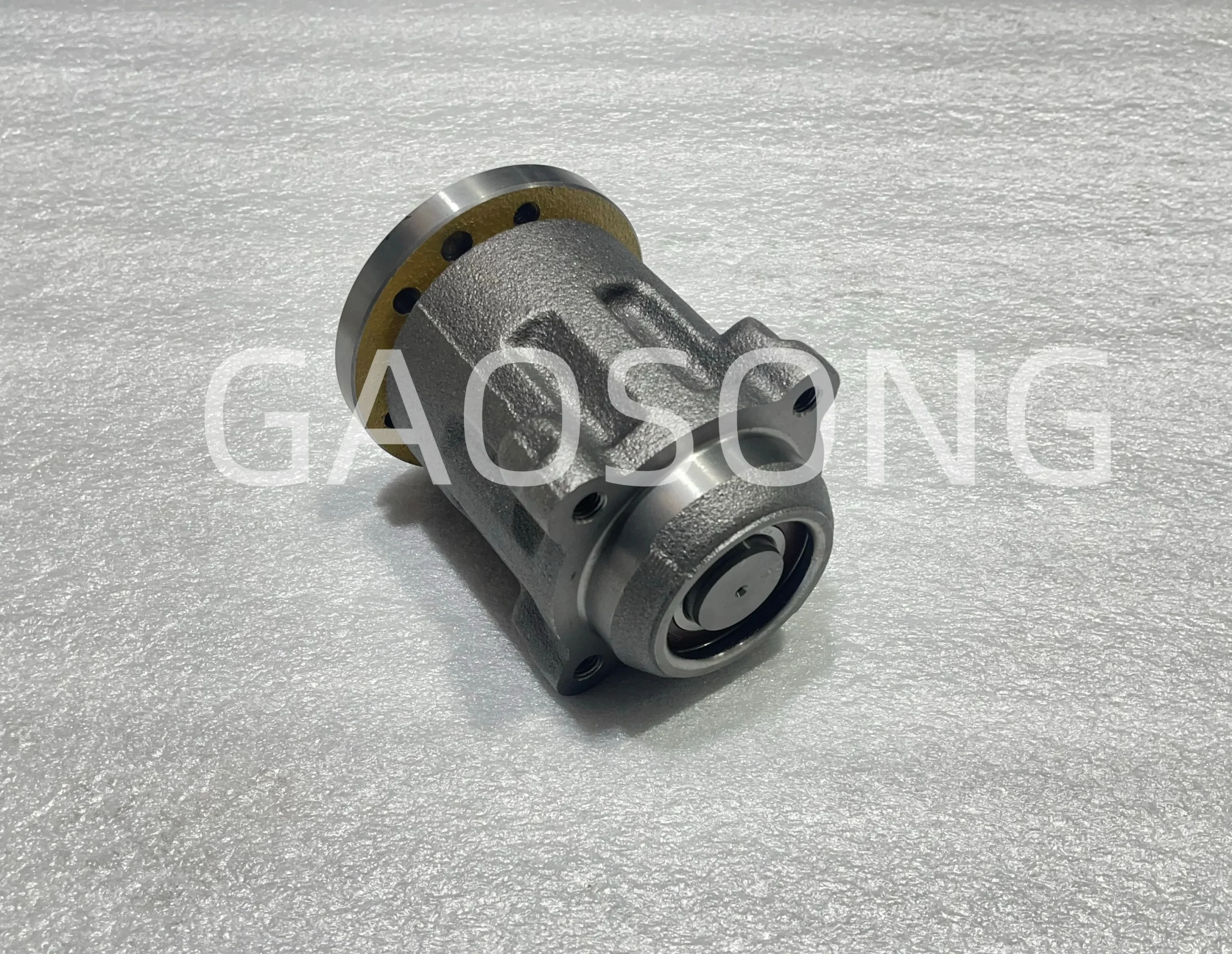 6151-61-3201 CASE ASS’Y-Komatsu Original Factory
 -
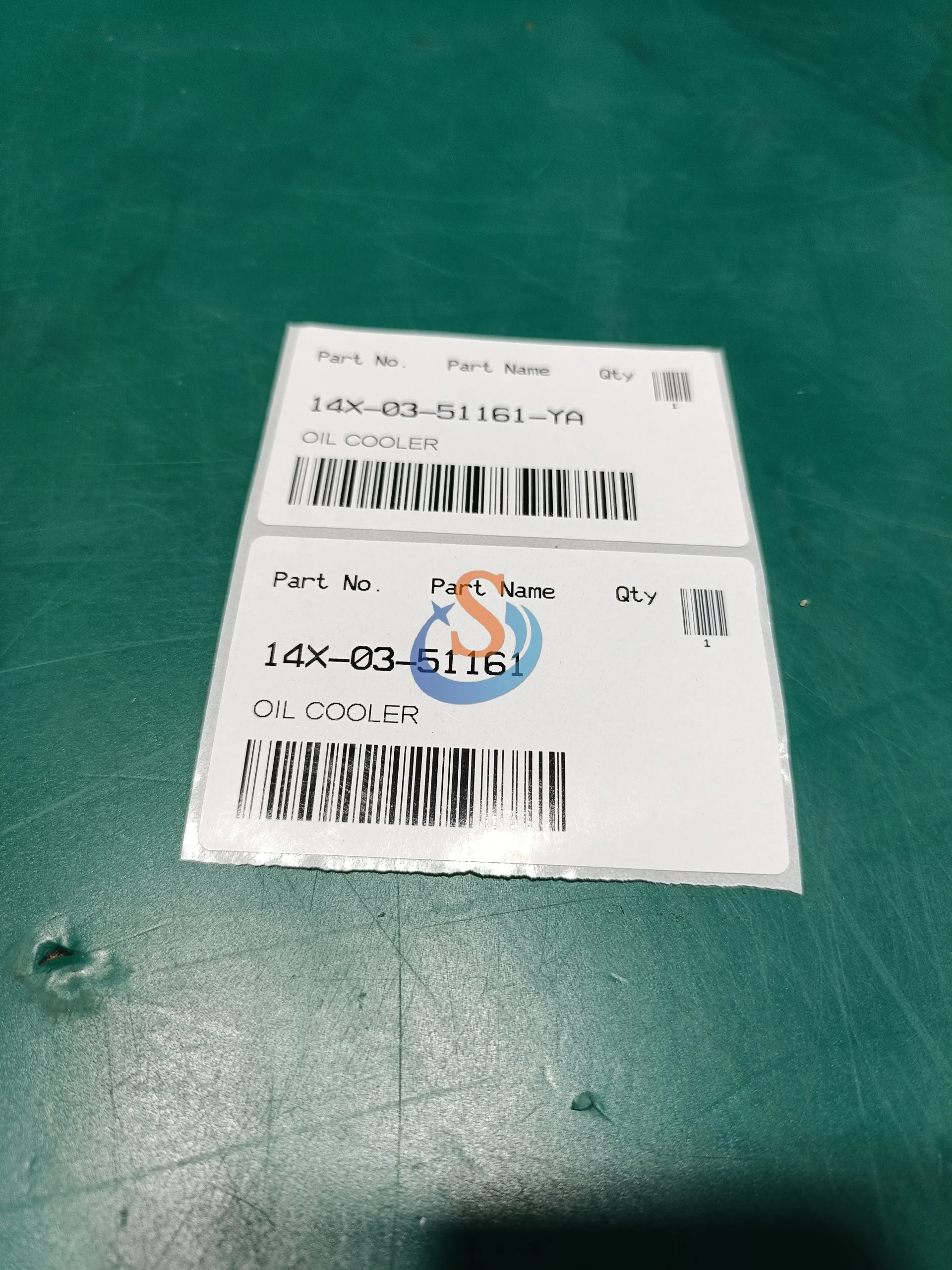 14X-03-51161 Oil Cooler-D65PX/D85ESS
 -
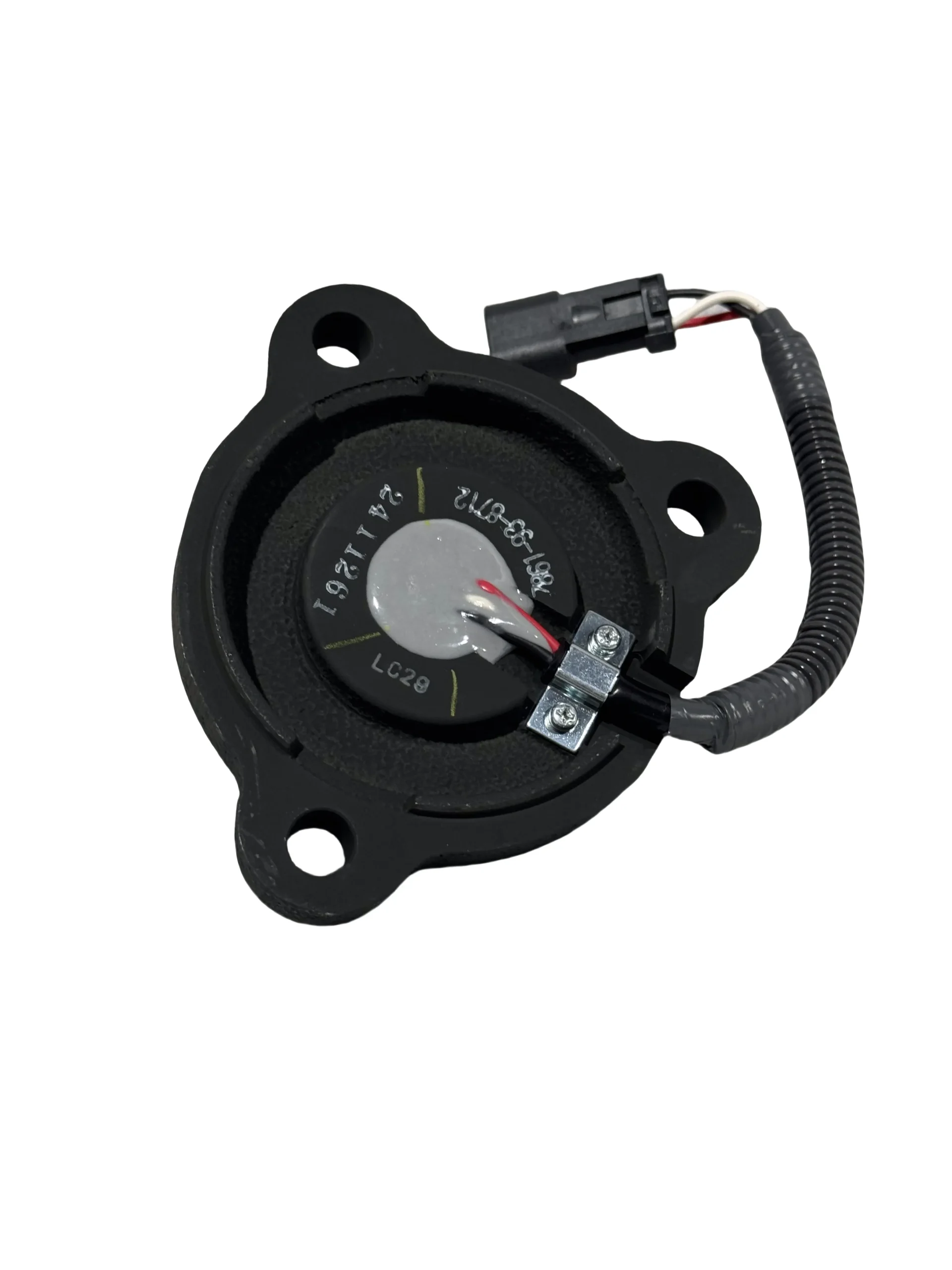 7861-93-8711 Steering Sensor for Komatsu HD785-7
 -
 Komatsu Push± Machine Parts 195-20-35100
 -
 Muffler Silencer 6245-11-5500
 -
 425-07-21121 Controller
 -
 Komatsu dump truck HD785 valve component 561-87-66102