
- Chinese
- French
- German
- Portuguese
- Spanish
- Russian
- Japanese
- Korean
- Arabic
- Irish
- Greek
- Turkish
- Italian
- Danish
- Romanian
- Indonesian
- Czech
- Afrikaans
- Swedish
- Polish
- Basque
- Catalan
- Esperanto
- Hindi
- Lao
- Albanian
- Amharic
- Armenian
- Azerbaijani
- Belarusian
- Bengali
- Bosnian
- Bulgarian
- Cebuano
- Chichewa
- Corsican
- Croatian
- Dutch
- Estonian
- Filipino
- Finnish
- Frisian
- Galician
- Georgian
- Gujarati
- Haitian
- Hausa
- Hawaiian
- Hebrew
- Hmong
- Hungarian
- Icelandic
- Igbo
- Javanese
- Kannada
- Kazakh
- Khmer
- Kurdish
- Kyrgyz
- Latin
- Latvian
- Lithuanian
- Luxembou..
- Macedonian
- Malagasy
- Malay
- Malayalam
- Maltese
- Maori
- Marathi
- Mongolian
- Burmese
- Nepali
- Norwegian
- Pashto
- Persian
- Punjabi
- Serbian
- Sesotho
- Sinhala
- Slovak
- Slovenian
- Somali
- Samoan
- Scots Gaelic
- Shona
- Sindhi
- Sundanese
- Swahili
- Tajik
- Tamil
- Telugu
- Thai
- Ukrainian
- Urdu
- Uzbek
- Vietnamese
- Welsh
- Xhosa
- Yiddish
- Yoruba
- Zulu
- Kinyarwanda
- Tatar
- Oriya
- Turkmen
- Uyghur





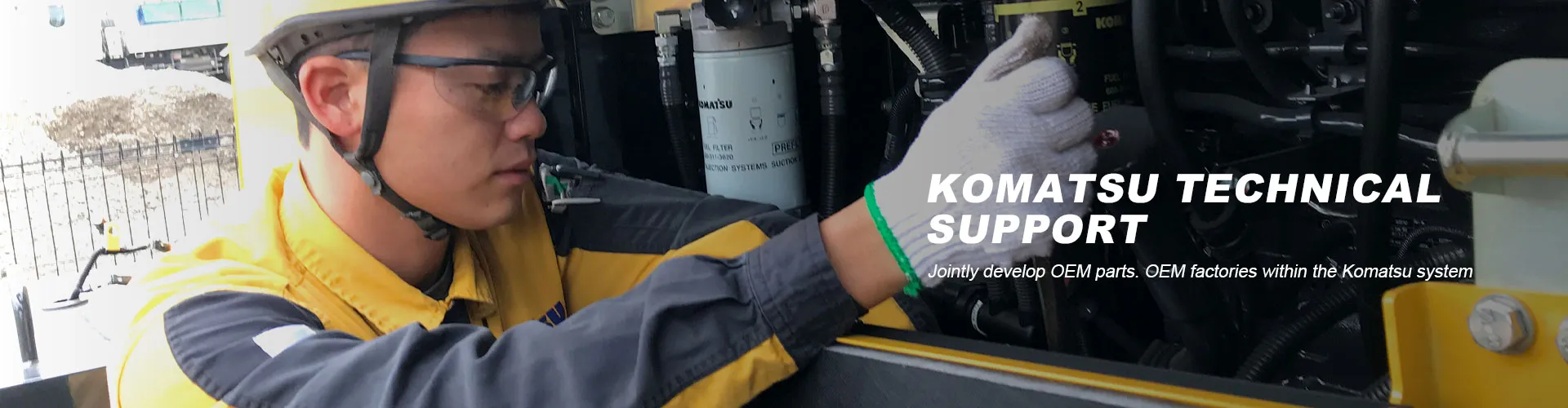
komatsu pc300 engine
When you hear 'Komatsu PC300 engine', most guys immediately think of the SAA6D114E. That's the heart of the -7 and -8 models, sure. But that's where the first pitfall is. In my years dealing with these machines, especially through channels like Jining Gaosong Construction Machinery Co., Ltd., I've seen too many people fixate on the model code alone. The real story is in the variations, the iterations, and the specific application specs that Komatsu tweaked over the years. It's not just one engine; it's a family, and knowing which member you're dealing with is half the battle won or lost.
The Core: SAA6D114E and Its Real-World Persona
Let's talk about the SAA6D114E-3. The dash number matters. This 6-cylinder, turbocharged, aftercooled unit is a workhorse, but its personality changes with the machine it's in. In a PC300LC-8, you're looking at different pump settings and emission tuning compared to a standard dash 7. I remember a rebuild job where we sourced a supposedly correct long block, only to find the injection pump mounting flange was off by a few millimeters—a running change from Komatsu that wasn't in the general service bulletin. That came from a third-party supplier who didn't have the full OEM traceability. This is precisely the gap Takematsu Machinery aims to fill, acting as an OEM product supplier within the Komatsu system to prevent these costly mismatches.
The torque curve is what makes this engine. It's not about peak horsepower; it's about that fat, flat band of torque starting around 1400 rpm. In a digging cycle, that's what keeps the hydraulics fed without the engine bogging down. But here's a practical observation: you can really feel the difference between an engine that's had its fuel settings maintained properly and one that's been tweaked for more power. The latter always seems to burn out the turbocharger bearings prematurely. The factory calibration is there for a reason—durability.
Cooling system issues are chronic, not acute. The location of the oil cooler and the interstitial spaces that collect debris... it's a design compromise for serviceability. We've had more overheating cases traced to a slowly compacted radiator matrix than to actual water pump failure. The lesson? The engine's health is often dictated by the systems around it, not the internal components. A pristine Komatsu PC300 engine can still fail if the external cooling circuit is neglected.
Parts Paradox: OEM, Aftermarket, and the Gray Zone
This is where experience gets expensive if you ignore it. For core rotating assemblies—crankshaft, connecting rods, bearings—I will not budge from genuine Komatsu or a certified OEM source. The metallurgy and balancing are critical. I've seen aftermarket rods fail at the bolt neck, not during a high-stress event, but during a normal startup. It's a fatigue fracture that speaks to inferior forging.
However, for certain ancillary components, the aftermarket has caught up. Things like sensors, gasket kits (from reputable brands), and even some belt-driven accessories can be reliable. The key is traceability. A company like Jining Gaosong, which operates as both an OEM supplier and a third-party specialist, is valuable here. They understand which parts demand OEM purity and where there's room for a quality alternative, helping to solve parts supply challenges in certain regions where genuine parts are stuck in logistics limbo.
Fuel injection is a no-compromise zone. The Denso HPCR system on these engines is precise. Rebuilding injectors is possible, but the calibration data must be restored. We tried a remanufactured set from a non-authorized shop once. The engine ran, but the fuel economy dropped by nearly 15%, and the exhaust temperature pattern was erratic. The cost saving was wiped out in two months of extra diesel. Sometimes, the OEM route is the only economically sensible one in the long run.
Failure Patterns and Diagnostic Nuances
Early SAA6D114E engines (pre-2008) had a known issue with cylinder head porosity around the valve seats on certain casting batches. It wouldn't show up as a catastrophic failure, but as a slow, mysterious loss of coolant with no external leak and no hydrocarbons in the coolant expansion tank. Combustion gas was seeping into the coolant passages through micro-porosity. Diagnosis required a cooled-down block, a pressure tester on the cooling system, and a sniff test probe at the expansion tank opening. It was a nightmare to pin down.
Another common but misunderstood code is related to the intake air temperature/pressure sensors. The ECU uses these to calculate air density for fuel control. When they drift out of spec, the engine doesn't necessarily throw a power-down derate. It just runs rich, soots up the DPF faster, and burns more fuel. The diagnostic trail often leads mechanics to blame the turbo or injectors first. A live data stream is worth its weight in gold here—comparing actual sensor readings against known good values under specific load conditions.
Oil analysis is non-negotiable for these engines. But you have to read beyond the alarm limits for wear metals. A steady, slow rise in iron and chromium might point to ring and liner wear, which is expected. But a sudden spike in aluminum? That's likely a piston issue. More importantly, the trend is everything. We keep a file for each machine's PC300 engine samples. It's the deviation from its own history that flags a problem, not just exceeding a generic lab limit.
The Rebuild Conundrum: When and How
There's a school of thought that says run it until it blows. For a PC300 in a production environment, that's a terrible strategy. The cost of an unscheduled downtime from a thrown rod or seized turbo far exceeds a planned overhaul. The trigger point isn't always hours; it's a combination of fuel consumption, oil consumption trends, and blow-by measurement. When blow-by exceeds a certain threshold (you can feel the pulse and volume at the rocker cover breather), the rings are likely done, and you're on borrowed time.
During a rebuild, the single most important step is block and head machining verification. Just sending them to a machine shop isn't enough. They need to be checked for core shift, deck flatness, and liner bore alignment. We learned this the hard way. A rebuild using all genuine parts failed within 500 hours with severe liner scuffing. The root cause? The block had a slight misalignment from the factory that wasn't corrected during the rebuild—the original liners had worn into it, but the new ones couldn't. Now, we always perform a dimensional audit first.
Assembly cleanliness is obvious, but the specifics matter. The use of assembly lubes versus just engine oil on bearings, the torque-plus-angle method for head bolts, and the specific procedure for priming the HPCR fuel system before first start—these are the details that separate a 10,000-hour rebuild from a 5,000-hour one. It's not magic; it's just not skipping steps because you've done it a hundred times.
Looking Ahead: Support in a Dispersed Market
The reality for many fleets outside major industrial centers is that waiting six weeks for a genuine Komatsu part from the official channel is a non-starter. That's where the model of a company like Takematsu Machinery becomes critical. Their position as an integrated supplier means they can often provide a vetted, traceable part faster, keeping machines like the PC300 earning. It's not about undermining the dealer network; it's about supplementing it where geography or supply chains create gaps.
Ultimately, managing the Komatsu PC300 engine is about respecting its engineering while being brutally pragmatic about its maintenance. It's a robust design, but it's not forgiving of neglect or incorrect parts. The data—from gauges, sensors, and oil samples—tells the real story long before the engine makes a strange noise. The trick is learning to listen to it, and knowing where to source the right parts to answer back when it needs help. That combination of knowledge and supply access is what keeps these machines, and the projects they're on, moving forward.
Related Products
Related Products
Best Selling Products
Best Selling Products-
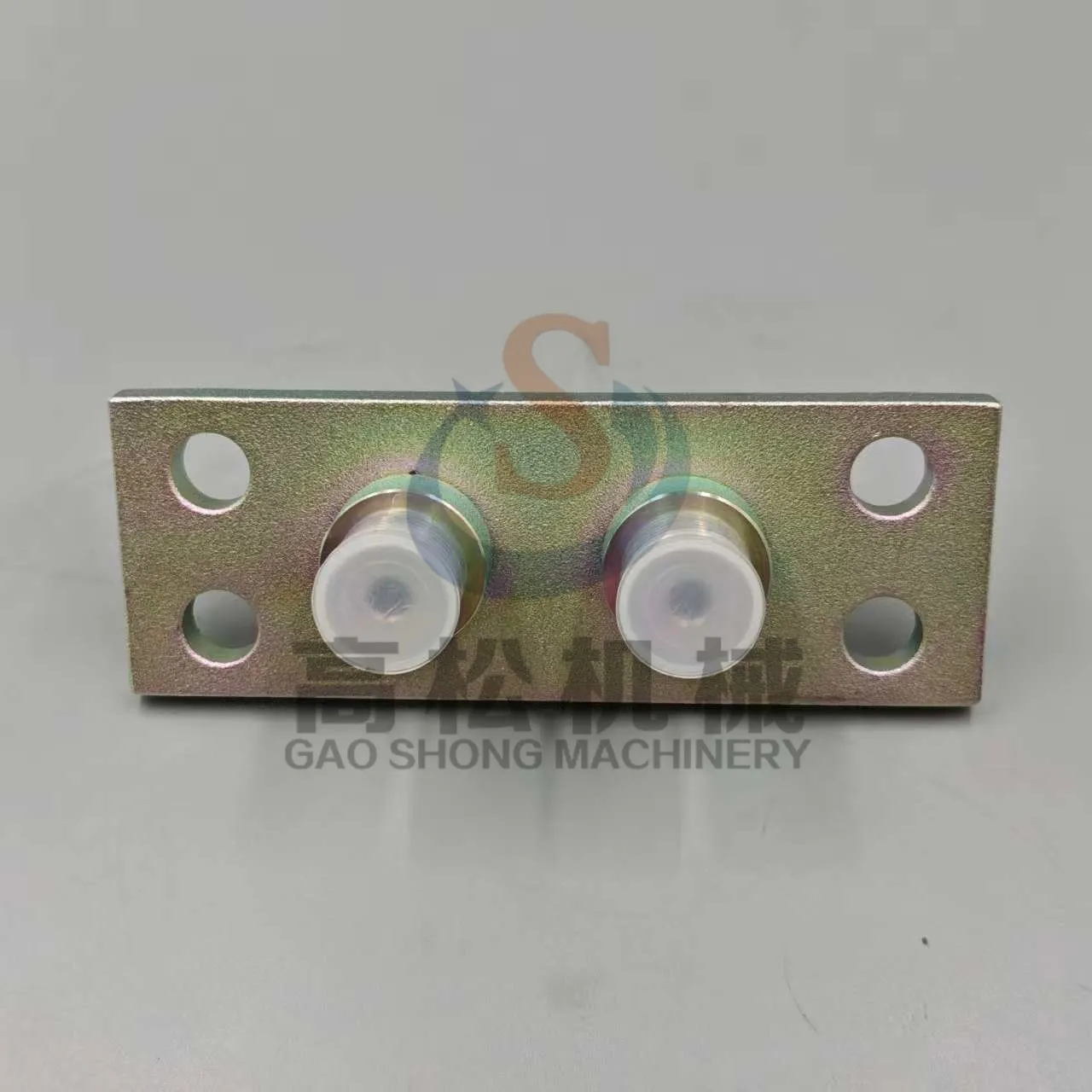 BRACKET 14Y-62-31411 – KOMATSU
 -
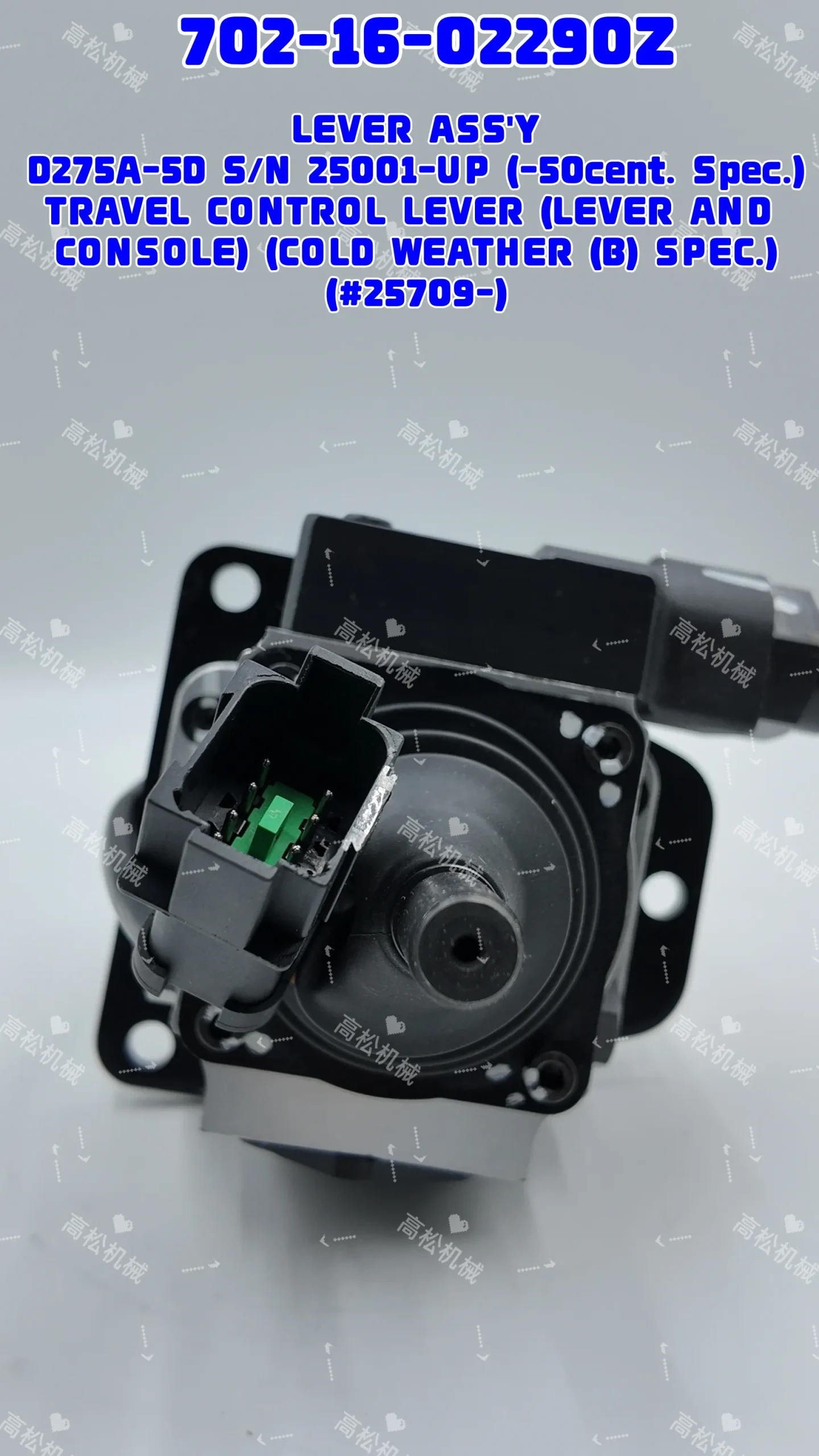 LEVER ASS’Y 702-16-02290 D275A-5D D65PX-15E0 D85EX-15 D65PX-16 D155AX-8 TRAVEL CONTROL LEVER ELECTRIC LEVER FLOOR FRAME
 -
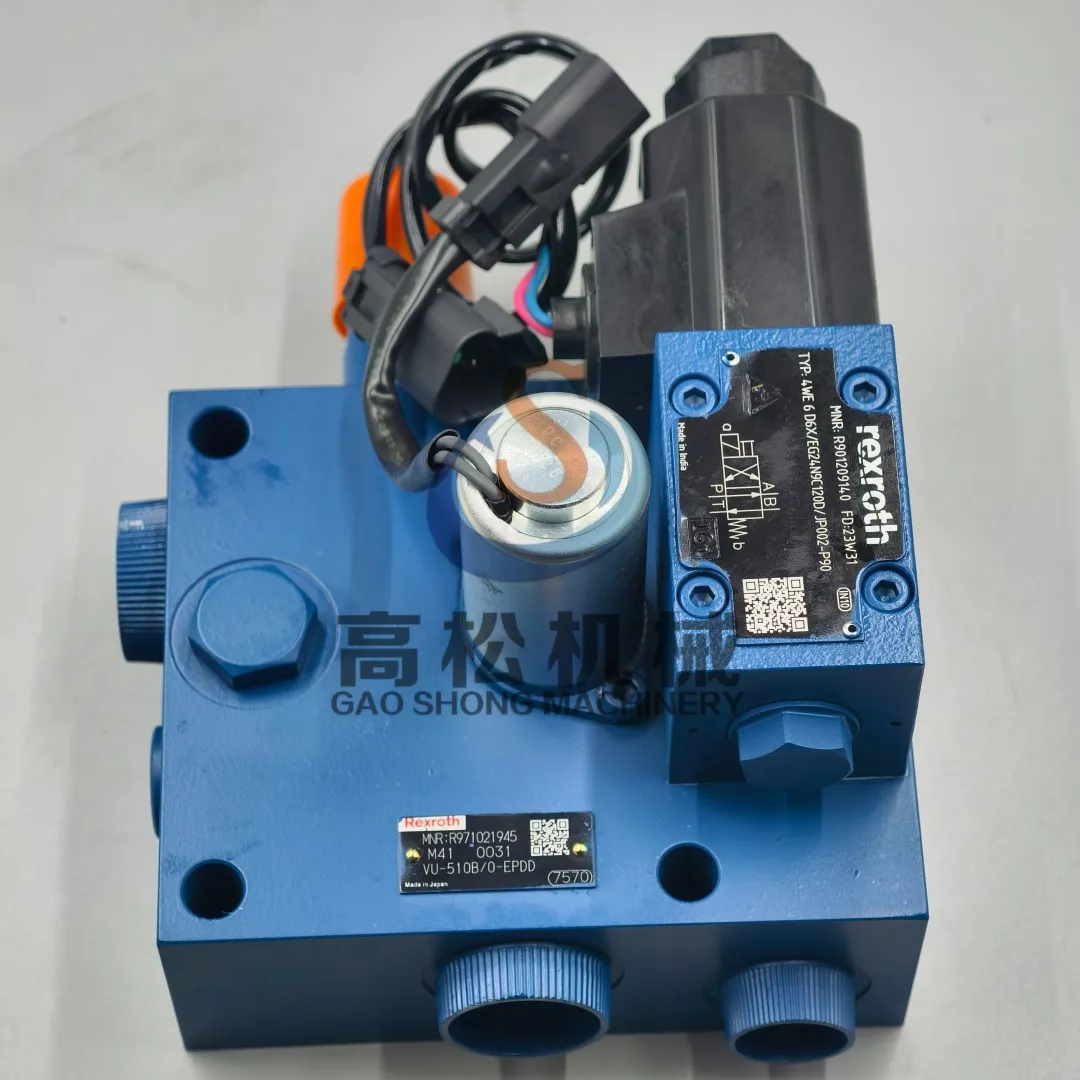 Valve Ass’y 56B-43-12402 56B-43-17340 For KOMATSU Dump Truck HD785 HD325 HD605
 -
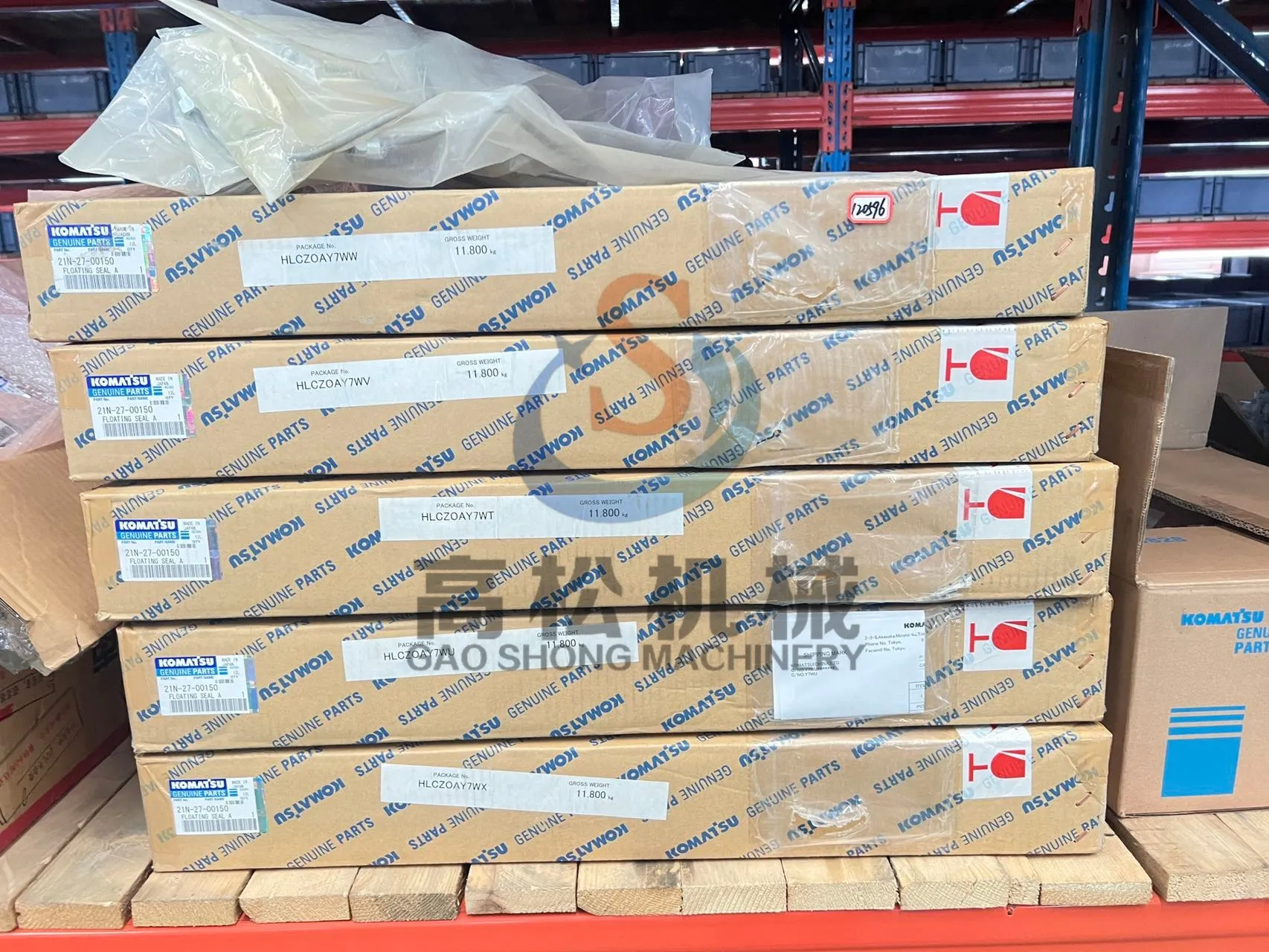 21N-27-00150 Komatsu Floating Seal Assembly
 -
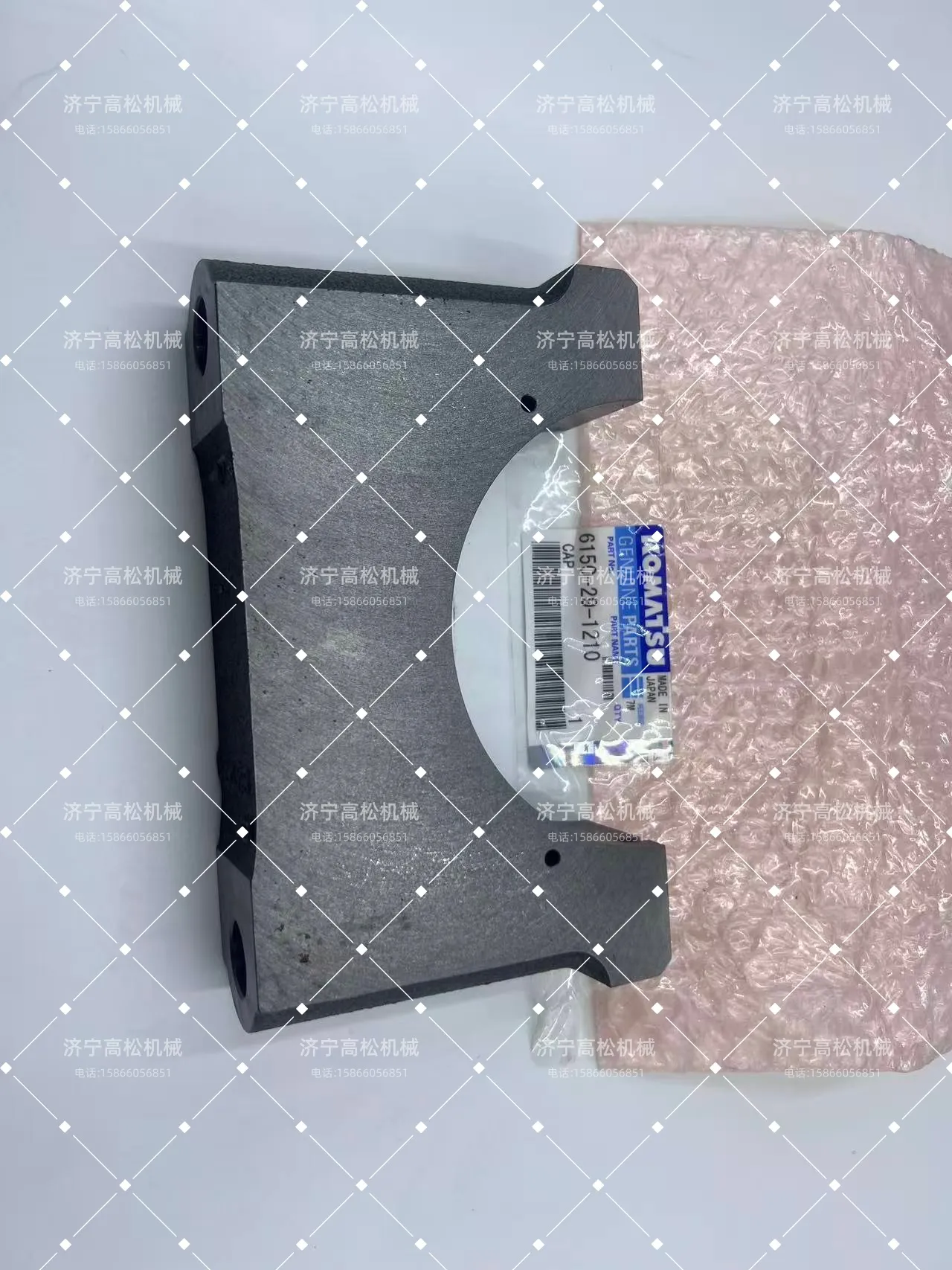 6150-29-1210 Komatsu Cap, Main, No.1.2,3,4,5,6
 -
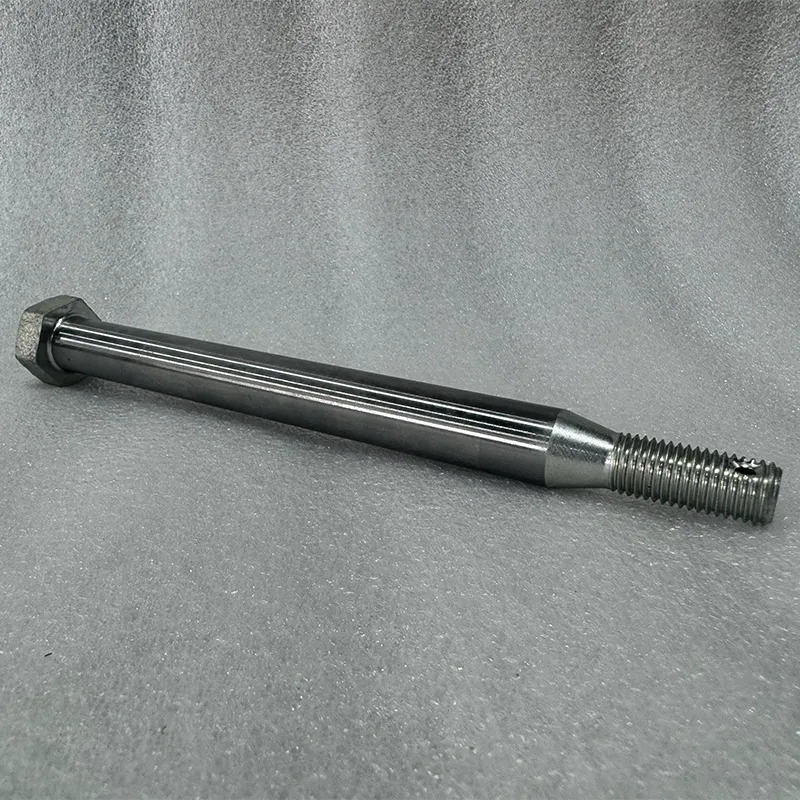 Original komatsu GD825A-2 Bolt 235-27-11360
 -
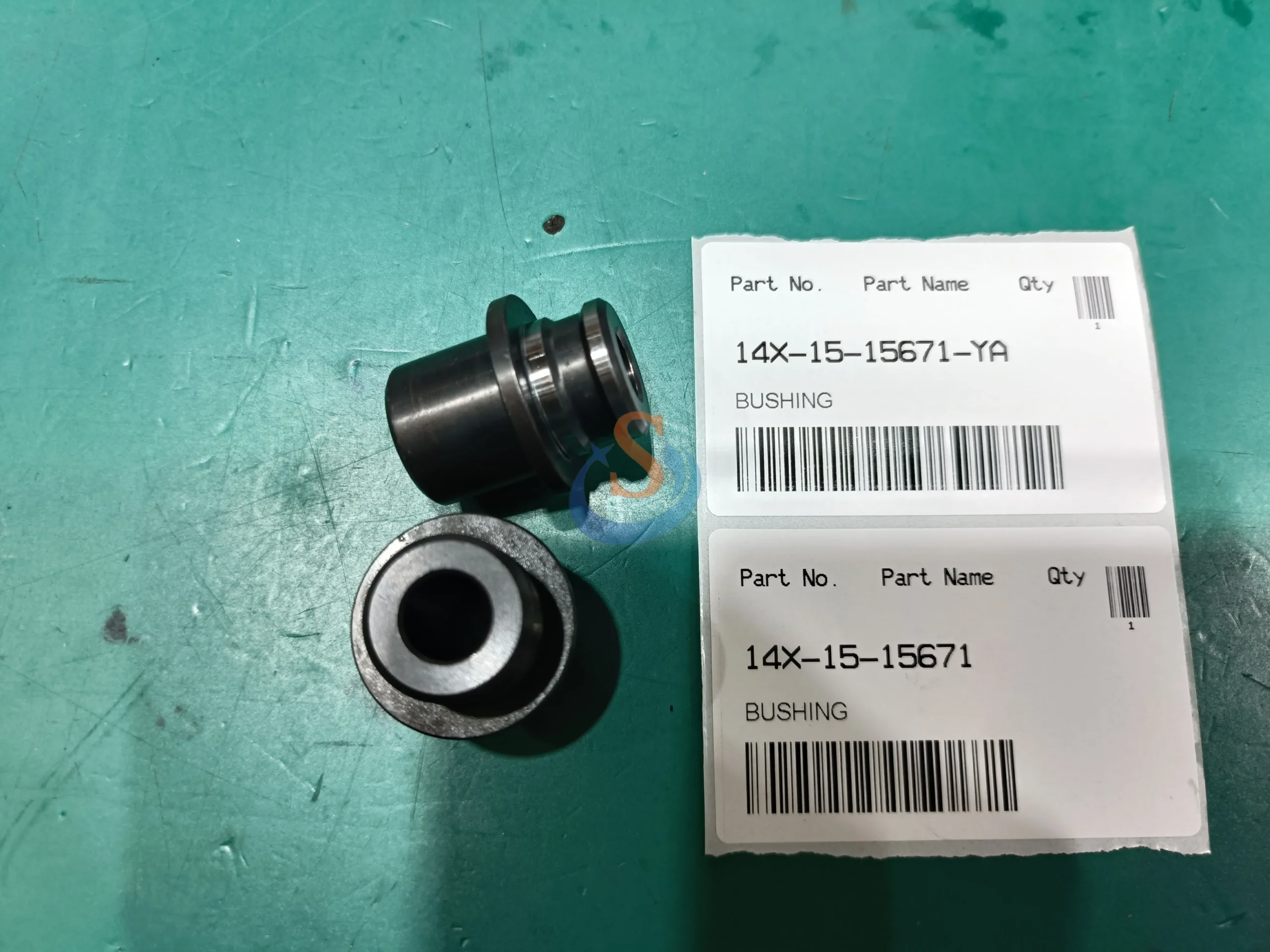 14X-15-15671 komatsu BUSHING D155A/D65EX
 -
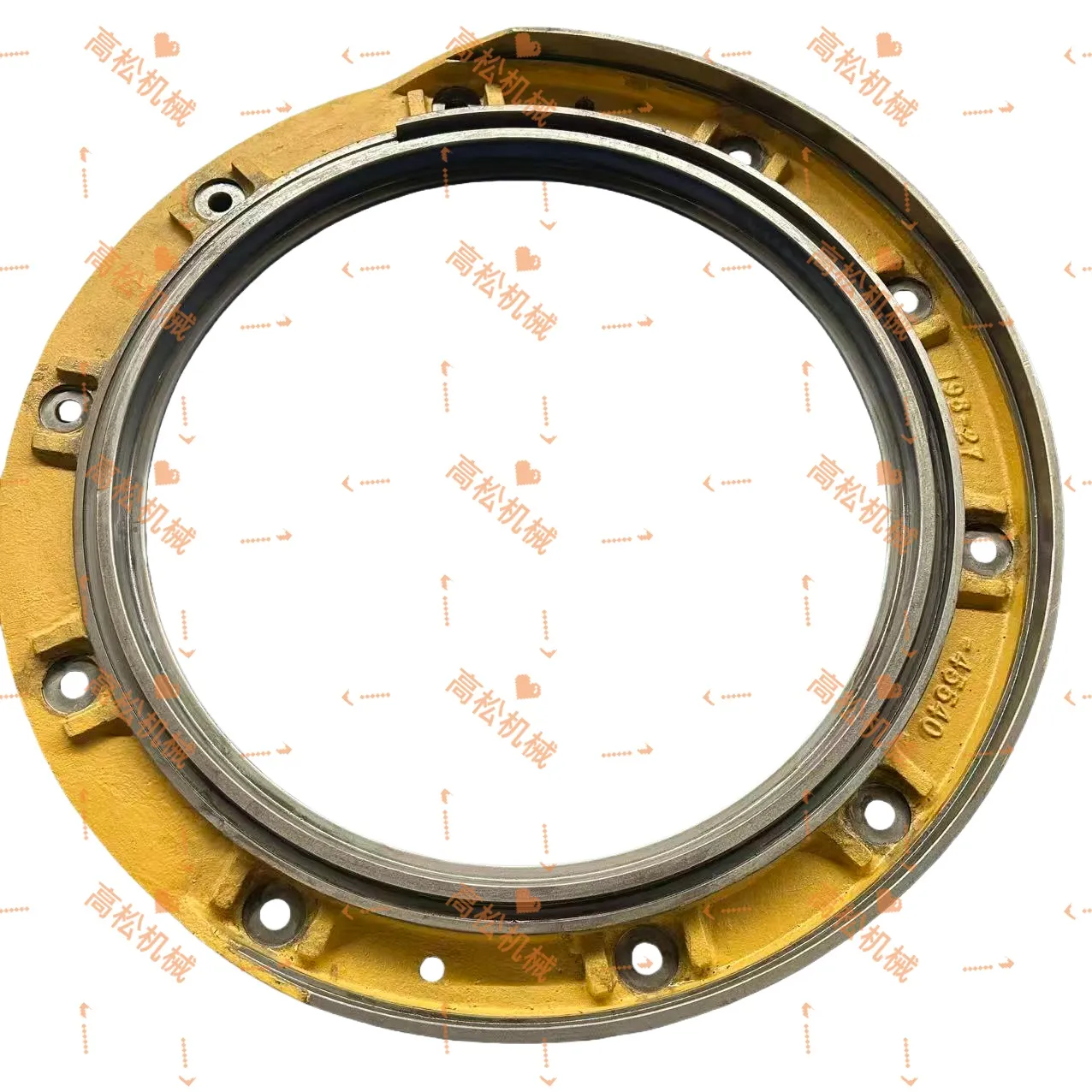 komatsu parts198-27-45540 COVER D475A-5A S/N 20001-UP (Super Dozer Spec.) FINAL DRIVE
 -
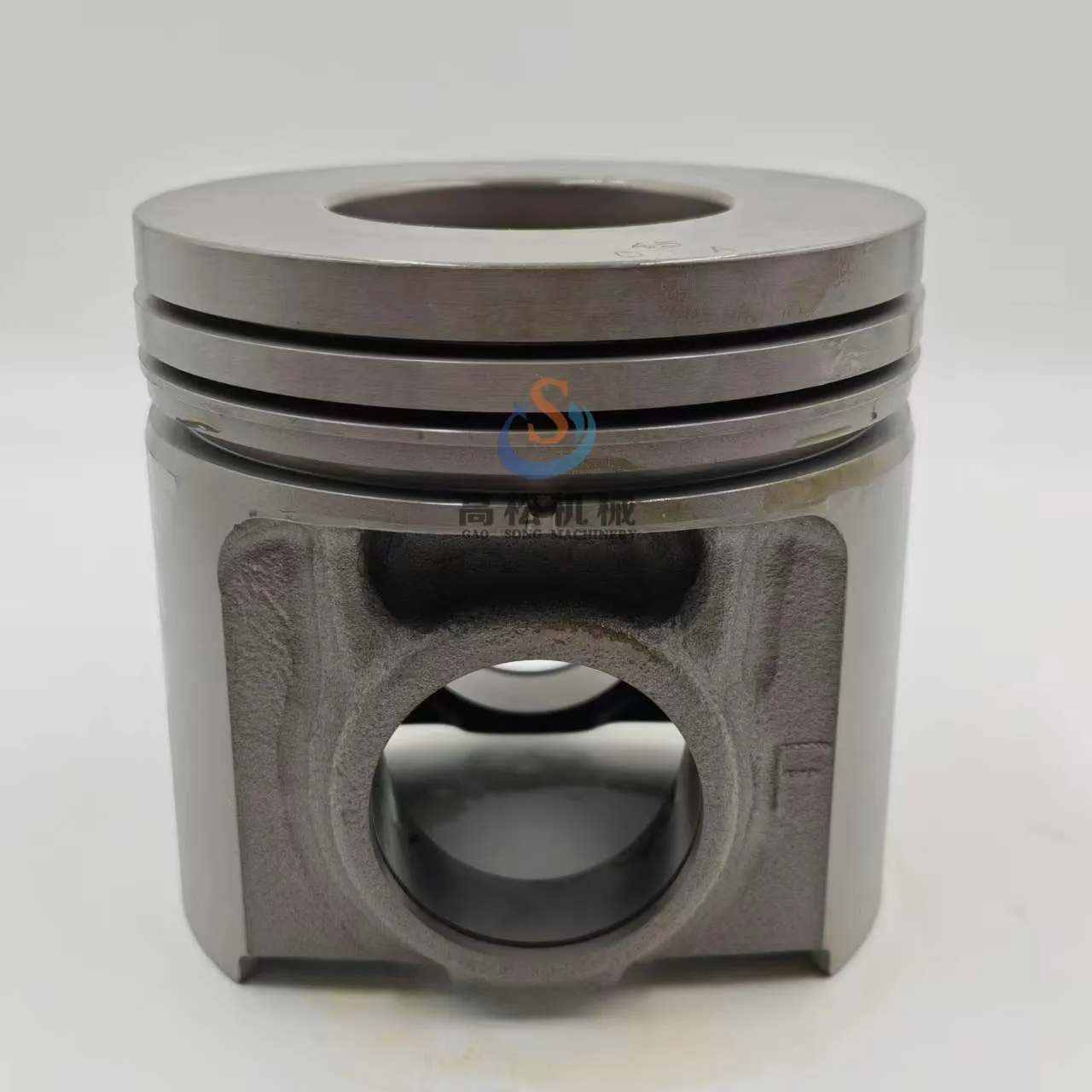 6152-32-2510 komatsu-parts piston
 -
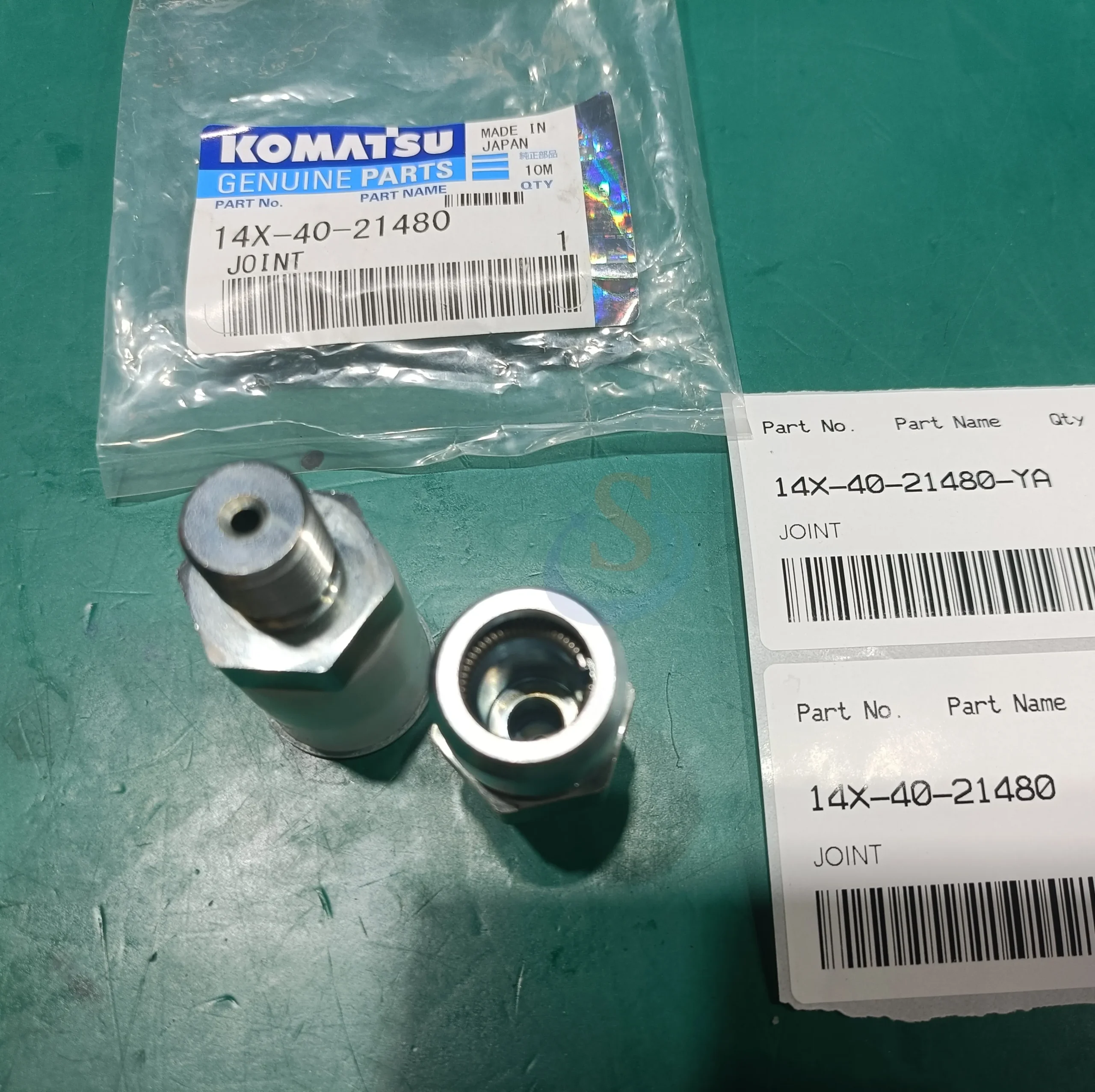 14X-40-21480,JOINT,D65P,D85E,D65E
 -
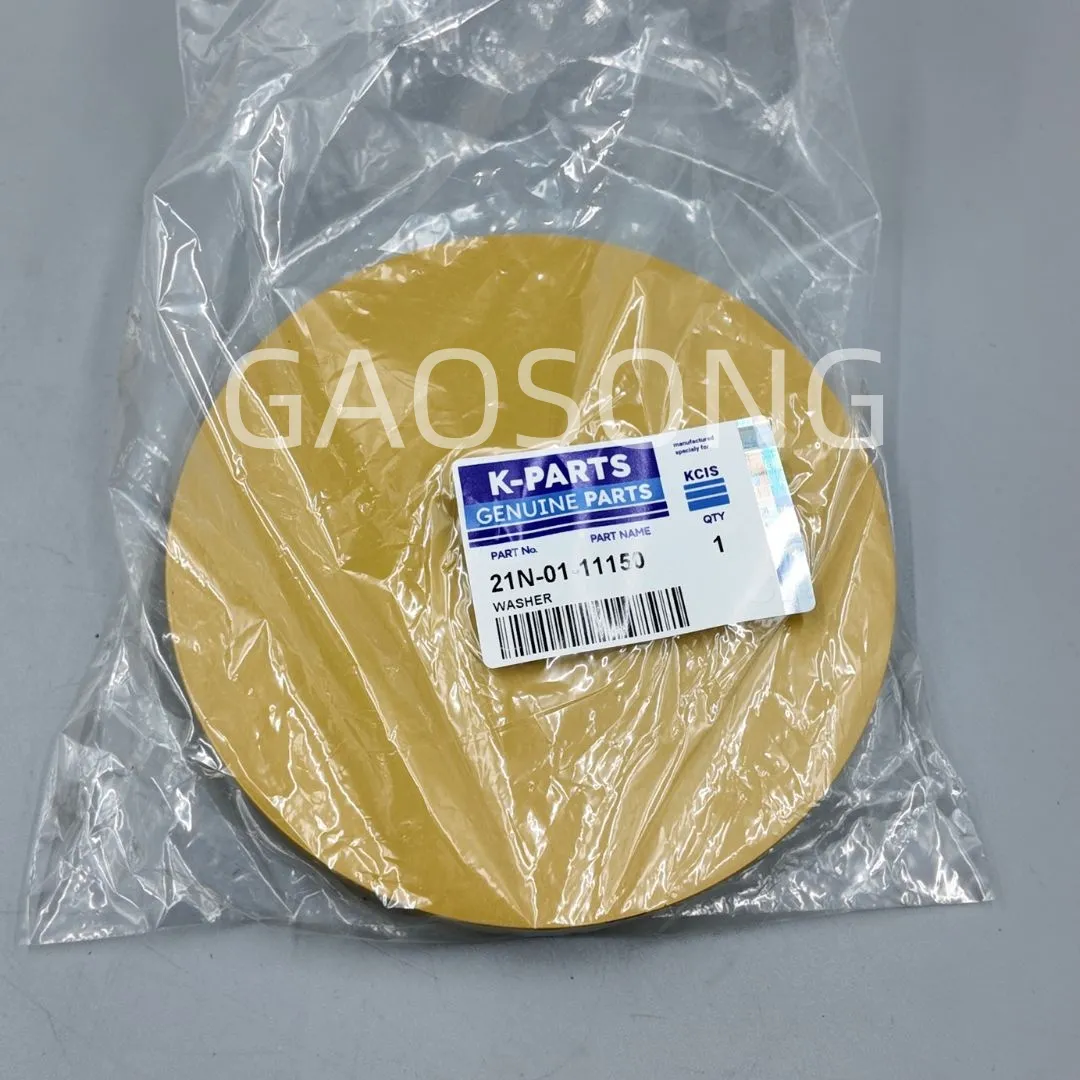 21N-01-11150 WASHER-Komatsu Original Factory
 -
 566-54-21910 BUSHING–Komatsu Original Factory