
- Chinese
- French
- German
- Portuguese
- Spanish
- Russian
- Japanese
- Korean
- Arabic
- Irish
- Greek
- Turkish
- Italian
- Danish
- Romanian
- Indonesian
- Czech
- Afrikaans
- Swedish
- Polish
- Basque
- Catalan
- Esperanto
- Hindi
- Lao
- Albanian
- Amharic
- Armenian
- Azerbaijani
- Belarusian
- Bengali
- Bosnian
- Bulgarian
- Cebuano
- Chichewa
- Corsican
- Croatian
- Dutch
- Estonian
- Filipino
- Finnish
- Frisian
- Galician
- Georgian
- Gujarati
- Haitian
- Hausa
- Hawaiian
- Hebrew
- Hmong
- Hungarian
- Icelandic
- Igbo
- Javanese
- Kannada
- Kazakh
- Khmer
- Kurdish
- Kyrgyz
- Latin
- Latvian
- Lithuanian
- Luxembou..
- Macedonian
- Malagasy
- Malay
- Malayalam
- Maltese
- Maori
- Marathi
- Mongolian
- Burmese
- Nepali
- Norwegian
- Pashto
- Persian
- Punjabi
- Serbian
- Sesotho
- Sinhala
- Slovak
- Slovenian
- Somali
- Samoan
- Scots Gaelic
- Shona
- Sindhi
- Sundanese
- Swahili
- Tajik
- Tamil
- Telugu
- Thai
- Ukrainian
- Urdu
- Uzbek
- Vietnamese
- Welsh
- Xhosa
- Yiddish
- Yoruba
- Zulu
- Kinyarwanda
- Tatar
- Oriya
- Turkmen
- Uyghur






komatsu pc300 8 parts book
When you hear 'Komatsu PC300-8 parts book', most guys just think of a PDF or a thick manual with exploded diagrams. That's the surface. The real challenge isn't finding the book—it's knowing which version you have, whether it covers the specific serial number range of your machine, and if the part numbers in it are still valid or have been superseded. I've seen too many orders get messed up because someone pulled a number from an outdated book. The PC300-8 had a long production run, and Komatsu made running changes. The parts book isn't a static bible; it's a starting point.
The Core Value of an Accurate Parts Book
Let's be clear: a parts book is your first line of defense against downtime. For the PC300-8, a machine known for its durability but complex hydraulics and electronics, guessing is expensive. I remember a job where we had a hydraulic pump failure. The local dealer's system showed one part number, but the physical pump on the machine had a different casting mark. We ordered based on the system, and it was wrong. Three days of downtime later, we realized our machine was from a specific batch that used a slightly different pump assembly. The correct, detailed breakdown was in a supplementary service bulletin, not the main parts book. That's the lesson: the book is essential, but its context is everything.
This is where having a reliable source that understands these nuances is critical. It's not just about selling a part; it's about selling the right part. A supplier who only works from a basic catalog will fail you. You need someone who can cross-reference serial numbers, know about common substitutions, and tell you, Yeah, that part number is obsolete, but this one here is the direct replacement and actually has an improved seal design. That level of insight comes from being deep within the ecosystem.
For instance, a company like Jining Gaosong Construction Machinery Co., Ltd. positions itself uniquely here. As they note on their site takematsumachinery.com, they're an OEM product supplier within Komatsu's system and a third-party sales company. That dual role is telling. It means they likely have access to genuine OEM documentation and parts streams, but also the flexibility to address supply gaps that pure dealers might not bother with. When you're searching for a PC300 8 parts book or a specific component, such a source can bridge the gap between official channels and on-the-ground reality.
Common Pitfalls and Serial Number Sagas
Never, ever skip checking the serial number. The PC300-8 prefix—like PC300LC-8, PC300SE-8—matters, but the full serial number is king. I once helped a contractor who needed a final drive. He was sure he had a dash 8 machine. Turns out, it was a very late-model -8 that shared components with the early PC300LC-10 series. The parts book for his specific serial number range listed a different assembly. If we'd gone with the standard -8 book, we'd have been stuck with a part that physically fit but had the wrong gear ratio. The machine would have tracked in a circle.
This is a classic example of where a generic online search for a Komatsu PC300 8 parts book falls short. You might find a book, but is it for the 70000-series machines or the 80000-series? The differences can be subtle—a sensor connector, a hose routing bracket—but they'll stop a repair dead. A professional supplier's job is to ask for that serial number first. Their value is in their database and their experience to interpret it.
I've dealt with suppliers who just click a button in a system. The good ones, the ones you stick with, will sometimes say, Hold on, let me check the service memo for that S/N range. That's the kind of service that companies focusing on solving parts supply challenges, as mentioned by Jining Gaosong, aim to provide. It's proactive troubleshooting before the part even ships.
The Reality of Parts Sourcing and Genuine vs. Quality
Here's a dirty secret: sometimes, the exact part number in the official Komatsu parts book is on a 12-week backorder from Japan. What do you do? Park a $300,000 machine for three months? This is the real-world scenario where the third-party role becomes vital. A supplier with strong OEM ties but third-party agility might offer a few paths: a genuine part from a different regional warehouse, a Komatsu-approved aftermarket alternative, or a quality rebuilt unit.
The key is transparency. A good supplier will tell you, This is the OEM part, but it's coming from a partner stock in Singapore, here's the lead time, or This is a licensed aftermarket cylinder that meets Komatsu specs, it's in stock, and we've had no comebacks on it. Blindly chasing only genuine can be a luxury you can't afford. The parts book gives you the blueprint; a knowledgeable supplier gives you the actionable options.
This is precisely the gap that entities like the mentioned company help fill. Their model of being an OEM product supplier within the Komatsu system while also operating as a third-party seller suggests they can navigate both the official pipeline and the alternative supply networks. For a machine owner, that means one point of contact for both your first-choice and contingency plans.
Digital vs. Physical and the Annotation Culture
Most of us use digital parts books now. They're searchable. But I still know old-timers with physical books covered in grease-pencil notes: This bolt always seizes, use heat, or Alternate supplier for this seal: ABC Bearing. That annotated knowledge is priceless. A digital book is clean, but it lacks that history. When you're working with a specialized supplier, you're tapping into their version of that annotated knowledge—their internal notes on which parts fail often, which updates are critical, and which substitutes are reliable.
For the PC300-8, common annotation points revolve around the swing motor seals, the controller (MC) connectors, and the undercarriage components. A parts book shows you the pin and bushing; a seasoned professional might advise, When you order that pin, get the updated locking flange kit too, the old design backs out. That's not in any book.
A supplier's website, like takematsumachinery.com, is their digital front. If it's just a catalog, it's limited. But if it's backed by a team that embodies this annotation culture—understanding the Komatsu PC300-8 beyond the diagrams—then it becomes a tool. You're not just buying a part; you're buying a slice of their field experience.
Closing the Loop: From Book to Bolt
So, you've got your accurate PC300 8 parts book, you've cross-referenced the serial number, and you've chosen a supplier who knows the landscape. The final step is the fit. Even with everything correct, you can hit snags. I recall receiving a valve block that matched the book perfectly, but a port thread was different. It turned out the machine had been repaired previously with a non-standard fitting. The parts book assumes a virgin machine. Your supplier's technical support needs to be able to talk you through that—to identify if it's a wrong part or a field modification.
This end-to-end support is what separates part sellers from partners. It's about solving the parts supply challenges from the initial book lookup to the final torque wrench click. It requires a deep, almost intuitive understanding of the machine's life in the field, not just its design on paper.
In the end, the keyword komatsu pc300 8 parts book is a gateway. It leads you into a world of technical detail, logistical hurdles, and necessary expertise. The book itself is just data. The real value is in the network and the experienced judgment that turns that data into a successful, timely repair. Finding sources that operate with that philosophy, whether they're major dealers or specialized third-party OEM suppliers, is the ultimate hack for keeping your iron running.
Related Products
Related Products

Best Selling Products
Best Selling Products-
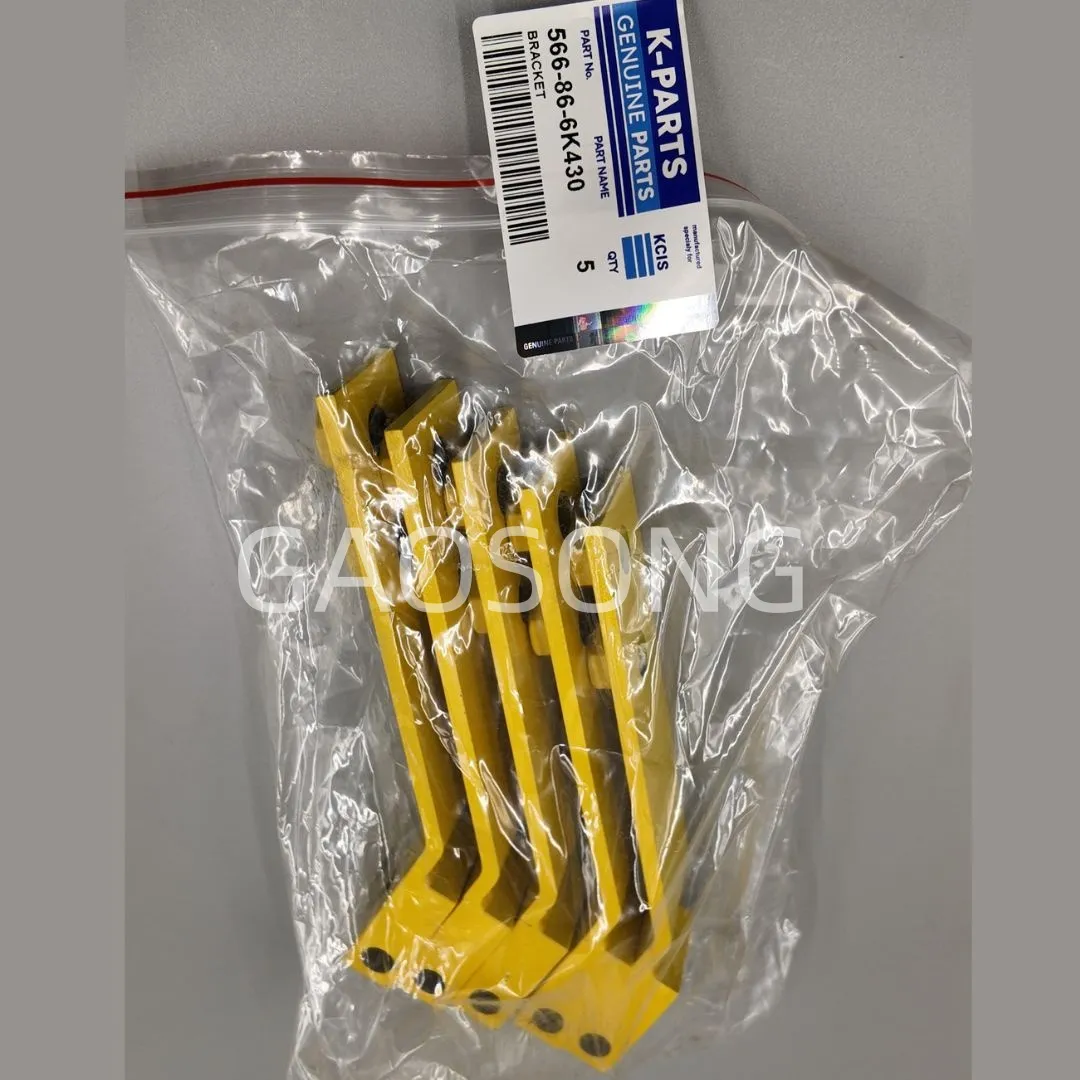 566-86-6K430 BRACKET–Komatsu Original Factory
 -
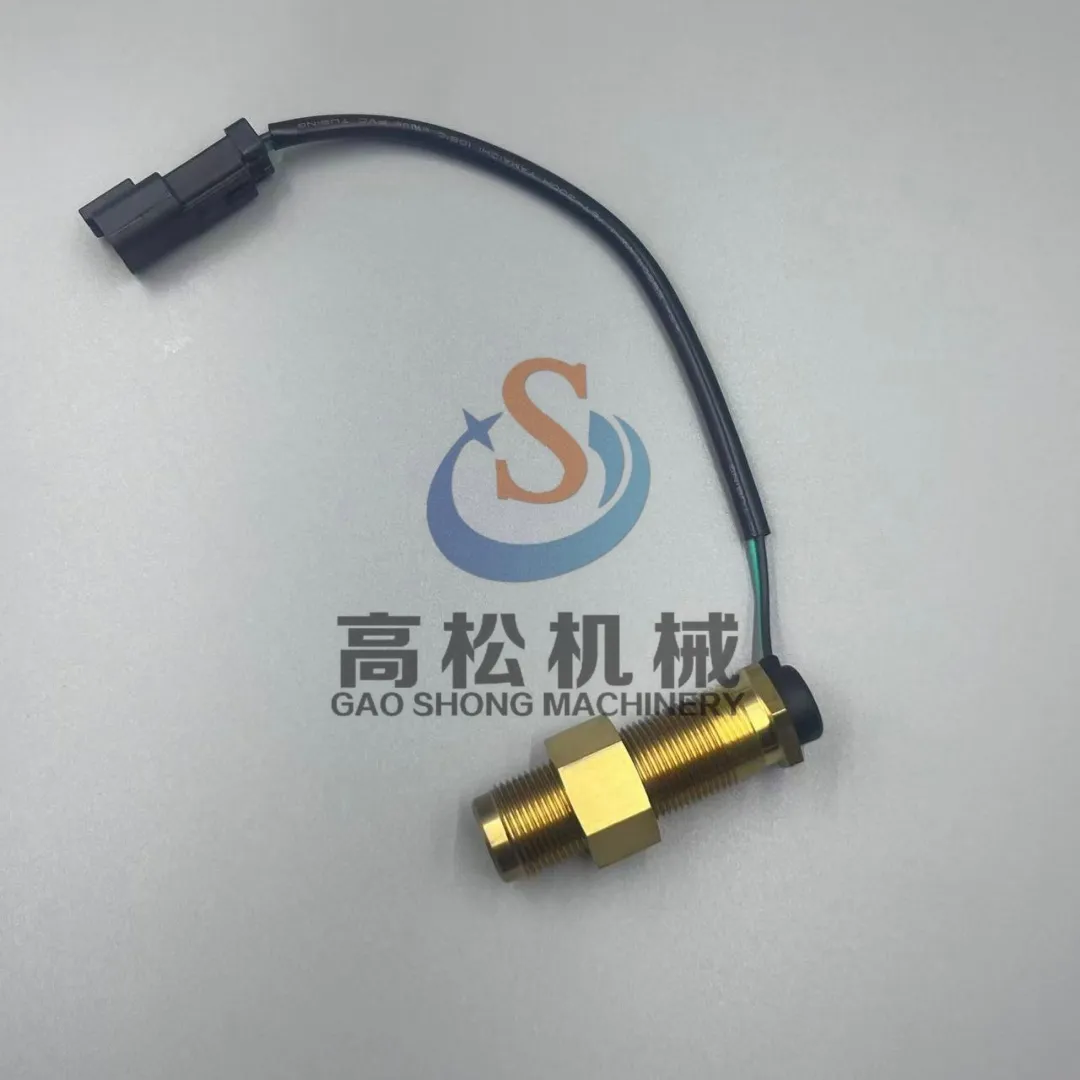 7861-92-2340 7861-93-2330 Fits for Komatsu PC200-3
 -
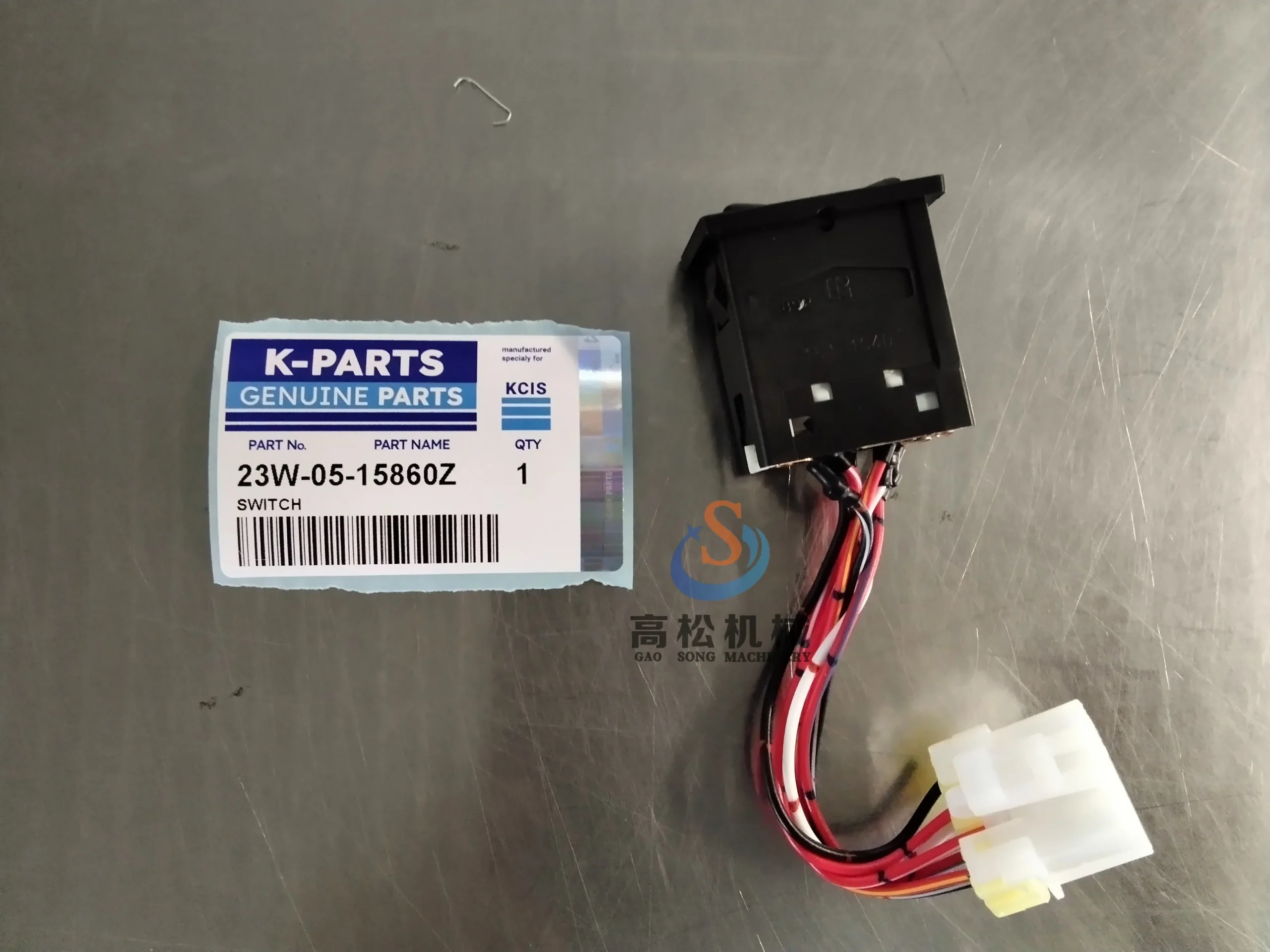 23W-05-15860 komatsu switch-HM300/HD325/HM400
 -
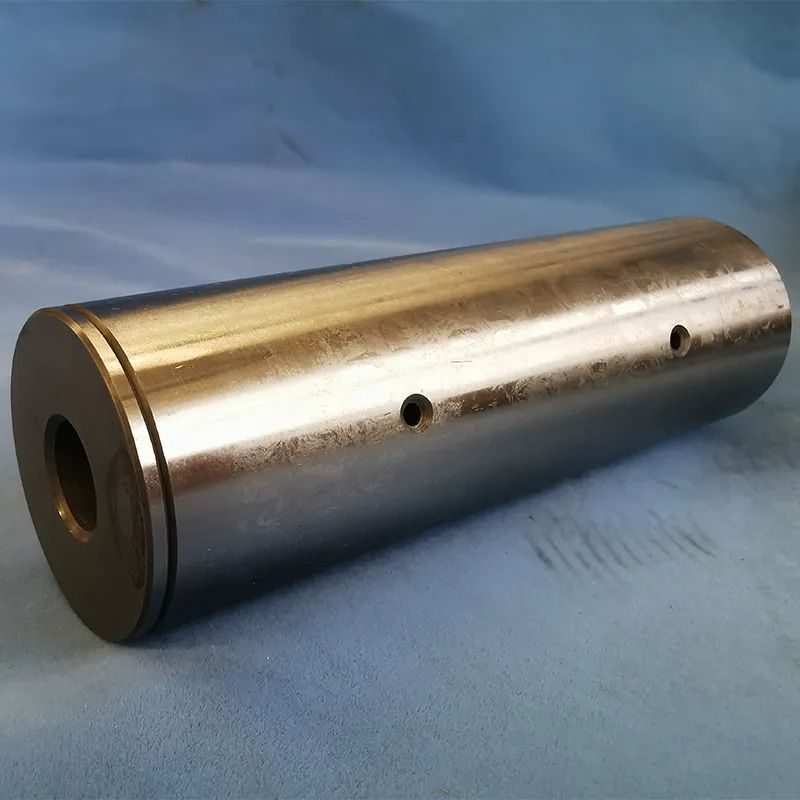 Komatsu original D375A-5 axis 195-15-72520
 -
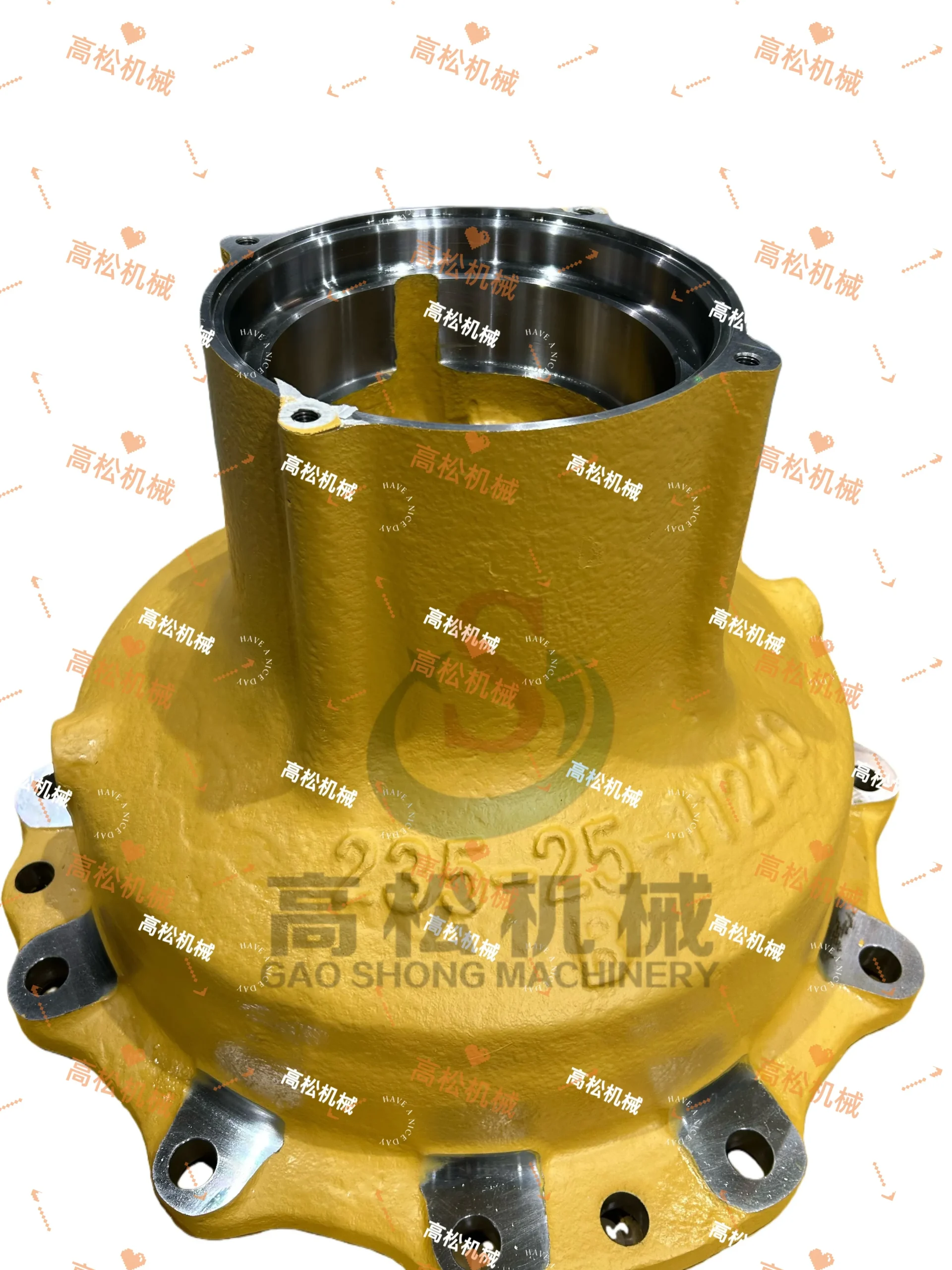 CAGE 235-25-11220 CAGE GD825A-2 S/N 11001-UP TANDEM DRIVE GEAR AND CHAIN
 -
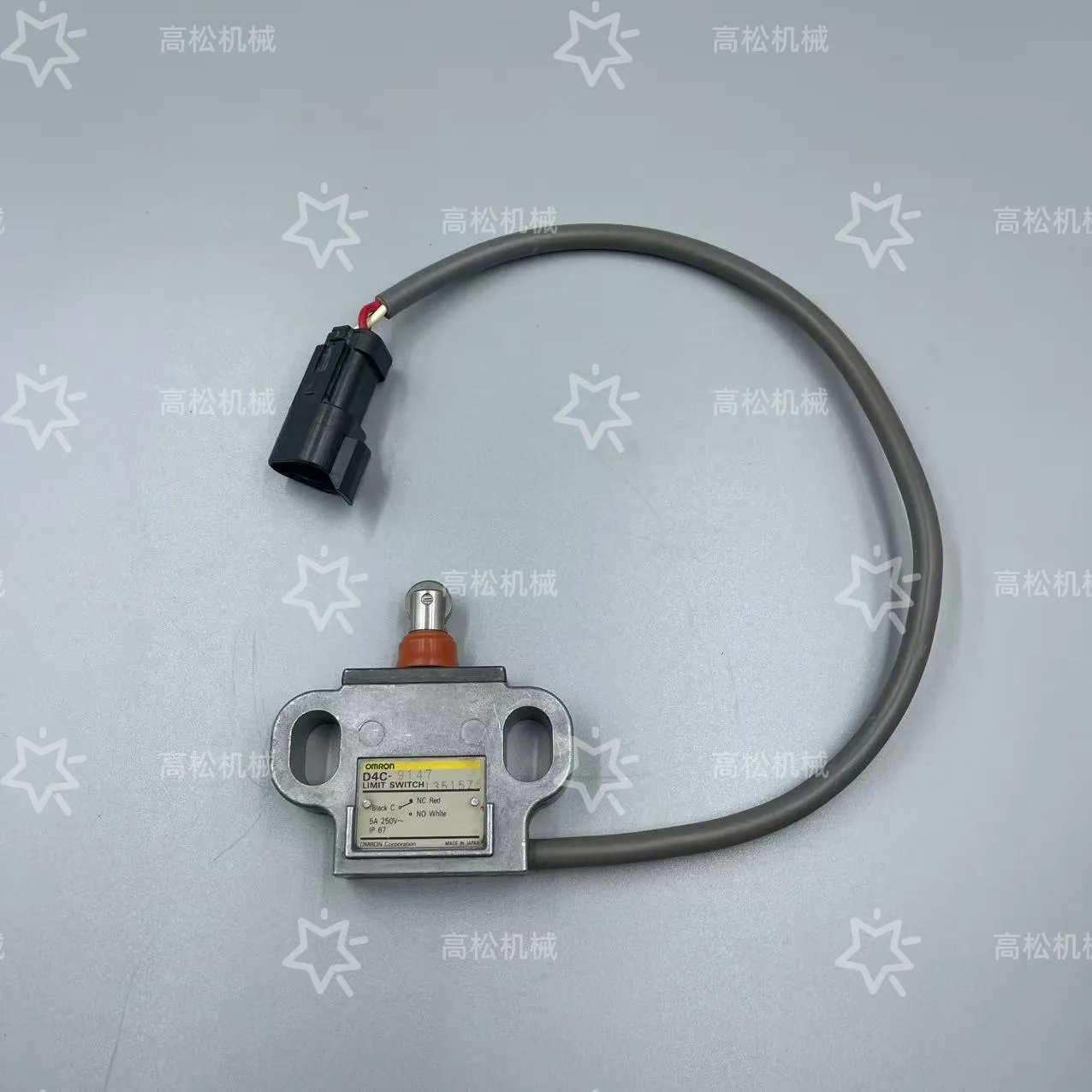 11Y-06-22150SWITCH 11Y-06-22150 for KOMATSU D65PX-16
 -
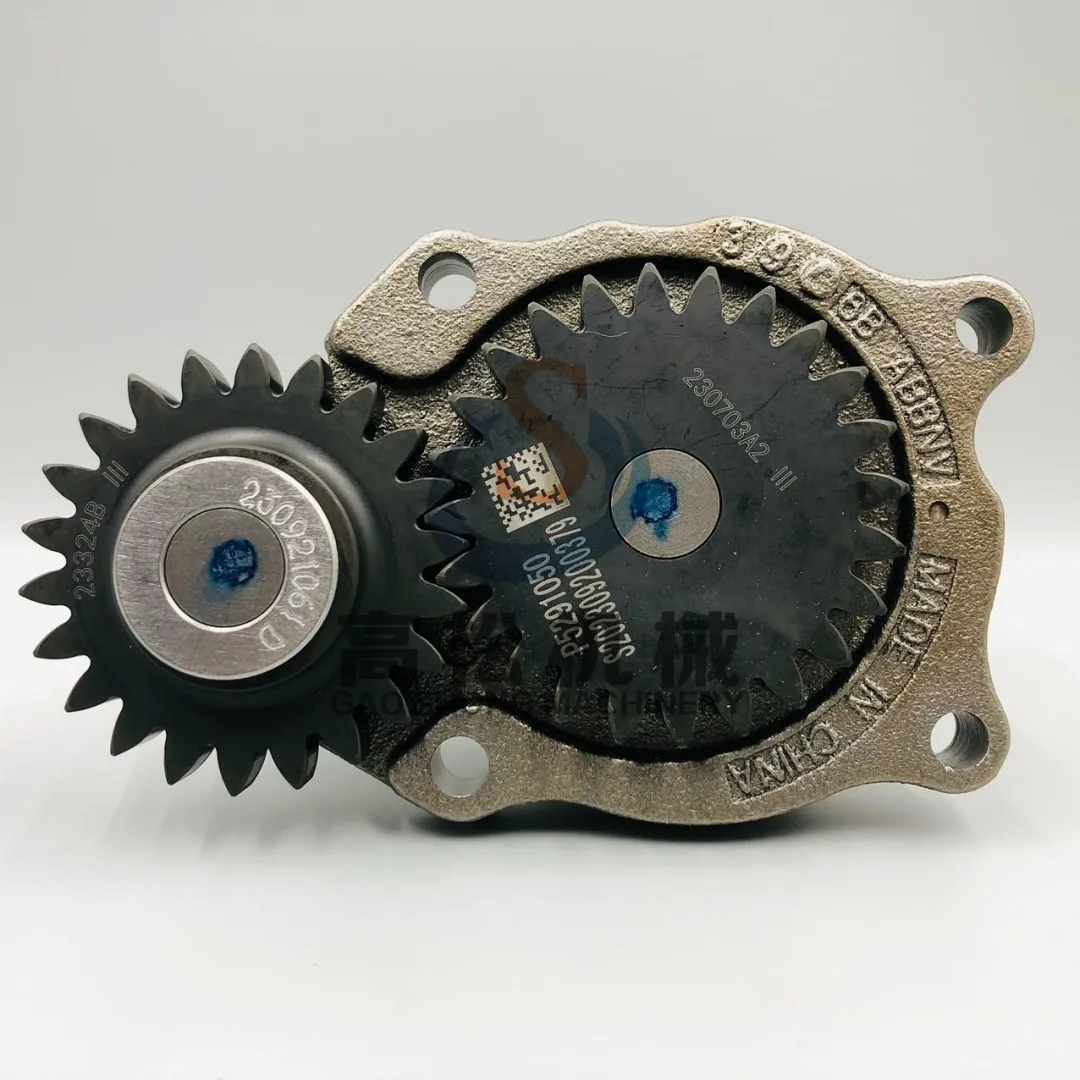 6754-51-1111 6754511111 Fuel Transfer Pump for Komatsu
 -
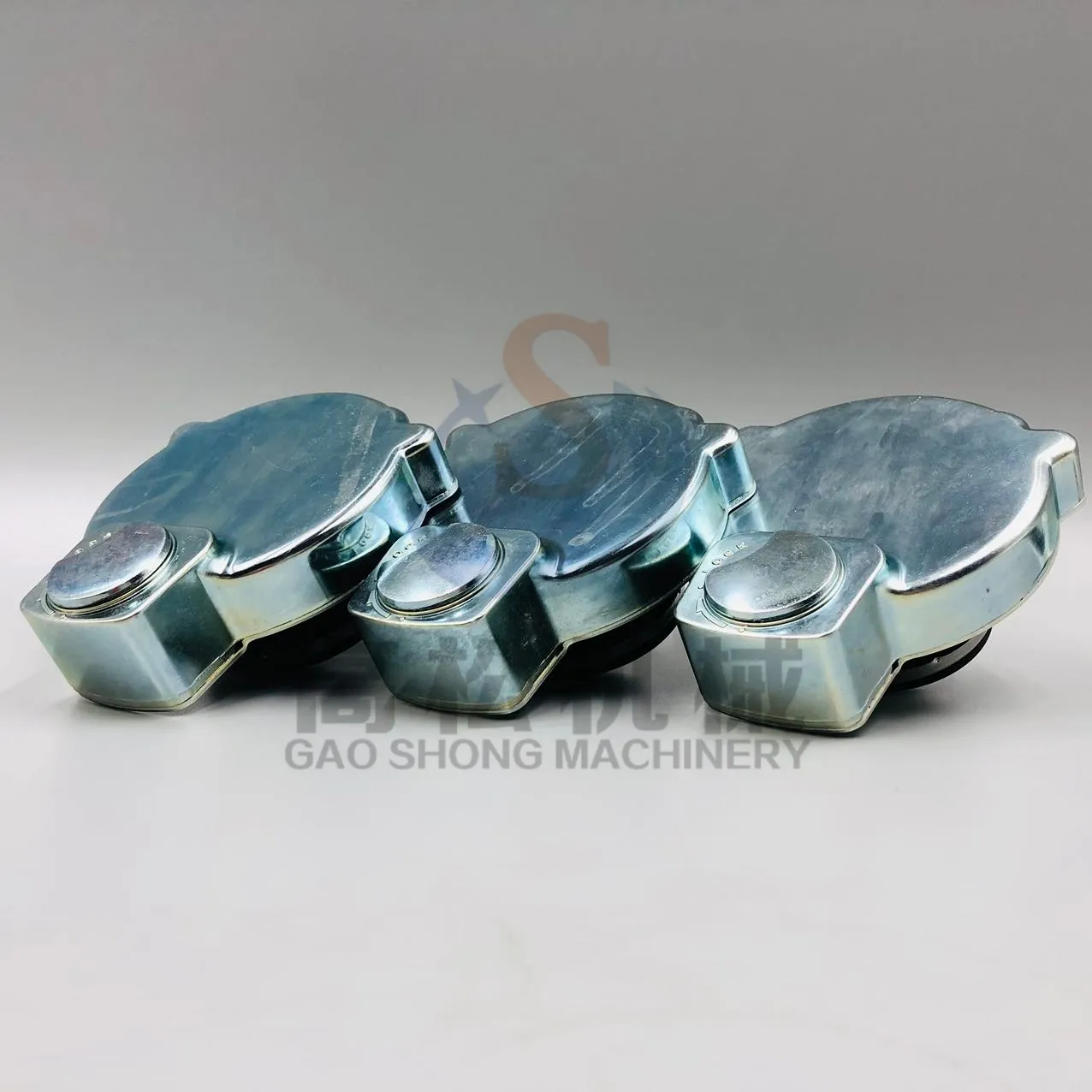 Komatsu fuel tank cap 17A-60-11310
 -
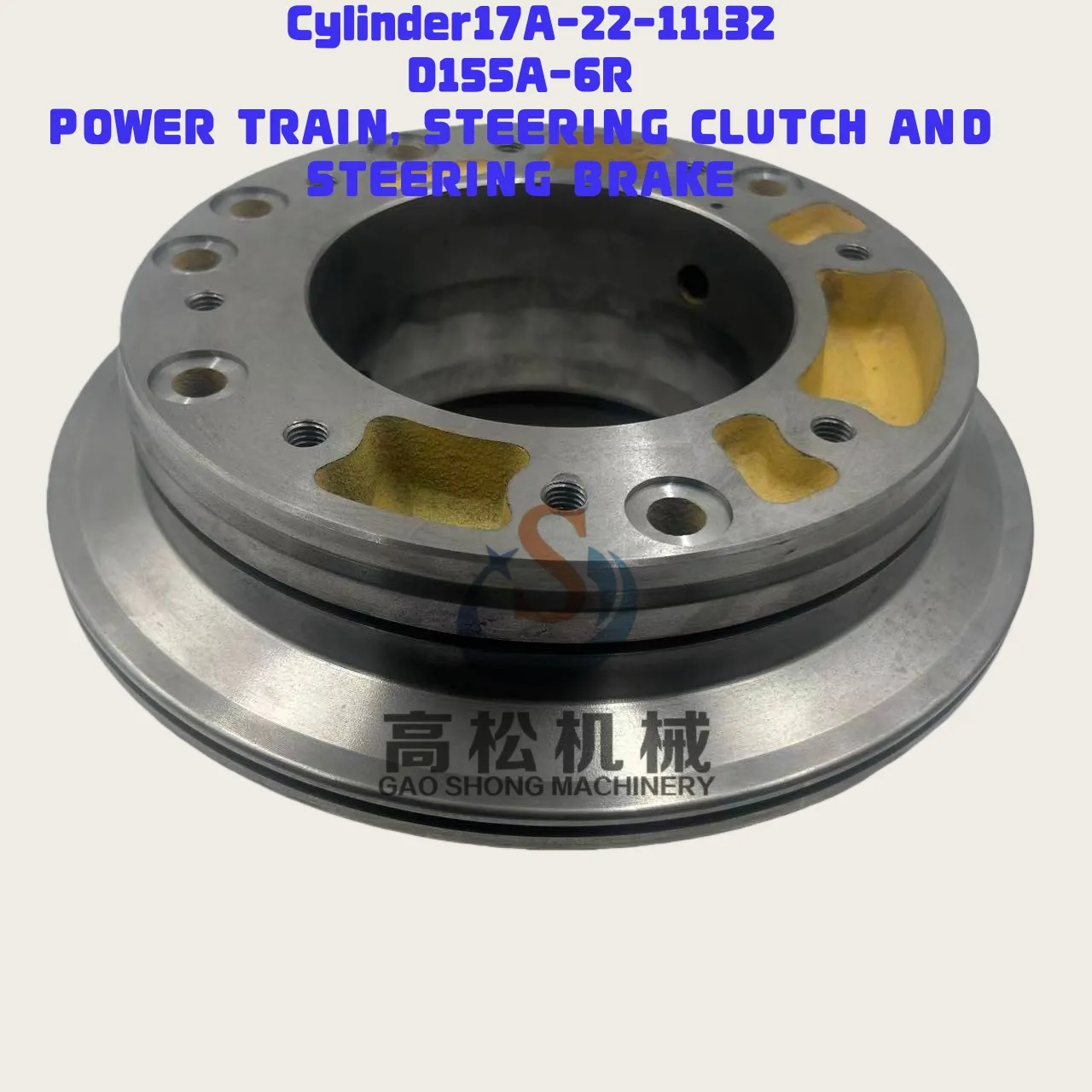 CYLINDER 17A-22-11132 D155A-6 D155A-3 D155A-5 D155A-6R STEERING CLUTCH AND BRAKE
 -
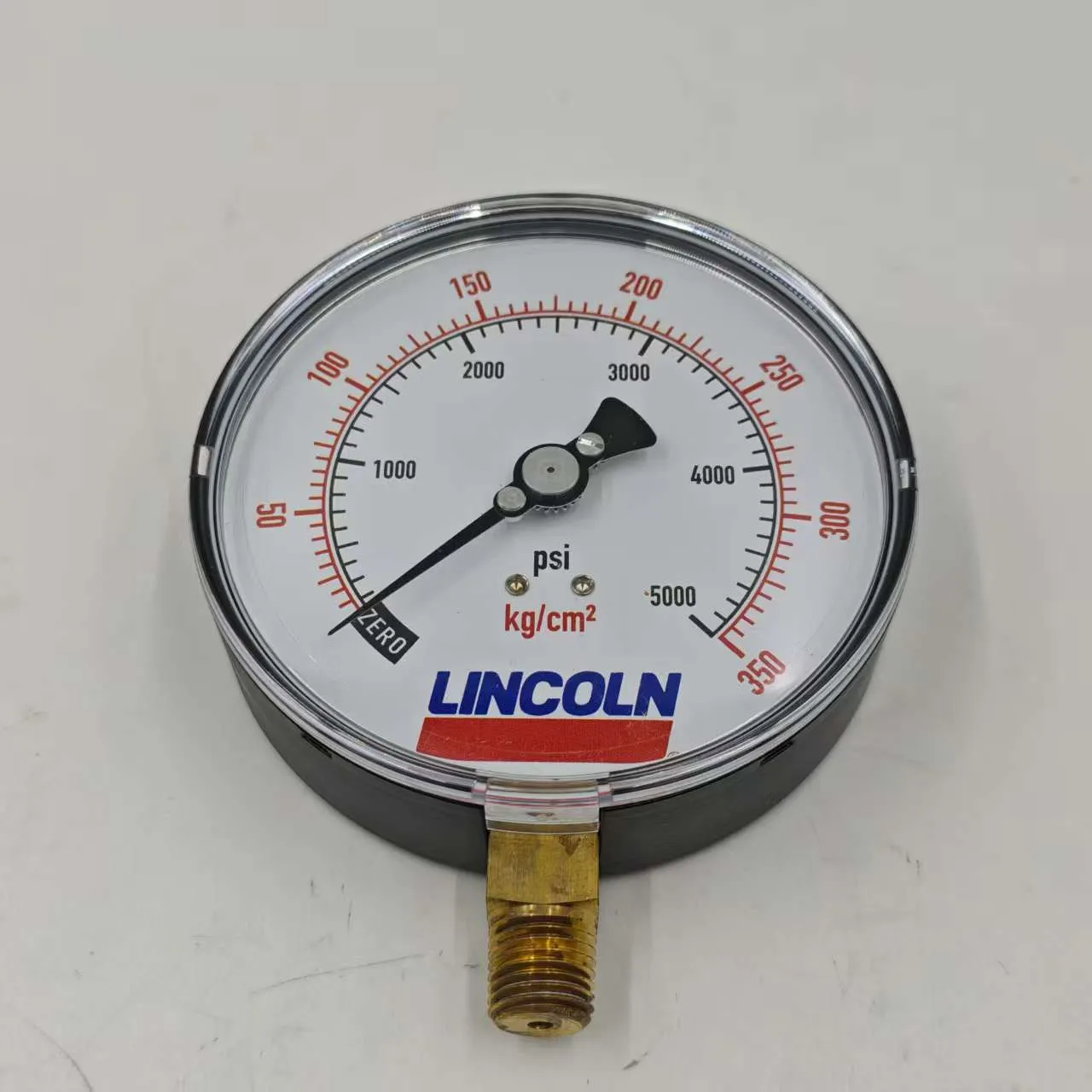 427-S95-2410PC1100 PC1250SE-7 komatsu
 -
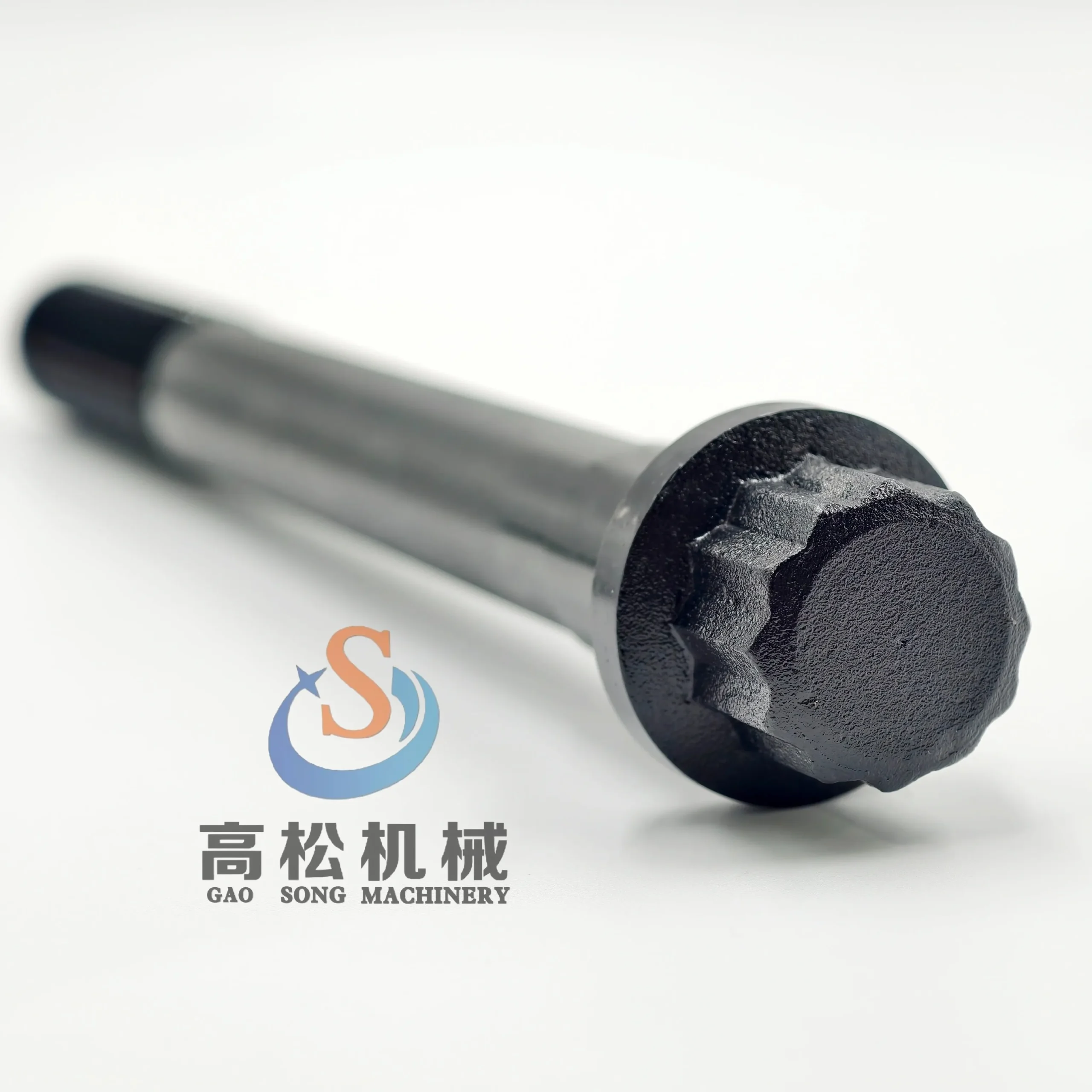 6162-15-1610 komatsu-parts BOLT,HEAD
 -
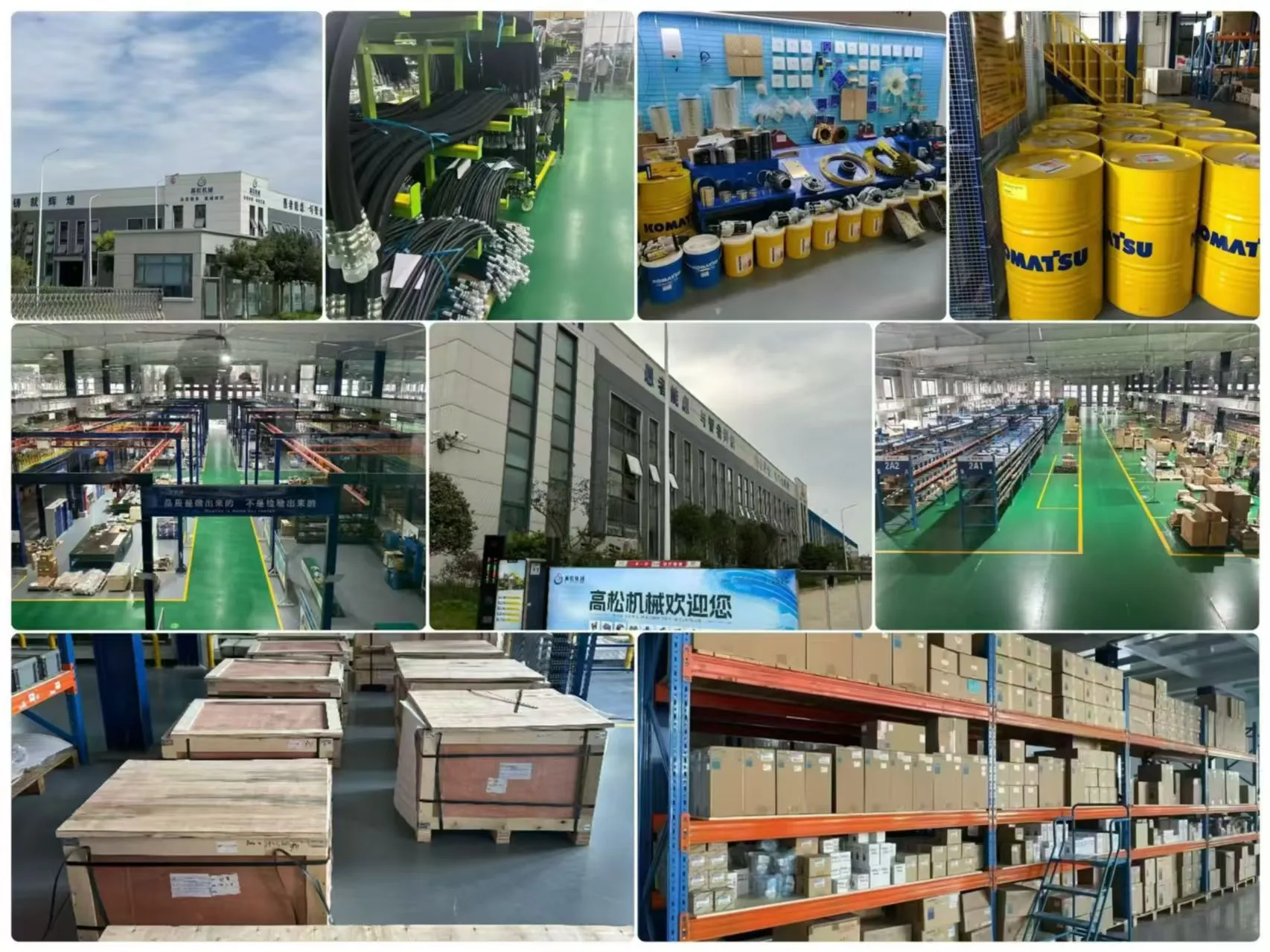 Heavy Machines Built to Last 799-101-5160 SOCKET for Komatsu…
Related Search
Related Search- komatsu dozer engine
- komatsu forklift fuel filter
- Komatsu suspension cylinder
- komatsu parts look up
- OEM AND ORIGINAL KOMATSU DAMPER ASSY 14X-12-11103
- zenoah komatsu engine
- OEM AND ORIGINAL KOMATSU WIRING HARNESS 195-06-48430
- Komatsu coupler
- OEM AND ORIGINAL KOMATSU PIN 426-70-31991
- parts book komatsu pc200 7