
- Chinese
- French
- German
- Portuguese
- Spanish
- Russian
- Japanese
- Korean
- Arabic
- Irish
- Greek
- Turkish
- Italian
- Danish
- Romanian
- Indonesian
- Czech
- Afrikaans
- Swedish
- Polish
- Basque
- Catalan
- Esperanto
- Hindi
- Lao
- Albanian
- Amharic
- Armenian
- Azerbaijani
- Belarusian
- Bengali
- Bosnian
- Bulgarian
- Cebuano
- Chichewa
- Corsican
- Croatian
- Dutch
- Estonian
- Filipino
- Finnish
- Frisian
- Galician
- Georgian
- Gujarati
- Haitian
- Hausa
- Hawaiian
- Hebrew
- Hmong
- Hungarian
- Icelandic
- Igbo
- Javanese
- Kannada
- Kazakh
- Khmer
- Kurdish
- Kyrgyz
- Latin
- Latvian
- Lithuanian
- Luxembou..
- Macedonian
- Malagasy
- Malay
- Malayalam
- Maltese
- Maori
- Marathi
- Mongolian
- Burmese
- Nepali
- Norwegian
- Pashto
- Persian
- Punjabi
- Serbian
- Sesotho
- Sinhala
- Slovak
- Slovenian
- Somali
- Samoan
- Scots Gaelic
- Shona
- Sindhi
- Sundanese
- Swahili
- Tajik
- Tamil
- Telugu
- Thai
- Ukrainian
- Urdu
- Uzbek
- Vietnamese
- Welsh
- Xhosa
- Yiddish
- Yoruba
- Zulu
- Kinyarwanda
- Tatar
- Oriya
- Turkmen
- Uyghur






komatsu pc30 parts
When you start digging into 'komatsu pc30 parts', you immediately hit the industry's open secret: the official supply line is robust, but it's not the whole story. A lot of operators, especially in regions outside the major hubs, think it's a simple choice between genuine and counterfeit. That's a dangerous oversimplification. The real challenge is access and continuity. I've seen projects stall for weeks waiting for a single, supposedly common, hydraulic hose assembly because the local distributor's system showed it was back-ordered from Japan. That's where the entire ecosystem, including OEM product suppliers within Komatsu's own network, becomes critical. They aren't just alternatives; they often become the primary solution for keeping older models like the PC30 running without crippling downtime.
The PC30's Legacy and Its Persistent Parts Hunger
The Komatsu PC30 is a workhorse. It's one of those compact excavators that just won't die, which is a testament to its build but a nightmare for parts logistics a decade later. The demand isn't just for wear items like undercarriage parts or bucket teeth. It's for the obscure stuff: the seat sensor that controls the safety lock, the solenoid valve on the pilot control circuit, the display panel. Komatsu phases out production for these components, and the official channel might designate them NLA (No Longer Available) sooner than you'd expect for a machine with such a active fleet.
This creates a grey market, sure, but also a legitimate niche for specialized suppliers. I remember a contractor in Southeast Asia who had three PC30s down because the swing motor brake seals had failed. The local Komatsu dealer quoted a 45-day lead time and suggested replacing the entire swing motor assembly at a cost that nearly wrote off one machine. The search led to a supplier that specifically listed these seals as part of a rebuild kit for older PC-series models. They weren't in Komatsu packaging, but the specs and material were identical. The job was back running in 10 days.
The key takeaway here is that for the PC30, genuine has two meanings. There's the part in the Komatsu box, and there's the part made to the original Komatsu drawing by the same factory that supplied Komatsu initially. Telling the difference requires more than just a logo; it requires traceability and documentation, which is what the better OEM suppliers provide.
Where the Official System Meets Real-World Gaps
Komatsu's distribution is tiered and territorial. It's efficient for new models and high-volume regions. But for a mature model like the PC30 in a secondary market, the system can develop cracks. This isn't a criticism of Komatsu; it's a logistical reality. Authorized dealers are often bound by agreements to source through specific regional centers, which may not prioritize stocking for older equipment.
This is precisely the gap that companies operating as third-party sales channels within the Komatsu ecosystem aim to fill. I've interacted with a few over the years. One that comes to mind is Jining Gaosong Construction Machinery Co., Ltd.. Their model is interesting. They position themselves as both an OEM product supplier within the Komatsu system and a third-party sales company. In practice, what this meant for a colleague sourcing a PC30 main control valve was that they could provide the component built to OEM specifications, with full documentation, but through a parallel supply chain that bypassed the regional backlog. Their stated goal of helping to solve parts supply challenges in certain countries isn't just marketing fluff; it's a direct response to the friction points in the standard model.
The value isn't always in being cheaper—though that can happen—but in being available and technically sound. When you're dealing with a complex assembly, you can't just slap in a generic part. You need something that matches the torque curves, pressure ratings, and physical interfaces exactly. A supplier embedded in the Komatsu system, even as a third-party, is more likely to have that depth than a pure aftermarket player.
Case in Point: The Dreaded Final Drive Saga
Nothing tests a parts supply chain like a catastrophic final drive failure. On a PC30, it's a major repair. The official route often leads to a remanufactured exchange unit or a staggeringly expensive new one. I was involved in a situation where the machine was in a remote mining support camp. The official reman unit was a month out.
The team turned to an alternative supplier, one similar to the Gaosong model. They offered a rebuilt final drive. The critical question wasn't about price, but about the rebuild standard: Were the planetary gears sourced to original specs? Was the bearing pre-load set correctly? The supplier provided the rebuild sheet and the source of the core components, which were from a known Komatsu parts manufacturer. It bought us the 2 weeks we needed to get the machine operational while the official unit was in transit. We used both, in the end—the alternative as a stopgap, the official one as the long-term fix. It highlighted a pragmatic approach: loyalty to the machine's reliability, not just to a single supply channel.
Judging Quality Beyond the Brand Stamp
So how do you vet these parts when they don't come in the familiar yellow box? It's a skill built on inspection and asking the right questions. For a PC30 hydraulic pump, you don't just ask if it fits. You ask for the performance curve data. You check the casting marks on the housing—often, the OEM factory mark is still there, just not the Komatsu logo. You look at the surface finish on the shaft. A reputable supplier won't hesitate to provide this. If they get defensive or only talk about price, walk away.
I learned this the hard way early on with a set of track rollers. They looked perfect, priced at 60% of the dealer's quote. They lasted about 300 hours before the seals blew out and the bearings disintegrated. The metalurgy was wrong; the hardening was superficial. The cost of the re-repair, plus the downtime, wiped out any savings ten times over. The good suppliers, the ones like those operating as part of the extended OEM network, understand that their reputation hinges on the part surviving in the field as long as the original would have.
The Bottom Line for Mechanics and Fleet Managers
Dealing with Komatsu PC30 parts requires a dual-track mindset. Your first call should always be to your authorized dealer for critical, safety, or electronic components. But for a vast range of mechanical, hydraulic, and structural parts—especially for a model this age—developing a relationship with a credible OEM-aligned supplier is not just smart; it's essential for business continuity. It's about having a verified Plan B.
Companies such as Jining Gaosong Construction Machinery Co., Ltd. exist because the market demands flexibility. Their role as a third-party sales company for Komatsu isn't about undermining the brand; it's about extending its support lifecycle in practical terms. For the guy in the seat of a PC30 that's three days behind schedule, that practical solution is the only one that matters.
In the end, the goal is to keep the machine earning. Whether the part comes directly from Komatsu or from a vetted partner within its system, the benchmark is the same: does it fit, does it last, and does it get us back to work? For the PC30, answering yes often means looking beyond the first page of the search results.
Related Products
Related Products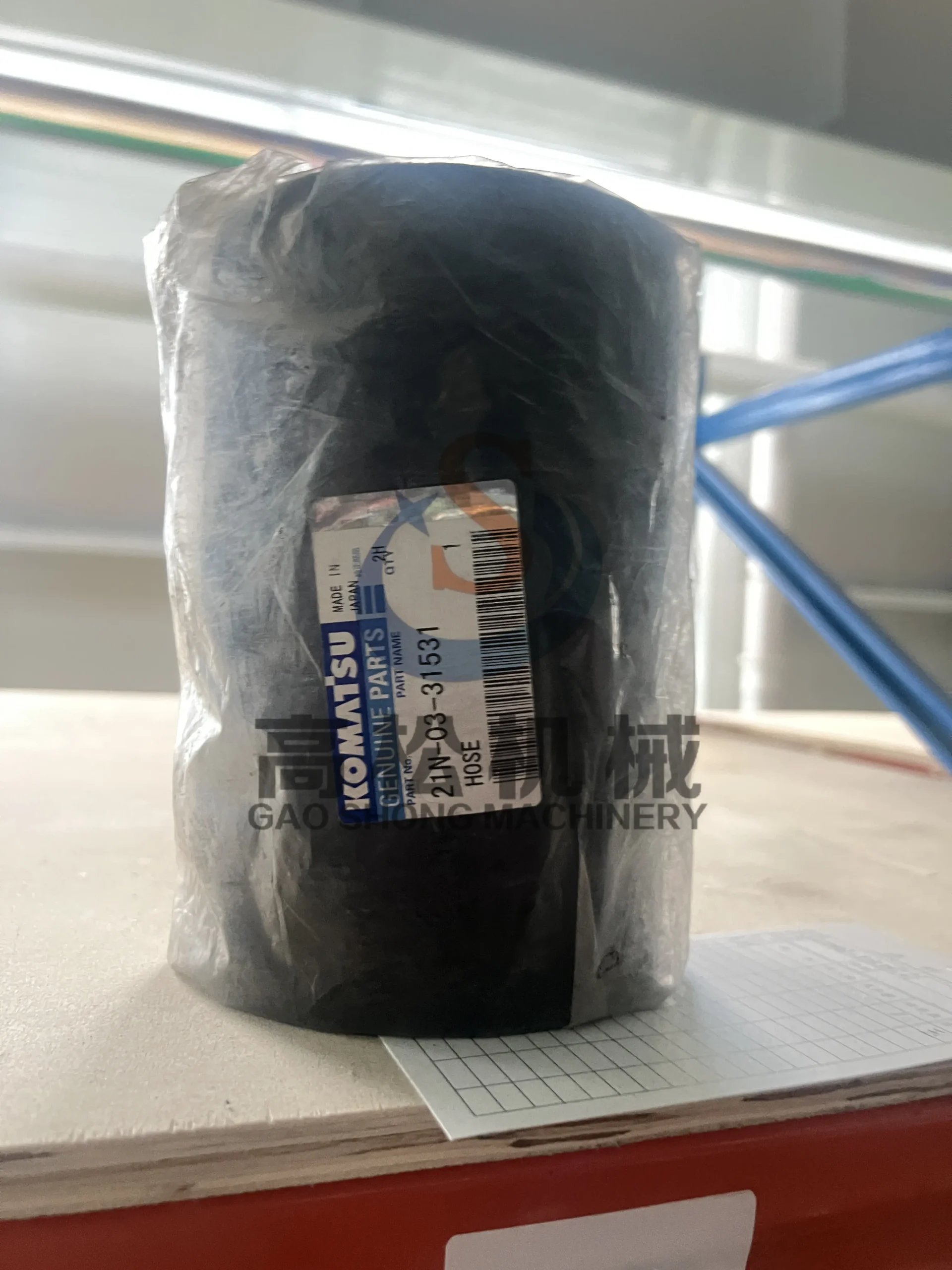
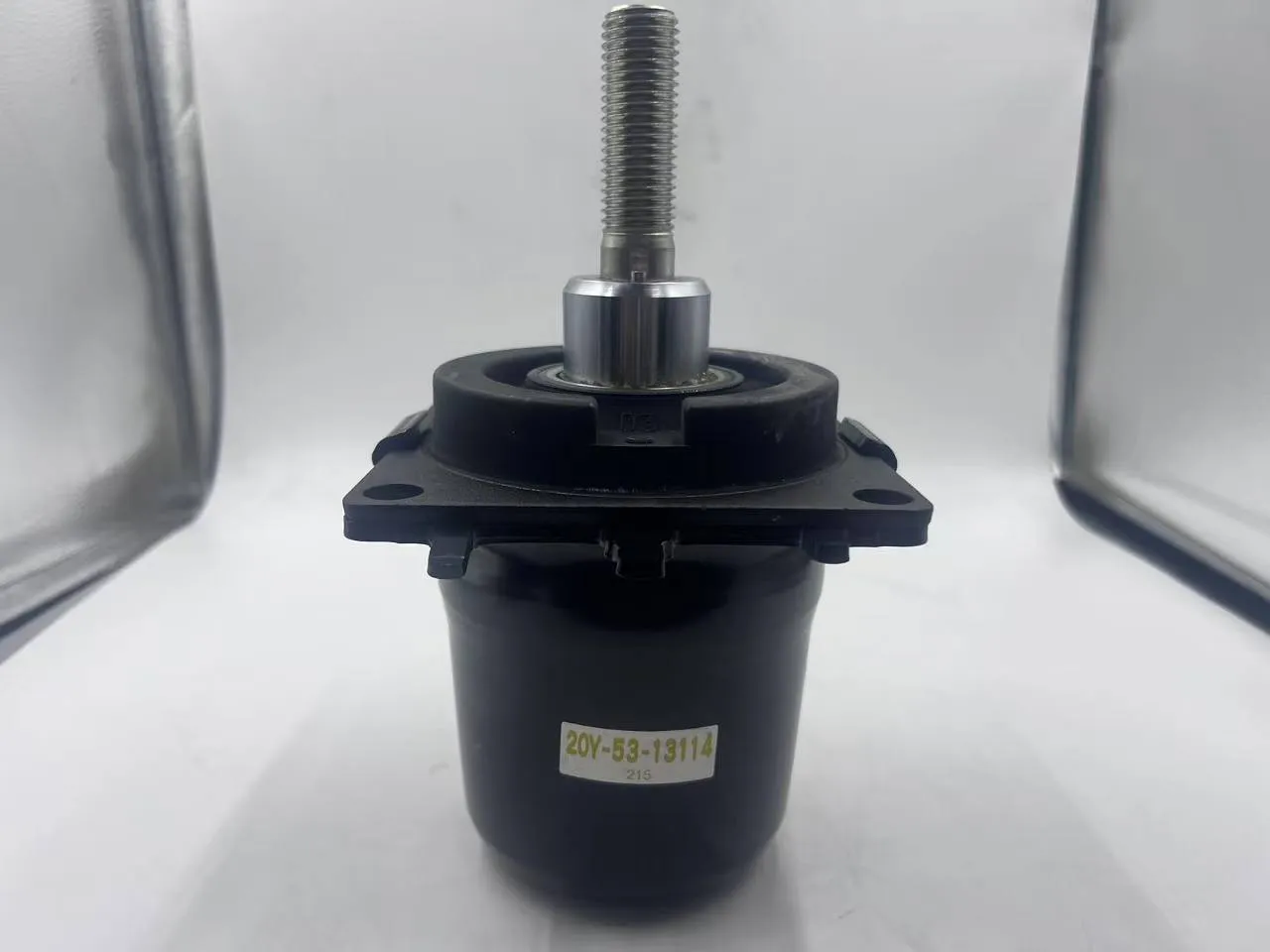

Best Selling Products
Best Selling Products-
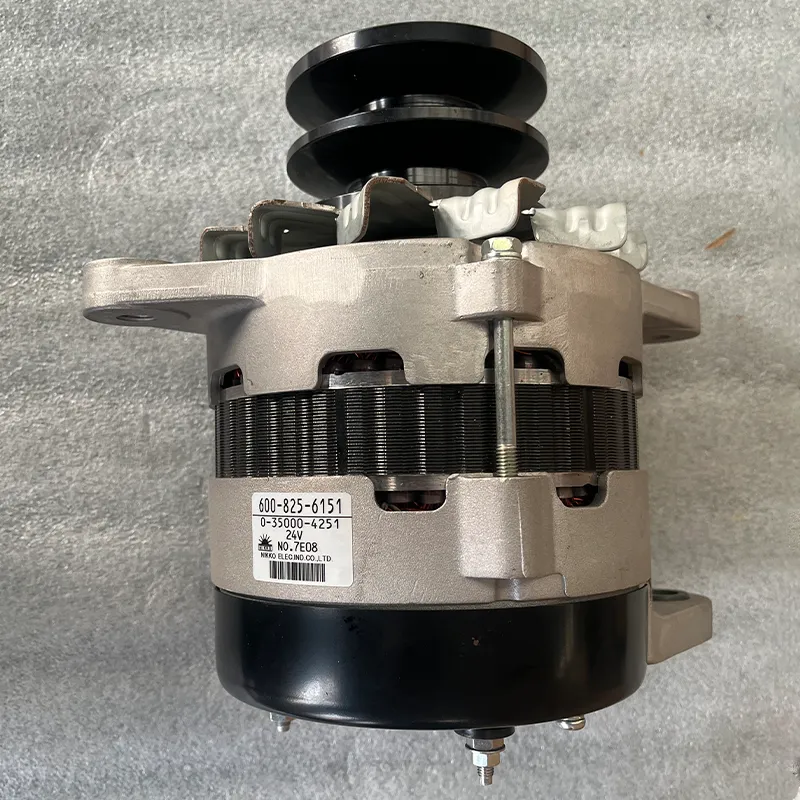 600-825-6151 Original komatsu alternator for PC300-7 PC360-7 PC400-78 PC450-8
 -
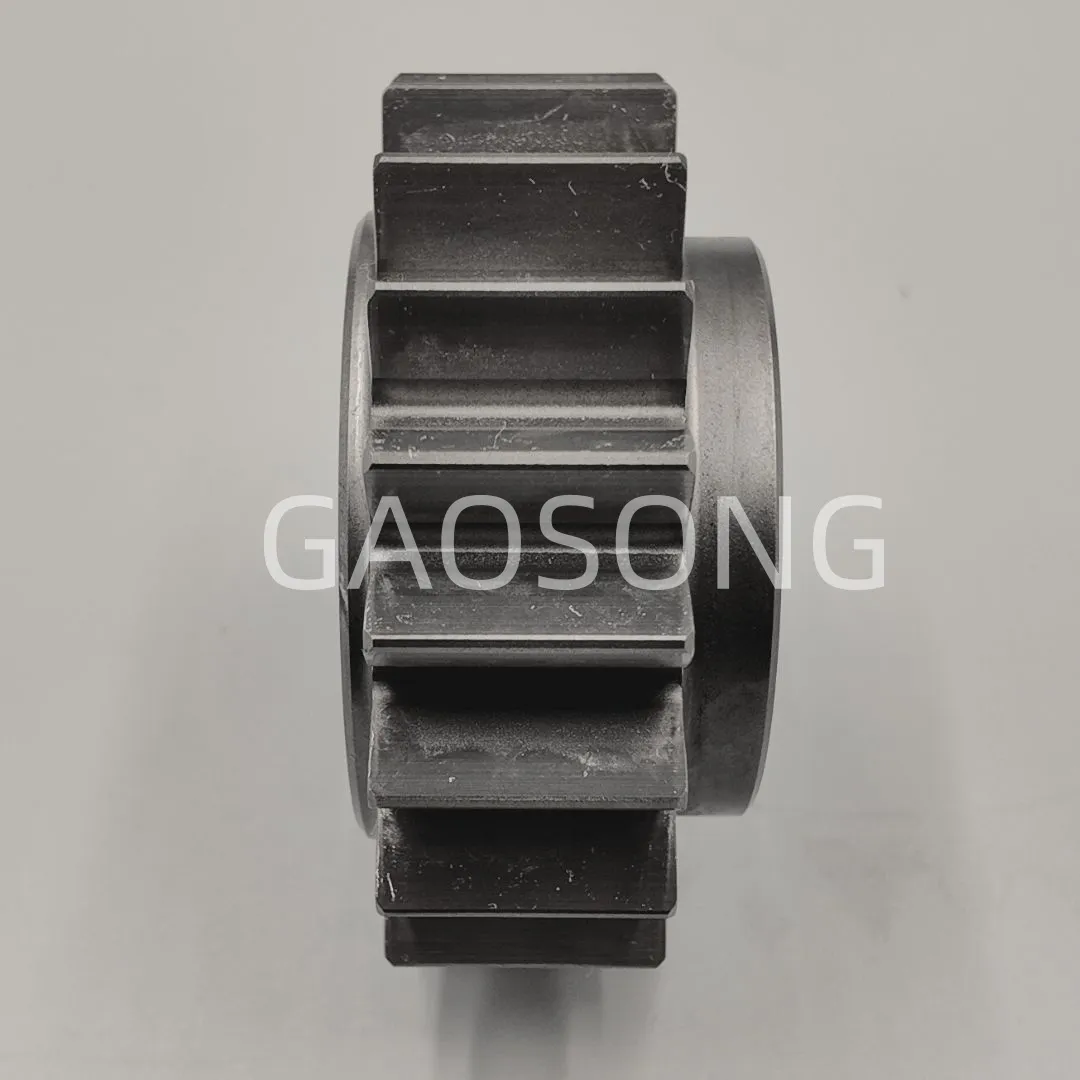 207-26-71510 Gear–Komatsu Original Factory
 -
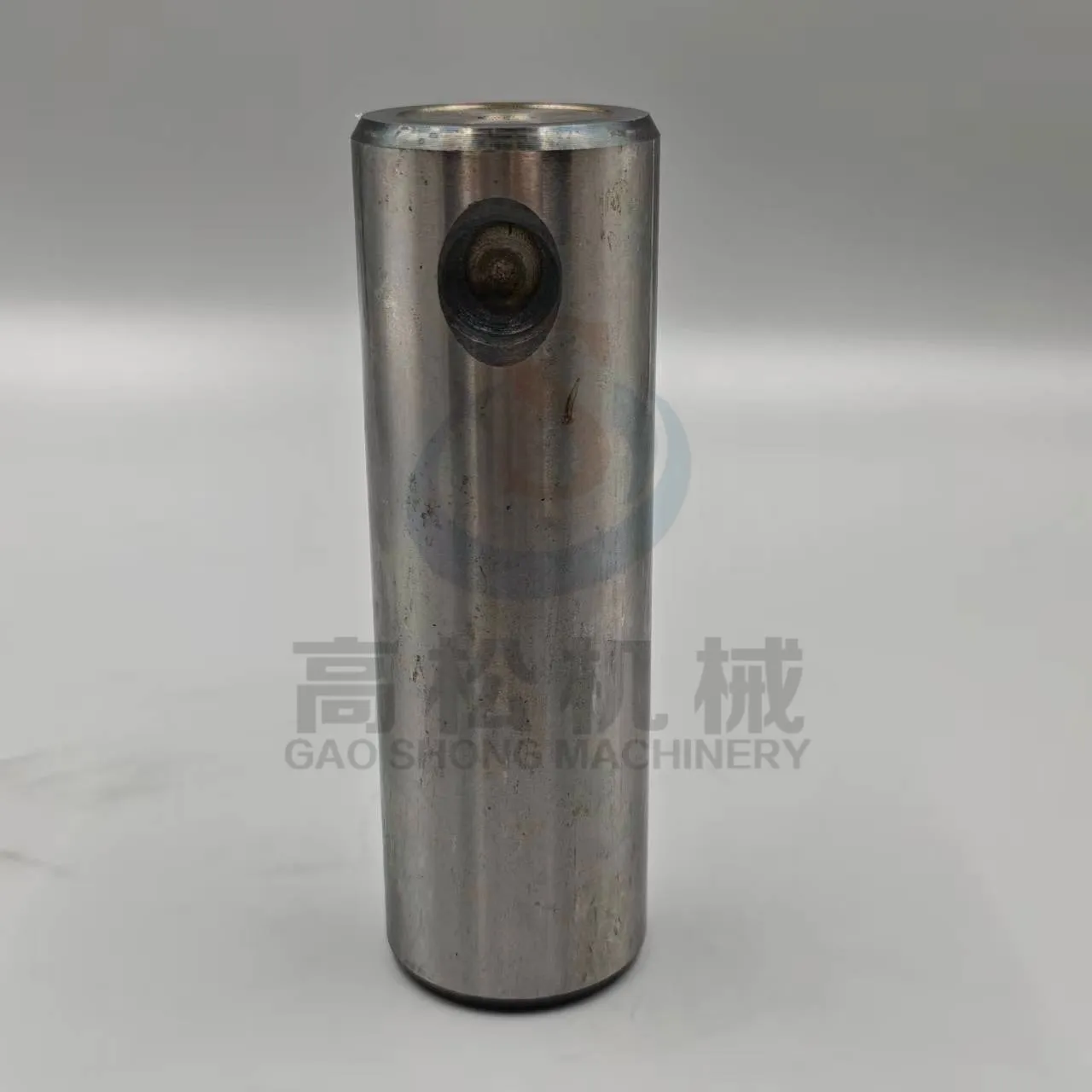 424-22-12510 Shaft (Komatsu)
 -
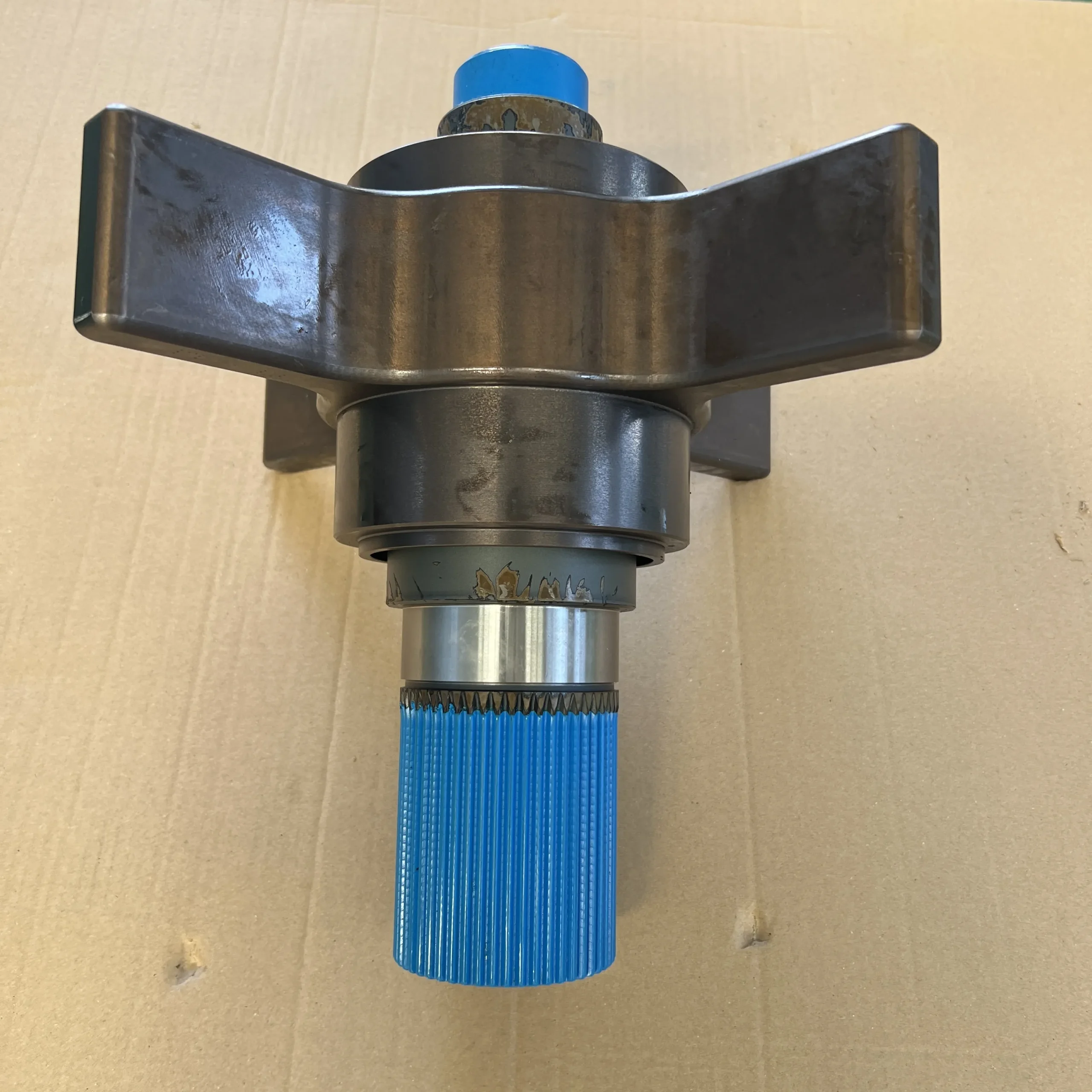 Shaft 569-01-72600 for Komatsu HD465-7
 -
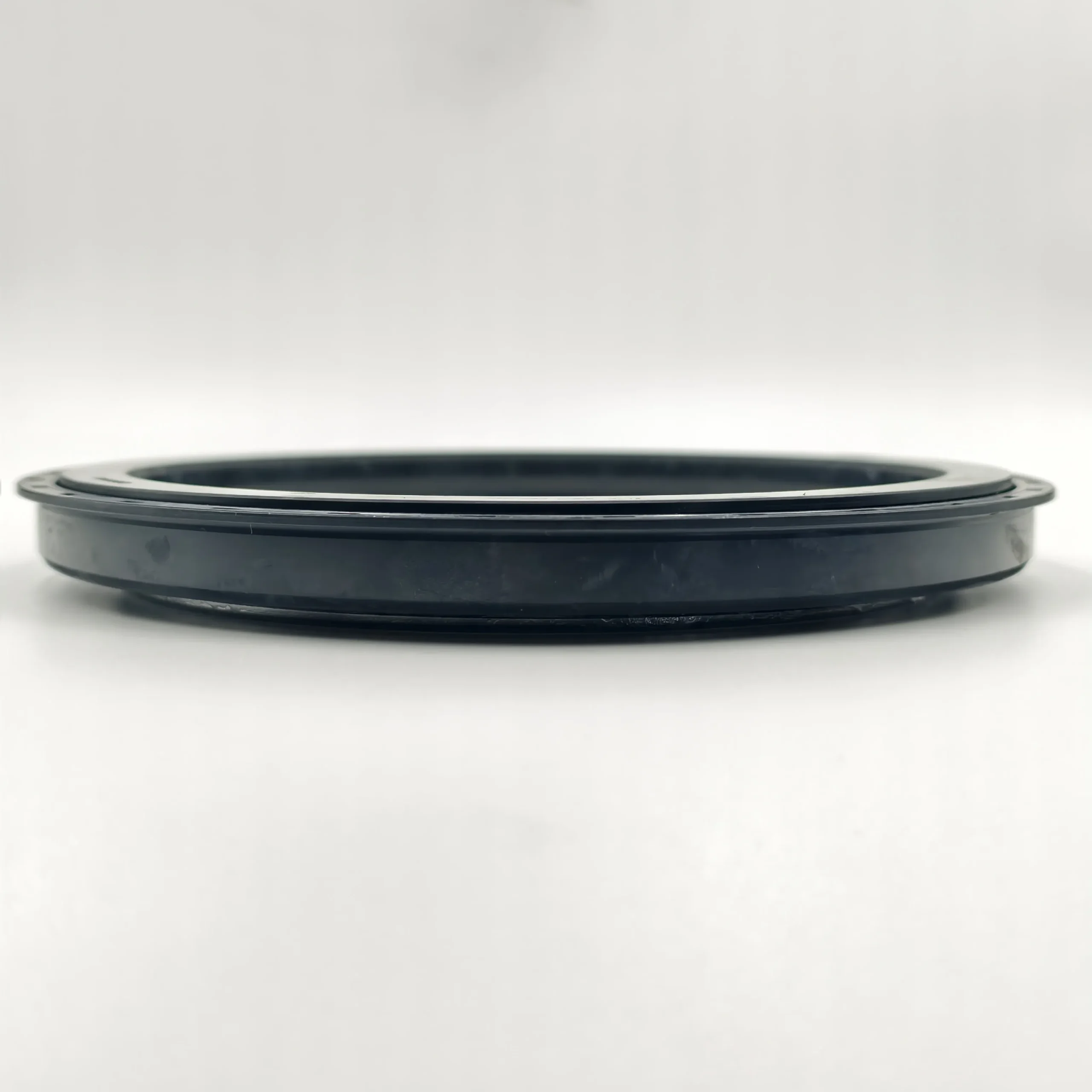 SEAL,OIL 235-25-11310 – KOMATSU
 -
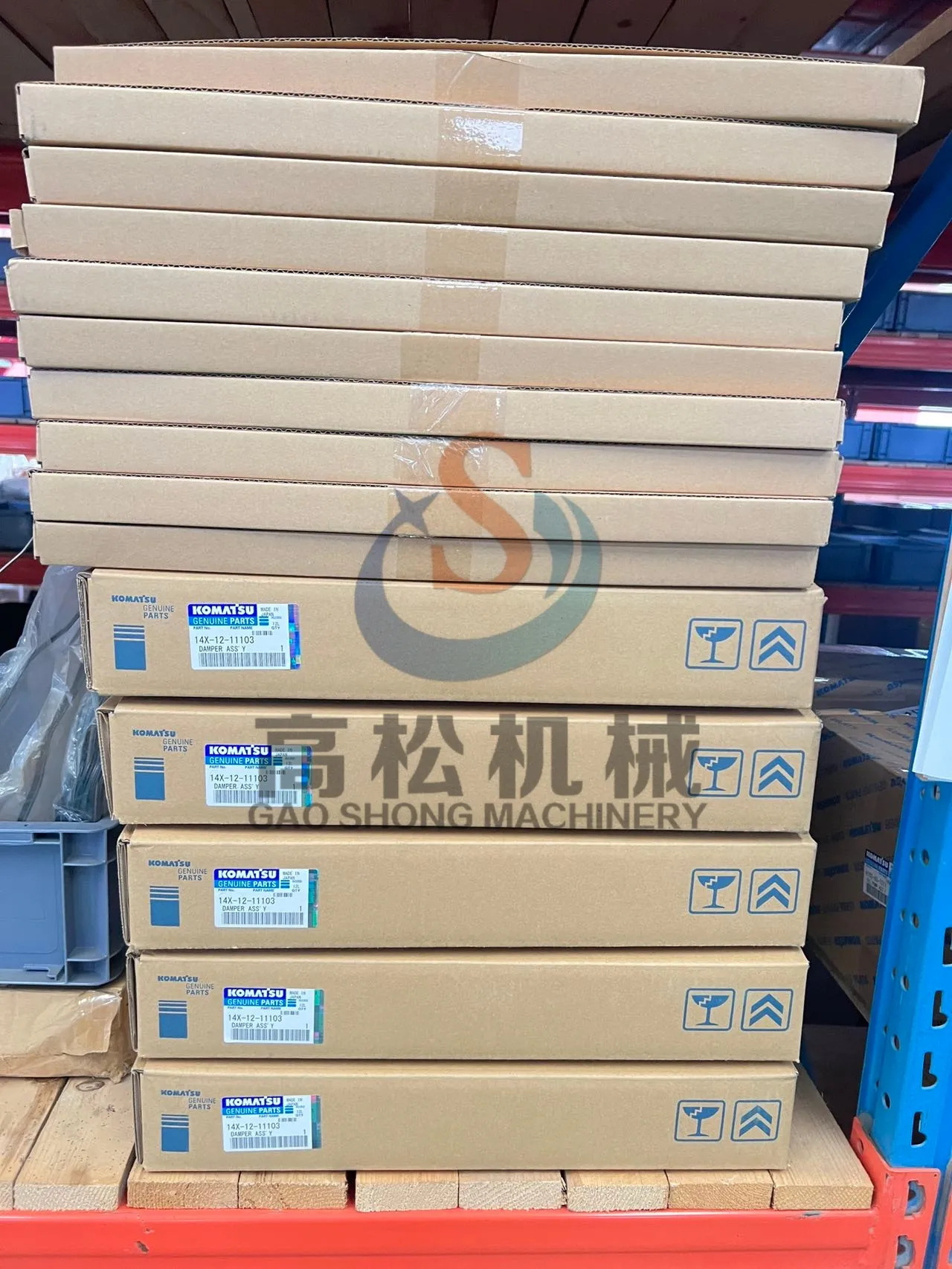 14X-12-11103 Komatsu Damper Disc Assembly
 -
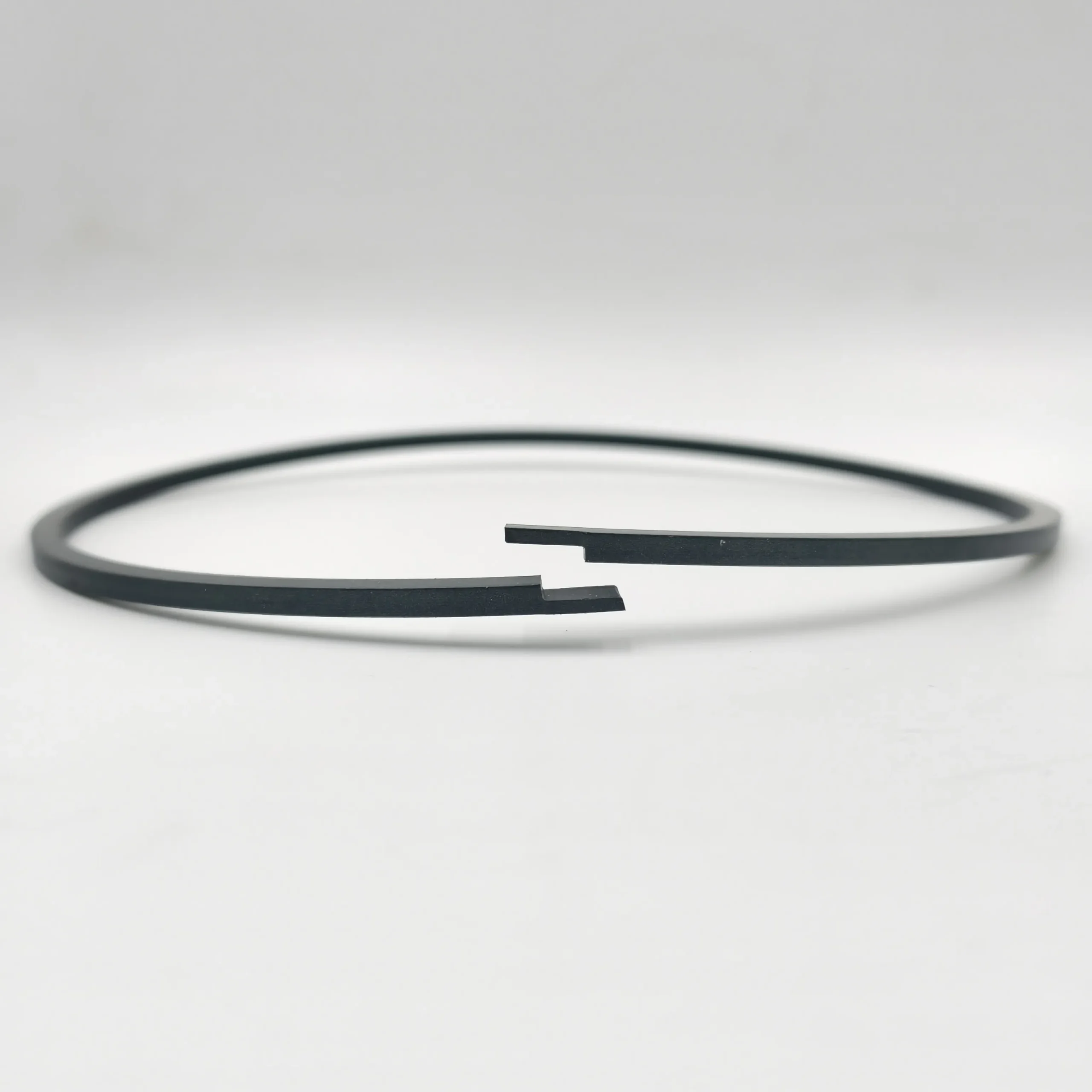 14X-15-29210 SEAL RING
 -
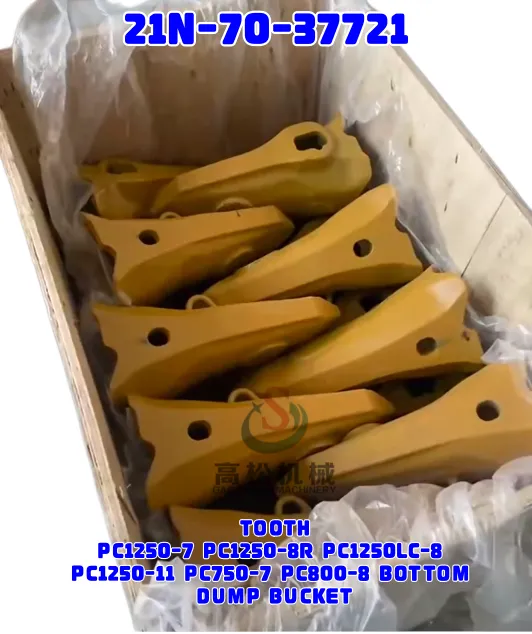 21n-70-37721 Bucket teeth, suitable for the following vehicle models. PC1250-7 PC1250-8R PC1250LC-8 PC1250-11 PC750-7 PC800-8 BOTTOM TOOTH PC1250-7 PC1250-8R PC1250LC-8 PC1250-11 PC750-7 PC800-8 BOTTOM DUMP BUCKET
 -
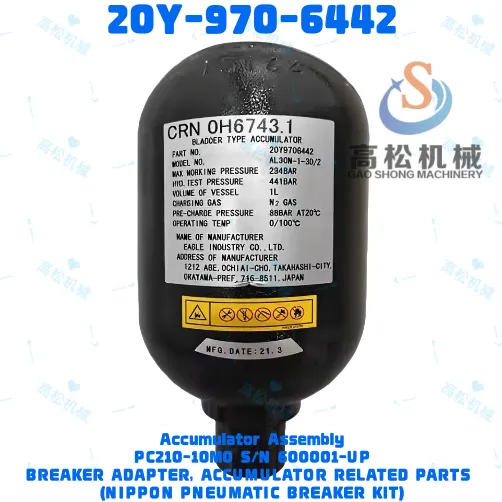 20Y-970-6442 Accumulator Assembly PC210-10M0 BREAKER ADAPTER, ACCUMULATOR RELATED PARTS (NIPPON PNEUMATIC BREAKER KIT) PC500LC-10M0 PC500LC-10R
 -
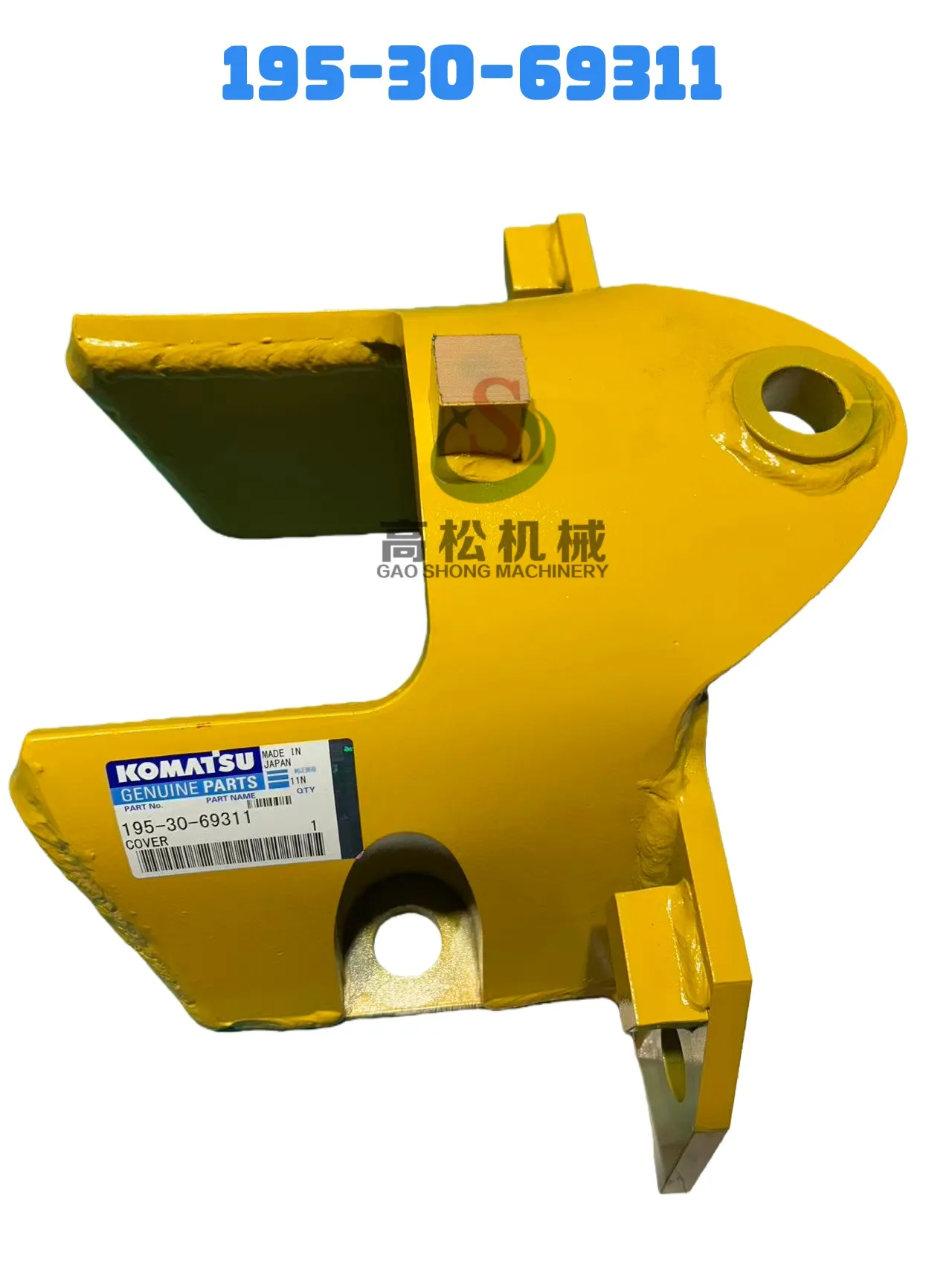 komatsu parts195-30-69311 COVER D375A-5 D375A-6 D375AI-8 D375A-8E0 TRACK FRAME
 -
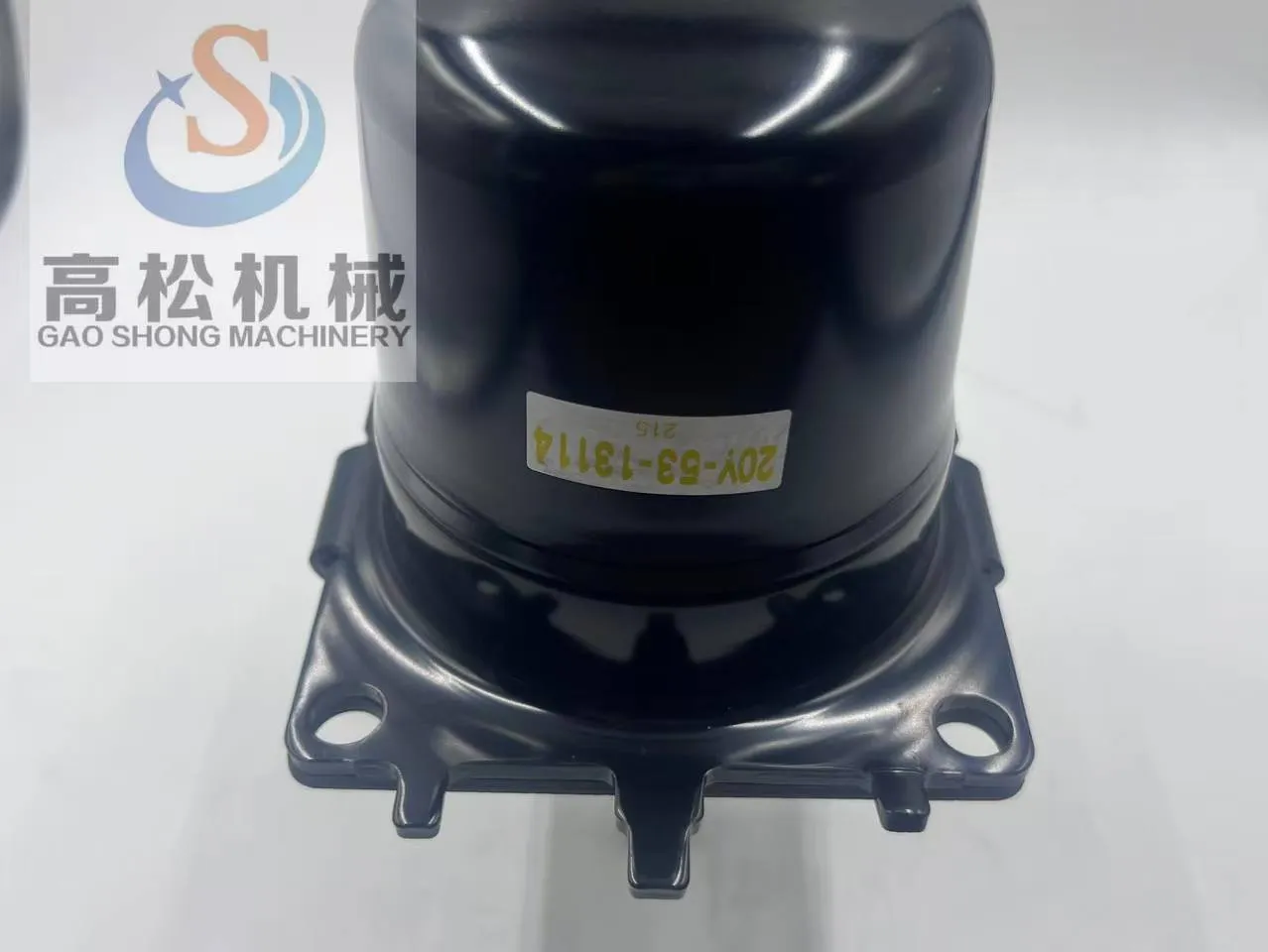 20Y-53-13114/20Y5313114 Buffer pad suitable for excavator PC200-8
 -
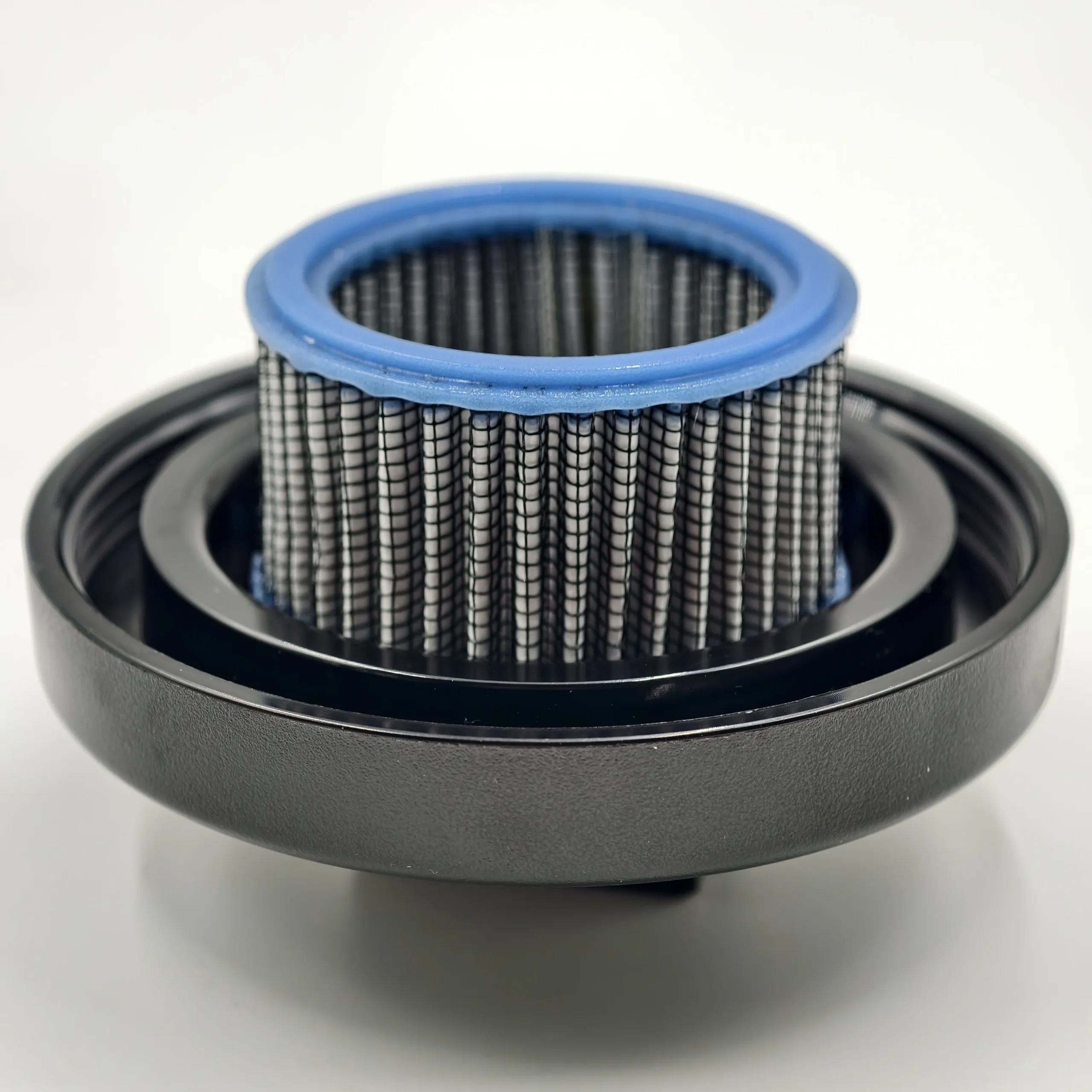 Komatsu21T-04-31170 Cap Assembly