
- Chinese
- French
- German
- Portuguese
- Spanish
- Russian
- Japanese
- Korean
- Arabic
- Irish
- Greek
- Turkish
- Italian
- Danish
- Romanian
- Indonesian
- Czech
- Afrikaans
- Swedish
- Polish
- Basque
- Catalan
- Esperanto
- Hindi
- Lao
- Albanian
- Amharic
- Armenian
- Azerbaijani
- Belarusian
- Bengali
- Bosnian
- Bulgarian
- Cebuano
- Chichewa
- Corsican
- Croatian
- Dutch
- Estonian
- Filipino
- Finnish
- Frisian
- Galician
- Georgian
- Gujarati
- Haitian
- Hausa
- Hawaiian
- Hebrew
- Hmong
- Hungarian
- Icelandic
- Igbo
- Javanese
- Kannada
- Kazakh
- Khmer
- Kurdish
- Kyrgyz
- Latin
- Latvian
- Lithuanian
- Luxembou..
- Macedonian
- Malagasy
- Malay
- Malayalam
- Maltese
- Maori
- Marathi
- Mongolian
- Burmese
- Nepali
- Norwegian
- Pashto
- Persian
- Punjabi
- Serbian
- Sesotho
- Sinhala
- Slovak
- Slovenian
- Somali
- Samoan
- Scots Gaelic
- Shona
- Sindhi
- Sundanese
- Swahili
- Tajik
- Tamil
- Telugu
- Thai
- Ukrainian
- Urdu
- Uzbek
- Vietnamese
- Welsh
- Xhosa
- Yiddish
- Yoruba
- Zulu
- Kinyarwanda
- Tatar
- Oriya
- Turkmen
- Uyghur






komatsu pc30 engine
When you hear 'Komatsu PC30 engine', most guys immediately think of the S4D95. That's fair, it's the heart of the machine. But the real conversation, the one that happens in the yard over a coffee, isn't just about the engine code. It's about what happens to that block over 5,000 hours in varying conditions, the common misdiagnoses, and the supply chain headaches that can stall a project for weeks. Too many operators blame the hydraulics first when power drops, but more often than not, it's a fuel system issue tracing back to that engine.
The S4D95: More Than Just a Model Number
The S4D95 in the PC30 is a workhorse, no doubt. Four-cylinder, direct injection, built for torque. But its reliability is almost entirely dependent on two things: clean fuel and timely oil changes. I've seen these engines go past 10,000 hours with minimal issues when maintenance is religious. Conversely, I've witnessed complete injector failure under 2,000 hours due to contaminated diesel. The design is robust, but it's not forgiving of neglect.
One specific quirk we've noted is the sensitivity of the fuel transfer pump. When a machine starts having intermittent power loss, especially under load, the pump's internal check valves are a prime suspect before you even look at the injectors. Replacing the entire pump assembly is the standard fix, but sometimes just sourcing the specific valve kit—a part that isn't always on the shelf—can get you running again for a fraction of the cost. This is the kind of detail you learn by tearing a few down.
Cooling is another point. The factory setup is adequate, but in high-ambient temperatures, the system runs at its limit. We started recommending an auxiliary fan kit for machines working in Middle Eastern climates or in confined, hot spaces. It's not an official Komatsu modification, but it prevents the chronic overheating that slowly cooks head gaskets and leads to the dreaded coolant-in-oil mix.
Parts Supply: The Real-World Bottleneck
This is where theory meets the mud. You can diagnose a failed turbocharger on a PC30 in an hour. Getting the correct, genuine replacement part can take a month, depending on your location. Official channels are impeccable but can be slow for certain regions, creating massive downtime costs. This gap is where companies with the right connections become invaluable.
For instance, in our operations, we've leveraged relationships with OEM suppliers within the Komatsu network to bypass these delays. A partner like Jining Gaosong Construction Machinery Co., Ltd. exemplifies this model. As an OEM product supplier within the Komatsu system, they understand the specs and tolerances. More importantly, their role as a third-party sales company for Komatsu is crucial; they help solve parts supply challenges in certain countries. When we needed a specific cylinder head for an S4D95 last year, the official lead time was prohibitive. Sourcing a verified part through their channel at https://www.takematsumachinery.com cut the downtime from six weeks to ten days. The part was identical in quality—because it came from the same source—but the logistics were streamlined.
This isn't about bypassing Komatsu; it's about complementing the supply chain. For a site manager, the origin story of the part is less important than its certification and availability. The ability to get a genuine Komatsu PC30 engine component, like a crankshaft or a full gasket set, without the extended wait, is what keeps projects on schedule. It fills a very real niche in the market.
Common Failures and Diagnostic Pitfalls
Beyond the fuel system, the most common catastrophic failure I've encountered is connecting rod bearing wear leading to knock. It often starts with subtle oil pressure drops that get ignored. The oil pump itself is reliable, so a pressure drop usually points to bearing clearance widening. By the time you hear the knock, the crankshaft journal is often scored, turning a bearing job into a major overhaul. Regular oil analysis is cheaper.
Another misdiagnosis revolves around black smoke. Everyone jumps to injectors. While they can be the cause, on the PC30, it's worth checking the intake manifold for leaks and the air filter housing seal. A slight leak post-MAF sensor throws off the air-fuel ratio enough to cause smoking under load, but the ECU won't always flag a code. It's a simple fix with a new gasket, but it's often overlooked in favor of more expensive component swaps.
Then there's the electronic governor on the later models. When response gets sluggish, dealers often recommend replacing the entire unit. We found that 30% of the time, it's just corroded connectors or a faulty throttle position sensor on the pedal assembly. Cleaning connectors and testing the sensor voltage sweep can save a few thousand dollars. It's about systematic elimination, not just swapping the most expensive part.
Rebuild vs. Replacement: A Cost-Benefit Minefield
Facing a major Komatsu PC30 engine failure, the classic question arises: rebuild or drop in a reman? For machines with a solid undercarriage and hydraulics, a meticulous in-frame rebuild can extend life for another 5,000+ hours. The key is 'meticulous'. You must magnaflux the block for cracks, measure every bore for taper, and replace the core components like the oil pump and water pump as a matter of course. A shortcut rebuild will fail within a year.
However, for a machine that's been worked hard with less-than-ideal maintenance history, a complete remanufactured long block is often the wiser economic choice. It comes with a warranty and resets the clock. The cost is higher upfront, but it eliminates the risk of discovering a cracked block or a warped head after you've invested in a rebuild. The decision hinges on a thorough pre-teardown inspection and an honest assessment of the machine's overall value.
This is another area where the supply model from specialized companies is critical. Sourcing a certified remanufactured S4D95 engine assembly, with proper documentation and warranty, requires a supplier that is deeply integrated into the Komatsu ecosystem. It ensures you're not getting a poorly machined clone that will fail prematurely.
Final Thoughts on Longevity
Ultimately, the Komatsu PC30 engine reputation is earned through its fundamental design strength. It's not the most advanced or fuel-efficient by today's standards, but its simplicity and over-engineering are its virtues. Its longevity is a direct function of operational care and logistical support.
The biggest lesson isn't technical; it's about having a reliable pipeline for genuine parts and sound advice. Whether it's a routine service kit or a critical internal component, access defines uptime. Partners who operate as OEM suppliers within the Komatsu framework, like the mentioned Jining Gaosong, provide that essential link—they understand the machine's DNA because they work within its manufacturing ecosystem, not outside it.
So, when you talk about the PC30's engine, you're really talking about a system: the iron and aluminum in the machine, the knowledge of its idiosyncrasies, and the network that supports it. Neglect any one of those, and you'll learn the hard way. Pay attention to all three, and that S4D95 will probably outlast the rest of the machine.
Related Products
Related Products

Best Selling Products
Best Selling Products-
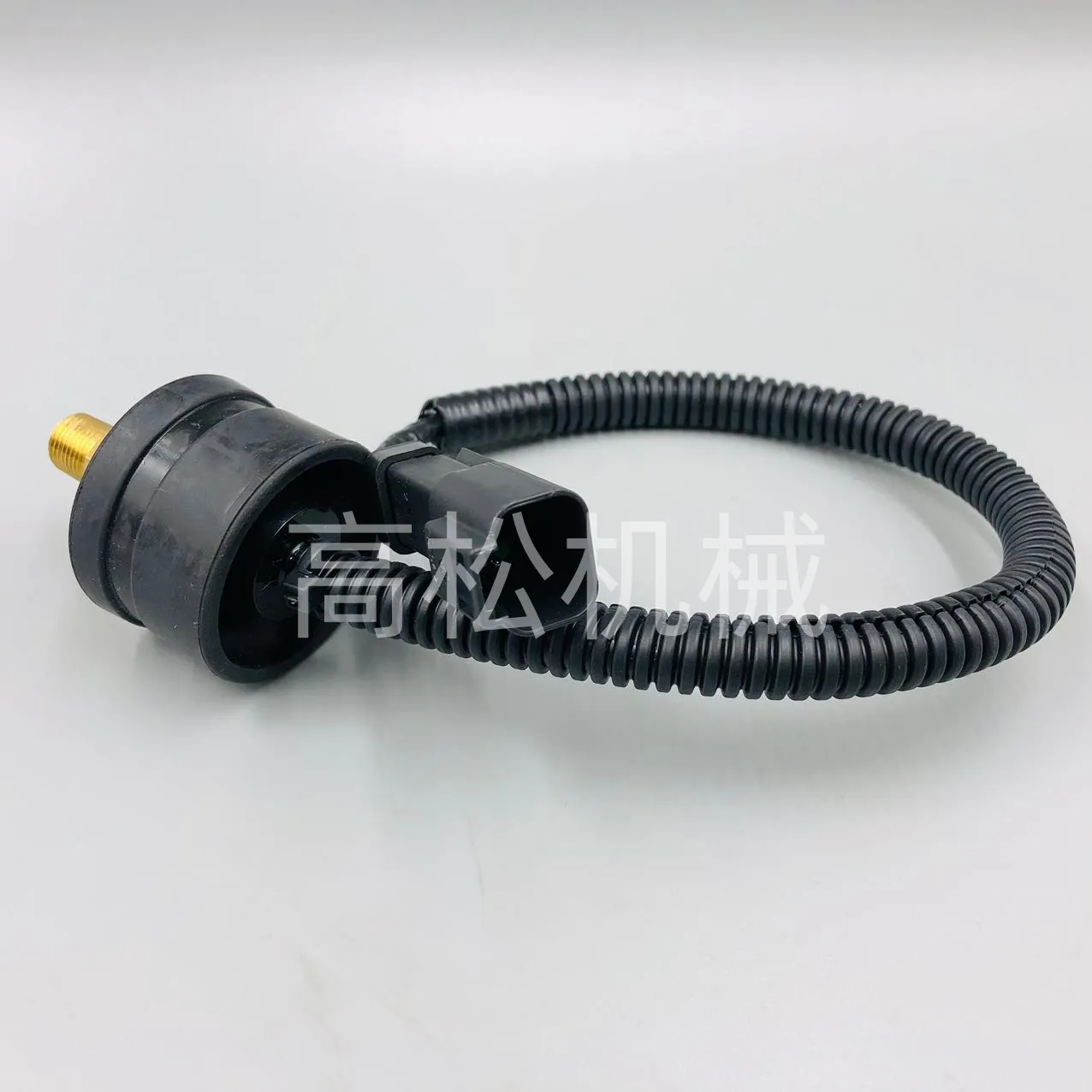 7861-93-1430 SENSOR,SWITCH-Komatsu Original Factory
 -
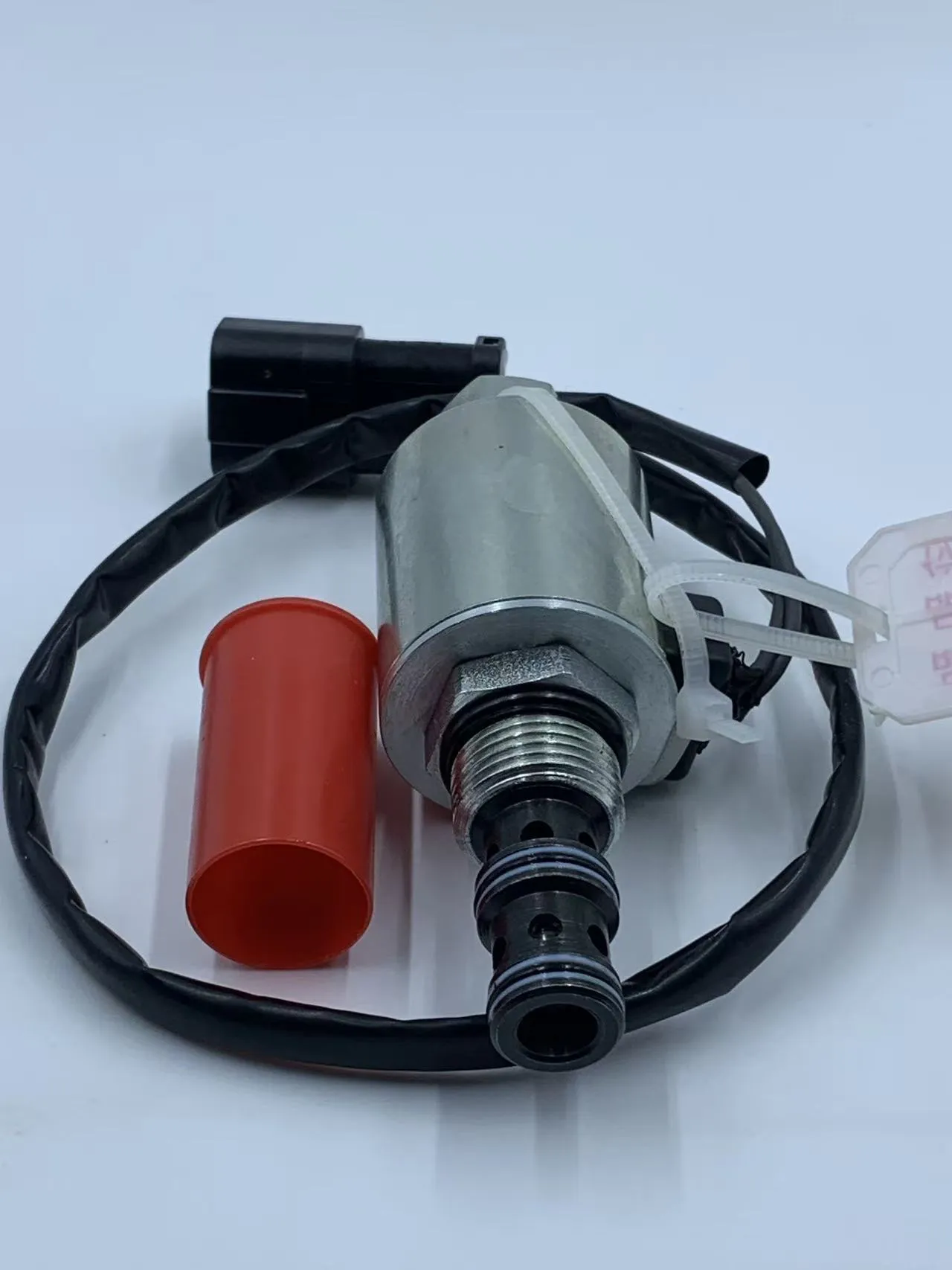 20Y6011713 excavator solenoid valve construction machinery parts suitable for Komatsu PC200-7 20Y-60-11713
 -
 424-15-16410 Komatsu SHIM, 0.5mm
 -
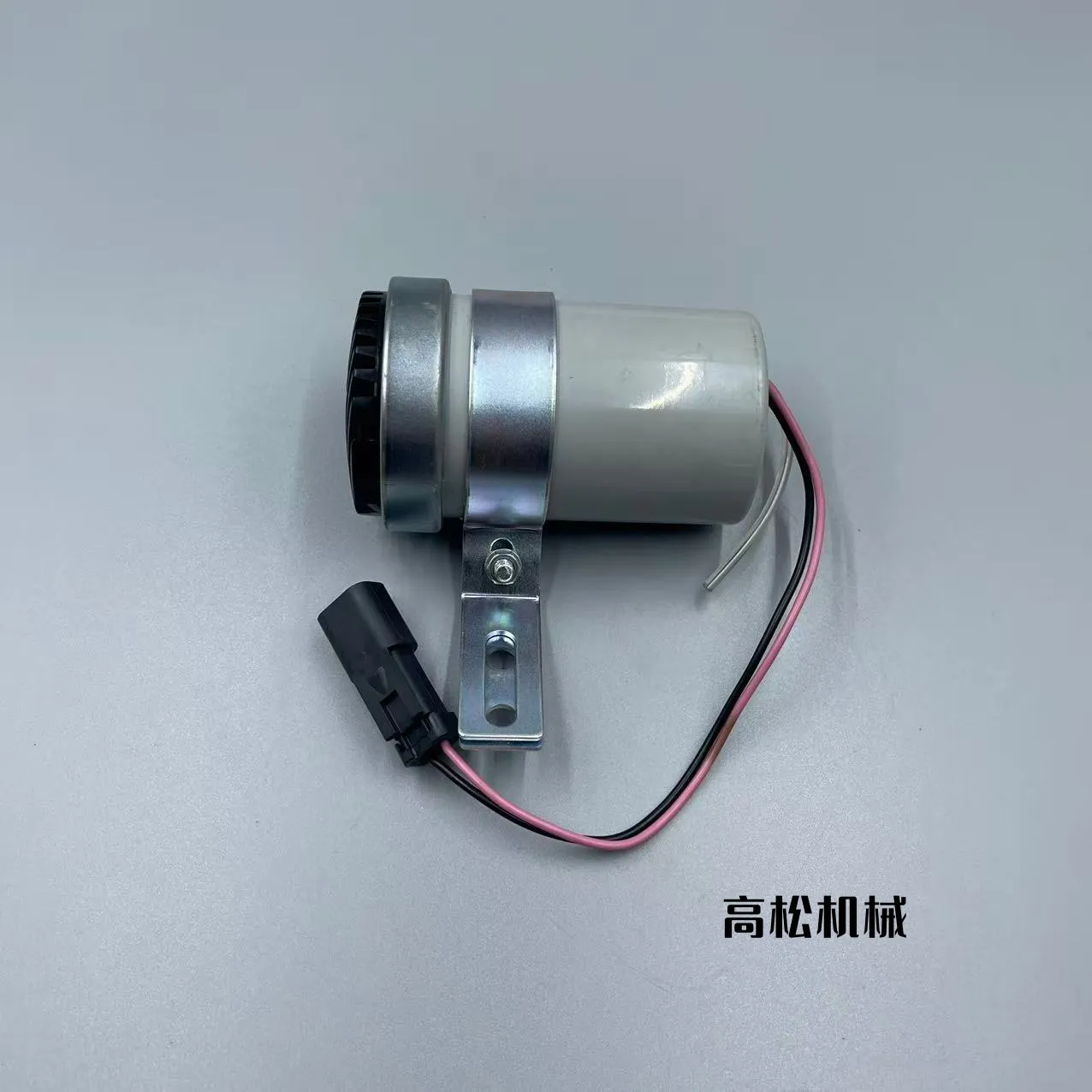 198-06-56570 BUZZER-Komatsu Original Factory
 -
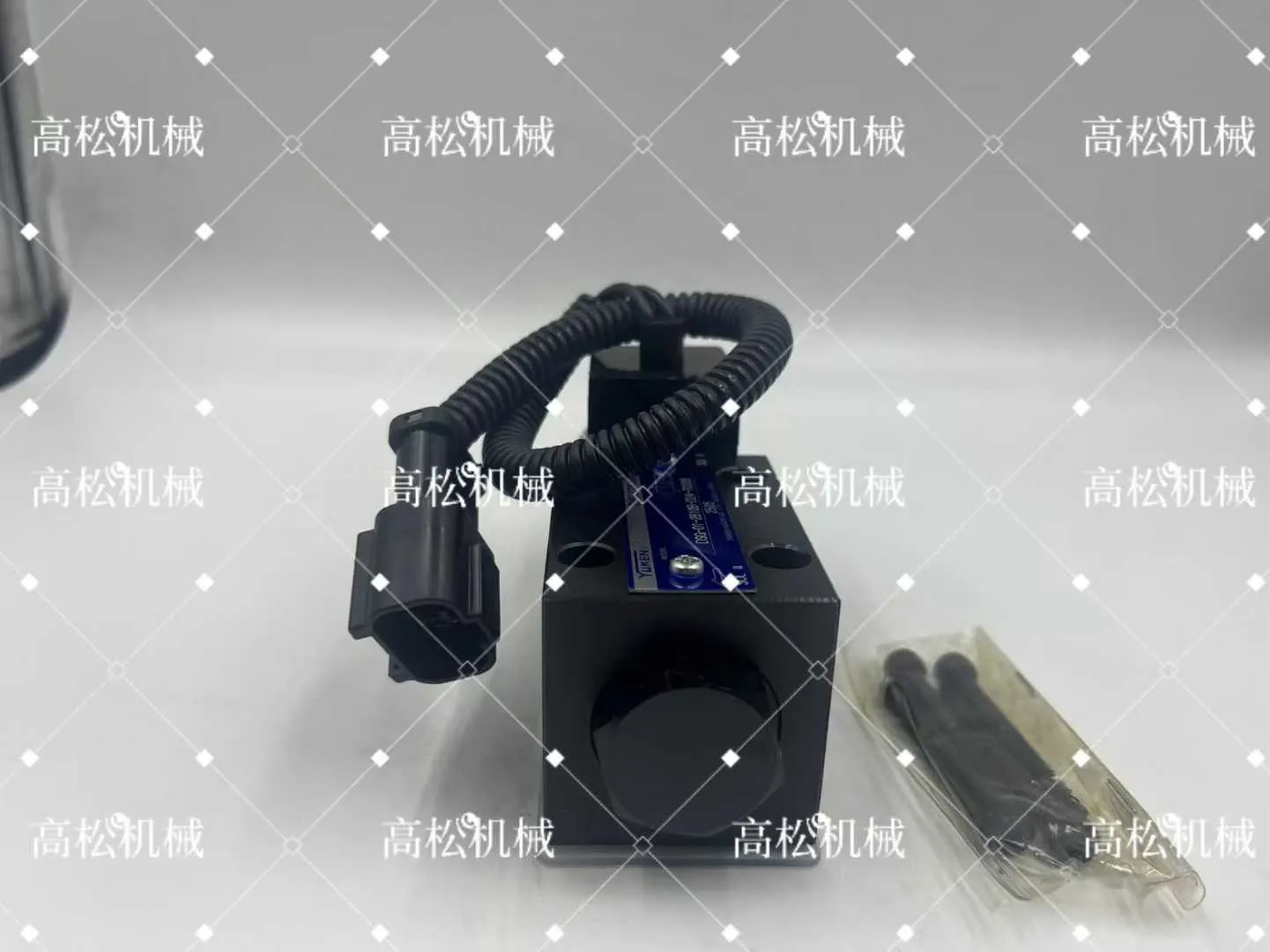 23W-60-28230 Valve Assembly, Komatsu. Applicable Model: WA600-3. In stock.
 -
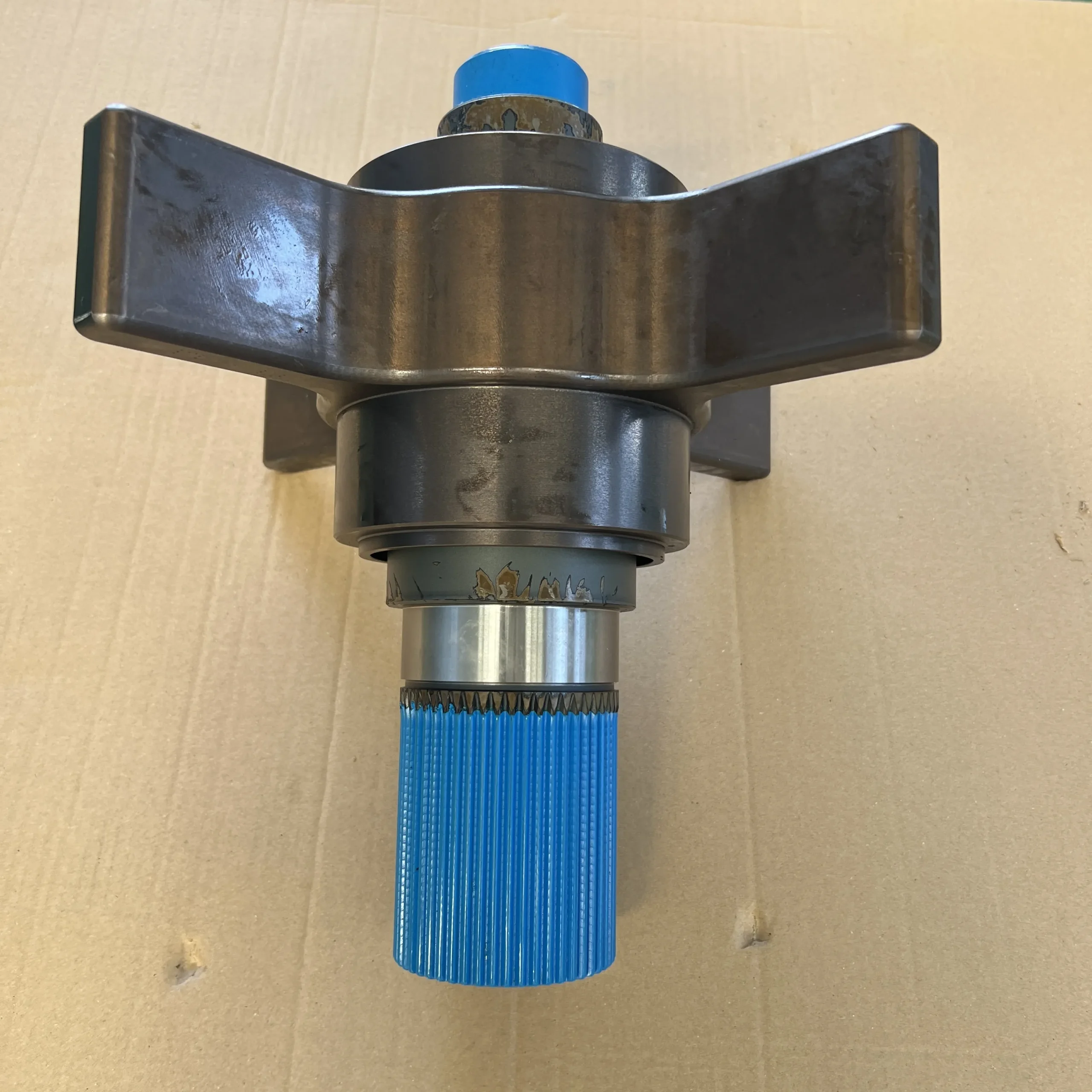 Shaft 569-01-72600 for Komatsu HD465-7
 -
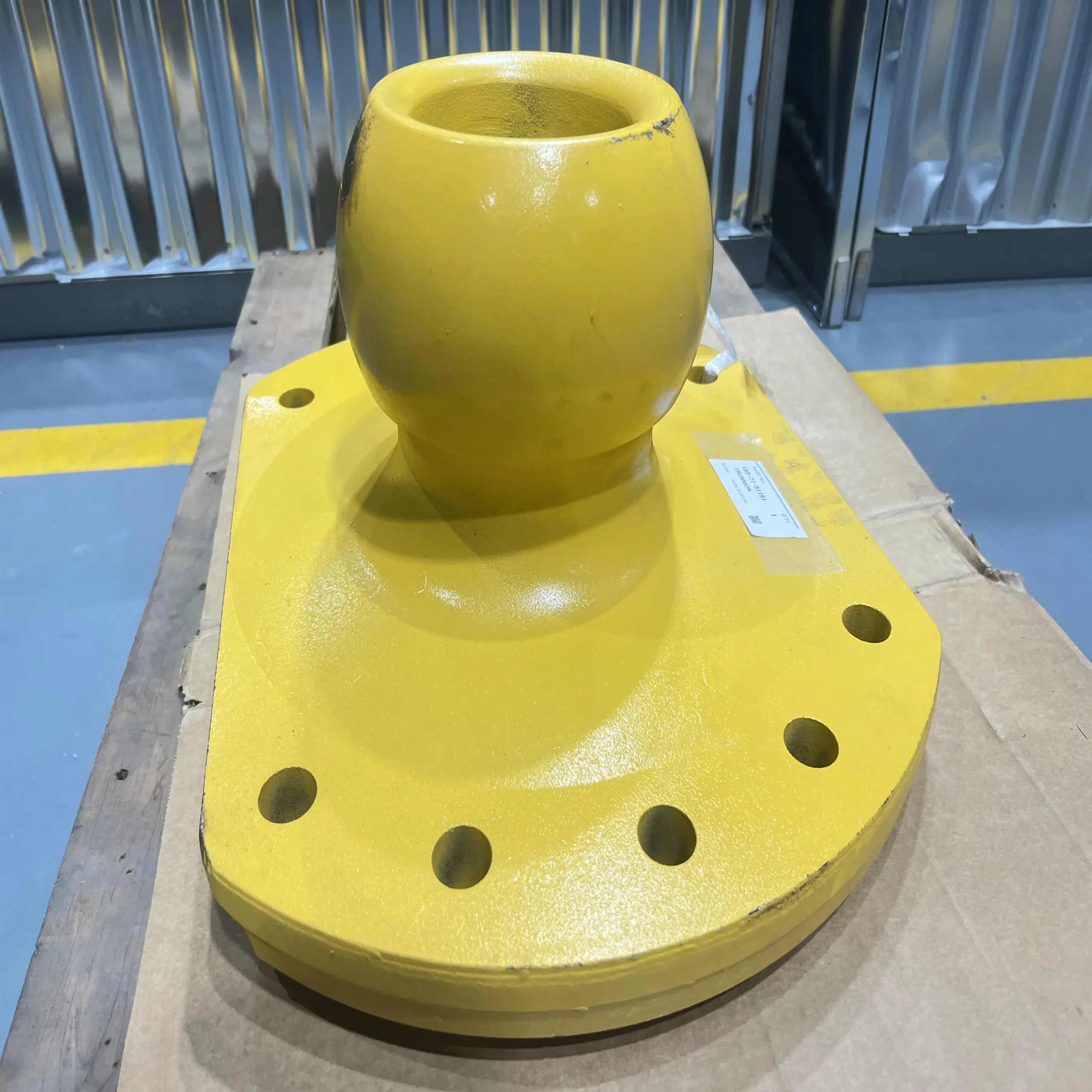 Suitable for Komatsu D375 pin/195-30-62100/195-71-51191/195-71-00342
 -
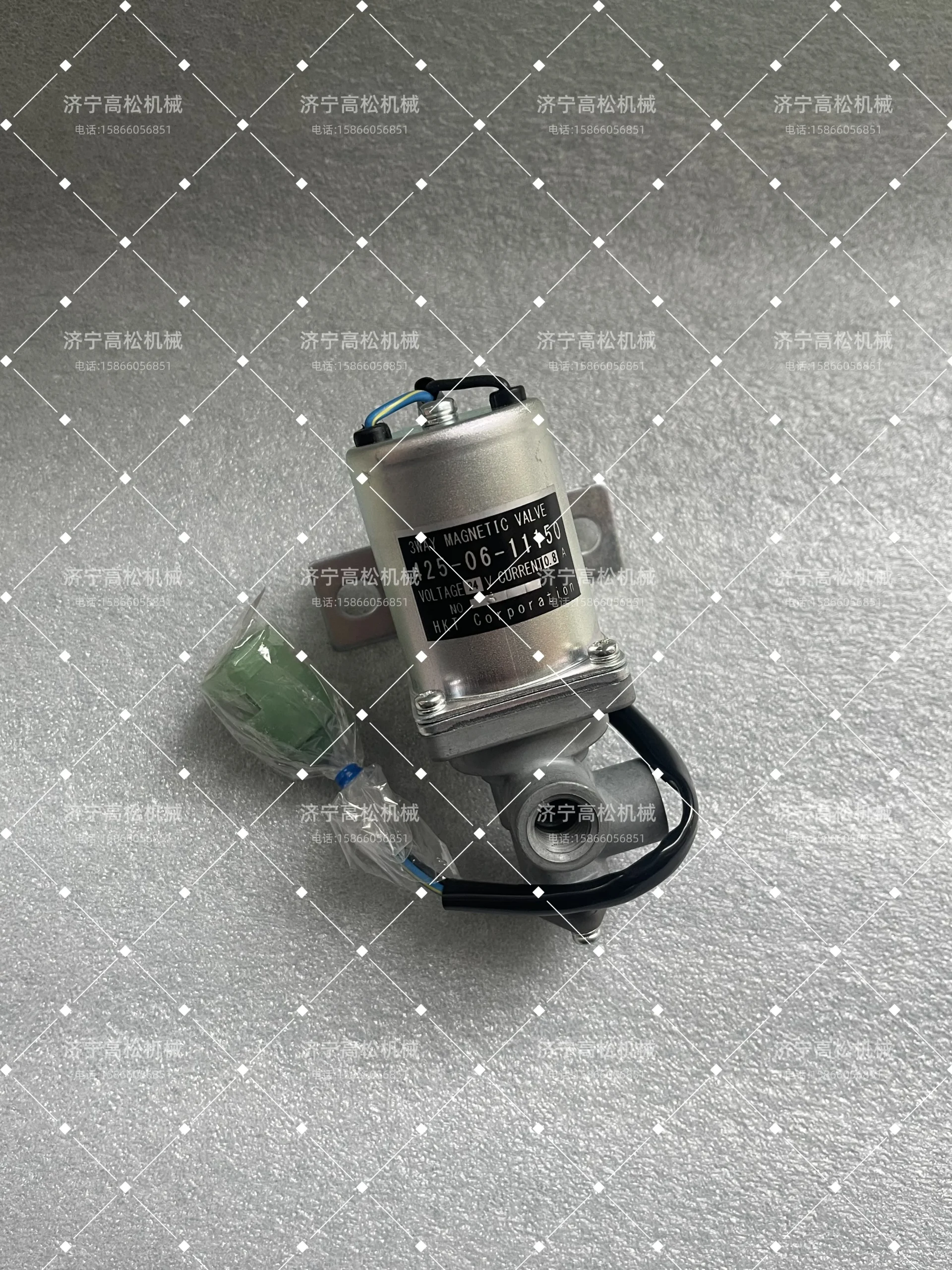 Reliable Cost-Effective Original New 425-06-11150 VALVE for…
 -
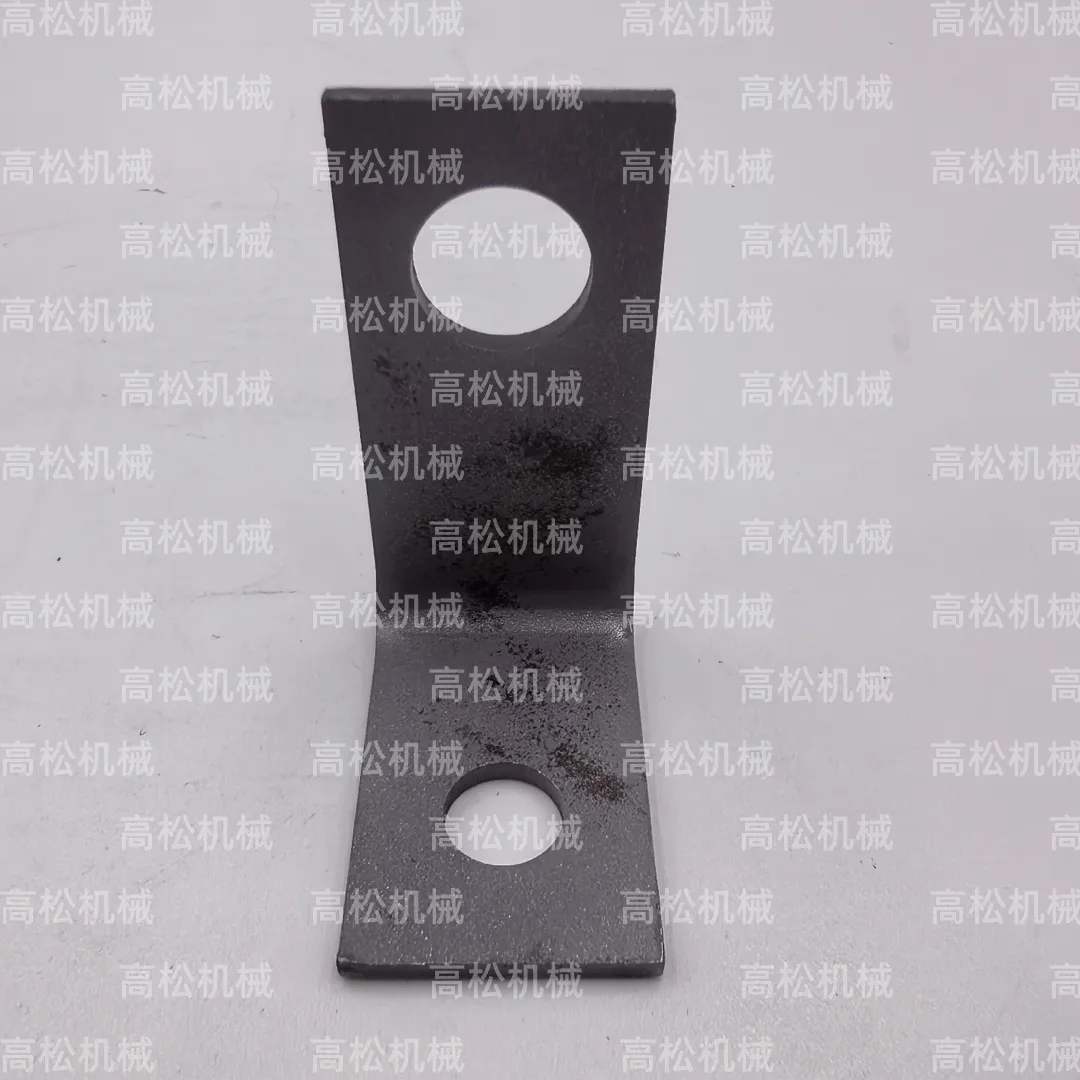 23C02-15720komatsu parts
 -
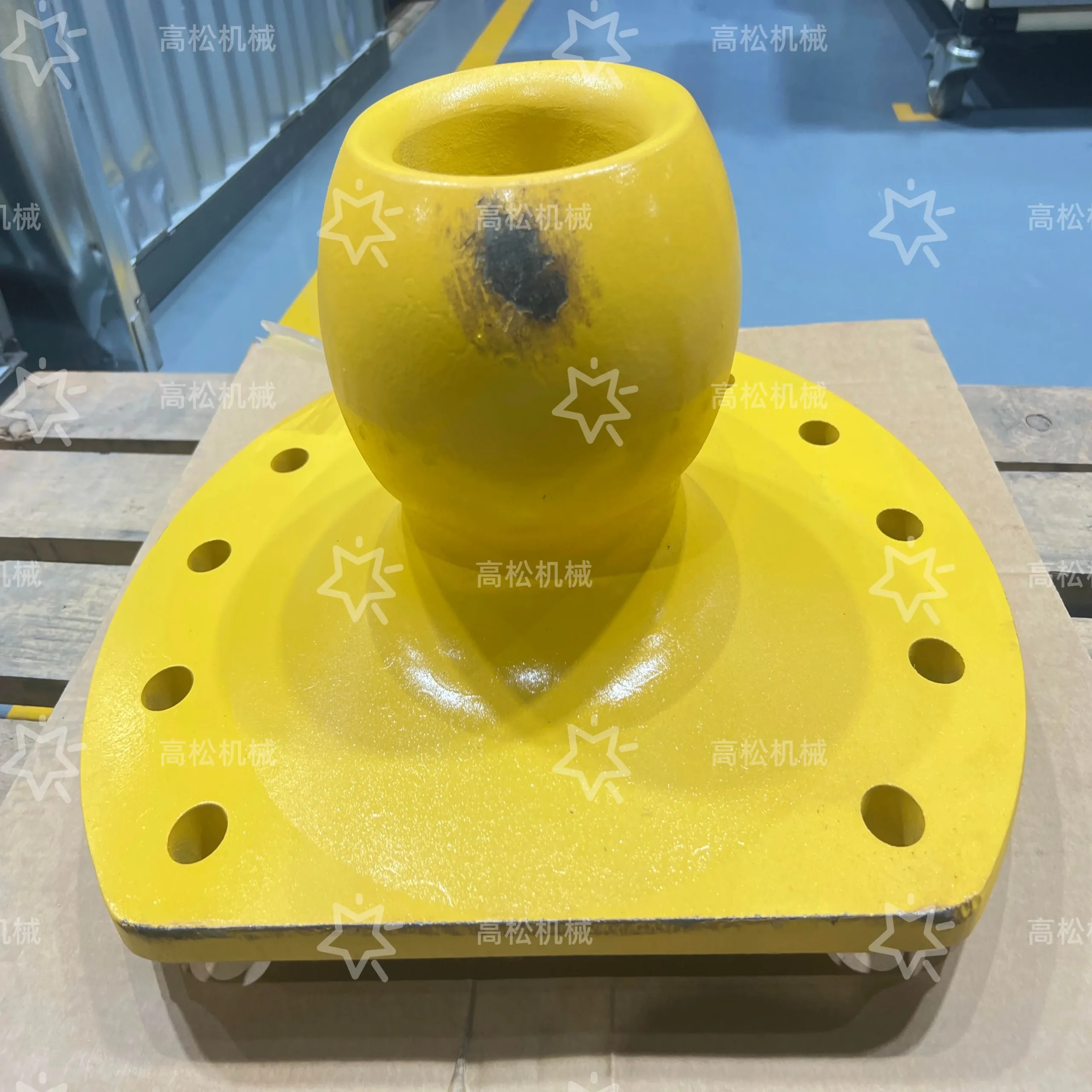 195-71-51191Trunnion 195-71-51191 for Bulldozer D375A-1/3/5/6
 -
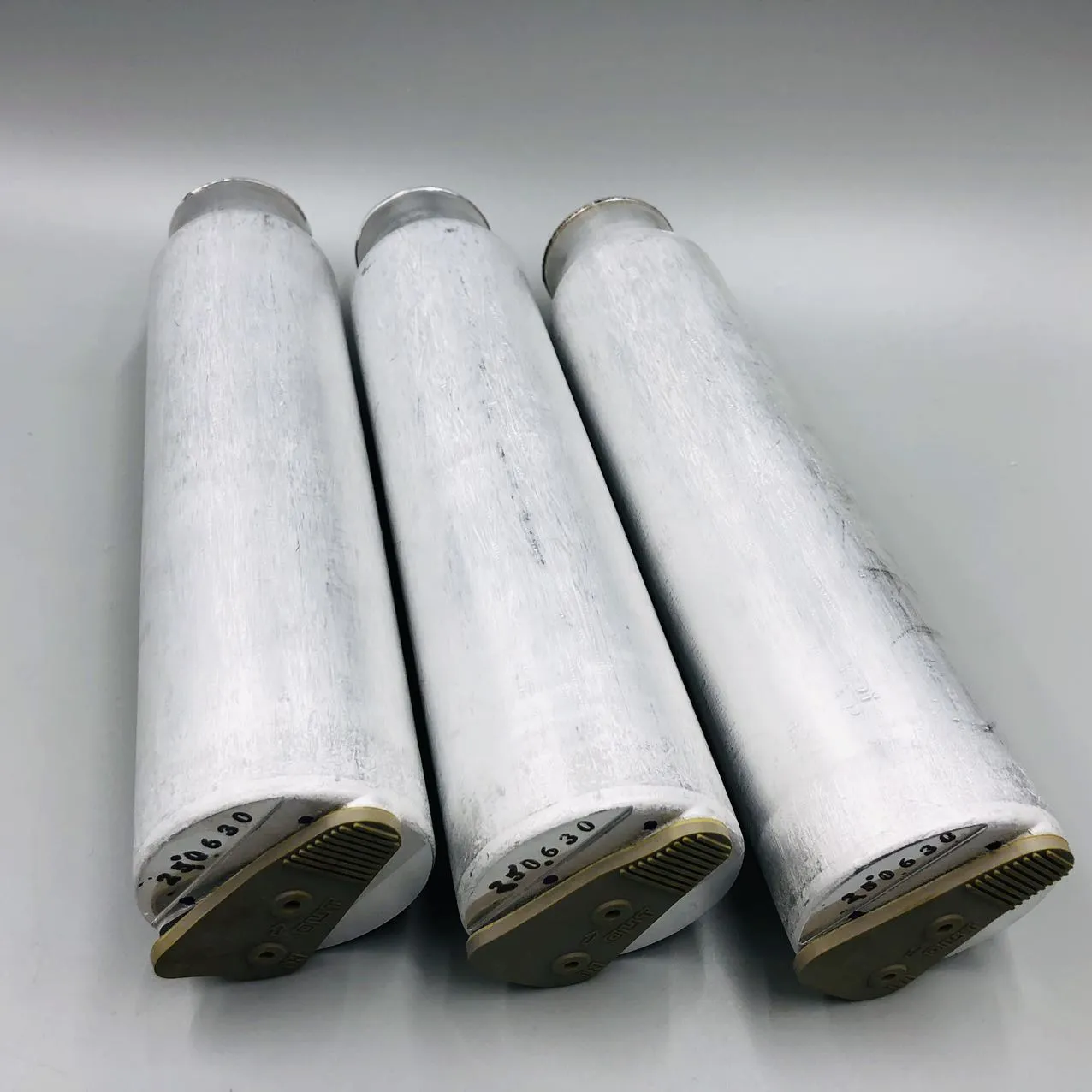 tank20Y-979-3120
 -
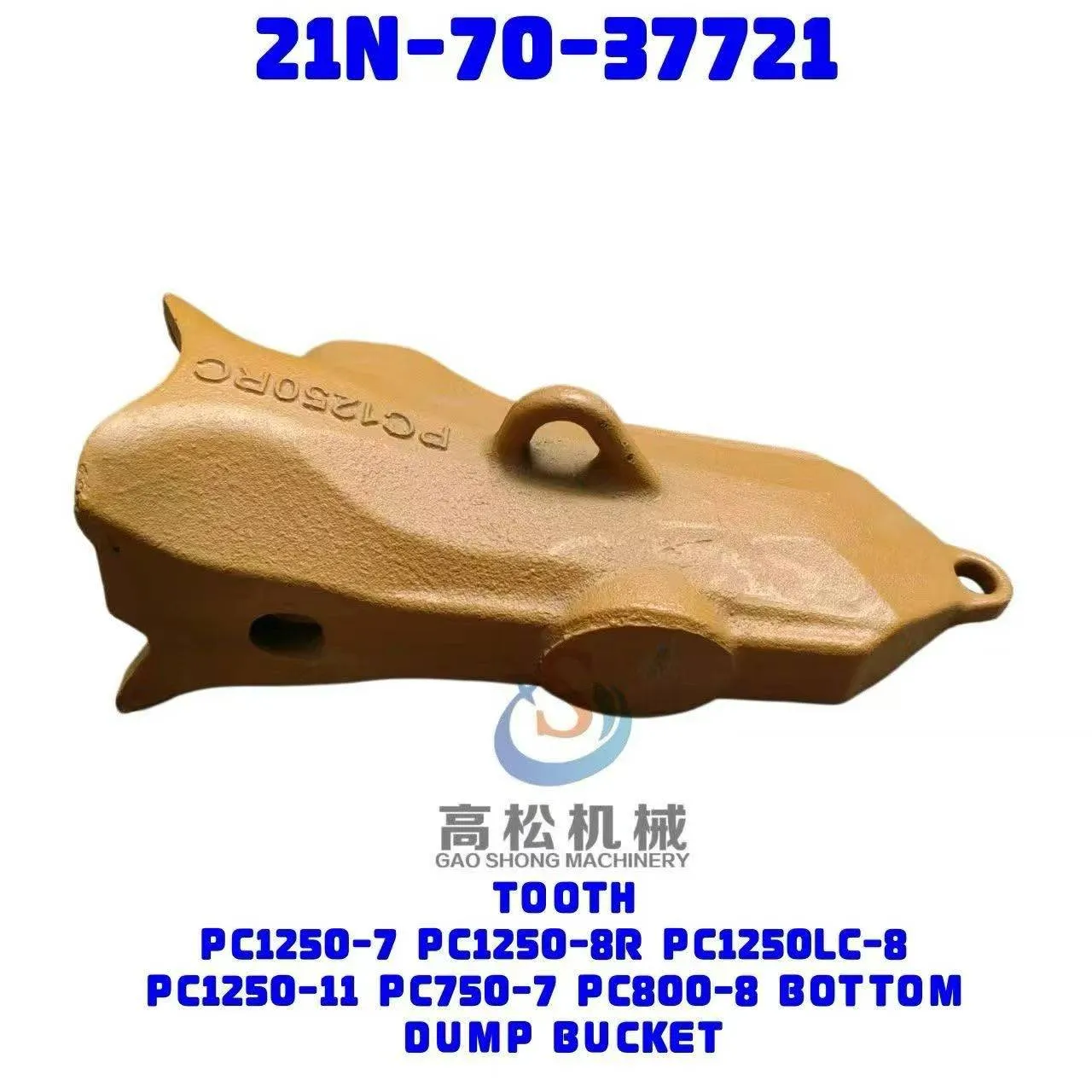 21n-70-37721 Bucket teeth, suitable for the following vehicle models. PC1250-7 PC1250-8R PC1250LC-8 PC1250-11 PC750-7 PC800-8 BOTTOM TOOTH PC1250-7 PC1250-8R PC1250LC-8 PC1250-11 PC750-7 PC800-8 BOTTOM DUMP BUCKET