
- Chinese
- French
- German
- Portuguese
- Spanish
- Russian
- Japanese
- Korean
- Arabic
- Irish
- Greek
- Turkish
- Italian
- Danish
- Romanian
- Indonesian
- Czech
- Afrikaans
- Swedish
- Polish
- Basque
- Catalan
- Esperanto
- Hindi
- Lao
- Albanian
- Amharic
- Armenian
- Azerbaijani
- Belarusian
- Bengali
- Bosnian
- Bulgarian
- Cebuano
- Chichewa
- Corsican
- Croatian
- Dutch
- Estonian
- Filipino
- Finnish
- Frisian
- Galician
- Georgian
- Gujarati
- Haitian
- Hausa
- Hawaiian
- Hebrew
- Hmong
- Hungarian
- Icelandic
- Igbo
- Javanese
- Kannada
- Kazakh
- Khmer
- Kurdish
- Kyrgyz
- Latin
- Latvian
- Lithuanian
- Luxembou..
- Macedonian
- Malagasy
- Malay
- Malayalam
- Maltese
- Maori
- Marathi
- Mongolian
- Burmese
- Nepali
- Norwegian
- Pashto
- Persian
- Punjabi
- Serbian
- Sesotho
- Sinhala
- Slovak
- Slovenian
- Somali
- Samoan
- Scots Gaelic
- Shona
- Sindhi
- Sundanese
- Swahili
- Tajik
- Tamil
- Telugu
- Thai
- Ukrainian
- Urdu
- Uzbek
- Vietnamese
- Welsh
- Xhosa
- Yiddish
- Yoruba
- Zulu
- Kinyarwanda
- Tatar
- Oriya
- Turkmen
- Uyghur






komatsu pc27r 8 parts
When you start digging into parts for the Komatsu PC27R-8, you immediately hit the common industry wall: the assumption that everything must be sourced directly from Komatsu or it's not genuine. That's a costly misconception. The PC27R-8, while a solid machine, isn't the newest model in the lineup, and the official parts pipeline for it in certain regions can be slow or exorbitantly priced. I've seen projects stall for weeks waiting for a simple hydraulic hose assembly because the local dealer had to back-order it from a central warehouse overseas. The reality is, for many operators and workshop managers, the search for Komatsu PC27R-8 parts becomes a balancing act between authenticity, availability, and cost. This is where the landscape gets interesting, and where companies that truly understand the aftermarket ecosystem come into play.
The OEM vs. Aftermarket Conundrum for the PC27R-8
Let's be clear: for critical components like the main hydraulic pump, the swing motor, or the electronic control modules, I always lean towards OEM-spec or better. The tolerances and material specs on these are non-negotiable. I learned this the hard way years ago with a different mini-excavator model, trying a cheaper aftermarket pump. It lasted about 400 hours before pressure dropped catastrophically, causing more downtime and damage than the initial savings were worth. For the PC27R-8, its reliability hinges on these core systems.
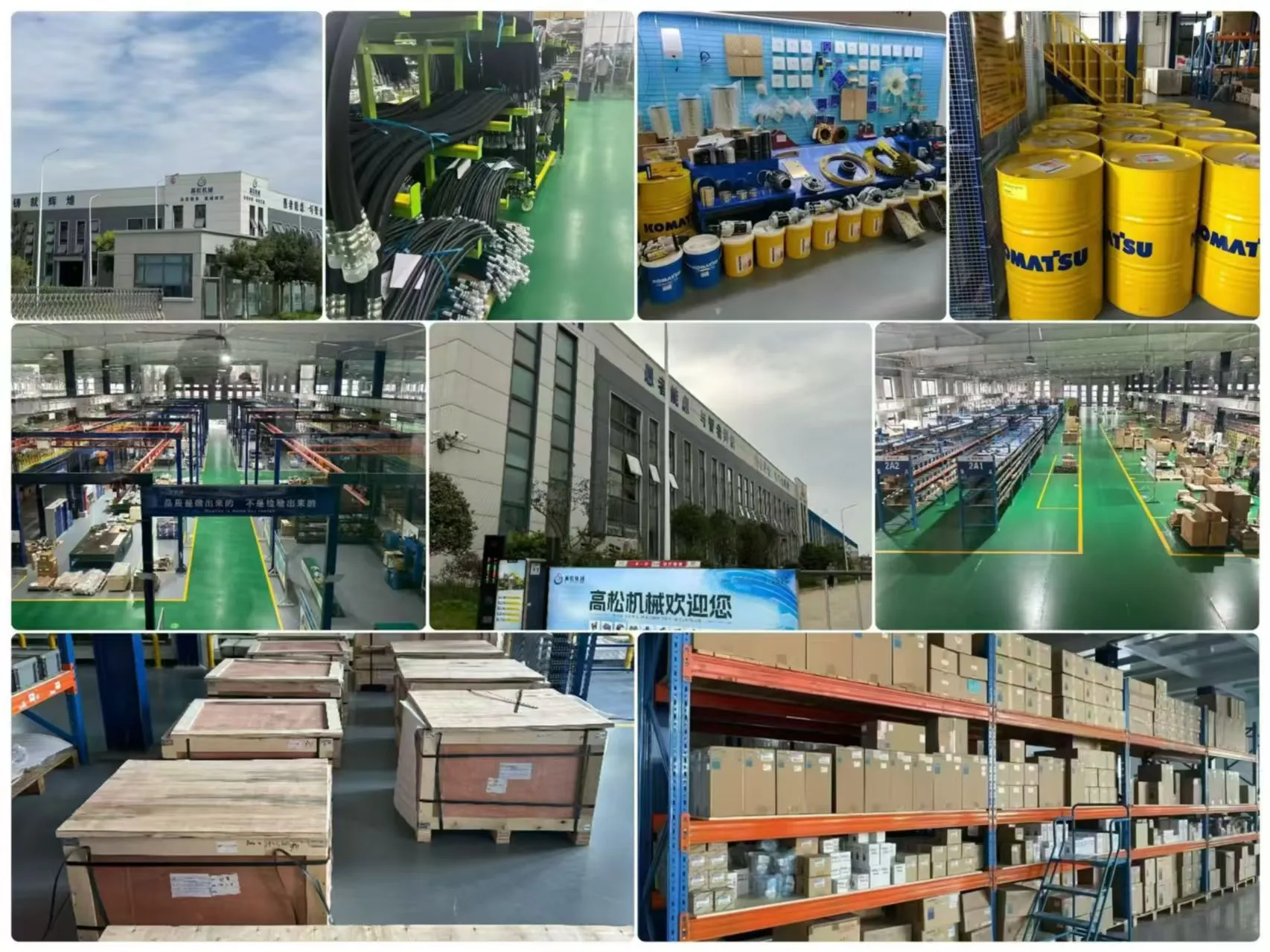
However, the definition of OEM gets fuzzy. Komatsu itself has a network of suppliers. A company like Jining Gaosong Construction Machinery Co., Ltd. operates within that gray area—they are an OEM product supplier within the Komatsu system. This means they manufacture or supply components that meet Komatsu's original specifications, often for the initial production line or as licensed replacements. When you're looking at their catalog on takematsumachinery.com, you're not necessarily looking at aftermarket in the cheap sense. You're looking at parts that come from the same source tree, but through a different branch. This is crucial for parts like cylinder rods, seals, pins, and bushings for the PC27R-8—items that wear out regularly but where exact fitment is key to avoiding premature wear on adjacent components.
Where the value really shows up is in their role as a third-party sales company for Komatsu. They aren't just selling generic labels; they're helping to solve parts supply challenges in certain countries. I've worked with outfits in Southeast Asia and Africa where getting a genuine Komatsu boxed part could take two months. A supplier with this dual role can often ship compatible, system-approved parts from a different logistical route, cutting that time to two weeks. It's not magic; it's just understanding the global parts flow and having the right relationships within the Komatsu network.
Practical Sourcing: Filters, Undercarriage, and the Common Failures
Moving from theory to the toolbox, let's talk about the most frequently needed Komatsu PC27R-8 parts. The first category is consumables. Air filters, fuel filters, hydraulic filters. For these, I'm less dogmatic. A high-quality Baldwin or Donaldson filter that matches the spec will perform identically to the Komatsu-branded one, which is often just a rebadged unit from a major filter manufacturer anyway. The trap here is the housing seals. Always ensure the kit includes the proper O-rings or gaskets; a slight mismatch can cause bypassing.
The undercarriage is a money pit if you're not careful. For the PC27R-8, track chains, rollers, and idlers wear predictably. The mistake is replacing just the sprockets or the tracks without checking the entire system's wear pattern. I always measure the pitch of the chain and the diameter of the rollers. Sourcing a complete undercarriage component set from a specialized supplier can be more cost-effective than piecing it together from the dealer, but the metallurgy matters. A part that's too soft will wear out in half the time. The description on takematsumachinery.com mentioning OEM product supply gives more confidence here—it suggests the parts are made to the same material standards, which is what you're paying for.
Then there are the common failures. On the PC27R-8, I've repeatedly seen issues with the pilot control lever linkages getting sloppy and the seat suspension mechanisms failing. These aren't typically stop-the-machine failures, but they affect operator efficiency and comfort dramatically. Finding these specific, non-core parts through official channels can be surprisingly difficult. A third-party sales company that focuses on Komatsu often stocks these niche items because they deal with real-world feedback from mechanics in the field. It's this granular understanding of what actually breaks that separates a parts catalog from a useful resource.
The Fitment and Compatibility Minefield
This is where the professional judgement comes in, and you can't just rely on a parts number lookup. The PC27R-8 had production runs with subtle variations. A hydraulic hose routing might change mid-year, or a sensor connector might be updated. When you order a part, especially from a non-dealer source, you have to do your homework.
I always cross-reference the machine's serial number break. A good supplier will ask for this upfront. The product pages for a company like Jining Gaosong should ideally list the applicable serial number ranges for each part. If they don't, a direct email is necessary. Assuming compatibility has bitten me before; I once installed a valve block that was visually identical but had a different internal orifice size, leading to jerky arm movement. The part was for a PC27R-8, but not for my PC27R-8. The devil is in these details.
The other layer is cross-compatibility. Some parts on the PC27R-8 are shared with other Komatsu mini-excavators in the same series, like the PC30MR or PC35. A knowledgeable supplier will point this out, potentially offering a functionally identical part from a more common model that's cheaper or more readily available. This isn't a secret, but it's insider knowledge that comes from being deep within the system, not just a reseller.
Cost-Benefit Analysis: When to Go Official, When to Explore
My rule of thumb has evolved. For engine internal components (pistons, liners, injectors), drivetrain gears, and the main controller, I still go through the official Komatsu dealer. The risk of catastrophic failure is too high, and the warranty support is clear-cut.
For everything else—hydraulic hoses and fittings, cylinders (after a proper rebuild assessment), linkage pins, buckets teeth, electrical switches, sensors, and even cab interior parts—I actively explore the OEM-supplier and quality third-party market. The cost savings can be 30% to 50%, and the availability is often better. The key is the supplier's credibility. A brief company intro stating they are an OEM product supplier within the Komatsu system and a third-party sales company for Komatsu is a strong starting point. It tells me they likely have the technical drawings and the quality control channels that a random aftermarket outfit won't.
I recently sourced a complete set of arm cylinder seals for a PC27R-8 from a similar supplier. The dealer quote had a 3-week lead time. I received the kit, which included all the wipers, seals, and O-rings in the correct Komatsu-grade polyurethane material, in 5 days. The rebuild went smoothly, and the cylinder has been holding pressure perfectly for over 800 hours. That's a real-world win. It wasn't about cutting corners; it was about finding a more efficient path to the same quality standard.
Conclusion: Building a Reliable Parts Strategy
So, what's the takeaway on sourcing Komatsu PC27R-8 parts? Ditch the binary thinking. It's not genuine vs. fake. It's a spectrum of supply chains, all leading back to the original design. Your job is to map that spectrum for your specific needs and machine.
Build relationships with suppliers who demonstrate system knowledge, not just inventory. Use their company background as a filter—statements about being part of the OEM ecosystem are meaningful. Check their website, like takematsumachinery.com, for technical details, serial number guides, and clear product origins.
Finally, keep a log. Note which alternative parts worked, which didn't, and the supplier for each. For a machine like the PC27R-8, which will be in service for years to come, this personalized database is more valuable than any single parts catalog. It turns the challenge of sourcing into a manageable, cost-effective process, keeping the machine running without relying on a single, often cumbersome, supply channel.
Related Products
Related Products

Best Selling Products
Best Selling Products-
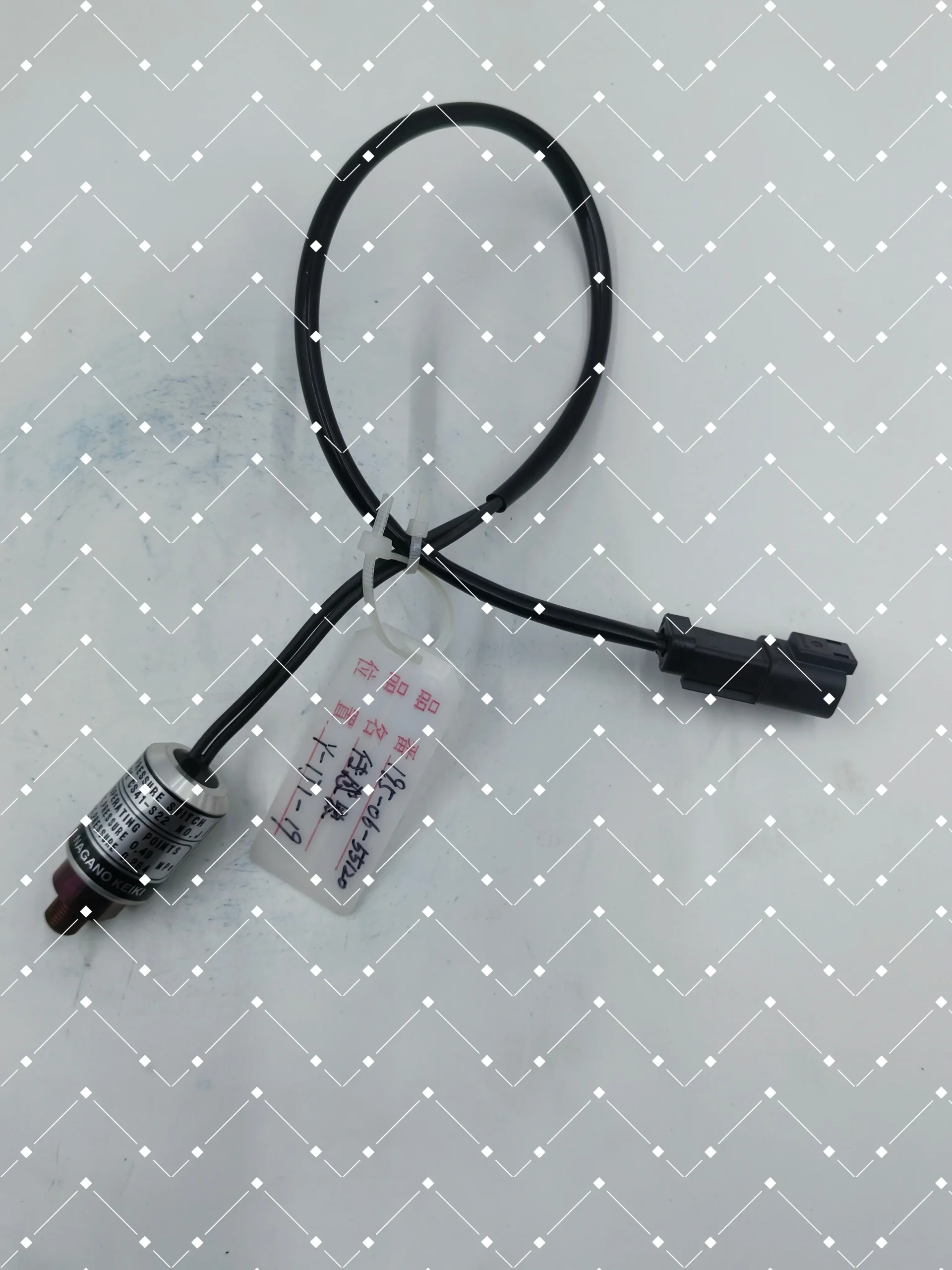 Komatsu 195-06-55120 Switch, price for original and… — Pricing.Parts
 -
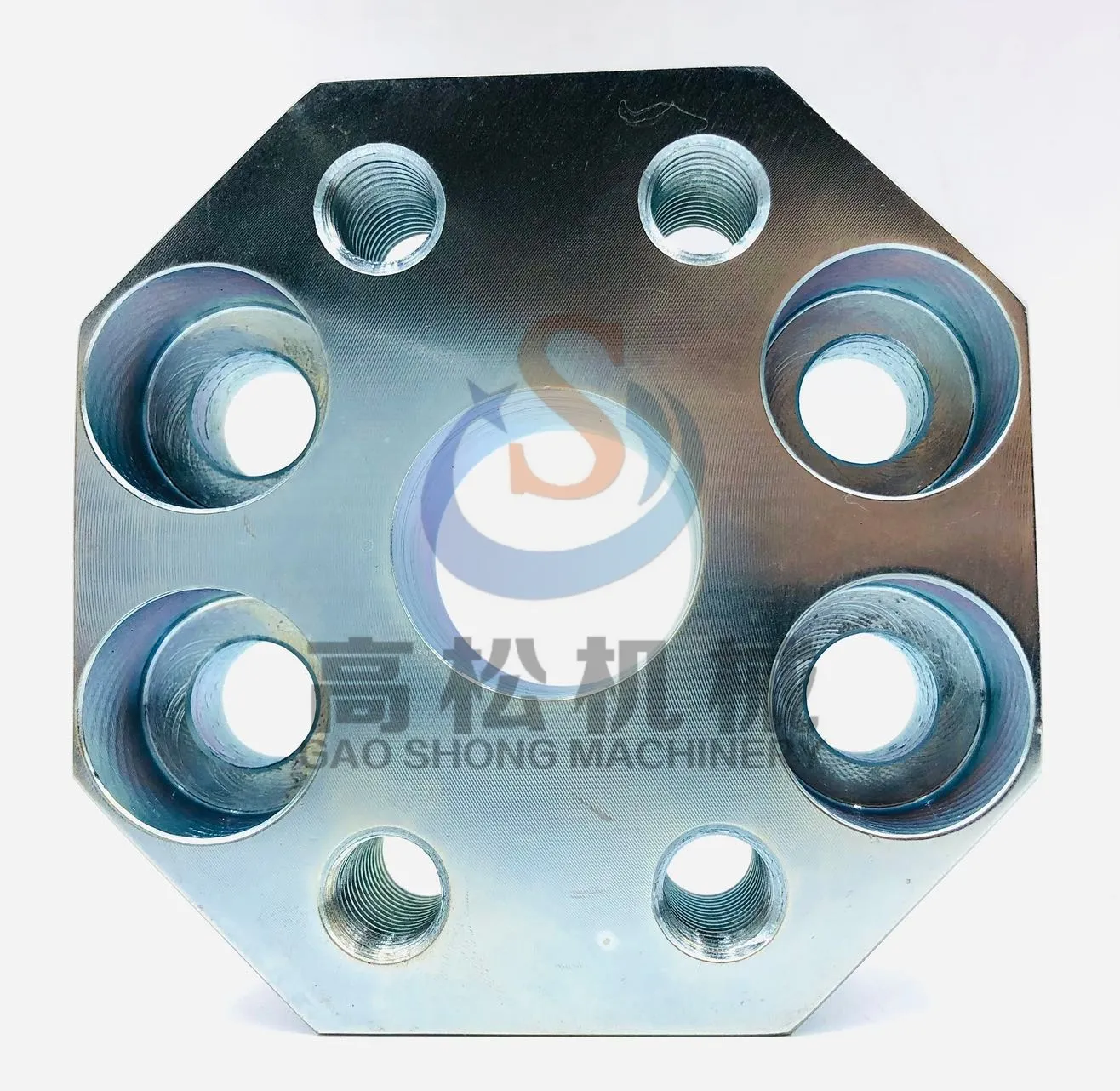 Komatsu excavator PC1250 flange 21N-62-11361
 -
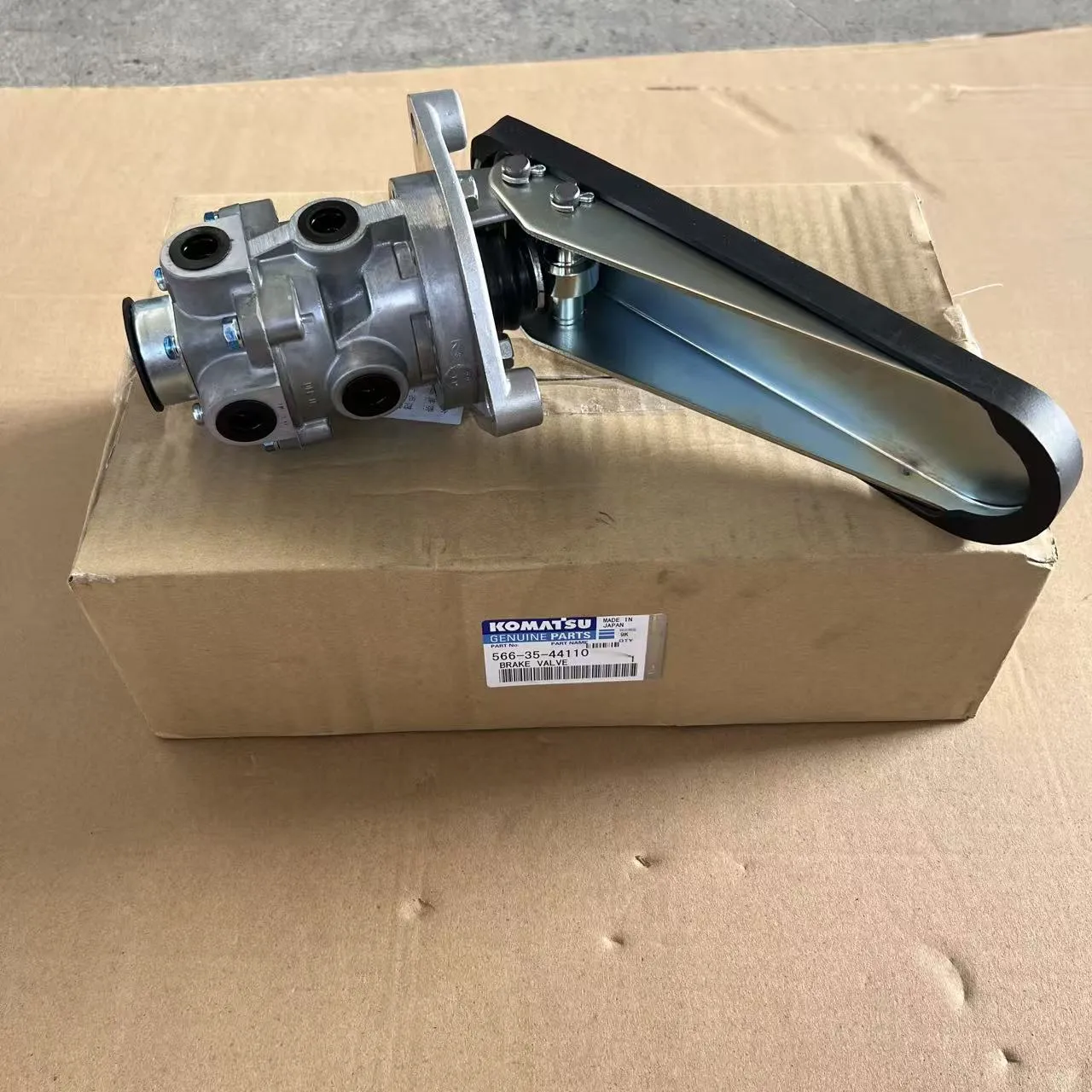 Komatsu Dump Truck Original HD785-5 Brake Valve 566-35-44110
 -
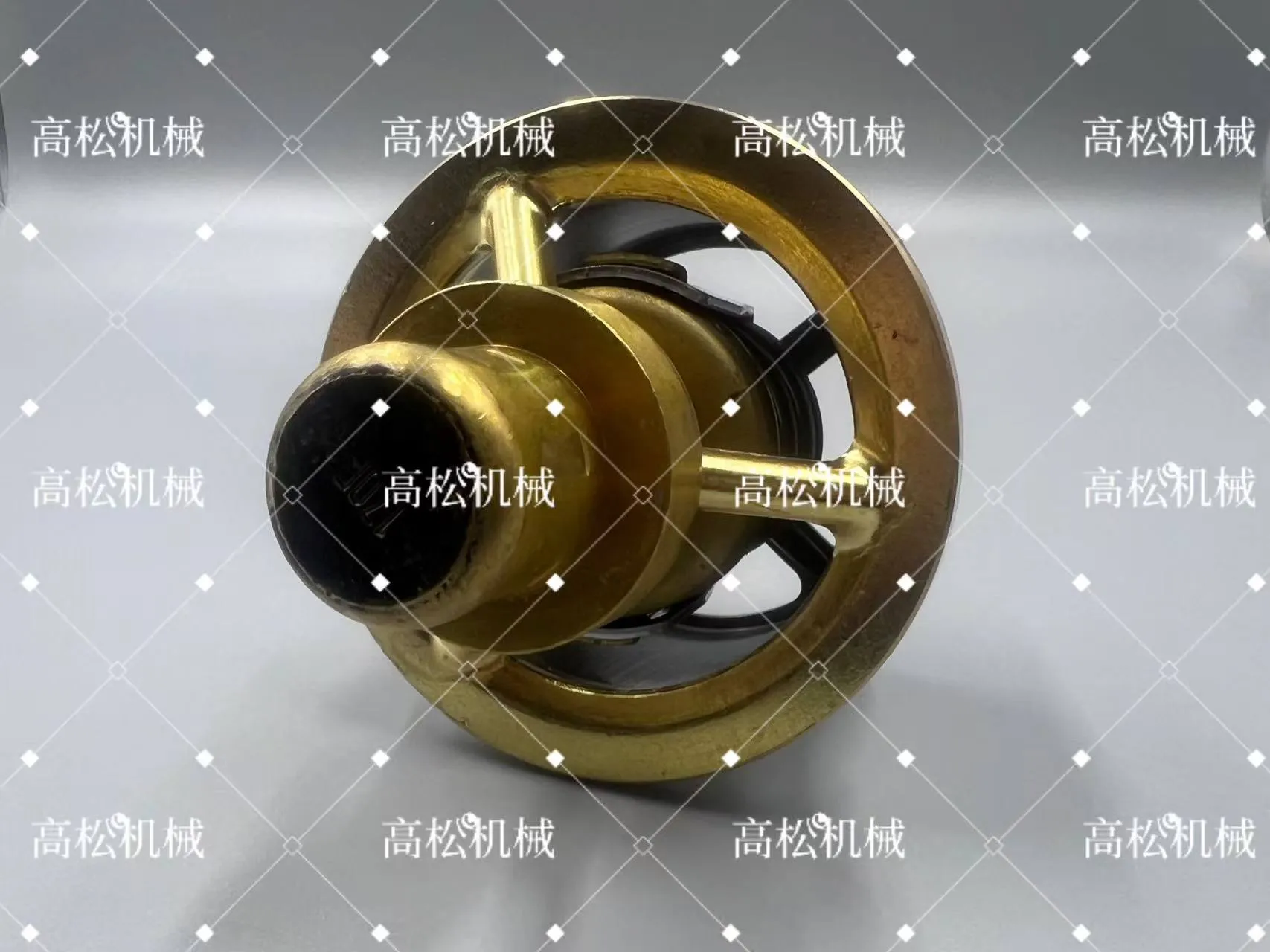 Metal motor thermostat 600-421-6630 for excavator, building machinery parts compatible with pc400-6
 -
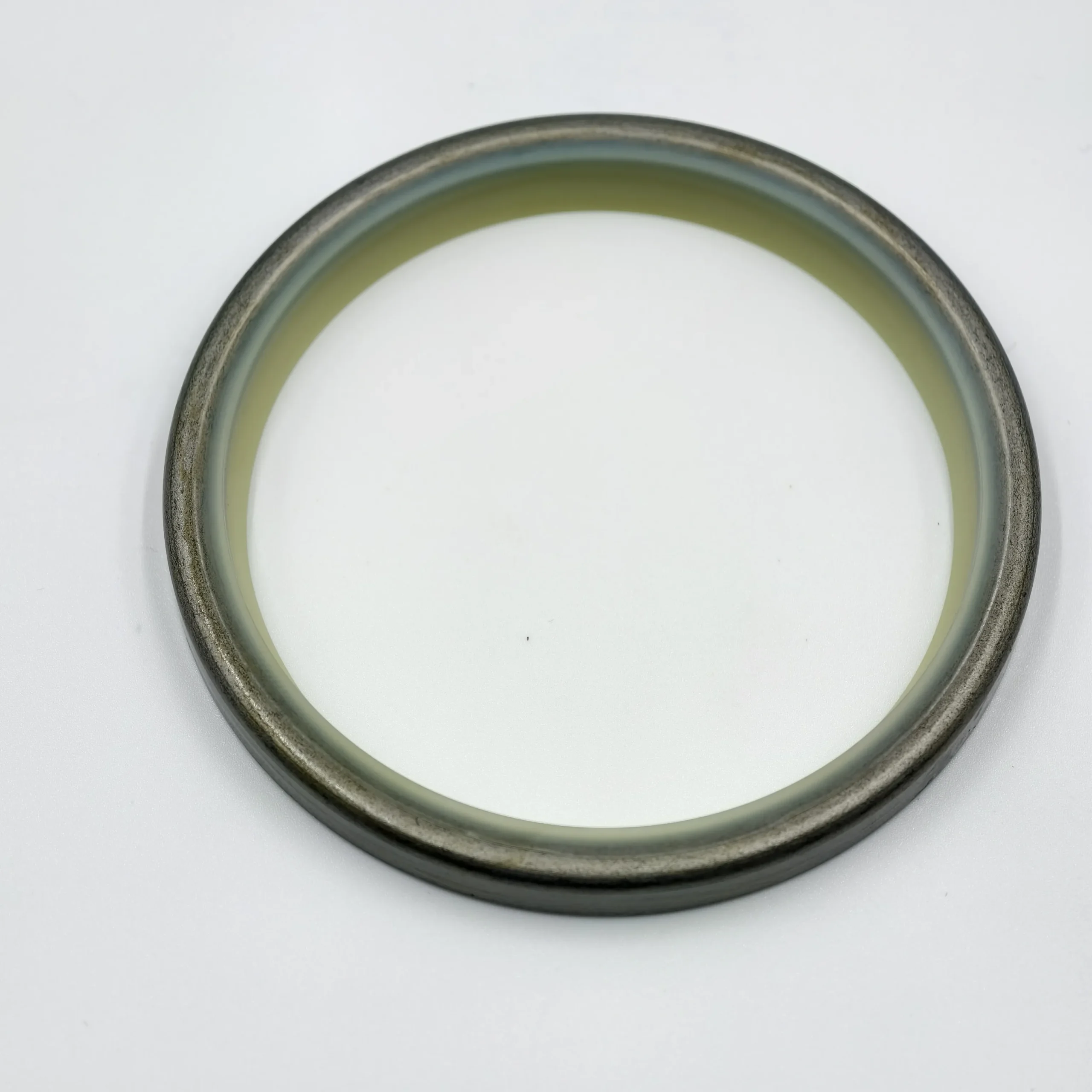 Komatsu 17M-50-24360 Seal, price for original and… — Pricing.Parts
 -
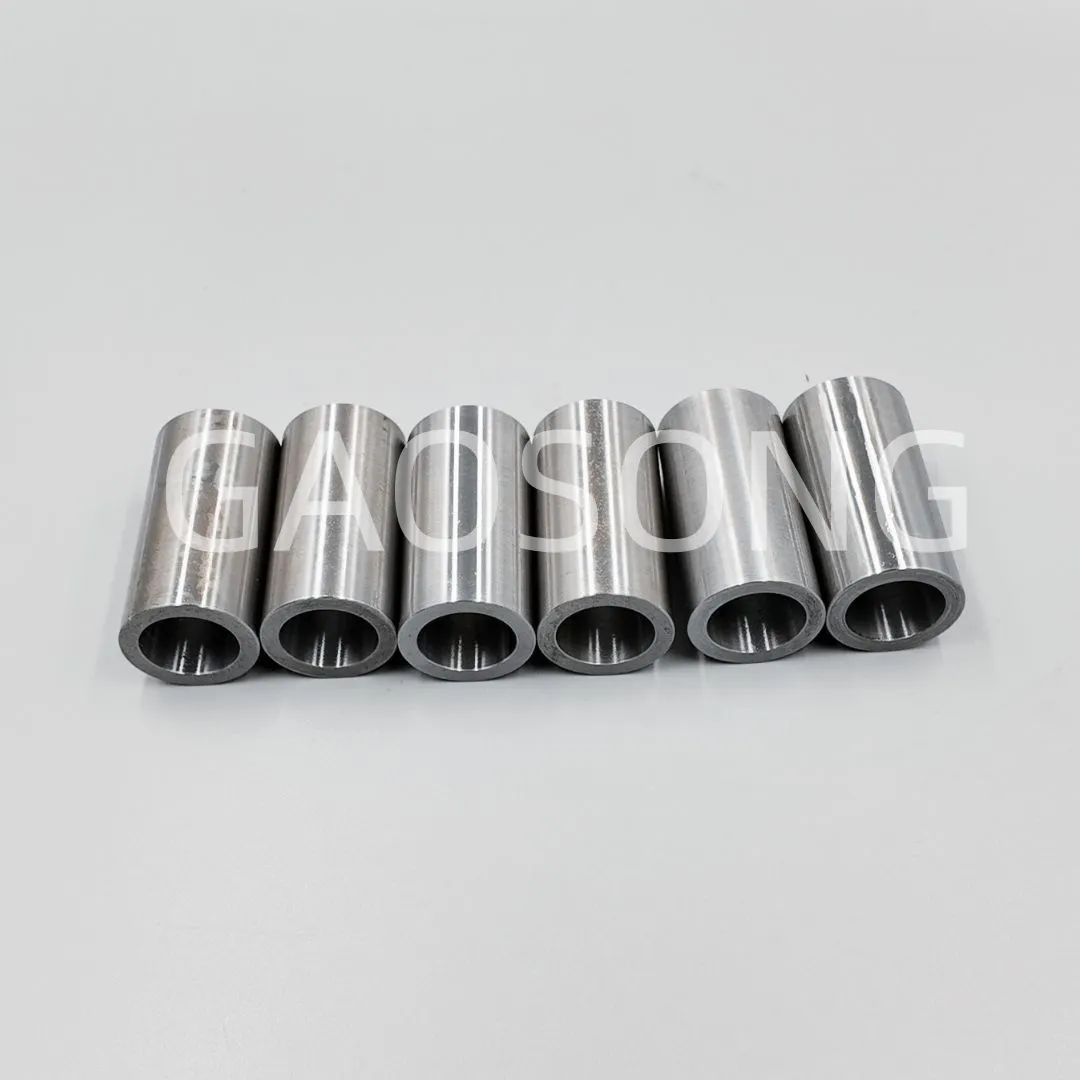 566-54-21910 BUSHING–Komatsu Original Factory
 -
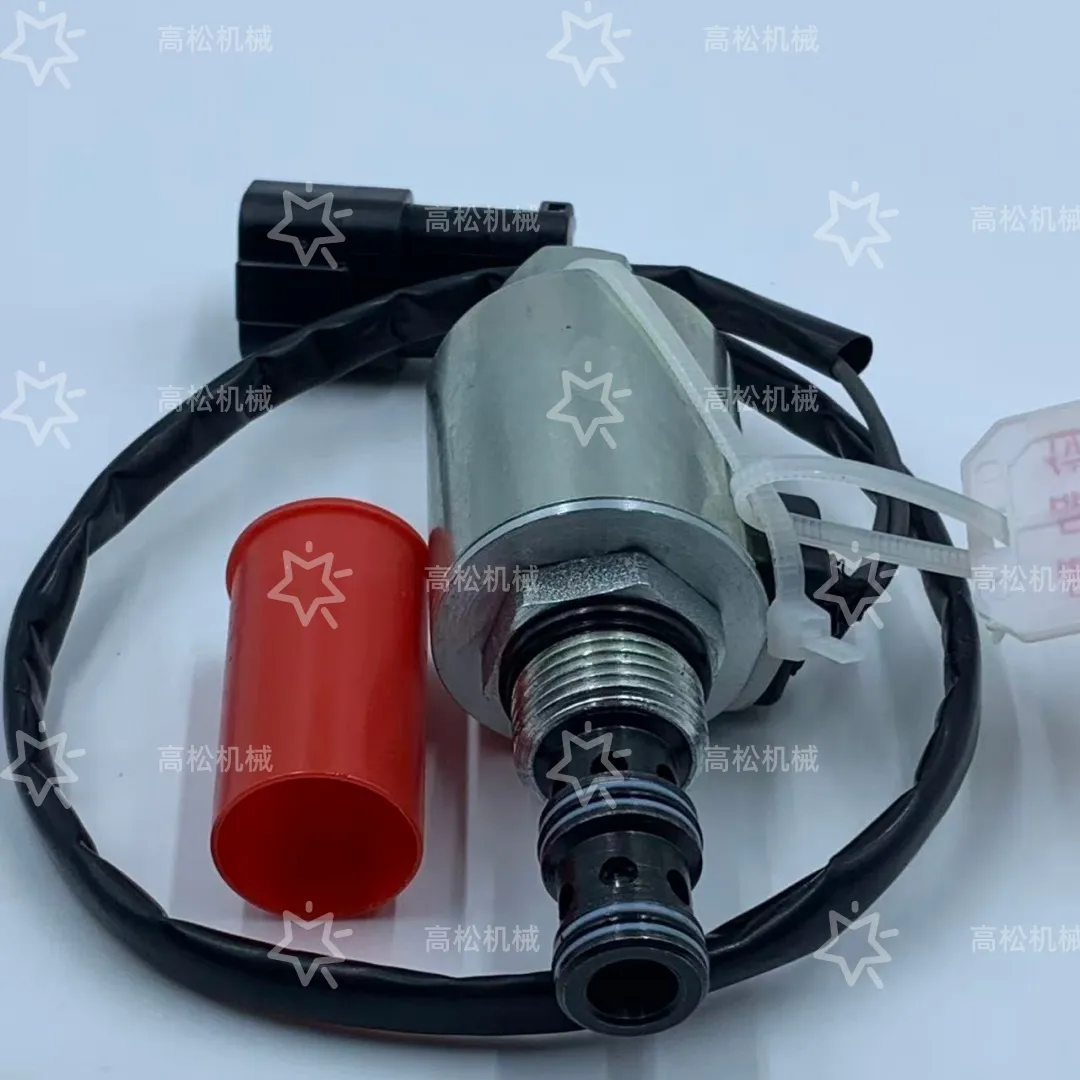 Rotary Solenoid Valve 20Y-60-11713 20Y-60-11673 Fit for Komatsu PC200-5 6D95
 -
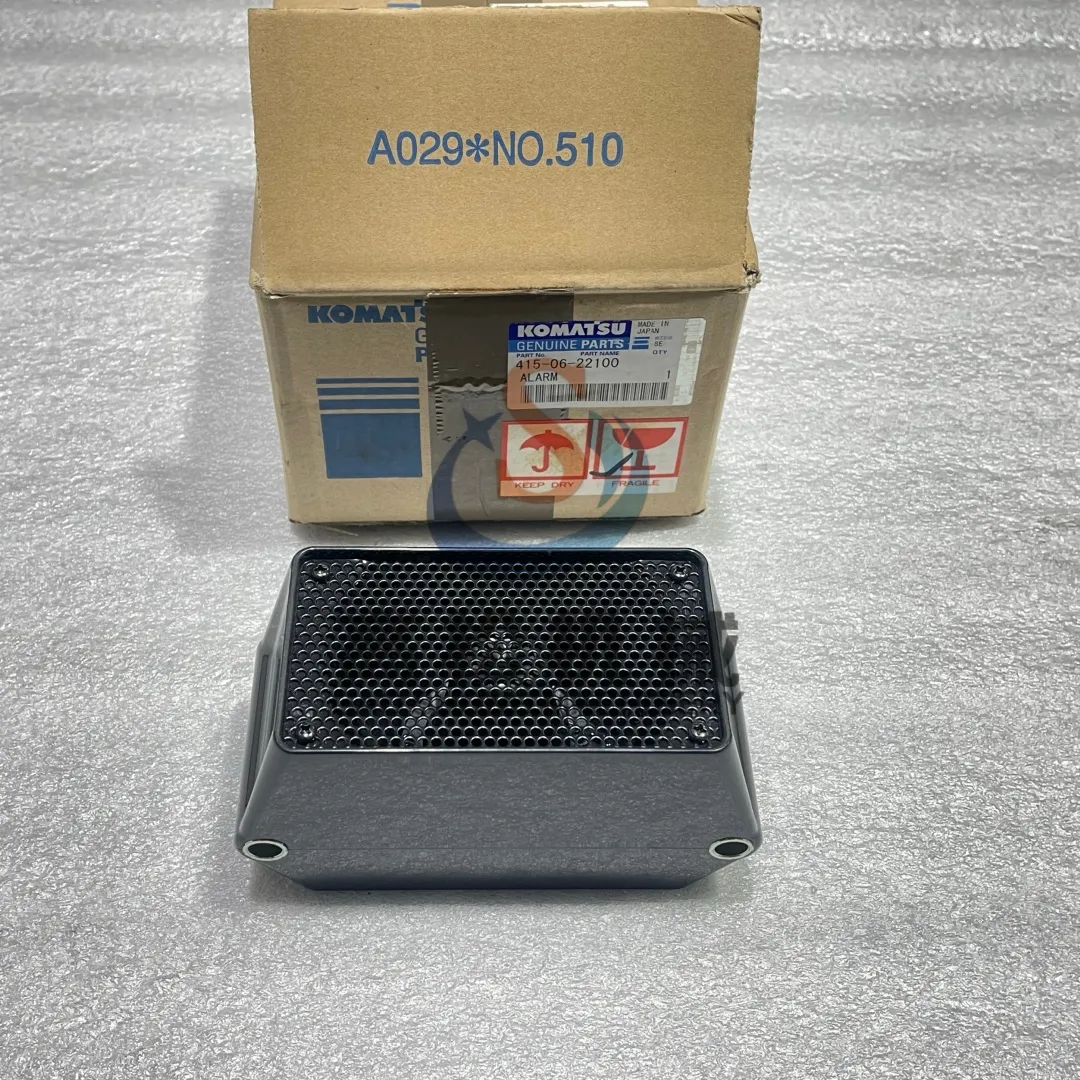 alarm 415-06-22100 – komatsu
 -
 Komatsu 6151-61-3201 CASE ASS’Y, FAN DRIVE… — Pricing.Parts
 -
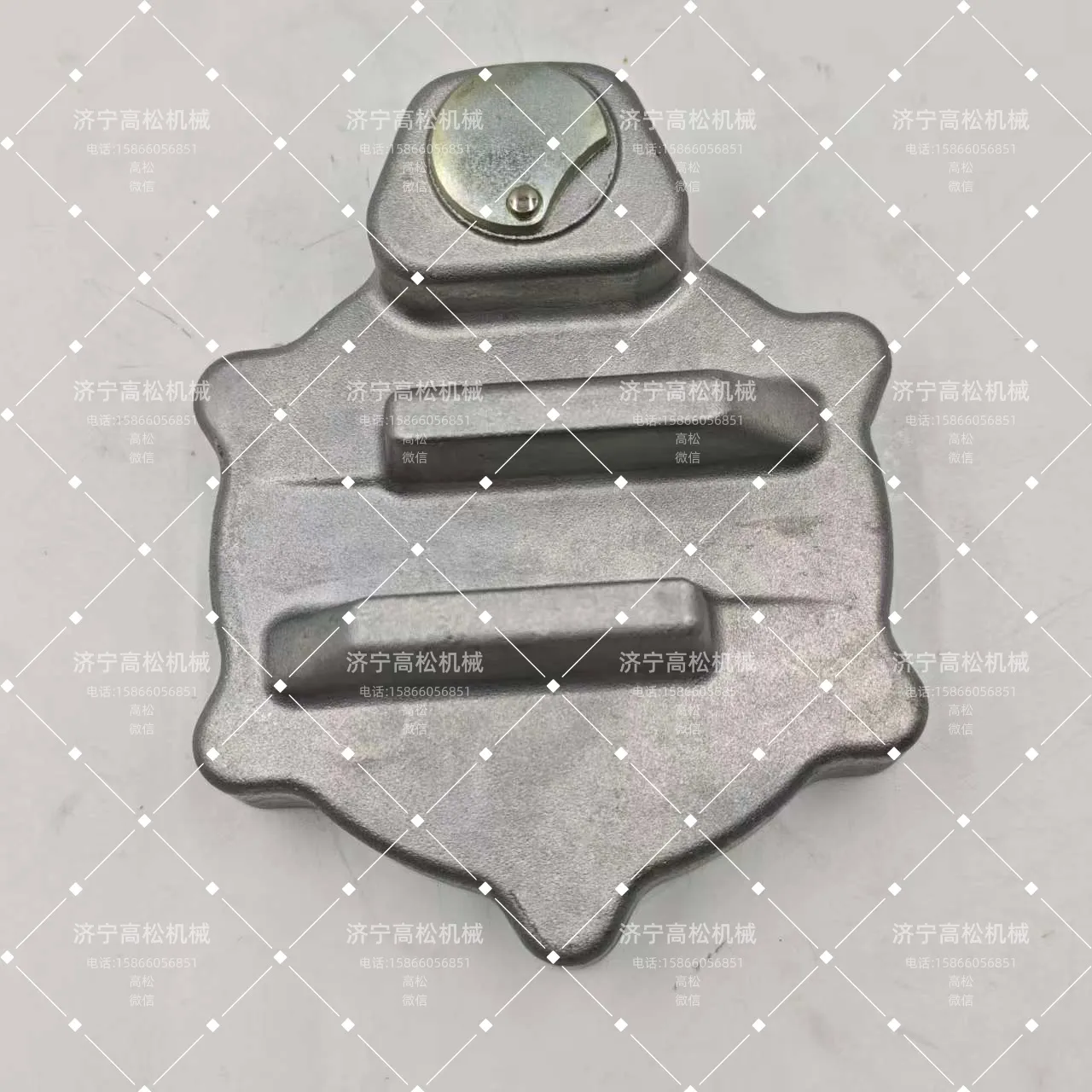 07053-10000 Cap-Radiator Fits KOMATSUU Models
 -
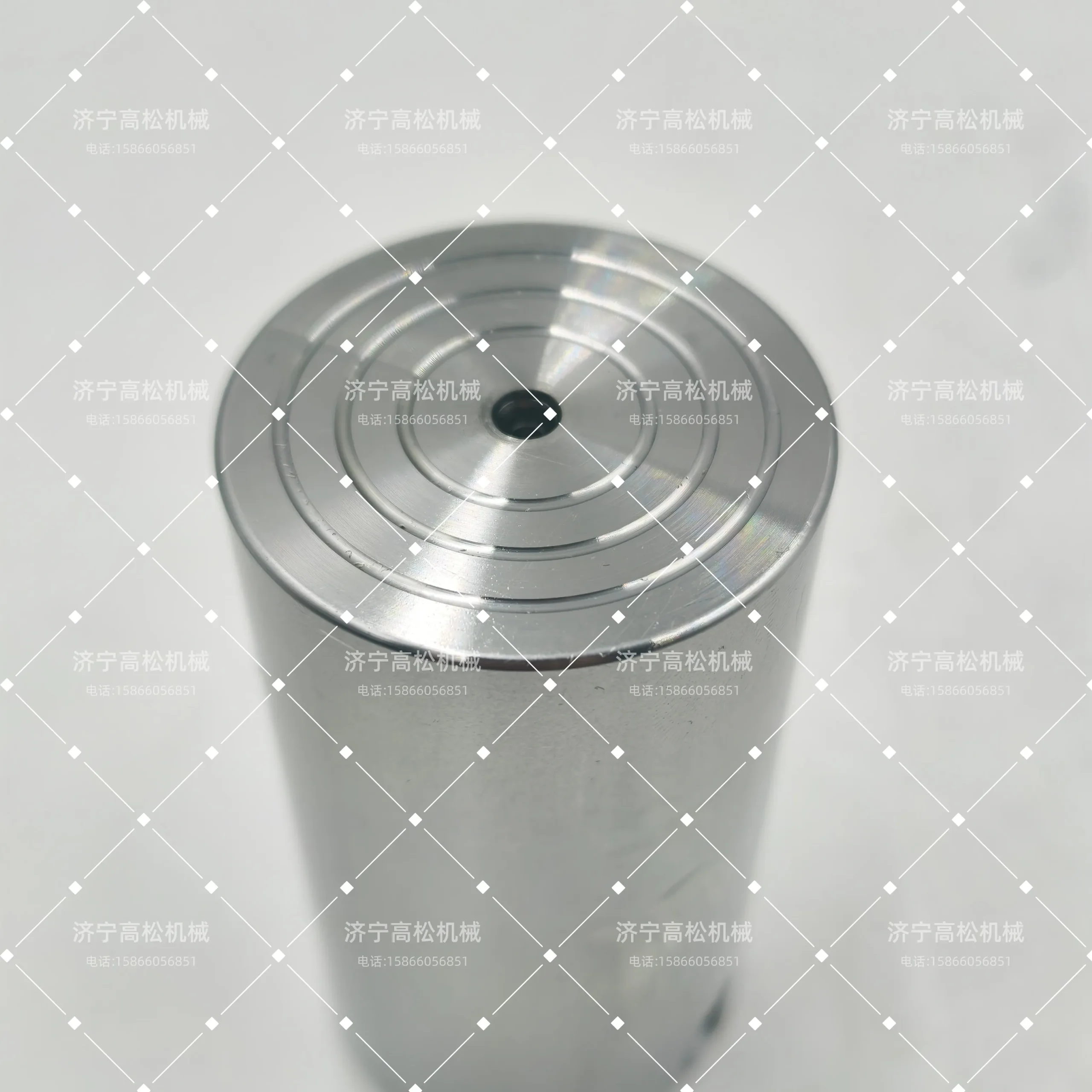 Komatsu 20Y-27-31160 Pin, price for original and… — Pricing.Parts
 -
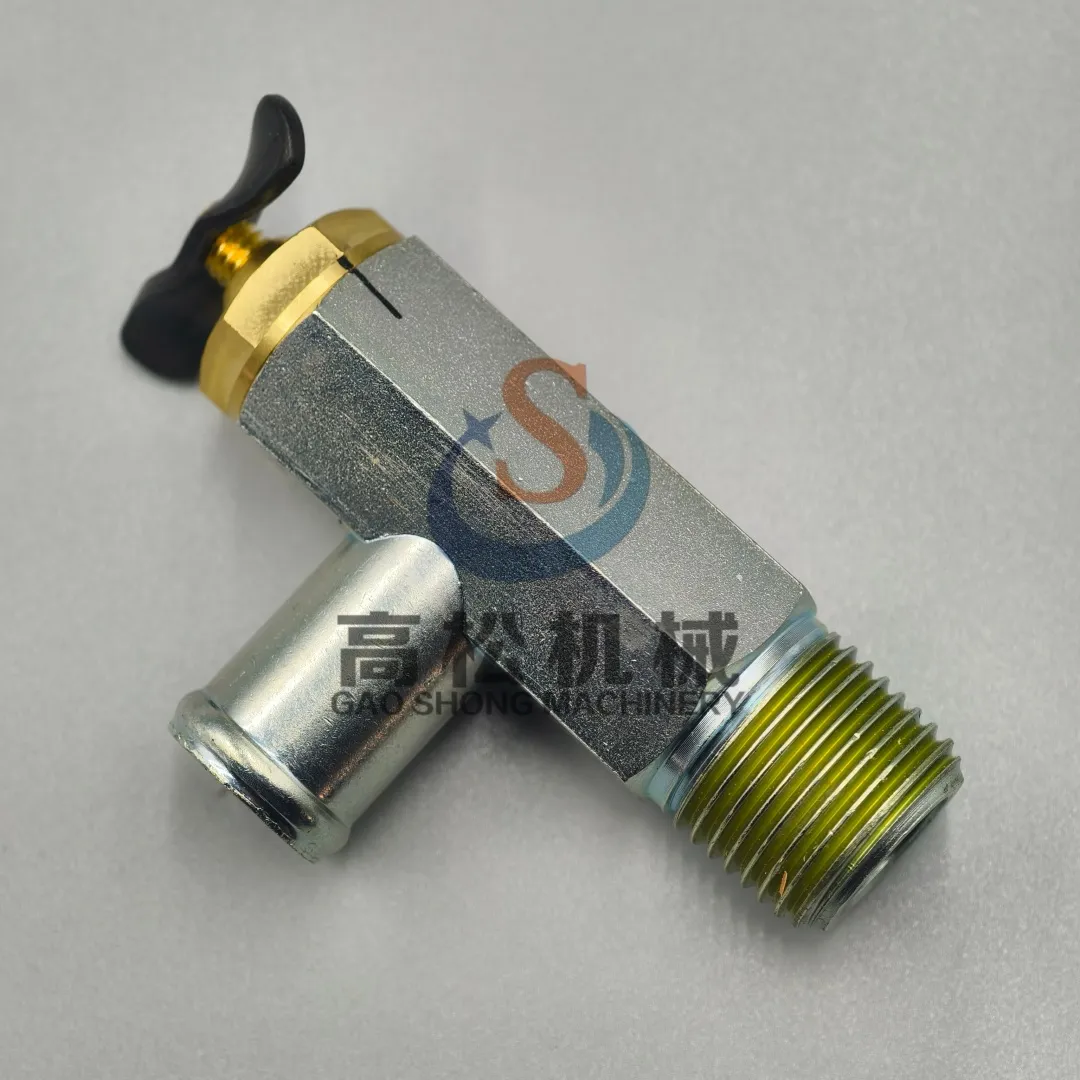 Spare part 09482-10000 VALVE,HOSE (Komatsu)