
- Chinese
- French
- German
- Portuguese
- Spanish
- Russian
- Japanese
- Korean
- Arabic
- Irish
- Greek
- Turkish
- Italian
- Danish
- Romanian
- Indonesian
- Czech
- Afrikaans
- Swedish
- Polish
- Basque
- Catalan
- Esperanto
- Hindi
- Lao
- Albanian
- Amharic
- Armenian
- Azerbaijani
- Belarusian
- Bengali
- Bosnian
- Bulgarian
- Cebuano
- Chichewa
- Corsican
- Croatian
- Dutch
- Estonian
- Filipino
- Finnish
- Frisian
- Galician
- Georgian
- Gujarati
- Haitian
- Hausa
- Hawaiian
- Hebrew
- Hmong
- Hungarian
- Icelandic
- Igbo
- Javanese
- Kannada
- Kazakh
- Khmer
- Kurdish
- Kyrgyz
- Latin
- Latvian
- Lithuanian
- Luxembou..
- Macedonian
- Malagasy
- Malay
- Malayalam
- Maltese
- Maori
- Marathi
- Mongolian
- Burmese
- Nepali
- Norwegian
- Pashto
- Persian
- Punjabi
- Serbian
- Sesotho
- Sinhala
- Slovak
- Slovenian
- Somali
- Samoan
- Scots Gaelic
- Shona
- Sindhi
- Sundanese
- Swahili
- Tajik
- Tamil
- Telugu
- Thai
- Ukrainian
- Urdu
- Uzbek
- Vietnamese
- Welsh
- Xhosa
- Yiddish
- Yoruba
- Zulu
- Kinyarwanda
- Tatar
- Oriya
- Turkmen
- Uyghur






komatsu pc27 parts
When you search for 'Komatsu PC27 parts', you're not just looking for a list of components. You're likely in a bind, trying to keep a compact machine running, and the official channels might be slow or exorbitantly priced for your region. There's a common misconception that all parts labeled for the PC27 are created equal, or that going outside the OEM network is always a gamble. Having sourced these parts for projects in Southeast Asia and Africa, I can tell you the reality is far more nuanced. It's less about the part number itself and more about understanding the ecosystem—knowing which components are truly critical to source as genuine Komatsu, and where you can safely use a high-quality alternative without risking a week of downtime.
The PC27 in the Field: More Than Just a Small Excavator
The PC27, and its siblings like the PC28, are workhorses in tight spaces. But their size belies a specific engineering philosophy. The hydraulic system, for instance, is precise. I've seen mechanics try to fit a generic control valve from a different mini-excavator brand, arguing the specs were 'close enough'. It ran, but the machine never had the same fine control for grading work again. That's a lesson learned: with Komatsu's proprietary hydraulics, you really want the Komatsu PC27 parts for the main pumps and valves. The headache of recalibration and lost efficiency isn't worth the upfront savings.
On the other hand, things like track links, rollers, and even some hydraulic hoses and fittings can be sourced from reputable aftermarket manufacturers. The key is the manufacturer's reputation. A failed seal on a bucket cylinder is a two-hour fix if you have the part. If that seal is poor quality and fails again in a week, you've doubled your labor cost and lost machine time. My rule of thumb is to tier the parts: Tier 1 (engine, hydraulics, electronics) – go OEM or certified equivalent. Tier 2 (undercarriage, structural wear parts) – trusted aftermarket is fine. Tier 3 (filters, greasable pins, buckets) – quality aftermarket is standard.
This is where a supplier's insight becomes crucial. A good supplier won't just sell you a part; they'll ask about the machine's application. Is it doing light landscaping or heavy trenching in rocky soil? The strain on the Komatsu PC27 parts like the swing bearing or the arm cylinder pins is vastly different. For a machine chewing through rock, I'd insist on a hardened, genuine Komatsu pin even if it costs triple. For mulch spreading, a standard aftermarket pin will last the season.
The OEM vs. Aftermarket Dilemma: A Practical View
Everyone wants genuine Komatsu parts. The fit is perfect, the warranty is clear, and the performance is guaranteed. But the logistics and cost, especially for older models like the PC27 in remote locations, can be prohibitive. I've waited eight weeks for an official hydraulic pump assembly to ship to a job site in Malawi. The machine was our only means of digging foundation trenches. We couldn't wait.
This is the gap that specialized third-party suppliers exist to fill. They aren't just parts resellers; they are logistics and compatibility experts. A company like Jining Gaosong Construction Machinery Co., Ltd. operates in an interesting space. As they note on their site https://www.takematsumachinery.com, they are an OEM product supplier within the Komatsu system but also act as a third-party sales company. This dual role is telling. It means they have direct access to the genuine parts pipeline but are also structured to solve the specific parts supply challenges in certain countries they mention. In practice, this could mean they can offer a genuine Komatsu part from their OEM role, or a vetted, high-quality alternative that meets the performance spec when the genuine part is stuck in a port somewhere.
I've used similar suppliers for PC27 final drive motors. The OEM motor was a 12-week lead time. The supplier offered a rebuilt unit using the original Komatsu housing and a new, certified internal gear set. It arrived in 10 days, cost 40% less, and we got two full years of service out of it before a seal began to weep. That's a win. The supplier's value was in presenting that as a viable, informed option, not just pushing the cheapest thing in their catalog.
Spotting Quality in Non-Genuine Parts
So how do you judge a non-OEM part for a PC27? It's not about shiny packaging. First, material certifications. A good supplier can provide material specs for a swing bearing—the steel grade, the hardness of the raceway. If they can't, walk away. Second, manufacturing process. For a cylinder rod, is it chrome-plated and hardened, or just painted steel? You can feel the difference in weight and surface finish.
I remember a batch of aftermarket bucket teeth we bought for three PC27s on a demolition site. They looked right, but the metal was brittle. We sheared the tip off one on the second day hitting buried concrete. The genuine Komatsu teeth we replaced them with showed heavy abrasion but didn't fracture. The cost of downtime and replacement far outweighed the initial 'savings'. Now, we test non-critical wear parts on one machine first, under supervision, before rolling them out to a fleet.
This is another area where a technical partner is key. A company like Jining Gaosong, by virtue of being embedded in the Komatsu ecosystem, should have the technical knowledge to explain these differences. Their website introduction suggests they're targeting supply challenges, which implies they understand that just having a part isn't enough—it has to be the right part for the situation. When I'm evaluating a new supplier, I ask them specific failure-mode questions: Why does the PC27's pilot pressure filter housing crack? If they start talking about material fatigue and vibration resonance points, I'm listening. If they just say they all do that, I'm moving on.
Logistics and the Real Cost of a Part
The invoice price is a tiny fraction of the total cost of a Komatsu PC27 parts replacement. There's downtime cost, labor cost, and the risk cost of the part failing prematurely. A $50 savings on a water pump that fails in three months and overheats the engine is a catastrophic loss. A good supplier factors this into their service.
Reliable logistics are part of the product. Can they get the part to your port, clear customs, and onto a truck to your site? For a company focused on certain countries' challenges, this is their bread and butter. I've had suppliers who were great at quoting but whose parts would get stuck in customs for weeks because of incorrect harmonization codes. The best ones handle the door-to-door process. They provide the paperwork, the tracking, and have a local agent or partner to smooth the process. This end-to-end capability is what turns a parts vendor into a strategic partner for fleet maintenance.
It also allows for smarter inventory planning. If I know I can get a reliable PC27 track roller within 7-10 days instead of 6 weeks, I can reduce my on-site spares inventory, freeing up capital. This kind of supply chain reliability is built on relationships and experience in specific regions, which is exactly the value proposition hinted at by a supplier like Jining Gaosong.
Wrapping It Up: Knowledge as the Most Critical Part
Ultimately, managing maintenance for a Komatsu PC27—or any machine—isn't about having a magic list of part numbers. It's about building a network of knowledge and reliable partners. You need to know your machine's specific history and duty cycle. You need a mechanic who understands its quirks. And you need a parts supplier who acts as an extension of your team, offering options based on real-world constraints of time, budget, and machine criticality.
The search for 'Komatsu PC27 parts' is really the start of that filtering process. It separates the generic e-commerce sites from the specialists who understand that the PC27 is a specific machine with specific needs, operating in a world where the factory warehouse isn't always around the corner. The goal is to keep the machine earning, and that means making informed, sometimes imperfect, but always calculated decisions on every hose, pin, and pump you put on it.
In this context, finding a supplier who is both inside and outside the official system—one that can navigate both the OEM quality standards and the messy reality of global equipment maintenance—is often the most valuable part you can source. It's less about the box the part comes in, and more about the expertise that comes with it.
Related Products
Related Products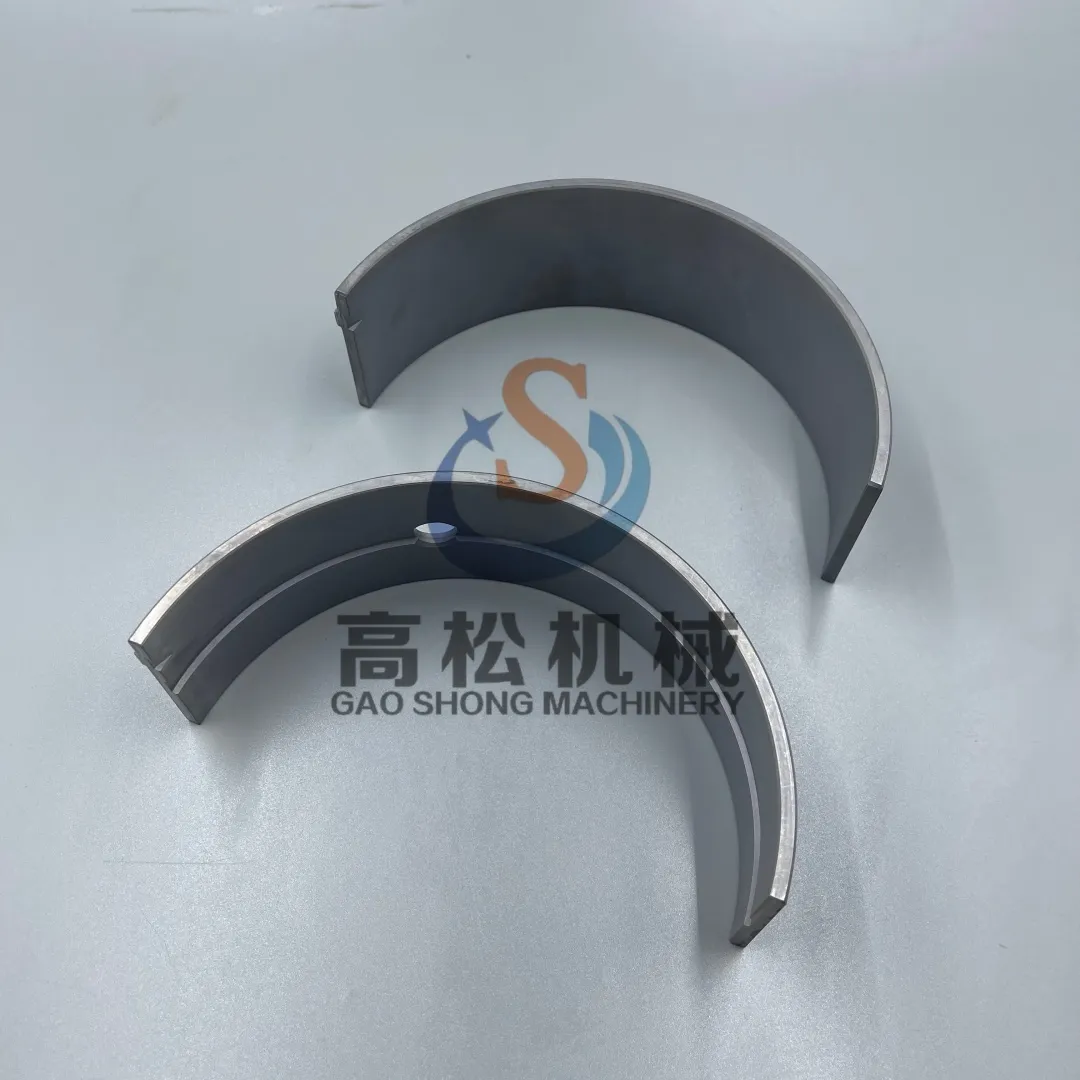
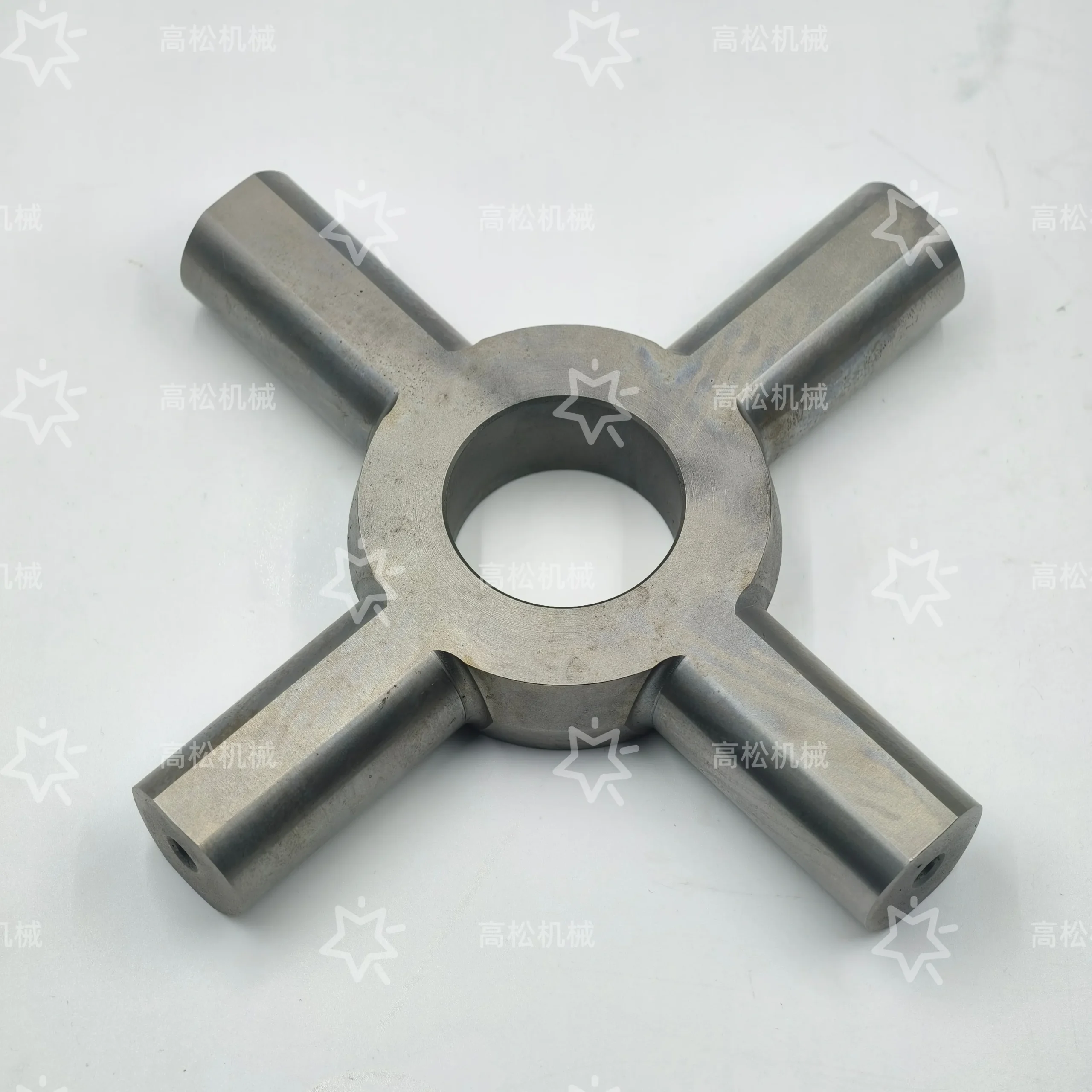
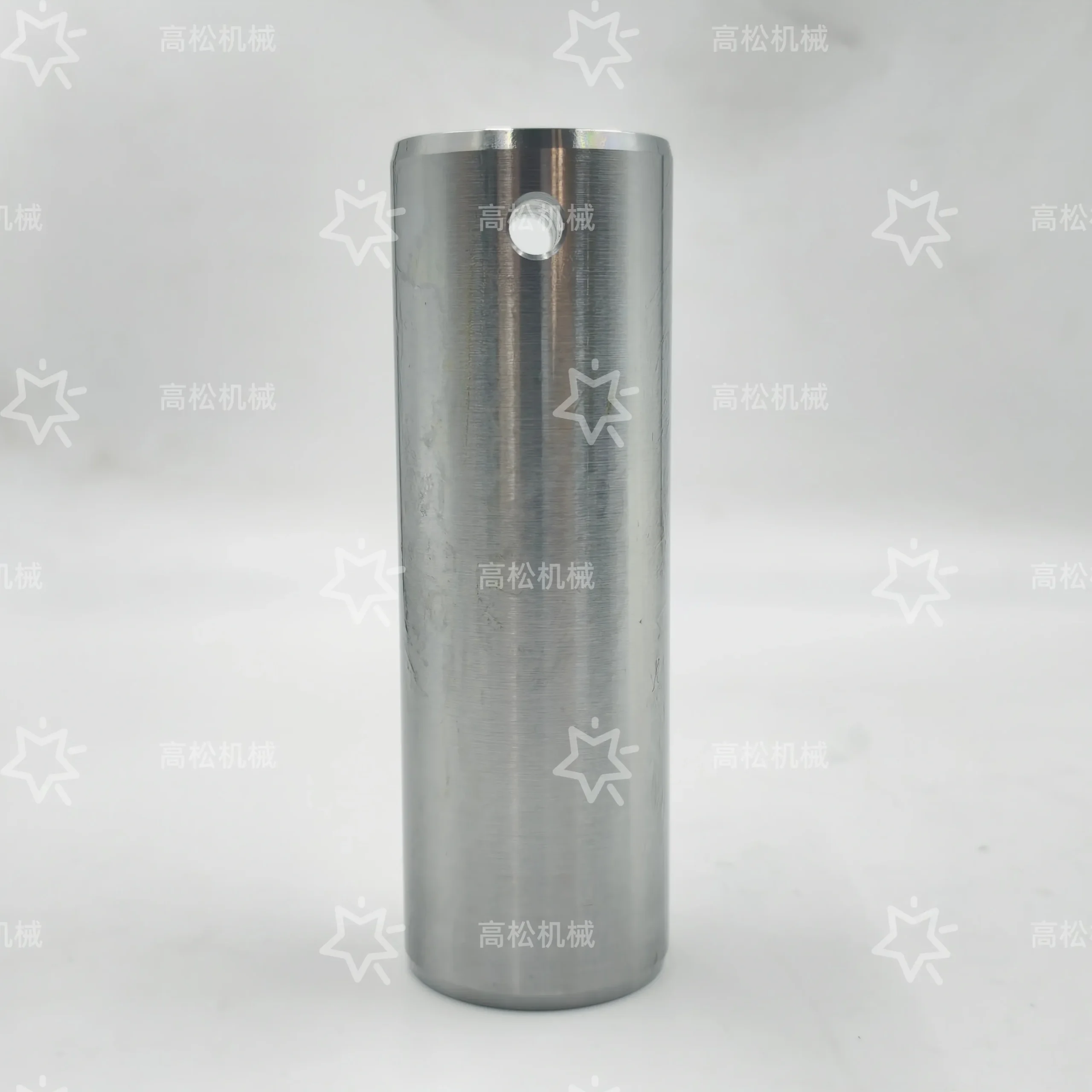
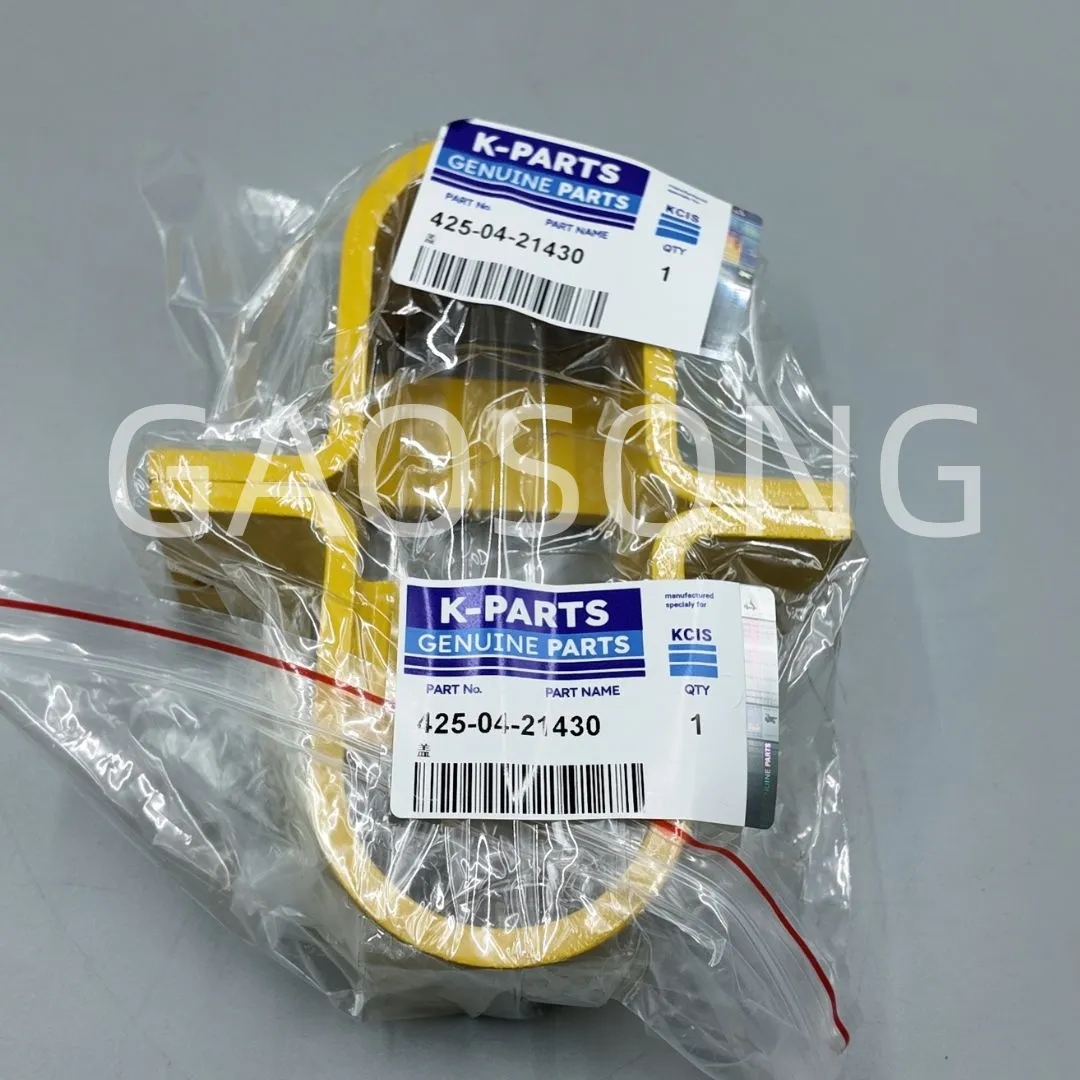

Best Selling Products
Best Selling Products-
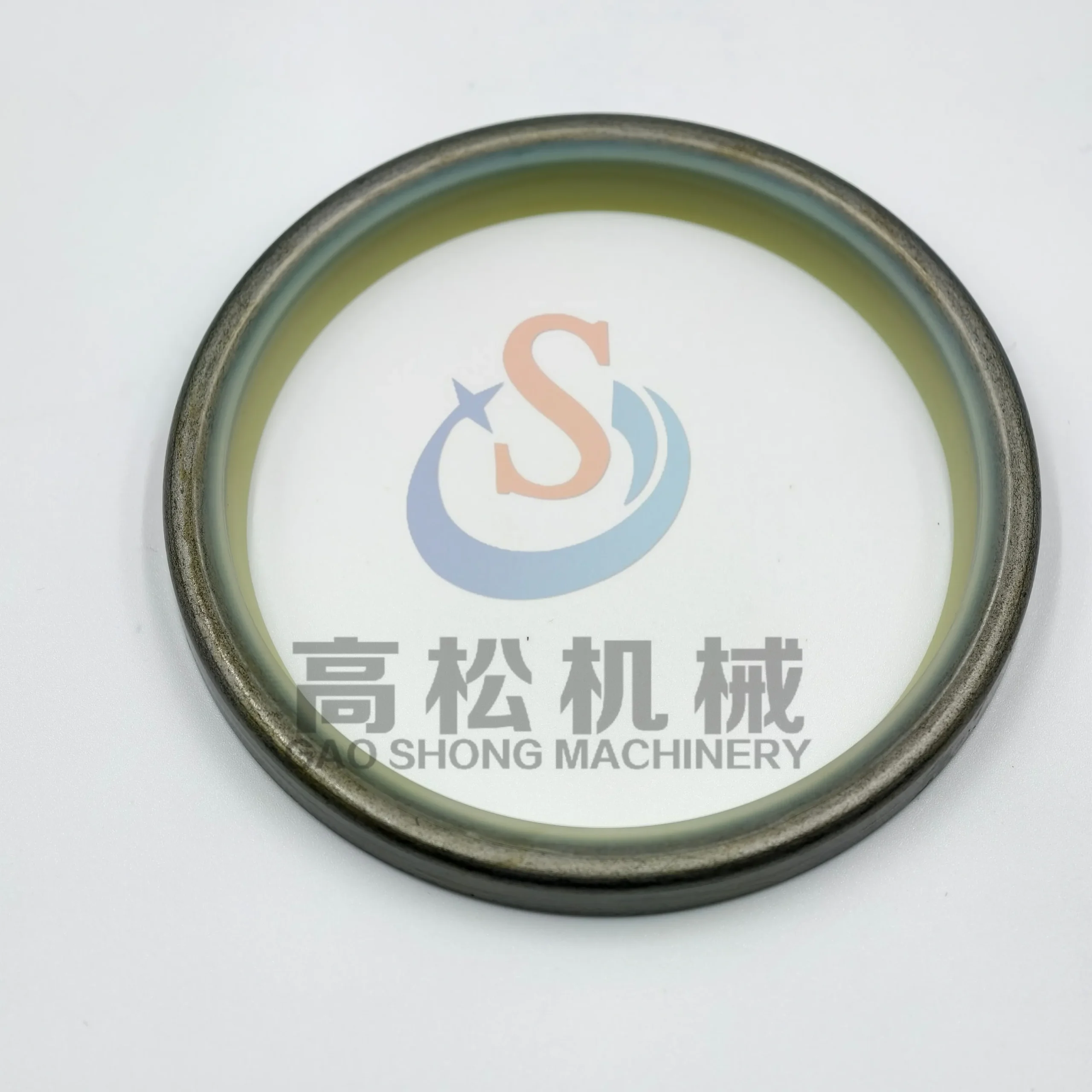 17M-50-24360 Seal (Komatsu)
 -
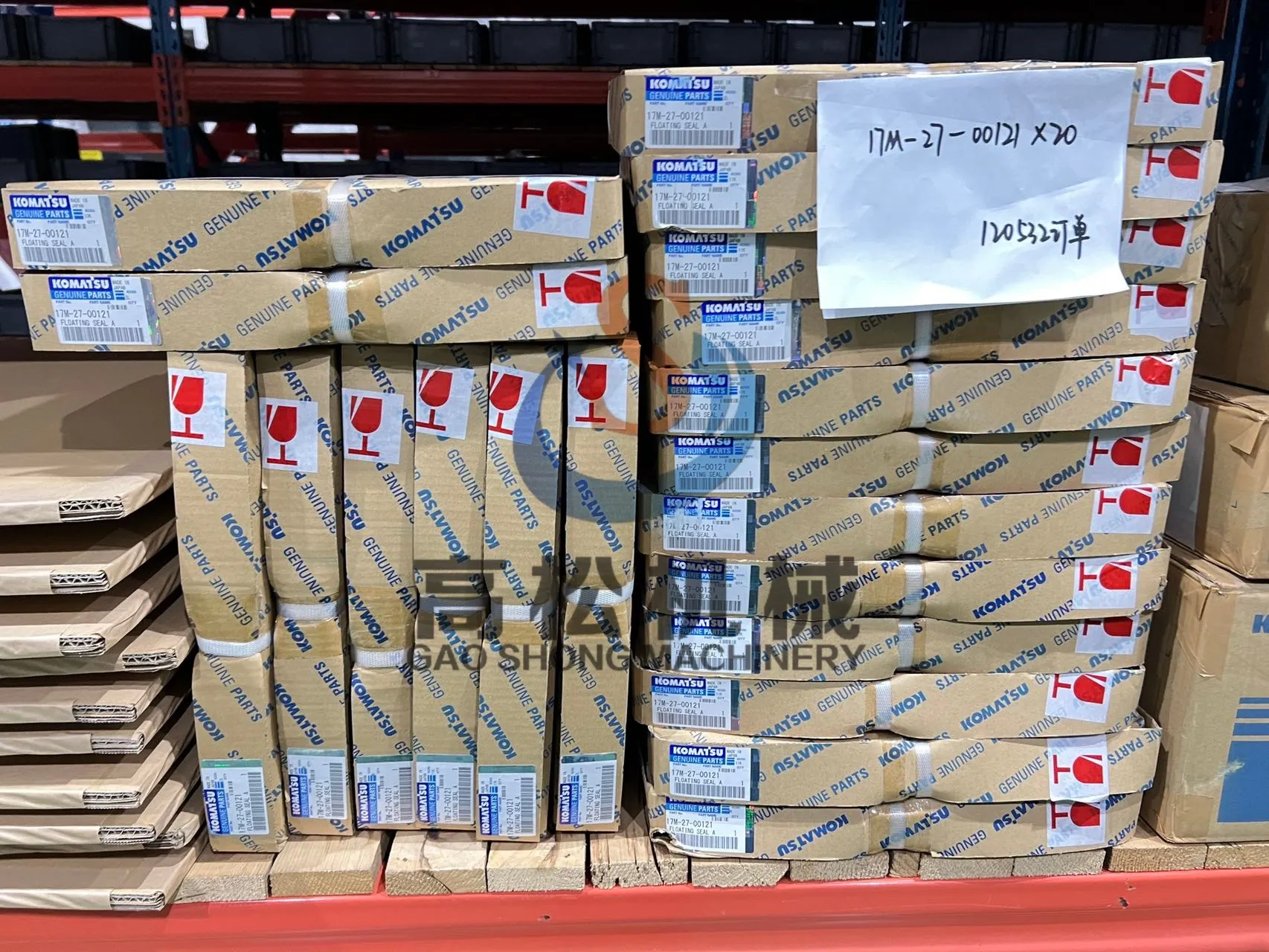 17M-27-00121 FLOATING SEAL ASSY
 -
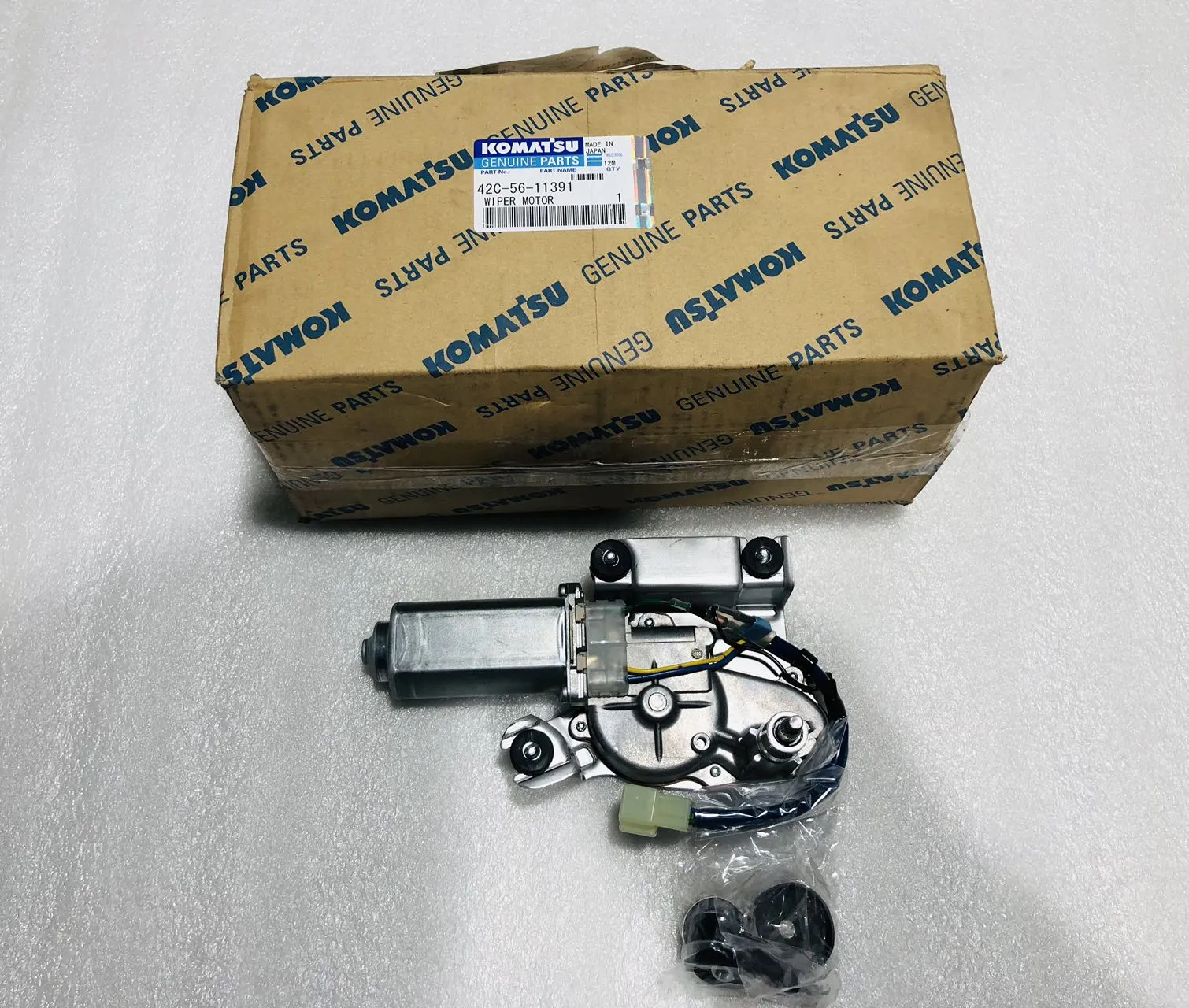 Komatsu 42C-56-11391 WIPER MOTOR
 -
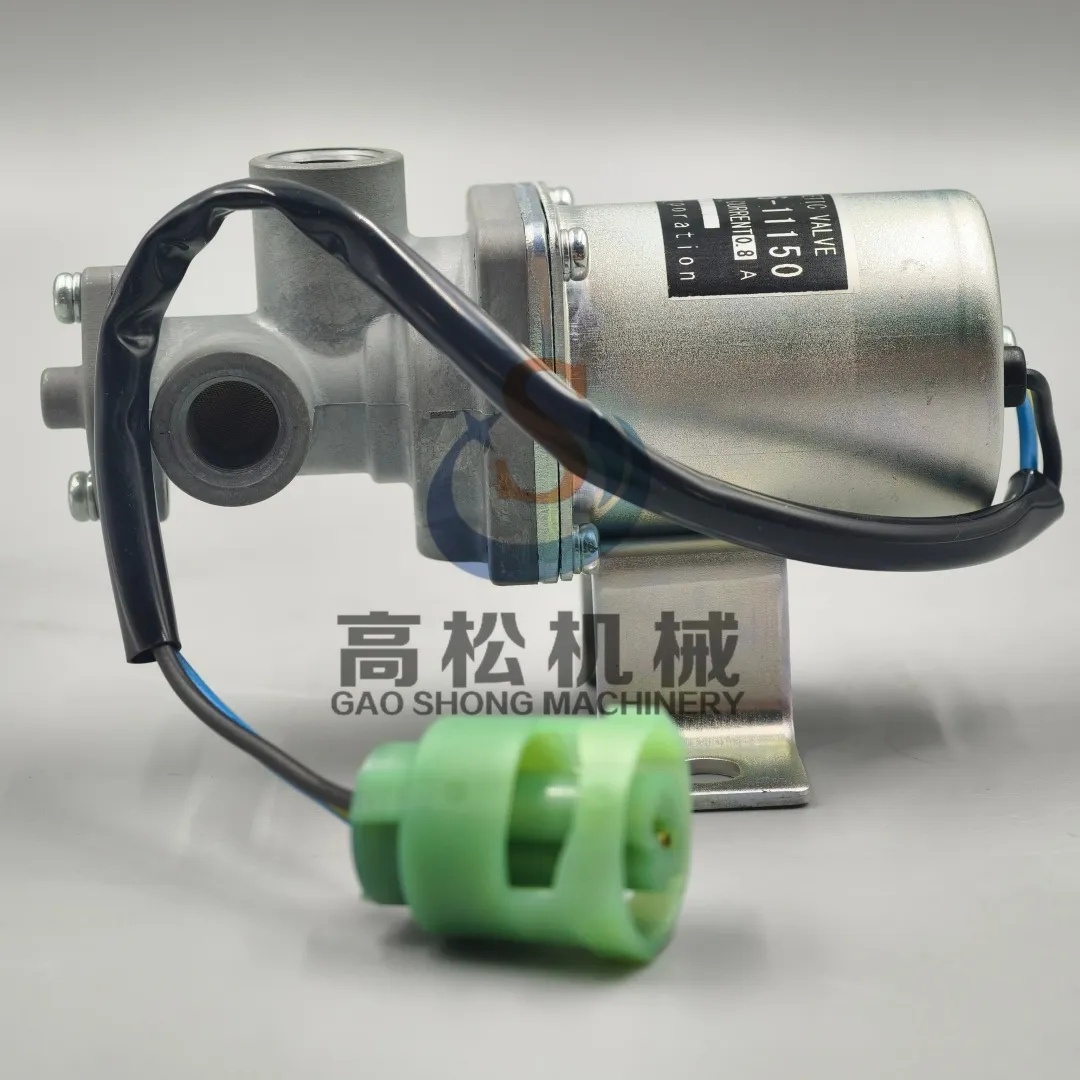 Komatsu Relay 425-06-11150 for Wheel loader WA600-1
 -
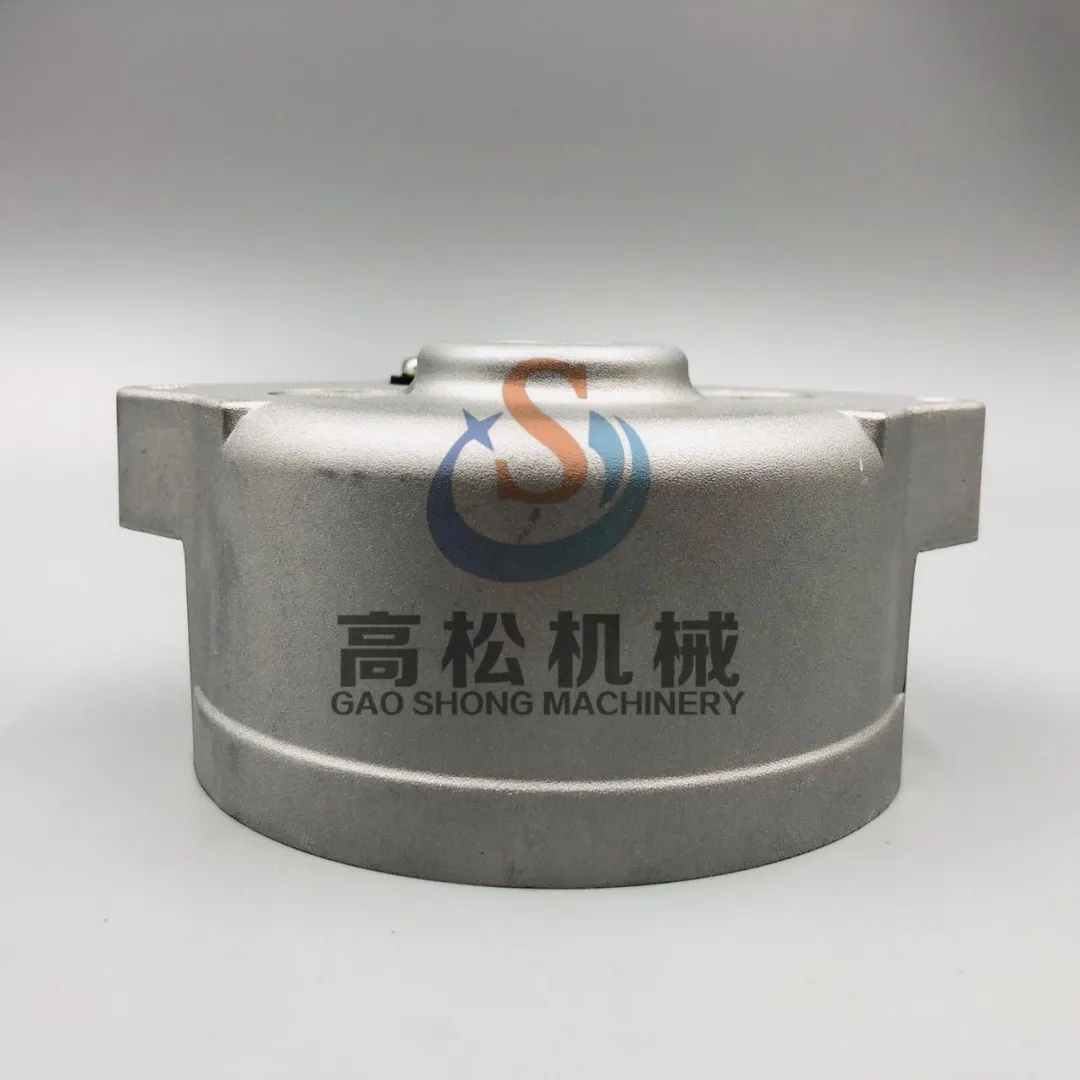 Komatsu KD0-23700-0130 Bracket
 -
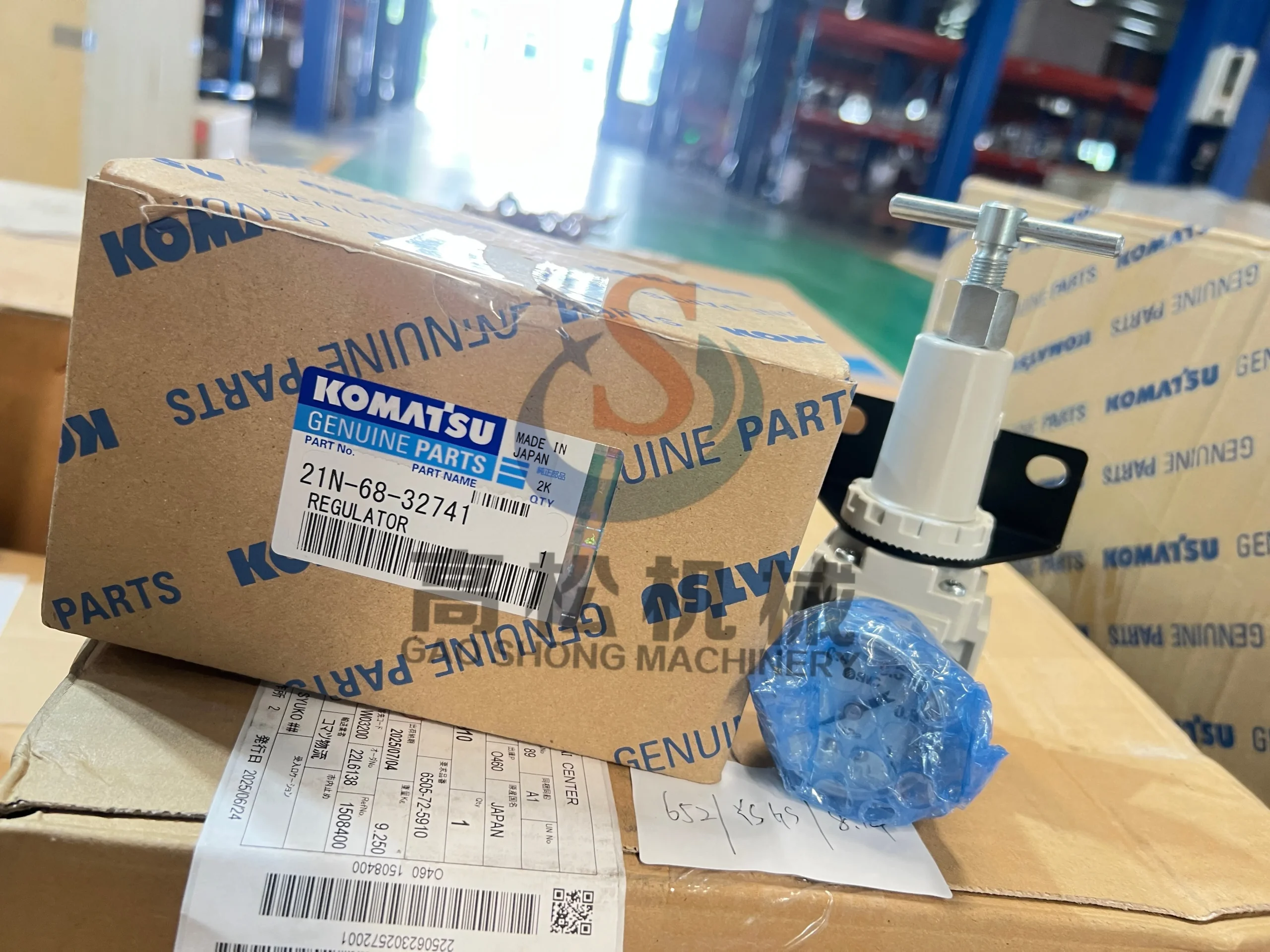 REGULATOR – 21N-68-32741
 -
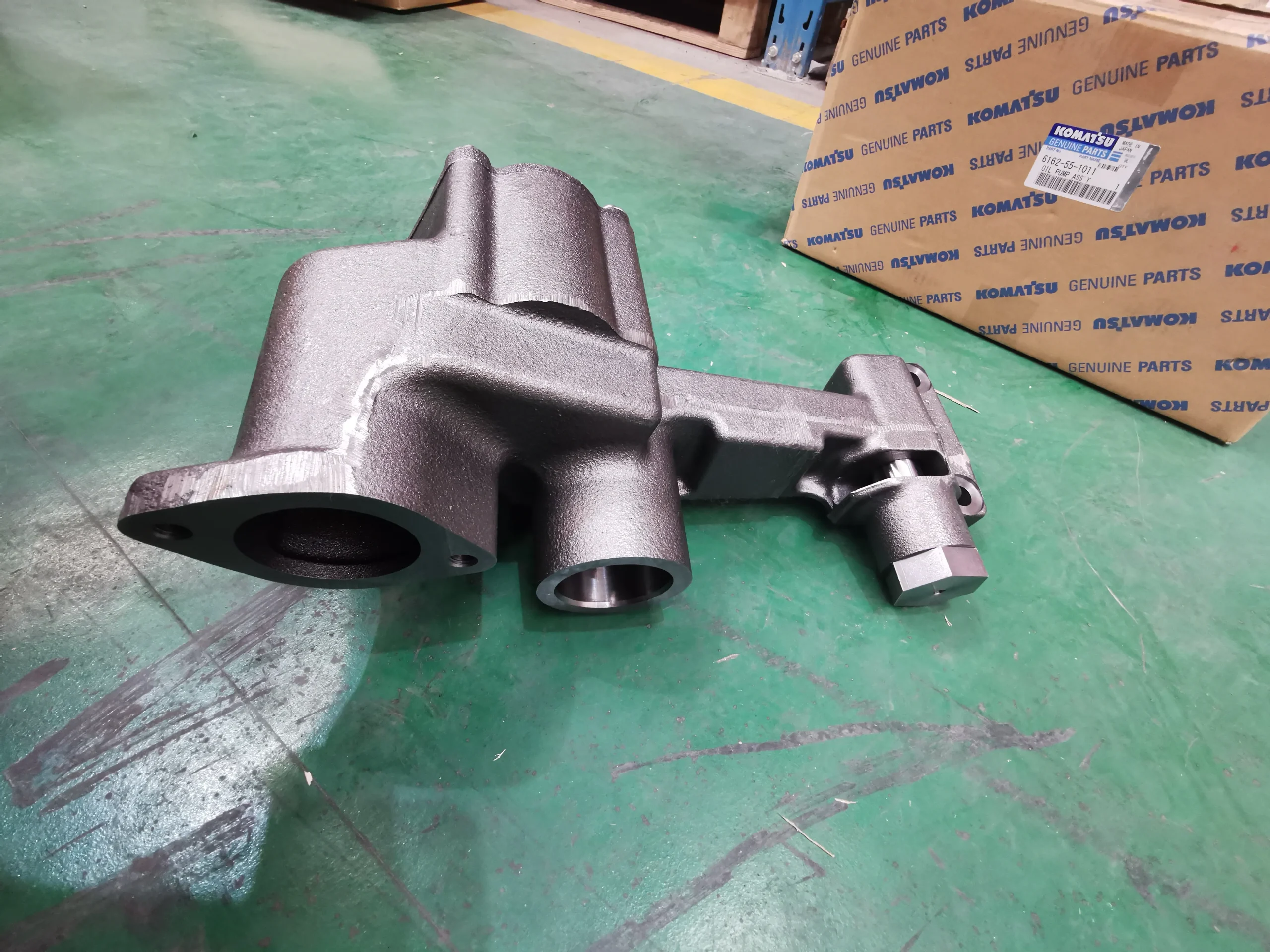 Supply Komatsu S6D170E-2A Oil Pump 6162-55-1011
 -
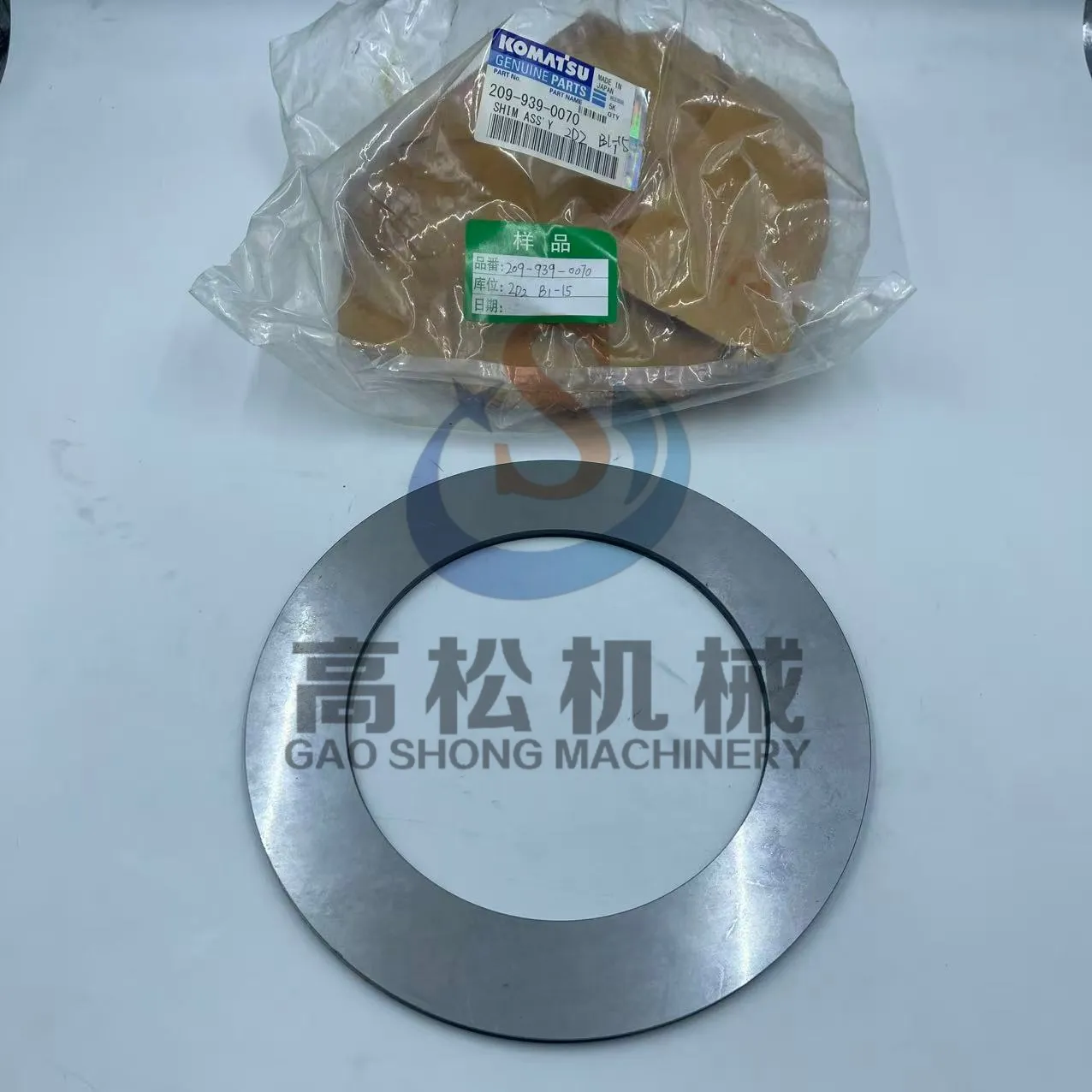 209-939-0070 Komatsu Shim Assembly
 -
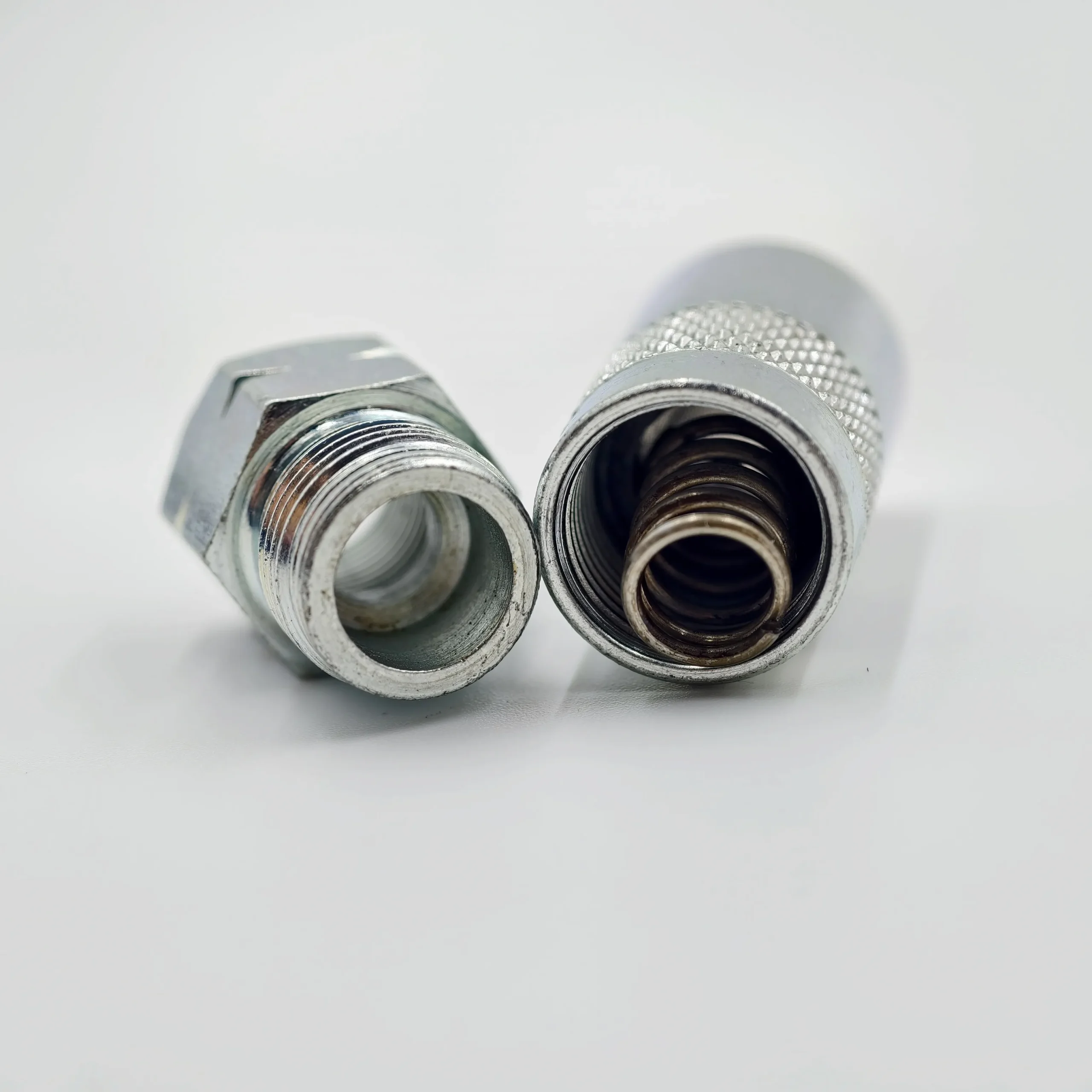 209-68-11640• COUPLER ASS’Y-Komatsu Original Factory
 -
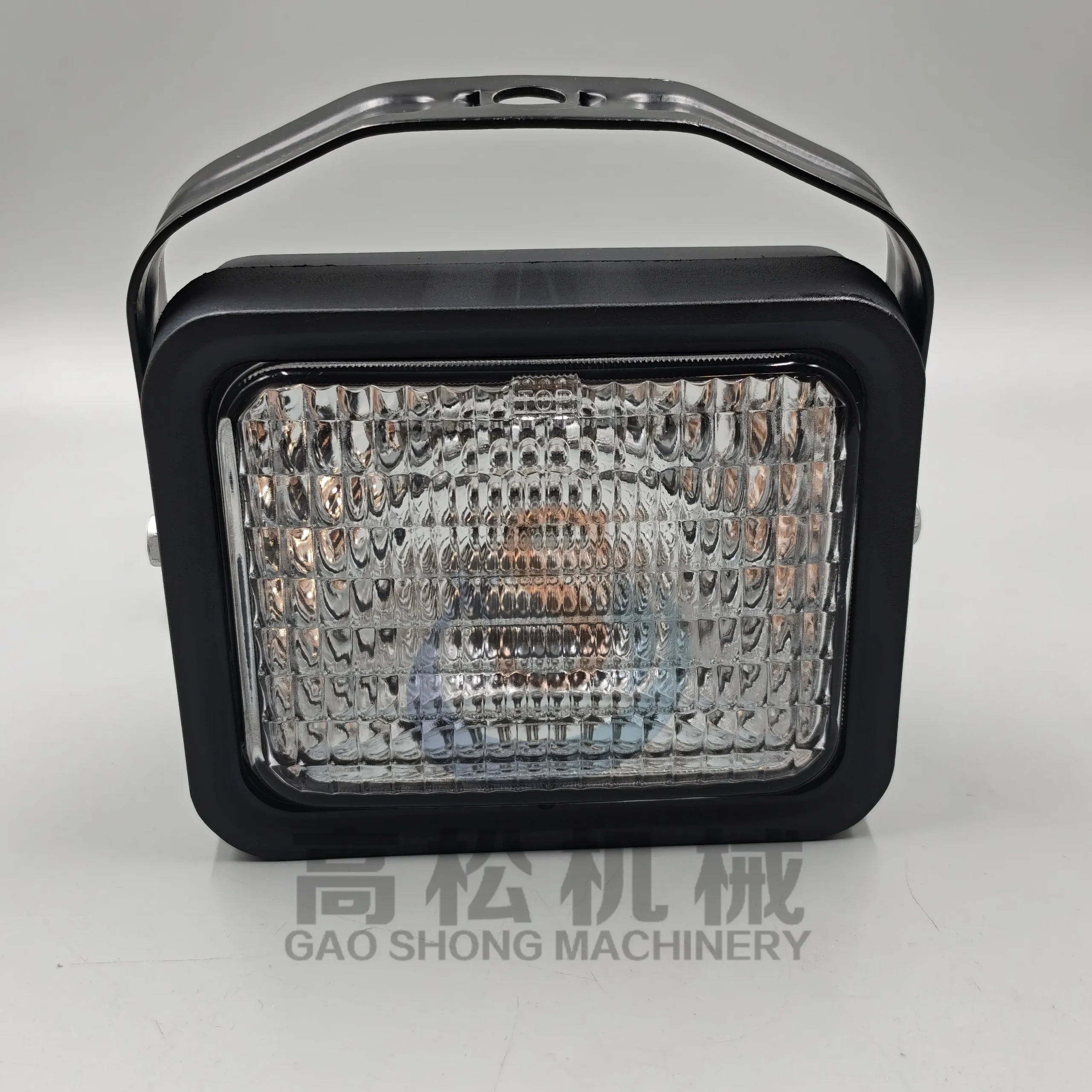 Lamp 421-06-23310 426-56-23360 Compatible for Komatsu WA500-3 WA800-3 WA420-3L HD785-7 HD325-7 HM250-2
 -
 04065-07030komatsu parts original
 -
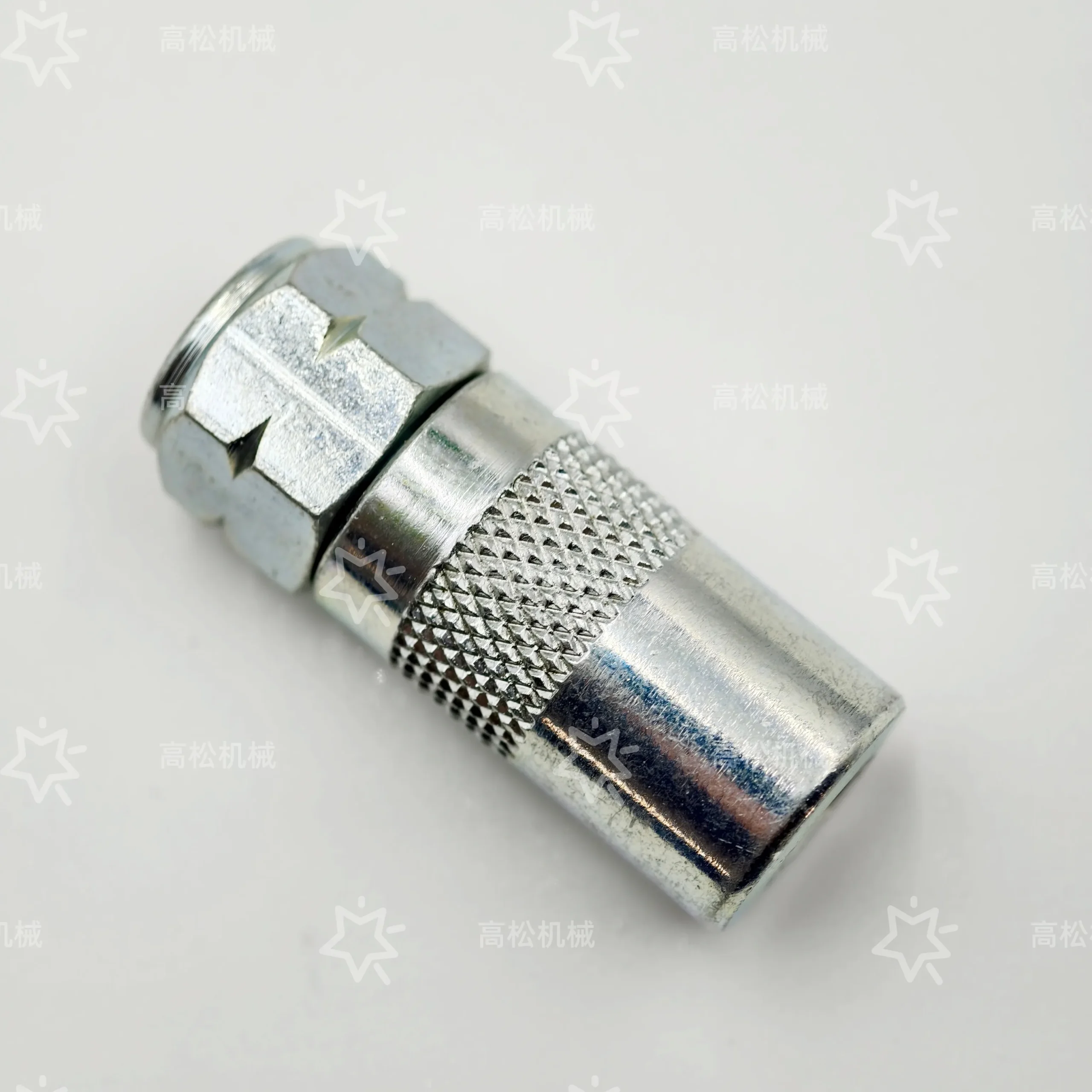 209-68-11640 Komatsu Coupling Assembly