
- Chinese
- French
- German
- Portuguese
- Spanish
- Russian
- Japanese
- Korean
- Arabic
- Irish
- Greek
- Turkish
- Italian
- Danish
- Romanian
- Indonesian
- Czech
- Afrikaans
- Swedish
- Polish
- Basque
- Catalan
- Esperanto
- Hindi
- Lao
- Albanian
- Amharic
- Armenian
- Azerbaijani
- Belarusian
- Bengali
- Bosnian
- Bulgarian
- Cebuano
- Chichewa
- Corsican
- Croatian
- Dutch
- Estonian
- Filipino
- Finnish
- Frisian
- Galician
- Georgian
- Gujarati
- Haitian
- Hausa
- Hawaiian
- Hebrew
- Hmong
- Hungarian
- Icelandic
- Igbo
- Javanese
- Kannada
- Kazakh
- Khmer
- Kurdish
- Kyrgyz
- Latin
- Latvian
- Lithuanian
- Luxembou..
- Macedonian
- Malagasy
- Malay
- Malayalam
- Maltese
- Maori
- Marathi
- Mongolian
- Burmese
- Nepali
- Norwegian
- Pashto
- Persian
- Punjabi
- Serbian
- Sesotho
- Sinhala
- Slovak
- Slovenian
- Somali
- Samoan
- Scots Gaelic
- Shona
- Sindhi
- Sundanese
- Swahili
- Tajik
- Tamil
- Telugu
- Thai
- Ukrainian
- Urdu
- Uzbek
- Vietnamese
- Welsh
- Xhosa
- Yiddish
- Yoruba
- Zulu
- Kinyarwanda
- Tatar
- Oriya
- Turkmen
- Uyghur






komatsu pc220 engine
When you hear 'Komatsu PC220 engine', most guys immediately think of the S6D102E or the later SAA6D102E. That's correct, but it's also where the first mistake happens. Assuming all PC220 power units are identical is a quick way to get burned on a rebuild or a parts order. I've seen too many mechanics, even seasoned ones, just go by the model number without checking the actual engine serial number prefix. The difference between an -1, -2, or -3 series can mean a different fuel pump, a different turbocharger mounting flange, or an updated piston ring package. It's not just academic; putting a -1 head gasket on a -3 block because the supplier said it's for a PC220 will lead to a costly comeback.
The Core: More Than Just Displacement
The 6.7-liter displacement is the constant. But the devil's in the details of how Komatsu tweaked it over the decades for emissions and durability. The early S6D102 units were straightforward, almost bulletproof if you kept the air and fuel clean. The real shift came with the SAA6D102E introduction, meeting Tier 2/Tier 3 interim standards. That's when the electronic control system, the Komatsu EMMS, became a critical part of the engine conversation. You can't talk about the engine now without considering the controller and the sensors. A Komatsu PC220 engine with a faulty coolant temperature sensor won't just run poorly; it might derate power completely, leaving the machine crawling on a jobsite.
From a practical standpoint, the valve adjustment procedure is a good tell. The older models have a simple clearance spec. The newer ones, with their different rocker arm design, require a specific sequence and tool to lock the camshaft. I learned this the hard way on a 2007 machine we sourced for a client. We treated it like an older model, adjusted the valves, and ended up with a nasty tap. Had to redo the entire job after pulling the technical bulletin. It's these subtle, undocumented-in-the-field-manual changes that separate a parts changer from a real technician.
And then there's the cooling system. The PC220's engine isn't particularly prone to overheating, but the layout of the oil cooler in relation to the radiator can cause issues if the auxiliary hydraulics are working hard in a dirty environment. Clogging happens from the outside-in. I always advise owners to check the space between the coolers during routine service—it's a dust and debris trap that a standard pressure wash often misses, leading to gradual temperature creep that stresses the head gasket over time.
Parts Pitfalls and the OEM Reality
This is where the industry gets murky. The aftermarket is flooded with compatible parts for the Komatsu PC220 engine. Some are fine for non-critical wear items. But for core components like fuel injection plungers, cylinder heads, or turbocharger cartridges, the risk isn't worth the savings. I've installed a grade A aftermarket head that cracked between the valves after 800 hours. The metallurgy just wasn't there. The comeback cost in labor and downtime wiped out any parts savings tenfold.
That's why outfits like Jining Gaosong Construction Machinery Co., Ltd. fill a crucial niche. Being an OEM product supplier within the Komatsu system means they have access to genuine Komatsu-spec components, not just pattern parts. When you're in a region where the official Komatsu parts network is thin or slow, a source like their platform at https://www.takematsumachinery.com becomes vital. Their role as a third-party sales company for Komatsu isn't about undercutting the dealer; it's about solving supply chain gaps. I've used them to source a genuine SAA6D102E crankshaft for a client in a remote mining operation where the local dealer's lead time was 12 weeks. They had it shipped from their stock in half the time.
The key is verification. Whether you're dealing with Gaosong or any supplier, you must cross-reference the part number from the Komatsu parts book with the serial number of your engine. Sending them a clear photo of the engine nameplate and the damaged part is standard practice. Their value is in providing the correct OEM or OEM-equivalent part, not the cheapest alternative. As their site states, they're focused on solving parts supply challenges, which is exactly what a field service manager needs to hear.
Failures You Can Anticipate
Beyond general wear, a few failure modes are almost predictable on high-hour PC220 engines. The first is the fuel transfer pump on the side of the injection pump. Its diaphragm fails, often letting fuel drain into the crankcase, diluting the oil. It's a simple, sub-$200 part, but if missed, it can cause catastrophic bearing failure. I make it a point to check oil smell and viscosity on every service—if the oil smells like diesel, that's the first place I look.
The second is exhaust manifold cracks. They don't always cause a loud leak. Sometimes it's just a slight loss of boost pressure and a bit of soot around the manifold area. On a turbocharged engine, that leak pre-turbo steals energy and makes the machine feel sluggish. Replacing the manifold is straightforward, but the job is all about cleaning the mating surfaces thoroughly and using the correct, high-temperature sealant. Skipping the cleaning step guarantees a repeat leak.
A more subtle one is the deterioration of the vibration damper on the front of the crankshaft. It's a fluid-filled unit. When it starts to leak or the rubber degrades, you get abnormal torsional vibrations. This can lead to mysterious crankshaft nose wear or even failures in the accessory drive. It's not a common check, but on any engine with over 15,000 hours, I'll inspect it for fluid seepage or outer ring slippage.
The Rebuild Conundrum: In-Frame vs. Out-of-Frame
When a Komatsu PC220 engine is down for a major overhaul, the biggest debate is whether to pull it or work in-frame. For a typical contractor with one machine, in-frame—replacing pistons, liners, bearings, and the head while the block is still in the chassis—is tempting for cost and time. And it can work. But it's a compromise. You can't properly clean the block, inspect the main bearing bores for alignment, or address any core plug or coolant passage issues.
I generally recommend an in-frame only if the bottom end is confirmed healthy via oil analysis and the failure is isolated (like a dropped liner or cracked head). If the oil analysis shows high wear metals across the board, pulling the engine is the only right call. Trying to do a half-measure in-frame on a tired bottom end will result in another major failure within 2000 hours. I've been down that road, trying to save a client money, and it backfired. The labor to do the job twice far exceeded the cost of a proper out-of-frame rebuild the first time.
The out-of-frame process also lets you properly evaluate and rebuild the accessory components—the water pump, the starter, the alternator. On the bench, you can pressure-test the oil cooler, flow-test the injectors properly, and send the turbo out for a balanced rebuild. These are the steps that turn a rebuild into a reliable, like-new power unit. It's the difference between getting the machine back to work and getting it back to work with confidence for another 10,000 hours.
Final Thought: It's a System, Not Just a Motor
Wrapping this up, the main takeaway is to stop thinking of the Komatsu PC220 engine as an isolated component. Its performance and lifespan are tied directly to the hydraulic system's health (strain from pump issues), the cooling system's efficiency, and the quality of the air and fuel going into it. A failing hydraulic pump creating excessive load can kill a perfectly good engine. A clogged radiator will do the same.
Proactive, system-wide maintenance is the only real strategy. That means using quality filters, following the fluid change intervals with the correct spec oils, and actually listening to the machine. The engine will tell you things—a slight change in exhaust note, a slower throttle response, a minor oil weep. Catching those early is what keeps these machines, and the businesses that depend on them, running profitably. And when you do need parts, knowing where to get the right ones—from sources that understand the system, like the OEM-linked suppliers—is half the battle won.
Related Products
Related Products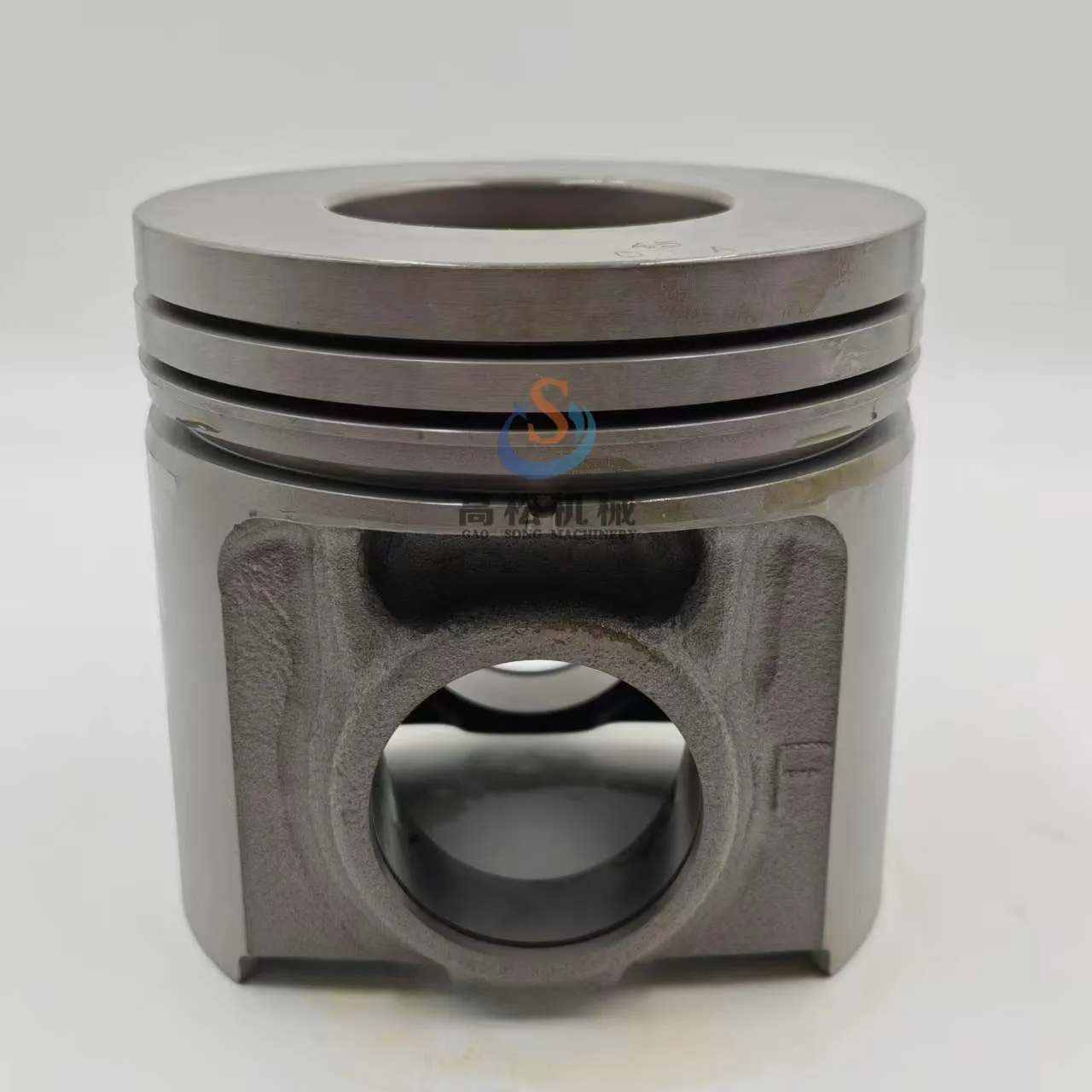

Best Selling Products
Best Selling Products-
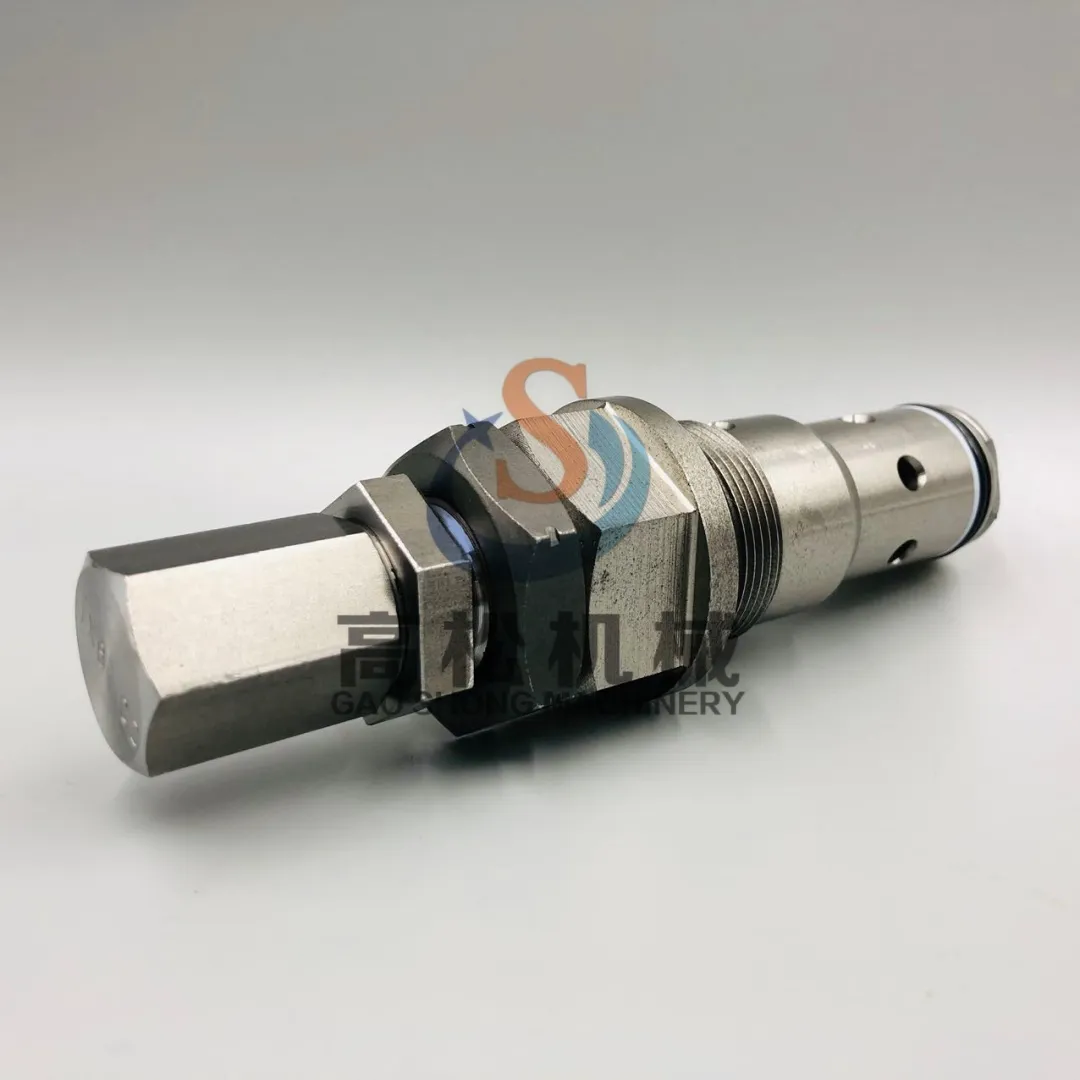 700-89-66000 RELIEF VALVE KOMATSU STEERING VALVE
 -
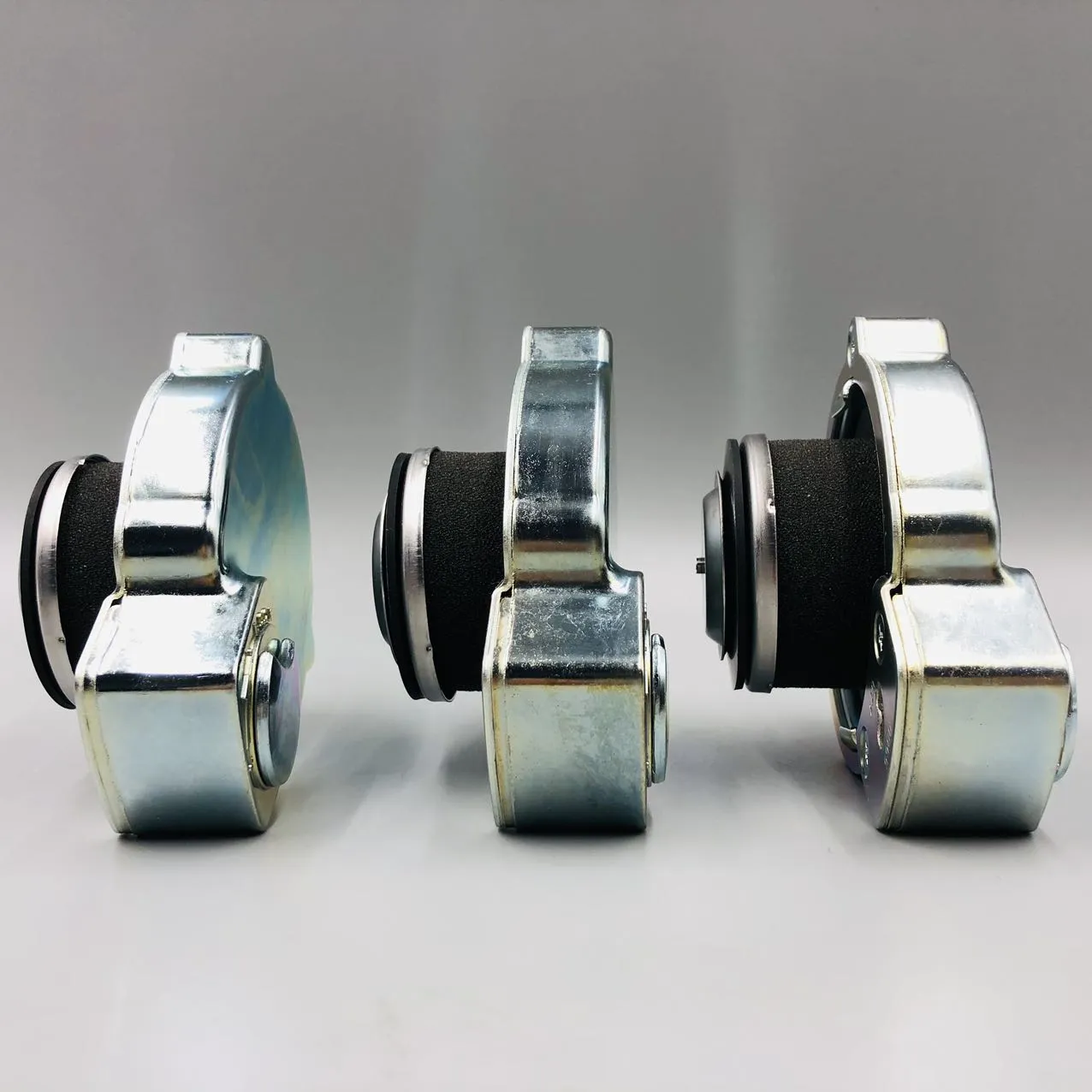 17A-60-11310Hydraulic oil cap assembly
 -
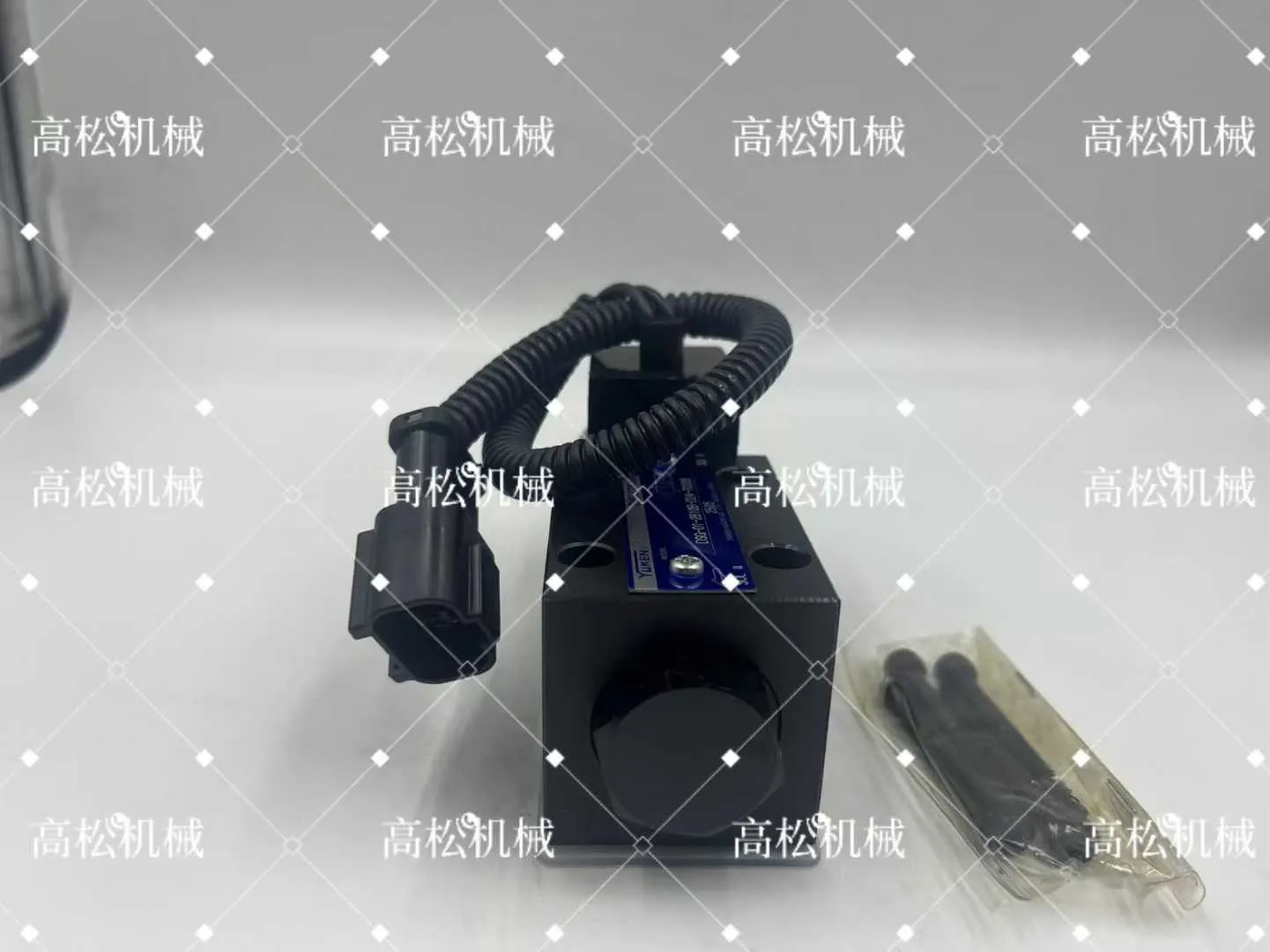 23W-60-28230 Valve Assembly, Komatsu. Applicable Model: WA600-3. In stock.
 -
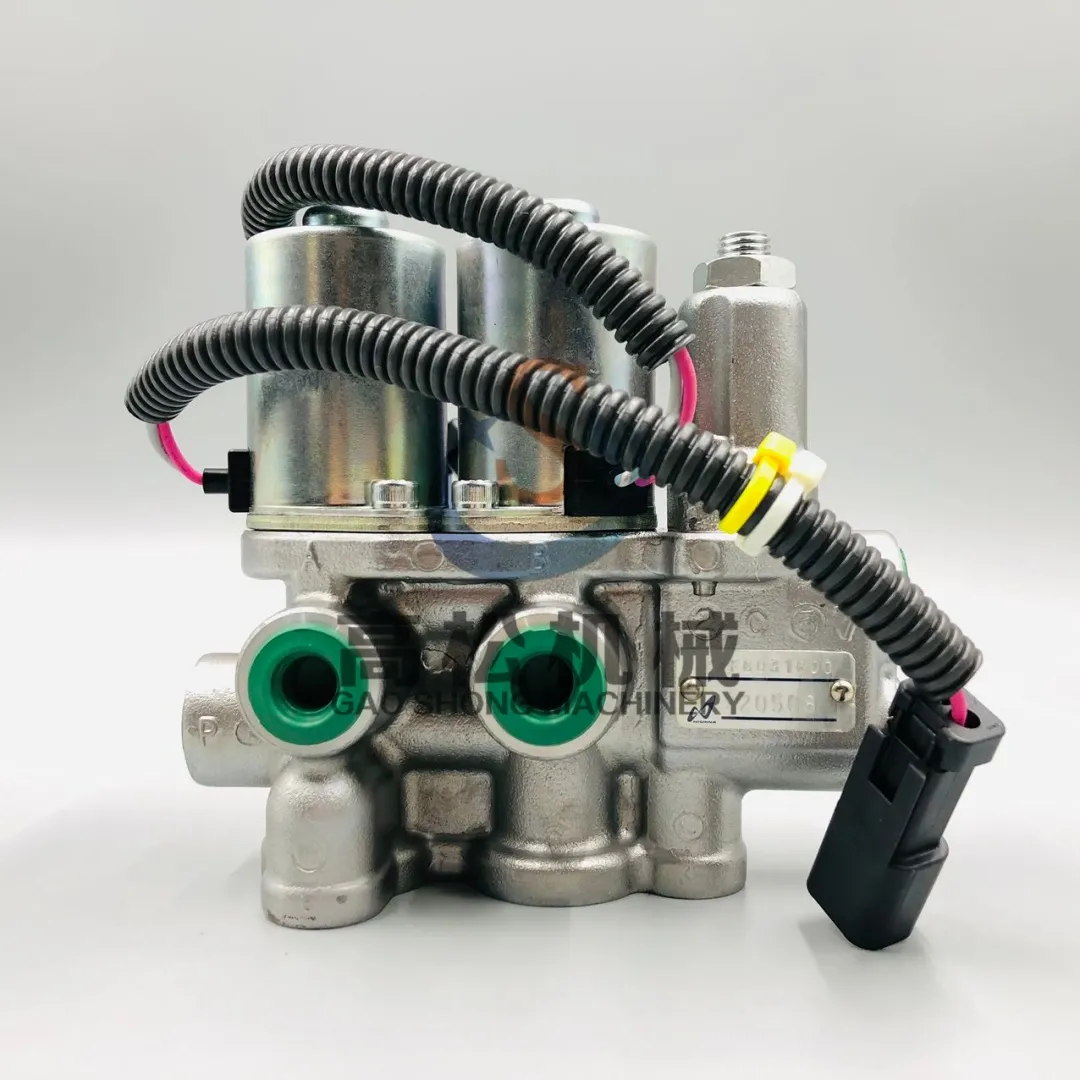 22F-60-31600 Solenoid Valve Ass’y for Komatsu PC18MR-3 PC35MR-3 PC45MR-3 PC55MR-3
 -
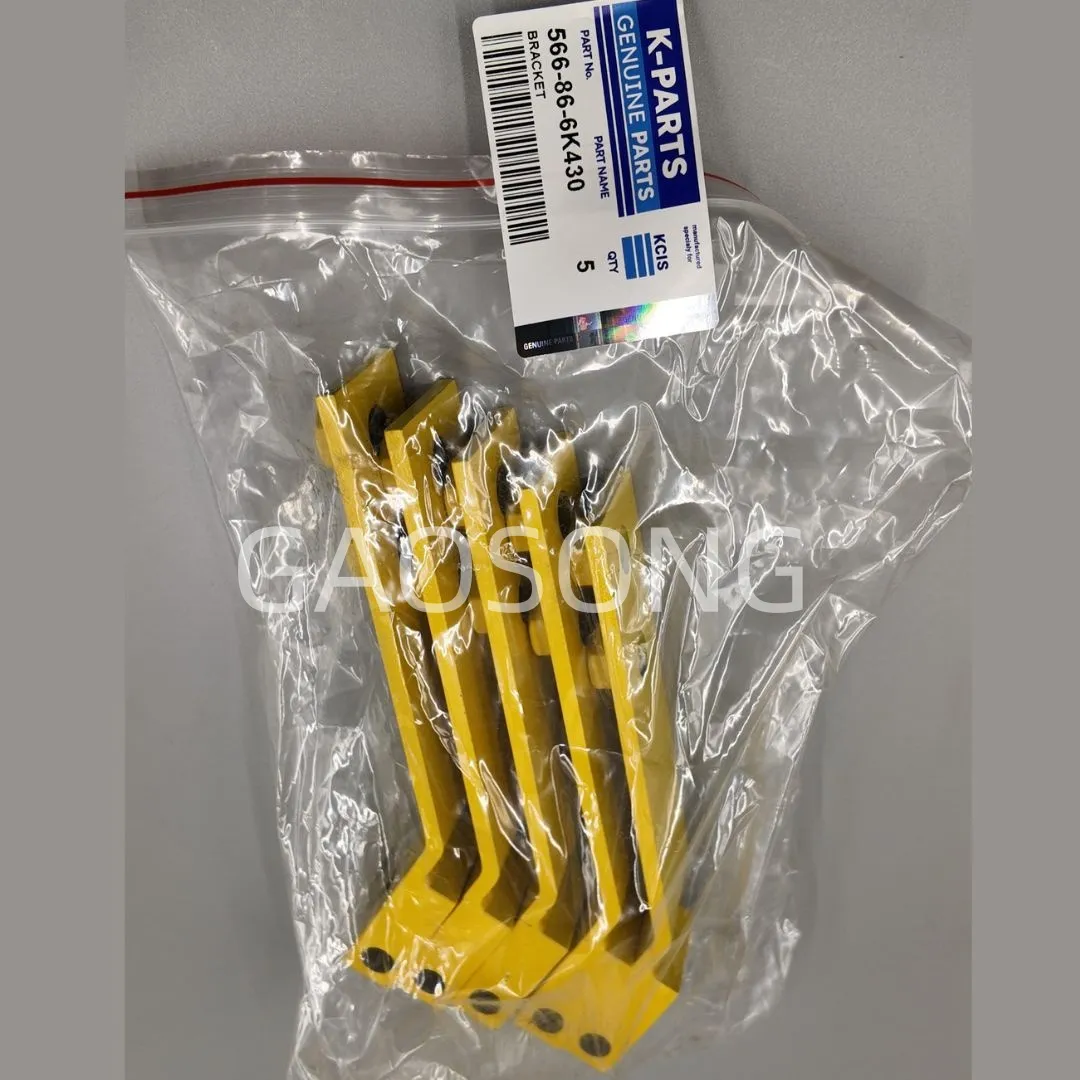 566-86-6K430 BRACKET–Komatsu Original Factory
 -
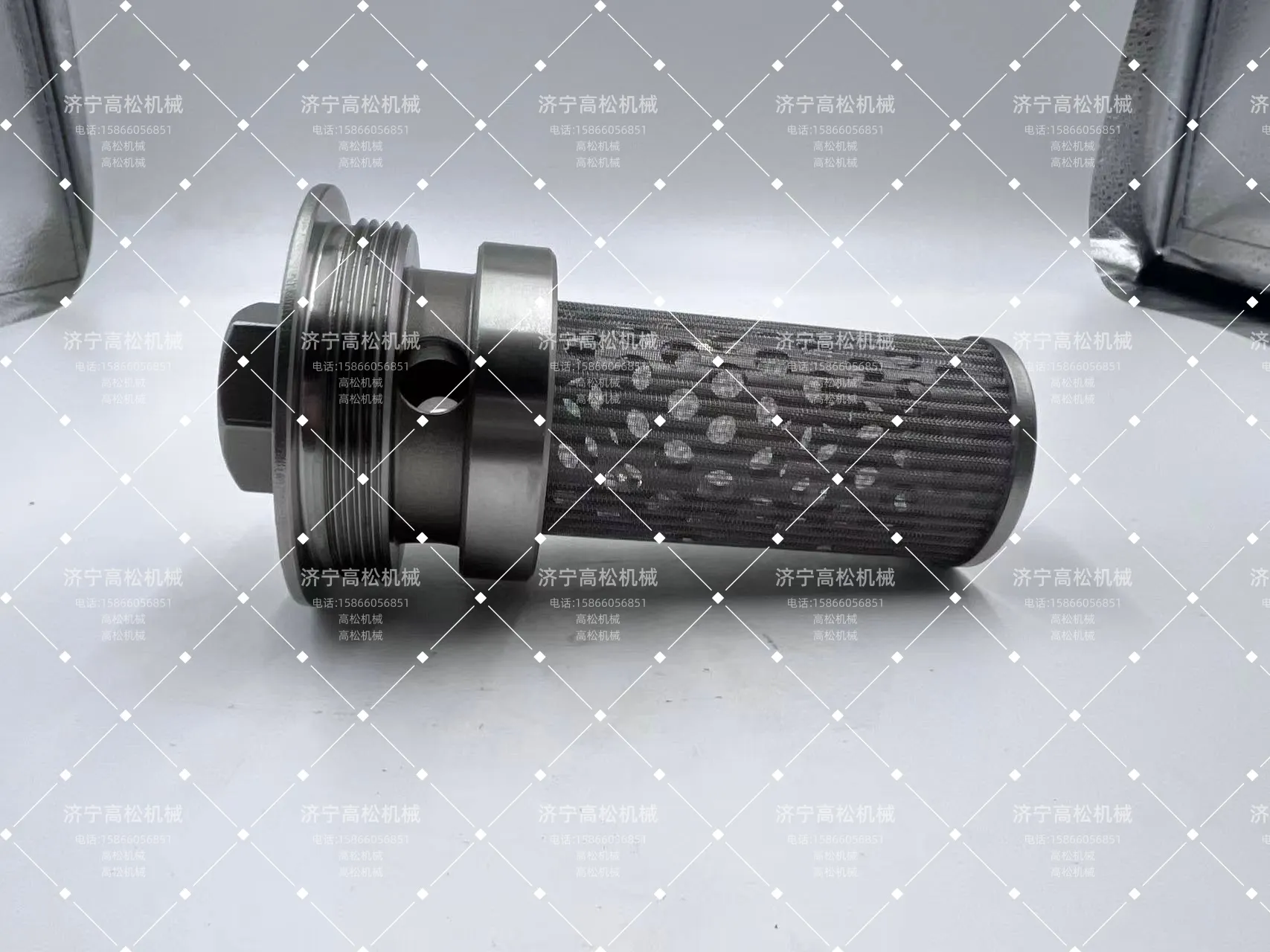 Original Brand New Filter element 195-04-11150 Filter Suitable for…
 -
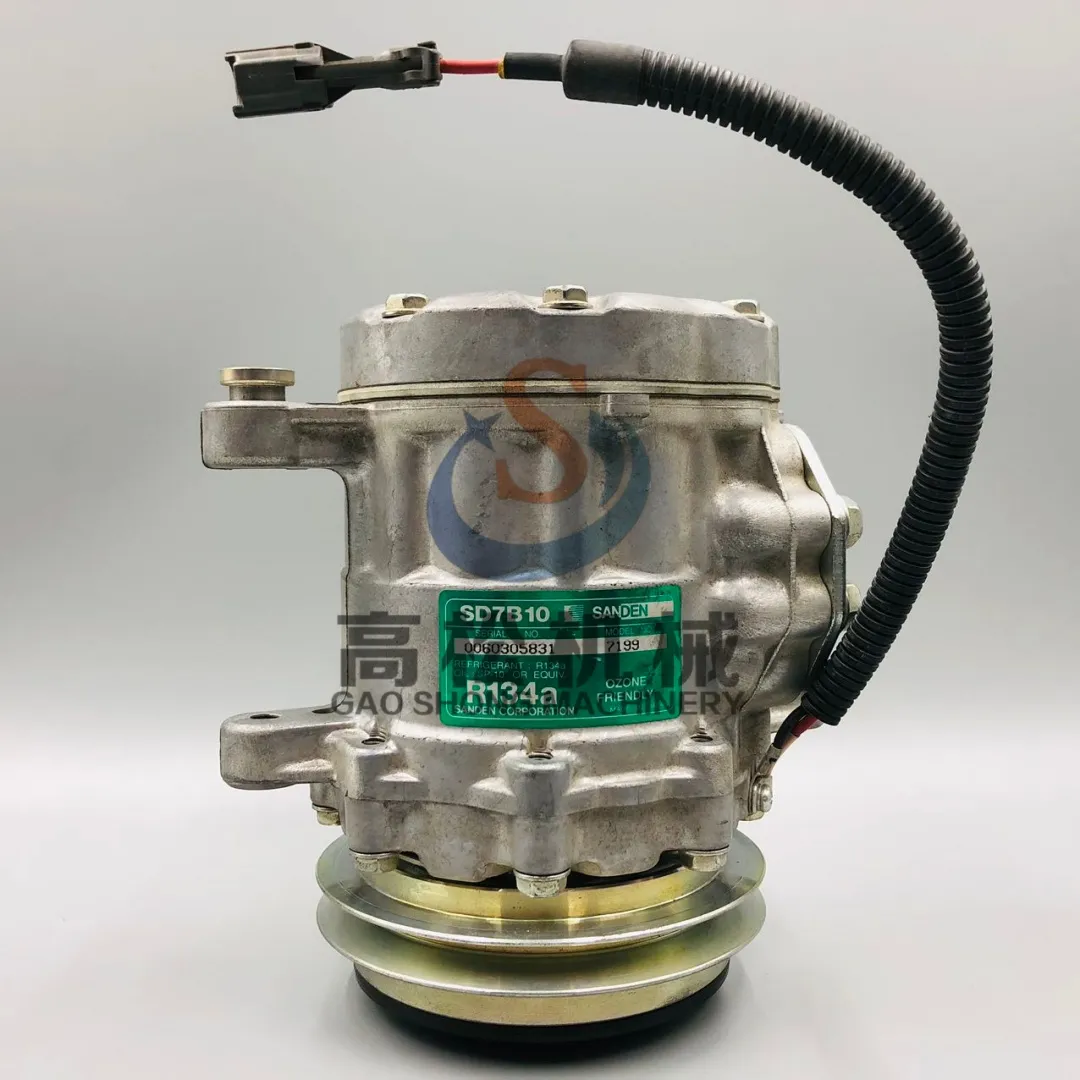 Disong 22L-979-2200 AIR CONDITIONER COMPRESSOR 22L-979-2200 for Excavator PC56-7
 -
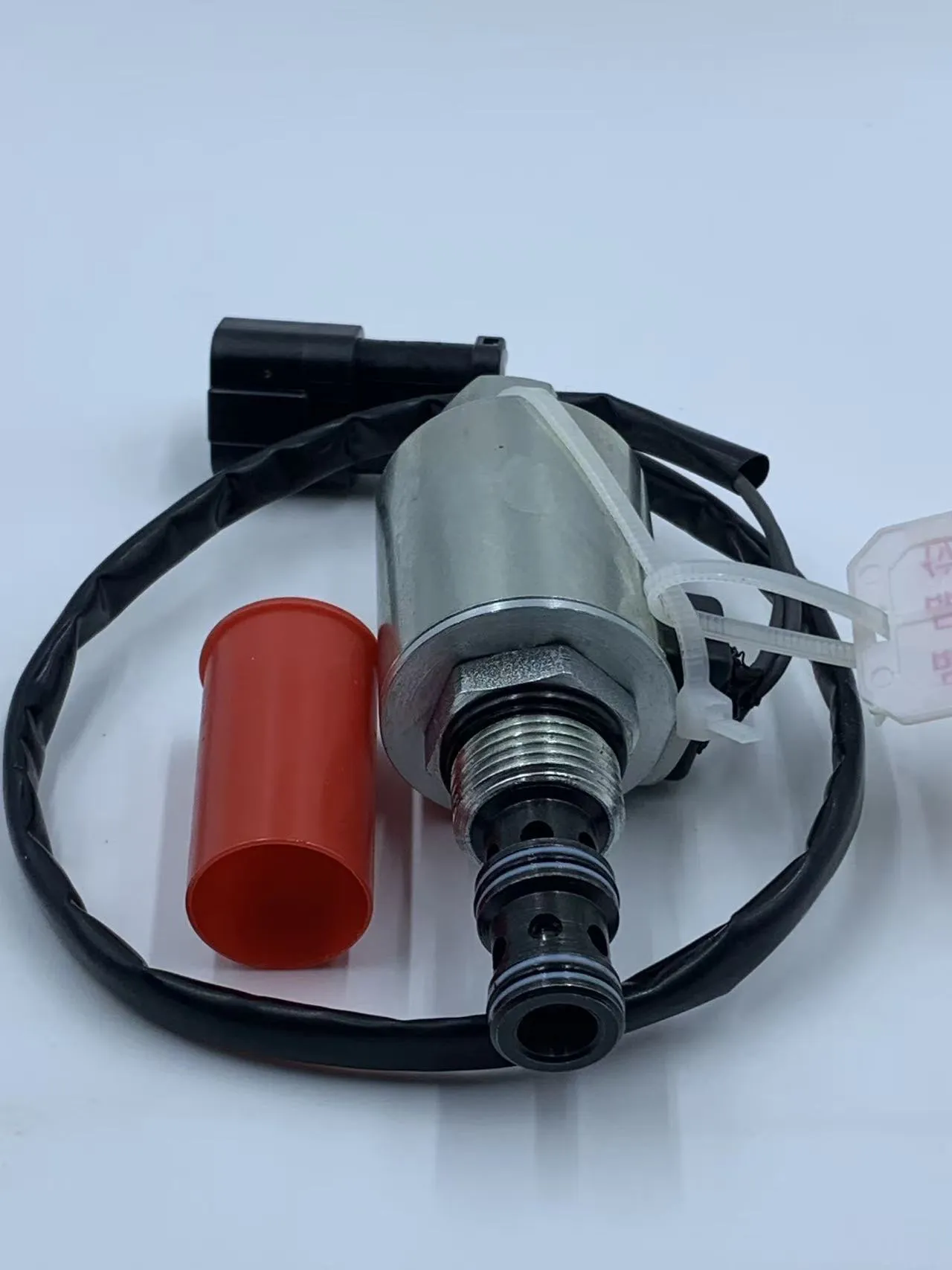 New Rotary Pump Solenoid Coil 20Y-60-11713 for Komatsu… | eBay
 -
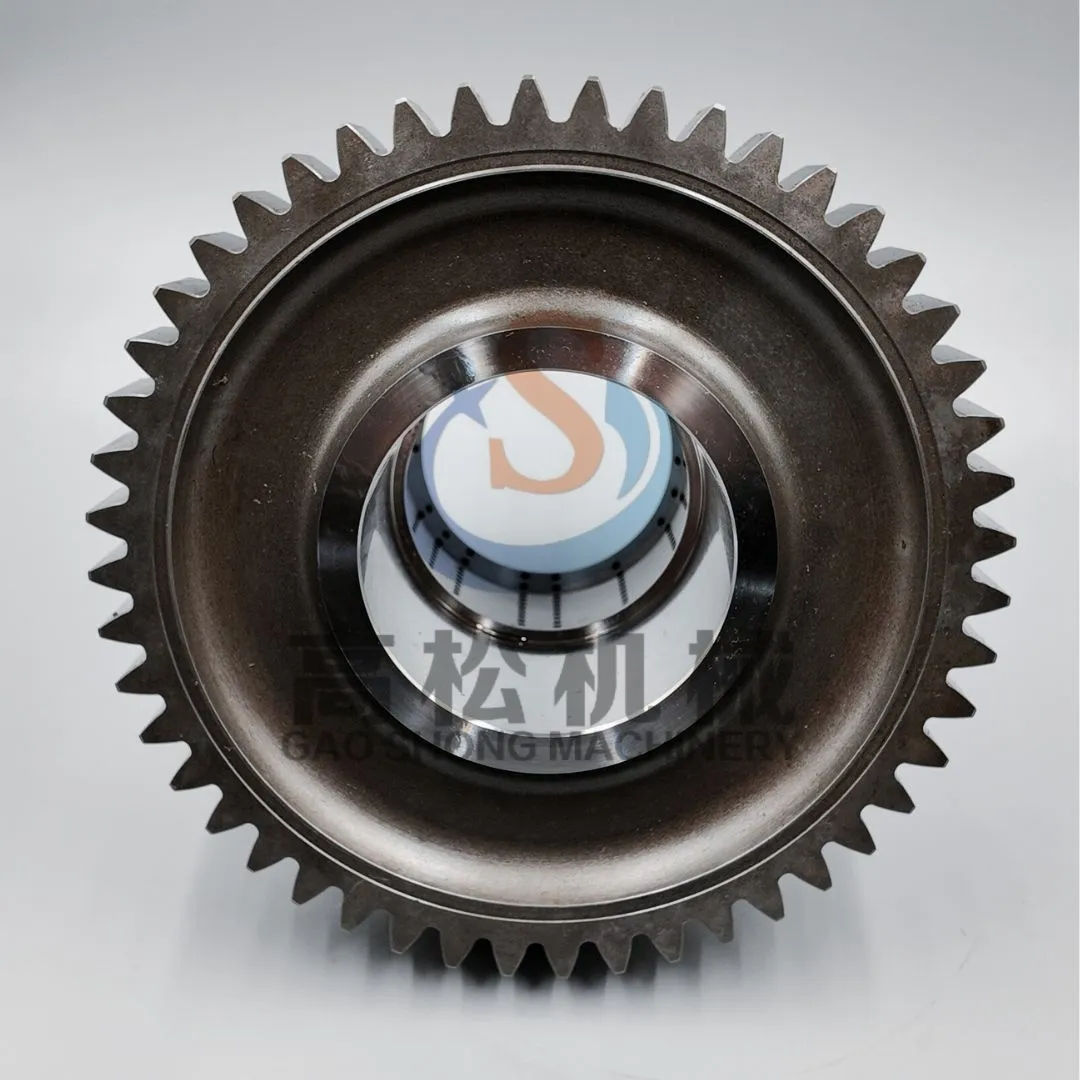 714-07-12420 Komatsu GEAR, 48 TEETH,FORWARD
 -
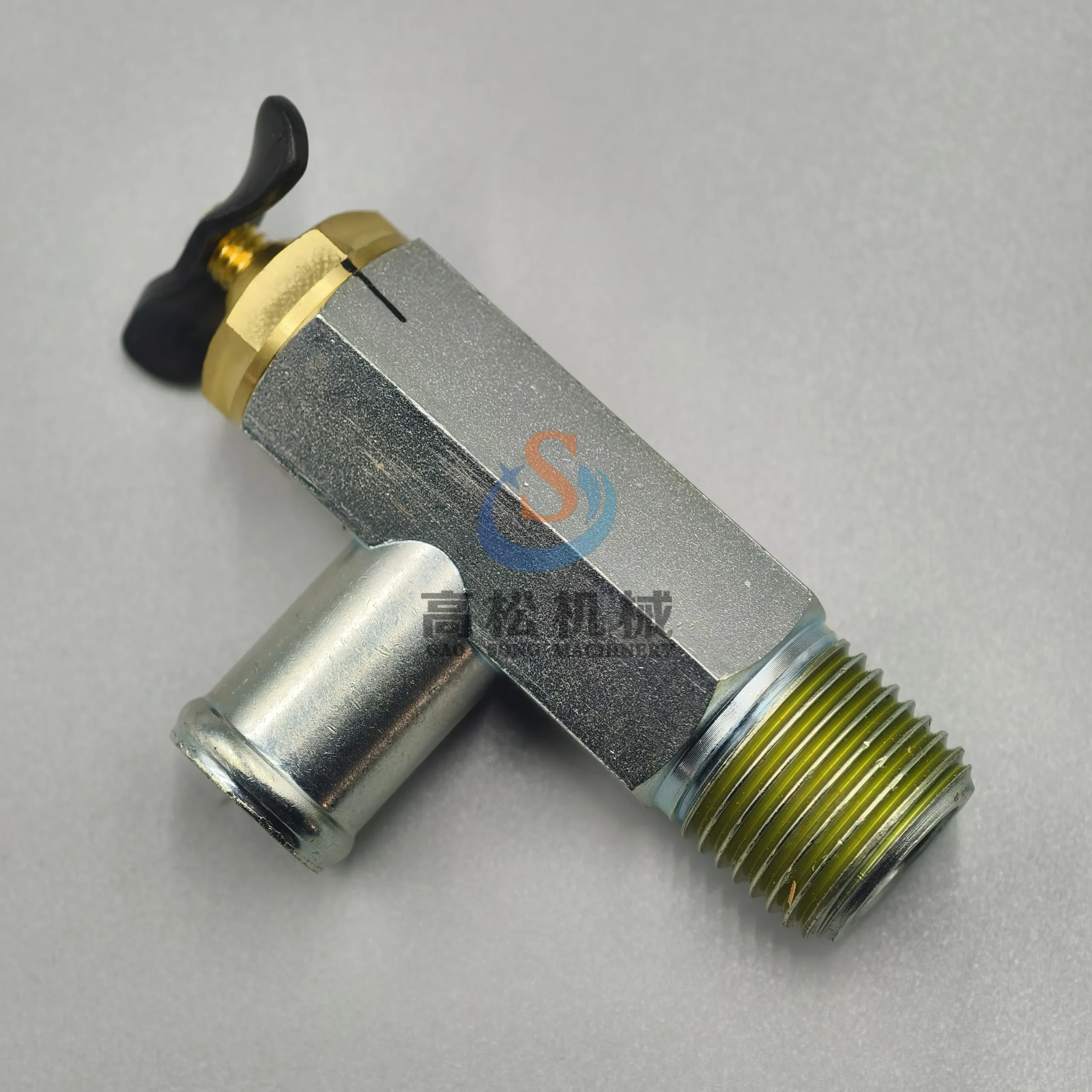 09482-10000 komatsu vavle-D275A/PC750/WA800
 -
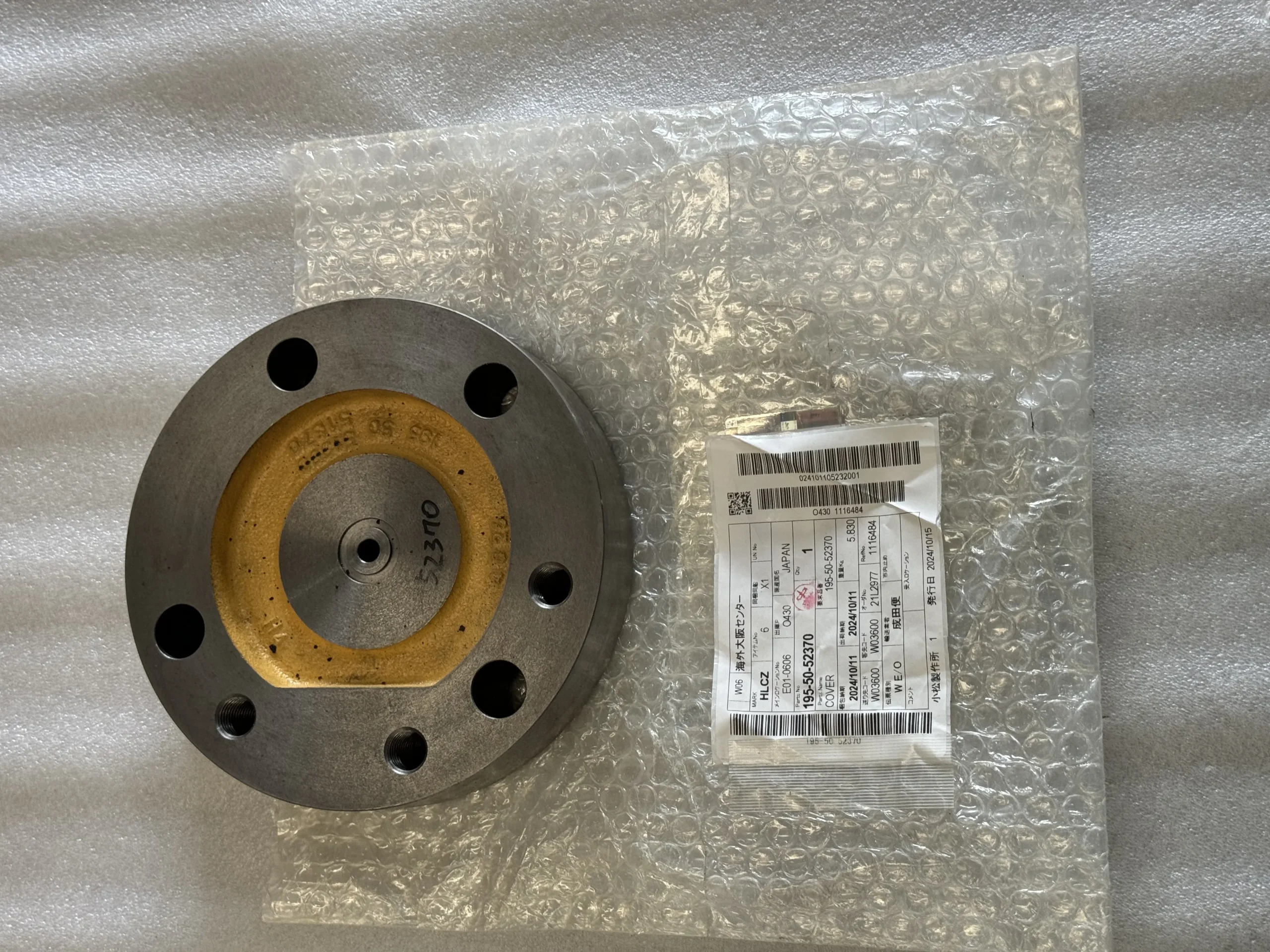 D375A-5 Cover 195-50-52370
 -
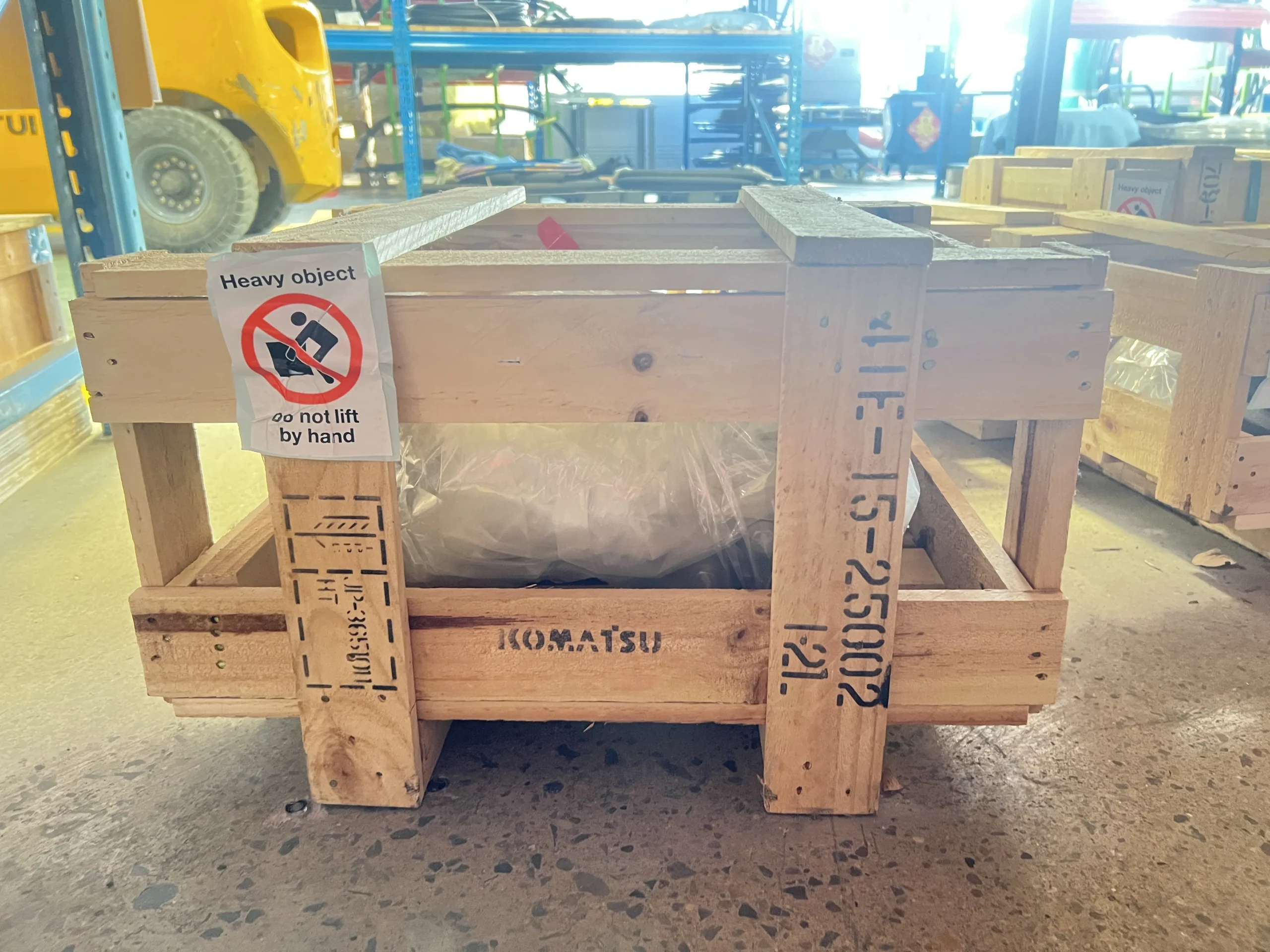 WD600-3 Control Valve Assembly 41E-15-25002
Related Search
Related Search- 287-33-11910
- komatsu dresser parts
- Komatsu grader OEM parts
- 14X-49-61410
- OEM AND ORIGINAL KOMATSU GEAR 209-38-73130
- OEM AND ORIGINAL KOMATSU WIRING HARNESS 427-06-22431
- Komatsu fuel injector
- OEM AND ORIGINAL KOMATSU SENSOR 566-88-66143
- Komatsu parts catalog
- OEM AND ORIGINAL KOMATSU WIRING HARNESS 21N-06-41132