
- Chinese
- French
- German
- Portuguese
- Spanish
- Russian
- Japanese
- Korean
- Arabic
- Irish
- Greek
- Turkish
- Italian
- Danish
- Romanian
- Indonesian
- Czech
- Afrikaans
- Swedish
- Polish
- Basque
- Catalan
- Esperanto
- Hindi
- Lao
- Albanian
- Amharic
- Armenian
- Azerbaijani
- Belarusian
- Bengali
- Bosnian
- Bulgarian
- Cebuano
- Chichewa
- Corsican
- Croatian
- Dutch
- Estonian
- Filipino
- Finnish
- Frisian
- Galician
- Georgian
- Gujarati
- Haitian
- Hausa
- Hawaiian
- Hebrew
- Hmong
- Hungarian
- Icelandic
- Igbo
- Javanese
- Kannada
- Kazakh
- Khmer
- Kurdish
- Kyrgyz
- Latin
- Latvian
- Lithuanian
- Luxembou..
- Macedonian
- Malagasy
- Malay
- Malayalam
- Maltese
- Maori
- Marathi
- Mongolian
- Burmese
- Nepali
- Norwegian
- Pashto
- Persian
- Punjabi
- Serbian
- Sesotho
- Sinhala
- Slovak
- Slovenian
- Somali
- Samoan
- Scots Gaelic
- Shona
- Sindhi
- Sundanese
- Swahili
- Tajik
- Tamil
- Telugu
- Thai
- Ukrainian
- Urdu
- Uzbek
- Vietnamese
- Welsh
- Xhosa
- Yiddish
- Yoruba
- Zulu
- Kinyarwanda
- Tatar
- Oriya
- Turkmen
- Uyghur






komatsu pc210 parts book
When you hear 'Komatsu PC210 parts book', most guys immediately think of the official PDF from Komatsu. That's the starting point, sure, but if you're running machines in regions where the official dealer network is thin or painfully slow, that book becomes more of a wish list than a practical tool. The real challenge isn't finding the part number; it's finding a reliable, timely source for the actual part that matches the quality you need without the six-week lead time. That's where the distinction between a pure OEM supplier and a third-party solution provider gets critical.
The Illusion of the Perfect Manual
The PC210, especially the -8 and -10 models, is a workhorse. Its parts book is exhaustive. But here's the first hiccup: the book lists everything as a Komatsu part number. If you need a hydraulic pump assembly, it'll show you the whole unit. In the real world, especially on older machines, you often don't need the whole assembly. You need specific internal components—seal kits, gaskets, specific gears. The official book doesn't always break it down to that level for aftermarket sourcing, which forces you to cross-reference or, more often, rely on a supplier who understands the machine's anatomy, not just its part numbers.
I remember a job where we had a swing motor issue on a PC210-8. The book pointed to the complete motor. The lead time and cost were prohibitive. We ended up working with a technical team from a supplier who could identify the specific wear plate and piston group from the breakdown. They weren't just selling parts; they were providing a disassembly analysis based on that parts book schematic. That's a different level of service.
This is why companies that position themselves within the Komatsu system but operate with third-party flexibility are key. Take Jining Gaosong Construction Machinery Co., Ltd., for instance. Their setup, which you can see at https://www.takematsumachinery.com, is telling. They describe themselves as an OEM product supplier within Komatsu and a third-party sales company. In practice, this often means they can source genuine Komatsu parts through OEM channels but also provide quality-compatible alternatives for non-critical or fast-moving items, specifically to solve parts supply challenges in certain countries. That phrase on their site isn't marketing fluff; it's the core of the problem for many contractors.
When the Book Meets the Dirt: Practical Cross-Referencing
You can't just read the parts book in a vacuum. The PC210 has been around in various iterations. A hydraulic hose routing might change slightly between serial number breaks. A common mistake is ordering a part using the book from a different model year. A good supplier will ask for your machine's serial number before they even look at the book. They're using the same book you are, but they have the experience to spot these nuances.
We learned this the hard way with a radiator. The parts book image looked identical for two model years. The physical difference was in the mounting bracket weldment, a detail not highlighted in the book. The wrong radiator arrived, and we lost two days of downtime modifying it to fit. A supplier with deep model-specific knowledge would have flagged that. Now, we always double-check with a supplier's tech if there's any doubt, sending them photos of the old part alongside the book reference.
This is where the dual role of a company like Gaosong becomes valuable. As an entity within the Komatsu system, they have access to precise technical bulletins and updates that might not be in the publicly distributed parts book PDF. Their third-party arm then uses that knowledge to vet alternative components, ensuring compatibility isn't just about thread size, but about performance under load and thermal cycles.
The Alternative vs. Genuine Dilemma
Let's be real. For critical components like the main hydraulic pump, controller, or engine ECM, you almost always want the genuine Komatsu part. The risk is too high. The parts book is your bible here. But for items like filters, seals, hoses, pins, and bushings, the calculus changes. Availability and cost become huge factors.
The trap is buying cheap, uncertified alternatives. A komatsu pc210 parts book might list a filter element. A non-OEM filter that doesn't meet the exact micron rating or burst pressure can cause gradual, expensive damage. A reliable third-party supplier doesn't just sell a generic filter; they sell a filter that meets or exceeds the OEM specification for that specific part number. They should be able to provide the technical data sheet to prove it.
From my dealings, the suppliers who are transparent about what is genuine Komatsu OEM and what is a quality-certified alternative earn trust. Their website, like Takematsu's, should clearly distinguish these pathways. It's not about hiding the alternative; it's about being professional in specifying which solution fits which scenario. This builds the reliable source reputation that matters more than any single transaction.
Beyond the PDF: The Unwritten Chapters
The official parts book doesn't tell you which parts fail most often under specific conditions. It doesn't tell you that the PC210-8's pilot filter housing o-ring is prone to shrinkage in extreme cold, leading to intermittent pilot pressure loss. That's tribal knowledge. A good supplier accumulates this from field feedback.
I've had suppliers call me proactively after a major order to say, Hey, you're replacing the swing motor. Based on the hours on your machine, you should really check the swing gearbox oil seal while you're in there. It's a common follow-on failure point. They're not upselling; they're preventing my next downtime event. This service comes from having technical people who've seen these machines torn down repeatedly, not just from having a digital copy of the komatsu pc210 parts book.
This proactive advice is the hallmark of a partner versus a vendor. It transforms the static parts book into a dynamic maintenance guide. When a company's mission is to solve supply challenges, as Gaosong notes, this level of support is part of the package. It's about providing the part and the context needed to use it correctly.
Sourcing Realities and Building a Relationship
Finally, it all comes down to the supply chain. You can have the perfect part number from the book, but it's useless if you can't get the part. In many markets, the official dealer might not stock it, leading to long international orders. This is the gap that specialized third-party suppliers fill.
Building a relationship with a supplier that has both OEM access and a robust alternative network is a strategic move. You start with non-critical parts. You test their quality, their packaging, their documentation (does the part come with its own spec sheet? Is it labeled correctly?), and most importantly, their delivery time. Then you gradually expand the scope.
The goal is to have a go-to resource that understands your operational pressure. When you email them a screenshot from the komatsu pc210 parts book at 4 PM, they don't just quote a part; they might ask about the symptoms to confirm the diagnosis, check their global stock, and give you options: genuine with a 10-day lead, or a certified alternative that can be there in 3. That's solving the real problem. The parts book is the map, but you need a guide who knows the terrain to get you where you need to go.
Related Products
Related Products

Best Selling Products
Best Selling Products-
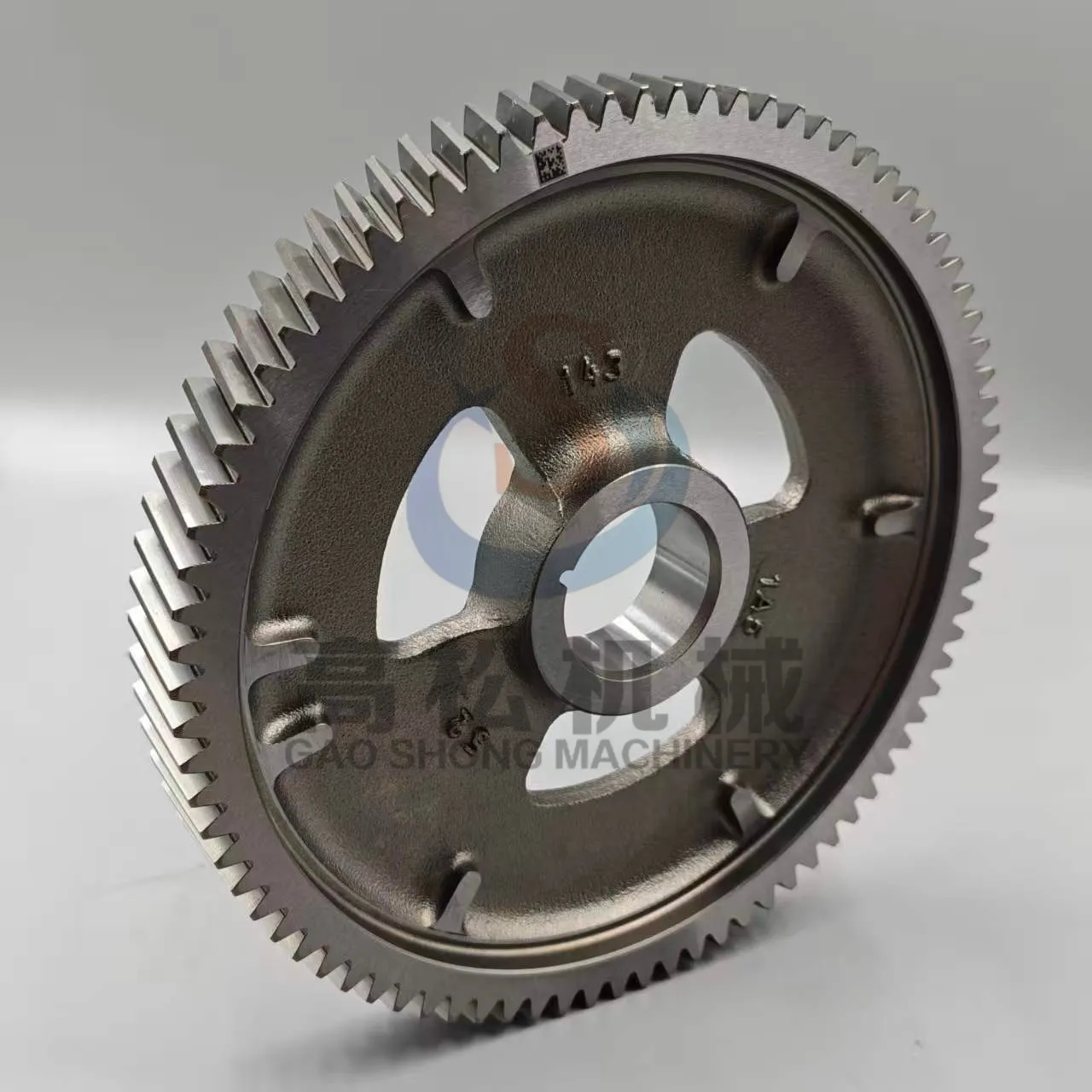 GEAR 6745-41-1131 – KOMATSU
 -
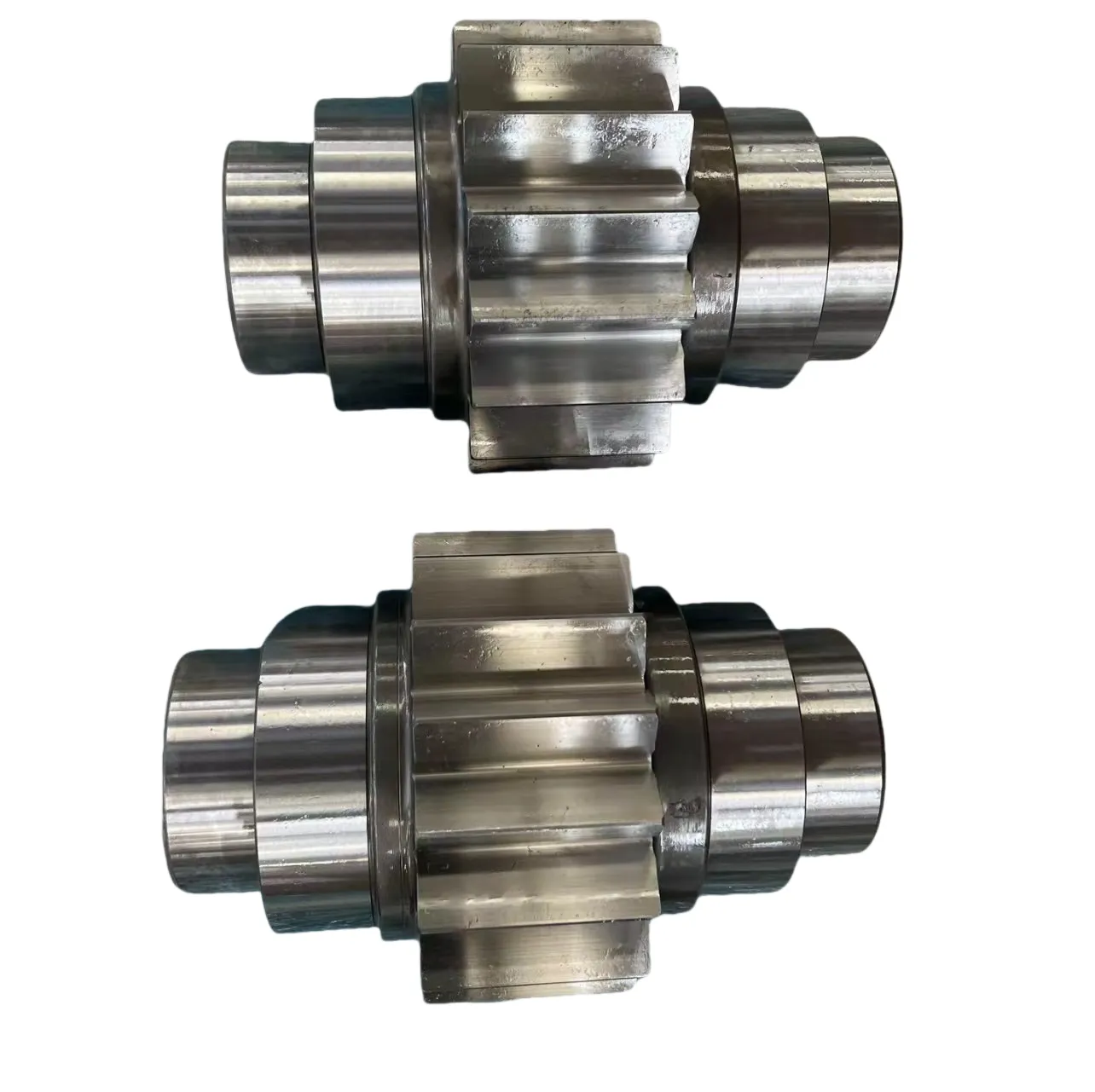 D475A-5 Final Drive Gear 198-27-45163
 -
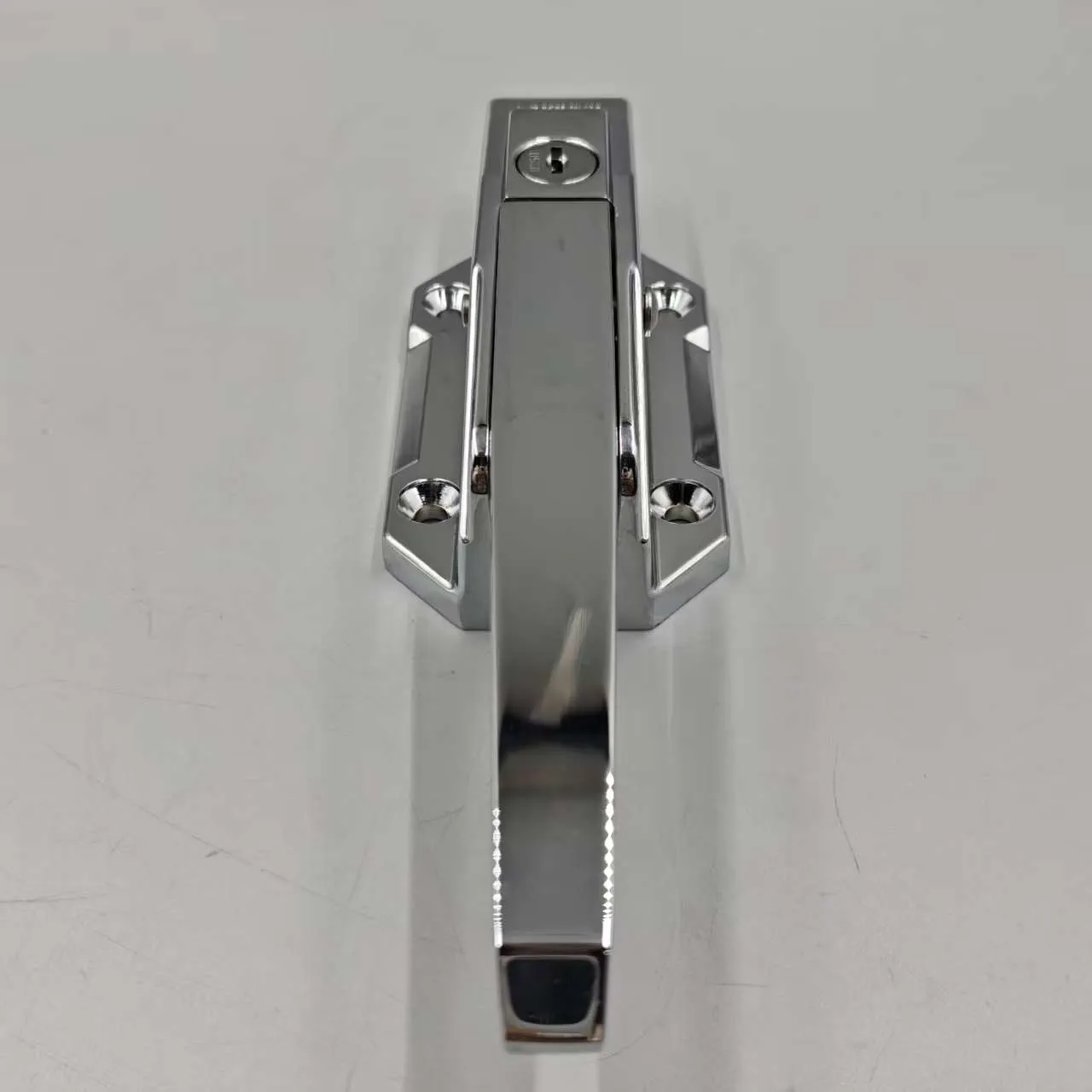 21T-54-35421excavator handle
 -
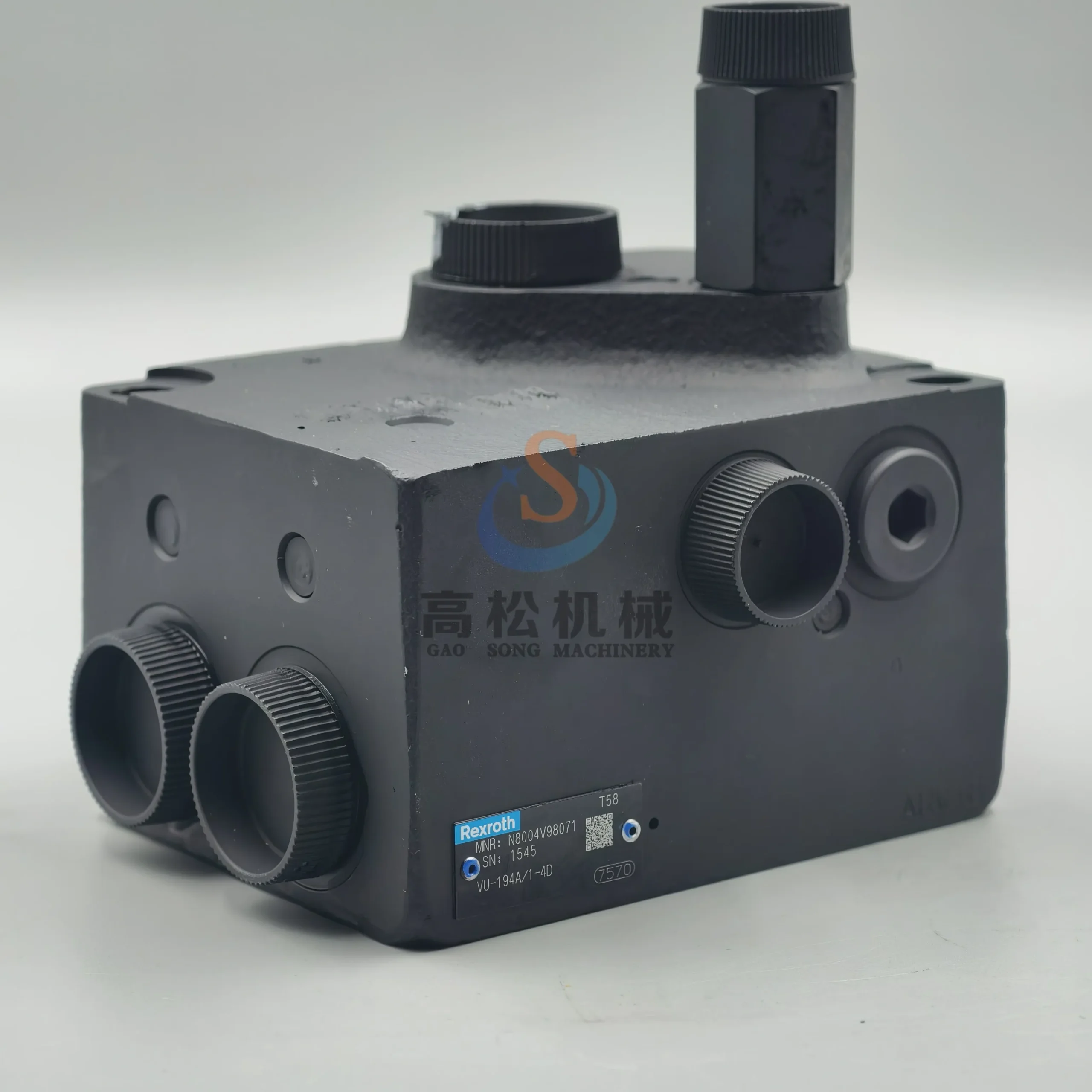 419-43-27401 komatsu vavle-WA400/WA300
 -
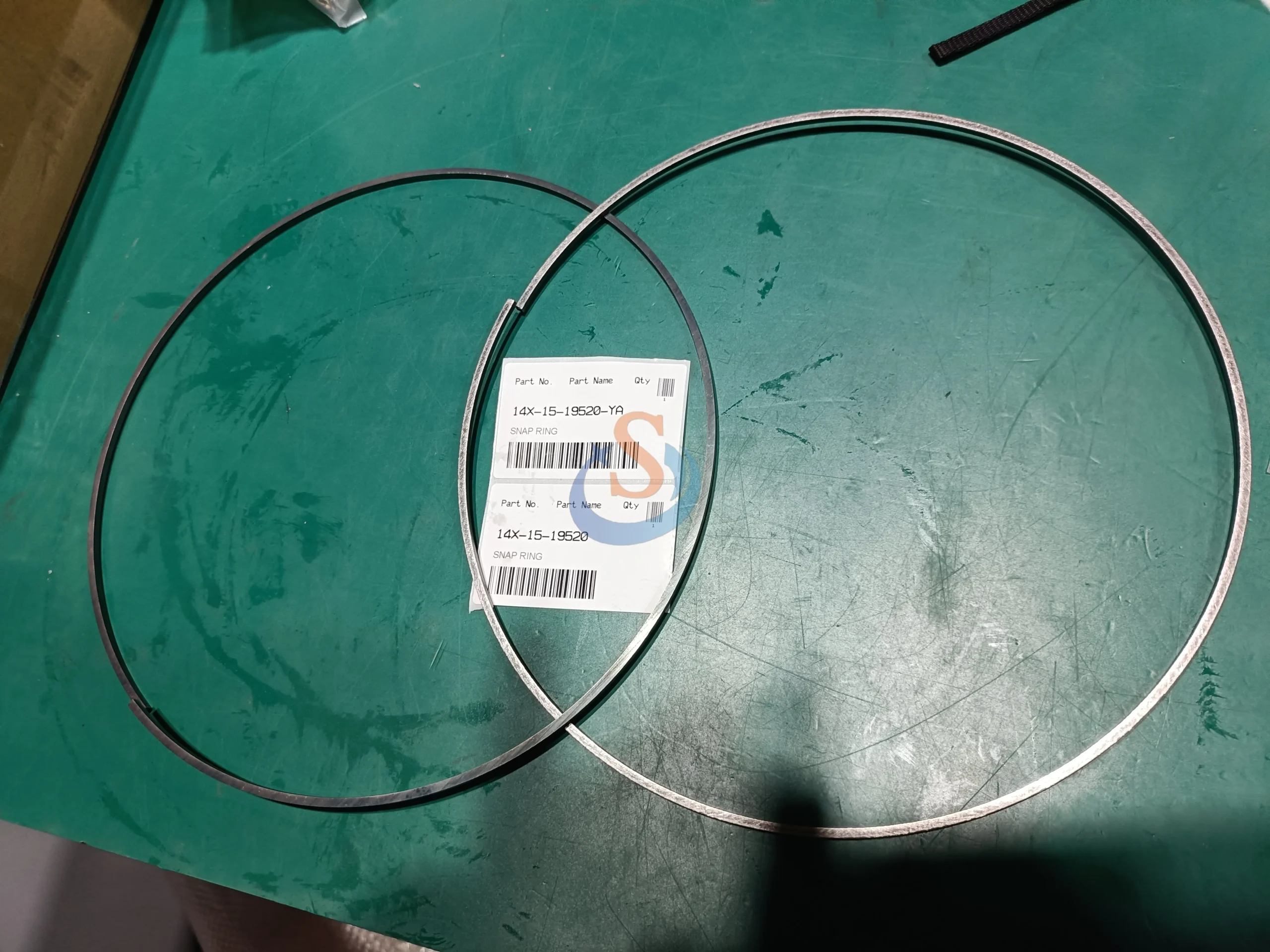 14X-15-19520 RING,SNAP D68ESS,D85PX,WA500
 -
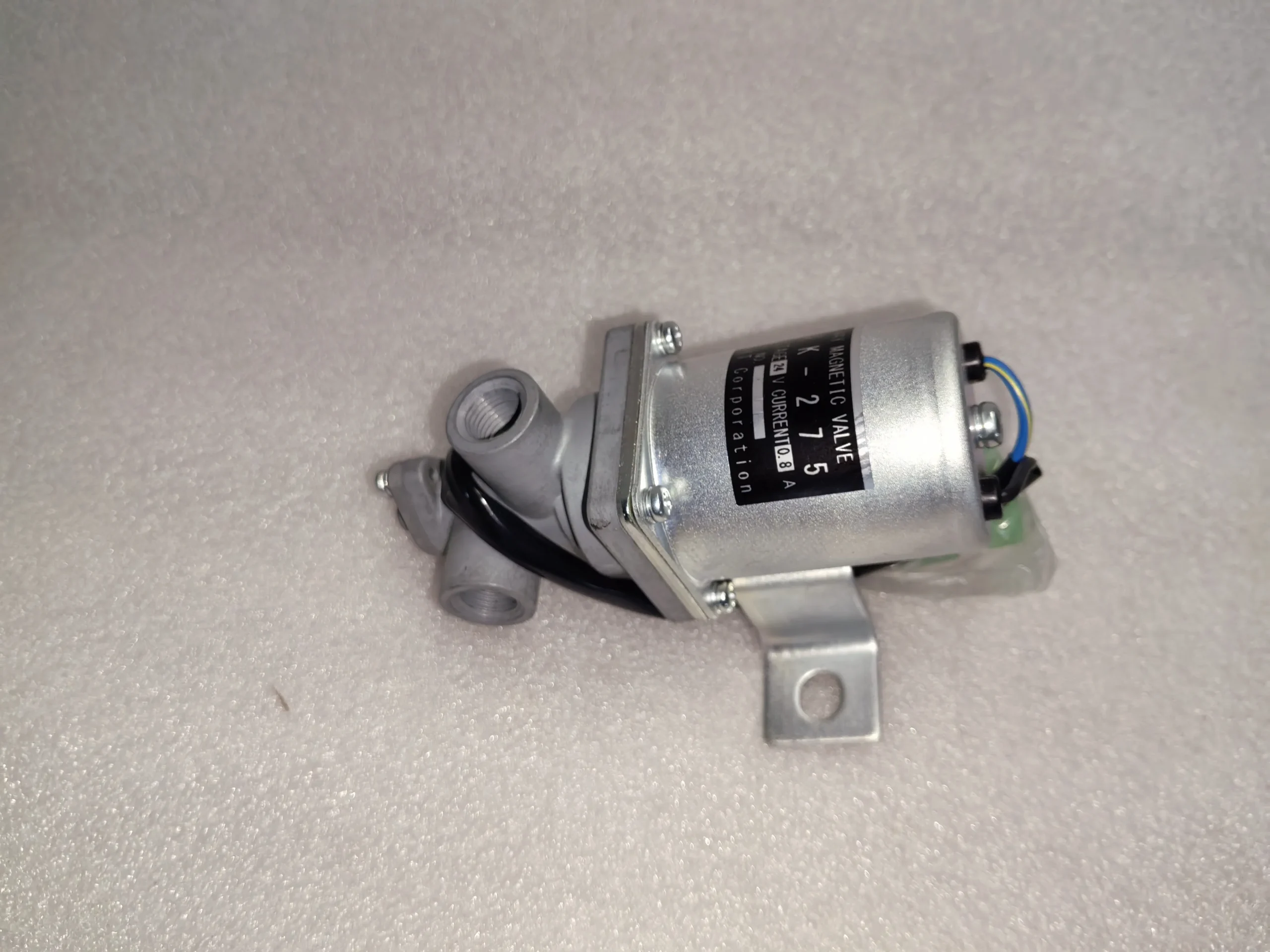 425-06-11150 VALVE Komatsu Original Factory
 -
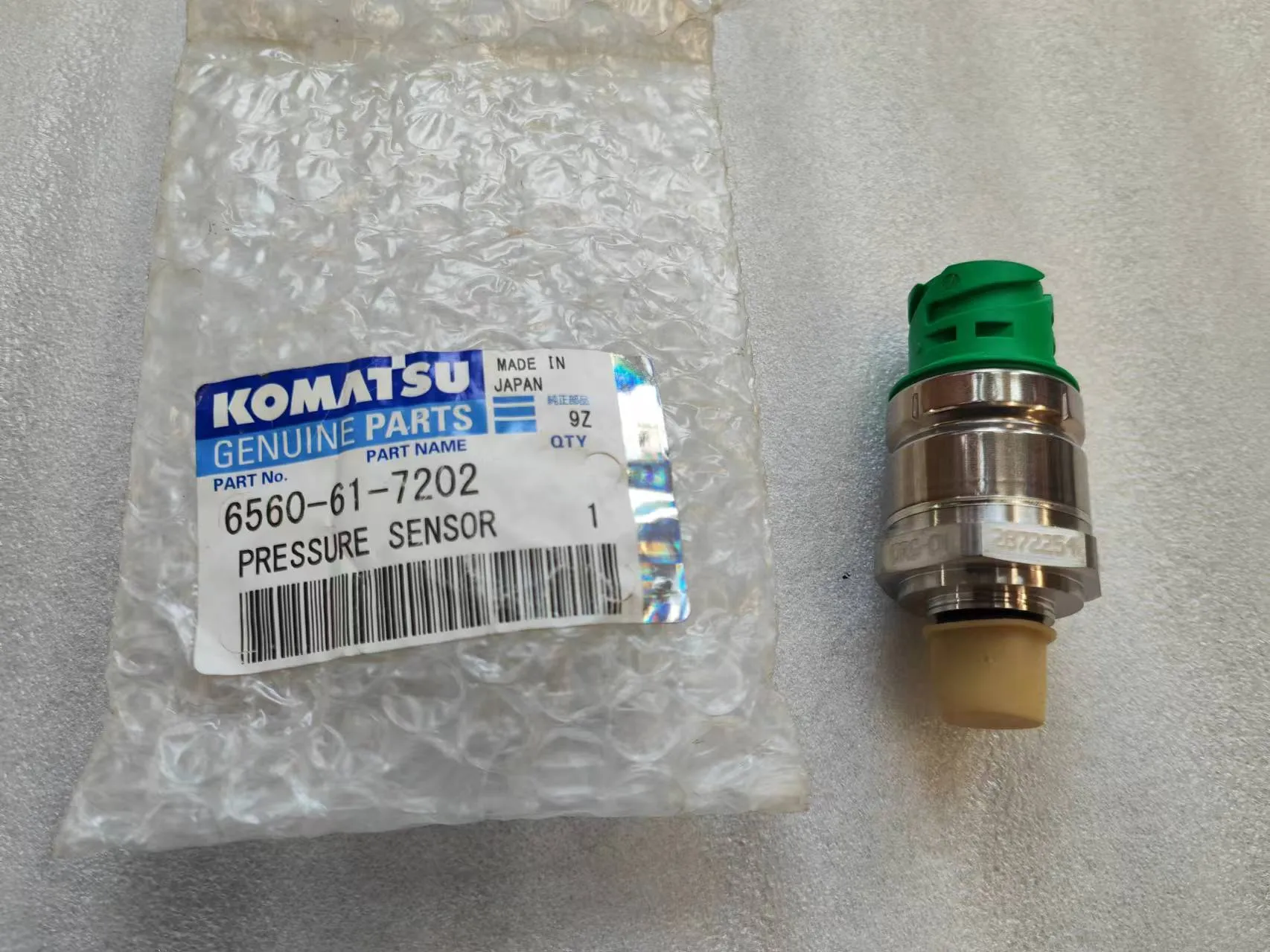
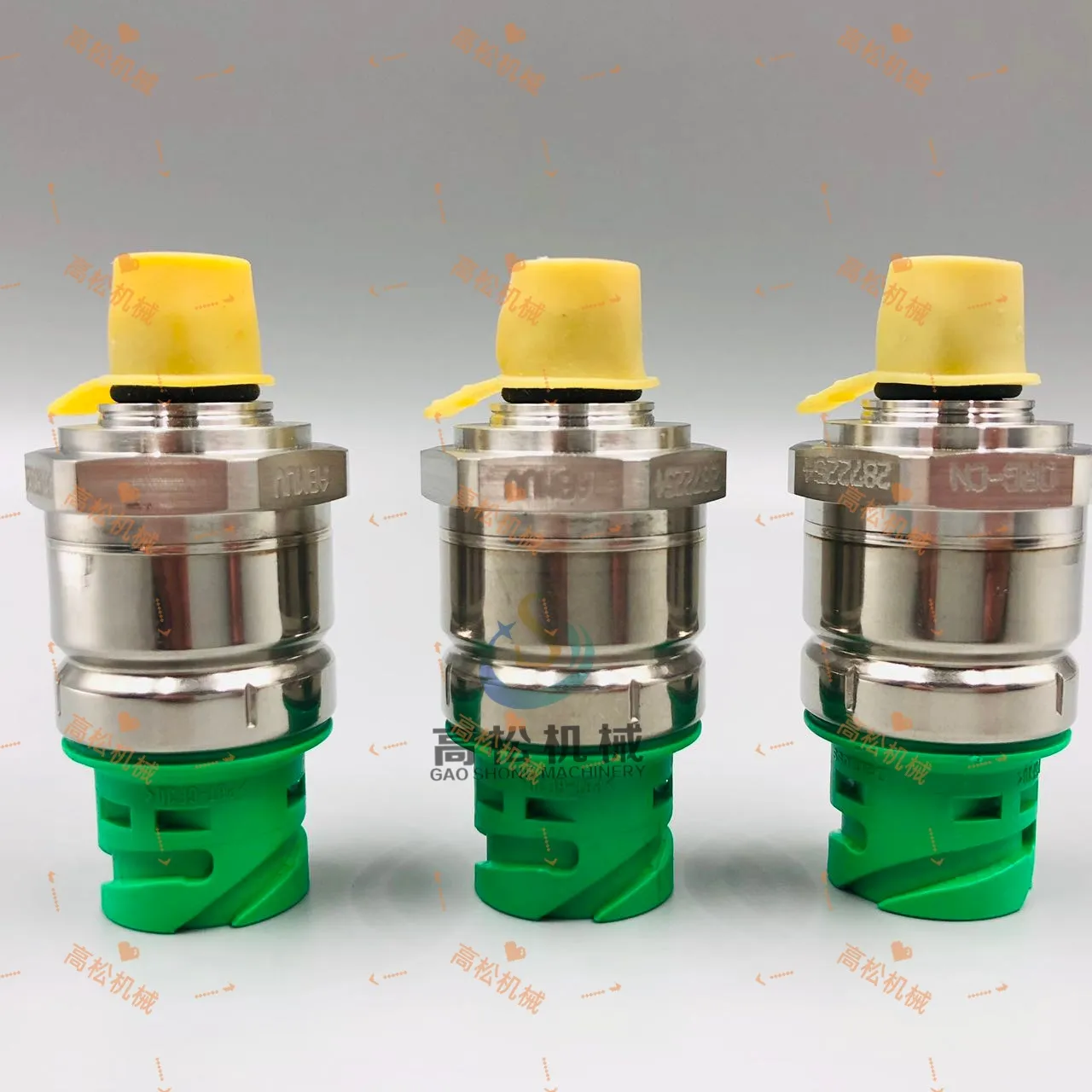 Komatsu, Sensor 6560-61-7202 Komatsu HM400 SAA6D140E WA500
 -
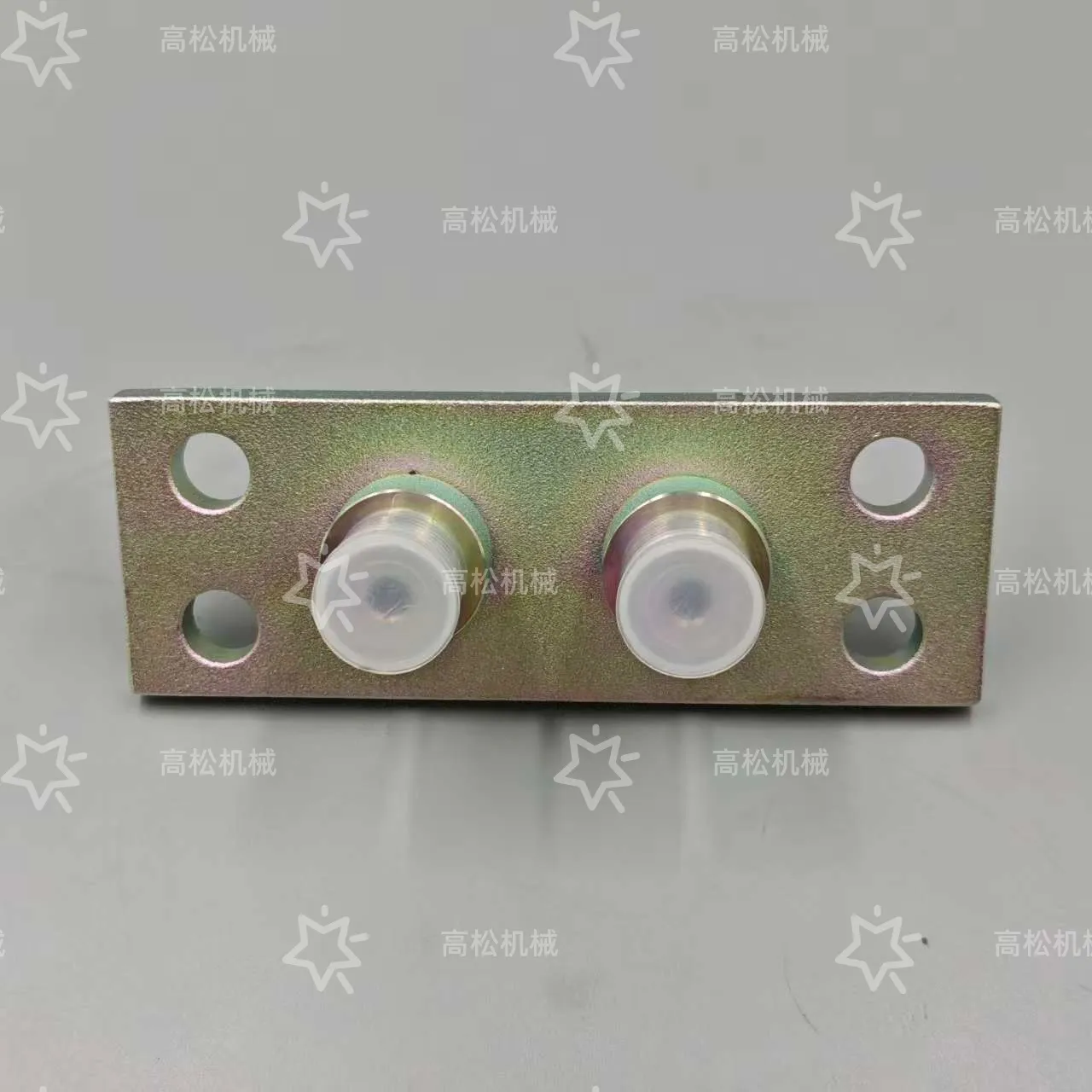 14Y-62-31411 BRACKET made to fit KOMATSU
 -
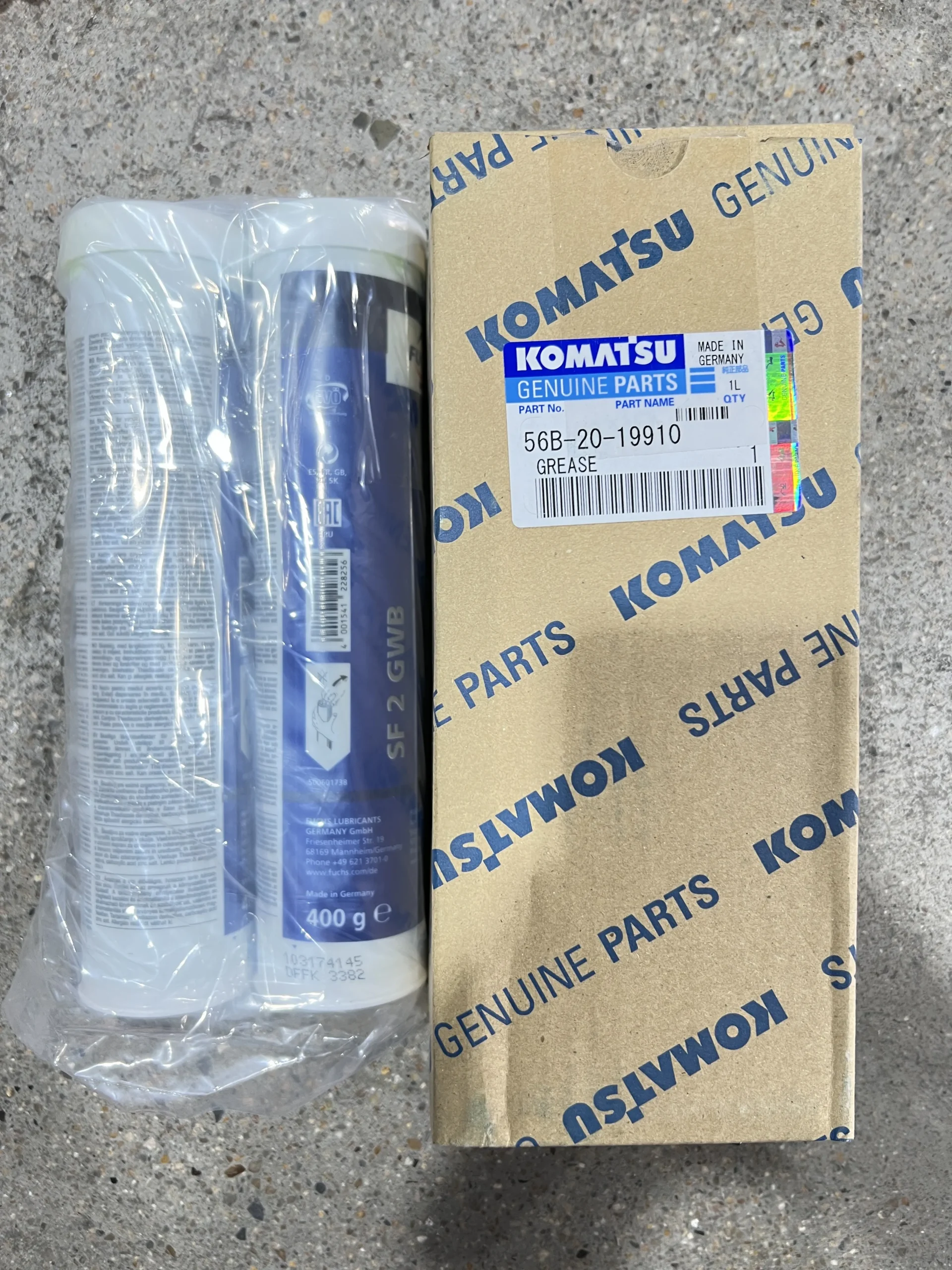 Original Hot Sale GREASE 56B-20-19910 GREASE for Komatsu HM400-1 HM350-1
 -
 Komatsu 21N-68-32320 CONNECTOR-Komatsu Original Factory CONNECTOR PC1250SP-8R PC1800-6 PC1100SP-6 PC2000-8
 -
 21N-30-14170 21N3014170 Spare Ring for Komatsu Excavator PC1250 PC1250SP
 -
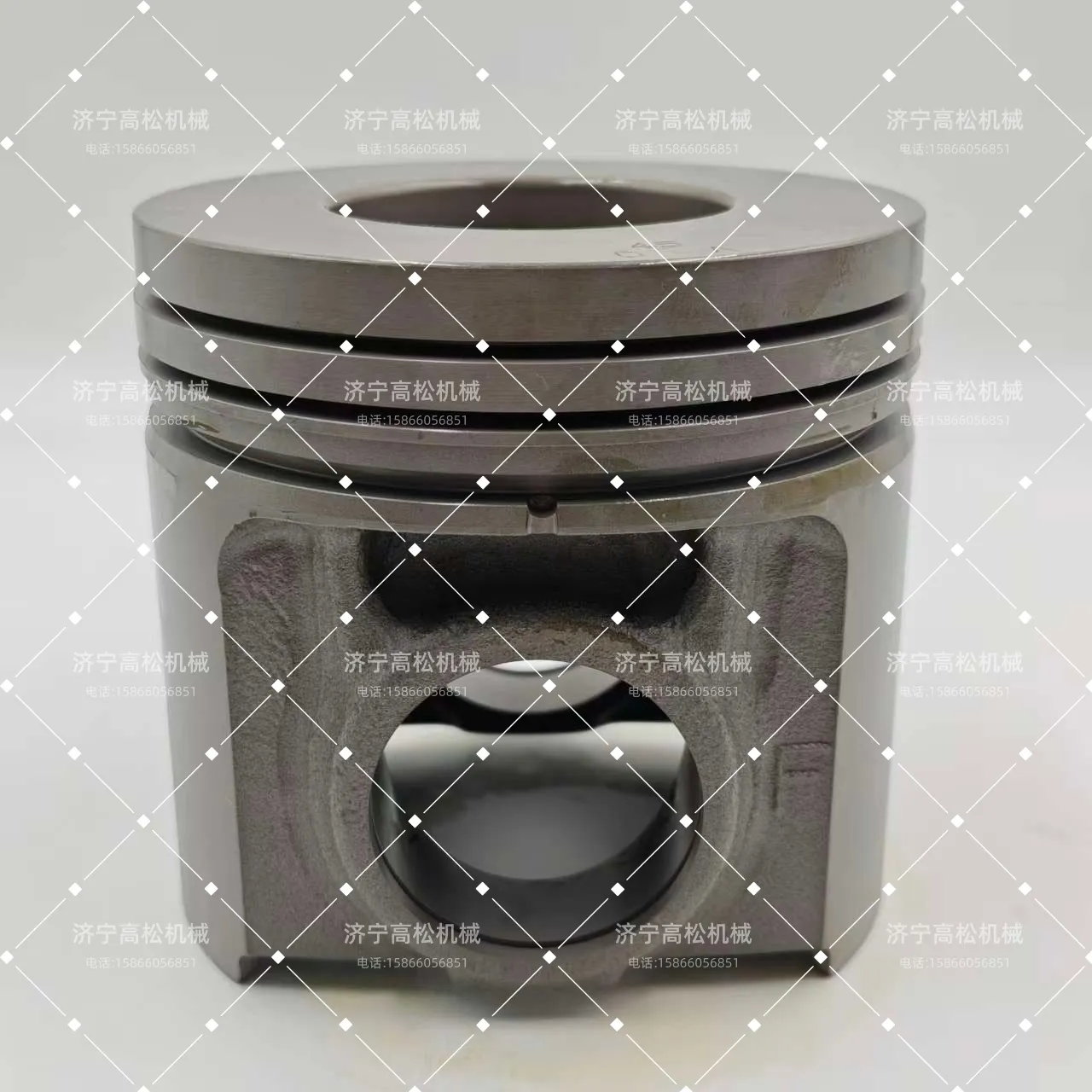 6152-32-2510 Piston for…
Related Search
Related Search- Komatsu hydraulic pump
- komatsu dozer parts for sale
- OEM AND ORIGINAL KOMATSU GEAR 208-27-61150
- OEM AND ORIGINAL KOMATSU SHAFT ASSY 235-99-11200
- 714-07-48701
- OEM AND ORIGINAL KOMATSU PLANETARY GEAR 198-27-45421
- komatsu forklift parts online catalog
- 6245-61-8210
- OEM AND ORIGINAL KOMATSU GEAR 198-27-45163
- Komatsu sensor