
- Chinese
- French
- German
- Portuguese
- Spanish
- Russian
- Japanese
- Korean
- Arabic
- Irish
- Greek
- Turkish
- Italian
- Danish
- Romanian
- Indonesian
- Czech
- Afrikaans
- Swedish
- Polish
- Basque
- Catalan
- Esperanto
- Hindi
- Lao
- Albanian
- Amharic
- Armenian
- Azerbaijani
- Belarusian
- Bengali
- Bosnian
- Bulgarian
- Cebuano
- Chichewa
- Corsican
- Croatian
- Dutch
- Estonian
- Filipino
- Finnish
- Frisian
- Galician
- Georgian
- Gujarati
- Haitian
- Hausa
- Hawaiian
- Hebrew
- Hmong
- Hungarian
- Icelandic
- Igbo
- Javanese
- Kannada
- Kazakh
- Khmer
- Kurdish
- Kyrgyz
- Latin
- Latvian
- Lithuanian
- Luxembou..
- Macedonian
- Malagasy
- Malay
- Malayalam
- Maltese
- Maori
- Marathi
- Mongolian
- Burmese
- Nepali
- Norwegian
- Pashto
- Persian
- Punjabi
- Serbian
- Sesotho
- Sinhala
- Slovak
- Slovenian
- Somali
- Samoan
- Scots Gaelic
- Shona
- Sindhi
- Sundanese
- Swahili
- Tajik
- Tamil
- Telugu
- Thai
- Ukrainian
- Urdu
- Uzbek
- Vietnamese
- Welsh
- Xhosa
- Yiddish
- Yoruba
- Zulu
- Kinyarwanda
- Tatar
- Oriya
- Turkmen
- Uyghur






komatsu pc210 hydraulic pump
When you hear 'Komatsu PC210 hydraulic pump,' most guys immediately think of the main implement pump, the big one. That's fair, but it's also where the first mistake happens. The system isn't just one pump; it's a circuit. The PC210-8, -10, the newer ones, they have a tandem setup usually—the main pump and a pilot/feeder pump working together. I've seen too many mechanics order a PC210 pump only to find they got the wrong half of the pair. The real conversation starts when you look past the part number and into the pressure curves and the actual wear patterns inside.
The Core of the Matter: Pressure and Flow Realities
Let's talk about the main Komatsu PC210 hydraulic pump. It's a variable displacement axial piston pump, and Komatsu's control on these is pretty sophisticated. The specs say one thing, but on a 10-year-old machine, you're never seeing those numbers. The key isn't just maximum pressure; it's how it holds pressure under a combined swing and dig load. I remember testing a unit from a machine that was lagging. Gauge on the main pressure port showed fine at idle, but under a simultaneous load—boom up and swing—the pressure would stutter. That pointed to wear in the swashplate control mechanism, not the piston bores themselves. Everyone jumps to replace the whole pump, but sometimes it's the servo piston or the compensator springs that are shot.
Another detail often missed is the case drain flow. You hook up a flow meter to the drain line. A steady, moderate flow is normal. But if it's a gush, especially when the pump is at stroke, you've got internal leakage past the valve plate or the cylinder block. That's lost efficiency, fuel burned for no work. I learned to check that early in any diagnosis, before even pulling the pump. It saves time.
Here's where the OEM vs. aftermarket debate gets real. A genuine Komatsu pump assembly is a beast, but the price and lead time can kill a project. Some aftermarket units are okay for the body, but their internal trim—the valve plates, the slippers—they don't always match the hardness or the surface finish. I tried a compatible pump on a PC210-8 once. It ran, but the machine felt sluggish, and the oil temperature ran 10 degrees Celsius hotter within a week. That's the hidden cost. The thermal stress on other components adds up.
Pilot System: The Often-Ignored Culprit
This is the biggest headache, honestly. The pilot pump on the PC210, usually a gear pump mounted to the back of the main one, feeds the control system. When it fails, you get all sorts of weird, intermittent issues: slow joystick response, jerky movements, the computer throwing unrelated codes. It doesn't fail cleanly; it degrades. I spent two days once chasing an erratic swing fault, replacing sensors, before a simple pressure check on the pilot line showed it was fluctuating wildly. The main pump was fine; it was the little hydraulic pump on the back starving the whole control circuit.
The pilot pressure filter is critical here. It's a small one, but if it plugs, it acts like a pump failure. I make it a rule to change that filter with every major service, even if the manual says otherwise. The cost is minimal compared to the diagnostic nightmare a clogged filter creates. It's one of those while you're in there things that pays off.
And about sourcing: for these critical but smaller components, having a reliable supplier that understands the system is key. You don't always need a full OEM assembly for the pilot pump. A quality-remanufactured unit with proper seals can work perfectly. The trick is knowing which parts you can compromise on and which you absolutely cannot. The pilot pump gear tolerances are one area where close enough isn't good enough.
Real-World Failures and the Supply Chain Puzzle
I had a customer with three PC210s down, all with pump-related issues, in a country where the official Komatsu parts network was, let's say, challenging. Lead time was quoted at 12 weeks. That's when you look beyond the standard channels. This is precisely the gap that companies like Jining Gaosong Construction Machinery Co., Ltd. fill. They operate as a third-party sales company for Komatsu, but with a focus on solving these supply chain deadlocks. We ended up sourcing a genuine main pump housing and a remanufactured internal kit through their channel at takematsumachinery.com. It wasn't a simple off-the-shelf swap; it required confirming the exact sub-model and serial number break. Their team knew to ask for the servo cover part number to match the control type, which saved a huge headache.
Their role as an OEM product supplier within the Komatsu system means they have access to genuine components or OEM-approved quality, but with more flexibility. In that case, they provided the main housing (genuine) and a reman kit from a trusted rebuilder they vet. The machine was back in 10 days, not 12 weeks. The takeaway? Sometimes the solution isn't a brand-new pump, but a strategic mix of genuine and high-spec rebuilt components. It's about getting the machine earning again without compromising core reliability.
The failure on that particular machine was classic cavitation damage. The customer had changed a hose and didn't properly bleed the system, letting air in. The pump sounded noisy for a day or two, then performance dropped. By the time we opened it up, the valve plate was pitted like the moon. Lesson: always educate operators and mechanics on the importance of bleeding the hydraulic system after any break-in. A $500 repair can turn into a $5000 pump rebuild real fast.
Rebuild or Replace? A Cost-Benefit Minefield
This is the million-dollar question. For a PC210 pump, a full professional rebuild with all new Komatsu wear parts (cylinder block, valve plate, piston kit, swashplate) can cost 60-70% of a new pump. So when do you rebuild? My rule: if the housing or the shaft is damaged, replace the assembly. If it's just wear on the internal rotating group, and the housing journals are good, a rebuild is viable. But you must measure everything. Micrometer on the shaft, bore gauge in the housing. If the shaft has a wear ridge or the housing bore is oval, a rebuild is a waste of money. It'll fail again in a few hundred hours.
I've been burned. Early on, I assumed a clean-looking housing was fine. Rebuilt the rotating group, installed it, and it had a persistent whine and poor high-pressure performance. Tore it back down and found a microscopic score in the housing bore that you could barely feel with a fingernail. That was enough to wreck the new cylinder block's seal. Now, the housing goes to a machine shop for inspection and honing if there's any doubt. The extra $200 is insurance.
This is another area where a supplier's expertise matters. A good parts partner won't just sell you a kit; they should ask about the condition of the core. I've had techs from suppliers like the one mentioned earlier ask for photos of the valve plate wear pattern before recommending which rebuild kit to use. That shows they're thinking about the job, not just moving inventory.
Final Thoughts: It's a System, Not a Part
So, wrapping this up, the Komatsu PC210 hydraulic pump topic always brings me back to one thing: context. You can't talk about the pump without talking about the oil, the filters, the control valves, and the operator. I've seen brand-new pumps fail prematurely because the system was contaminated from a cooler that failed six months prior and wasn't fully flushed. The pump is the heart, but it needs clean blood.
The industry is moving toward more electronic control on these pumps—the -10 and newer models have even more integration with the ECU. Diagnosing them is less about gauges and more about data from the monitor. But the fundamentals remain. Pressure, flow, and physical wear. Don't let the computer distract you from the basics.
And when you're stuck, especially in regions where the official dealer network is thin, remember that the parts world has layers. There are authorized channels, and then there are specialized technical suppliers who bridge the gap. For professionals dealing with these machines daily, finding a resource that combines OEM lineage with practical supply solutions, like what Jining Gaosong Construction Machinery offers, turns a crisis into a manageable repair. It's not about the cheapest part; it's about the right part, available when you need it, with the technical backing to ensure it works. That's what keeps a PC210, or any machine, on the job.
Related Products
Related Products

Best Selling Products
Best Selling Products-
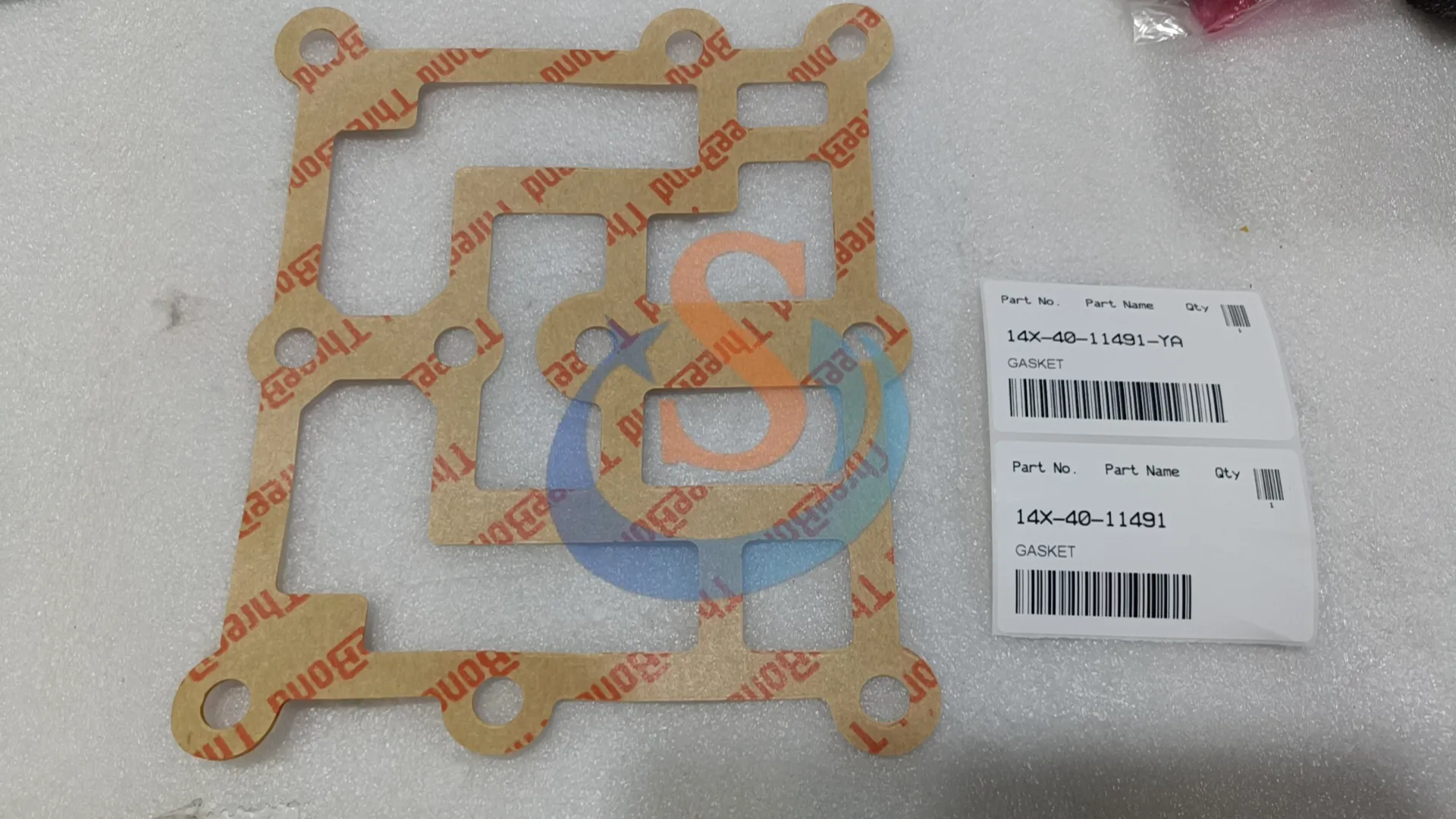 14X-40-11491,GASKET,D155A,D375A,D475A
 -
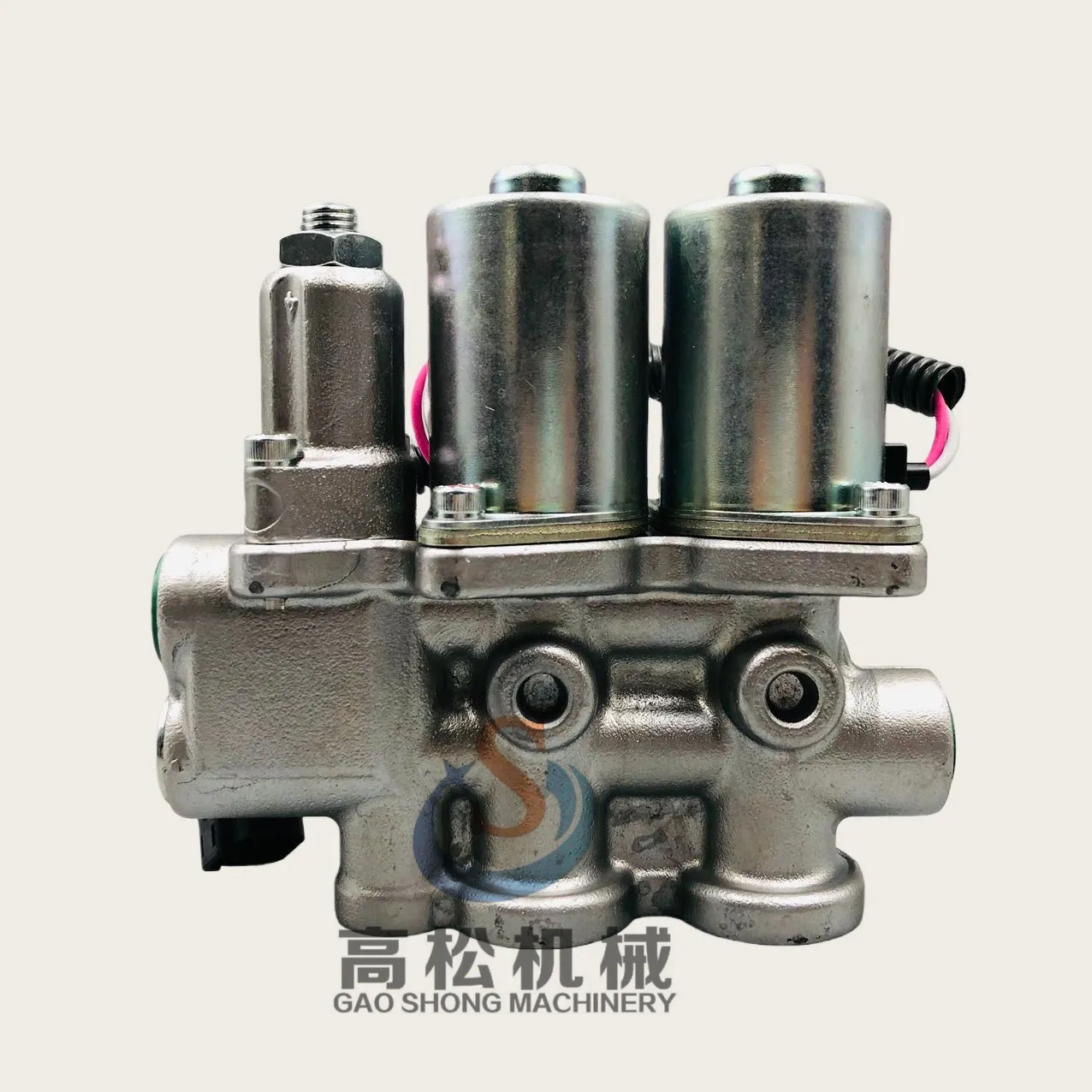 Solenoid Valve Assy 22F-60-31600
 -
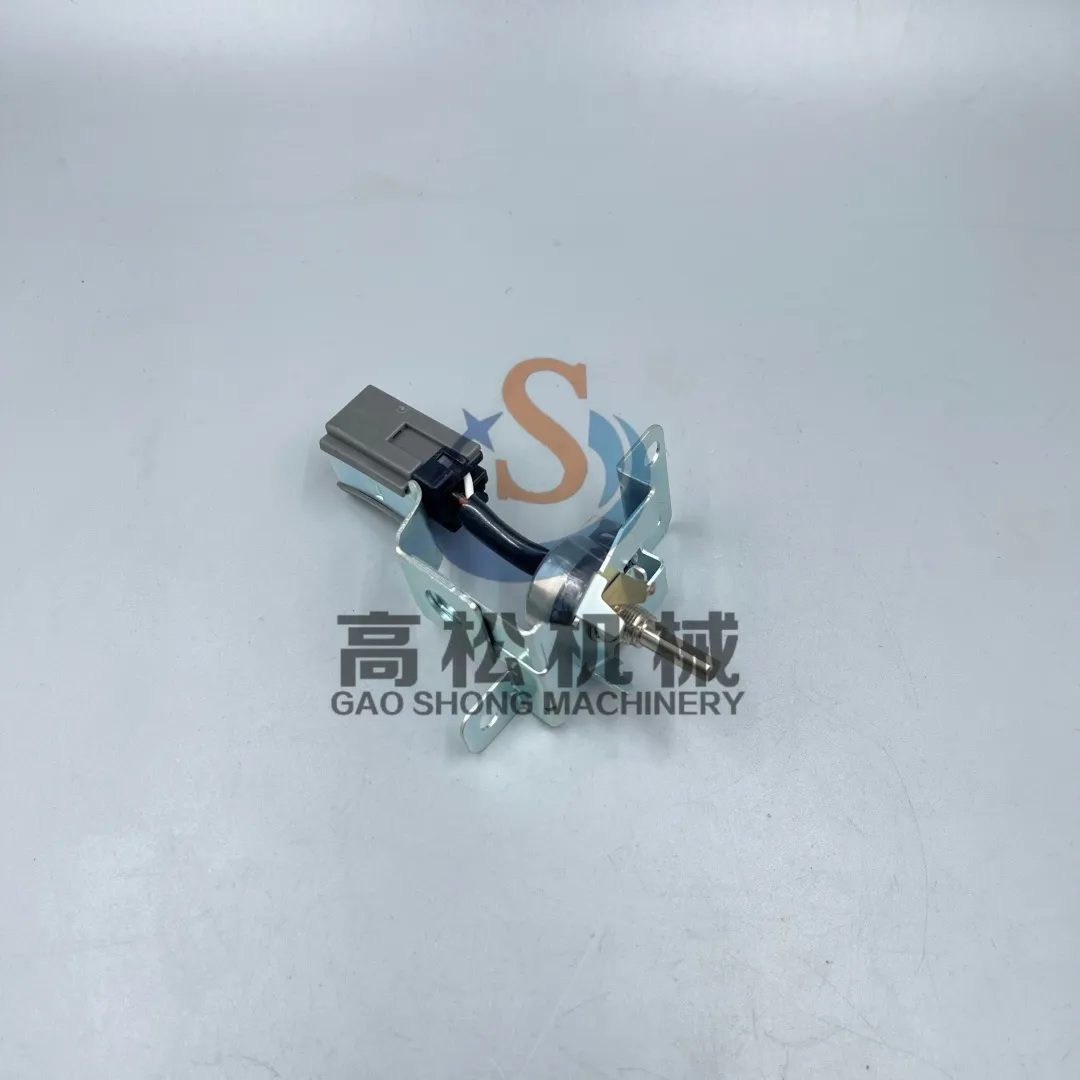 22U-06-22420 Komatsu Potentiometer Assembly
 -
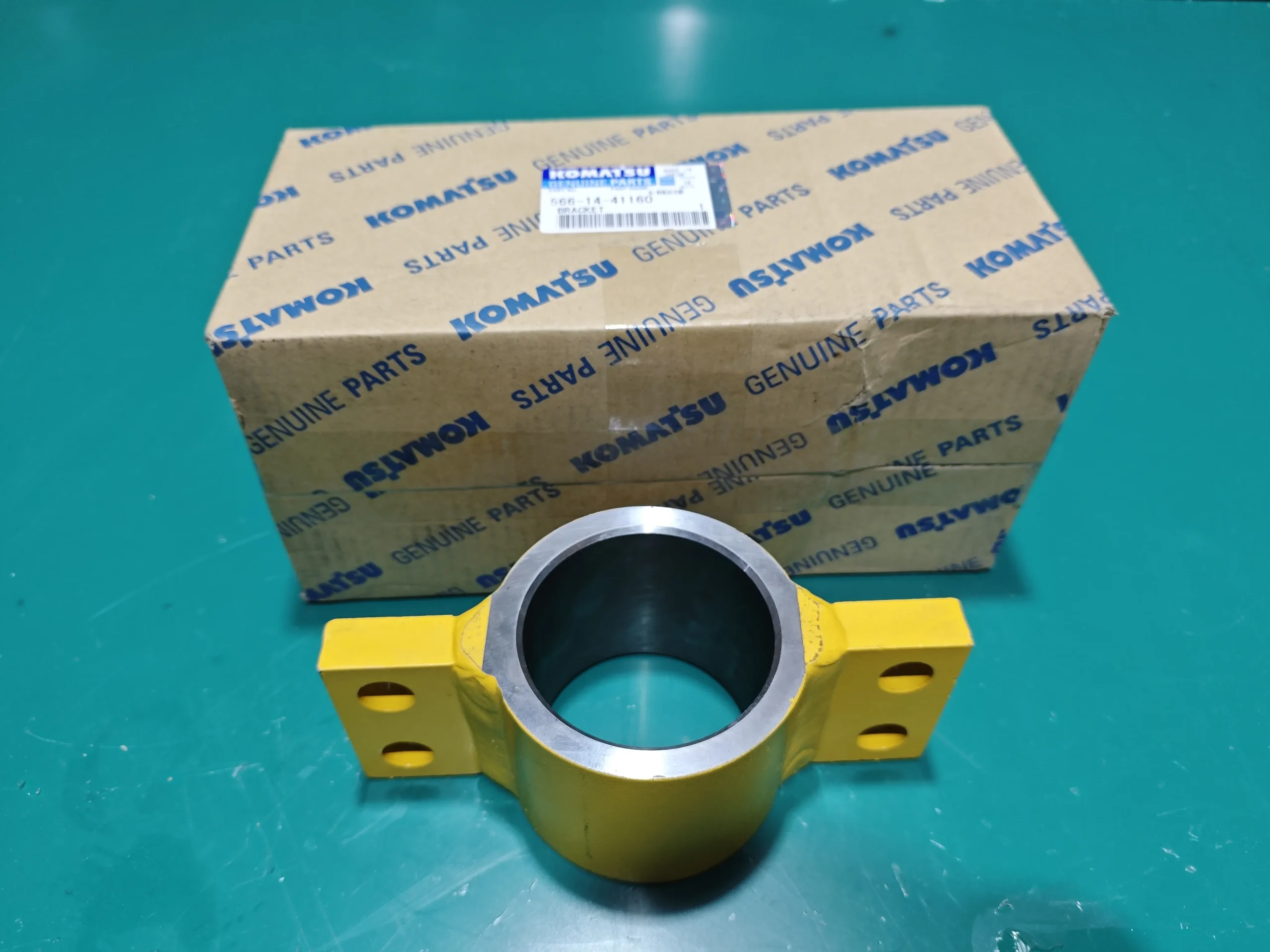 UrParts – Komatsu – Loader Parts – WA600-1H – 566-14-41160…
 -
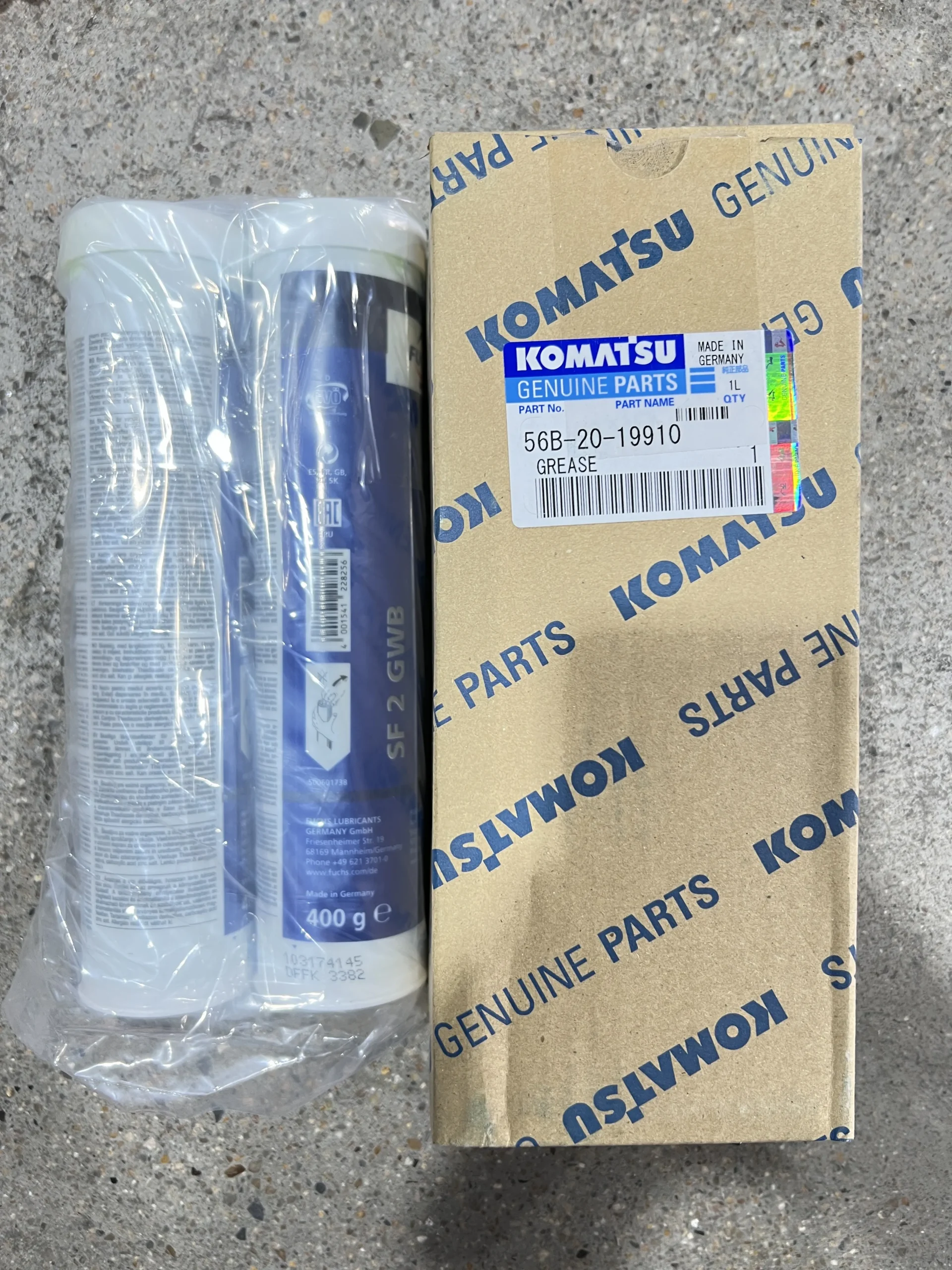 Original Hot Sale GREASE 56B-20-19910 GREASE for Komatsu HM400-1 HM350-1
 -
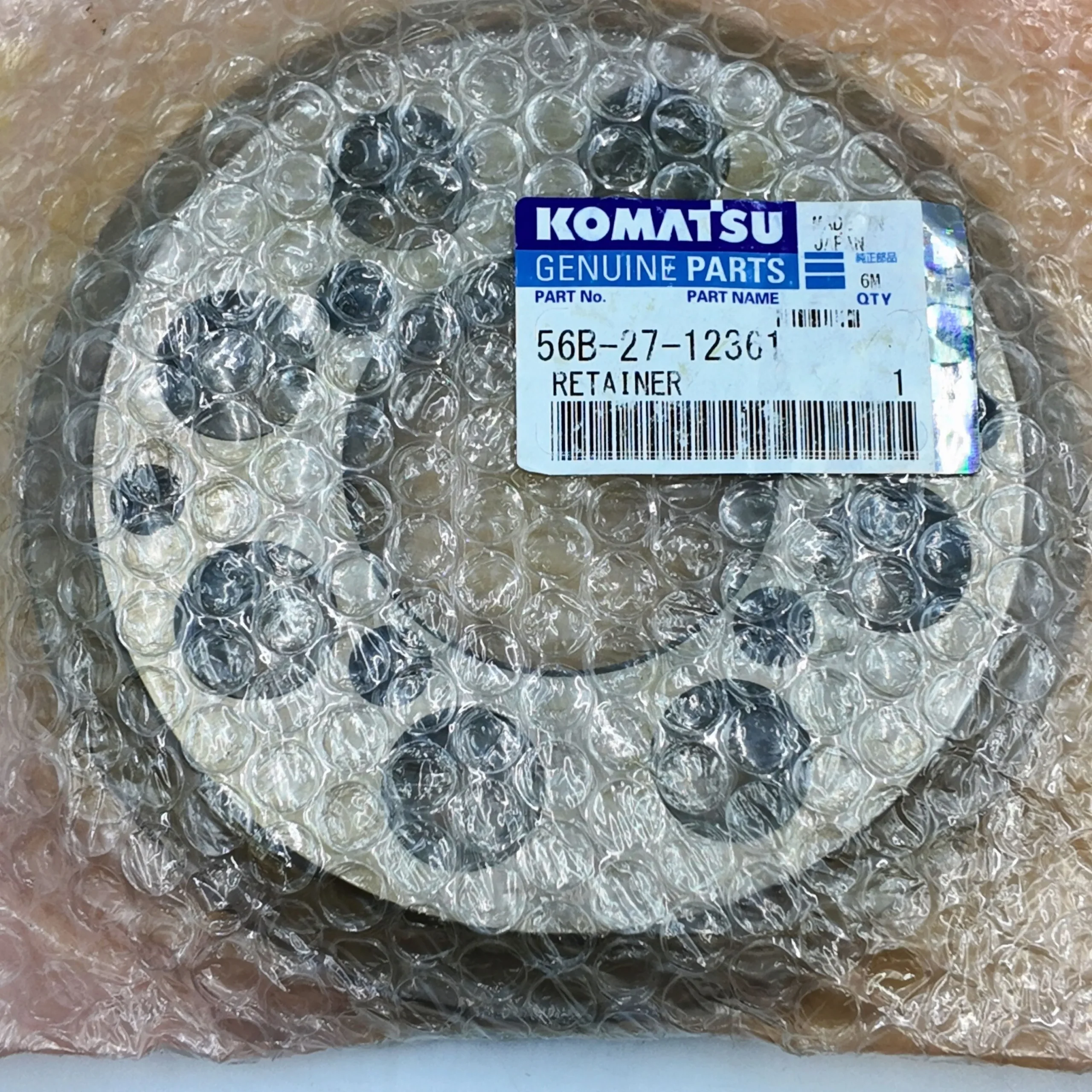 Komatsu Genuine Parts 56B-27-12361 Retainer
 -
 6240-61-2120 Cover for Engine SAA6D170E-3F-8 Parts – Komatsu
 -
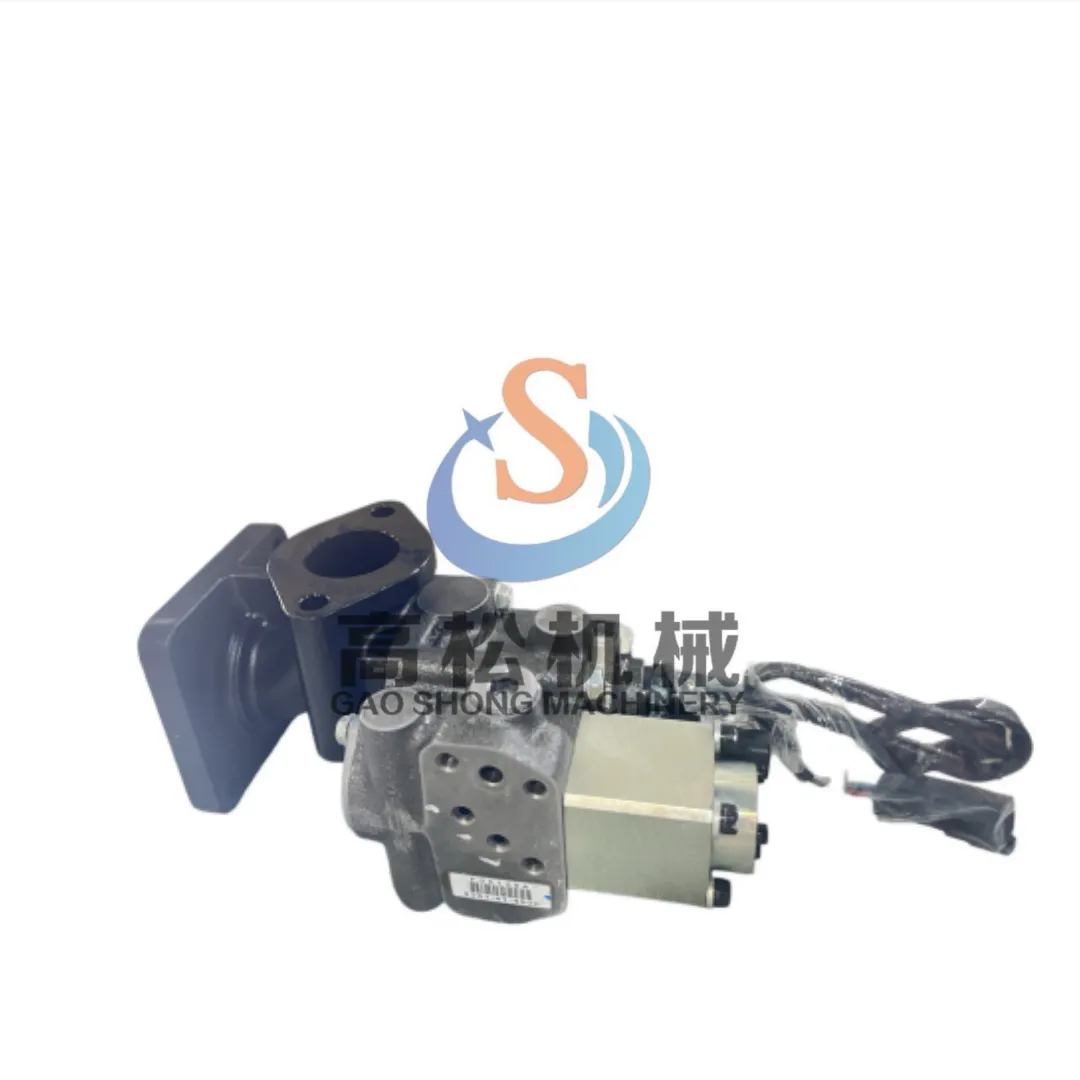 Excavator For Komatsu PC400-7 PC450-7 Control Solenoid Valve 6261-41-4900
 -
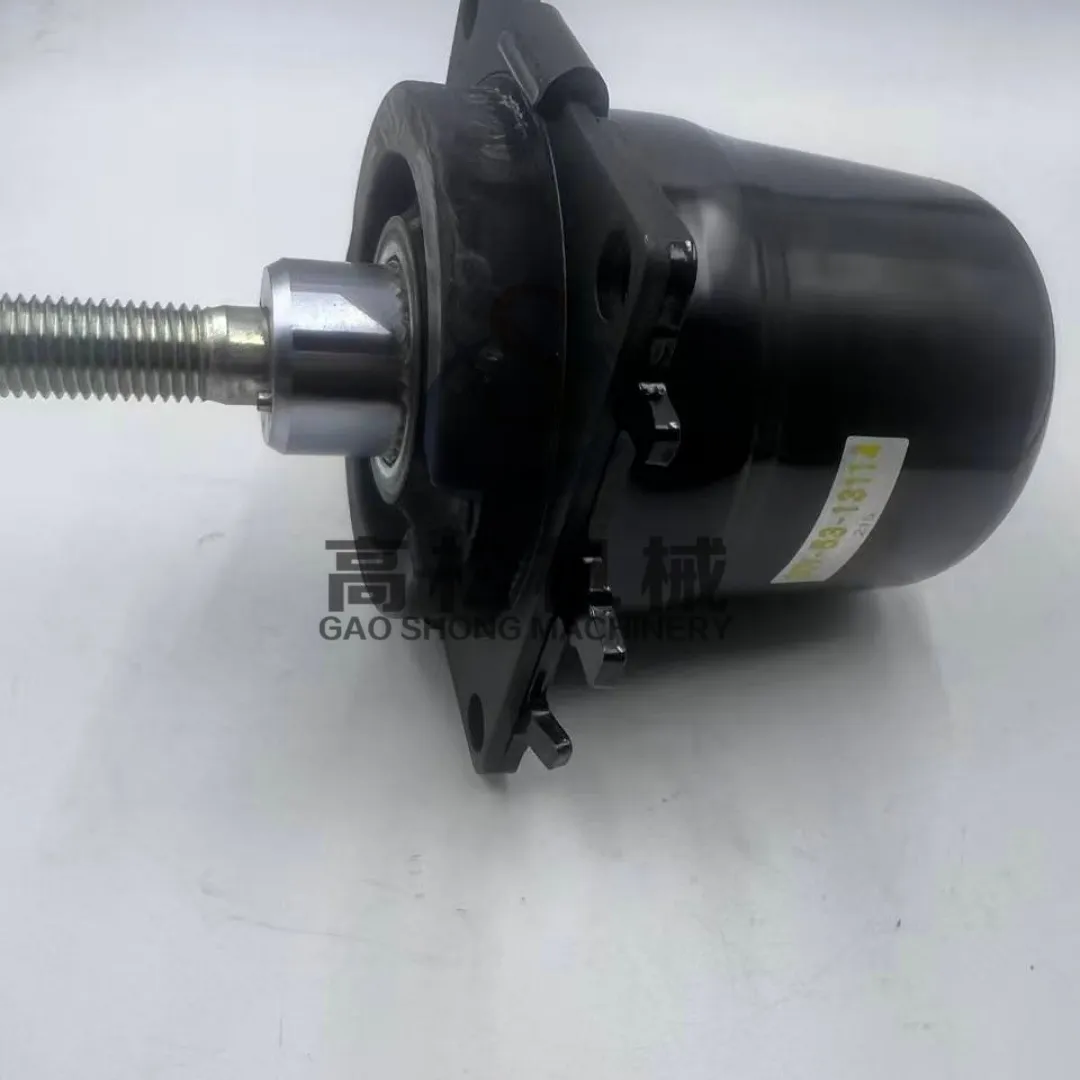 20Y-53-13114 SILENTBLOCK komatsu parts
 -
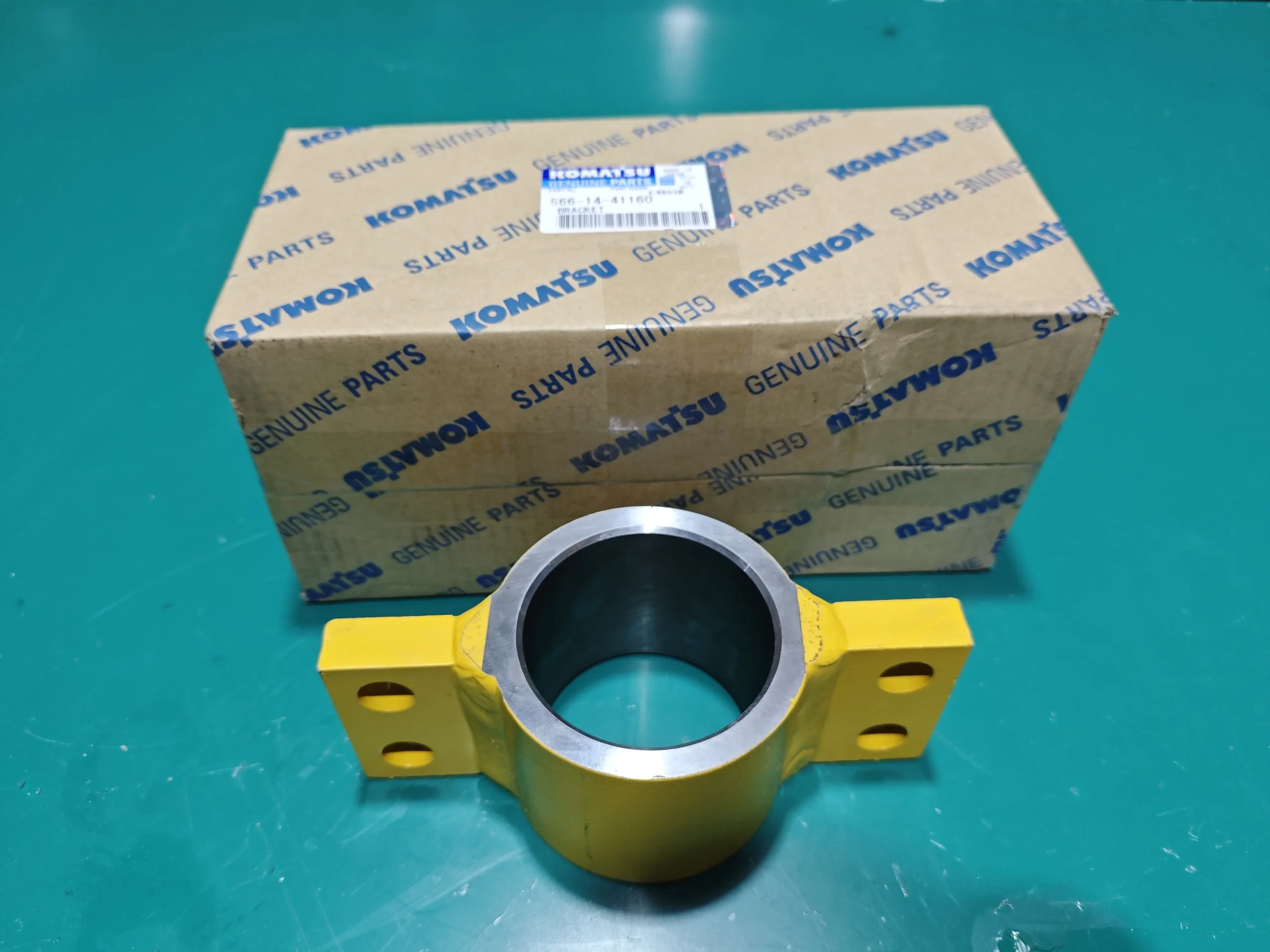 566-14-41160 Bracket
 -
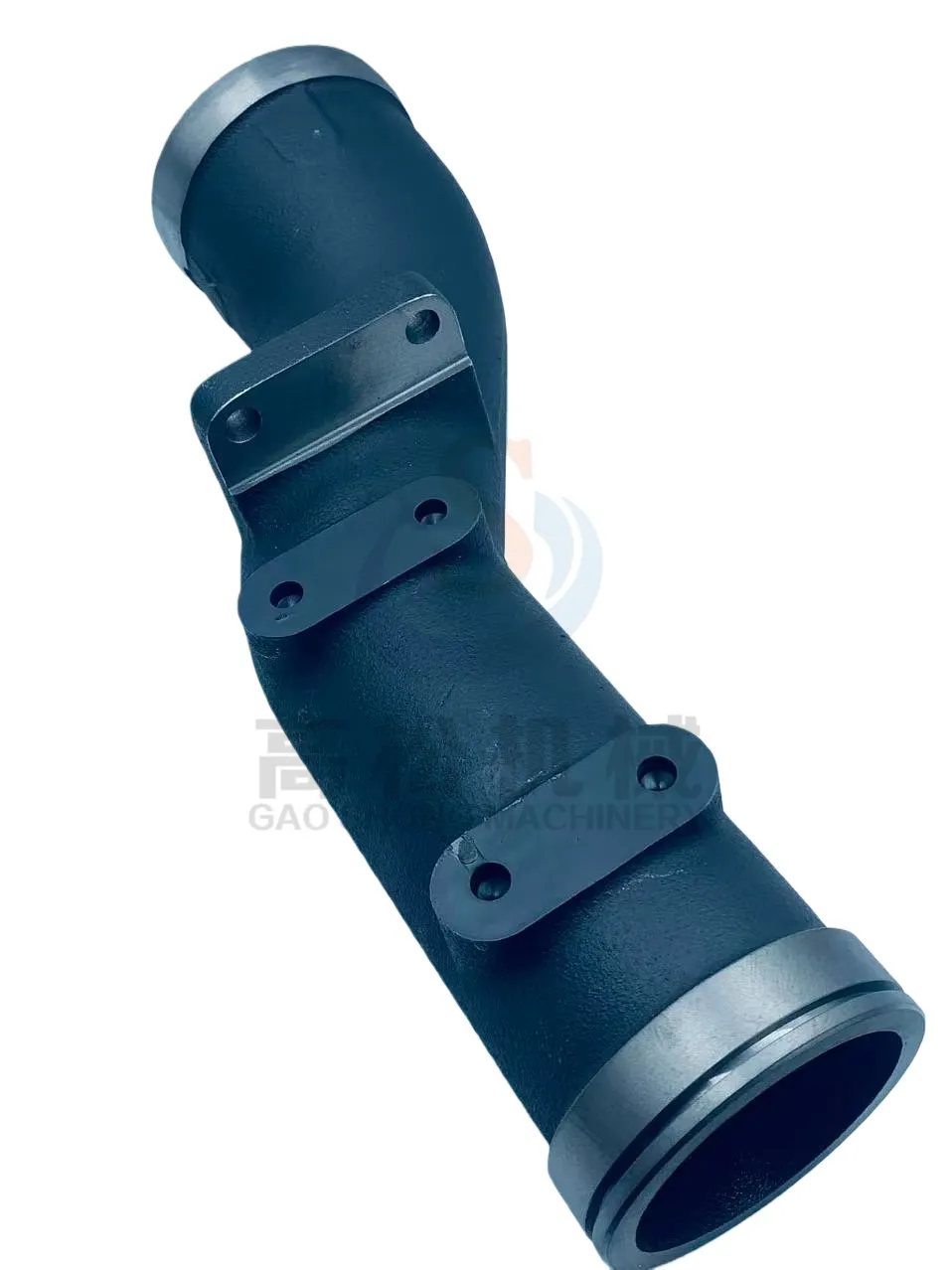 KOMATSU CONNECTOR 6156-11-5521 PC400-7 MUFFLER CONNECTOR SAA6D125E-3K-8W MUFFLER
 -
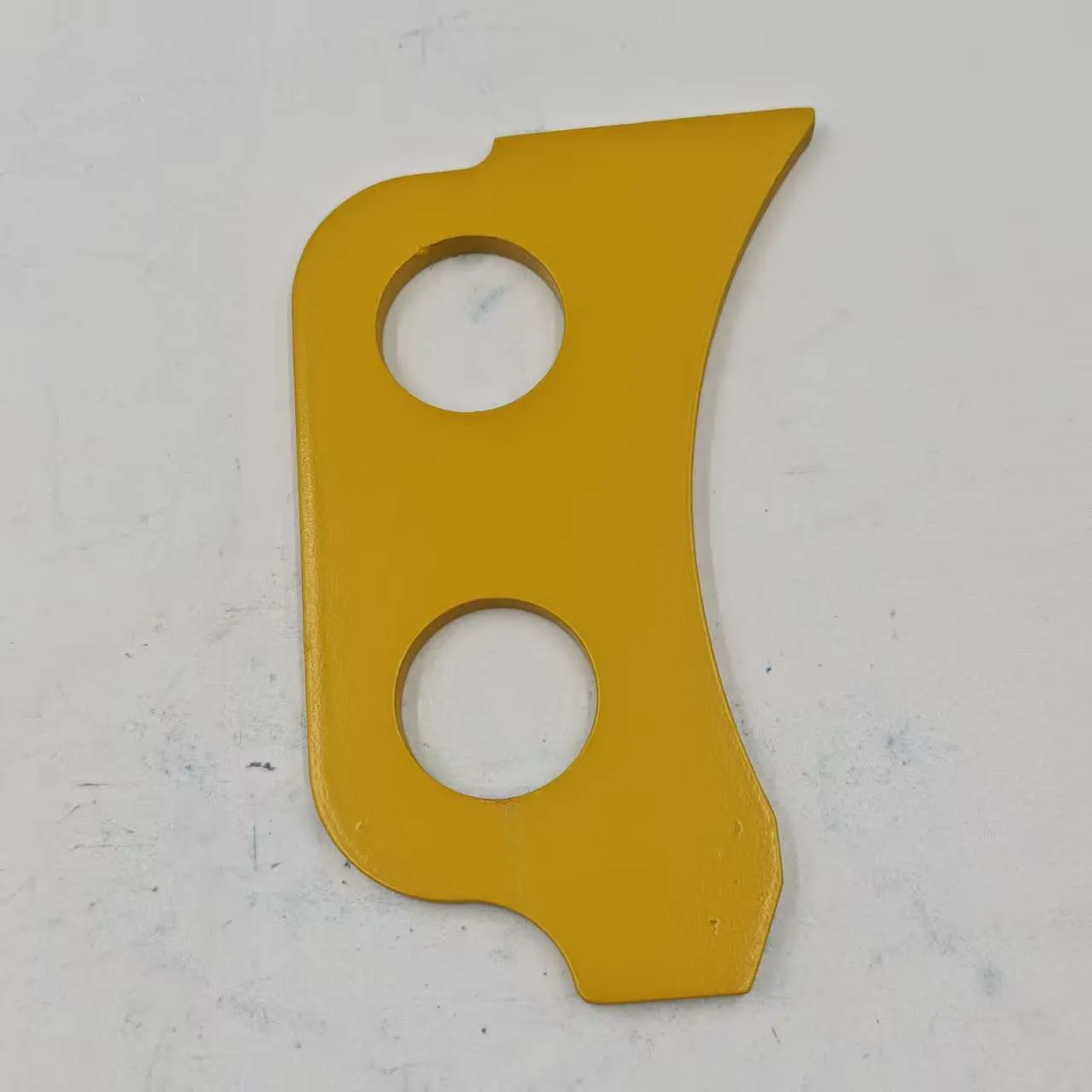 PLATE 195-71-74260 KOMATSU