
- Chinese
- French
- German
- Portuguese
- Spanish
- Russian
- Japanese
- Korean
- Arabic
- Irish
- Greek
- Turkish
- Italian
- Danish
- Romanian
- Indonesian
- Czech
- Afrikaans
- Swedish
- Polish
- Basque
- Catalan
- Esperanto
- Hindi
- Lao
- Albanian
- Amharic
- Armenian
- Azerbaijani
- Belarusian
- Bengali
- Bosnian
- Bulgarian
- Cebuano
- Chichewa
- Corsican
- Croatian
- Dutch
- Estonian
- Filipino
- Finnish
- Frisian
- Galician
- Georgian
- Gujarati
- Haitian
- Hausa
- Hawaiian
- Hebrew
- Hmong
- Hungarian
- Icelandic
- Igbo
- Javanese
- Kannada
- Kazakh
- Khmer
- Kurdish
- Kyrgyz
- Latin
- Latvian
- Lithuanian
- Luxembou..
- Macedonian
- Malagasy
- Malay
- Malayalam
- Maltese
- Maori
- Marathi
- Mongolian
- Burmese
- Nepali
- Norwegian
- Pashto
- Persian
- Punjabi
- Serbian
- Sesotho
- Sinhala
- Slovak
- Slovenian
- Somali
- Samoan
- Scots Gaelic
- Shona
- Sindhi
- Sundanese
- Swahili
- Tajik
- Tamil
- Telugu
- Thai
- Ukrainian
- Urdu
- Uzbek
- Vietnamese
- Welsh
- Xhosa
- Yiddish
- Yoruba
- Zulu
- Kinyarwanda
- Tatar
- Oriya
- Turkmen
- Uyghur






komatsu pc210 engine
When you hear 'Komatsu PC210 engine', most folks immediately think of the SAA6D107E-1. That's correct, but it's also where the oversimplification starts. In the field, that engine code is just the beginning of the story. The real understanding comes from knowing how that power plant behaves under different loads, in varying climates, and—critically—what happens when you need parts not directly from Komatsu's primary channels. There's a common misconception that these engines are monolithic, identical units worldwide. They're not. Regional emission specs, fuel quality adaptations, and even minor component sourcing can create subtle but crucial variations that bite you during repairs.
The Heart of the Machine: More Than Horsepower
Let's talk about the SAA6D107E-1 itself. It's a 6.69-liter turbocharged diesel, rated around 140-ish net horsepower depending on the exact machine configuration. But the spec sheet doesn't tell you about the characteristic sound of a healthy one—a steady, deep-throated rumble without that faint metallic ticking that starts to appear when the injectors begin wearing. It doesn't tell you that the engine's real strength in the PC210 is its torque curve, providing that steady, non-bogging pull during trenching. I've seen operators stall other brands' 20-tonners on the same task where the PC210 just digs in and powers through. That's engine and hydraulics tuned together, not just raw power.
Where people get into trouble is assuming all service parts are interchangeable. Take the water pump, for instance. Between serial number breaks, the impeller design or the seal material might change. You order the correct part number from a general database, but if it's not the exact iteration for your machine's build date, you might get a premature failure. I learned this the hard way on a job in Southeast Asia. We installed a new pump, only for it to start weeping from the seal in under 200 hours. The issue? The replacement was for a later emissions variant, with a slightly different shaft tolerance. The lesson was to cross-reference not just by model, but by the machine's VIN and engine serial number block.
This granularity is where a specialized supplier makes all the difference. A company like Jining Gaosong Construction Machinery Co., Ltd. operates in this space. Being an OEM product supplier within the Komatsu system, they have the lineage to understand these nuances. Their role isn't just to have a part; it's to know which version of that part fits which specific PC210 engine iteration. When their site, https://www.takematsumachinery.com, states they help solve parts supply challenges in certain countries, this is the practical reality they're addressing—navigating the labyrinth of Komatsu's global parts variations to get the right component to the right machine, avoiding costly downtime from a almost right fit.
Fuel Systems and The Silent Killers
The Komatsu PC210 engine common-rail system is robust, but it's sensitive to fuel quality in a way that older mechanical systems weren't. The real enemy isn't always dirt; it's water and microbial growth. I've opened fuel filters on machines running in high-humidity regions to find a gelatinous sludge—biofilm. This wreaks havoc on the high-pressure pump and the incredibly fine tolerances within the Komatsu injectors. The engine might not fail catastrophically; instead, you get a gradual loss of power, increased fuel consumption, and rough idling. Operators blame the engine, but the root cause is fuel management.
A practical fix we implemented was installing a dual-stage, clear-bowl water separator/filter ahead of the factory setup. It's a simple, non-OEM addition, but it allows the operator to see and drain water daily. This one habit probably saved more PC210 engines in our fleet than any scheduled overhaul. The factory system is designed for clean fuel. In the real world, you have to engineer a buffer.
Then there's the debate about fuel additives. Komatsu's official stance is typically against them, and for good reason—some can damage seals or sensors. However, in markets with notoriously poor diesel quality, a reputable anti-microbial and demulsifying additive became a non-negotiable for us. It was a calculated risk, but the alternative was recurring injector failures. We documented serial numbers, hours, and fuel sources to track its effectiveness. It worked for our specific circumstance, but I'd never blanket-recommend it. It's a perfect example of field pragmatism versus manual-perfect procedure.
Cooling System Nuances That Get Overlooked
Everyone checks coolant level, but few pay attention to the type and its change interval. The SAA6D107E-1 runs hot, especially in a hydraulic excavator working constantly. The cooling system is a masterpiece of packaging, but that compactness means sludge buildup is a killer. We once had a machine that kept running slightly warm. Thermostat, water pump—all changed. Problem persisted. Finally, we did a chemical flush of the block. The amount of scale and silicate dropout (from using the wrong coolant mix for years) that came out was astounding. The previous maintenance records just said coolant topped up.
The official Komatsu OAT (Organic Acid Technology) coolant is expensive. The temptation is to use a generic red coolant. Big mistake. The chemical composition is different and can lead to galvanic corrosion in the aluminum parts of the heat exchanger. I've seen pinhole leaks in the oil cooler because of this. Sourcing the correct coolant, or a truly certified equivalent, is part of proper engine care. A supplier like Jining Gaosong, given their OEM supplier role, would be a logical source for such genuine or fully compatible consumables, ensuring the chemical protection matches the engine's design.
Another quirk is the fan clutch. It's viscous, and when it starts to fail, it often fails engaged. So the fan is always roaring at full speed. The immediate symptom isn't overheating—it's reduced fuel efficiency and a constant, loud whine. Operators might not report it as a problem, just a noisy machine. You have to listen for it. A partially disengaged clutch, on the other hand, will let the engine overheat under moderate load. Diagnosing it requires an infrared thermometer to check the temperature differential across the clutch, a simple but often skipped test.
The Aftermarket and Remanufacture Crossroads
Sooner or later, a major component fails. The decision point: new OEM, new aftermarket, or quality remanufactured? For the Komatsu PC210 engine, my stance on core components like cylinder heads or fuel injection pumps is to stick with Komatsu-certified reman or new. The metallurgy and machining tolerances are critical. I've tried a well-marketed aftermarket turbocharger once. It spooled up faster, but failed within 800 hours due to a bearing issue the OEM unit never had. The short-term savings were wiped out by double the labor cost.
This is the value proposition of a company that is both an OEM supplier and a third-party sales channel. They aren't just pushing generic parts. Their business, as described in their intro, is solving supply challenges. That means when an official Komatsu part is backlogged for months, they might be the source for a Komatsu-certified remanufactured assembly that gets the machine running now. They have the system knowledge to vet quality. For a fleet manager in a remote location, this isn't just convenience; it's operational survival.
Remanufacturing is an art. A proper reman head isn't just cleaned and given new valves. It should be scanned for porosity, heat-treated, and have all threads repaired to original specs. When you're sourcing from a specialist, you need to ask about their process. Do they just swap parts, or do they return the component to a like-new condition and performance spec? The latter is what keeps a PC210 engine running another 10,000 hours.
Final Thoughts: The Engine as a System
Ultimately, the Komatsu PC210 engine's reliability isn't a given. It's a result of treating it as the central part of a larger system—air intake, fuel, cooling, lubrication, and even the hydraulic system that dictates its load. The spec sheet gives you parameters, but experience gives you the patterns: the sound of a worn idler, the smell of a slight coolant leak burning off, the pattern of soot in the exhaust on a cold morning.
Successful maintenance relies on quality information and quality parts. In an interconnected global market, having a reliable technical partner who understands the Komatsu ecosystem from the inside, like the role Jining Gaosong Construction Machinery outlines, is a strategic asset. It bridges the gap between the factory manual and the reality on the ground, ensuring the right solution, not just a solution, reaches your machine. That's how you turn a great engine design into a truly dependable machine.
The goal is never to just fix it. It's to fix it right, for the long haul, with an understanding that extends beyond the engine block to the entire machine and the environment it works in. That's where real equipment management happens.
Related Products
Related Products

Best Selling Products
Best Selling Products-
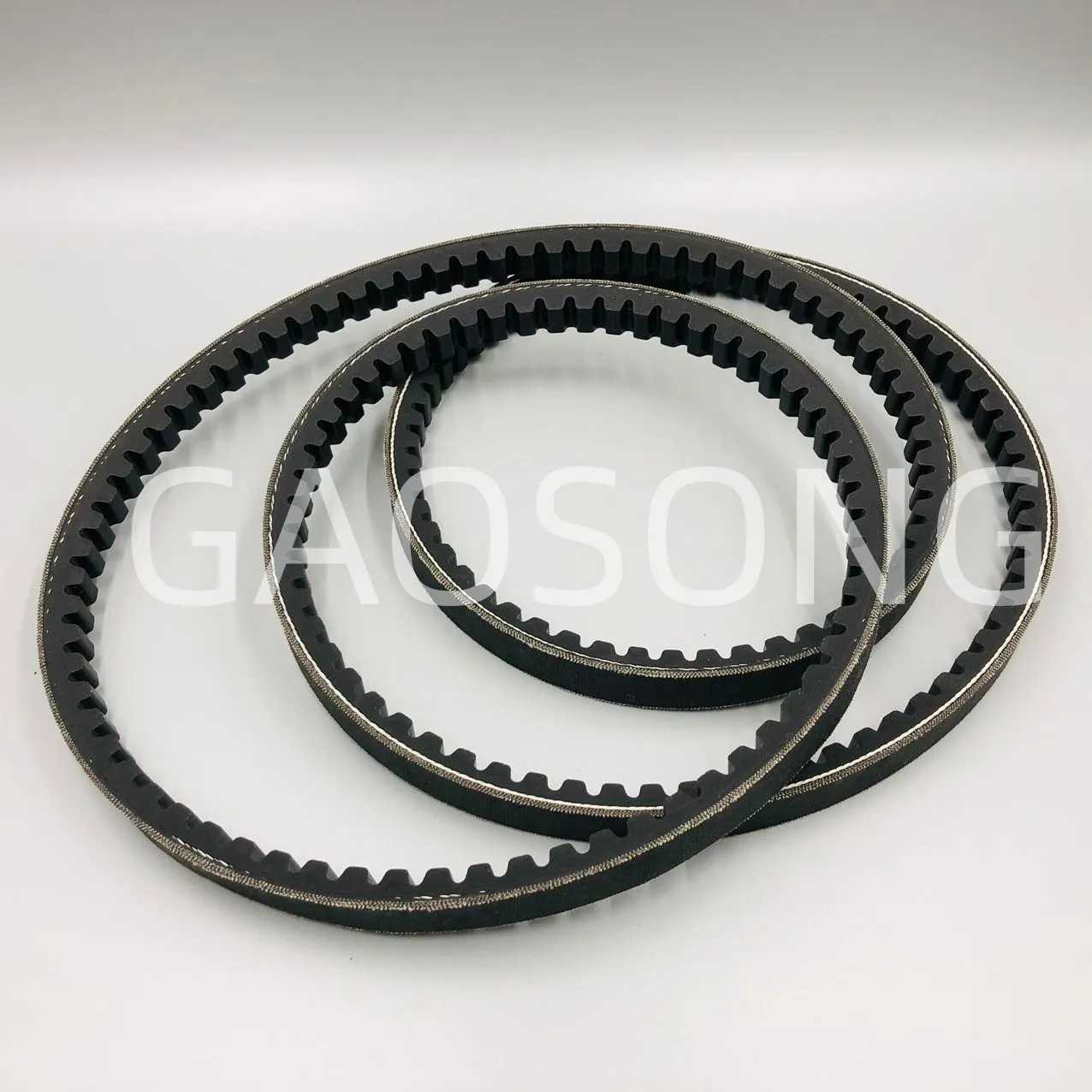 V-BELT – 6219-61-3420
 -
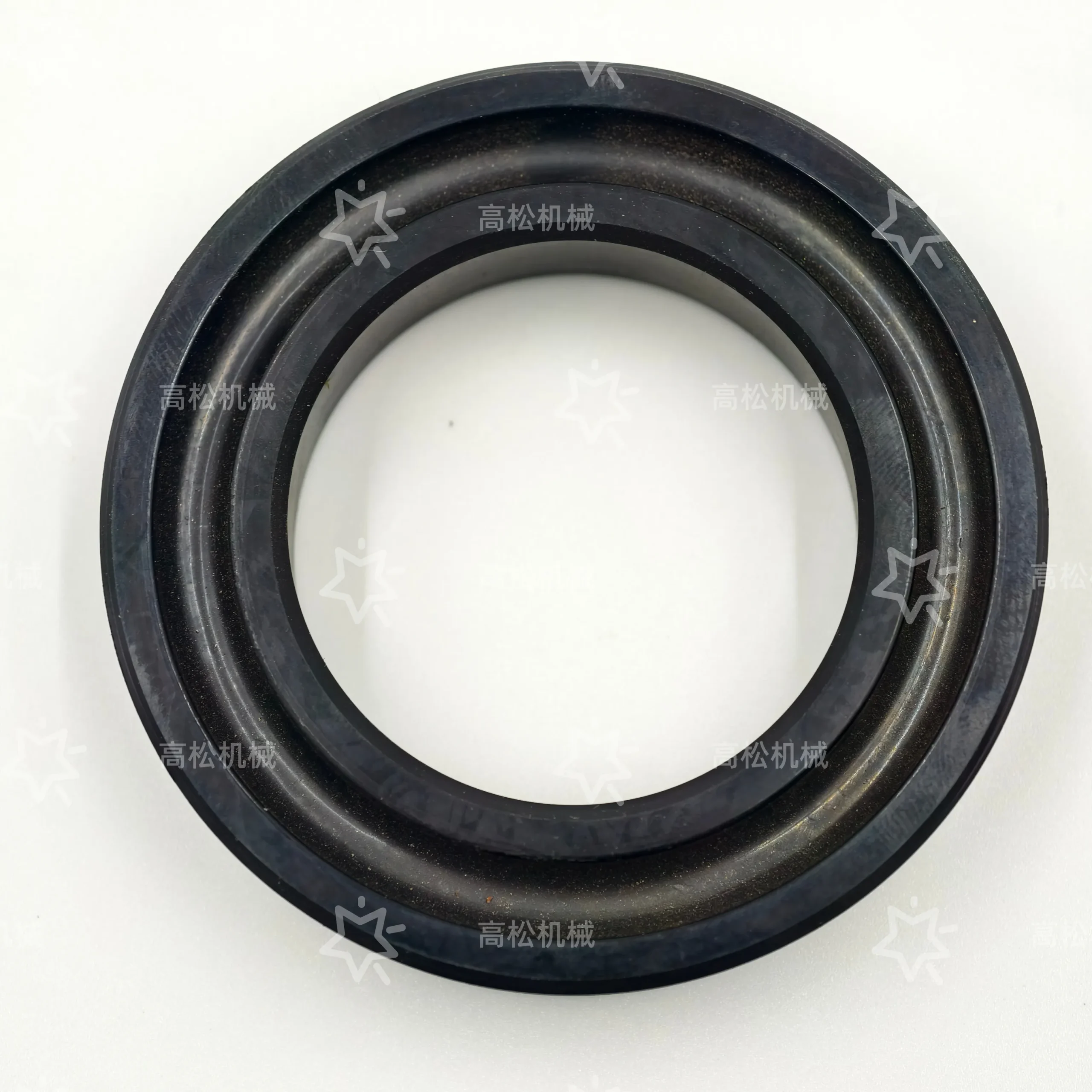 09370-00070 – U-PACKING fits Komatsu
 -
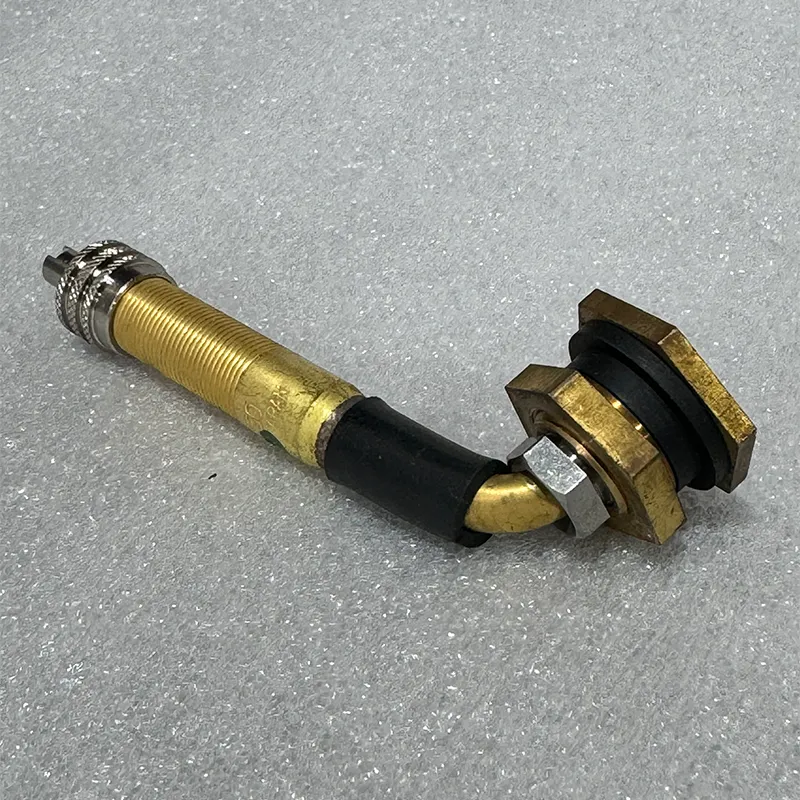 Original komatsu HD1200-1 Valve Assembly 581-30-21401
 -
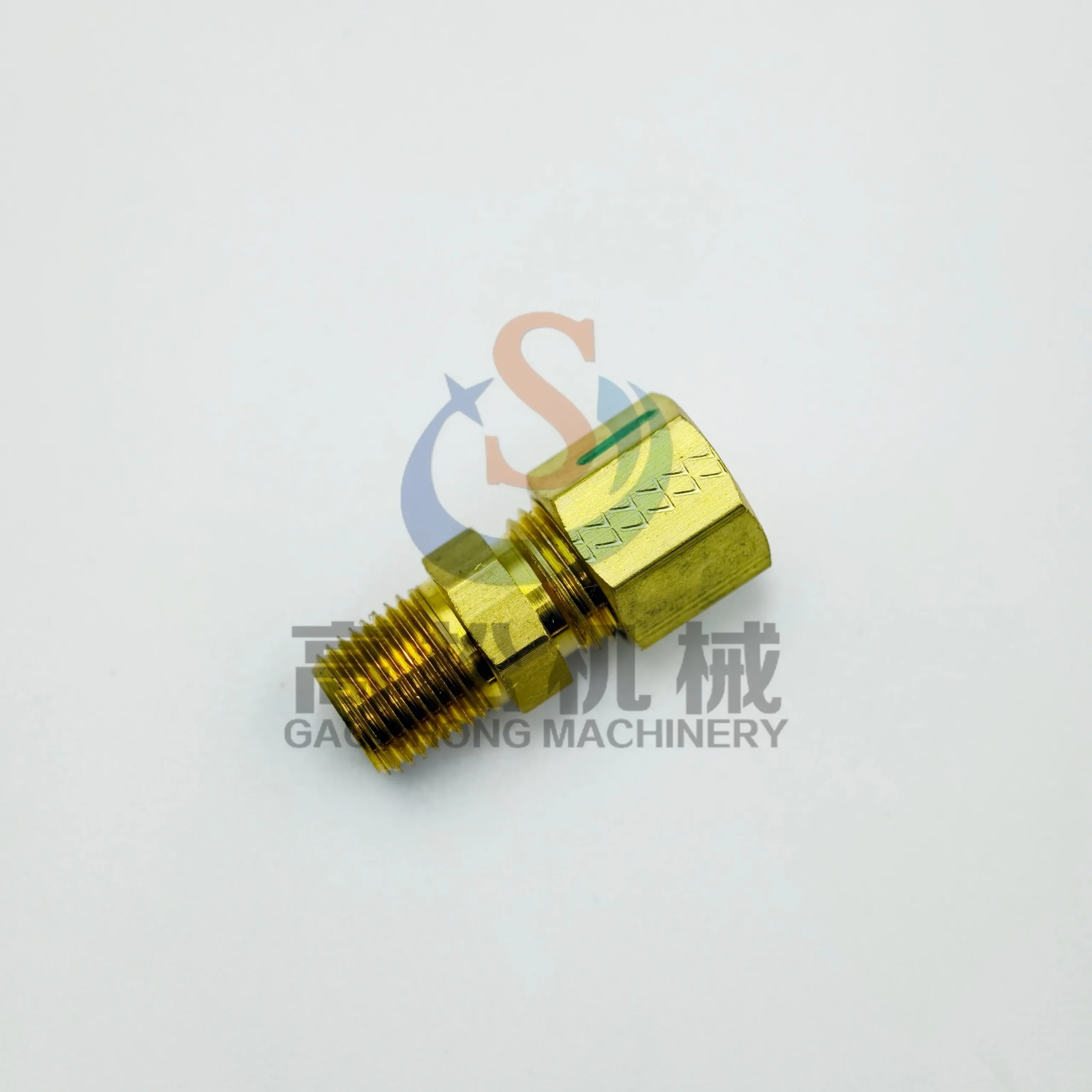 21N-68-32320 Komatsu Connector
 -
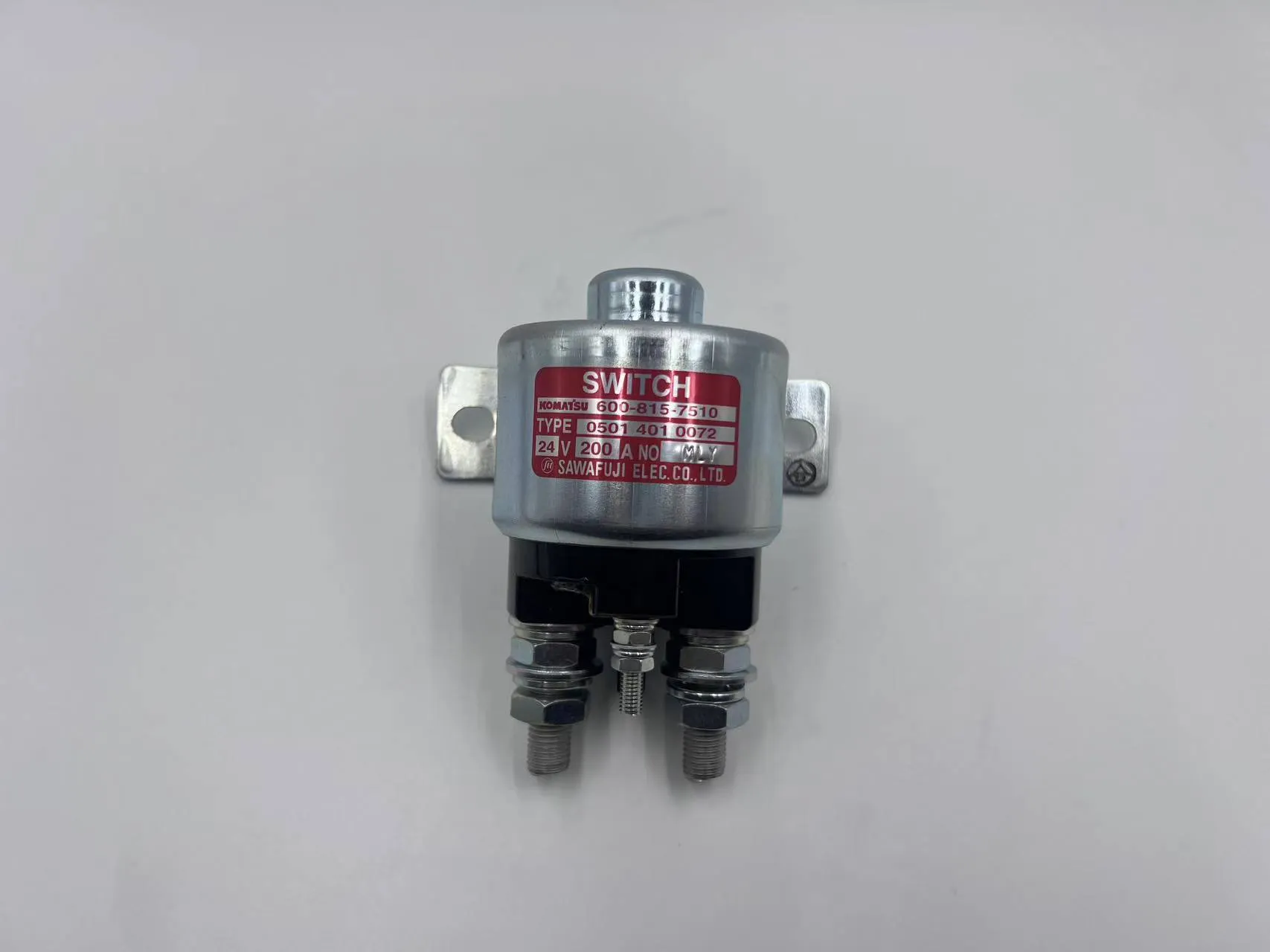 600-815-7510- SWITCH-Komatsu Original Factory
 -
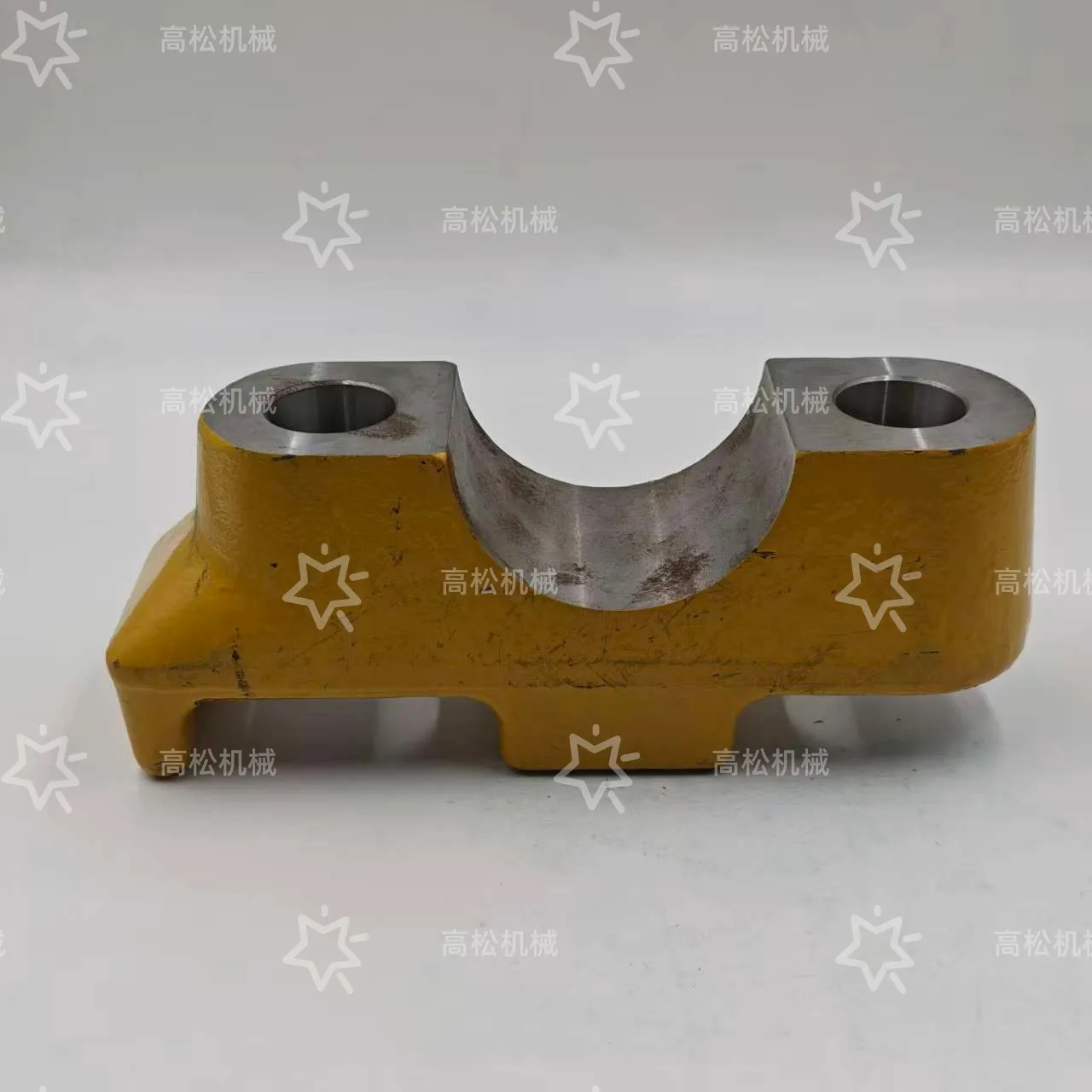 195-30-62141Komatsu Cap 195-30-62141
 -
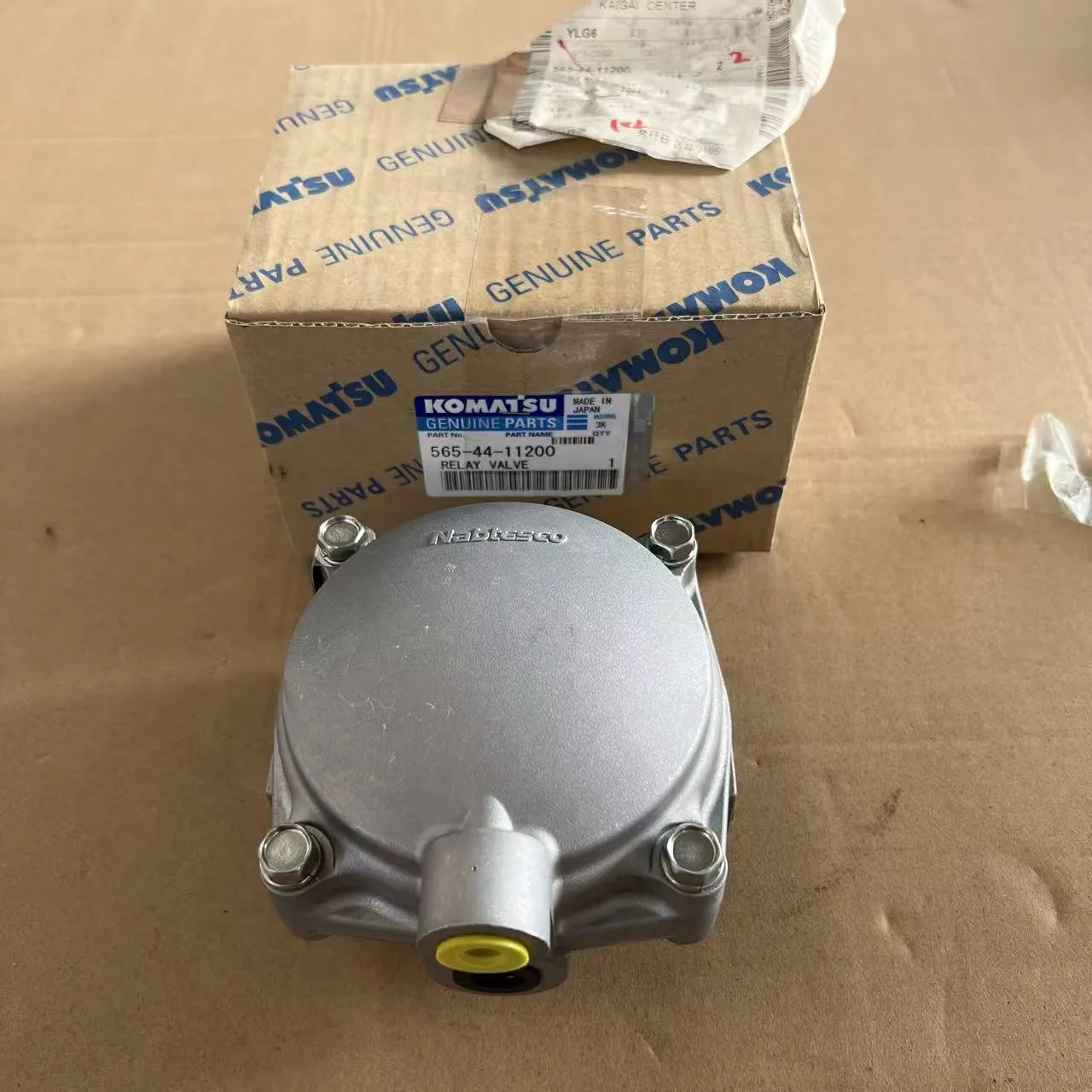 Komatsu (565-44-11200) VALVE ASS’Y, PARKING… — Pricing.Parts
 -
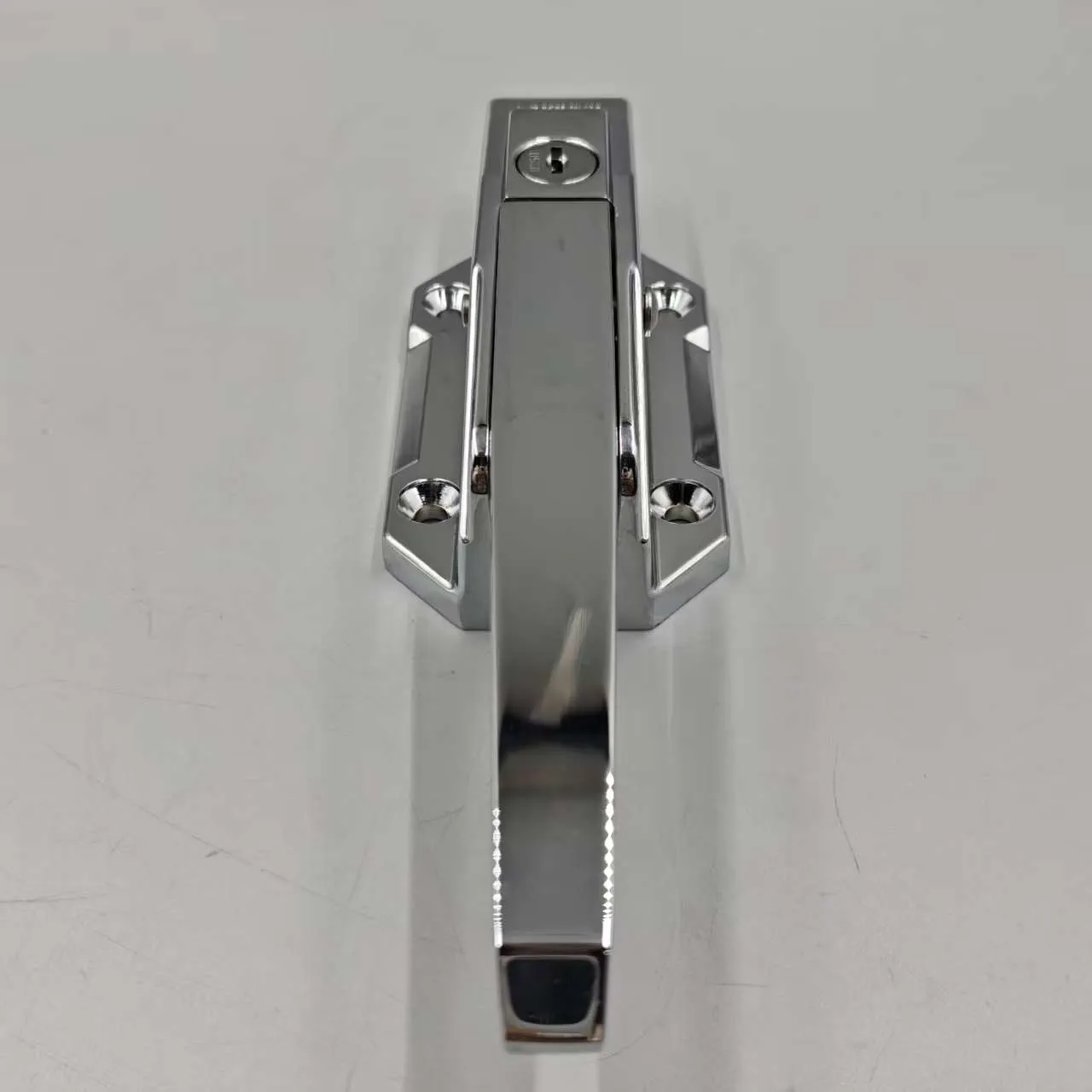 21T-54-35421excavator handle
 -
6219- 61- 3420 Komatsu factory belt
-
 Komatsu 6151-61-3201 CASE ASS’Y, FAN DRIVE… — Pricing.Parts
 -
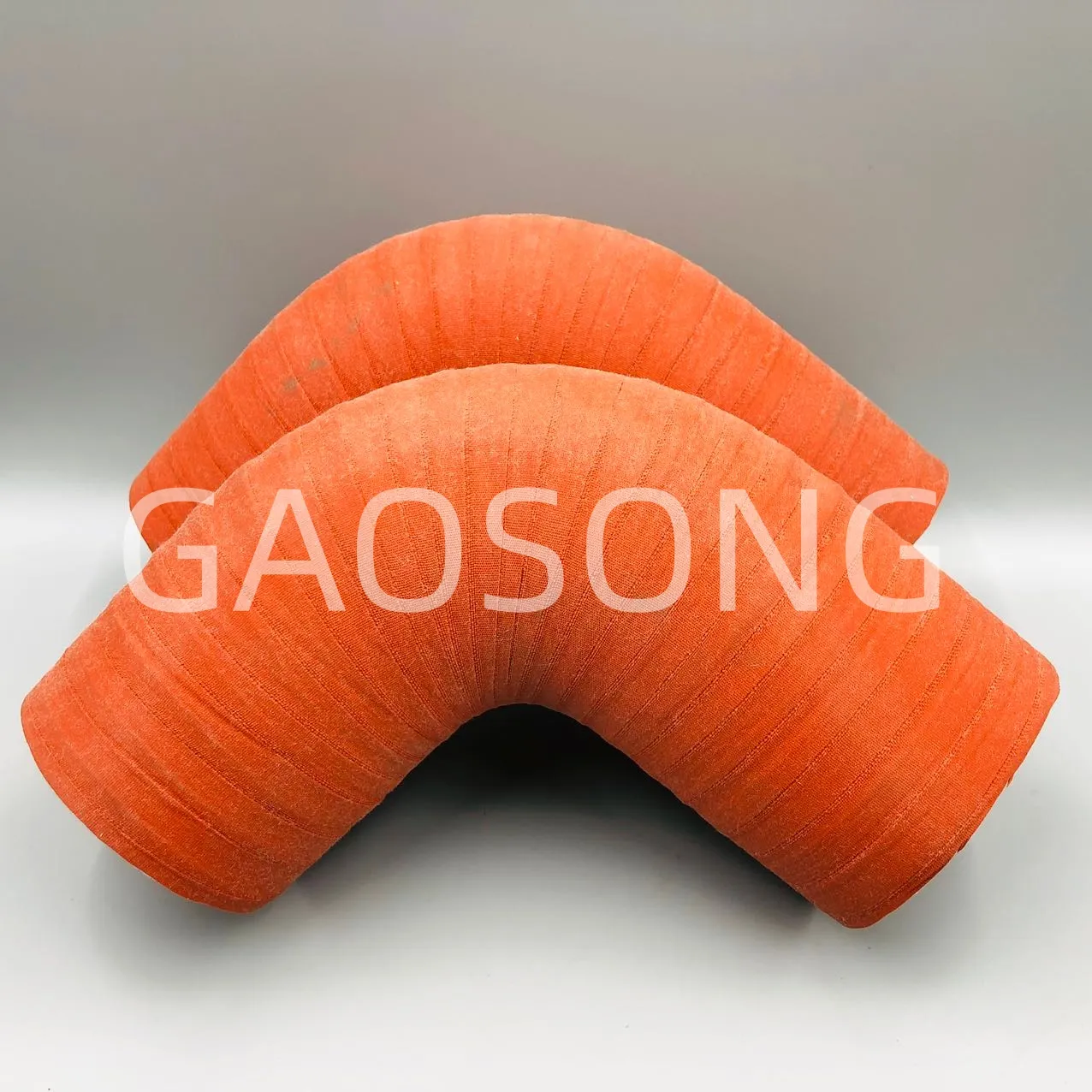 6743-11-4931 HOSE-Komatsu Original Factory
 -
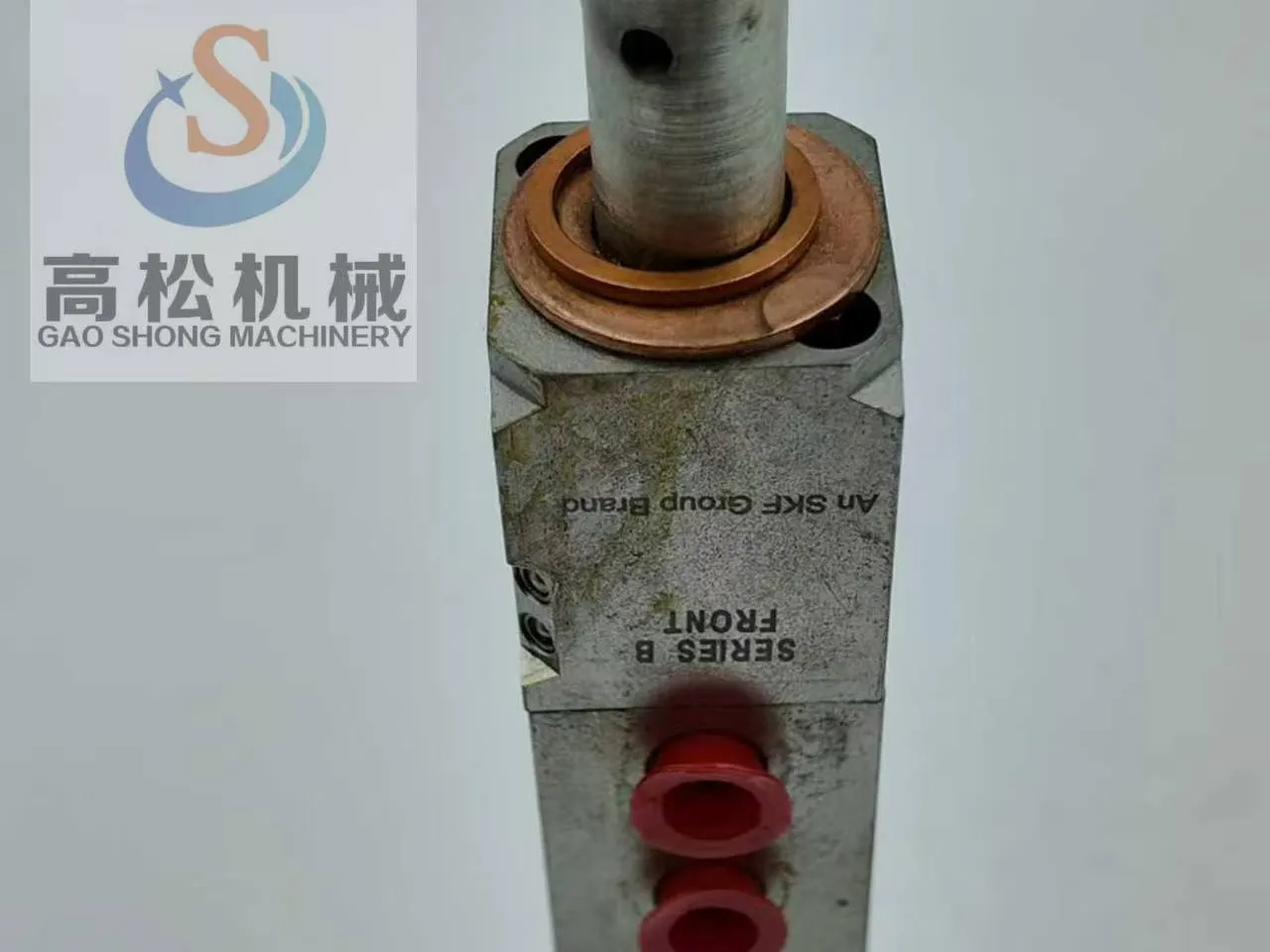 561-95-83030 561-95-84080 injector assembly for hd785-7 injectors