
- Chinese
- French
- German
- Portuguese
- Spanish
- Russian
- Japanese
- Korean
- Arabic
- Irish
- Greek
- Turkish
- Italian
- Danish
- Romanian
- Indonesian
- Czech
- Afrikaans
- Swedish
- Polish
- Basque
- Catalan
- Esperanto
- Hindi
- Lao
- Albanian
- Amharic
- Armenian
- Azerbaijani
- Belarusian
- Bengali
- Bosnian
- Bulgarian
- Cebuano
- Chichewa
- Corsican
- Croatian
- Dutch
- Estonian
- Filipino
- Finnish
- Frisian
- Galician
- Georgian
- Gujarati
- Haitian
- Hausa
- Hawaiian
- Hebrew
- Hmong
- Hungarian
- Icelandic
- Igbo
- Javanese
- Kannada
- Kazakh
- Khmer
- Kurdish
- Kyrgyz
- Latin
- Latvian
- Lithuanian
- Luxembou..
- Macedonian
- Malagasy
- Malay
- Malayalam
- Maltese
- Maori
- Marathi
- Mongolian
- Burmese
- Nepali
- Norwegian
- Pashto
- Persian
- Punjabi
- Serbian
- Sesotho
- Sinhala
- Slovak
- Slovenian
- Somali
- Samoan
- Scots Gaelic
- Shona
- Sindhi
- Sundanese
- Swahili
- Tajik
- Tamil
- Telugu
- Thai
- Ukrainian
- Urdu
- Uzbek
- Vietnamese
- Welsh
- Xhosa
- Yiddish
- Yoruba
- Zulu
- Kinyarwanda
- Tatar
- Oriya
- Turkmen
- Uyghur





komatsu pc200 parts manual
When someone punches 'komatsu pc200 parts manual' into a search bar, they're usually in one of two modes: panic or preparation. Either a machine is down and they're scrambling for a part number, or they're trying to be proactive about maintenance. The common pitfall? Believing the manual is just a static parts catalog. In reality, especially for a workhorse like the PC200, the manual is the starting point for a much deeper conversation about supply chains, authenticity, and the real-world wear patterns that the factory diagrams don't always anticipate.
The Manual as a Living Document, Not a PDF
Every seasoned mechanic or fleet manager has a dog-eared, grease-stained physical copy somewhere, or a PDF saved with a dozen confusing filenames. The official Komatsu PC200 parts manual is, of course, the bible. It gives you the exploded views, the assembly sequences, the torque specs. But here's the thing I've learned the hard way: the part number on the page doesn't guarantee the part on the shelf. For older PC200 series, especially the -5, -6, -7 models, you hit the obsolescence wall faster than you'd think. The manual says Part , but your local Komatsu dealer might tell you it's NLA—no longer available. That's when the real work begins.
This is where the distinction between OEM and aftermarket gets critical, and where simply having the manual isn't enough. You need to understand the provenance of the part you're about to order. I've seen guys cross-reference a number, find a suspiciously cheap option online, and end up with a hydraulic pump seal that fails in 80 hours. The manual didn't tell them that the original spec was updated for a reason, often due to a material change or a design flaw discovered in the field. The part number might be visually identical, but the metallurgy or the compound isn't.
I recall a specific issue with the swing circle gear on an early PC200-6. The manual listed the assembly, but it didn't highlight the subtle change in the bolt torque sequence for the later serial numbers within that model range. We followed the standard procedure from an older manual reprint and ended up with a slight distortion. It wasn't a catastrophic failure, but it led to premature wear and a costly re-do. The lesson? The manual you have might not be the final revision. You need the right version for your machine's serial number, and even then, you have to be aware of field service bulletins that supersede it.
Bridging the Gap: When Official Channels Hit a Wall
This is the reality for many operations outside of major markets. You have the manual, you have the correct part number, but the official supply chain simply can't deliver to your region in a timeframe that keeps your project profitable. The machine is a revenue generator; every day it's down is money burned. This is the exact problem companies like Jining Gaosong Construction Machinery Co., Ltd. are built to solve. They operate in a unique space, being an OEM product supplier within the Komatsu system while also functioning as a third-party sales channel.
What does that mean on the ground? It means they can often source genuine Komatsu parts—the exact ones listed in your komatsu pc200 parts manual—through alternative logistical routes, especially for markets where distribution is challenging. But more importantly, their dual role gives them a pragmatic perspective. If a genuine part is truly unavailable or the lead time is untenable, they can advise on high-quality, vetted aftermarket alternatives that will work, based on actual field data rather than just a sales pitch. Their site, https://www.takematsumachinery.com, becomes more than a parts store; it's a potential solution hub for these supply challenges.
I've dealt with similar suppliers in the past. The good ones don't just sell you a part; they ask for your serial number, they confirm the application, and they might even tell you, Look, the OEM piston for that pump is back-ordered for 12 weeks, but we have a third-party one from Japan that uses the same seals and has held up better in high-dust environments based on feedback from Australia. That's value the manual can't provide. It's applied knowledge.
The Devil in the Details: Cross-Section Views and Real Wear
Let's get specific about the PC200. One section of the parts manual everyone eventually wears out is the hydraulic section. The control valve, the pumps, the cylinders. The diagrams show pristine, new components. They don't show you what happens to the spool in the main control valve after 8,000 hours in a sandy quarry. The manual gives you the seal kit number, but it won't tell you that when you replace those seals, you absolutely must polish the spool bore with fine emery cloth in a specific pattern, or the new seals will get cut on microscopic ridges. That's tribal knowledge.
Another example: the track chain and final drive. The manual lists the individual links, pins, bushings, and the final drive assembly as a whole. But it won't warn you that if you're replacing a single link on one side due to a broken tooth, you'd better check the sprocket on the opposite side for a mirrored wear pattern that's about to cause the same failure. You have to read between the lines of the diagram. The parts list is discrete, but machine wear is systemic.
This is where having a reliable parts source that understands context matters. If you call just any online parts house with the number for a PC200 track bushing, they'll ship it. But if you're dealing with a supplier that has depth, they might ask about your sprocket condition or suggest checking the tension, because selling you a bushing that fails in 200 hours doesn't help anyone. They become a diagnostic partner, not just a warehouse.
Beyond the Book: Sourcing Strategy and Practical Reliance
So, your strategy with the komatsu pc200 parts manual shouldn't end at identification. It should begin there. Step one is always verifying the serial number and getting the exact, correct manual. Step two is using that manual to build a critical parts list for your specific machines—the high-wear, high-failure-rate items like hydraulic pump components, swing bearings, and cylinder seals. Step three is establishing your sourcing matrix.
For critical, non-debatable parts like engine internals or ECU components, you go genuine OEM, even if you have to wait. For wear items like seals, pins, bushings, and even some hydraulic valves, a high-quality aftermarket part from a trusted foundry or manufacturer is often a cost-effective and reliable choice. The key is trusted. This is where leveraging a company with a foot in both worlds, like the mentioned Jining Gaosong, makes sense. They are positioned to offer the genuine part when it's crucial and a validated alternative when it's practical, all based on the same blueprint from your manual.
I've built relationships with a handful of suppliers over the years based on this model. You send them the page from the manual, you give them the context of the failure, and they help you navigate the options. It turns a frantic parts search into a managed procurement process. The manual provides the technical truth; a good supplier provides the logistical and economic reality.
Closing the Loop: Manual as Foundation, Experience as Framework
In the end, the komatsu pc200 parts manual is indispensable. It is the single source of truth for how the machine was built. But operating and maintaining these machines is about layering years of empirical observation onto that foundational document. You learn which parts tend to fail together, which tolerances are forgiving, and which are absolutely not.
The search for the manual is often the first step in a longer journey of problem-solving. It leads you to the part number, which leads you to the market, where you then have to make judgments about quality, availability, and cost. Having resources that understand the entirety of that journey—from the diagram on the page to the grit in the final drive—is what separates a smooth repair from a recurring headache.
So, keep your manual close, whether it's a paper copy in the service truck or a PDF on a tablet. But build your network of knowledge and suppliers just as diligently. The book tells you what the part is. Your experience, and the right partners, tell you what it needs to be to keep that PC200 digging another day.
Related Products
Related Products
Best Selling Products
Best Selling Products-
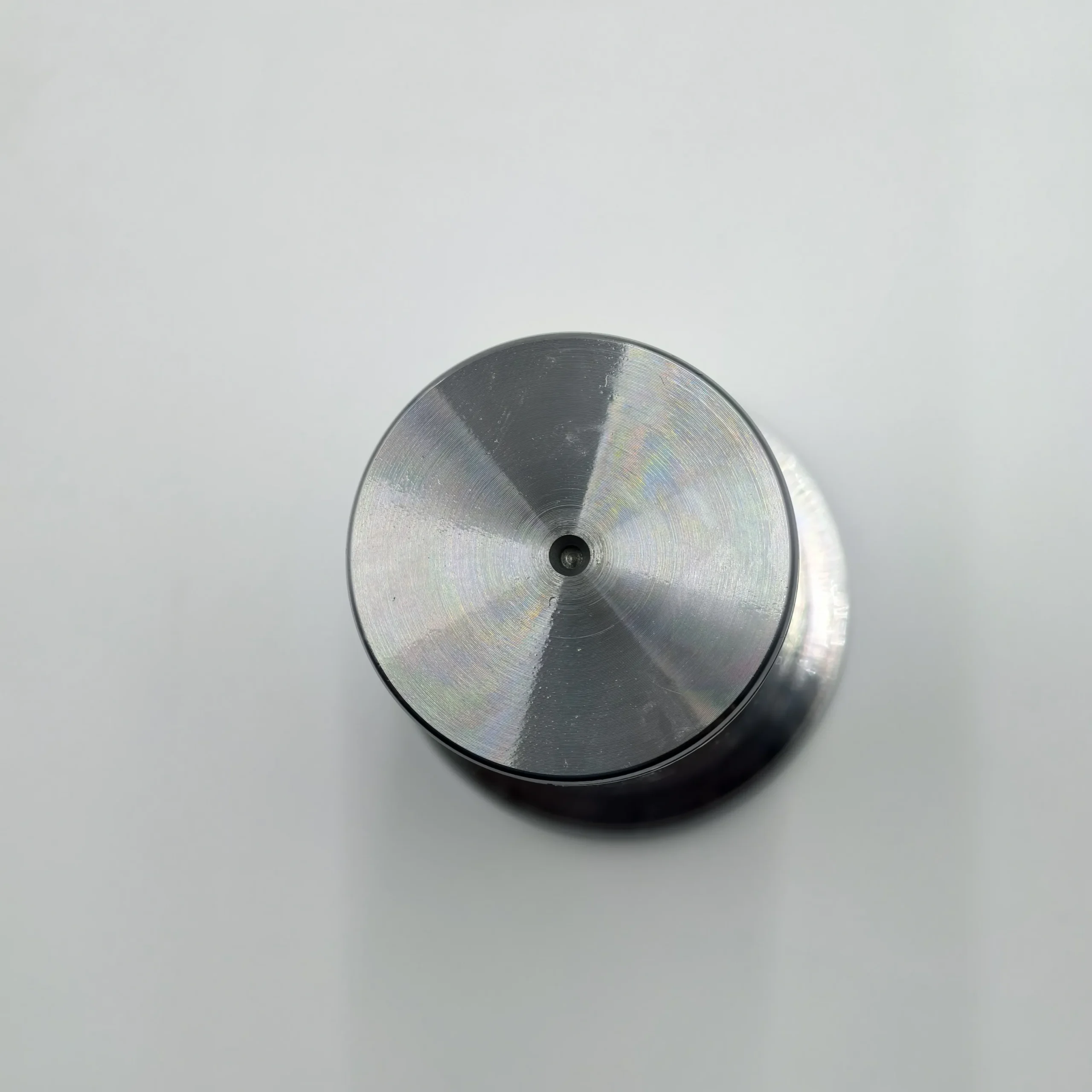 PIN – 21N-26-33240
 -
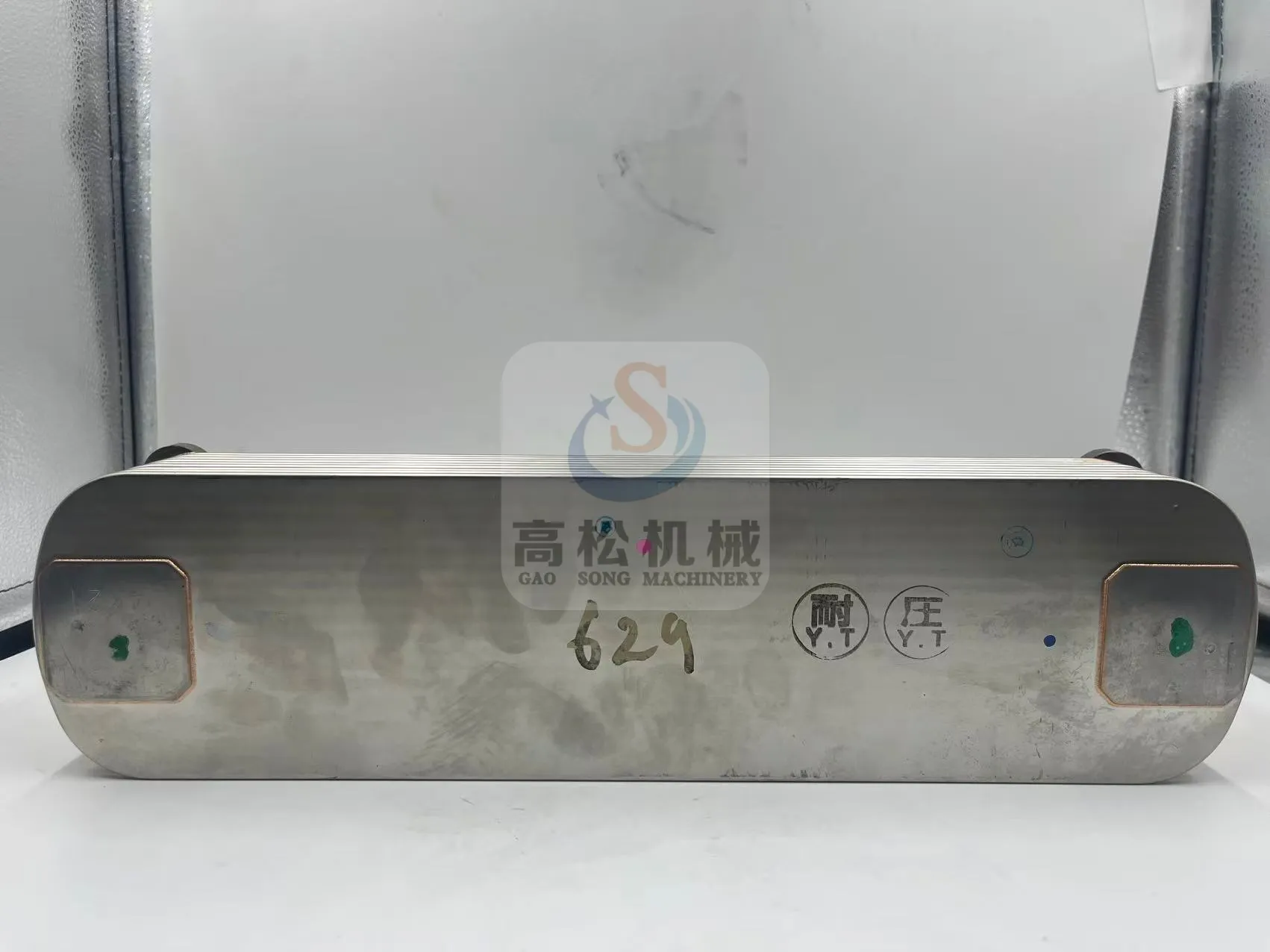 6240-61-2111 ENGINE OIL COOLER for Komatsu PC1250-11
 -
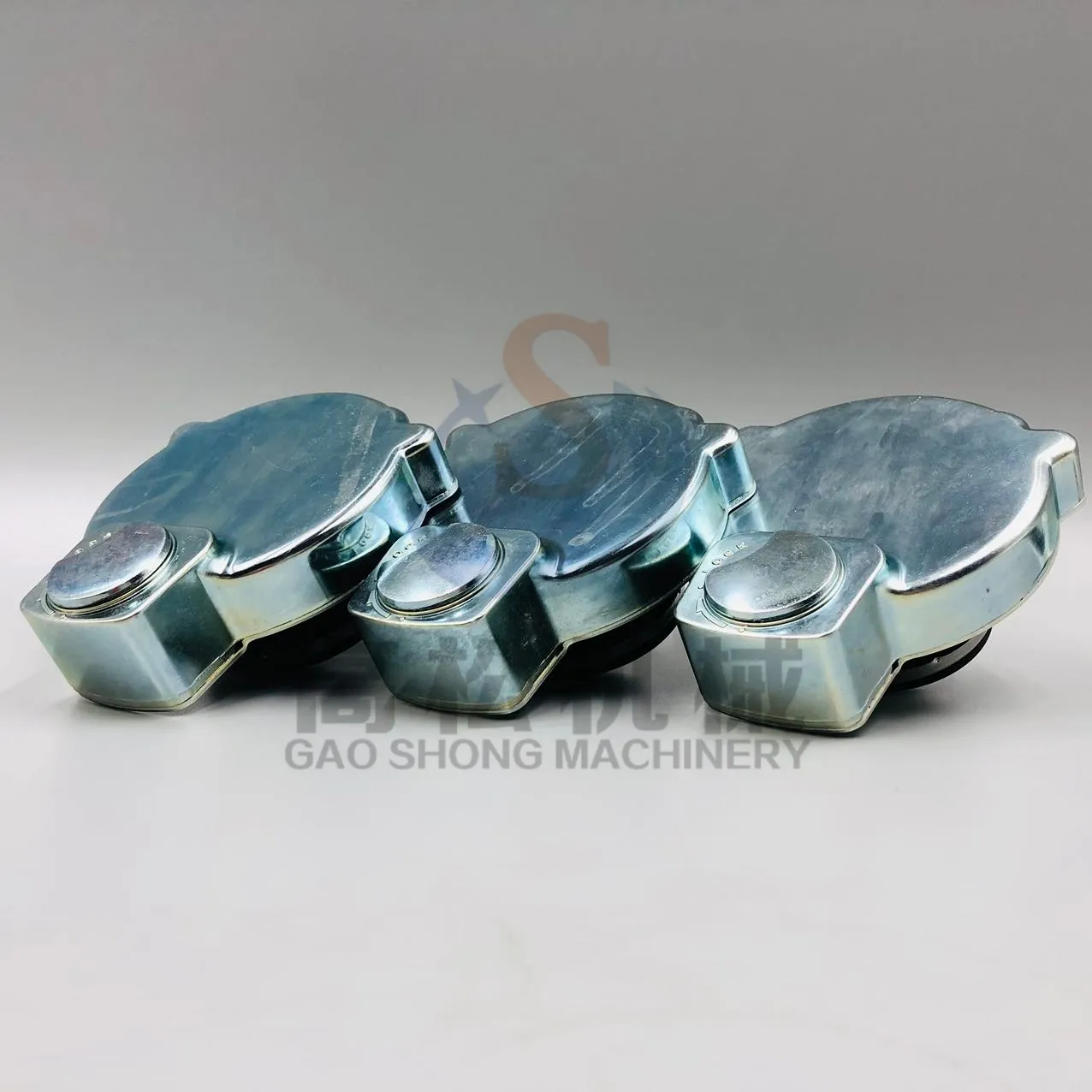 CAP ASS’Y 17A-60-11310 – KOMATSU
 -
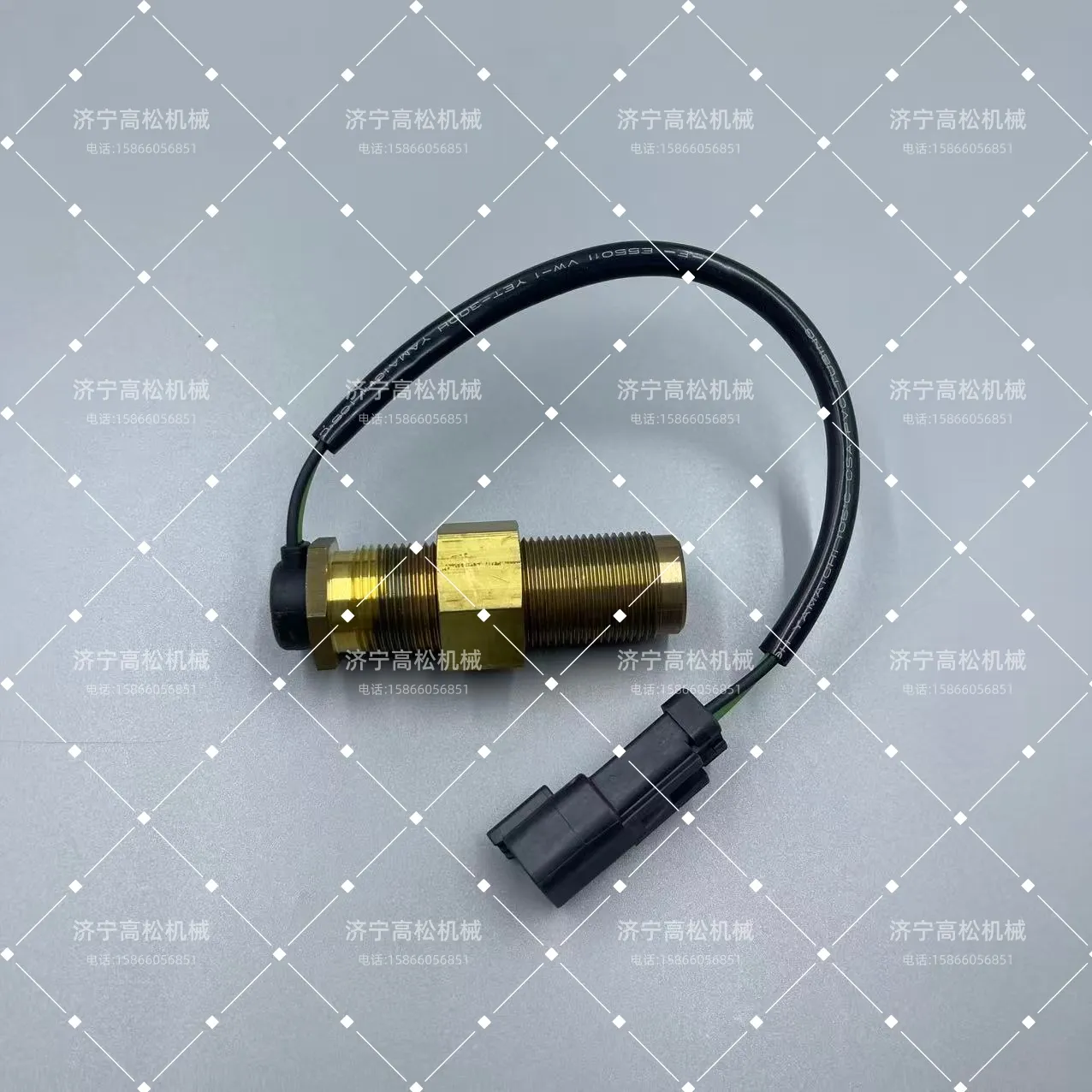 Revolution Sensor 7861-93-2330 for Bulldozer D85EX-15
 -
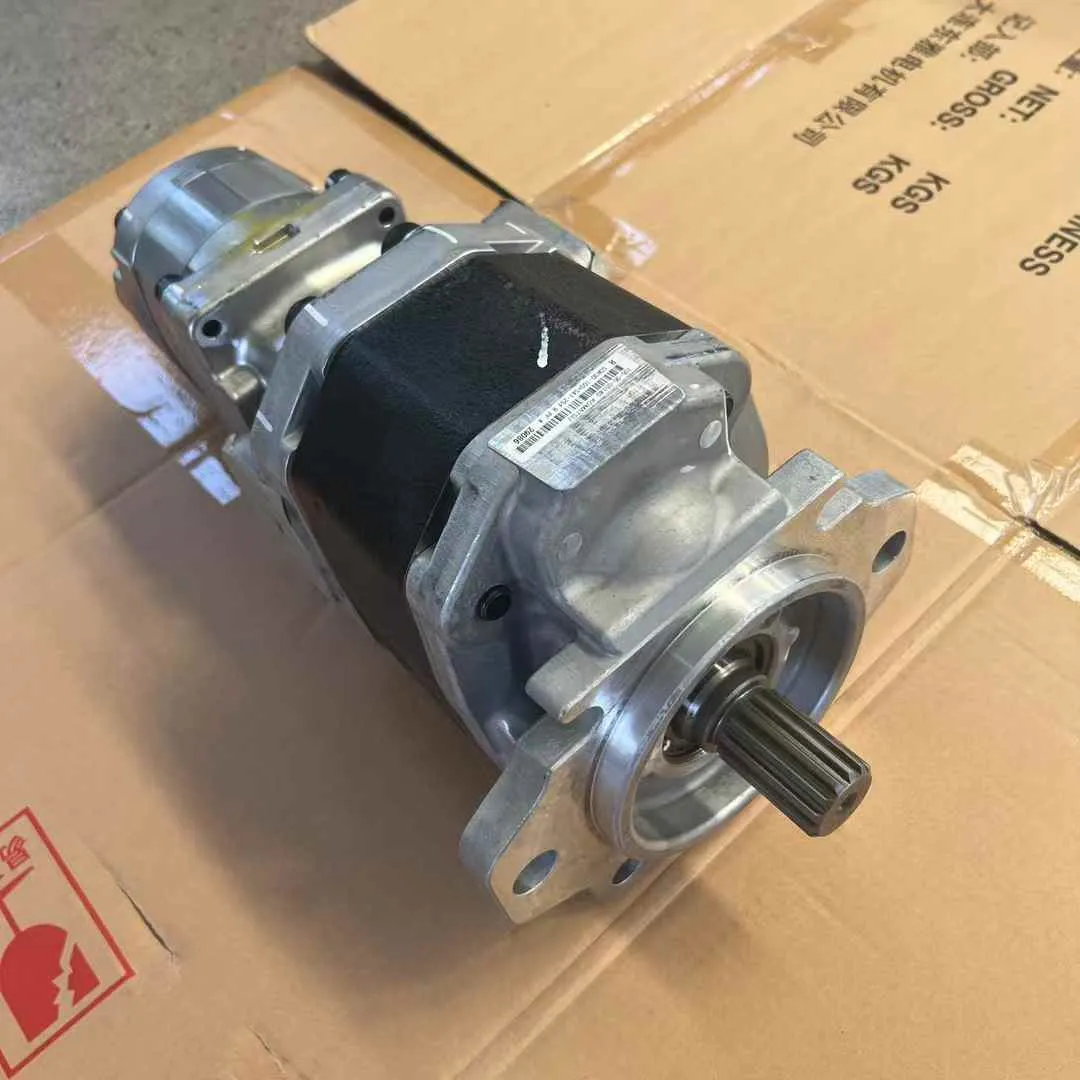 705-95-05140 HydraulicPump
 -
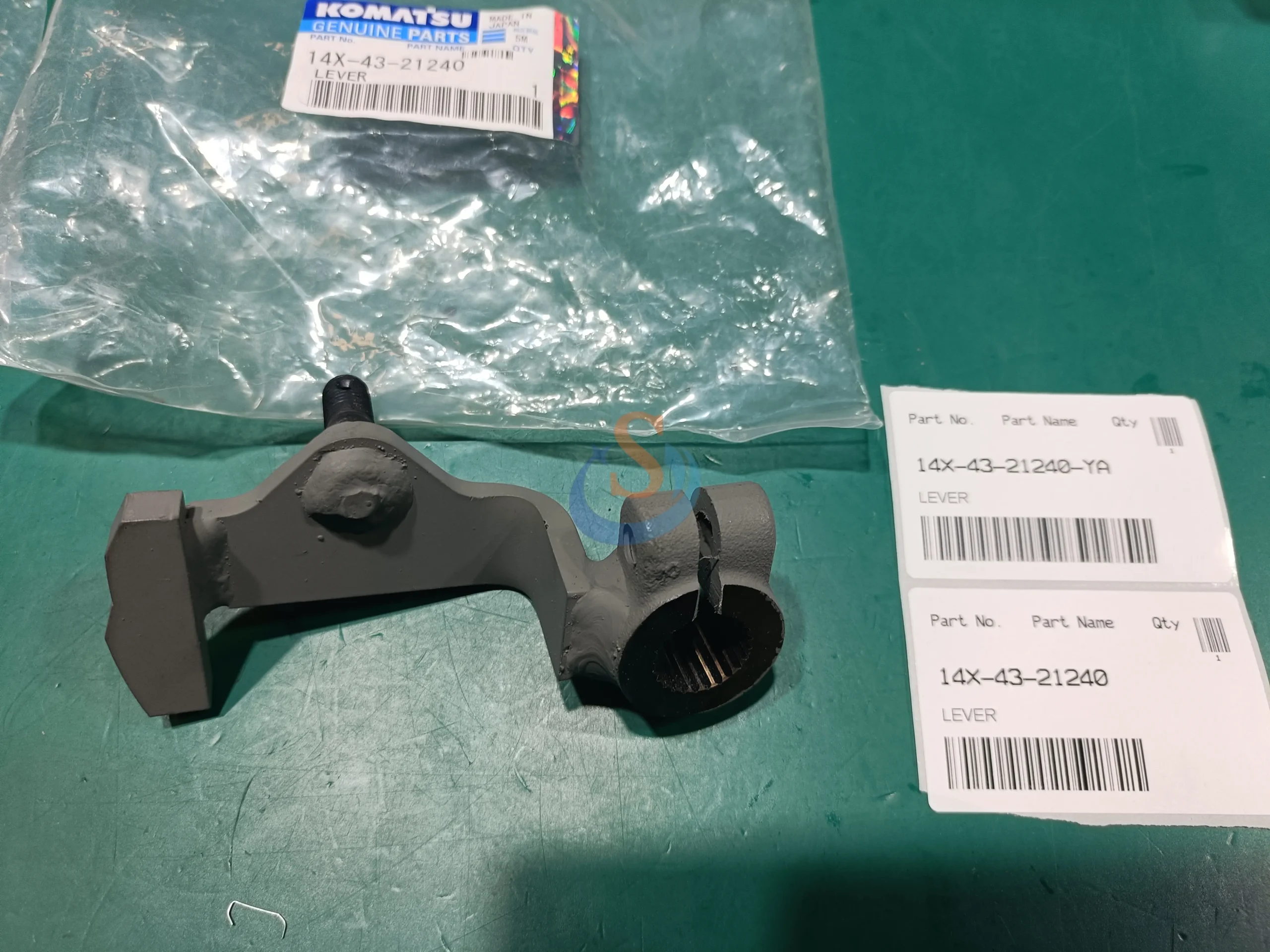 14X-43-21240,LEVER
 -
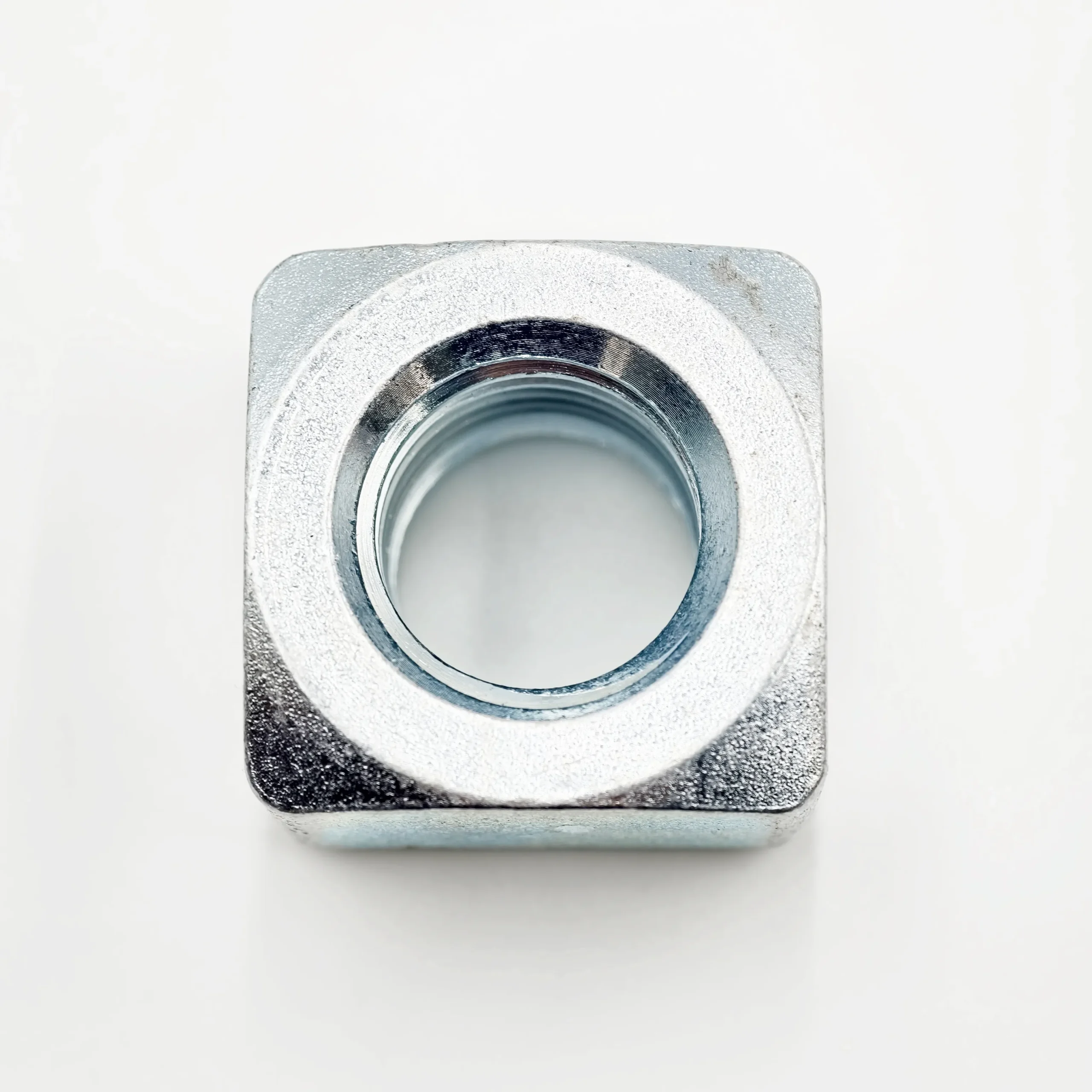 KOMATSU 130-70-13241 Square NUT
 -
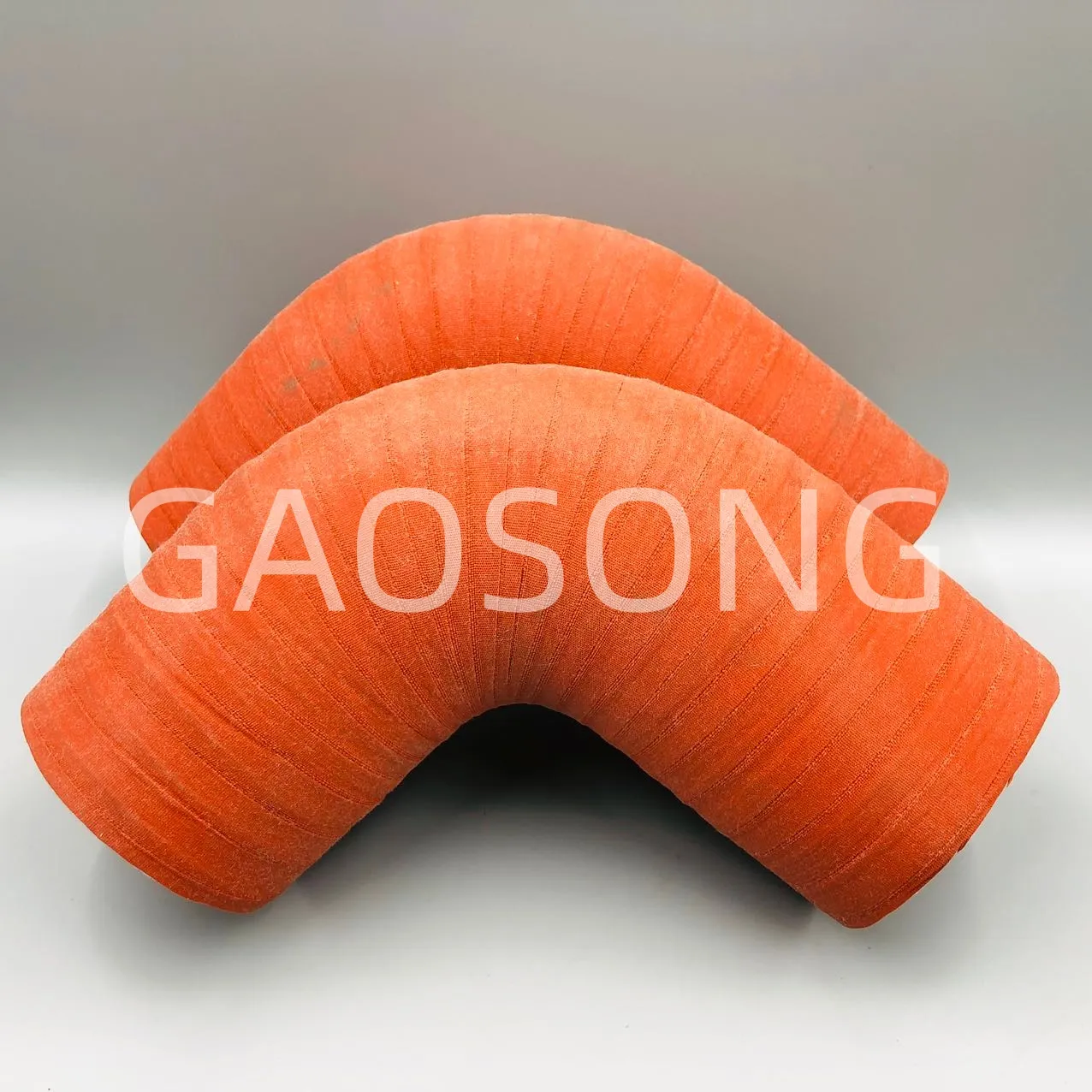 6743-11-4931 HOSE-Komatsu Original Factory
 -
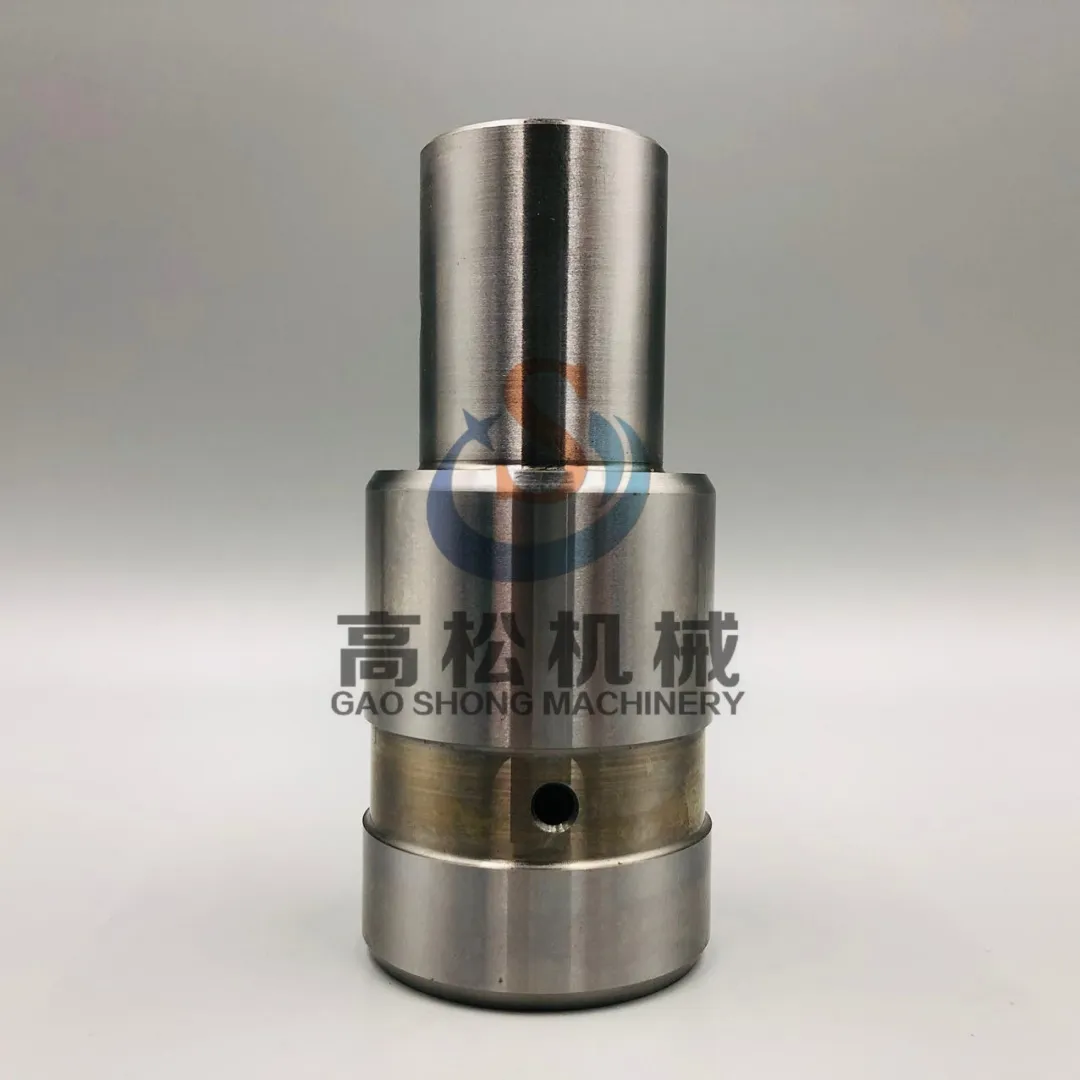 komatsu 6240-61-4630 shaft komatsu original
 -
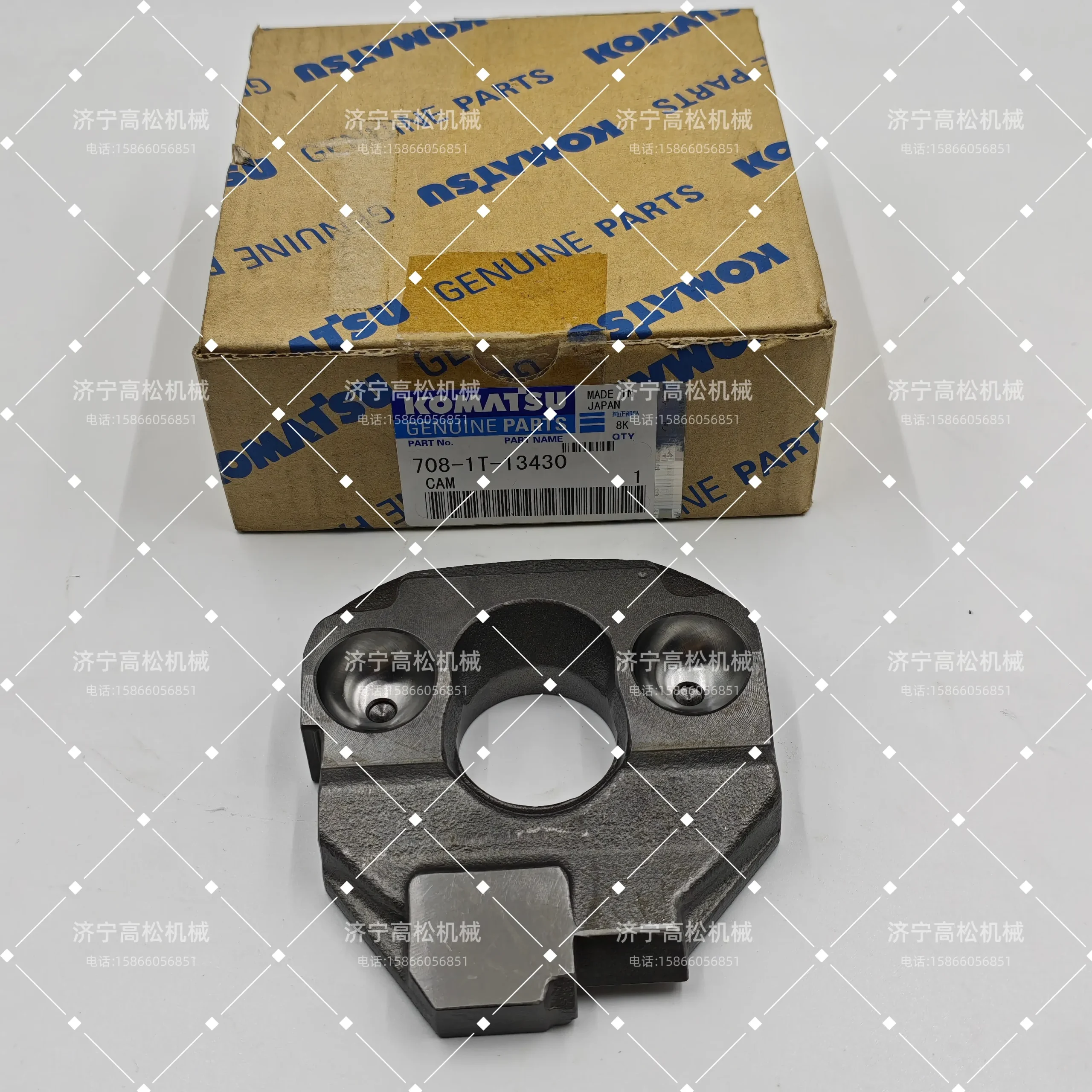 708-1T-13430 Komatsu Cam, Rocker
 -
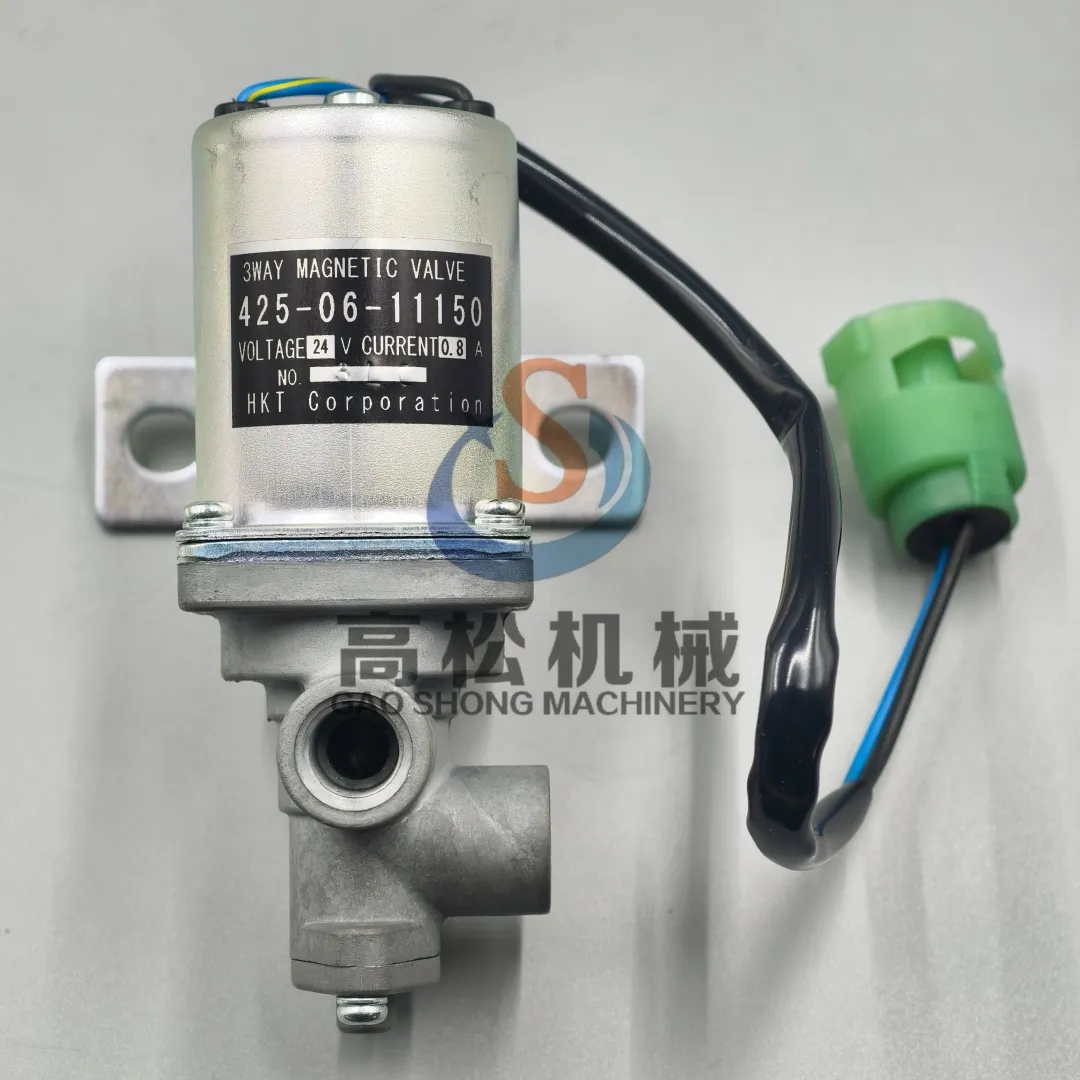 Komatsu Relay 425-06-11150 for Wheel loader WA600-1 12V
 -
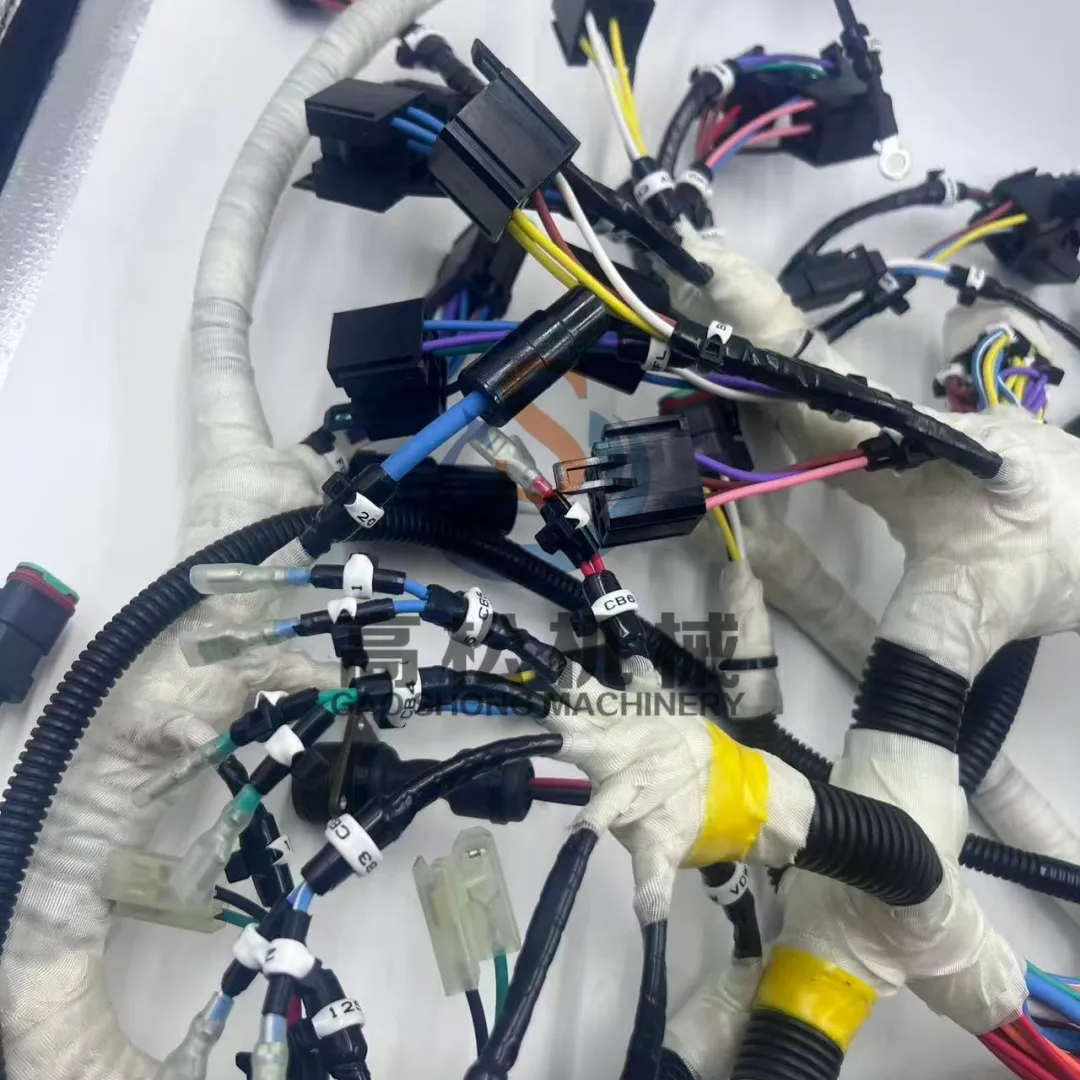 195-06-84471 Komatsu Wiring Harness