
- Chinese
- French
- German
- Portuguese
- Spanish
- Russian
- Japanese
- Korean
- Arabic
- Irish
- Greek
- Turkish
- Italian
- Danish
- Romanian
- Indonesian
- Czech
- Afrikaans
- Swedish
- Polish
- Basque
- Catalan
- Esperanto
- Hindi
- Lao
- Albanian
- Amharic
- Armenian
- Azerbaijani
- Belarusian
- Bengali
- Bosnian
- Bulgarian
- Cebuano
- Chichewa
- Corsican
- Croatian
- Dutch
- Estonian
- Filipino
- Finnish
- Frisian
- Galician
- Georgian
- Gujarati
- Haitian
- Hausa
- Hawaiian
- Hebrew
- Hmong
- Hungarian
- Icelandic
- Igbo
- Javanese
- Kannada
- Kazakh
- Khmer
- Kurdish
- Kyrgyz
- Latin
- Latvian
- Lithuanian
- Luxembou..
- Macedonian
- Malagasy
- Malay
- Malayalam
- Maltese
- Maori
- Marathi
- Mongolian
- Burmese
- Nepali
- Norwegian
- Pashto
- Persian
- Punjabi
- Serbian
- Sesotho
- Sinhala
- Slovak
- Slovenian
- Somali
- Samoan
- Scots Gaelic
- Shona
- Sindhi
- Sundanese
- Swahili
- Tajik
- Tamil
- Telugu
- Thai
- Ukrainian
- Urdu
- Uzbek
- Vietnamese
- Welsh
- Xhosa
- Yiddish
- Yoruba
- Zulu
- Kinyarwanda
- Tatar
- Oriya
- Turkmen
- Uyghur






Komatsu PC200 parts
When you hear 'Komatsu PC200 parts', what comes to mind? For many, it's just a search term, a commodity. But in the field, it's a different story. There's a common misconception that all parts labeled for a PC200 are equal, that an undercarriage component or a hydraulic pump seal is just a standard item. That thinking can cost you weeks of downtime. The reality is more nuanced, tied to serial numbers, regional specifications, and the often-overlooked distinction between genuine OEM, aftermarket, and what I'd call 'system-approved' alternatives. That's where the real conversation begins.
The OEM Illusion and the System Reality
Everyone wants OEM parts. They're the gold standard, right? But here's the practical hurdle: lead times and cost, especially for older PC200-6 or PC200-7 models. I've seen projects stall waiting for a simple joystick controller because the official channel was back-ordered for months. This is where understanding the Komatsu 'system' becomes critical. It's not just about the factory in Japan. There are suppliers operating within Komatsu's own quality and engineering framework, producing to the same prints and tolerances, but often flying under the radar.
I recall a situation in Southeast Asia where a client's PC200-8 had a failed swing motor. The local Komatsu dealer quoted a 12-week delivery and a staggering price. The alternative was a local aftermarket part, which we tried against my better judgment. It failed in under 200 hours. The solution came from a different angle: a supplier who was, as they put it, an OEM product supplier within the Komatsu system. The part had the correct casting marks, matched the hydraulic profile perfectly, and came with traceable documentation. It cost 30% less than the dealer quote and was shipped in 10 days. That experience shifted my perspective entirely.
This isn't about bypassing the dealer network. It's about understanding the ecosystem. Companies like Jining Gaosong Construction Machinery Co., Ltd. exemplify this model. They aren't just a third-party seller; their role as a system OEM supplier and a third-party sales channel specifically addresses these supply chain fractures. They help solve parts supply challenges in certain countries not by flooding the market with cheap copies, but by providing a legitimate, quality-assured alternative route for critical components.
Undercarriage: Where the Devil Truly Lives in the Details
If you want to test the mettle of a parts supplier, talk undercarriage for a PC200. Track links, rollers, idlers – this is where wear patterns and metal composition make or break your machine's productivity. I've made the mistake of mixing chain. Bought a set of aftermarket track links for a PC200LC-3 because the price was irresistible. Paired them with genuine Komatsu pins and bushings. The result? Accelerated wear on the genuine components because the link's hardness was off by a few points on the Rockwell scale. The cost saving was wiped out three times over.
The lesson was that for high-stress, wear-critical assemblies, provenance is everything. A true system supplier will have the metallurgical reports. They'll know if the PC200-5 you're working on used a different alloy in the front idler than the PC200-8. When evaluating Komatsu PC200 parts for undercarriage, I now ask for more than a catalog picture. I ask about the source of the steel, the heat-treat process, and whether the sealing kits for the rollers are identical to the ones Komatsu packages. The difference between a 3,000-hour roller and a 5,000-hour roller often lies in these invisible specs.
It's in these gritty details that a company's claim of being within the Komatsu system proves itself. It's not a marketing slogan; it's a question of having access to the material specifications and the quality control protocols that ensure a track shoe isn't just the right shape, but has the right wear life.
Hydraulics and Electronics: The Compatibility Minefield
Moving beyond the mechanical, the hydraulic and electronic systems of the PC200 are a minefield of compatibility issues. A main hydraulic pump for a PC200-7 isn't a universal unit. Its displacement, its control pressure settings, the swashplate angle – all are calibrated to the machine's original computer. I learned this the hard way by installing a rebuilt pump that wasn't matched correctly. The machine ran, but it was sluggish, burned more fuel, and threw intermittent codes. The problem wasn't the pump's quality; it was its calibration profile.
This is where the value of a technical backline becomes apparent. A good supplier doesn't just sell you a pump; they ask for your machine's serial number. They cross-reference the part number evolution. Companies that operate as a third-party sales company for Komatsu often have the technical databases to do this correctly. They're solving the supply challenge by providing the correct part, not just a part. For electronics, like an engine controller or a monitor panel, this is even more critical. A mismatched panel can cause communication errors across the CAN bus, leading to a nightmare of diagnostics.
The takeaway? When sourcing these complex components, the conversation must go deeper than fits a PC200. You need a supplier who understands the subsystems and can validate fit-for-purpose, not just physical fit.
The Certain Countries Challenge and Practical Sourcing
The phrase solving parts supply challenges in certain countries from Takematsu Machinery's site isn't corporate fluff. It's a daily reality. In some regions, official distribution is thin, tariffs are high, or political factors disrupt logistics. In these markets, equipment owners are often forced into the arms of the lowest-bidder aftermarket, with predictable results.
I've worked in markets like this. The local supplier might have a warehouse full of parts, but no technical data. You buy a water pump, and it fits, but the impeller is a different design, leading to cavitation and overheating. A system-oriented supplier fills this gap by providing not just the physical part, but the assurance of specification compliance. They become a lifeline for fleet managers who can't afford 4-month lead times but also can't afford catastrophic failure.
The practical step is to build a relationship with such a supplier before you're in a crisis. Test them on a smaller, non-critical component first—a set of filters, some hose assemblies. Check the packaging, the documentation, and most importantly, the performance. Do they respond with technical clarity when you ask a detailed question? That's how you vet a partner in this space.
Beyond the Purchase: The Unspoken Factors of Reliability
Finally, sourcing Komatsu PC200 parts is about more than a transaction. It's about predictability. Downtime isn't just the cost of the part; it's the cost of the idle machine, the delayed project, the penalty clauses. Reliability, therefore, is a function of part quality, logistical speed, and technical accuracy.
A supplier that is integrated into the system offers a different risk profile. Their failure is a failure within Komatsu's own quality orbit, which means there are channels for recourse and technical support. This is starkly different from buying a no-name part from a generic online marketplace. The latter is a pure gamble; the former is a managed risk.
In the end, it comes down to treating parts procurement as a technical and strategic function, not just a purchasing one. The keyword Komatsu PC200 parts opens a door to a complex world of tiers and qualities. Navigating it successfully means looking past the first page of search results or the lowest price, and understanding the layers of the supply chain. It means recognizing partners who provide not just an alternative, but a credible, system-aware solution that keeps your machine—and your project—moving. That's the real goal.
Related Products
Related Products
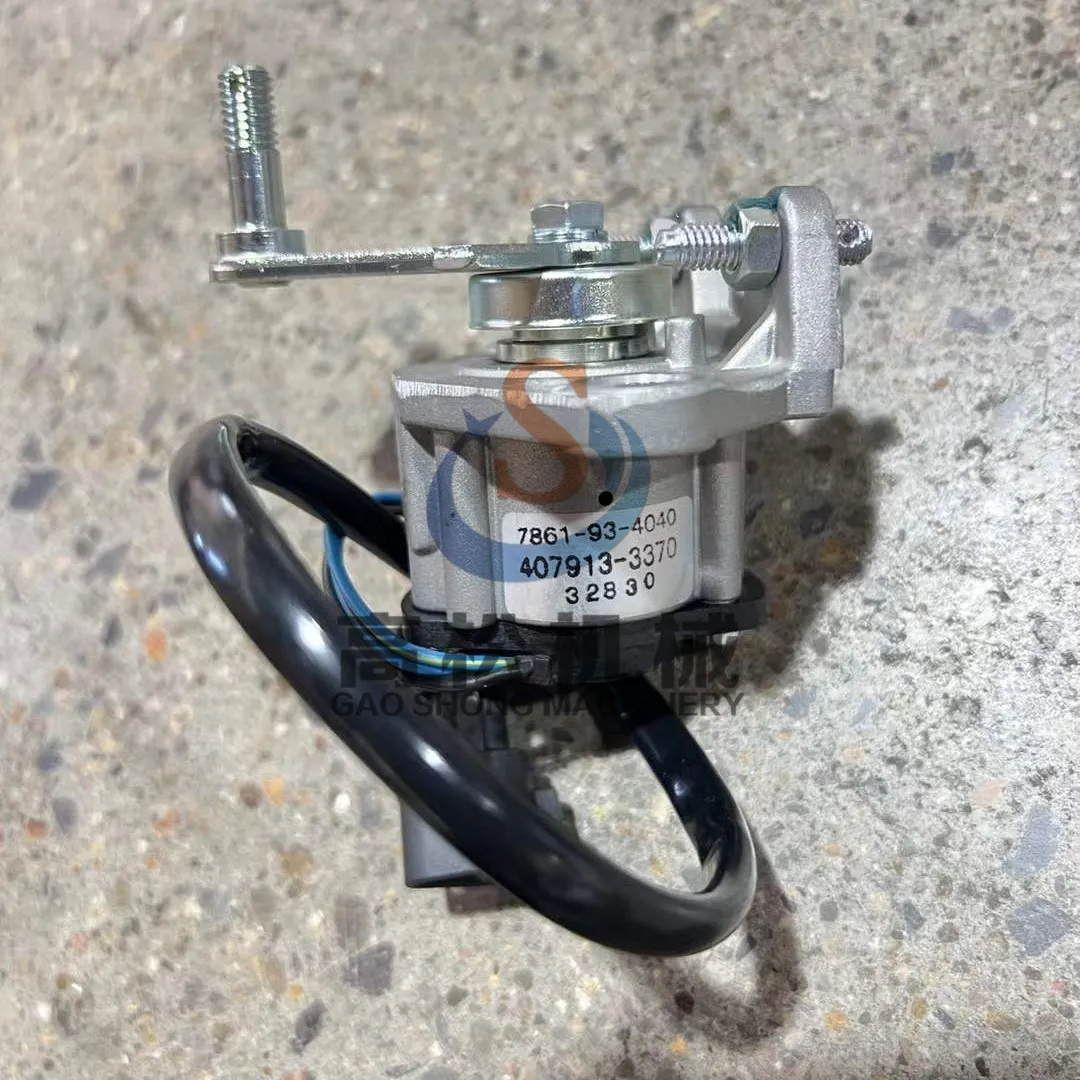
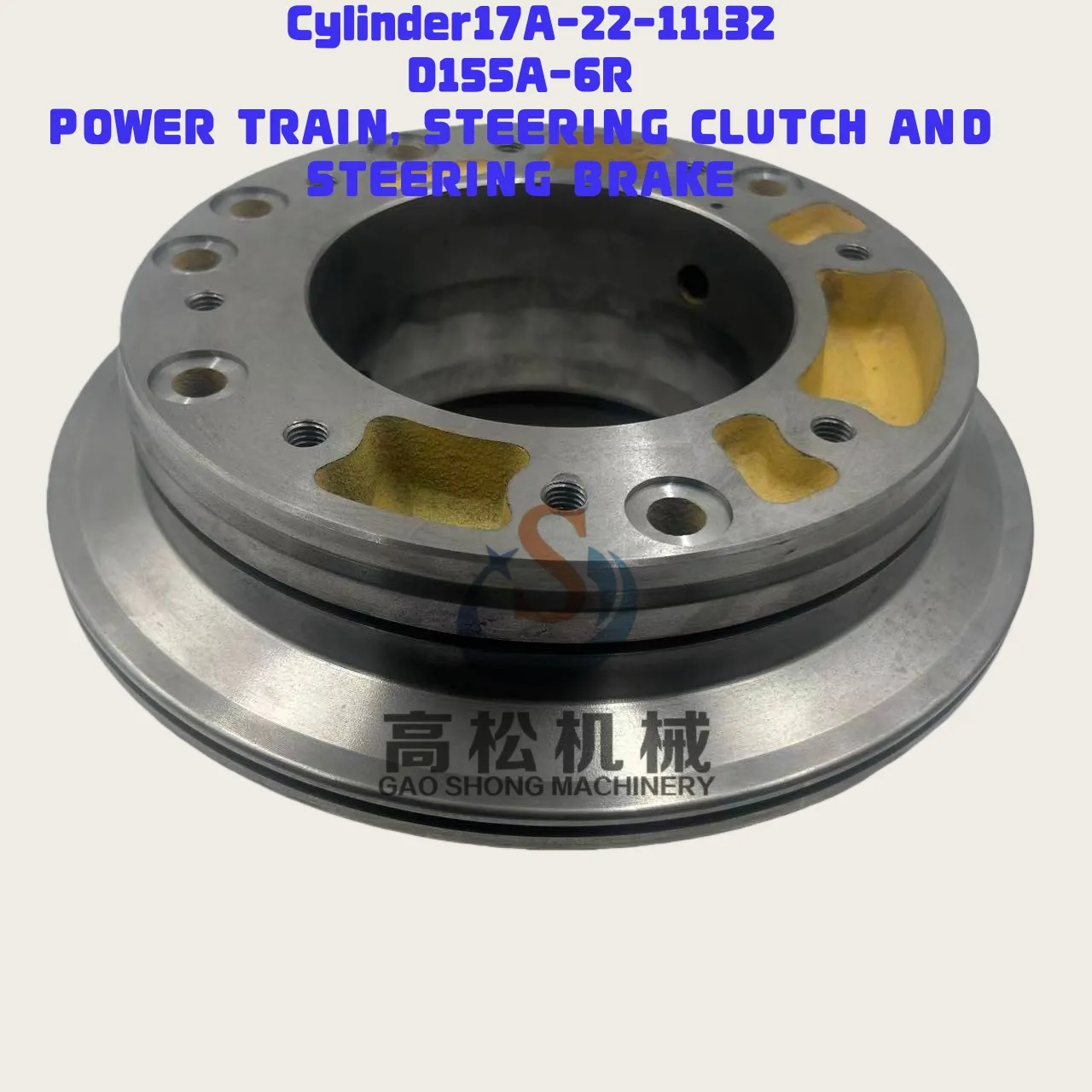

Best Selling Products
Best Selling Products-
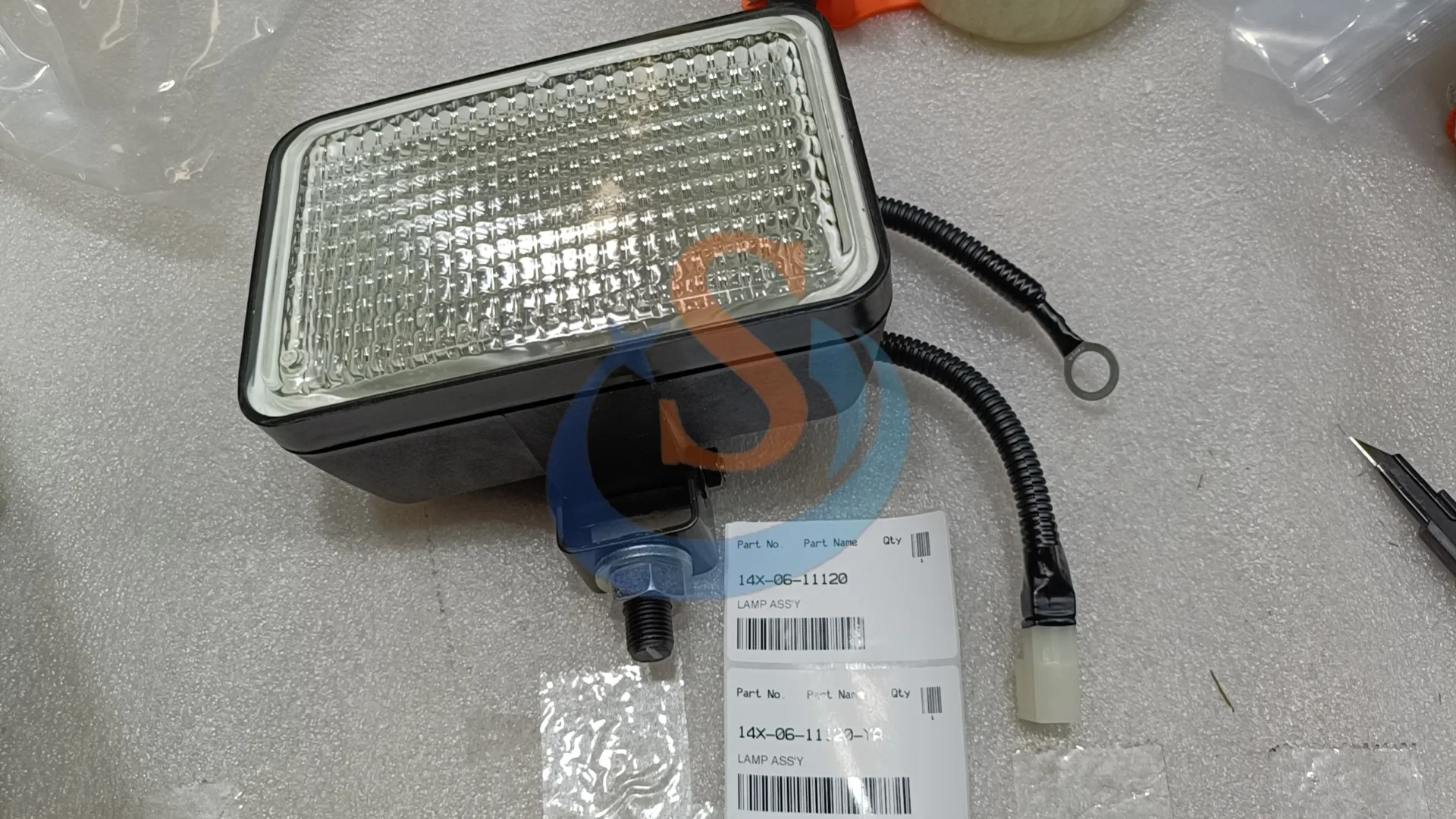 14X-06-11120 WORK LAMP ASS’Y D375A/D155A
 -
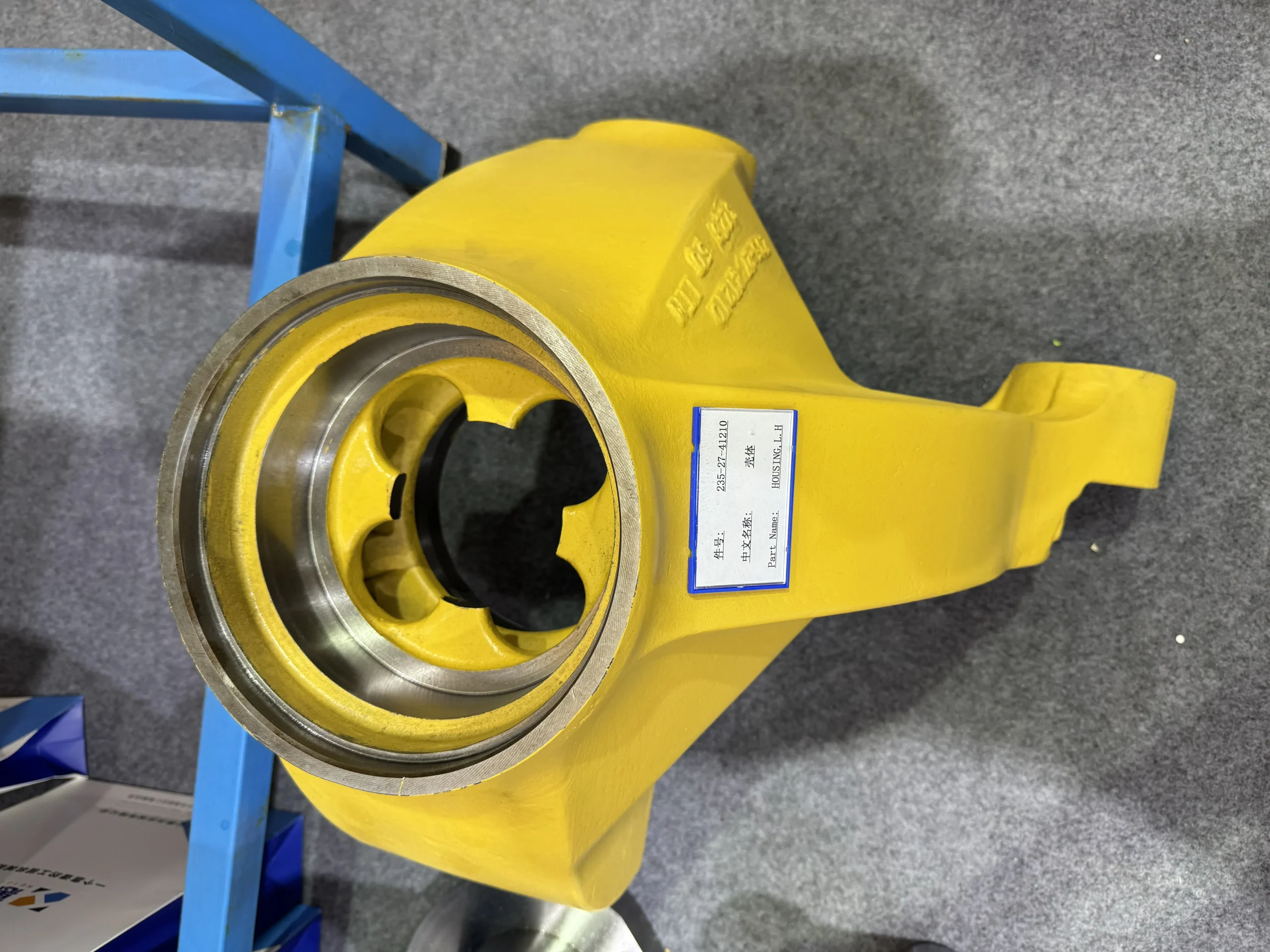 GD825A-2 shell 235-27-41210
 -
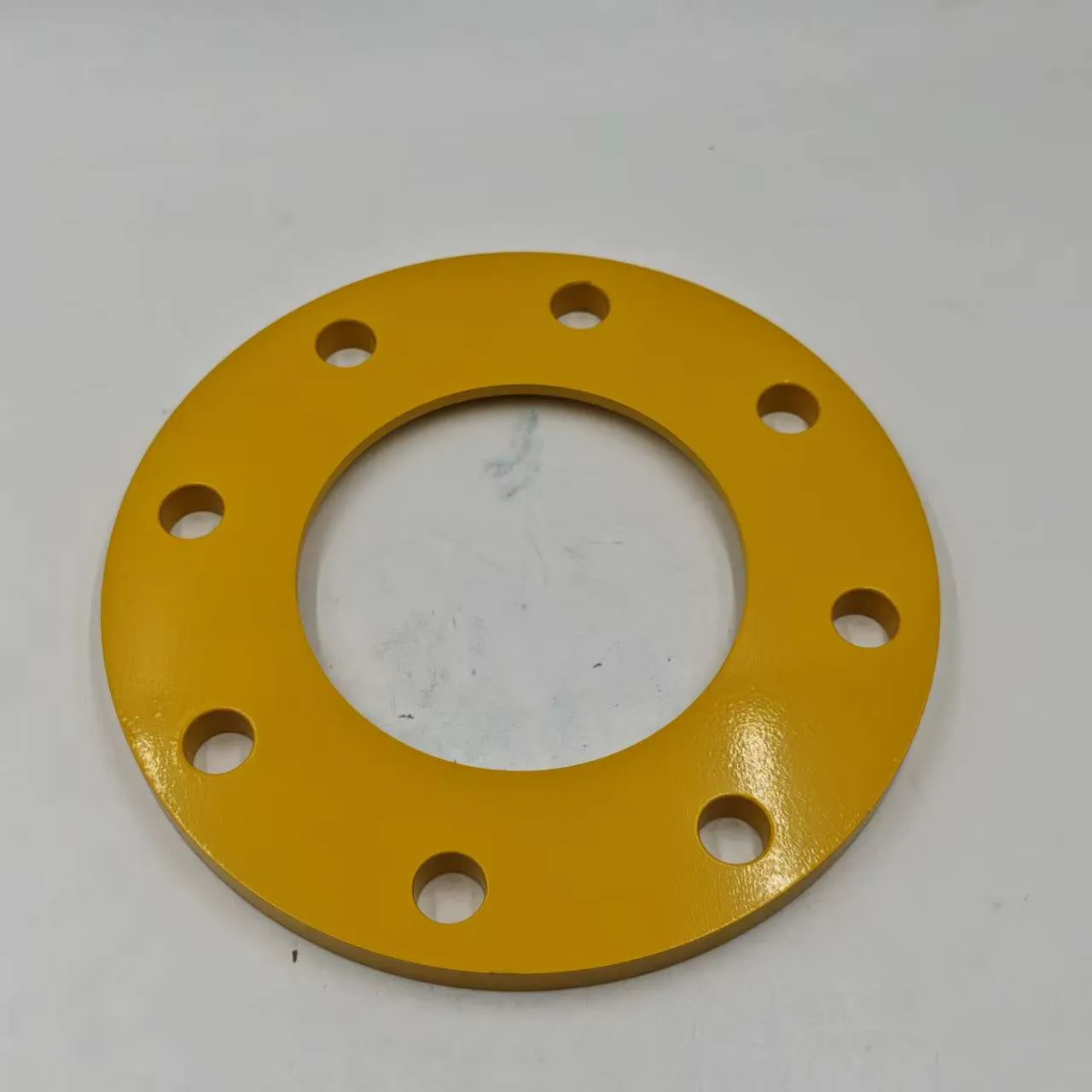 Komatsu 41E-70-15461 Plate
 -
 21T-01-11150 21N-01-11120 Cushion KOMATSU Excavator Spare Parts For PC800LC-8E0 PC850-8E0
 -
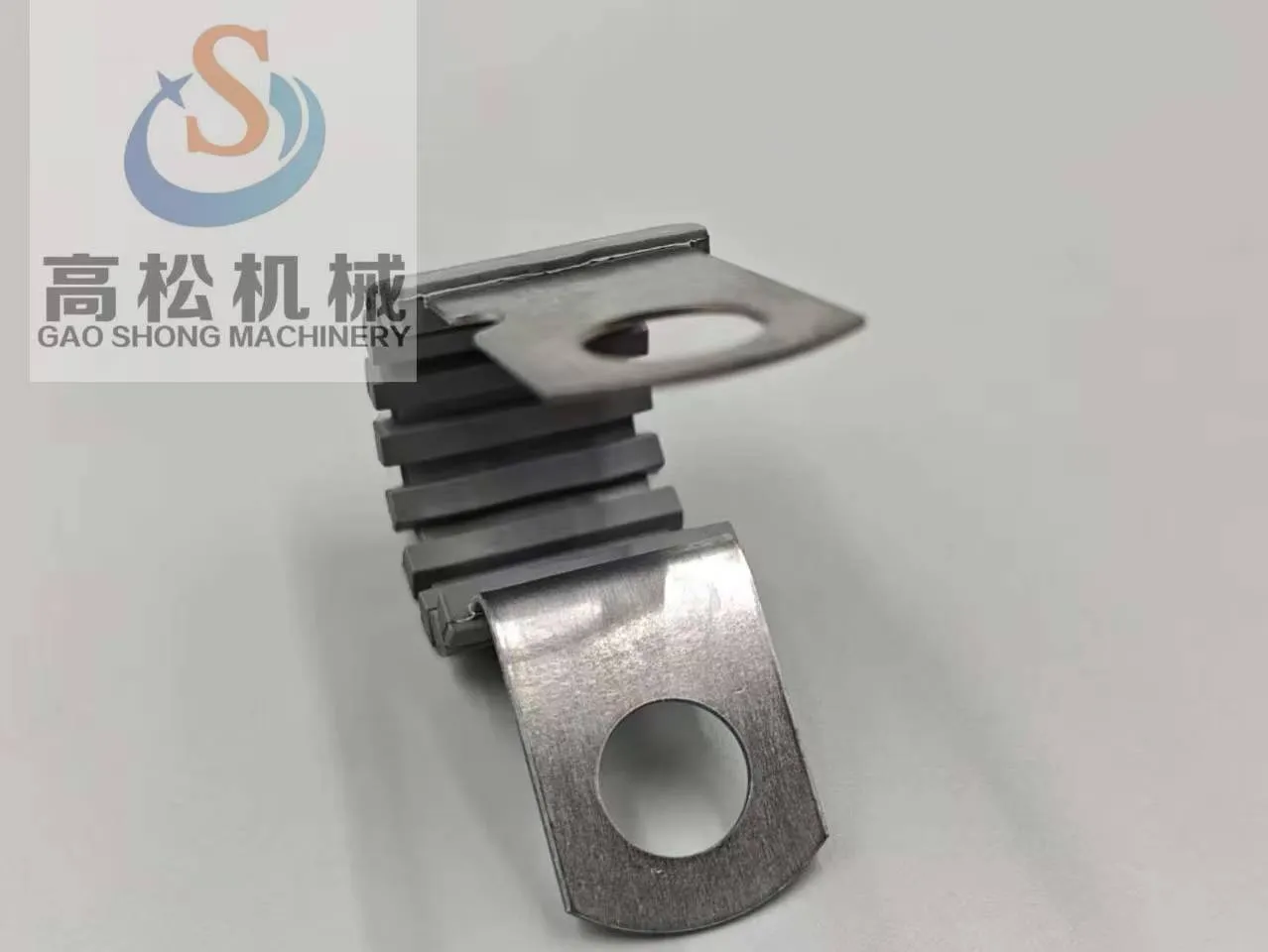 600-051-2180 Compatible models: D65 WA470-6 GD675 Komatsu original clip. Large inventory available.
 -
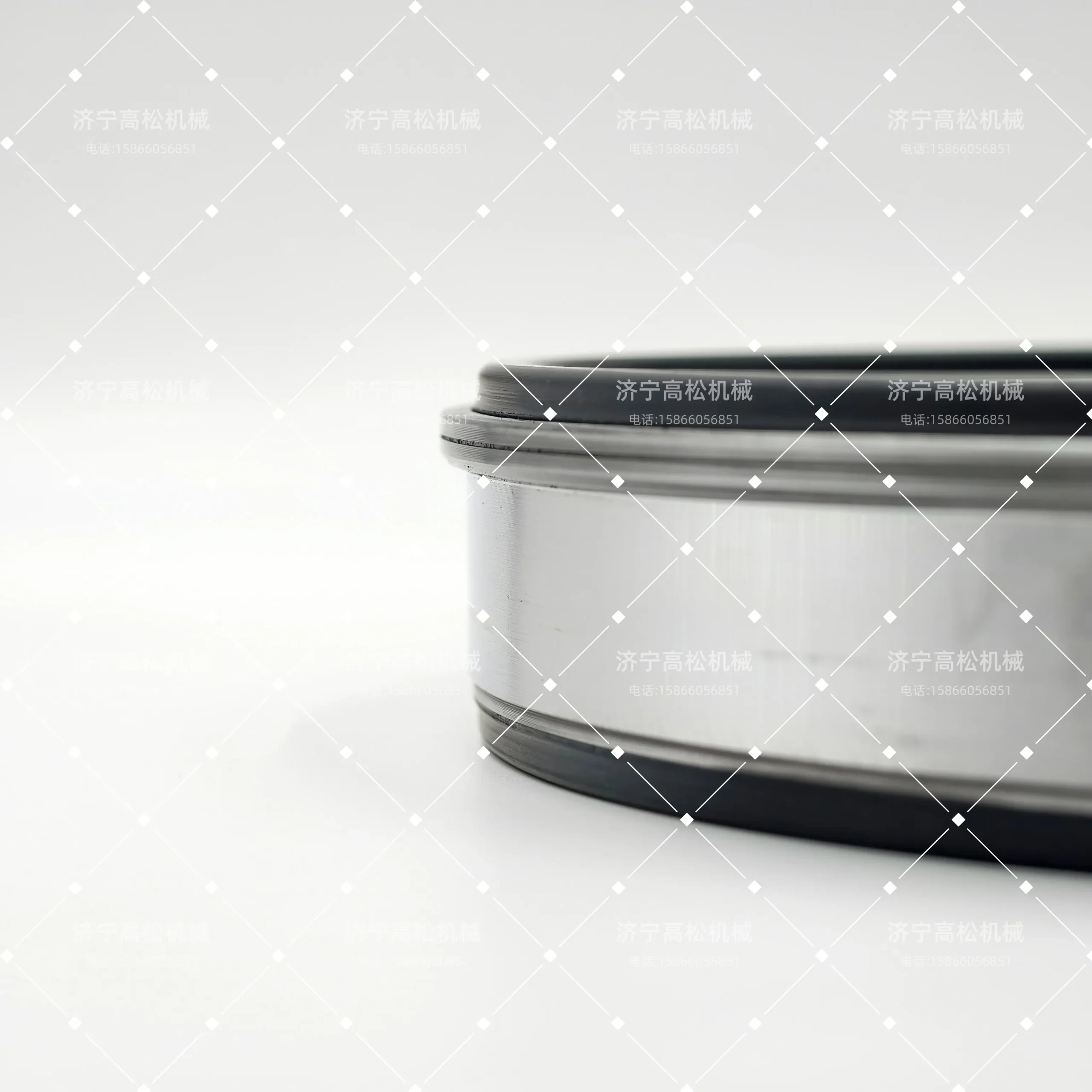 14Y-21-13242 Chainsaw Drive Sprocket Kit Alloy Steel 7-Tooth for…
 -
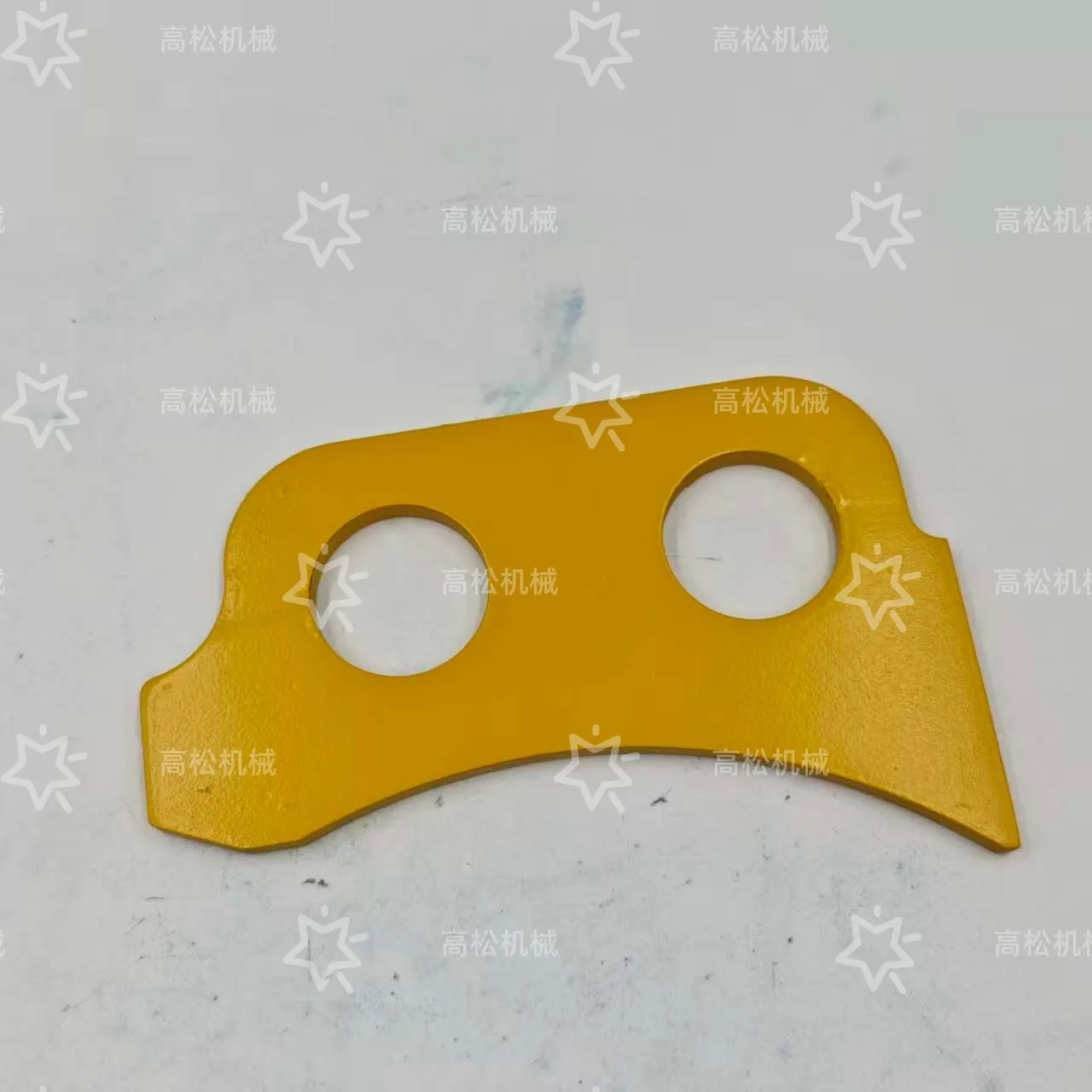 PLATE 195-71-74260Komatsu parts
 -
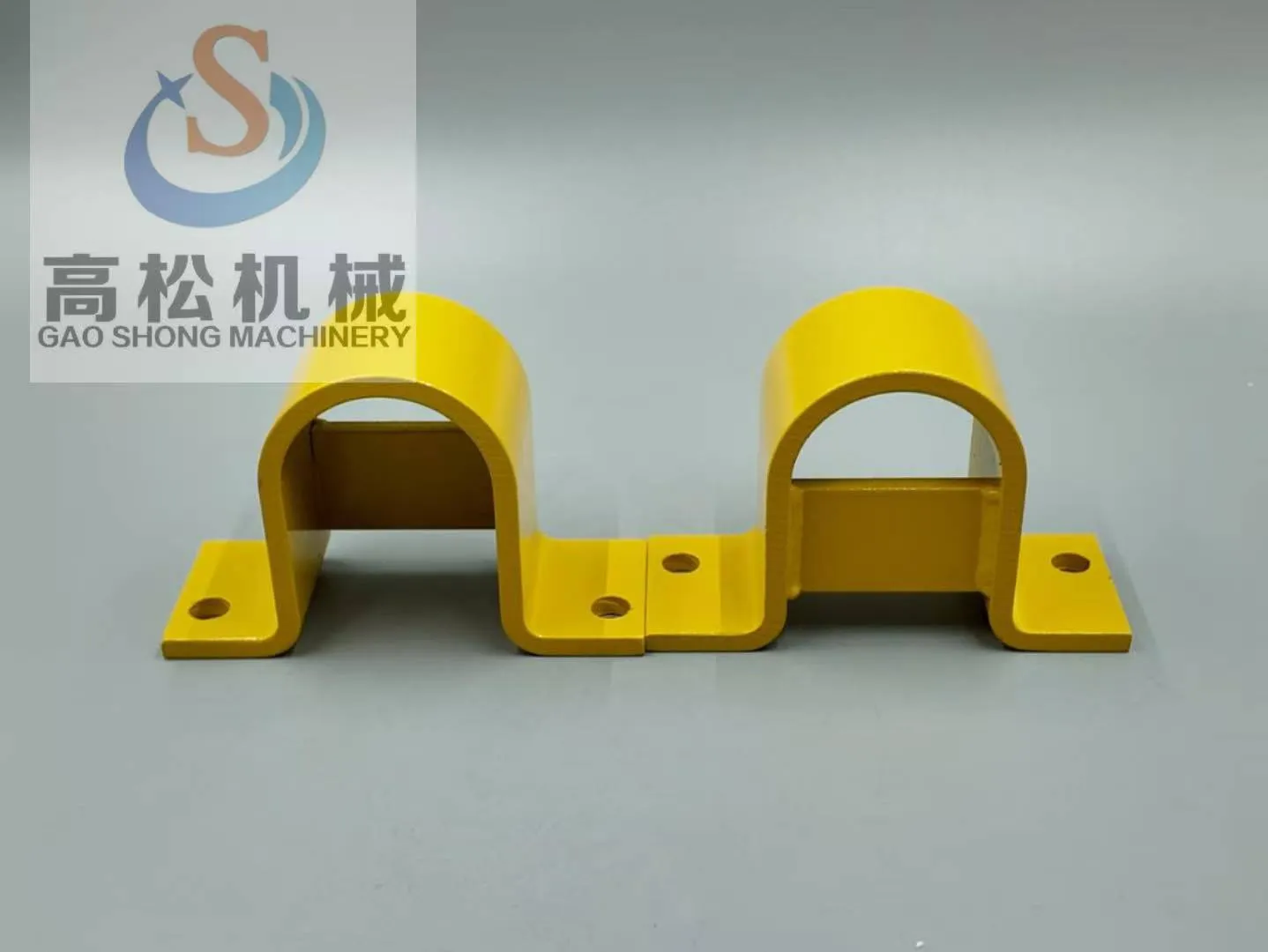 425-04-21430 Komatsu Cover
 -
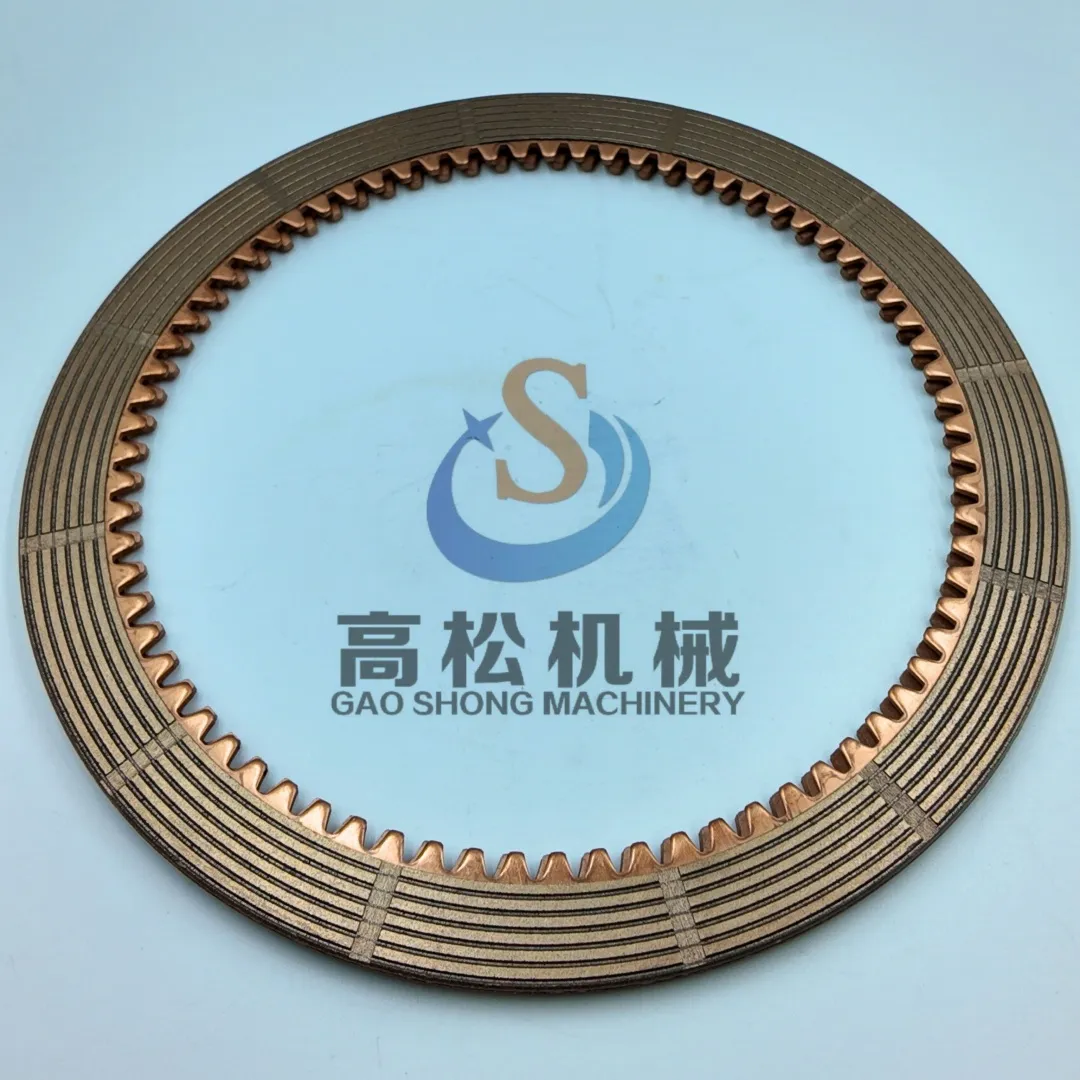 23S-15-12710 – DISC FRICTION – FITS KOMATSU
 -
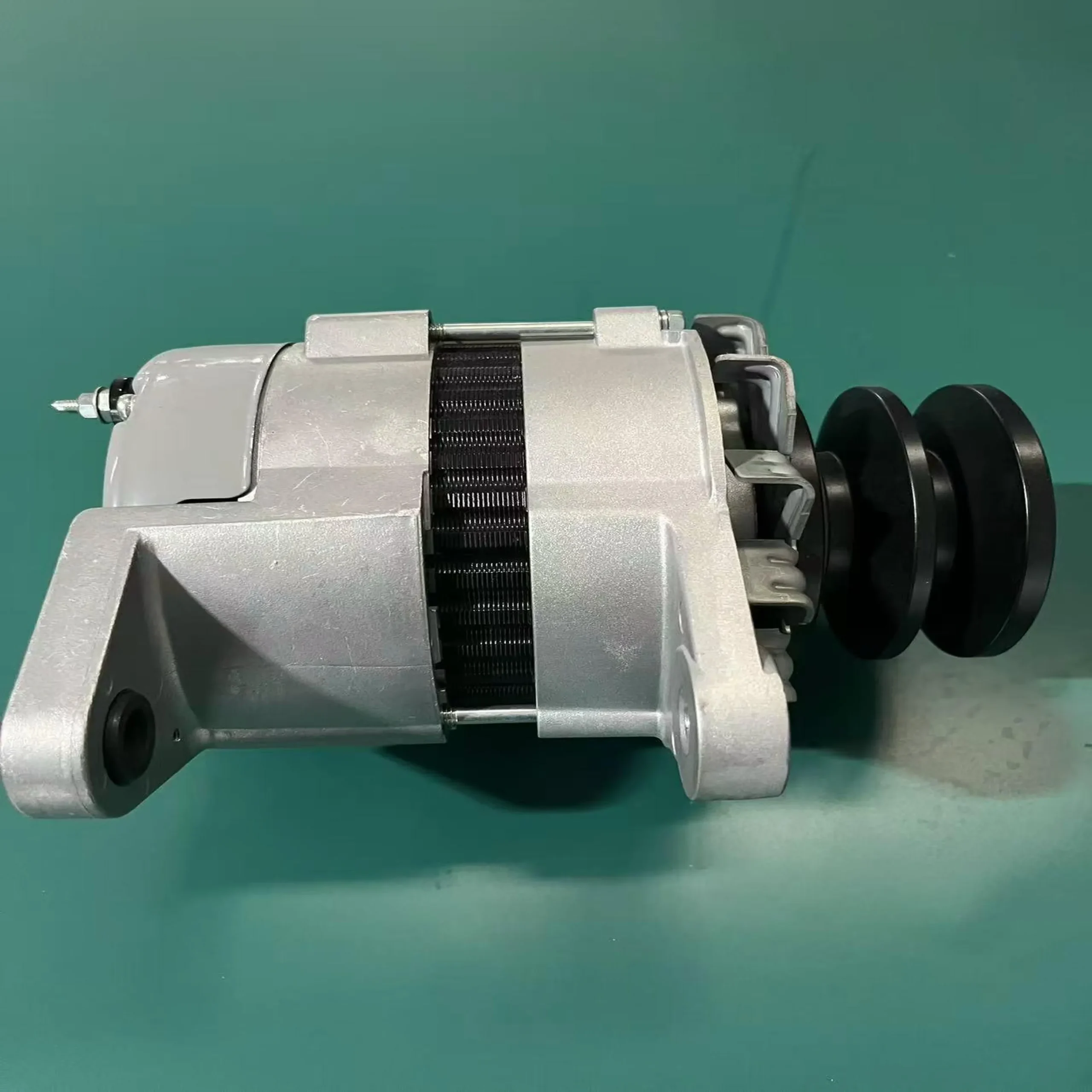 600-825-3151OEG Parts New Alternator Compatible With KOMATSU D65E Crawler & PC130 PC400 EXCAVATOR WA320 LOADER 6008253120, 6008253150, 6008253151, 6008253160, 6008253161, ANK0005, 40050015
 -
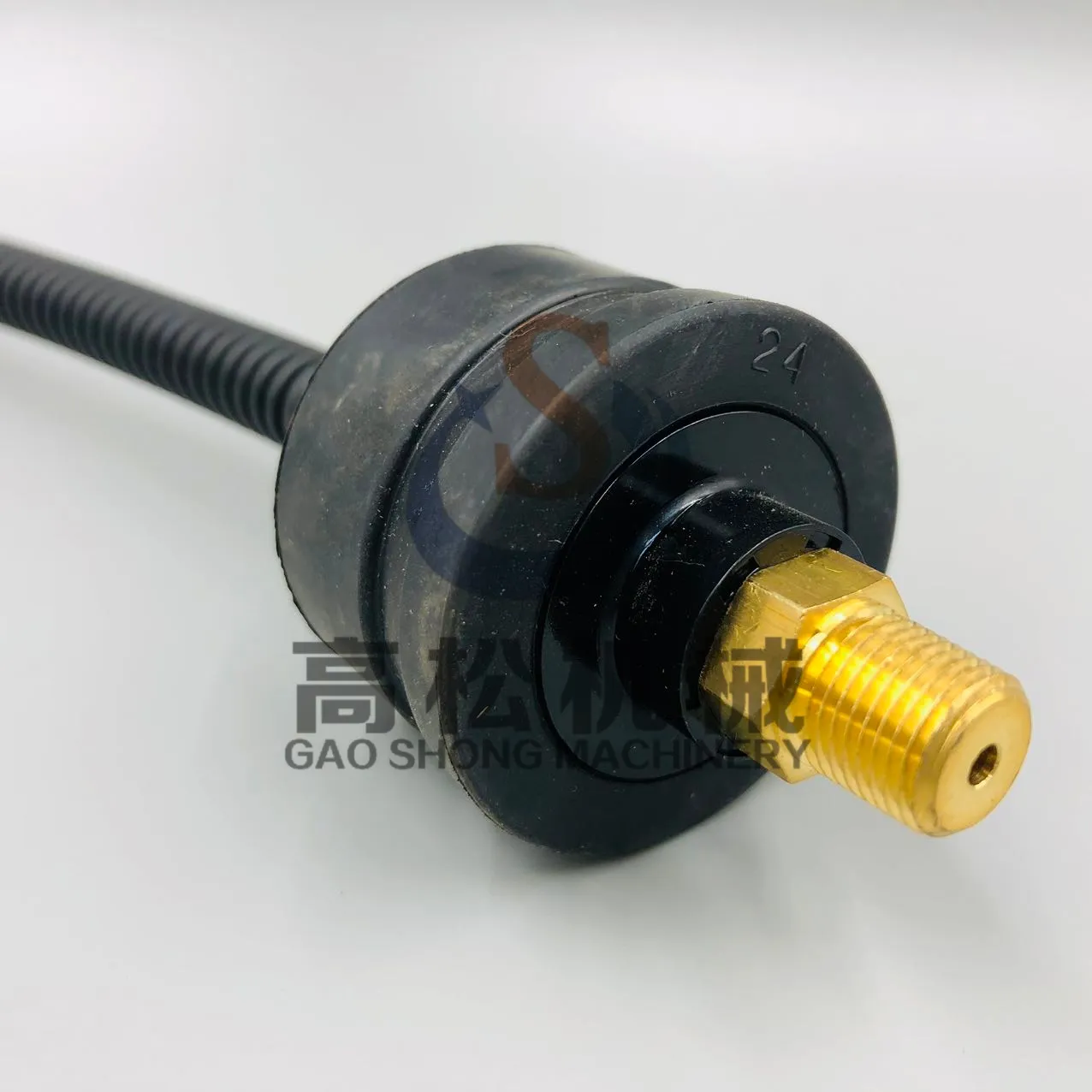 7861-93-1430Komatsu Sensor, Dust Indicator
 -
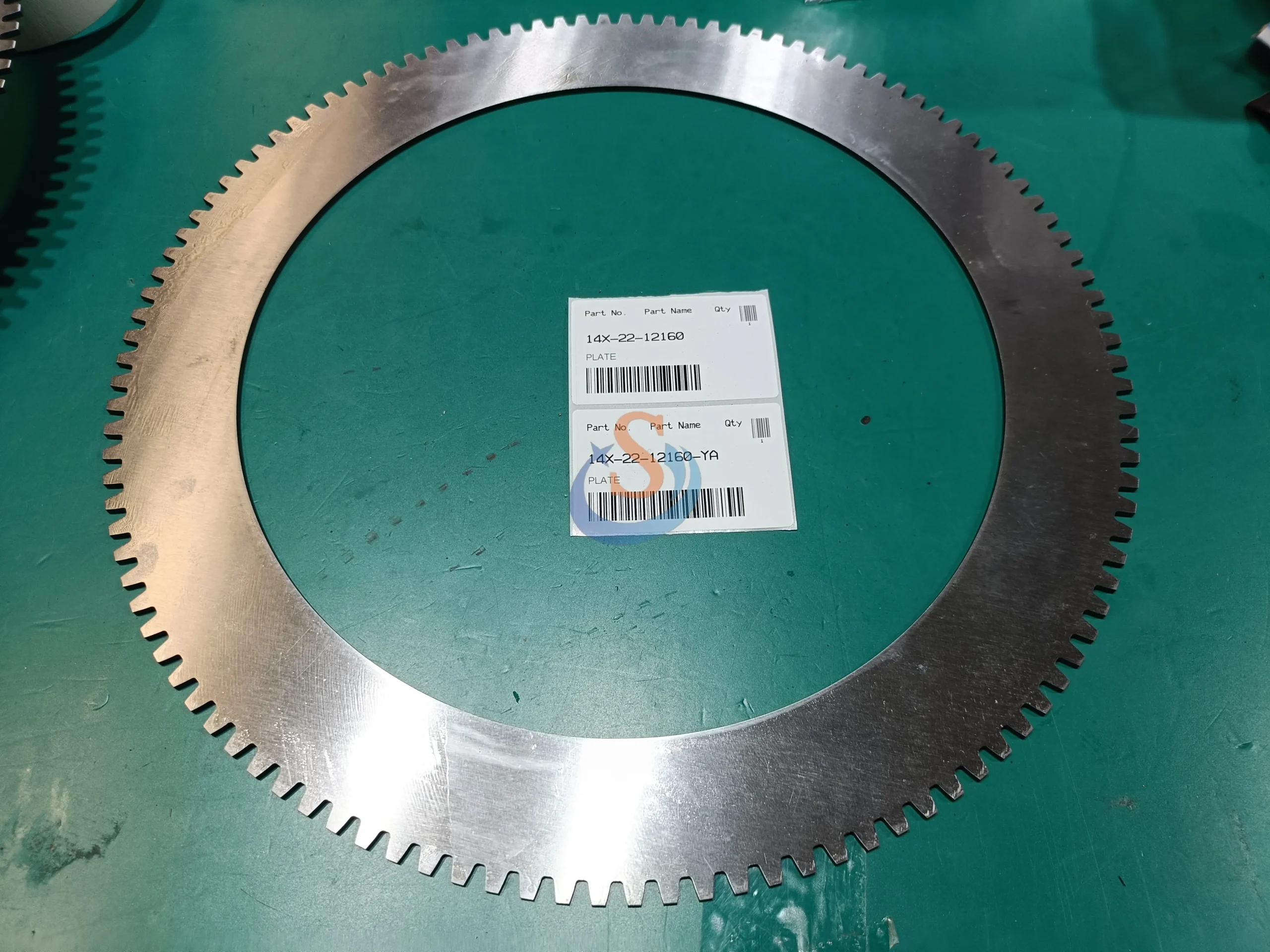 14X-22-12160,PLATE,D275A,D85ESS,D65E