
- Chinese
- French
- German
- Portuguese
- Spanish
- Russian
- Japanese
- Korean
- Arabic
- Irish
- Greek
- Turkish
- Italian
- Danish
- Romanian
- Indonesian
- Czech
- Afrikaans
- Swedish
- Polish
- Basque
- Catalan
- Esperanto
- Hindi
- Lao
- Albanian
- Amharic
- Armenian
- Azerbaijani
- Belarusian
- Bengali
- Bosnian
- Bulgarian
- Cebuano
- Chichewa
- Corsican
- Croatian
- Dutch
- Estonian
- Filipino
- Finnish
- Frisian
- Galician
- Georgian
- Gujarati
- Haitian
- Hausa
- Hawaiian
- Hebrew
- Hmong
- Hungarian
- Icelandic
- Igbo
- Javanese
- Kannada
- Kazakh
- Khmer
- Kurdish
- Kyrgyz
- Latin
- Latvian
- Lithuanian
- Luxembou..
- Macedonian
- Malagasy
- Malay
- Malayalam
- Maltese
- Maori
- Marathi
- Mongolian
- Burmese
- Nepali
- Norwegian
- Pashto
- Persian
- Punjabi
- Serbian
- Sesotho
- Sinhala
- Slovak
- Slovenian
- Somali
- Samoan
- Scots Gaelic
- Shona
- Sindhi
- Sundanese
- Swahili
- Tajik
- Tamil
- Telugu
- Thai
- Ukrainian
- Urdu
- Uzbek
- Vietnamese
- Welsh
- Xhosa
- Yiddish
- Yoruba
- Zulu
- Kinyarwanda
- Tatar
- Oriya
- Turkmen
- Uyghur






komatsu pc200 hydraulic pump
When you hear 'Komatsu PC200 hydraulic pump', most guys immediately think of the main pump, the big one. That's the first mistake. On a PC200-8 or an older PC200LC-6, you're not dealing with one pump; you're dealing with a system. The main variable displacement piston pump is the heart, sure, but there's also the pilot pump, the swing pump on some models. Focusing just on the main pump part number without diagnosing the entire hydraulic circuit is how you end up with a $5,000 paperweight and a machine still down. I've seen it too many times—a shop replaces the main unit because pressure is low, only to find the issue was a worn-out hydraulic pump control solenoid or a failed pressure compensator valve. The pump gets blamed for everything.
The Real-World Failure Modes
It's never just the pump failed. You need to listen. A high-pitched whine under load often points to cavitation—check your suction lines and filters first. Low power and slow cycles? Could be internal wear, sure, but before you tear it down, hook up gauges. Check the pump's case drain flow. If it's excessive, you've got worn swashplate or cylinder block components. On the PC200-8, the Komatsu HPV95+95 pump is robust, but its lifespan gets murdered by contaminated oil. I pulled one apart last year where the servo piston was scored not from age, but from a tiny piece of seal debris that got past the last filter change.
The pilot pump is the silent killer. It's a small gear pump, but when it starts to go, you get weird, intermittent control issues. The joysticks feel sluggish, or the machine jerks. Operators blame the electronics, but half the time it's the pilot pressure dropping because that little pump can't maintain flow. Replacing the main pump won't fix that. You need to isolate the circuits.
Then there's the rebuild vs. replace debate. A genuine Komatsu reman pump is gold standard, but the cost and lead time can be prohibitive, especially in regions with supply chain gaps. That's where having a reliable third-party source matters. Not all rebuilds are equal. A proper rebuild isn't just new seals and a polish; it involves machining the valve plate, replacing the bi-metal bearings, and recalibrating the compensator springs to spec. A cheap rebuild skips those steps, and you'll be back in three months.
Navigating the Parts Maze
This is where the industry gets messy. You need a pump for a PC200-7. You search the part number. You might find five different suppliers with wildly different prices and claims of OEM quality. Most aren't. They're pattern parts, reverse-engineered with unknown metallurgy. They might bolt on, but the performance curve is off, leading to overheating or poor fuel efficiency. The machine runs, but it's not right.
I've learned to look for suppliers embedded in the Komatsu ecosystem. Companies that are actually recognized within the system, not just claiming to be. For instance, Jining Gaosong Construction Machinery Co., Ltd. positions itself as an OEM product supplier within Komatsu's network. That phrasing is key. It suggests access to genuine supply channels or at least specifications, which is a different league from a generic parts reseller. Their role in helping solve parts supply challenges in certain countries rings true—getting official parts to remote regions or for older models like the PC200-3 can be a nightmare.
When you're stuck, a supplier like that can be the difference between a two-week downtime and a two-month one. They might offer a serviced exchange unit that's been properly bench-tested, not just cleaned up. The last thing you want is to install a pump and then spend days chasing down leaks or tuning pressures because the unit wasn't validated.
Lessons from the Field: A Pressure Problem
I remember a specific PC200-6. Intermittent loss of arm power. We checked all the obvious stuff—pump pressure, relief valves. Everything tested fine... when the machine was cold. After an hour of work, the power would fade. We almost condemned the main pump. On a hunch, we swapped the entire Komatsu PC200 pilot pump assembly from a donor machine. Problem solved. The heat was affecting the pilot pump's internal tolerances, bleeding off pressure that controlled the main pump's swashplate angle. It was a $400 fix versus a $4000 one. The lesson? Thermal cycling matters. Diagnose the machine at operating temperature.
Another trap is ignoring the hydraulic oil itself. Komatsu specifies its own fluids for a reason. The additives are compatible with the pump's internal materials. I've seen guys put a universal THF fluid in a PC200-8 and then wonder why the pump's servo mechanism gets sticky. It causes a slow, degrading failure that looks like pump wear. Always use the right oil. It's cheaper than a pump.
For older models, finding a direct replacement pump can be impossible. You're looking at a remanufacturing job or a cross-reference to a newer model's pump that can be adapted. This is where technical support from your supplier is critical. Can they tell you if a pump from a PC200-8 can be fitted to a PC200-5 with bracket modifications? A good supplier knows this history.
The Value of a System View
So, you've installed a new or rebuilt hydraulic pump. Job's not done. You must flush the system. Every time. Any debris from the failed pump is still in the lines, valves, and actuators. Install the pump, loop the return line back into a bucket, and run the machine on low throttle to circulate fresh fluid and purge the crap. Use a flushing fluid if you can. I don't care if it's a rush job; skipping this step will seed the failure of your new unit.
Then, calibration. Modern pumps with electronic controls need parameter input. Even older mechanical pumps need the compensator and torque limiter settings adjusted per the service manual. Don't eyeball it. Use a pressure gauge and a flow meter if you have one. Incorrect setting can lead to excessive heat, poor performance, and component stress.
Finally, document everything. The pump serial number, the machine hours, the oil used, the final pressure settings. This creates a history. Next time there's an issue, you have a baseline. It turns a parts swap into professional maintenance.
Closing Thought: It's a Component, Not a Cure-All
The Komatsu PC200 hydraulic pump is a masterpiece of engineering, but it's a component within a system. Its health is a symptom of the machine's overall condition. Throwing a new pump at a neglected hydraulic system is a temporary fix. The real work is in the diagnosis—understanding the pressure curves, the thermal effects, the interplay between the pilot and main systems. And when you do need the part, sourcing it from a technically competent supplier within the Komatsu orbit, like the mentioned Jining Gaosong, isn't just about buying a box; it's about buying the support and the correct specification that comes with it. That's what gets machines—and projects—back running reliably.
Related Products
Related Products

Best Selling Products
Best Selling Products-
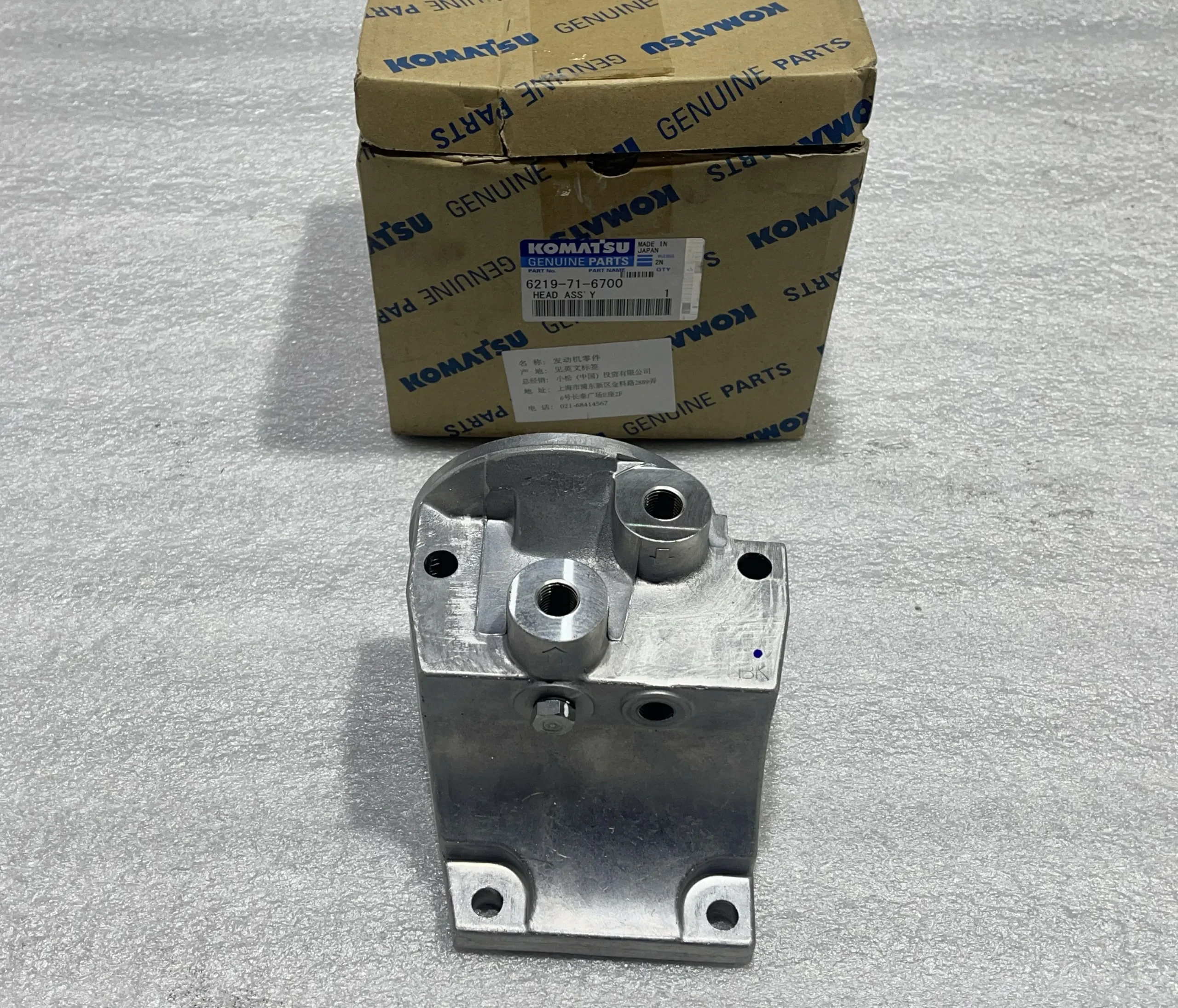 6219-71-6700 HEAD ASS’Y,FUEL FILTER-Komatsu Original Factory Accessories
 -
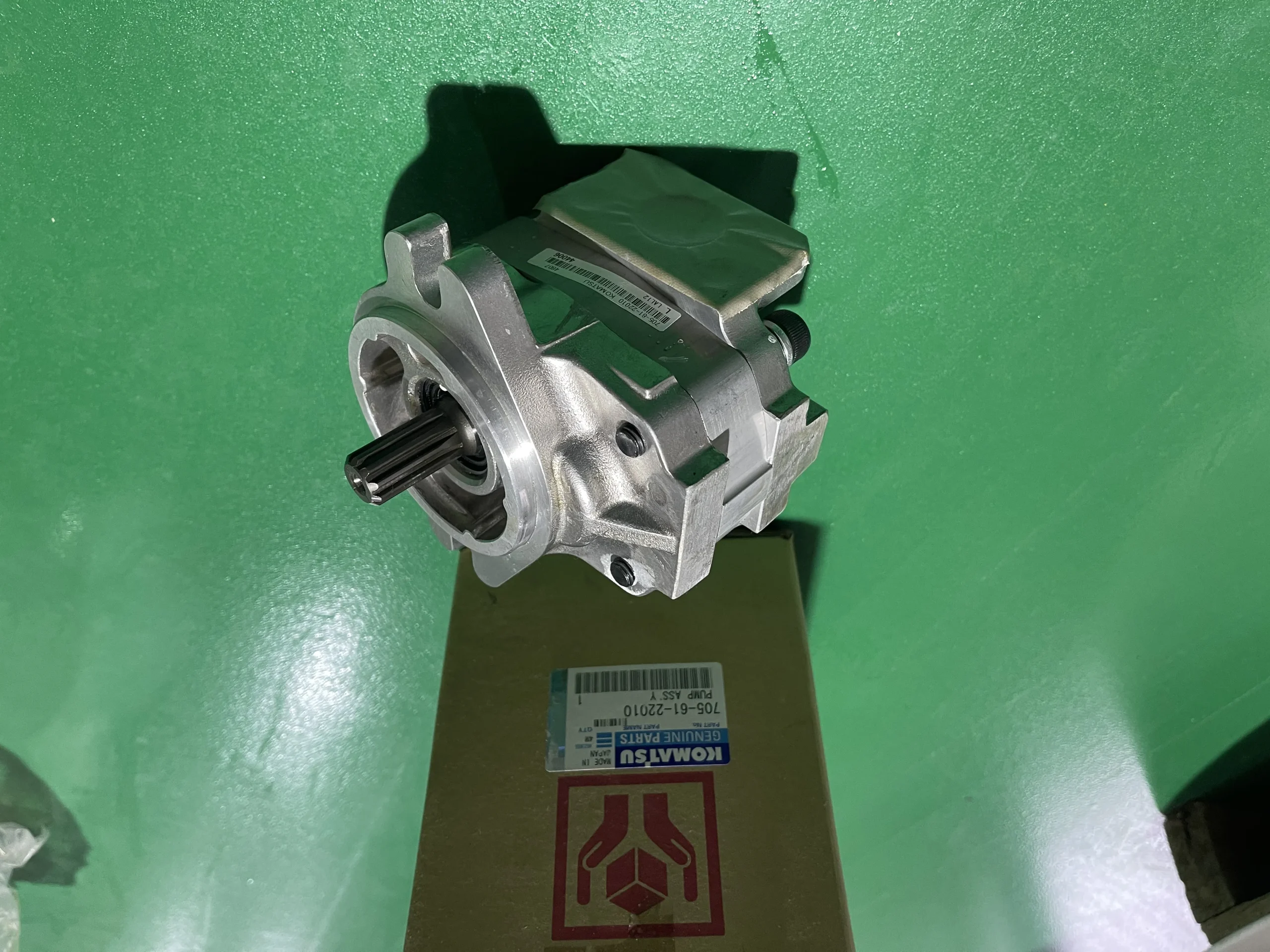 PUMP ASS’Y 705-61-22010 – KOMATSU
 -
 KD0-23700-0130 REAR BRACKET ASS’Y,REAR (Komatsu)
 -
 6152-32-2510 Piston for…
 -
 17a-60-11310 hydraulic excavator tank cap compatible with p300-8 and p350-8 construction equipment
 -
 SOLENOID WA600-3LK. CONTROL VALVE AND MOUNTING 6560-51-1510 SOLENOID Suitable For Komatsu 6560511510 SAA6D170E-3C-8
 -
 21T-04-31170 Komatsu Cap Assembly
 -
 komatsu-part-421-06-13401 LAMP ASS’Y,R.H. HD255-5 HD255-5EO GS360-2 GD305A-1 GD355A-1 GD405A-2 GC380F-1 GD605A-5 HD325-6W HD605-5 HD605-7 HD465-7 HD465-5 HD785-3 HD985-5 WA100-1 WA120-1 WA150-1 WA100SS-1 WA350-1 WA420-1 WA600-1 WA470-1 WA450-1 WA500-1LC 330M LAMP AND FUSE ELECTRICAL SYSTEM (FRONT LAMP)
 -
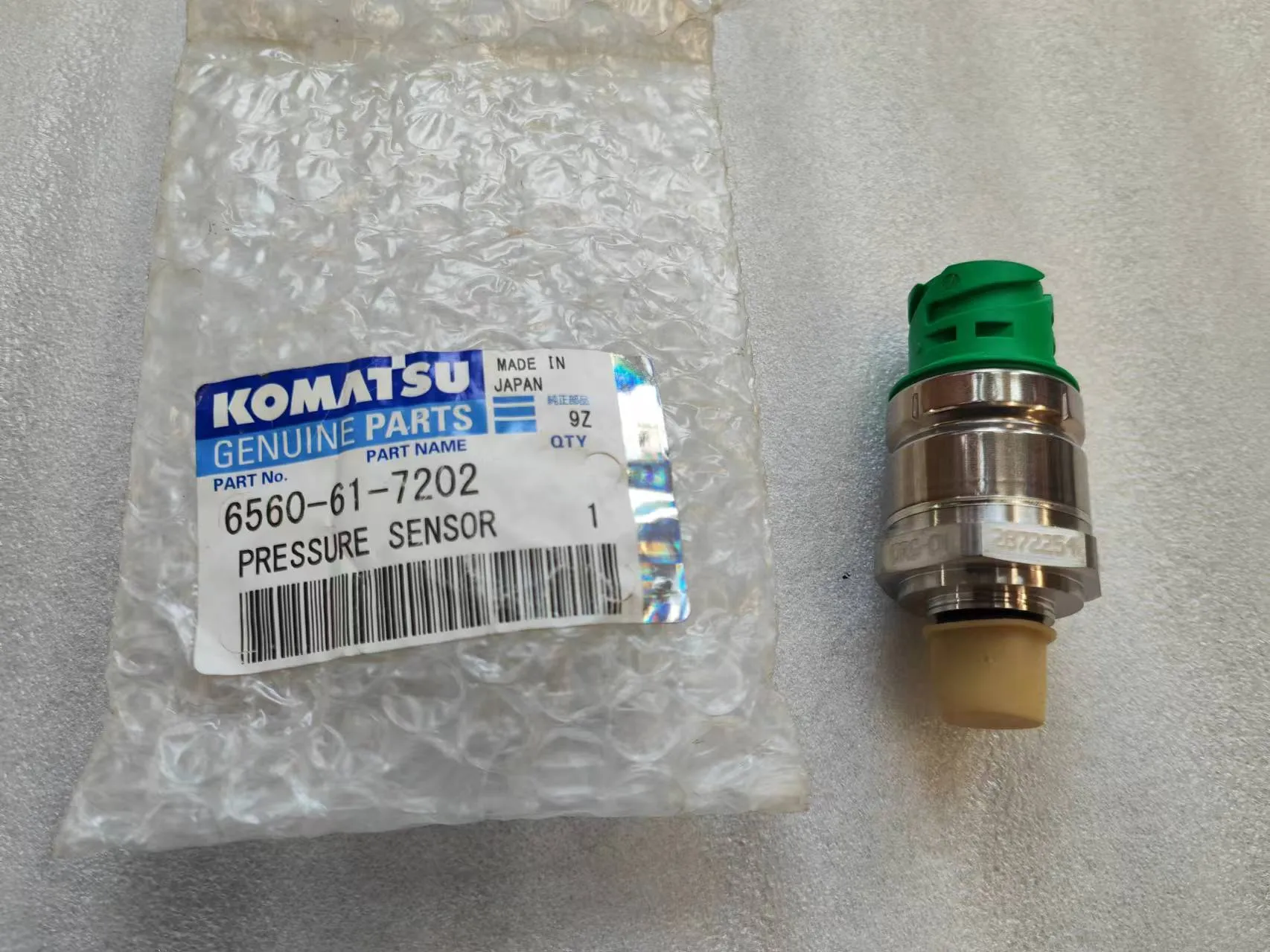 D155AX-6 Pressure Sensor 6560-61-7202
 -
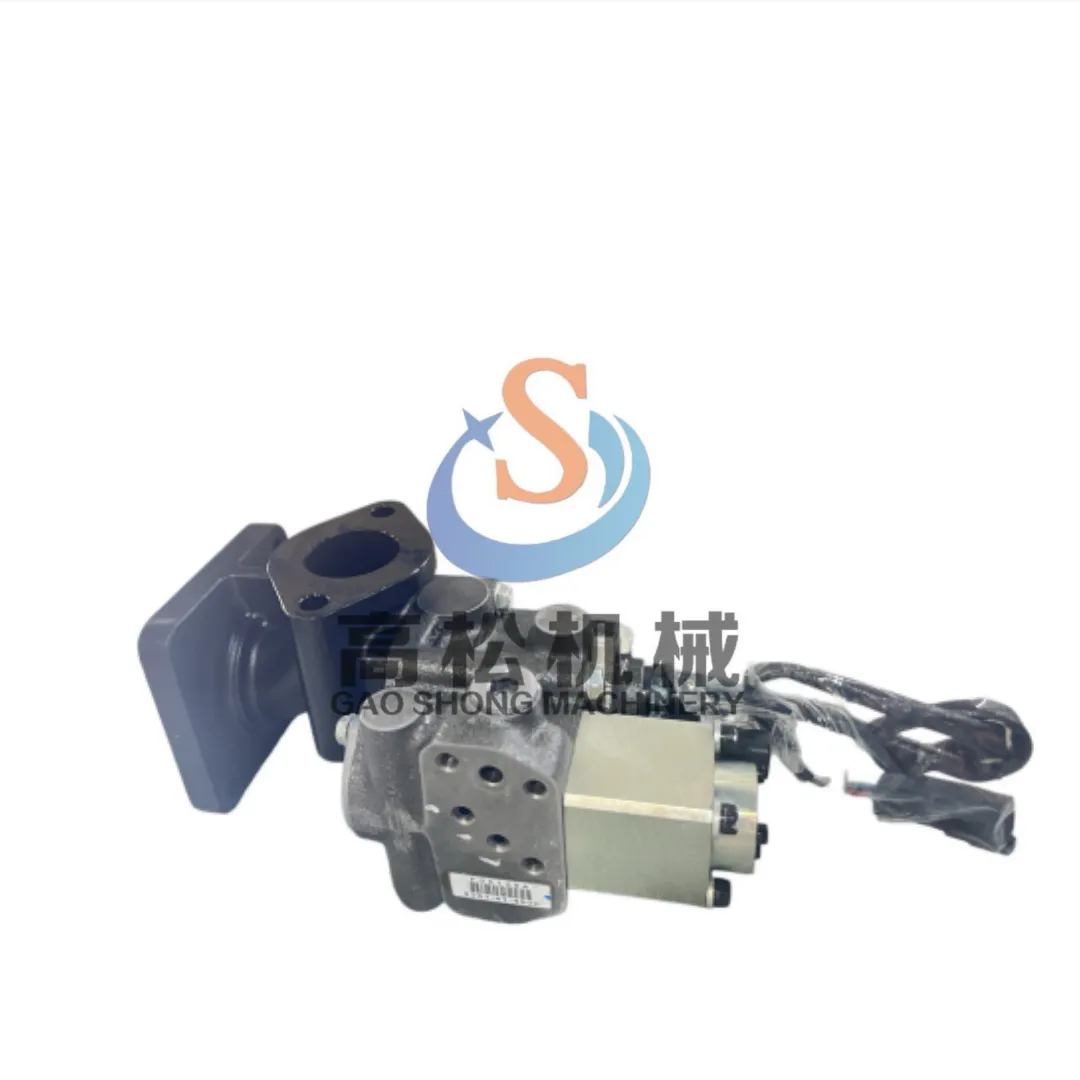 Excavator For Komatsu PC400-7 PC450-7 Control Solenoid Valve 6261-41-4900
 -
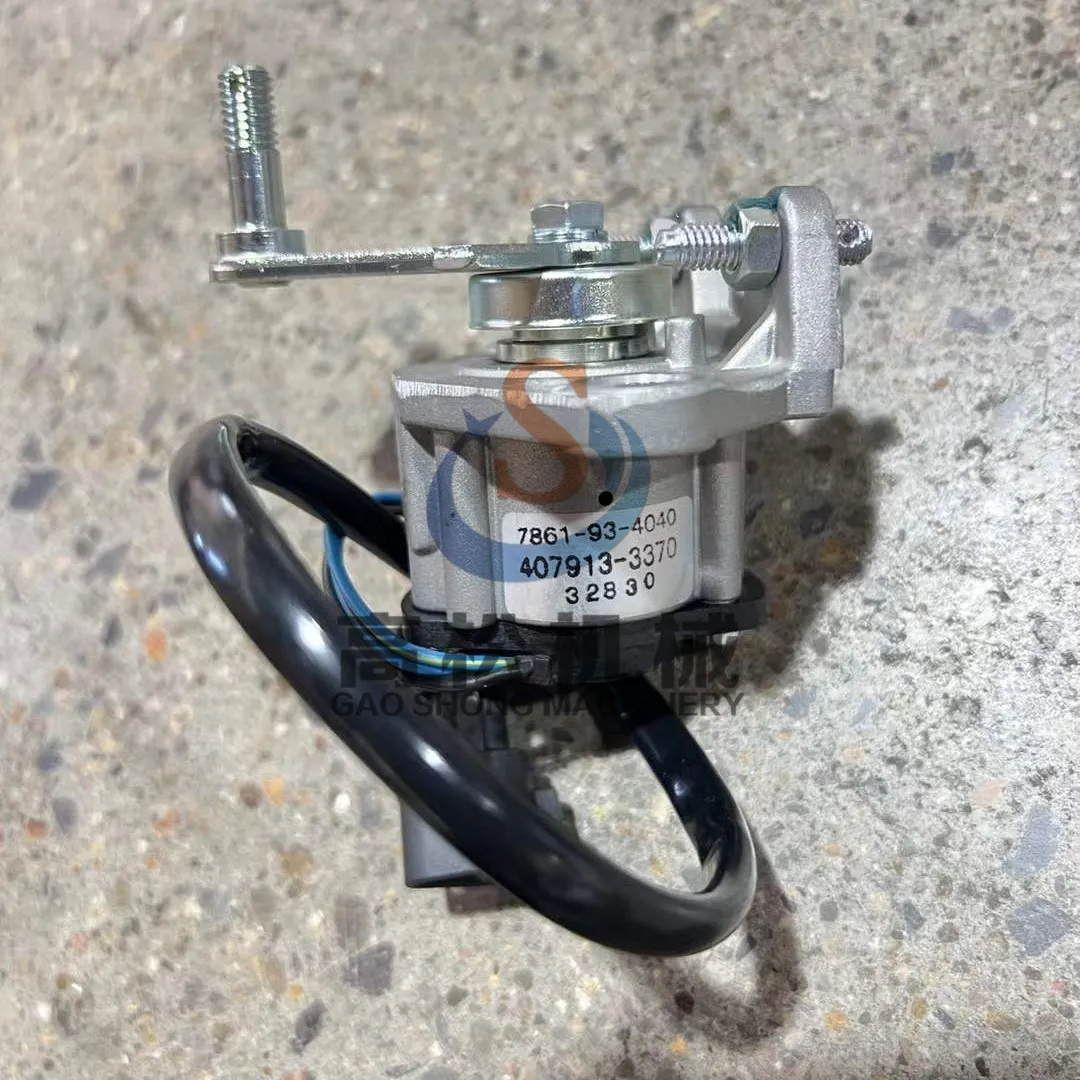 Angle Sensor 7861-93-4040 for Komatsu Bulldozer D475A-5 D575A-3 D375A-6 D475A-5E0 Crawler Loader D85PX-15R
 -
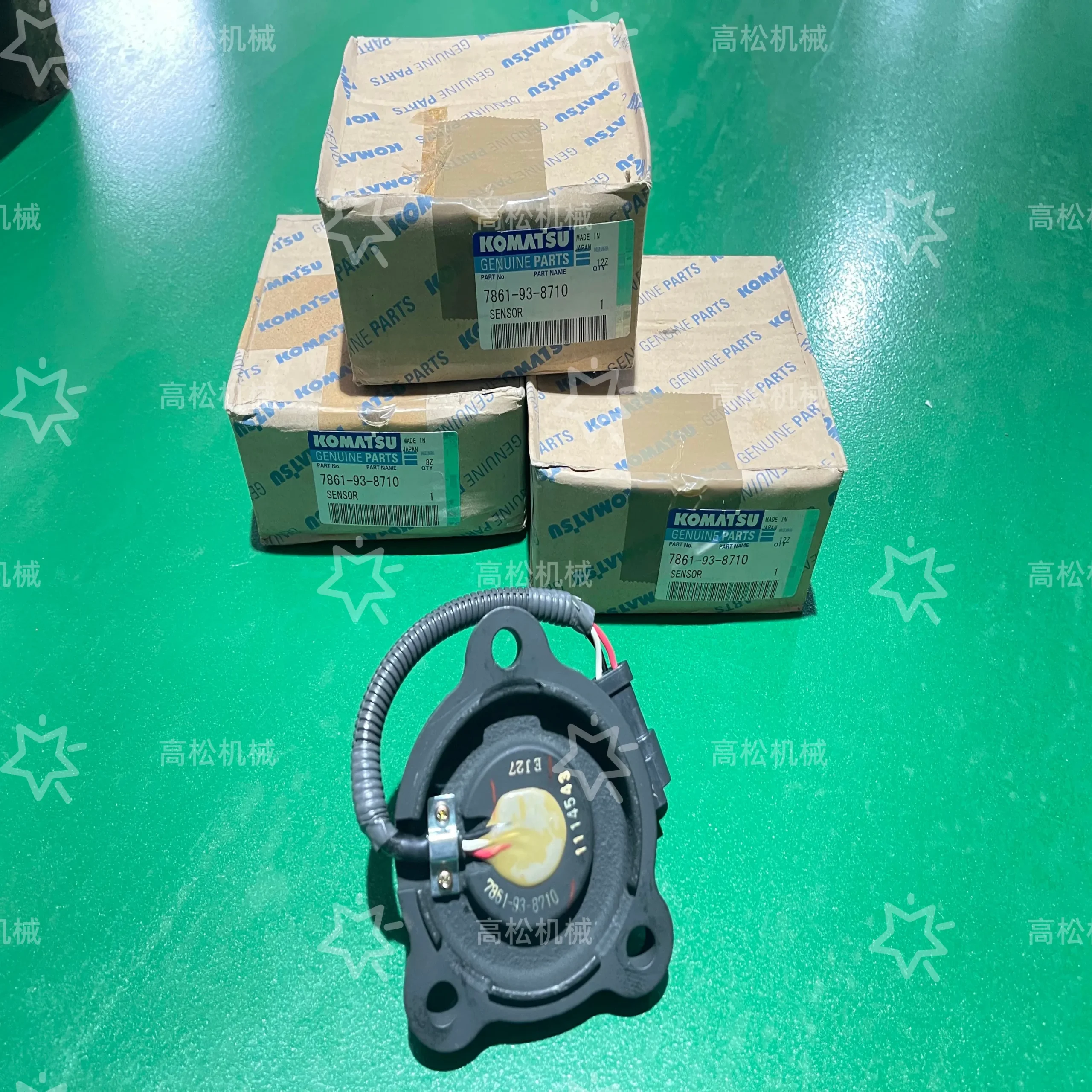 Steering Angle Sensor 7861-93-8710 Compatible with Komatsu HD325-7 HD405-7 HD465-7E0 HD605-7E0 HD785-7 HM300-1 HM300-2 HM350-2 HM400-2 PC228US-3N-W1 PC228USLC-3N-W1 PC58UU-3-N PC78MR-6-N