
- Chinese
- French
- German
- Portuguese
- Spanish
- Russian
- Japanese
- Korean
- Arabic
- Irish
- Greek
- Turkish
- Italian
- Danish
- Romanian
- Indonesian
- Czech
- Afrikaans
- Swedish
- Polish
- Basque
- Catalan
- Esperanto
- Hindi
- Lao
- Albanian
- Amharic
- Armenian
- Azerbaijani
- Belarusian
- Bengali
- Bosnian
- Bulgarian
- Cebuano
- Chichewa
- Corsican
- Croatian
- Dutch
- Estonian
- Filipino
- Finnish
- Frisian
- Galician
- Georgian
- Gujarati
- Haitian
- Hausa
- Hawaiian
- Hebrew
- Hmong
- Hungarian
- Icelandic
- Igbo
- Javanese
- Kannada
- Kazakh
- Khmer
- Kurdish
- Kyrgyz
- Latin
- Latvian
- Lithuanian
- Luxembou..
- Macedonian
- Malagasy
- Malay
- Malayalam
- Maltese
- Maori
- Marathi
- Mongolian
- Burmese
- Nepali
- Norwegian
- Pashto
- Persian
- Punjabi
- Serbian
- Sesotho
- Sinhala
- Slovak
- Slovenian
- Somali
- Samoan
- Scots Gaelic
- Shona
- Sindhi
- Sundanese
- Swahili
- Tajik
- Tamil
- Telugu
- Thai
- Ukrainian
- Urdu
- Uzbek
- Vietnamese
- Welsh
- Xhosa
- Yiddish
- Yoruba
- Zulu
- Kinyarwanda
- Tatar
- Oriya
- Turkmen
- Uyghur






komatsu pc200 engine
When someone mentions the Komatsu PC200 engine, most folks immediately think of the S6D102 or S6D107. That's not wrong, but it's where a lot of the oversimplification starts. The real story isn't just the model number stamped on the block; it's about the ecosystem around it—genuine parts, questionable remanufactures, and the sheer operational nuance that separates a machine that runs from one that runs profitably. I've seen too many owners fixate on the engine as a standalone component, only to get burned by peripheral system failures or subpar replacement assemblies that don't meet the original design intent. The engine is the heart, but the hydraulic system is the circulatory system; one fails without proper support from the other.
The Core: S6D102 and Its Iterations
The S6D102 in the PC200-6 and -7 was a workhorse, but its durability heavily depended on two things: fuel quality and cooling system maintenance. The cylinder head, particularly around the injector sleeves, was a known stress point if coolant quality wasn't monitored. I recall a contractor in Southeast Asia who had chronic overheating issues. He kept blaming the thermostat and water pump. After the third head gasket failure, we finally traced it to a partially collapsed lower radiator hose that wasn't flowing at full capacity under load. It wasn't an 'engine' problem per se, but it killed the engine. That's the kind of holistic view you need.
Then came the S6D107 for the PC200-8, with its updated electronic control and common rail system. This is where the game changed. The power and efficiency jump was real, but so was the dependency on clean fuel and proper electrical health. I've pulled ECUs fried by voltage spikes from bad alternator regulators—a $10,000 lesson that started outside the Komatsu PC200 engine itself. The diagnostic software, Komtrax (when functional), and a good multimeter became as essential as a wrench set.
The move to the later SAA6D107E for the -8M0 and newer models integrated even more with the machine's VHMS. You can't just swap sensors with generic parts here. The calibration is too fine. A company I worked with, Jining Gaosong Construction Machinery Co., Ltd., often emphasizes this point. As an OEM supplier within Komatsu's system, they see the fallout when non-spec parts are forced in. The engine might run, but derating and unexplained fault codes become a constant headache, hurting uptime more than a scheduled downtime for a proper repair.
The Aftermarket Trap and the Genuine Gray Area
This is a minefield. The aftermarket for PC200 engine parts is enormous, from pistons to complete long blocks. Some are decent, many are outright dangerous. I once inspected a rebuilt S6D102 where the aftermarket connecting rods were about 50 grams lighter per rod than the Komatsu spec. The owner was puzzled by a persistent vibration at certain RPMs. Weight mismatch throws off the rotational balance, leading to premature main bearing wear. It's a slow killer.
This is precisely the gap that third-party specialists aim to fill. A resource like https://www.takematsumachinery.com exists because the official supply chain can be slow or non-existent in some regions. Their role as a third-party sales company for Komatsu isn't about selling cheap alternatives; it's about providing authentic supply lines where they're broken. But the buyer still has to be vigilant. OEM-quality is a marketing term; OEM-specification or OEM-original is what you need to ask for. The difference is in the material science and tolerances.
I advised a fleet manager to source a complete valve train from a reputable intermediary instead of waiting 12 weeks for direct shipment. The parts came through a channel linked to Jining Gaosong, and the critical factor was the documentation—proper part numbers, batch codes, and traceability. It worked. But we've all heard horror stories of genuine boxes filled with counterfeits. The relationship and reputation of the supplier are everything.
Hydraulic Symbiosis: It's Never Just the Engine
You can have a perfect Komatsu PC200 engine, but if the main hydraulic pump is starving or the pilot pressure is off, the machine is a dog. The engine's horsepower is converted into hydraulic flow and pressure. A common misdiagnosis is blaming the engine for lack of power when the real culprit is a worn pump or a failing regulator. I remember a PC200-6 that would bog down terribly when swinging and lifting. The engine passed all cylinder tests. The issue? A leaking O-ring in the pump control valve, causing the pump to demand more torque than the engine could provide at low RPM. Simple fix, complex diagnosis.
The cooling system for the hydraulic oil is also critical. On older models, the oil cooler is mounted in front of the radiator. If it's clogged with dirt, the hydraulic oil runs hot, which then makes the engine coolant run hot. You end up chasing an overheating engine problem that originated in the hydraulics. Always check hydraulic oil temps when diagnosing cooling issues.
This integration is why a full machine assessment is needed before any major engine work. Swapping an engine on a machine with a failing torque converter or a weak transmission clutch is just throwing money away. The new engine will be stressed from day one.
Fuel System: The Make-or-Break Detail
For the older S6D102 with its mechanical injectors, fuel contamination was the primary assassin. Water in the fuel would destroy the injection pump's plungers and barrels in short order. The fix wasn't just changing filters more often; it was installing a high-quality, large-capacity water separator upfront and training operators to drain it daily.
With the S6D107 and its common rail, the stakes are higher. The high-pressure pump and rail injectors operate at phenomenal pressures. Any abrasive particles smaller than a human hair can score critical surfaces. I've seen invoices for complete common rail systems that cost more than a used older machine. The takeaway is non-negotiable: invest in the best primary and secondary filtration you can, and use fuel from trusted sources. This is basic, but it's the most commonly ignored advice.
Also, don't ignore the lift pump. A weak electric lift pump on the later models can cause cavitation in the high-pressure pump, leading to erratic performance and codes that are hard to pin down. It's a $200 part that can save a $5,000 pump.
Rebuild or Replace? A Practical Calculus
This is the million-dollar question. For a PC200 with a blown S6D102, the economics often favor a quality remanufactured long block, especially if the undercarriage and hydraulics are still in decent shape. But quality is the key. A proper rebuild should include a block that's been machined and tested, a crank that's been ground and polished, and new OEM-grade bearings and seals throughout. Anything less is a gamble.
For the electronic engines (-8 and newer), the calculation changes. The engine itself is more valuable, but so is the cost of a rebuild due to the precision required. Sometimes, sourcing a solid used engine from a low-hour machine wrecked in a collision is a smarter play, as long as you can verify its history. This is where a supplier with direct access to the system, like the one mentioned earlier, can provide viable options that aren't just scrap yard mysteries.
In the end, the decision boils down to intended machine lifespan, total machine condition, and the cost of downtime. A rushed, cheap rebuild that fails in 1,000 hours is far more expensive than a proper one that lasts 8,000. The Komatsu PC200 engine is a tool for making money; treat the repair decision like a business investment, not just a repair bill.
Related Products
Related Products


Best Selling Products
Best Selling Products-
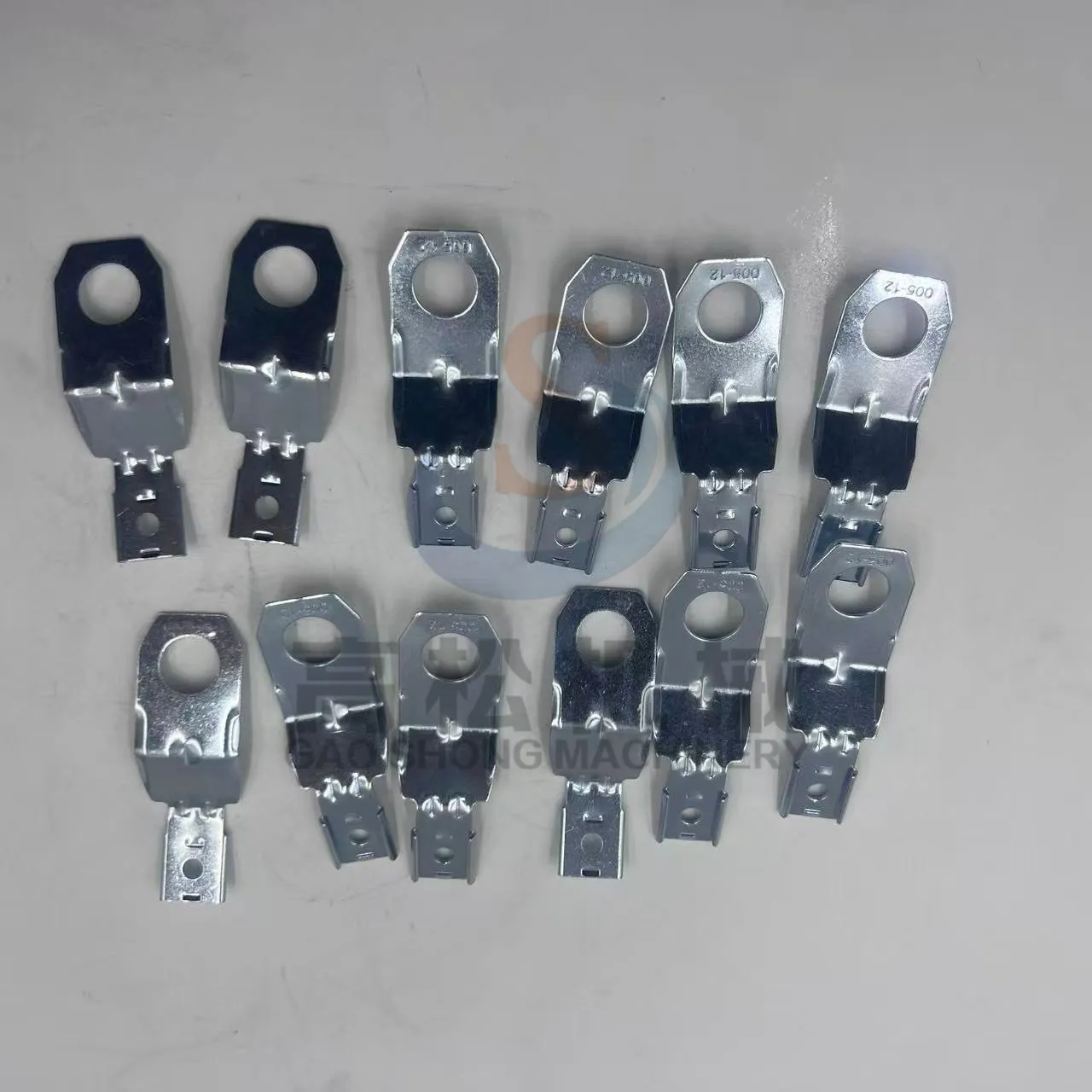 08193-21012 Clip (Komatsu)
 -
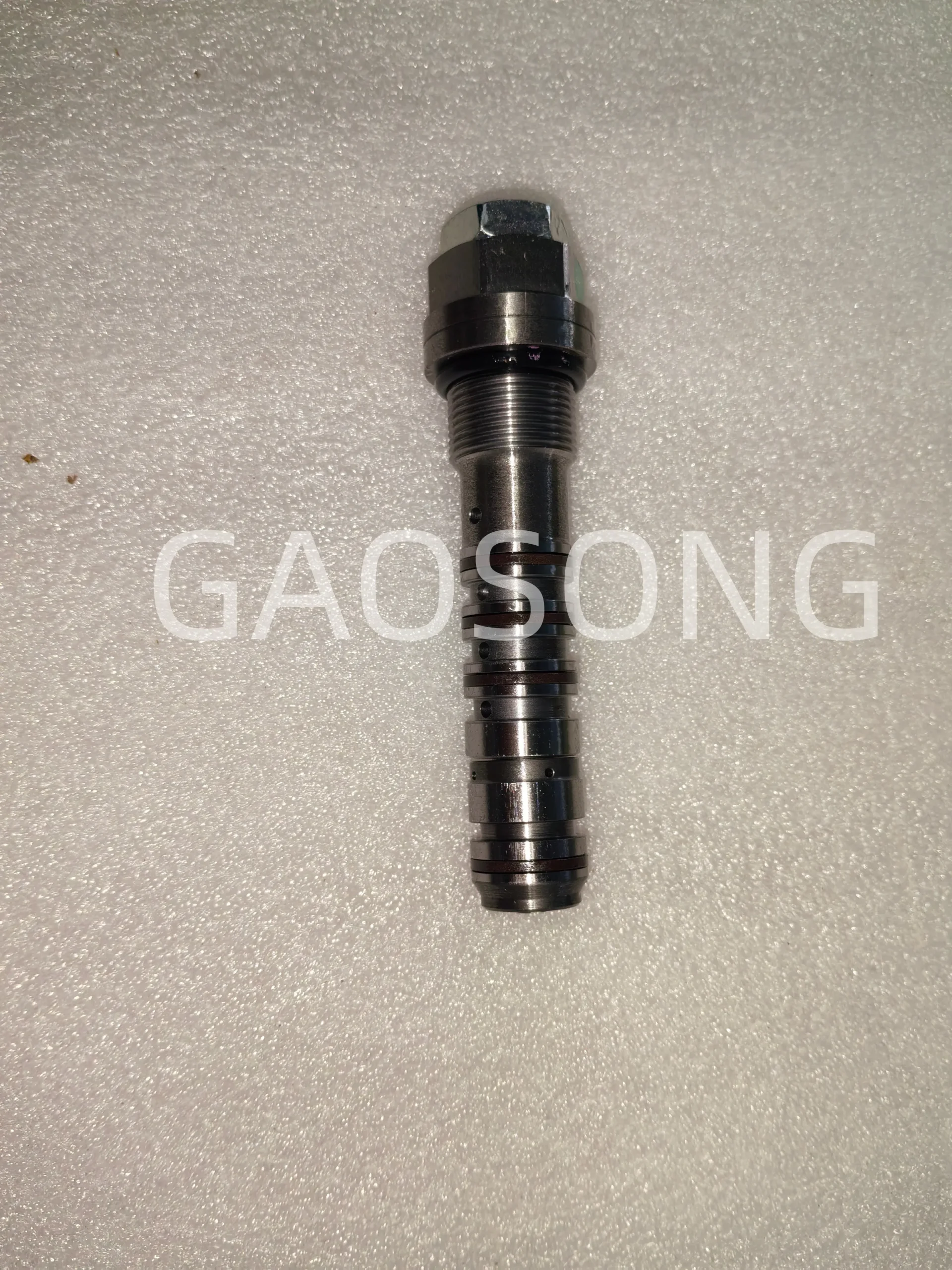 708-2G-03720 • Valve Assembly-Komatsu Original Factory
 -
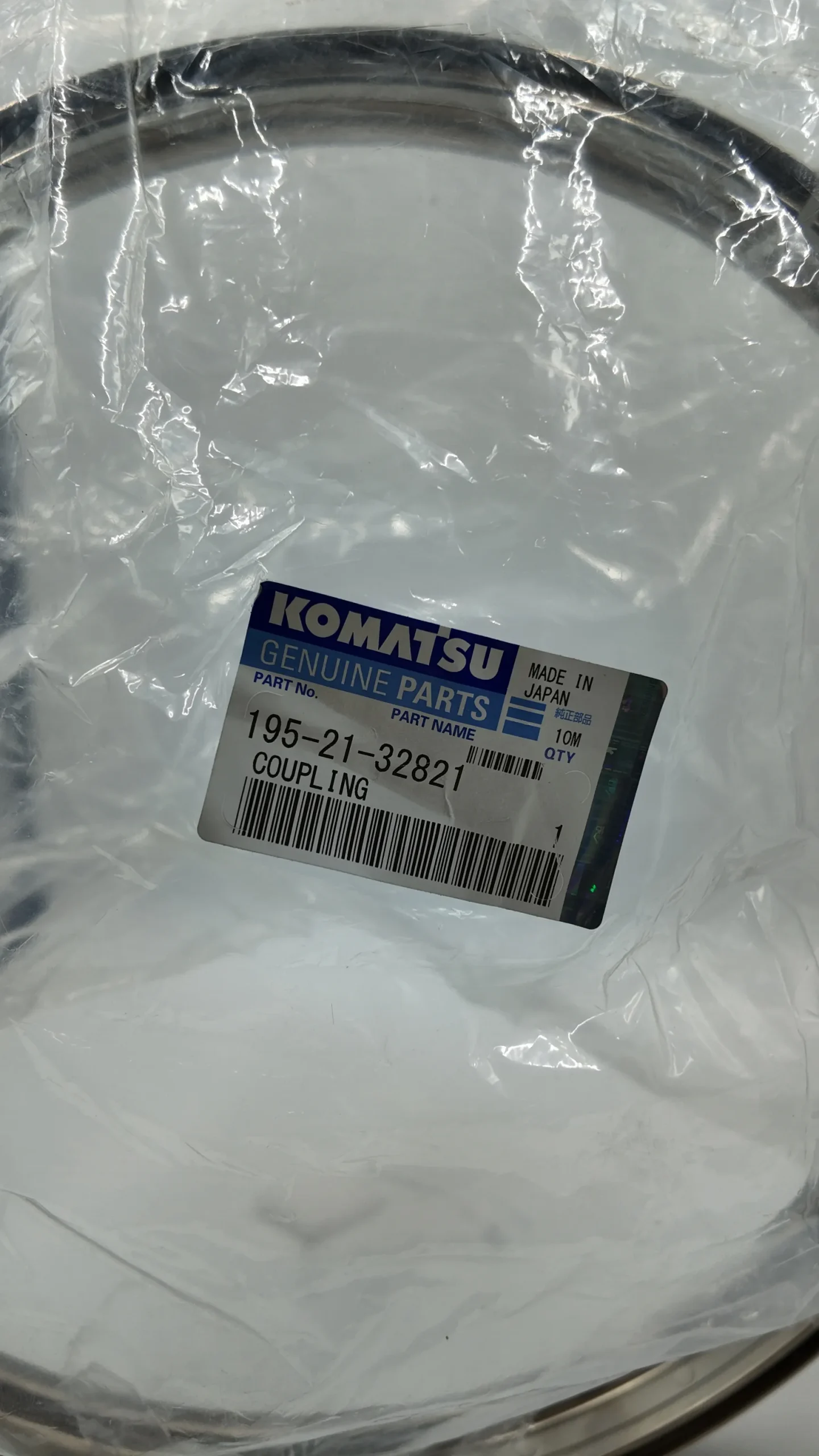 195-21-32821 COUPLING,(HEAVY DUTY) (Komatsu)
 -
 Hot Selling at Low Prices 21P-62-K1520 21M-62-11230 21T-01-67330 21U-62-34760 Underground Facilities
 -
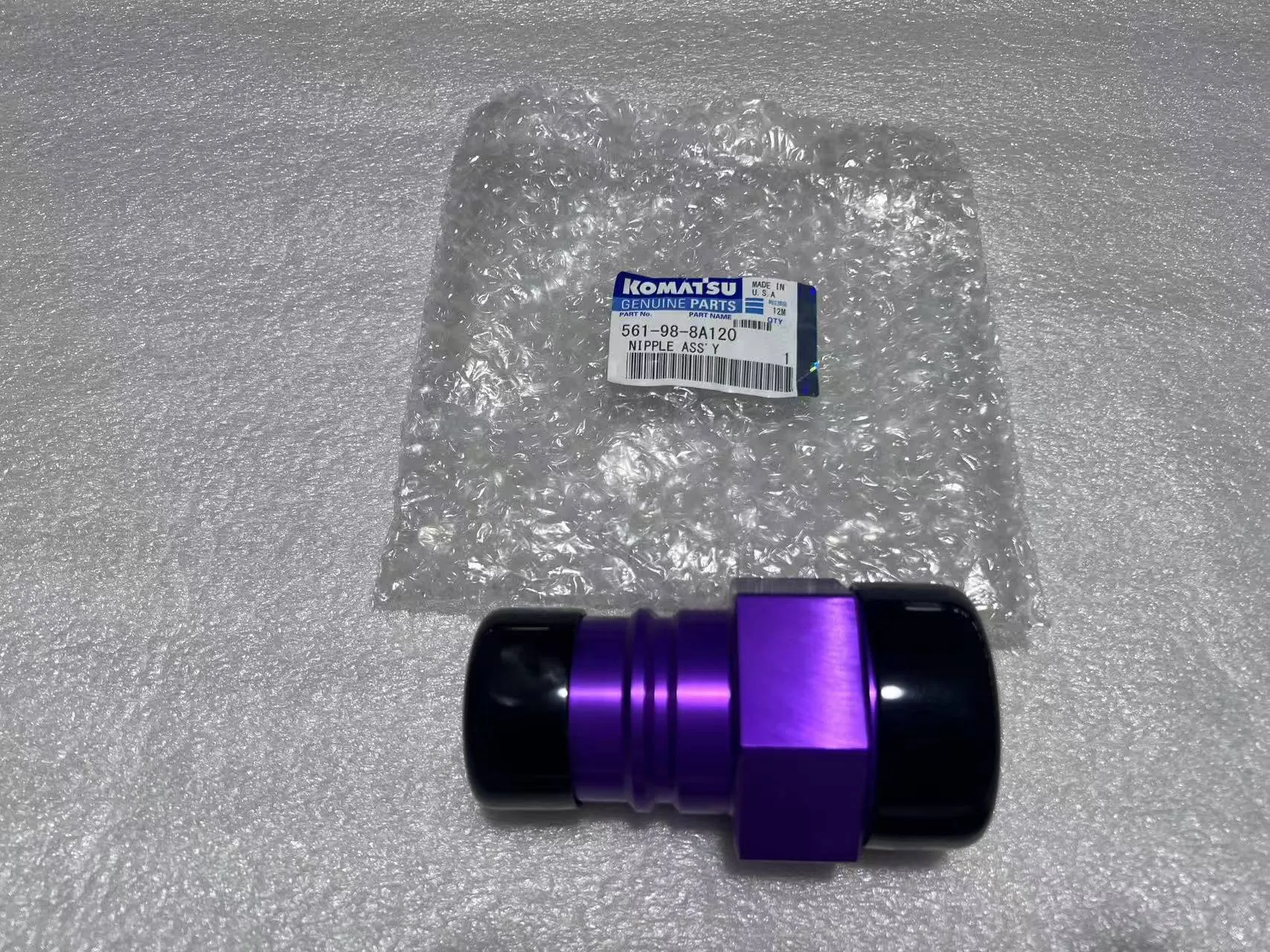 Joint component561-98-8A120
 -
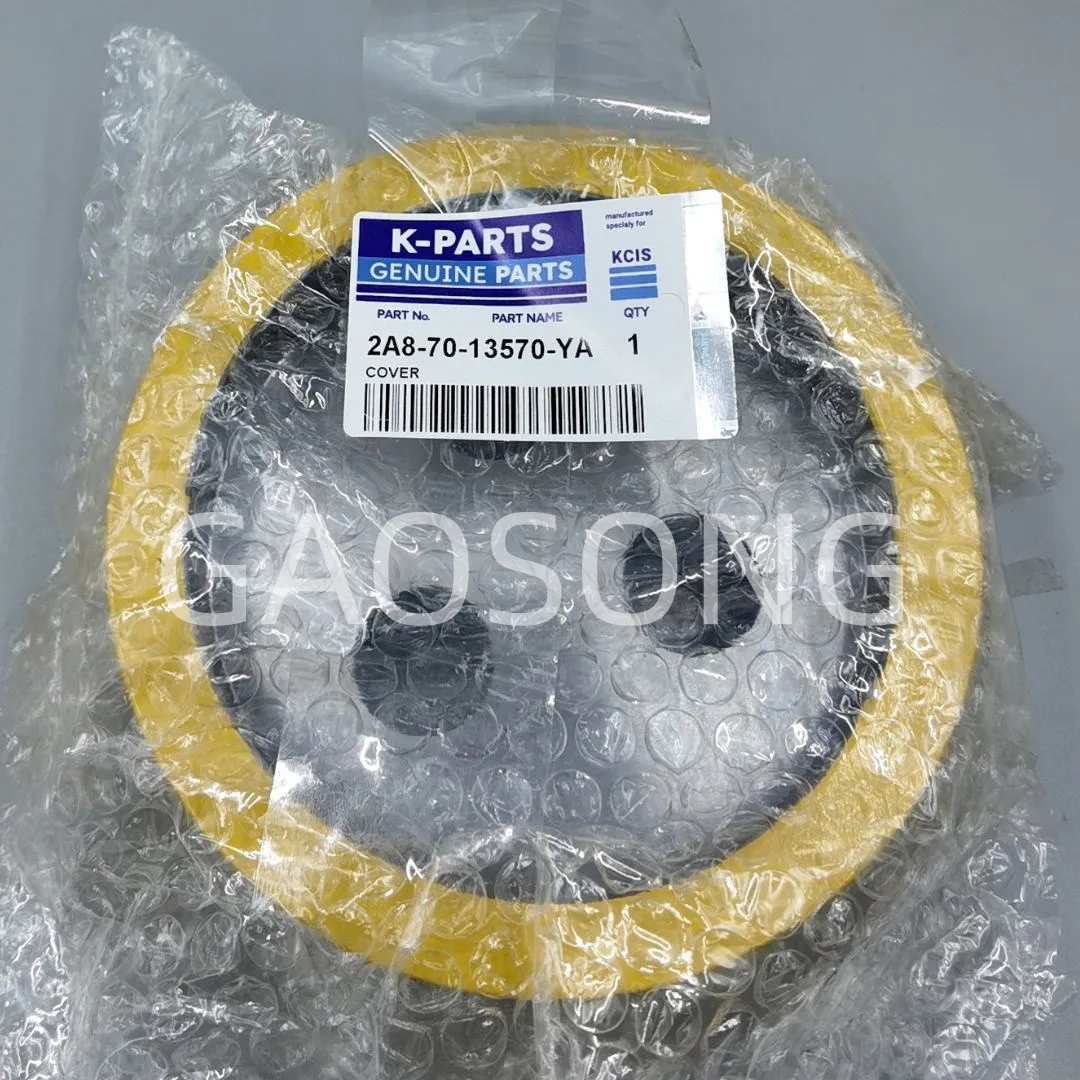 2A8-70-13570 Cover-Komatsu Original Factory
 -
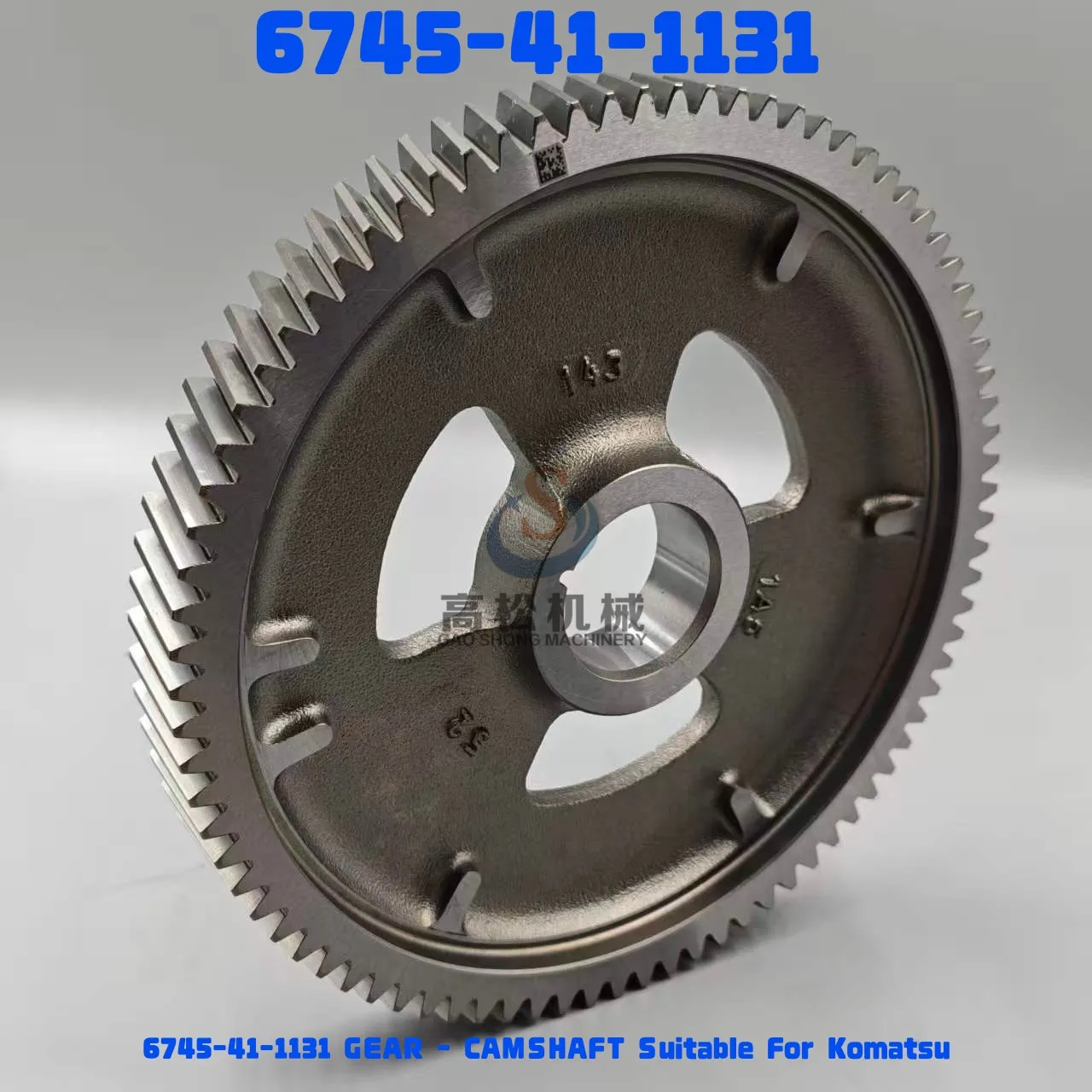 6745-41-1131 GEAR – CAMSHAFT Suitable For Komatsu 6745411131Compatible Models: SAA6D114E-3B-WT (BUILD 9K), SAA6D114E-3E (BUILD 9L), SAA6D114E-6A & SAA6D114E-6B (BUILD 9J)
 -
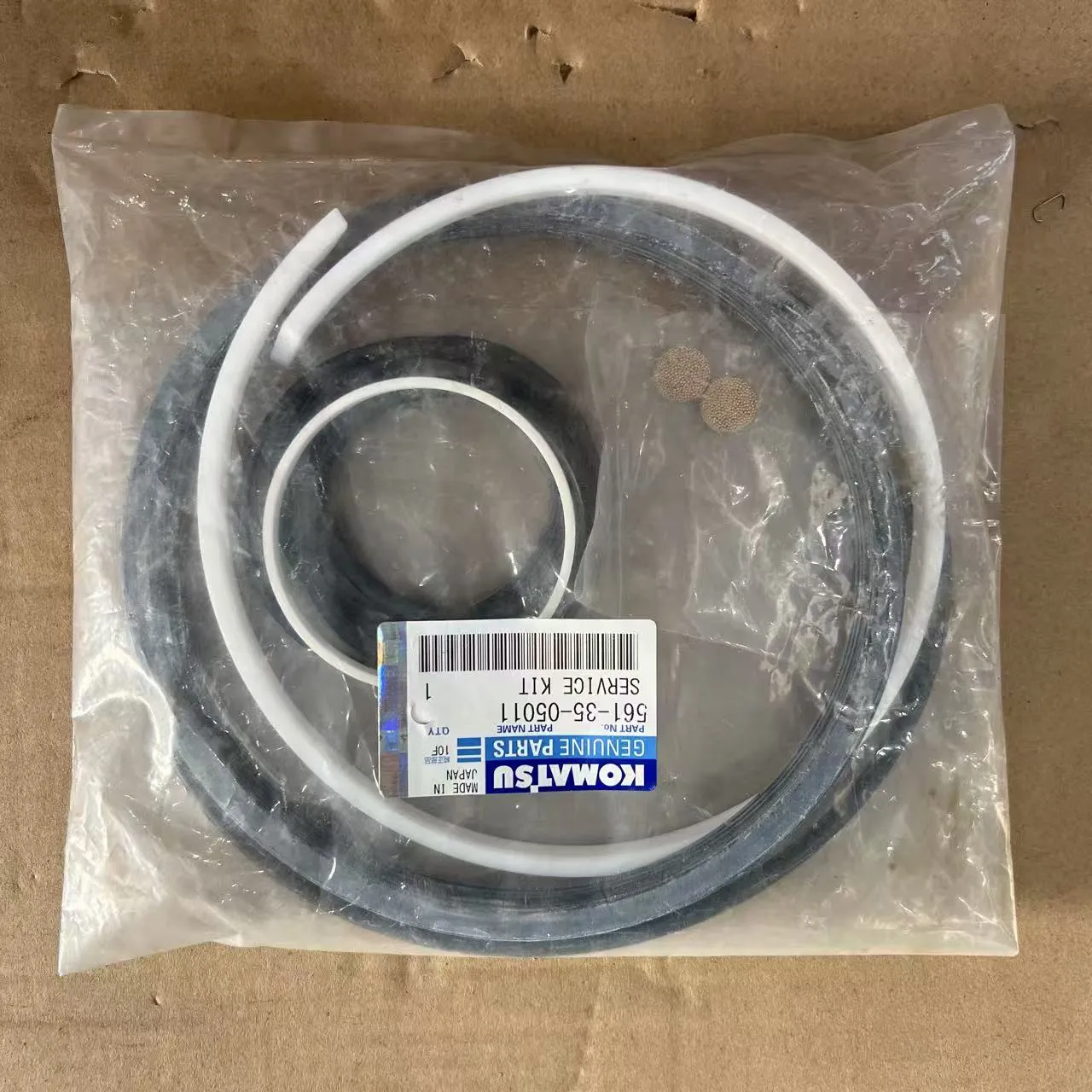 SERVICE KIT – 561-35-05011
 -
 Komatsu 20Y-27-31160 Pin, price for original and… — Pricing.Parts
 -
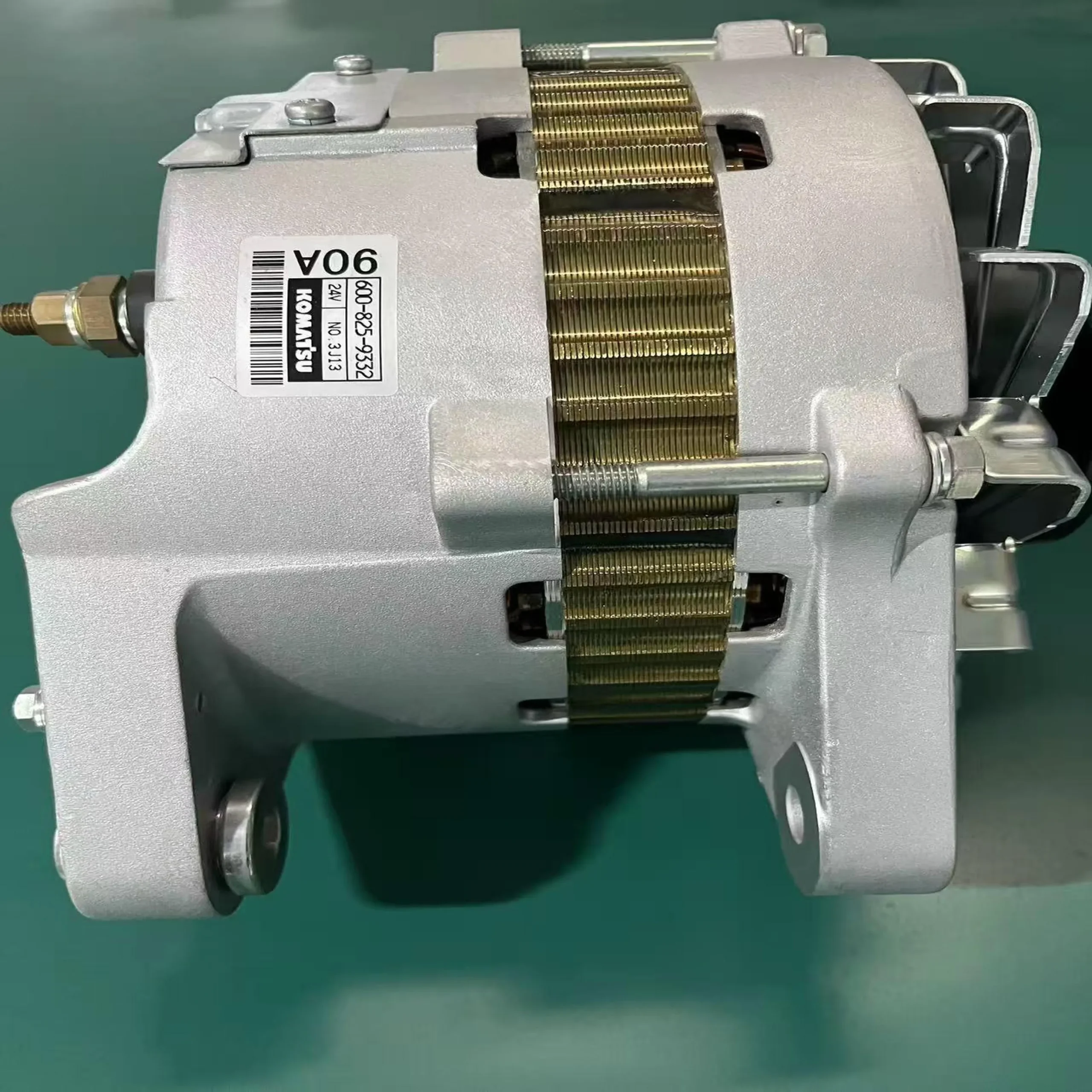 600-825-9332 Komatsu Alternator
 -
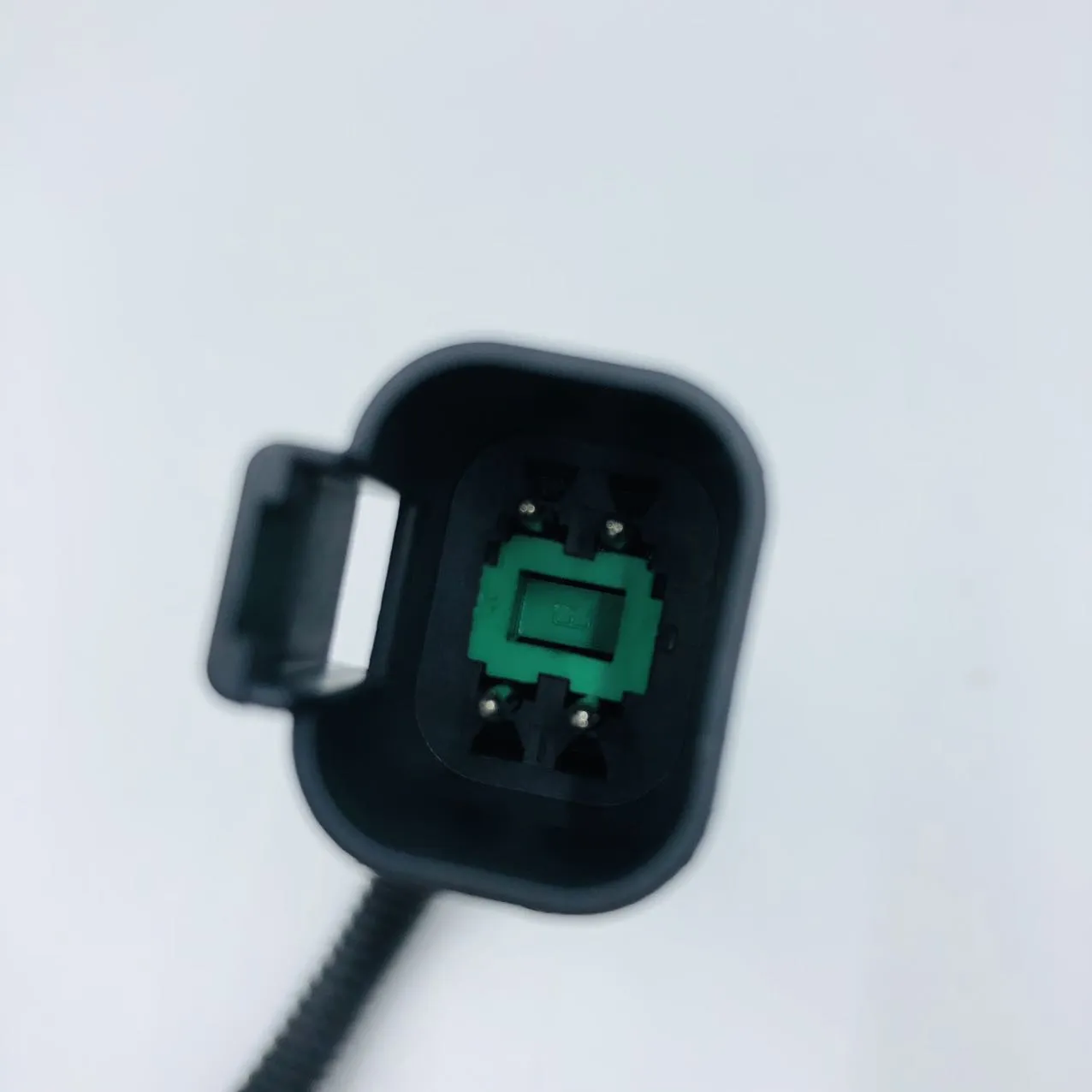 7861-93-5410Komatsu Acceleration Sensor, 7861-93-5410
 -
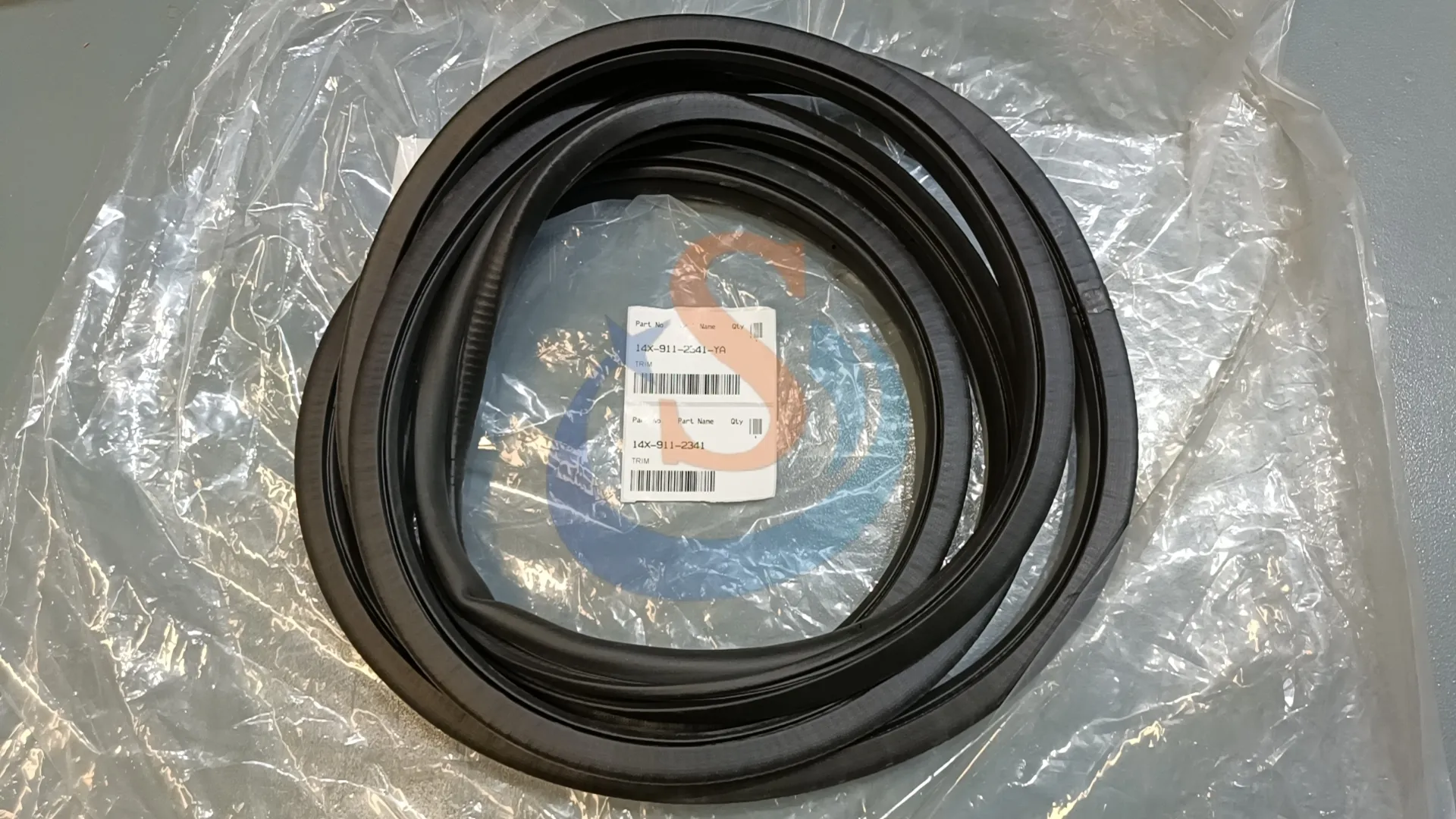 14X-911-2341,TRIM,D155A,D375A,D61EX