
- Chinese
- French
- German
- Portuguese
- Spanish
- Russian
- Japanese
- Korean
- Arabic
- Irish
- Greek
- Turkish
- Italian
- Danish
- Romanian
- Indonesian
- Czech
- Afrikaans
- Swedish
- Polish
- Basque
- Catalan
- Esperanto
- Hindi
- Lao
- Albanian
- Amharic
- Armenian
- Azerbaijani
- Belarusian
- Bengali
- Bosnian
- Bulgarian
- Cebuano
- Chichewa
- Corsican
- Croatian
- Dutch
- Estonian
- Filipino
- Finnish
- Frisian
- Galician
- Georgian
- Gujarati
- Haitian
- Hausa
- Hawaiian
- Hebrew
- Hmong
- Hungarian
- Icelandic
- Igbo
- Javanese
- Kannada
- Kazakh
- Khmer
- Kurdish
- Kyrgyz
- Latin
- Latvian
- Lithuanian
- Luxembou..
- Macedonian
- Malagasy
- Malay
- Malayalam
- Maltese
- Maori
- Marathi
- Mongolian
- Burmese
- Nepali
- Norwegian
- Pashto
- Persian
- Punjabi
- Serbian
- Sesotho
- Sinhala
- Slovak
- Slovenian
- Somali
- Samoan
- Scots Gaelic
- Shona
- Sindhi
- Sundanese
- Swahili
- Tajik
- Tamil
- Telugu
- Thai
- Ukrainian
- Urdu
- Uzbek
- Vietnamese
- Welsh
- Xhosa
- Yiddish
- Yoruba
- Zulu
- Kinyarwanda
- Tatar
- Oriya
- Turkmen
- Uyghur






komatsu pc200 bucket teeth
Let's be honest, when most folks hear 'Komatsu PC200 bucket teeth,' they immediately think of the genuine OEM part with that stamped logo. That's the gold standard, sure. But in the real world, on actual job sites from mining pits to urban demolition, the story is messier. The assumption that only the part straight from Komatsu is viable—or that all aftermarket options are junk—is where a lot of contractors, even seasoned ones, lose money and downtime. I've seen it too many times: a foreman insisting on pure OEM for a standard digging application, blowing the budget, while another crew runs a well-sourced third-party adapter and tooth system for a year with no issues on the same machine. The key isn't just the brand name; it's understanding the metallurgy, the specific application (are we talking abrasive dry clay or mixed demolition with rebar?), and the supply chain that gets it to you without a six-week wait. That last point—supply—is where companies like Jining Gaosong come into the picture. They operate in that interesting space as an OEM product supplier within the Komatsu system, but also as a third-party sales channel. Their site, takematsumachinery.com, frames it as solving parts supply challenges in certain countries, which is a diplomatic way of saying they fill the gaps when the official pipeline is slow, expensive, or simply non-existent for certain regions. This isn't about counterfeits; it's about alternative, often parallel, legitimate supply.
The Anatomy of a Tooth: It's Not Just a Pointy Bit
Diving into the specifics of the PC200 bucket teeth, most people overlook the system. It's not a single piece. You have the adapter (welded or pinned to the bucket lip), the tooth itself (which slips or pins onto the adapter), and sometimes a lock system. The wear life is a dance between all three. I've made the mistake of focusing solely on tooth hardness, buying the hardest-rated aftermarket teeth I could find, only to have them crack on impact in frozen ground. The adapter wore normally, but the brittle tooth failed catastrophically. A rep from a supplier—not unlike Gaosong—later explained that the OEM Komatsu spec balances hardness with toughness through a specific heat treatment. Some third-party manufacturers chase Brinell hardness numbers for marketing, sacrificing impact resistance. For a PC200 doing general excavation, you often want that toughness more than ultimate abrasion resistance.
Then there's the profile. Komatsu has several: the standard penetration tip, a rock chisel, maybe a twin tiger for rebar. I recall a site where we were using a PC200-8 to load blasted rock. The crew was burning through standard teeth weekly. We switched to a more aggressive rock chisel profile from a third-party source, which lasted longer, but the increased breakout force seemed to stress the adapter bases more. It was a trade-off. The correct part depends on the exact material. The description on Gaosong's site mentioning OEM supply within the system suggests they might have access to these specific profile designs or legitimate equivalents, which is crucial. A tooth with the wrong angle or curvature just won't seat right or shed material properly, killing your efficiency.
Material is the other half. Most quality teeth are 2-piece castings with the tip being a harder alloy. The welding process for the adapter is critical too. I've seen bad welds on a new adapter lead to premature failure of the entire lip, a repair costing thousands versus a hundred-dollar tooth. When a company is embedded in the Komatsu ecosystem, even as a third-party seller, they tend to be more attuned to these system-level interactions. They're not just selling a consumable; they're selling a part that affects the health of the bucket and the machine's productivity.
Supply Chain Realities and the Genuine Gray Area
This is where theory meets the mud. You need a set of Komatsu PC200 bucket teeth for a machine down in a remote quarry. Ordering through official channels might mean a 30-day lead time, plus customs hassle. Project managers can't wait that long. This creates the market for companies that specialize in bridging that gap. From their brief intro, Jining Gaosong Construction Machinery seems to play this role. Being an OEM product supplier within the Komatsu system is a specific claim. It could mean they manufacture certain components to Komatsu's blueprints under license, or they distribute surplus genuine stock. Their parallel role as a third-party sales company likely means they also source or produce compatible quality parts that aren't officially branded Komatsu, but are engineered to fit and perform.
I've worked with similar suppliers. The good ones are transparent. They'll tell you, This batch is OEM-identical, comes from a Komatsu-affiliated foundry, or This is our own brand, meets these specifications, here's the metallurgy report. The bad ones slap a fake logo on substandard steel. The trustworthy ones, which a company with a professional digital presence like takematsumachinery.com aims to be, understand their long-term reputation hinges on reliability. For a site manager, this alternative supply can be a lifesaver. I once kept a fleet of three PC200s running on a tight-deadline project solely because a regional supplier had a pallet of compatible teeth in a local warehouse, while the dealer was back-ordered.
The challenge is verification. How do you know what you're getting? For critical applications, you might still opt for the traceability of full OEM. But for 80% of general digging, a verified high-quality alternative is economically rational. A supplier's willingness to provide specific data—chemical composition, hardness charts, impact test results—is a good sign. Their stated mission to solve parts supply challenges indicates they're targeting pain points like lead time and availability, not just competing on price alone.
Field Failures and What They Teach You
Nothing educates like failure. Early in my time, we bought a cheap lot of teeth for a PC200-7 from a fly-by-night vendor. They wore down to nubs in under 40 hours in sandy soil. Post-mortem showed inconsistent casting with sand pockets and soft, low-alloy steel. The cost saving was obliterated by the downtime for changes and the extra fuel burned as the machine struggled to dig efficiently with blunt teeth. It was a classic false economy.
Another time, we had premature wear on one side of the bucket only. Turns out, the operator was favoring a specific curling motion when dumping into trucks, creating asymmetric loading. We rotated teeth positions regularly after that and switched to a more symmetrical tooth design. The failure wasn't the part's fault, but the part's wear pattern was the diagnostic tool. A good supplier's tech support might ask about such patterns if you report a problem, rather than just blaming the material or the machine.
I also recall an issue with the lock system. We had aftermarket teeth that used a proprietary rubber lock. They fit fine initially, but after a few changes, the locking mechanism loosened, leading to lost teeth. We switched back to a more common, mechanical pin-style system, even though it was slightly slower to change. The lesson was that compatibility isn't just about dimensions; it's about the entire retention system's reliability in your specific operating conditions.
Cost vs. Value Over the Lifecycle
The upfront price tag is the easiest thing to compare. Genuine Komatsu teeth are expensive. Premium third-party teeth might be 30% less. Budget options can be 70% less. But the calculation is about cost per operating hour. You have to factor in the tooth life (hours), the cost of the tooth, and the labor/fuel cost of the machine during change-outs. A cheap tooth that lasts 50 hours and costs $50 might have a higher hourly cost than a $150 tooth that lasts 250 hours. You also have to consider protection of the adapter. A very hard but brittle tooth that shatters can damage the adapter nose. A soft tooth that wears fast exposes the adapter to wear.
This is where a supplier with dual roles has an interesting perspective. If Jining Gaosong truly supplies OEM-spec products, they know the performance benchmark. Their value proposition as a third-party seller might be offering a product that gets you 90% of the OEM life at 70% of the cost, with 90% better availability. That's a compelling equation for a fleet manager. Their website's focus on solving supply challenges suggests they prioritize availability—a major component of value if a machine sitting idle costs you $200 an hour.
It's not always linear, though. For severe service (rock, abrasive slag), the OEM part's guaranteed consistency might win. For mixed general purpose, a trusted alternative is smarter. The trick is building a relationship with a supplier who gives you straight information so you can make that choice per application, not using a one-size-fits-all rule.
Looking at the Bucket as a System
Finally, you can't talk about teeth in isolation. They are the consumable tip of the spear, but the spear matters. The health of the bucket lip, the condition of the adapter noses, and even the crowd and curl cylinder pressures on the PC200 affect tooth life. A worn adapter will cause any tooth, even genuine Komatsu, to wear unevenly and fail faster. I've seen people blame the new tooth for rapid failure when the real culprit was a 30% worn adapter they were too cheap to replace.
A competent parts supplier understands this. When you order Komatsu PC200 bucket teeth, they might ask about machine hours or suggest checking adapter wear. They might offer adapter kits or even lip reinforcement segments. This systems approach is what separates a parts clerk from a solutions provider. The language used by Gaosong, positioning themselves as problem-solvers within the Komatsu parts universe, hints at this broader understanding. It's not just about moving boxes of teeth; it's about keeping the machine digging.
In the end, the keyword Komatsu PC200 bucket teeth points to a vast, nuanced world of metallurgy, logistics, and field pragmatism. The best practice isn't dogmatic loyalty to one channel, but informed sourcing based on application, criticality, and total cost. Sometimes that means waiting for the genuine part. Often, it means having a reliable, knowledgeable alternative source that gets you a quality product now. That's the real-world calculus behind every tooth you pin onto that bucket.
Related Products
Related Products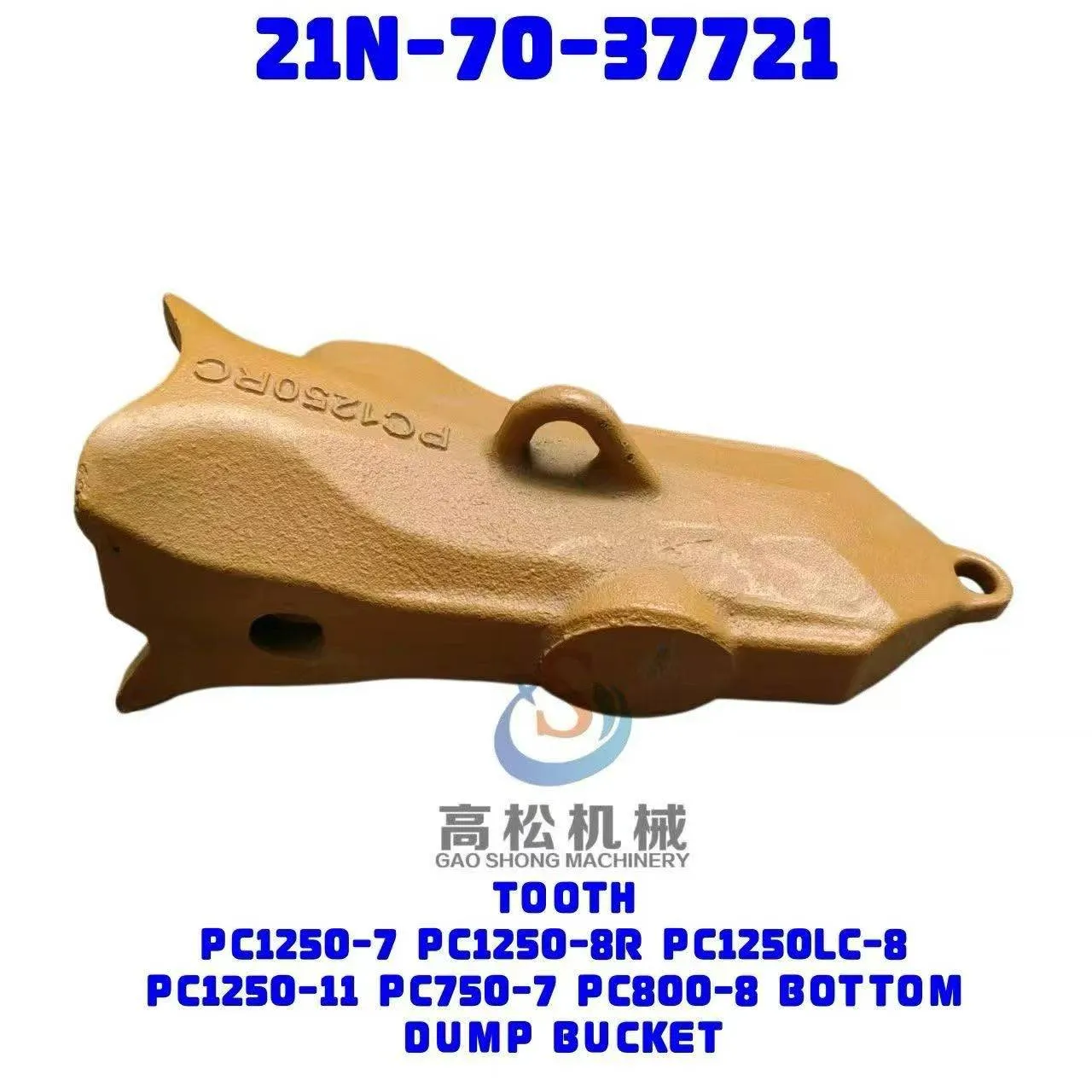

Best Selling Products
Best Selling Products-
 14X-22-05011,SERVICE KIT,D65PX,D65EX,D65WX
 -
 UrParts – Komatsu – Loader Parts – WA600-1H – 566-14-41160…
 -
 425-43-37200 Komatsu VALVE ASS’Y
 -
 Hydraulic pump original parts 708-2g-12121 708-2g-04153 708-2g-04151 708-2g-03710 708-2g-03910 for pc300-7 excavator
 -
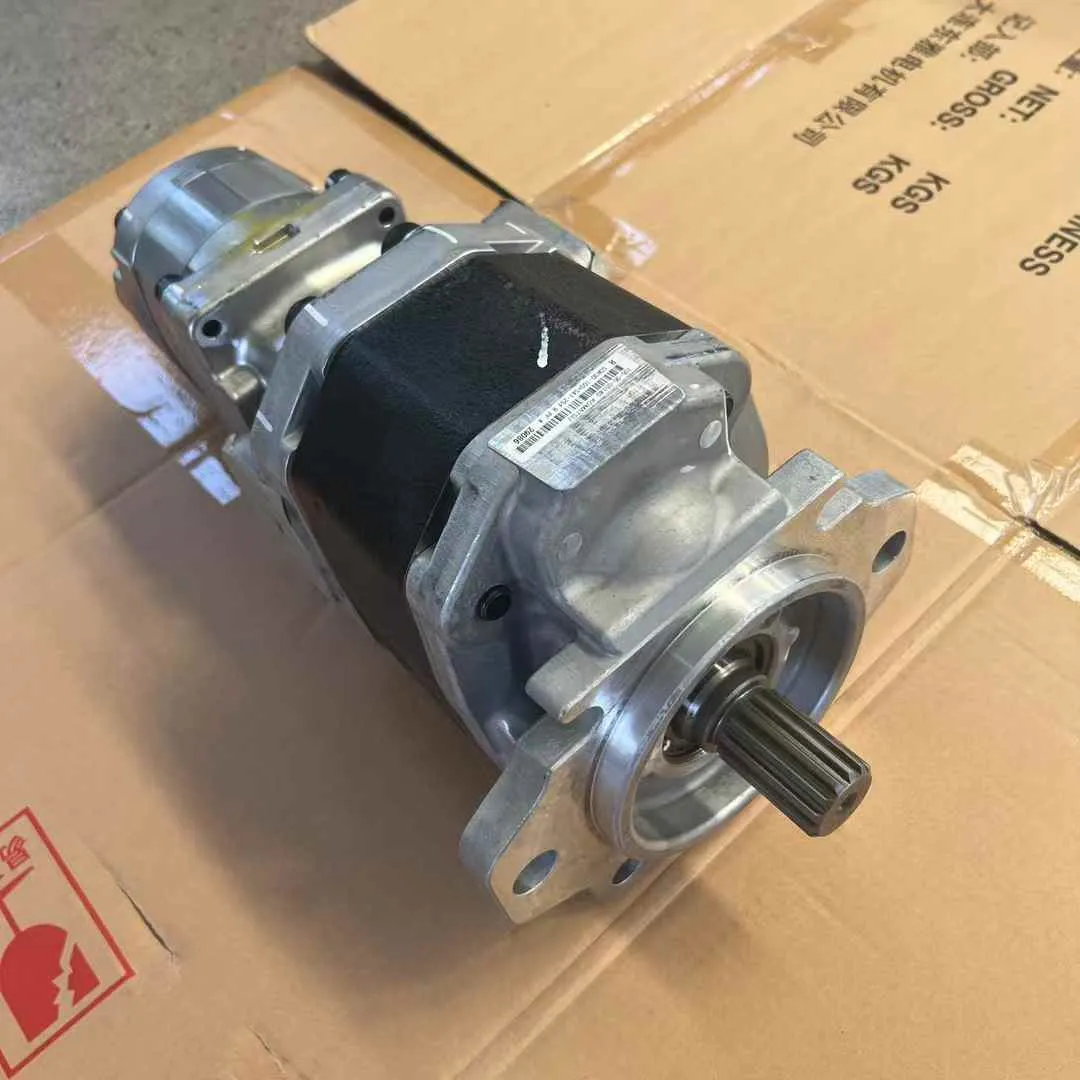 705-95-05140 HydraulicPump
 -
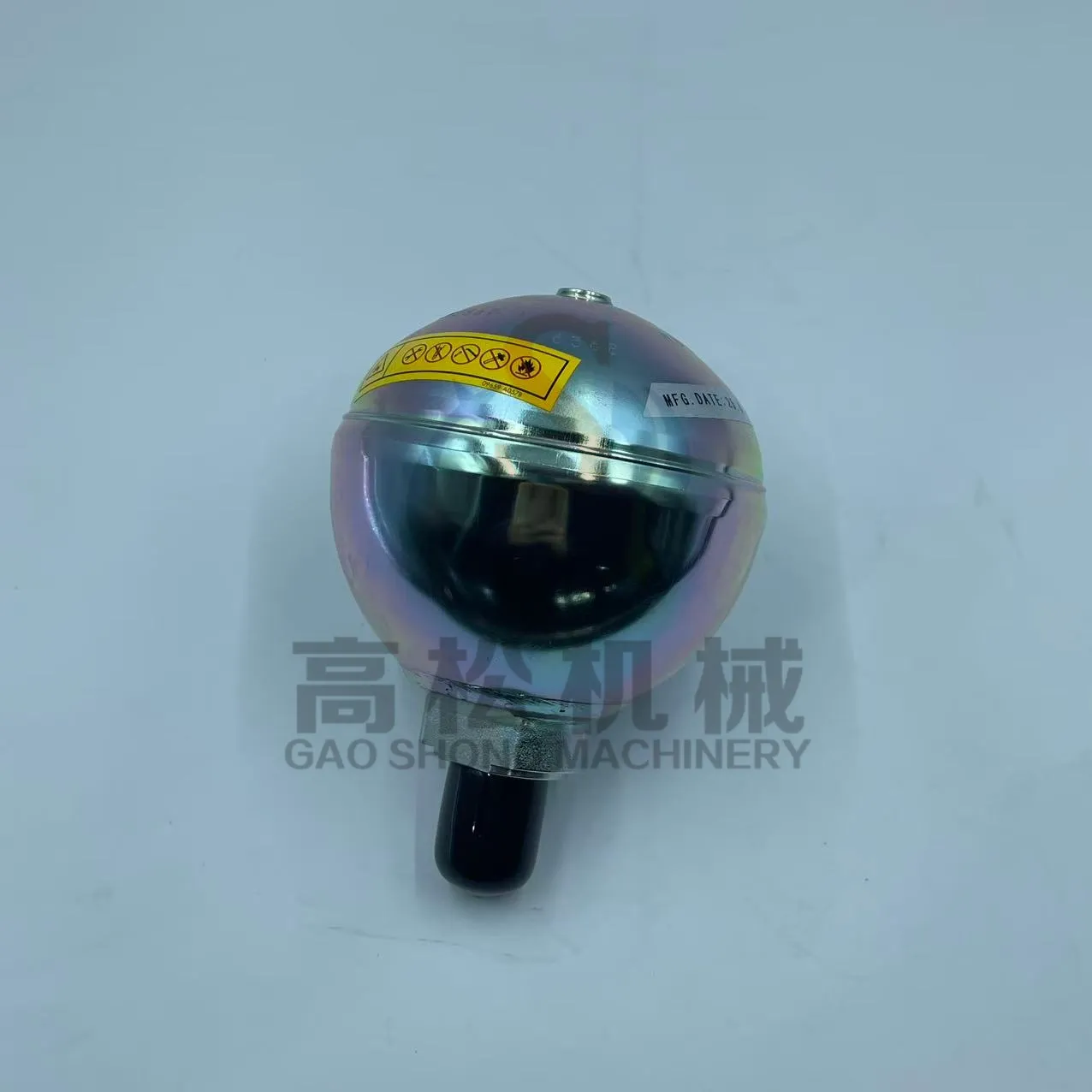 22u-60-21331 Accumulator
 -
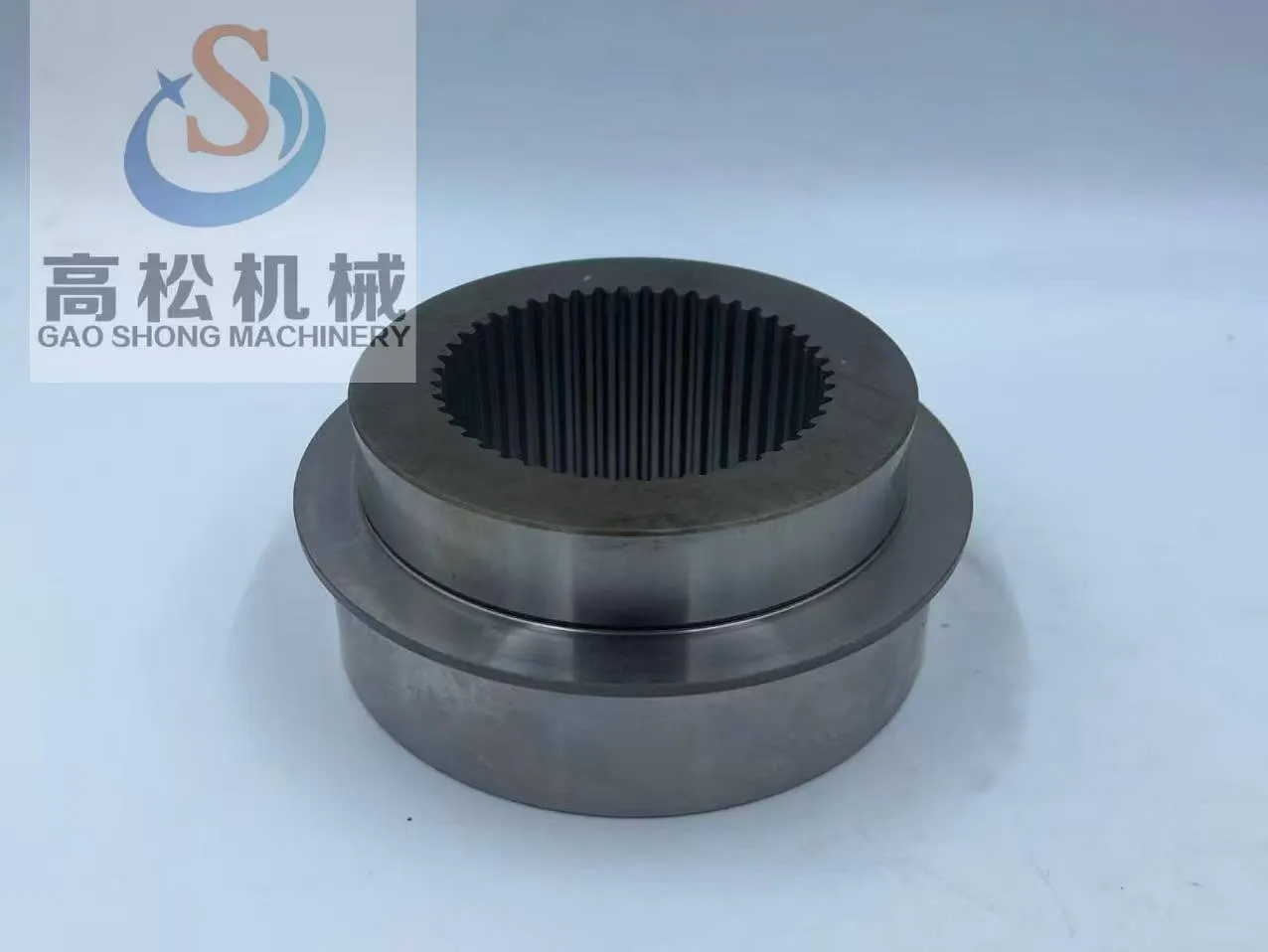 Original separator 195-15-82570 for d375a-5 domer komatsu
 -
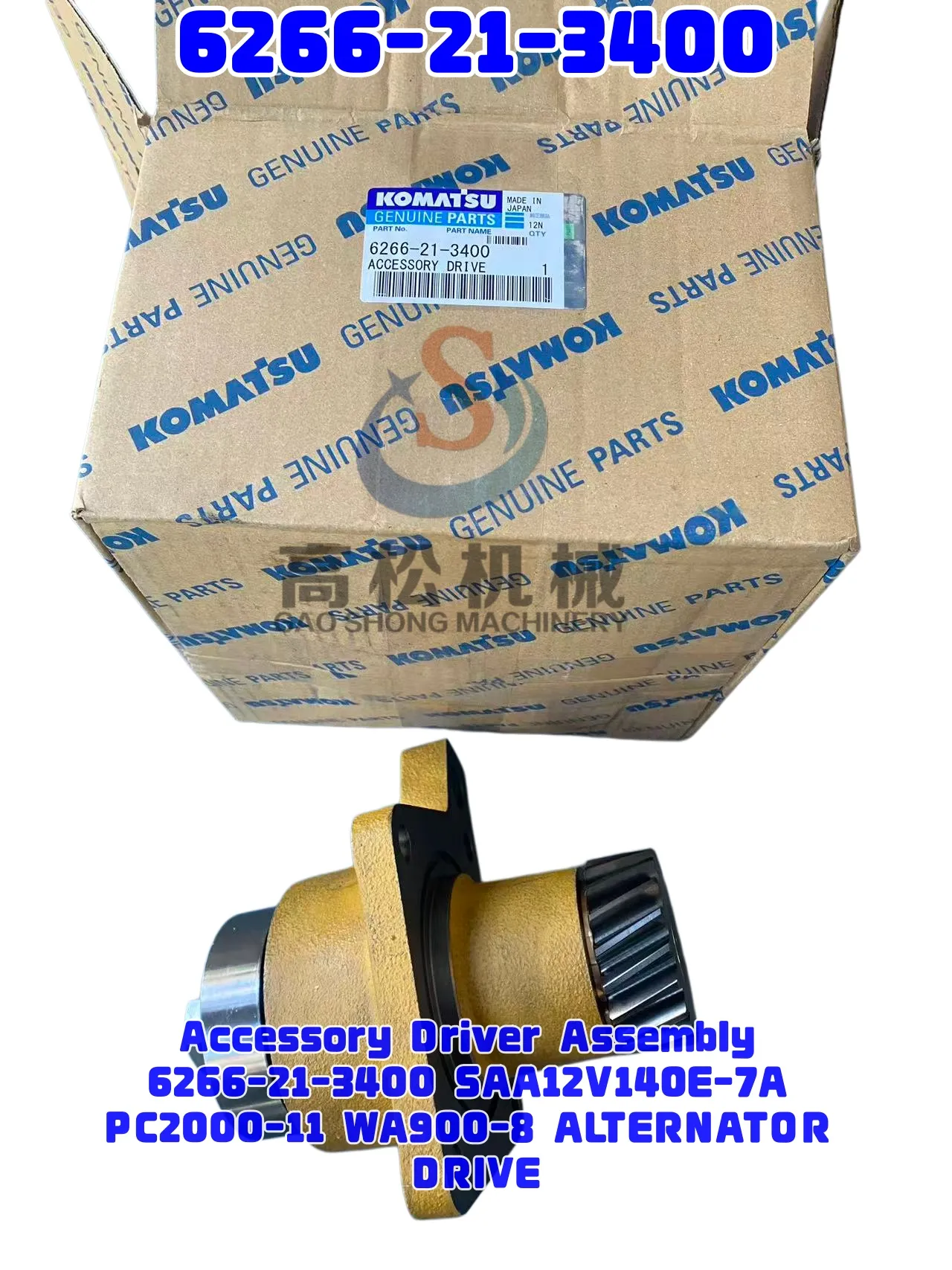 komatsu-part-6266-21-3400 Accessory Driver Assembly SAA12V140E-7A S/N 800001-UP (For PC2000-11) ALTERNATOR DRIVE Accessory Driver Assembly SAA12V140E-7 S/N 800004-UP (For WA900-8) ALTERNATOR DRIVE (#800004-)
 -
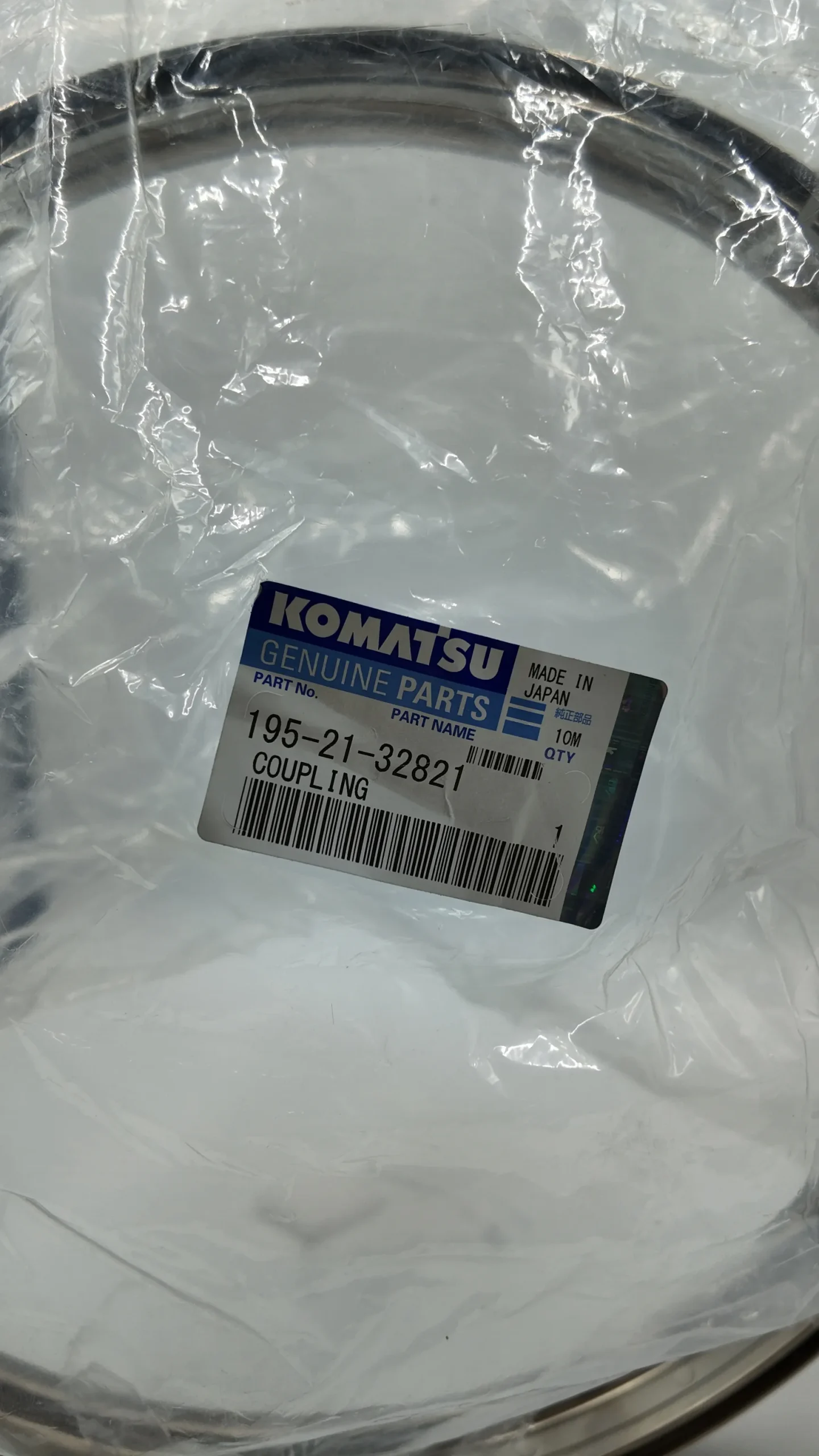 195-21-32821 COUPLING,(HEAVY DUTY) (Komatsu)
 -
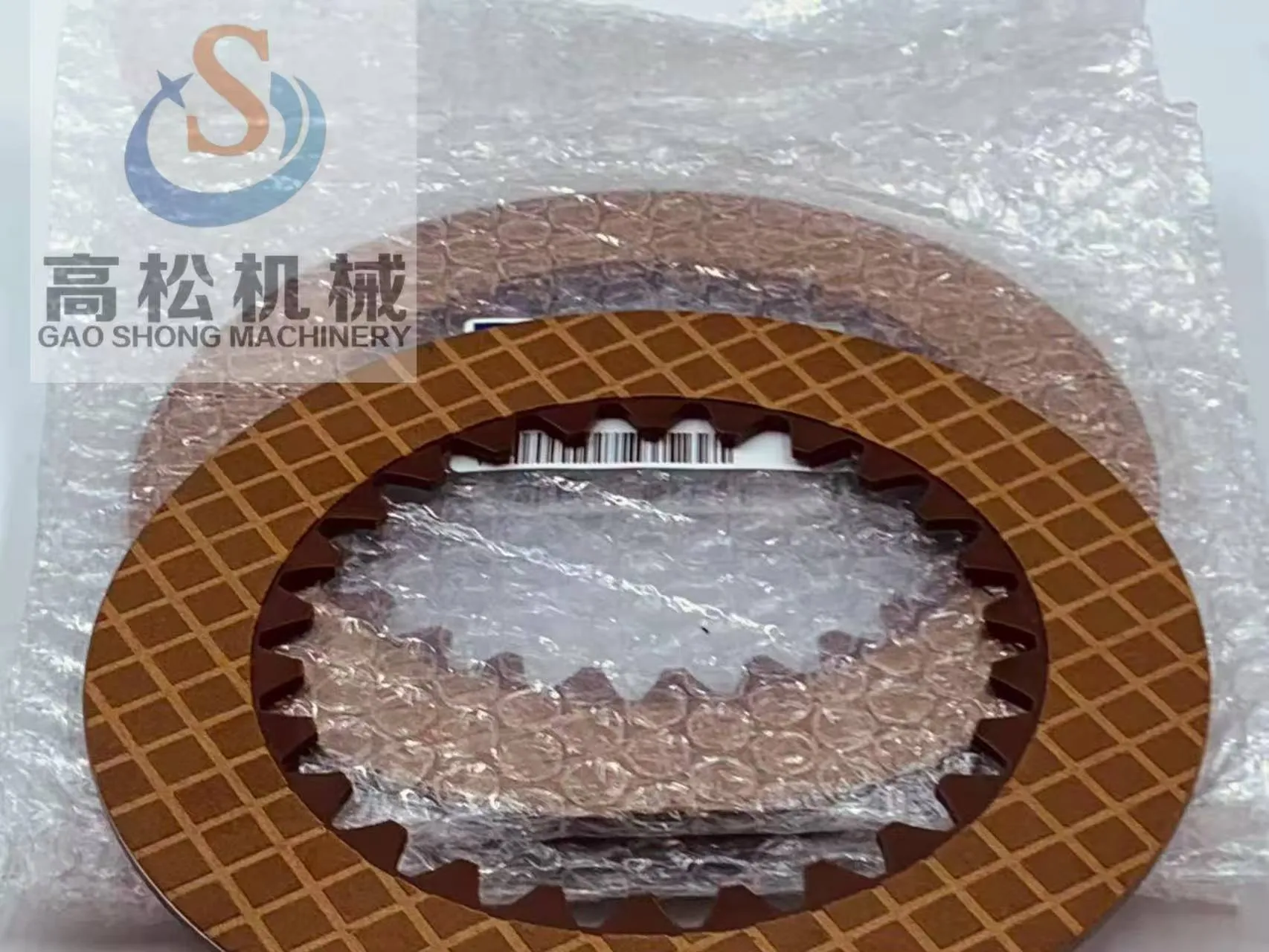 14-07-40010 714-07-48540 421-62-45450 spare parts for front loader wa470-6 hydraulic transformer and coupling transmission 714-07-49731
 -
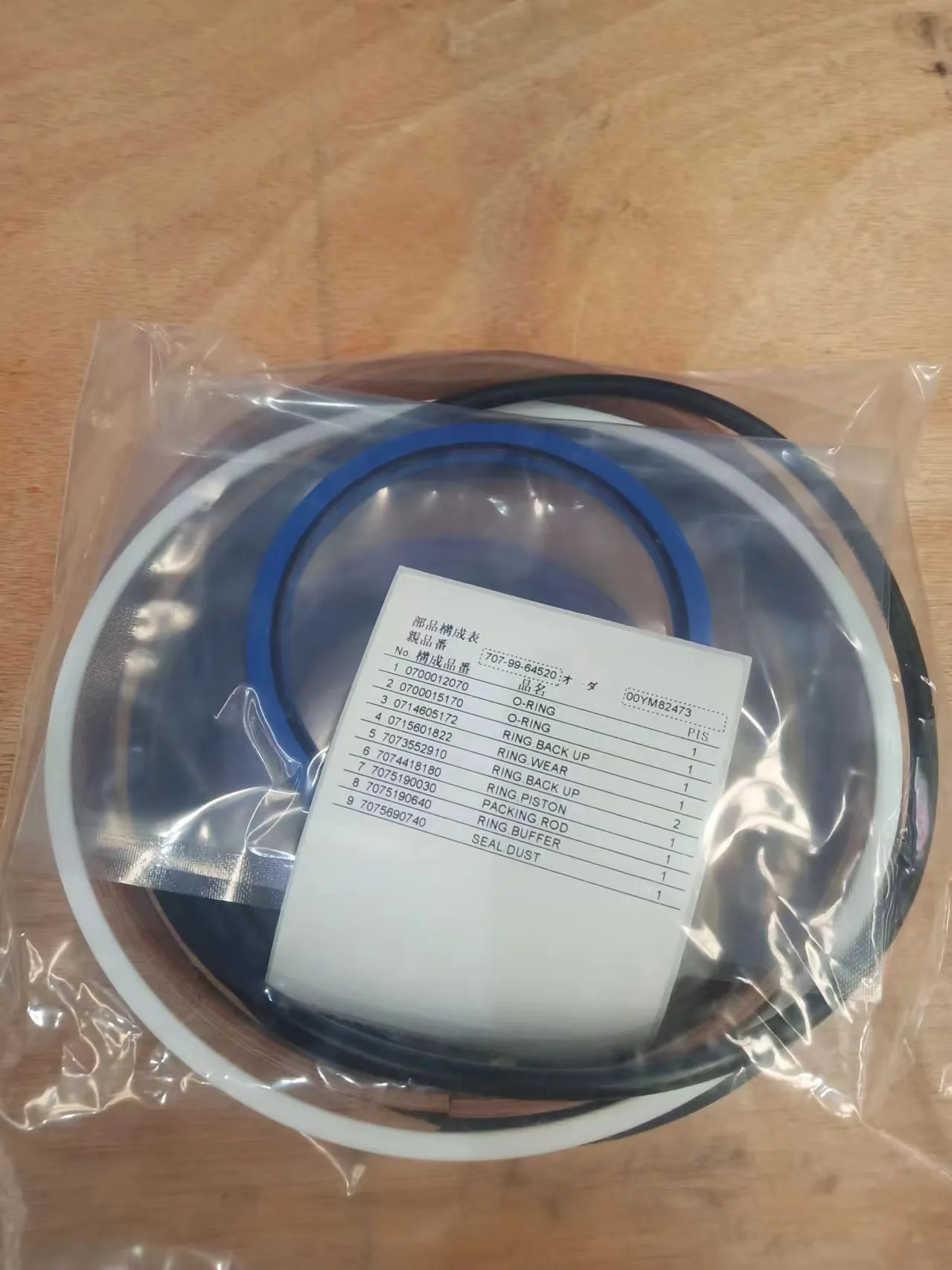 WA380-3 Repair Kit 707-99-64520
 -
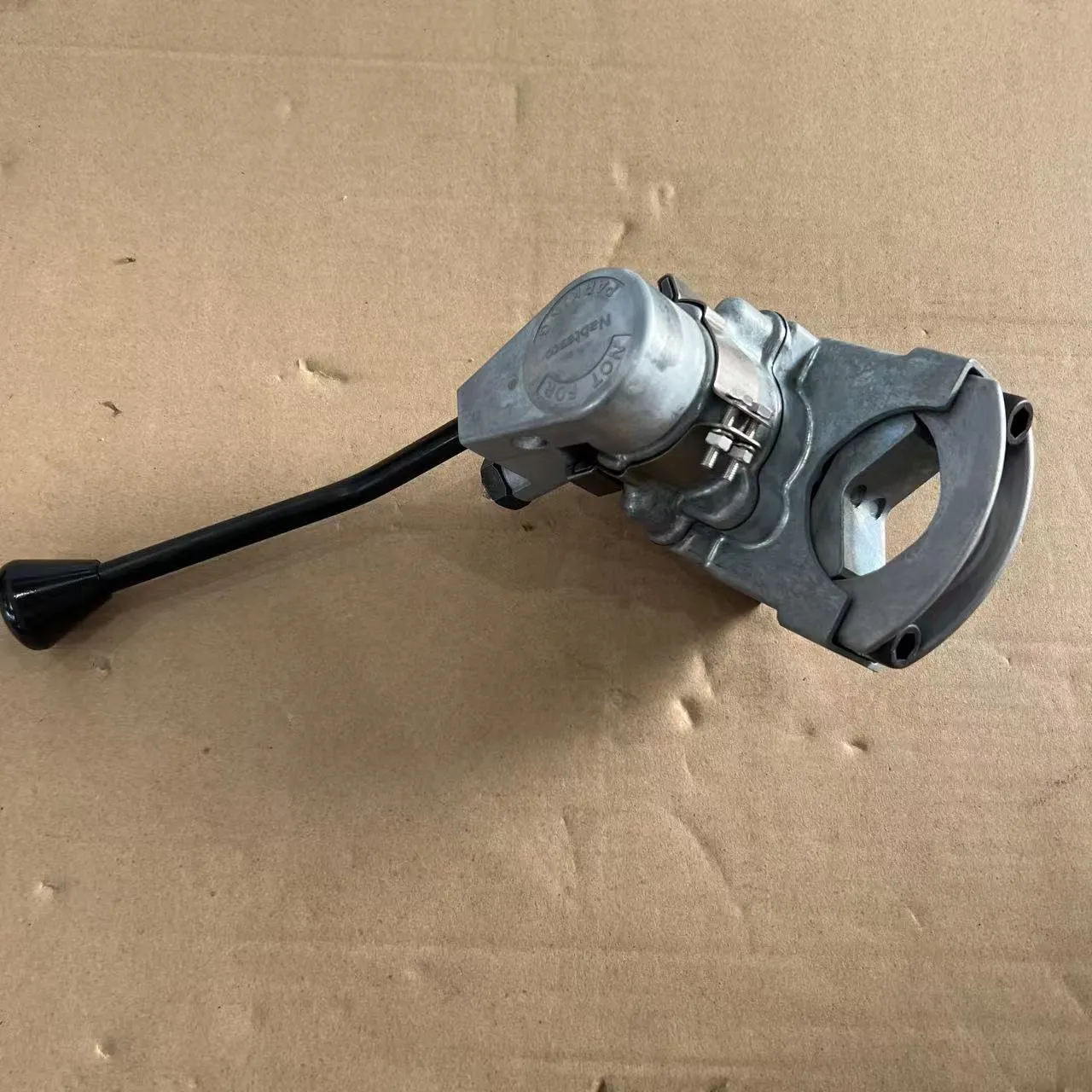 Hd785-5 Retarder 561-35-62203 For Dump Truck Original Parts, High…