
- Chinese
- French
- German
- Portuguese
- Spanish
- Russian
- Japanese
- Korean
- Arabic
- Irish
- Greek
- Turkish
- Italian
- Danish
- Romanian
- Indonesian
- Czech
- Afrikaans
- Swedish
- Polish
- Basque
- Catalan
- Esperanto
- Hindi
- Lao
- Albanian
- Amharic
- Armenian
- Azerbaijani
- Belarusian
- Bengali
- Bosnian
- Bulgarian
- Cebuano
- Chichewa
- Corsican
- Croatian
- Dutch
- Estonian
- Filipino
- Finnish
- Frisian
- Galician
- Georgian
- Gujarati
- Haitian
- Hausa
- Hawaiian
- Hebrew
- Hmong
- Hungarian
- Icelandic
- Igbo
- Javanese
- Kannada
- Kazakh
- Khmer
- Kurdish
- Kyrgyz
- Latin
- Latvian
- Lithuanian
- Luxembou..
- Macedonian
- Malagasy
- Malay
- Malayalam
- Maltese
- Maori
- Marathi
- Mongolian
- Burmese
- Nepali
- Norwegian
- Pashto
- Persian
- Punjabi
- Serbian
- Sesotho
- Sinhala
- Slovak
- Slovenian
- Somali
- Samoan
- Scots Gaelic
- Shona
- Sindhi
- Sundanese
- Swahili
- Tajik
- Tamil
- Telugu
- Thai
- Ukrainian
- Urdu
- Uzbek
- Vietnamese
- Welsh
- Xhosa
- Yiddish
- Yoruba
- Zulu
- Kinyarwanda
- Tatar
- Oriya
- Turkmen
- Uyghur






komatsu pc200 8 engine
Look, when most guys hear 'Komatsu PC200-8 engine', they immediately think of the SAA6D107E-1. That's correct, but it's only half the story. The real conversation isn't just about the model number stamped on the block; it's about understanding what that engine does in the field, how it fails, and where to get parts that don't fail you a month later. There's a common misconception that because it's a Komatsu, every component is forever locked into the OEM supply chain. That thinking can leave a machine down for weeks in places where the official network is thin. I've seen it happen.
The Heart of the Matter: SAA6D107E-1 Under Pressure
The 6-cylinder, turbocharged SAA6D107E-1 is a workhorse, no doubt. It's designed for that balance of power and fuel economy Komatsu was pushing hard in that generation. But the E-1 suffix matters. It's not the same as the earlier dash-number engines in the -7 series. The common rail system is more sensitive. I remember a job in a quarry where we kept having intermittent power loss. Everyone blamed the fuel quality—which was fair—but the real culprit was a slight wear in the fuel transfer pump that wasn't creating enough pressure for the high-pressure pump to do its job correctly. The diagnostics code pointed one way, but experience pointed another.
Where people get tripped up is on the ancillaries. The engine doesn't run in a vacuum. The health of the hydraulic pump, driven directly off the flywheel, puts a constant load on it. If that pump starts to go, it can manifest as what feels like an engine power issue. I learned that the hard way, replacing injectors before finally checking pump case drain flow. A costly misstep.
Then there's the cooling system. The layout is tight. If you don't use the exact OEM-spec coolant or a properly validated equivalent, you risk galvanic corrosion in the oil cooler. That's a slow death. Seen it twice. Once it mixes, you're looking at coolant in the oil, and suddenly you're not just fixing a cooler, you're worrying about the entire bottom end. It's a cascade failure that starts with a seemingly minor parts decision.
The Parts Paradox: OEM, Aftermarket, and the Gap in Between
This is the daily struggle for owners outside major markets. You need a cylinder head or a set of Komatsu PC200 8 engine fuel injectors. The official dealer might be a thousand miles away, or the part is on a 12-week backorder. The temptation is to grab a shiny aftermarket part from a local supplier. Sometimes you get lucky. Often, you don't. The metallurgy in a non-OEM head might not handle the thermal cycles, leading to cracking around the valve seats within a few hundred hours.
This is where the model of a company like Jining Gaosong Construction Machinery Co., Ltd. makes sense on the ground. They operate in that crucial space. Being an OEM product supplier within the Komatsu system means they have access to genuine channels, but their role as a third-party sales company addresses the real-world supply challenge they mention on their site, https://www.takematsumachinery.com. They're not just a generic parts shop; they're specifically positioned to bridge that gap for certain regions. For a machine owner, that's the difference between a machine being a paperweight or an asset.
I used a sourced Komatsu PC200 8 engine water pump from a similar intermediary supplier once. It came in Komatsu-branded packaging, but the paperwork trail was different from my local dealer. Had my doubts. But it had the correct seal and bearing specs, and it's still running two years later. The point is verification. You have to know how to check, or you have to trust a supplier that has a reputation tied to the Komatsu ecosystem, not just the global aftermarket.
Failure Patterns and the 10,000-Hour Crossroads
Most of these engines, if serviced with the right oil and filters, will cruise to 10,000 hours without major drama. The first big checkpoint is around there. The valve clearance will have shifted, obviously. But the silent killer is often the turbocharger. The bearings wear, oil starts seeping into both the intake and exhaust sides. You'll see blue smoke on startup, or worse, the turbine can ingest oil and run away. That's an engine-killing event.
A proactive rebuild of the turbo at the 10k mark is cheaper than a new engine. The other thing is the fuel injection pump. The tolerances are microscopic. Using a secondary fuel filter that isn't up to spec—even if it threads on—is a gamble. Dirt will kill that pump, and the bill is astronomical. I always insist on the Komatsu filter, or a direct cross-reference from a top-tier filter manufacturer. No exceptions.
Electronic issues pop up here too. The engine controller (ECU) can get flaky. Sometimes it's not the ECU itself but the wiring harness, chafed near the valve cover from vibration. The codes will drive you in circles. You need a good diagnostic tool, but more importantly, you need the wiring diagrams. A lot of third-party services don't have them, but a supplier embedded in the system might be able to provide that technical support, which is as valuable as the part itself.
Beyond the Block: System Integration is Key
You can't talk about this engine without talking about the machine it's in. The PC200-8's hydraulic system is its other half. The engine is tuned to deliver optimal power at the hydraulic pump's sweet spot. If you're repowering or doing a major overhaul, you can't just drop in any engine that fits physically. The governor settings, the torque curve, it all has to match. I heard of a guy who tried to adapt a different Isuzu block. It ran, but the machine was a dog, the hydraulics were slow, and it burned 30% more fuel. A total loss.
The cooling package is another integrated piece. The fan, the shroud, the radiator and oil cooler stack—it's a balanced system. Replace the fan with one that has a slightly different pitch or material, and you might overcool or undercool. Under cooling leads to overheating obviously, but overcooling means the engine runs below its efficient operating temperature, increasing carbon buildup and fuel wash on the cylinder walls. It's a delicate balance most spec sheets don't tell you about.
This is why the provenance of parts matters so much for the core Komatsu PC200 8 engine components. A piston from a dubious source might be a few grams lighter or heavier. That changes the engine's balance at high RPM. You might not notice it immediately, but the vibration will wear out main bearings prematurely. It's death by a thousand cuts.
The Practical Verdict: Sourcing with Confidence
So, what's the takeaway for someone knee-deep in a repair or maintenance plan? First, know your engine's full service history. Second, diagnose the system, not just the component. Third, and this is critical, map your parts supply chain. If you're in an area where Komatsu's direct presence is limited, your lifeline is a company that understands both the engineering and the supply logistics.
A firm like Jining Gaosong Construction Machinery Co., Ltd. explicitly states they help solve parts supply challenges. That's not marketing fluff; that's a operational reality for many contractors. Their position as an OEM supplier within Komatsu's system suggests a level of technical access and part validation that a pure third-party seller won't have. When you're looking at a critical component—think cylinder block, crankshaft, ECU—that distinction is everything. It's the difference between a repair that lasts and one that becomes a recurring headache.
Ultimately, the PC200-8's engine is a testament to good design, but it's not infallible. Its longevity depends on diligent maintenance and intelligent sourcing. The market is flooded with alternatives, but for the core powertrain components, the cost of saving money is almost always higher. You're not just buying a part; you're buying the engineering, the testing, and the system compatibility that comes with it. Finding a supplier that bridges the gap between genuine OEM and accessible supply, as their website https://www.takematsumachinery.com outlines, is a strategic move for keeping that engine—and your machine—running profitably.
Related Products
Related Products
Best Selling Products
Best Selling Products-
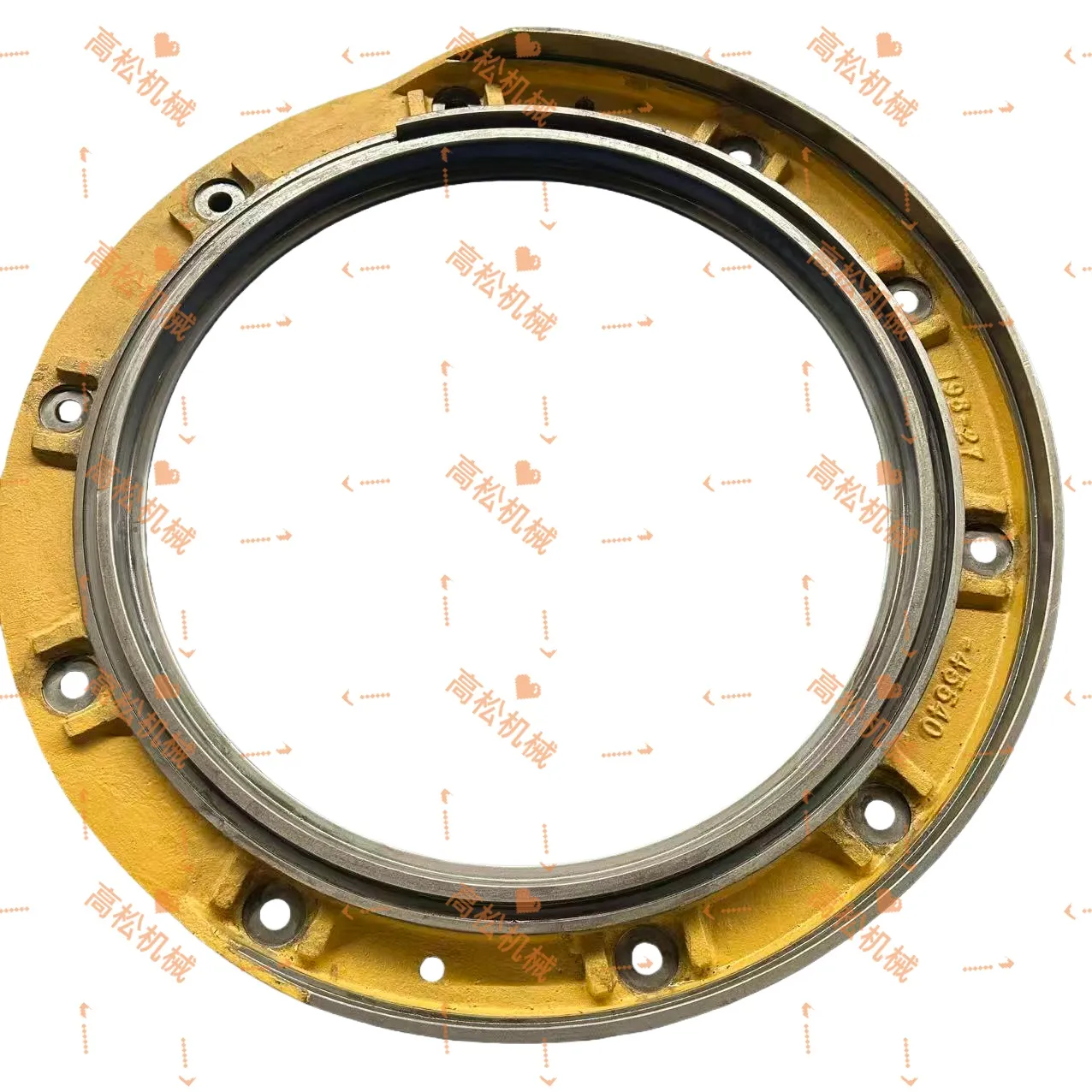 komatsu parts198-27-45540 COVER D475A-5A S/N 20001-UP (Super Dozer Spec.) FINAL DRIVE
 -
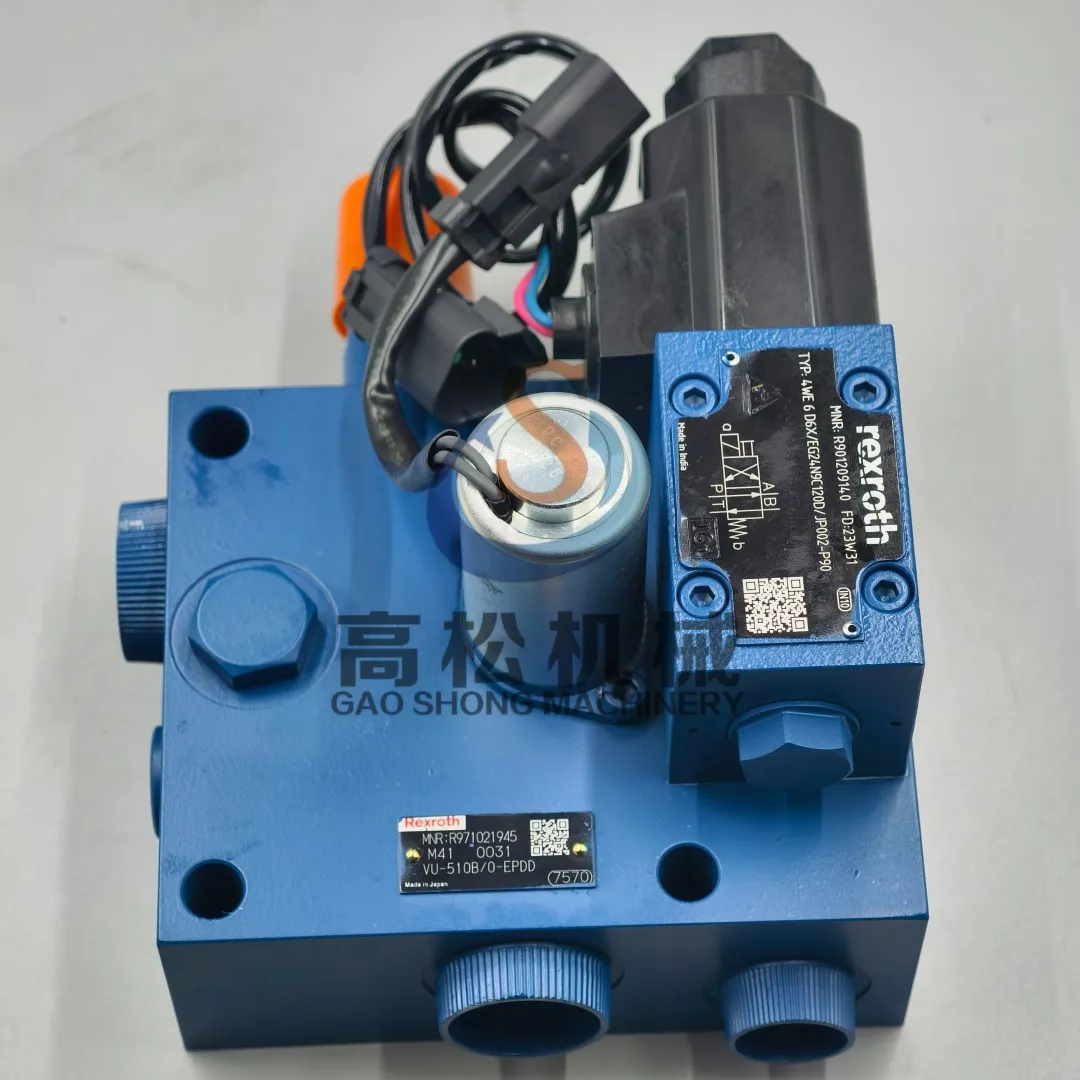 Valve Ass’y 56B-43-12402 56B-43-17340 For KOMATSU Dump Truck HD785 HD325 HD605
 -
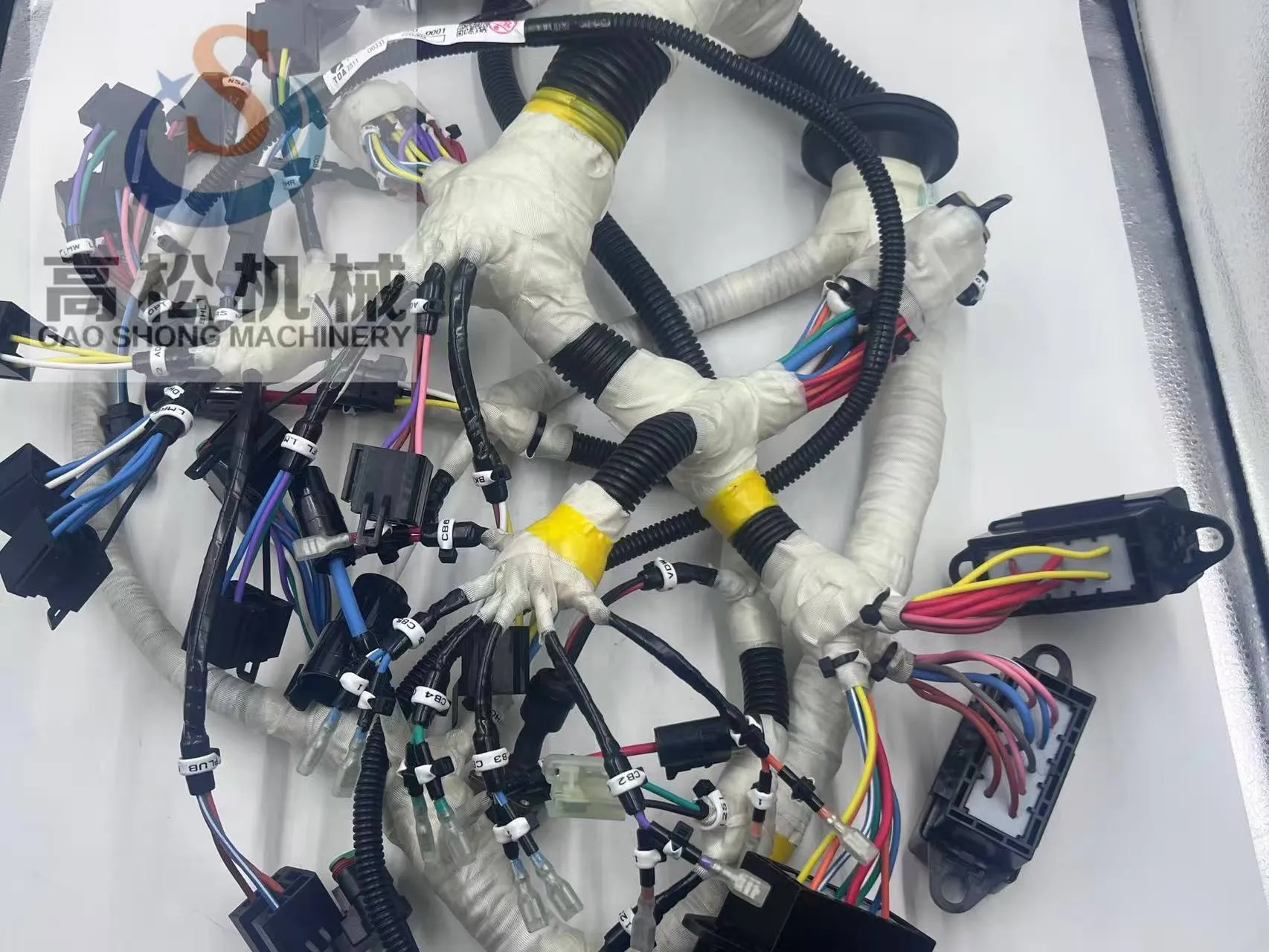 D375A-6Wiring harness 195-06-84641
 -
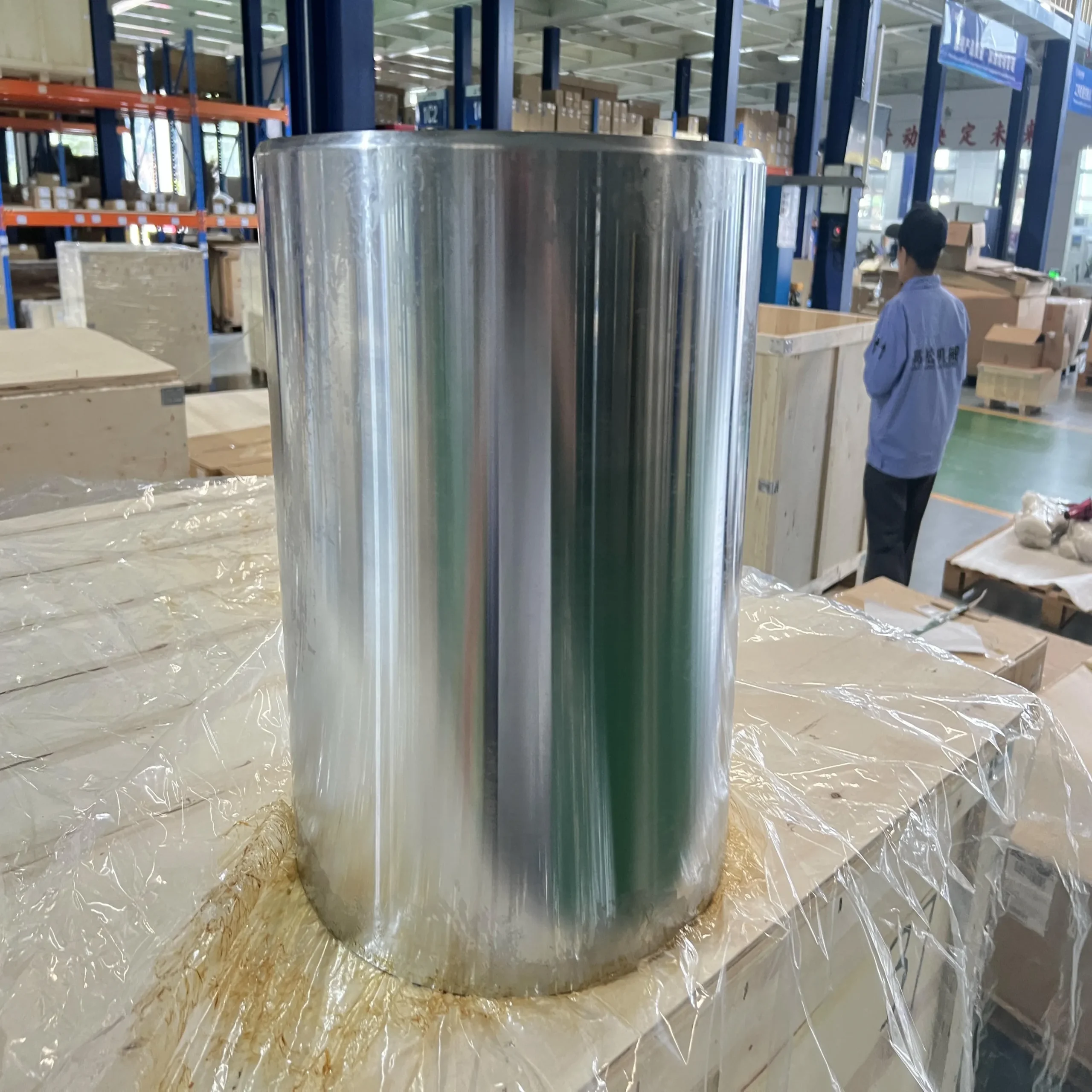 Komatsu D275-2/-5 17M-30-26620 Heavy Duty Swing Motors
 -
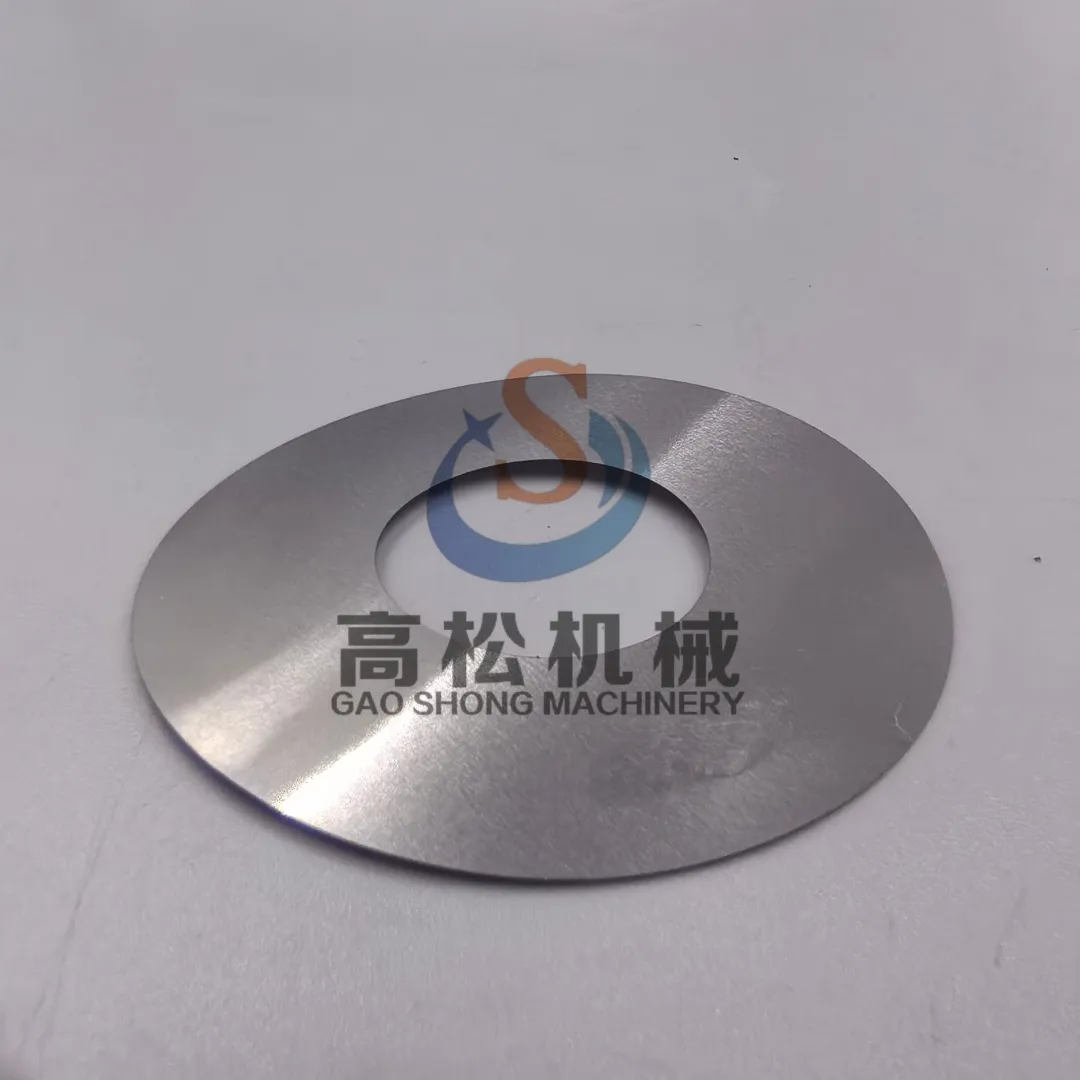 Spare part 23W-22-21560 SHIM 0.05MM Komatsu
 -
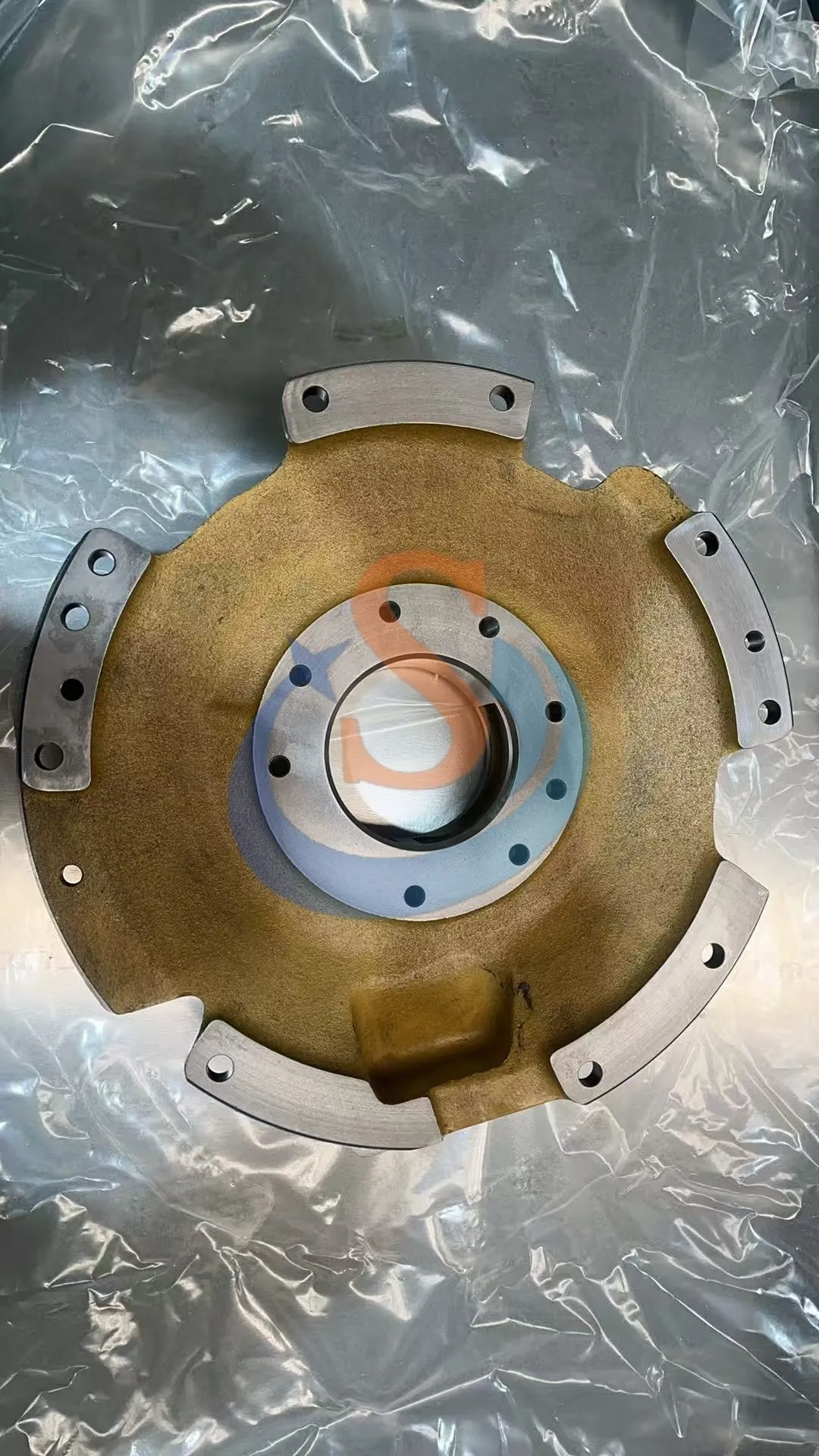 14X-13-54411 Housing D65PX/D65WX/D65EX
 -
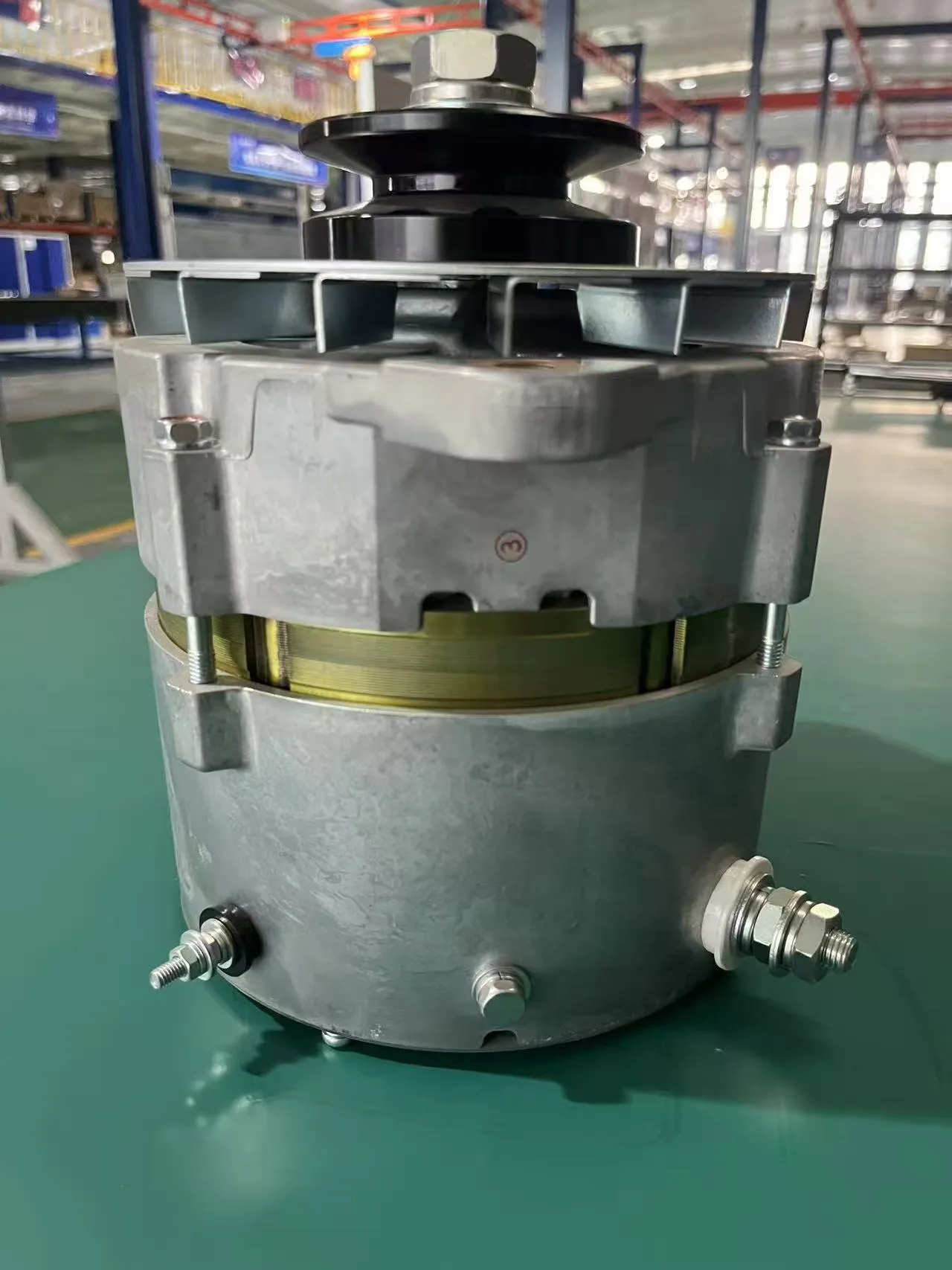 Hd 6d170 12v140 Engine Alternator Parts 600-821-9631…
 -
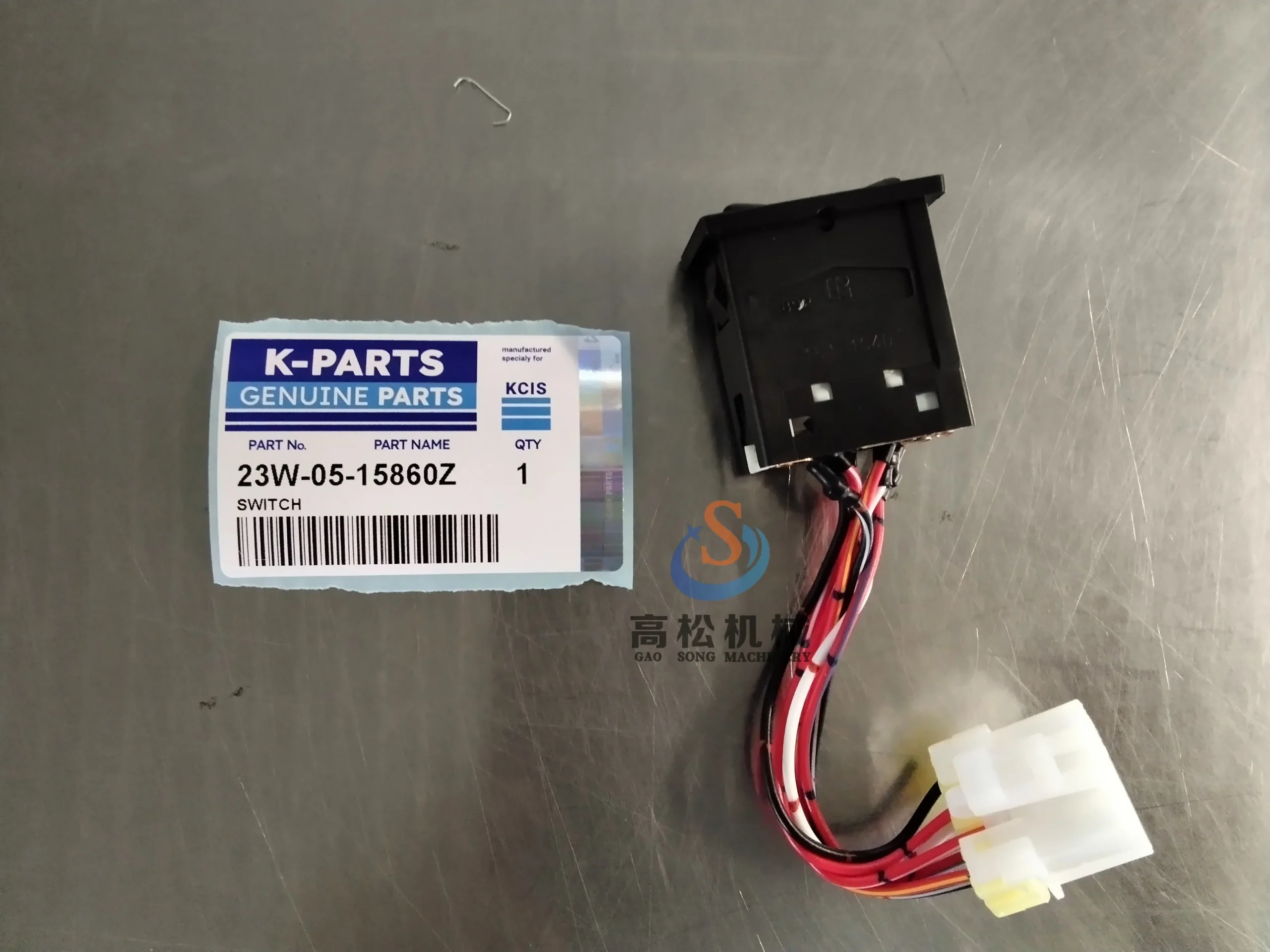 23W-05-15860 komatsu switch-HM300/HD325/HM400
 -
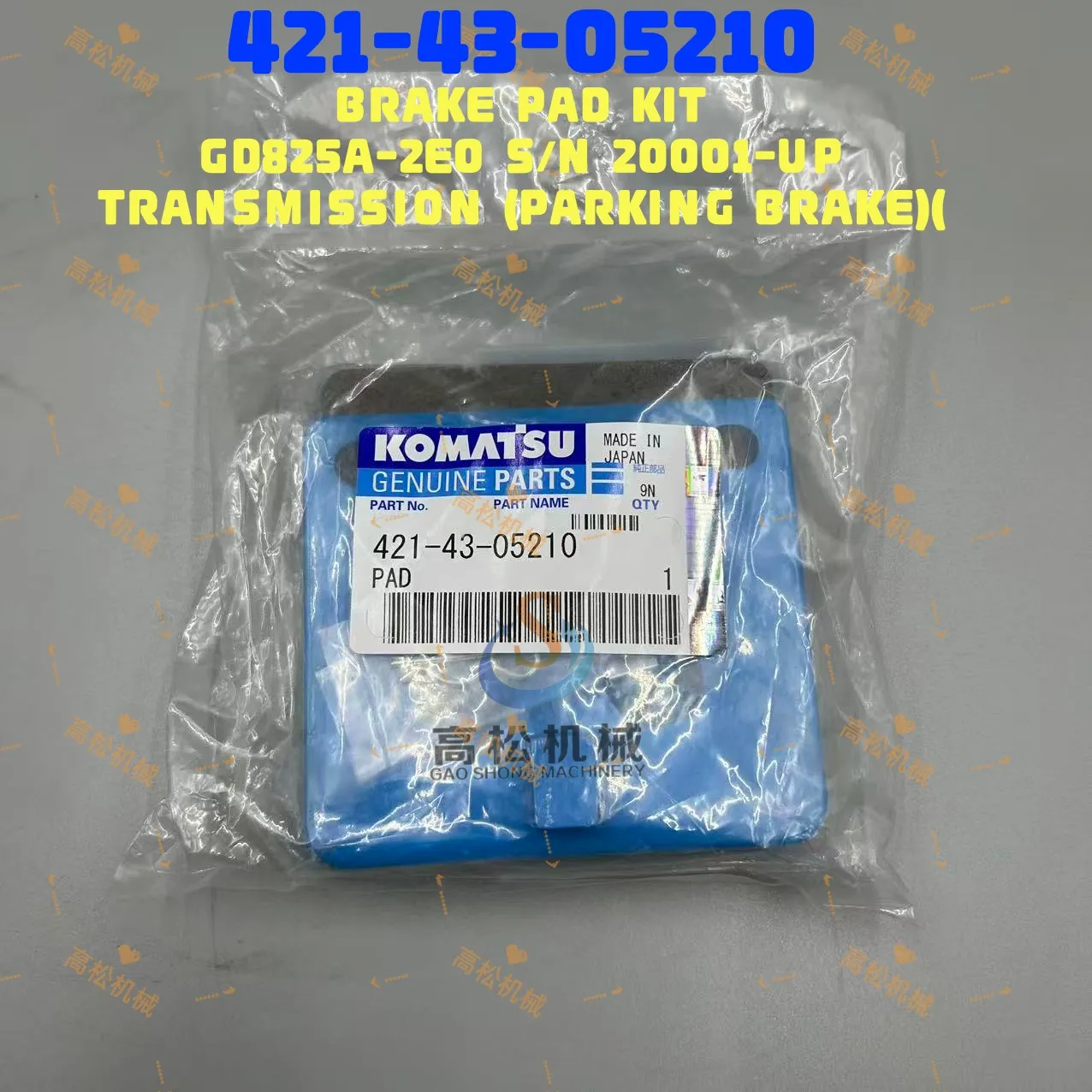 421-43-05210Brake pad kit 421-43-05210 for Komatsu GD825A-2 GD825A-2E0
 -
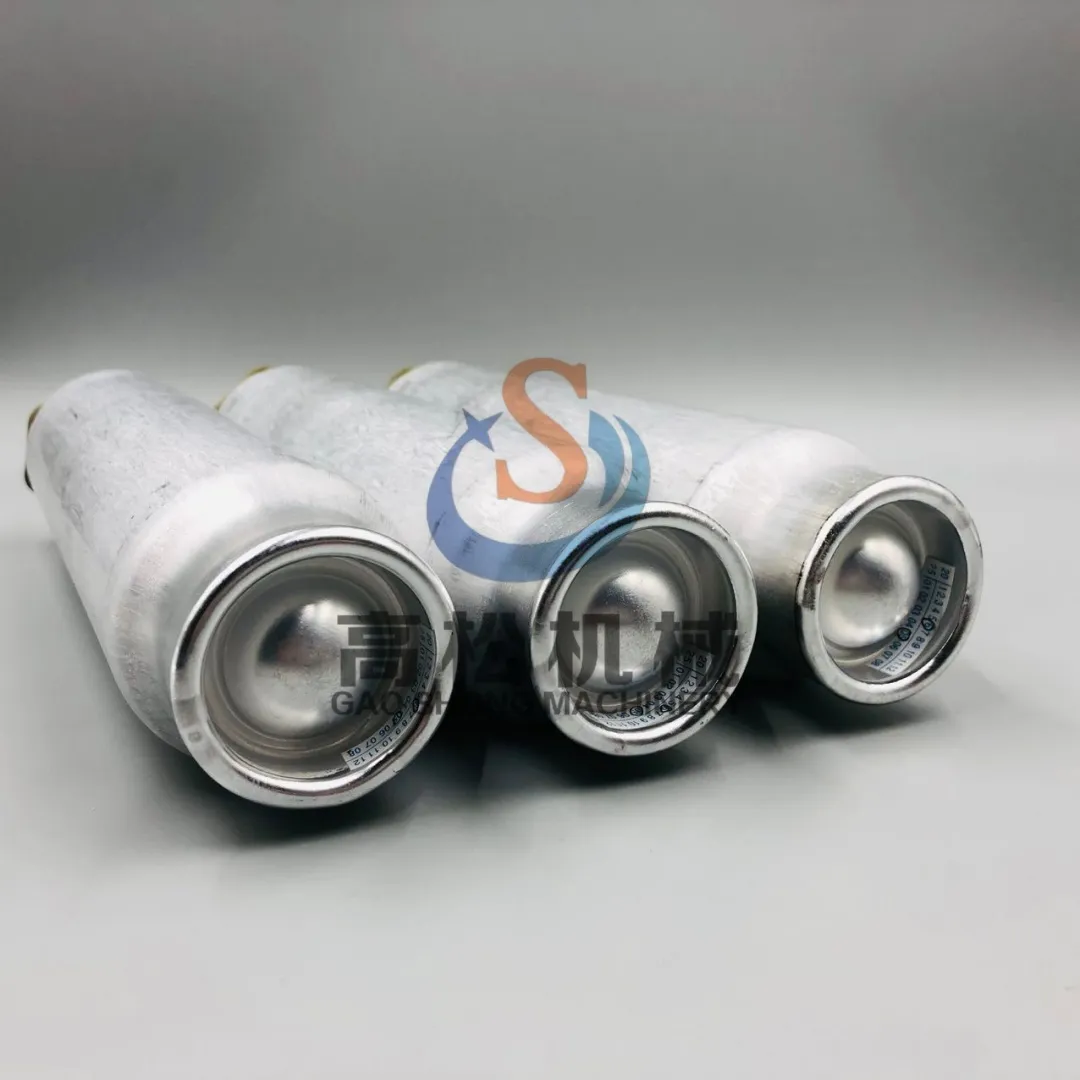 Receiver Drier 20Y-979-3120
 -
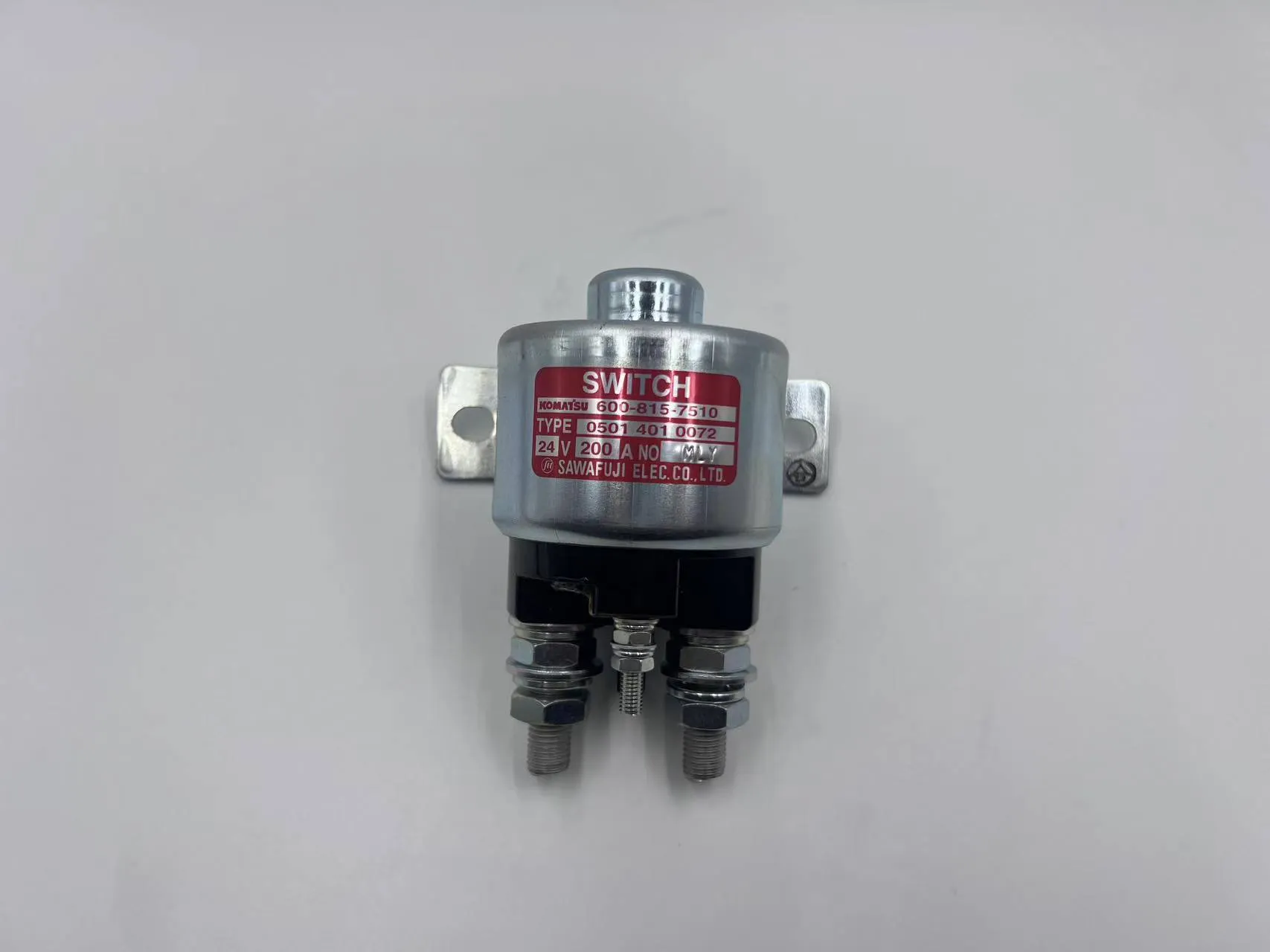 600-815-7510- SWITCH-Komatsu Original Factory
 -
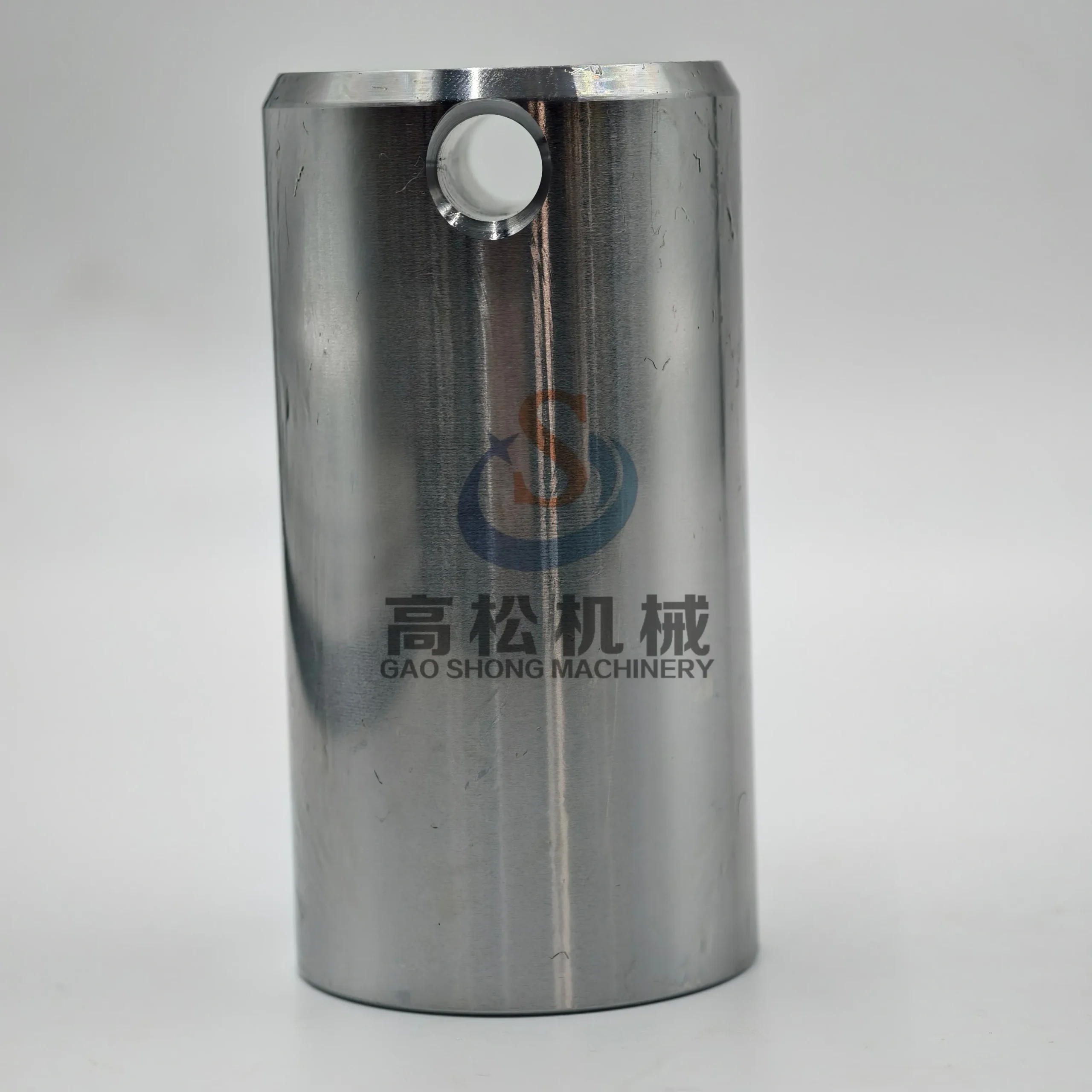 20Y-27-31160Komatsu Pin – 20Y-27-31160