
- Chinese
- French
- German
- Portuguese
- Spanish
- Russian
- Japanese
- Korean
- Arabic
- Irish
- Greek
- Turkish
- Italian
- Danish
- Romanian
- Indonesian
- Czech
- Afrikaans
- Swedish
- Polish
- Basque
- Catalan
- Esperanto
- Hindi
- Lao
- Albanian
- Amharic
- Armenian
- Azerbaijani
- Belarusian
- Bengali
- Bosnian
- Bulgarian
- Cebuano
- Chichewa
- Corsican
- Croatian
- Dutch
- Estonian
- Filipino
- Finnish
- Frisian
- Galician
- Georgian
- Gujarati
- Haitian
- Hausa
- Hawaiian
- Hebrew
- Hmong
- Hungarian
- Icelandic
- Igbo
- Javanese
- Kannada
- Kazakh
- Khmer
- Kurdish
- Kyrgyz
- Latin
- Latvian
- Lithuanian
- Luxembou..
- Macedonian
- Malagasy
- Malay
- Malayalam
- Maltese
- Maori
- Marathi
- Mongolian
- Burmese
- Nepali
- Norwegian
- Pashto
- Persian
- Punjabi
- Serbian
- Sesotho
- Sinhala
- Slovak
- Slovenian
- Somali
- Samoan
- Scots Gaelic
- Shona
- Sindhi
- Sundanese
- Swahili
- Tajik
- Tamil
- Telugu
- Thai
- Ukrainian
- Urdu
- Uzbek
- Vietnamese
- Welsh
- Xhosa
- Yiddish
- Yoruba
- Zulu
- Kinyarwanda
- Tatar
- Oriya
- Turkmen
- Uyghur






komatsu pc200 7 parts book
You search for 'komatsu pc200 7 parts book' and you're probably in one of two camps: either you're a new tech trying to get your head around the machine's guts, or you're a seasoned guy who's hit a wall because the official book doesn't show you the aftermarket cross-reference you desperately need. That PDF or physical manual is a bible, sure, but it's also a snapshot of a specific moment in the supply chain that doesn't always reflect the ground reality a decade later. The part number for that final drive seal might be listed, but good luck finding it at a decent price or lead time if you're operating in a region Komatsu's main channels don't prioritize. That's the core gap.
The Illusion of Completeness in the Official Parts Book
The official Komatsu PC200-7 parts catalog is meticulously detailed. Every bolt, every O-ring, every sub-assembly for the SAA6D107E engine or the hydraulic pump is there with its unique Komatsu part number. For troubleshooting and understanding relationships, it's indispensable. But its completeness is an illusion for day-to-day maintenance and repair, especially outside major markets. It assumes you have access to a fully stocked, authorized Komatsu parts depot. In many places, that's just not the case. The book shows you the what, but not the how to actually get it when the official supply is constrained or economically unviable.
I've seen shops waste weeks waiting for a simple valve plate because they refused to look beyond the number in the book. The manual doesn't tell you that a certain seal kit from a reputable third-party manufacturer, which bundles three related seals for the swing motor, is often more cost-effective and readily available than ordering each seal individually from the OEM list. It's a document for identification, not for procurement strategy.
This is where the practical knowledge diverges from the published material. You start building your own mental cross-reference. You learn that the Kawasaki hydraulic pump on the -7 has certain wear parts that are interchangeable with models from other OEMs, or that a specific bearing in the travel motor is a standard SKF or NTN number once you clean off the grime and read the actual stamp. The parts book is the starting point, not the finish line.
The OEM vs. Aftermarket Dilemma and the System Supplier Role
This brings us to the classic OEM vs. aftermarket debate. For critical components like the engine's cylinder head or the main hydraulic valve block, I almost always lean toward genuine or certified OEM. The metallurgy and precision matter too much. But for consumables, seals, gaskets, filters, and even some undercarriage parts, the certified aftermarket has caught up tremendously. The problem is vetting quality. A bad seal can cost you more in downtime and secondary damage than you saved ten times over.
This is precisely the niche that companies operating within the Komatsu ecosystem but with flexibility aim to fill. Take Jining Gaosong Construction Machinery Co., Ltd., for instance. Their stated role is interesting: an OEM product supplier within the Komatsu system and a third-party sales company. In practice, this means they can source genuine Komatsu parts through their OEM supplier channels, but they also have the latitude to offer quality-approved alternatives where the genuine part is impractical. Their website, https://www.takematsumachinery.com, positions them to solve parts supply challenges in certain countries. That phrasing rings true. It's not about undercutting Komatsu; it's about providing a viable pipeline where the primary one is clogged or nonexistent.
For a PC200-7 owner in, say, a remote mining operation in Africa or South America, this model is crucial. You might get the genuine Komatsu seal for the boom cylinder from them, but for the cabin air filter or a set of track link bolts, they might supply a rigorously tested third-party part that gets the machine back to work without the 8-week shipping delay. They act as a filter for quality and a bridge for availability. You're not just buying a part; you're buying their judgment in selecting that part for that specific application challenge.
Practical Use of the Parts Book in the Field
So how do we actually use the komatsu pc200 7 parts book? First, it's for accurate identification. Before you even pick up a wrench, you use the exploded diagrams to understand the assembly order. That hydraulic control valve isn't just one unit; it's a stack of spools, sleeves, and shims. The book shows you how they nest. Second, it's for communication. When you need to order, you read the exact number from the book, not from the faded tag on the part. This is non-negotiable.
But third, and most importantly, it's a diagnostic tool. A persistent leak from a specific port on the manifold? The parts diagram shows you what seals or O-rings are in that exact location, guiding your teardown. I remember a case with a PC200-7 where the pilot pressure was low. The manual's hydraulic schematic and parts breakdown of the pilot pump and its associated relief valve helped isolate the issue to a worn spring seat—a tiny, cheap part buried in the diagram that we would have overlooked otherwise.
The failure comes from treating the book as a static order sheet. We once replaced an entire final drive assembly on a -7 because the noise and play pointed to a catastrophic failure. The parts book listed the assembly as one giant number. After the expensive swap, we disassembled the old unit out of curiosity. The failure was actually just the two tapered roller bearings on the output shaft. The rest—the planetary gears, the housing—were perfectly serviceable. The book, by listing the whole group, had subtly steered us toward the most expensive solution. We learned to dig deeper into the sub-assembly diagrams from that day on.
Sourcing Beyond the Book: A Case in Point
Let's talk about a real scenario. The swing bearing on a well-used PC200-7 needs replacement. The parts book gives you the Komatsu assembly number. You request a quote from your local dealer. The price is astronomical, and the lead time is 16 weeks. The machine is a key asset on a tight-deadline project. This is the crisis point.
The alternative path involves using that Komatsu number as a reference key. A specialist supplier, like the aforementioned Jining Gaosong, can use that number to identify the exact bearing specifications—dimensions, load ratings, gear tooth profile. From there, they can often source an equivalent bearing from a tier-one bearing manufacturer (like IKO or another major brand) that produced the original for Komatsu. It might even come from the same production line, just without the Komatsu paint and markup. The critical factor is their ability to verify the specification match and provide a credible warranty. This process turns the parts book from a dead-end into a starting point for a solution.
This approach isn't without risk. The bearing might be physically identical, but the hardening process or quality control might differ. That's why you rely on suppliers embedded in the system. Their reputation depends on not selling you a part that fails in 500 hours. They have to stand between you and the vast, unvetted aftermarket. For them, solving the supply challenge means providing a part that works for the lifecycle you expect, not just a part that fits.
Conclusion: The Book as a Tool, Not a Doctrine
In the end, the komatsu pc200 7 parts book is an essential tool, but it's not the only tool. Its value is in providing the ground truth of the machine's design. Your value as a mechanic or fleet manager is in layering real-world logistics, economics, and quality assessment on top of that blueprint. The ecosystem now includes hybrid players who understand both the sanctity of the OEM specifications and the pragmatism required to keep iron moving.
Companies that position themselves as problem-solvers within this space, like Jining Gaosong with their dual OEM/third-party role, are reflecting the actual needs of the market. They're not replacing the parts book; they're providing the missing chapter on how to actually procure the items listed in it under less-than-ideal circumstances. The goal is always the same: minimal downtime. Sometimes that means genuine Komatsu, sometimes it means a certified alternative. The wisdom is in knowing which situation is which, and the parts book, used wisely, is the first step in making that call.
So next time you open that PDF, respect it for the engineering document it is, but don't be limited by it. Let it guide your identification, inform your diagnosis, but let a broader network of supply—one that includes specialized system suppliers—guide your final sourcing decision. That's how you move from just reading the manual to truly mastering the machine.
Related Products
Related Products

Best Selling Products
Best Selling Products-
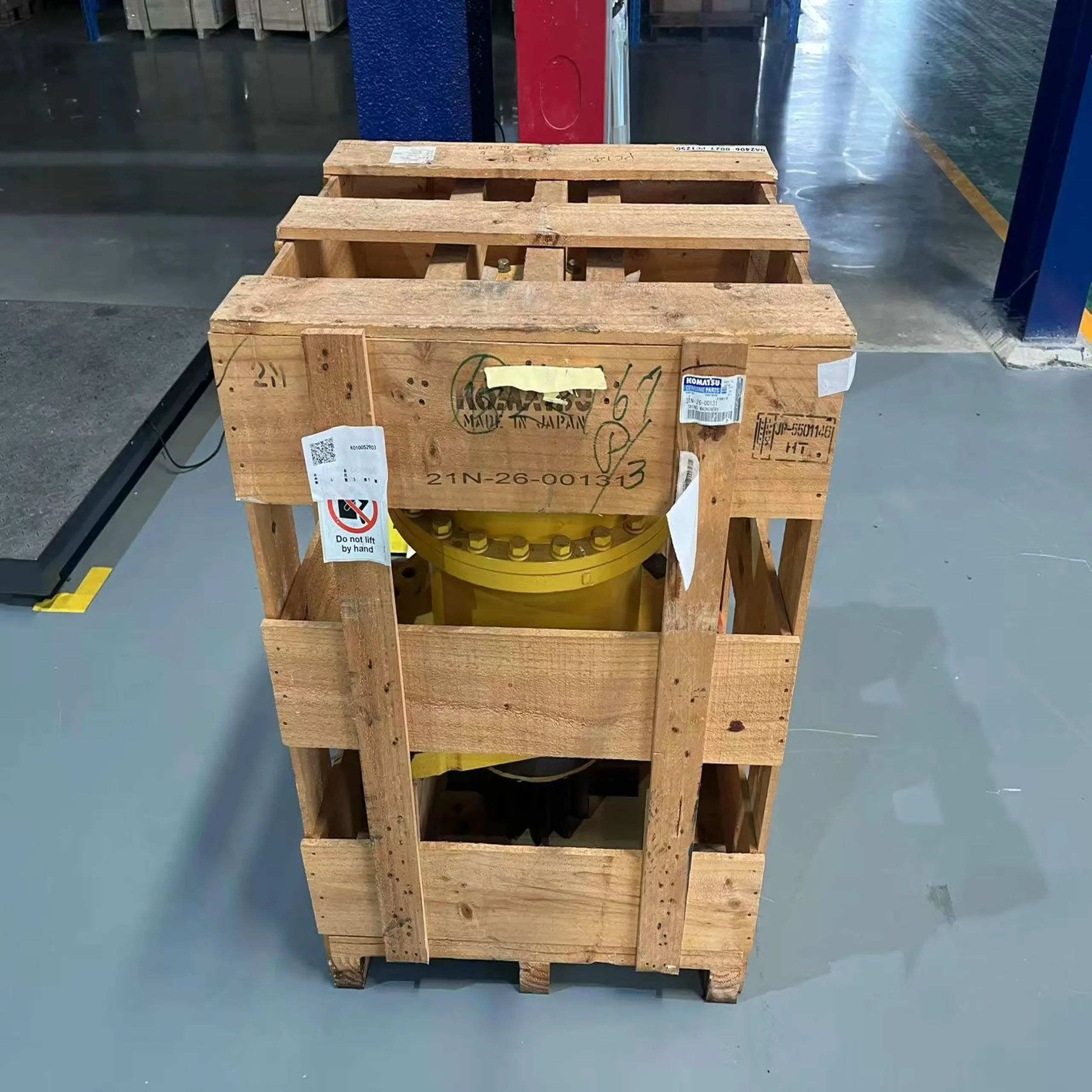 21N-26-00131 Rotary reducer, suitable for PC1250-11 #komatsu #komatsuparts #PC1250 #komatsurotaryreducer
 -
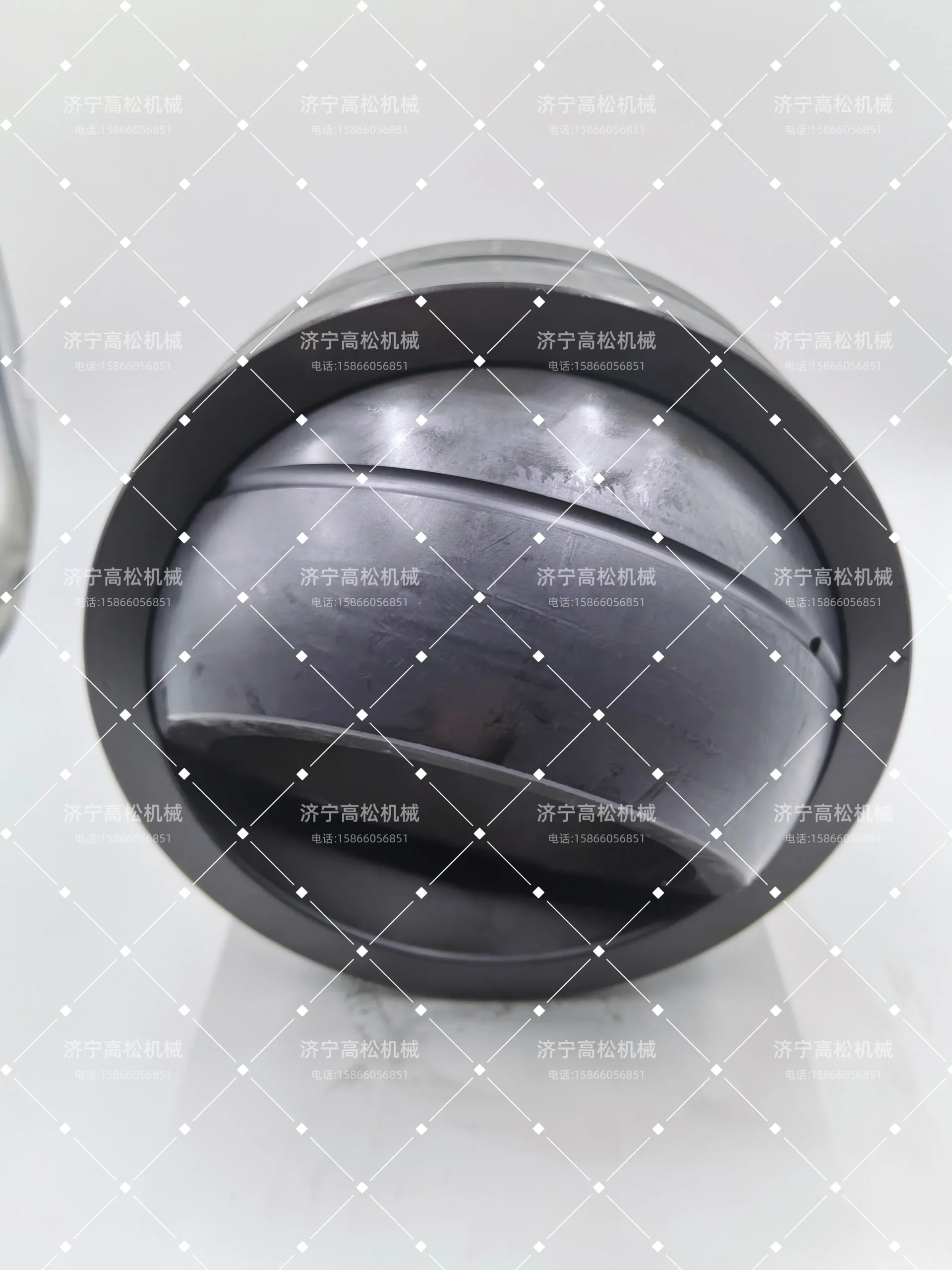 707-46-14010 Spherical Bearing for Komatsu Equipment…
 -
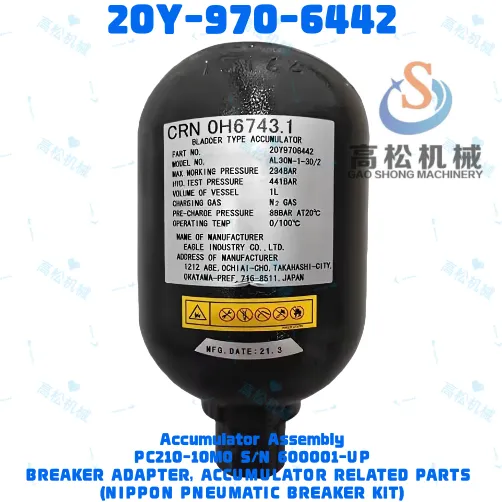 komatsu-parts-20Y-970-6442 Accumulator Assembly PC210-10M0 PC500LC-10R BREAKER ADAPTER, ACCUMULATOR RELATED PARTS
 -
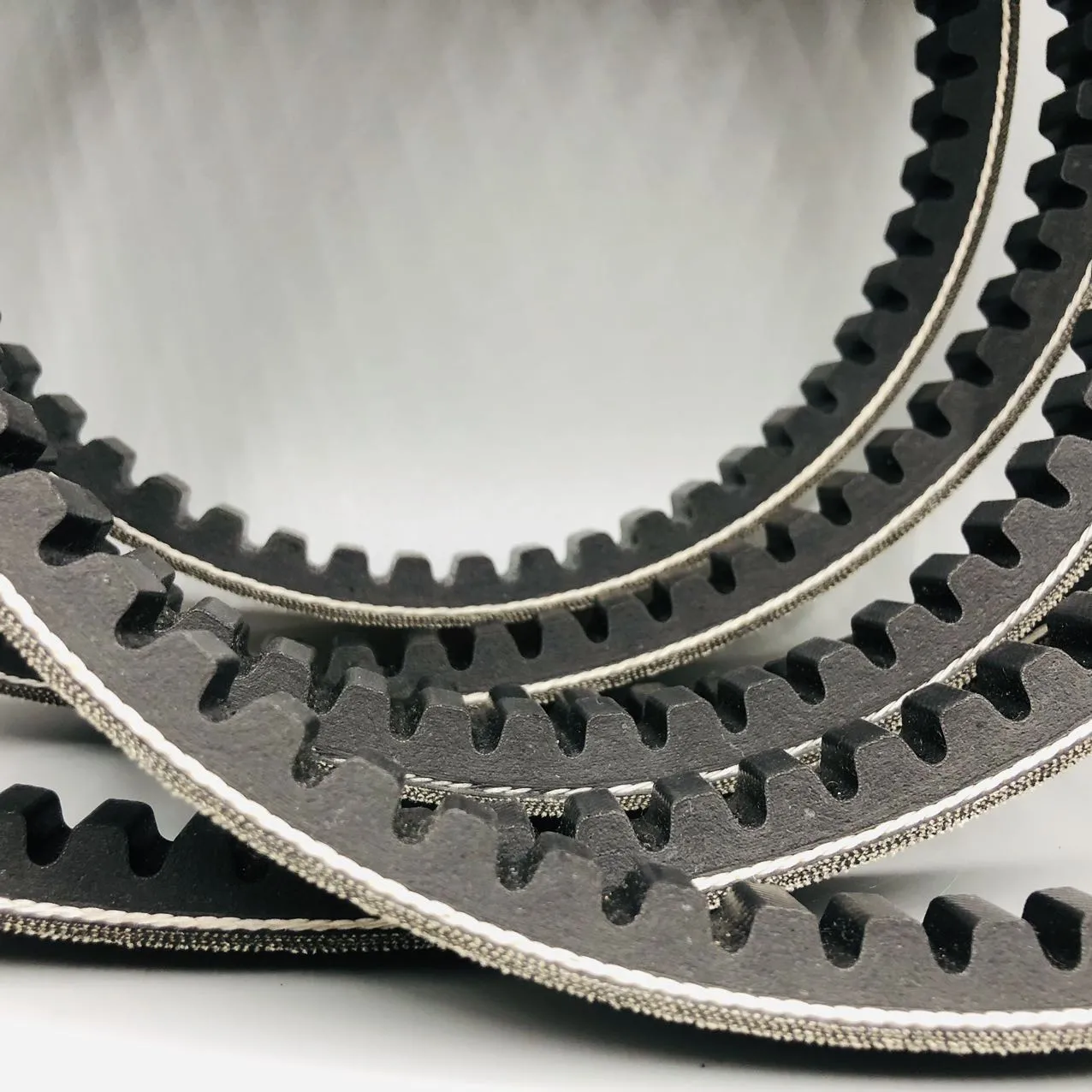 Komatsu mechanical belt6219-61-3420
 -
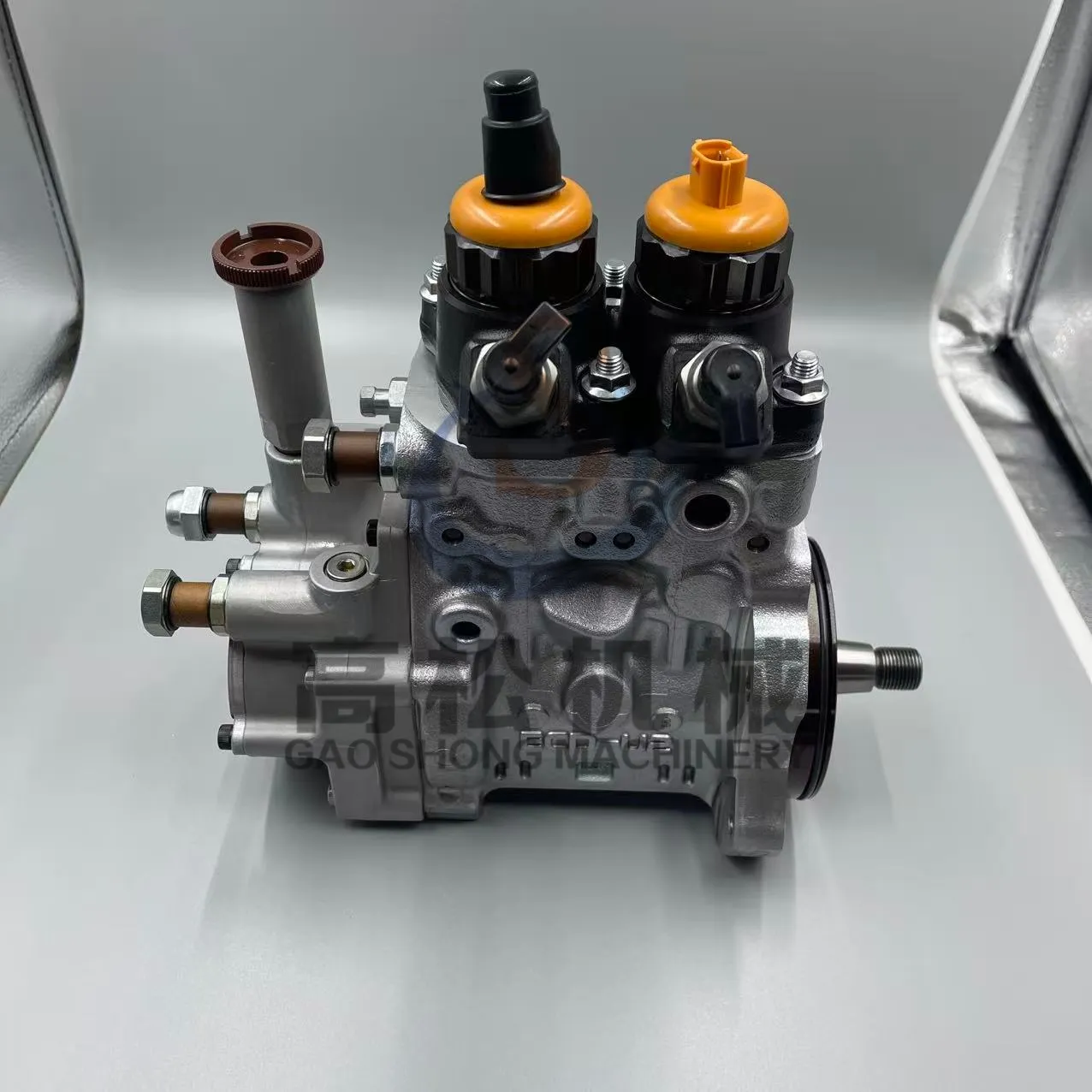 6251-71-1121 Fuel Injector Pump
 -
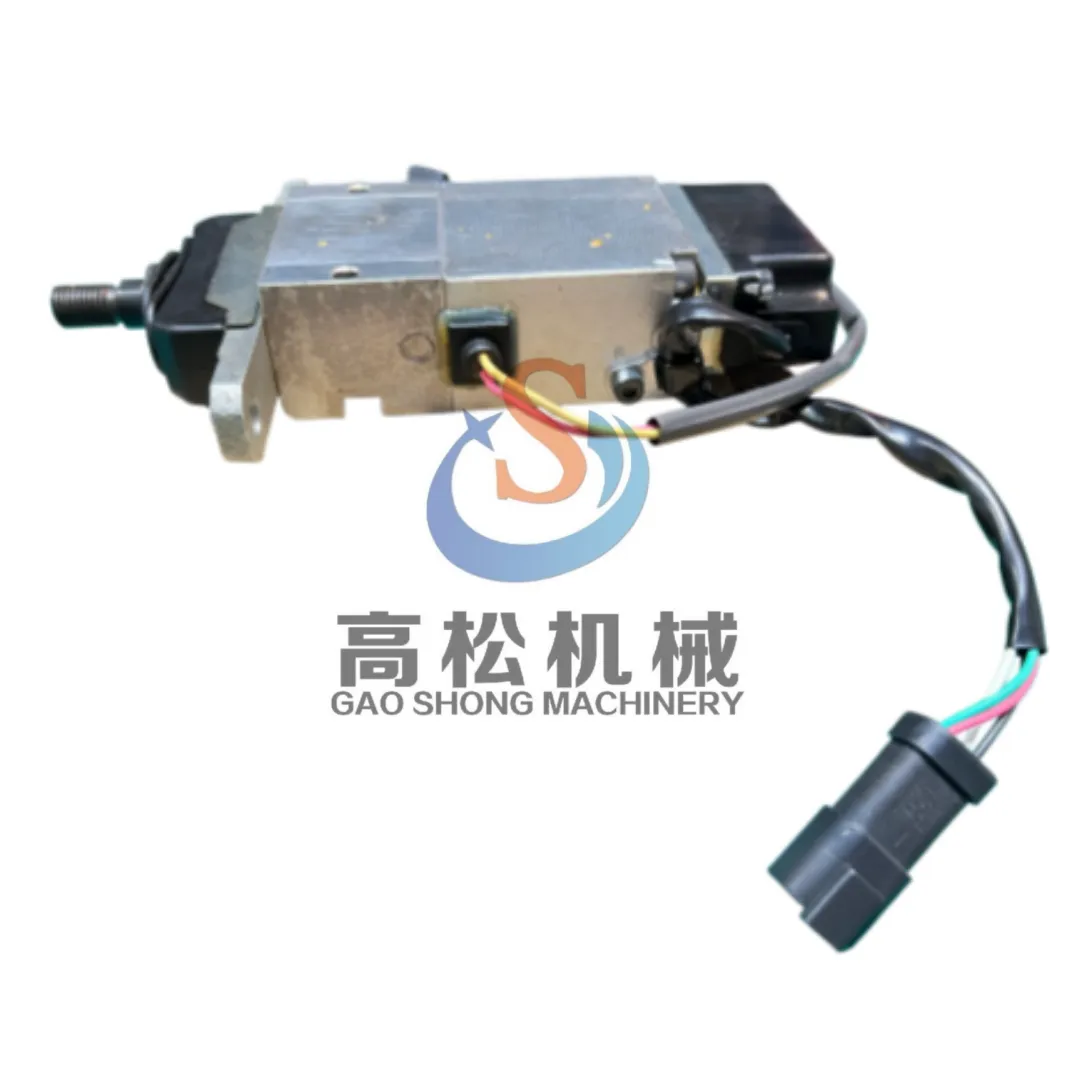 702-16-02190Lever Assembly 702-16-02190 – KOMATSU – Avrora parts
 -
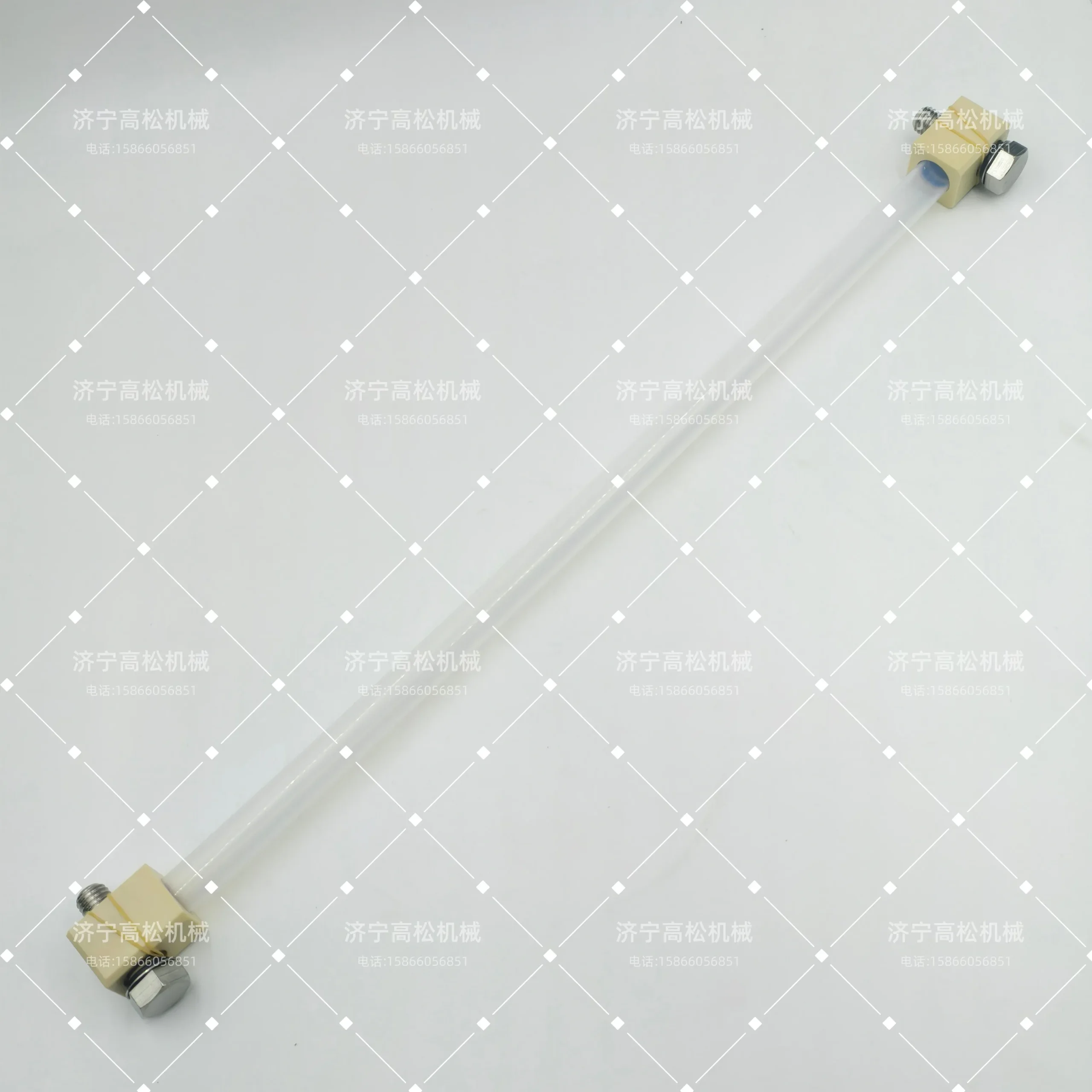 427-16-21120 Komatsu Head Cover Assembly
 -
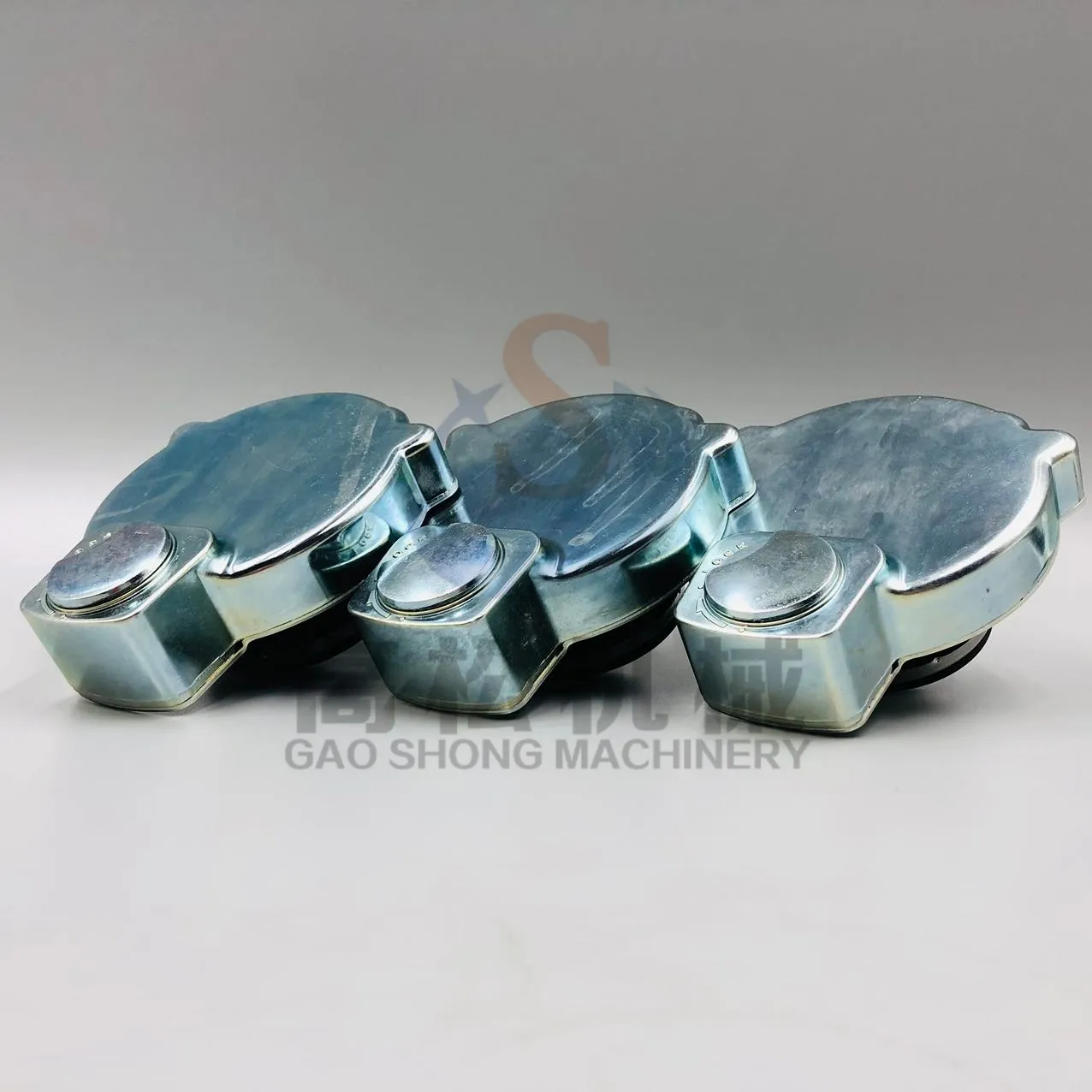 Komatsu fuel tank cap 17A-60-11310
 -
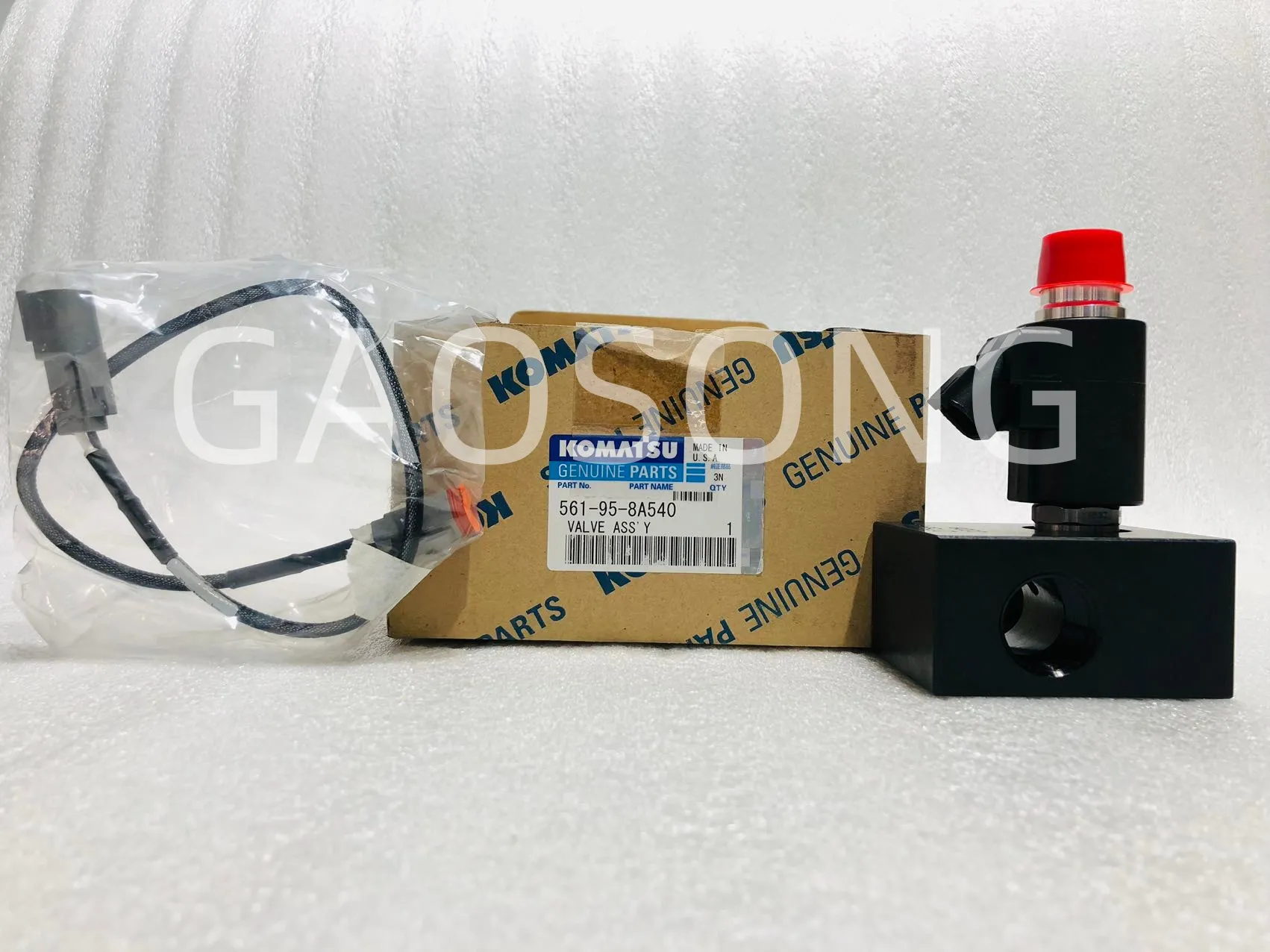 561-95-8A530 • PUMP ASSEMBLY-Komatsu Original Factory
 -
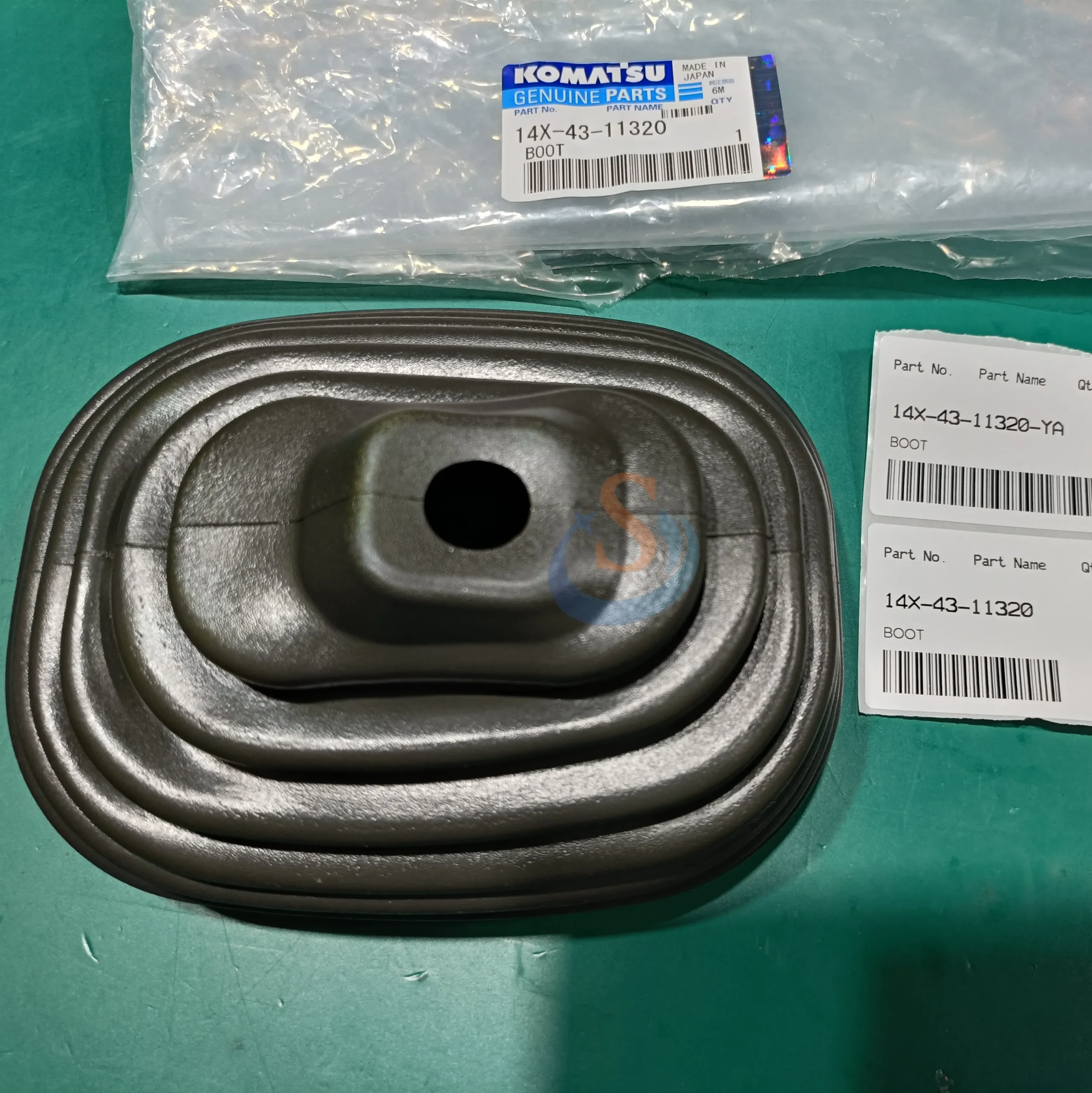 14X-43-11320,BOOT,D65PX,D85E,D155A
 -
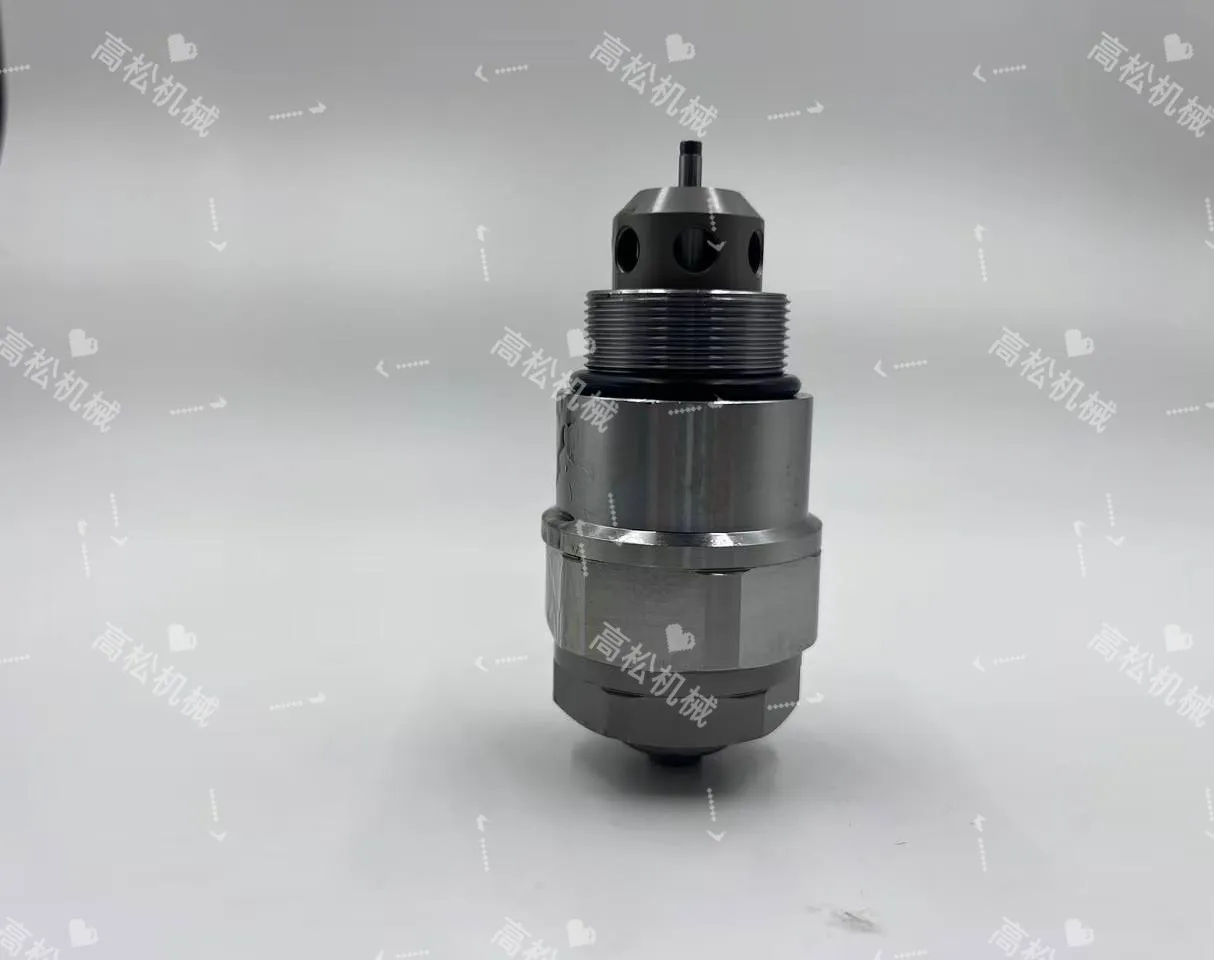 709-90-71700VALVE ASS’Y,SUCTION AND SAFETY D155A-2A CONTROL VALVE VALVE ASS’Y,SUCTION AND SAFETY PC1250SP-8R MAIN VALVE
 -
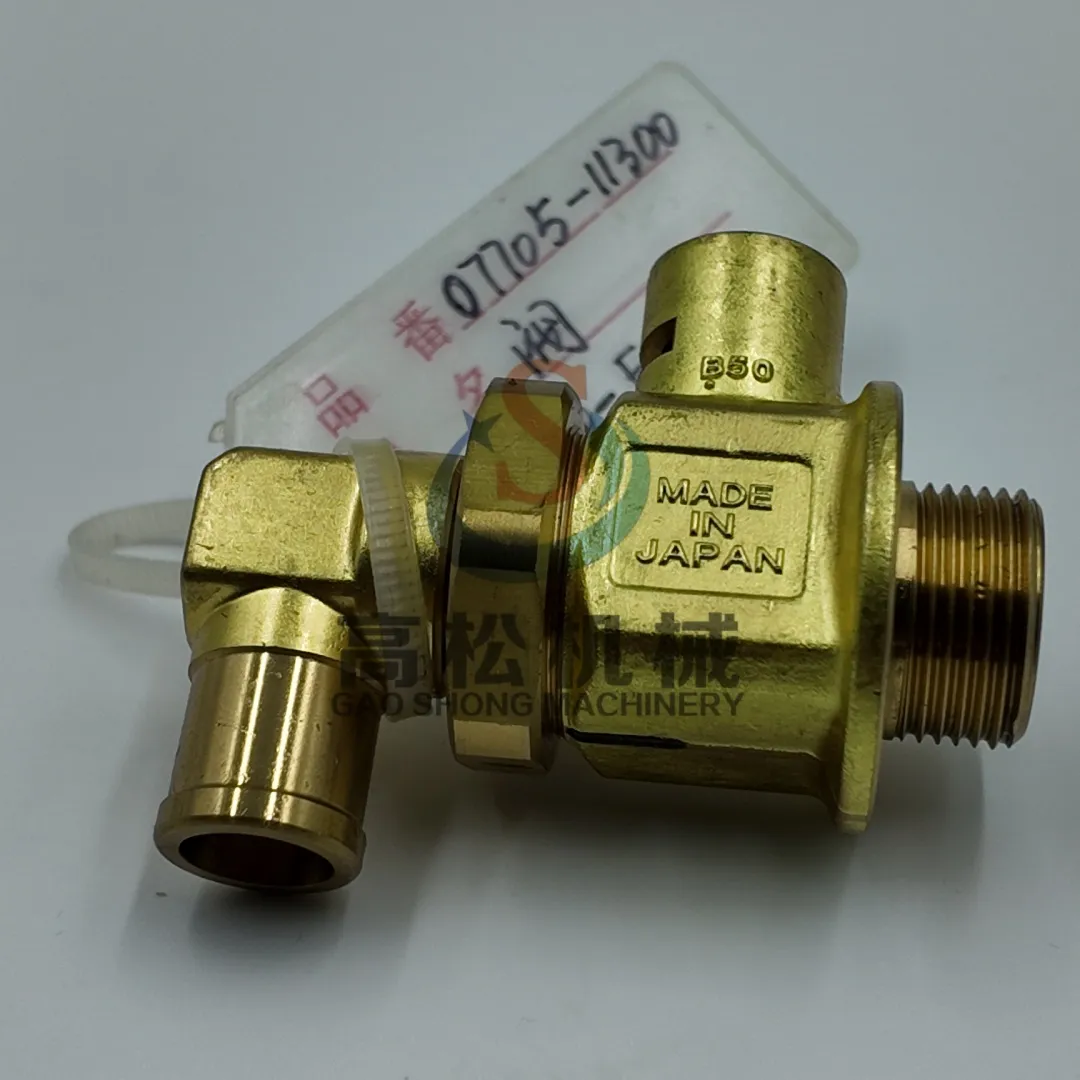 VALVE DRAIN 07705-11300 Komatsu Parts