
- Chinese
- French
- German
- Portuguese
- Spanish
- Russian
- Japanese
- Korean
- Arabic
- Irish
- Greek
- Turkish
- Italian
- Danish
- Romanian
- Indonesian
- Czech
- Afrikaans
- Swedish
- Polish
- Basque
- Catalan
- Esperanto
- Hindi
- Lao
- Albanian
- Amharic
- Armenian
- Azerbaijani
- Belarusian
- Bengali
- Bosnian
- Bulgarian
- Cebuano
- Chichewa
- Corsican
- Croatian
- Dutch
- Estonian
- Filipino
- Finnish
- Frisian
- Galician
- Georgian
- Gujarati
- Haitian
- Hausa
- Hawaiian
- Hebrew
- Hmong
- Hungarian
- Icelandic
- Igbo
- Javanese
- Kannada
- Kazakh
- Khmer
- Kurdish
- Kyrgyz
- Latin
- Latvian
- Lithuanian
- Luxembou..
- Macedonian
- Malagasy
- Malay
- Malayalam
- Maltese
- Maori
- Marathi
- Mongolian
- Burmese
- Nepali
- Norwegian
- Pashto
- Persian
- Punjabi
- Serbian
- Sesotho
- Sinhala
- Slovak
- Slovenian
- Somali
- Samoan
- Scots Gaelic
- Shona
- Sindhi
- Sundanese
- Swahili
- Tajik
- Tamil
- Telugu
- Thai
- Ukrainian
- Urdu
- Uzbek
- Vietnamese
- Welsh
- Xhosa
- Yiddish
- Yoruba
- Zulu
- Kinyarwanda
- Tatar
- Oriya
- Turkmen
- Uyghur






komatsu pc200 7 hydraulic pump
When you hear 'Komatsu PC200-7 hydraulic pump,' most guys immediately think of the main pump, the big tandem unit. That's the knee-jerk reaction. But that's also where the first mistake happens. In the field, the PC200-7's hydraulic system relies on a network of pumps – the main, the pilot, the swing. Focusing on just one is like fixing a single cylinder in a V8 and expecting it to purr. The real challenge isn't just identifying the pump; it's diagnosing which circuit is failing and understanding how that specific pump's wear pattern affects the whole machine's behavior. I've seen too many shops order the main pump after a quick glance at fault codes, only to find the real gremlin was in the pilot pressure, starving the controls.
The Anatomy of Failure: More Than Just Wear
Let's talk about the main hydraulic pump itself. The PC200-7's variable displacement axial piston pump isn't unique, but its failure modes have a certain signature. It's rarely a sudden, catastrophic implosion. More often, it's a slow decline. You'll see it in the cycle times first – the arm just seems lazy. But here's the nuance: is it the pump's internal wear plates (the valve plate and cylinder block) or is it the pump's control system – the LS (Load Sensing) and PC (Positive Control) valves on the side of the pump? A worn pump will have high case drain flow. But if the case drain is okay and the machine is just slow and weak, you're probably looking at those control valves being gummed up with debris or having worn springs. I keep a set of known-good valves for testing – swapping them in can save days of diagnostic headache.
Then there's the pilot pump. Small, gear-type, often overlooked. When it starts to go, you get weird, inconsistent control responses. The joysticks feel spongy, or the machine might jerk unexpectedly. People blame the main control valves under the cab, but about 30% of the time in my experience, it's the pilot pump not delivering a steady, clean 40-ish bar of pressure. The pilot filter is critical here. If it's bypassed or clogged, the fine metal particles from the main pump's gradual wear will circulate back and trash the pilot pump and all those expensive solenoid valves. It's a cascade failure.
I remember a job for a contractor who'd bought a used PC200-7 from an auction. The machine had poor swing power and the boom would drift down overnight. They'd replaced the swing motor seals twice. We got called in, and instead of going straight for the swing motor, we checked the swing pump's charge pressure. It was low. Not the main swing pump, but the little charge pump attached to its end. A fifty-dollar part causing thousands in misdiagnosed repairs. That's the PC200-7 in a nutshell – you have to think in systems, not just components.
The OEM vs. Aftermarket Dilemma in the Real World
This is where it gets practical. Sure, everyone wants a genuine Komatsu pump. The quality is consistent, and the performance matches the machine's original specs. But the lead times and cost, especially in certain regions, can be prohibitive. A machine down for 8 weeks waiting for a pump is a financial disaster. This is where companies that operate within the Komatsu ecosystem but offer more flexible solutions become invaluable. Take Jining Gaosong Construction Machinery Co., Ltd., for instance. They position themselves as an OEM product supplier within the Komatsu system and a third-party sales channel. In practice, what that meant for me on a project in Southeast Asia was this: they could provide a genuine pump assembly for the PC200-7, but they could also offer a fully remanufactured unit with a warranty that got the machine back to work in 10 days, not 10 weeks.
Their role, as they state on their site takematsumachinery.com, is to solve parts supply challenges in certain countries. That's not just marketing speak. I've seen the alternative – local machine shops attempting to rebuild these complex pumps without the proper jigs and testing equipment. The pump might work for 200 hours, then the swashplate control fails because the tolerances were off by a few microns. A professional reman from a supplier tied to the OEM system usually involves certified rebuild processes, proper testing on a hydraulic bench, and crucially, updated components where Komatsu has issued service bulletins for improvements.
The decision often comes down to a cost-benefit analysis of the machine's total value and expected remaining life. For a high-utilization machine you plan to run for another 5000 hours, the genuine part is the safest bet. For a lower-use machine or in a tight cash-flow situation, a high-quality, system-approved remanufactured unit from a supplier like Gaosong is a pragmatic, professional choice. It beats the gamble of an unknown aftermarket pump that might not have the correct flow characteristics for the PC200-7's closed-center load sensing system.
Installation Pitfalls and the Ghost in the Machine
Okay, you've sourced your pump. The hard part is over, right? Wrong. This is where half the comebacks happen. First, cleanliness. It's preached constantly, but still ignored. Flushing the hydraulic lines is not optional. I use a dedicated flushing rig with a filter cart. Just draining the tank and blowing out lines with air is a recipe for introducing contaminants that will kill your new pump's lifespan in under 50 hours.
Second, priming. The PC200-7's main pump doesn't self-prime well from dry. You need to fill the inlet housing with clean hydraulic oil before you bolt it up. If you don't, it'll run dry for those first few seconds, scoring the surfaces. I've also seen guys forget to properly torque the mounting bolts. It seems basic, but an uneven mount creates misalignment and vibration, leading to premature shaft seal failure. The torque sequence matters.
The most frustrating issues are the ghosts – problems that appear after a pump swap but aren't caused by the new pump. A classic one: you install a new main pump, and the machine now has high hydraulic oil temperature. You immediately suspect the new pump. But often, the root cause was a partially clogged oil cooler that the old, slightly worn pump couldn't push enough flow through to overheat. The new, efficient pump moves more oil, overwhelming the cooler. You replaced the symptom, not the disease. Always check the entire cooling circuit – radiator fins, cooler cores, fan speed – after a major hydraulic overhaul.
Beyond the Pump: The System Interplay
You can't talk about the hydraulic pump in isolation. Its performance is dictated by, and dictates, the rest of the system. The PC200-7's computer, the monitor, holds crucial data. After a pump replacement, you must check and often recalibrate the pump's neutral and maximum flow settings through the monitor's service menus. If these aren't set, the pump won't communicate correctly with the engine ECU, leading to poor power or stalling.
Then there's the hydraulic oil itself. Komatsu specifies its own Premium or Super Hydraulic Fluid for a reason. The additives package is designed for the specific materials in their pumps and valves. Using a generic universal fluid might save a few bucks per gallon, but it can lead to increased wear on the pump's bronze components and degradation of seals over time. It's a false economy. I stick to the OEM-spec fluids, especially after a major component change.
Finally, consider the strain on the new pump. If the old pump failed due to wear, where did that wear metal go? Throughout the entire system. Replacing the pump without addressing the contaminated oil, flushing the lines, and checking/cleaning the control valves is just setting a timer on the new unit's failure. It's a full system service event, not a component swap. This holistic view is what separates a parts changer from a real hydraulic technician.
Concluding Thoughts: A Pragmatic Approach
So, the Komatsu PC200-7 hydraulic pump isn't a simple spare part. It's the heart of a complex, interdependent system. Diagnosing its issues requires understanding the entire circulatory system – from the pilot pressure to the control valves to the oil cooler. Sourcing a replacement involves a practical trade-off between genuine OEM, certified remanufactured, and risky aftermarket options, where suppliers like Jining Gaosong fill a critical niche in challenging supply chains.
The job isn't done when the new pump is bolted on. Proper installation, priming, system flushing, and electronic calibration are what ensure the repair lasts. It's messy, detail-oriented work with no shortcuts. The goal is to get the machine back to its original efficiency, not just to make it move again. That's the difference between a quick fix and a professional repair. In this line of work, the pump is just the beginning of the conversation.
Related Products
Related Products

Best Selling Products
Best Selling Products-
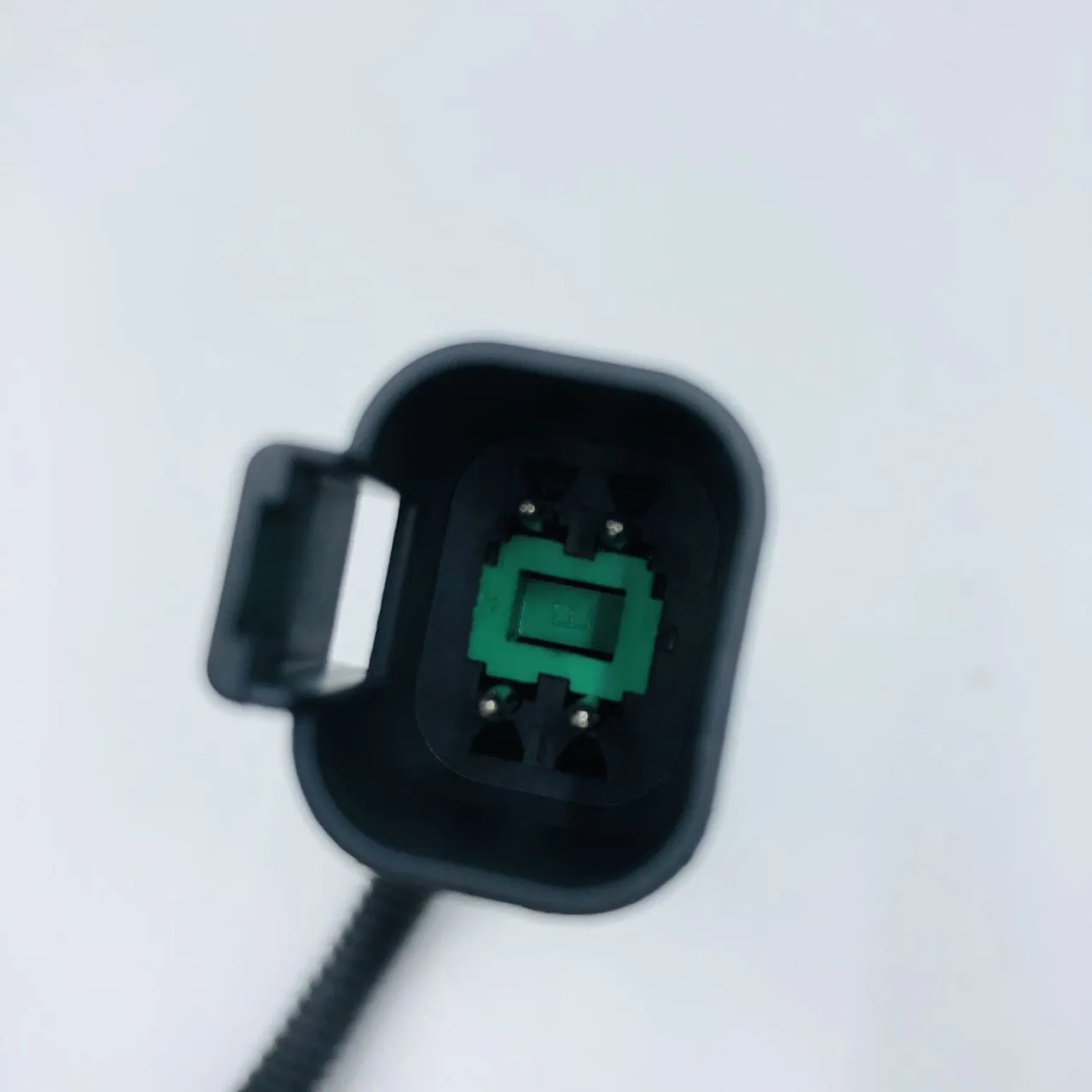 7861-93-5410-SENSOR-Komatsu Original Factory
 -
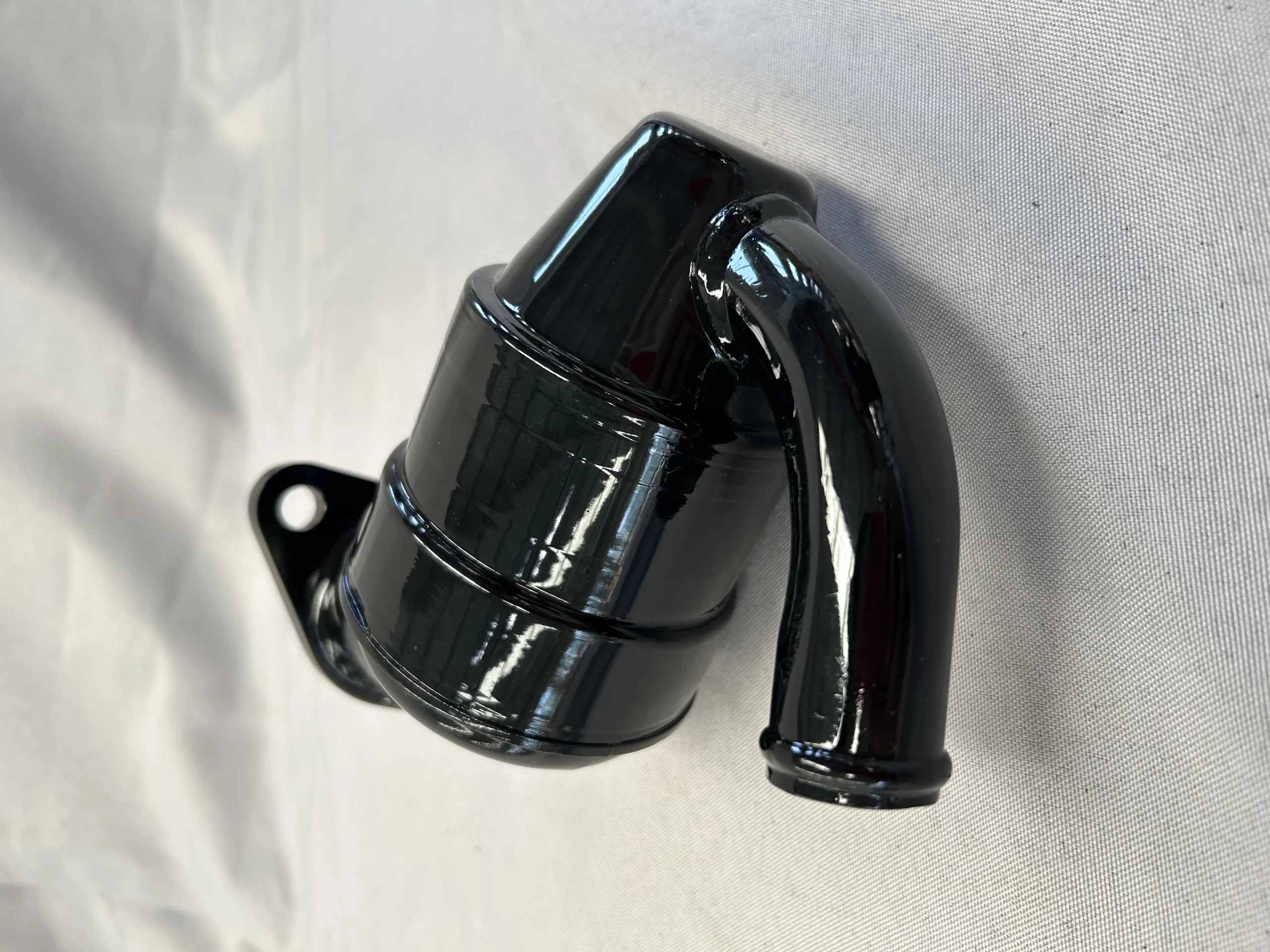 S6D170-1G Breathing Valve 6162-23-8510
 -
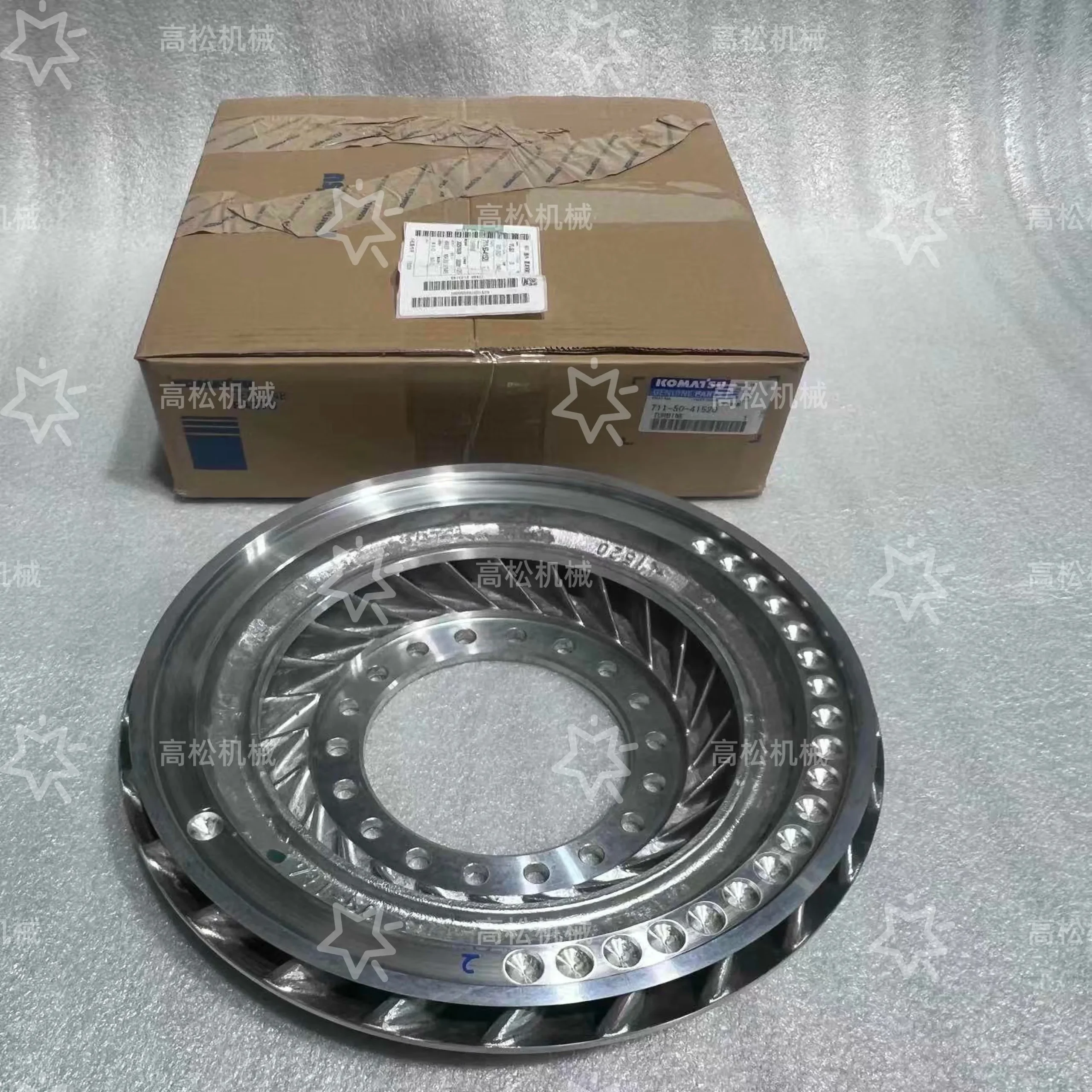 711-50-41520 TURBINE fits KOMATSU
 -
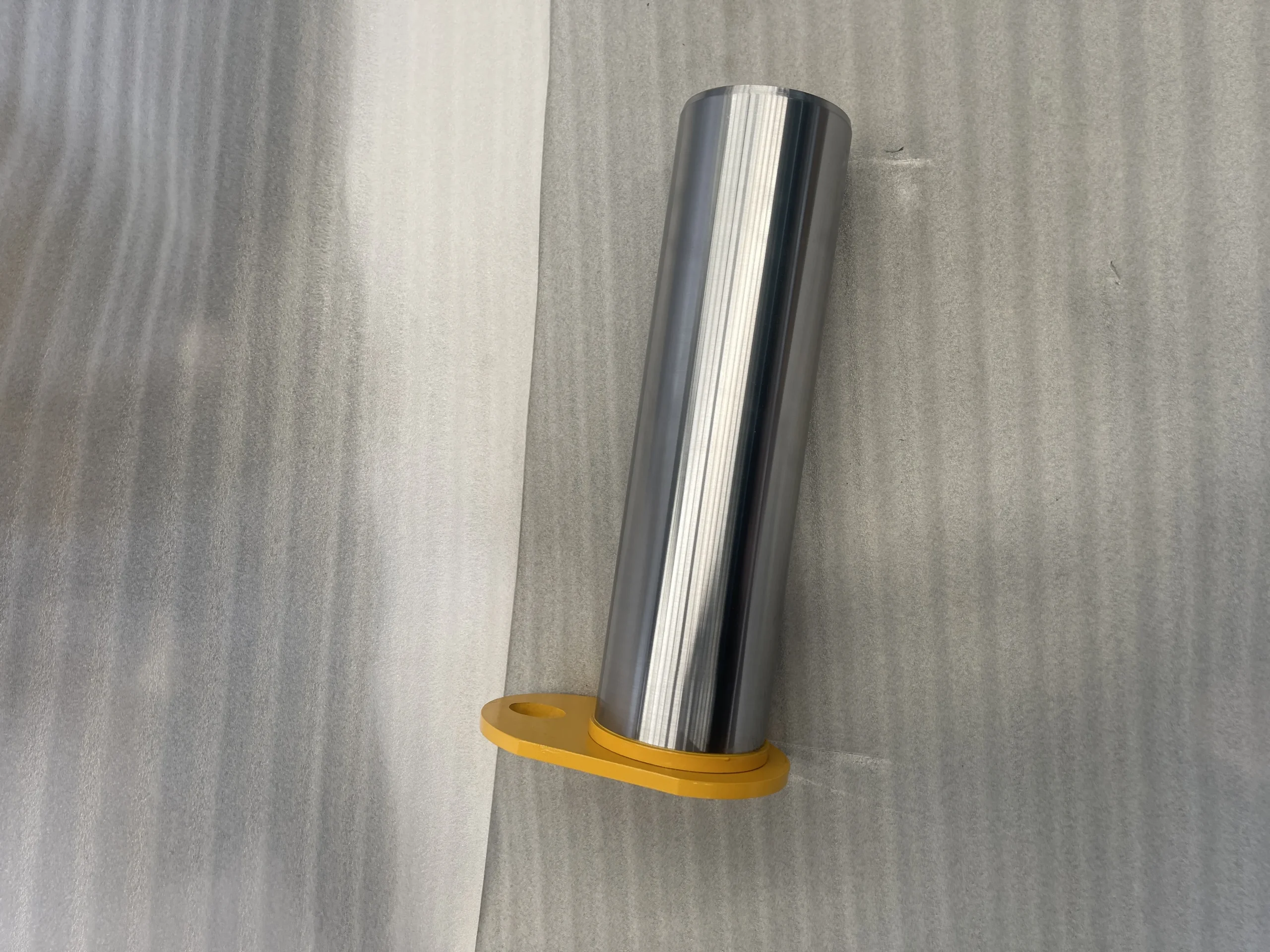 WA600-6 pin 426-70-31960
 -
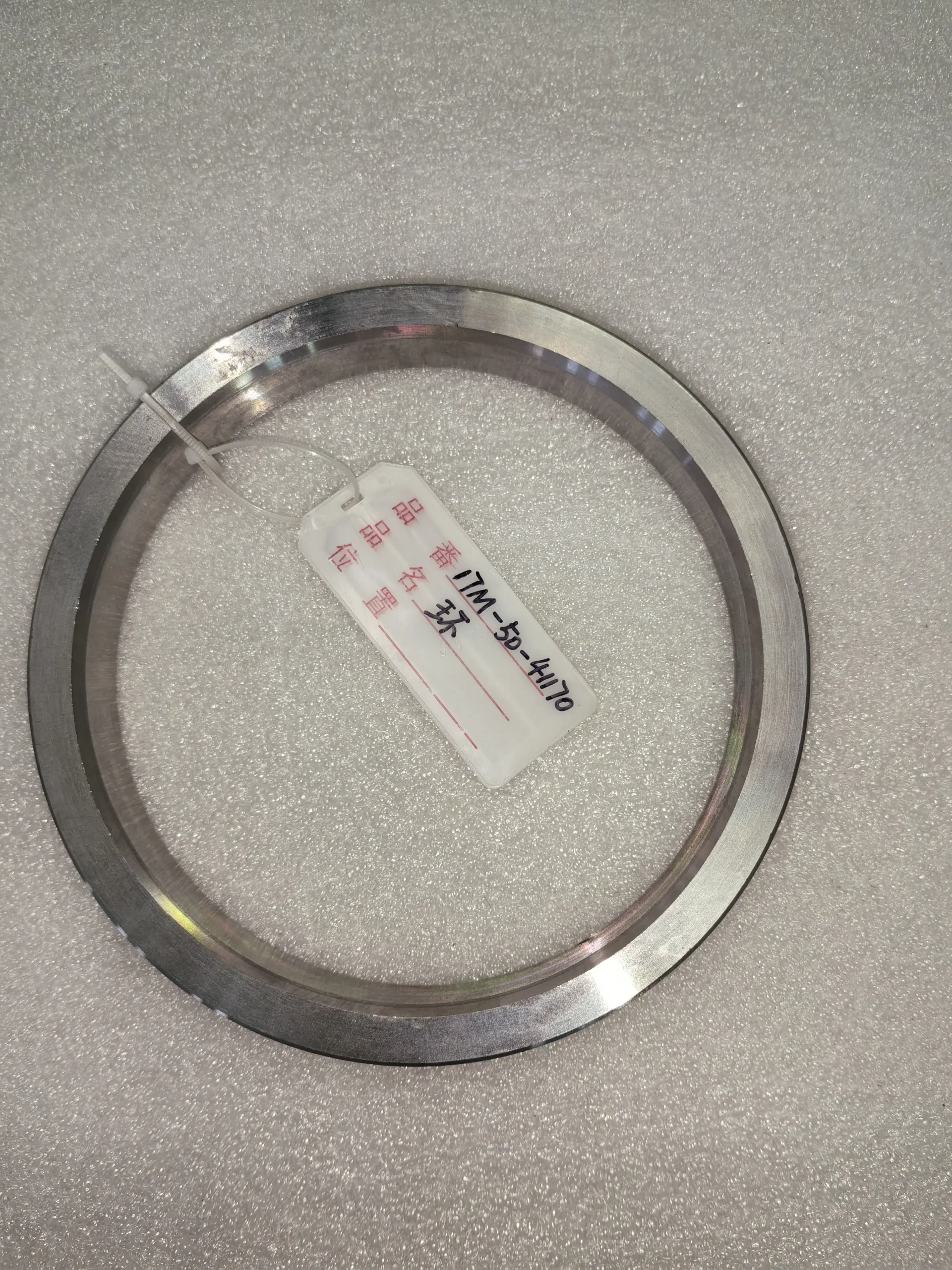 RING 17M-50-41170 – KOMATSU
 -
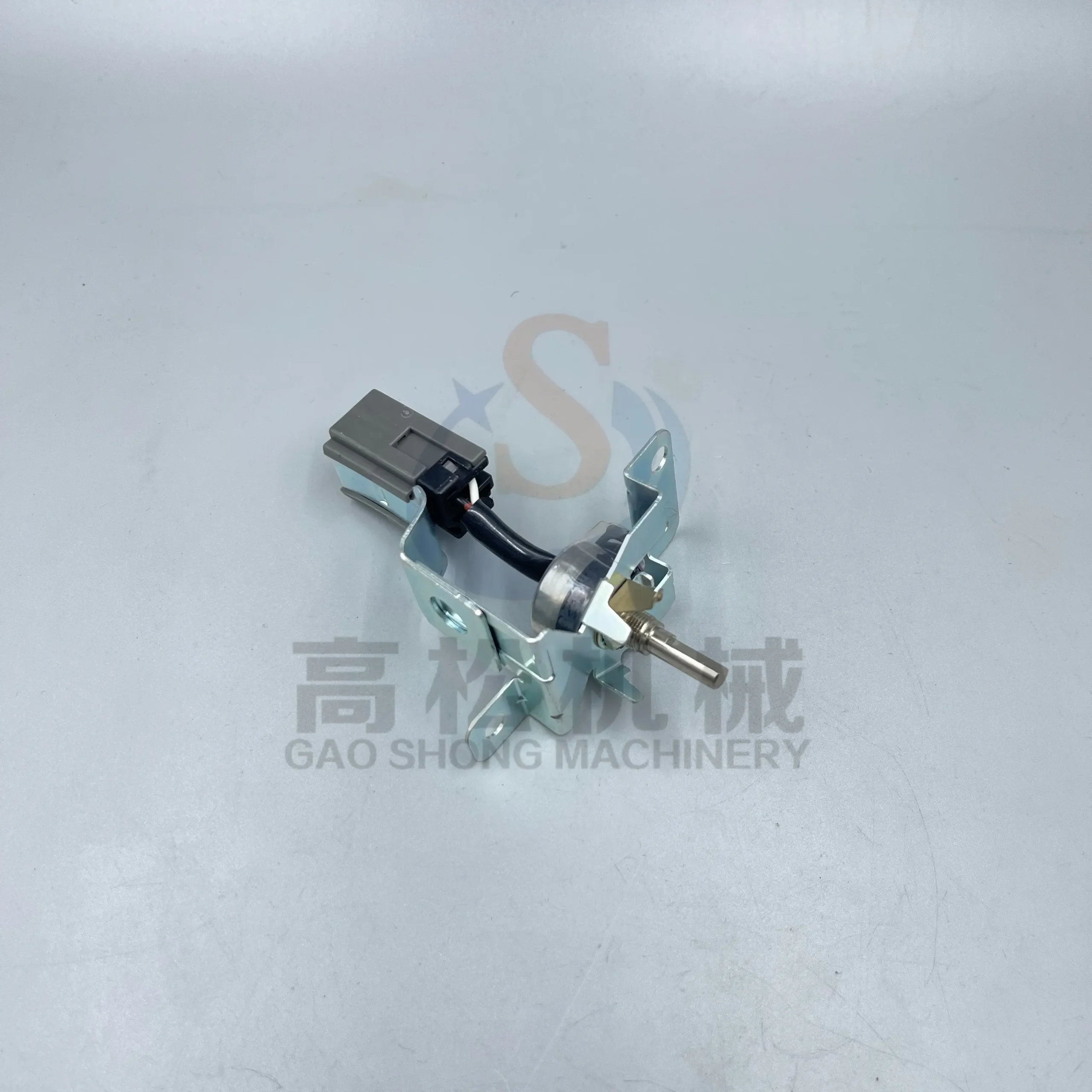 Throttle Knob 22U-06-22420
 -
 56B-15-19210 RING
 -
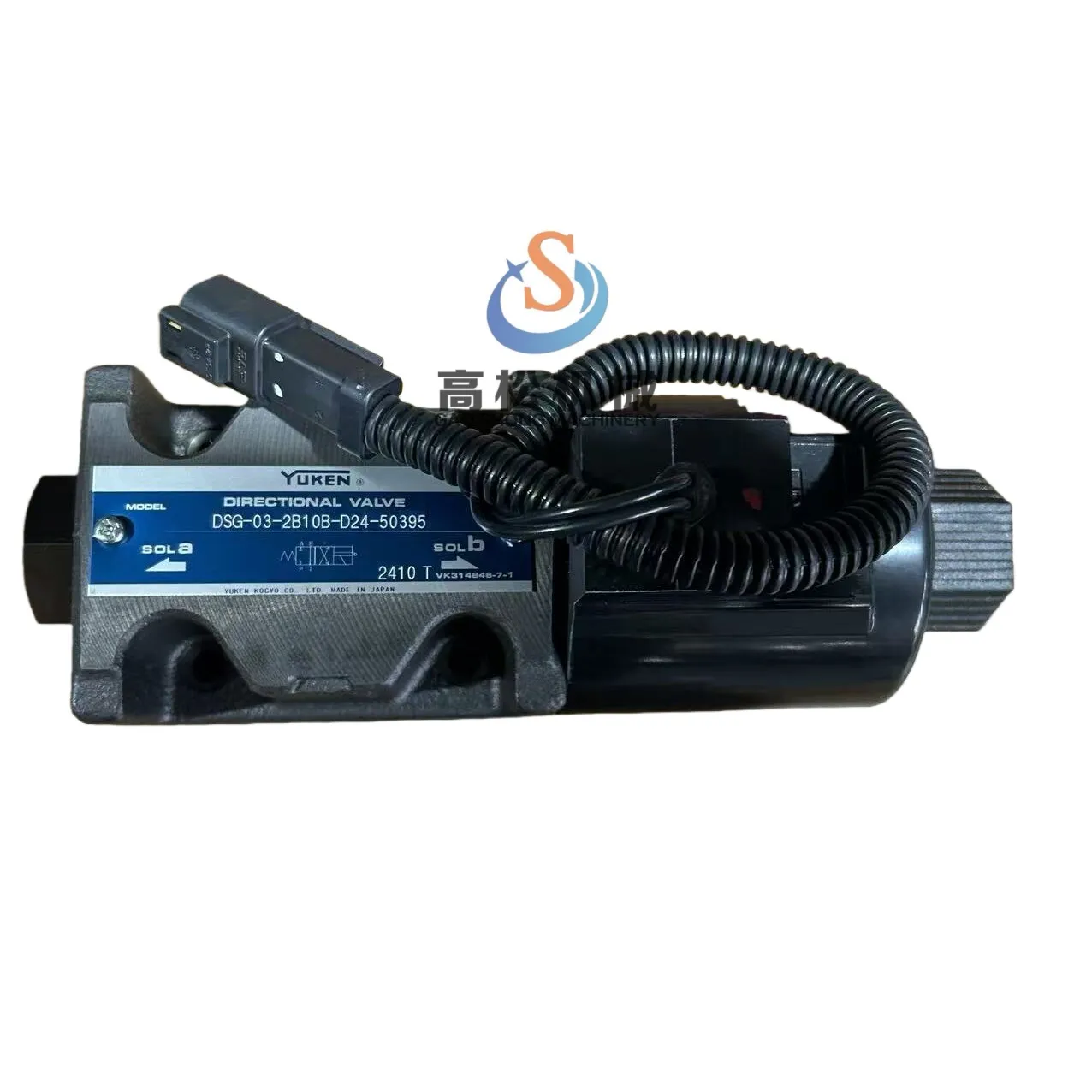 SOLENOID VALVE 561-43-8A881 HD785-7 BRAKE PIPING (PARKING BRAKE VALVE) Solenoid Valve For Komatsu Dump Truck HD785 561-43-8A881 561438A881
 -
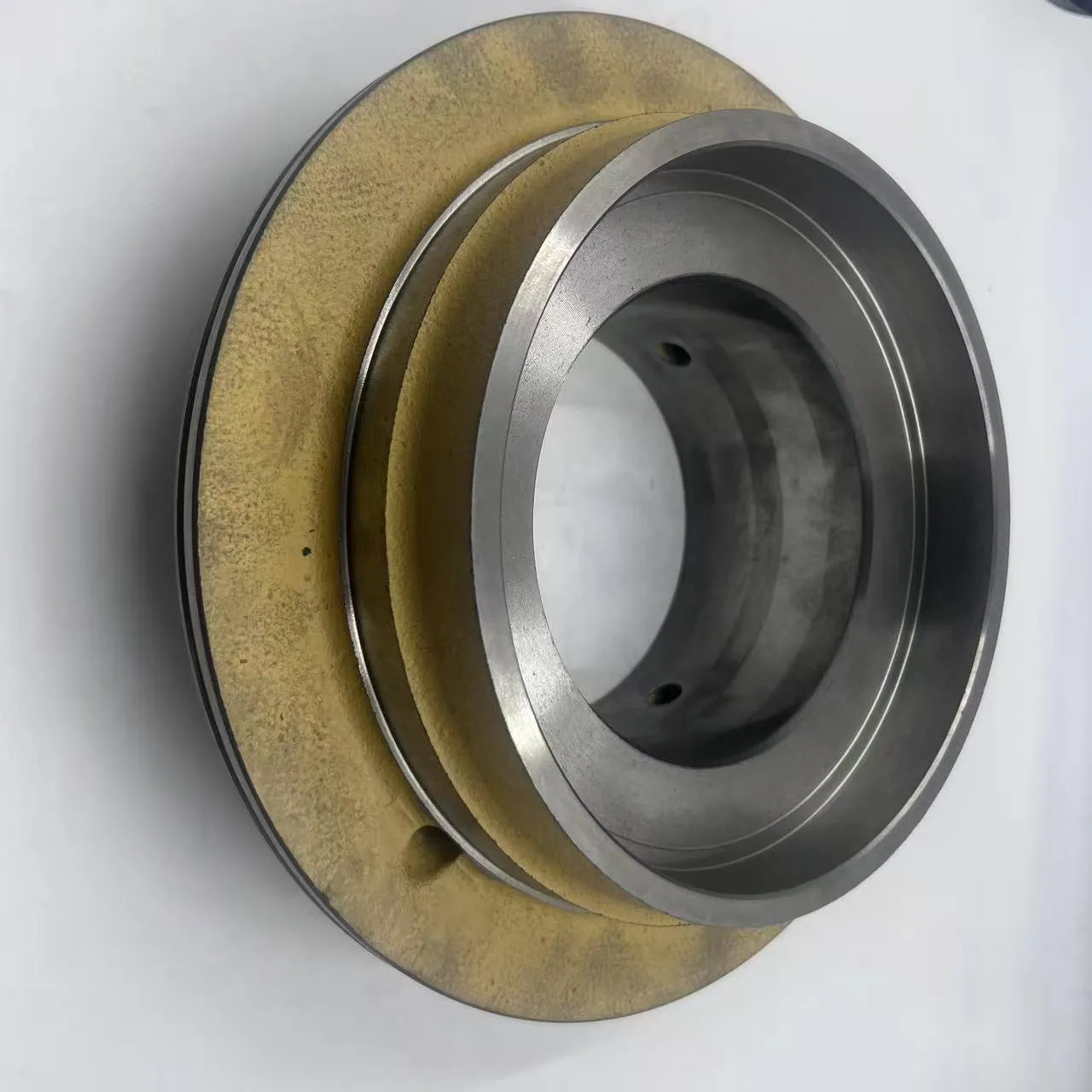 17A-22-11132 Komatsu Cylinder
 -
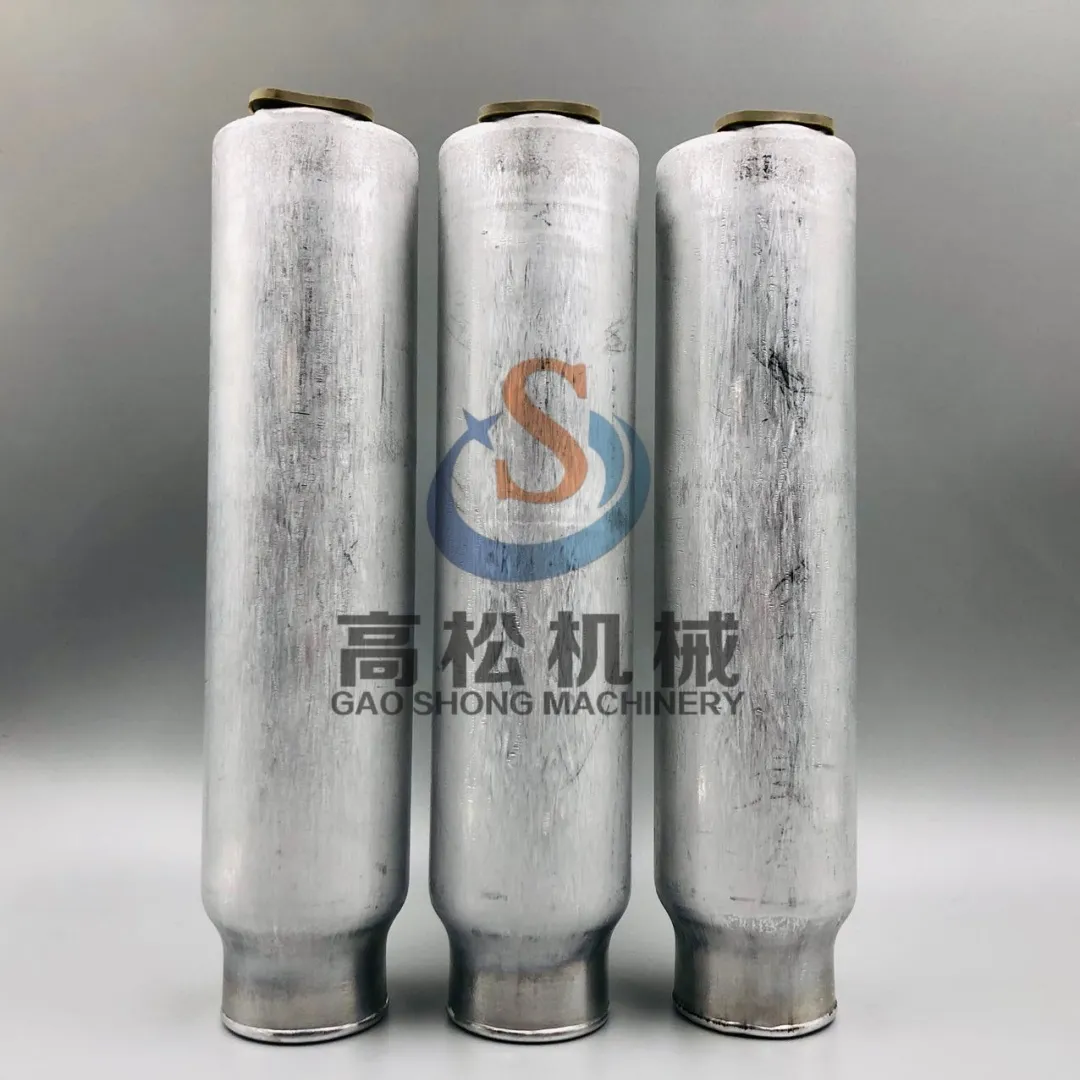 KOMATSU Excavator Receiver Dryer 20Y-979-3120
 -
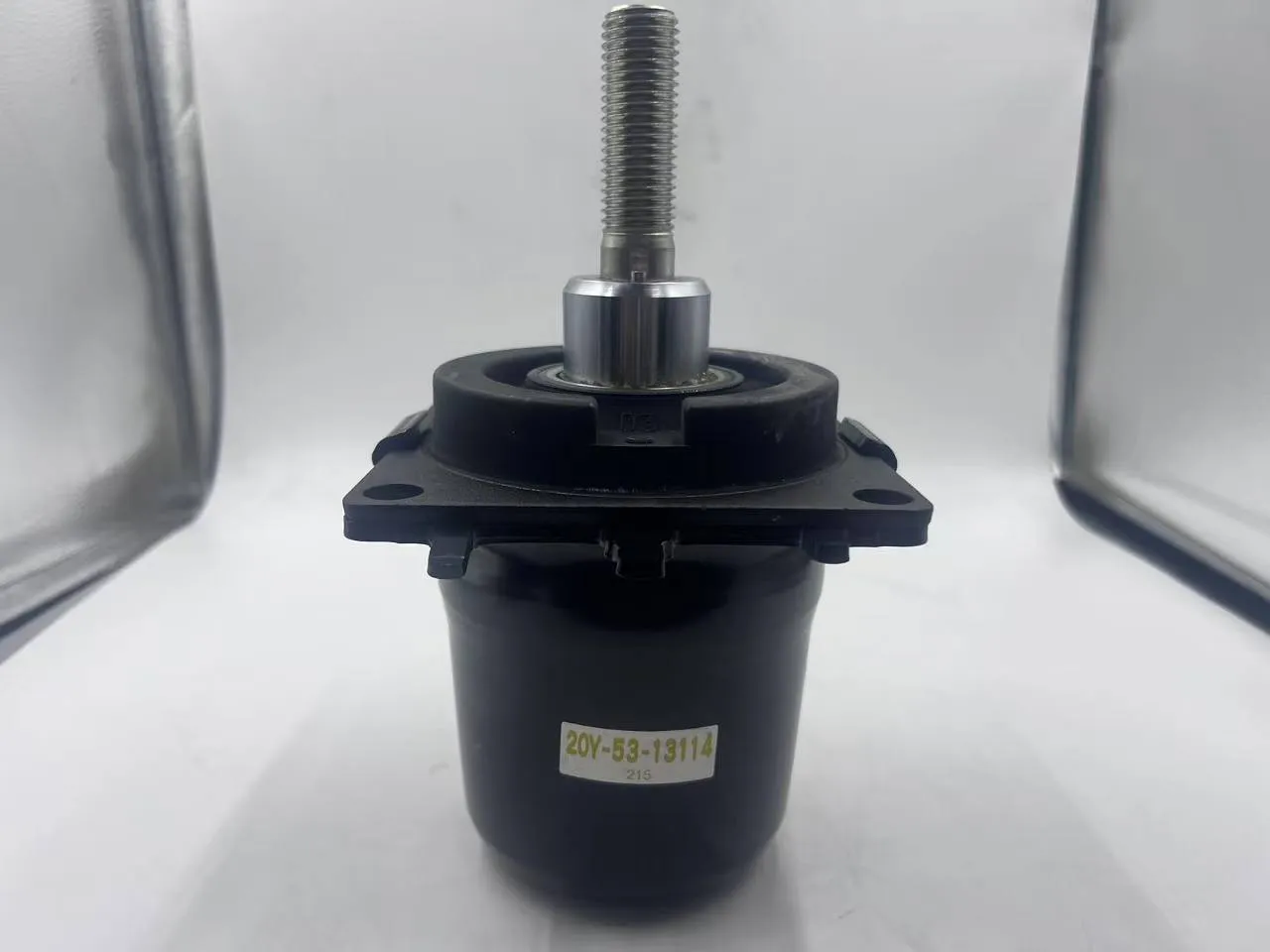 CUSHION 20Y-53-13114
 -
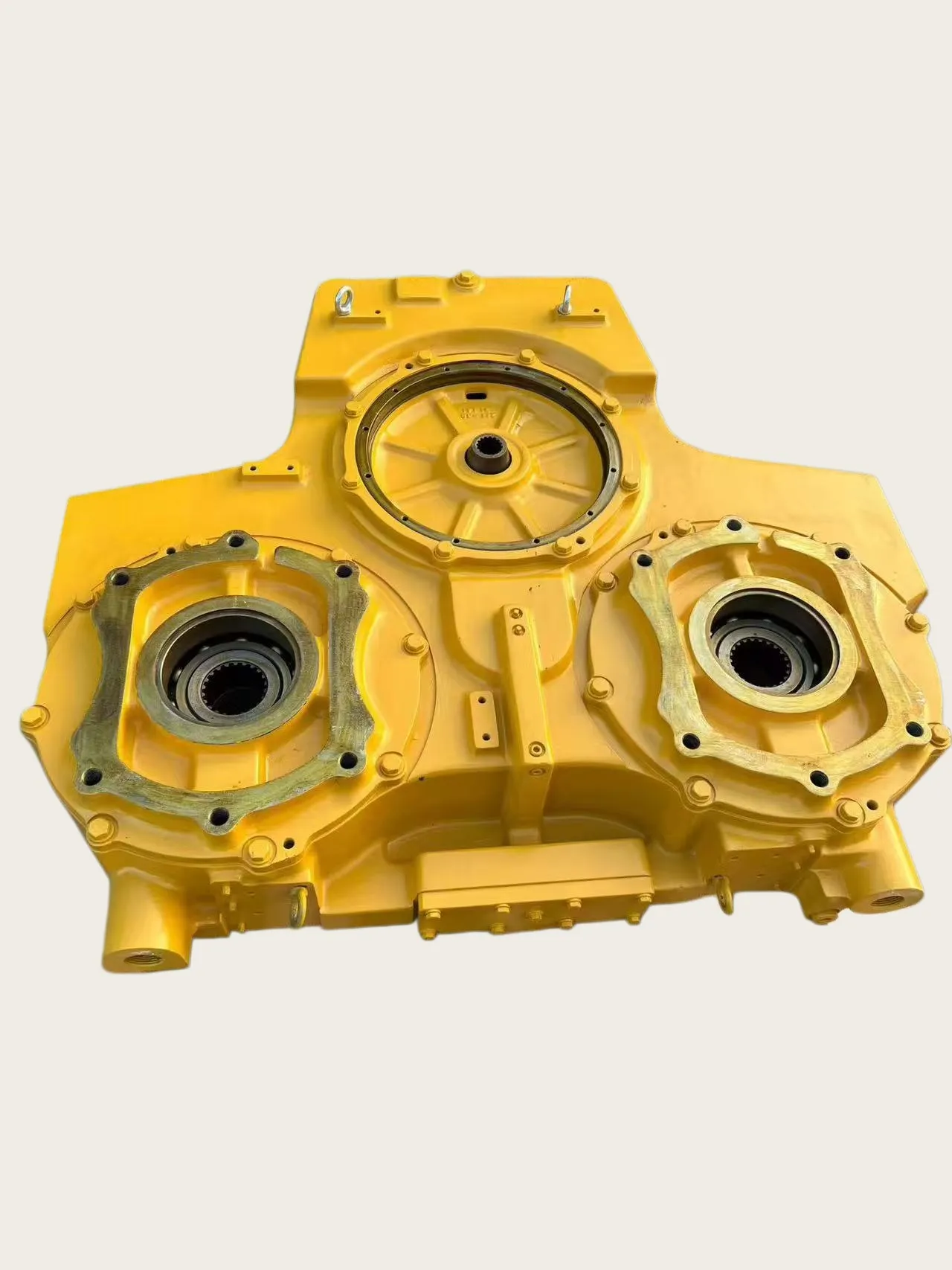 komatsu-part-21T-38-00160 21T-38-00170 21T-38-00180 21T-38-00190 PTO Assembly PC2000-8 PC2000-11 PTO (POWER TAKE OFF), INNER PARTS POWER TAKE OFF