
- Chinese
- French
- German
- Portuguese
- Spanish
- Russian
- Japanese
- Korean
- Arabic
- Irish
- Greek
- Turkish
- Italian
- Danish
- Romanian
- Indonesian
- Czech
- Afrikaans
- Swedish
- Polish
- Basque
- Catalan
- Esperanto
- Hindi
- Lao
- Albanian
- Amharic
- Armenian
- Azerbaijani
- Belarusian
- Bengali
- Bosnian
- Bulgarian
- Cebuano
- Chichewa
- Corsican
- Croatian
- Dutch
- Estonian
- Filipino
- Finnish
- Frisian
- Galician
- Georgian
- Gujarati
- Haitian
- Hausa
- Hawaiian
- Hebrew
- Hmong
- Hungarian
- Icelandic
- Igbo
- Javanese
- Kannada
- Kazakh
- Khmer
- Kurdish
- Kyrgyz
- Latin
- Latvian
- Lithuanian
- Luxembou..
- Macedonian
- Malagasy
- Malay
- Malayalam
- Maltese
- Maori
- Marathi
- Mongolian
- Burmese
- Nepali
- Norwegian
- Pashto
- Persian
- Punjabi
- Serbian
- Sesotho
- Sinhala
- Slovak
- Slovenian
- Somali
- Samoan
- Scots Gaelic
- Shona
- Sindhi
- Sundanese
- Swahili
- Tajik
- Tamil
- Telugu
- Thai
- Ukrainian
- Urdu
- Uzbek
- Vietnamese
- Welsh
- Xhosa
- Yiddish
- Yoruba
- Zulu
- Kinyarwanda
- Tatar
- Oriya
- Turkmen
- Uyghur






komatsu pc200 7 engine
When someone searches for 'komatsu pc200 7 engine', I bet half are just looking for a part number, and the other half are already deep in a repair bay, frustrated. It's never just about the engine block; it's about the system it lives in. The SAA6D107E-1 isn't just a model code, it's a whole era of Komatsu's design philosophy, and where a lot of aftermarket support gets tangled up.
The Core: More Than Just Horsepower
Everyone quotes the 114 kW figure. That's the easy part. Where you need to pay attention is the integration. This isn't a generic diesel you can drop in. The ECU, the sensors on the komatsu pc200 7 engine—particularly the fuel rail pressure sensor and the two flywheel speed sensors—they talk to the machine's main controller constantly. I've seen shops try to bypass or use non-OEM sensors, and the machine either goes into limp mode or burns fuel like there's no tomorrow. The torque curve is what makes it, perfect for the hydraulic system's demand, but only if everything is speaking the same language.
Then there's the cooling circuit. It's not separate. The engine coolant does a loop through the torque converter and the transmission oil cooler. A single clog, a failing water pump impeller, and you're not just overheating the engine, you're cooking your transmission. I diagnosed one where the owner kept replacing thermostats for an overheat alarm. The real issue? A partially collapsed lower radiator hose at high RPM, starving the pump. It was a simple, cheap fix, but it took tracing the entire physical flow, not just reading codes.
The oil pump is another one. Robust, yes. But if you're doing a rebuild and don't check the relief valve spring tension or the pump body for scoring, you'll have low oil pressure at idle when hot. It won't throw a catastrophic code immediately, just slowly grind your bearings down. These are the details a parts fiche doesn't tell you.
The Parts Trap and the OEM Link
This is where the real-world headache begins. You need a cylinder head, or a set of injectors. The open market is flooded with compatible parts. Some are fine for a low-hour machine you're flipping. For a machine you need to rely on for another 10,000 hours? It's a gamble. I've installed aftermarket injectors that met spec on a test bench but caused erratic cylinder balancing because the spray pattern was slightly off. The machine ran, but rough, and fuel efficiency dropped 12%. You chase your tail.
This supply gap is exactly why operations in regions without strong Komatsu dealer networks struggle. I've coordinated with suppliers who bridge this gap. One that comes to mind is Jining Gaosong Construction Machinery Co., Ltd.. Their model makes sense in this context: they operate as an OEM product supplier within the Komatsu system, but also function as a third-party sales channel. What that means on the ground is they can often source genuine or OEM-spec components for models like the PC200-7 where the official pipeline is clogged or non-existent. It's not a magic bullet, but for a fleet manager in a remote location, a resource like their portal at https://www.takematsumachinery.com can be the difference between a machine down for months or weeks.
Their stated goal of helping to solve parts supply challenges in certain countries isn't just marketing. It's the daily reality for independent repair shops. You learn to verify their stock, cross-reference part numbers rigorously (Komatsu is notorious for sub-numbers), but having a source that understands the system from the inside is valuable. It's about traceability. I'd rather use a part they supply with a clear OEM lineage than a shiny new one from an unknown factory with perfect packaging.
Common Failures You Can Actually Predict
Beyond the usual wear items, a few failures are almost rhythmic on the PC200-7. The fuel priming pump seal goes. It starts as a slight weep, then a drip, then air ingress leading to hard starts. It's a $30 part but causes $3000 worth of diagnostic confusion if you miss it.
The turbocharger actuator. The VGT mechanism gets carboned up. You'll see loss of power at high rpm, or code 1102 (turbo overboost). Often, it's not the turbo itself, just that actuator. A careful clean with the right solvent can restore it. Replacing the whole turbo assembly is the expensive, unnecessary path many take.
And the engine mount brackets. They crack. Not often, but when they do, it misaligns the entire drivetrain. You'll feel a vibration, maybe hear a clunk. It's easy to blame the torque converter or the flywheel. I spent two days on one machine before spotting a hairline crack in the right-side bracket. A weld fix held for years. The lesson? Look at the simple, structural stuff first.
Rebuild Considerations: Where to Draw the Line
A full komatsu pc200 7 engine overhaul is a major capital decision. Is it worth it? If the block is sound—no deep cavitation in the cylinder walls, main bearing bores are within tolerance—then yes. If you have a dropped liner or a cracked block, it's often a parts donor. The cost of a new OEM short block is prohibitive for most older machines.
During a rebuild, absolutely replace the rear main seal and the flywheel housing seal. It's a pain to do with the engine in the machine, but a nightmare if you have to go back in. Use genuine Komatsu seals here. The few dollars saved on aftermarket ones are not worth the risk of an oil leak contaminating the clutch pack.
Also, resurface the flywheel housing. Not just clean it, but check for warpage with a straightedge. An out-of-true housing will cause rapid wear on the crankshaft pilot bearing and the transmission input shaft. This is a step even some experienced shops skip, leading to premature transmission failure down the line. It's all connected.
The Takeaway: Context is Everything
So, the 'komatsu pc200 7 engine' search. It shouldn't end with a parts list. It starts a process of systems thinking. You're dealing with a well-designed, integrated power unit that demands an understanding of hydraulics, electronics, and mechanics. The value isn't just in the iron, but in the knowledge and the quality of support behind it.
That's why the ecosystem matters. Whether it's a local dealer, a specialized technical bulletin, or a supplier like Gaosong that understands the OEM framework, your success hinges on access to reliable information and components. The machine is a collection of parts; keeping it running is a network of decisions.
In the end, treating it with respect—listening to its quirks, using the right parts, understanding its role in the larger machine—is what gets you those legendary hours. It's not a mystery, just a detailed piece of engineering that rewards a meticulous approach. Forget the quick fixes; dig into the details. That's where the real answers are.
Related Products
Related Products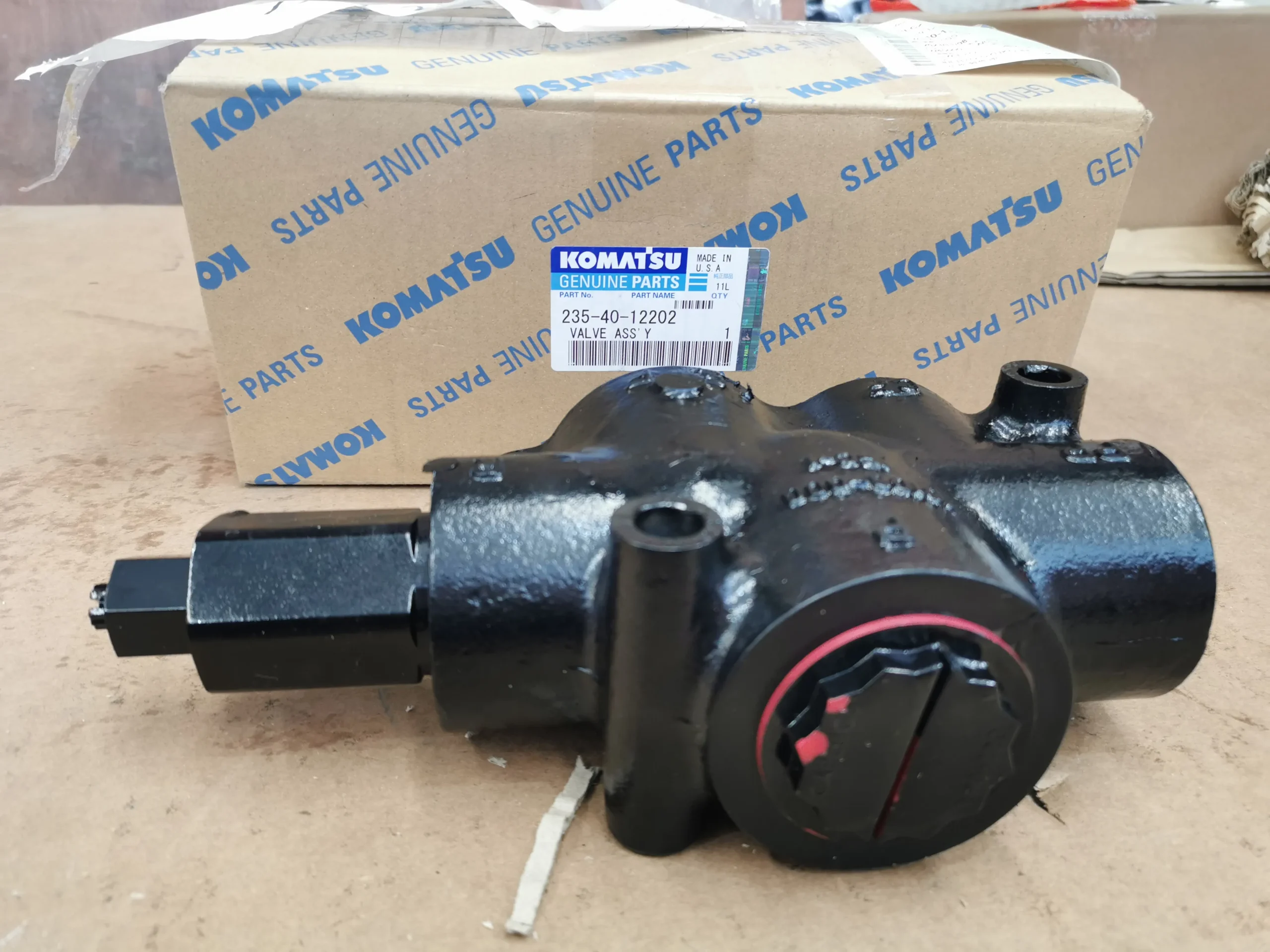
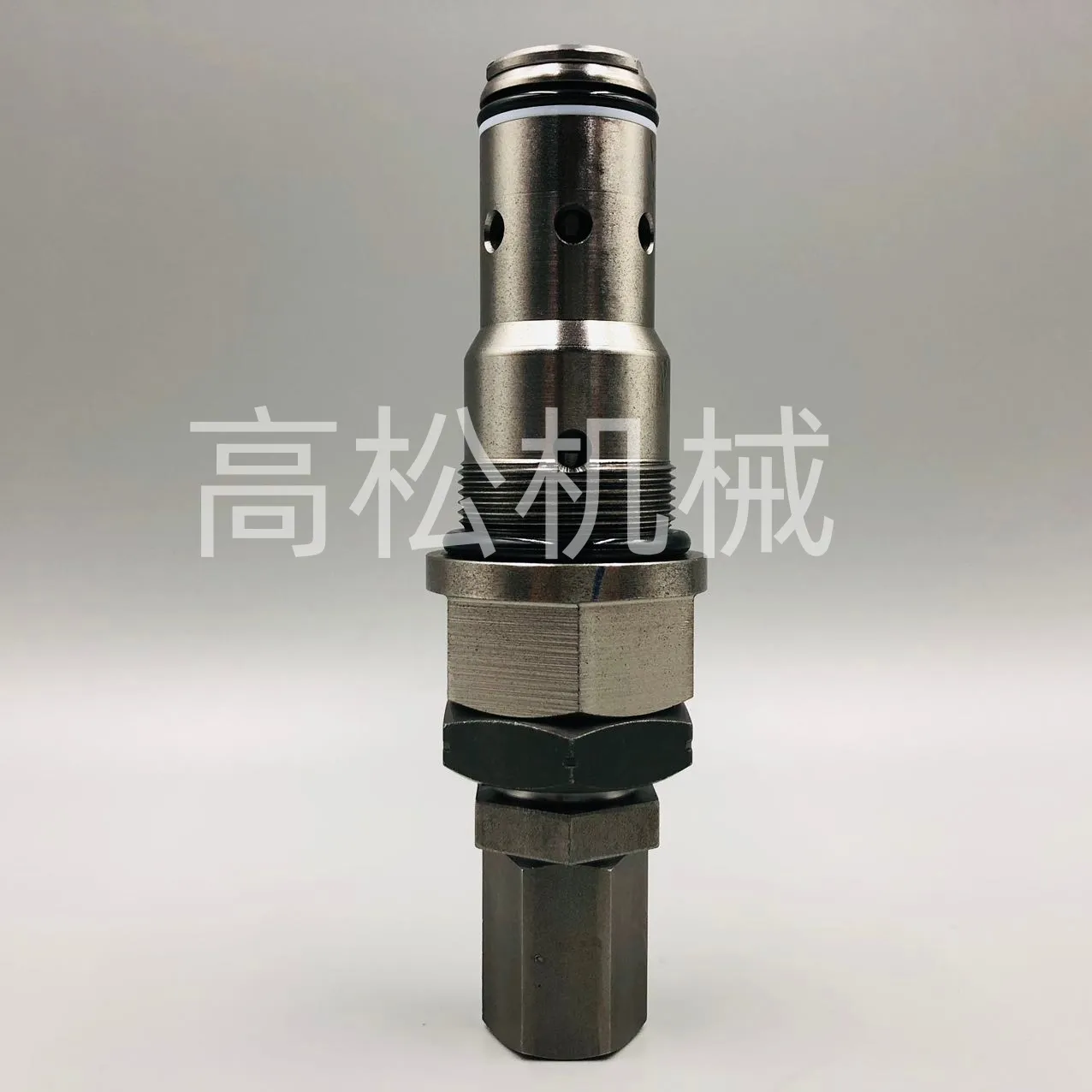
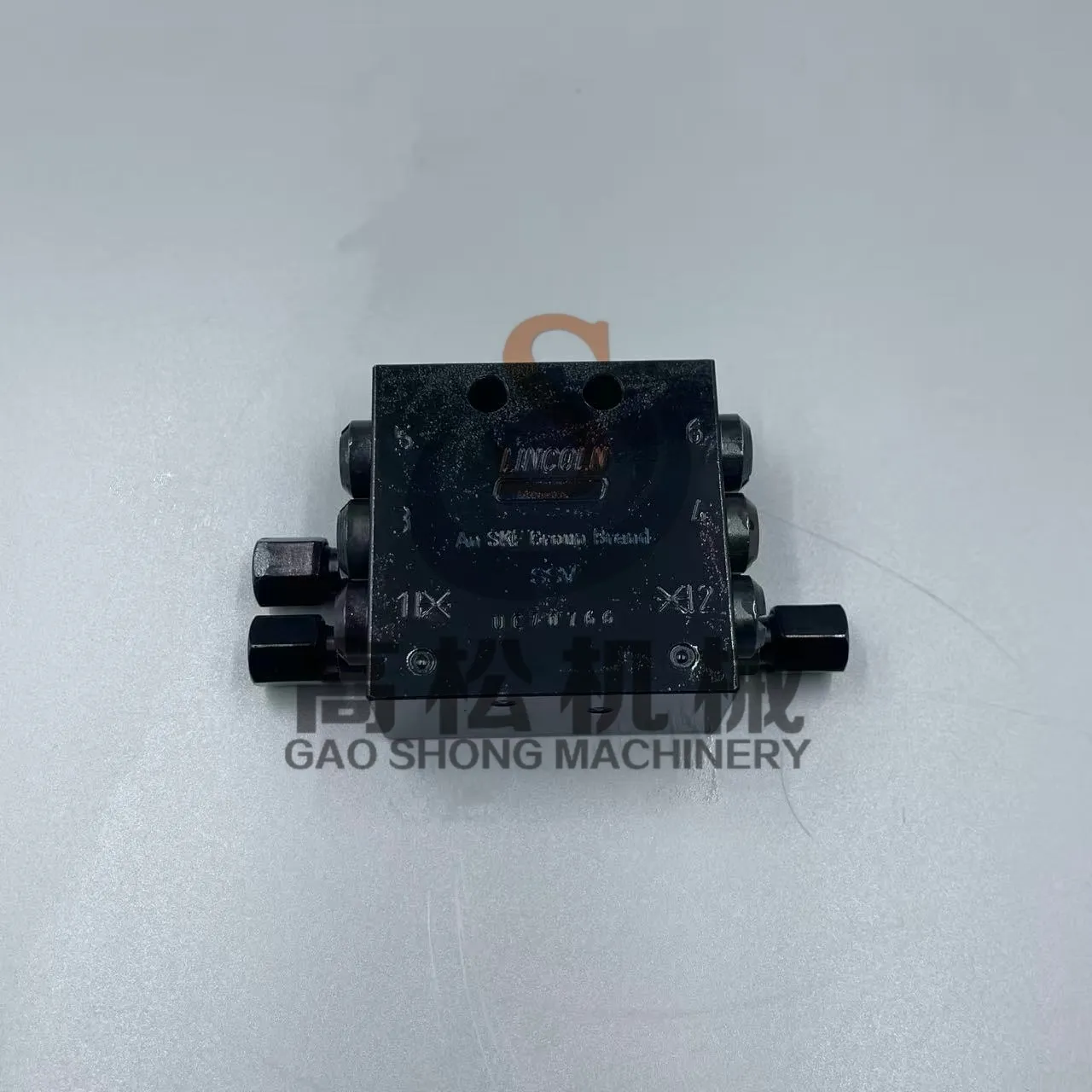
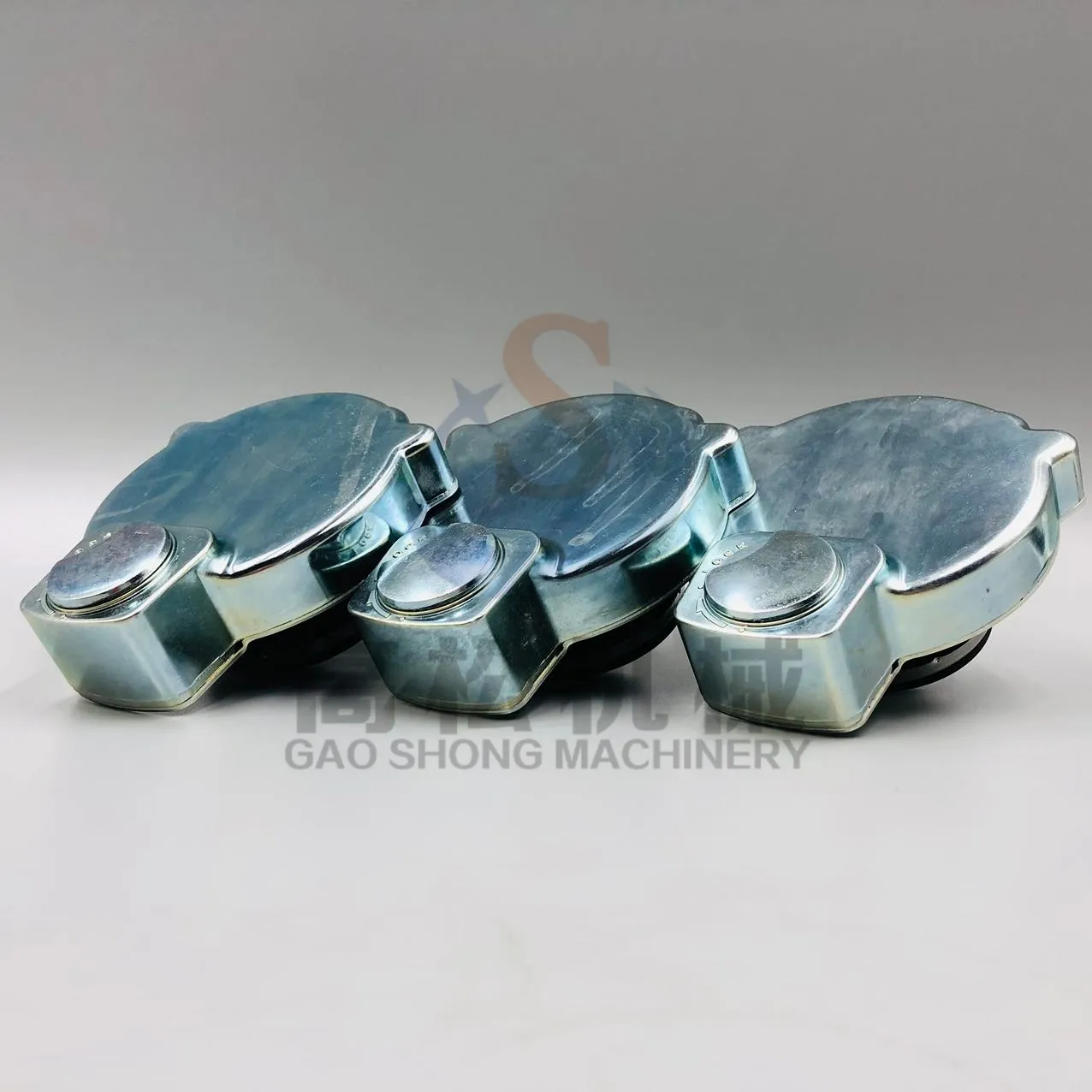

Best Selling Products
Best Selling Products-
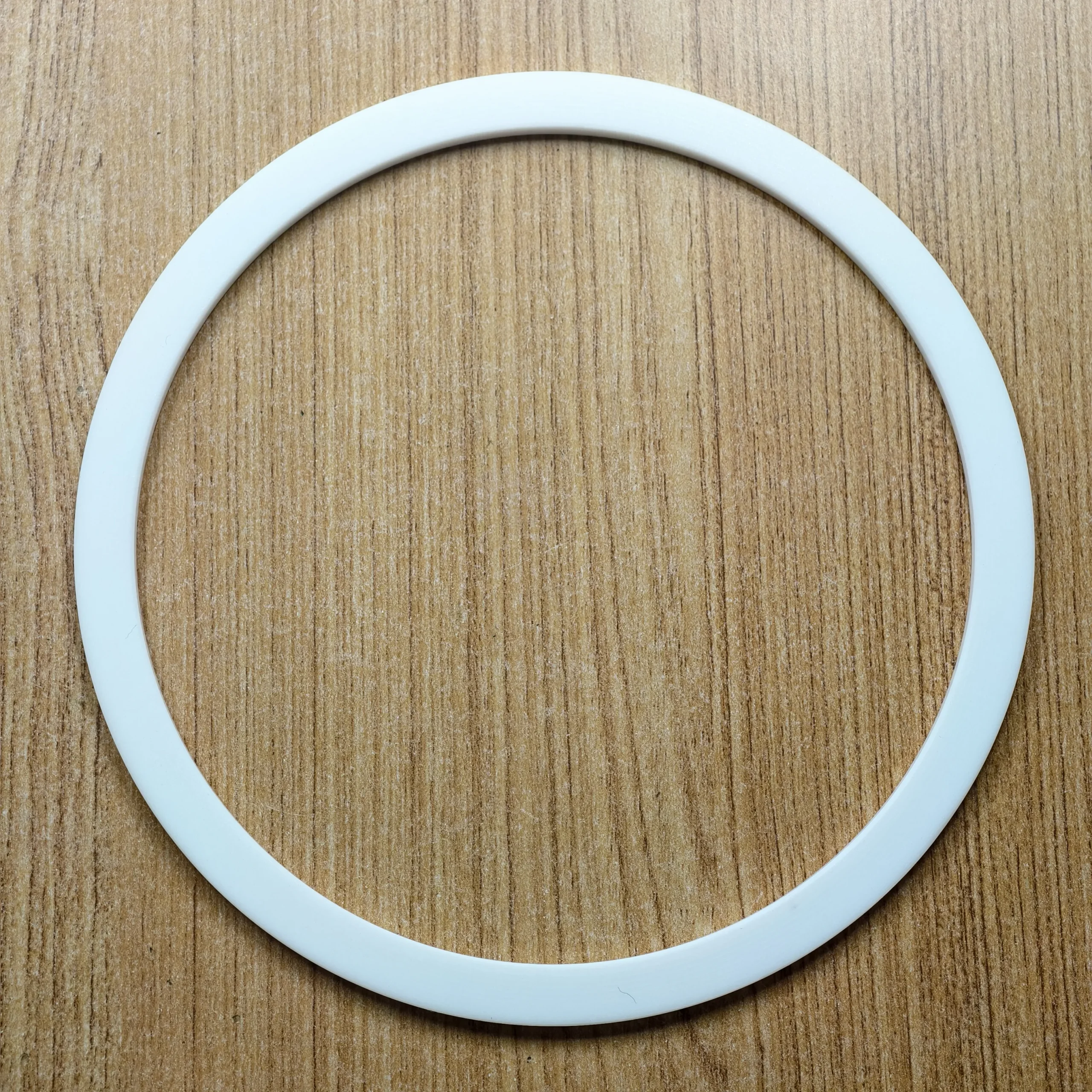 21N-30-14170 21N3014170 Spare Ring for Komatsu Excavator PC1250 PC1250SP
 -
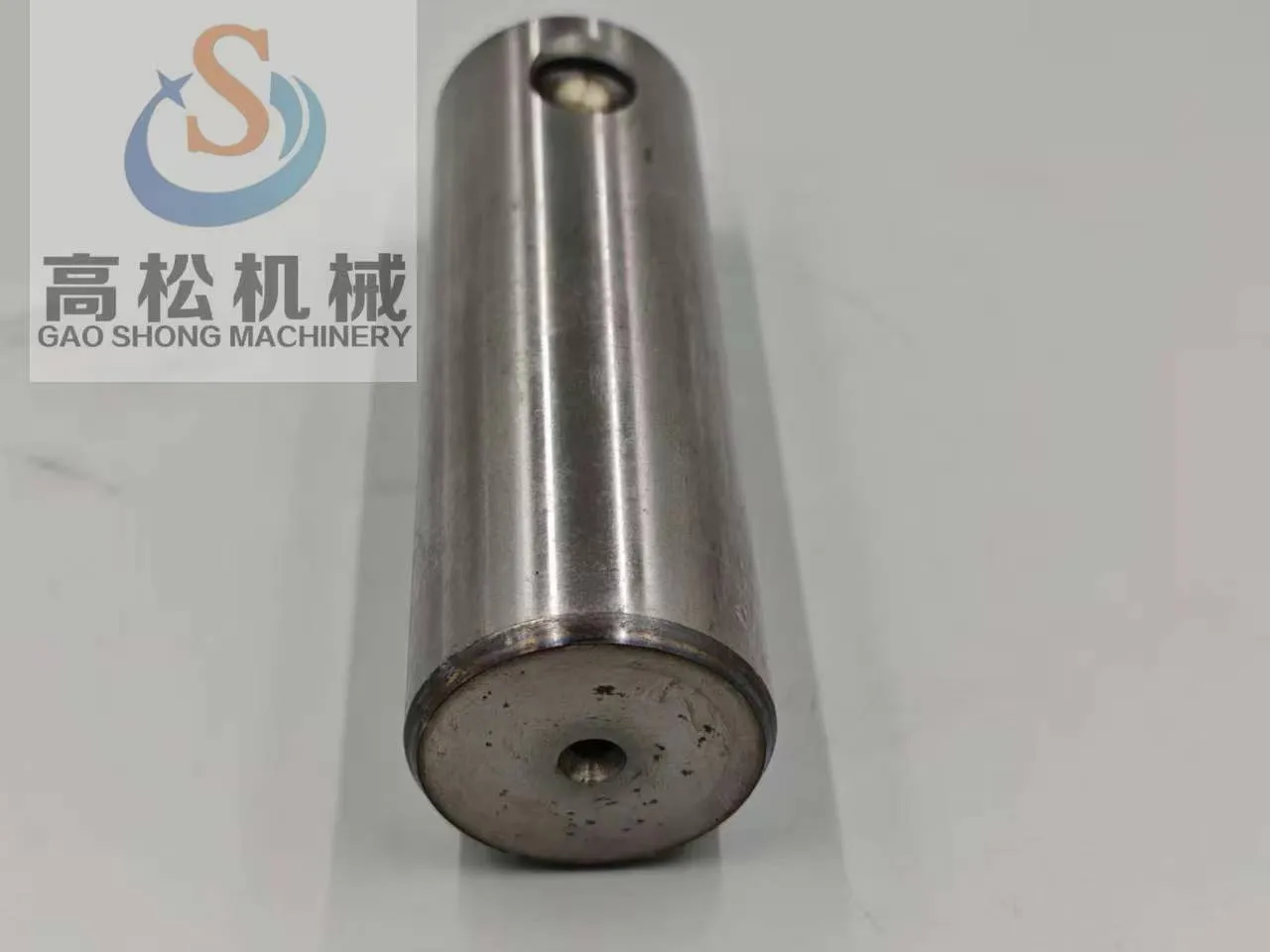 High quality new finger – pin 424-22-12510 for komatsu hm350-2 hm400-2 articulated dump truck
 -
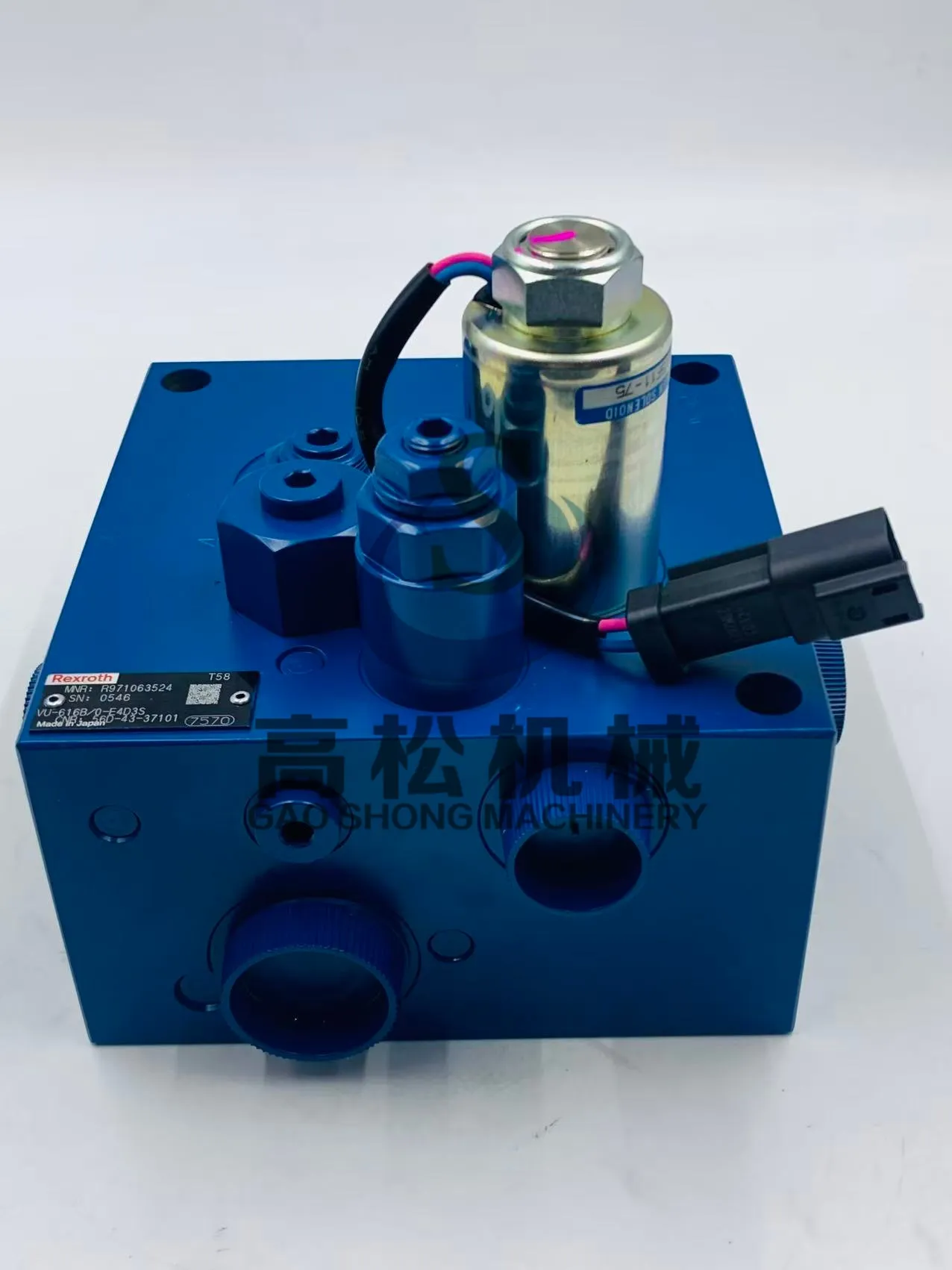 56D-43-37101 Komatsu Valve Assembly
 -
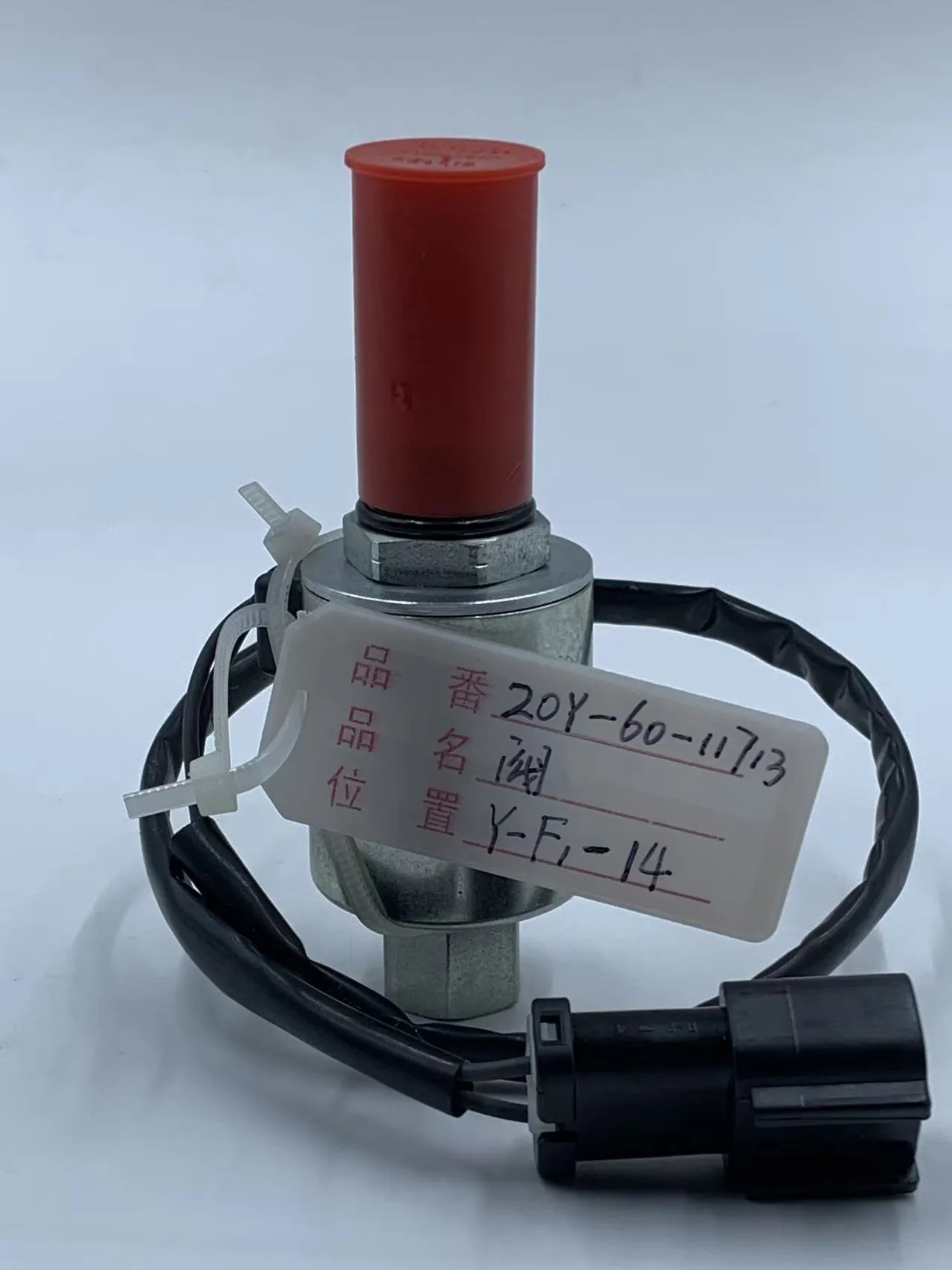 New Swing Solenoid Valve 20Y-60-11713 Excavator Parts for KOMATSU PC200-5 6D95
 -
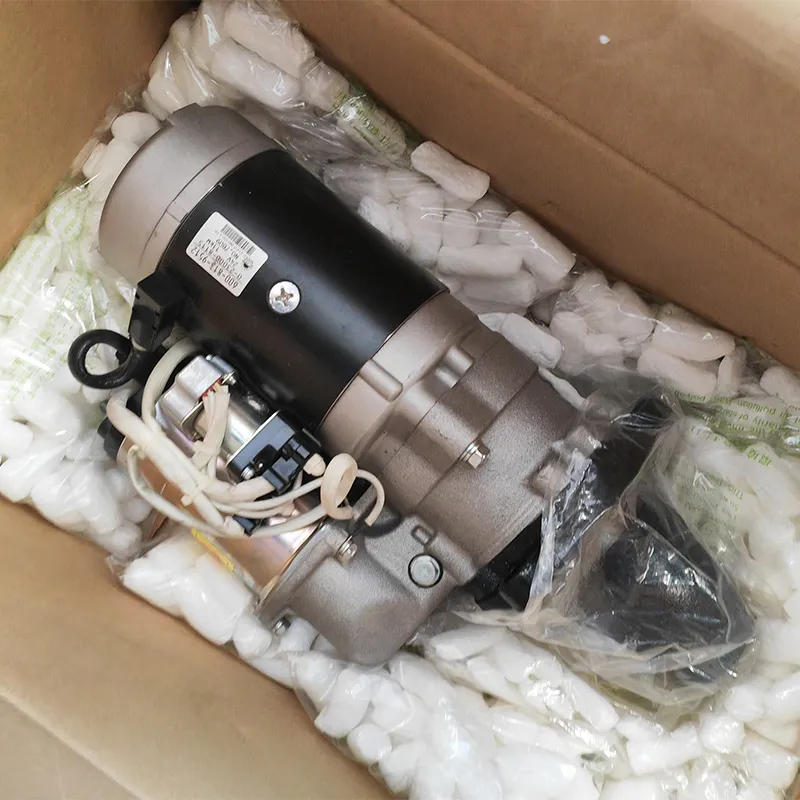 600-813-9512 Original komatsu Starter Motor for PC1250-8 D375-6 WA600-8
 -
 HD785-7 Oil Level Sensor 7861-93-4550
 -
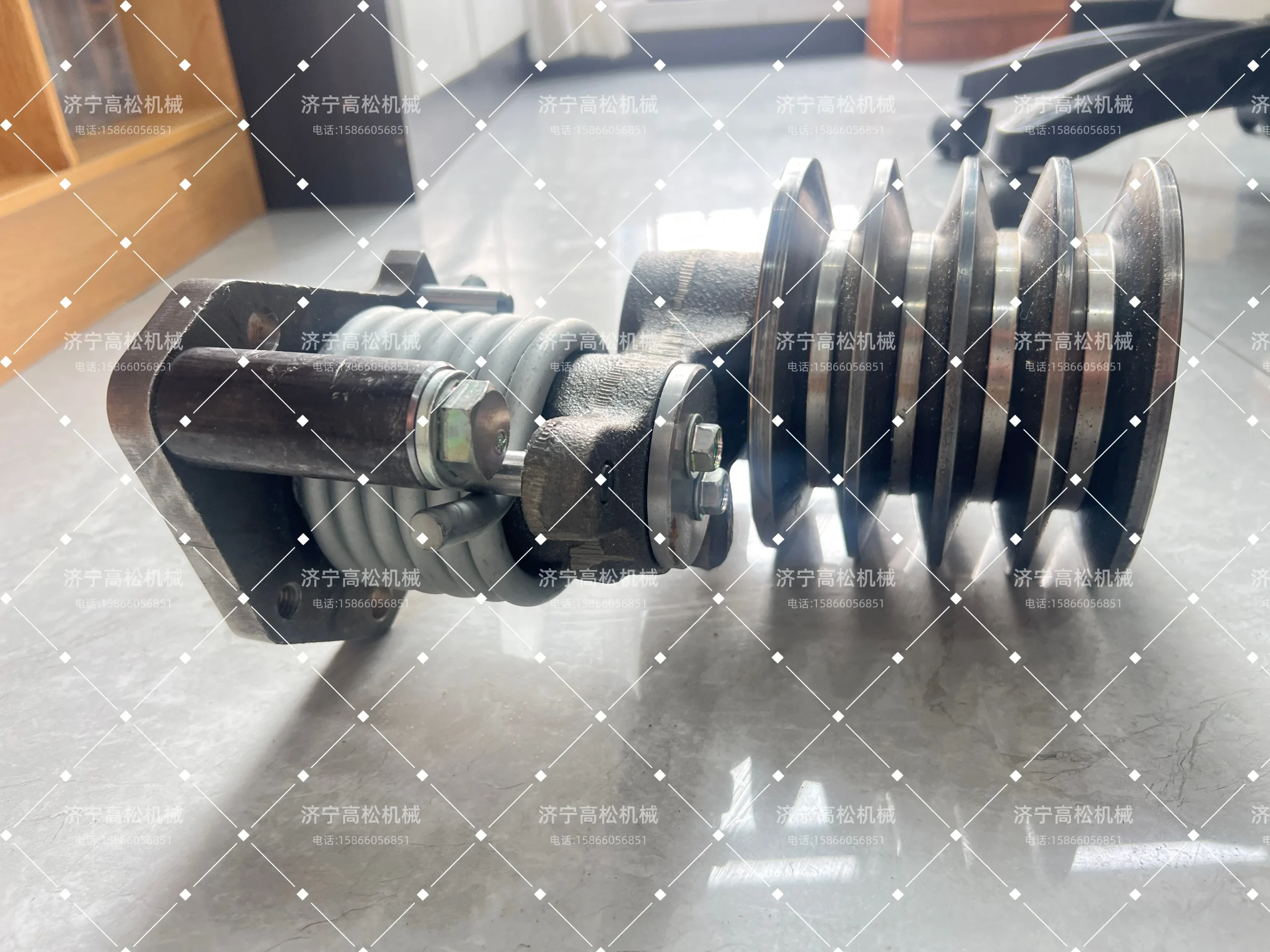 Original Hot Sale TENSION PULLEY ASS’Y 6240-61-4500 TENSION…
 -
 HD785-7 Temperature Sensor 6219-11-8810
 -
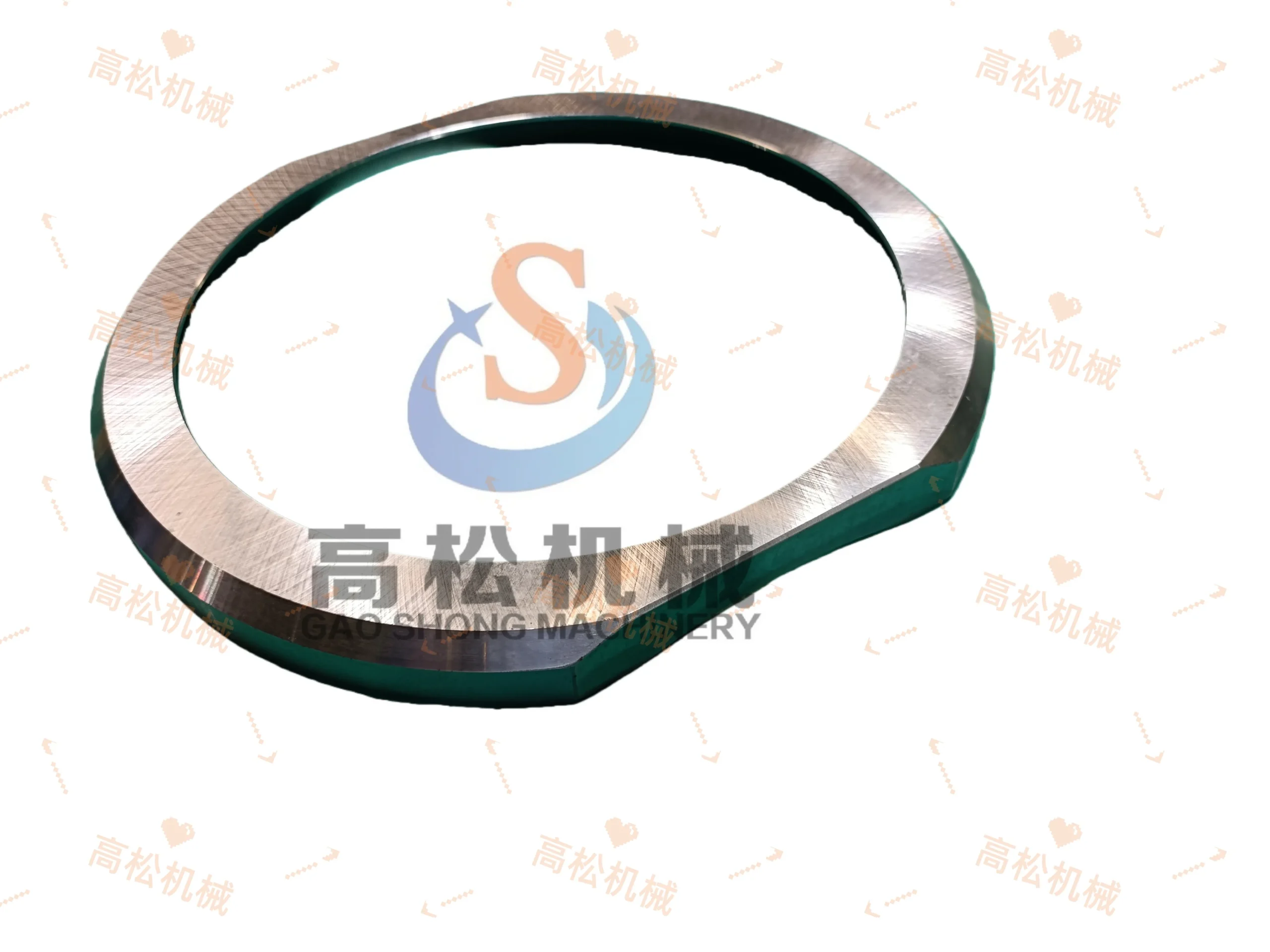 2A8-70-13410 Seal PC500LC-10M0 2A8-70-13420 Seal PC500LC-10R 2A8-70-13680Spacer PC500LC-10M0 2A8-70-13690Spacer PC500LC-10M0 2W71-21380 2WT27-72350
 -
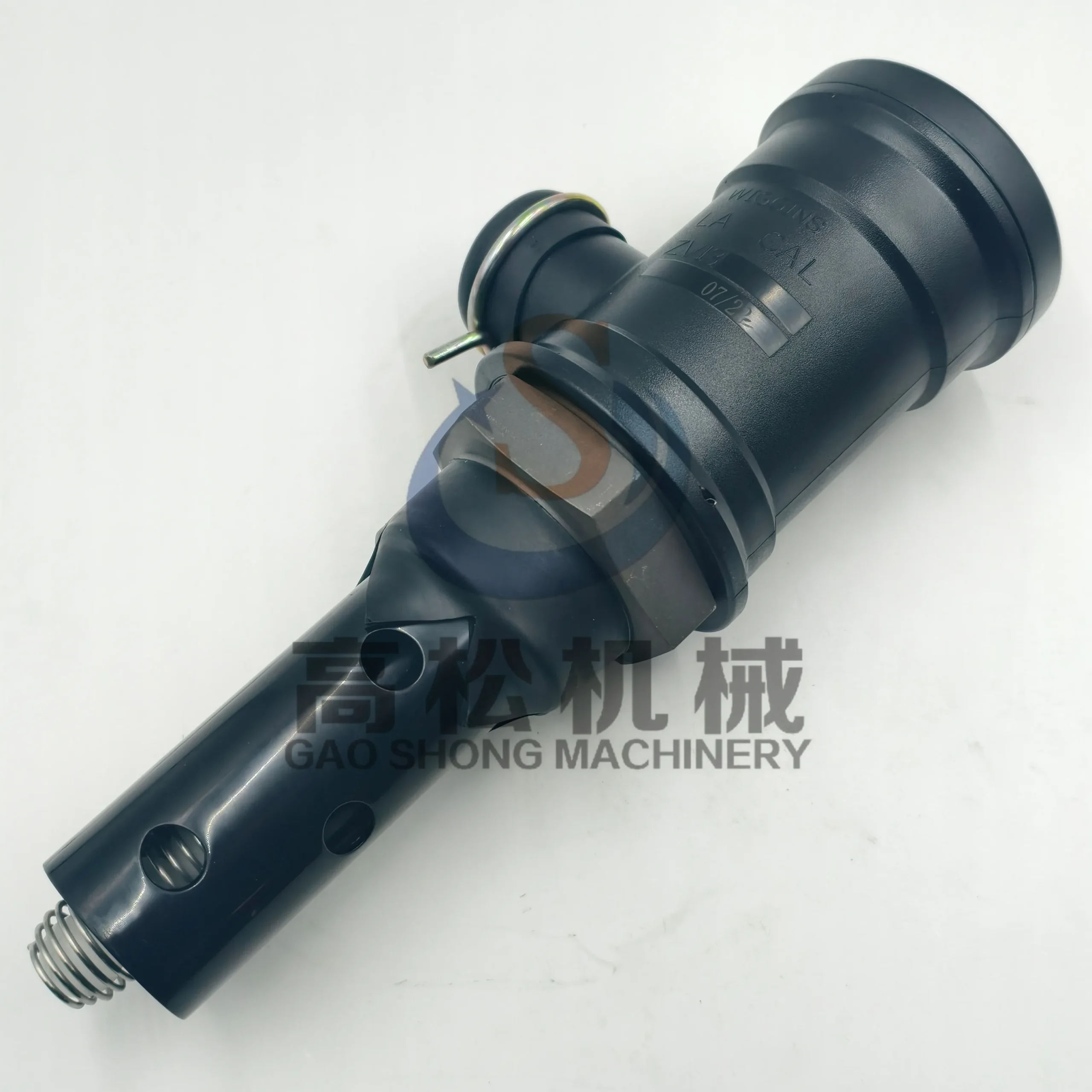 21T-04-31130 KOMATSU VENT ASSY
 -
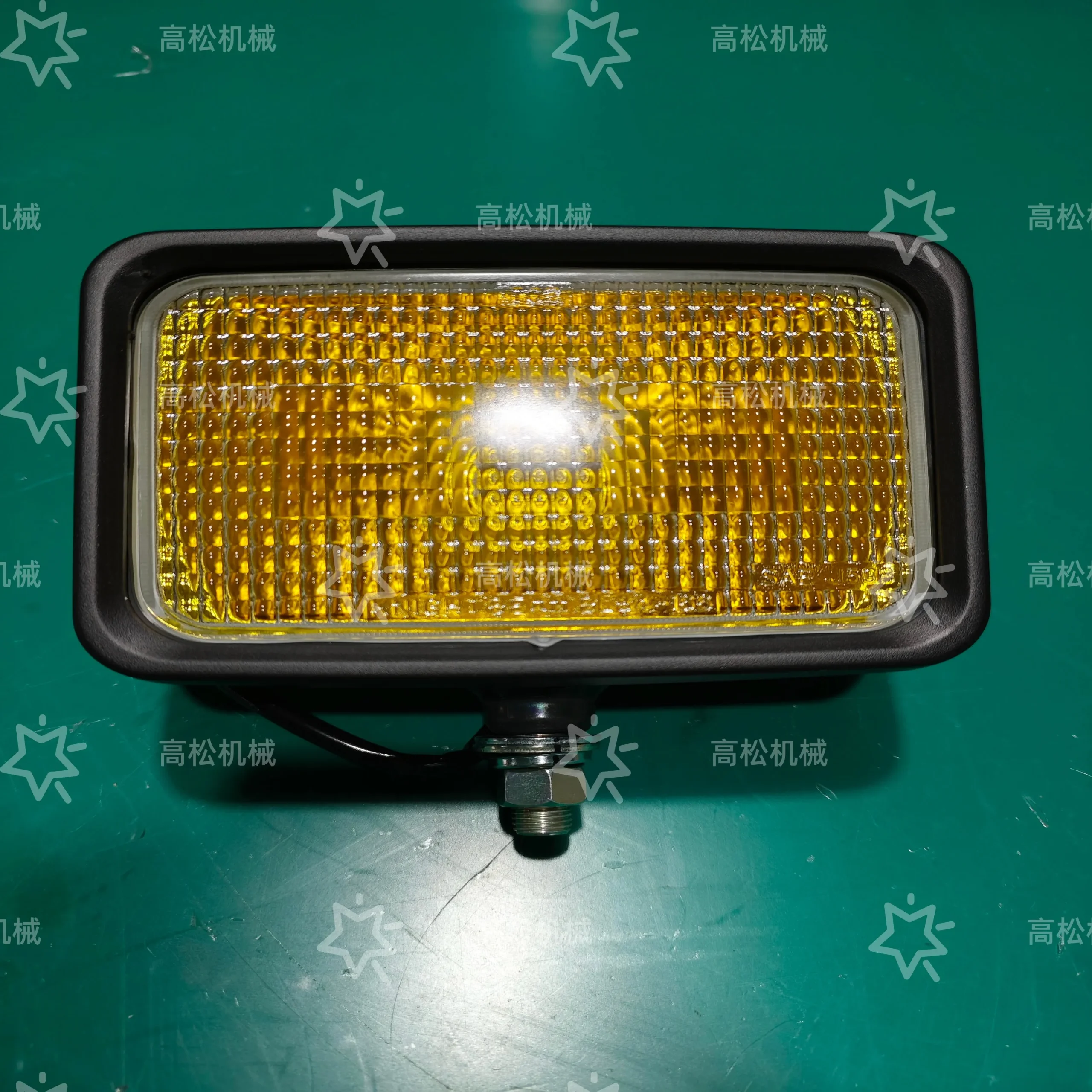 22T-06-24110Hd350 2 Front Light Lamp 22t 06 24110
 -
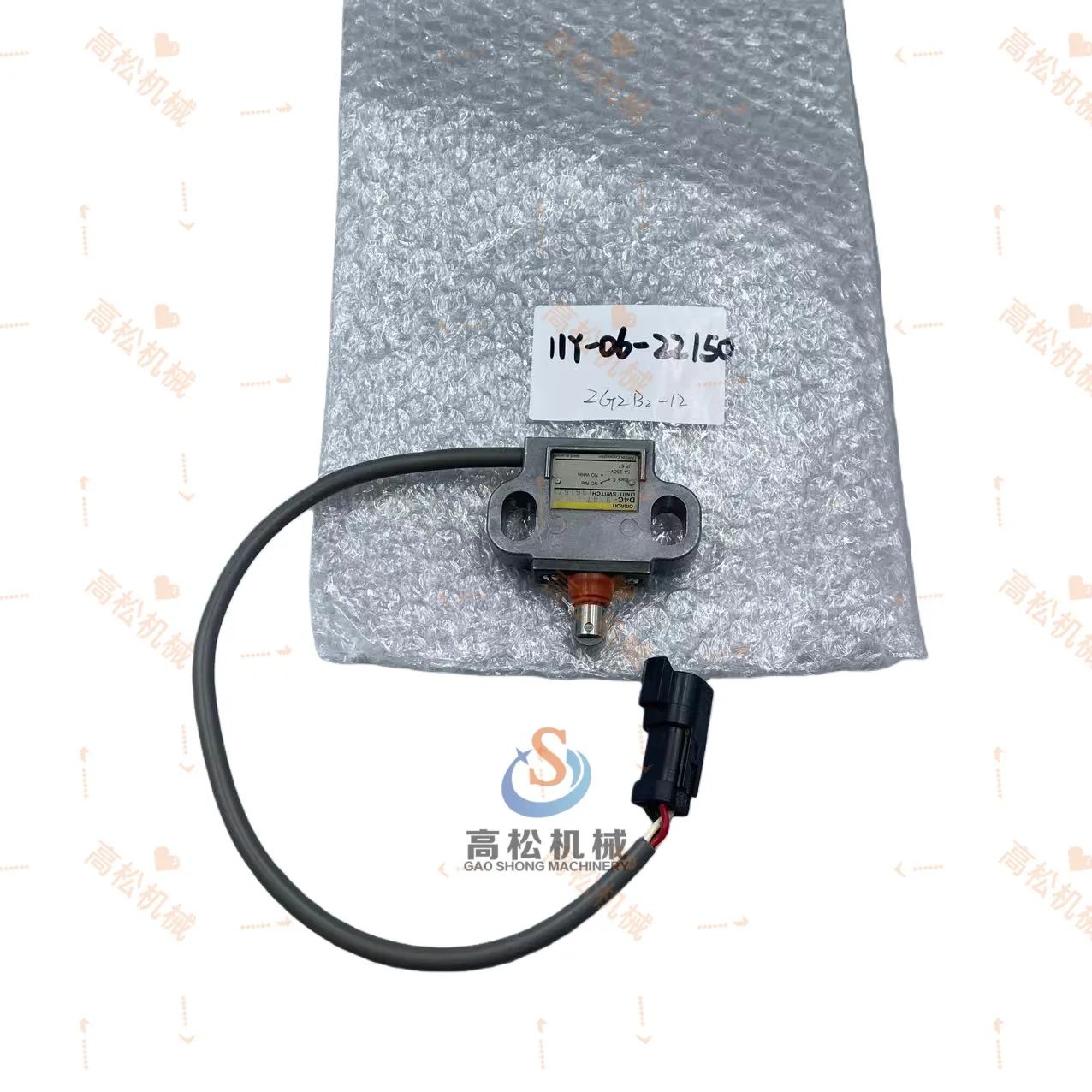 Komatsu original factory switch 11Y-06-22150