
- Chinese
- French
- German
- Portuguese
- Spanish
- Russian
- Japanese
- Korean
- Arabic
- Irish
- Greek
- Turkish
- Italian
- Danish
- Romanian
- Indonesian
- Czech
- Afrikaans
- Swedish
- Polish
- Basque
- Catalan
- Esperanto
- Hindi
- Lao
- Albanian
- Amharic
- Armenian
- Azerbaijani
- Belarusian
- Bengali
- Bosnian
- Bulgarian
- Cebuano
- Chichewa
- Corsican
- Croatian
- Dutch
- Estonian
- Filipino
- Finnish
- Frisian
- Galician
- Georgian
- Gujarati
- Haitian
- Hausa
- Hawaiian
- Hebrew
- Hmong
- Hungarian
- Icelandic
- Igbo
- Javanese
- Kannada
- Kazakh
- Khmer
- Kurdish
- Kyrgyz
- Latin
- Latvian
- Lithuanian
- Luxembou..
- Macedonian
- Malagasy
- Malay
- Malayalam
- Maltese
- Maori
- Marathi
- Mongolian
- Burmese
- Nepali
- Norwegian
- Pashto
- Persian
- Punjabi
- Serbian
- Sesotho
- Sinhala
- Slovak
- Slovenian
- Somali
- Samoan
- Scots Gaelic
- Shona
- Sindhi
- Sundanese
- Swahili
- Tajik
- Tamil
- Telugu
- Thai
- Ukrainian
- Urdu
- Uzbek
- Vietnamese
- Welsh
- Xhosa
- Yiddish
- Yoruba
- Zulu
- Kinyarwanda
- Tatar
- Oriya
- Turkmen
- Uyghur






komatsu pc200 6 hydraulic pump
When you hear 'Komatsu PC200-6 hydraulic pump', most guys just think of a replacement part, a line item on an invoice. That's the first mistake. It's not just a component; it's the heart of the machine's pressure and flow, and its behavior tells you everything about the rest of the system. I've seen too many mechanics throw a new pump at a problem only to have it fail again in months because they treated it as an isolated swap. The real story is in the interaction—the pump, the valves, the aging hoses, the contaminated oil. It's a conversation, not a monologue.
The OEM Illusion and the Aftermarket Reality
There's a pervasive belief that only the part in the Komatsu box is the 'real' one. In an ideal world, sure. But on the ground, especially in regions with convoluted supply chains or where machines are well past their first life, that's not always the operational reality. Waiting weeks for an official pump while the machine sits idle isn't a viable business decision for many owners. This gap is where companies with a foot in both worlds become critical. I've dealt with Jining Gaosong Construction Machinery Co., Ltd. before; their setup is interesting. They position themselves as an OEM product supplier within the Komatsu system, but also operate as a third-party sales channel. That dual role means they sometimes have access to genuine or OEM-spec inventory that can bypass traditional logjams, which they mention is aimed at helping to solve parts supply challenges in certain countries. It’s a pragmatic solution, though it requires extra diligence from the buyer.
The practical difference often isn't in the pump's core casting but in the tolerances of the internal components—the swashplate, the piston shoes, the barrel. A pattern part might get you 80-90% there, but that last 10% is where you find the premature wear on the valve plate or a slight whine under high load that the genuine part doesn't have. It's a cost-versus-uptime calculus. For a machine in a low-intensity application, a high-quality aftermarket pump might be the smart play. For a machine running two shifts in a quarry, I'd stretch every budget to get the Komatsu-certified unit.
I recall a rebuild we did on a PC200-6 where the customer insisted on the cheapest pump option available. It bolted on fine, pressures checked out on the gauges initially. But within 400 hours, we started seeing erratic arm movement and heat buildup. The issue? The pump's internal leakage was slightly higher than spec, which wasn't catastrophic by itself, but it was forcing the hydraulic system to work harder, overheating the fluid and stressing other seals. The 'savings' evaporated in downtime and additional repairs. The lesson was that the pump sets the tone for the entire hydraulic circuit's health.
Failure Patterns and Diagnostic Pitfalls
You don't diagnose a pump in a vacuum. The classic symptom is lack of power or slow cycling. But jumping straight to condemning the hydraulic pump is a rookie move. First, you have to rule out the simple stuff: hydraulic filter condition, fluid quality and level, pump inlet suction (check for collapsed or porous intake hoses). I've wasted time pulling pumps only to find the real culprit was a $50 suction line that had gone spongy, starving the pump and causing cavitation.
A more nuanced failure specific to the PC200-6 series is related to the pump's control system—the proportional solenoid valves and the regulator. These are often the actual point of failure, not the pump body itself. The pump might be perfectly healthy, but if the solenoid isn't getting the correct signal from the controller or is sticking, the pump won't stroke properly. You'll see low power but good pressure at the test ports if you deadhead it. This is where a solid service manual and understanding the system logic is worth its weight in gold. Swapping the complete pump assembly might fix it because it includes a new regulator, but that's an expensive way to replace a $200 component.
Then there's contamination. It's the silent killer. A single particle of the wrong size can score the valve plate. You'll get a gradual loss of efficiency. The machine feels a little lazier each week. By the time it's obvious, the damage is done, and simply replacing the pump without a full system flush and filter change is just setting a timer on the new one. I always take a oil sample from the case drain line when I suspect pump issues. The metal content tells a story.
The Rebuild vs. Replace Debate
For a machine with a solid mainframe and good undercarriage, rebuilding the original pump can be a superior option to a new aftermarket unit. Why? Because the original housing is already matched to the machine's mounting and drive splines. A quality rebuild kit from a reputable source, which includes new pistons, barrel, valve plate, and seals, can restore performance to near-new if the housing isn't damaged. The key is the rebuild shop's skill. They need to measure everything—wear on the housing bore, shaft seal surface, bearing seats. It's not a parts-swapping exercise; it's precision machining and assembly.
I've had mixed results. One rebuild lasted over 5000 hours with no issues. Another developed a case drain leak at 200 hours because the shop used a generic seal instead of one that could handle the specific heat range of that application. The failure point was so minor, yet so costly in downtime. It taught me to vet the rebuilder as thoroughly as the part supplier. Sometimes, a source like Takematsu Machinery (their online portal is at https://www.takematsumachinery.com) can be useful here, as they might offer rebuilt exchange units that have been validated to a known standard, which is a middle ground between a full-OEM new pump and a local shop rebuild.
The economic calculation isn't just part cost. It's labor cost, machine downtime cost, and the risk of comebacks. For a fleet manager with multiple machines, having a reliable rebuilt exchange program can be a lifesaver for keeping availability high. You swap the unit, send the core back, and keep the machine moving. The core charge is your incentive to return the old one.
System Integration and Pressure Tuning
Installing a new or rebuilt pump is only half the job. The integration back into the machine's hydraulic and electronic control system is critical. The PC200-6 has a fairly sophisticated load-sensing system. After a pump replacement, you must check and adjust the pump's output pressures (like the main relief, the PC (pressure compensator), and LS (load sensing) margin pressures) according to the service bulletin. These adjustments are interactive; changing one affects the others.
I learned this the hard way early on. I installed a pump, set the main relief to spec, and called it good. The machine had power but was incredibly jerky and inefficient. I'd missed the LS margin adjustment. It was set too high, so the pump was constantly at high pressure even when the control valves were in neutral, generating massive heat and making the controls hypersensitive. A 10-minute adjustment with a pressure gauge solved it. The manual isn't a suggestion here; it's the recipe.
This is also where using a pump from a different source can get tricky. If it's a true OEM-spec unit from a supplier integrated into Komatsu's system, the internal regulator spring settings should be in the ballpark. If it's a generic aftermarket pump, you might be starting from a blank slate and will need to go through the entire tuning procedure meticulously. Don't assume it's plug-and-play.
Long-Term Health and Observational Maintenance
The pump's longevity is determined after installation. Regular fluid and filter changes are non-negotiable. But beyond that, listening to the machine becomes a diagnostic tool. A healthy pump has a certain consistent sound. A change in pitch—a developing whine or a groaning under load—is an early warning. Monitoring case drain flow (if you have the means) is a direct window into internal wear. An increase in flow over time means increasing internal leakage.
Heat is another indicator. Use a temp gun on the pump housing and the hydraulic tank after a full work cycle. Compare it to baseline readings from when the pump was new or freshly rebuilt. A steady climb in operating temperature points to increasing inefficiency, which could be the pump, but could also be a sticking valve elsewhere overworking the system. It's all connected.
Ultimately, managing the Komatsu PC200-6 hydraulic pump is about seeing it as a system component, not a magic black box. It depends on clean oil, good filtration, correct control signals, and proper installation tuning. Whether you source a genuine part, an OEM-spec unit from a supplier like Gaosong, or go the rebuild route, your success hinges on this holistic understanding. The part number gets you the piece, but the knowledge of how it lives and breathes within the machine gets you the uptime.
Related Products
Related Products

Best Selling Products
Best Selling Products-
 Komatsu Relay 425-06-11150 for Wheel loader WA600-1
 -
 56C-23-13460 Komatsu Seal
 -
 14X-22-05011,SERVICE KIT,D65PX,D65EX,D65WX
 -
 Original Hot Sale TENSION PULLEY ASS’Y 6240-61-4500 TENSION…
 -
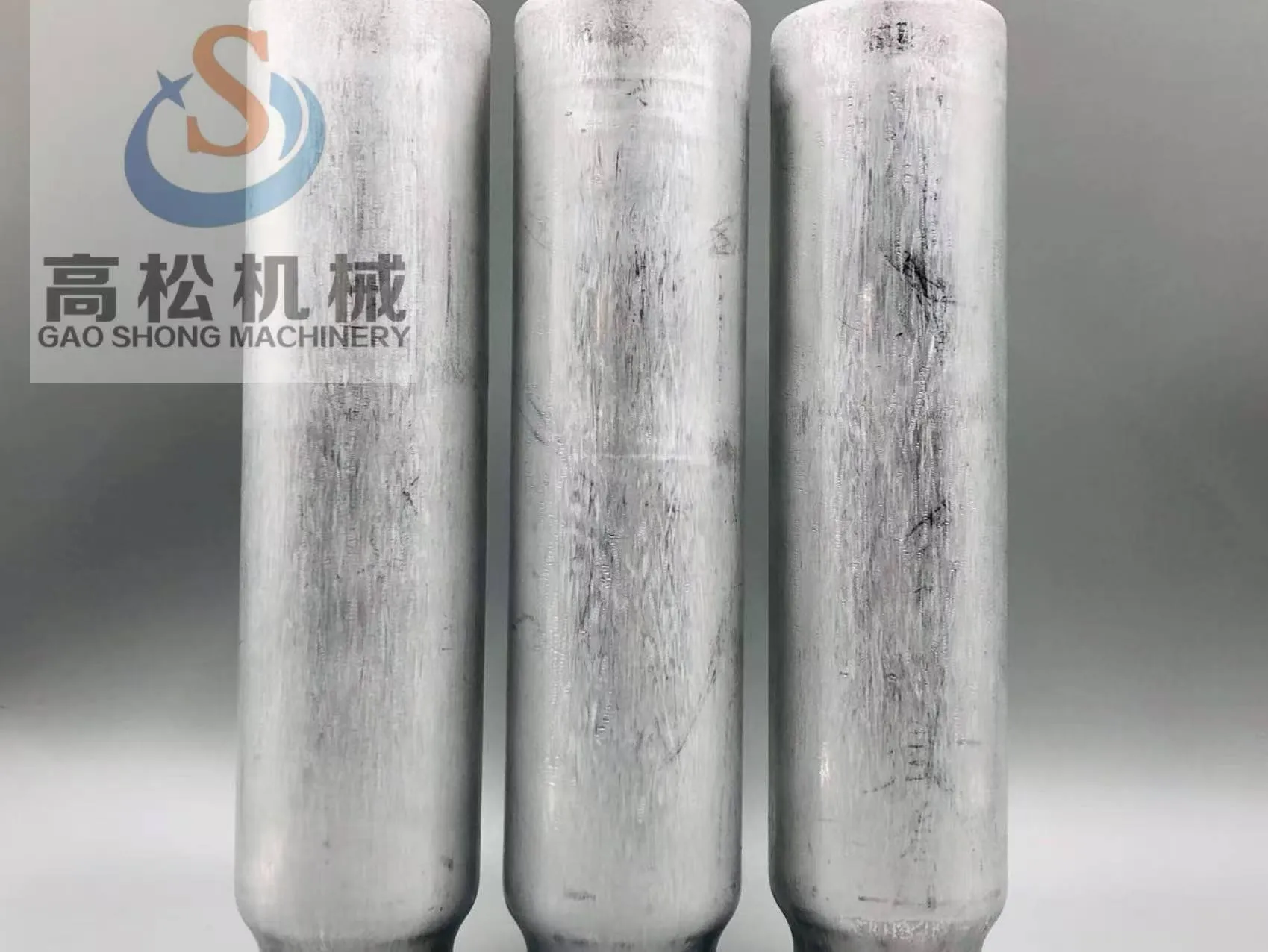 Air conditioning receiver dryer 20Y-979-3120 suitable for Komatsu
 -
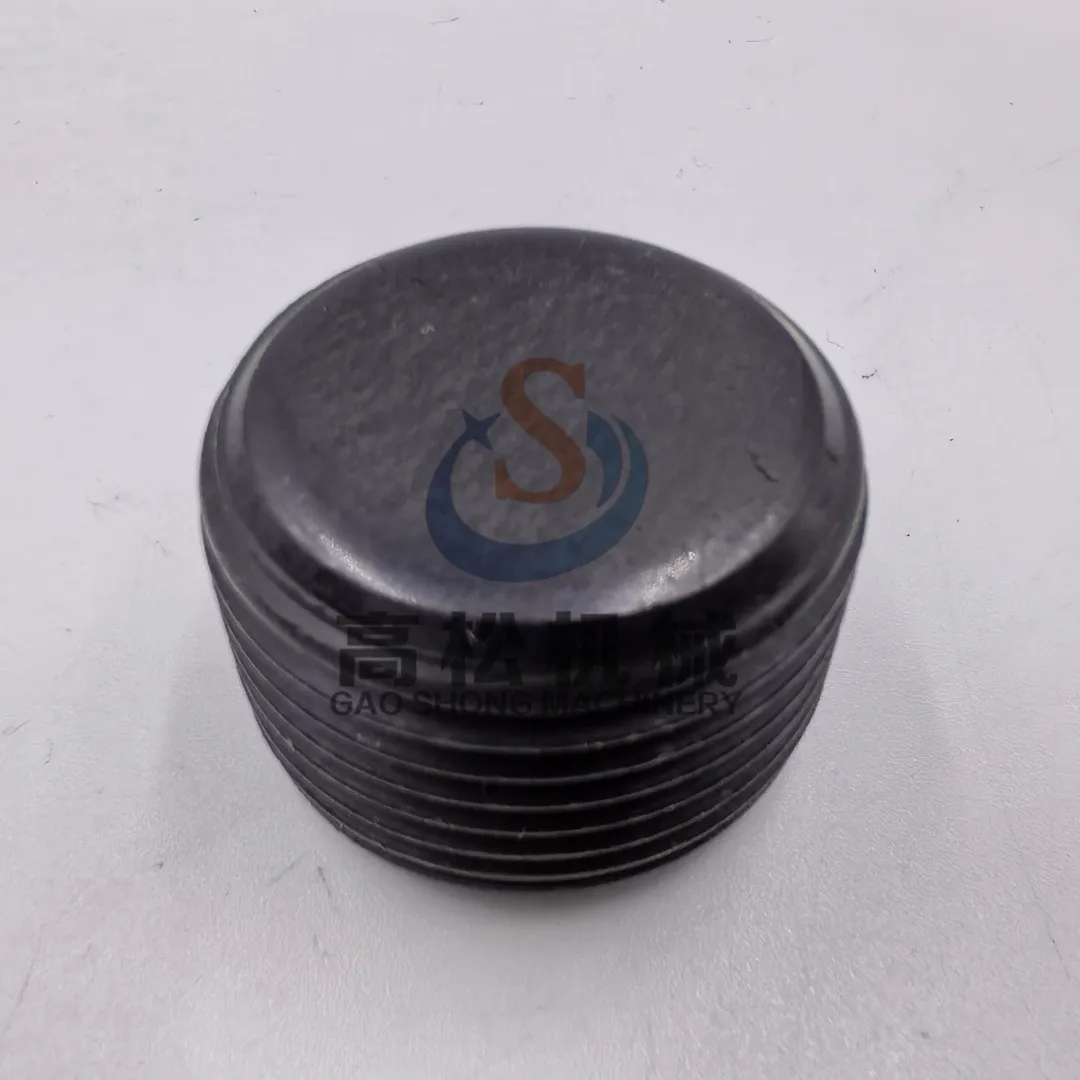 07043-00617 Komatsu Plug Komatsu originnal
 -
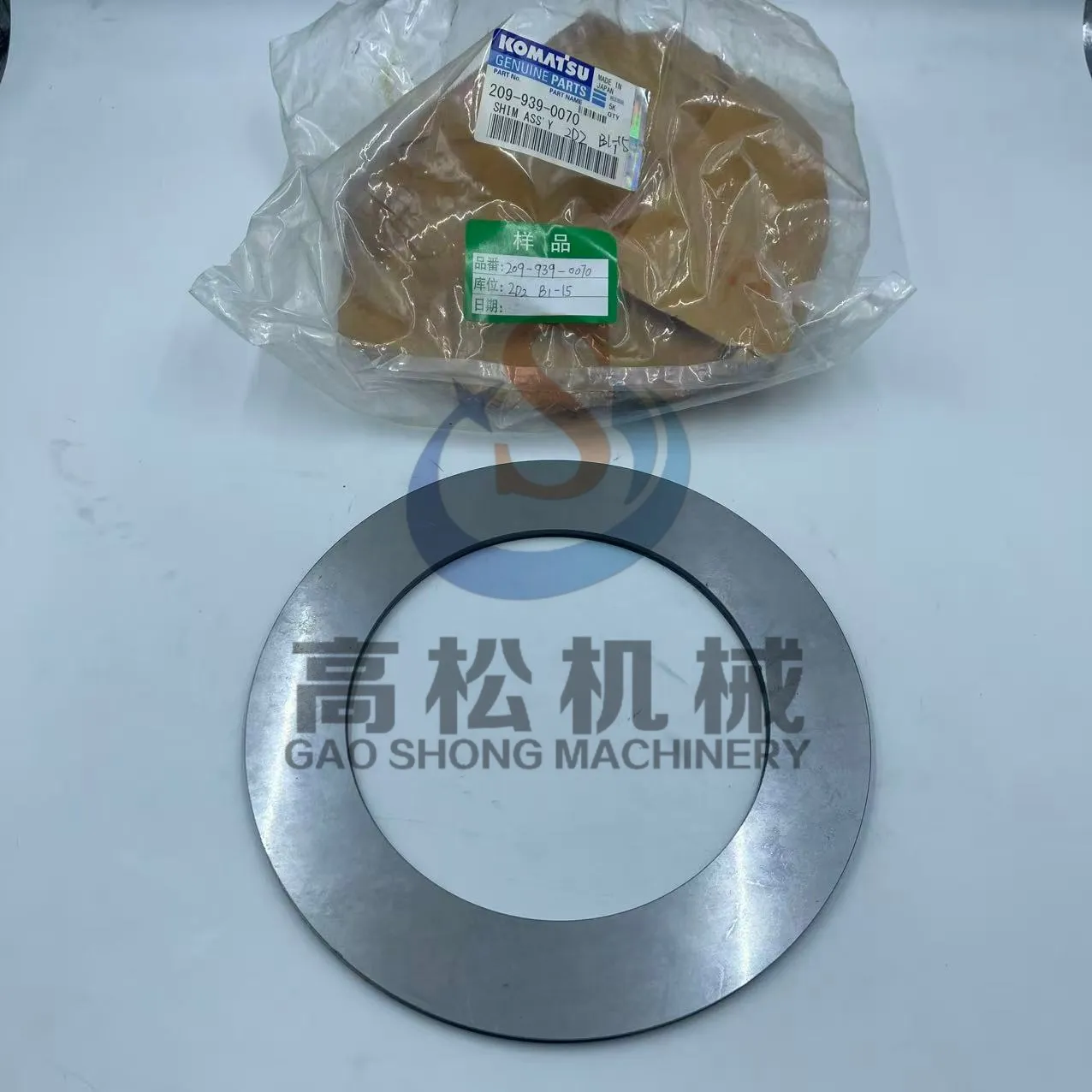 209-939-0070 Komatsu Shim Assembly
 -
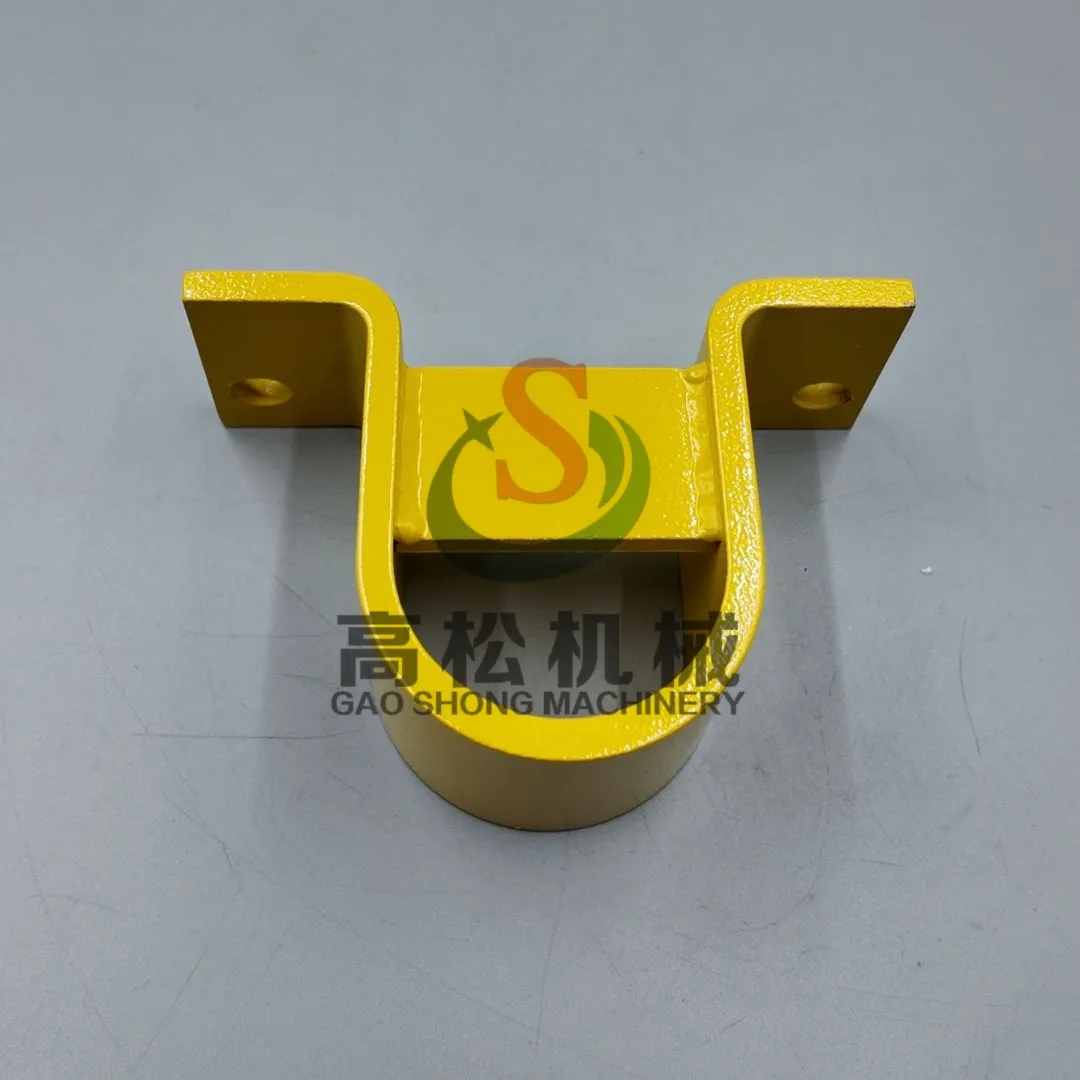 COVER 425-04-21430 for a WA500-3 komatsu original
 -
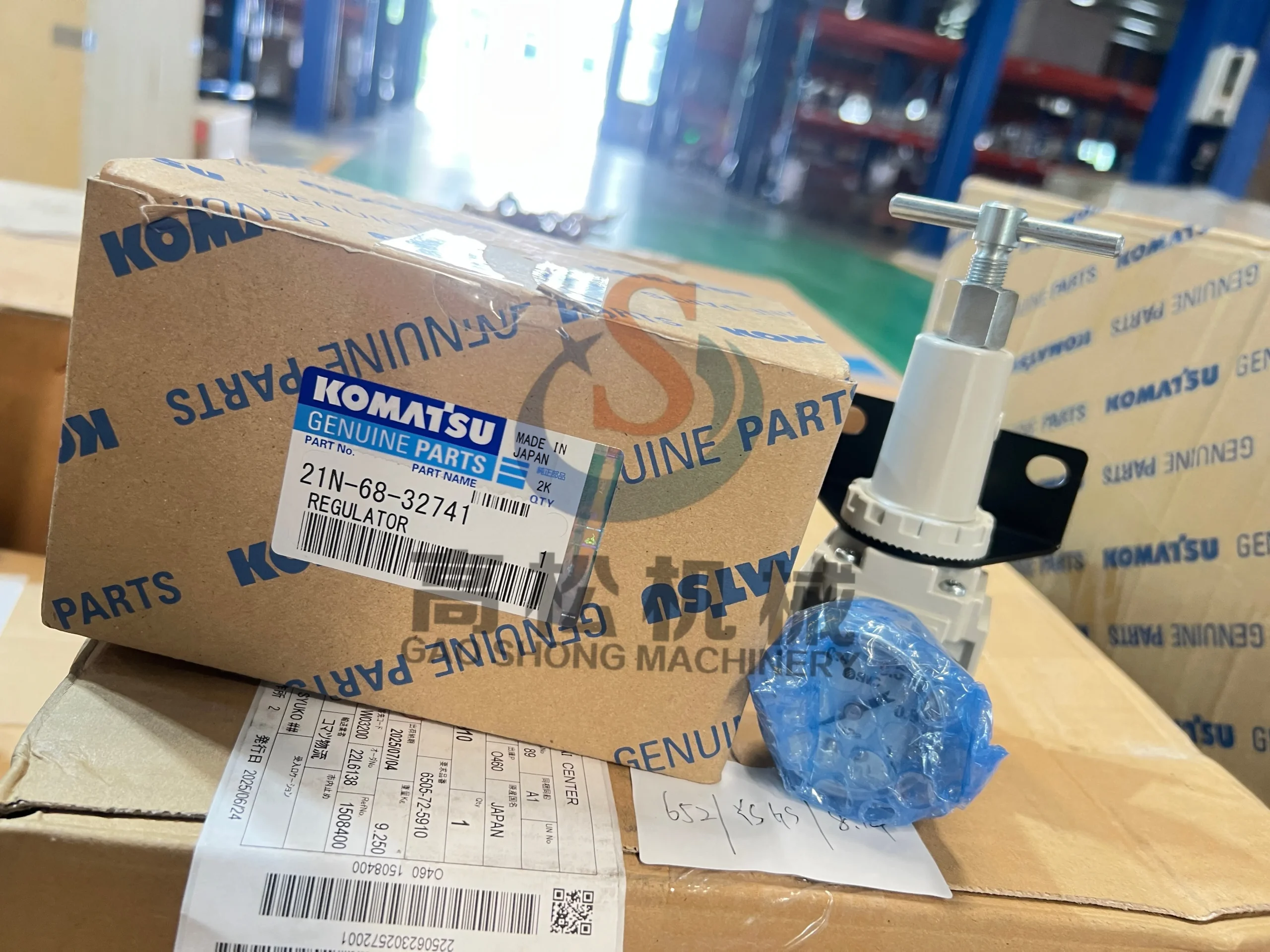 REGULATOR – 21N-68-32741
 -
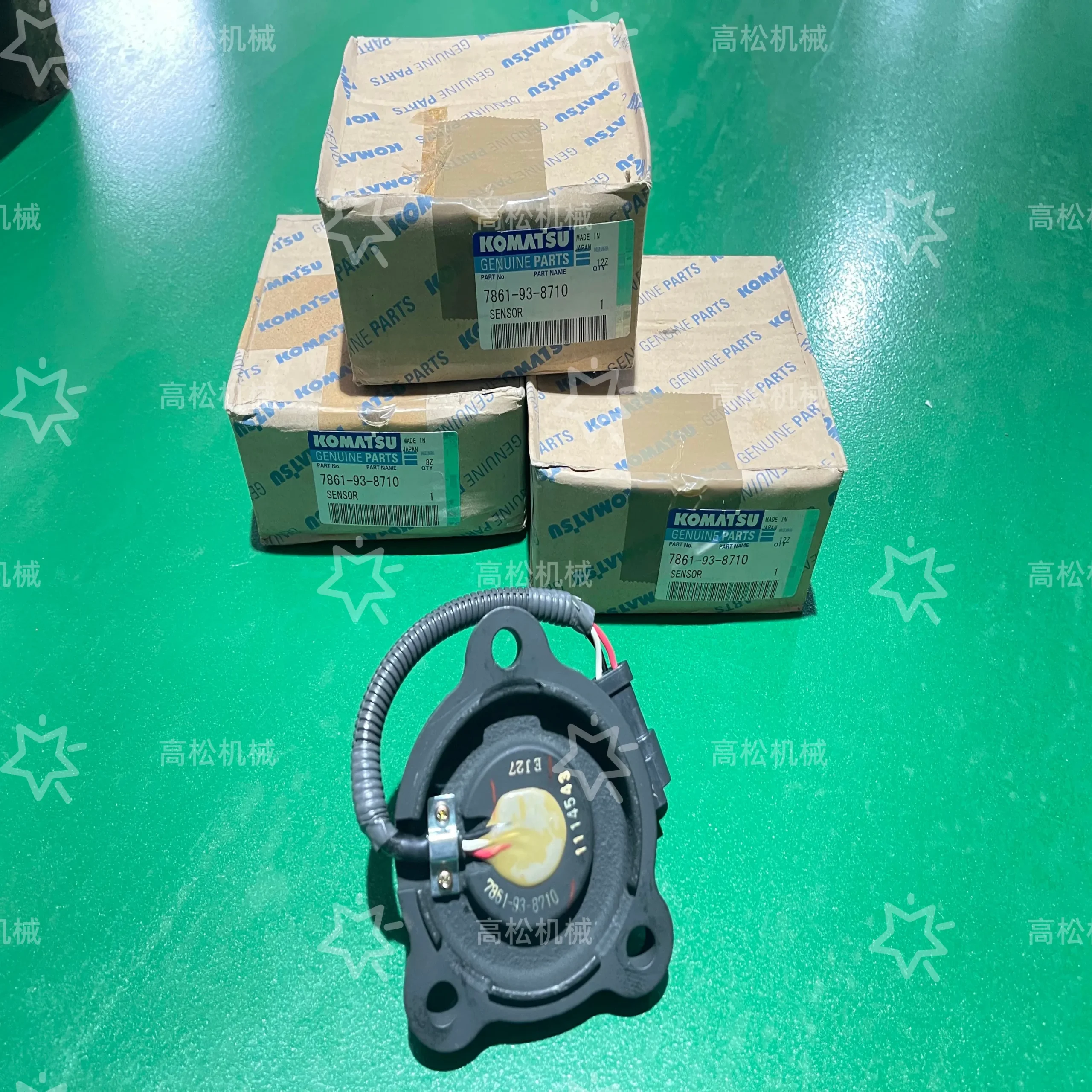 Steering Angle Sensor 7861-93-8710 Compatible with Komatsu HD325-7 HD405-7 HD465-7E0 HD605-7E0 HD785-7 HM300-1 HM300-2 HM350-2 HM400-2 PC228US-3N-W1 PC228USLC-3N-W1 PC58UU-3-N PC78MR-6-N
 -
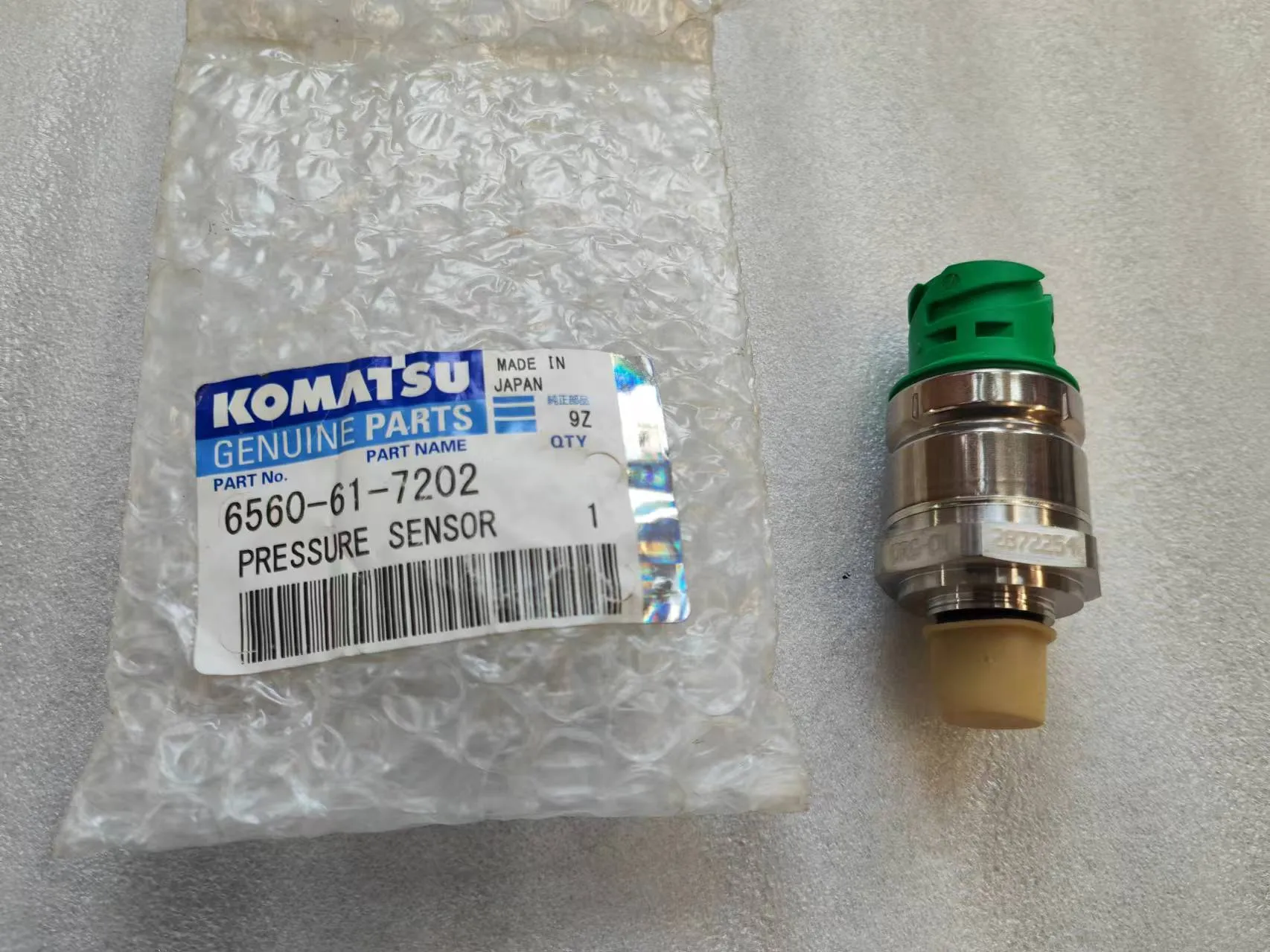 D155AX-6 Pressure Sensor 6560-61-7202
 -
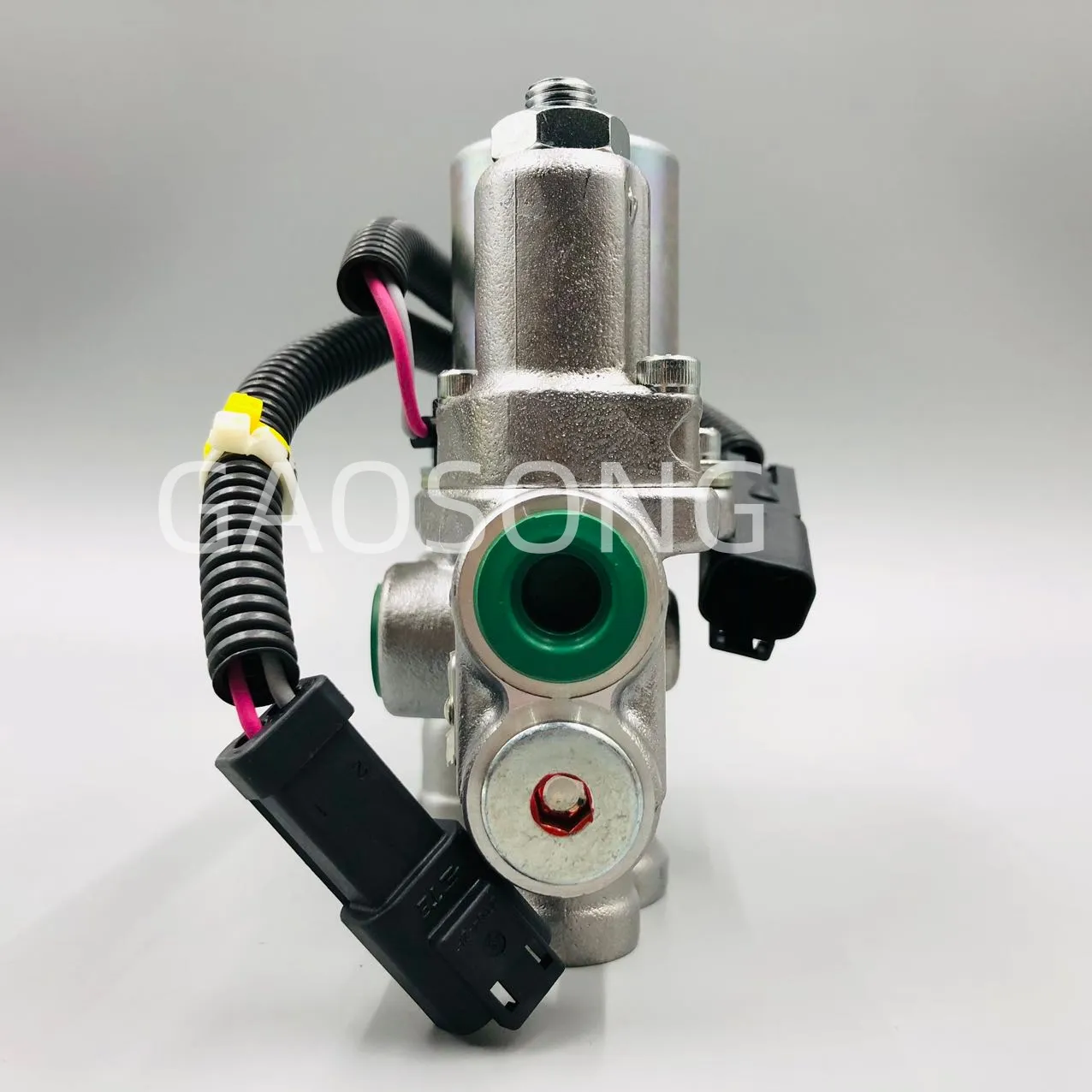 22F-60-31600 VALVE ASS’Y,(SEE FIG.Y1681-01A0).-Komatsu Original Factory