
- Chinese
- French
- German
- Portuguese
- Spanish
- Russian
- Japanese
- Korean
- Arabic
- Irish
- Greek
- Turkish
- Italian
- Danish
- Romanian
- Indonesian
- Czech
- Afrikaans
- Swedish
- Polish
- Basque
- Catalan
- Esperanto
- Hindi
- Lao
- Albanian
- Amharic
- Armenian
- Azerbaijani
- Belarusian
- Bengali
- Bosnian
- Bulgarian
- Cebuano
- Chichewa
- Corsican
- Croatian
- Dutch
- Estonian
- Filipino
- Finnish
- Frisian
- Galician
- Georgian
- Gujarati
- Haitian
- Hausa
- Hawaiian
- Hebrew
- Hmong
- Hungarian
- Icelandic
- Igbo
- Javanese
- Kannada
- Kazakh
- Khmer
- Kurdish
- Kyrgyz
- Latin
- Latvian
- Lithuanian
- Luxembou..
- Macedonian
- Malagasy
- Malay
- Malayalam
- Maltese
- Maori
- Marathi
- Mongolian
- Burmese
- Nepali
- Norwegian
- Pashto
- Persian
- Punjabi
- Serbian
- Sesotho
- Sinhala
- Slovak
- Slovenian
- Somali
- Samoan
- Scots Gaelic
- Shona
- Sindhi
- Sundanese
- Swahili
- Tajik
- Tamil
- Telugu
- Thai
- Ukrainian
- Urdu
- Uzbek
- Vietnamese
- Welsh
- Xhosa
- Yiddish
- Yoruba
- Zulu
- Kinyarwanda
- Tatar
- Oriya
- Turkmen
- Uyghur






komatsu pc200 6 engine
When you hear 'Komatsu PC200-6 engine', most folks immediately think of the S6D102E. That's correct, but it's also where the oversimplification starts. The real story isn't just the model number stamped on the block; it's about understanding its quirks, its true lifespan under different operating conditions, and the minefield of aftermarket parts that can make or break a rebuild. I've seen too many machines down for weeks because someone assumed all S6D102E long blocks are created equal. They're not.
The Heart of the Matter: S6D102E Real-World Performance
Let's get specific. The S6D102E in the PC200-6 is a 6.69L turbocharged diesel. On paper, it's a workhorse. In the dirt, its performance is heavily tied to two often-neglected systems: the cooling package and the fuel injection timing. I recall a machine in a quarry that was burning oil prematurely. Everyone jumped to rings and liners. After a costly teardown, the issue was a slightly undersized aftermarket radiator causing chronic low-grade overheating, which cooked the valve guides first. The engine wasn't 'bad'—it was let down by a peripheral component.
Another point of contention is horsepower. Some operators chase tweaks to the fuel pump for a few extra ponies. In my experience, this is a shortcut to blowing the head gasket or overheating the turbocharger. The factory setting has a buffer for a reason. The real gain comes from meticulous maintenance of the air intake system. A clogged air filter or a tiny leak in the intercooler piping will rob more power than any pump tweak could ever add back.
Then there's the oil debate. The manual says one thing, but in high-dust environments or with extended idle times, you need to adjust. I've settled on a high-quality CI-4 or CJ-4 oil with a shorter change interval than Komatsu recommends, especially for the older PC200-6 units still running strong. The slight extra cost in oil is nothing compared to an engine overhaul.
Parts Sourcing: The OEM vs. Aftermarket Dilemma
This is where the rubber meets the road, and where companies like Jining Gaosong Construction Machinery Co., Ltd. come into the picture. Their role as an OEM product supplier within the Komatsu system is crucial, but it's often misunderstood. It doesn't just mean they have genuine Komatsu parts; it means they understand the specifications and tolerances that generic aftermarket catalogs gloss over.
I learned this the hard way early on. We used a well-known aftermarket brand for a set of cylinder liners and pistons on a PC200-6 engine rebuild. The parts looked identical, mic'd out within spec, but the liner protrusion was inconsistent. Result? A head gasket failure within 200 hours. The problem wasn't the gasket—it was the foundation. An OEM supplier, by contrast, ensures that stack-up tolerance is controlled from the start.
Their website, https://www.takematsumachinery.com, highlights their dual role: an OEM supplier and a third-party sales company solving parts supply challenges. This is key. In many regions, waiting for a direct Komatsu shipment is a luxury. A supplier that can provide OEM-spec parts through alternative channels keeps machines running. It's not about bypassing Komatsu; it's about pragmatic supply chain solutions for critical engine components like crankshafts or complete cylinder kits.
Failure Patterns and Diagnostic Shortcuts
You start to recognize patterns after a while. The S6D102E has a few tell-tale signs. Excessive blue smoke at startup that clears? Likely valve stem seals hardened by heat cycles. Black smoke under load? Don't just adjust the pump—check the aneroid on the turbocharger and the air filter restriction gauge first. Low power with high fuel consumption? The lift pump on the injection pump side is a common, cheap failure point everyone overlooks.
One specific case involved a machine with intermittent power loss. Diagnostics pointed to fuel, but filters and the lift pump were new. After days of troubleshooting, we found a nearly invisible hairline crack in the fuel return line T-connector on the cylinder head. It was sucking air only under certain vibration harmonics. A five-dollar part caused a week of downtime. These are the lessons you don't get from a manual.
Cooling system failures are the silent killers. The water pump impeller can corrode or cavitate without showing external leaks, leading to uneven cooling and thermal stress. I now make it a rule to replace the water pump with a genuine or OEM-spec unit during any major engine service, even if the old one seems okay. The cost is minor compared to a warped head.
Rebuild Considerations: When to Go Deep
Deciding between a top-overhaul and a full rebuild on the PC200-6 is a judgment call. If you're just doing head work, you must check the liner protrusion. If it's at the low end of spec, a new head gasket might fail quickly. Sometimes, pulling the pistons to shim the liners is necessary, which basically turns it into a full rebuild anyway. There's no half-measure if the foundation is off.
Using a reputable source for rebuild kits is non-negotiable. This is where the value of a supplier with OEM lineage is clear. A kit from Jining Gaosong, given their stated position, should contain components that match the original engineering intent—the right ring end gaps, the correct bearing clearances, the proper hardness for valve seats. A generic kit might have pistons that are a gram or two off in weight, throwing balance off just enough to increase vibration and bearing wear over time.
Also, never reuse the torque-to-yield head bolts. Ever. And invest in a proper calibrated torque wrench and the angle gauge. Guessing the 90-degree final turn is a sure path to a comeback job.
The Long-Term View: Keeping the -6 Running
The goal with these engines isn't just to fix them; it's to extend their lifecycles cost-effectively. This means proactive replacement of wear items before they cause cascade failures. The fan hub bearing, the alternator, the starter—these aren't engine core, but their failure can lead to overheating or cranking issues that stress the engine severely.
Finally, data is your friend. Keeping simple logs of fuel consumption, oil top-off intervals, and coolant condition can reveal trends long before a catastrophic failure. A slight increase in oil consumption over three months points to a developing issue much earlier than a cloud of blue smoke does.
In the end, the Komatsu PC200-6 engine is a testament to solid design, but its longevity depends entirely on informed, nuanced maintenance and using parts that respect its original blueprint. It's the difference between a machine that's a reliable asset and one that's a constant money pit. Suppliers that bridge the gap between genuine OEM and accessible supply, as highlighted by Jining Gaosong's model, are becoming essential partners in that mission, especially for fleets operating far from major depots.
Related Products
Related Products

Best Selling Products
Best Selling Products-
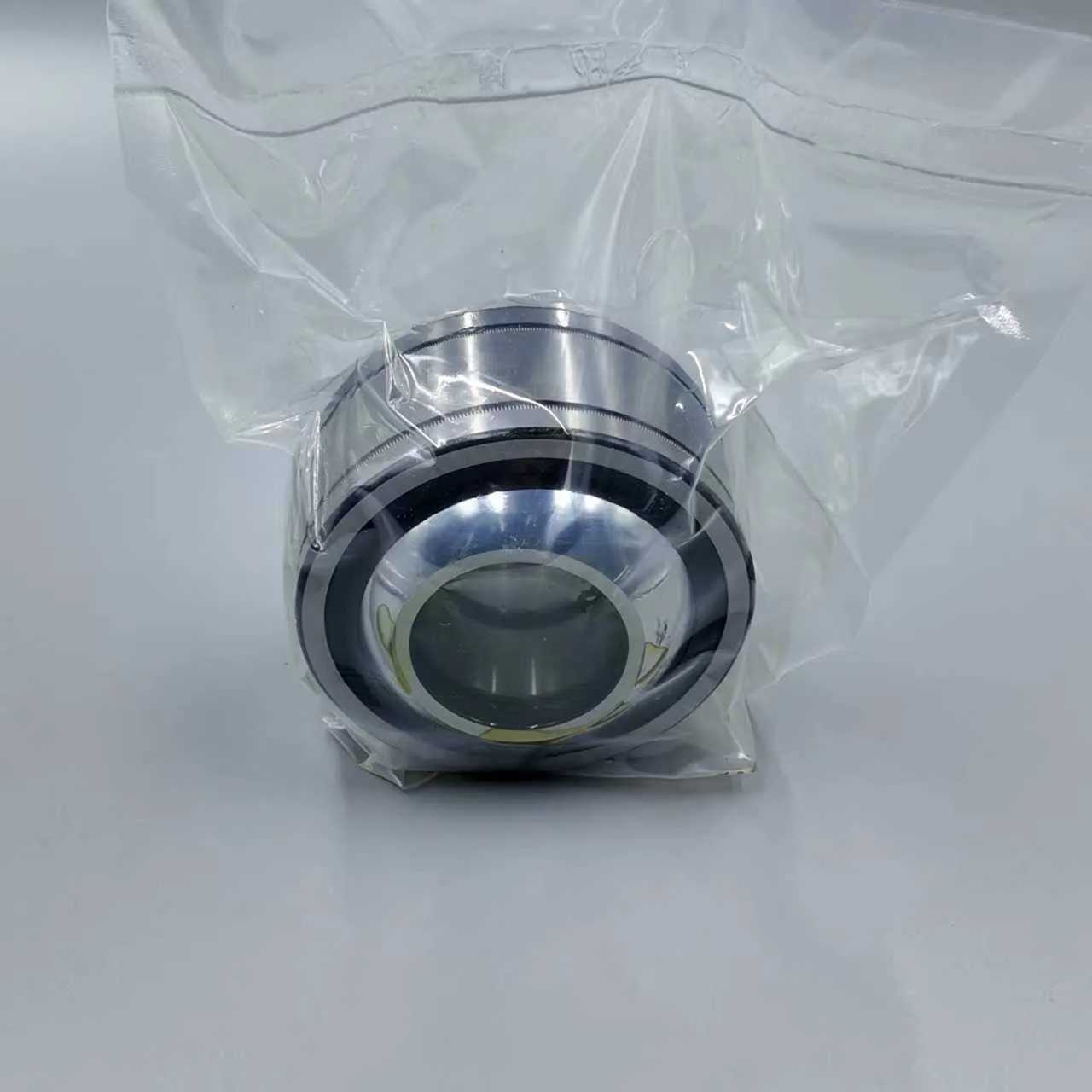 07137-04006 • BUSHING-Komatsu Original Factory
 -
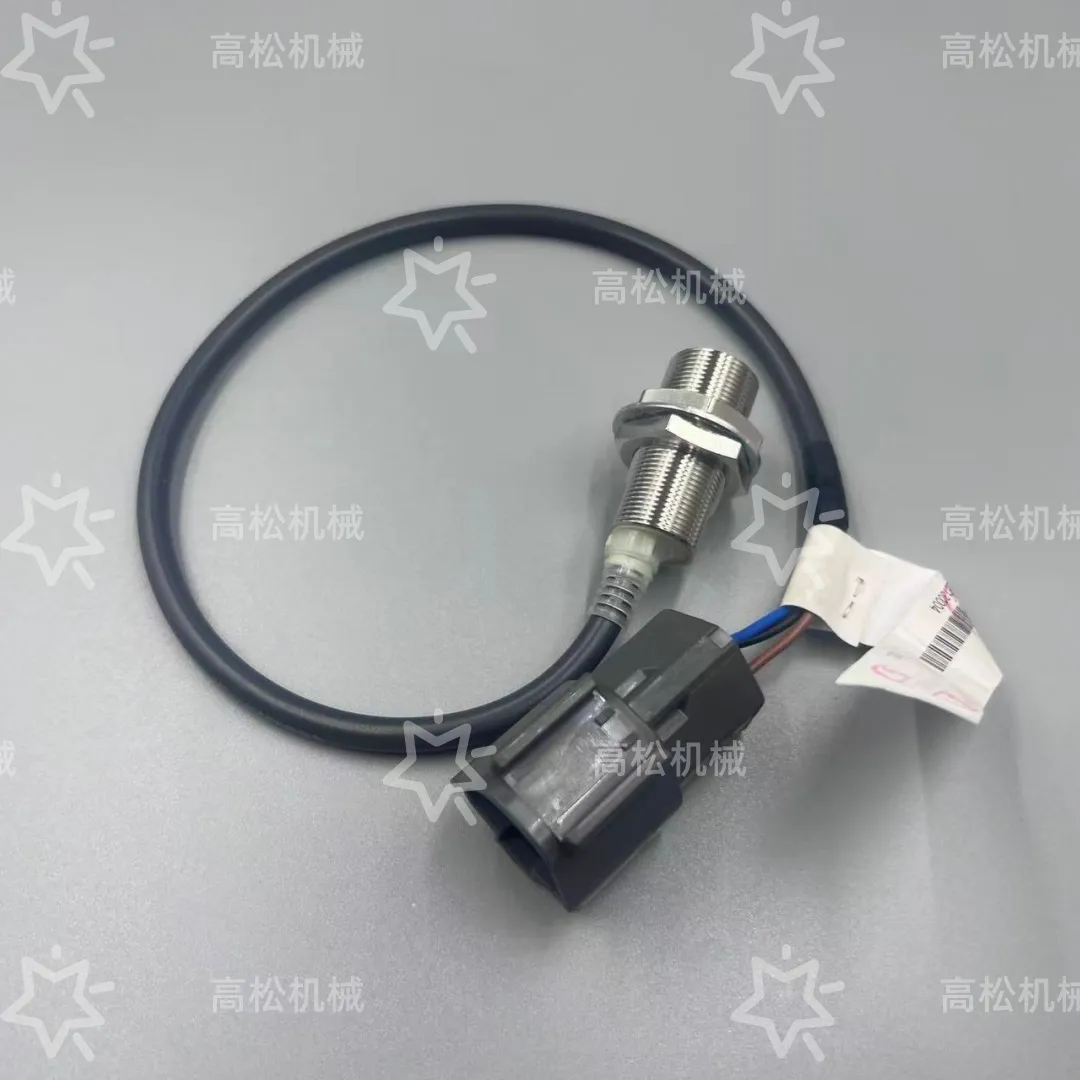 235-45-33410 SENSOR,SHIFT POTENTIO – Komatsu
 -
 14Y-21-13242 Chainsaw Drive Sprocket Kit Alloy Steel 7-Tooth for…
 -
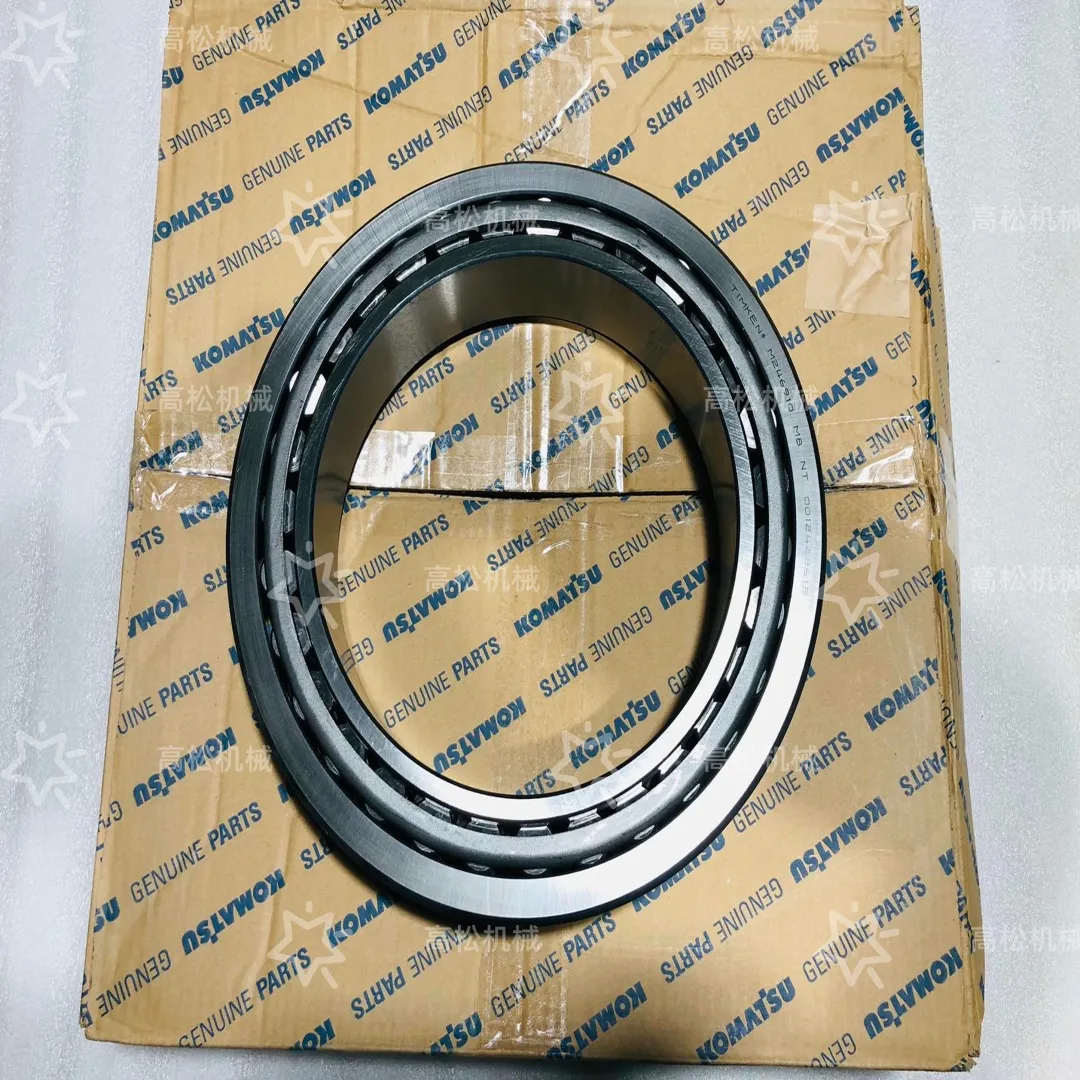 GL BEARING AS 17A-27-11331 Excavator Engine Loader Truck Bulldozer Grader Roller Spare Parts
 -
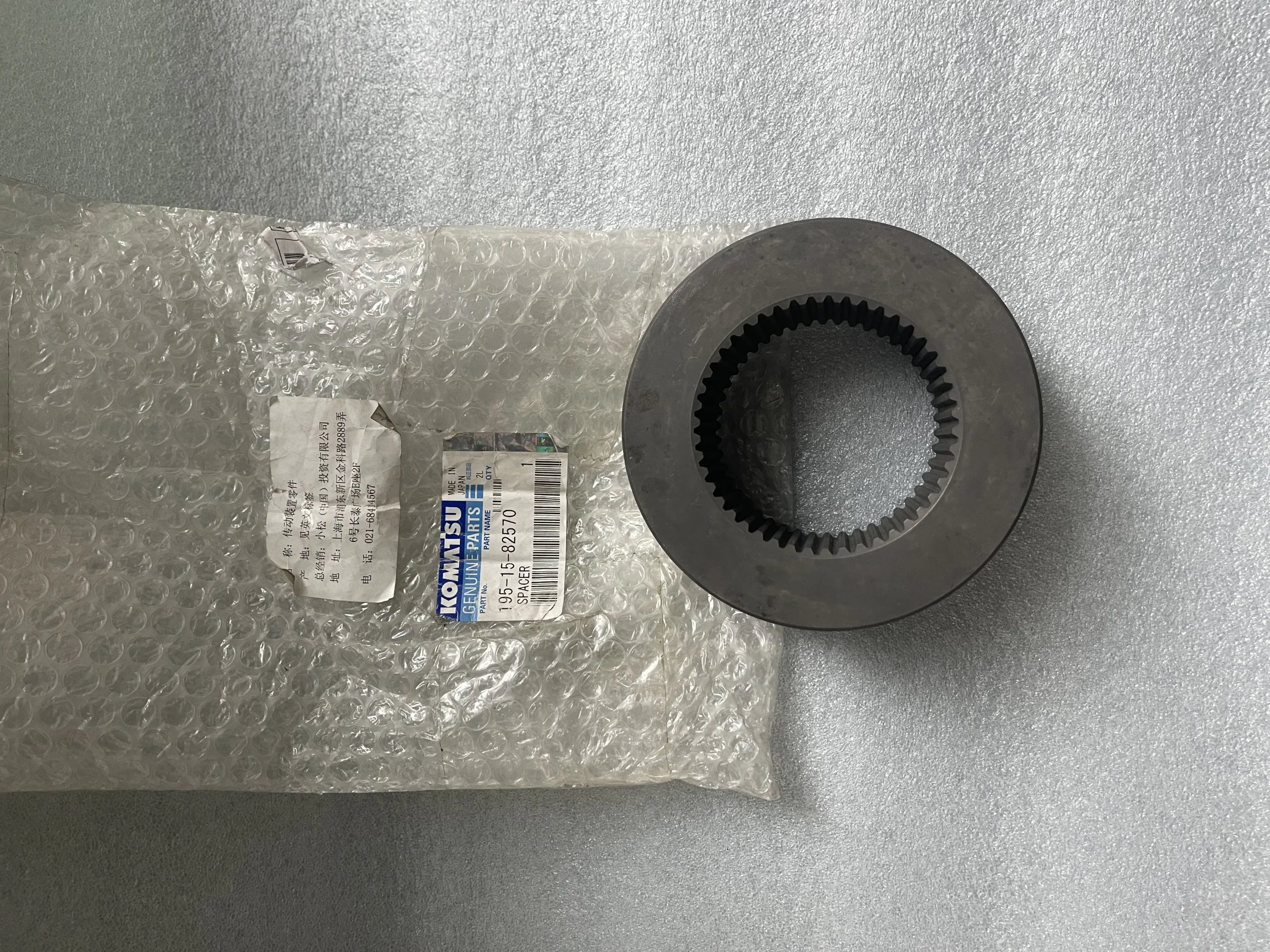 D375A-5 SPACER 195-15-82570 for komatsu Sealed-type Open-type Shielded Hybrid-ceramic
 -
 Komatsu 21N-03-32360 Connector, price for original… — Pricing.Parts
 -
 7861-93-5410-SENSOR-Komatsu Original Factory
 -
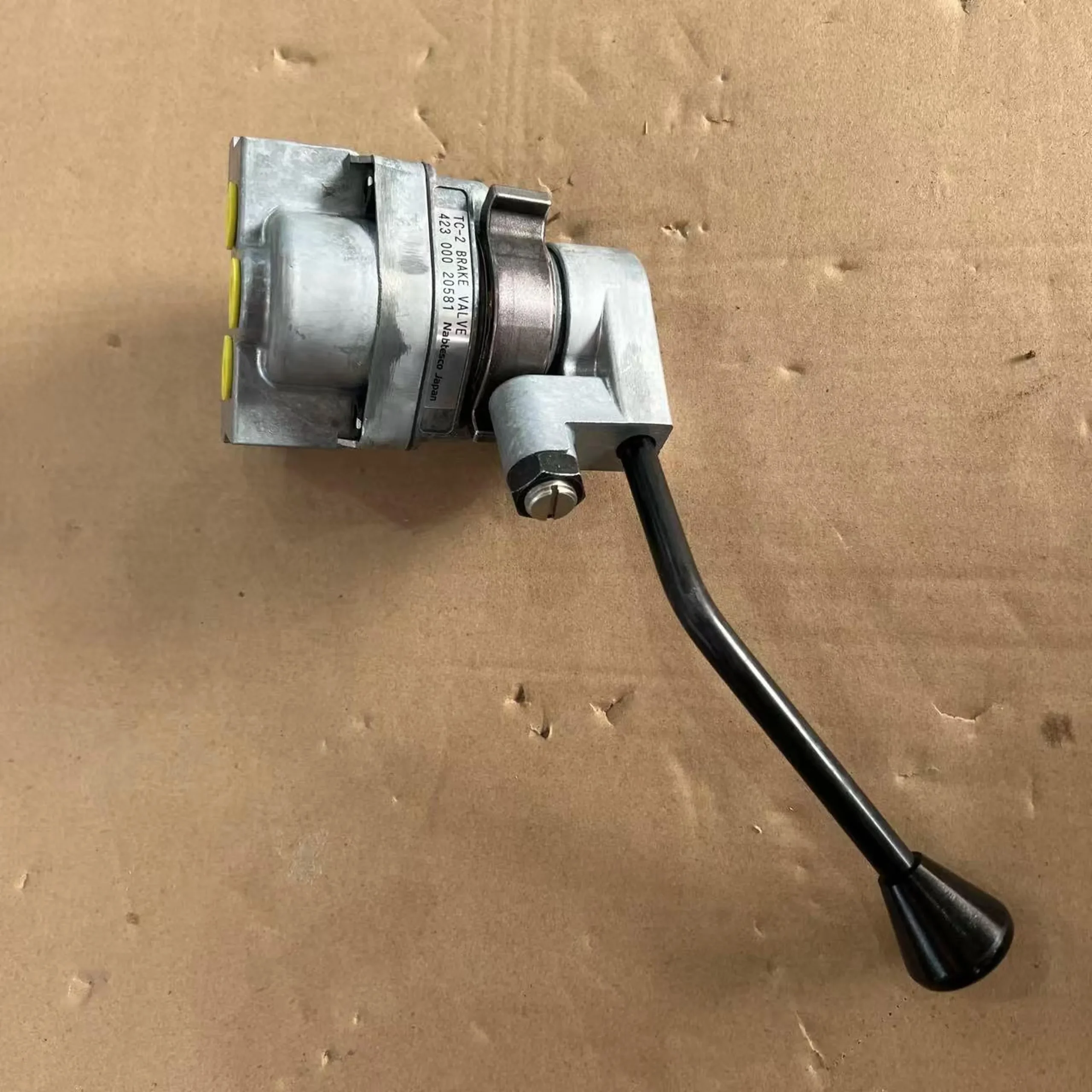 Brand New and Original RETARDER VALVE ASS’Y 561-35-62203 Valve Assembly for komatsu HD605-5 HD465-5 HD405-6 Dump Trucks
 -
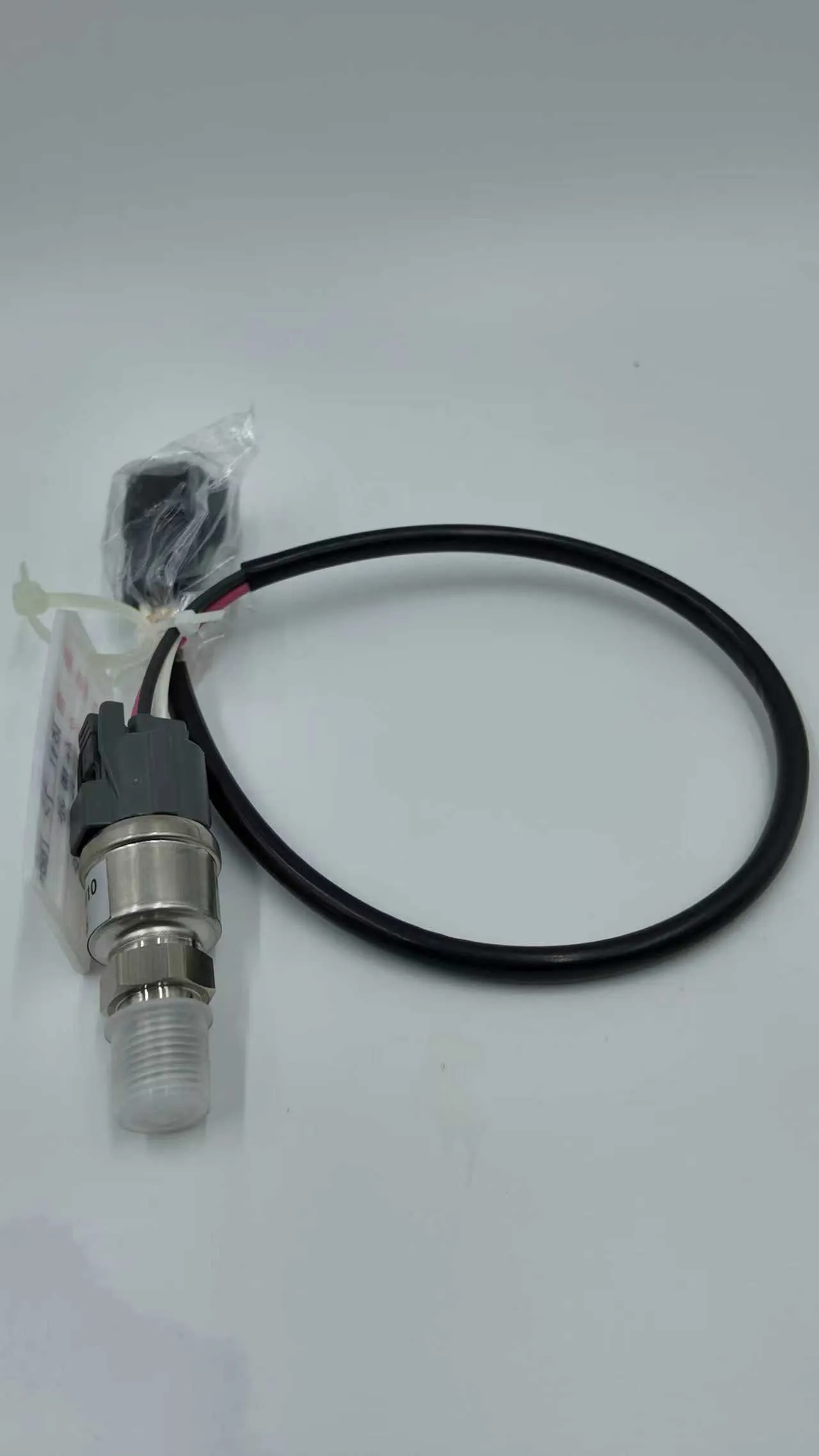 7861-93-1680-SENSOR-Komatsu Original Factory
 -
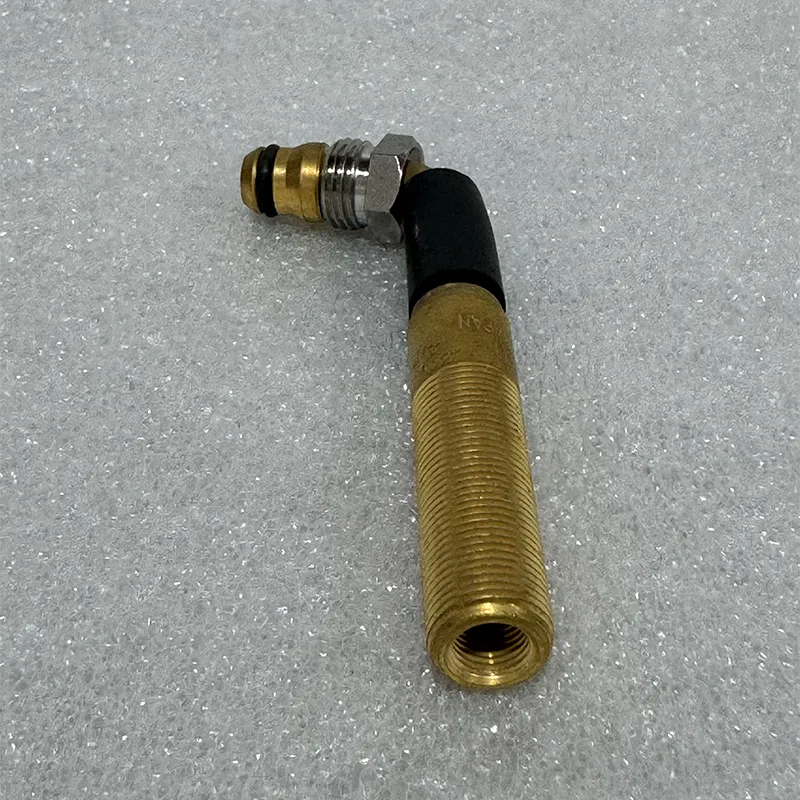 Original komatsu WA200-6 valve stem 09280-10130
 -
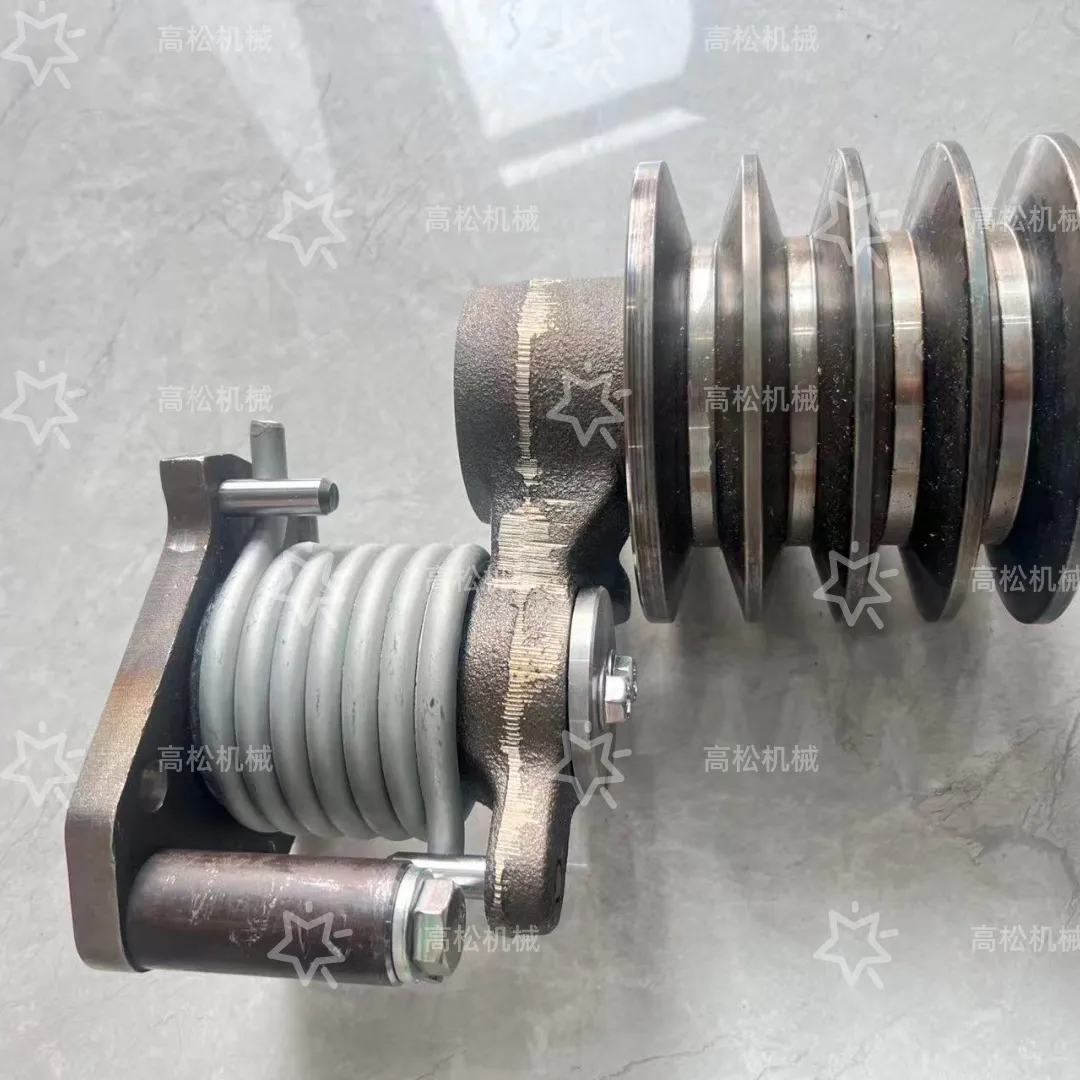 tension pulley ass’y 6240-61-4500 – komatsu
 -
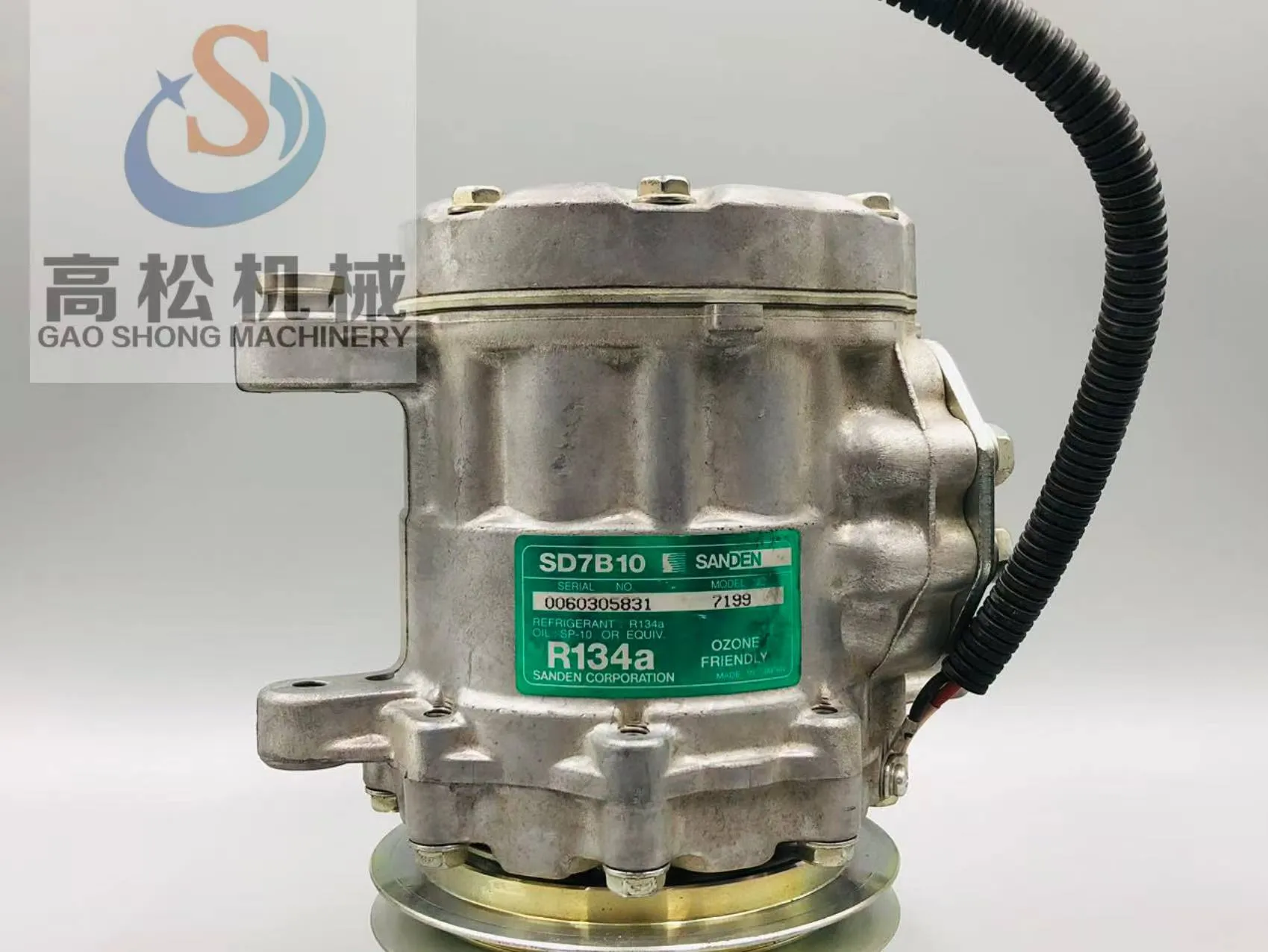 PC55MR PC56-7 Excavator Compressor PC45MR Air Conditioning 22L-979-2200 Compressor Ass’y