
- Chinese
- French
- German
- Portuguese
- Spanish
- Russian
- Japanese
- Korean
- Arabic
- Irish
- Greek
- Turkish
- Italian
- Danish
- Romanian
- Indonesian
- Czech
- Afrikaans
- Swedish
- Polish
- Basque
- Catalan
- Esperanto
- Hindi
- Lao
- Albanian
- Amharic
- Armenian
- Azerbaijani
- Belarusian
- Bengali
- Bosnian
- Bulgarian
- Cebuano
- Chichewa
- Corsican
- Croatian
- Dutch
- Estonian
- Filipino
- Finnish
- Frisian
- Galician
- Georgian
- Gujarati
- Haitian
- Hausa
- Hawaiian
- Hebrew
- Hmong
- Hungarian
- Icelandic
- Igbo
- Javanese
- Kannada
- Kazakh
- Khmer
- Kurdish
- Kyrgyz
- Latin
- Latvian
- Lithuanian
- Luxembou..
- Macedonian
- Malagasy
- Malay
- Malayalam
- Maltese
- Maori
- Marathi
- Mongolian
- Burmese
- Nepali
- Norwegian
- Pashto
- Persian
- Punjabi
- Serbian
- Sesotho
- Sinhala
- Slovak
- Slovenian
- Somali
- Samoan
- Scots Gaelic
- Shona
- Sindhi
- Sundanese
- Swahili
- Tajik
- Tamil
- Telugu
- Thai
- Ukrainian
- Urdu
- Uzbek
- Vietnamese
- Welsh
- Xhosa
- Yiddish
- Yoruba
- Zulu
- Kinyarwanda
- Tatar
- Oriya
- Turkmen
- Uyghur






komatsu pc20 parts
When you start digging into Komatsu PC20 parts, there's this immediate assumption many make: that it's a straightforward, catalog-driven process. The PC20, being a smaller machine, often gets lumped into the simple category. But that's where the first misconception hits. The supply chain for these components isn't monolithic; it's fragmented by region, age of the machine, and the ever-present divide between OEM, aftermarket, and... well, let's call them 'alternative channels'. I've seen guys waste weeks looking for a specific hydraulic pump assembly, only to find the OEM lead time is prohibitive, while the local aftermarket version doesn't quite match the port configuration. It's never just about the part number; it's about the context of the machine's service history and what's actually available to you that week.
The OEM vs. Aftermarket Dilemma in Real-Time Repairs
Let's talk brass tacks. You've got a PC20 with a failed swing motor. The official Komatsu dealer quotes you a price and a 12-week delivery from Japan. The machine is down on a tight-site demo project. This is the daily reality. The allure of aftermarket parts is obvious: cost and speed. But here's the judgment call you have to make. For a critical, high-stress component like a swing motor or a final drive, I've learned the hard way that not all aftermarket is equal. I tried a supposedly fully compatible swing motor from a generic supplier three years back. It lasted eight months. The failure took out the gear seal, leading to a more expensive repair. The downtime cost eclipsed the initial savings. So now, my rule is: for core powertrain and hydraulic system parts, I lean towards OEM or the highest-tier certified aftermarket. For brackets, seals, hoses, and non-critical wear items? The reputable aftermarket makes economic sense.
This is where a company's positioning becomes crucial. You come across a supplier like Jining Gaosong Construction Machinery Co., Ltd., and their stated role as an OEM product supplier within the Komatsu system and a third-party sales company is more than just marketing copy. In practice, this often means they can access genuine Komatsu parts inventory that might be allocated for different regions, or they have the direct factory relationships to produce OEM-spec components under license. Their stated goal of solving parts supply challenges in certain countries rings true for places where the official dealer network is thin or prioritizes larger, newer models over the older workhorses like the PC20.
I remember needing a PC20-7 control valve. The local dealer had it discontinued. I found it listed on their site, takematsumachinery.com, confirmed the spec via a clunky but detailed email exchange (they sent me factory diagrams to match my serial number), and got it shipped in 17 days. It wasn't the cheapest option, but it was the correct one, and it arrived faster than any other reliable source could promise. That's the niche they fill: bridging the gap between pure OEM and the uncertainty of the open aftermarket.
Specific Pain Points: The Usual Suspects and Surprises
Every machine has its Achilles' heel. For the PC20 series, especially the older models, you start seeing patterns. Undercarriage components for the PC20MR-2, for instance. Rollers, idlers, chains. They wear out predictably, but sourcing exact-match replacements can be tricky because the specs changed subtly between sub-models. I've received a track link that looked identical but had a 2mm pin bore difference, halting a whole rebuild. The lesson? Always, always cross-reference with your machine's serial number, not just the model. Suppliers who ask for your serial upfront, like the process I had with Gaosong, tend to be more reliable.
Then there are the electrical components. The controllers and sensors on these machines are not always generic. A simple engine speed sensor failure can idle a machine if you can't find the right one. The aftermarket here is a minefield. I've had good luck with some, and complete duds with others that throw false codes. For these, if the OEM part is available without a massive wait, I just bite the bullet. It's less headache in the long run.
Hydraulic hoses and fittings are another area. It seems simple, but the flare angles and thread pitches on Japanese machinery like the Komatsu can be metric but not a common standard. You can't just walk into any hydraulic shop and get a perfect match. Keeping a relationship with a supplier that stocks or can quickly fabricate these to exact Komatsu specifications is a massive time-saver. It's these small, irritating parts that cause the most downtime.
Sourcing Strategy: Building a Reliable Network
You don't rely on one source. That's a fast track to failure. My parts sourcing for models like the PC20 is a three-tiered approach. Tier one is the official local dealer, for warranty work and critical, unavailable-elsewhere parts. Tier two is a shortlist of specialized, technically competent third-party suppliers who understand the nuances. A company like Jining Gaosong fits here, particularly for OEM-spec or genuine parts. Their website isn't flashy, but it's functional, and more importantly, they have technical staff who respond to inquiries with detail, not just a sales pitch.
Tier three is for generic consumables and non-critical parts—your filters, generic seals, buckets teeth, etc. Here, price and local availability rule. The key is knowing which category a needed part falls into. A pilot valve? That's a Tier one or two item. A cab filter? Tier three all day.
This network isn't built overnight. It's built through failed orders, wrong shipments, and finally, those smooth transactions where the right part shows up on time. The suppliers that survive in my Rolodex are the ones who are transparent about availability, willing to send photos for verification, and don't disappear after the sale if there's a fitment issue.
The Genuine Question and Cost Over the Lifecycle
There's a constant debate about genuine vs. quality. With Komatsu PC20 parts, especially for an older machine that's long paid off, the calculus changes. Is it worth putting a $2,000 genuine Komatsu control block into a machine with a residual value of $15,000? Maybe not. But a $500 aftermarket block that fails in a year and requires $800 in labor to replace twice is also a bad deal.
This is where the concept of OEM product supplier becomes valuable. If a company like Gaosong can provide a part manufactured to Komatsu's original specifications, potentially at a lower cost due to different regional pricing or direct manufacturing, it changes the equation. It's not a copy; it's the same blueprint from the same system. For a machine owner, that's often the sweet spot: reliability closer to genuine, without the full genuine price tag and supply chain lag. It's not a solution for every single part, but for major components, it's an option that deserves serious consideration.
Ultimately, managing an older machine like a PC20 is about total cost of operation, not the price of any single part. A reliable parts source that minimizes downtime is worth a premium. The goal is to keep the machine earning, not just to fix it as cheaply as possible. Every sourcing decision has to run through that filter.
Final Thoughts: It's About Precision, Not Just Parts
Wrapping this up, the search for Komatsu PC20 parts is really an exercise in precision logistics and technical judgment. It's not a Google search and click. It's about understanding the machine's specific build, the criticality of the failed component, and the landscape of suppliers who can actually deliver a solution, not just a box with a part in it.
The market is full of noise. Suppliers that clearly define their role—like offering both OEM-system and third-party solutions—cut through that noise. They address the core problem: availability. When a machine is down, you need a correct answer and a realistic timeline. Sometimes that answer comes from the official channel, sometimes it comes from a specialized intermediary that can navigate Komatsu's global system in a way you can't.
So, the next time you're looking for a PC20 part, skip the generic search. Start with your serial number. Know what the part actually does. And then vet your supplier not just on price, but on their ability to understand and meet that specific need. It's the difference between a quick fix and a lasting repair.
Related Products
Related Products

Best Selling Products
Best Selling Products-
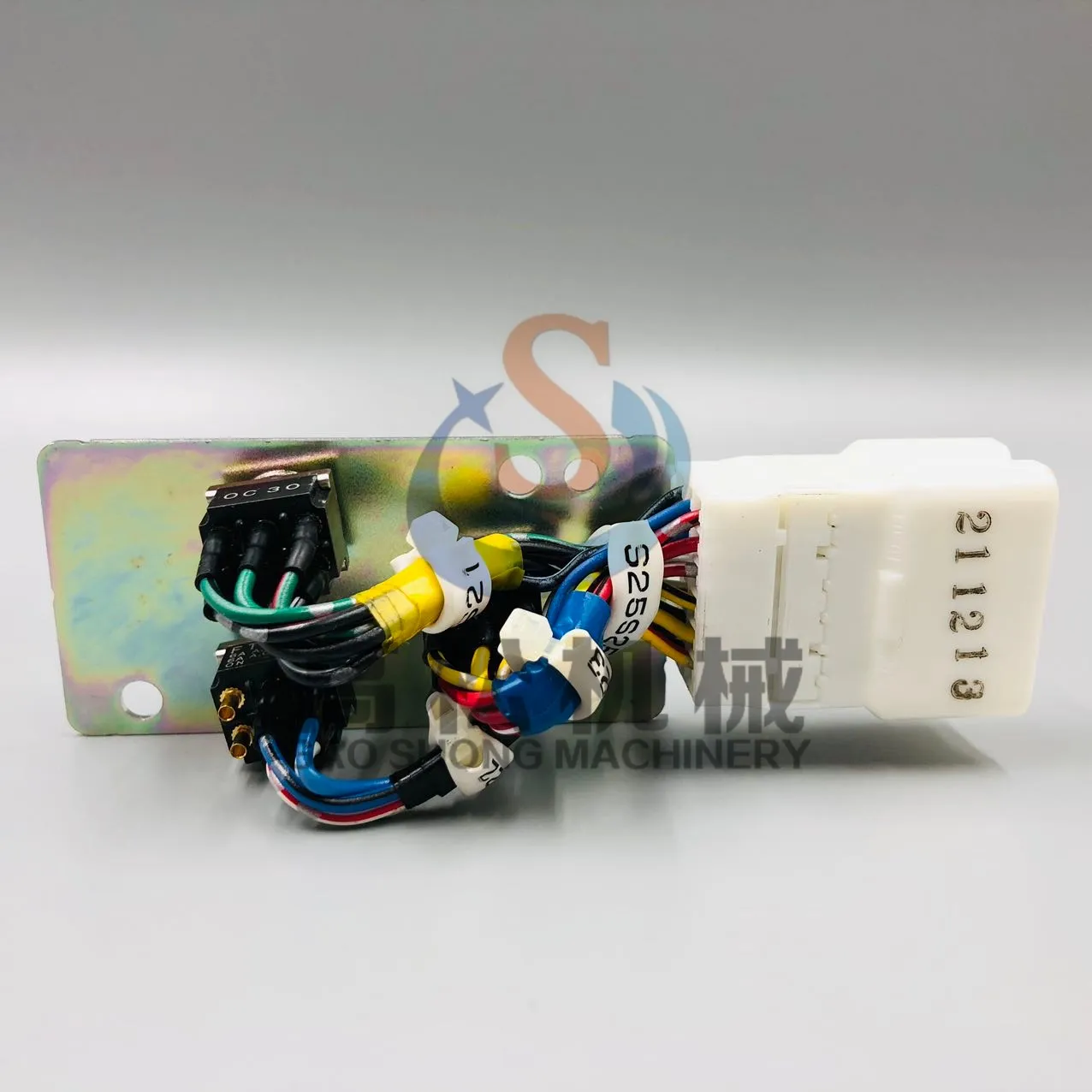 SWITCH ASS’Y 22U-06-22370 – KOMATSU
 -
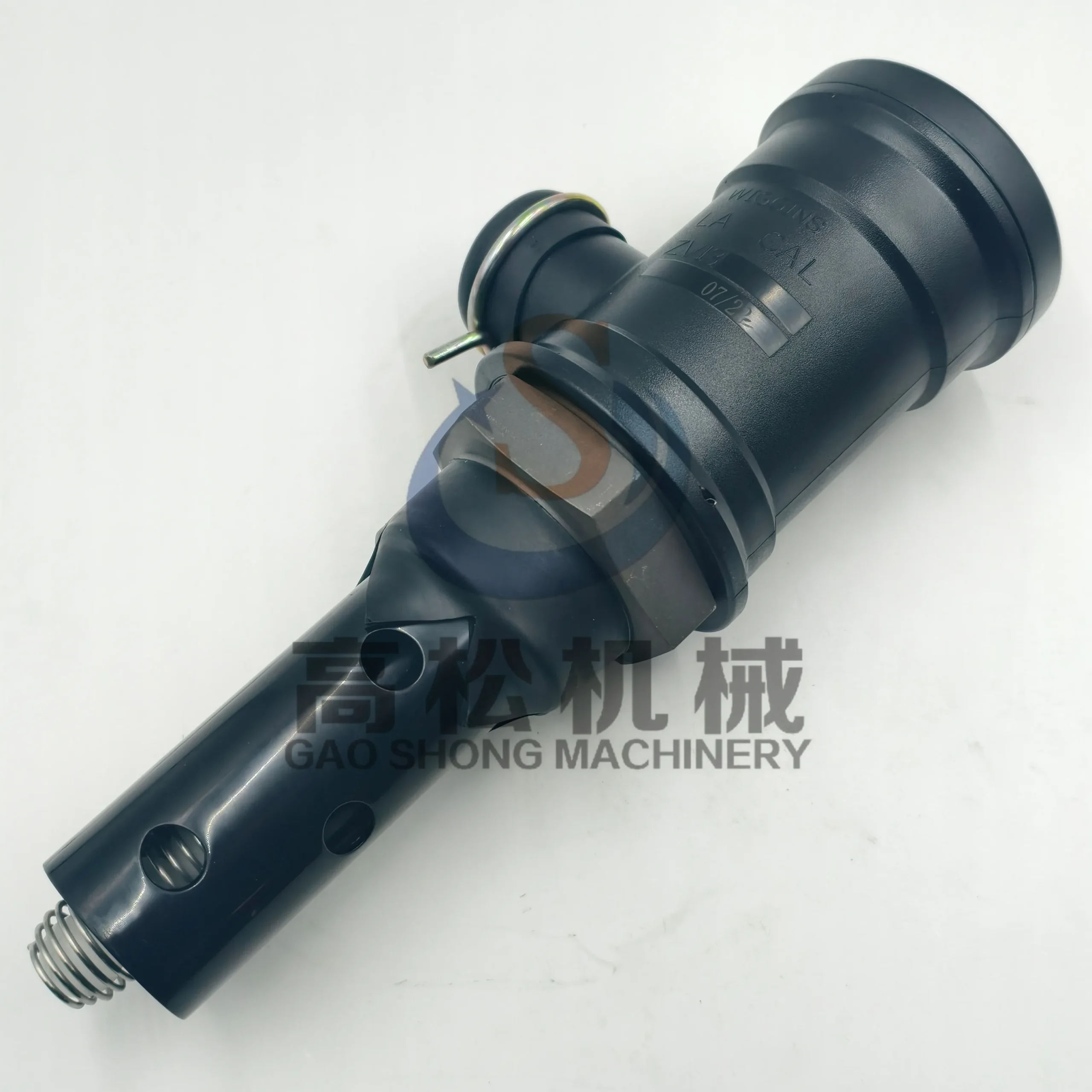 21T-04-31130 KOMATSU VENT ASSY
 -
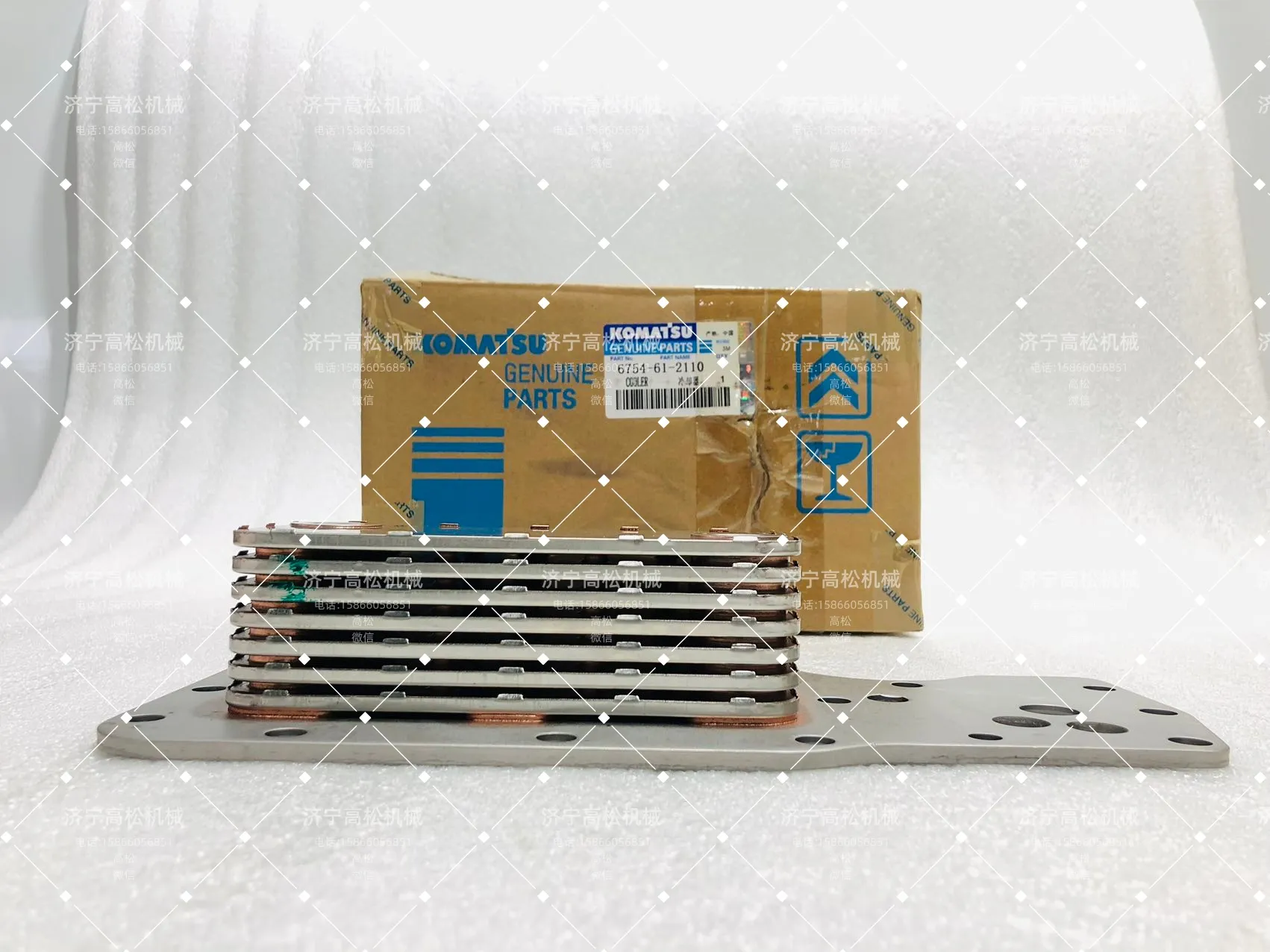 6754-61-2110 komatsu:core CORE, COOLER
 -
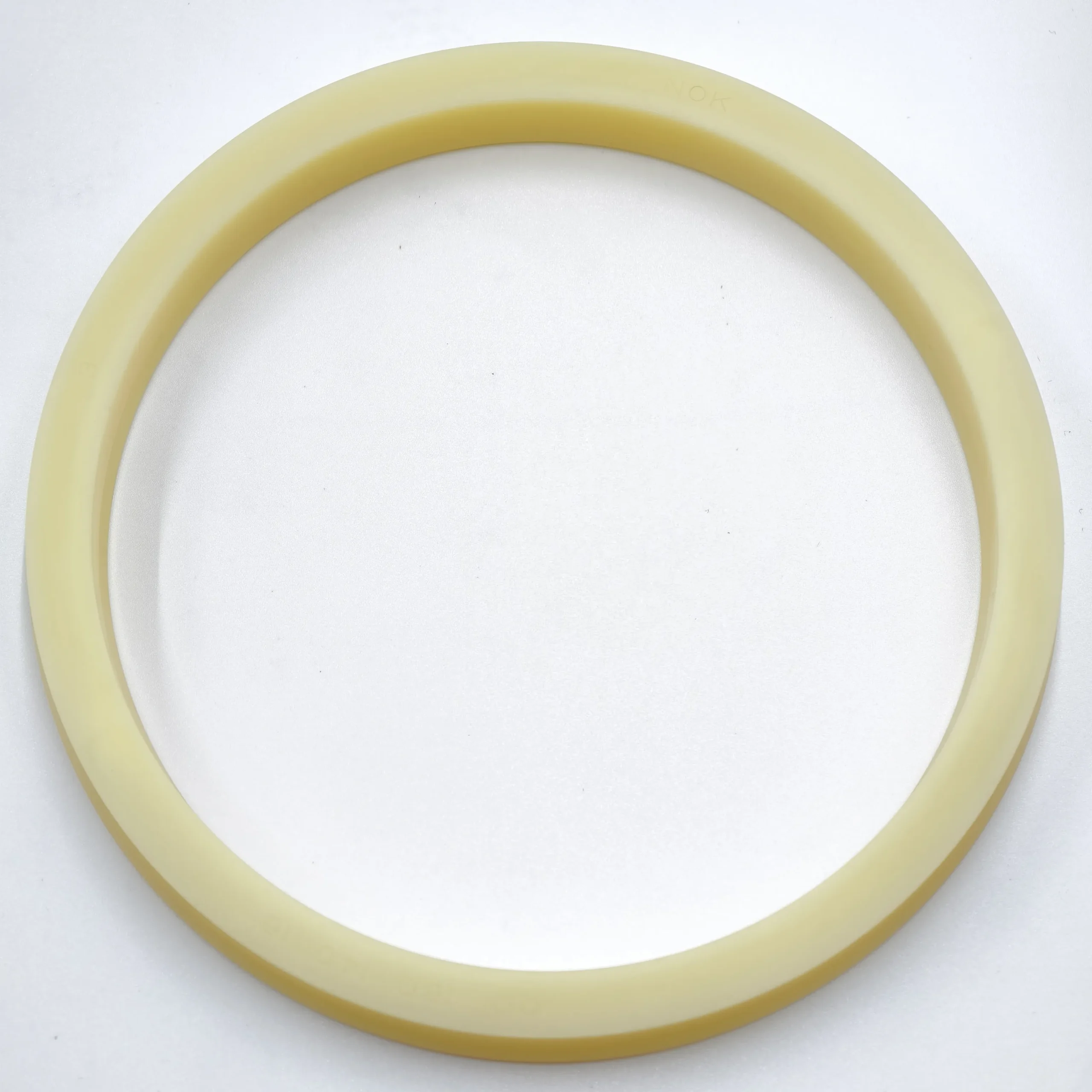 21N-30-14160 for Excavator PC1250-7 PC1100 IDLER CUSHION PACKING
 -
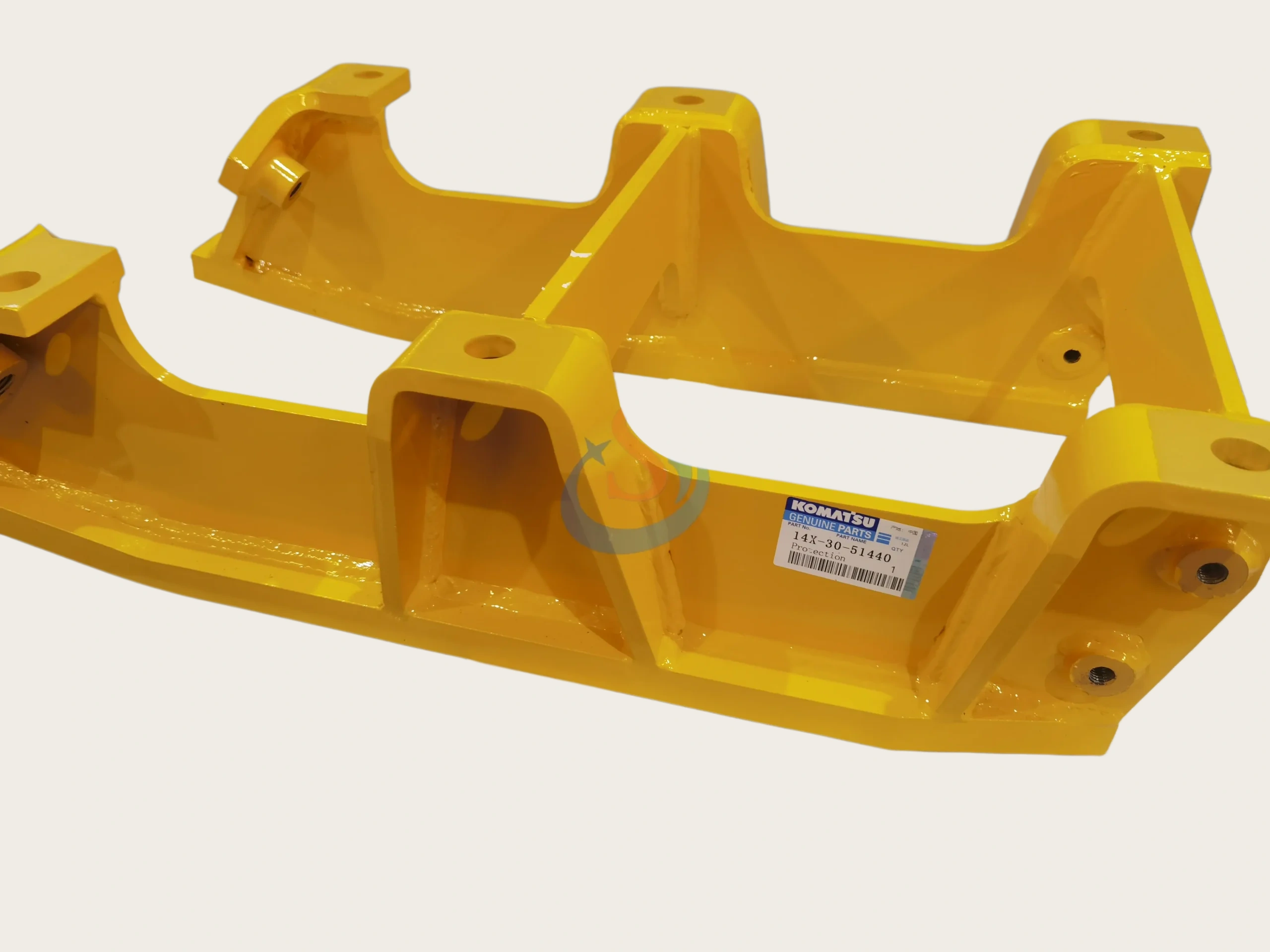 komatsu-part-14X-30-51440 Guard D65PX-16 D65PX-17 D65WX-18 D65EX-18E0 TRACK FRAME TRACK FRAME, (WITH POWER ANGLE POWER TILT DOZER, INSIDE FRAME)
 -
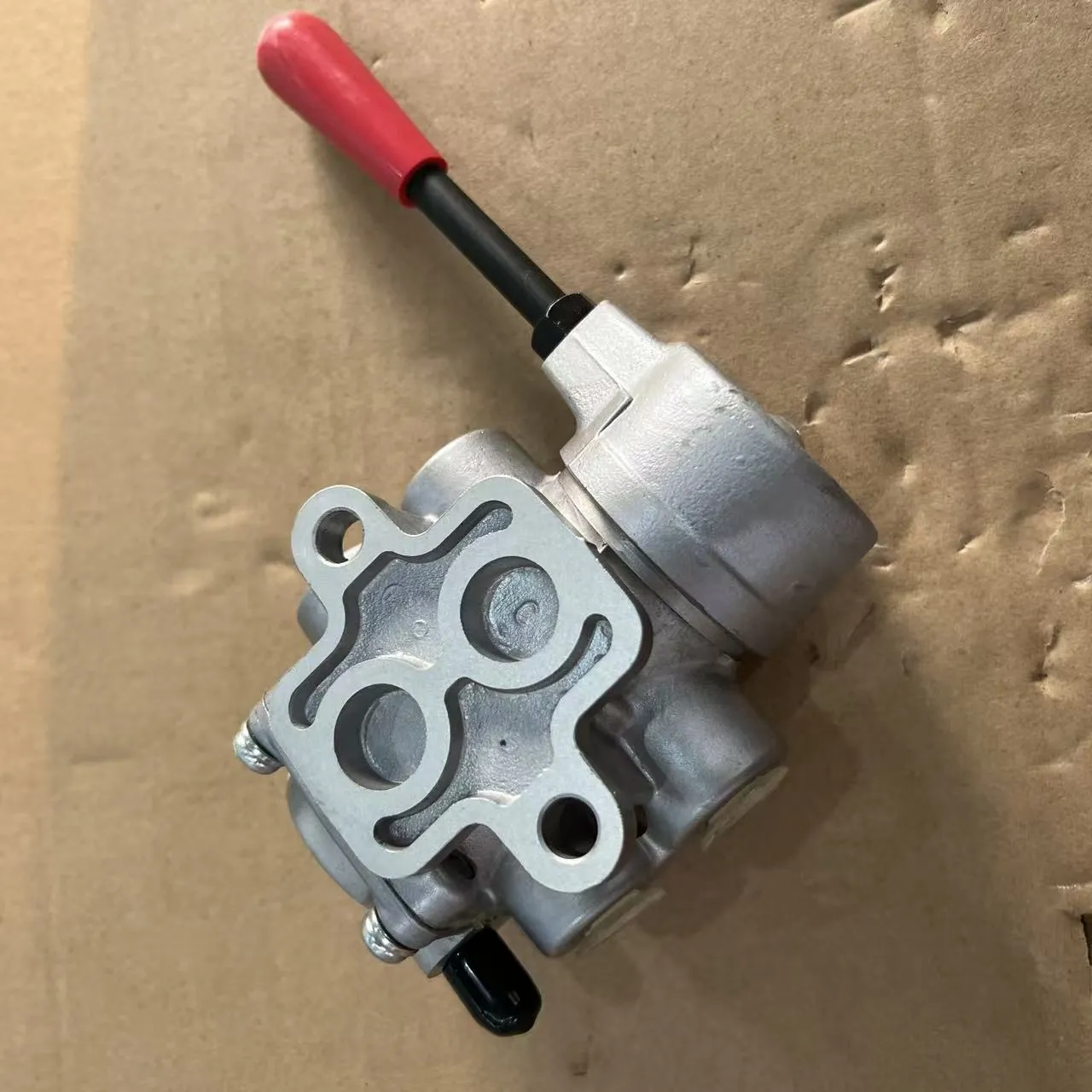 Komatsu 561-87-66102 EMERGENCY BRAKE… — Pricing.Parts
 -
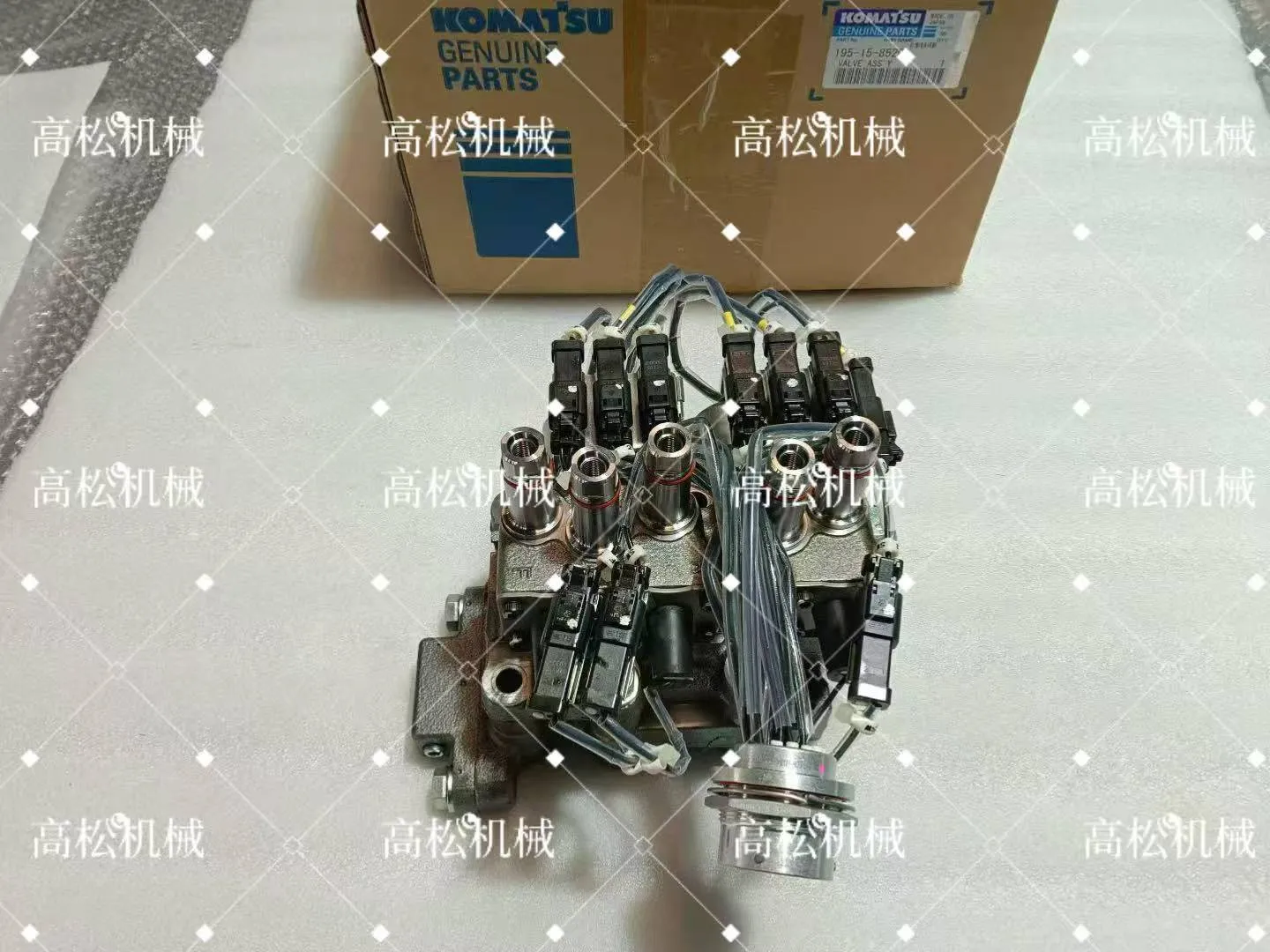 Low price, spot 195-15-85201, valve transmission control for komatsu, parts d375a-6 construction machinery
 -
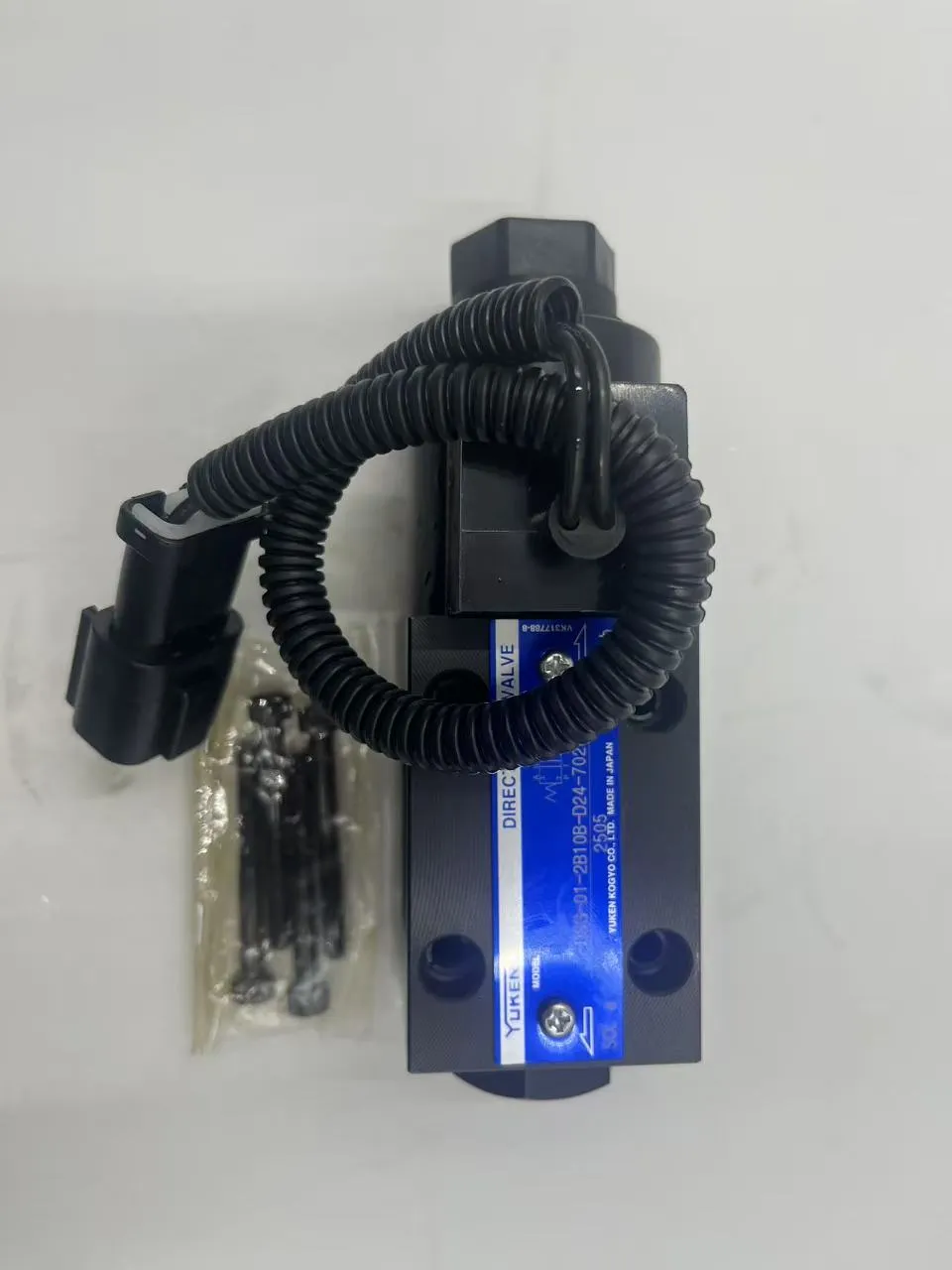 23W-60-28230 • VALVE ASS’Y-Komatsu Original Factory
 -
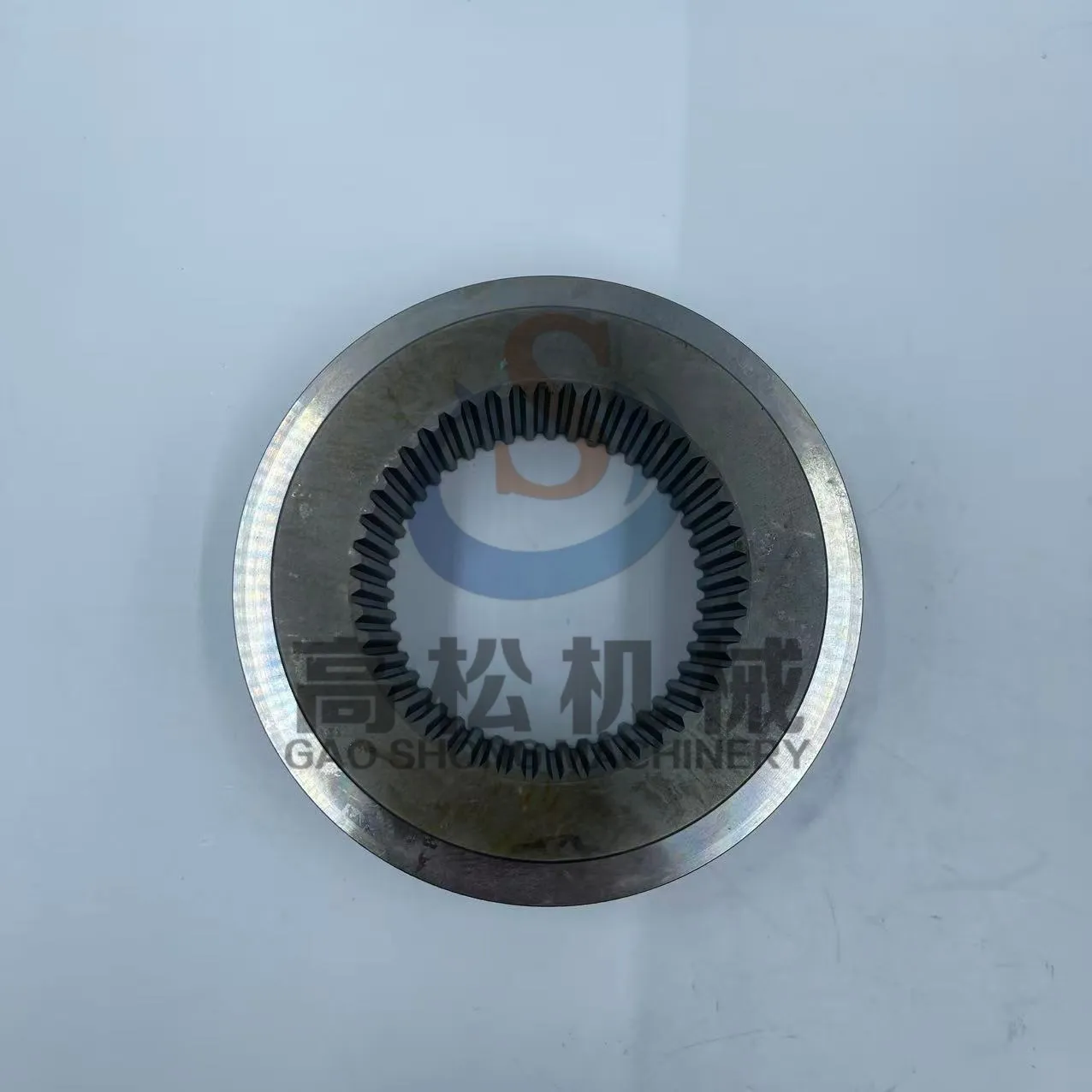 Provide Komatsu original bearing 170-09-13250
 -
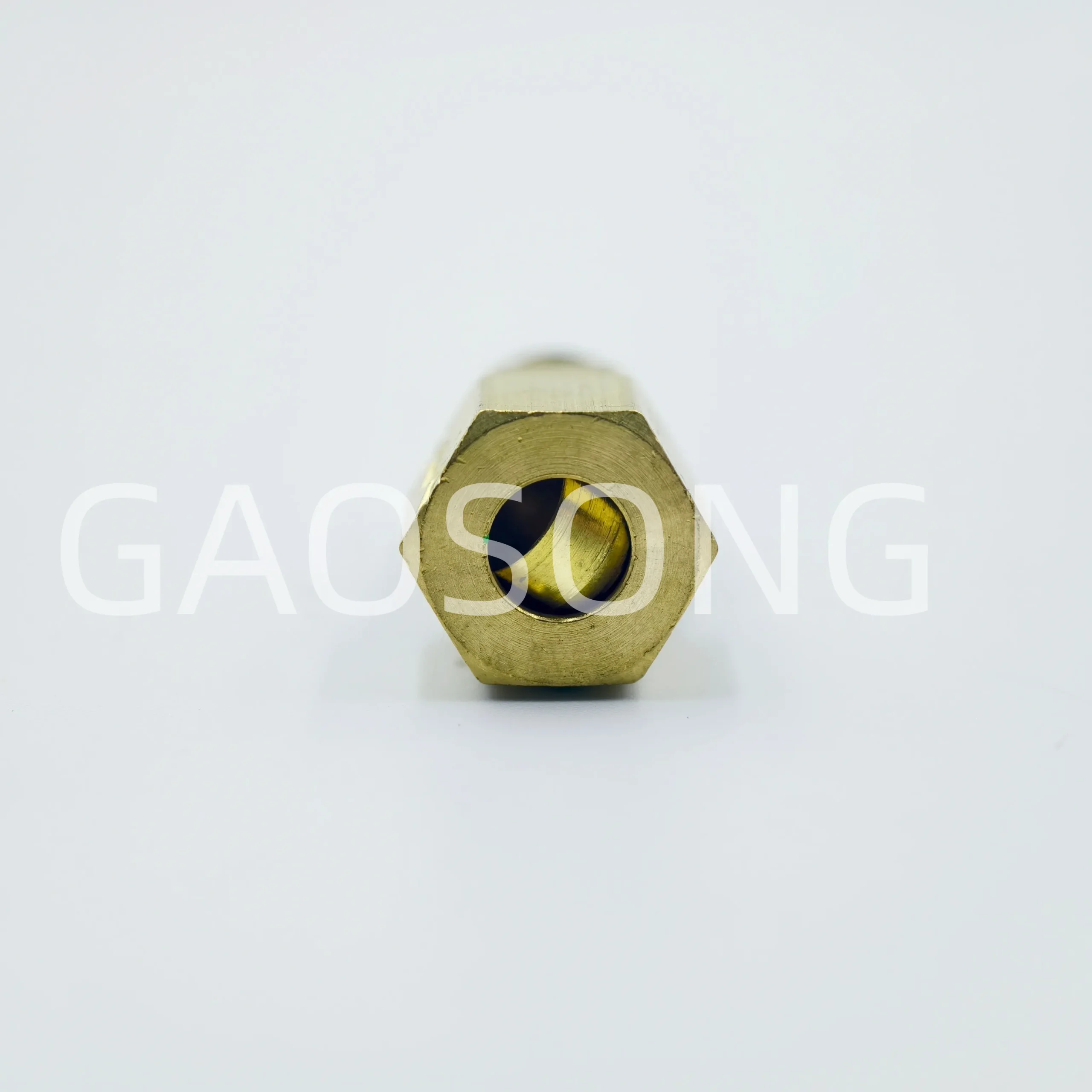 Komatsu 21N-68-32320 CONNECTOR-Komatsu Original Factory CONNECTOR PC1250SP-8R PC1800-6 PC1100SP-6 PC2000-8
 -
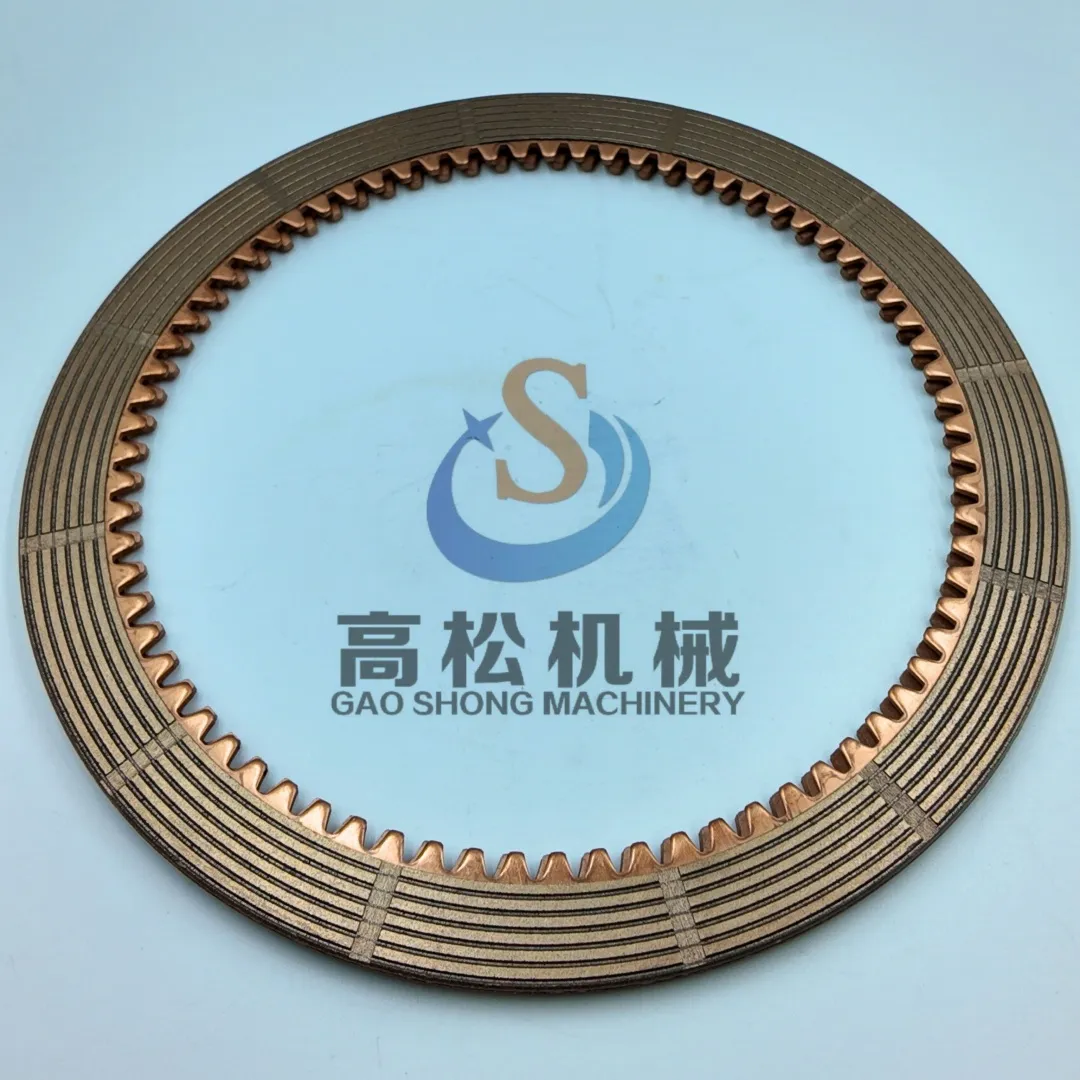 23S-15-12710 – DISC FRICTION – FITS KOMATSU
 -
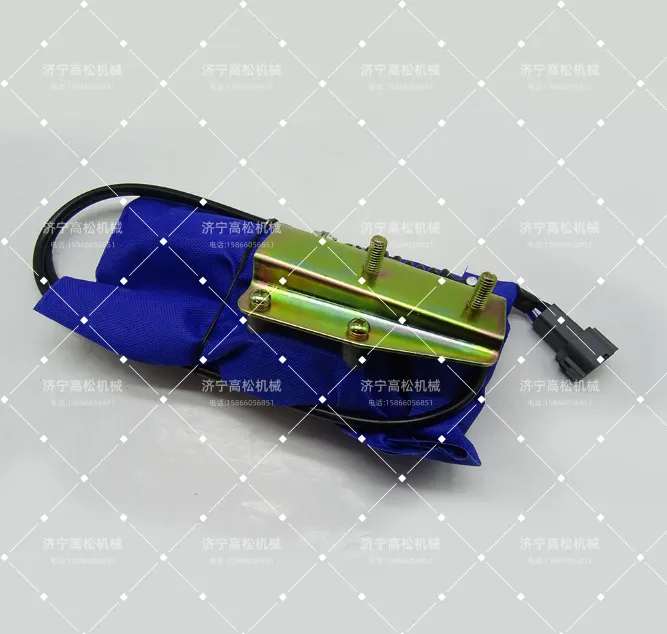 Original Komatsu parts GD305A-1A and GD355A-1 motor assembly, part number 600-815-7650