
- Chinese
- French
- German
- Portuguese
- Spanish
- Russian
- Japanese
- Korean
- Arabic
- Irish
- Greek
- Turkish
- Italian
- Danish
- Romanian
- Indonesian
- Czech
- Afrikaans
- Swedish
- Polish
- Basque
- Catalan
- Esperanto
- Hindi
- Lao
- Albanian
- Amharic
- Armenian
- Azerbaijani
- Belarusian
- Bengali
- Bosnian
- Bulgarian
- Cebuano
- Chichewa
- Corsican
- Croatian
- Dutch
- Estonian
- Filipino
- Finnish
- Frisian
- Galician
- Georgian
- Gujarati
- Haitian
- Hausa
- Hawaiian
- Hebrew
- Hmong
- Hungarian
- Icelandic
- Igbo
- Javanese
- Kannada
- Kazakh
- Khmer
- Kurdish
- Kyrgyz
- Latin
- Latvian
- Lithuanian
- Luxembou..
- Macedonian
- Malagasy
- Malay
- Malayalam
- Maltese
- Maori
- Marathi
- Mongolian
- Burmese
- Nepali
- Norwegian
- Pashto
- Persian
- Punjabi
- Serbian
- Sesotho
- Sinhala
- Slovak
- Slovenian
- Somali
- Samoan
- Scots Gaelic
- Shona
- Sindhi
- Sundanese
- Swahili
- Tajik
- Tamil
- Telugu
- Thai
- Ukrainian
- Urdu
- Uzbek
- Vietnamese
- Welsh
- Xhosa
- Yiddish
- Yoruba
- Zulu
- Kinyarwanda
- Tatar
- Oriya
- Turkmen
- Uyghur






komatsu pc20 7 parts
When you search for 'komatsu pc20 7 parts', you're immediately thrown into a complex world. A lot of guys assume it's straightforward—just find the part number and buy the cheapest option. That's a quick way to learn an expensive lesson. The PC20-7, while a solid machine, sits in that zone where genuine Komatsu parts can be scarce or priced sky-high in certain regions, and the aftermarket is flooded with everything from near-OEM quality to absolute junk that'll fail in a week. The real challenge isn't finding a part; it's finding the right source for a part that won't leave you stranded and costing more in downtime.
The Core Issue with PC20-7 Supply Chains
Here's the thing people outside the day-to-day grind don't always get. Komatsu's official supply is fantastic if you're in a major market. But for operations in, say, parts of Africa, South America, or even some remote areas in Asia, getting a genuine seal kit or a hydraulic pump assembly for a 20-7 can mean months of waiting. The official distribution channels aren't always built for speed in these locations. That's where the market fractures.
You've got three tiers. Tier one: actual genuine parts, but maybe from a surplus dealer or a supplier with old stock. Tier two: what we call OEM-spec or OEM-approved parts. This is the grey area. Some companies, like Jining Gaosong Construction Machinery Co., Ltd., operate within this space. They're an OEM product supplier within the Komatsu system, which is a specific and important designation. It doesn't mean they're Komatsu, but it often means their manufacturing processes and materials are audited or aligned. For a machine like the PC20-7, this tier is often the sweet spot for balance of cost and reliability.
Then there's tier three: the generic aftermarket. Some items here are fine—think simple pins, bushings, maybe a filter. But for anything with precision, like a main control valve or a swing motor component, you're gambling. I've seen rebuilt pumps sold as new, and seal kits where the O-rings swell and fail because the compound is wrong. The part number matches, but the performance doesn't.
Why OEM-System Suppliers Matter
This brings me to a practical point. A supplier's stated role is crucial. When a company says they're an OEM product supplier within the Komatsu system and also act as a third-party sales company for Komatsu, it signals a specific capability. They're not just a reseller scraping parts from a catalog. They likely have direct access to technical specifications and quality-controlled production lines for certain components. For the PC20-7, this could cover undercarriage parts, cylinder components, or gasket sets.
I recall a project in Zambia where we had two PC20-7s down with final drive issues. The local dealer quoted a 12-week lead time and a price that made the site manager pale. We went through a channel like Gaosong's—found them through industry contacts, not a random web search. Their site, https://www.takematsumachinery.com, clearly outlined their position. The key was their ability to provide what they called system-approved planetary sets. They weren't branded Komatsu yellow, but they came with proper hardness testing reports and dimensional certifications.
The install was smooth, tolerances were perfect, and those drives are still running two years later. The cost was about 40% less than the dealer quote, and we had the parts in three weeks. That's the value. They're helping to solve parts supply challenges in certain countries by filling the gap between the pure aftermarket and the often-sluggish official pipeline.
Judging Quality Beyond the Listing
You can't just buy on a website description, though. Even with a reputable supplier, you have to dig. For PC20-7 parts, I always ask for two things: material certifications and, if possible, photos of the actual part next to a caliper or a genuine part for comparison. A good supplier will provide this. A supplier like the one mentioned often will, because their business hinges on that technical credibility.
Take swing circle bearings. A huge pain point. The cheap ones use inferior grade steel that brinnels under load, creating permanent indentations and eventual lash. A proper OEM-system supplier should be able to tell you the bearing steel grade (like 52100 or similar) and the hardening process. If they can't or won't, walk away. This is where the professional judgement comes in—matching the part's criticality to the supplier's proven expertise.
Common Pitfalls and a Hydraulic Story
Let me give you a failure example, so you see what to avoid. We tried a tier-three aftermarket main hydraulic pump for a PC20-7 from a no-name supplier. Price was incredibly tempting. It lasted about 80 hours. The issue? The internal port plate geometry was subtly off, and the sintered alloy used for the piston shoes was too soft. It led to catastrophic cavitation and took out the entire hydraulic system with contamination. The downtime and cleanup cost eclipsed ten of the expensive pumps.
After that, our rule became: for hydraulic and powertrain components on the PC20-7, we never go below tier-two suppliers. We either source genuine, or we go to a known OEM-system or high-quality aftermarket manufacturer with documented quality controls. It's not worth the risk. For things like side plates, cab fittings, or non-critical brackets, the generic market is fine.
Integrating a Source into Your Workflow
So how do you use this info? When you need a part, your mental map should be: 1) Check dealer availability and lead time. 2) For non-critical parts, consider generic. 3) For critical components, identify suppliers like Jining Gaosong who occupy that OEM-system niche. Their value proposition is clear: they're not just selling a part; they're selling a solution to a supply chain bottleneck.
Their website, Takematsu Machinery, should be treated as a starting point for a conversation. You're looking for confirmation of their stock, their testing data, and their shipping logistics to your specific country. The fact that they explicitly mention solving supply challenges in certain countries means they're geared for international logistics and customs—a huge plus when you're not in North America or Europe.
In the end, managing komatsu pc20 7 parts is about risk management. The machine is a workhorse, but it's only as good as the parts you put in it. Building a relationship with a capable third-party supplier who understands the Komatsu ecosystem isn't just about saving money. It's about ensuring your machine gets back to work with a component you can trust, without waiting for a ship that never seems to come. That's the real-world goal.
Related Products
Related Products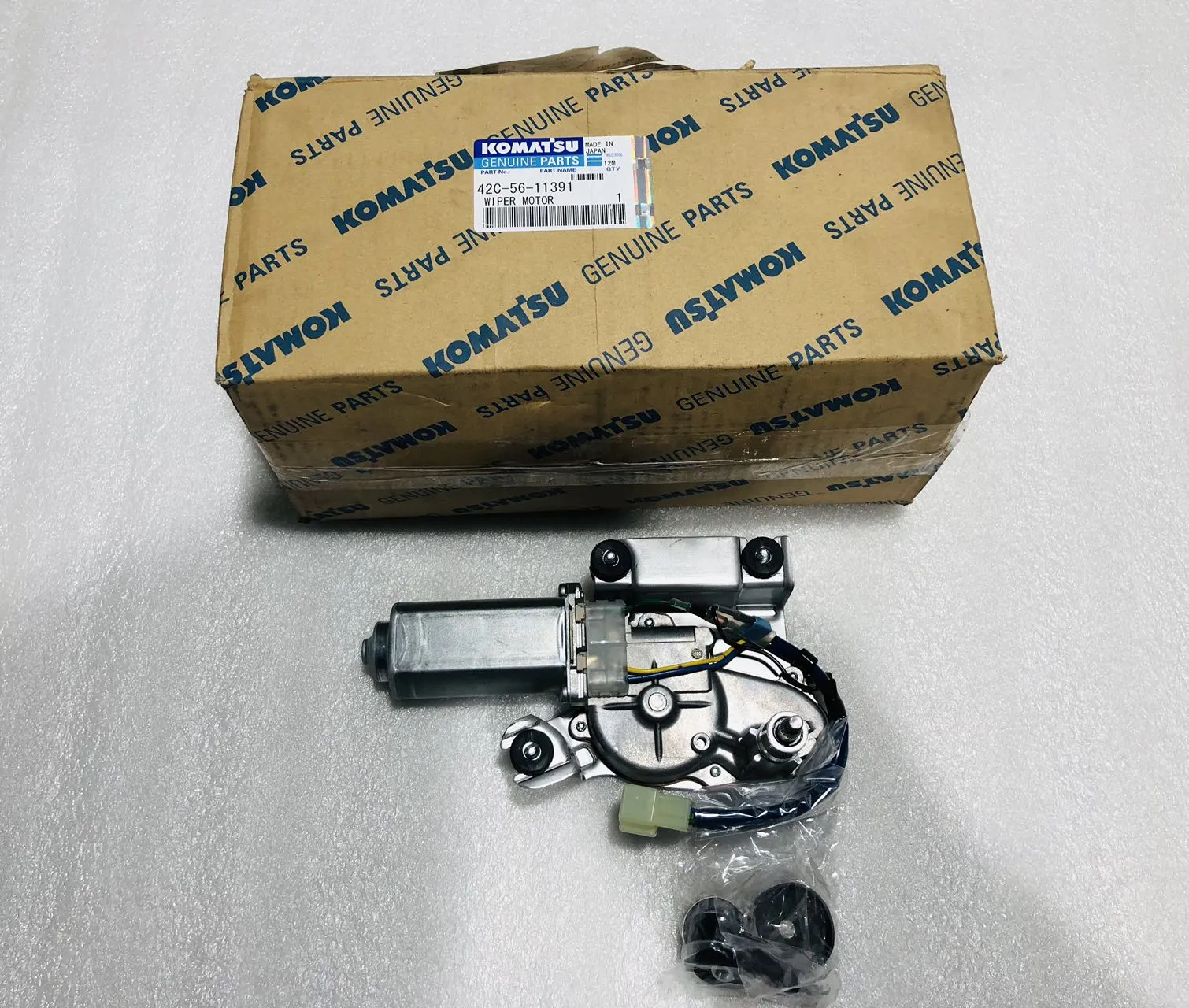
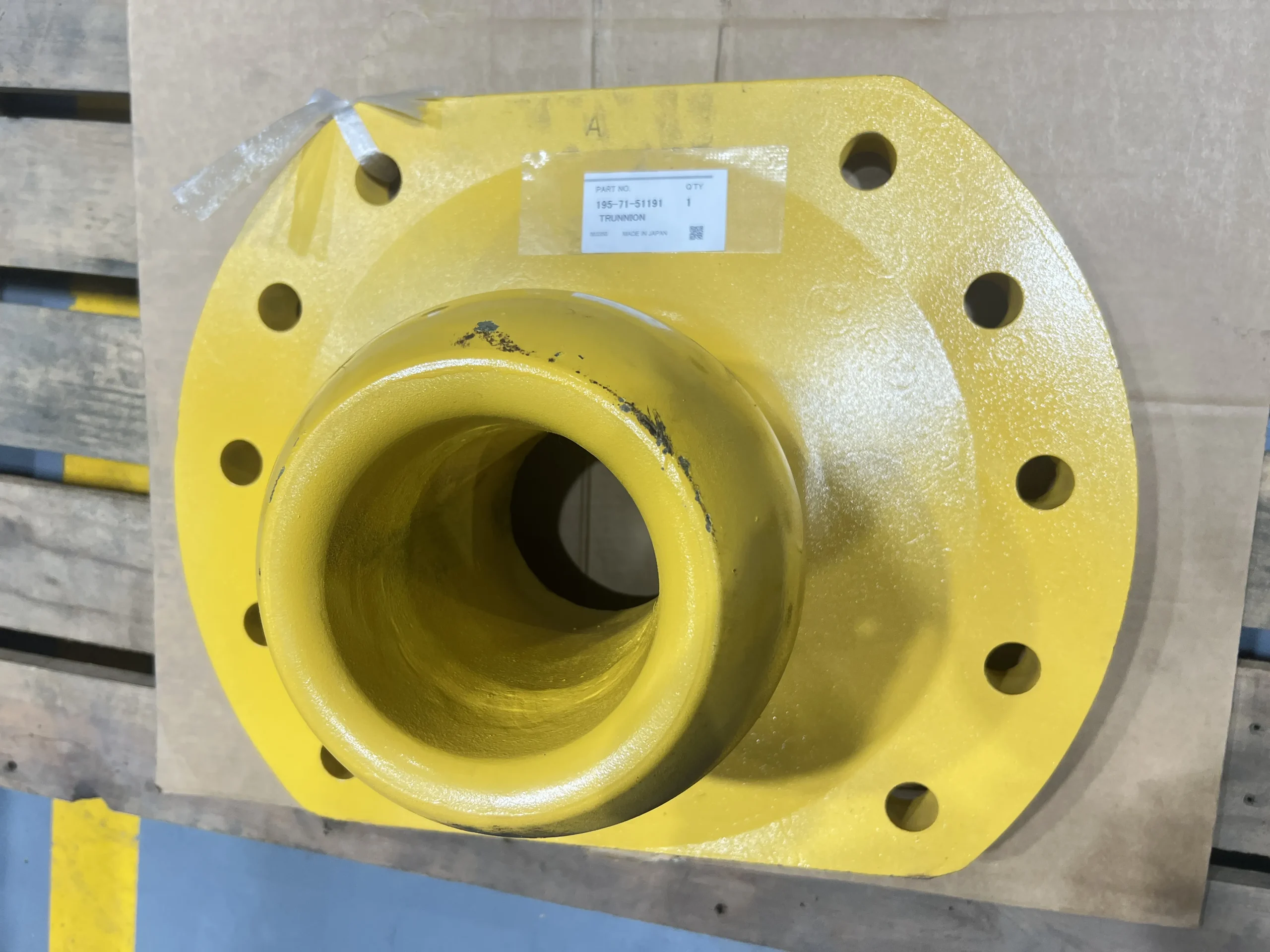
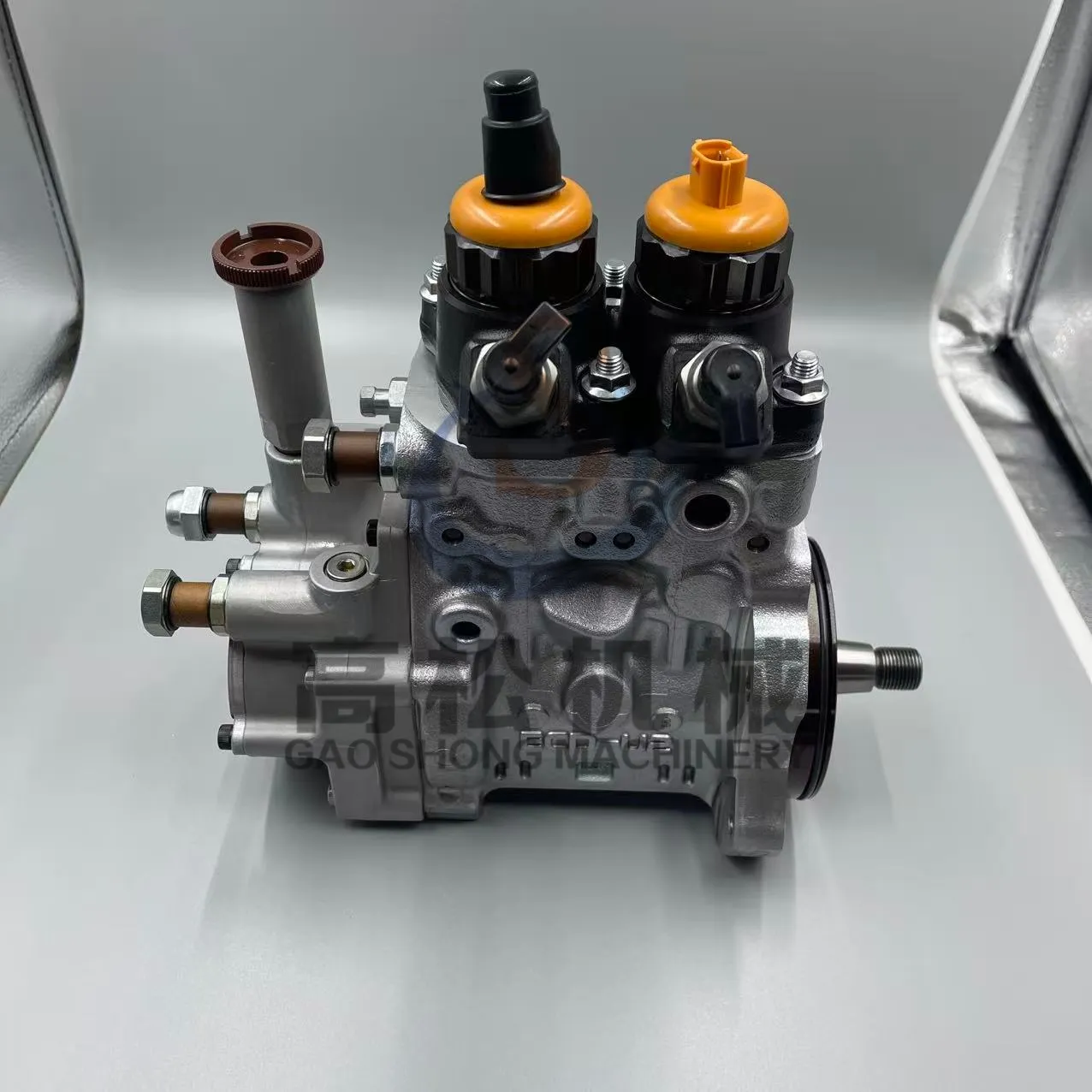
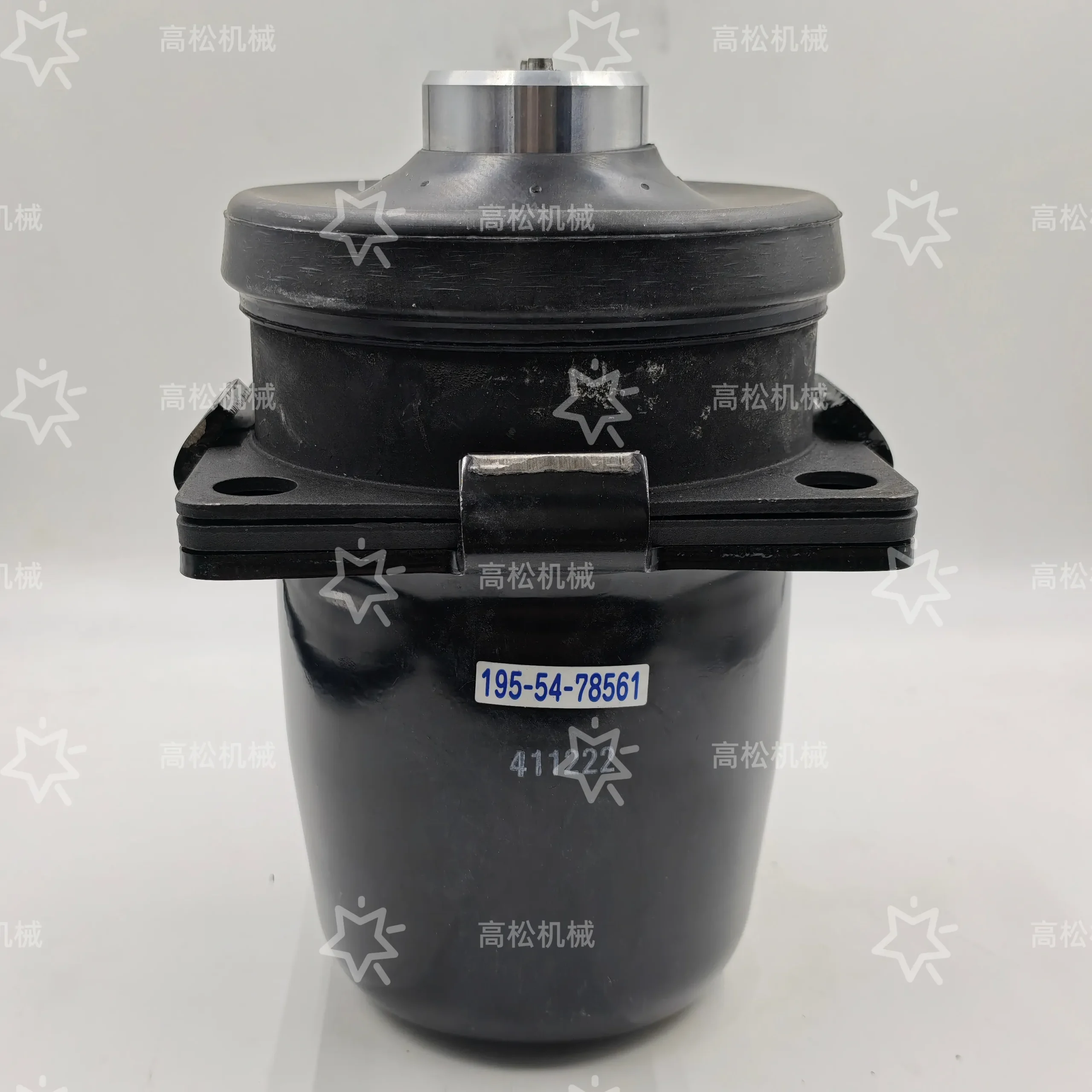
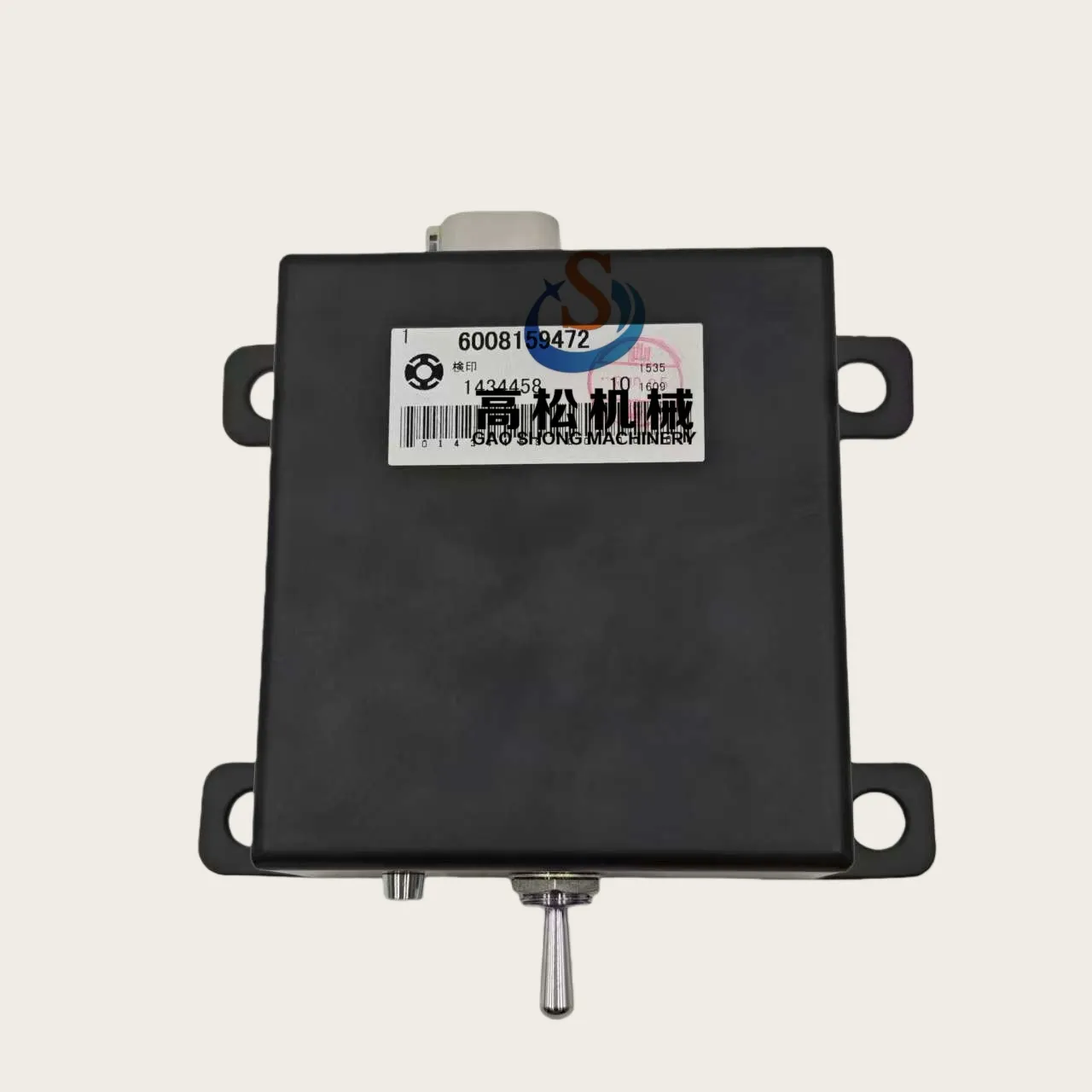
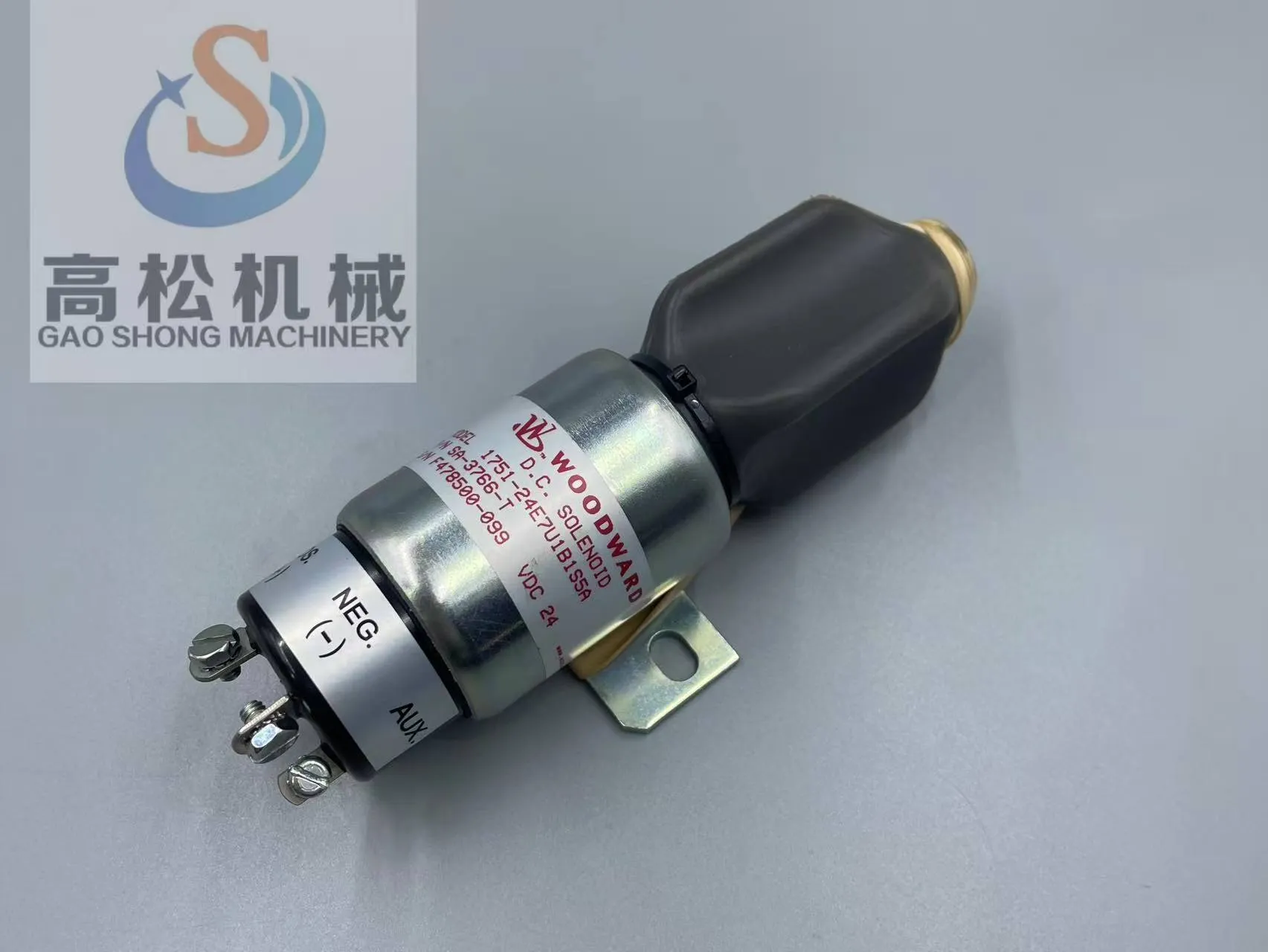
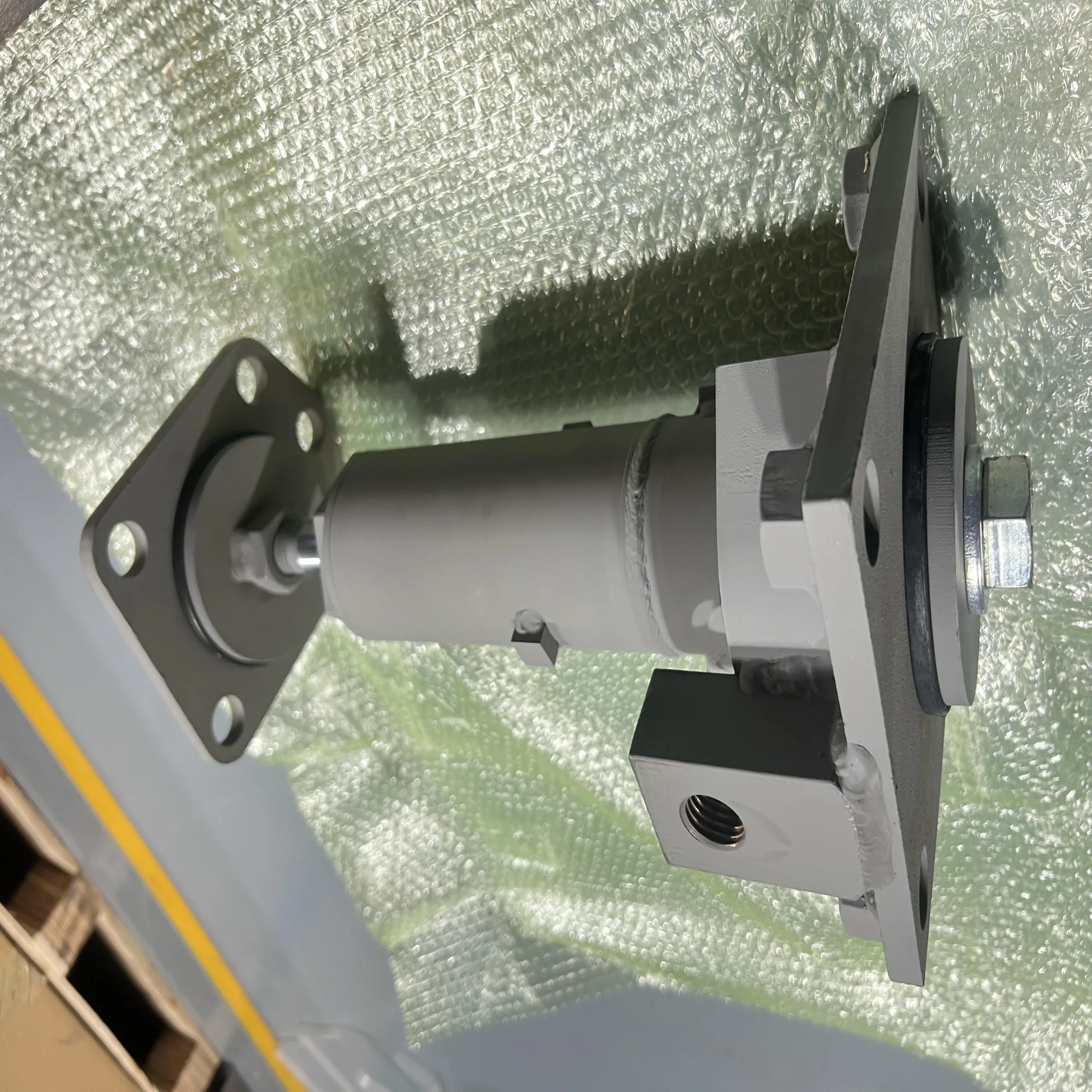

Best Selling Products
Best Selling Products-
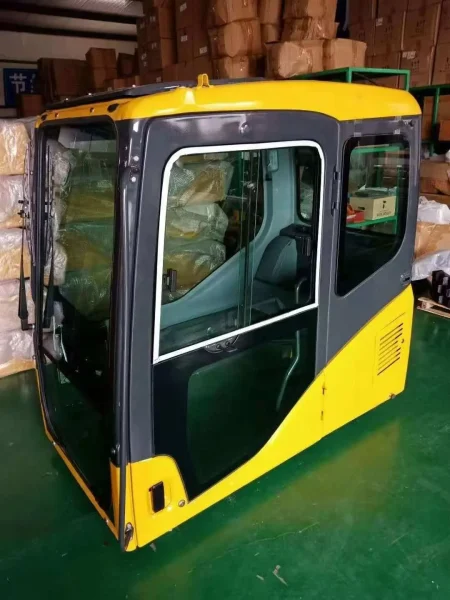 21T-54-00303 21T-54-00302 CAB ASS’Y FOR PC2000-8
 -
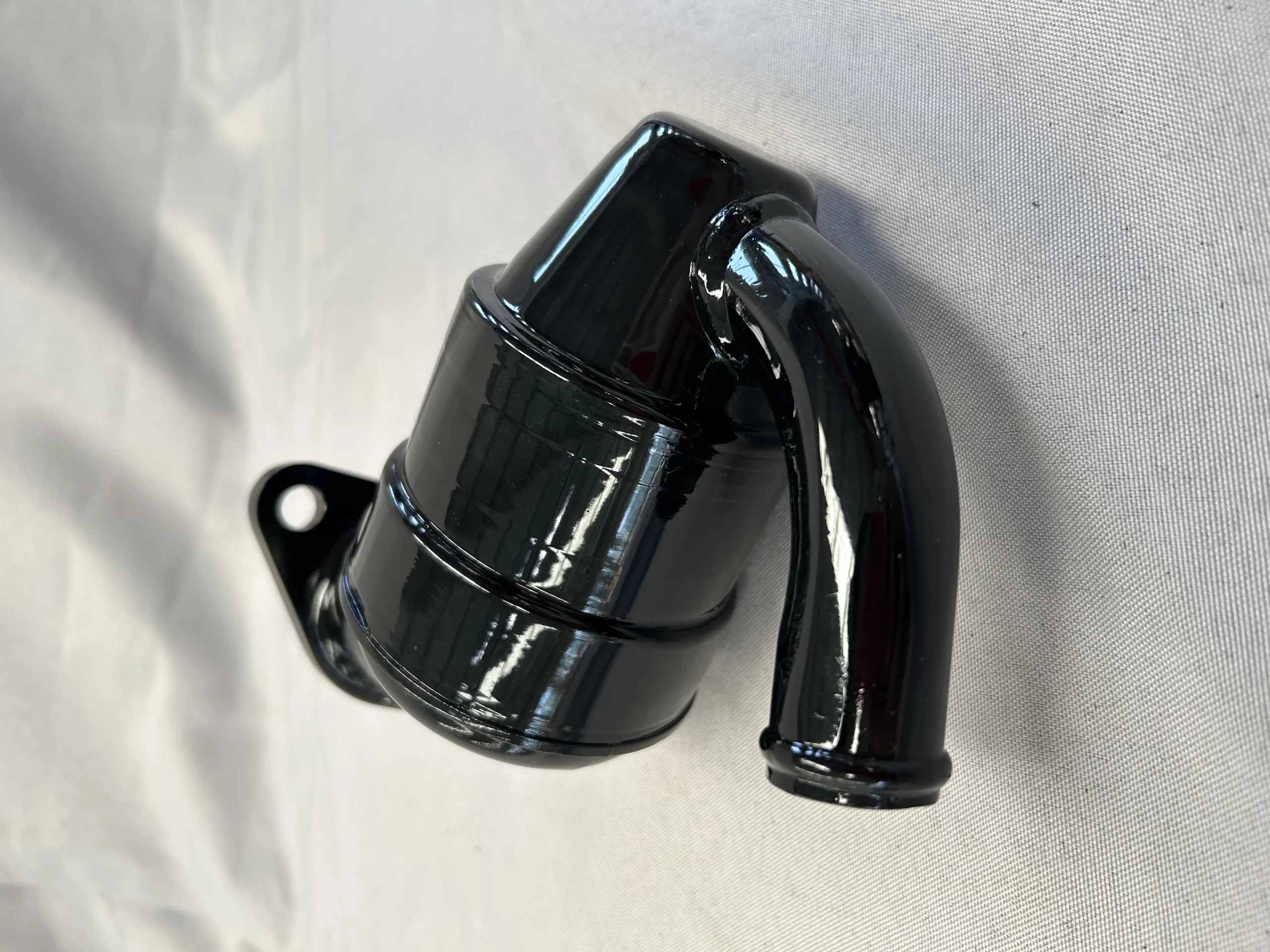 S6D170-1G Breathing Valve 6162-23-8510
 -
 HD785-7 Temperature Sensor 6219-11-8810
 -
 WIRE 21N-25-31130 – KOMATSU
 -
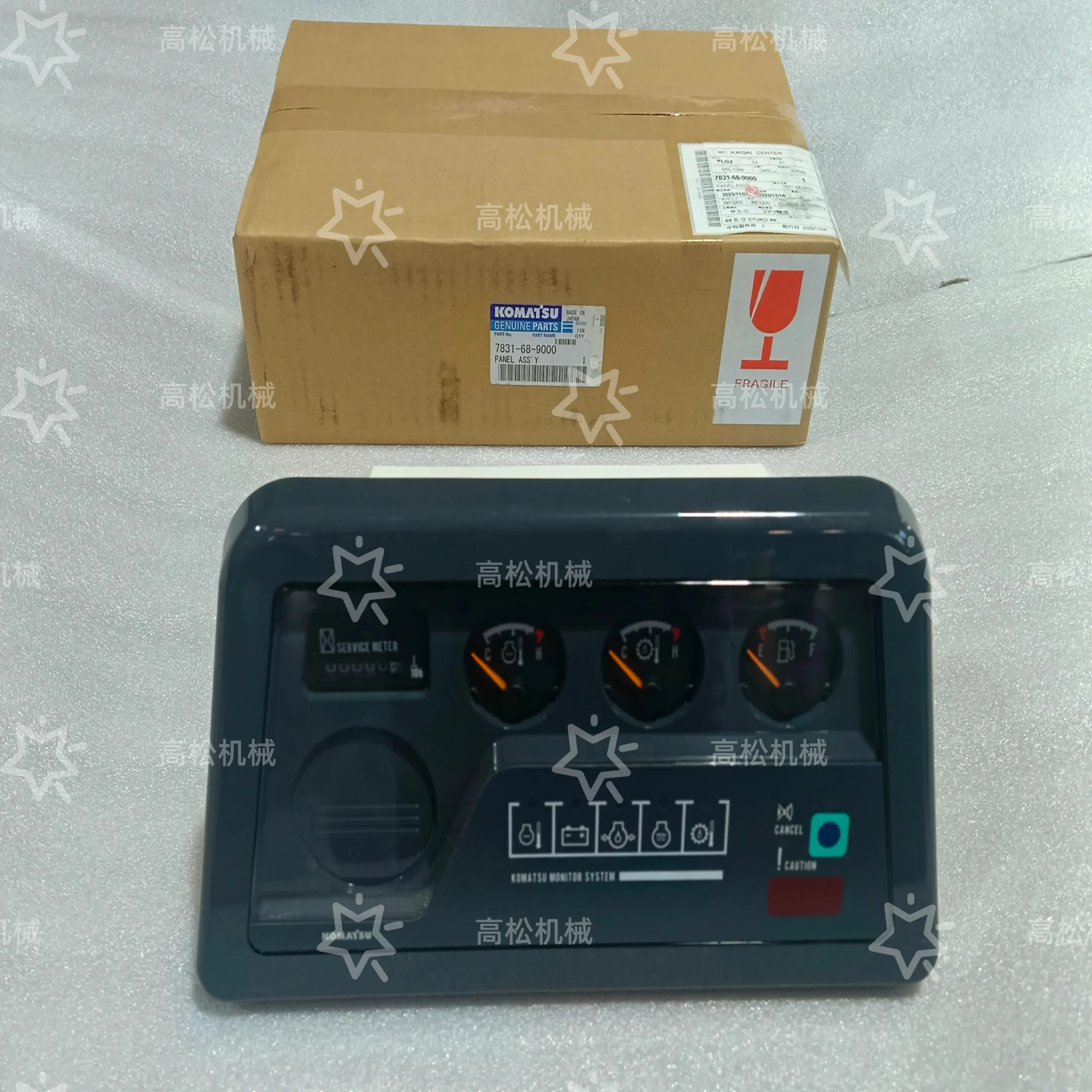 Original New Stock Panel 7831-68-9000 Instrument Panel Assembly Suitable for Komatsu D375A-3/5 Bulldozer
 -
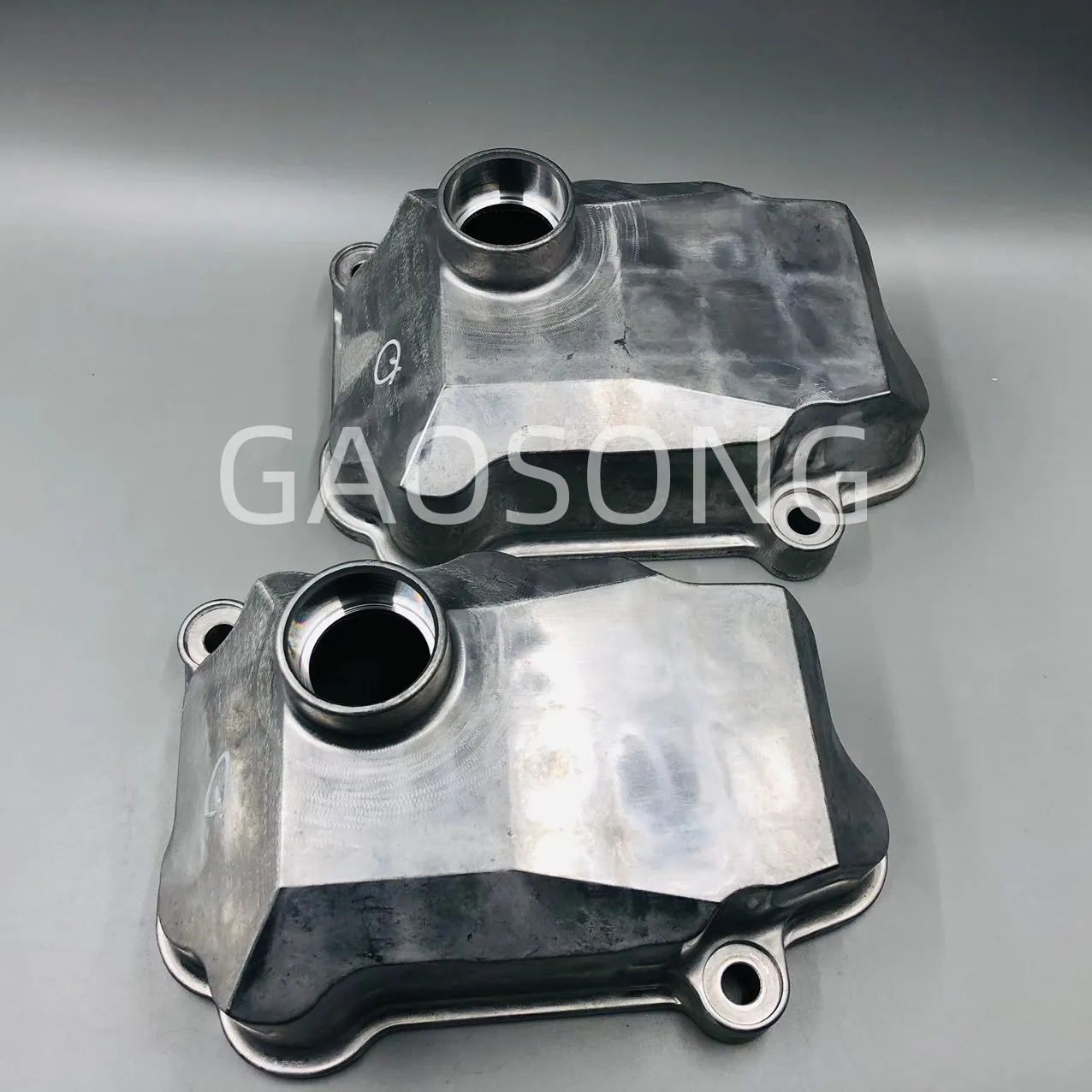 6251-11-8150 COVER, ROCKER ARM HOUSING-Komatsu Original Factory
 -
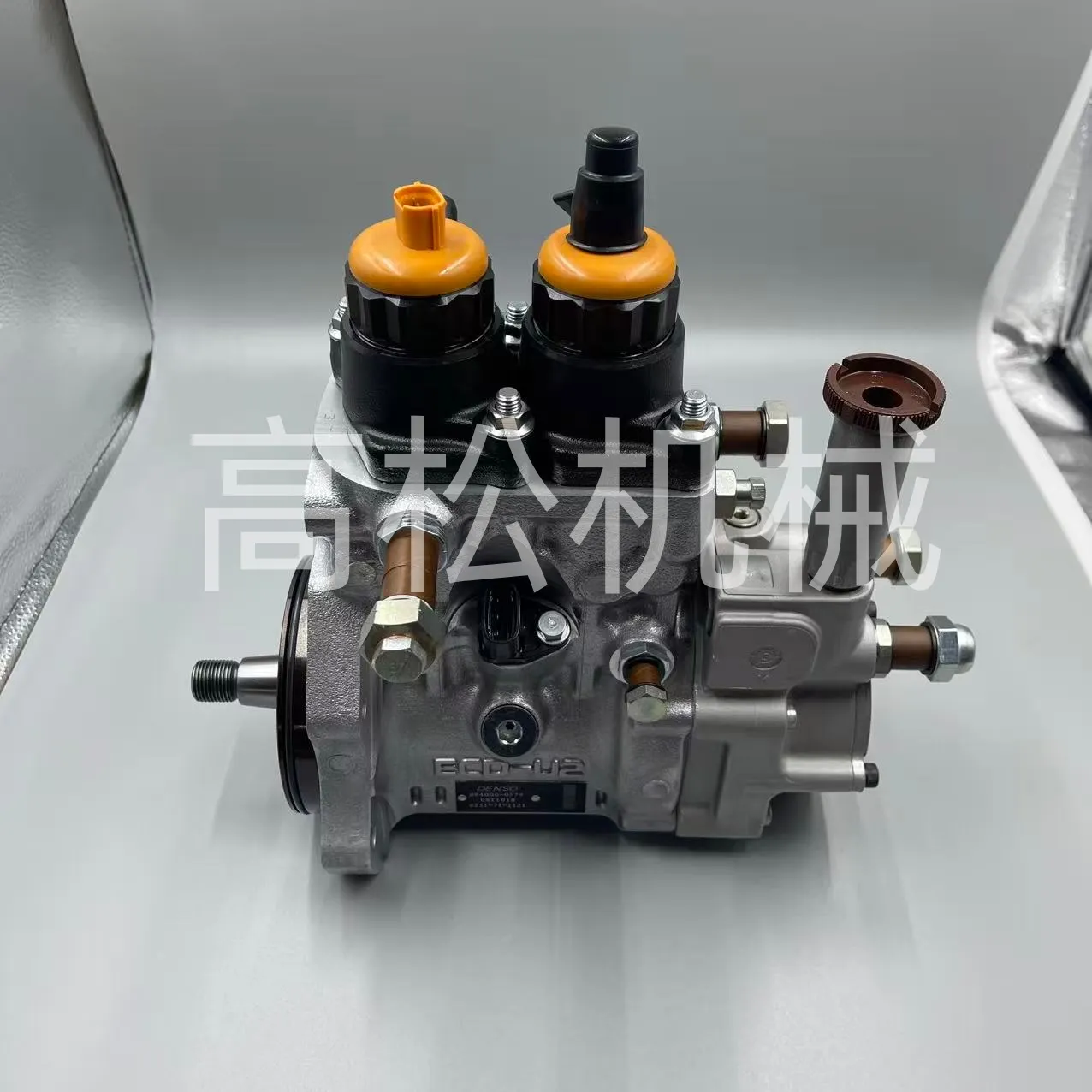 6251-71-1121 Pump Assembly, Fuel Injection-Komatsu Original Factory
 -
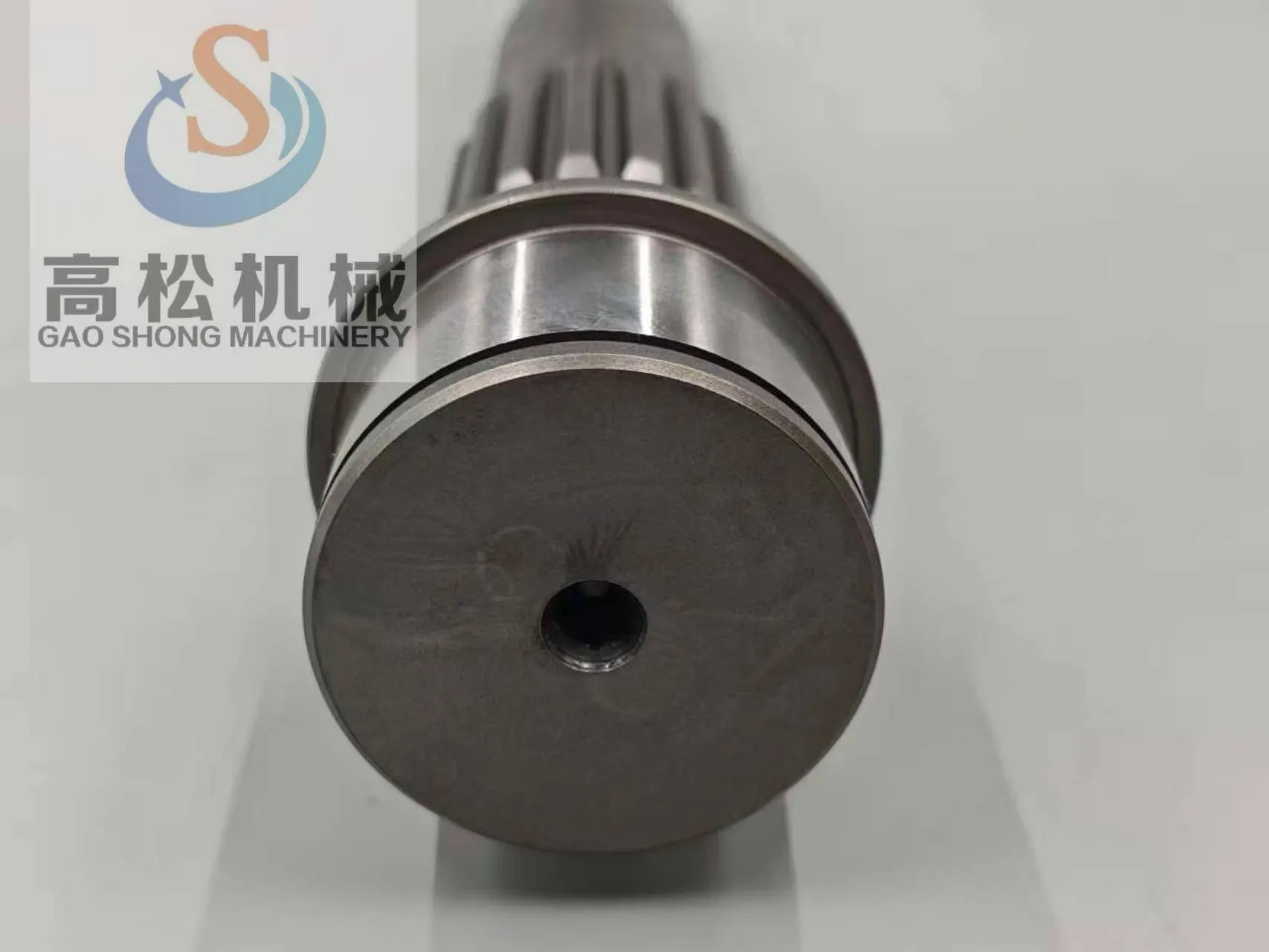 Hydraulic pump original parts 708-2g-12121 708-2g-04153 708-2g-04151 708-2g-03710 708-2g-03910 for pc300-7 excavator
 -
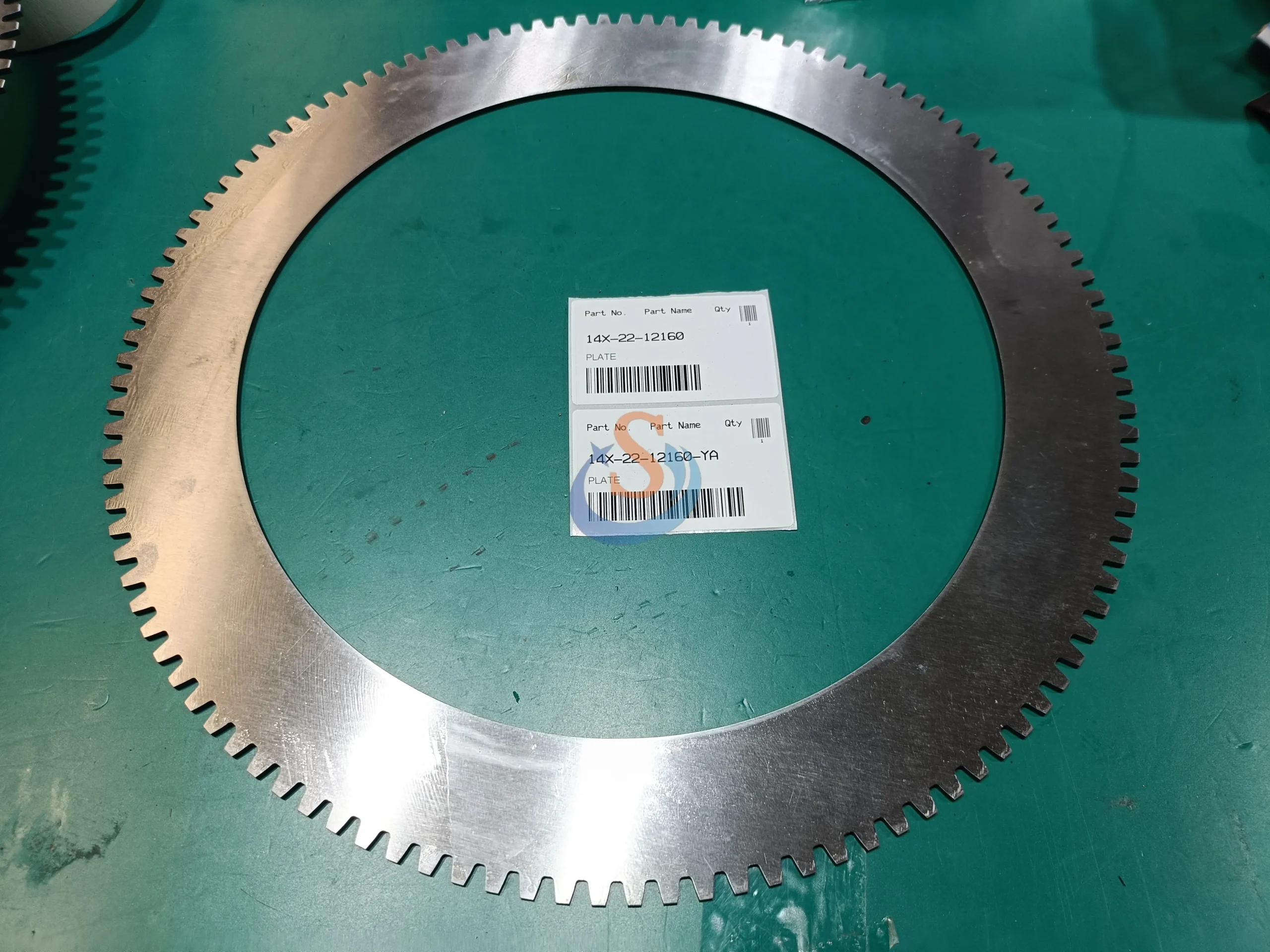 14X-22-12160,PLATE,D275A,D85ESS,D65E
 -
 04065-07030komatsu parts original
 -
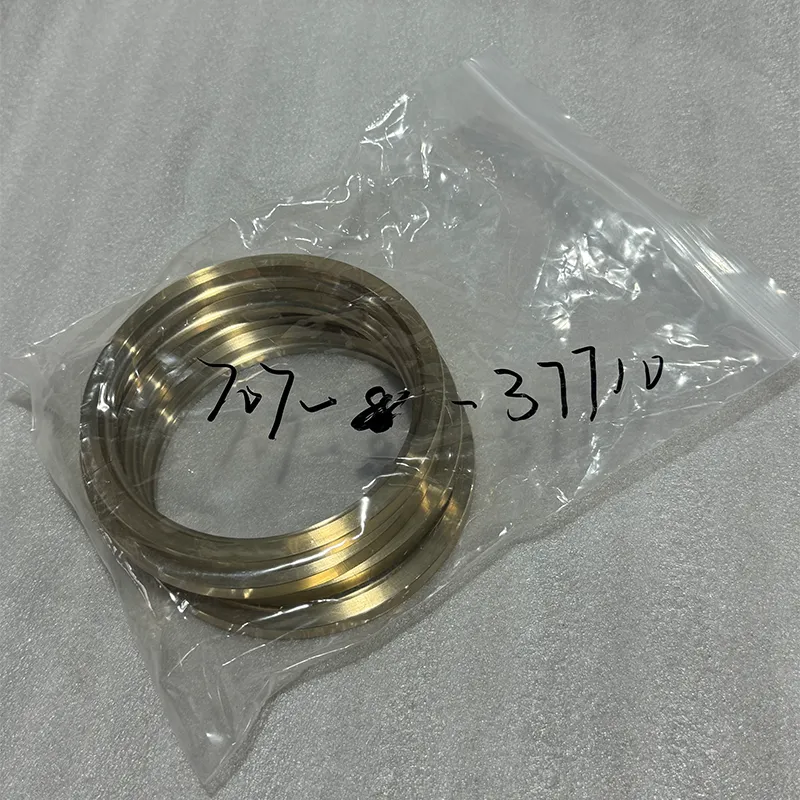 Original komatsu PC1250-8 Ring 707-88-37710
 -
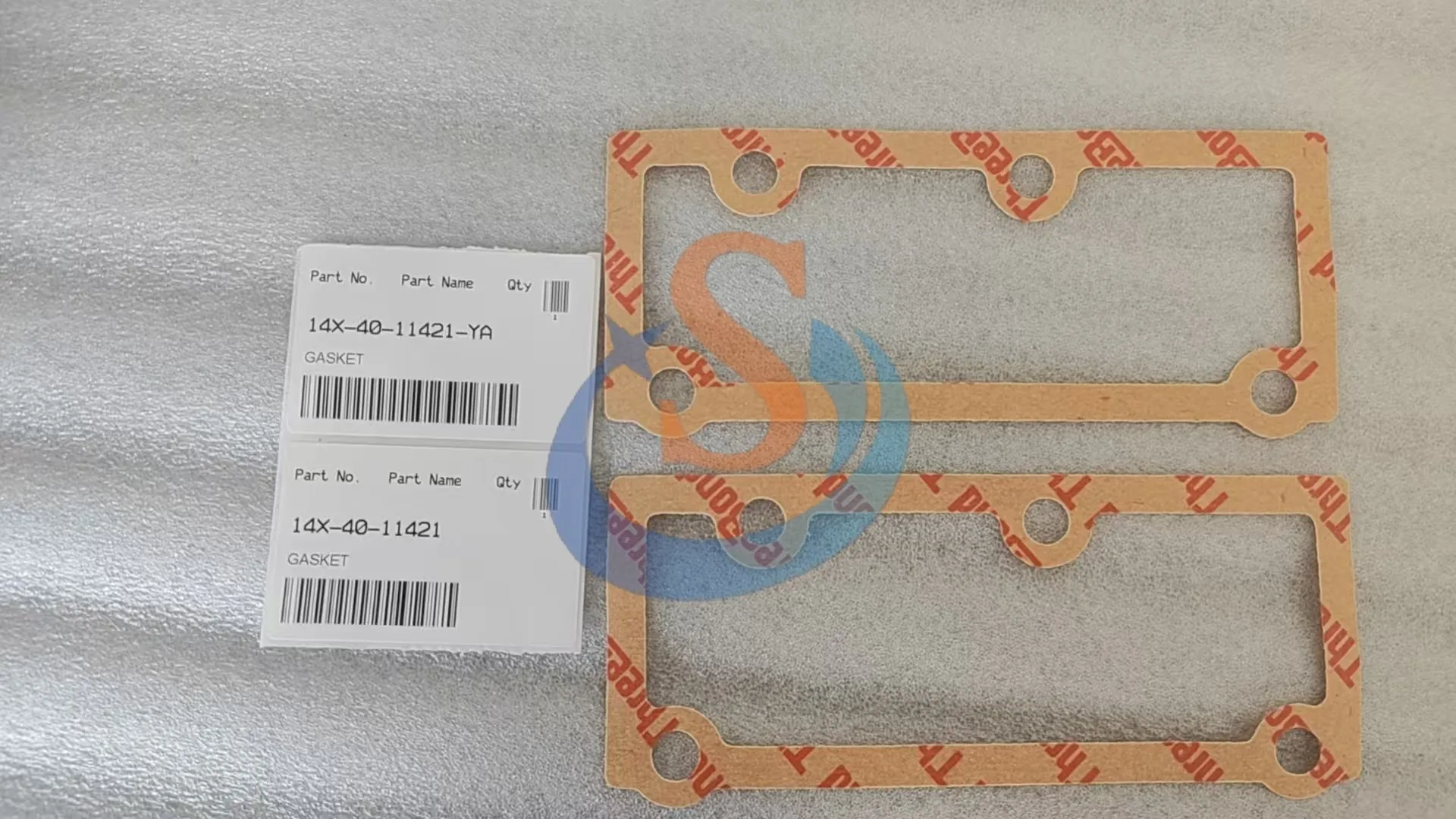 14X-40-11421,GASKET,D375A,D475A,D85ESS