
- Chinese
- French
- German
- Portuguese
- Spanish
- Russian
- Japanese
- Korean
- Arabic
- Irish
- Greek
- Turkish
- Italian
- Danish
- Romanian
- Indonesian
- Czech
- Afrikaans
- Swedish
- Polish
- Basque
- Catalan
- Esperanto
- Hindi
- Lao
- Albanian
- Amharic
- Armenian
- Azerbaijani
- Belarusian
- Bengali
- Bosnian
- Bulgarian
- Cebuano
- Chichewa
- Corsican
- Croatian
- Dutch
- Estonian
- Filipino
- Finnish
- Frisian
- Galician
- Georgian
- Gujarati
- Haitian
- Hausa
- Hawaiian
- Hebrew
- Hmong
- Hungarian
- Icelandic
- Igbo
- Javanese
- Kannada
- Kazakh
- Khmer
- Kurdish
- Kyrgyz
- Latin
- Latvian
- Lithuanian
- Luxembou..
- Macedonian
- Malagasy
- Malay
- Malayalam
- Maltese
- Maori
- Marathi
- Mongolian
- Burmese
- Nepali
- Norwegian
- Pashto
- Persian
- Punjabi
- Serbian
- Sesotho
- Sinhala
- Slovak
- Slovenian
- Somali
- Samoan
- Scots Gaelic
- Shona
- Sindhi
- Sundanese
- Swahili
- Tajik
- Tamil
- Telugu
- Thai
- Ukrainian
- Urdu
- Uzbek
- Vietnamese
- Welsh
- Xhosa
- Yiddish
- Yoruba
- Zulu
- Kinyarwanda
- Tatar
- Oriya
- Turkmen
- Uyghur





komatsu pc15r 8 parts
When you start digging into Komatsu PC15R-8 parts, you quickly realize it's not as straightforward as pulling up a catalog for a 300-series excavator. This older, compact machine has its own quirks. A common pitfall is assuming parts interchangeability with other PC15 models or even the PC18R-8—sometimes you get lucky with a seal kit, but the hydraulic pump? That's a different story. I've seen guys order based on a general PC15 description and end up with a part that's off by a few millimeters, halting a job for weeks. The real challenge isn't just finding a part; it's finding the correct part for that specific serial number range.
The Core Challenge: Genuine vs. Aftermarket in a Niche Market
For a machine like the PC15R-8, Komatsu's official supply chain often prioritizes current models. You call a main dealer for a swing motor assembly, and the quote is astronomical, with a lead time suggesting it's coming from the moon. This is where the market fragments. You have three tiers: genuine Komatsu, OEM-quality, and generic aftermarket. For critical components like the main control valve or the final drive planetary gears, I rarely gamble on the generic stuff. The failure rate isn't worth the upfront savings—a lesson learned after replacing a cheap aftermarket travel motor twice in six months.
However, OEM-quality is a term that needs dissecting. This doesn't mean a Komatsu box. It means parts produced by the original manufacturer that supplied Komatsu, often bearing the same casting numbers but without the Komatsu logo and price tag. This is the sweet spot for machines out of primary warranty. I've had consistent success with these for items like cylinder rods, bushings, and even the complete track roller frame assembly. The fit is perfect because, in many cases, it's literally the same production line.
This is precisely the gap that companies like Jining Gaosong Construction Machinery Co., Ltd. operate in. They position themselves as an OEM product supplier within the Komatsu system. In practice, this means they can often source these factory-direct, OEM-grade components. Their role as a third-party sales company for Komatsu is key—it implies a formal recognition that allows them to access pipelines that pure aftermarket players can't. When I was sourcing a hard-to-find PC15R-8 pilot valve manifold, a mainstream aftermarket supplier drew a blank. A contact pointed me to their site, https://www.takematsumachinery.com, and they had a technical drawing confirming the exact port configuration. That level of detail usually signals a direct link to the manufacturing source.
Practical Fitment and Field Observations
Let's talk about the undercarriage. The PC15R-8's compact design puts unique stress on its track links and sprockets. A pattern I've noticed: aftermarket sprockets sometimes have a slightly different heat treatment. They might wear the track chain faster, leading to premature pitch elongation. When replacing, it's often better to do the sprocket and chain as a matched set, even if the chain seems okay. I learned this the hard way on a rental unit—new sprocket, old chain, and within 400 hours we had thrown a track due to mismatched wear.
Hydraulic hoses and fittings are another minefield. The JIS (Japanese Industrial Standard) fittings on the PC15R-8 aren't always interchangeable with common SAE types. A slight difference in the flare angle can lead to a slow, frustrating leak. When ordering replacement hoses, you must specify the machine model and the exact location (e.g., boom-to-arm cylinder, bottom side). Sending a photo of the fitting head-on with a ruler for scale has saved me more than once. Generic Komatsu mini-excavator hose kits are usually a compilation of near-matches, not exact replacements.
Electrical components, especially for the older monitoring panels, are nearly impossible to find new. Here, the solution often isn't a new part but a repair or a modern universal replacement. We had a PC15R-8 where the engine throttle controller failed. A new one from Komatsu was obsolete. Instead, we fitted a generic electronic throttle actuator and re-routed the cable. It worked, but it required calibration and some custom bracketing—not a plug-and-play solution. This is the reality of keeping these older, yet still capable, machines running.
Sourcing Strategy and Building Reliable Channels
My strategy now is layered. For urgent, critical breakdown parts, I still bite the bullet and call the dealer if they have stock locally. For planned overhauls or non-critical parts, I turn to specialized suppliers who understand these legacy models. The value of a supplier isn't just in inventory, but in their technical knowledge. Can they ask you for the serial number? Can they explain the difference between the early and late PC15R-8 main hydraulic pump shaft spline count? That's the level you need.
This is where the stated mission of a company like Jining Gaosong to solve parts supply challenges in certain countries resonates. In many regions, official distribution is thin or non-existent. Their model suggests they can bridge that gap by leveraging their dual role. For instance, getting a genuine Komatsu seal kit for the swing bearing might be impossible in South America, but an OEM kit from the same manufacturer might be accessible through their network. It's about finding the legitimate alternative when the primary channel is closed.
Building a relationship with one or two such suppliers is more effective than scouring the internet for the lowest price every time. I keep a shortlist. For Komatsu PC15R-8 parts, I might check a main dealer portal first for reference part numbers and diagrams, then cross-reference with my specialized suppliers. I've found that suppliers who are transparent about what is genuine, what is OEM, and what is aftermarket tend to be more reliable. If they claim everything is OEM, be skeptical.
Concluding Thoughts: The Lifecycle of a Machine
The PC15R-8 is at a stage in its lifecycle where parts support becomes a skilled game of research and relationships. It's no longer a matter of simple e-commerce. The machine's value is now directly tied to the owner's ability to navigate this complex supply landscape. Throwing cheap, incorrect parts at it will diminish its reliability and resale value rapidly.
Success hinges on accurate identification, understanding the hierarchy of part quality, and cultivating sources that offer technical clarity, not just a sales pitch. Whether it's a final drive from a known OEM supplier or a rebuilt hydraulic pump from a trusted workshop, the goal is uptime. The parts exist; finding the right path to them is the professional challenge.
In the end, keeping a PC15R-8 productive is a testament to good maintenance practices and smart sourcing. It's not about finding the cheapest option, but the most cost-effective over the long run. That might mean paying a premium for a correct, durable part today to avoid a catastrophic failure tomorrow. For those deep in the trenches with these machines, that calculation is second nature.
Related Products
Related Products
Best Selling Products
Best Selling Products-
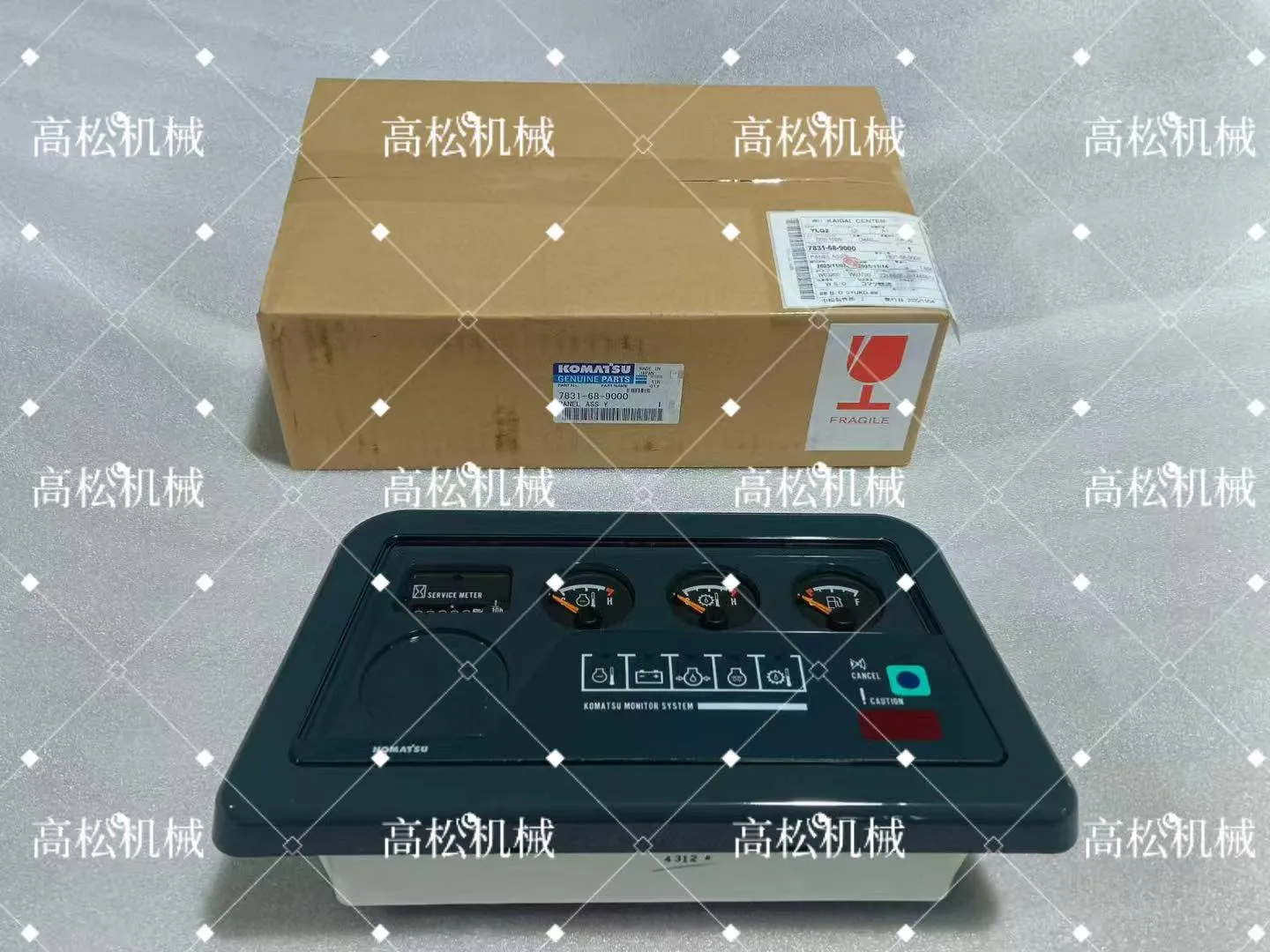 n-stock items. Part No.: 7831-68-9000. Genuine Komatsu panel. Suitable for D155 and D375 models.
 -
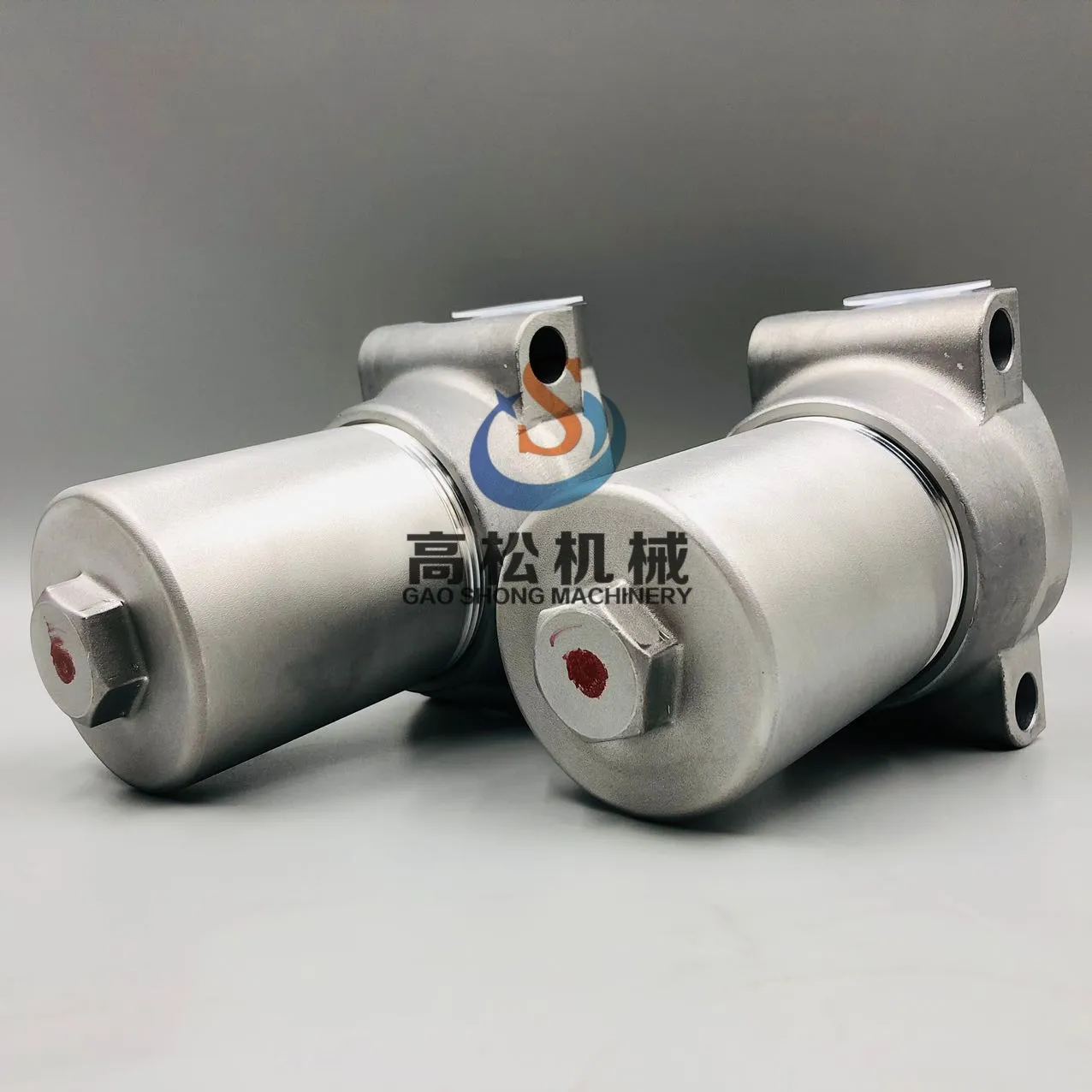 Komatsu Filter 20Y-62-51681 for Crawler excavator PC210LC-8 Filter Assembly 20Y-62-51681
 -
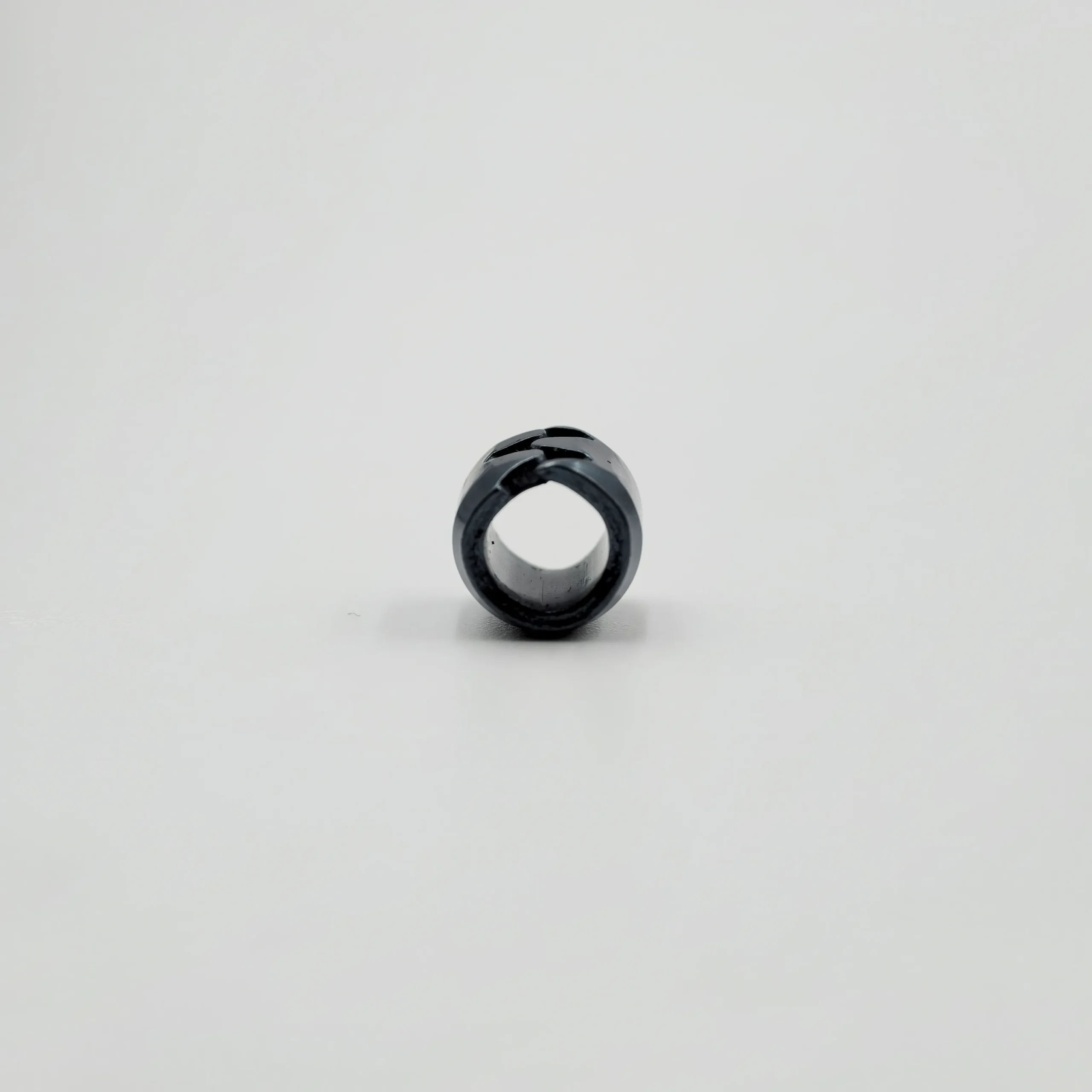 144-70-15251 Komatsu Pin, Dowel
 -
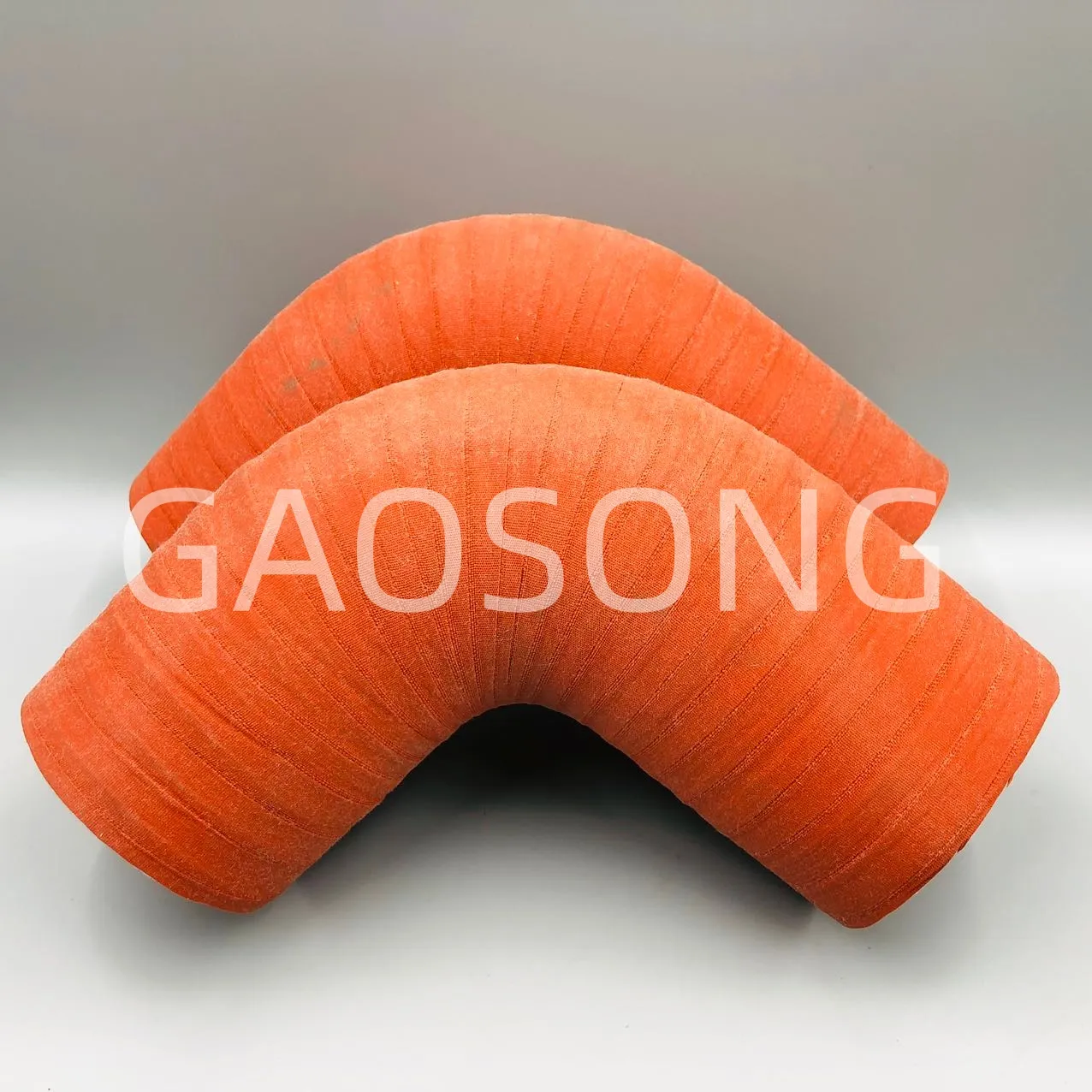 6743-11-4931 Komatsu HOSE
 -
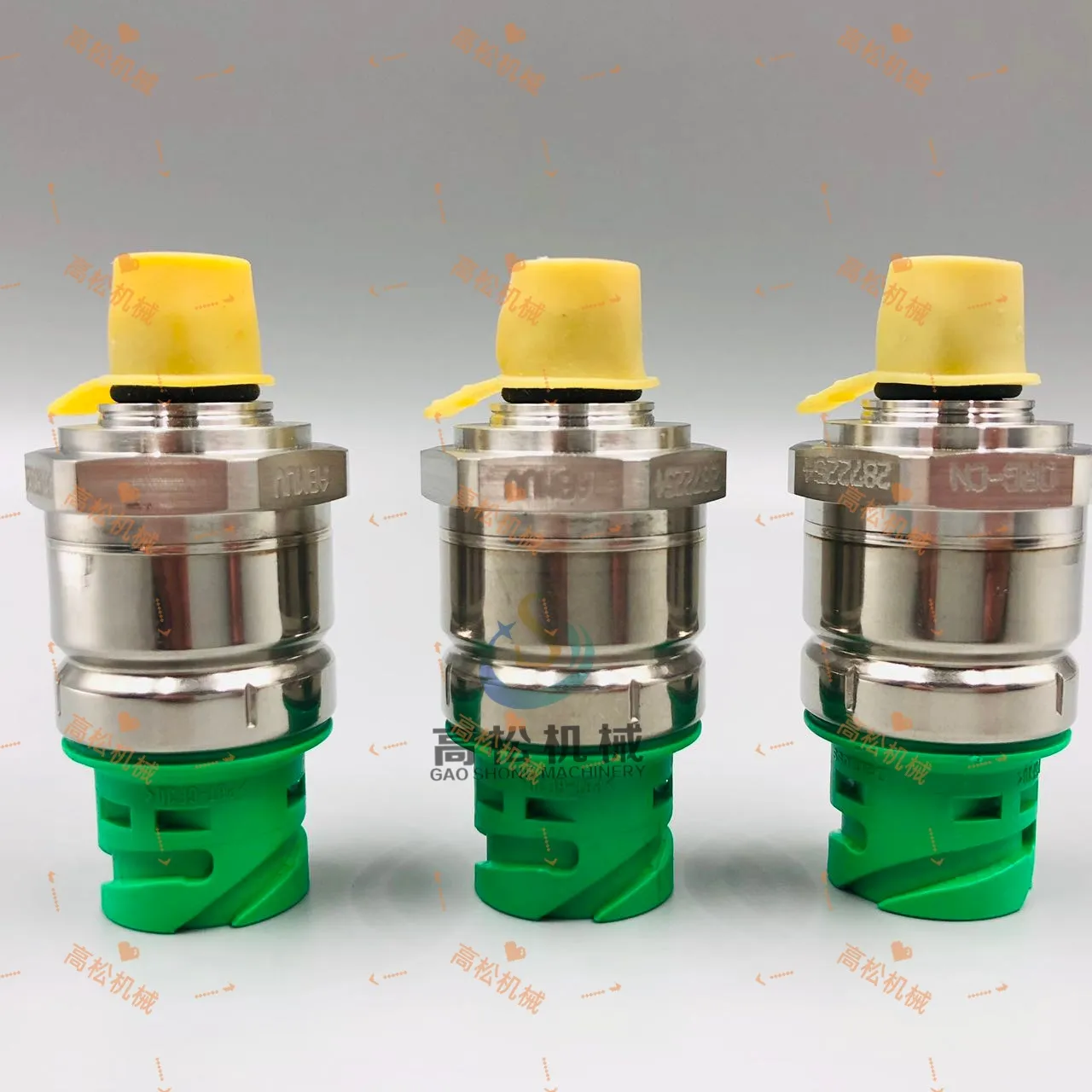 Komatsu, Sensor 6560-61-7202 Komatsu HM400 SAA6D140E WA500
 -
 21T-01-11150 21N-01-11120 Cushion KOMATSU Excavator Spare Parts For PC800LC-8E0 PC850-8E0
 -
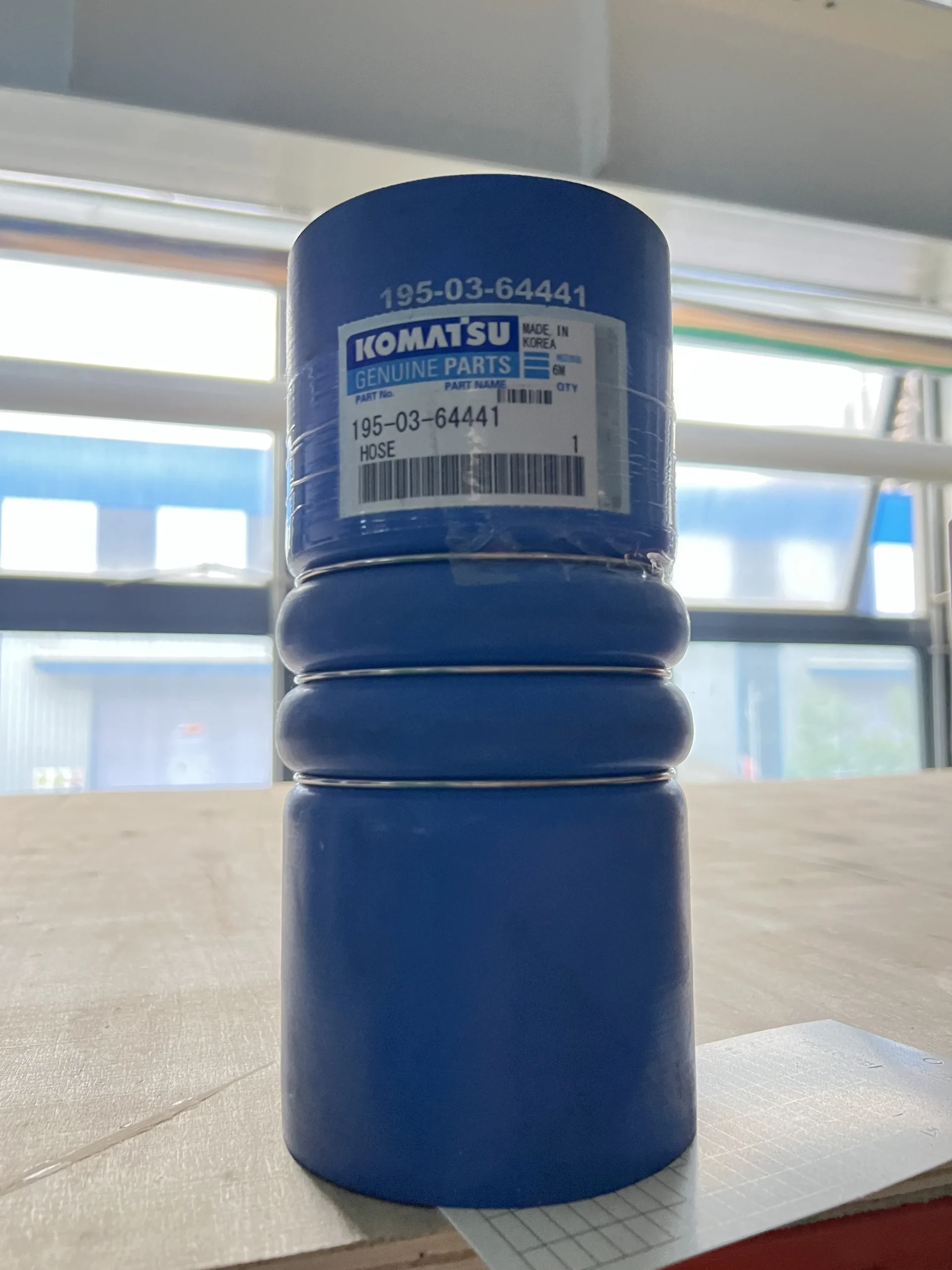 Intercooler Air Hose 195-03-64441 for Komatsu D375A-5
 -
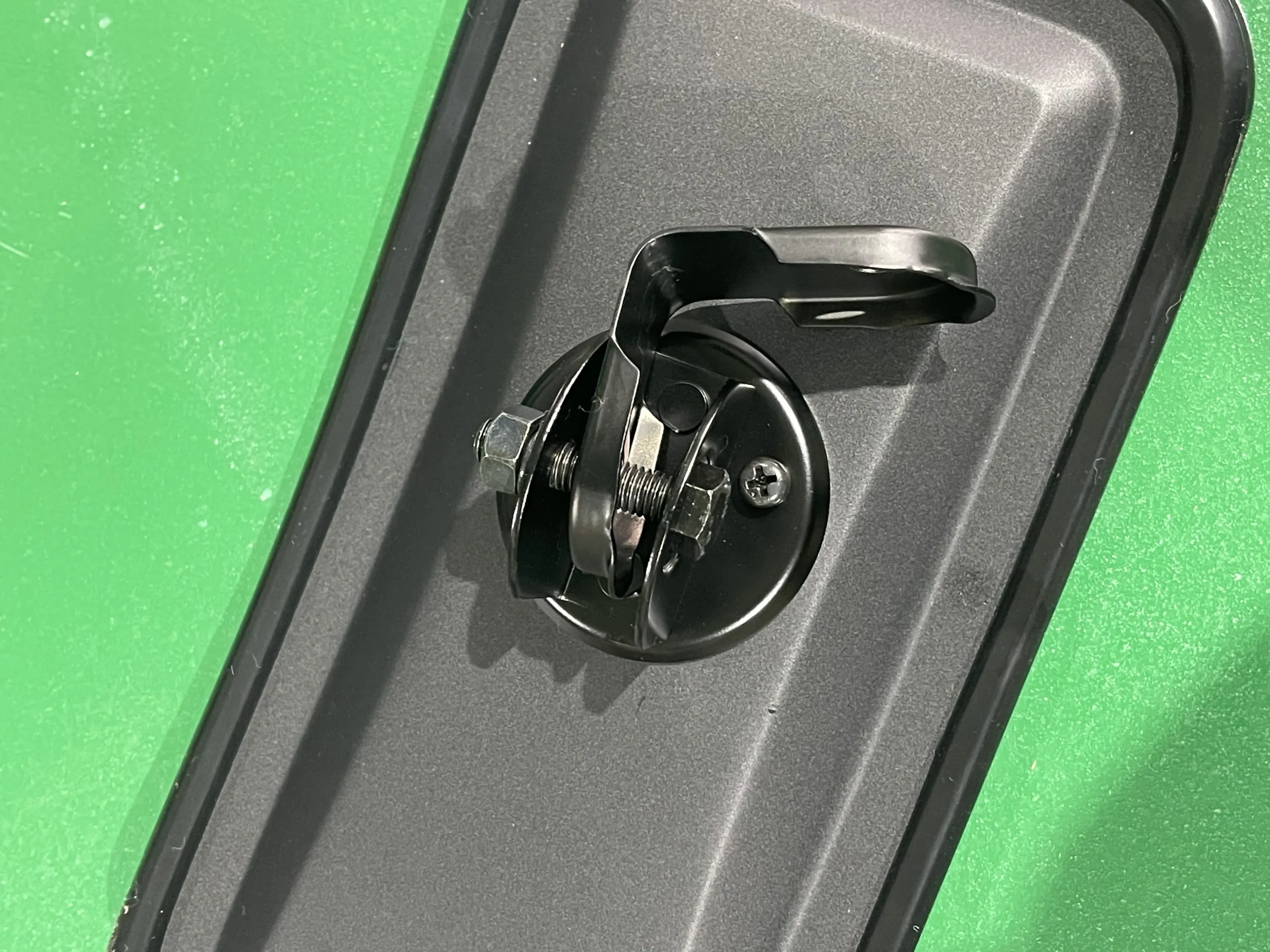 Komatsu 195-Z11-2180 Dozer Replacement Mirror
 -
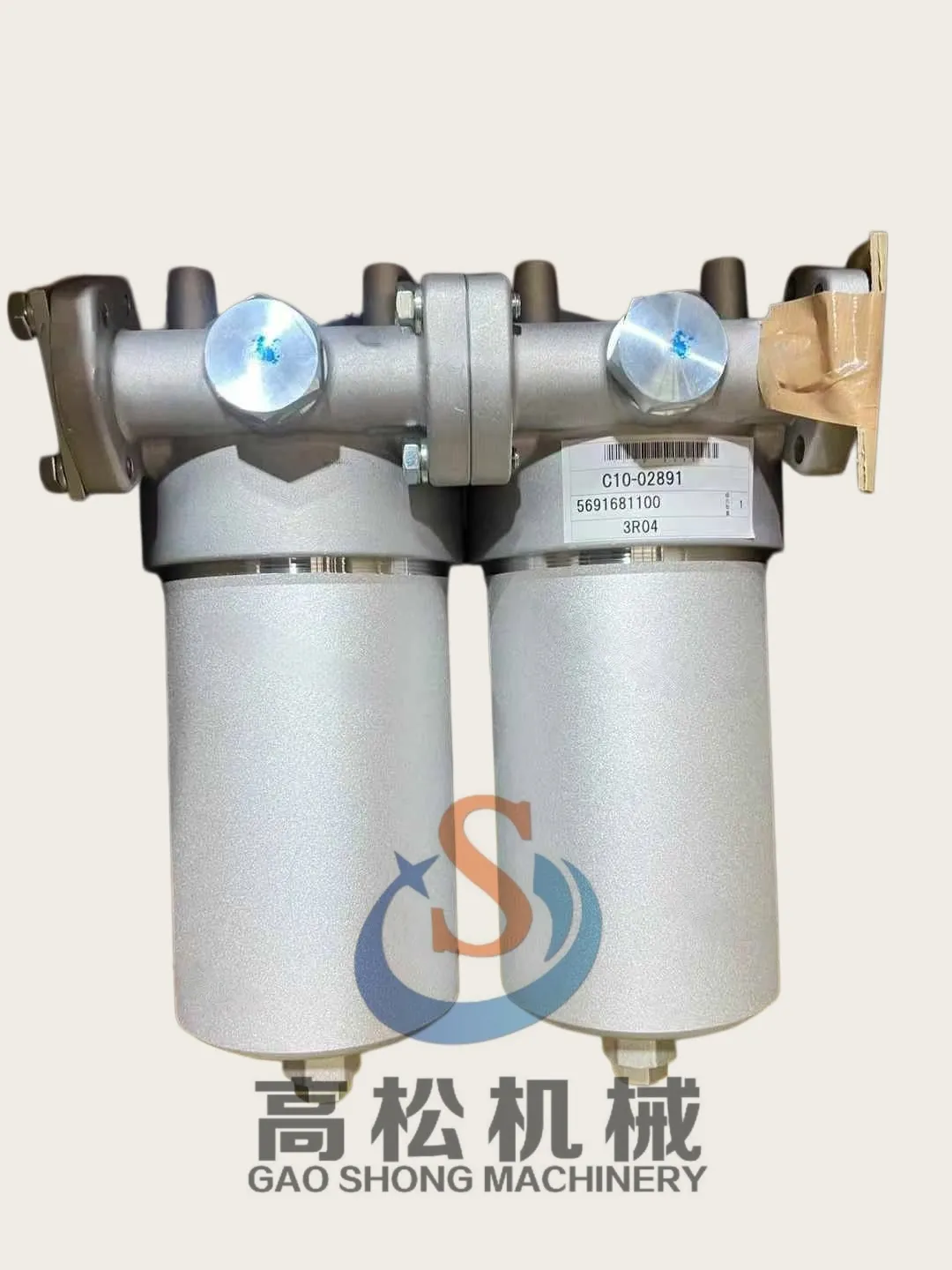 OIL FILTER ASS’Y 569-16-81100 425-16-21240 427-16-21120 569-16-81160 HD325-7 HD325-7R HD405-7 HD405-7R HD605-7 HD785-7 HD605-7E1 HD605-8 HD785-7 HYDRAULIC TANK ASS’Y (TRANSMISSION OIL FILTER¤ INNER PARTS) TRANSMISSION OIL FILTER
 -
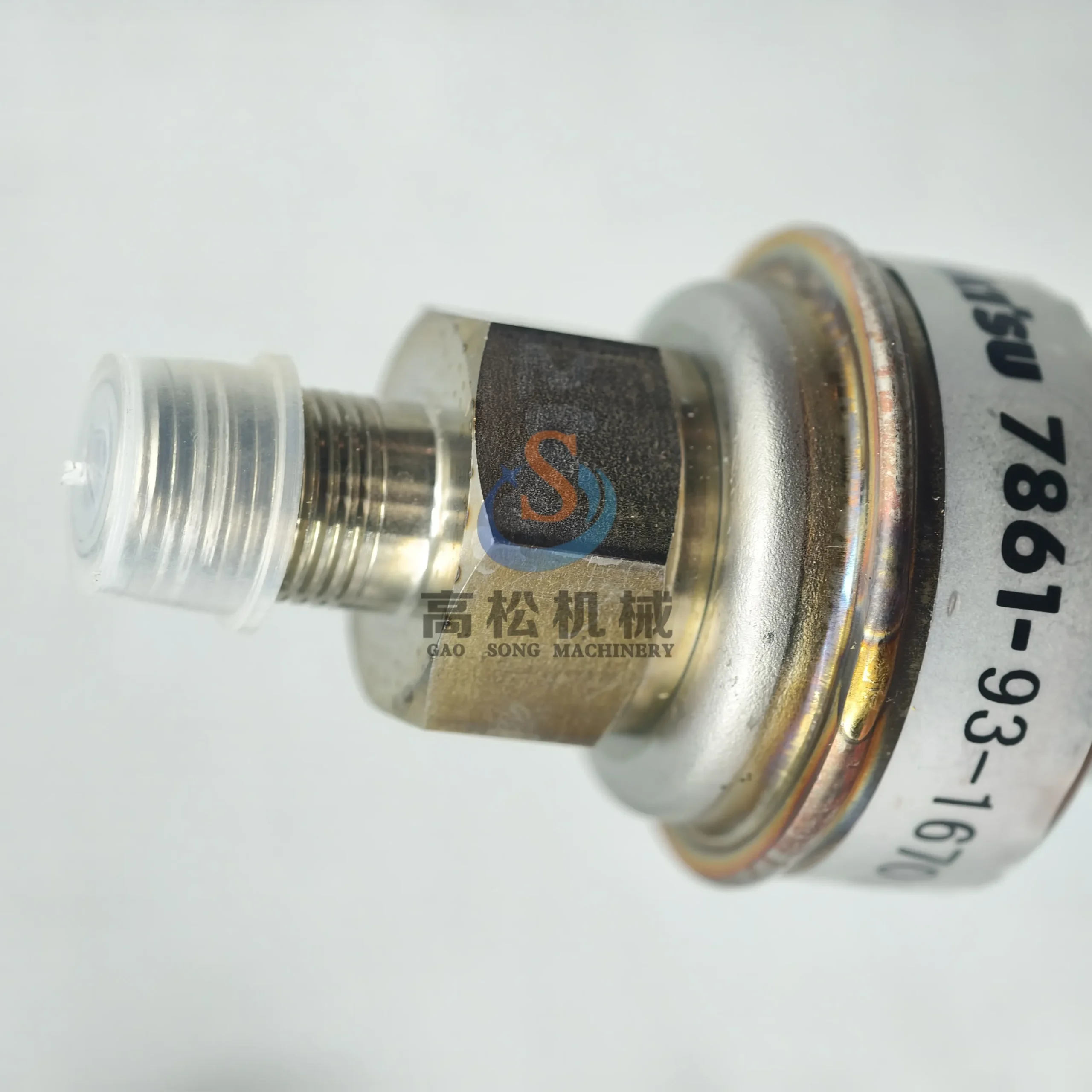 7861-93-1670 komatsu SENSOR
 -
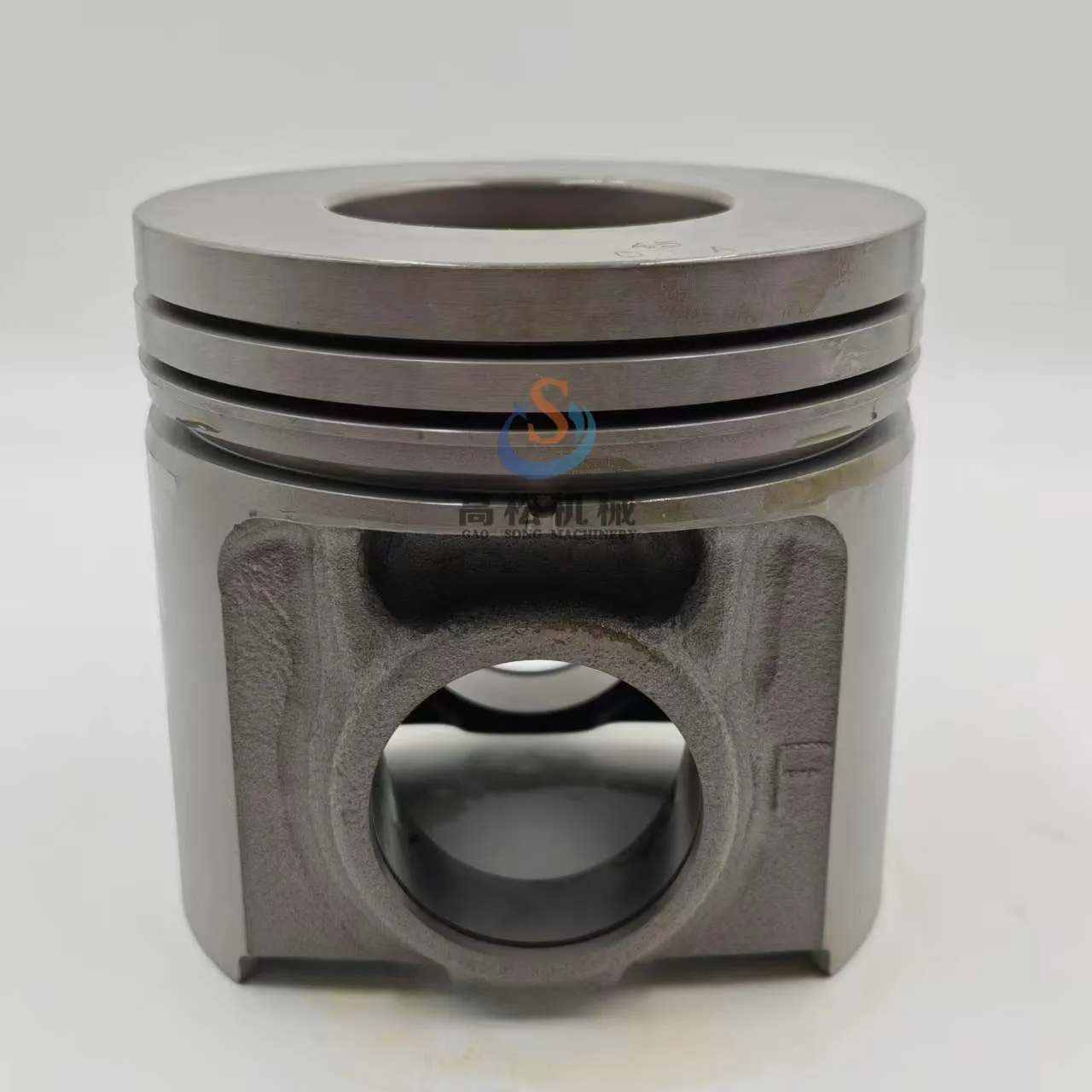 6152-32-2510 komatsu-parts piston
 -
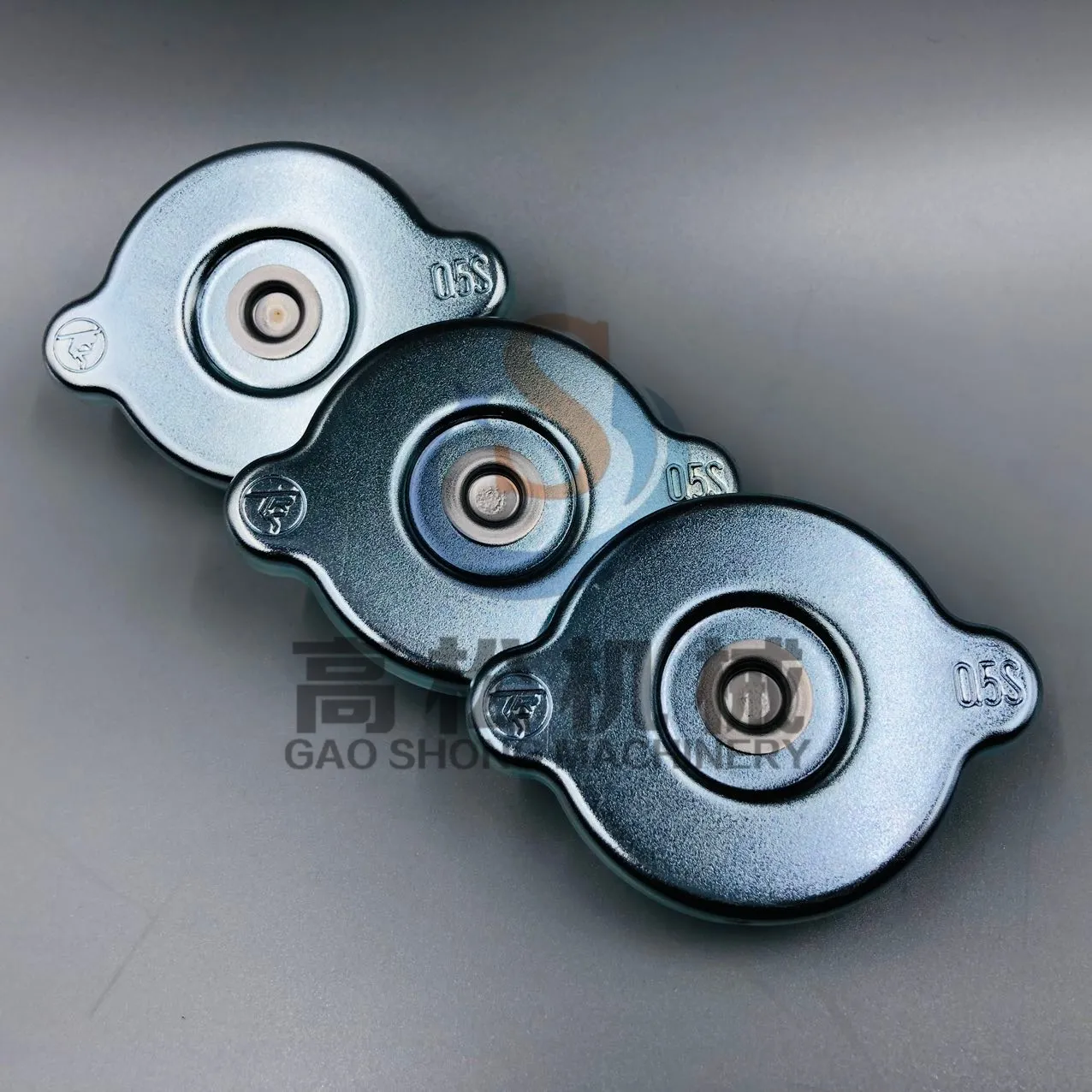 Water Tank Radiator Cover 20Y-03-22110